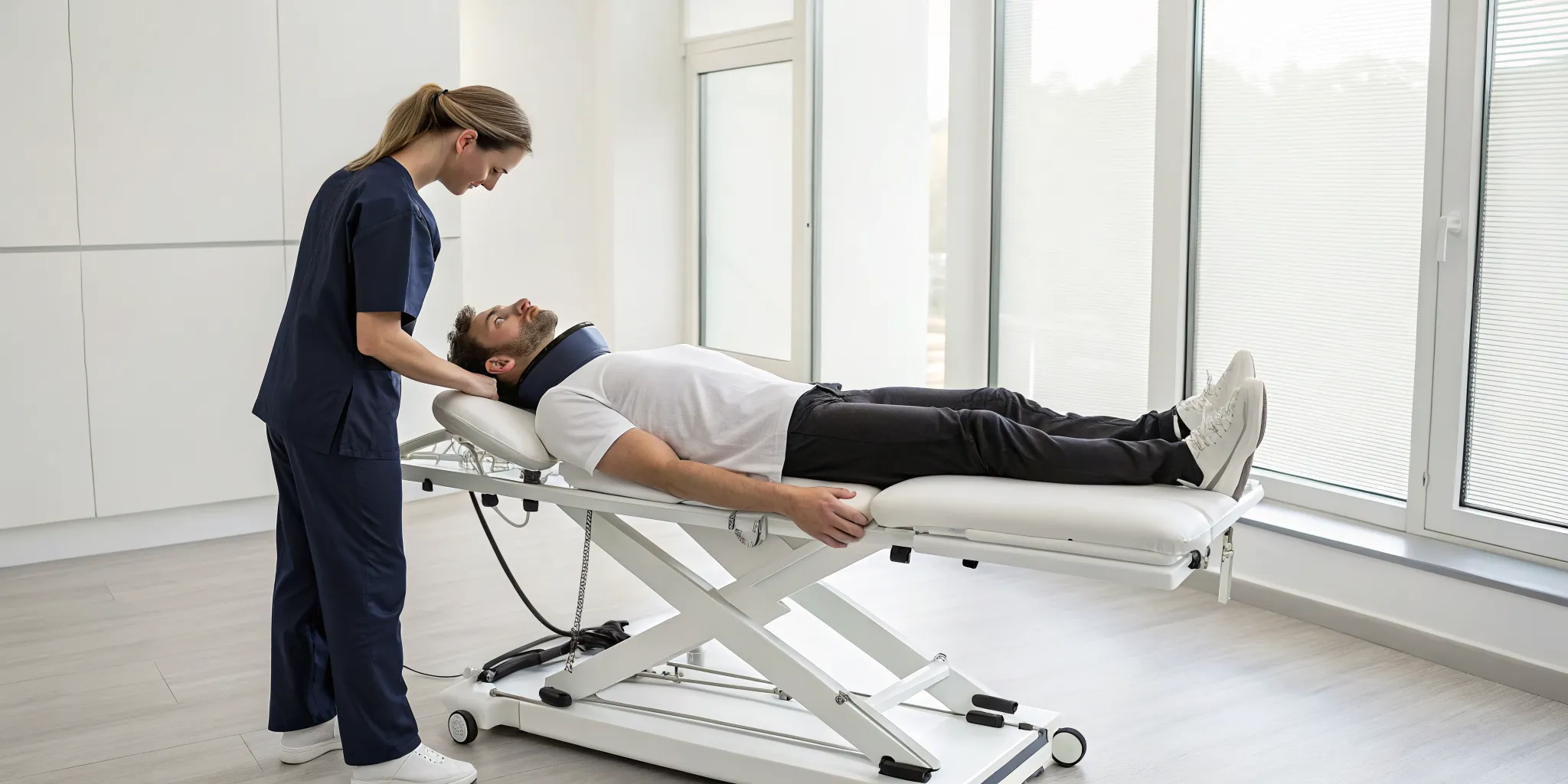
For many of us, metrics like BMI just don’t cut it. They can’t distinguish between muscle and fat, leaving you with an incomplete and sometimes inaccurate assessment of your health. A body composition scan goes much deeper, revealing crucial information that can help you identify potential health risks before they become serious issues. For example, it can measure visceral fat, the dangerous fat that surrounds your internal organs and is linked to chronic conditions. Understanding your body’s unique makeup is the first step toward proactive health. If you’re looking for a body composition scan near me, you’re not just looking for numbers; you’re seeking the insights needed to build a smarter, more personalized plan for long-term wellness.
Key Takeaways
- Go beyond the scale for a true health snapshot: A body composition scan breaks down your weight into muscle, fat, and bone, offering a much more accurate way to track progress than a simple number.
- Choose a health partner, not just a machine: The most valuable scans come from providers who use accurate technology and also help you interpret the results to create a personalized action plan.
- Turn your data into a targeted plan: Use the insights from your scan to identify specific health risks, like visceral fat, and tailor your nutrition and fitness strategy to your body's unique needs.
What Is a Body Composition Scan?
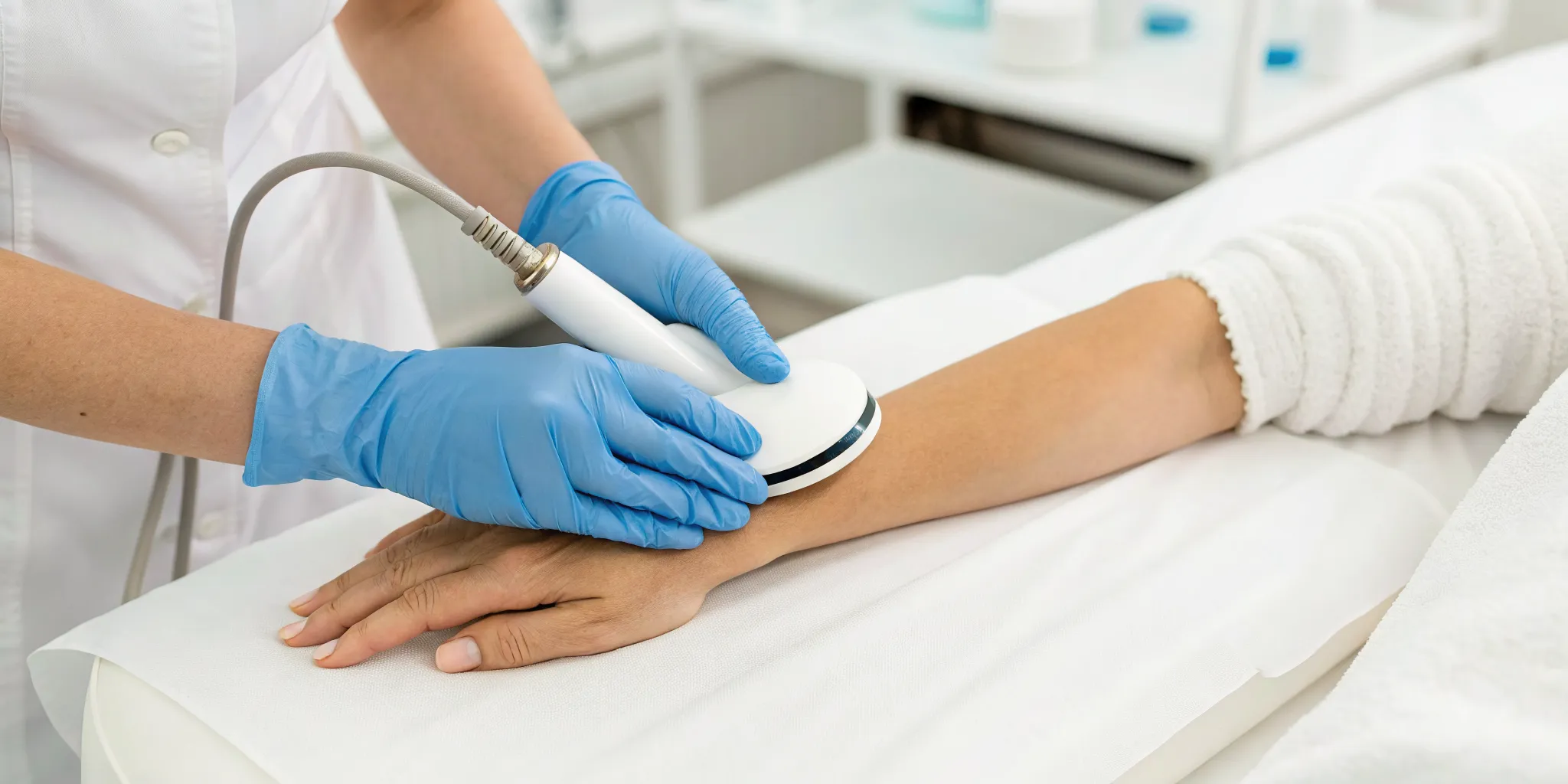
If you've ever felt frustrated by the number on the scale, you're not alone. Your weight only tells part of the story. A body composition scan gives you the full picture, breaking down your weight into key components like muscle, fat, bone, and water. This detailed information helps you understand your body on a deeper level and track changes that a regular scale can't see. Think of it as a roadmap for your health, showing you exactly where you are so you can get where you want to go. Let's look at a few common types of scans.
How DEXA Scans Work
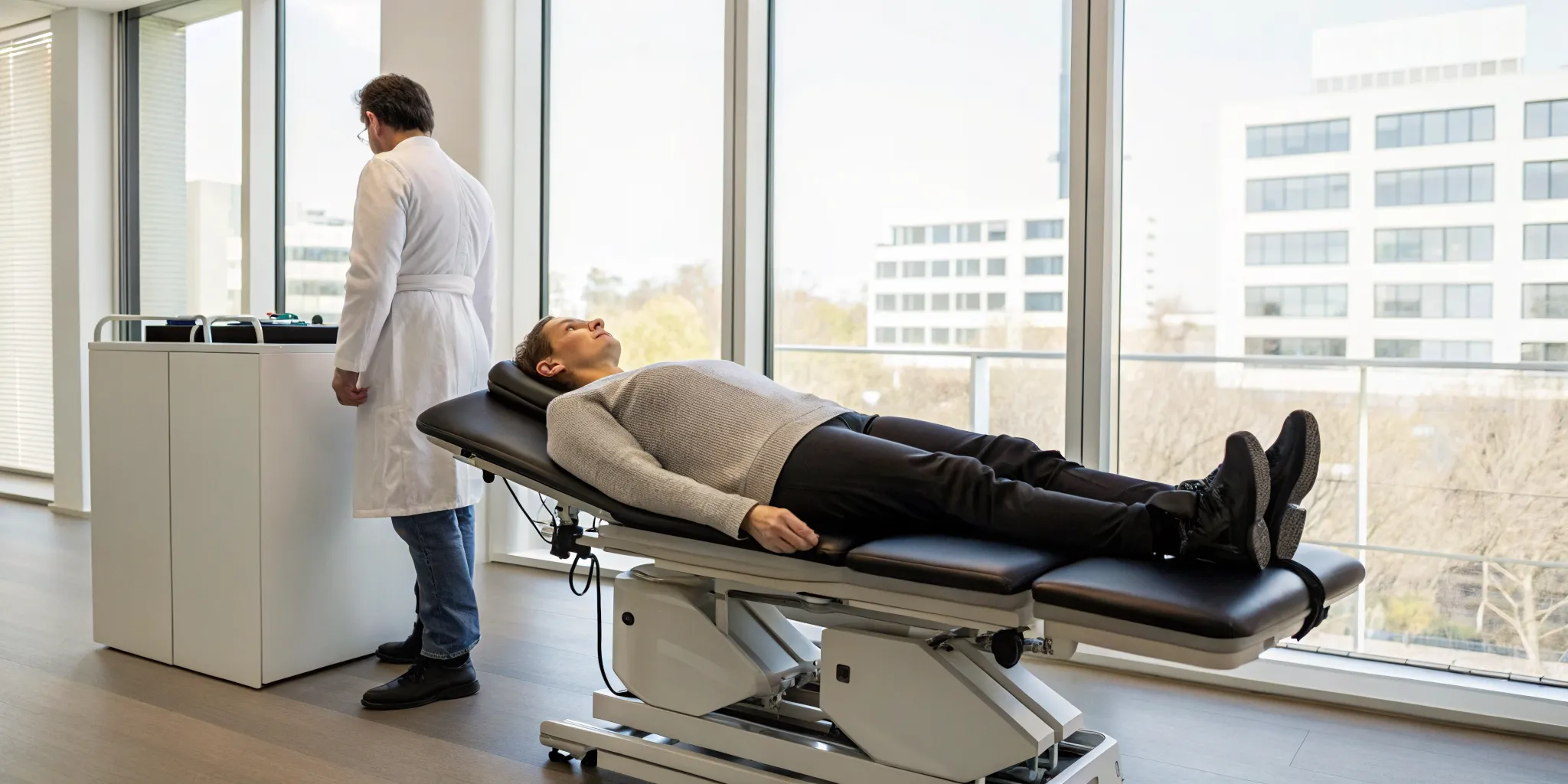
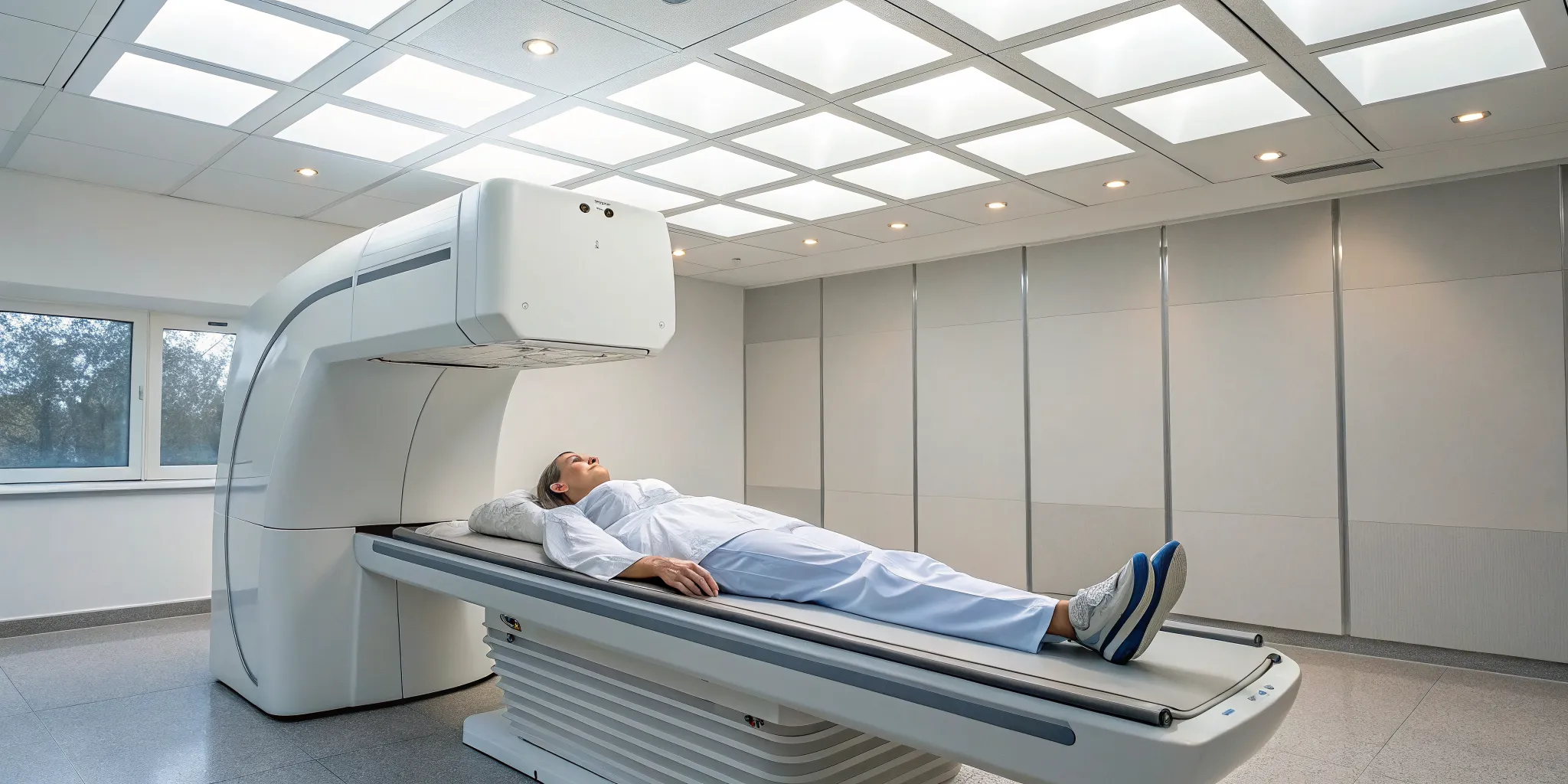
DEXA, which stands for dual-energy x-ray absorptiometry, is often considered the gold standard for body composition analysis. It uses a very low-dose X-ray to measure your bone density, lean muscle mass, and body fat with incredible precision. It can even tell you how fat is distributed throughout your body, including the visceral fat around your organs, which is a key indicator of metabolic health. Originally developed to diagnose osteoporosis, DEXA scans provide a highly detailed and medically trusted snapshot of your body's makeup, making them a powerful tool for anyone serious about their functional health.
Understanding InBody Analysis
If you're looking for a fast and non-invasive option, the InBody scan is a popular choice. This method uses bioelectrical impedance analysis (BIA), sending a safe, low-level electrical current through your body to measure resistance. Don't worry, you won't feel a thing. In just a minute or two, the scan provides a detailed report on your muscle mass, body fat percentage, and even your body's water distribution. It’s a fantastic way to get a quick, accurate baseline and track your progress over time without the use of X-rays. Many gyms and wellness clinics offer InBody scans because they are so user-friendly.
Other Methods: Fit3D and More
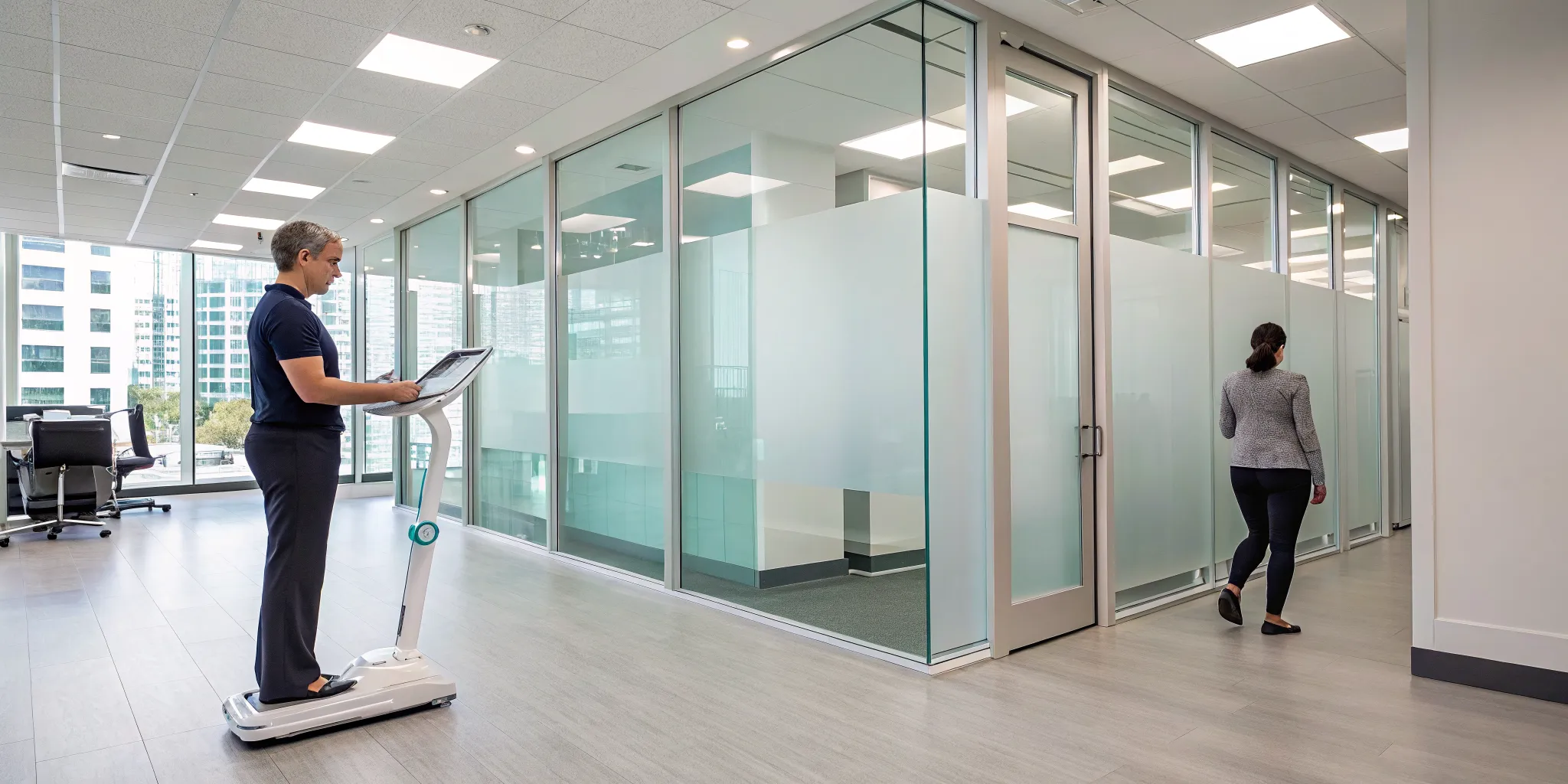
Another interesting technology is the Fit3D scan. Instead of X-rays or electrical currents, this method uses a series of cameras on a rotating platform to capture a 360-degree image of your body. In just a few minutes, it creates a 3D avatar of you, complete with precise body circumference measurements and a body fat percentage estimate. This visual approach can be really motivating for tracking changes in your body shape. While DEXA and InBody are more common in clinical settings, you might also come across other methods like the Bod Pod, which uses air displacement, or traditional skinfold calipers. Each offers a different way to understand your body.
What to Expect During Your Scan
So, you've decided a body composition scan is the next step in your health journey. That's great! Knowing what to expect can make the process feel smooth and straightforward. From a few simple prep steps to understanding your results, here’s a quick rundown of what your appointment will look like. The entire process is designed to be simple, fast, and incredibly informative, giving you a clear baseline to start from.
How to Prepare for Your Appointment
Getting an accurate reading starts before you even walk in the door. To prepare for your scan, focus on hydration by drinking plenty of water the day before your appointment. It's best to avoid alcohol for 24 hours and skip your workout for at least six to twelve hours prior. On the day of the scan, try not to eat for about three to four hours beforehand and hold off on any caffeine. These small steps help ensure the technology gets the clearest possible picture of your body's makeup, giving you the most reliable results to work with when you contact us to book your appointment.
What Happens During the Scan
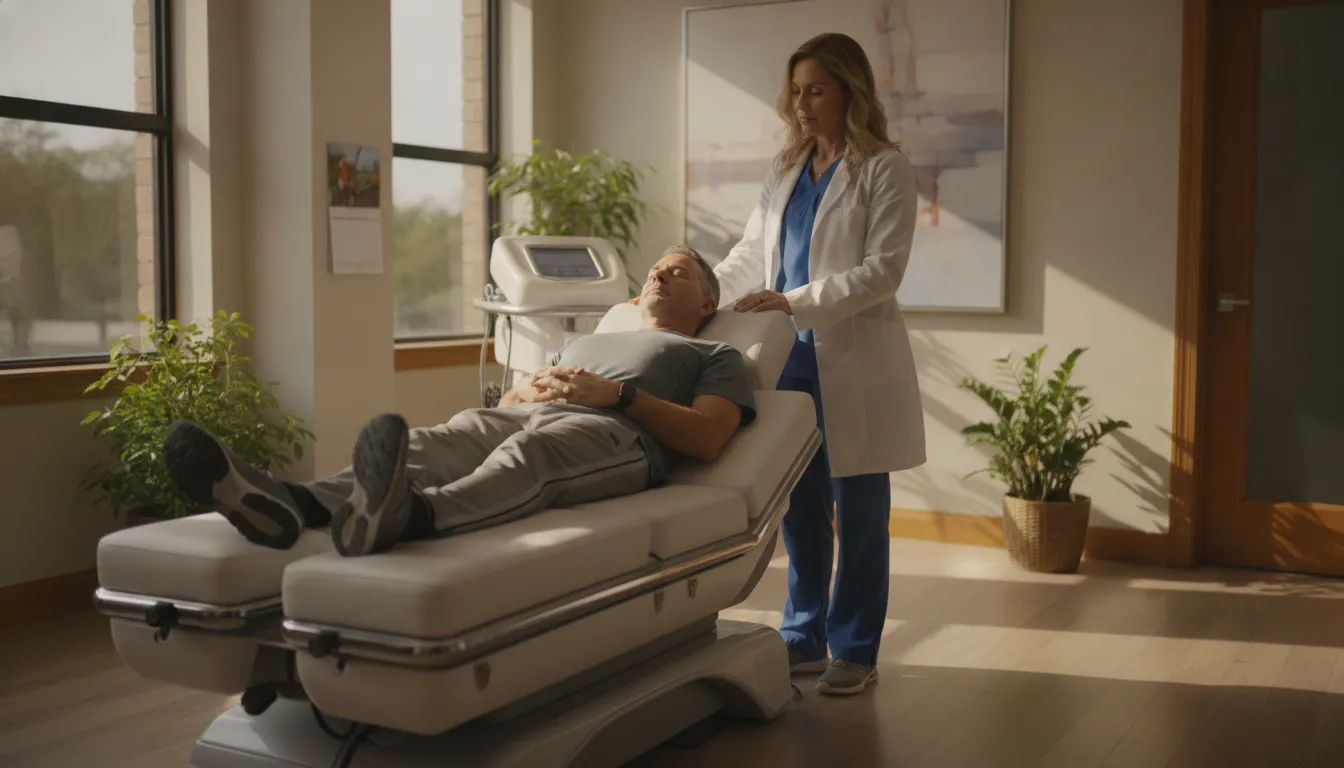
The scan itself is quick and completely non-invasive. For an InBody analysis, you’ll simply stand on the device while holding onto hand electrodes. The machine sends a safe, low-level electrical current through your body to measure its composition. You won't feel a thing! The actual scan typically takes about 60 seconds, though your full appointment may last around 30 minutes to allow time for discussion. It’s a simple process that provides a wealth of information about your body’s inner workings and is a key part of our functional medicine approach.
How to Read Your Results
After the scan, you’ll receive a detailed report breaking down your body’s muscle, fat, and water composition. This isn't just a single number; it’s a comprehensive look at your body's unique makeup, including how fat and muscle are distributed. These insights are incredibly valuable for tracking progress beyond what a scale can tell you. The best part is that you don't have to interpret these numbers alone. We can walk you through your results and use them to create a personalized fitness and nutrition plan that addresses the specific conditions we treat and helps you reach your goals.
How Much Do Body Composition Scans Cost?
Thinking about getting a body composition scan is a great step, but it’s natural to wonder about the price tag. The cost can vary quite a bit depending on the type of technology used, the provider you choose, and even your location. A scan at a large hospital, for example, will likely have a different price than one at a specialized wellness clinic. It’s always a good idea to shop around and compare your options before booking an appointment.
While it’s an out-of-pocket expense for most people, I encourage you to think of it as an investment in your health. You’re paying for precise, detailed data that a bathroom scale simply can’t give you. This information is incredibly valuable for creating a targeted health plan, whether your goal is to build muscle, lose fat, or simply understand your body on a deeper level. It helps you and your health provider see exactly what’s going on inside, from bone density to visceral fat around your organs. Knowing the typical costs can help you budget for this important tool and find an option that works for you without any surprises. It empowers you to make an informed decision that aligns with both your health goals and your budget.
Comparing Costs by Scan Type
The price of a body composition scan often depends on the technology. DEXA scans, which are a gold standard for accuracy, typically cost between $150 and $400 per scan. The exact price can fluctuate based on the facility you visit. You can often find more affordable options at independent wellness centers or fitness clinics compared to major hospitals. Other types of scans, like InBody or Fit3D, may have different price points, so it’s always a good idea to call ahead and ask for pricing before you commit. This way, you can find the best fit for your needs and budget.
Will Insurance Cover Your Scan?
This is one of the most common questions, and the short answer is: probably not. Insurance providers typically cover scans that are deemed medically necessary, such as a DEXA scan ordered by a doctor to screen for osteoporosis. However, when a scan is used to measure body composition for fitness or wellness purposes, it’s usually considered an elective procedure. This means you should plan on paying for it yourself. It never hurts to check with your insurance provider just in case, but it’s best to be prepared for it to be an out-of-pocket expense.
Common Questions About Cost
You might be wondering if a scan is worth the cost, especially if you have a smart scale at home. While smart scales are convenient, they are far less precise. A DEXA scan gives you a highly accurate breakdown of your bone density, body fat, and muscle mass that you can’t get elsewhere. If you plan to track your progress over time, ask about package deals. Many providers offer bundles of two or more scans at a discount, which can save you 20% to 40% per scan. This makes it more affordable to get rescanned every few months and see how your body is responding to your health plan.
Where to Find a Body Composition Scan in Tampa
If you’re in the Tampa area, you have several great options for getting a body composition scan. The right choice for you depends on your specific goals. Are you looking for a comprehensive health assessment to guide a wellness plan, or are you more focused on tracking fitness progress? From specialized functional medicine clinics to local gyms, finding a facility is easier than you might think. Let’s walk through the most common places you can find a scan and what to expect from each.
Ascend Functional Health
At Ascend Functional Health, we use body composition analysis as a key part of our holistic approach. We offer InBody scans, which provide a quick, non-invasive, and clinically accurate look at your body composition. But for us, the scan is just the beginning. We don’t just hand you a sheet of numbers; we use that data to understand your unique physiology and create a personalized health plan. By integrating your results with our functional medicine services, we can address the root causes of your health concerns and help you achieve meaningful, lasting results. This approach ensures your scan is a starting point for a truly transformative health journey.
Local Medical and Imaging Centers
Many hospitals and dedicated imaging centers in the Tampa Bay area offer body composition scans, most commonly the DEXA scan. These facilities provide a high level of clinical accuracy and are often used to assess bone density alongside body fat and muscle mass. While these centers are excellent for getting precise data, the service typically ends once you receive your report. You’ll get the "what" but not necessarily the "what's next." If you’re working with your own doctor or specialist who can interpret the results and build a plan, a medical imaging center can be a solid choice for gathering baseline information about your body.
Gyms and Wellness Clinics
It’s becoming more common for high-end gyms, personal training studios, and wellness clinics to have their own body composition analyzers, like an InBody or a Fit3D scanner. This is a fantastic resource if your primary goal is to track changes in muscle and fat as part of a fitness program. Getting regular scans at your gym makes it incredibly convenient to monitor your progress. The main difference is that the staff providing the scan may not have the clinical background to offer in-depth health guidance beyond general fitness advice. It’s a great tool for accountability and motivation on your fitness journey.
Using Online Search Tools
If you want to explore all the available options near you, online search tools can be a huge help. Websites are specifically designed to help you find different types of scans in your area. For example, you can visit a site like DEXA Scan's location finder, enter your zip code, and filter for "Body Composition DEXA" to see a map of providers. This is a straightforward way to compare locations, and sometimes even pricing, for various scanning facilities across Tampa. It’s a useful strategy if you’re looking for a specific type of scan or just want to see what’s closest to your home or office.
How to Choose the Right Provider
Finding the right place for a body composition scan isn’t just about locating the nearest machine. The quality of the technology, the expertise of the staff, and the support you receive afterward all play a huge role in how useful the results will be. A great provider does more than just give you numbers; they help you understand what those numbers mean for your health and what to do next. Taking a few minutes to vet your options can make all the difference in turning your scan results into a real plan for success.
What to Look For in a Provider
The most important factor in a quality scan is the technology itself. You want a provider that uses advanced, medical-grade equipment to ensure your results are accurate and reliable. Many experts consider DEXA scans the "gold standard" for measuring body composition because of their high level of precision. When you’re making decisions about your health, you need data you can trust. Look for a facility that is transparent about the equipment they use and can speak to its accuracy. This ensures you’re getting a clear, detailed picture of your body composition, which is the foundation for any effective health or fitness plan.
Questions to Ask Before You Book
Before you schedule an appointment, it’s smart to call and ask a few key questions. First, get clear on the cost. Ask, "What is the price for a single scan, and do you offer any packages or follow-up discounts?" Next, find out what to expect during the appointment. Good questions include, "How long does the scan take, and is there anything I need to do to prepare?" Finally, and most importantly, ask about the follow-up process. A great provider will offer a consultation to review your results, explain what they mean, and help you create an actionable plan. You can contact our team at Ascend to ask these questions and learn about our approach.
Red Flags to Watch Out For
Be mindful of a few red flags as you search. If a provider seems hesitant to discuss their technology or isn’t transparent about their pricing, that’s a major concern. You should know exactly what you’re paying for and feel confident in the quality of the scan. Another significant red flag is a lack of follow-up support. A body composition scan produces a lot of data, and those numbers are not very useful without proper interpretation. If a facility simply hands you a report with no explanation or guidance, you’re missing the most valuable part of the process. True progress comes from using that data to build a personalized functional medicine plan that addresses your unique needs.
Why Get a Body Composition Scan?
If you’ve ever felt frustrated by the number on the scale, you’re not alone. Your total weight is just one small piece of your health puzzle. A body composition scan offers a much clearer picture by showing you what that weight is actually made of. It separates your body mass into categories like fat, muscle, and bone, giving you specific data you can use to make real, informed changes to your health and fitness routines. Think of it as a detailed map of your body, helping you see exactly where you are so you can chart a better course forward.
Track Progress Beyond the Scale
A standard bathroom scale can’t tell the difference between a pound of fat and a pound of muscle. This is why your weight might stay the same, or even go up, when you start a new fitness program, even if you’re losing fat and getting stronger. A body composition scan cuts through that confusion. It provides a precise breakdown of your body’s makeup, so you can see if you’re actually gaining muscle and losing fat. This detailed insight is a much better way to measure your progress and stay motivated, because you’re tracking changes that truly matter for your long-term health.
Identify Potential Health Risks
Body composition scans do more than just track your fitness goals; they can also highlight potential health risks before they become serious problems. Unlike metrics like BMI, which can be misleading, a scan shows you exactly where your body stores fat. This is crucial because carrying too much visceral fat, the kind that surrounds your internal organs, is linked to a higher risk of conditions like heart disease and type 2 diabetes. By identifying these patterns early, you and your health provider can take proactive steps to address the root cause of health concerns and protect your future well-being.
Personalize Your Health Plan
One of the best things about getting a body composition scan is that the results give you a clear baseline to work from. Instead of following a generic diet or workout plan, you can use your specific data to create a strategy that’s tailored to your body’s unique needs. Understanding your muscle mass, fat percentage, and bone density allows you to set realistic, meaningful goals. At Ascend, we use this information to develop personalized health protocols that help you achieve your wellness goals more effectively, whether that’s building strength, improving metabolic health, or simply feeling your best.
Do You Really Need a Scan?
Honestly, not everyone needs a body composition scan. If you’re generally healthy, exercise regularly, and eat a balanced diet, you might be able to achieve your goals without one. Simple, consistent lifestyle changes are incredibly powerful. However, a scan can be an invaluable tool if you’ve hit a plateau, are managing a specific health condition, or are a data-driven person who thrives on precise feedback. It provides a level of detail that can help you fine-tune your approach for better results. If you’re unsure whether a scan is right for you, it’s always a good idea to discuss your goals with a healthcare professional.
Related Articles
- Physical Medicine in Tampa | Chiropractic & Rehab Care | Ascend Functional Health
- Chiropractic, Functional & Regenerative Medicine in Tampa | Ascend Functional Health
- Three Pillars of Health | Alessi Functional Health Tampa, FL
- At Home Lab Tests | Alessi Functional Health
- Comprehensive Blood Work | Alessi Functional Health
Frequently Asked Questions
Why is a body composition scan better than just weighing myself on a scale? A regular scale only gives you one number: your total weight. It can't tell you if you're losing fat, gaining muscle, or just dehydrated. A body composition scan provides a detailed breakdown, showing you exactly how much of your weight is muscle, fat, and bone. This gives you a much more accurate picture of your health and helps you track the changes that really matter for your fitness goals.
Which type of scan is right for me? The best scan for you really depends on your goals. DEXA scans are often considered the gold standard for their high precision in measuring bone density, fat, and muscle, making them great for a detailed medical baseline. InBody scans are faster, non-invasive, and still very accurate for tracking changes in muscle and fat over time, which is why we use them at Ascend. Both are excellent tools for getting a clear understanding of your body's makeup.
How often should I get a body composition scan? For tracking progress, getting a scan every three to six months is a great schedule. This gives your body enough time to respond to changes in your diet and exercise routine, so you can see meaningful trends in your results. Getting scanned too frequently might not show significant changes, while waiting too long can make it harder to stay on track and make timely adjustments to your plan.
Is the scanning process uncomfortable or painful? Not at all. The entire process is quick, simple, and completely painless. For an InBody scan, you just stand on a platform and hold onto hand sensors for about a minute. You won't feel anything during the scan itself. The appointment is designed to be straightforward and comfortable, focusing on gathering valuable information to help you on your health journey.
What's the real difference between getting a scan at a gym versus a clinic like Ascend? While getting a scan at a gym is convenient for tracking fitness progress, the service often stops once you get your results. At a functional medicine clinic like Ascend, the scan is just the starting point. We don't just give you the numbers; we help you understand what they mean for your overall health and use that data to create a personalized plan that addresses your specific needs and goals.