Let’s be honest, the name “shockwave therapy” sounds a little intense. It’s easy to picture something painful or invasive, but the reality is much gentler. This treatment doesn’t involve electrical shocks at all. Instead, it uses targeted acoustic waves, which feel more like a strong tapping, to stimulate healing in injured tissues. It’s a safe, effective, and well-researched method that has been helping people with chronic pain for years. If you’re hesitant because of the name, you’re not alone. This article will debunk the common myths and explain exactly what to expect from shockwave therapy for injury recovery, showing you how this comfortable treatment can resolve stubborn pain.
Key Takeaways
- It Prompts Your Body to Heal Itself: Shockwave therapy uses targeted sound waves to kick-start your body's natural repair mechanisms. This non-invasive approach helps resolve stubborn injuries by improving blood flow and breaking down scar tissue, addressing the problem at its source.
- It's Highly Effective for Stubborn Injuries: This therapy is a proven solution for chronic tendon and soft-tissue pain, including plantar fasciitis, tennis elbow, and rotator cuff issues. It's designed to help you find lasting relief when other treatments have not provided results.
- Sessions Are Quick with Minimal Downtime: The treatment itself is surprisingly fast, usually lasting about 15 minutes. While you may feel some mild, temporary soreness afterward (a sign it's working), you can typically return to your daily routine right away.
How Does Shockwave Therapy Work?
If you're dealing with a nagging injury that just won’t heal, you might be wondering what options are left. Shockwave therapy is a modern, non-invasive treatment that helps your body heal itself from the inside out. Instead of just masking symptoms, it gets to the root of the problem by using targeted sound waves to restart your body’s natural repair process. Think of it as a way to gently nudge your body’s healing mechanisms back into action, right where you need it most.
This approach is part of a comprehensive strategy to restore function and get you back to feeling your best. It’s particularly effective for chronic conditions that have stopped responding to more conventional methods. By stimulating blood flow and breaking down stubborn scar tissue, shockwave therapy creates the ideal environment for your tissues to regenerate and recover, offering a path forward when you feel stuck.
The Science of Healing with Sound Waves
So, how can sound waves actually heal an injury? It’s simpler than it sounds. Shockwave therapy uses a special device to send high-energy acoustic waves into the injured tissue. These waves aren't electrical; they're purely mechanical pulses of sound. When directed at a problem area, like a sore tendon or ligament, these waves create a series of tiny, controlled impacts. This process helps to break down scar tissue and calcifications that can limit movement and cause pain. More importantly, it stimulates increased blood flow to the area, bringing essential oxygen and nutrients that are critical for tissue repair. It’s a core component of our Physical Medicine approach, designed to work with your body.
Triggering Your Body's Natural Healing Response
The real magic of shockwave therapy is how it activates your body’s own healing intelligence. The acoustic waves create what’s known as "micro-trauma" in the targeted tissue. This controlled disruption sends a powerful signal to your body that the area needs attention. In response, your body initiates a strong inflammatory response, which is the first step in any healing process. It rushes new blood cells to the site, promotes the growth of new blood vessels, and triggers the release of growth factors that accelerate cellular repair. This process not only helps rebuild damaged tissue but can also help reduce pain by calming overactive pain-sensing nerves in the area, addressing many of the chronic conditions we treat.
Focused vs. Radial Therapy: What's the Difference?
You might hear about two different types of shockwave therapy: focused and radial. While both use sound waves, they work in slightly different ways. Radial shockwave therapy sends waves out in a spreading pattern, making it great for treating larger surface areas or more superficial muscle pain. It feels more like a strong, tapping massage. Focused shockwave therapy, on the other hand, concentrates the energy into a single, precise point deep within the tissue. This makes it ideal for targeting specific, hard-to-reach problems like deep tendon injuries or plantar fasciitis. The best type for you depends entirely on your specific injury and goals. A thorough assessment helps us determine the right approach for your recovery, so feel free to contact us to learn more.
What Conditions Does Shockwave Therapy Address?
Shockwave therapy is a versatile treatment that shines when it comes to chronic injuries, especially those involving tendons and connective tissues that just won’t seem to heal. If you’ve been struggling with a nagging injury for months and other treatments haven’t provided the relief you need, shockwave therapy might be the answer. It’s designed to address the root cause of pain by stimulating your body’s natural healing abilities. At Ascend, we often incorporate it into our physical medicine protocols to help patients finally move past persistent pain.
Plantar Fasciitis
If that first step out of bed sends a sharp, stabbing pain through your heel, you’re likely familiar with plantar fasciitis. This common and frustrating condition can make simple activities like walking feel like a major challenge. Shockwave therapy is a highly effective approach for this type of heel pain. By delivering targeted energy waves to the inflamed plantar fascia tissue, it helps reduce pain and inflammation while promoting the regeneration of healthy tissue. This allows you to get back on your feet and move through your day with greater comfort and ease.
Achilles Tendinopathy
The Achilles tendon is the largest tendon in your body, and when it becomes painful and inflamed, it can seriously limit your mobility. Achilles tendinopathy often feels like a persistent ache or stiffness at the back of your heel, especially after activity. For this kind of stubborn tendon issue, shockwave therapy can be a game-changer. The treatment helps break down scar tissue and stimulates blood flow to the area, encouraging the tendon to repair itself. It’s a powerful way to address the underlying problem and find lasting relief from chronic Achilles pain.
Tennis Elbow
You don’t have to be a tennis player to suffer from tennis elbow. This condition, characterized by pain on the outside of your elbow, comes from repetitive wrist and arm motions. It can make it difficult to grip objects, turn a doorknob, or even hold a coffee cup. When rest and other therapies don't resolve the pain, shockwave therapy offers a promising solution. It targets the damaged tendons in the elbow, helping to reduce pain and restore function so you can get back to your daily activities without that nagging ache.
Rotator Cuff and Shoulder Pain
Shoulder pain from a rotator cuff injury can make everything from getting dressed to reaching for something on a high shelf a painful ordeal. These injuries often involve tiny tears in the tendons that can be slow to heal on their own. Shockwave therapy is an excellent non-invasive option for addressing chronic rotator cuff pain. The acoustic waves help stimulate metabolic activity and blood circulation in the shoulder, which accelerates the repair process for damaged tissues. This can lead to significant pain reduction and improved shoulder movement.
Jumper's Knee
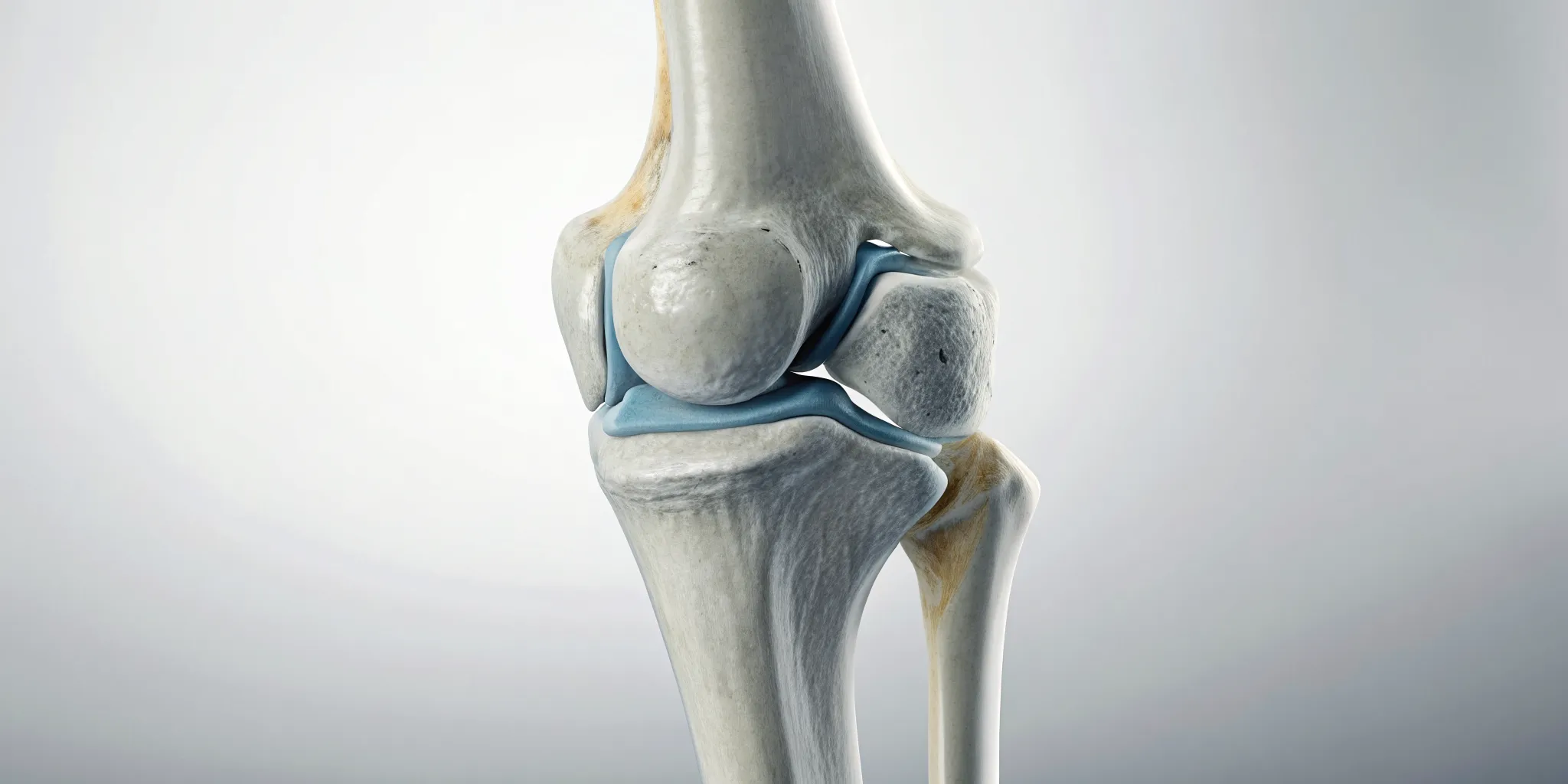
Jumper’s knee, or patellar tendinopathy, causes pain in the tendon connecting your kneecap to your shinbone. It’s a common overuse injury among athletes but can affect anyone who puts repeated stress on their knees. The pain can make it difficult to run, jump, or even walk up and down stairs. Shockwave therapy effectively treats this condition by targeting the inflamed tendon with energy waves. This process stimulates healing and regeneration, helping to relieve pain and restore strength and function to your knee so you can move with confidence again.
Hip Bursitis
Persistent pain on the outer side of your hip could be a sign of bursitis or tendinopathy. This condition can make it painful to lie on your side, walk, or climb stairs, significantly impacting your daily life and sleep quality. Shockwave therapy offers a targeted approach to relieve this type of hip pain. By directing sound waves to the affected area, the treatment helps reduce inflammation in the bursa and promotes healing in the surrounding tendons. It’s a great way to address the source of the pain and improve your mobility.
Chronic Musculoskeletal Pain
Beyond these specific conditions, shockwave therapy is a powerful tool for a wide range of chronic musculoskeletal issues. If you have long-lasting pain in a tendon or soft tissue area that hasn’t responded to traditional treatments, this therapy may be for you. It works by kick-starting a stalled healing process, making it an effective option for many of the chronic conditions we treat. By triggering your body’s own regenerative capabilities, shockwave therapy can help you finally find relief from pain that has held you back for far too long.
Key Benefits of Shockwave Therapy
When you’re dealing with persistent pain, finding a treatment that is both effective and fits into your life is key. Shockwave therapy offers several compelling advantages that make it a go-to option for many of the conditions we see. It aligns with our goal of helping your body heal itself, but in a more targeted and accelerated way. This therapy is a powerful tool in our physical medicine toolkit, offering a path to recovery that is efficient, effective, and works with your body, not against it.
A Non-Invasive Path to Recovery
If the thought of a complex procedure makes you hesitate, you’ll appreciate the gentle nature of shockwave therapy. This treatment is completely non-invasive, meaning it works from outside the body without any incisions or needles. It uses targeted acoustic waves to stimulate healing deep within your tissues, helping to relieve pain and repair damage without the downtime associated with more intensive methods. This approach is a cornerstone of our physical medicine philosophy because it supports your body’s innate ability to heal itself. We’re simply giving it a focused push in the right direction, helping you get better naturally and effectively.
Experience a Quicker Recovery with Minimal Downtime
It’s frustrating when an injury sidelines you from work, hobbies, and the activities you love. Shockwave therapy helps you get back on your feet faster. The sessions themselves are typically short, often lasting just a few minutes. Because the treatment is non-invasive, most people can return to their daily routines immediately afterward with little to no downtime. This efficiency is why it’s become a trusted method for addressing a wide range of the conditions we treat, from nagging sports injuries to chronic overuse issues. Instead of putting your life on hold for a lengthy recovery, you can make real progress toward healing in just a few sessions.
Find Lasting Relief for Chronic Injuries
For those who have been struggling with a nagging injury for months or even years, shockwave therapy can feel like a breakthrough. Sometimes, the body’s healing process stalls, leaving you with persistent pain. Shockwave therapy works by re-engaging this natural process. The sound waves create a controlled micro-trauma in the affected area, signaling to your body that it’s time to restart the healing cascade. This can help break down scar tissue and stimulate the formation of new blood vessels, bringing lasting relief. Our holistic approach is all about finding and addressing the root cause of your pain, and this therapy is an excellent tool for resolving those stubborn injuries for good.
Are There Any Risks or Side Effects?
It’s completely normal to ask about the safety of any new treatment, and I’m glad you’re doing your research. The great news is that shockwave therapy is a non-invasive treatment with an excellent safety record. Because it works by stimulating your body’s own healing mechanisms from the outside, it doesn’t carry the risks associated with more invasive procedures. Think of it as giving your body a helpful nudge in the right direction rather than introducing something foreign or making an incision. Most people tolerate the sessions very well and find the process straightforward.
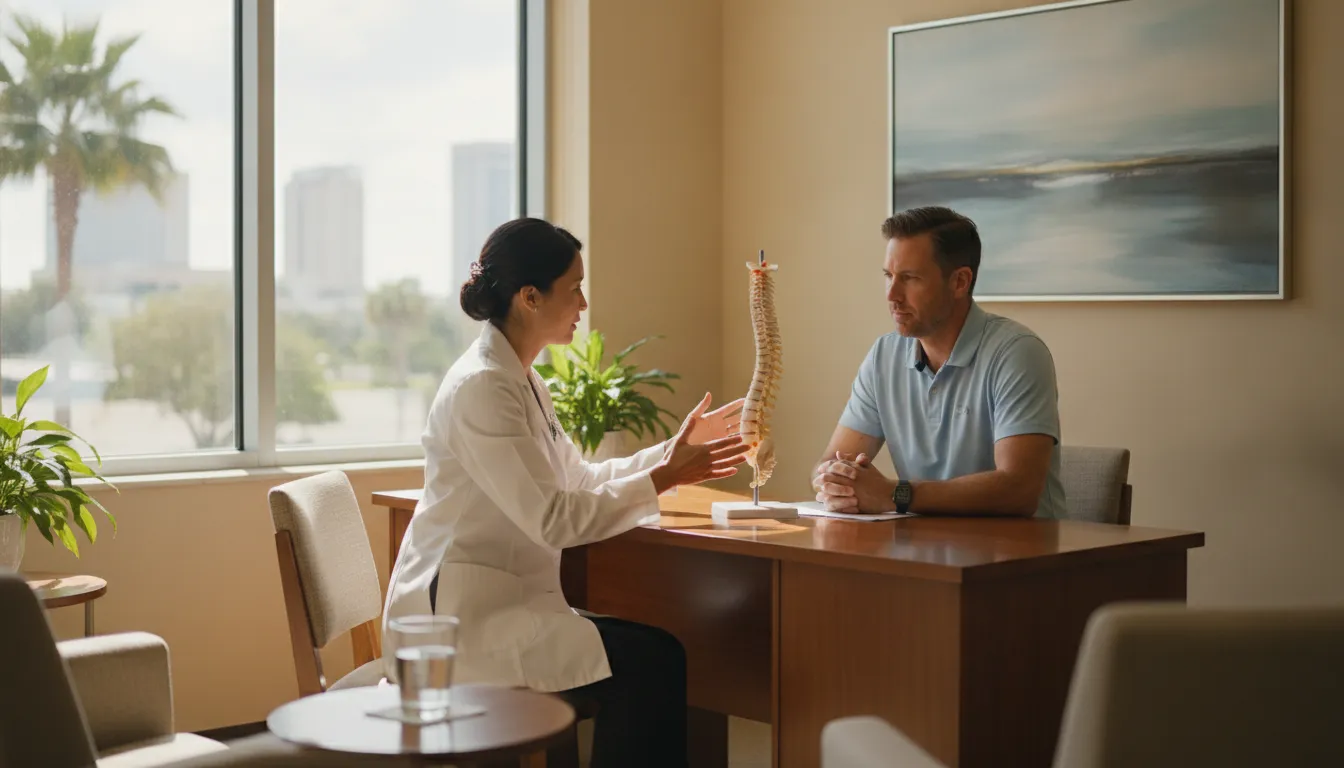
At Ascend Functional Health, your well-being is our top priority. Before we ever begin a treatment plan, we conduct a thorough assessment of your health history and the specific injury or condition you’re dealing with. This ensures that shockwave therapy is the right fit for you and your unique situation. We believe in creating personalized, effective plans that address the root cause of your discomfort, and that process always starts with a deep understanding of your health. We’ve seen this approach help countless patients with a wide range of musculoskeletal conditions find lasting relief and get back to the activities they love.
Potential Side Effects to Expect
While shockwave therapy is very safe, some people experience minor, temporary side effects as their body begins its healing response. You might notice some mild redness, swelling, or bruising in the treated area. It’s also common to feel a bit of soreness, similar to how your muscles might feel after a new workout.
These effects are typically short-lived and usually fade within a day or two. In fact, they’re often a positive sign that the therapy has successfully triggered the intended biological response, kicking your body’s repair processes into gear. We’ll always discuss what you can expect and how to manage any discomfort after your session.
Is Shockwave Therapy Safe for Everyone?
Although shockwave therapy is a safe option for most people, it isn’t suitable for everyone. Your health and safety are paramount, which is why a detailed consultation is a crucial first step. We generally do not recommend this treatment for individuals who are pregnant, have active infections, have certain blood clotting disorders, or have a history of cancer in the treatment area.
This is exactly why our personalized approach is so important. During your initial visit, we’ll go over your complete health history to determine if shockwave therapy is the best path forward for you. Our goal is to integrate treatments into a holistic plan that aligns with your body’s needs, and our comprehensive health services allow us to find the perfect solution for your recovery.
What to Expect During Your Session
Knowing what happens during a treatment can help you feel more prepared and relaxed. From the moment you walk in, our goal is to make your experience comfortable and effective. Here’s a clear breakdown of what your shockwave therapy session will look like at Ascend Functional Health.
A Step-by-Step Look at the Procedure
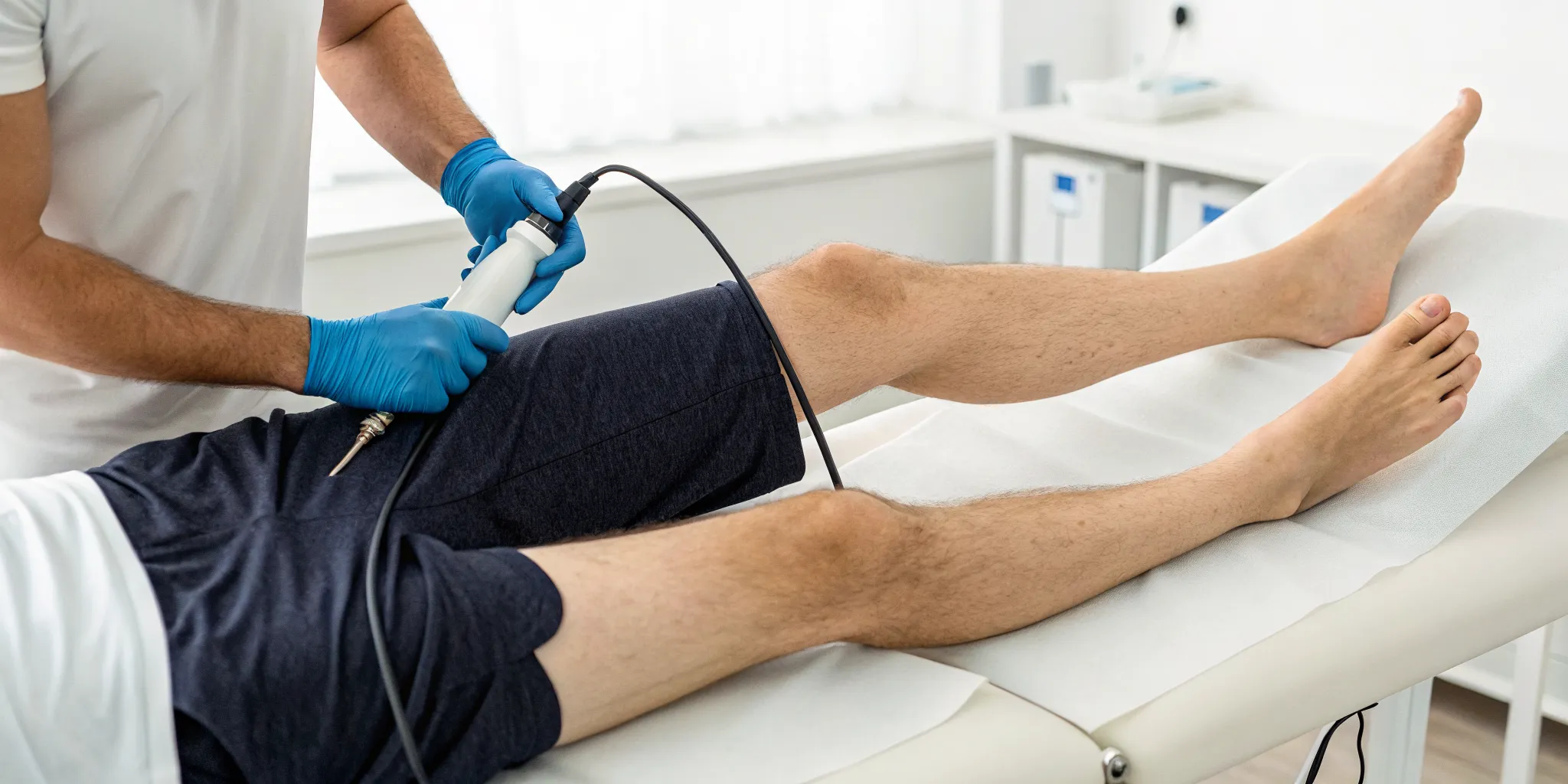
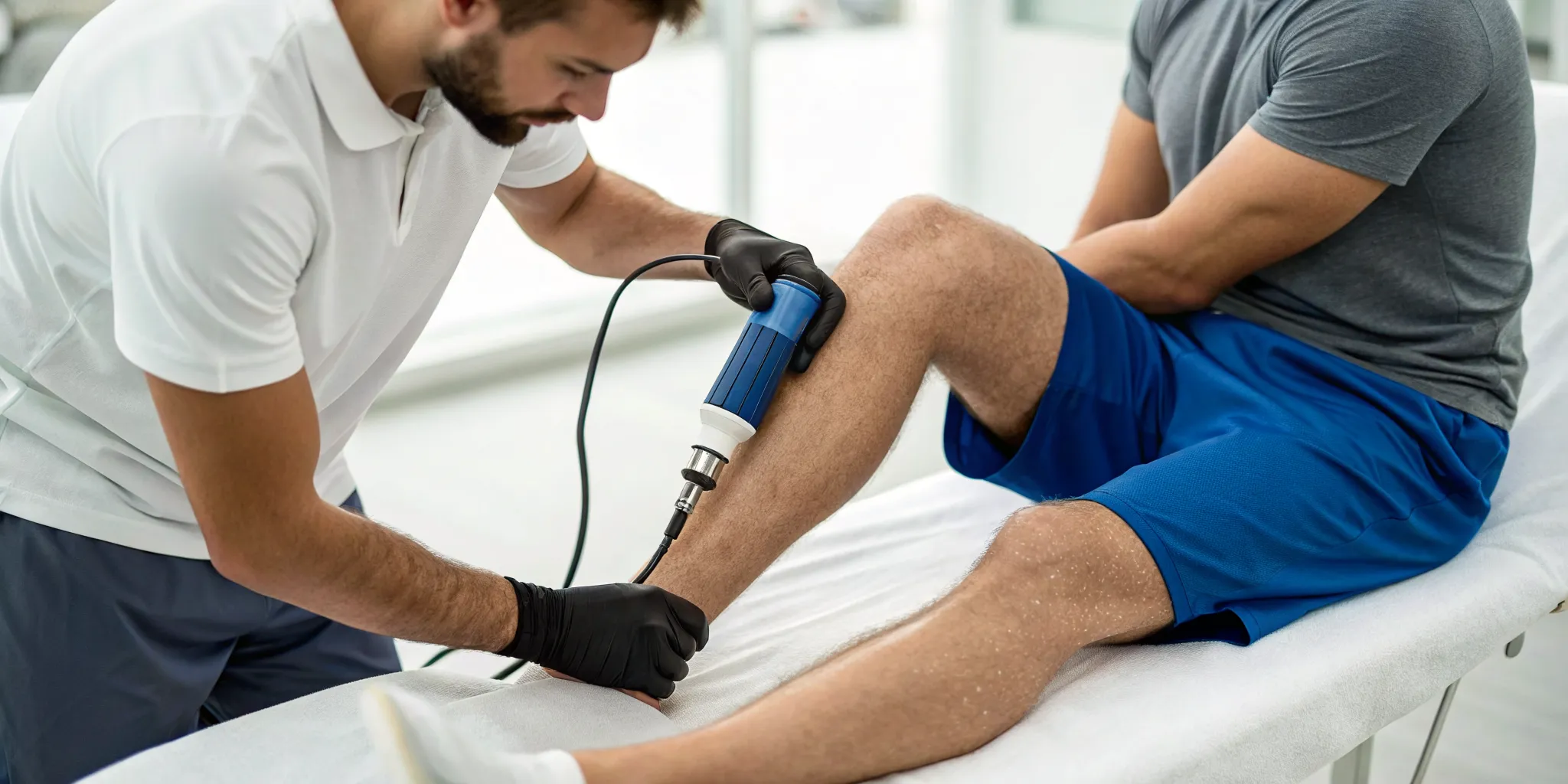
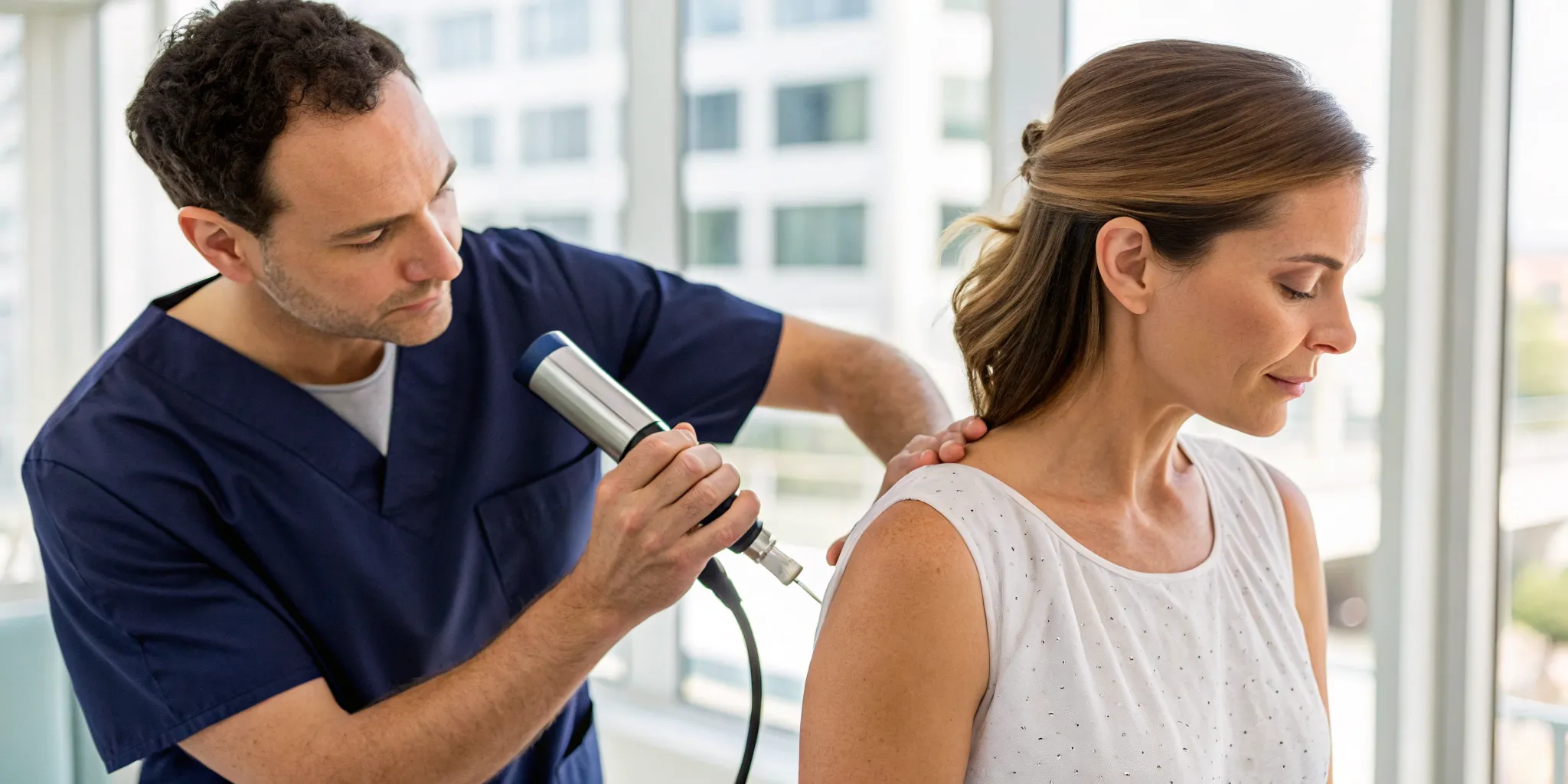
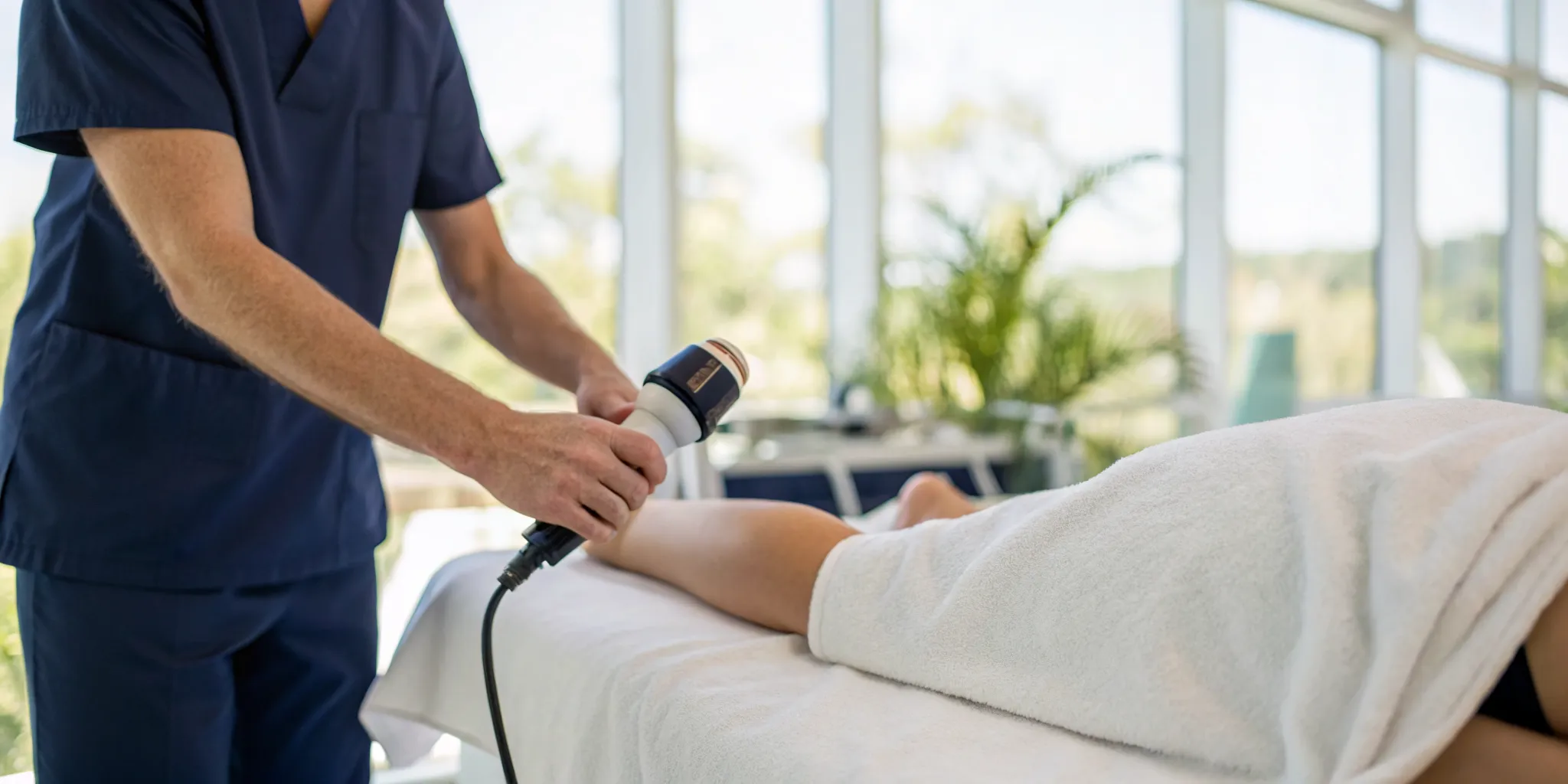
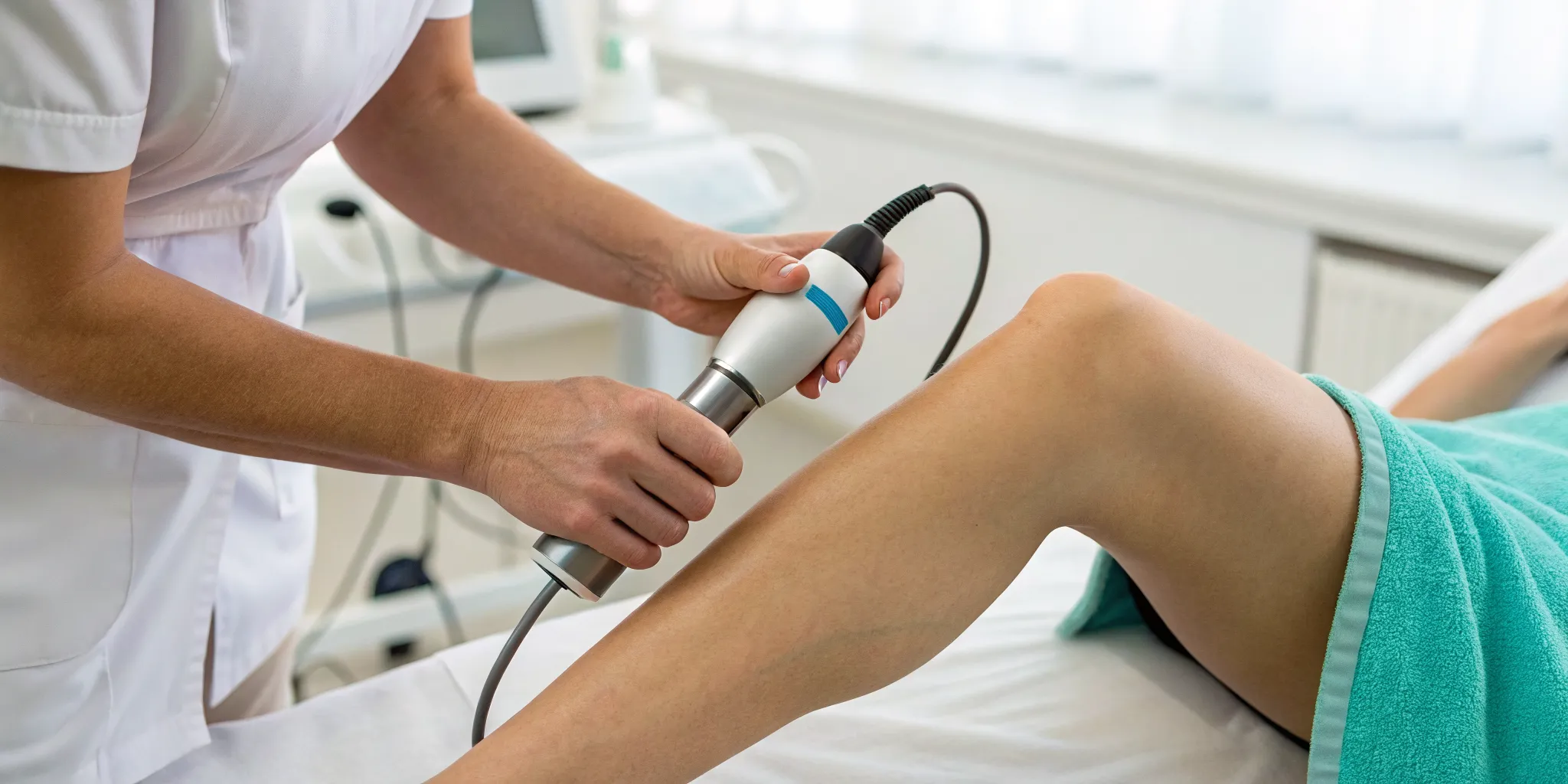
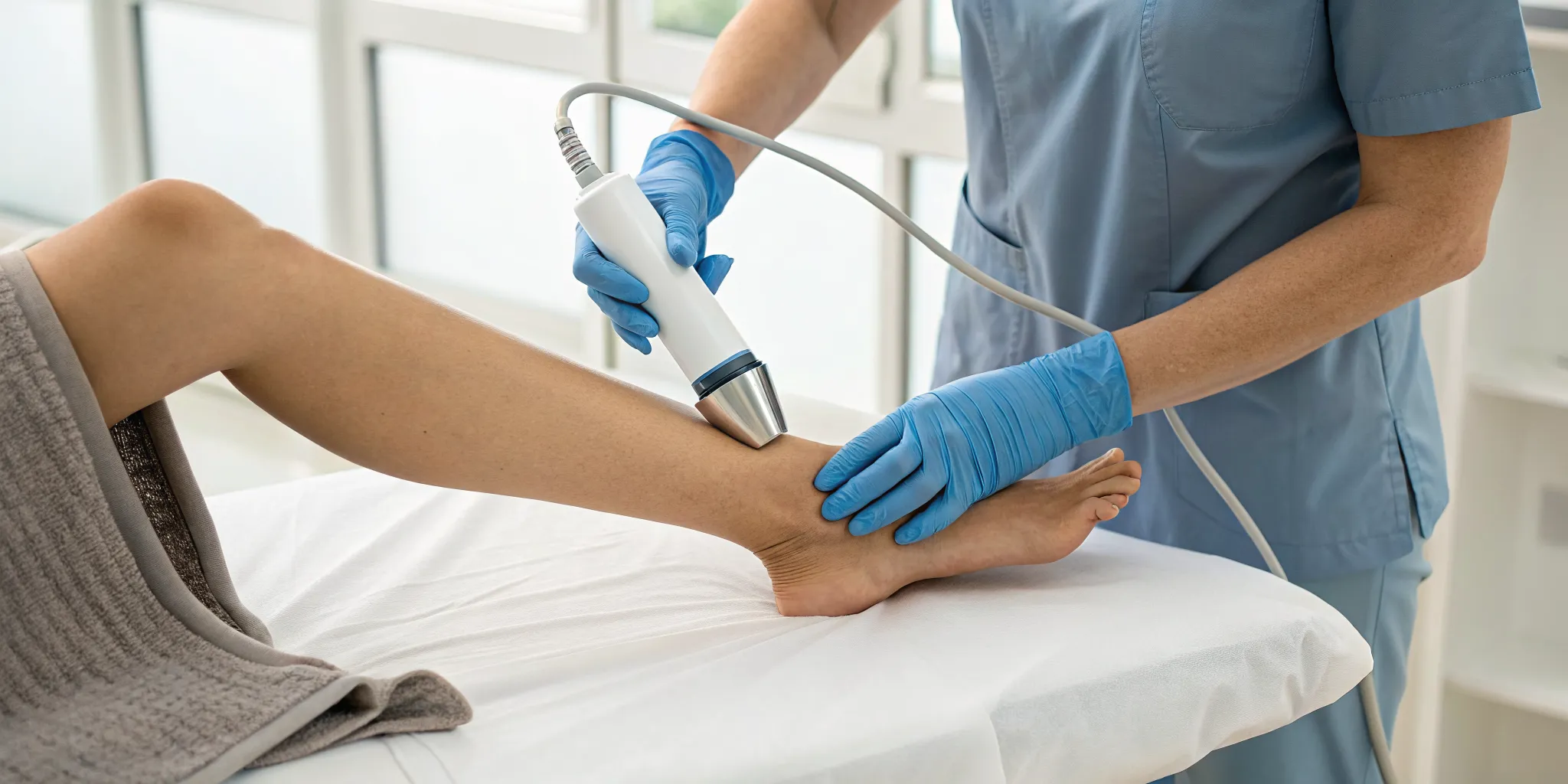
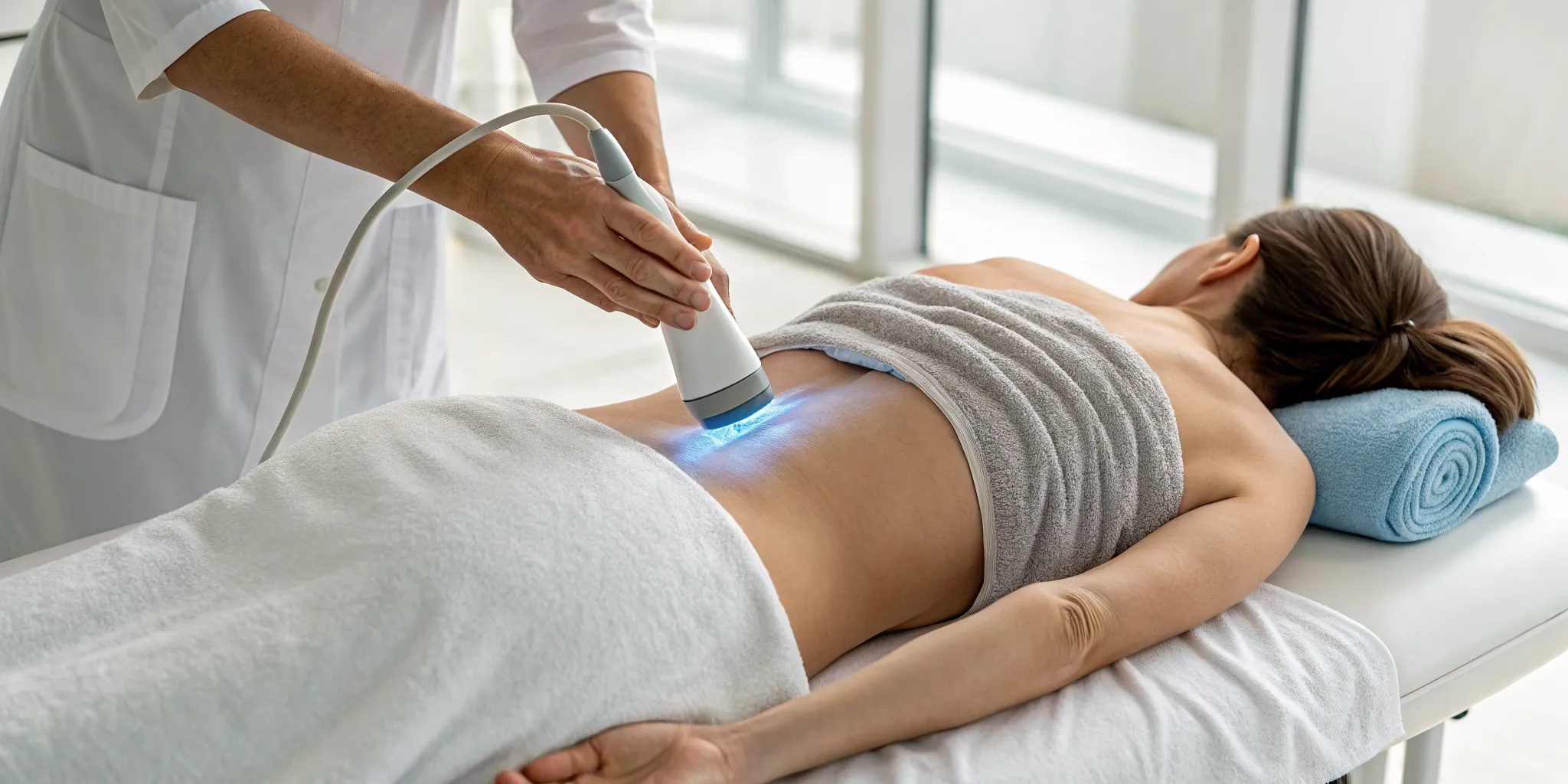
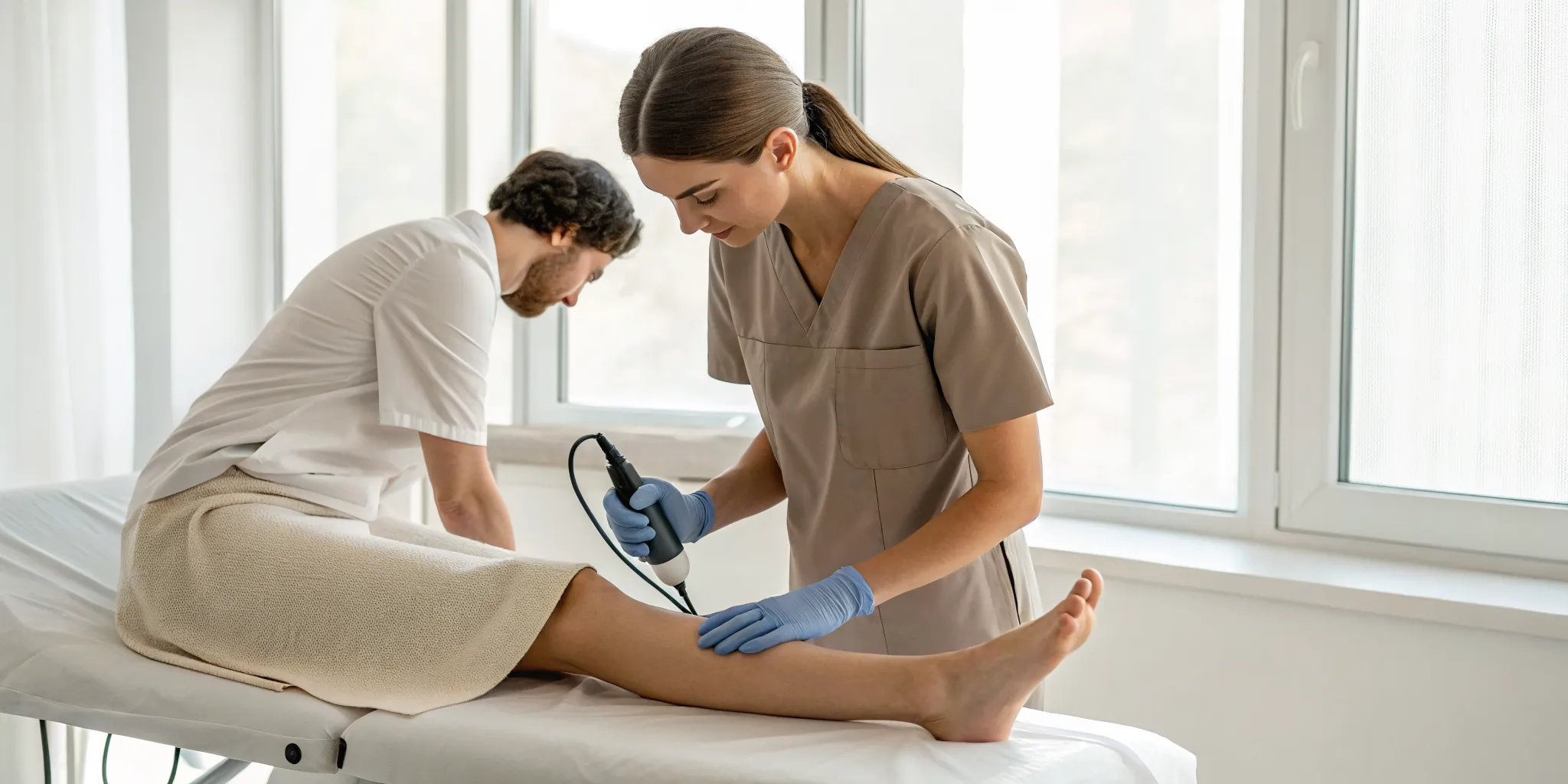
First, you’ll want to wear comfortable clothing that gives us easy access to the area we’re treating. We’ll start by applying a water-based gel to your skin over the injury site, which helps transmit the sound waves effectively. Next, your practitioner will use a handheld device, moving it gently over the targeted area. This tool delivers the acoustic pressure waves that stimulate healing. Throughout the process, we’ll communicate with you to ensure your comfort, adjusting the intensity as needed. We aim for a sensation that is noticeable but not overly painful. Our physical medicine approach prioritizes both results and your comfort during any procedure.
How Long Does a Session Take?
One of the great things about shockwave therapy is how quick and efficient it is. Each session is surprisingly short, typically lasting only about 15 minutes from start to finish, making it easy to fit into a busy schedule. While every person’s healing journey is unique, most patients see significant improvement after just a few treatments. A typical plan might involve two or three sessions spaced out over several weeks. The exact number of appointments will depend on the specific conditions we treat and how your body responds, which is something we will determine together as part of your personalized care plan.
What Does the Treatment Feel Like?
You’re probably wondering what the therapy actually feels like. During the session, you’ll experience a series of quick pulses and a gentle warmth in the treatment area. While the therapy is designed to be tolerable, you might feel some mild discomfort, especially when the device passes over bony areas. We always check in with you to make sure the sensation stays manageable. After the session, it’s common to see some minor swelling or even bruising. This is a positive sign that blood flow is increasing to the area, which is exactly what we want for healing. If you have any concerns, we encourage you to contact our team to discuss them.
How to Prepare for Your First Appointment
Getting ready for your first shockwave therapy session is straightforward, but a little preparation can help you feel more comfortable and ensure you get the most out of your treatment. Knowing what to expect, what to wear, and how to care for yourself afterward will make the entire process feel much smoother. Think of it as setting the stage for your body to do its best healing work.
Our goal at Ascend Functional Health is to make your recovery journey as clear and supportive as possible. We’ll walk you through every step, but these tips will help you arrive for your first appointment feeling confident and prepared.
What to Wear and Bring
When you come in for your session, your main focus should be comfort. We recommend wearing loose-fitting clothing that allows for easy access to the area being treated. For example, if we are addressing your shoulder, a tank top is a great choice. If it’s your knee, shorts are ideal. This ensures we can perform the treatment effectively without you having to fully change.
You don’t need to bring much, but if you have any recent diagnostic reports or imaging related to your injury, it can be helpful to have them with you. Most importantly, bring any questions you have. We want you to be an active participant in your healing, and that starts with feeling informed and heard.
Tips for Before and After Your Session
To get the best results, it’s best to avoid taking any anti-inflammatory products for at least a few days before and after your session. Shockwave therapy works by creating a controlled inflammatory response, which is a critical part of your body’s natural healing cascade. Taking anti-inflammatories can interfere with this essential process.
After your treatment, you might notice some mild soreness or even slight bruising in the area, which is completely normal. This is just a sign that your body has started the repair process. We generally recommend taking it easy for the rest of the day but not being completely sedentary. Gentle movement can be beneficial, and we will provide you with specific guidance based on our approach to physical medicine.
How Many Sessions Will You Need?
The number of shockwave therapy sessions you’ll need is unique to you. Your treatment plan will depend on several factors, including the specific condition being treated, how long you’ve had it, and your body’s individual response to the therapy. While some people experience significant improvement after just a few sessions, a full course of treatment typically involves three to six sessions spaced about a week apart.
During your initial consultation, we will assess your condition and outline a personalized treatment schedule. Many of our patients begin to notice a real difference within three to four weeks. We’ll monitor your progress closely and adjust the plan as needed to ensure you achieve lasting relief and get back to feeling your best.
Effectiveness and Results: What to Expect
When you’re dealing with a nagging injury, the main question on your mind is, "When will I feel better?" While there’s no one-size-fits-all answer, shockwave therapy offers a promising path to recovery. The results depend on your specific condition, your body's unique healing capacity, and your commitment to the overall treatment plan. Many people feel a noticeable reduction in pain after just a few sessions, while for others, the improvements are more gradual as the body’s tissues regenerate. Let's look at what a typical journey with shockwave therapy might involve.
Understanding Your Treatment Timeline
Your healing journey is as unique as you are. The timeline for seeing results with shockwave therapy can vary quite a bit, depending on whether your injury is recent or a chronic issue you've had for years. Some people experience relief almost immediately, while for others, the magic happens over several weeks as the body repairs itself. For example, studies on overuse injuries in sports show that just one to two sessions can bring significant improvement. At Ascend Functional Health, we create a personalized plan that aligns with your specific goals and the nature of your condition, ensuring your physical medicine protocol is designed for optimal results.
Factors That Influence Your Recovery
Several factors play a role in how quickly and effectively you recover. Your overall health, age, diet, and lifestyle all contribute to your body's ability to heal. The severity and type of your injury are also key. A chronic condition like plantar fasciitis that has developed over years may require a different approach than a more recent case of tennis elbow. Following your practitioner's advice, including any complementary therapies or at-home care, is crucial. The good news is that the benefits are often long-lasting. Research shows that shockwave therapy can reduce muscle stiffness and improve mobility for up to six months, giving your body the support it needs to heal for good.
How Shockwave Compares to Other Treatments
If you've tried other treatments without success, you might be wondering what makes shockwave therapy different. Unlike more invasive options, it is a well-tolerated and safe therapy that works with your body, not against it. It offers promising outcomes in pain management and recovery compared to traditional methods. Think of it as a way to restart the healing process for a stubborn injury. The sound waves create a controlled microtrauma that signals your body to treat an old injury like a new one, triggering a fresh healing response. This approach can be more effective than conventional treatments that may only mask the symptoms, making it a cornerstone of our regenerative services.
5 Common Shockwave Therapy Myths, Debunked
Newer therapies often come with a lot of questions and, sometimes, a bit of misinformation. Shockwave therapy is no exception. You may have heard things that make you hesitant, but I want to clear the air. Understanding the facts can help you feel more confident about your health choices. Let's walk through some of the most common myths about shockwave therapy and replace them with the truth, so you can see if this innovative treatment aligns with your recovery goals.
Myth: "It's extremely painful."
Let’s be honest, the name "shockwave" sounds a little intense. It’s easy to imagine something uncomfortable, but the reality is much gentler. While you will feel the therapy working, it shouldn't be painful. Most people describe the sensation as a series of strong pulses or tapping against the skin. Your comfort is the top priority, and our team adjusts the intensity to a level that’s effective yet manageable for you. Open communication is key, so we always encourage you to share feedback during the session. The goal is to stimulate healing, not cause distress, making it a very tolerable part of our physical medicine protocols.
Myth: "It's only for professional athletes."
While it’s true that many elite athletes rely on shockwave therapy to recover quickly, this treatment is absolutely not exclusive to them. It’s for anyone struggling with chronic soft-tissue injuries. Whether you’re a weekend warrior with nagging tennis elbow, an office worker with persistent shoulder pain, or someone dealing with the daily discomfort of plantar fasciitis, you deserve the same high-quality care. This therapy is designed to help anyone get back to their daily activities without pain. We use it to address a wide range of conditions we treat, helping people from all walks of life find lasting relief.
Myth: "It's an experimental treatment."
This is one of the biggest misconceptions. Shockwave therapy might seem new, but it has a long and successful history in medicine. It was first used in the 1980s to break up kidney stones, a procedure that proved its safety and effectiveness. Since then, medical professionals have adapted the technology to treat musculoskeletal conditions, and it has been helping people with chronic pain for decades. At Ascend Functional Health, we are committed to using research-backed protocols, and shockwave therapy is a well-established treatment with a strong track record. Our approach to health is grounded in proven, effective solutions that support your body’s healing process.
Myth: "It requires incisions or surgery."
This myth couldn't be further from the truth. One of the greatest advantages of shockwave therapy is that it is completely non-invasive. There are no needles, no anesthesia, and certainly no incisions. The entire treatment is performed on the surface of your skin. A special applicator is used to deliver acoustic waves directly to the injured tissue, stimulating your body’s natural repair mechanisms from the outside in. For many people, this makes it an excellent option to explore before considering more invasive procedures. It’s a powerful tool in our suite of holistic services designed to promote healing without significant downtime.
Myth: "It's the same as ultrasound therapy."
It’s easy to confuse these two, as both use sound waves, but they work in very different ways. Therapeutic ultrasound uses high-frequency sound waves to gently heat tissues and increase blood flow. It’s more of a soothing therapy. Shockwave therapy, on the other hand, uses higher-energy acoustic pressure waves. These waves create a strong stimulus at the cellular level, triggering a natural biological response that accelerates tissue repair and regeneration. Think of it as actively kick-starting the healing process for stubborn injuries rather than just managing symptoms. You can find more health insights on our blog.
Is Shockwave Therapy Right for You?
Deciding if a treatment is the right fit for you can feel overwhelming, but when it comes to shockwave therapy, the answer often comes down to the nature of your injury. Are you dealing with a nagging pain that hasn't responded to rest or other conventional approaches? This therapy is particularly effective for chronic conditions, especially those involving tendons and soft tissues. Research highlights that focused extracorporeal shockwave therapy is a safe and effective treatment for overuse injuries, which are common in active individuals. This makes it a powerful option for anyone struggling with persistent pain from repetitive movements, whether from a weekend hobby, a physically demanding job, or daily activities.
If you're dealing with an injury that just won’t seem to heal, like stubborn plantar fasciitis or shoulder tendonitis, shockwave therapy could be the key to getting you moving comfortably again. It’s not just for high-performance athletes; it’s for anyone whose quality of life is affected by musculoskeletal pain. The best way to know for sure if shockwave therapy is the right choice for your specific situation is to have a thorough evaluation. Understanding the root cause of your discomfort is the first step in creating an effective treatment plan. Our team can help determine if this therapy aligns with your health goals and is the most appropriate path for your recovery. We look at the full picture of your health to address the many conditions we treat and find a lasting solution.
Integrating Shockwave into a Holistic Health Plan
At Ascend Functional Health, we see shockwave therapy as a powerful tool within a larger, comprehensive health strategy. It’s not just about addressing a symptom; it’s about understanding why the injury occurred in the first place. As a cutting-edge advancement in sports medicine, shockwave therapy is highly effective for a wide range of injuries. We integrate it into a holistic plan that may also include corrective exercises, chiropractic care, and nutritional guidance to support your body’s healing process. This approach ensures we’re not only helping you recover but also building resilience against future injuries. Our Physical Medicine services are designed to work together to restore your body's optimal function.
Combining Shockwave with Other Regenerative Therapies
Shockwave therapy works exceptionally well on its own, but its benefits can be amplified when combined with other regenerative approaches. Think of it as one component of a team working to get you back to feeling your best. For example, studies have shown that shockwave therapy can reduce muscle stiffness and improve mobility, and these effects can be enhanced when paired with other treatments. By combining therapies, we can create a synergistic effect that promotes faster, more complete healing. Your personalized plan at Ascend might pair shockwave with other modalities available through our services to ensure you receive the most effective and well-rounded care possible.
Begin Your Recovery at Ascend Functional Health
Taking the first step toward recovery can feel like the hardest part, but you can feel confident knowing that shockwave therapy is a well-established and gentle option. It is widely considered a non-invasive, well-tolerated, and safe therapeutic choice that offers promising outcomes for pain management and recovery. When you come to Ascend Functional Health, you’re not just getting a single treatment; you’re gaining a partner in your health journey. Our team is dedicated to understanding your unique needs and crafting a personalized plan to help you achieve your goals. If you’re ready to move past chronic pain, we invite you to contact our office to learn how we can help.
Related Articles
- SoftWave Tissue Regeneration Therapy in Tampa | Alessi Functional Health
- SoftWave TRT Therapy in Tampa, FL - Alessi Functional Health
- Regenerative Medicine for Pain Recovery | Ascend Functional Health
- Root Cause Treatment for Chronic Pain | Ascend Functional Health
- What Is Soft Tissue Therapy? A Complete Guide
Frequently Asked Questions
How do I know if shockwave therapy is the right choice for my injury? Shockwave therapy is most effective for chronic soft-tissue injuries, particularly tendon issues that have not improved with rest or other treatments. If you have been dealing with a nagging pain like plantar fasciitis, tennis elbow, or Achilles tendinopathy for several months, this could be an excellent option for you. The best way to know for sure is to have a professional evaluation. A thorough assessment allows us to identify the root cause of your pain and determine if your specific condition is a good match for this therapy.
Is the treatment painful? This is a very common question, and the name "shockwave" can sound intimidating. However, the treatment should not be painful. Most people describe the sensation as a series of strong, deep pulses or a tapping feeling against the skin. While you might feel some mild discomfort, especially over a particularly sensitive spot, we always adjust the intensity to a level that is both effective and manageable for you. Your comfort is a priority, and we will communicate with you throughout the entire session.
How many sessions will I need and how long until I feel better? Your treatment plan is completely personalized, so the exact number of sessions will depend on your specific condition, how long you've had it, and how your body responds. Generally, a full course of treatment involves three to six sessions, typically spaced about a week apart. While some people feel a reduction in pain after just one or two appointments, the true healing happens at a cellular level. It's more common to notice significant, lasting improvement over several weeks as your tissues regenerate.
What should I do to care for myself after a session? After your treatment, it’s important to support the healing process we’ve initiated. We recommend avoiding anti-inflammatory products, as the therapy works by creating a controlled inflammatory response that is essential for repair. You might feel some mild soreness or see slight bruising, which is a normal sign that your body is getting to work. It’s best to take it easy for the rest of the day, but gentle movement is encouraged. We will give you specific guidance tailored to your condition to help you get the best results.
Are the results from shockwave therapy permanent? The goal of shockwave therapy is to provide lasting relief by addressing the underlying cause of your pain, not just masking the symptoms. The treatment helps your body rebuild and repair damaged tissue, which can lead to a permanent solution for many chronic injuries. To ensure the results are long-lasting, we often integrate the therapy into a holistic plan that includes corrective exercises or other strategies to prevent the injury from recurring. By truly healing the tissue, you can get back to your life without the pain returning.