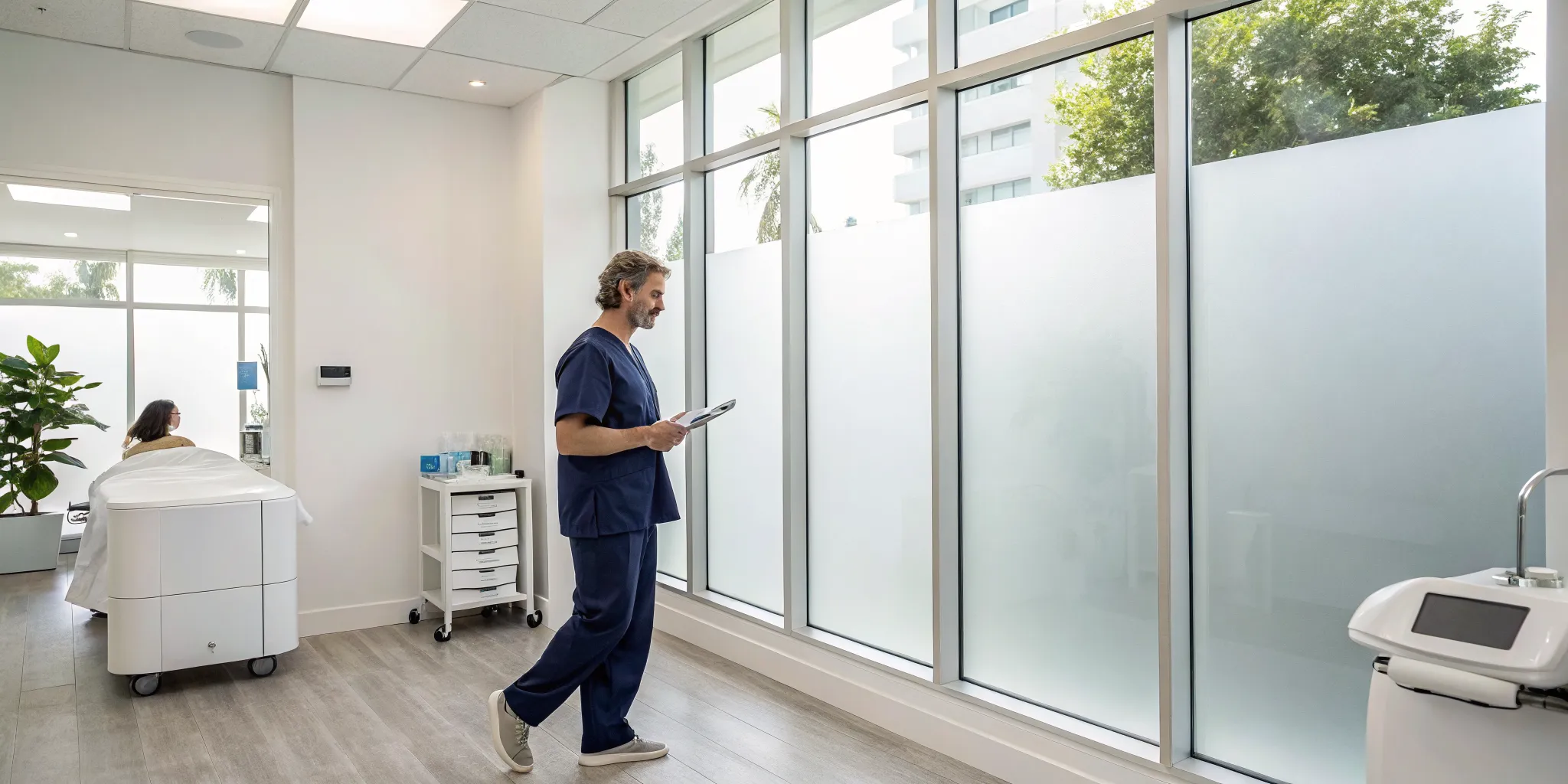
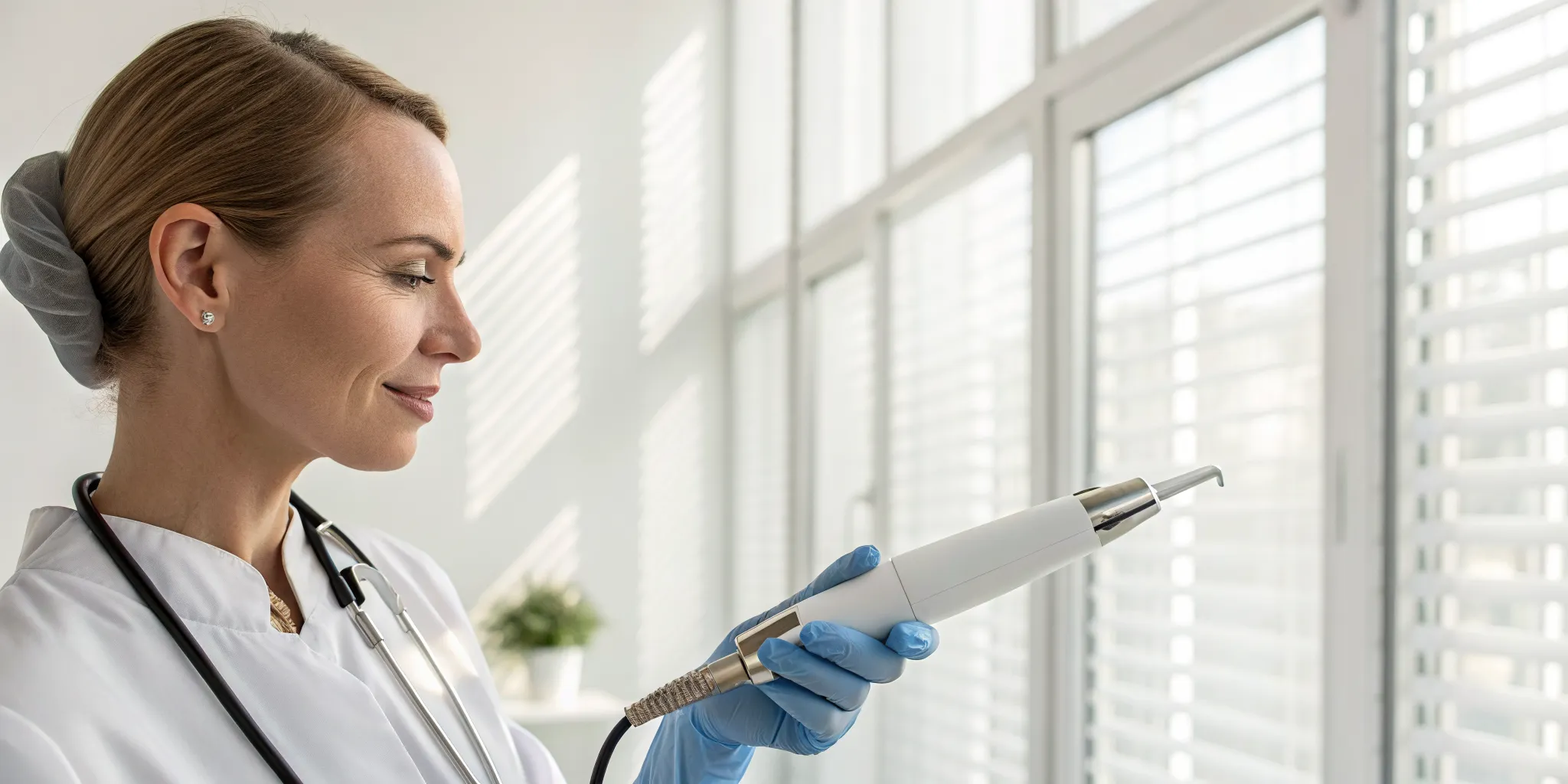
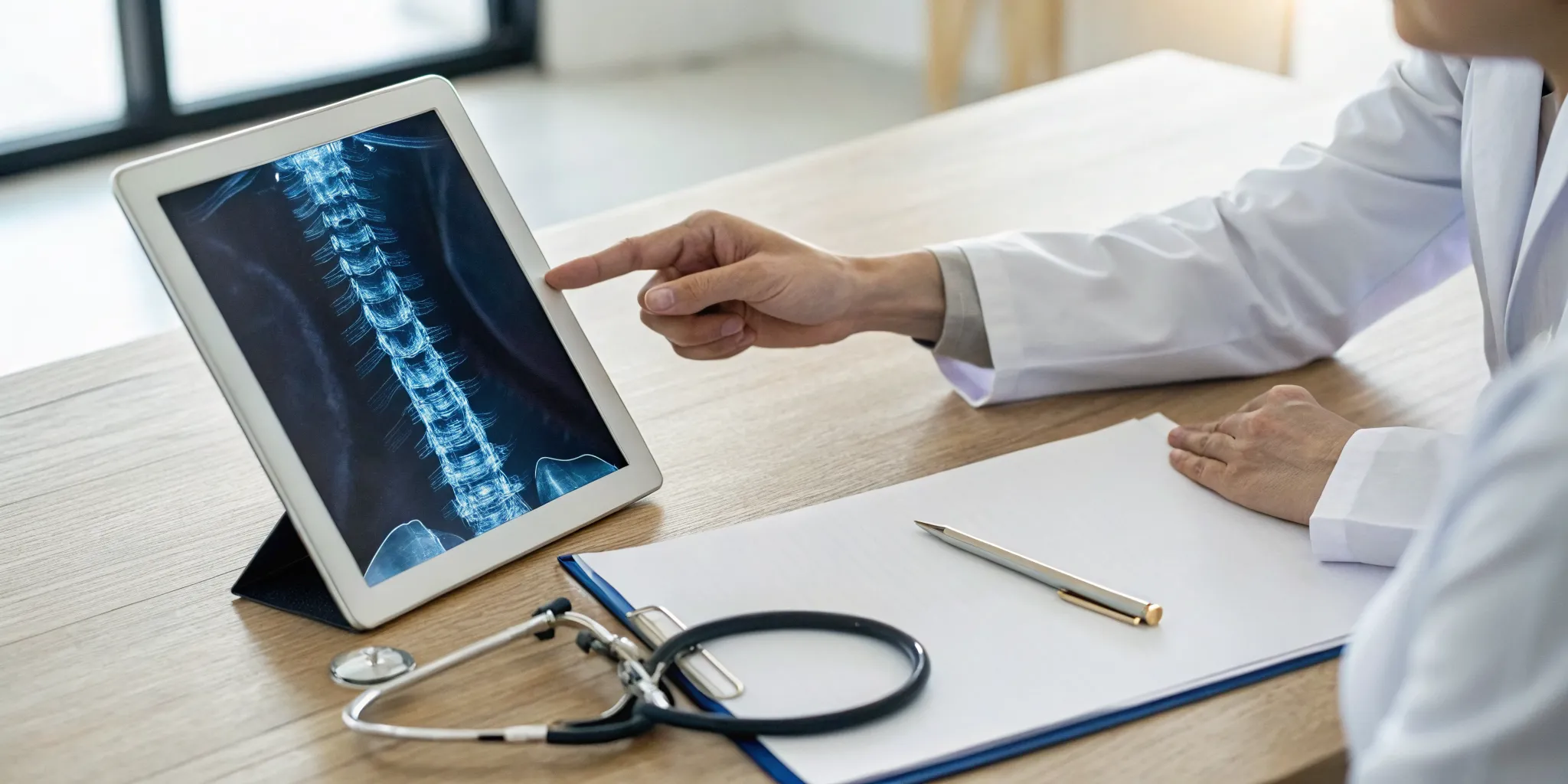
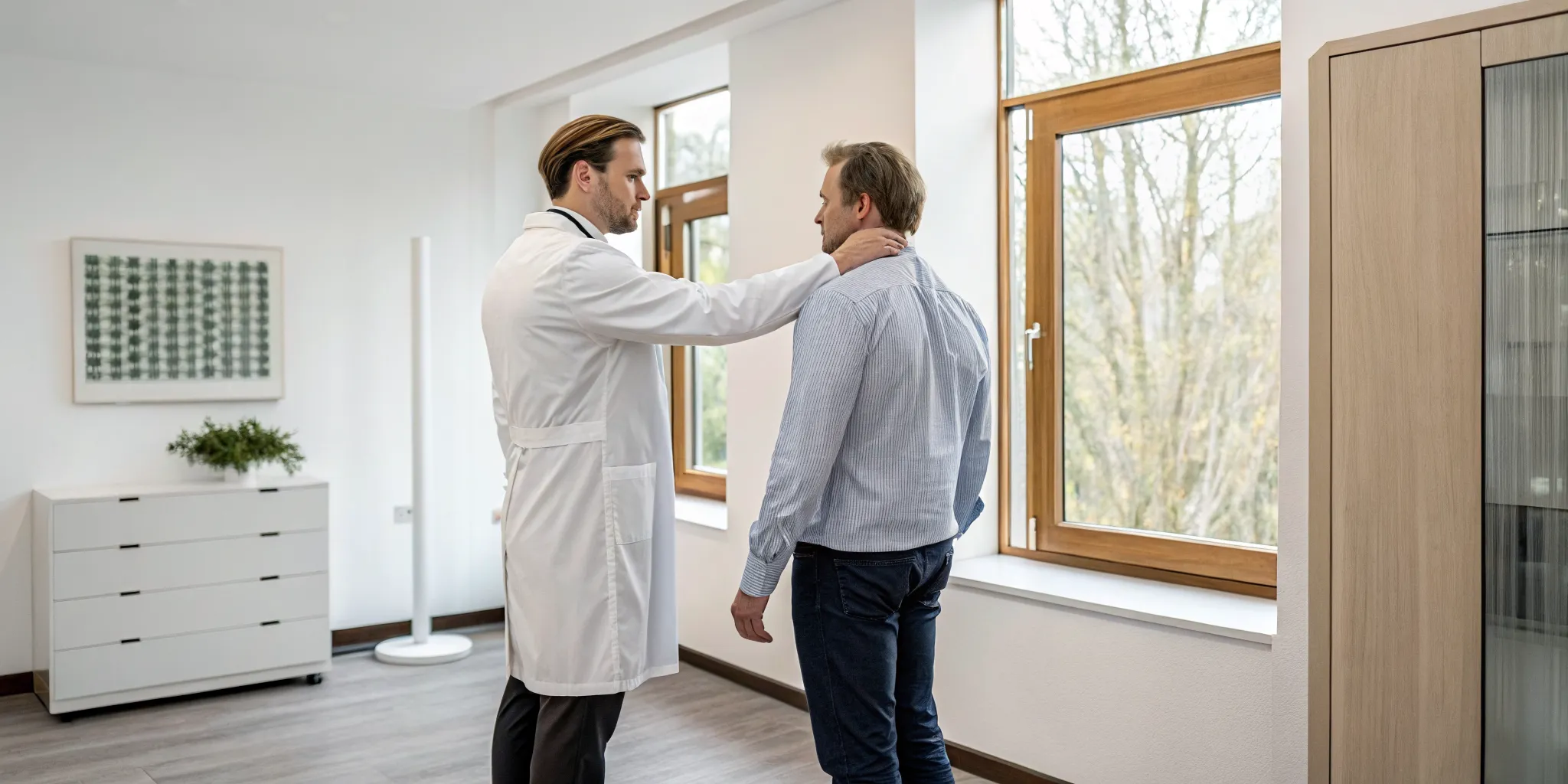
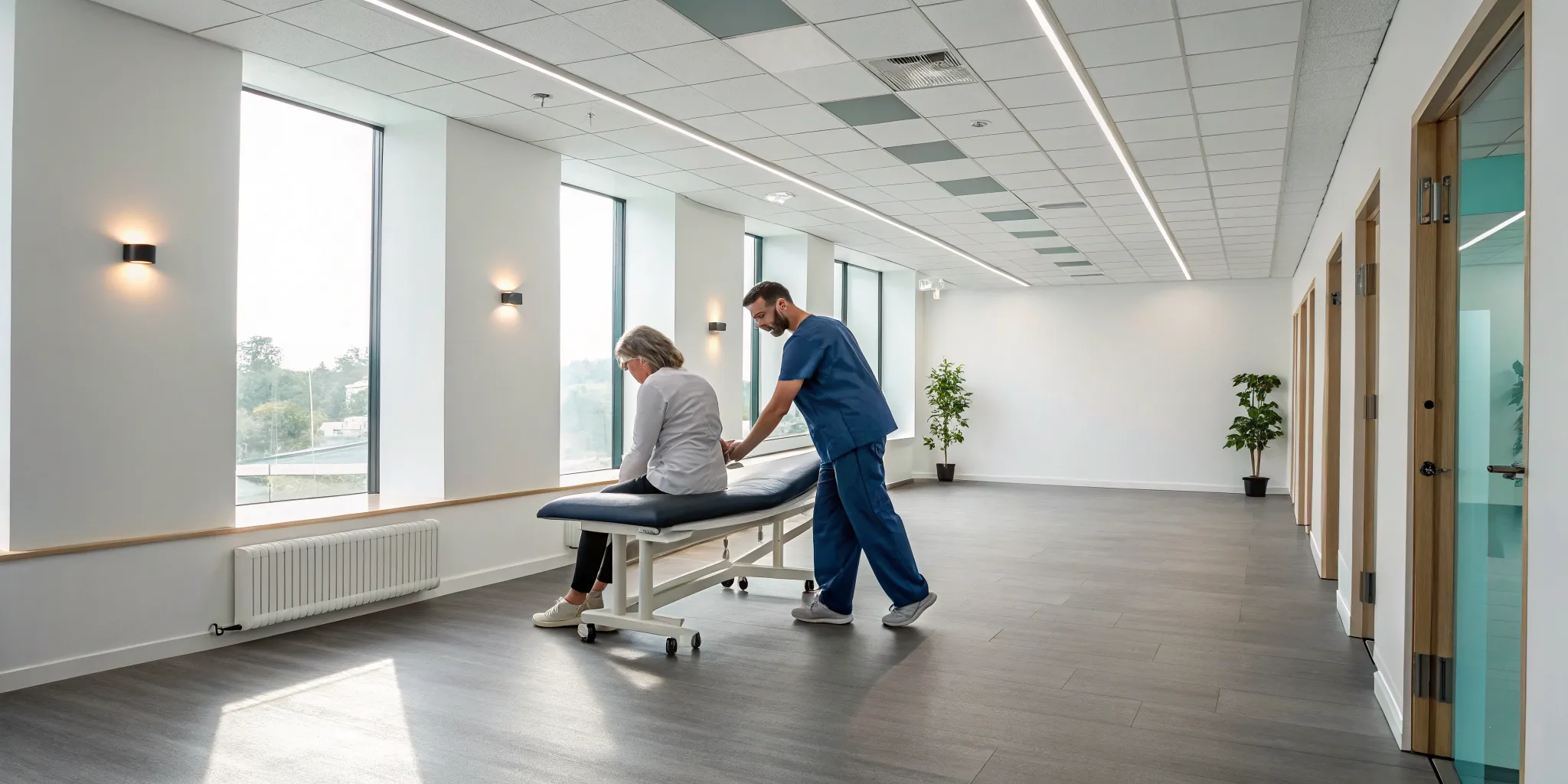
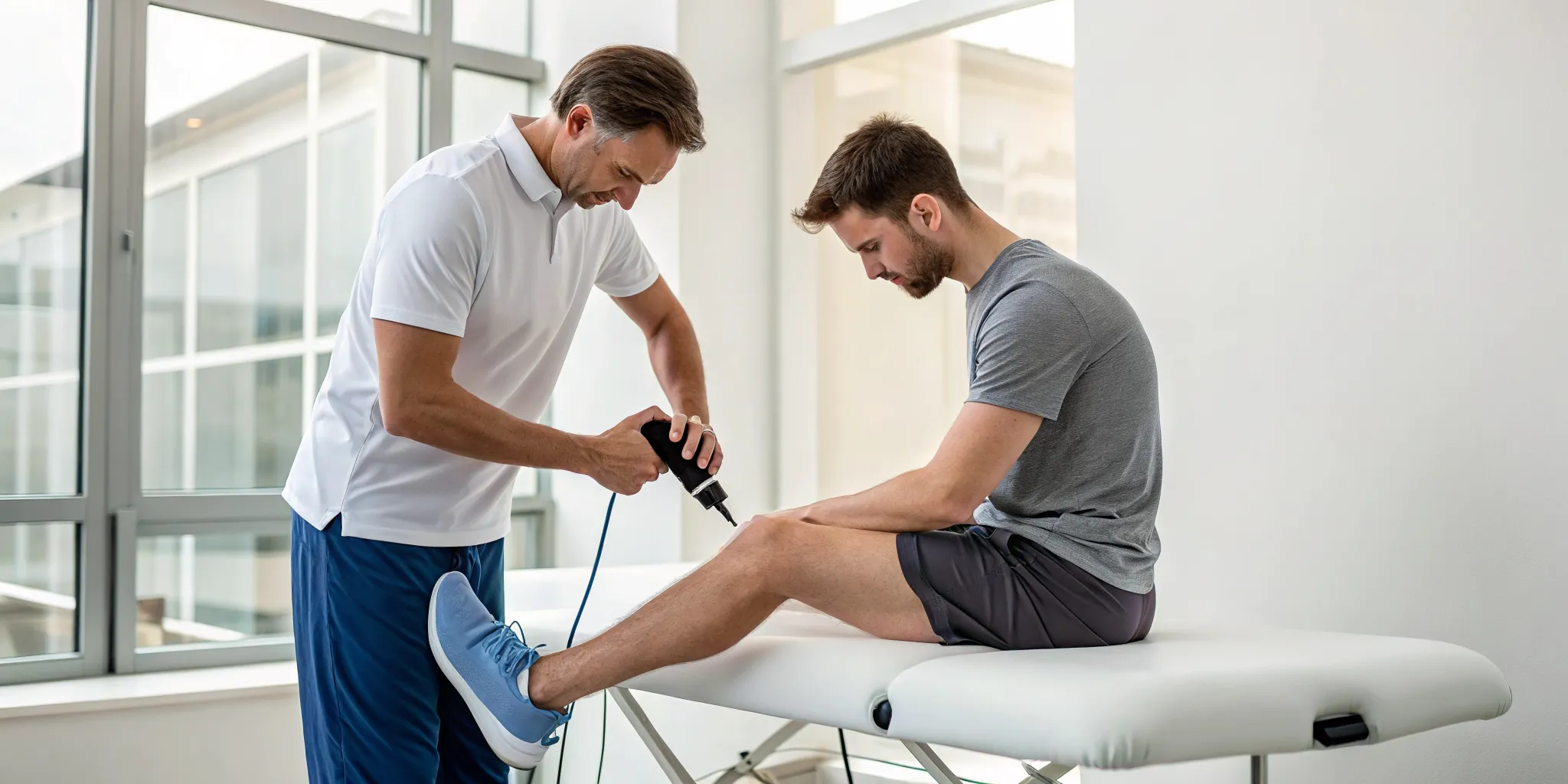
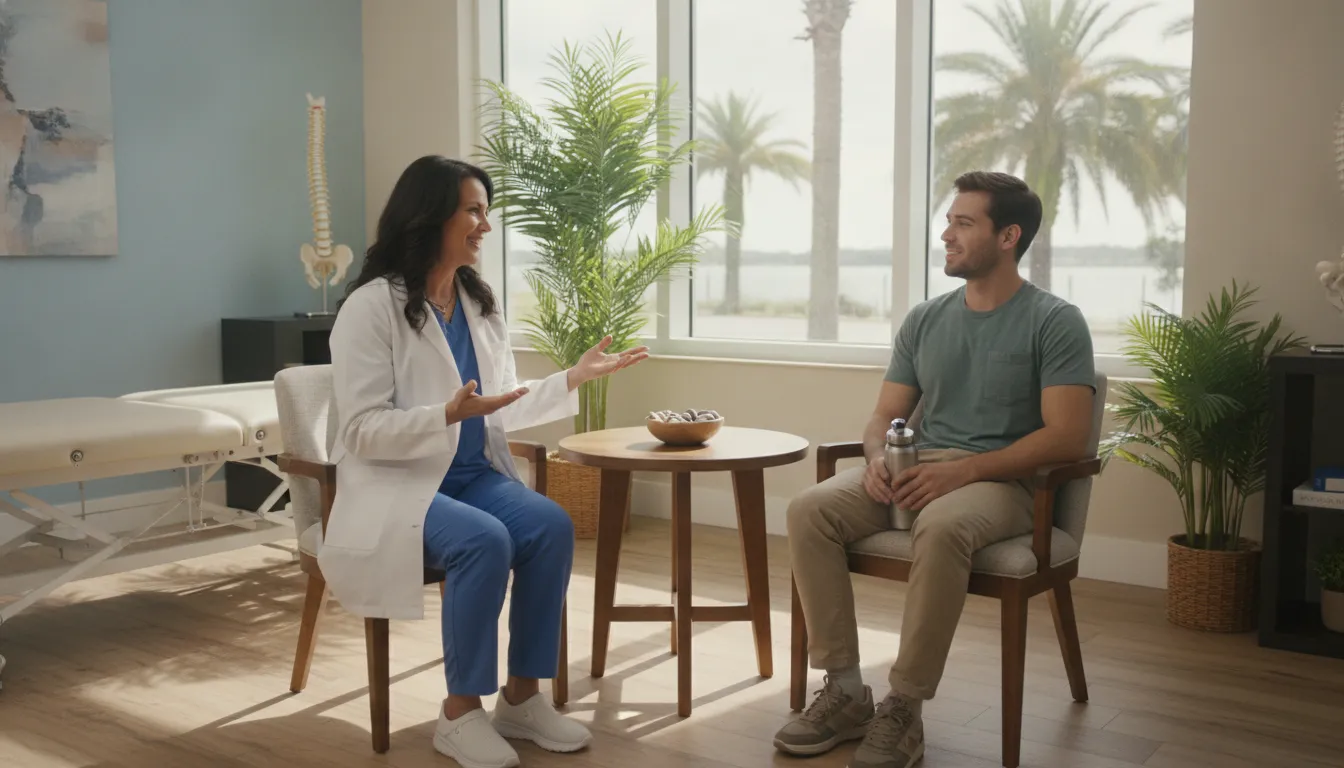
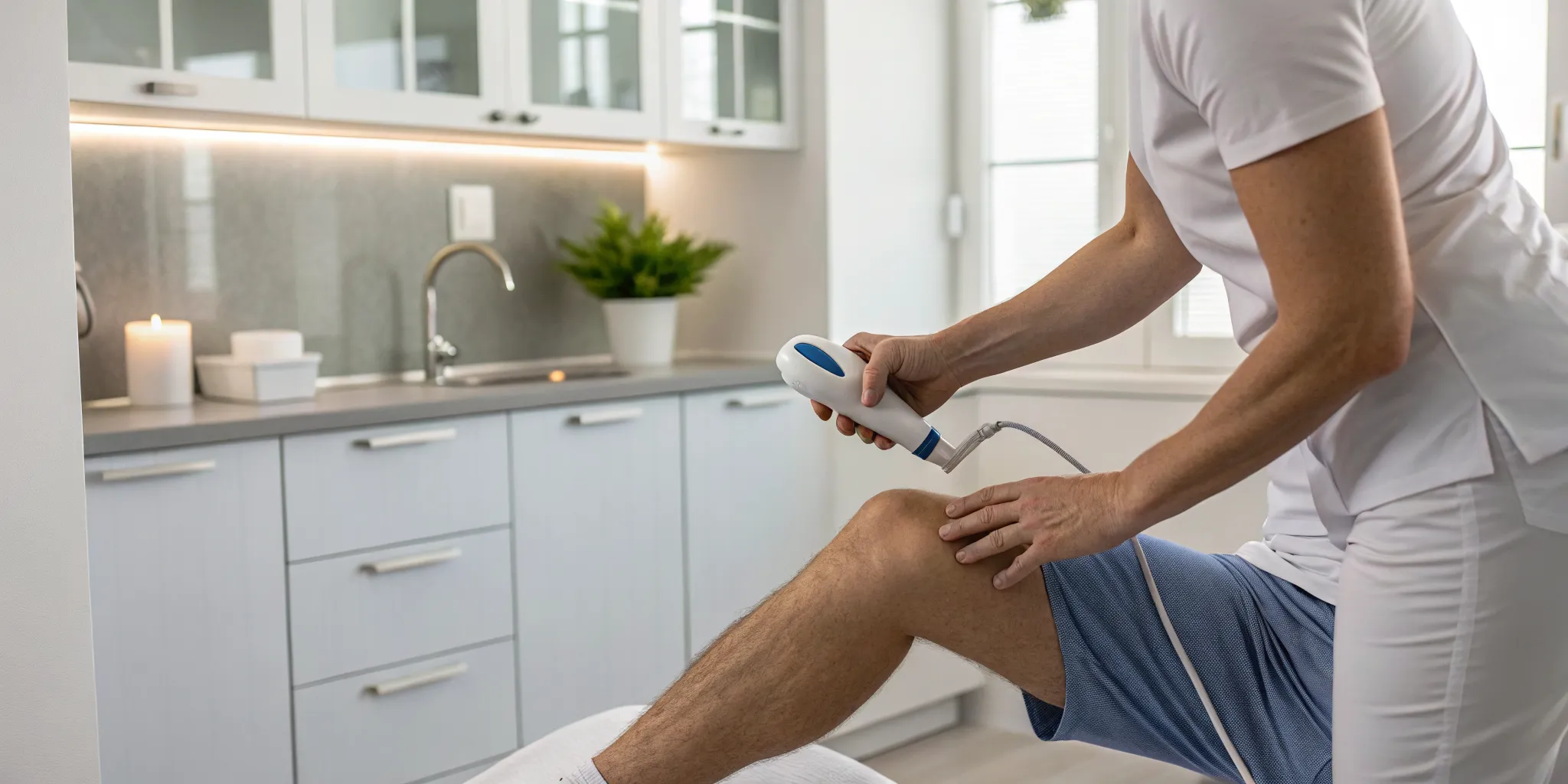
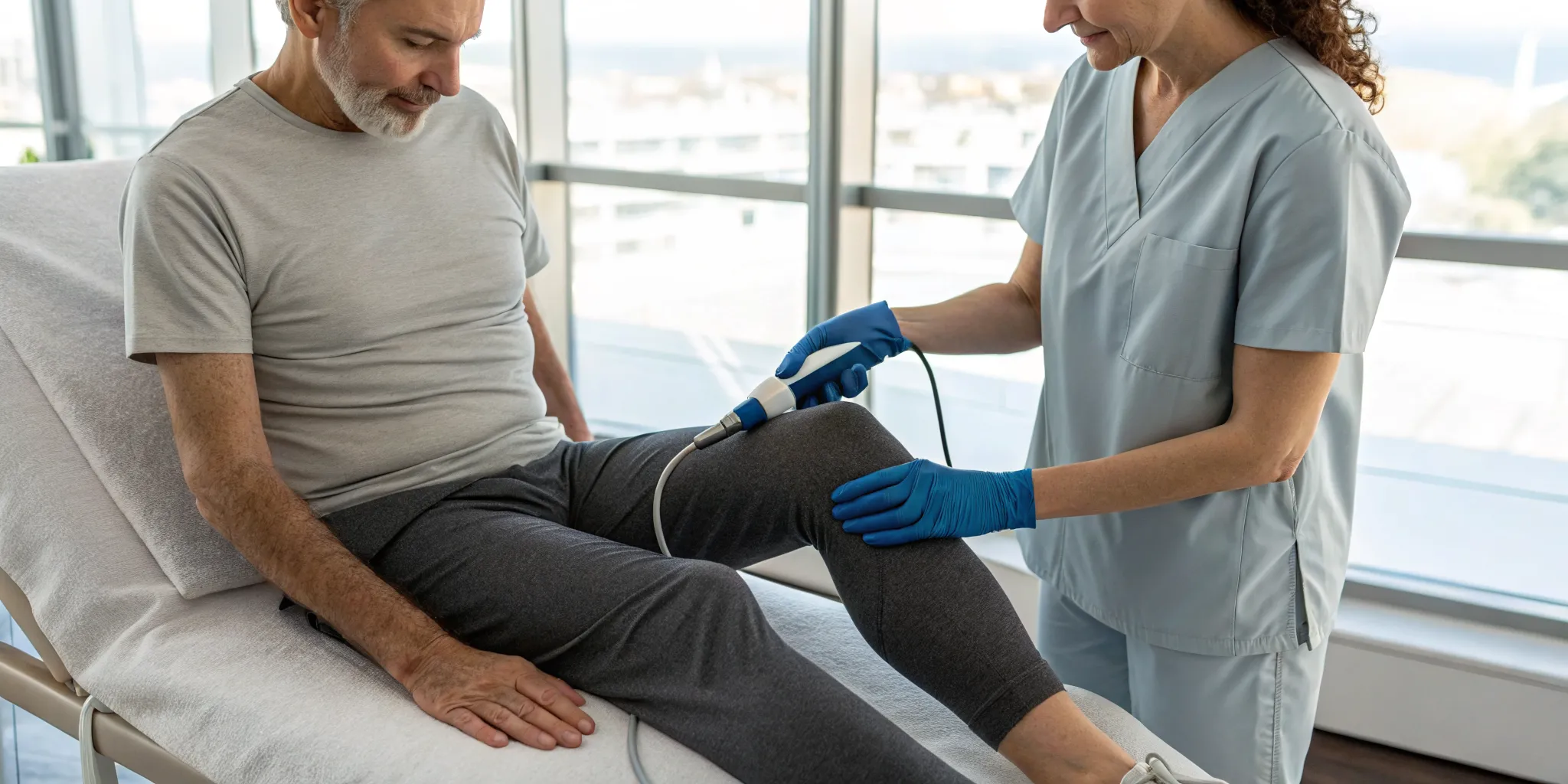
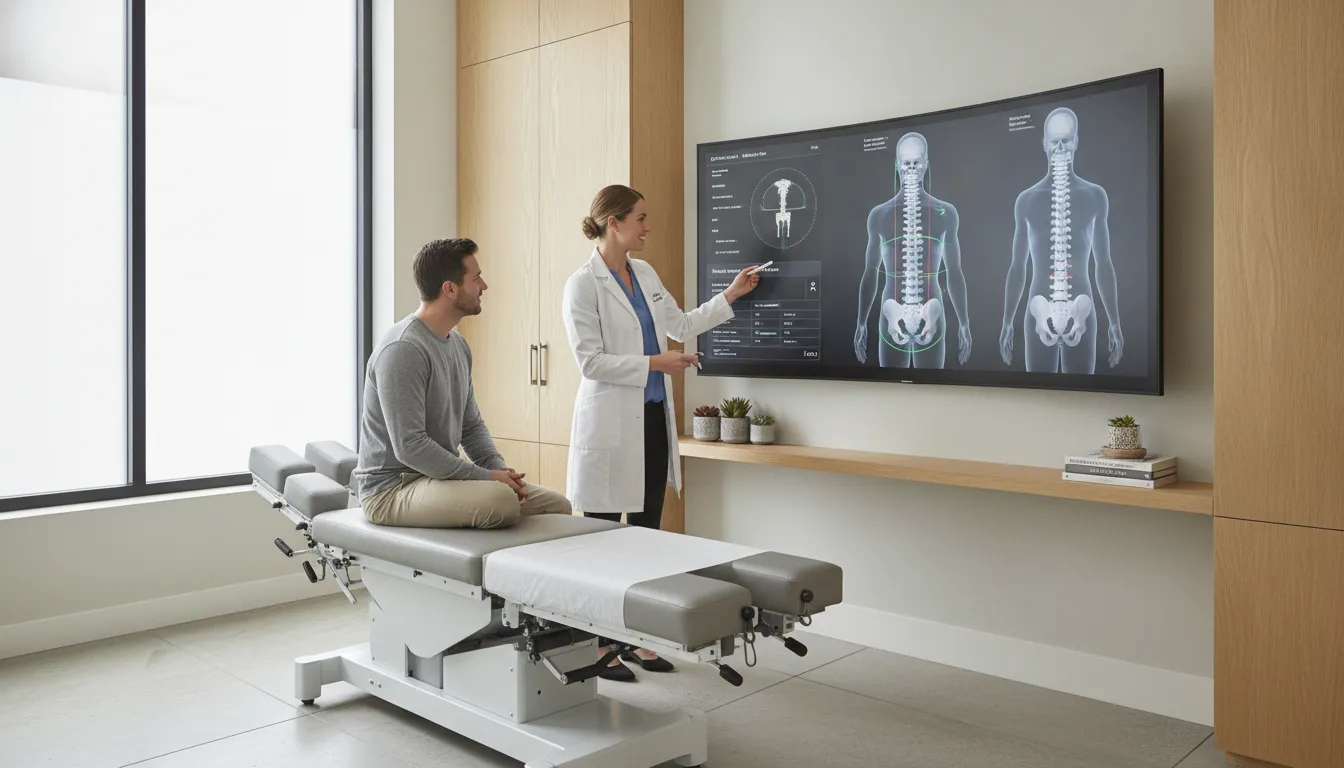
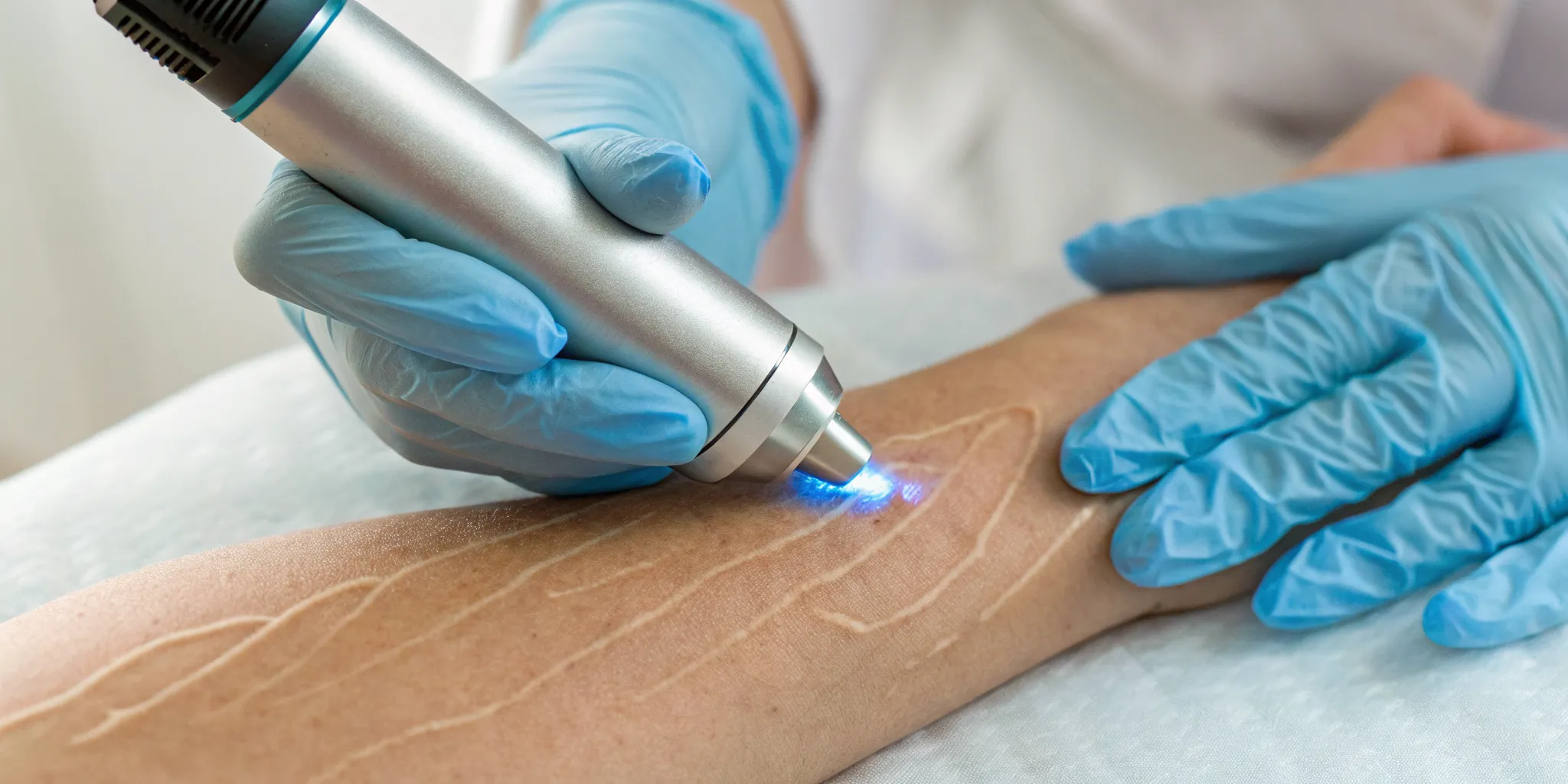
Finding relief from a bulging disc isn’t about aggressive force; it’s about intelligent, targeted care. Your body has an incredible capacity to heal, and our job is to provide the right support to facilitate that process. Instead of just masking symptoms, we focus on restoring function from the ground up. Our approach to bulging disc treatment without injections in Tampa integrates gentle chiropractic care, spinal decompression, and corrective exercises to relieve pressure and build stability. This guide will walk you through these effective, non-surgical strategies that work with your body to create lasting comfort and resilience.
Key Takeaways
- Combine Therapies for Better Results: A personalized, non-surgical plan provides the most effective relief. Combining gentle treatments like spinal decompression, chiropractic adjustments, and corrective exercises addresses the issue from multiple angles to reduce pain and restore function.
- Take an Active Role in Your Recovery: Lasting stability comes from your own efforts. Consistently performing targeted exercises to strengthen your core, improving your posture, and incorporating low-impact movement like walking helps protect your spine and prevent future pain.
- Support Your Body with Daily Habits: Your lifestyle choices directly impact your healing. You can reduce pain and inflammation by eating whole foods, getting enough quality sleep, and managing stress, which gives your body the resources it needs to repair itself.
Find Relief for a Bulging Disc in Tampa—Without Surgery
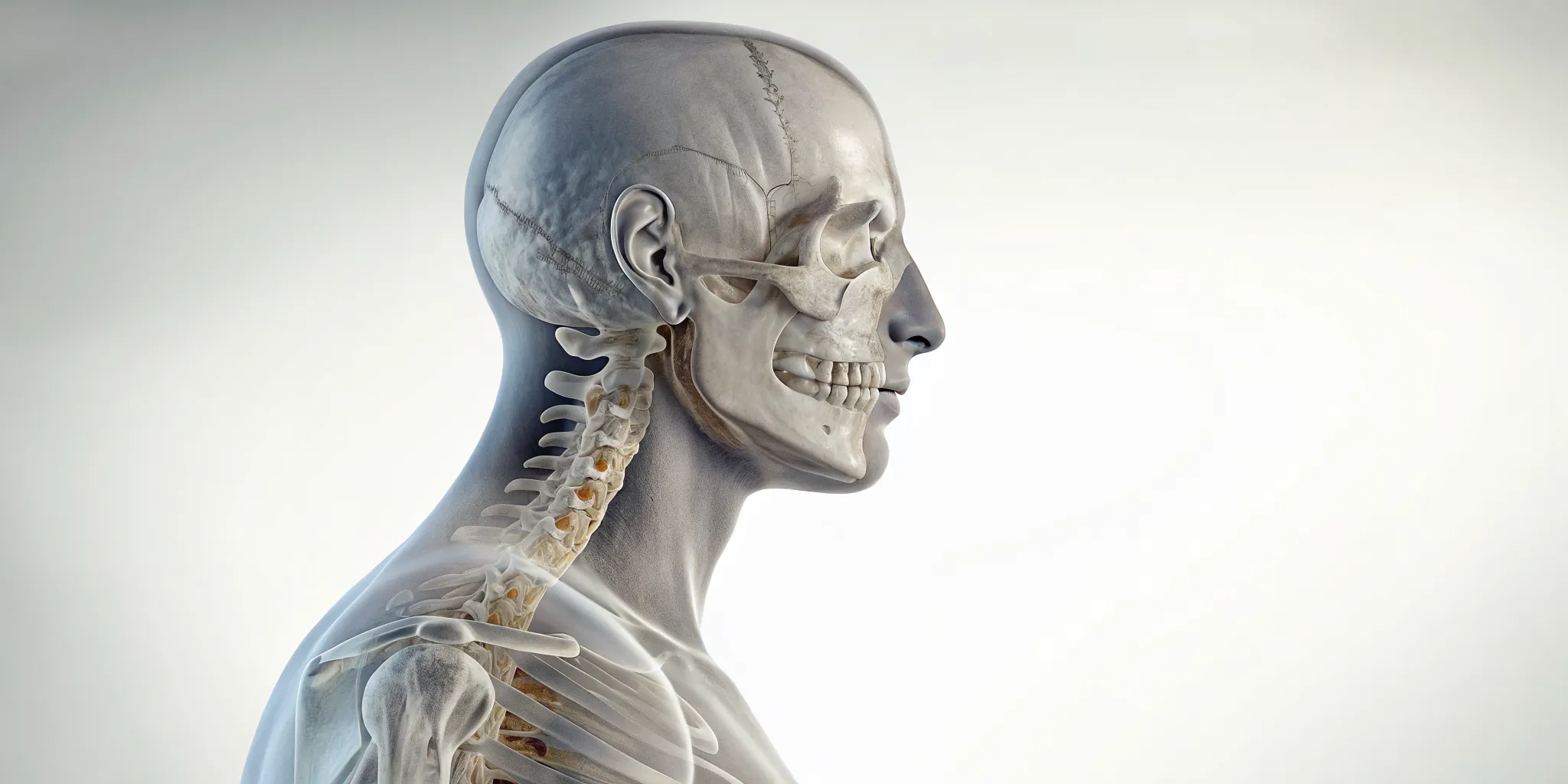
Living with the persistent pain of a bulging disc can feel isolating, and the thought of invasive procedures can be daunting. The good news is that surgery is not your only option. A comprehensive, non-surgical approach can provide significant relief by addressing the underlying causes of your discomfort, not just masking the symptoms. By combining several effective therapies, we can create a personalized plan that reduces pressure on your spine, alleviates pain, and helps your body heal itself.
Our approach to physical medicine focuses on restoring your body's natural function and resilience. We integrate a variety of treatments tailored to your specific condition and goals. From gentle adjustments that realign your spine to targeted exercises that build strength and stability, each step is designed to support your long-term well-being. Let's explore some of the most effective non-surgical treatments for finding lasting relief from a bulging disc.
Gentle Chiropractic Adjustments
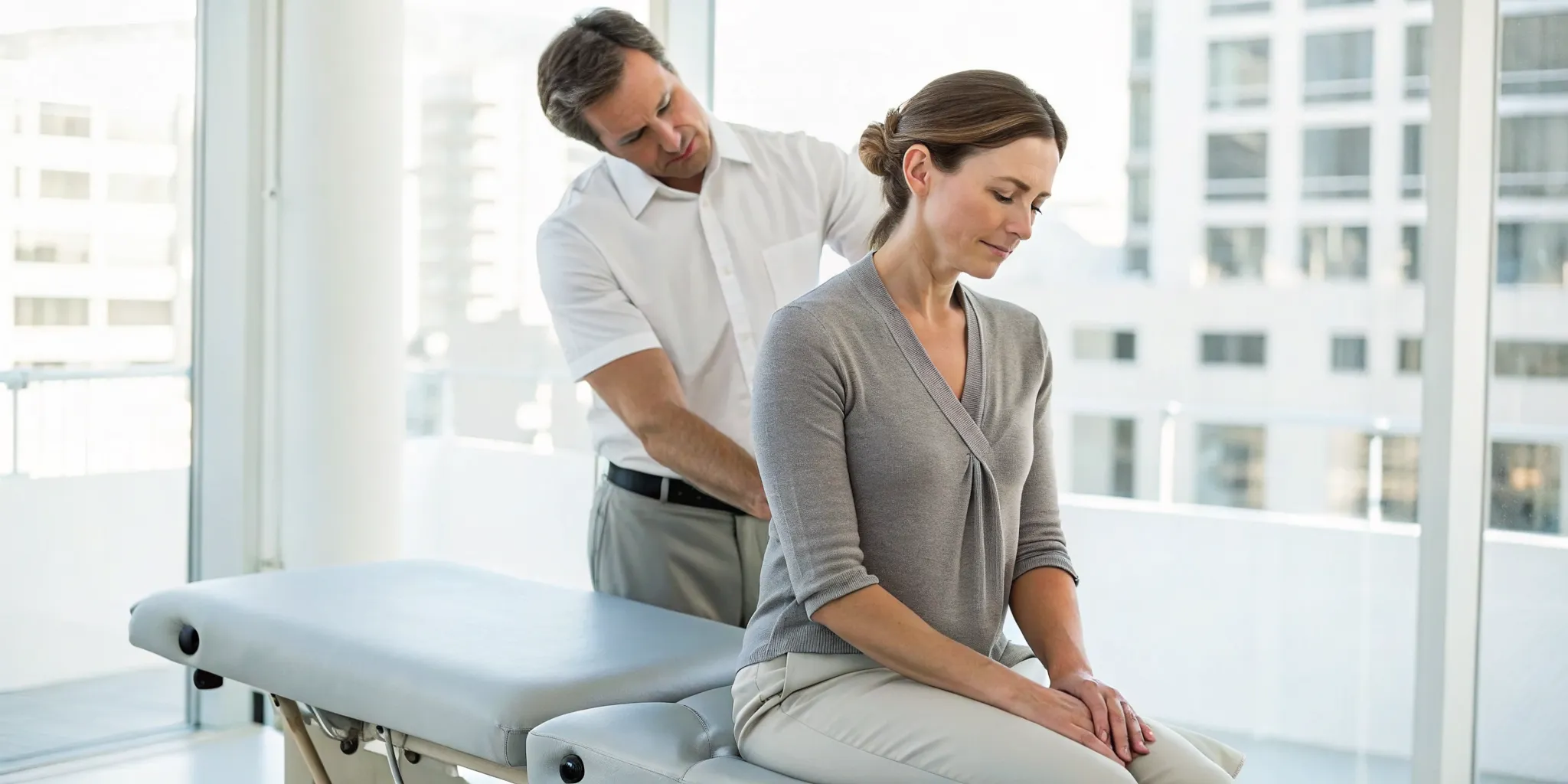
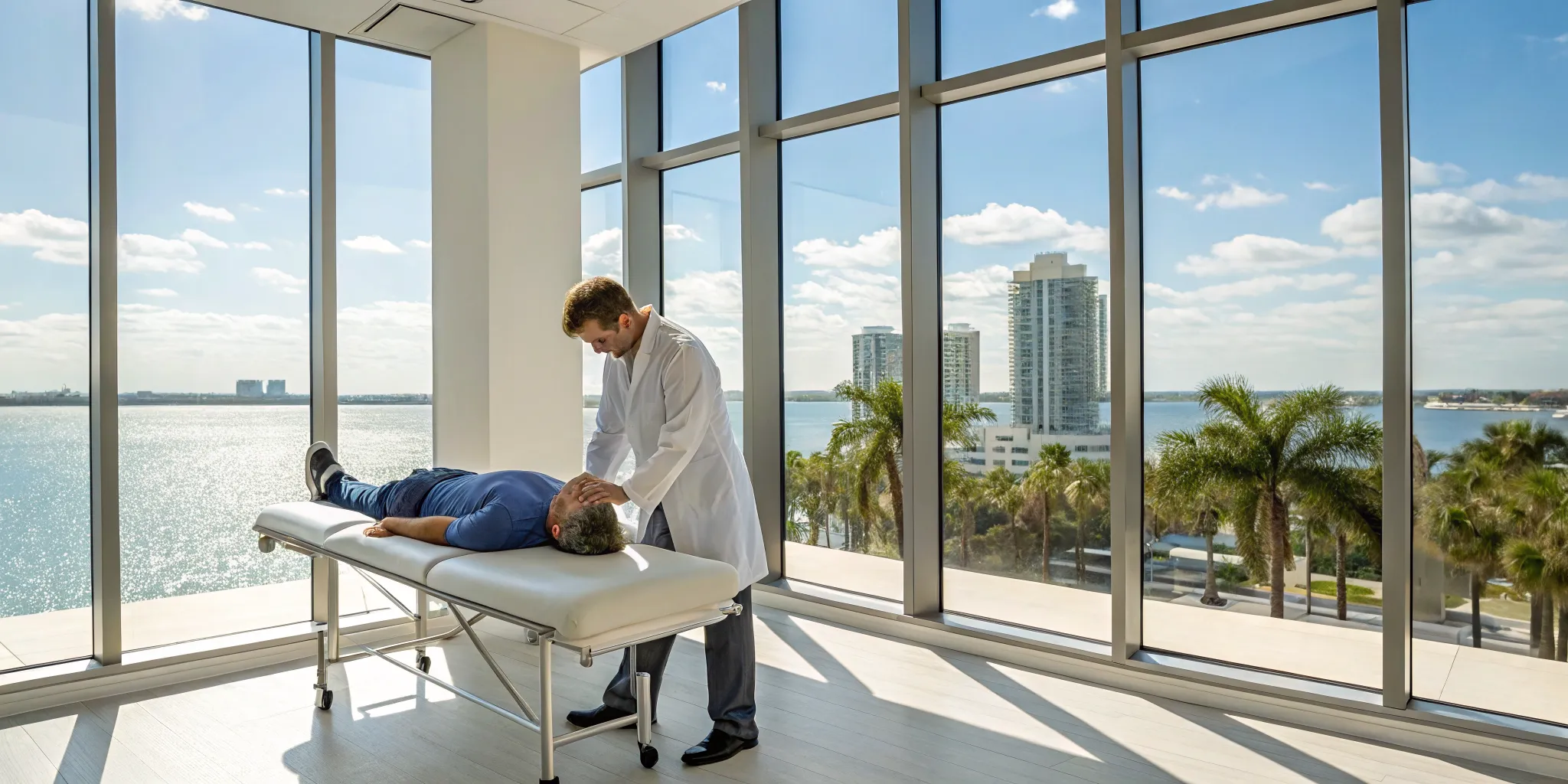
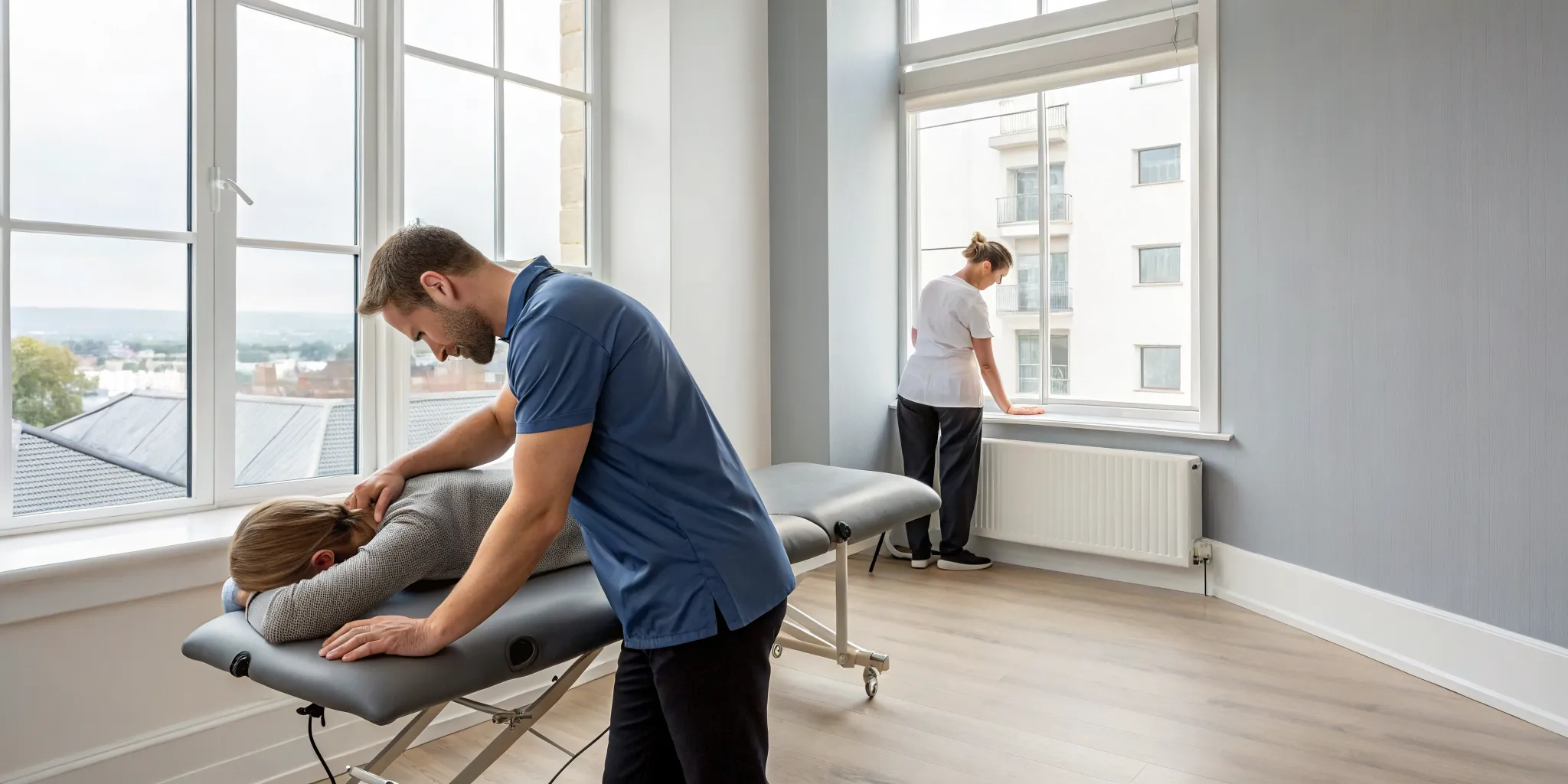
When you have a bulging disc, the last thing you want is aggressive treatment. Gentle chiropractic adjustments are a cornerstone of non-surgical disc care precisely because they are careful and controlled. The goal is to restore proper motion to the spinal joints, which can get stuck or misaligned. By gently correcting this, we can reduce pressure on the affected disc and the surrounding nerves. This not only helps to ease pain and inflammation but also improves your spine's overall function. A properly aligned spine allows your body to begin the healing process more effectively, providing a solid foundation for your recovery.
Spinal Decompression
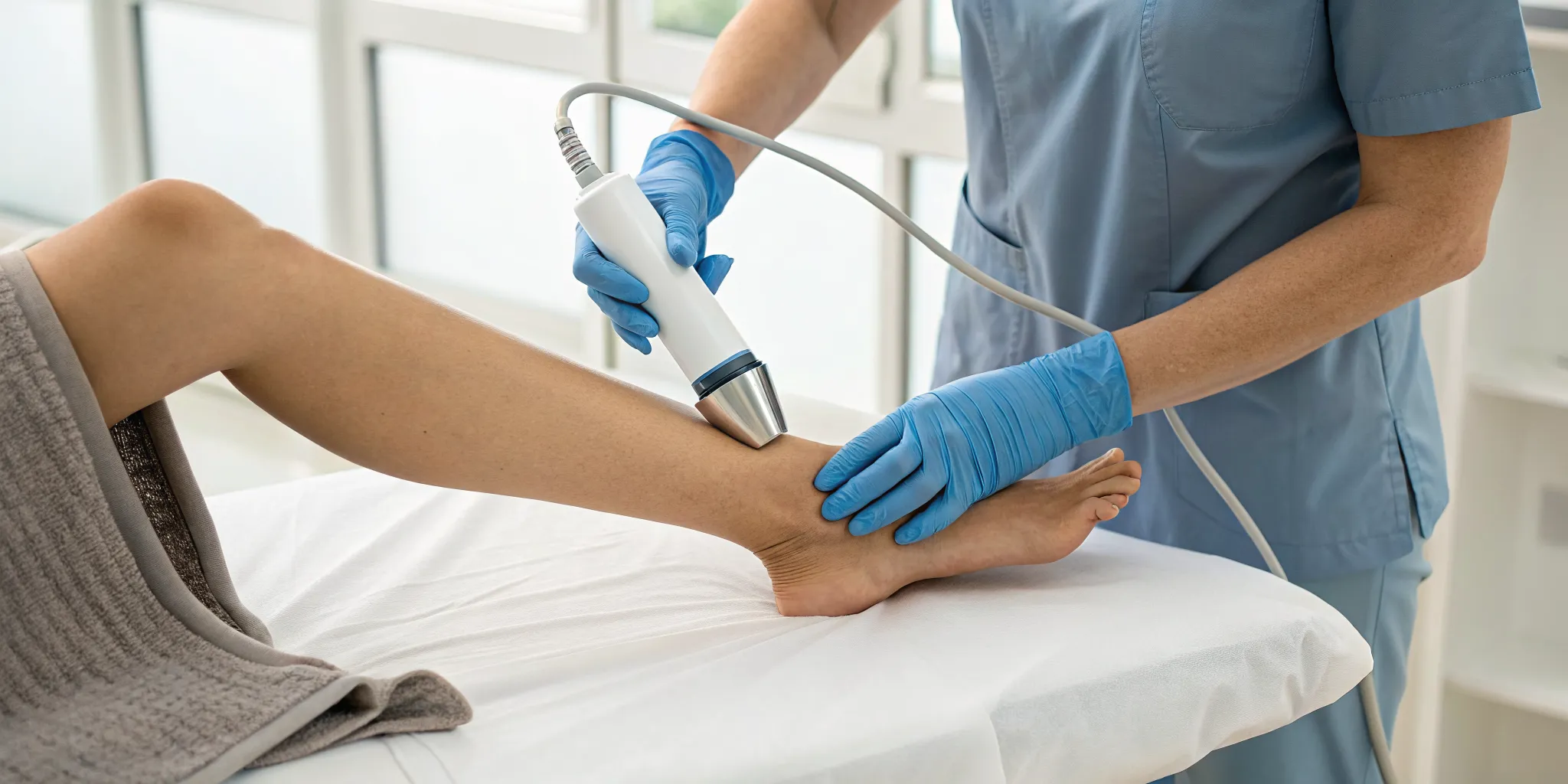
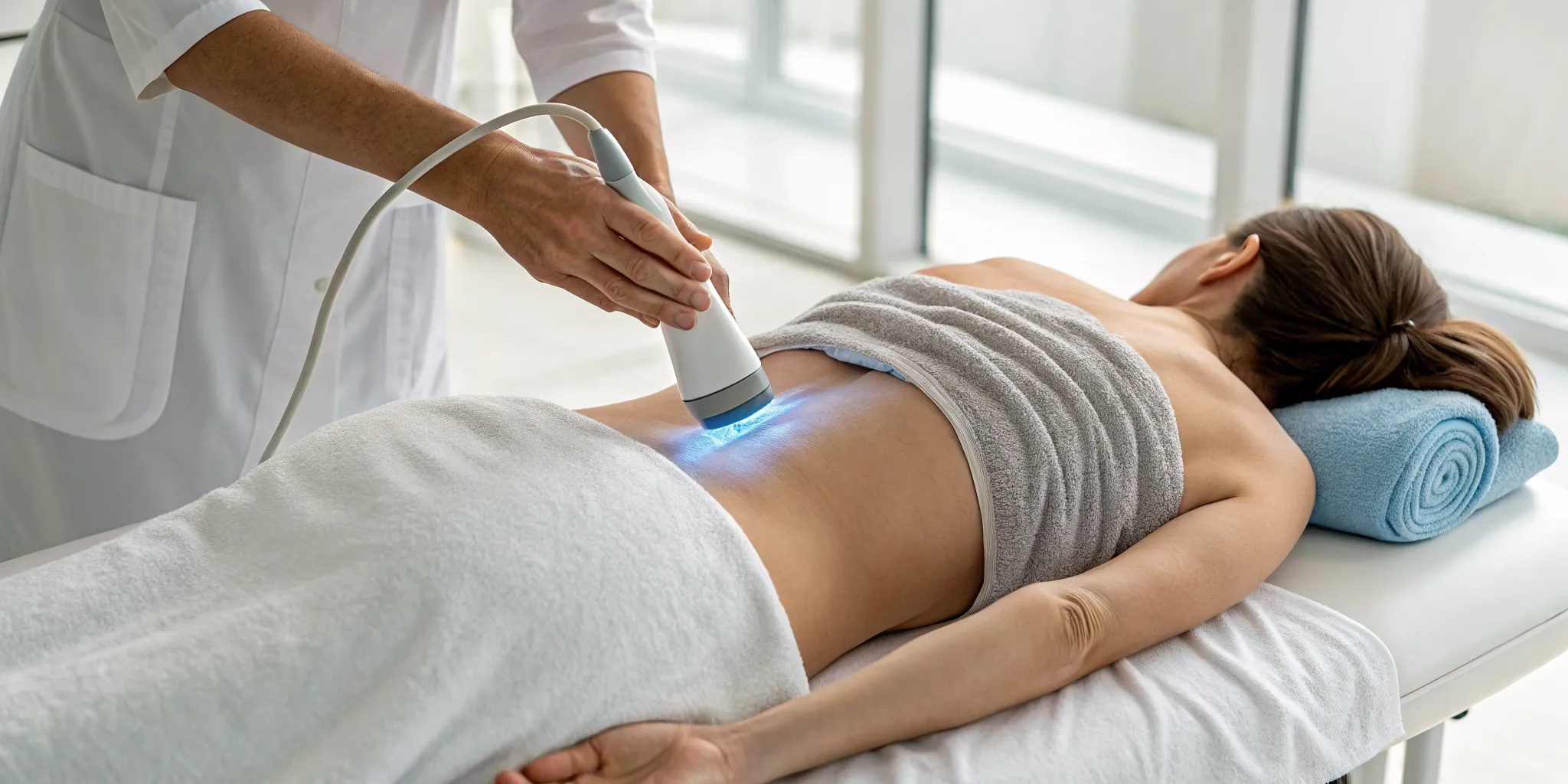
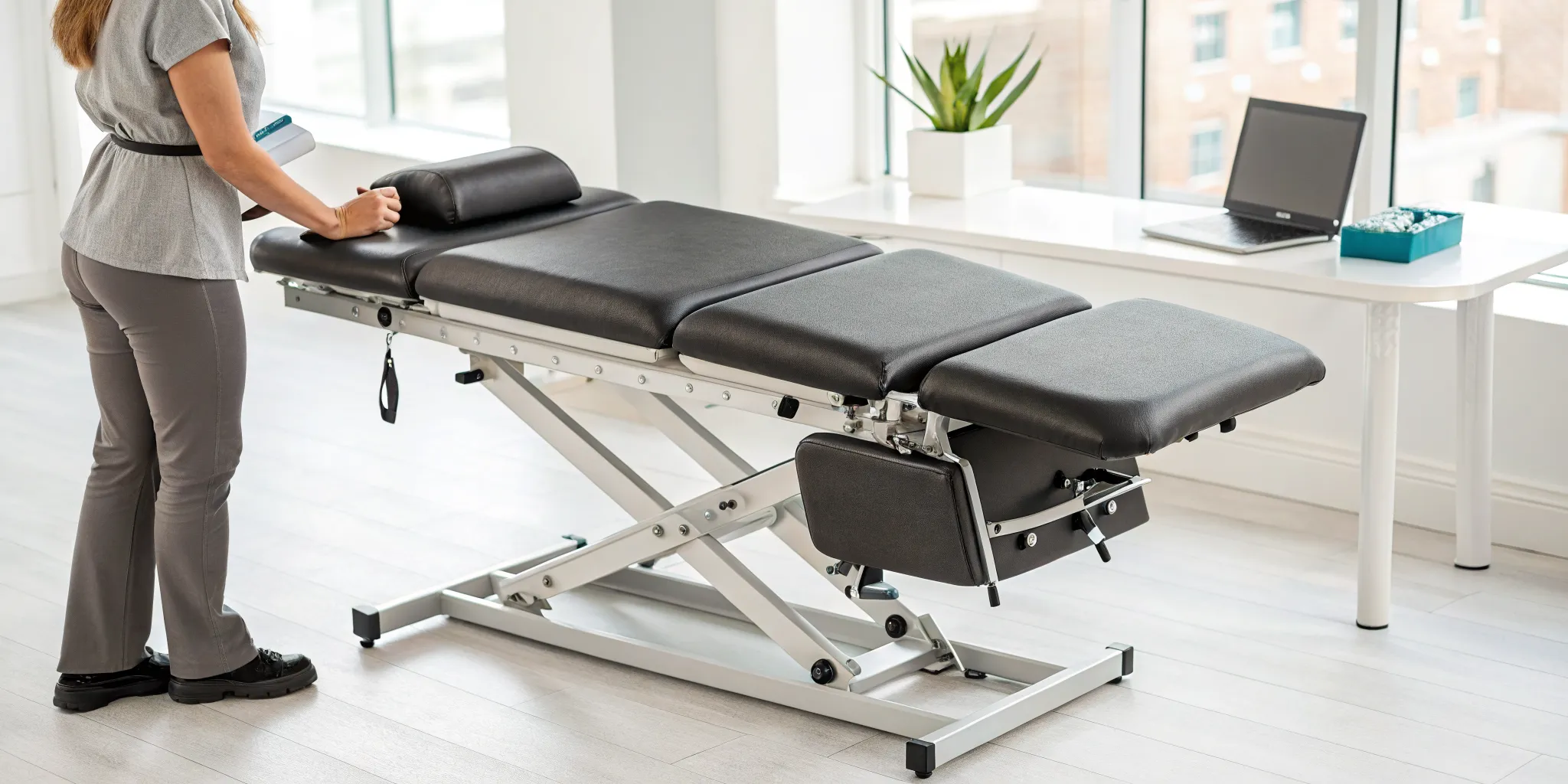
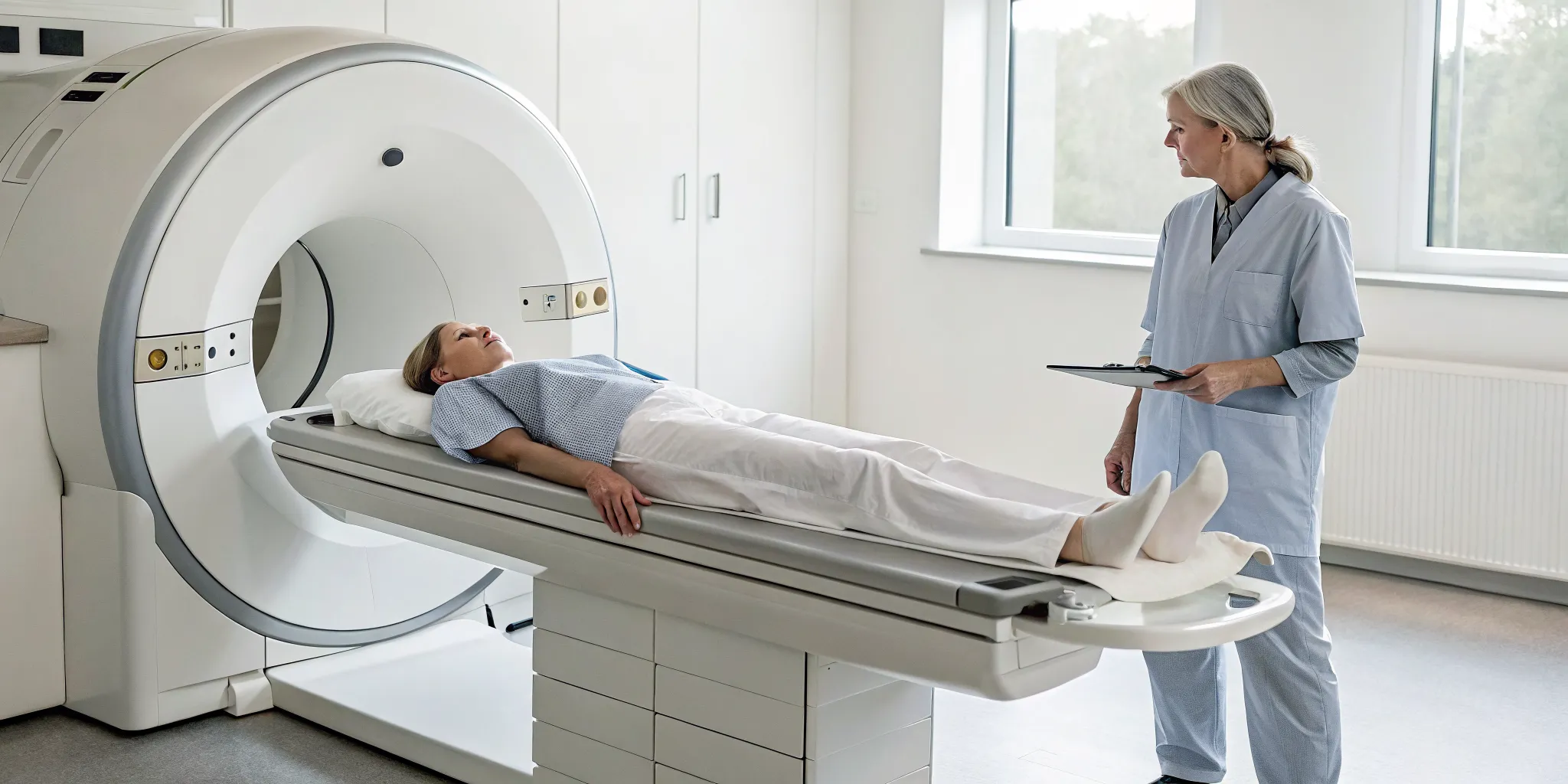
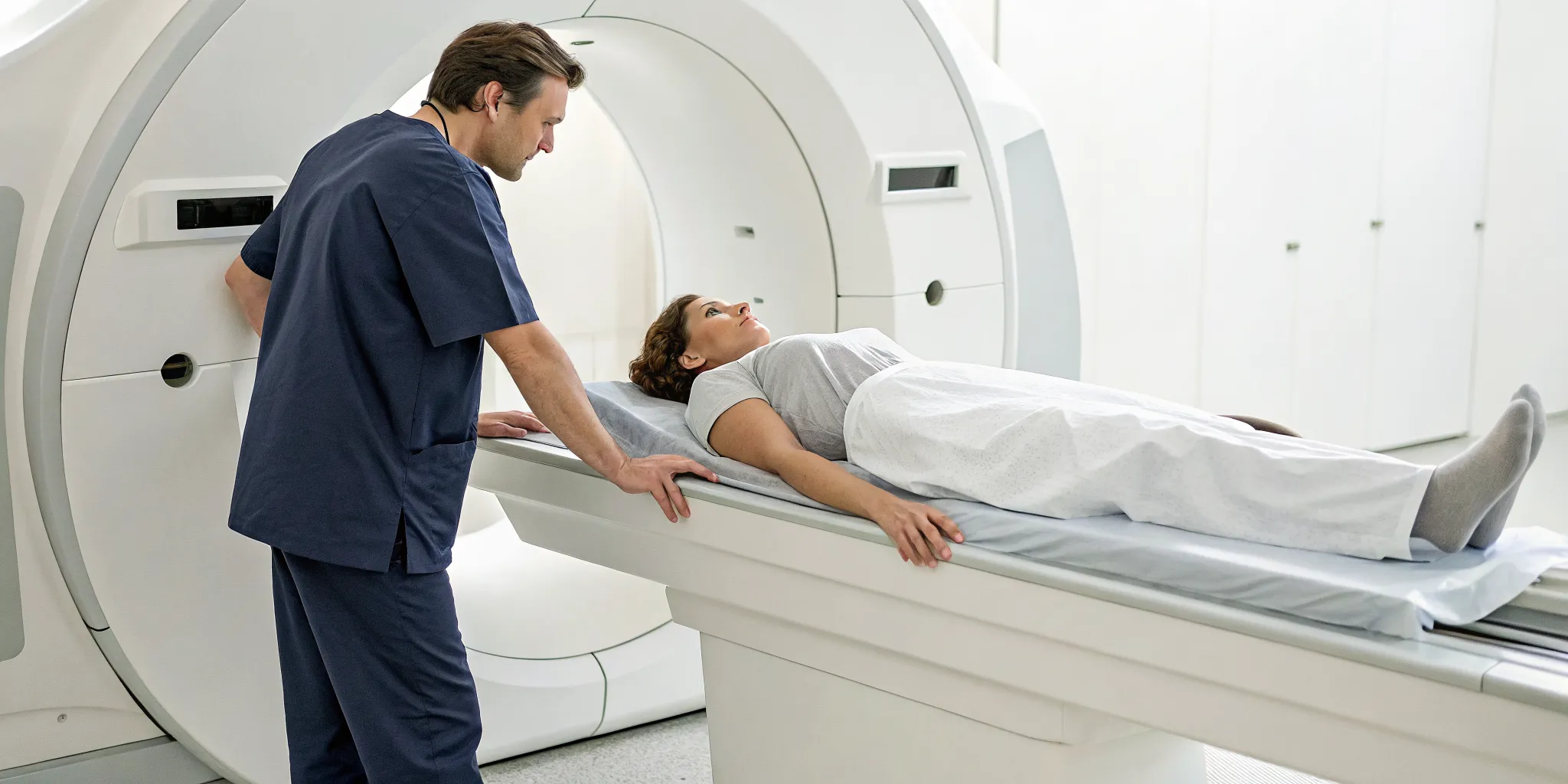
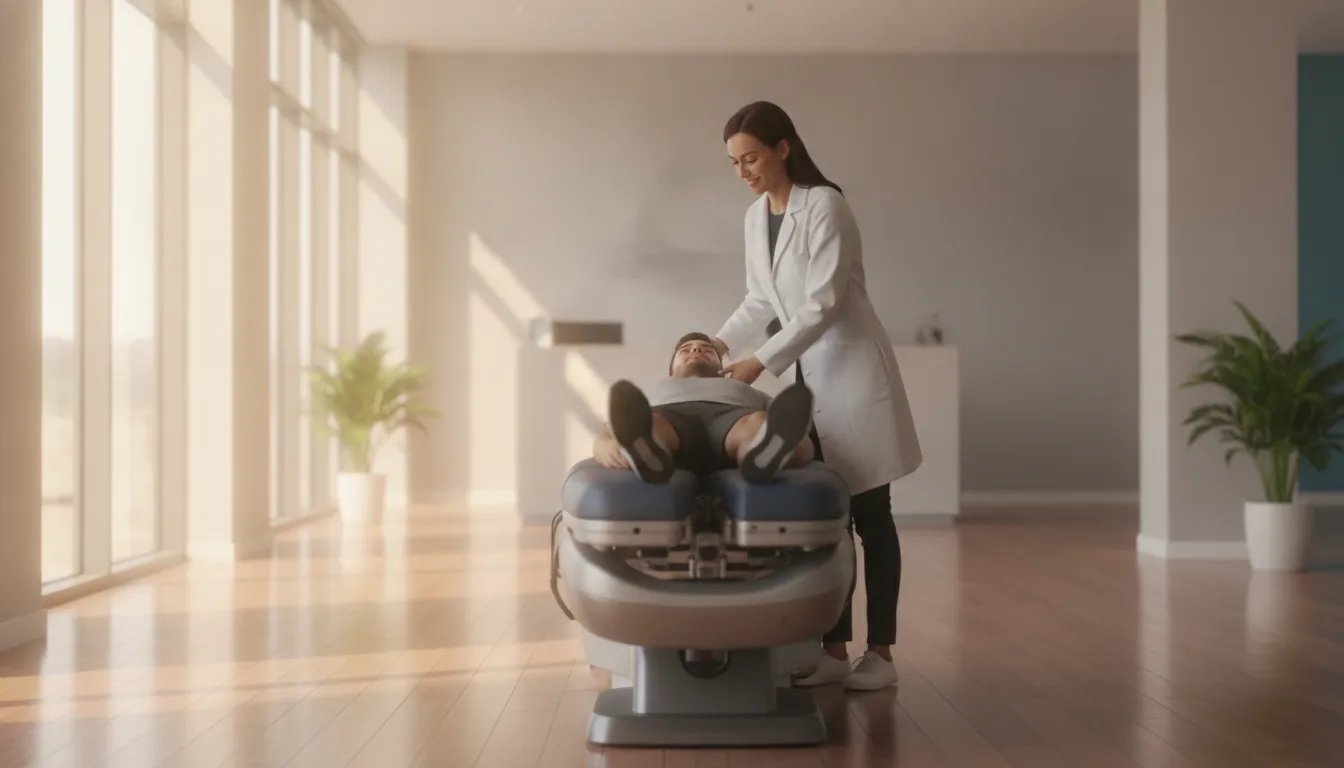
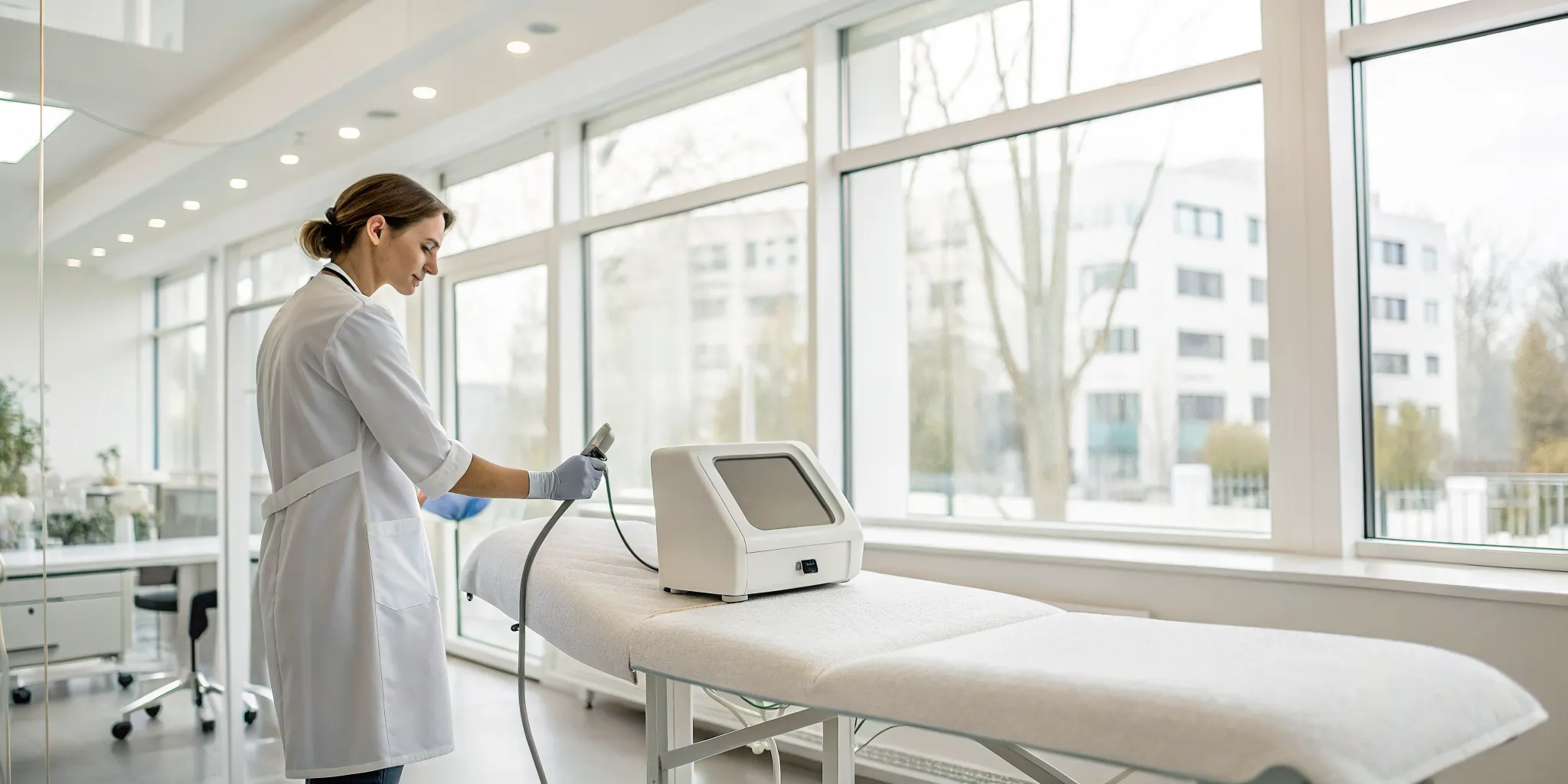
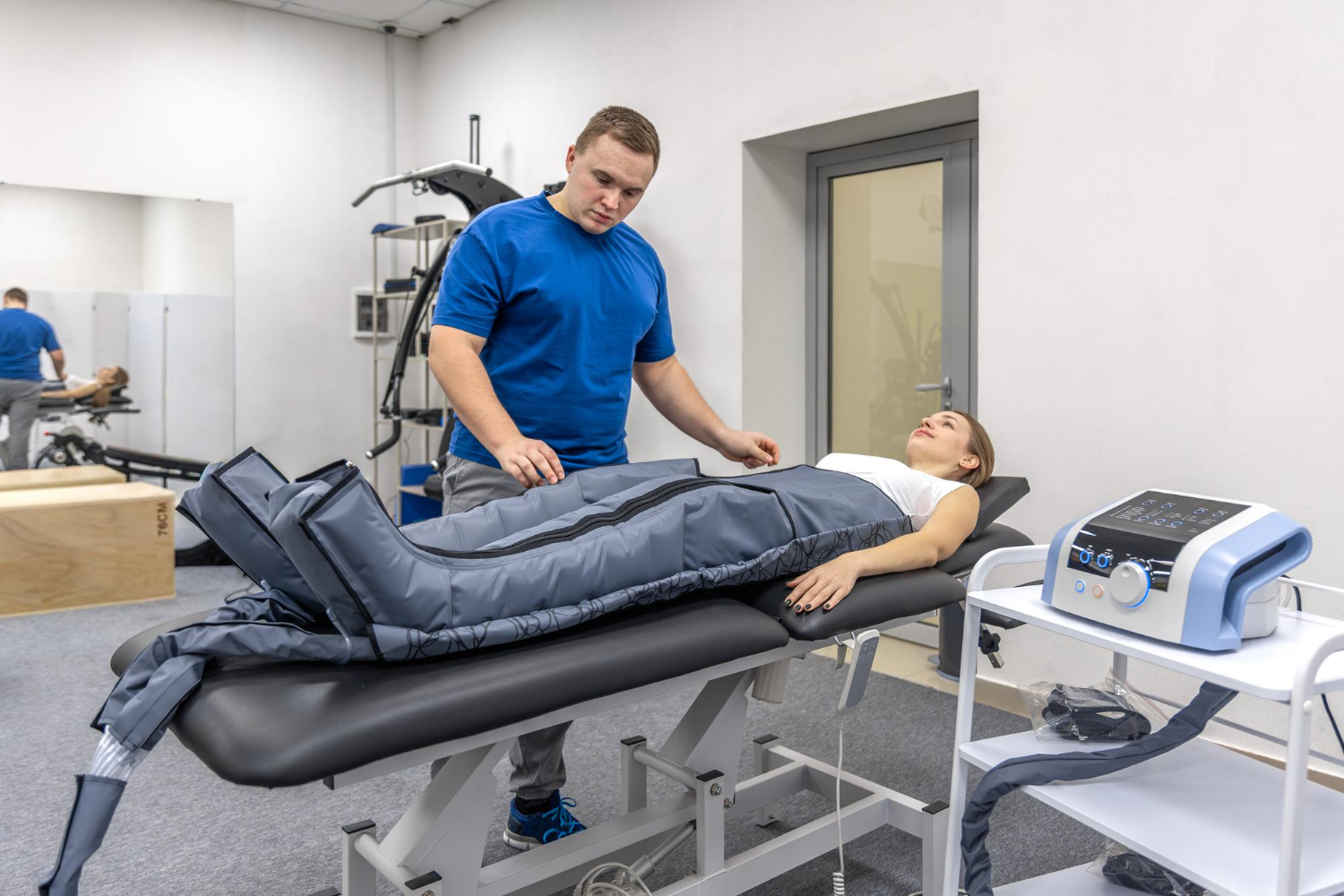
Non-surgical spinal decompression is a modern, highly effective therapy for disc-related pain. During this treatment, you lie comfortably on a specialized table while a computer-controlled system provides a gentle, precise stretch to your spine. This process creates a negative pressure inside the disc, which acts like a vacuum. It can help draw the bulging or herniated material back into place and away from the nerve. This non-invasive treatment also encourages the flow of water, oxygen, and nutrients into the disc, which is essential for healing. It’s a relaxing and pain-free way to give your spine the space it needs to recover.
Corrective Exercises and Physical Therapy
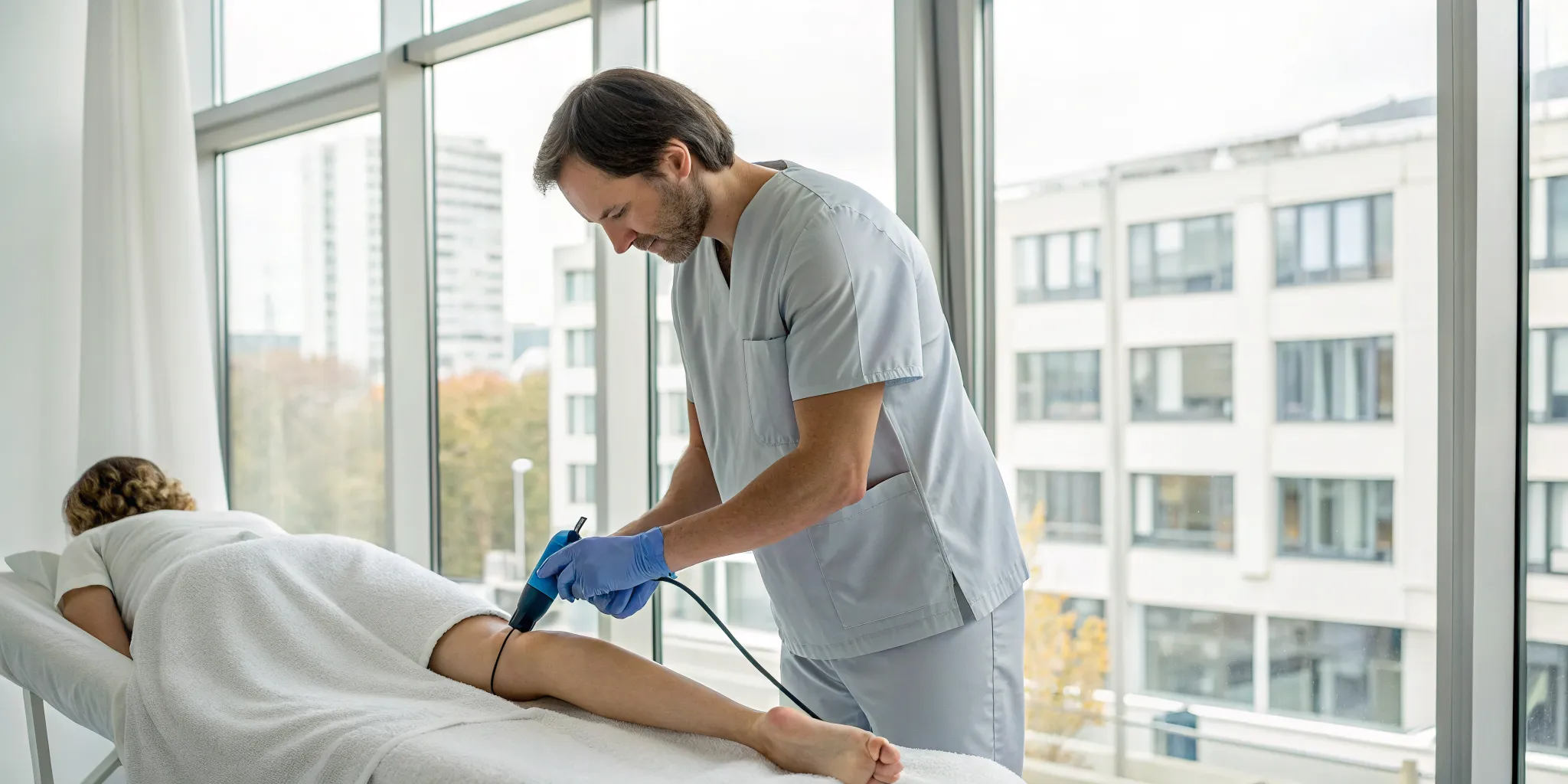
While passive treatments provide relief, active care is what creates lasting stability. That’s where corrective exercises and physical therapy come in. A bulging disc is often related to muscular imbalances and weaknesses, particularly in the core and back. We design a customized physical therapy program to strengthen these supportive muscles, improve your flexibility, and correct your posture. Building a strong, stable core provides better support for your spine, reducing the strain on your discs during daily activities. These exercises empower you to take an active role in your healing and help prevent future flare-ups.
Supportive Therapies like Acupuncture
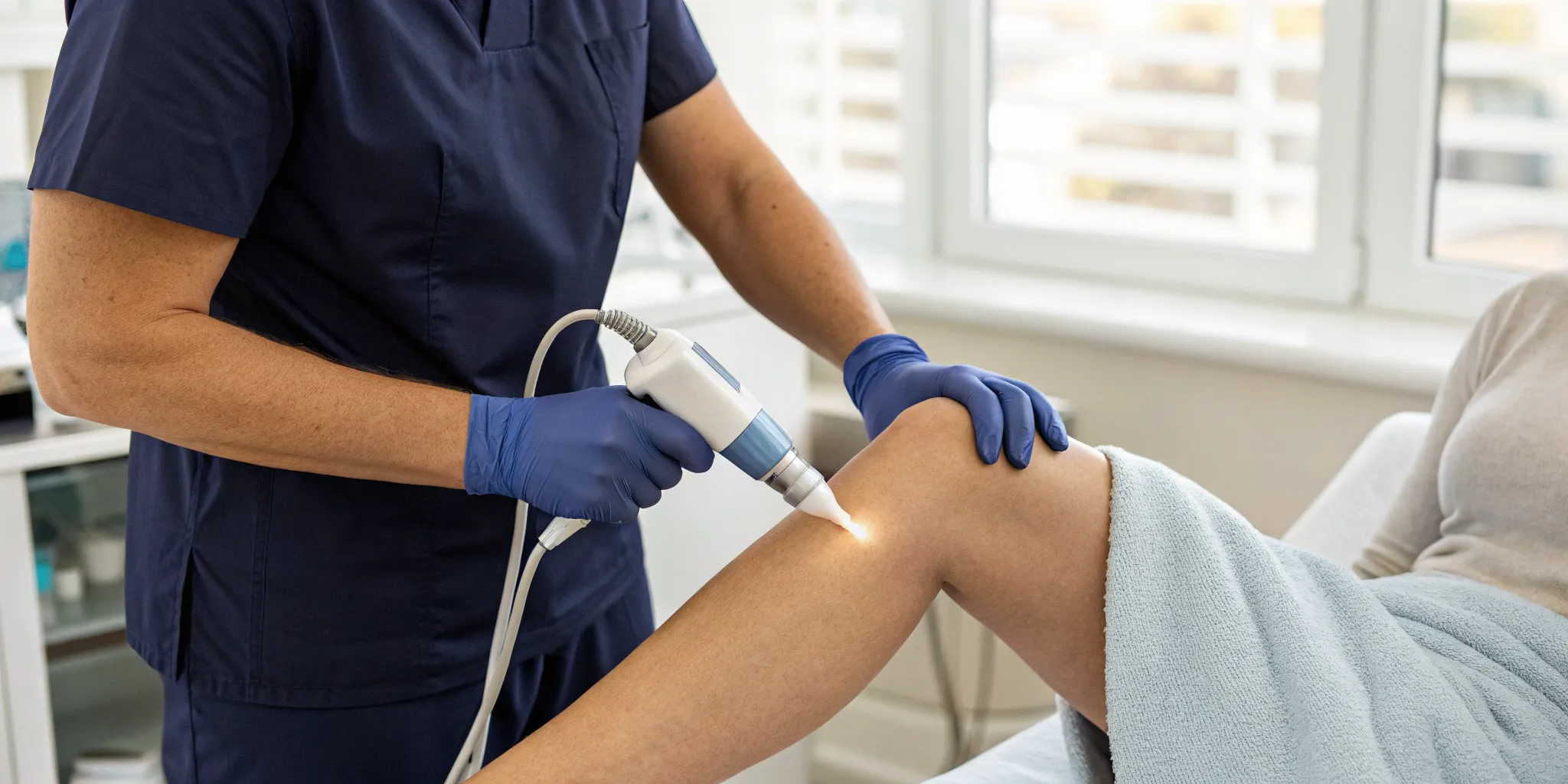
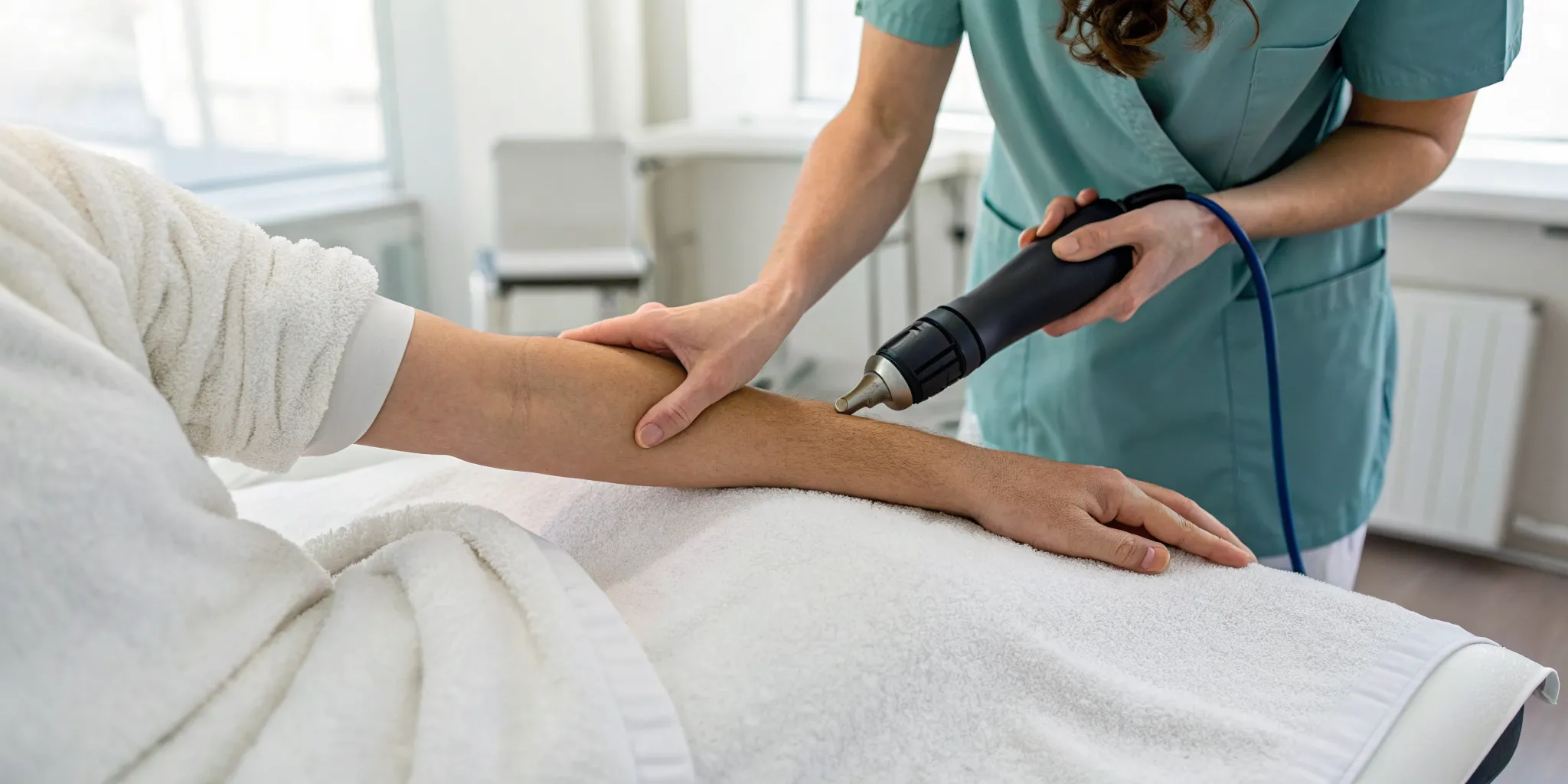
Acupuncture is an excellent complementary therapy that can help manage the pain associated with a bulging disc. This ancient practice involves placing very thin needles at specific points on the body. From a modern perspective, this stimulation can prompt the body to release its own natural pain-relieving chemicals, like endorphins. It also helps to calm the nervous system and increase blood flow to the injured area. More circulation brings more oxygen and nutrients, which can accelerate the healing process. Many people find acupuncture to be a deeply relaxing experience that provides significant pain relief without medication.
Therapeutic Massage and Soft Tissue Work
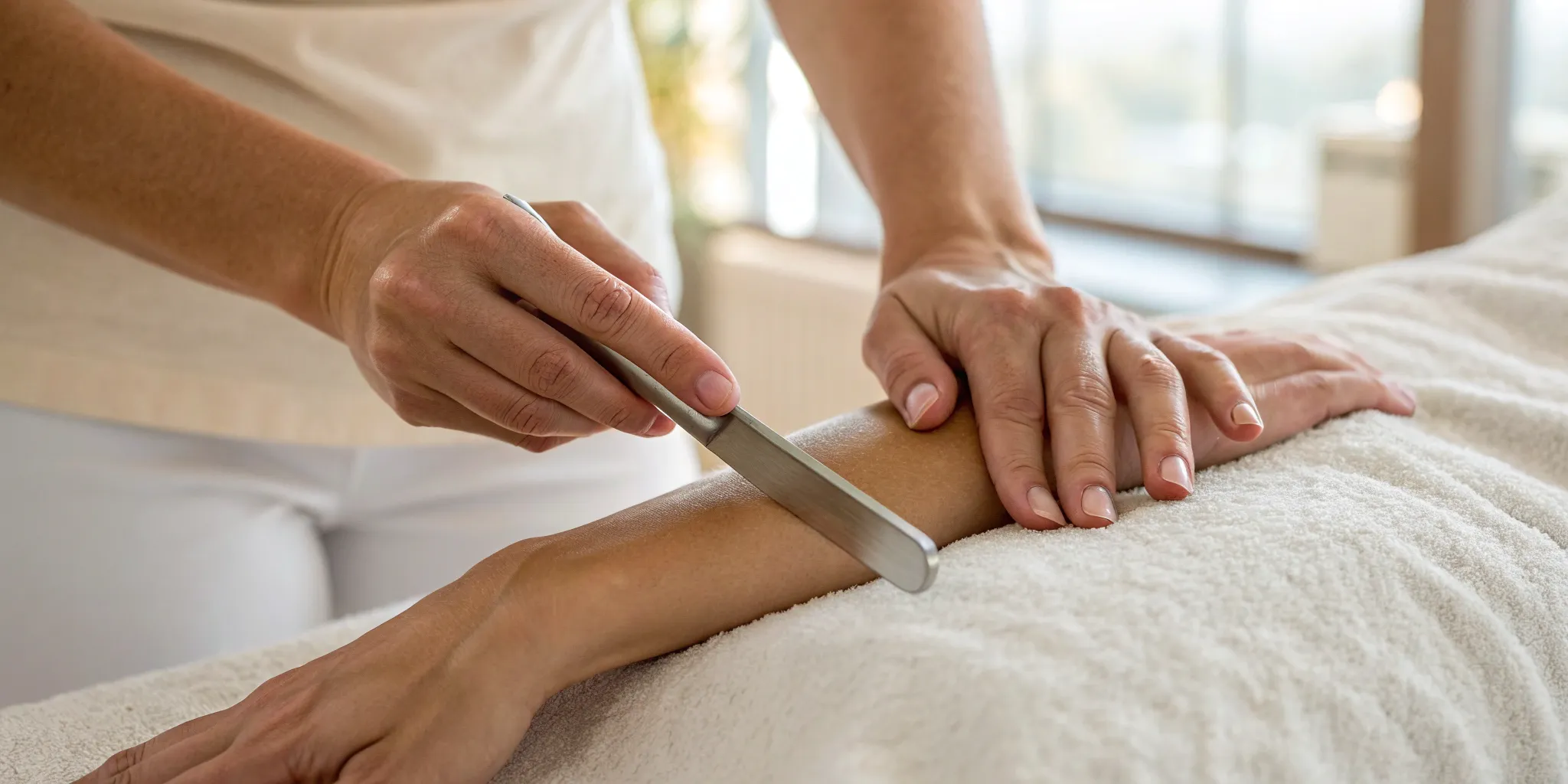
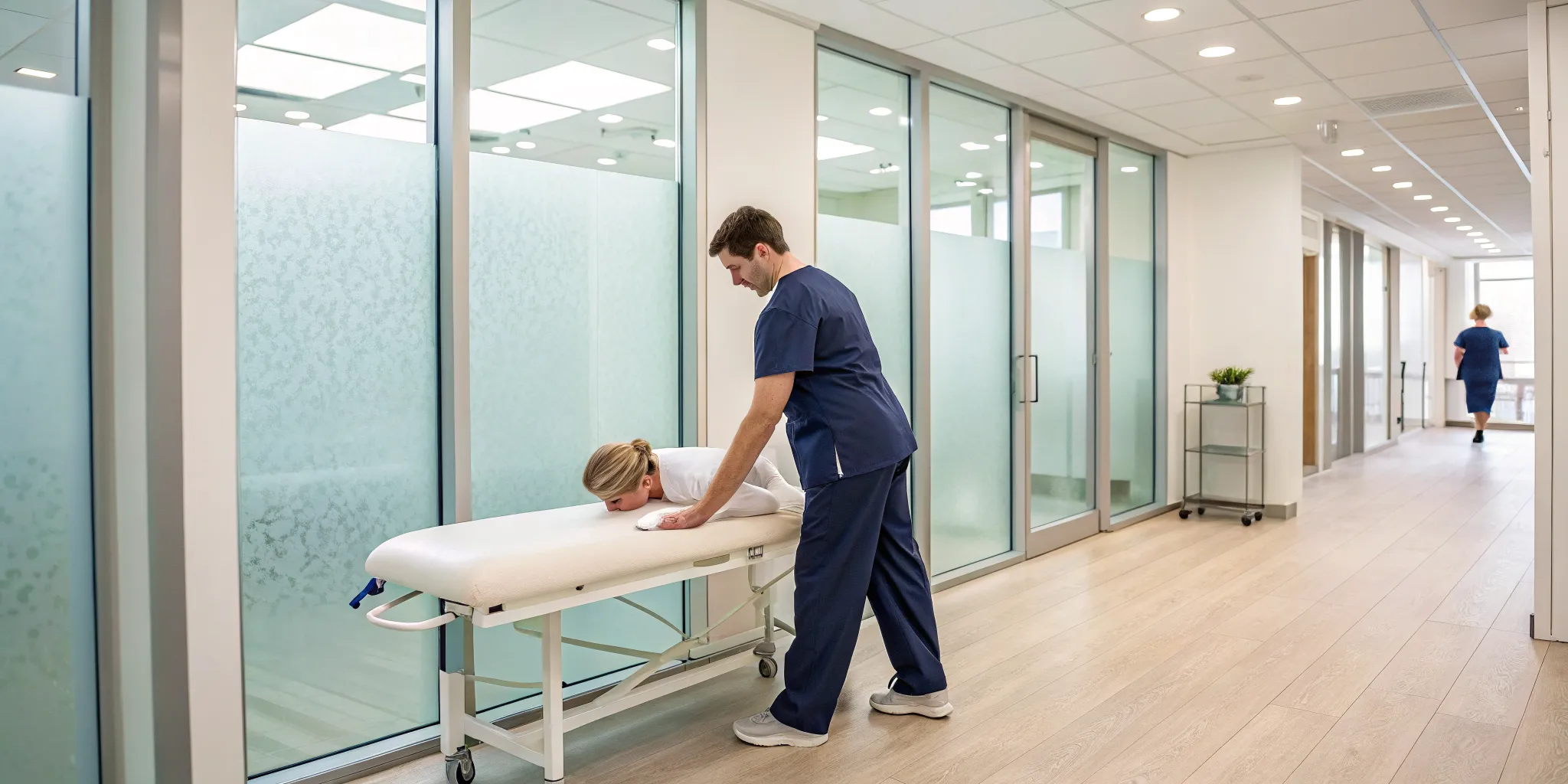
When a disc is injured, the muscles around it often tighten and spasm in an attempt to protect the area. While this is a natural response, it can lead to more pain and stiffness. Therapeutic massage and soft tissue work directly address this muscular tension. By using specific techniques to release tight muscles and break up adhesions, a skilled therapist can reduce pain, decrease inflammation, and improve your range of motion. This type of complementary treatment not only feels good but also plays a crucial role in a comprehensive care plan by ensuring your muscles are as healthy as your spine.
Effective Physical Therapy Techniques for Disc Relief
Physical therapy is a powerful tool for managing a bulging disc because it addresses the problem from multiple angles. Instead of just masking the pain, a targeted program of exercises and movements helps stabilize your spine, reduce pressure on the nerve, and support your body’s natural healing process. The goal is to build a stronger, more resilient back to provide long-term relief. This approach is about empowering you with the tools and strength your body needs to heal itself, which is a far more sustainable solution than temporary fixes.
A comprehensive plan, guided by a professional, will incorporate a mix of strengthening, stretching, and gentle activity. These techniques work together to restore function and help you get back to your life without discomfort. It's not about pushing through intense pain; it's about smart, intentional movement that retrains your body and corrects the imbalances that may have contributed to the disc issue in the first place. By focusing on the root cause, we can create lasting change and reduce the likelihood of future flare-ups. This method puts you in the driver's seat of your recovery, teaching you how to care for your spine for years to come.
Core Strengthening and the McKenzie Method
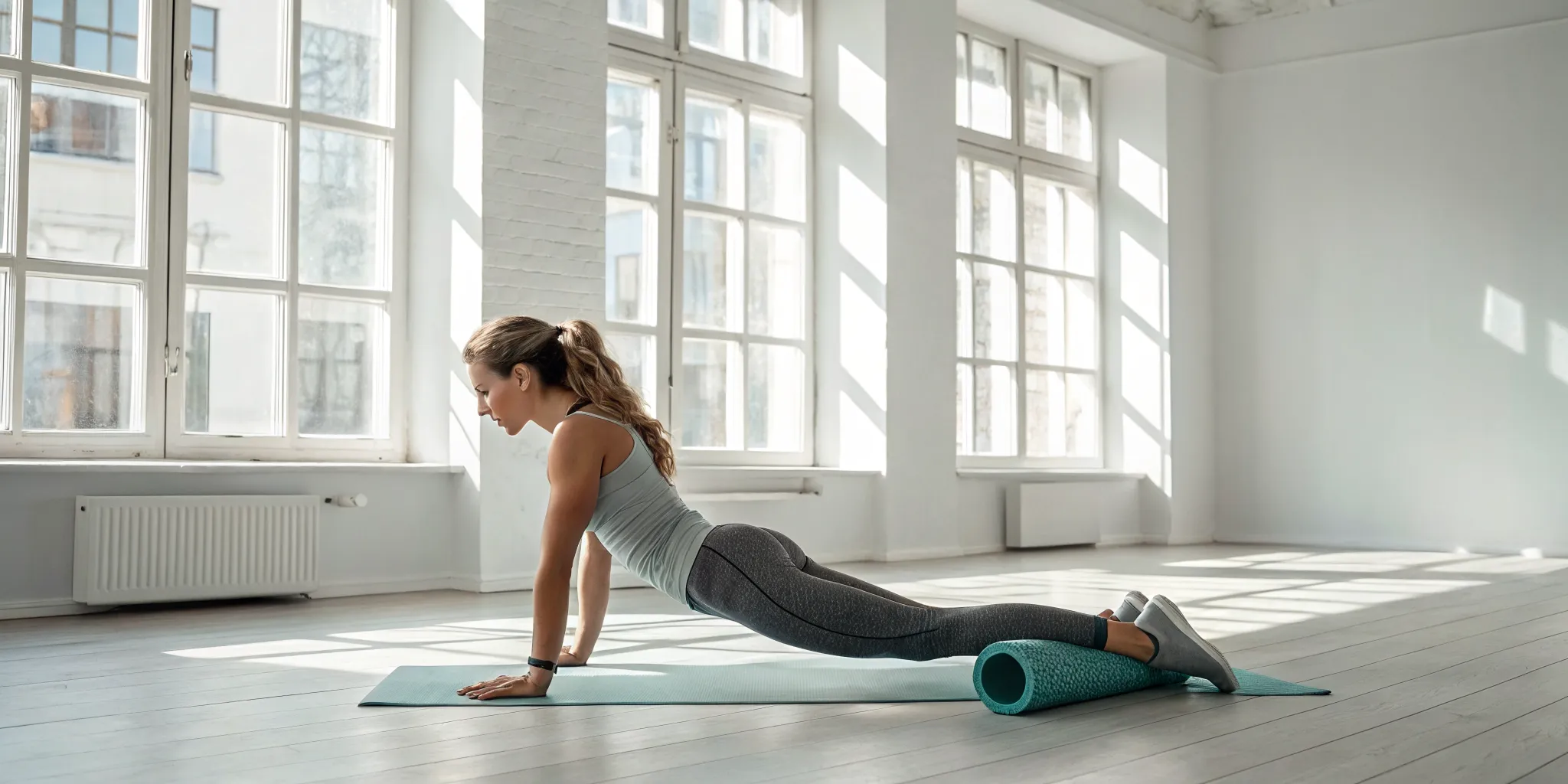
A strong core is your spine's best friend. When your abdominal and back muscles are strong, they act like a natural corset, providing stability and reducing the load on your spinal discs. A key part of your recovery will involve a corrective exercise program focused on building this foundational strength. Exercises like pelvic tilts, bridges, and bird-dog poses are excellent for developing core stability without straining your back. Another highly effective technique is the McKenzie Method. One of its signature exercises, the cobra press-up, involves lying face down and gently pressing your upper body upward. This specific movement can help guide the bulging disc material away from the sensitive nerve roots, often leading to a significant reduction in pain.
Improving Flexibility with Stretching and Mobility
Tight muscles in your back, hips, and legs can pull on your spine, worsening the pressure on a bulging disc. Improving your flexibility is crucial for reducing this tension and promoting better spinal alignment. Gentle, consistent stretching helps create space in the spine and relieves compression. Stretches like the knee-to-chest, cat-cow, and child's pose are fantastic for gently releasing tension in the muscles surrounding your spine. The key is to move slowly and avoid any position that causes sharp pain. By incorporating these movements into your daily routine, you can improve your range of motion and support the other strengthening work you’re doing, which is essential for the conditions we treat every day.
The Role of Low-Impact Movement
When you're in pain, it’s tempting to avoid all movement. However, gentle, low-impact activity is one of the best things you can do for a bulging disc. Movement increases blood flow to the injured area, delivering oxygen and nutrients that are essential for healing. It also keeps your supportive muscles active and prevents them from becoming weak and stiff. Walking is a perfect example of beneficial low-impact exercise. It gets your body moving and promotes circulation without putting excess strain on your spine. Swimming or water aerobics are also great options, as the buoyancy of the water supports your body weight. The goal is to stay active in a way that feels good and supports your recovery.
Considering Your Options: Non-Surgical vs. Invasive Procedures
When you’re dealing with the persistent discomfort of a bulging disc, it’s natural to wonder about the best path forward. The good news is that many people find lasting relief without resorting to invasive procedures. Most spine specialists actually recommend starting with non-surgical treatments that focus on reducing inflammation, taking pressure off the spinal nerves, and improving your mobility.
Exploring conservative care first is a powerful way to support your body’s ability to heal. Approaches like chiropractic care, spinal decompression, and corrective exercise address the underlying issues causing your pain, rather than just masking the symptoms. Let’s look at how these options compare when it comes to effectiveness, recovery, and your overall quality of life.
Long-Term Effectiveness
When you’re in pain, you want a solution that lasts. While invasive procedures are sometimes presented as a definitive fix, non-surgical spinal decompression has become a highly effective and safe alternative for bulging and herniated discs. This approach offers a gentle way to find relief, and many people experience significant, long-term improvement without the risks associated with more aggressive interventions.
The goal of conservative care is to create lasting stability and strength. By focusing on treatments that improve your body's mechanics and reduce inflammation, you’re not just getting temporary relief; you’re building a foundation for long-term spinal health. Our physical medicine services are designed to provide this kind of sustainable result, helping your body heal and become more resilient.
Impact on Your Daily Life and Recovery
One of the biggest factors to consider is how treatment will affect your day-to-day life. Invasive procedures often come with a long and challenging recovery period, requiring significant time off from work, family, and the activities you love. In contrast, conservative care is designed to fit into your life and get you back to it, faster.
Physical therapy is often the cornerstone of non-surgical treatment for a bulging disc. A skilled therapist can guide you through exercises that increase mobility, improve flexibility, and reduce pain. Even simple, low-impact activities like walking can make a huge difference by increasing circulation and promoting healing without straining your spine. This approach allows you to remain active and engaged in your own recovery, which is a key part of the healing process for the conditions we treat.
Is a Conservative Approach Right for You?
If you prefer a whole-body approach that honors your body’s innate healing capacity, conservative care is likely a great fit. This path often includes complementary treatments like acupuncture and therapeutic massage, which can provide significant pain relief. Acupuncture, for example, may help by prompting your body to release its own natural pain relievers, called endorphins.
Choosing a conservative route means you are an active partner in your healing journey. It’s about more than just addressing the disc; it’s about improving your overall health and well-being to prevent future issues. This philosophy is at the heart of our approach at Ascend Functional Health. We believe in empowering you with the tools and support you need to build a healthier, more comfortable life from the ground up.
Your Path to Recovery: What to Expect
Beginning your recovery journey for a bulging disc can feel overwhelming, but you don’t have to go it alone. Our approach is centered on creating a clear, supportive, and personalized path forward. We work with you every step of the way, from understanding the root cause of your discomfort to building a plan that fits your life. The goal is to empower you with the tools and guidance needed for lasting relief and to get you back to the activities you love. Your healing process is a partnership, and it starts with a comprehensive look at your unique situation.
Your Initial, In-Depth Assessment
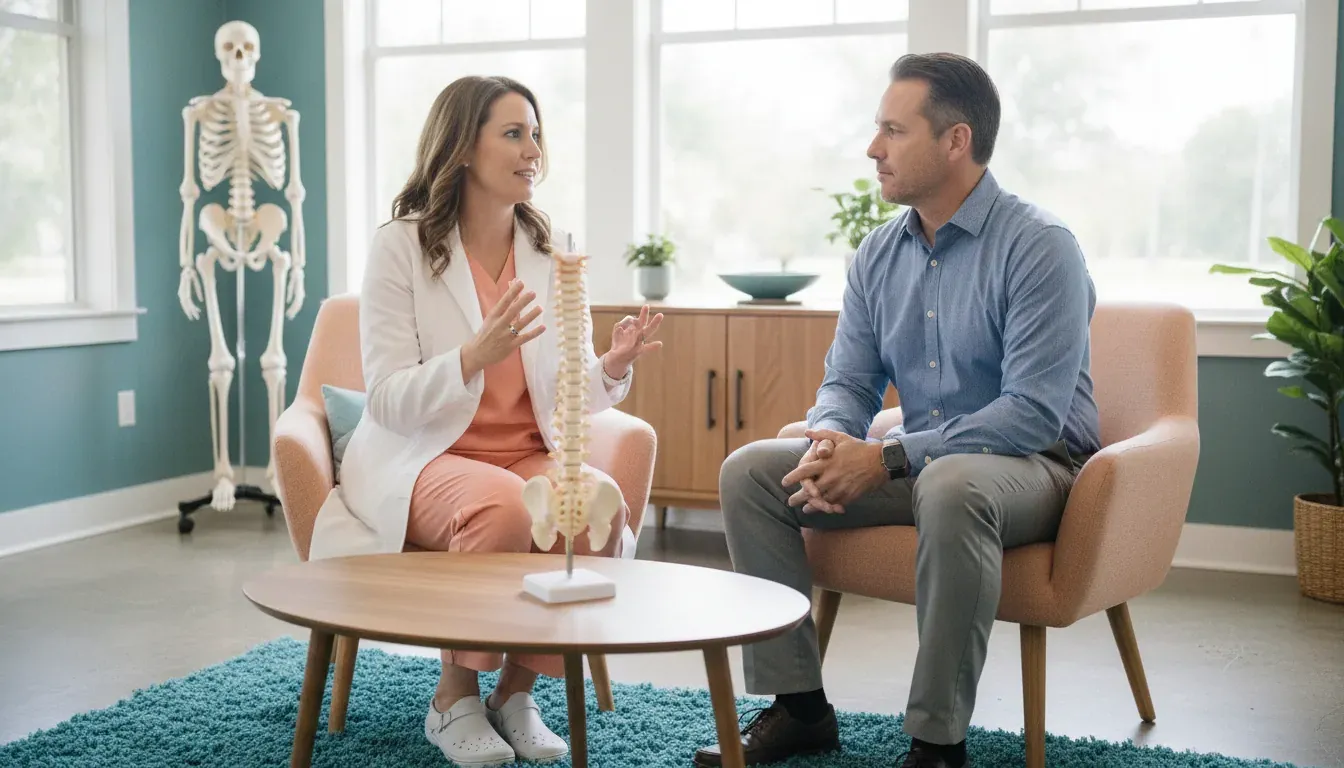
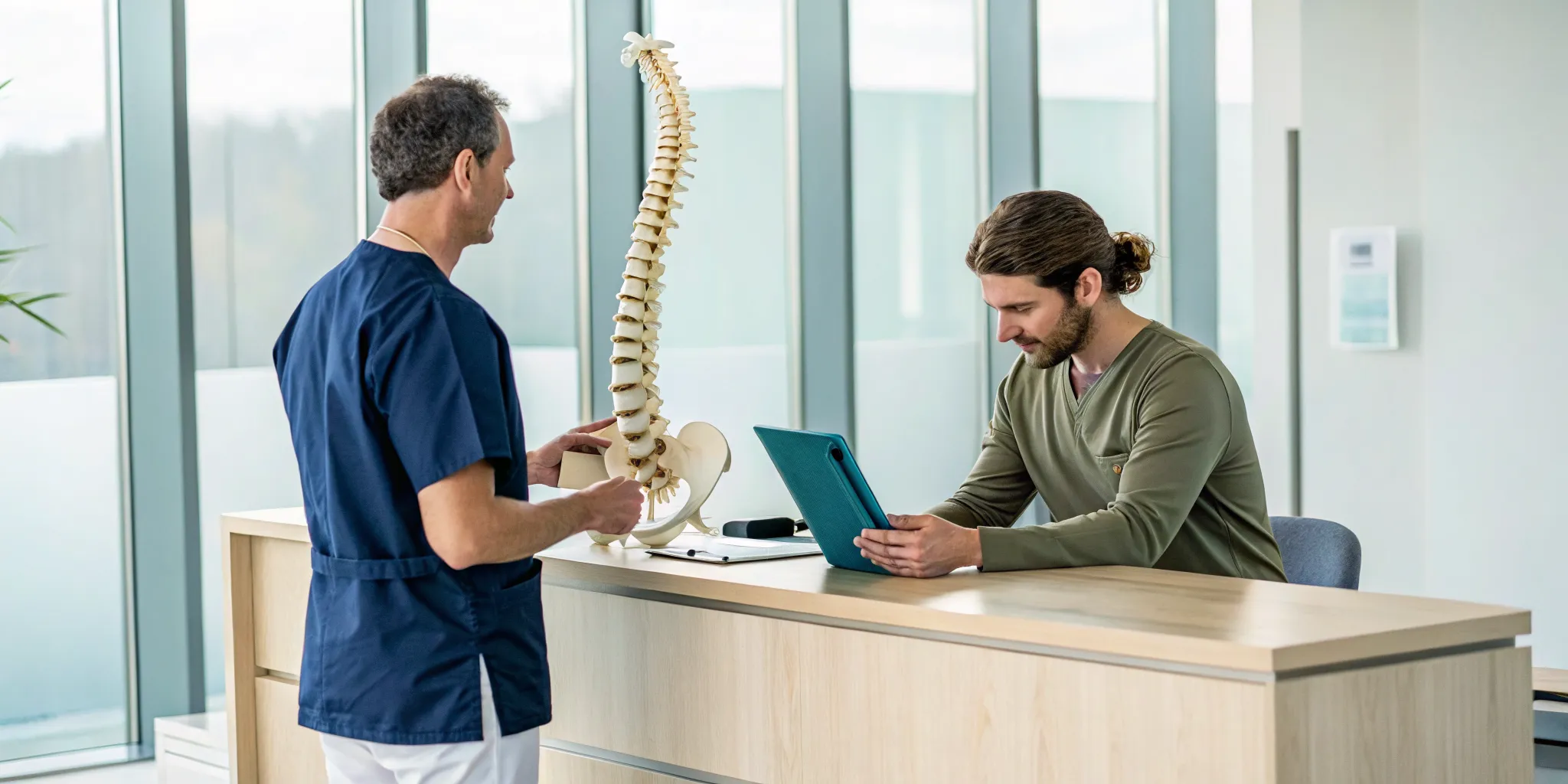
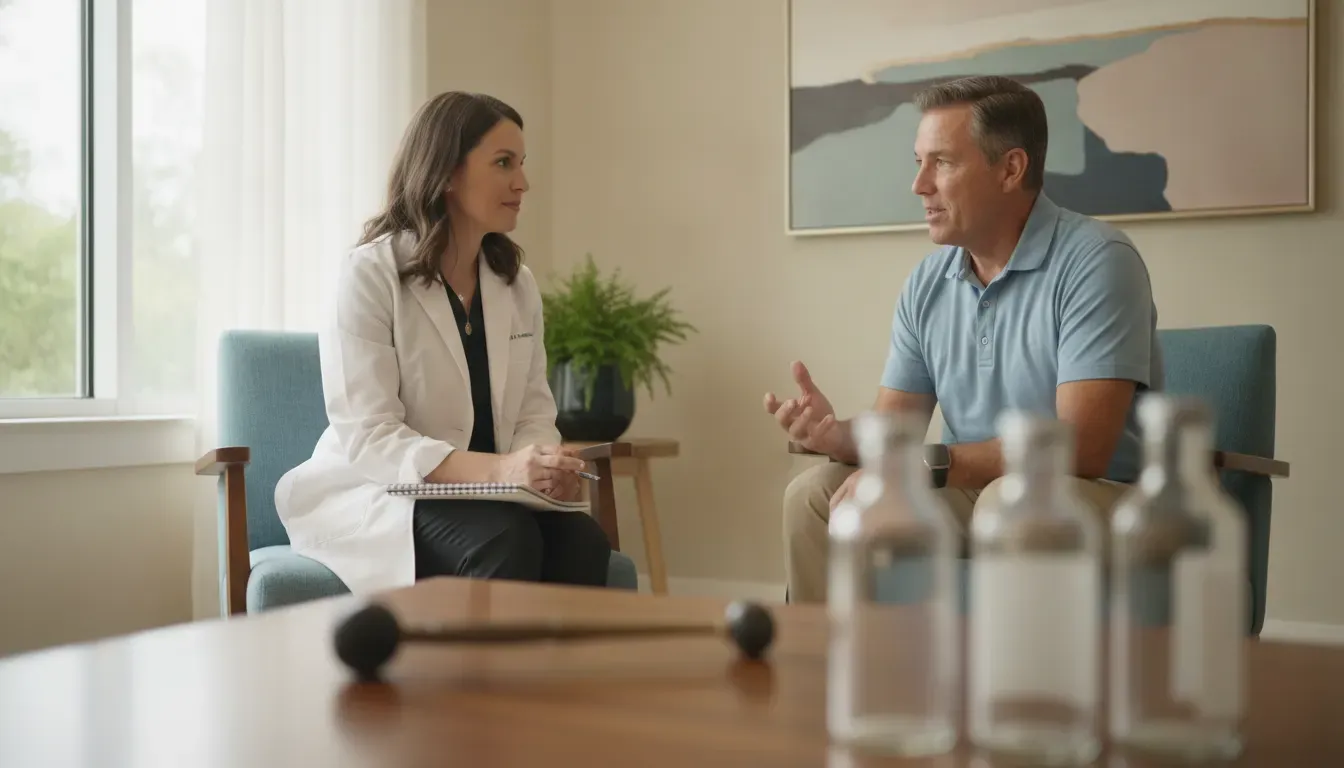
Your first visit is all about you. We’ll take the time to listen to your story, understand your symptoms, and learn about your health goals. A thorough and proper diagnosis is the critical first step, as it ensures any exercises or therapies we recommend will help, not harm, your specific condition. This initial, in-depth assessment goes beyond just the site of your pain. We look at your body as a whole to identify underlying imbalances that may be contributing to the disc issue. This foundational step allows us to see the complete picture and begin crafting a plan that addresses the true source of your discomfort.
Creating Your Personalized Care Plan
Once we understand your body’s needs, we’ll design a personalized care plan just for you. This isn't a one-size-fits-all protocol; it's a tailored strategy that often uses a combination of gentle, non-invasive techniques. Your plan may include specific chiropractic adjustments, non-surgical spinal decompression, and corrective exercises. A skilled provider will guide you through each movement, correcting your form and adjusting the intensity as you progress. We also focus on education, teaching you how to protect your spine and continue your progress between appointments. This comprehensive approach helps increase mobility, improve flexibility, and reduce pain.
Setting Realistic Timelines for Healing
Healing is a process, not a single event. While many people feel a degree of relief after their initial sessions, long-term recovery happens gradually. Your timeline will depend on several factors, including the specifics of your condition and how consistently you follow your care plan. We’ll help you set realistic expectations and celebrate your progress along the way. Our focus is on creating sustainable results that allow you to regain function and confidence in your body. By committing to a conservative approach, you give your body the best opportunity to heal correctly and build resilience against future issues.
Support Your Healing with These Lifestyle Habits
Your journey to recovery doesn't stop when you leave our office. The choices you make every day have a powerful impact on how quickly and effectively your body heals. Think of your professional care as the blueprint for repair and your daily habits as the construction crew that gets the work done. By incorporating supportive lifestyle changes, you take an active and empowered role in your healing process. These habits work in harmony with your treatment plan to reduce pain, prevent reinjury, and build a stronger, more resilient body for the long haul.
Mindful Movement, Posture, and Ergonomics
How you hold your body throughout the day matters immensely, especially when dealing with a bulging disc. Poor posture while sitting at a desk, looking down at your phone, or even driving can place consistent, low-grade stress on your spine, slowing down your recovery. A key part of our physical medicine approach is educating you on how to move with intention. We’ll help you become aware of your posture and make small adjustments that lead to big relief. This includes setting up an ergonomic workspace and using proper body mechanics for lifting, so you can protect your back from unnecessary strain and support its healing.
The Impact of Nutrition and Gentle Exercise
When you’re in pain, the thought of exercise can be daunting, but gentle movement is one of the best things you can do. Activities like walking or swimming increase circulation to the injured disc, delivering vital nutrients and oxygen that promote healing. This type of low-impact movement keeps your supportive muscles active without putting a heavy load on your spine. Of course, not all exercise is created equal. We work with you to determine the right movements for your specific situation, ensuring you’re strengthening your body safely. Pairing this movement with proper nutrition gives your body the fuel it needs to repair damaged tissues effectively.
Eating to Reduce Inflammation
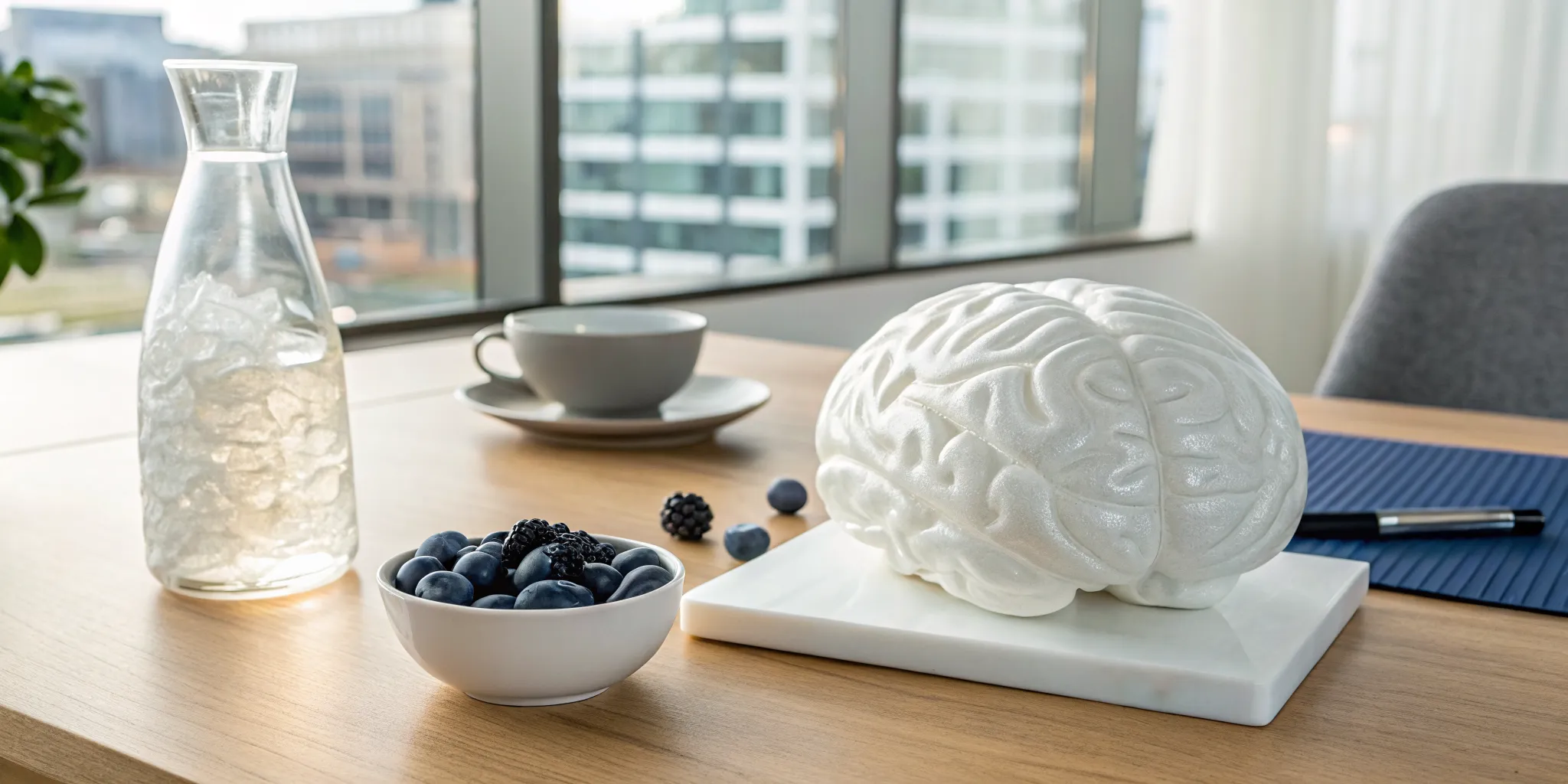
Inflammation is a natural part of the healing process, but chronic, system-wide inflammation can make your pain worse and stall recovery. Many common foods, like sugar, refined carbohydrates, and processed snacks, can contribute to this inflammatory state. A core principle of functional medicine is using food to calm inflammation from the inside out. Focus on building your meals around anti-inflammatory foods like leafy greens, colorful vegetables, berries, and healthy fats from sources like avocados, olive oil, and fatty fish. By shifting your diet, you can create an internal environment that actively supports healing and reduces pain.
How Sleep and Stress Management Aid Recovery
Never underestimate the power of a good night's sleep. Your body performs most of its critical repair work while you rest, rebuilding tissues and reducing inflammation. Aim for seven to nine hours of quality sleep per night in a cool, dark room. Similarly, managing stress is crucial. Chronic stress keeps your body in a high-alert state, tensing muscles and releasing hormones that can interfere with healing. Simple practices like deep breathing, meditation, or taking a quiet walk can lower stress levels and help your nervous system shift into a state of rest and repair. For more wellness tips, you can explore our podcast.
A Different Approach to Bulging Disc Care in Tampa
When you’re dealing with the persistent pain of a bulging disc, it’s easy to feel like your options are limited. At Ascend Functional Health, we take a different path. We look at the complete picture of your health to create a personalized plan that addresses your pain at its source, helping you get back to living your life in Tampa. Our approach combines several effective, non-surgical methods, focusing on gentle chiropractic care, spinal decompression, and corrective exercises to restore function and relieve pressure on your spine.
Our Whole-Body Approach to Healing
A bulging disc doesn’t just affect one spot in your back; it can impact your entire life. That’s why our healing philosophy is centered on a whole-body approach. We see physical therapy as an essential foundation for managing bulging discs, using expert techniques to help increase mobility and reduce pain. Our team integrates these principles into a broader strategy that considers how your entire musculoskeletal system works together. By focusing on your body as an interconnected system, our physical medicine services aim to restore balance and build a stronger, more resilient foundation for your spine. This way, we’re not just chasing pain, we’re building lasting health.
Addressing the Root Cause, Not Just Symptoms
Pain is your body’s signal that something is wrong, but simply silencing that signal isn’t a long-term solution. Our goal is to understand and address the root cause of your discomfort. This means looking beyond the disc itself to factors like inflammation, nerve irritation, and muscular imbalances. For example, treatments like acupuncture can prompt the body to release its own natural pain relievers and may stimulate healing by increasing blood flow to affected nerve pathways. By combining modern diagnostics with supportive therapies, we can identify the underlying issues contributing to the conditions we treat and create a plan that facilitates true healing from within.
Ready to Find Lasting Relief?
If you’re looking for an alternative to invasive procedures, it’s helpful to know what your options are. Non-surgical spinal decompression has become a highly effective, non-invasive treatment for bulging discs, offering a safe and comfortable alternative to traditional methods. This gentle therapy can relieve pressure on your spinal discs and nerves, allowing them to heal naturally. At Ascend, we believe in empowering you with solutions that provide lasting relief. We combine advanced techniques like spinal decompression with corrective care to help you achieve your health goals without significant downtime. If you’re ready to explore a personalized path to recovery, we invite you to contact us to learn more.
Related Articles
- Herniated Disc Treatment in Tampa, FL | Non-Surgical | Ascend Health & Wellness
- Disc Bulge Therapy: A Complete Guide to Healing
- Bulging Disc Therapy Treatment: A Complete Guide
- Avoid Back Surgery with Spinal Decompression
- Revitalize Your Spine with Spinal Decompression Therapy in Tampa, FL
Frequently Asked Questions
How long will it take for my back to feel better? This is the most common question we get, and the honest answer is that it’s different for everyone. While many people start to feel some relief fairly quickly, our main goal is long-term healing, not just a temporary fix. Your recovery timeline depends on your specific condition, your body’s response to care, and how consistently you follow your personalized plan. We focus on setting realistic expectations and celebrating your progress as you build strength and function over time.
I’m worried about making the pain worse. Are these treatments painful? That’s a completely valid concern. The treatments we use, like gentle chiropractic adjustments and spinal decompression, are specifically designed to be careful and controlled to avoid causing more pain. The goal is always to reduce pressure and calm irritation, not to force anything. Communication is key, and we will always work within your comfort level. Your healing should be a process of relief, not something you have to dread.
Should I stop exercising completely while my disc is healing? It’s tempting to avoid all movement when you’re in pain, but complete rest can sometimes do more harm than good by causing muscles to weaken and stiffen. Instead, we focus on smart, intentional movement. Gentle, low-impact activities like walking or specific corrective exercises actually help the healing process by increasing blood flow to the injured area. We will guide you on which movements are safe and beneficial for your specific condition.
What makes this approach different from just going to a physical therapist? While physical therapy is a vital part of recovery, our approach integrates it into a more comprehensive plan. We don’t look at your bulging disc as an isolated problem. Instead, we combine multiple effective therapies, such as spinal decompression, chiropractic care, and soft tissue work, to address your body as a whole, interconnected system. This allows us to tackle the root causes of your pain from several angles at once, creating a more complete and lasting result.
How do I know if non-surgical treatment is the right option for me? The best way to determine the right path for you is to start with a thorough assessment. During your initial visit, we take the time to understand your health history, your symptoms, and what’s causing your discomfort. This in-depth evaluation allows us to see if you are a good candidate for our conservative care methods. This first step is crucial for ensuring we create a safe and effective plan tailored to your body’s needs.