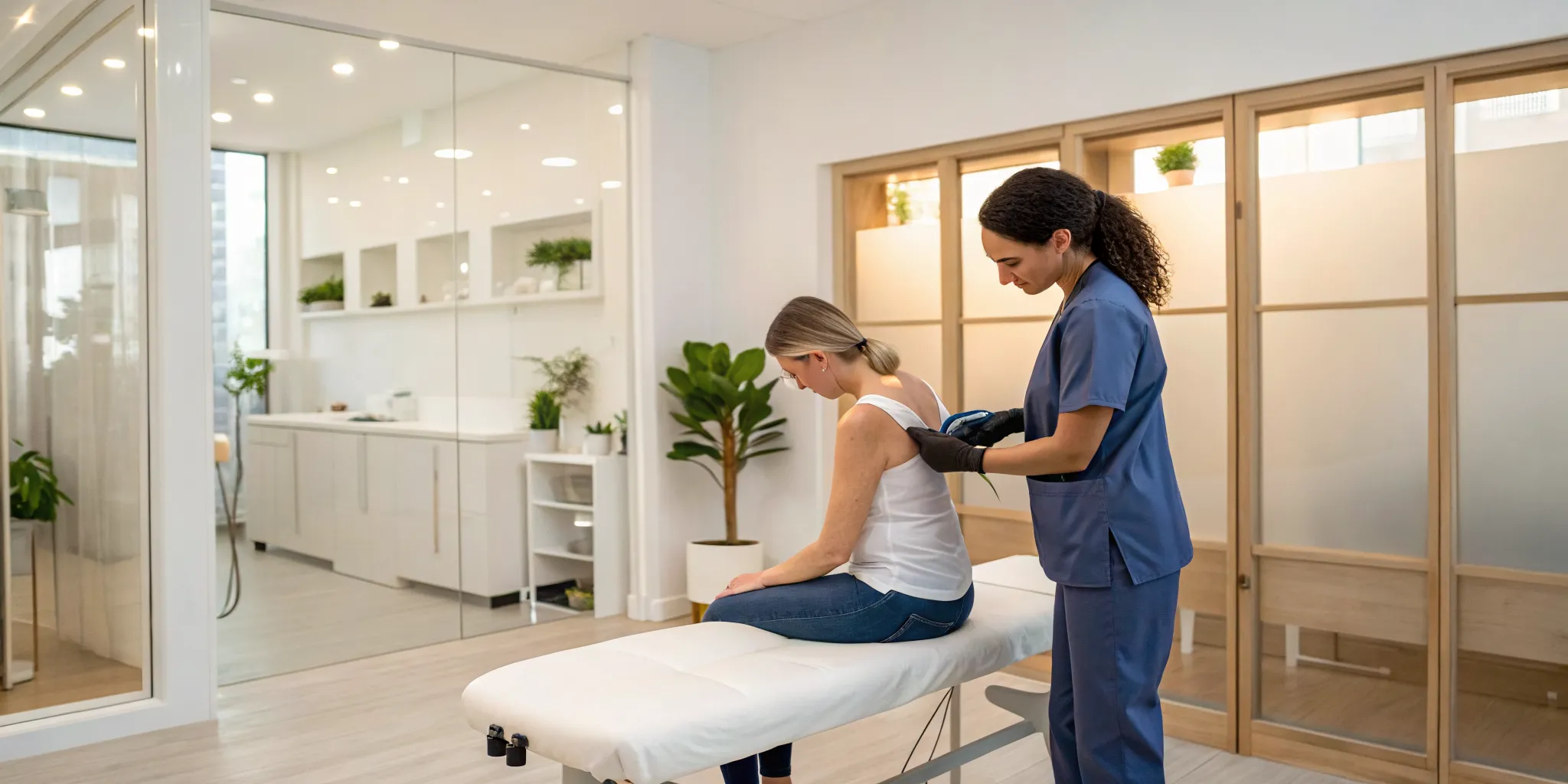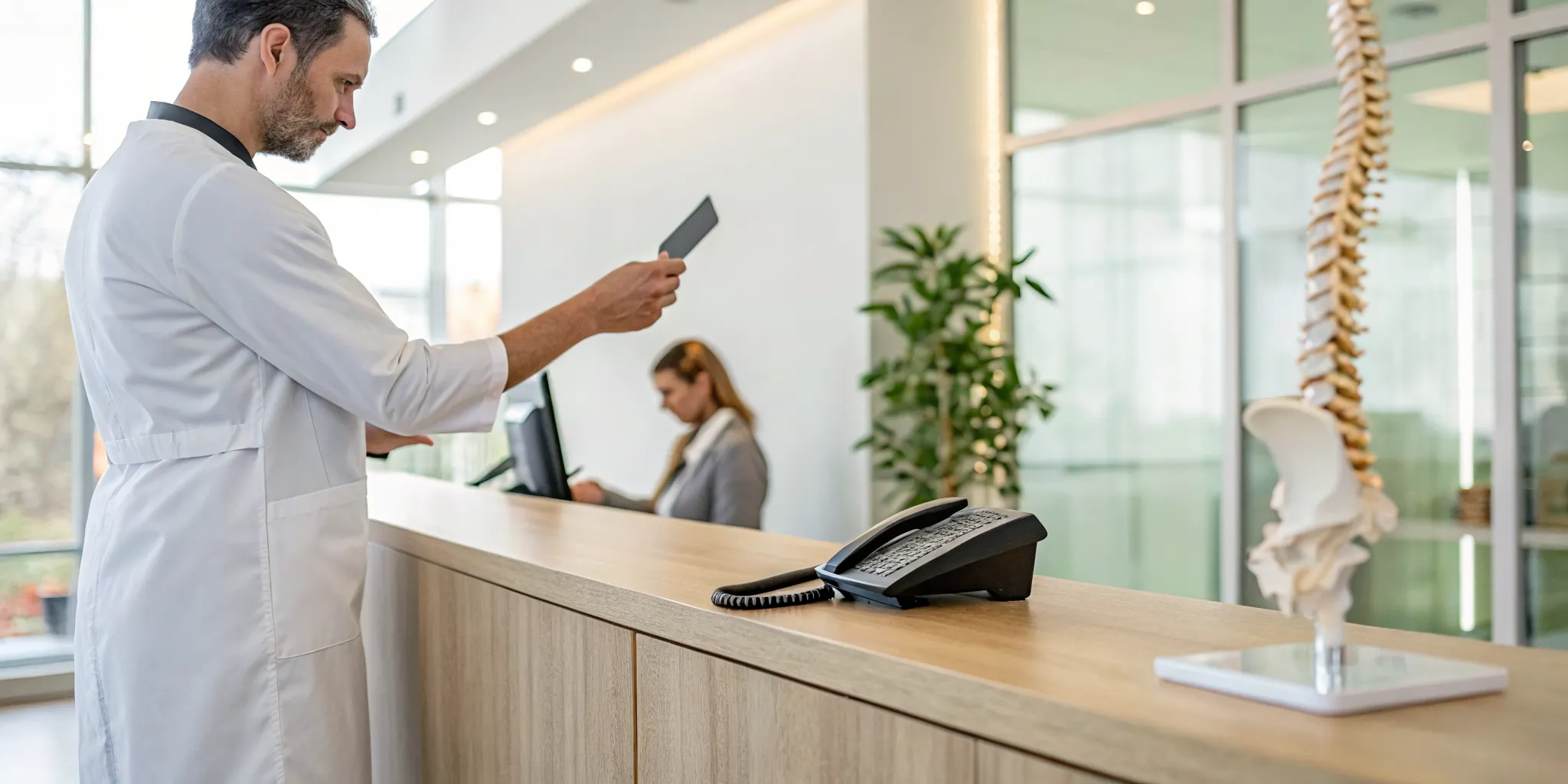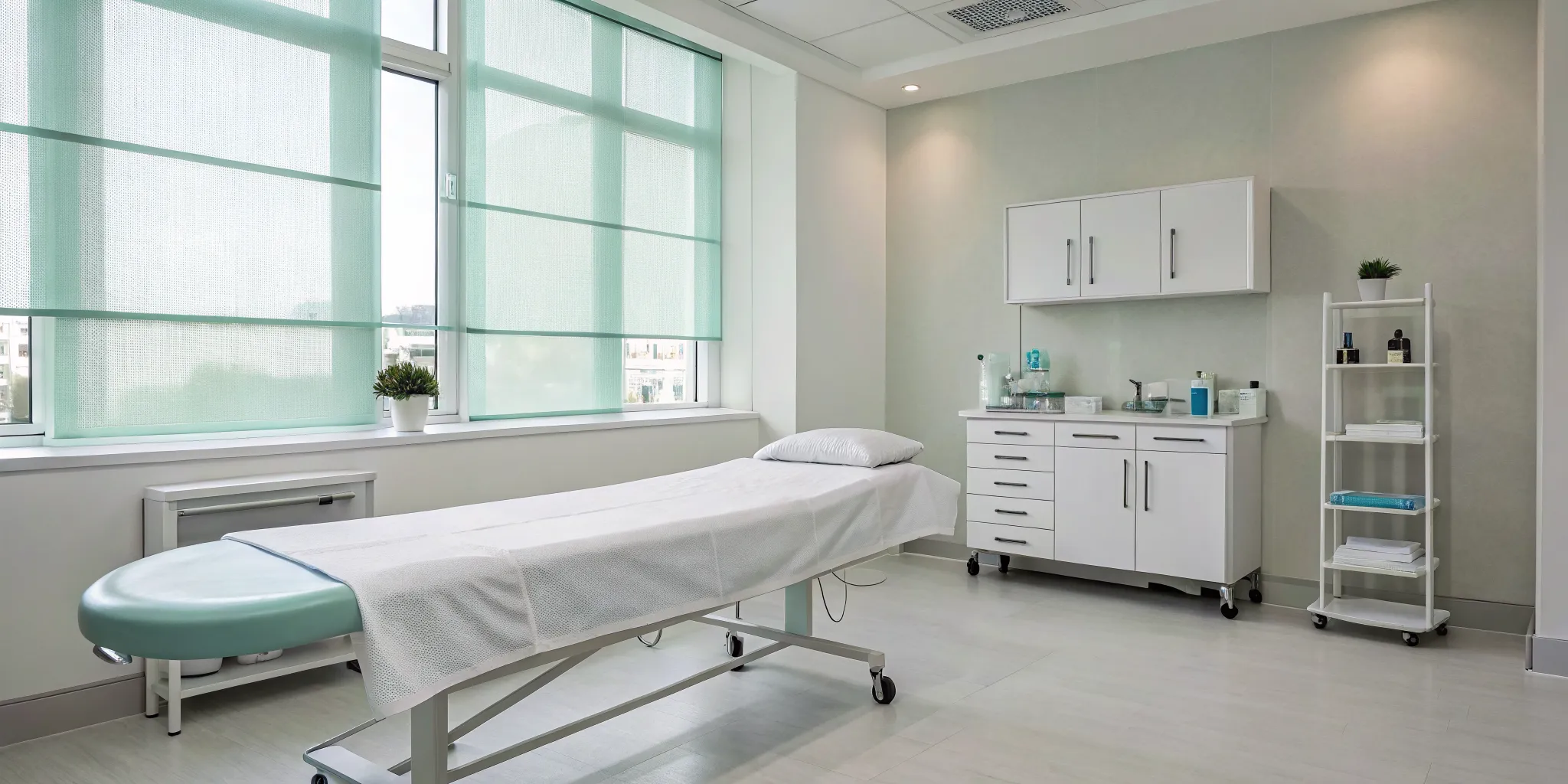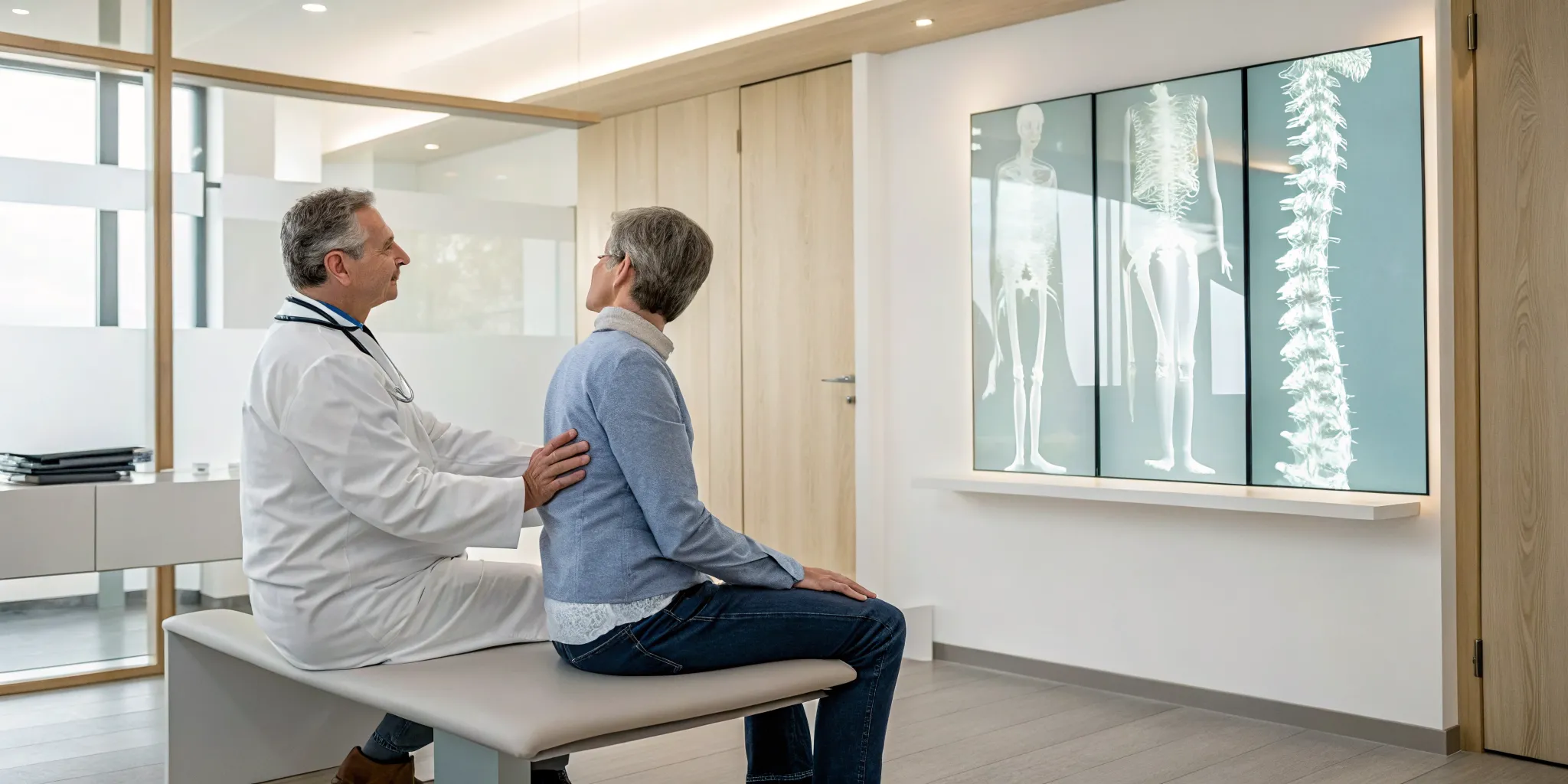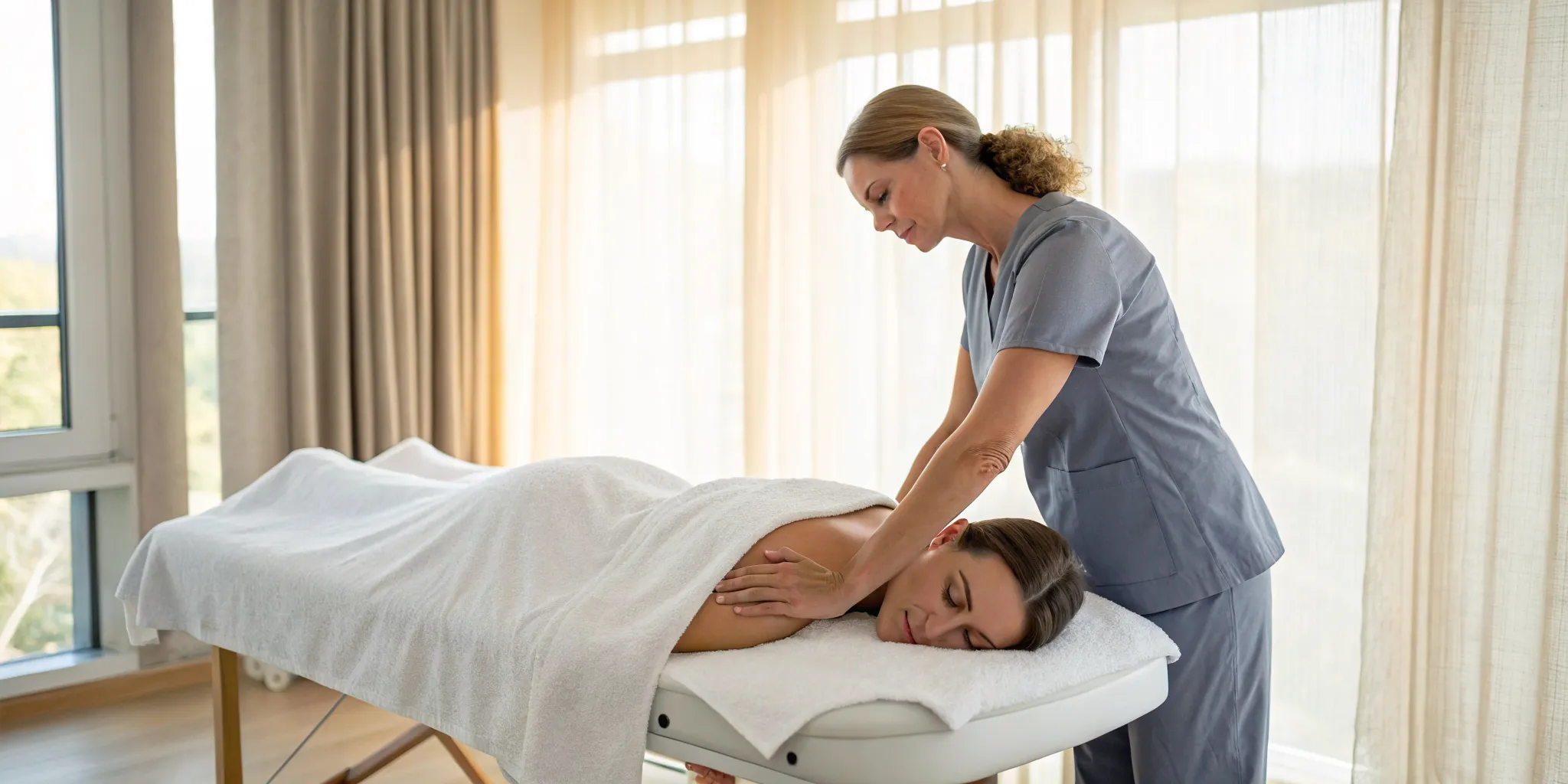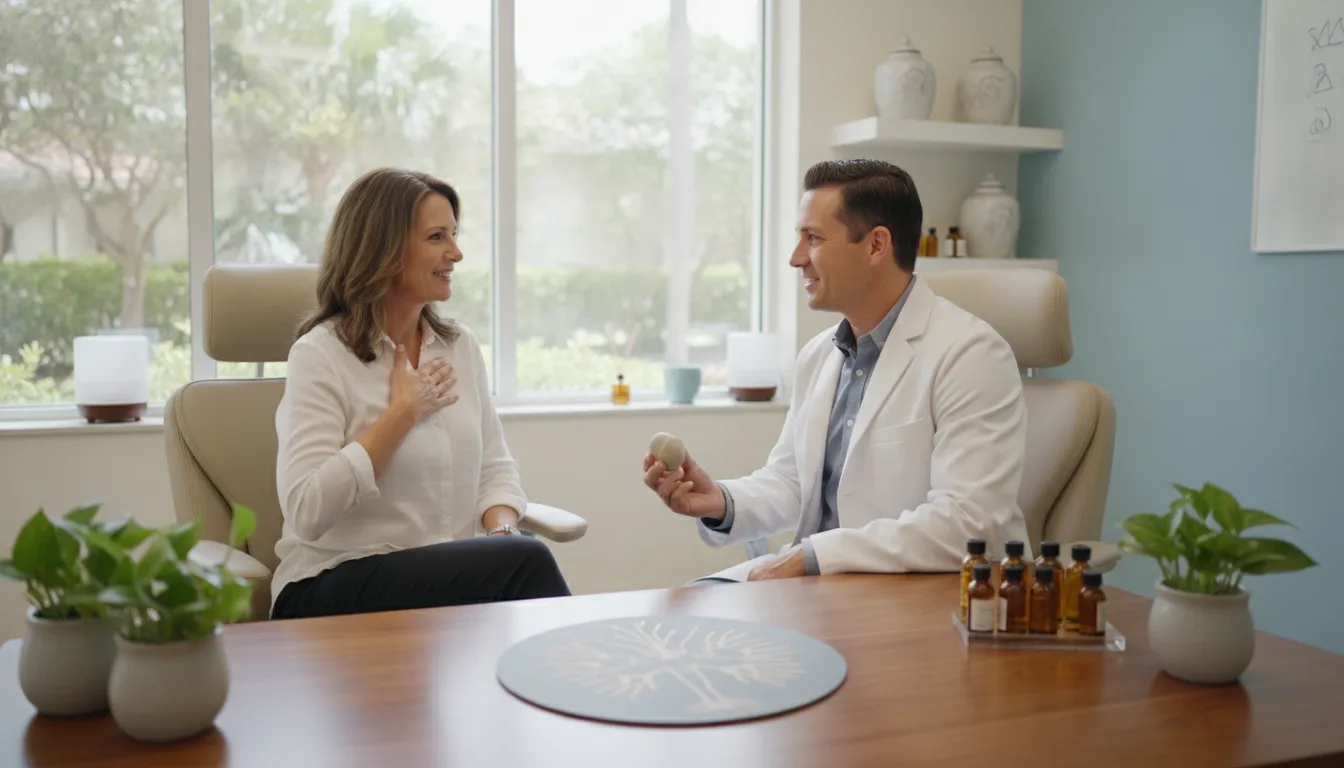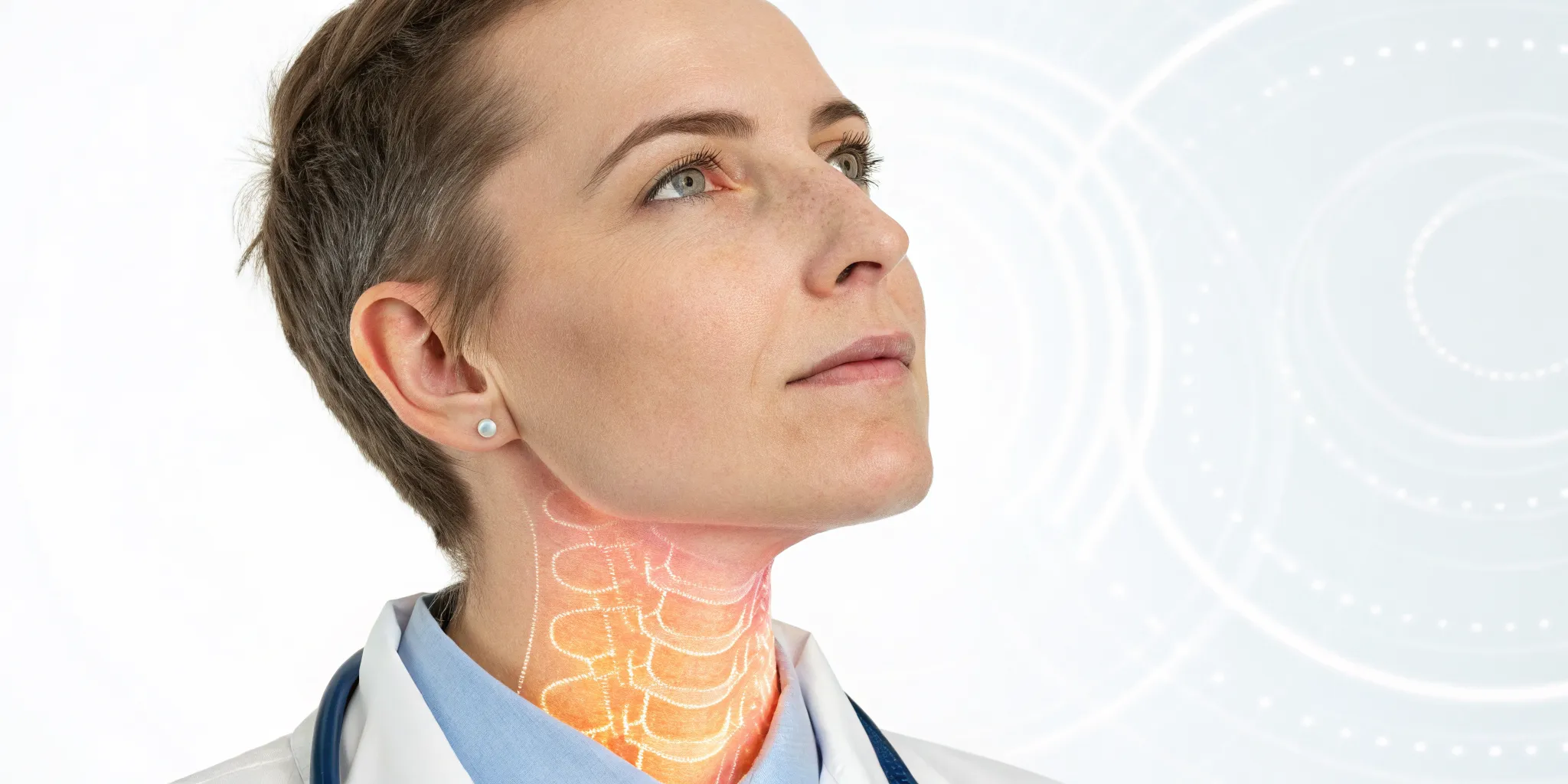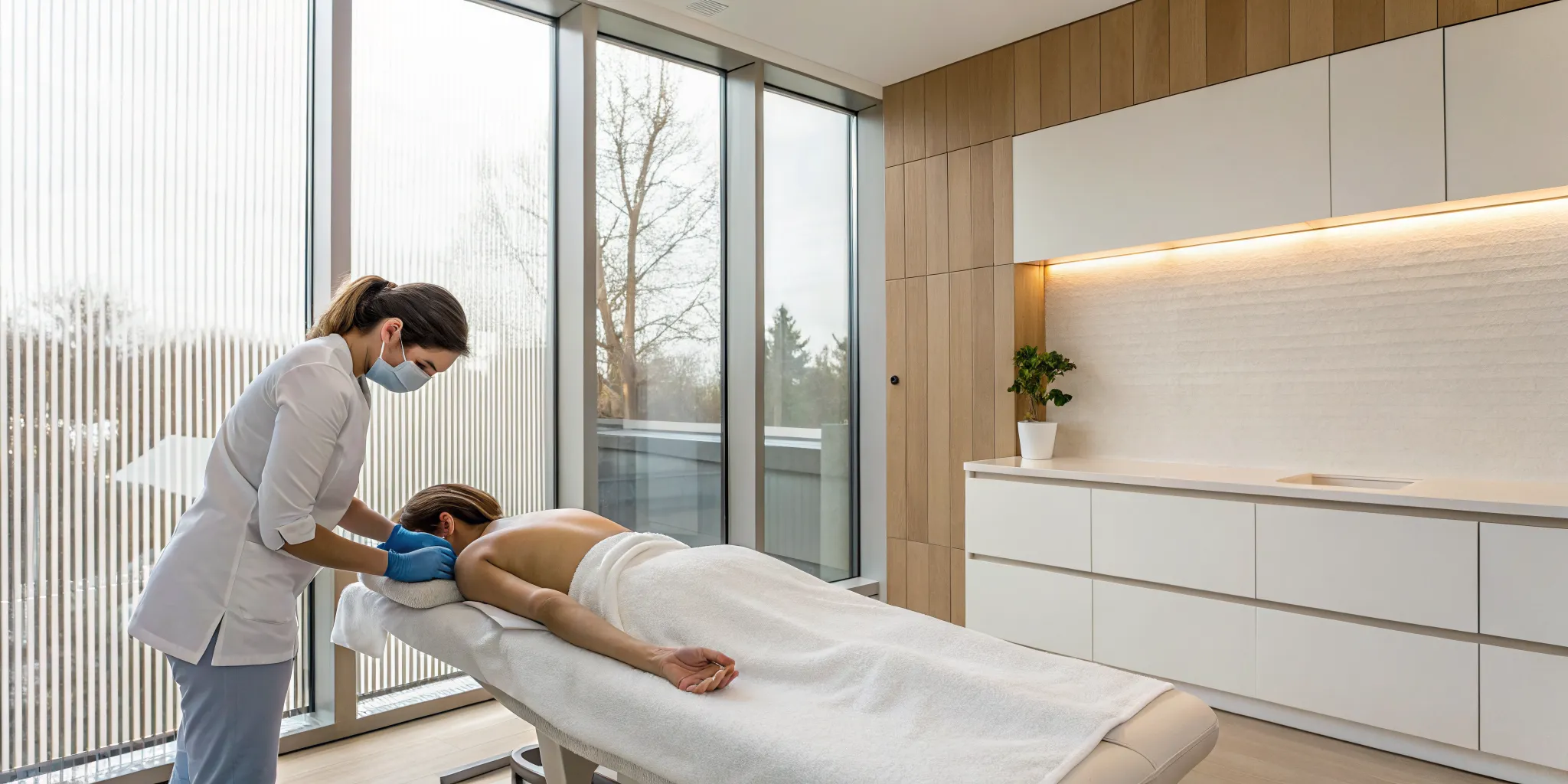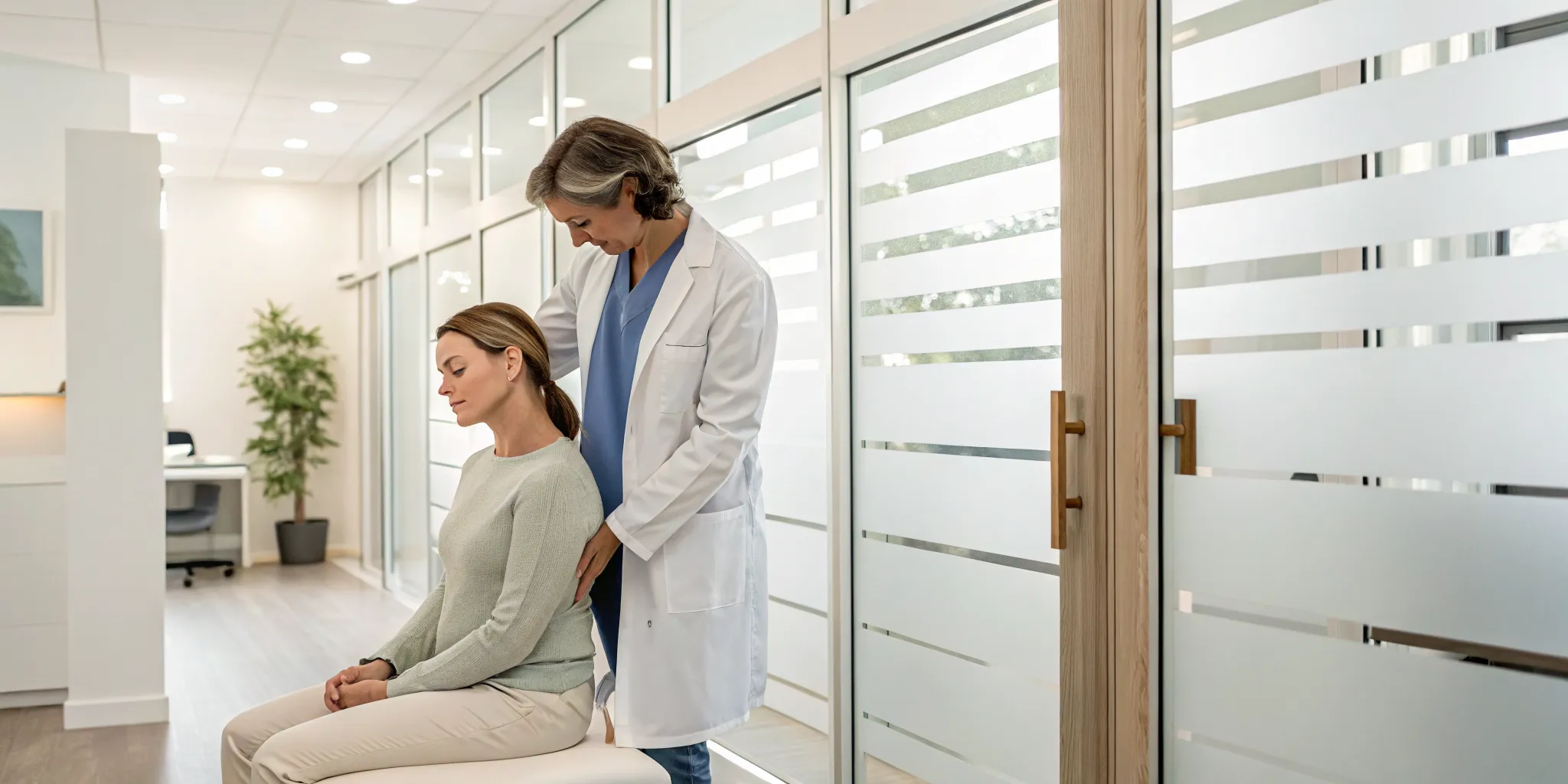
Lasting relief from back pain rarely comes from a single treatment. True healing happens when you address the issue from multiple angles with a comprehensive strategy. Spinal decompression is a powerful tool, but it works best as one piece of a larger puzzle. When combined with chiropractic care to restore alignment and functional medicine to reduce inflammation, its effects are amplified. This integrated approach is why it's so important to ask, "What are the benefits of spinal decompression treatment?" not just on its own, but as part of a complete plan for your health. It’s about building a stronger, more resilient body from the inside out.
Key Takeaways
- Targets the root cause of pain: Spinal decompression addresses the mechanical source of discomfort by gently stretching the spine. This creates space to relieve pressure on discs and nerves, which is often the reason for persistent back and neck pain.
- Offers a non-invasive path to relief: You can manage chronic pain and improve your mobility without incisions or a lengthy recovery period. The treatment is gentle and designed to support your body's own natural healing processes.
- Works best within a holistic plan: For the most sustainable results, combine spinal decompression with other therapies. A comprehensive plan that includes chiropractic care and functional medicine addresses both the structural issue and any internal factors contributing to your pain.
How Does Spinal Decompression Work?
When you live with nagging back or neck pain, it can feel like you've tried everything. If you're looking for a solution that does more than just cover up the symptoms, it might be time to learn about spinal decompression. It sounds technical, but the idea behind it is simple: creating space in your spine to relieve pressure. This therapy is a modern, non-invasive approach designed to help with the pain caused by compressed discs and nerves. By gently stretching the spine, we can help bulging or herniated discs retract. This takes pressure off the nerves and allows your body to start its own healing process. It also encourages the flow of water, oxygen, and nutrients into the discs, which is essential for long-term health. Instead of a temporary patch, this method supports your body’s innate ability to repair itself from the inside out. At Ascend, this is a cornerstone of our physical medicine services because it directly addresses the structural source of your pain, helping you get back to feeling like yourself.
Explaining the Process
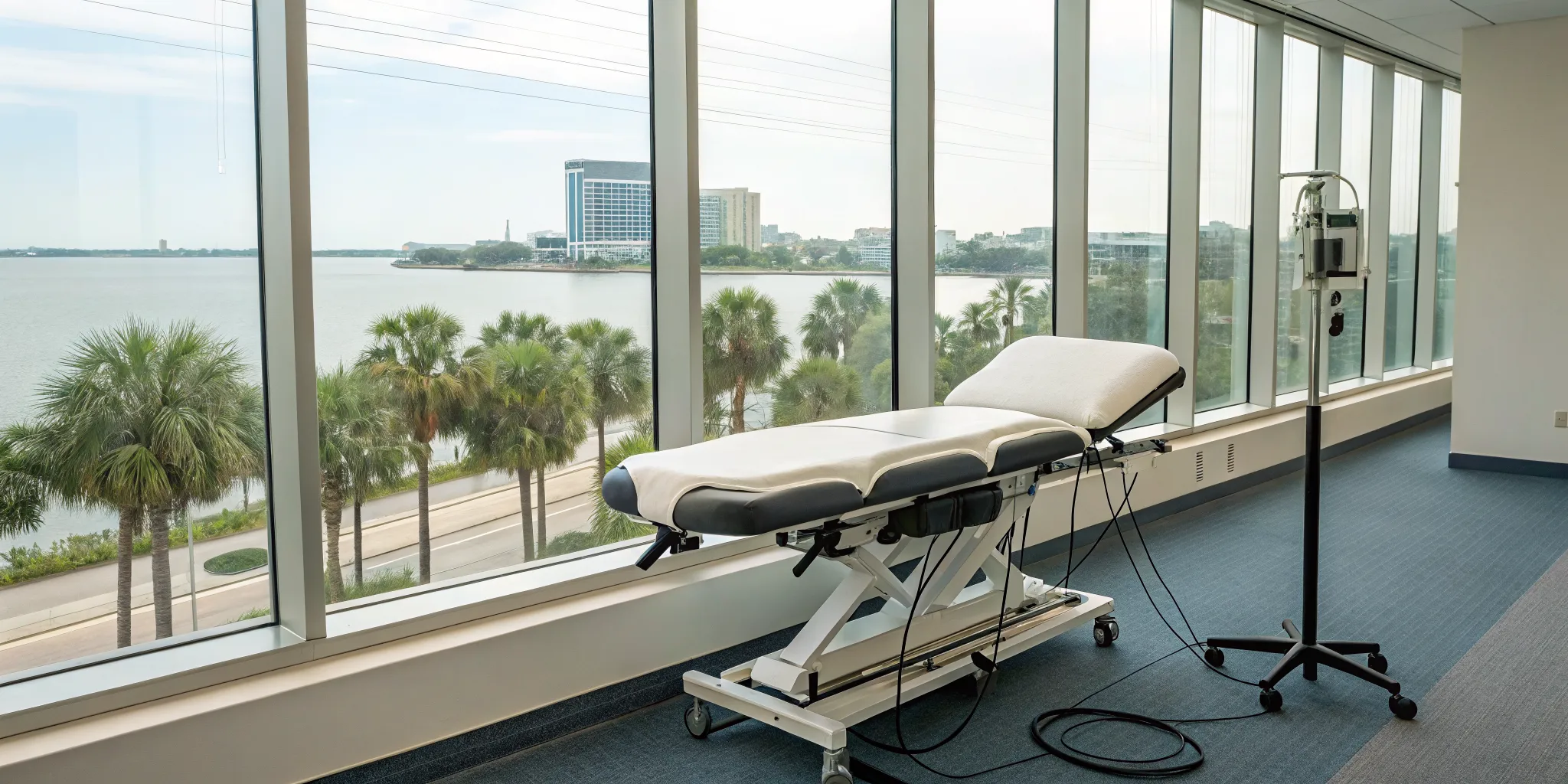
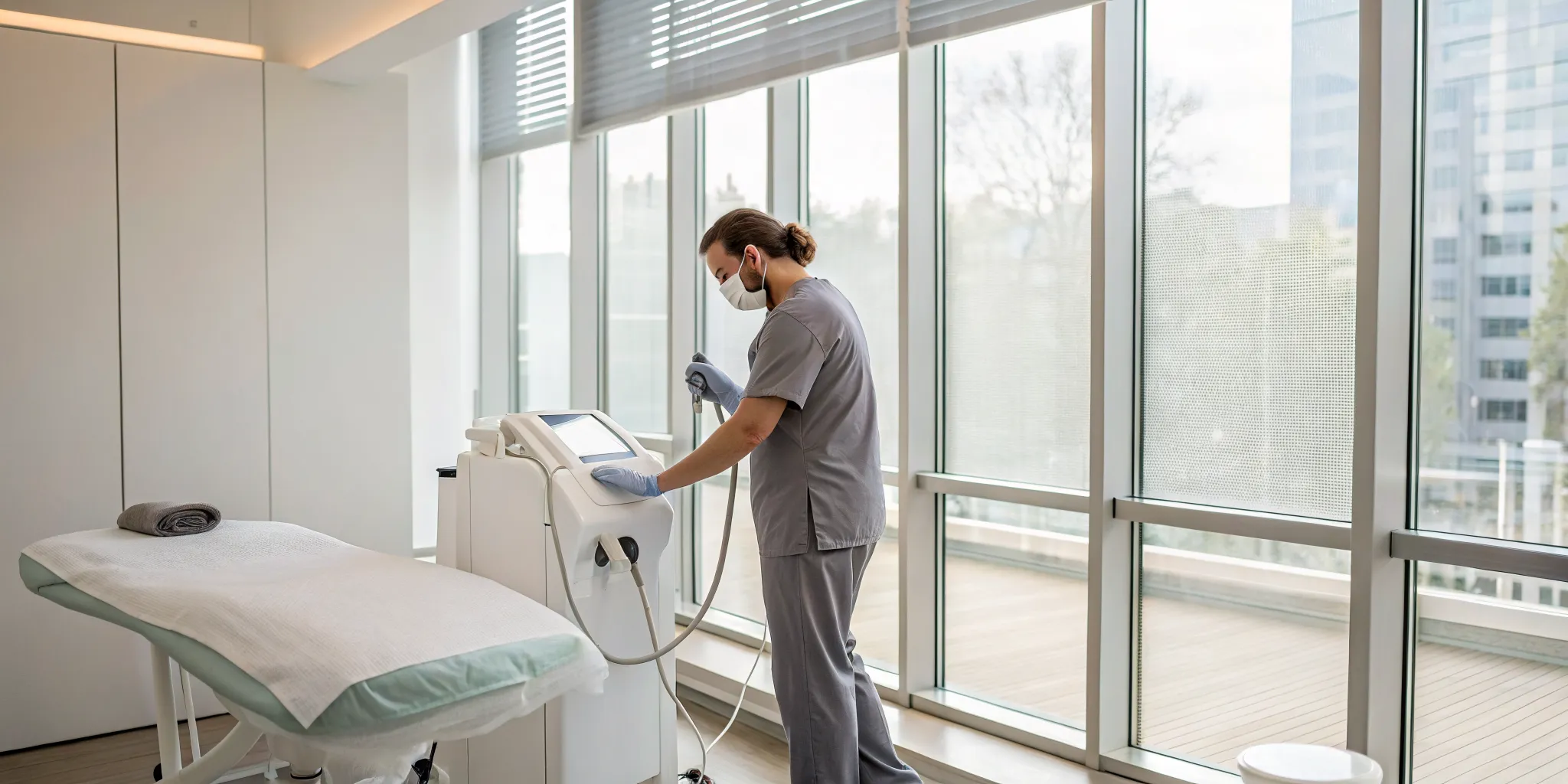
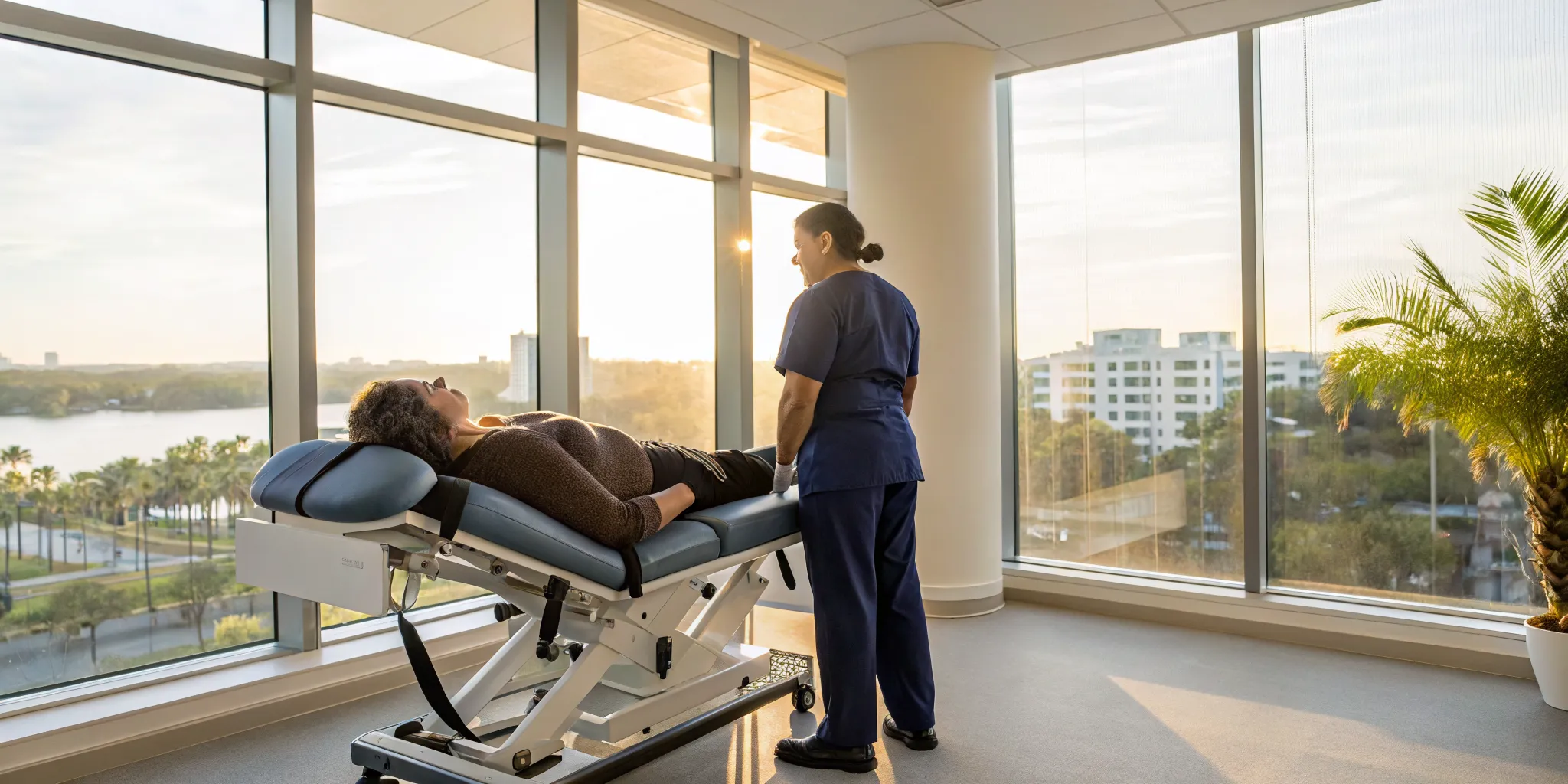
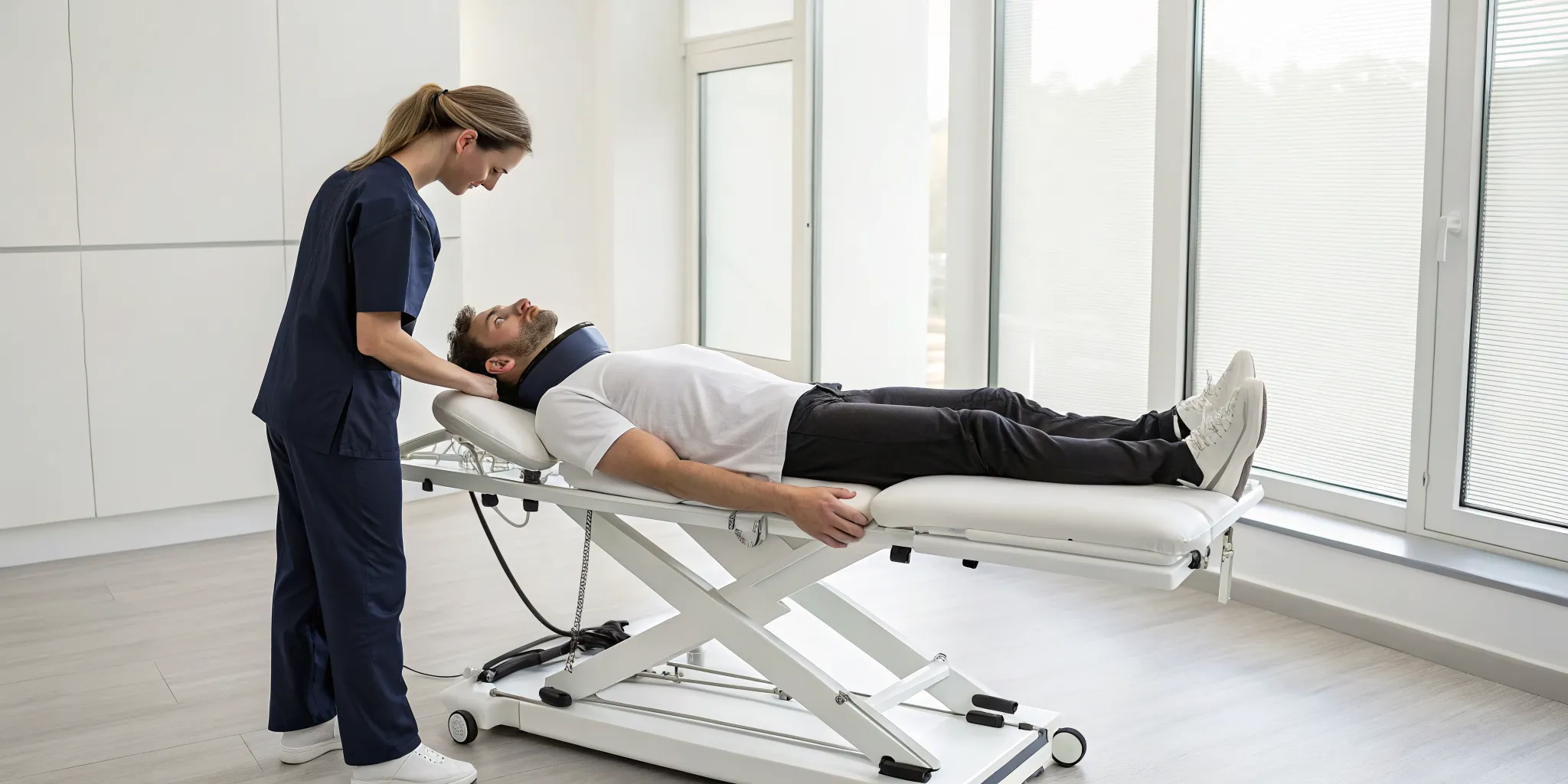
So, what’s actually happening during a spinal decompression session? The therapy uses a specialized, motorized table to gently and precisely stretch your spine. This stretching action creates what’s known as negative pressure within your spinal discs. Imagine a vacuum effect. This negative pressure helps draw bulging or herniated disc material back into its proper place. When the disc retracts, it takes pressure off the nerves and other structures in your spine. This is often the key to relieving the sharp, radiating pain associated with conditions like sciatica. By creating this space and reducing pressure, the treatment facilitates your body’s natural ability to heal the affected area.
What to Expect During a Session
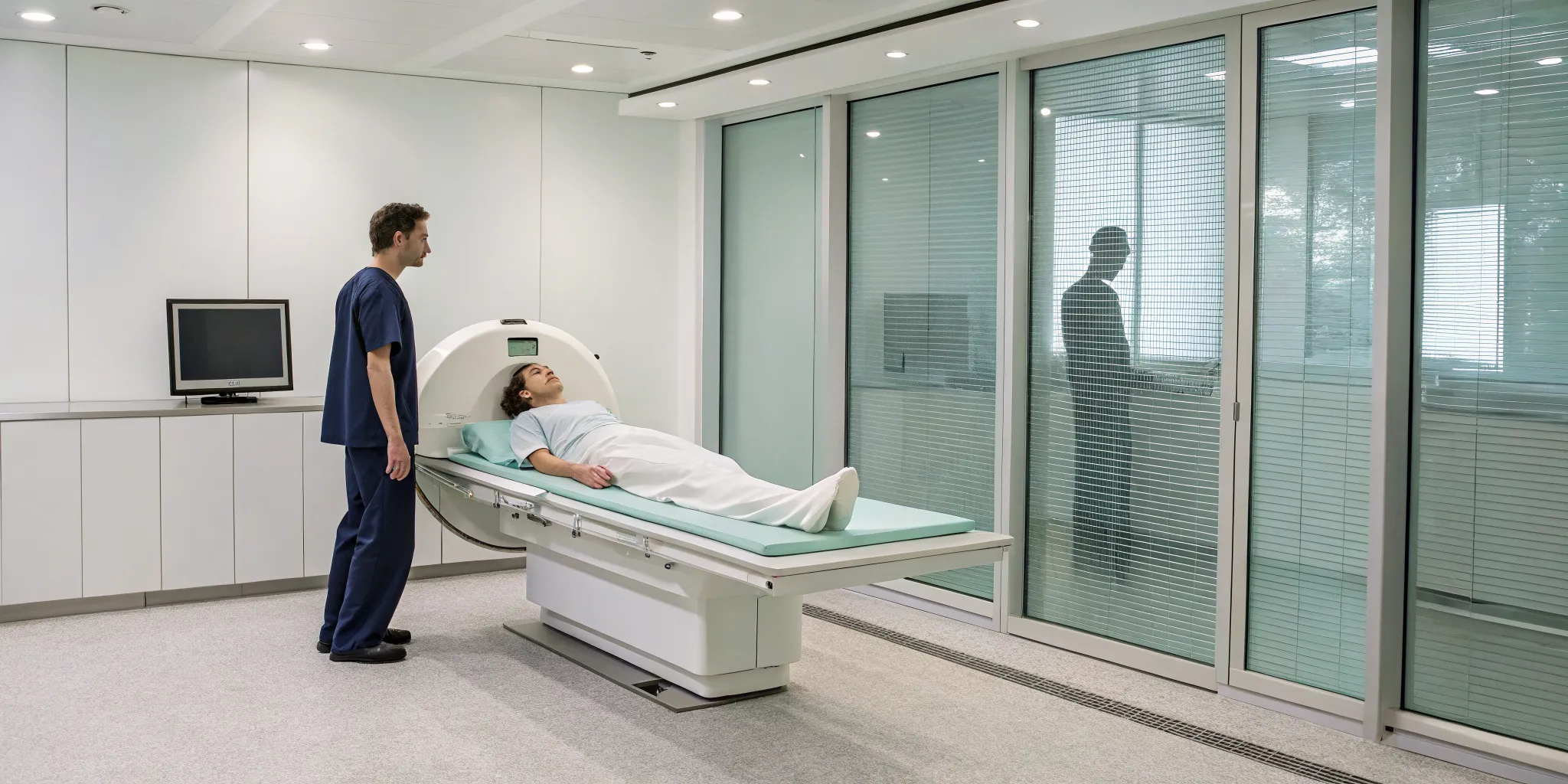
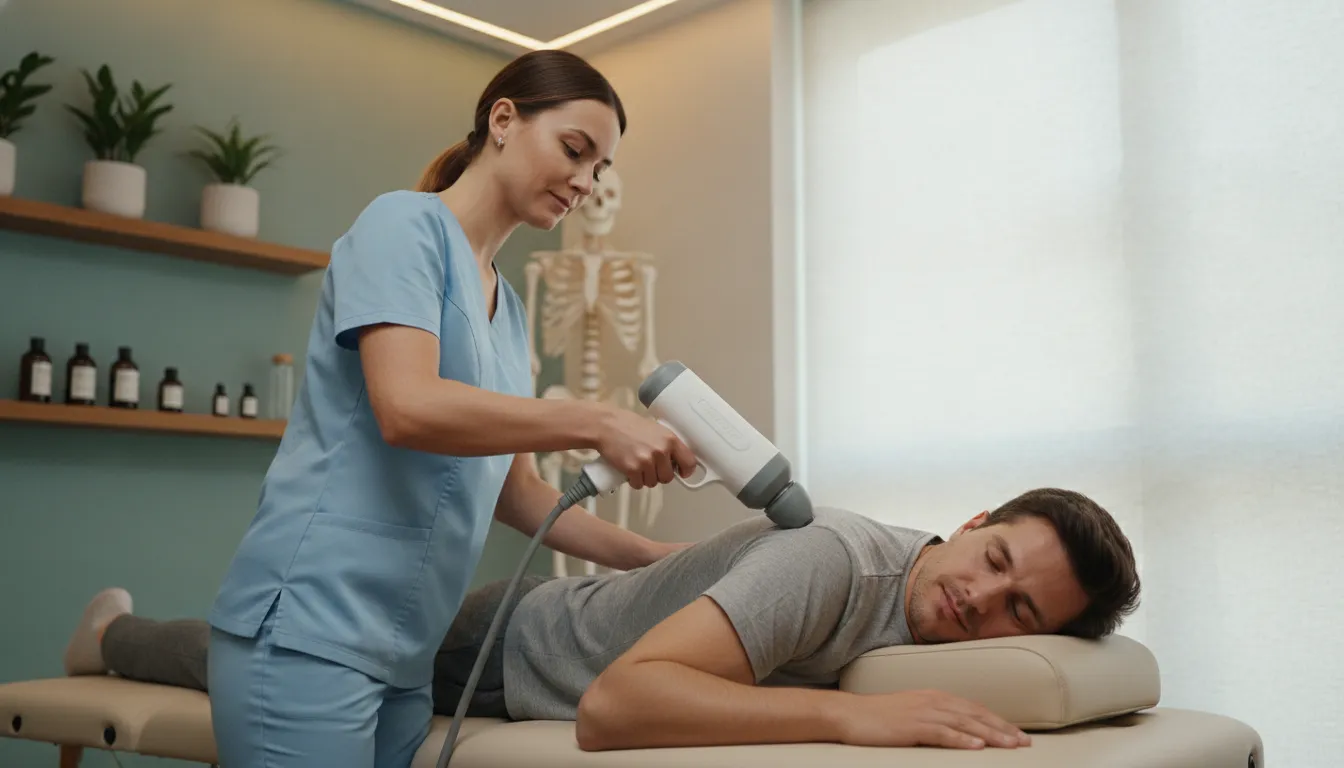
Your comfort is a top priority during spinal decompression therapy. You’ll be comfortably secured on a computerized table, and the system will be calibrated specifically for your needs. The treatment itself is gentle and often quite relaxing. You’ll feel a slow, controlled stretching in your lower back or neck as the table works. Many people even fall asleep during their sessions. A typical session lasts about 45 minutes, and since it’s a non-invasive procedure, there’s no downtime. You can usually get back to your daily activities right after your appointment, which is a major advantage over more intensive procedures.
How It Compares to Other Treatments
Unlike treatments that simply mask pain, spinal decompression aims to correct the underlying problem. While some approaches offer temporary relief, they don't address the mechanical issue causing the pain. Decompression, on the other hand, directly targets the pressure on your spinal discs and nerves. It’s a proactive approach that supports your body’s healing mechanisms without requiring incisions or a lengthy recovery period. By improving circulation and nutrient flow to the discs, it helps resolve the root cause of many common back and neck conditions we treat. This focus on healing from within makes it a powerful component of a holistic health plan.
What Conditions Does Spinal Decompression Address?
If you're dealing with persistent back, neck, or leg pain, you know how much it can disrupt your life. Spinal decompression is a versatile therapy that targets the root cause of many of these issues by relieving pressure on your spinal discs and nerves. It’s not a one-size-fits-all solution, but it is highly effective for several specific conditions that cause chronic pain and discomfort. By creating space within the spine, this treatment helps your body begin to heal itself. Let’s look at some of the most common conditions that respond well to this approach.
Herniated and Bulging Discs
Think of the discs in your spine as small, jelly-filled cushions. When a disc is herniated or bulging, that soft center pushes out through a tear in the tougher exterior, often pressing on nearby nerves. This is a frequent source of intense pain. Spinal decompression therapy gently stretches the spine, creating a vacuum effect that can help pull the bulging or herniated material back into place. This process takes pressure off the affected nerves, which can significantly reduce pain and inflammation. It’s a targeted way to address the mechanical problem causing your discomfort and promote a better healing environment for the damaged disc.
Sciatica
Sciatica is that sharp, shooting pain that can travel from your lower back down through your leg, sometimes all the way to your foot. It’s not a condition on its own but rather a symptom of an underlying issue, most commonly a herniated or bulging disc pressing on the sciatic nerve. Because spinal decompression directly addresses disc problems, it’s an excellent treatment for sciatica. By relieving the pressure on the sciatic nerve, the therapy can calm the associated pain, numbness, tingling, and weakness. Instead of just masking the symptoms, decompression targets the source of the nerve irritation.
Spinal Stenosis
Spinal stenosis is a condition where the spaces within your spine begin to narrow, which can put pressure on the nerves that travel through it. This narrowing can happen for various reasons, including age-related changes or disc issues. The pressure can cause pain, cramping, and numbness, usually in the lower back and legs. Spinal decompression helps by gently stretching the spine to create more room within the spinal canal. This increased space can alleviate the pressure on the nerves, providing relief from the symptoms of stenosis and improving your overall mobility. It’s a way to manage one of the more common sources of chronic pain without invasive procedures.
Degenerative Disc Disease
Over time, our spinal discs can naturally wear down, losing height and hydration. This process is known as degenerative disc disease. As the discs degenerate, the space between your vertebrae shrinks, which can lead to pain, stiffness, and nerve compression. Spinal decompression therapy can counteract these effects by carefully stretching the spine. This action helps to rehydrate the discs and restore some of the lost space between vertebrae. By relieving the pressure, decompression can ease the chronic pain associated with degenerative disc disease and help improve your spine’s flexibility and function, allowing you to move more freely.
What Are the Benefits of Spinal Decompression?
If you're dealing with persistent back or neck pain, you've probably wondered if there's a solution that doesn't involve invasive procedures or a lifetime of medication. Spinal decompression is a modern, non-invasive therapy that addresses the root cause of your discomfort, offering a path toward lasting relief and improved quality of life. By gently stretching the spine, this treatment can create profound changes in your body's structure and function. Let's explore some of the key benefits you can experience.
Find Relief Without Invasive Procedures
One of the most significant advantages of spinal decompression is its ability to provide powerful relief without the risks and recovery time associated with surgery. For many people suffering from chronic lower back pain, the goal is simple: to get back to their daily activities without discomfort. This therapy can be a crucial step in that journey. By creating negative pressure within the spinal discs, it helps retract bulging or herniated material, taking pressure off pinched nerves. This process can significantly reduce pain and help you manage conditions like sciatica and degenerative disc disease, allowing you to return to the life you love.
Improve Your Mobility and Flexibility
Chronic pain doesn't just hurt; it restricts you. It can make simple movements like bending over, twisting, or even just walking feel like monumental tasks. Spinal decompression therapy works to restore your body's natural movement. As the gentle treatment relieves pressure on your spine, you’ll likely find that you can move more easily and feel more flexible. Many people report a noticeable improvement in their range of motion after a series of sessions. This renewed mobility is a core part of our physical medicine approach, helping you feel less stiff and more capable in your everyday life.
Support Your Body's Natural Healing
Your body has an incredible capacity to heal itself, and spinal decompression is designed to support that innate process. The therapy does more than just relieve pressure; it actively promotes a healing environment within your spinal discs. The gentle stretching improves blood flow to the damaged areas of your spine, bringing a fresh supply of oxygen and vital nutrients. This enhanced circulation helps damaged discs heal and reduces inflammation, which is often a primary source of pain. Instead of just masking symptoms, this approach helps your body repair the underlying issue, leading to more sustainable, long-term results.
A Gentle, Non-Invasive Approach
The idea of any spinal treatment can sound intimidating, but spinal decompression is a surprisingly gentle and comfortable process. Think of it as a precise and controlled stretch for your back. During a session, you'll lie on a specialized table as it carefully applies and releases traction. This creates a soothing, decompressive force that many people find quite relaxing. It’s a non-invasive method that helps take pressure off sensitive nerves and discs, allowing your spine to rest and recover. This gentle approach makes it a suitable option for many individuals seeking relief without aggressive interventions.
Is Spinal Decompression Right for You?
Deciding on a new treatment path is a big step, and it’s smart to gather all the information you can. While spinal decompression offers a promising, non-surgical approach for back pain, it’s not a one-size-fits-all solution. The best way to know for sure is through a thorough evaluation with a provider who understands your unique health history and goals. Your body tells a story, and the right treatment plan should honor that.
Thinking about whether this is the right move for you involves looking at your specific symptoms, understanding the process, and feeling confident in your healthcare team. Let’s walk through what makes someone a good candidate for this therapy, what to expect, and how to approach the conversation with your provider.
Who Makes a Good Candidate?
Spinal decompression is often a great option for people dealing with persistent back, neck, or leg pain that hasn't responded to other treatments. If you're experiencing discomfort from herniated discs, bulging discs, sciatica, or degenerative disc disease, you could be an ideal candidate. This therapy is designed for those seeking relief without wanting to go the route of invasive procedures.
The treatment itself is quite gentle. It involves lying on a specialized, computer-controlled table that carefully stretches your spine. This action creates a negative pressure within your spinal discs, which can help retract bulging or herniated material and take pressure off pinched nerves. Our approach to physical medicine focuses on these types of gentle, corrective therapies to support your body's structure.
Understanding Potential Risks and Side Effects
It’s completely normal to wonder about the safety of any new treatment. The good news is that spinal decompression is widely considered a safe procedure with minimal risks. The most common thing people report is a bit of mild muscle soreness after a session, similar to how you might feel after a good stretch.
Less frequently, some individuals might experience temporary muscle spasms or tingling. Being completely open about your medical history with your provider is the best way to reduce any potential risks. A comprehensive initial exam ensures there are no underlying issues that could cause complications. At Ascend, we prioritize a complete understanding of your health before beginning any new therapy.
Questions to Ask Your Provider
Feeling empowered in your healthcare journey starts with asking the right questions. When you go in for a consultation, don't hesitate to get specific. A great provider will welcome your curiosity and take the time to make sure you feel comfortable.
Here are a few questions to get the conversation started:
- Based on my evaluation, why do you believe I am a good candidate for spinal decompression?
- What does a typical treatment plan look like, and how many sessions might I need?
- What is your experience with treating conditions we treat like mine?
- How will we measure my progress throughout the therapy?
Having this discussion ensures you and your provider are aligned on the goals and expectations. If you're ready to start that conversation, we encourage you to reach out to our team in Tampa.
Debunking Myths About Spinal Decompression
When you’re exploring new ways to manage back pain, it’s easy to run into conflicting information. Spinal decompression is a powerful tool in our physical medicine toolkit, but it’s also surrounded by a few persistent myths. Let's clear the air and separate fact from fiction so you can make an informed decision about your health. Understanding what this treatment is, and what it isn’t, is the first step toward finding lasting relief.
Myth: "It's a temporary fix."
One of the biggest misunderstandings is that spinal decompression only offers a brief break from pain. The reality is quite different. This therapy aims to address the root mechanical problems in your spine. By gently stretching the spine, it creates negative pressure within the discs, which can help bulging or herniated material retract. According to the Cleveland Clinic, this can provide significant lower back pain relief and help you return to your normal activities. It’s not just masking symptoms; it’s creating an environment where your body can heal for long-term results.
Myth: "It's only for severe pain."
You don't have to be in debilitating pain to benefit from spinal decompression. While it is effective for intense discomfort, it’s also a valuable treatment for a wide range of conditions. It’s considered a gentle, non-surgical treatment for issues like sciatica, spinal stenosis, and injured spinal nerves. Think of it as a way to address spinal problems before they become severe. By intervening earlier, you can often prevent minor issues from turning into chronic pain. This proactive approach aligns with a holistic health strategy focused on maintaining wellness.
Myth: "It's the same as surgery."
This is a crucial distinction. Spinal decompression therapy is fundamentally different from surgery because it is a completely non-invasive procedure. There are no incisions, no anesthesia, and no lengthy recovery periods. As one chiropractic clinic explains, it's a non-surgical treatment that uses gentle stretching to relieve pressure. During a session, you lie on a specialized table as it works to decompress your spine. Unlike surgery, which has inherent risks and downtime, this therapy lets you get back to your day right after your appointment.
Spinal Decompression in Your Holistic Health Plan
Spinal decompression is a powerful tool, but it rarely works in isolation. True, lasting relief comes when it’s part of a comprehensive strategy that addresses your health from multiple angles. At Ascend Functional Health, we don’t just focus on the symptom of back pain; we look at the entire system to understand why it’s happening. By integrating spinal decompression into a broader, personalized plan, we can create more significant and sustainable results.
This approach means we’re not just alleviating pressure on a disc. We’re also strengthening the supporting structures, reducing systemic inflammation, and giving your body the resources it needs to heal itself. Think of it as a team effort, with each therapy playing a specific and vital role in your journey back to health. Let’s explore how this integrated approach works.
Combining with Chiropractic and Corrective Care
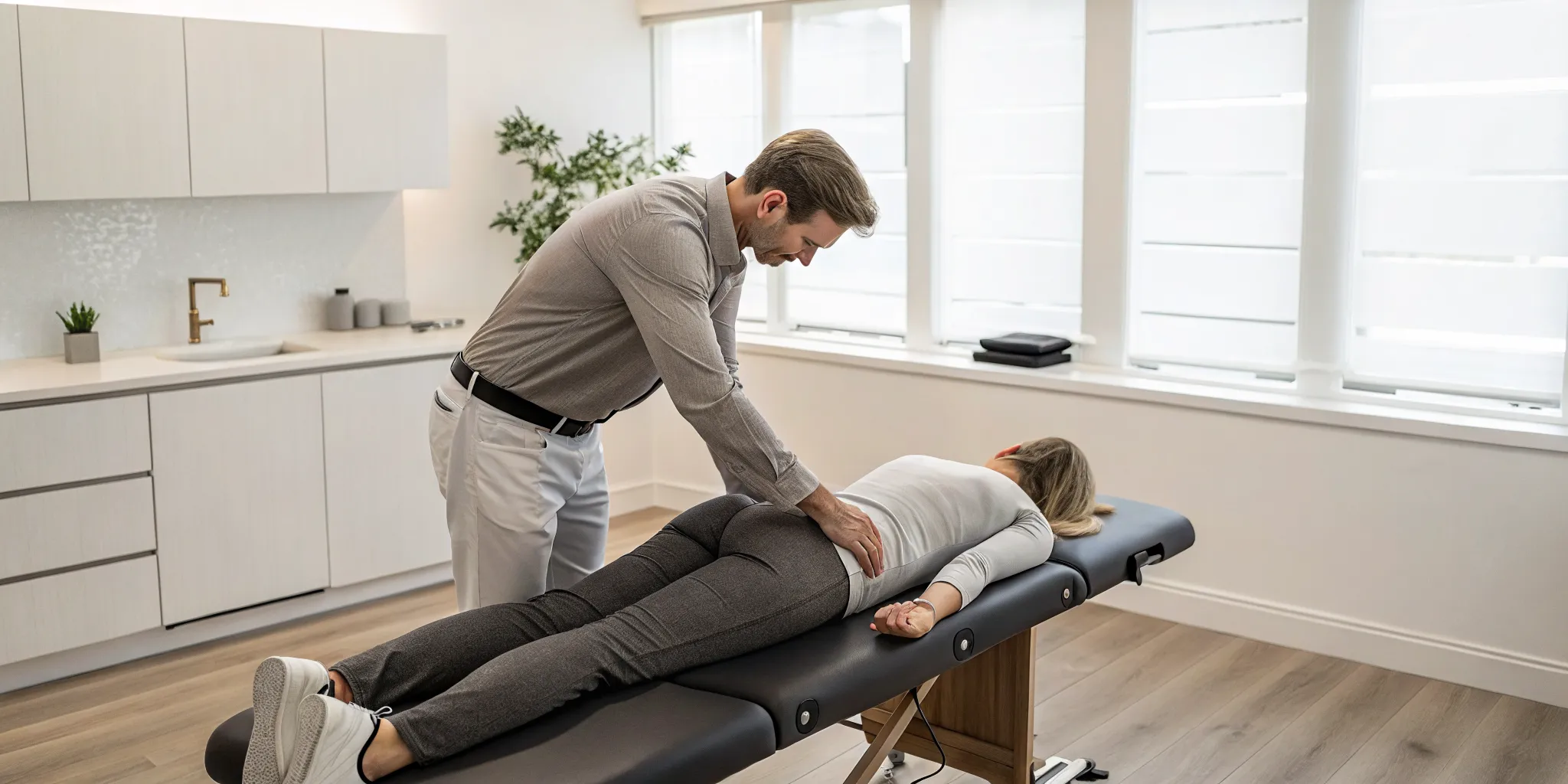
Spinal decompression therapy is a fantastic partner to chiropractic care. While decompression gently creates space in your spine to relieve pressure on nerves and discs, chiropractic adjustments help restore proper motion and alignment to your joints. When used together, they create a powerful synergy. The decompression makes the spine more receptive to adjustments, and the adjustments help the benefits of decompression last longer.
We also incorporate corrective care exercises into your plan. These simple, targeted movements are designed to strengthen the small muscles that support your spine, improving your posture and stability. This is a crucial part of our Physical Medicine approach. By combining these therapies, we’re not just providing temporary relief; we’re actively correcting the underlying structural issues to build a stronger, more resilient back.
Finding the Root Cause with Functional Medicine
While physical therapies address the structure of your spine, what if the problem is also internal? Chronic inflammation, nutrient deficiencies, or gut health issues can all contribute to disc degeneration and pain. This is where our Functional Medicine pillar becomes so important. Spinal decompression helps improve the flow of oxygen and nutrients to your discs, but what if your body doesn't have enough of those nutrients to begin with?
By looking at your body as a whole system, we can identify and address the root causes of your pain. We might find that an anti-inflammatory diet or specific supplements can support the healing process initiated by decompression. Addressing these underlying factors helps your body heal more effectively and reduces the chances of the problem returning.
Create Your Long-Term Spinal Health Plan in Tampa
Our goal is to help you build a long-term plan for spinal health that keeps you active and feeling great. For many people, spinal decompression is a key component of that plan, offering a way to manage conditions like herniated discs or sciatica without resorting to more invasive options. It can provide significant relief, helping you get back to the activities you love.
When you visit our Tampa clinic, we’ll work with you to create a personalized plan that integrates the right therapies for your specific needs. By combining spinal decompression with chiropractic, corrective care, and functional medicine, we can address your health from every angle. This holistic strategy is designed to move you beyond the cycle of pain and treatment, empowering you with a sustainable path to lasting wellness.
Related Articles
- Revitalize Your Spine with Spinal Decompression Therapy in Tampa, FL
- Is Lumbar Decompression Chiropractic for You?
- Spinal Decompression Therapy in Tampa, FL - Alessi Functional Health
- Spinal Decompression Hurts Lower Back: Normal or Not?
Frequently Asked Questions
Is spinal decompression therapy painful? Not at all, it’s actually quite the opposite. The process is very gentle, and most people find it incredibly relaxing. You’ll feel a slow, controlled stretching sensation as the computerized table works, but it’s not uncomfortable. The system is designed to be precise, so it provides a therapeutic stretch without causing pain or jarring movements.
How many sessions will I need before I notice a difference? This really depends on your specific situation, including the condition being treated and how long you've been dealing with it. Some people feel relief after just a few sessions, while others with more chronic issues may need a more extensive plan. We create a personalized treatment schedule for you after a thorough evaluation, and we'll monitor your progress every step of the way.
Is this the same as using an inversion table? That's a great question, and the answer is no. While both involve a form of stretching, spinal decompression is a much more sophisticated and targeted therapy. Inversion tables use gravity to stretch your entire spine at once, which can be uncontrolled. Our decompression system is computerized to apply a precise and gentle force to the specific spinal segments that need it, creating a more effective and safer result.
What happens after my treatment plan is finished? Will the pain come back? Our goal is to provide lasting results, not just a temporary fix. Spinal decompression works by addressing the underlying cause of your pain and promoting your body's natural healing process. To support these long-term results, your plan will likely include corrective exercises and lifestyle recommendations. By strengthening your spine and maintaining its health, you can help ensure the benefits continue long after your sessions are complete.
How does this treatment work with chiropractic adjustments? They work together beautifully. Think of it as a two-part process for restoring your spine's health. Spinal decompression gently creates space and relieves pressure on your discs and nerves. This makes the spine more receptive to chiropractic adjustments, which focus on restoring proper alignment and motion to your joints. Combining them allows us to address both the pressure issue and the alignment issue for a more comprehensive and effective outcome.