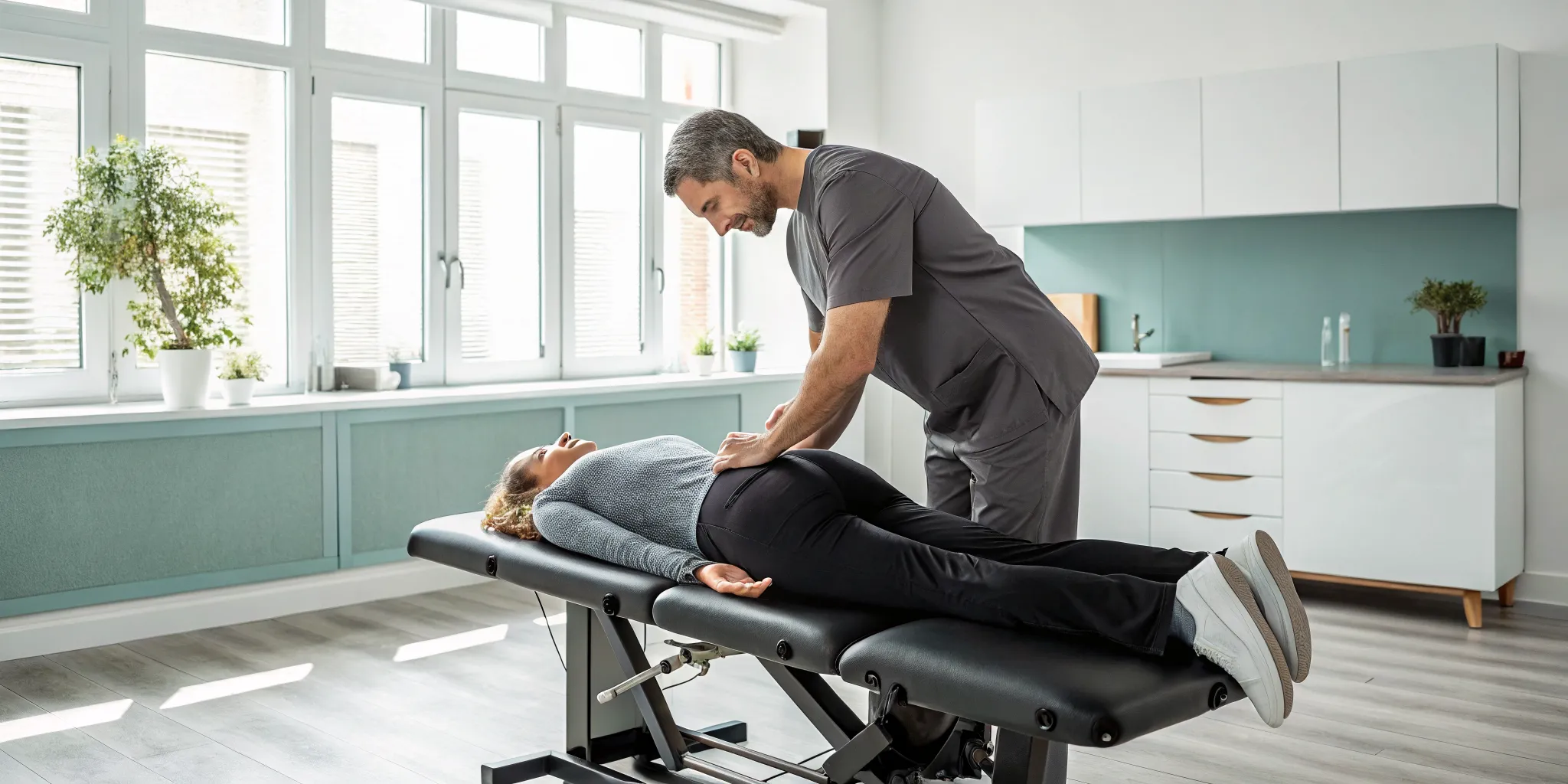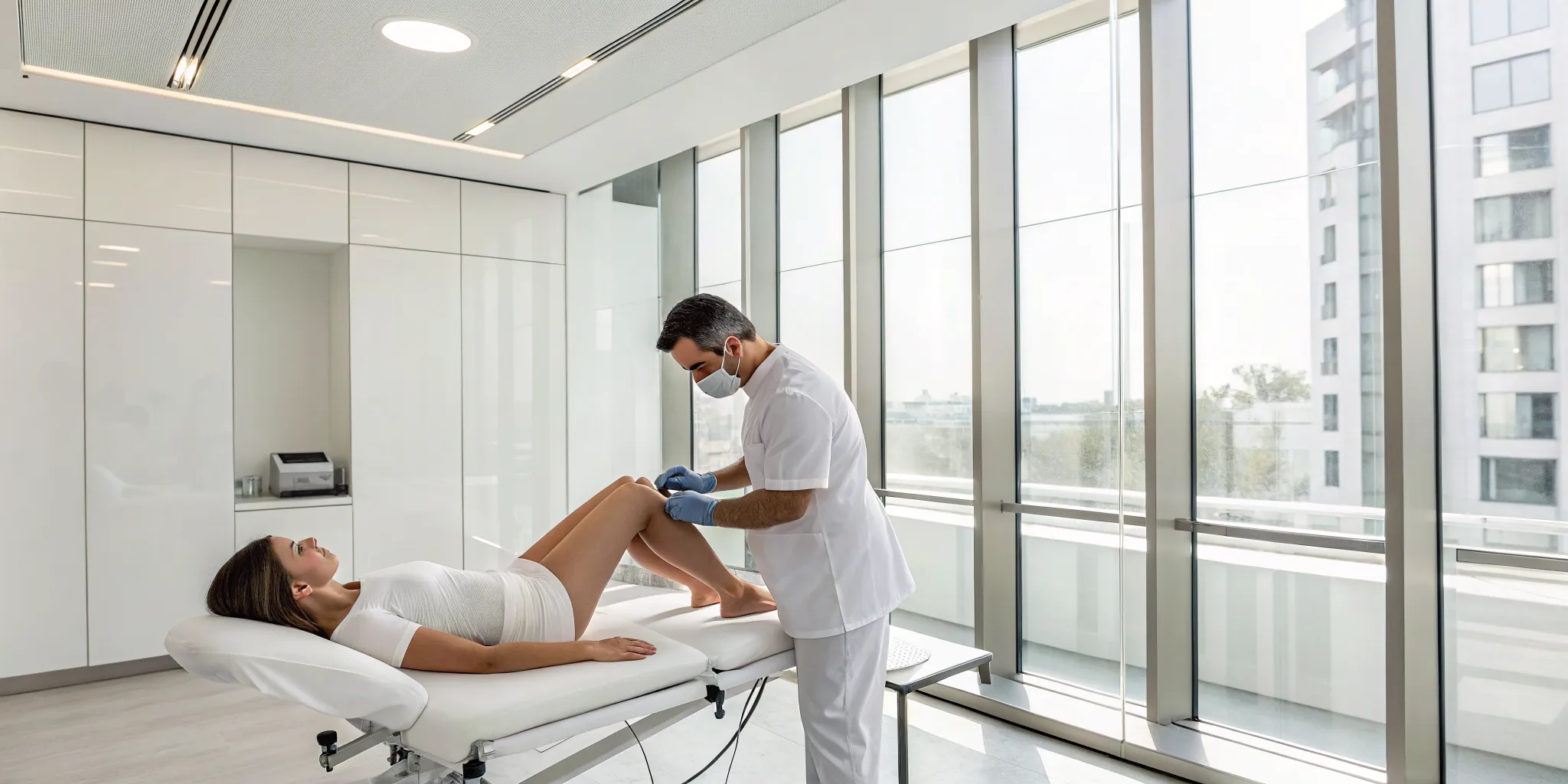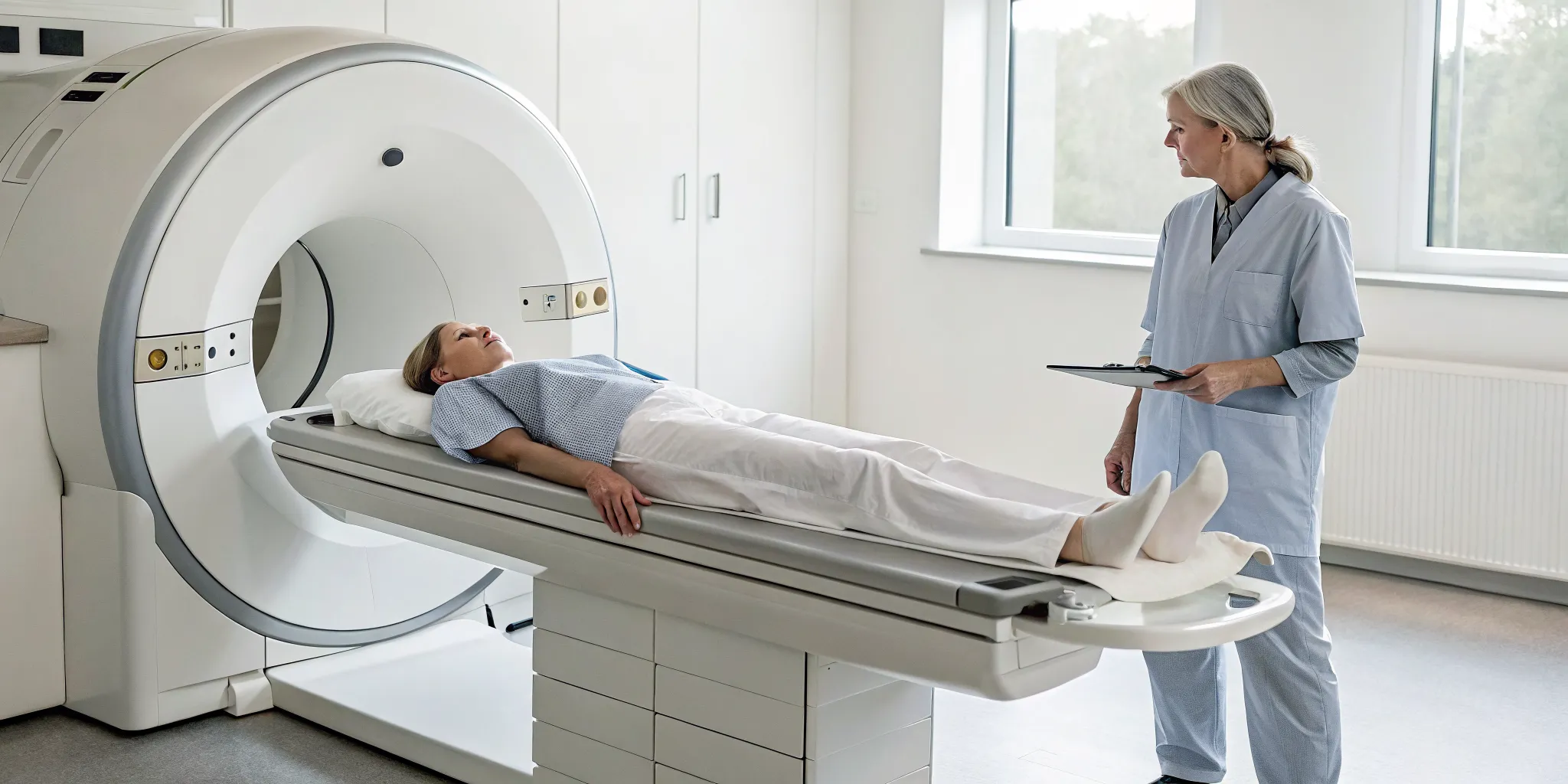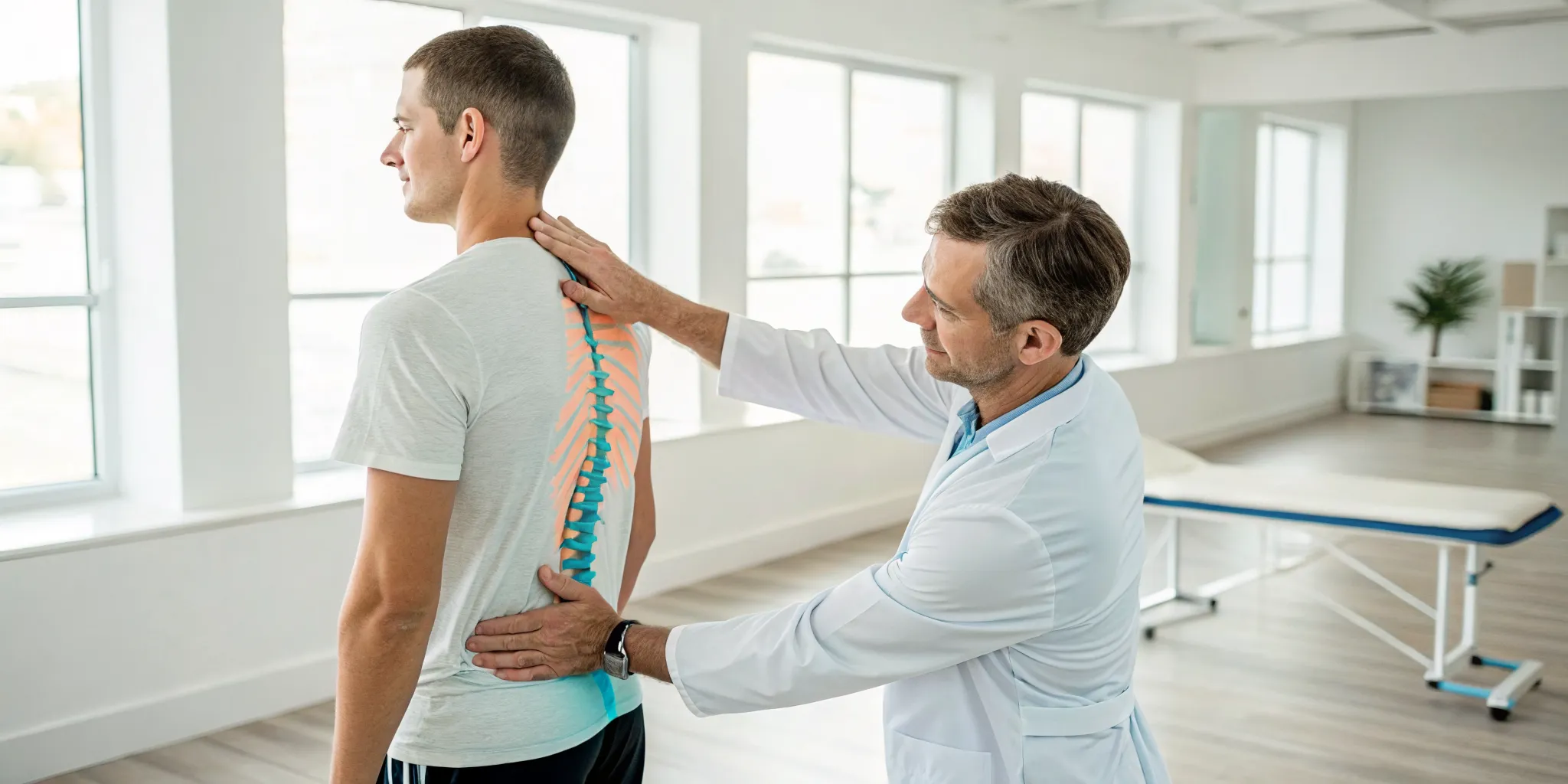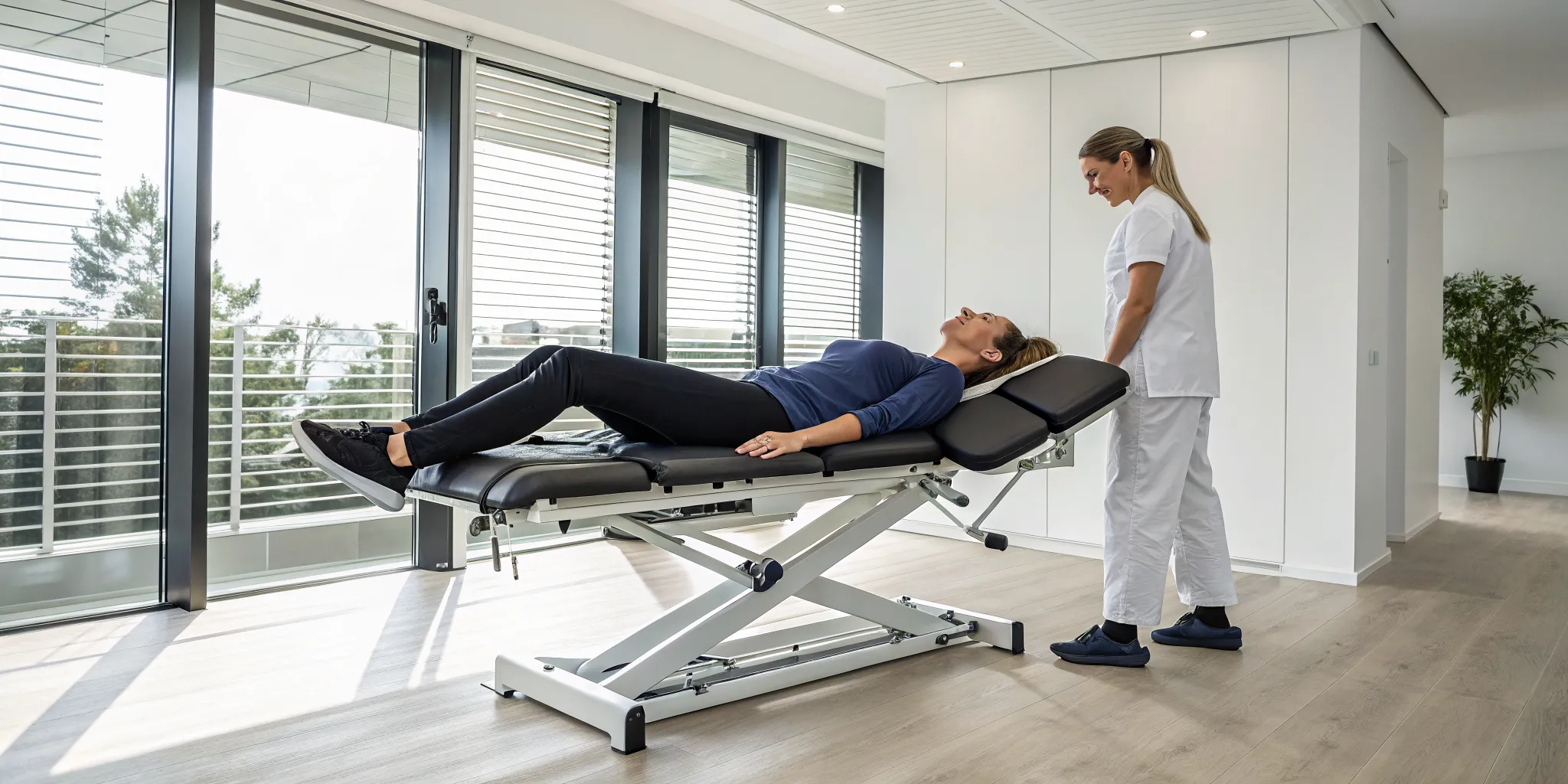
One of the most practical questions to ask when considering a medical procedure is, "How long will it take me to recover?" The answer can significantly impact your work, family, and daily life. This is one of the biggest distinctions in the shockwave therapy vs surgery comparison. With shockwave therapy, you can often walk out of the office and continue with your day, as it requires little to no downtime. Surgery, on the other hand, involves a much longer and more demanding recovery period. Let's explore what recovery truly looks like for both options, helping you understand how each path might fit into your life.
Key Takeaways
- Shockwave therapy prompts your body to heal, while surgery physically corrects an issue: Think of shockwave as a non-invasive way to restart your body's natural healing process for chronic tissue problems. Surgery, in contrast, is used to directly repair significant structural issues.
- Your recovery timeline is a key difference: Shockwave therapy allows you to get back to your life with almost no downtime. A surgical procedure requires a much longer recovery period, involving weeks or months of rest and structured rehabilitation.
- The right path is personal and depends on your goals: Shockwave therapy is highly effective for many chronic conditions, but the best choice for you considers the specific nature of your pain, your lifestyle, and what you want to get back to doing.
What Is Shockwave Therapy?
If you're dealing with chronic pain, you’ve probably heard about a lot of different treatment options. Shockwave therapy is a non-invasive treatment that helps your body heal from various injuries and tissue damage. Think of it as a way to restart the healing process in areas where it has stalled, all without the need for incisions or lengthy recovery periods. It’s a modern approach that works by stimulating your body’s own powerful healing mechanisms to address the source of your discomfort.
How does it actually work?
So, what’s happening during a shockwave treatment? The therapy uses targeted energy waves, sometimes called radial pressure waves, to create a response deep within your injured tissue. This process stimulates your body’s natural healing abilities on a cellular level. It helps improve blood flow to the area, encourages the growth of new tissue, and can reduce inflammation and pain. Instead of just masking symptoms, this approach is part of a physical medicine strategy that supports your body in repairing itself from the inside out. It’s all about giving your body the nudge it needs to get back on track.
What can you expect during a session?
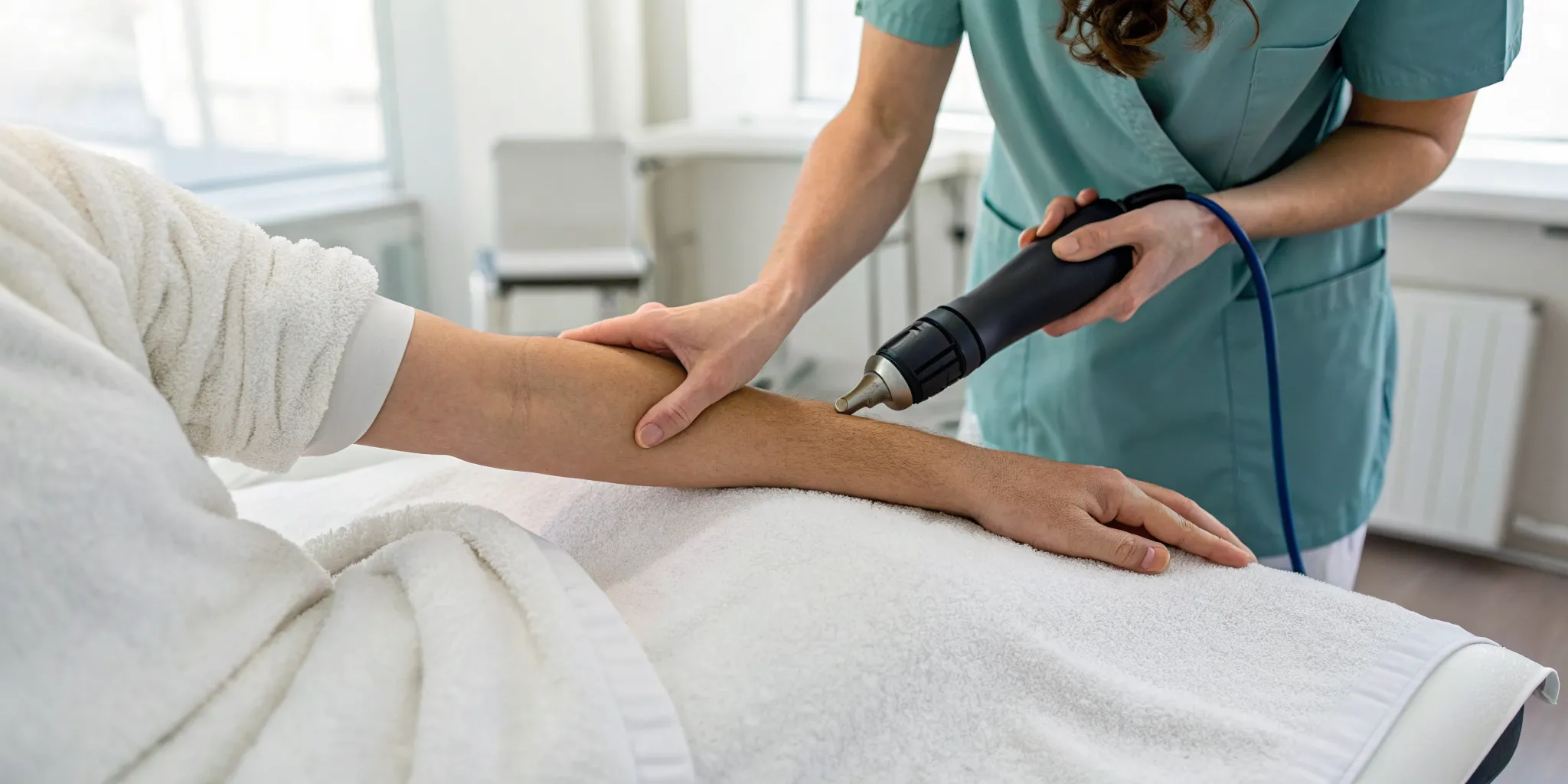
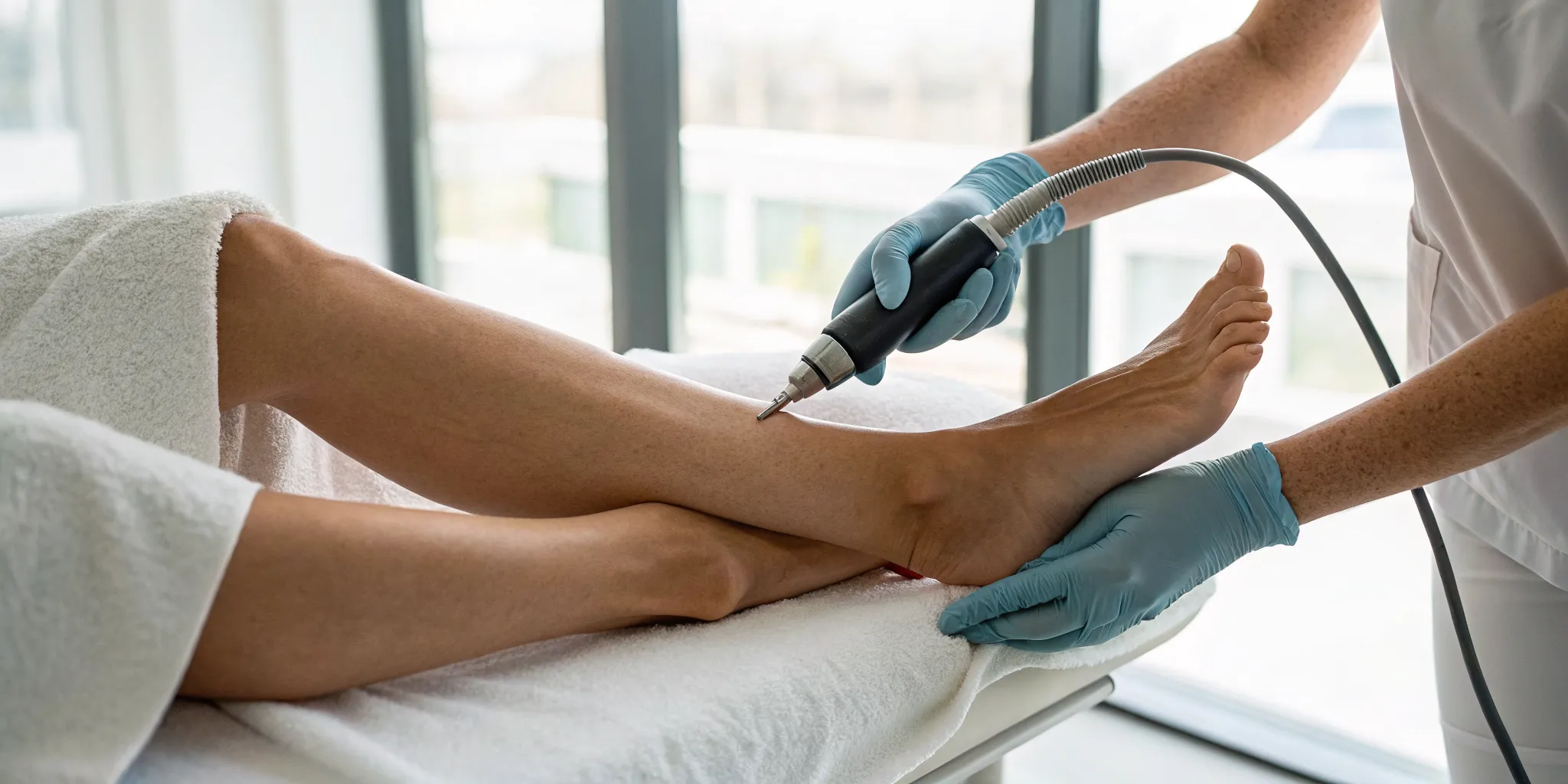
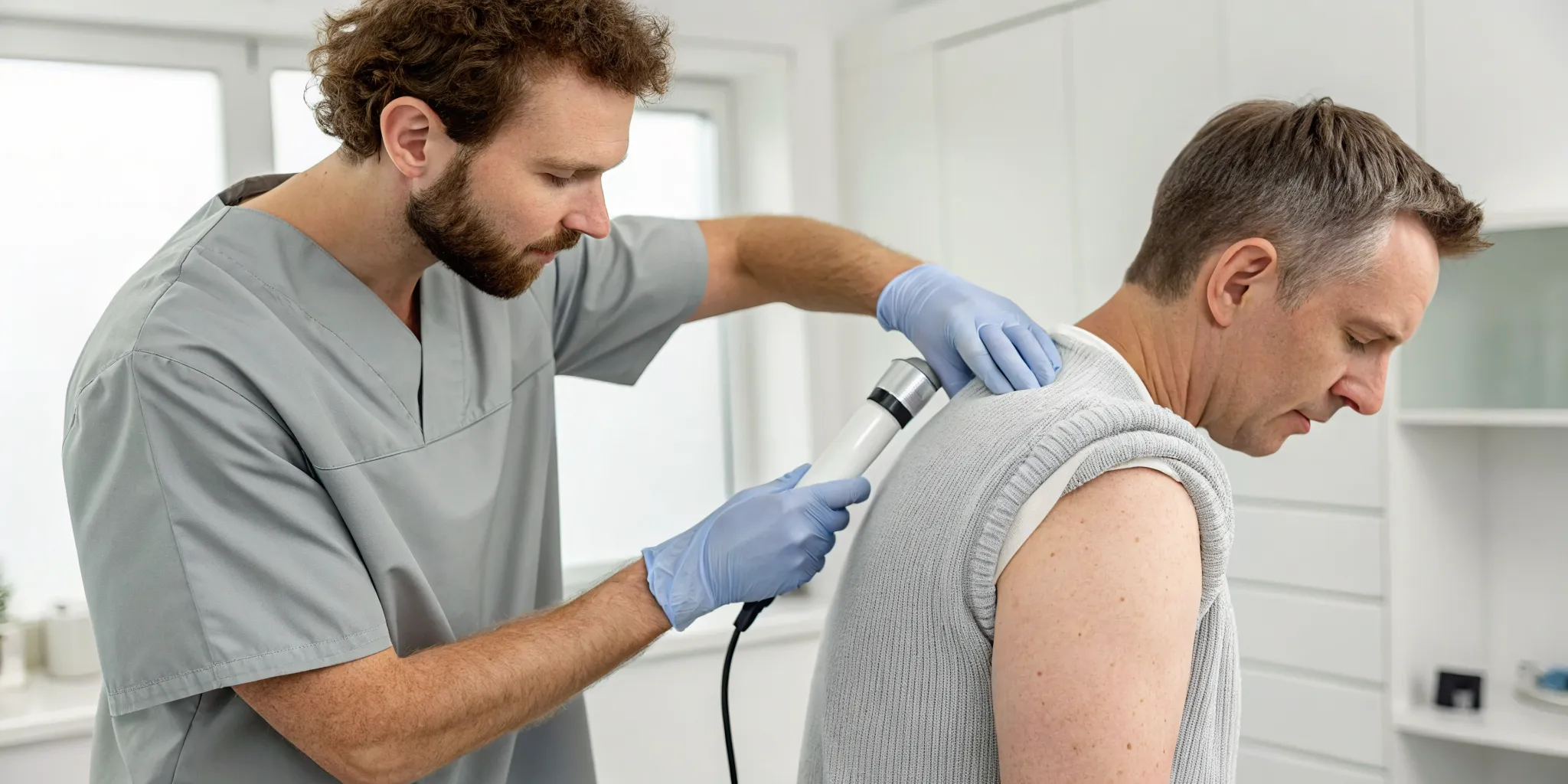
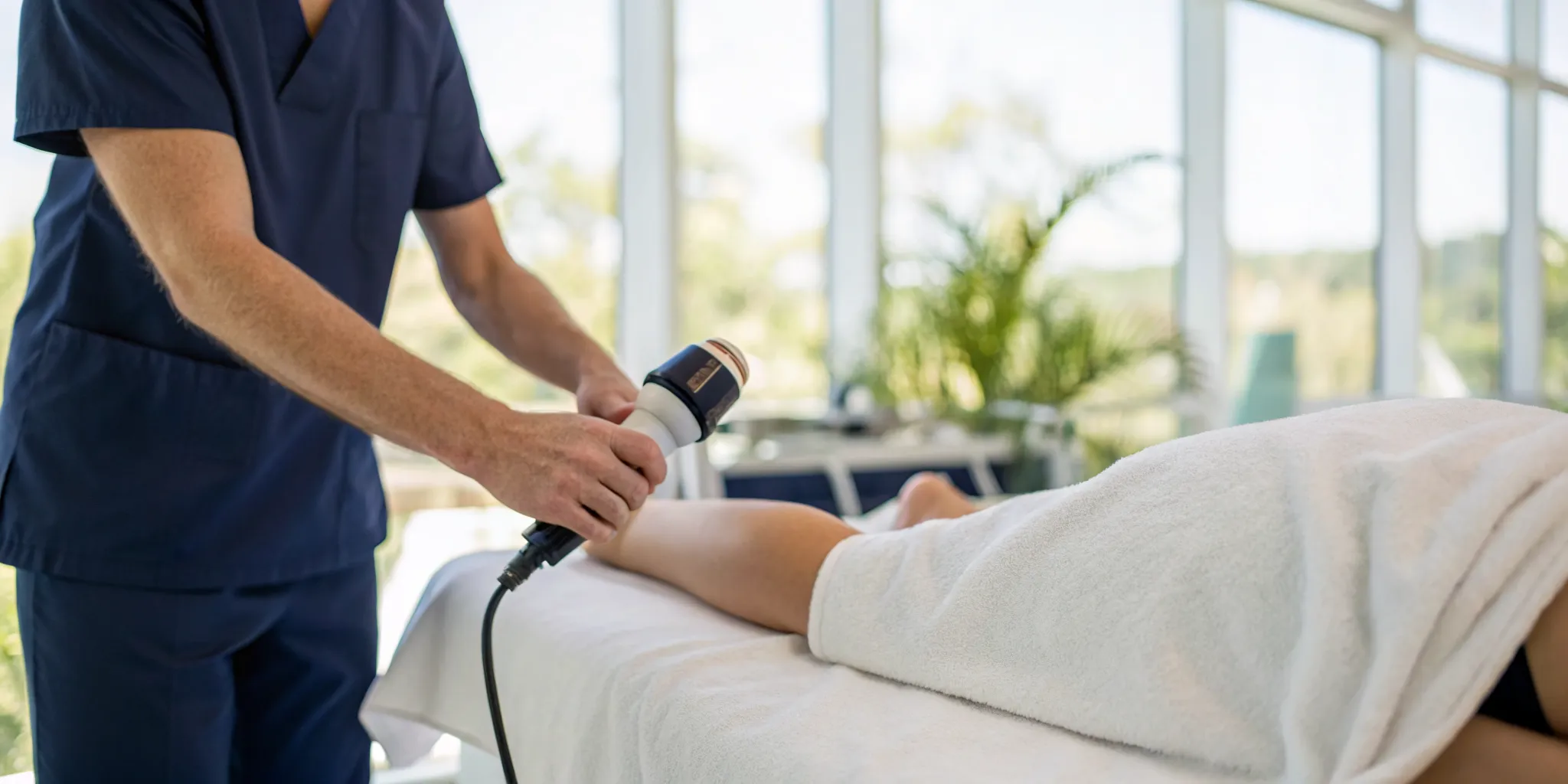
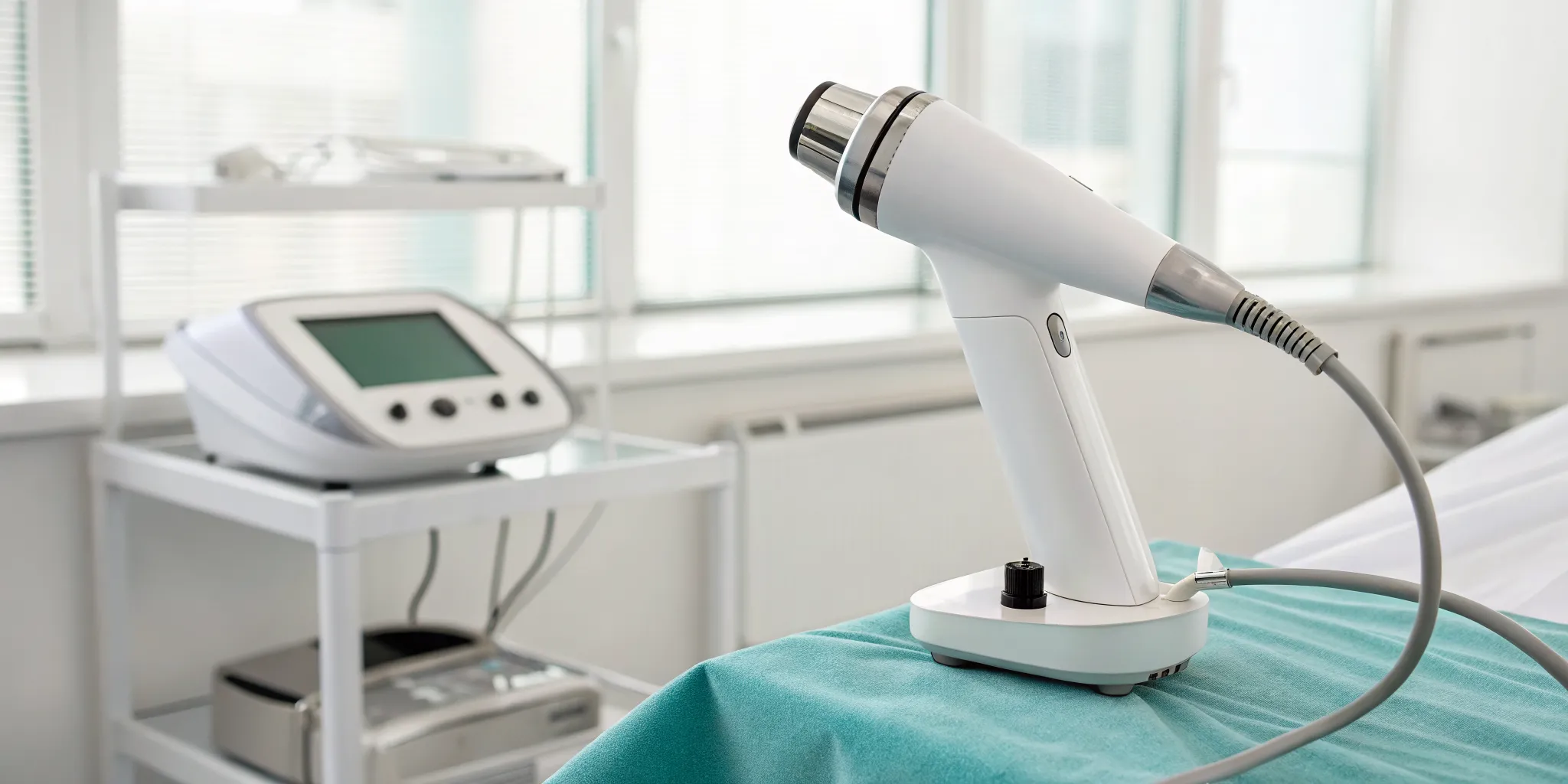
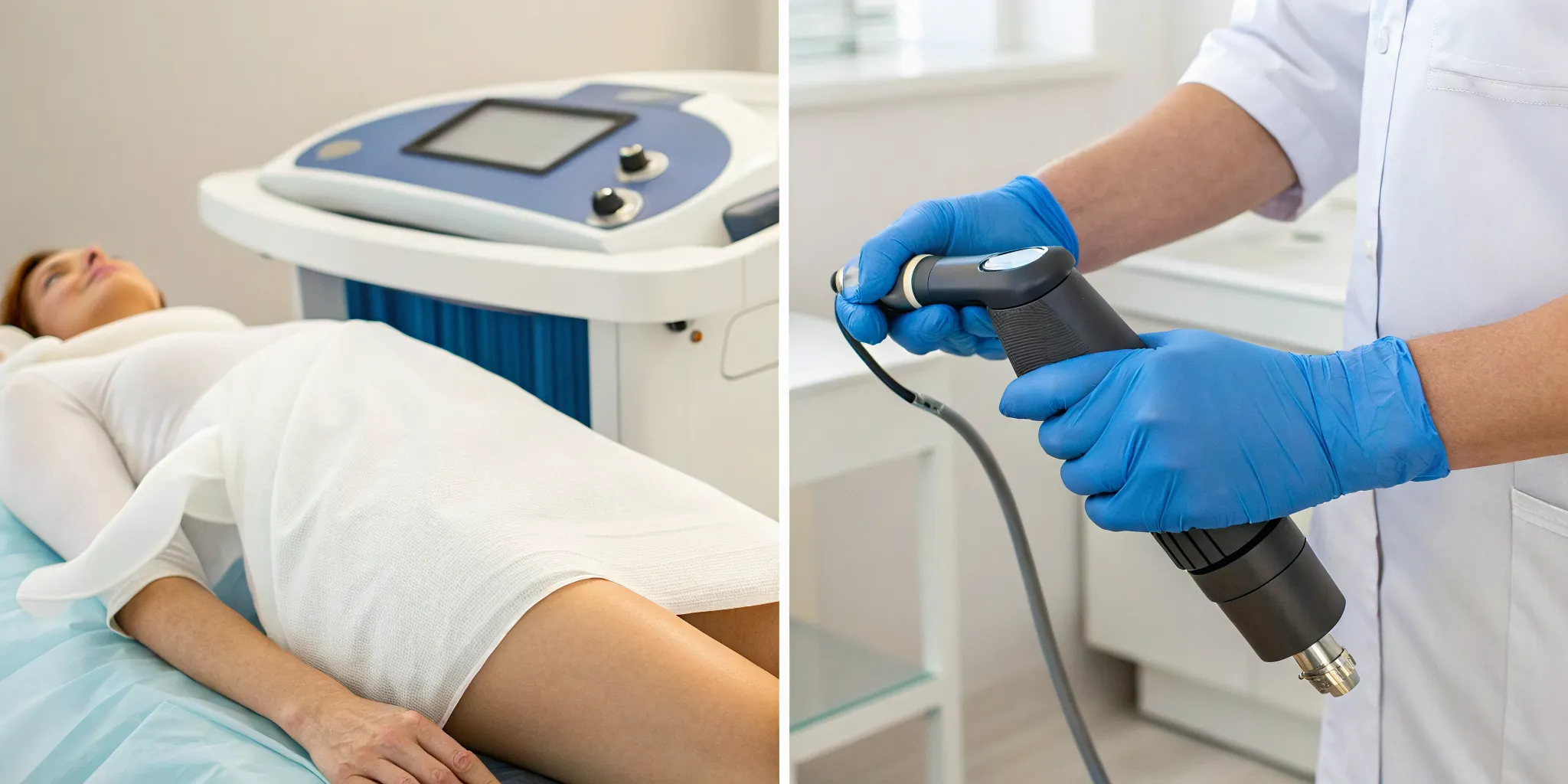
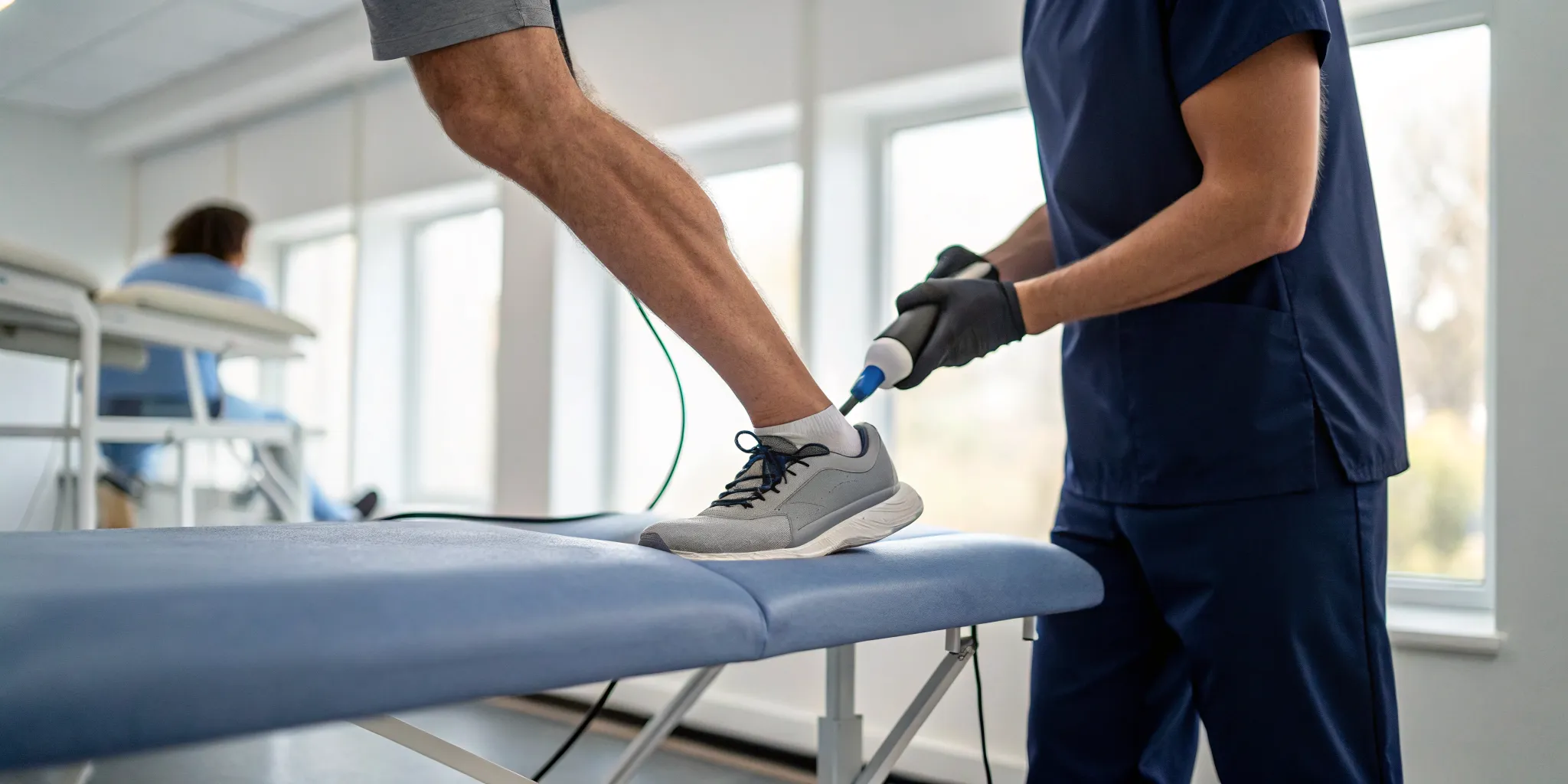
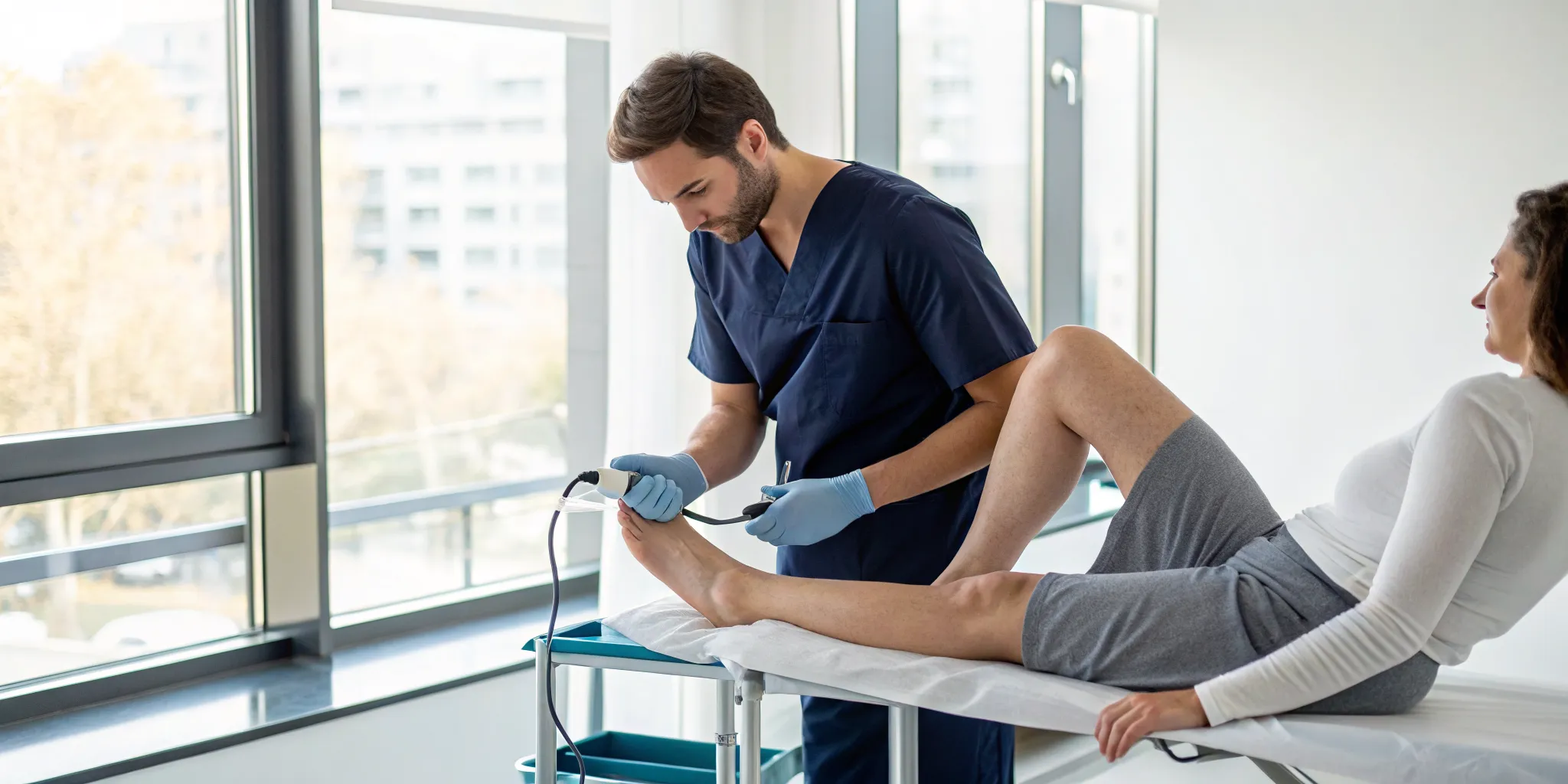
It’s natural to wonder if a treatment will be uncomfortable or complicated. A great thing about shockwave therapy is that it’s a straightforward, in-office procedure. During the session, a handheld device is placed on the skin over the affected area. You might feel a tapping or tingling sensation, but it’s generally well-tolerated. Each session is relatively quick, and because it’s non-invasive, you can walk out of the office and go on with your day afterward. There’s no downtime required, making it a practical option for the many conditions we treat that can interfere with a busy life.
What makes shockwave therapy different?
Unlike more aggressive options, shockwave therapy is completely non-invasive. This means it doesn’t require any incisions, and you don’t have to rely on pills to manage your pain. It’s a treatment that directly targets the physical source of your pain to promote actual healing. While it’s a gentle procedure, it’s also a powerful one that requires skill and precision. That’s why it’s so important to work with a team that has a deep understanding of the body and the technology. Our team at Ascend is dedicated to using these kinds of advanced therapies to help you find lasting relief.
Shockwave vs. Surgery: What Conditions Do They Treat?
Deciding between shockwave therapy and surgery isn't about which one is "better" overall, but which one is right for your specific situation. Think of them as two different tools for two different jobs. Shockwave therapy is designed to stimulate your body’s natural healing processes from the outside in, while surgery is meant to physically repair significant structural damage from the inside out. Understanding where each one excels is the first step in making an informed decision about your health.
Conditions where shockwave therapy shines
Shockwave therapy is a powerful, non-invasive treatment that truly shines when dealing with chronic soft tissue injuries. If you're struggling with persistent issues like plantar fasciitis, Achilles tendinopathy, or ongoing heel pain, this is where shockwave often becomes a go-to solution. It works by sending acoustic waves into the affected tissue, which helps to reduce pain and kickstart your body’s own repair mechanisms.
For many common pain conditions, especially those involving tendons, shockwave therapy can produce long-term results that are similar to or even better than surgery, but with far fewer risks and less disruption to your life. With a high success rate for these types of conditions, it’s a fantastic option to explore as part of a comprehensive physical medicine plan.
When is surgery typically recommended?
Surgery generally enters the conversation when the problem is more severe or structural in nature. It’s typically recommended for issues like complete tendon tears, advanced tissue damage, or major structural problems that simply can't be resolved through non-invasive means. The goal of a surgical procedure is to directly fix the anatomical issue, whether that means repairing a torn ligament or removing a bone spur that’s causing irritation.
While surgery can be very effective for these serious cases, it’s important to remember that it fixes the immediate structural problem, not necessarily the underlying cause. For example, if your walking mechanics contributed to the initial injury, that issue will still be there after the procedure. That’s why our root-cause approach is so important, even when surgery is necessary.
Shockwave Therapy vs. Surgery: A Look at the Pros and Cons
When you’re dealing with persistent pain, choosing the right treatment path can feel overwhelming. Two common options for chronic conditions like plantar fasciitis or tendonitis are shockwave therapy and surgery. While both aim to bring you relief, they go about it in very different ways. Surgery is often seen as a direct, albeit invasive, fix. Shockwave therapy, on the other hand, is a non-invasive approach that encourages your body’s own healing mechanisms. Understanding the benefits and drawbacks of each is the first step toward making an informed decision that aligns with your health goals and lifestyle. Let's compare them side-by-side.
The upside of shockwave therapy
One of the biggest advantages of shockwave therapy is that it’s completely non-invasive. There are no incisions, no anesthesia, and no hospital stays. This treatment uses acoustic waves to stimulate blood flow and metabolic activity in the affected area, which helps reduce pain and accelerate your body's natural healing process. With a success rate of around 84% for certain conditions, it's a powerful option. Most people can return to their normal activities almost immediately after a session. It’s an approach that works with your body, making it a cornerstone of our physical medicine services.
Potential downsides of shockwave therapy
While it’s highly effective for many, shockwave therapy isn’t a universal solution. Its success depends on the specific injury and individual. It’s also important to clear up a common misconception: this is not "electric shock" therapy. The treatment uses sound waves, not electrical currents, to create a therapeutic effect. Another consideration is that it’s not a single-session cure. A full course of treatment typically involves several sessions spaced a week or so apart to achieve lasting results. We can help determine if it’s the right fit for the conditions we treat and your unique situation.
The upside of surgery
There are times when surgery is the most appropriate and effective option. For severe structural issues, like a completely torn tendon or significant joint damage, a surgical procedure can directly address and repair the underlying problem. The goal of surgery is to physically fix the source of the pain, whether that means removing a bone spur, reattaching a ligament, or realigning a joint. In cases where the damage is too extensive for the body to heal on its own, even with assistance from other therapies, surgery can provide a definitive solution and pave the way for recovery.
Potential downsides of surgery
The primary drawback of surgery is its invasive nature. It comes with a lengthy recovery period that can last for weeks or even months, significantly impacting your daily life. As with any surgical procedure, there are risks involved, including infection, nerve damage, and the formation of scar tissue, which can sometimes lead to new problems. The financial aspect is also a factor, as surgery and the required rehabilitation can be quite expensive. Our holistic approach prioritizes exploring less invasive options first, reserving more intensive procedures for when they are truly necessary.
Does Shockwave Therapy Really Work?
When you’re considering any new treatment for chronic pain, this is the most important question. You want to know if it will actually make a difference for you. The simple answer is yes, shockwave therapy is a highly effective treatment for many musculoskeletal conditions. But let's look at what that really means by exploring the data on success rates, how it compares to surgery, and what patients experience long-term.
Exploring the success rates for common injuries
When you're dealing with persistent pain, you want confidence that a treatment can deliver results. The good news is that shockwave therapy has a high success rate for many common injuries. For certain conditions, studies show effectiveness in about 84% of cases after a full course of treatment. This makes it a very reliable option for issues like plantar fasciitis, Achilles tendinopathy, and tennis elbow. Instead of just masking symptoms, this therapy works by stimulating your body’s natural healing processes, which is why so many people find lasting relief from chronic pain.
Comparing outcomes: Shockwave therapy vs. surgery
It’s natural to wonder how a non-invasive treatment stacks up against a traditional option like surgery. Interestingly, research shows that for some conditions, the outcomes are quite similar. One study found that after a year, both treatments worked about the same, but after two years, shockwave therapy actually produced slightly better results than surgery. The best approach can depend on the specifics of your injury. For example, with shoulder tendinitis, the type of calcium deposit can influence which treatment is more effective. This highlights the importance of a personalized diagnosis to determine the right path for you.
What about long-term results and patient satisfaction?
Getting out of pain is one thing, but staying that way is the real goal. This is where shockwave therapy truly stands out. The focus is on healing the tissue, not just calming it down, which leads to lasting results. Studies report success rates between 75% and 95%, with a very low chance of the pain returning. Patients often experience sustained pain relief and report higher satisfaction and better long-term function compared to those who undergo surgery for similar conditions. This level of patient satisfaction speaks volumes about its effectiveness as a long-term solution.
How Do Recovery Times Compare?
When you’re dealing with chronic pain, the path to feeling better is just as important as the destination. The amount of time you have to spend recovering can have a huge impact on your work, family, and ability to do the things you love. This is one of the most significant differences between shockwave therapy and surgery. Let's break down what you can expect from each.
Recovering from shockwave therapy
One of the biggest draws of shockwave therapy is how quickly you can get back to your life. Because the treatment is non-invasive, there is little to no downtime. Most people can walk out of the office and go on with their day, returning to normal activities almost immediately. You might be advised to take it easy for a day or two, but you can typically resume light exercise within 48 hours. This makes it a practical choice for anyone with a busy schedule who can’t afford to press pause. Our approach to physical medicine prioritizes treatments that work with your body and your lifestyle.
Recovering from surgery
Surgical recovery, on the other hand, is a much longer road that requires a serious commitment. The goal of surgery is to physically alter or repair the source of pain, which is an intensive process for your body. Recovery often involves 6 to 12 weeks of limited walking and activity. During this time, you might need crutches or a walking boot to get around, and you’ll likely need to take time off from work. Following the initial healing period, a course of physical therapy is usually necessary to regain strength and mobility for the conditions we treat.
How recovery impacts your daily life
When you think about recovery, it’s not just about healing; it’s about how that healing process fits into your life. With shockwave therapy, the impact is minimal. You can get treatment and still make it to work, pick up your kids, and enjoy your hobbies. Surgery requires you to put your life on hold for weeks or even months. While it can be effective for major structural problems, it’s also important to remember that pain can return if the root cause, like your posture or movement patterns, isn’t addressed. Our philosophy is centered on finding and fixing those root causes for lasting relief.
Understanding the Potential Risks
Making a decision about your health means weighing the benefits against the potential downsides of any treatment. Both shockwave therapy and surgery come with their own set of considerations. Understanding these ahead of time helps you have a more productive conversation with your healthcare provider and feel confident in the path you choose. Let's look at what you can generally expect with each approach so you can get a clearer picture of your options.
Potential side effects of shockwave therapy
One of the most common questions we hear is about pain. While you might feel some discomfort during a shockwave session, it shouldn't be intensely painful. Your care team will prioritize your comfort, so it's important to communicate how you're feeling throughout the process. The great thing about this therapy is that it's a minimally invasive, in-office procedure. It doesn't require any incisions or medications to work. Most people can walk out of their appointment and continue with their day without significant downtime, making it a practical choice for many lifestyles. Our approach to physical medicine always focuses on effective, patient-centered care.
Potential risks and complications of surgery
Surgery is a more involved process that carries a different set of risks. Any surgical procedure involves incisions, anesthesia, and a permanent change to your body's structure. The recovery period is also much longer, often requiring weeks or even months of rest and limited activity to heal properly. While surgery can be effective for certain issues, it's also possible for pain to return if the underlying cause, like your posture or movement patterns, isn't addressed. This is why we focus on identifying the root of the problem for the conditions we treat, aiming for lasting relief rather than a temporary solution.
When Is Surgery the Right Choice?
While we often focus on non-invasive treatments first, it's important to recognize that surgery can be a powerful and necessary tool for healing. Sometimes, it’s the most direct path to resolving chronic pain and restoring function, especially when other methods haven’t delivered the results you need. The decision to have a surgical procedure is a significant one, and it’s typically reserved for specific circumstances where its benefits are clear. Understanding when surgery is the most appropriate option can help you feel more confident in your healthcare journey and your choices. It’s not about giving up on other treatments; it’s about choosing the right tool for the job based on your unique situation and diagnosis.
We want you to feel empowered in every decision you make about your health. That means having honest conversations about all your options, including when a more direct intervention might be the best path forward. This isn't about jumping to conclusions, but about carefully weighing the pros and cons to find the most effective and sustainable solution for you. Let's walk through the key scenarios where surgery is often the right choice, helping you understand the "why" behind such a recommendation.
For significant structural issues and severe injuries
Surgery is often the go-to solution when there's a clear structural problem that needs to be physically repaired. Think of issues like a badly torn tendon, large bone spurs that are causing impingement, or other anatomical issues that are physically getting in the way of normal movement. In these cases, the goal of surgery is to directly fix the mechanical cause of the pain. A surgeon can go in to reattach tissues, remove problematic growths, or reshape a joint to restore proper alignment and function. While treatments like shockwave therapy can help the body heal, they can’t always resolve a significant structural barrier on their own.
When other treatments haven't provided relief
It’s common practice to explore conservative treatments before considering surgery, and for good reason. Many people find lasting relief with non-invasive options. However, if you’ve diligently tried therapies like shockwave, physical therapy, and lifestyle adjustments without success, surgery may become the next logical step. For certain conditions, like specific types of calcifying tendinitis in the shoulder, surgery might be a more effective choice from the start. The decision often comes down to the specifics of your diagnosis and how your body has responded to other forms of care. It’s a collaborative decision you and your provider can make after exploring all the conditions we treat with conservative methods first.
Why addressing the root cause is still key
Even when surgery is successful, the story doesn’t end there. A surgical procedure can repair the damage, but it doesn’t always correct the underlying issues that caused the problem in the first place. For example, if poor posture or movement patterns led to a tendon tear, that tear can happen again if those patterns aren't addressed. This is why a holistic approach is so important. True, long-term healing involves not only fixing the immediate issue but also understanding and correcting the root cause. Our functional medicine approach focuses on identifying these underlying factors to support your body’s healing process and help prevent the pain from returning.
How to Decide Which Treatment Is Right for You
Choosing between a non-invasive option like shockwave therapy and a more traditional surgical route is a significant decision. There’s no single right answer for everyone, and the best path forward depends entirely on your unique situation. It’s a conversation to have with a provider who truly understands your health from a holistic perspective. To help you prepare for that conversation, let’s walk through the key factors you’ll want to consider. Thinking about these points can bring a lot of clarity and empower you to make the most informed choice for your body and your life.
The severity of your condition
The nature and intensity of your injury play a huge role in this decision. Shockwave therapy often produces excellent results for chronic pain, tendon injuries, and joint problems that haven't progressed to a severe stage. Think of conditions like plantar fasciitis, tennis elbow, or shoulder tendinopathy that have been nagging you for months. If you're dealing with an incomplete tear or persistent inflammation that hasn't responded to initial rest and care, shockwave can be a powerful tool. Surgery, on the other hand, is generally reserved for more advanced issues, such as a complete tendon rupture or significant structural damage that requires direct repair.
Your overall health and lifestyle
Your general health is a critical piece of the puzzle. Because shockwave therapy is non-invasive, it works by stimulating your body's own healing processes. This makes it a suitable option for a wide range of people. The treatment supports your body’s innate ability to repair itself without the stress of an operation. Surgery requires a certain level of health to ensure you can handle the procedure and the recovery that follows. A provider will consider your entire health picture, from your immune function to your metabolic health, before recommending a surgical path. This is where a functional medicine approach can be so valuable, as it focuses on optimizing your health from the inside out.
Your personal goals and activity level
What do you want your life to look like after treatment? If your main goal is to get back to your daily activities, workouts, or hobbies as quickly as possible with minimal disruption, shockwave therapy has a clear advantage. The recovery is fast, and you can often remain active throughout the treatment process. For many people, avoiding a long and demanding surgical recovery is a top priority. Considering your lifestyle and what you want to achieve will help you and your provider decide if a non-invasive approach aligns with your personal goals for restoring movement and function.
Find Your Path to Healing at Ascend Functional Health
Living with chronic pain can feel like a frustrating cycle of managing symptoms without ever getting to the heart of the problem. At Ascend Functional Health, we take a different path. We believe that true, lasting relief comes from understanding and addressing the underlying issues causing your pain. Our goal is to partner with you, using personalized and research-backed protocols to support your body’s ability to heal from the inside out.
Our three pillars of healing (Physical Medicine, Functional Medicine, and Longevity Medicine) work together to create a complete picture of your health. This allows us to move beyond temporary fixes and create a strategy for your long-term wellness. Whether you're dealing with persistent joint pain, headaches, or digestive issues, our team in Tampa is here to help you find clarity and start your journey toward feeling your best.
Our root-cause approach to chronic pain in Tampa
At Ascend Functional Health, our entire philosophy is built on addressing the root causes of your health concerns instead of just chasing symptoms. We use innovative treatments that align with this goal, like shockwave therapy. For many people dealing with tendon problems or early arthritis, this non-invasive option can be a game-changer. In fact, some studies suggest it can provide similar or even better long-term results than surgery, but with fewer risks. By using high-energy sound waves to stimulate your body’s natural healing processes, we can help you get back to your life without the long recovery associated with more invasive procedures.
Could shockwave therapy be right for you?
If you're tired of chronic pain holding you back, shockwave therapy might be an excellent option to explore. It’s particularly effective for stubborn conditions like calcifying tendinitis of the shoulder and other chronic tendon issues. One of the biggest benefits our patients appreciate is the minimal recovery period. Unlike surgery, which can sideline you for weeks or months, shockwave therapy involves very little to no downtime. Most people can return to their normal activities the same day and ease back into light exercise within a couple of days. At Ascend Functional Health, we’re committed to helping you find the best path forward, and we can help you determine if this treatment is the right fit for your specific needs.
Related Articles
- SoftWave Tissue Regeneration Therapy in Tampa | Alessi Functional Health
- SoftWave TRT Therapy in Tampa, FL - Alessi Functional Health
- Regenerative Medicine for Pain Recovery | Ascend Functional Health
- Pain Free Future | Alessi Functional Health
- Disc Bulge Therapy: A Complete Guide to Healing
Frequently Asked Questions
What does shockwave therapy actually feel like? Is it painful? This is a great question, and it’s one we hear a lot. Most people describe the sensation as a strong tapping or pulsing feeling on the skin. While you will definitely feel it working, it shouldn't be intensely painful. Your provider can adjust the intensity to a level that is effective yet comfortable for you. Open communication during the session is key, but you can rest assured that it’s a very manageable, in-office treatment.
How many treatments will I need to see results? Shockwave therapy is a process that encourages your body to heal over time, so it’s not a one-and-done fix. A typical treatment plan involves a series of sessions, usually spaced about a week apart. The exact number depends on your specific condition, how long you've had the injury, and how your body responds. The goal is to create a cumulative healing effect that leads to lasting relief.
If shockwave therapy doesn't work, does that mean I'll need surgery? Not necessarily. If a course of shockwave therapy doesn't provide the relief we're looking for, it simply gives us more information about your condition. It doesn't automatically mean surgery is the only option left. Our team would take that information, reassess your situation, and explore why you didn't respond as expected. The next step might involve a different therapeutic approach or a deeper look into other contributing factors before ever considering a more invasive procedure.
Can the pain come back after finishing my shockwave therapy sessions? Because shockwave therapy works by promoting actual tissue healing rather than just masking symptoms, the results are designed to be long-lasting. The risk of the pain returning is quite low. However, true long-term success also involves addressing the reason the injury happened in the first place. That’s why our approach includes identifying and correcting any underlying issues, like movement patterns or posture, to help prevent the problem from coming back.
What makes someone a good candidate for shockwave therapy over surgery? A good candidate for shockwave therapy is typically someone dealing with a chronic soft tissue injury, like plantar fasciitis or tennis elbow, that hasn't responded to rest. It's ideal for people who want to avoid the long recovery and potential complications of surgery. The decision ultimately comes down to a thorough evaluation. If your injury is not a complete tear and you want a non-invasive solution that gets you back to your life quickly, it's definitely a conversation worth having.