"No pain, no gain." "Always stretch before you run." We’ve all heard these pieces of advice, but what if they’re actually holding you back? When it comes to taking care of our bodies, a lot of common knowledge is based on outdated ideas that can do more harm than good. An effective injury prevention plan isn’t built on old gym myths; it’s based on a real understanding of how the body works. Pushing through the wrong kind of pain or stretching cold muscles can set you up for the very issues you’re trying to avoid. It’s time to clear up the confusion and focus on what actually works to keep you strong, healthy, and moving without pain.
Key Takeaways
- Create a personalized prevention plan: Assess your unique risks, set clear goals, and adapt your strategy as your life changes to stay ahead of potential injuries.
- Address your body's unique structure: Small imbalances in posture, muscle strength, and joint mobility can lead to bigger problems, so correcting them is key to preventing chronic pain.
- Look beyond the workout: True injury prevention includes your entire lifestyle, so prioritize quality nutrition, hydration, and sleep to build a body that's resilient from the inside out.
What Is Injury Prevention and Why Does It Matter?
When we hear "injury prevention," our minds often jump to athletes taping their ankles or wearing helmets. But it’s a concept that applies to all of us, every single day. At its core, injury prevention is about taking smart, proactive steps to reduce your risk of getting hurt, whether you’re at the gym, at work, or just walking around your house. It involves making small but meaningful adjustments to your behaviors, your environment, and the equipment you use. Think of it as a mindset shift from reacting to pain to proactively building a more resilient body and a safer life. By understanding the common risks in your daily routine, you can take control and sidestep many of the incidents that lead to pain and physical limitations.
The Power of Proactive Health
Taking a proactive approach to your health is one of the most powerful choices you can make. Think about how automatically you buckle your seatbelt. That simple action is a perfect example of an effective injury prevention strategy. Applying that same forward-thinking mindset to other areas of your life can protect you from unnecessary harm. A comprehensive plan is always the most effective, combining behavioral changes (like learning proper lifting techniques), environmental design (like removing tripping hazards at home), and using the right safety equipment. By integrating these strategies, you create layers of protection that work together to keep you safe and active in your daily life.
The Real Cost of an Injury
An injury is more than just a moment of pain. It can have a ripple effect that touches every part of your life, from your ability to work and enjoy hobbies to your long-term well-being. Many injuries can lead to chronic issues like persistent pain, lasting functional problems, and even permanent disability. With over 60 million people treated for preventable injuries each year in the US, it’s clear this is a widespread issue. Understanding the true cost helps us see why prevention is so critical. It’s not just about avoiding a temporary setback; it’s about protecting your future mobility, independence, and overall quality of life. Many of the conditions we treat can be traced back to an initial injury that wasn't properly addressed.
Common Injuries You Can Actually Prevent
It’s easy to think of injuries as random, unlucky events, but the truth is that many of them are predictable and preventable. By understanding the common risks we face in our daily lives, we can take simple, proactive steps to protect ourselves and our families. Whether you’re an athlete, a parent, or work at a desk all day, a little awareness goes a long way in staying safe and healthy. Let’s look at some of the most common types of injuries and what you can do to avoid them.
Injuries from Sports and Exercise
Most sports injuries are preventable. They often happen not because of the sport itself, but because of improper preparation or repetitive strain. A proper warm-up, using the right gear, and listening to your body are your first lines of defense. For younger athletes, participating in a variety of sports can develop a wider range of physical skills and reduce the risk of overuse injuries on specific muscle groups. If you’re dealing with recurring pain or want to optimize your performance, our physical medicine services can help identify and correct underlying imbalances before they lead to a more serious injury.
Accidents at Home
Your home should be a safe space, but it’s also where many preventable accidents occur. Falls are a primary cause of injury, especially for older adults, so simple modifications can make a huge difference. Securing rugs, clearing walkways, and installing grab bars in bathrooms are effective measures. For families with young children, child-proofing with safety gates and outlet covers is essential. It’s also crucial to have working smoke and carbon monoxide detectors. These small adjustments to your environment can significantly reduce the risk of common household accidents and keep your loved ones safe.
Injuries on the Job
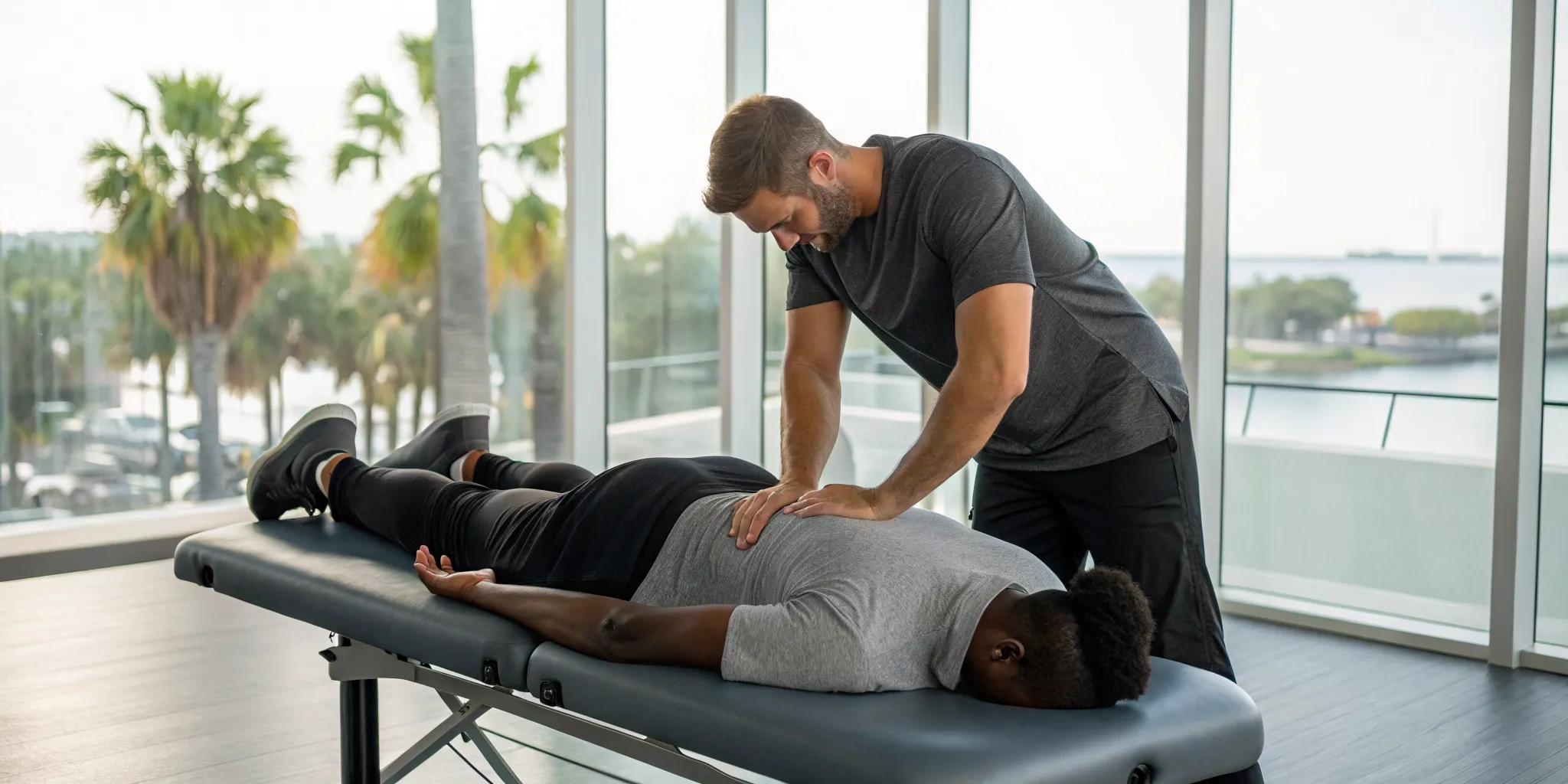
Whether your job is physically demanding or requires you to sit at a desk, work-related injuries are incredibly common. Many of these issues stem from poor posture, repetitive motions, and improper ergonomics. You can prevent these injuries by correcting your body posture, taking frequent breaks to stretch and move, and ensuring your workspace is set up correctly. Proactive care can also play a huge role. Regular chiropractic adjustments help identify and address imbalances in the body that might otherwise develop into painful overuse injuries, keeping you productive and pain-free.
Car and Traffic Accidents
Motor vehicle crashes are a leading cause of injury for people of all ages, but many of the most severe outcomes can be avoided. The single most effective safety measure is also the simplest: always wear your seatbelt. For children, using the proper car seat or booster seat for their age and size is critical. These restraints are designed to protect you during a collision and can dramatically reduce your risk of serious injury or death. Making these safety practices a non-negotiable habit every time you get in the car is a powerful step in injury prevention.
Understanding the 3 Levels of Prevention
When we talk about preventing injuries, it’s not just a single action but a complete strategy. Think of it as a three-layered approach to keeping your body safe, healthy, and resilient. Each level has a different goal, from stopping an injury before it even has a chance to happen to making sure a minor issue doesn’t become a major one. Understanding these levels helps you take a smarter, more comprehensive approach to your health. By being proactive at every stage, you can protect your body from harm, reduce the severity of any accidents that do occur, and recover more effectively. This framework empowers you to take control, whether you're an athlete, a weekend warrior, or just want to move through your daily life without pain.
Primary: Stop Injuries Before They Start
This is the first and most proactive line of defense. Primary prevention is all about stopping an injury from happening in the first place. It involves making smart choices and creating safe conditions before you even begin an activity. Think of it as building a strong foundation for your physical well-being. Simple actions like wearing a helmet when you bike, using proper lifting techniques at the gym, or setting up an ergonomic workspace are all forms of primary prevention. It also includes preparing your body through proper warm-ups and corrective exercises. Our approach to physical medicine focuses on this level by addressing structural imbalances before they can lead to pain or injury.
Secondary: Reduce the Impact of an Injury
Sometimes, despite our best efforts, injuries happen. That’s where secondary prevention comes in. This level focuses on minimizing the severity of an injury right after it occurs to prevent further complications. The goal is early detection and prompt, effective treatment. If you twist your ankle, for example, secondary prevention would be to stop your activity immediately and apply ice to reduce swelling. It’s about listening to your body’s signals, like pain or discomfort, and not trying to "push through it." Getting regular health check-ups and seeking immediate medical attention for a new issue are crucial parts of this stage, ensuring a small problem doesn’t spiral into a chronic one.
Tertiary: Focus on Recovery and Rehab
Tertiary prevention is all about the recovery process. Once an injury has occurred and been treated, this level aims to limit long-term problems and help you regain full function. This is where rehabilitation, physical therapy, and other recovery strategies play a vital role. The focus is not just on healing the immediate injury but also on strengthening the body to reduce the risk of it happening again. A comprehensive recovery plan might include targeted exercises, nutritional support to aid tissue repair, and lifestyle adjustments. This holistic approach, which is central to all our services, ensures you can return to your activities with confidence and improve your overall quality of life for the long haul.
What Are the Most Effective Injury Prevention Strategies?
Preventing injuries isn’t about bubble-wrapping your life. It’s about making smart, intentional choices that build a more resilient body and a safer environment. By focusing on a few key areas, you can dramatically reduce your risk of getting hurt, whether you’re at the gym, at home, or on the job. These strategies are practical, effective, and something anyone can start implementing today. They empower you to take control of your health and stay active in the things you love.
Use the Right Safety Gear
Think of safety gear as your body’s best line of defense. For athletes, this might mean a properly fitted helmet for cycling or the right pads for contact sports. But it applies to everyday life, too. Wearing supportive shoes for a long walk, using gloves while gardening, or even wearing sunglasses to protect your eyes are all simple ways to prevent injury. The key is to use gear that’s appropriate for the activity and to make sure it fits well and is in good condition. A cracked helmet or worn-out running shoes won’t give you the protection you need.
Modify Your Environment
Your surroundings play a huge role in your safety. A few simple adjustments at home can make a world of difference, like securing loose rugs, keeping stairs and hallways clear of clutter, and using non-slip mats in the shower. At work, especially if you have a desk job, think about your ergonomics. Is your chair supporting your back? Is your monitor at eye level? Making small changes to your workspace can help you avoid the chronic pain that comes from repetitive strain. It’s all about identifying potential hazards and addressing them before they can cause a problem.
Stay Informed and Aware
One of the most powerful tools for injury prevention is knowledge. When you understand the risks involved in an activity, you can make better decisions to protect yourself. This also means learning to listen to your body. Pushing through sharp pain is a recipe for disaster, so it’s important to recognize the difference between muscle fatigue and a potential injury. Beyond that, simply being present and aware of your surroundings can help you avoid countless accidents. Putting your phone away while walking or driving allows you to react quickly to unexpected situations and keep yourself safe.
Prepare Your Body for Activity
Jumping into any physical activity without preparing your body is like starting a car in freezing weather and immediately flooring it. A proper warm-up is essential; it increases blood flow to your muscles and gets your joints ready for movement. Similarly, a cool-down helps your body gradually return to a resting state. Beyond that, a well-rounded fitness routine that includes strength training, flexibility, and cardiovascular exercise builds a strong, stable foundation. When your body is properly conditioned, it’s far more capable of handling physical stress, which is why our approach to physical medicine focuses on building that resilience.
How Does Your Body's Structure Affect Injury Risk?
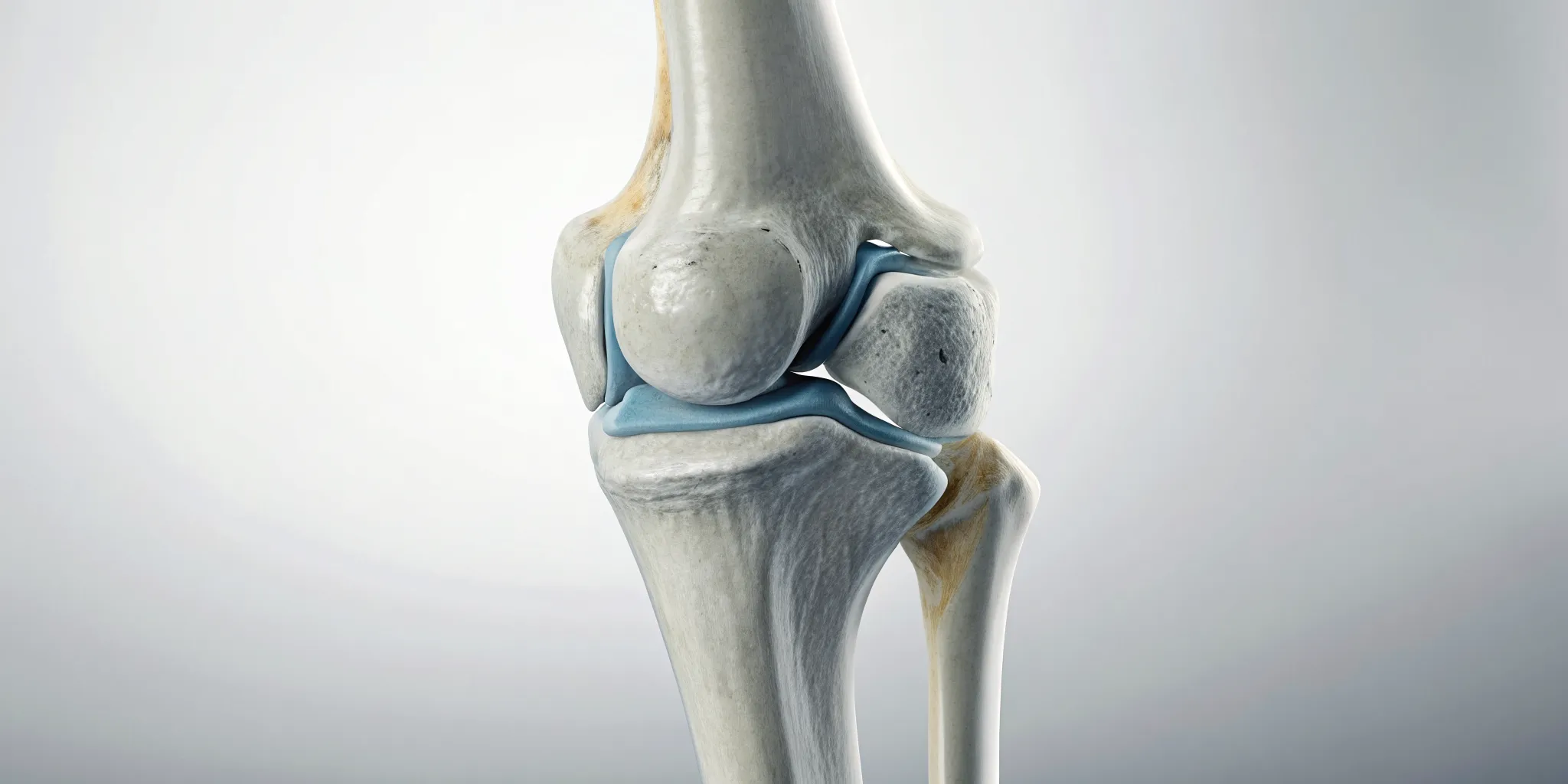
Think of your body’s structure as the foundation of a house. If the foundation is solid and aligned, the house can withstand a lot of stress. But if it’s cracked or uneven, problems are bound to appear over time. The same is true for your body. Your skeleton, muscles, and joints are designed to work together in a specific way. When something is out of balance, whether it’s a tight muscle or a stiff joint, it creates a chain reaction that can lead to pain and injury.
It’s not always a big, dramatic event that causes an injury. More often, it’s the result of small, repetitive stresses that accumulate because of underlying structural issues. The way you sit at your desk, carry your groceries, or even walk can contribute to wear and tear if your body isn't moving efficiently. Understanding how your unique structure affects your movement is the first step toward building a more resilient body. Our approach to physical medicine focuses on identifying and correcting these foundational imbalances before they turn into bigger problems. By addressing the root cause, we can help you move better and live with less risk.
How Muscle Imbalances Increase Risk
When we talk about muscle imbalances, we mean that some muscles are overworked and tight while others are underused and weak. This is incredibly common. For example, sitting for long periods can lead to tight hip flexors and weak glutes, an imbalance that can pull your pelvis out of alignment and contribute to lower back pain. When certain muscles are stronger or tighter than their opposing muscles, it creates tension and strain on your joints, leading to overuse injuries. Your body is smart and will find a way to get a task done, but it often does so by creating compensation patterns that put stress on areas not designed to handle that load.
The Role of Joint Mobility and Stability
Every joint in your body needs a healthy balance of mobility (the ability to move freely through its full range of motion) and stability (the ability to control that movement). If a joint is too stiff and lacks mobility, like in the ankles or hips, your body will force other joints, such as your knees or lower back, to move more to pick up the slack. This is a classic recipe for injury. When joints are not functioning correctly, it can lead to these compensatory movements that increase injury risk. On the flip side, a joint that is too mobile without enough muscle stability can also be a problem, making it prone to sprains or dislocations.
Why Posture and Movement Matter
Posture isn’t just about standing up straight; it’s the position from which all your movement begins. Proper posture and movement mechanics are essential for reducing injury risk. Poor posture, like slouching over a computer, can lead to misalignments that place constant, undue stress on the muscles and joints in your neck, shoulders, and back. When you then try to lift something heavy or play a sport from that compromised position, you’re putting yourself at a much higher risk of injury. Correcting these patterns through targeted care can help distribute forces evenly across your body, protecting you from unnecessary strain during daily activities.
Common Injury Prevention Myths Holding You Back
When it comes to taking care of our bodies, we often rely on advice passed down through generations or picked up at the gym. But what if some of the most common "rules" for preventing injuries are actually doing more harm than good? It's easy to fall for these myths because they sound right, but clinging to outdated ideas can set you back and even lead to the very injuries you’re trying to avoid. Understanding the difference between fact and fiction is the first step toward building a smarter, more effective approach to your health.
Let's clear up some of the biggest misconceptions about injury prevention. By leaving these myths behind, you can move forward with confidence, knowing you’re making the best choices for your body. At Ascend, our physical medicine programs are built on a foundation of science, not speculation, helping you understand your body’s unique needs. We focus on personalized, research-backed protocols to keep you moving safely and feeling your best for the long haul.
Myth: "No Pain, No Gain"
We’ve all heard this one. The idea that you have to push through pain to get stronger is a classic fitness mantra, but it’s a dangerous one. There’s a huge difference between the muscle burn of a good workout and sharp, stabbing, or persistent pain. The first is a sign of building strength; the second is your body’s alarm system telling you something is wrong. Ignoring that signal can turn a minor issue into a major injury. True progress comes from challenging your body, not punishing it. Listening to its cues is one of the smartest things you can do for your long-term health and fitness.
Myth: How You Think You Should Stretch
If your pre-workout routine involves bending over to touch your toes and holding it for 30 seconds, you might want to reconsider. While we were all taught to do static stretches (holding a stretch for a period of time) before exercise, research shows this can temporarily weaken your muscles. This may actually increase your risk of injury. Instead, a dynamic warm-up is a much better choice. Think active movements like leg swings, arm circles, and torso twists. These activities prepare your muscles for action by increasing blood flow and mobility without compromising their strength. Save the long, static holds for your cool-down.
Myth: Rest vs. Active Recovery
After a tough workout or a minor strain, your first instinct might be to lie on the couch and not move until you feel better. While rest is important, complete inactivity isn’t always the best medicine. In many cases, active recovery is more beneficial. This involves low-intensity movement like walking, swimming, or gentle stretching. These activities keep blood flowing to your muscles, which can help reduce soreness and speed up the healing process. Active recovery helps your body repair itself more efficiently than simply staying still. It’s about finding a healthy balance that supports your body’s natural ability to heal.
Myth: Being Fit Makes You Injury-Proof
Just because you can run a marathon or lift heavy weights doesn’t mean you’re invincible. It’s a common misconception that being fit makes you immune to injury. In reality, even the most conditioned athletes get hurt. Overuse, improper form, and muscle imbalances can lead to injuries regardless of your fitness level. Fitness gives you a strong foundation, but it doesn’t replace the need for proper technique, adequate rest, and listening to your body. Our approach to functional medicine helps identify underlying imbalances that could put you at risk, creating a plan that supports your active lifestyle safely.
Practical Steps for Daily Injury Prevention
Injury prevention isn't about grand, complicated gestures. It’s about the small, consistent choices you make every day. By weaving simple, mindful habits into your routine, you can create a powerful defense against common injuries at home, at work, and on the go. These practical steps are your foundation for staying active, feeling good, and living without unnecessary pain. Think of it as proactive self-care that pays off in the long run, keeping you strong and resilient for whatever life throws your way.
Make Your Home Safer
Your home should be your sanctuary, not a source of unexpected injuries. Simple adjustments can make a world of difference, especially when it comes to preventing falls. Start by clearing clutter from walkways and stairs, and make sure you have good lighting in every room, particularly in high-traffic areas. Secure loose rugs with non-slip pads and clean up spills immediately. For families with young children, child-proofing homes with safety gates is essential. Taking these small steps to improve your home’s safety can significantly reduce the risk of accidents for everyone living there.
Improve Your Workspace Ergonomics
If you spend your days at a desk, your workspace setup could be contributing to chronic pain. Poor posture and repetitive motions are common culprits behind back pain, neck strain, and wrist issues. To counter this, focus on maintaining proper ergonomics at work. Adjust your chair so your feet are flat on the floor and your knees are at a 90-degree angle. Your monitor should be at eye level to avoid slouching. It’s also important to introduce frequent breaks to stand up, stretch, and move around. These simple changes can help prevent the kind of work injuries that our physical medicine services are designed to address.
Master Your Warm-Up and Cool-Down
Think of a warm-up and cool-down as the essential bookends to any workout. Jumping into intense activity with cold muscles is a recipe for strains and sprains. Always warm up before you exercise to prepare your body. This means doing five to ten minutes of light cardio, like jogging or jumping jacks, followed by dynamic stretches to get your blood flowing and loosen your joints. Afterward, a cool-down helps your muscles recover and prevents injuries. Spend a few minutes doing static stretches, holding each for 30 seconds, to improve flexibility and reduce post-workout soreness. This simple routine is one of the most effective injury prevention strategies you can adopt.
Practice Safer Driving
We spend so much time in our cars that it’s easy to become complacent about safety. Yet, traffic accidents are a leading cause of serious injuries. The single most effective action you can take is to always wear your seatbelt, which can greatly reduce your risk of injury in a crash. Beyond that, eliminate distractions. Put your phone away, set your GPS before you start driving, and keep your focus on the road. Maintaining a safe following distance gives you more time to react to sudden stops. These habits might seem basic, but practicing them consistently is key to protecting yourself and others every time you get behind the wheel.
Be Aware of Your Surroundings
Many injuries happen simply because we aren't paying attention. Whether you’re walking through a parking lot, hiking a trail, or even just moving around your house, it’s crucial to be present. Always pay attention to your surroundings and environment to avoid potential hazards that could lead to injuries. This means watching for uneven surfaces, being mindful of other people, and staying alert in unfamiliar places. This level of awareness helps you anticipate and avoid risks before they turn into accidents. If a slip or fall does happen, knowing which conditions we treat can help you find the right path to recovery.
How Do Nutrition and Lifestyle Support Injury Prevention?
What you do in the kitchen and how you rest are just as important for injury prevention as your warm-up routine. Think of your body like a high-performance car: it needs the right fuel, regular maintenance, and adequate downtime to run smoothly. A holistic approach that includes nutrition, hydration, sleep, and stress management builds a resilient body from the inside out. When you give your body the resources it needs, you’re not just reacting to pain; you’re actively building a stronger, more durable foundation that’s less likely to break down in the first place. Let’s look at how these daily habits create a powerful defense against injuries.
Eat for Stronger Bones and Muscles
The foods you eat are the literal building blocks for your bones, muscles, and connective tissues. To keep your frame strong, focus on a diet rich in calcium and vitamin D for bone density. You can find calcium in leafy greens, dairy, and fortified foods. For vitamin D, think fatty fish and sunlight. Protein is also non-negotiable, as it’s essential for repairing and building muscle tissue after activity. Including lean meats, beans, and legumes in your meals gives your muscles the materials they need to grow stronger. A well-fed body is a resilient body, and our approach to functional medicine can help you identify exactly what your body needs to thrive.
Fuel Your Body's Recovery
Proper nutrition is your secret weapon for bouncing back after a tough workout or a long day. A balanced intake of macronutrients is key to managing inflammation and promoting healing. Carbohydrates, like those from sweet potatoes and whole grains, replenish the energy stores in your muscles. Protein, as we mentioned, is vital for tissue repair. And don’t forget healthy fats, like those in avocados and nuts, which help fight inflammation throughout your body. Eating a colorful, whole-foods diet ensures you’re getting the vitamins and minerals that support all of these recovery processes, helping you manage many of the conditions we treat before they become bigger problems.
The Importance of Staying Hydrated
Staying hydrated is one of the simplest yet most effective things you can do to prevent injuries. When you’re dehydrated, your muscles are more likely to cramp, you’ll feel fatigued sooner, and your coordination can suffer. This combination is a recipe for a mishap, whether you’re at the gym or just walking down the stairs. Water helps transport nutrients to your cells and keeps your joints lubricated. Don’t wait until you’re thirsty to drink. Make a habit of sipping water throughout the day and increase your intake during exercise or in hot weather. Eating water-rich foods like cucumbers, oranges, and berries can also contribute to your overall hydration.
How Sleep and Stress Affect Injury Risk
Your mental state has a direct impact on your physical well-being. A lack of quality sleep can seriously impair your cognitive function, slowing your reaction time and affecting your judgment, which increases your risk of accidents. Meanwhile, chronic stress keeps your body in a constant state of tension. This can lead to tight muscles in your neck, shoulders, and back, making you more susceptible to strains and sprains. Prioritizing seven to nine hours of sleep per night and finding healthy ways to manage stress, like meditation or gentle walks, are crucial for keeping both your mind and body safe. You can find more tips for a healthier lifestyle on our blog.
How to Create Your Personal Injury Prevention Plan
Ready to take control and build a plan that works for you? An effective injury prevention plan is not a one-size-fits-all template. It’s a personalized strategy that considers your body, your lifestyle, and your goals. Think of it as a roadmap to keep you feeling your best, whether you’re training for a marathon, playing with your kids, or simply moving through your day without pain. Creating this plan involves looking honestly at where you are now and where you want to be. It’s about being proactive instead of reactive, addressing small issues before they have a chance to become major setbacks.
The process starts with a little self-assessment. You’ll identify your unique vulnerabilities and then set clear, achievable goals to address them. A key part of this is getting a professional perspective to see what you might be missing. Regular screenings can uncover hidden imbalances or movement issues before they become painful problems. Finally, your plan needs to be a living document, one that you can adjust as your life and activities change. Let’s walk through how to build a plan that truly supports your long-term health and keeps you doing what you love.
Assess Your Personal Risk Factors
The first step is to understand what makes you uniquely susceptible to injury. Your personal risk factors are a combination of your health history, daily habits, and physical activities. Understanding these factors is crucial for effective injury prevention. Things like age, previous injuries, and your current fitness level can all influence your likelihood of getting hurt. For example, an old ankle sprain might create instability that puts your knee at risk, or sitting at a desk all day could lead to weak core muscles and back pain. Take a moment to consider your own history and lifestyle. What are your body’s unique quirks and challenges?
Set Clear Prevention Goals
Once you know your risks, you can set meaningful goals to address them. Vague intentions like “avoiding injury” aren’t very helpful. Instead, setting specific, measurable, and achievable goals will keep you focused and allow you to track your progress. For instance, if you identified weak hip muscles as a risk factor for knee pain, a great goal would be to perform your targeted strengthening exercises three times a week for the next month. This approach turns a general wish into an actionable plan. Our physical medicine services can help you identify the right exercises and create a routine that fits your specific needs.
Get Regular Health and Movement Screens
You can’t fix a problem you don’t know you have. Regular health and movement screenings can identify potential issues before they lead to injuries. These professional assessments provide deep insights into your physical condition, from muscle imbalances to faulty movement patterns that you might not notice on your own. A trained expert can spot subtle signs that indicate a higher risk of injury. This allows you to tailor your prevention strategies with precision. Think of it as a check-up for your body’s mechanics, ensuring everything is working together smoothly to keep you safe and strong.
Adapt Your Plan as Life Changes
Your body and your life are always evolving, so your injury prevention plan should, too. As your lifestyle, activity levels, or health status change, it’s important to adapt your plan accordingly. This flexibility ensures your strategies remain effective. Maybe you’re starting a new sport, switching to a more physically demanding job, or recovering from an illness. Each of these situations requires a fresh look at your prevention plan. Regularly checking in with yourself and your healthcare provider ensures your plan continues to serve you well, protecting you through every new chapter and activity you take on.
Why Injury Prevention Is Key to Long-Term Health
Thinking about injury prevention might bring to mind athletes taping their ankles or construction workers wearing hard hats. But it’s a crucial practice for everyone, no matter your lifestyle. It’s not about bubble-wrapping your life; it’s about making smart, proactive choices that protect your body for the long haul. Taking steps to prevent injuries is one of the most effective ways to safeguard your future health, ensuring you can continue doing the things you love without being held back by pain or physical limitations. It’s a fundamental part of a truly holistic health strategy.
Prevent Chronic Pain
A simple injury today can easily become a source of chronic pain tomorrow. Think of a twisted ankle that never quite heals right or a back strain that flares up for years. These issues often lead to long-term functional problems, limiting your ability to work, exercise, or even relax comfortably. By focusing on prevention, you can stop this cycle before it begins. Addressing underlying issues like muscle imbalances or poor movement patterns helps build a more resilient body. This proactive approach significantly reduces your risk of developing the kind of persistent health concerns that can diminish your quality of life down the road.
Maintain Your Mobility and Independence
Your ability to move freely is directly tied to your independence. Preventing injuries is key to preserving that freedom, allowing you to climb stairs, carry groceries, play with your kids, and travel without a second thought. It’s not about avoiding all risks, but about creating a body that’s better prepared to handle them. A comprehensive approach that includes proper movement, strength, and stability is the best way to protect your joints and muscles. By investing in your body’s structural health, you are actively working on maintaining your mobility, which is essential for staying active and self-sufficient throughout your life.
Improve Your Overall Quality of Life
Ultimately, injury prevention is about enhancing your life. When you feel strong, stable, and confident in your body, you’re more likely to try new things and participate fully in the activities you enjoy. A body that functions well without pain allows you to be more present, energetic, and engaged. Taking a holistic approach that considers everything from your posture to your joint health doesn't just reduce your risk of getting hurt; it improves your physical performance in all areas. This contributes to a much higher quality of life, where you can live actively and joyfully, without the constant worry of a potential injury.
Related Articles
- Spinal Stenosis of Lumbar Region: Symptoms & Treatment
- How to Launch a Health & Wellness Program for Employees
- How to Choose the Right Neck Strain Doctor
- 4 Ways to Regrow Knee Cartilage Without Surgery
- Knee Cartilage Regeneration Medicine: A 2026 Guide
Frequently Asked Questions
I'm not an athlete. Why is injury prevention important for me? Injury prevention is for everyone because life itself is a physical activity. Repetitive motions from sitting at a desk, carrying groceries, or doing yard work can create wear and tear on your body over time. The goal is to avoid the chronic pain and limitations that come from these everyday stresses, not just a big sports injury. Think of it as maintaining your body so you can continue to move freely and without pain for years to come.
How can I tell if I have a muscle imbalance or poor posture? Sometimes you can feel the signs, like persistent tightness on one side of your body, recurring pain in a specific joint, or even noticing that you always carry your bag on the same shoulder. However, our bodies are great at compensating, which can hide the true source of the problem. The most reliable way to know for sure is through a professional movement screening, which can identify the subtle patterns and imbalances that you might not notice on your own.
I already have a minor, nagging pain. Is it too late to focus on prevention? It's absolutely not too late; in fact, it's the perfect time. This is where the focus shifts from stopping an injury before it starts to preventing a small issue from becoming a major one. Addressing that nagging pain now means we can work to find its root cause, help your body heal correctly, and build strength to reduce the chances of it coming back even worse.
The blog mentions a dynamic warm-up. What's a simple example I can use? A great dynamic warm-up focuses on active movements that prepare your body for activity. Instead of holding a stretch, you move your joints through their range of motion. You could try a few simple exercises for a minute each, like gentle leg swings forward and back, big arm circles, or standing torso twists. These movements increase blood flow and wake up your muscles, getting them ready to work safely.
All this information is great, but where's the best place to start? The best starting point is to simply become more aware of your own body and daily habits. Notice how you sit, stand, and lift things. After that, the most effective step is to get a professional assessment. Understanding your body's unique structure and movement patterns is the foundation of a truly personal and effective prevention plan, helping you address your specific risks before they turn into problems.