Your body has an incredible, innate capacity to heal itself. Sometimes, however, an injury or chronic condition can overwhelm its natural repair processes. This is where regenerative therapy comes in. It’s a field of medicine focused on giving your body the targeted support it needs to rebuild and restore damaged tissues, like cartilage and ligaments. By using concentrated healing components from your own body, these treatments help accelerate recovery right at the source of the problem. This article will explain the science behind this approach, who makes a good candidate, and how to find the right provider for your health journey. If this sounds like the partnership you need, you can book a consultation for regenerative joint therapy with our team.
Key Takeaways
- Heal from the Inside Out: Regenerative therapy uses your body's own healing components, such as platelets and stem cells, to repair damaged joint tissue at its source instead of only masking pain.
- Your Treatment Plan Should Be Unique: The right approach begins with a comprehensive evaluation of your health history and physical condition, leading to a customized care plan that directly addresses your specific joint issues and personal goals.
- Find a True Partner in Your Health: When choosing a provider, look beyond the treatment itself; select a team with proven experience, a philosophy that focuses on root causes, and patient stories that show a history of successful outcomes.
Your Guide to Regenerative Joint Therapy
When joint discomfort starts to interfere with your daily life, it’s easy to feel like your only options are temporary fixes or invasive procedures. Regenerative therapy offers a different path, one that focuses on working with your body’s own powerful healing abilities. Instead of just masking the problem, this approach aims to address the underlying cause of joint damage and discomfort. It’s about creating the right conditions for your body to repair itself from the inside out.
At Ascend Functional Health, we believe in getting to the root of your health concerns. Our physical medicine services are designed to support your body’s structure and function, and regenerative therapy is a key part of that philosophy. By using advanced, minimally invasive techniques, we can help you find lasting relief and get back to the activities you love.
Regenerative vs. Conventional Approaches
Conventional methods for joint pain often focus on managing symptoms. This might provide temporary relief, but it doesn't always address the root cause of the discomfort. Over time, the underlying joint issue can continue to progress. Regenerative therapy takes a fundamentally different approach. The goal isn't just to quiet the pain signals; it's to support and stimulate your body's natural repair processes directly at the site of the injury or degeneration. This approach seeks to rebuild and restore tissue, helping the joint heal and function better for the long term. It’s a proactive strategy for your health, rather than a reactive one.
What Is PRP Therapy?
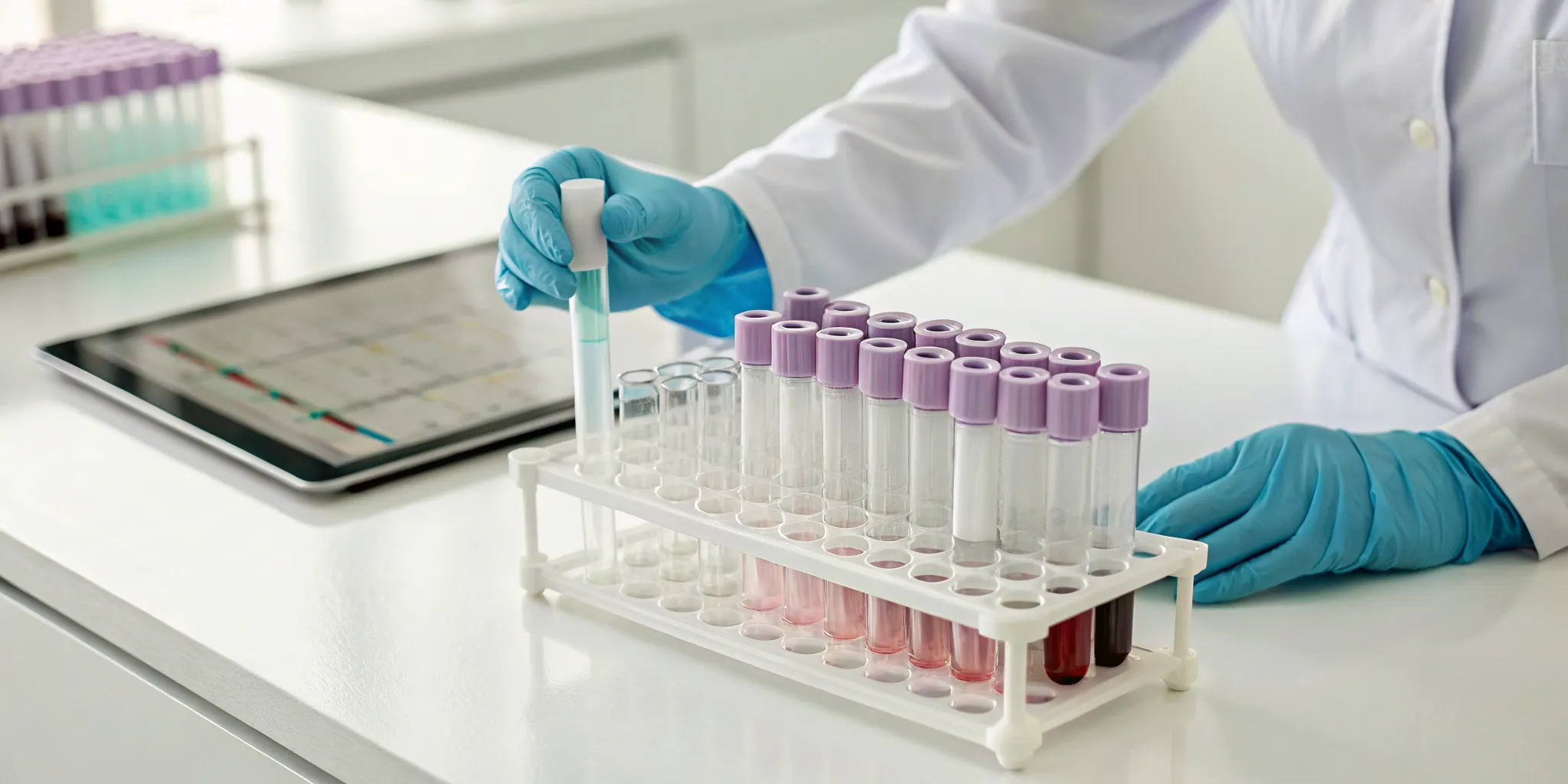
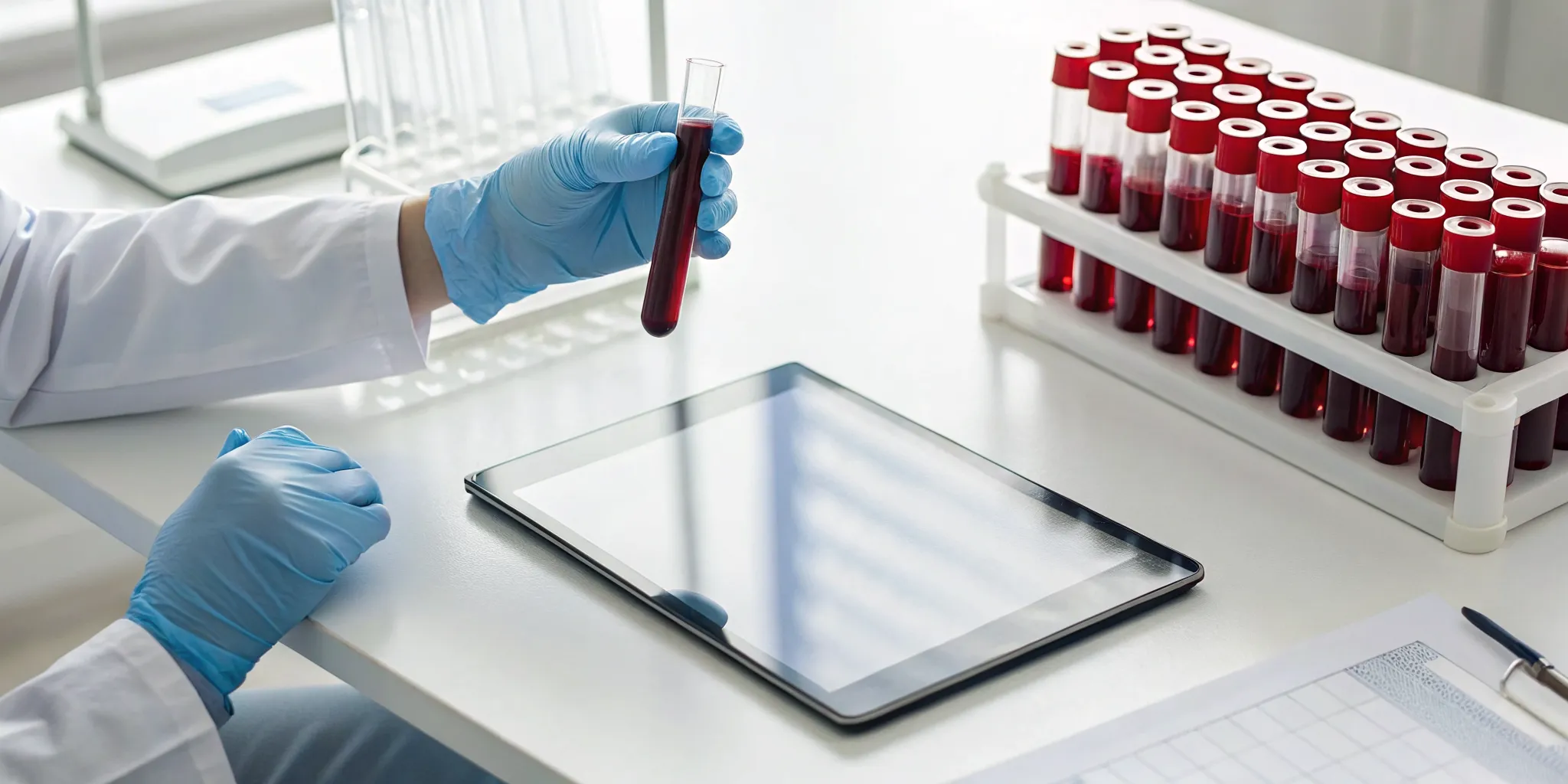
Platelet-Rich Plasma (PRP) therapy is a technique that uses a concentrated solution of your own blood platelets to accelerate healing. The process is straightforward: a small sample of your blood is drawn and then processed to separate the platelets, creating a powerful, healing plasma. This platelet-rich plasma is then precisely guided into the affected joint. Platelets are your body's first responders to injury, releasing growth factors that reduce inflammation and signal other cells to begin the repair process. Because PRP uses your own biological material, it's a well-tolerated method for addressing joint discomfort in areas like the knees, hips, and shoulders.
What Is Stem Cell Therapy?
Stem cell therapy is another cutting-edge regenerative technique that harnesses your body’s healing potential. Stem cells are unique because they can develop into various types of specialized cells, including cartilage, ligament, and tendon cells. When introduced to a damaged joint, they can help regenerate the tissues that have worn down over time. This process supports the rebuilding of the joint structure, which can lead to improved function and decreased discomfort. By encouraging the growth of new, healthy tissue, this therapy directly addresses the source of many joint problems, offering a path toward genuine restoration and improved quality of life.
Common Conditions Treated with Regenerative Therapy
If you're dealing with persistent joint pain or an old injury that never quite healed, you know how frustrating it can be when conventional methods only offer temporary relief. You might feel stuck in a cycle of managing discomfort without ever getting to the heart of the problem. Regenerative therapy takes a different approach. Instead of just masking symptoms, these treatments are designed to work with your body, supporting its innate ability to repair and rebuild damaged tissue from the inside out. This philosophy is all about facilitating your body's own powerful healing mechanisms.
This approach is a cornerstone of our physical medicine services because it focuses on long-term healing rather than short-term fixes. We believe in identifying and addressing the root cause of your discomfort. By introducing your body’s own healing components directly to the site of injury, regenerative therapies can help you find lasting relief and get back to the activities you love, whether that's playing with your kids or enjoying a walk on the beach. Let’s look at some of the common conditions that respond well to this innovative form of care.
Arthritis and Degenerative Joint Disease
Living with arthritis or degenerative joint disease often feels like a constant battle against stiffness and pain. Regenerative medicine offers a new sense of hope. As the Arthritis Foundation notes, this field shows promise for conditions like osteoarthritis by helping your body heal itself. Instead of simply managing discomfort, these therapies aim to address the underlying cause: worn-down cartilage and joint inflammation.
By introducing concentrated healing factors directly to the affected joint, the goal is to slow down the degenerative process and support the growth of healthier tissue. This aligns perfectly with a functional medicine philosophy, which focuses on restoring the body’s natural function rather than just silencing its distress signals. It’s about creating a better environment for your joints to thrive.
Tendonitis and Ligament Injuries
Tendon and ligament injuries, like tennis elbow or rotator cuff tears, can be notoriously slow to heal. This is often because these tissues have a limited blood supply, which slows down the body's natural repair process. Regenerative therapies can be a game-changer here. Treatments like Platelet-Rich Plasma (PRP) use a concentration of platelets from your own blood to deliver powerful growth factors directly to the injury site.
This targeted approach helps kickstart and accelerate the healing cascade. It’s a way of giving your body a powerful helping hand to repair the strained or torn tissues that cause chronic pain and instability. By addressing the full scope of conditions we treat, we can create a plan that supports comprehensive soft tissue recovery.
Post-Injury Joint Damage
Sometimes, the effects of an old injury linger long after the initial event. You might have persistent pain, weakness, or instability in a joint that was damaged years ago. This can happen when tissues like cartilage don't heal completely. Regenerative medicine treatments are designed to help the body heal itself naturally, assisting with cartilage, tissue, and cell repair.
By using therapies that harness your body’s own restorative potential, we can address the lingering damage that prevents you from feeling your best. The goal is to help your body complete the healing process that was interrupted or incomplete. This can lead to improved joint function, reduced pain, and a return to the stability you had before the injury.
Are You a Good Candidate for Regenerative Therapy?
Regenerative therapy is an exciting field that uses your body's own healing mechanisms to repair damaged tissues. It’s a powerful option for many people dealing with chronic joint pain and injuries, but it’s not a one-size-fits-all solution. Figuring out if you’re a good candidate is the first and most important step. It involves taking a close look at your health, your symptoms, and your goals to see if this innovative approach aligns with your needs. At Ascend Functional Health, we believe in a personalized path to wellness, and that starts with an honest conversation about what treatment is best for you.
What Makes You a Good Candidate?
You might be an excellent candidate for regenerative therapy if you're dealing with persistent joint pain from conditions like arthritis, tendonitis, or an old injury that never quite healed. Perhaps you’ve tried other treatments without getting the lasting relief you want and are looking for a non-surgical option that addresses the source of the problem. The best candidates are those who are committed to their health and want to play an active role in their recovery. The first step is to schedule a consultation with our team. During this visit, we’ll talk through your health history, listen to your concerns, and discuss what you hope to accomplish so we can create a plan tailored just for you.
When Regenerative Therapy May Not Be the Right Fit
While regenerative therapy holds a lot of promise, it may not be the right path for everyone. It's important to understand that many organizations view these treatments as experimental, so they are typically an out-of-pocket investment in your long-term health. We are committed to transparency and will discuss all aspects of your care plan with you upfront. Additionally, certain underlying health conditions could make regenerative treatments less effective or unsuitable for an individual. This is why a thorough evaluation is so critical. Our approach is always centered on your unique physiology and what will provide the safest, most effective outcome for your specific situation.
What to Expect During Your Consultation
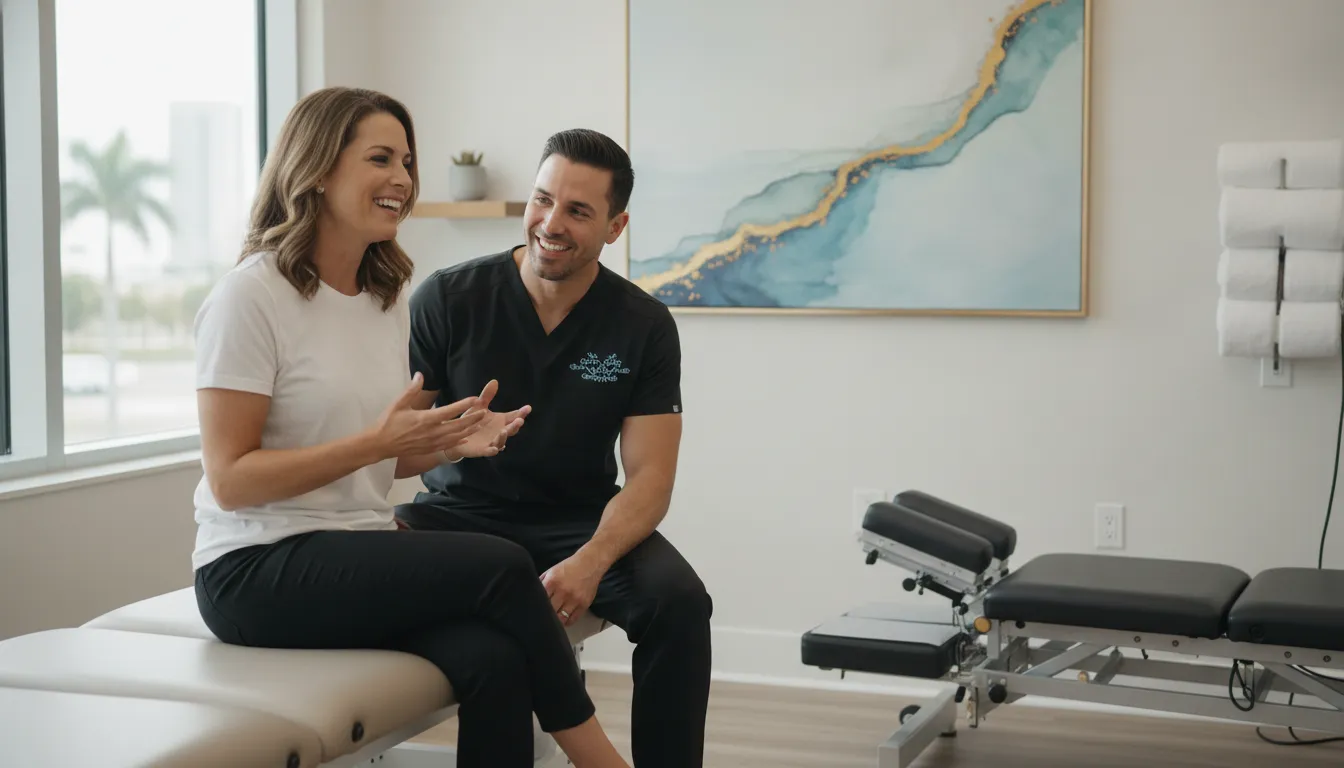
Taking the first step toward addressing joint pain can feel like a big deal, but knowing what happens during your initial visit can make the process feel much more approachable. Your first consultation is all about discovery. It’s a dedicated time for us to understand your unique situation and for you to understand how we can help. We see this as a partnership from day one, where we work together to map out a path toward better joint function and improved quality of life.
The entire process is designed to be thorough and collaborative. We’ll move from a detailed conversation to a physical assessment, and finally, to creating a care plan that is built specifically for you. Our goal is for you to leave your consultation feeling heard, informed, and confident about your next steps. We believe that a clear understanding of your health and your treatment options is the foundation for successful healing.
Reviewing Your Health History
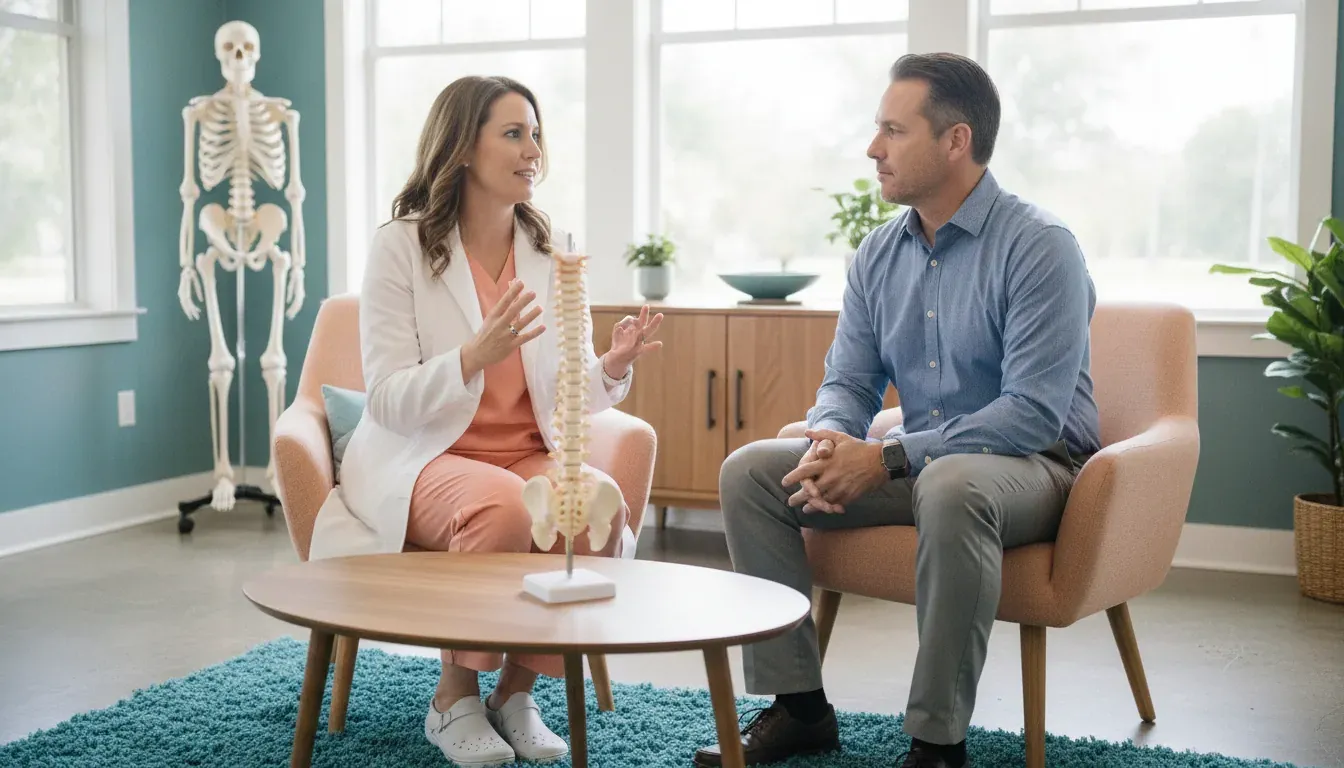
We’ll start by simply talking. This initial conversation is one of the most important parts of your visit. You can expect to discuss your complete health history, the specifics of your joint pain, and what you hope to achieve with treatment. We want to hear your story: when the pain started, what makes it better or worse, and how it impacts your daily life. This isn't just a formality; it's how we begin to connect the dots and understand the full picture of your health. Our team of providers is here to listen and gather the insights needed to guide your care.
Your Physical Evaluation
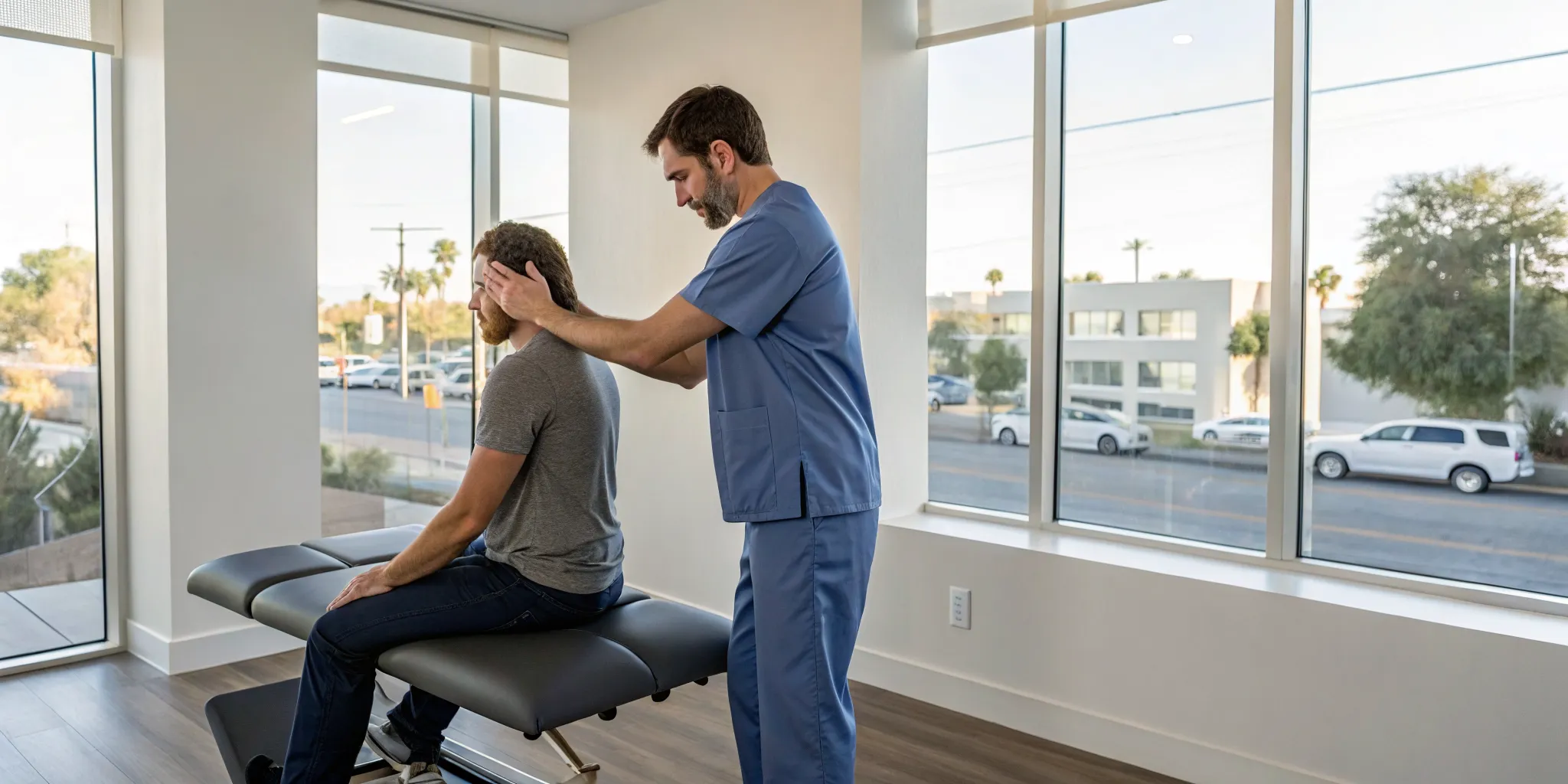
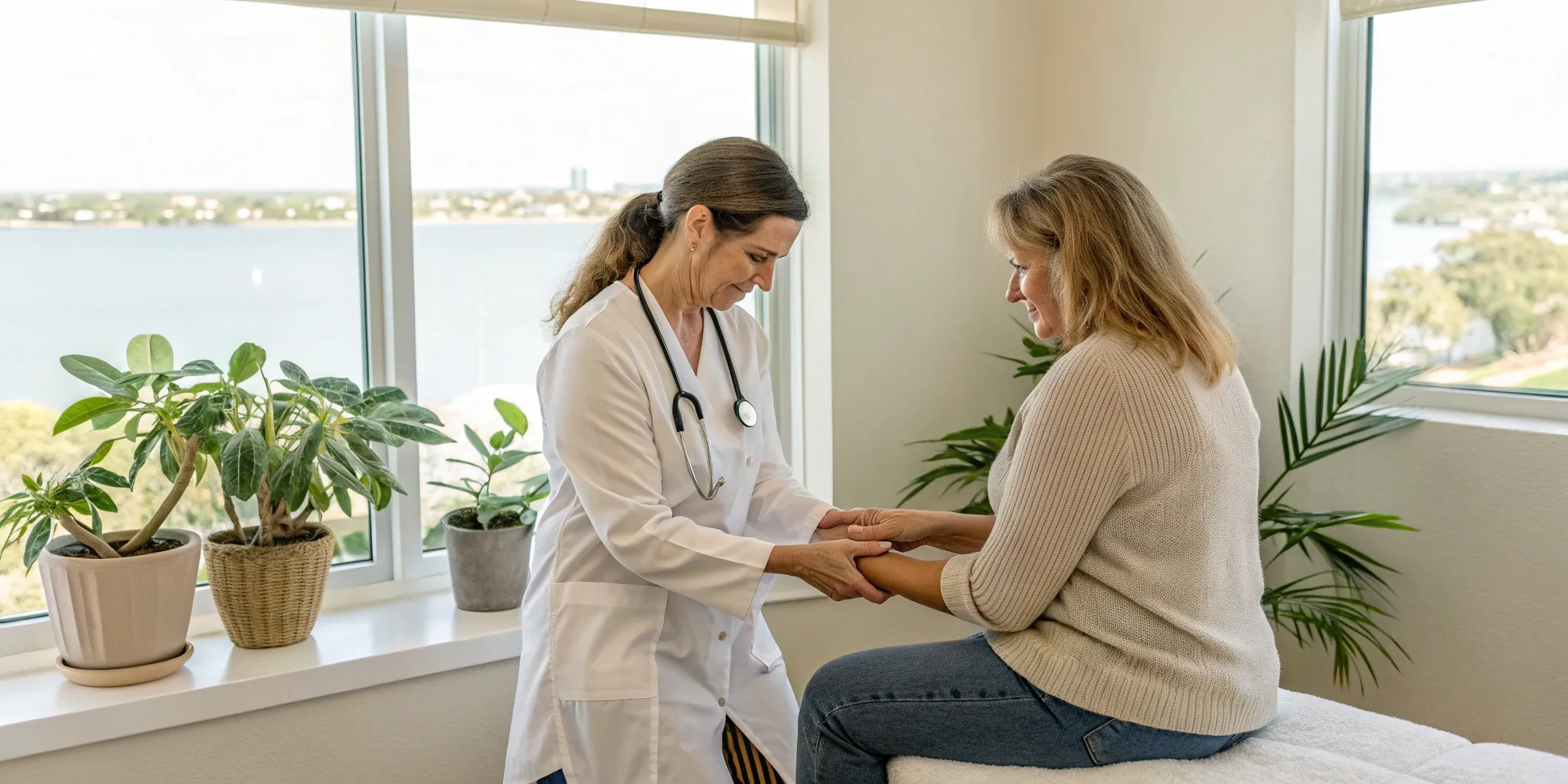
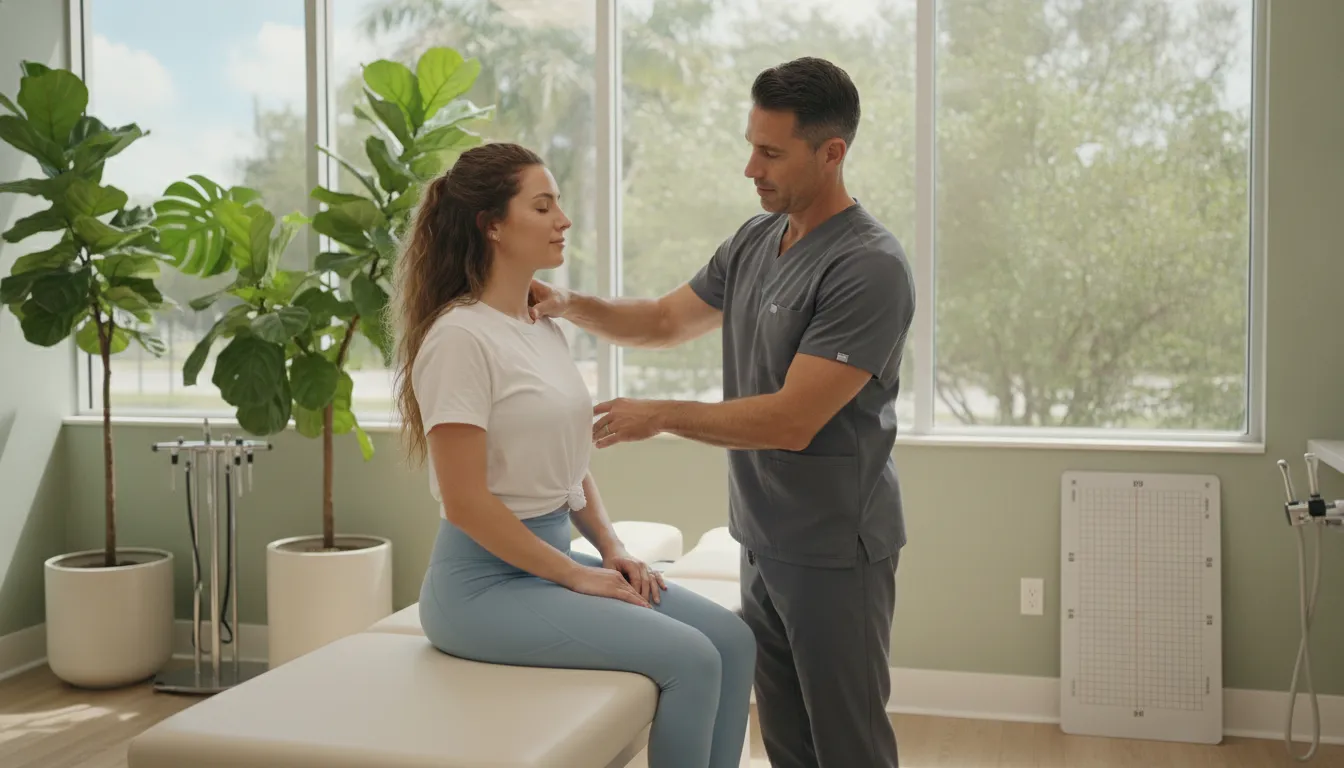
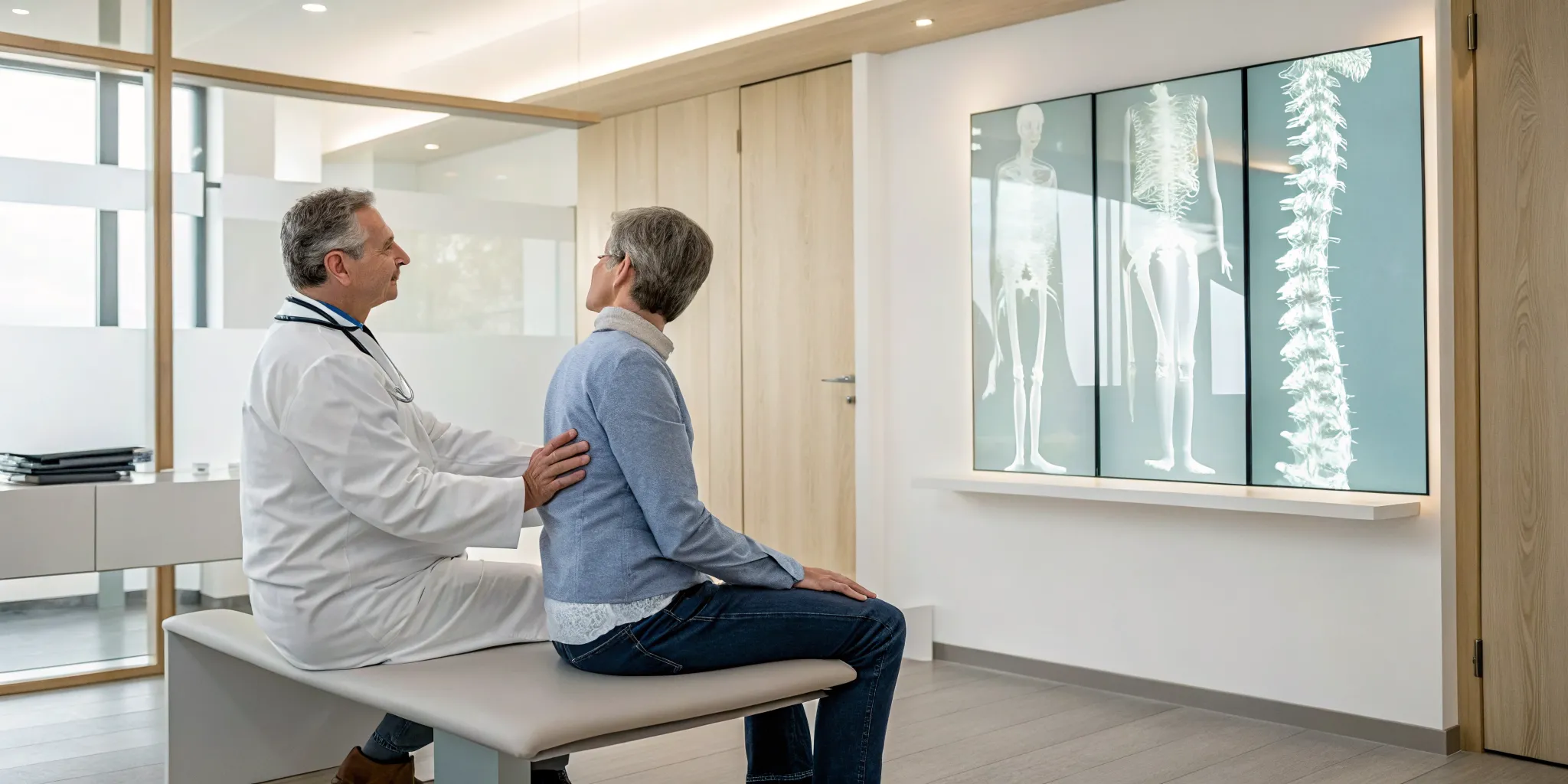
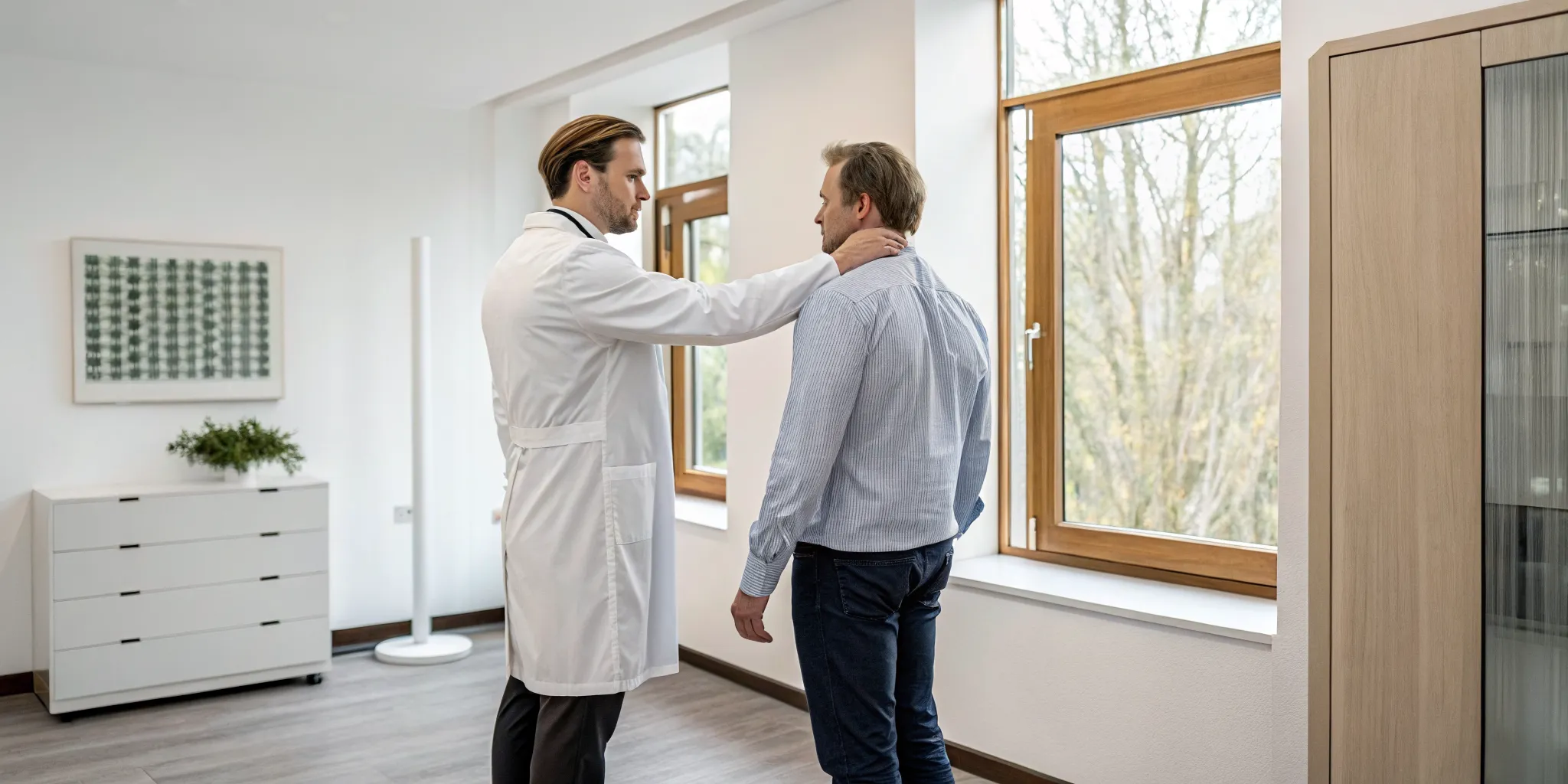
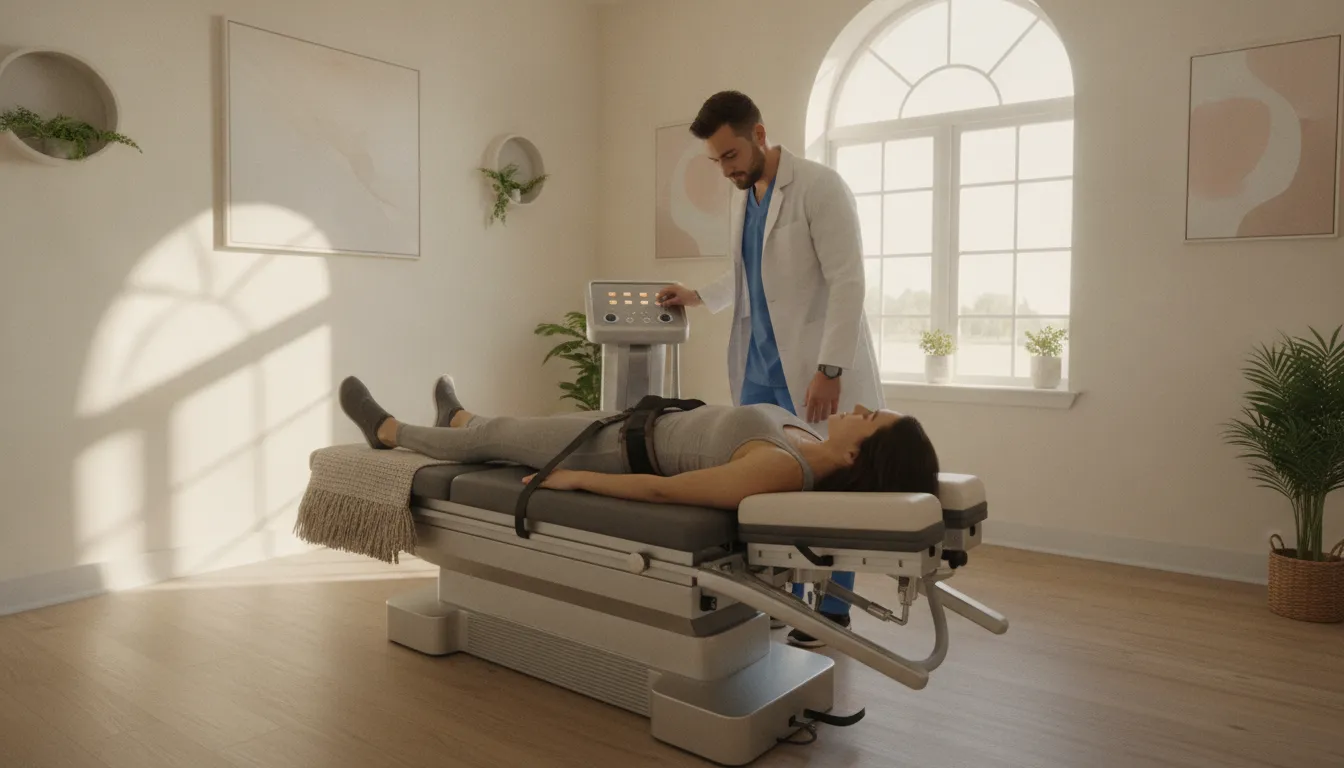
After discussing your history, we’ll proceed with a comprehensive physical evaluation. This hands-on assessment allows us to observe your body’s mechanics, test your range of motion, and identify the precise sources of your discomfort. Because we take a holistic view of health, this evaluation may extend beyond the area of immediate pain to check for related imbalances or contributing factors. This step is essential for identifying the root cause of your joint issues, which is a cornerstone of our physical medicine approach and key to developing an effective treatment strategy.
Creating Your Personalized Plan
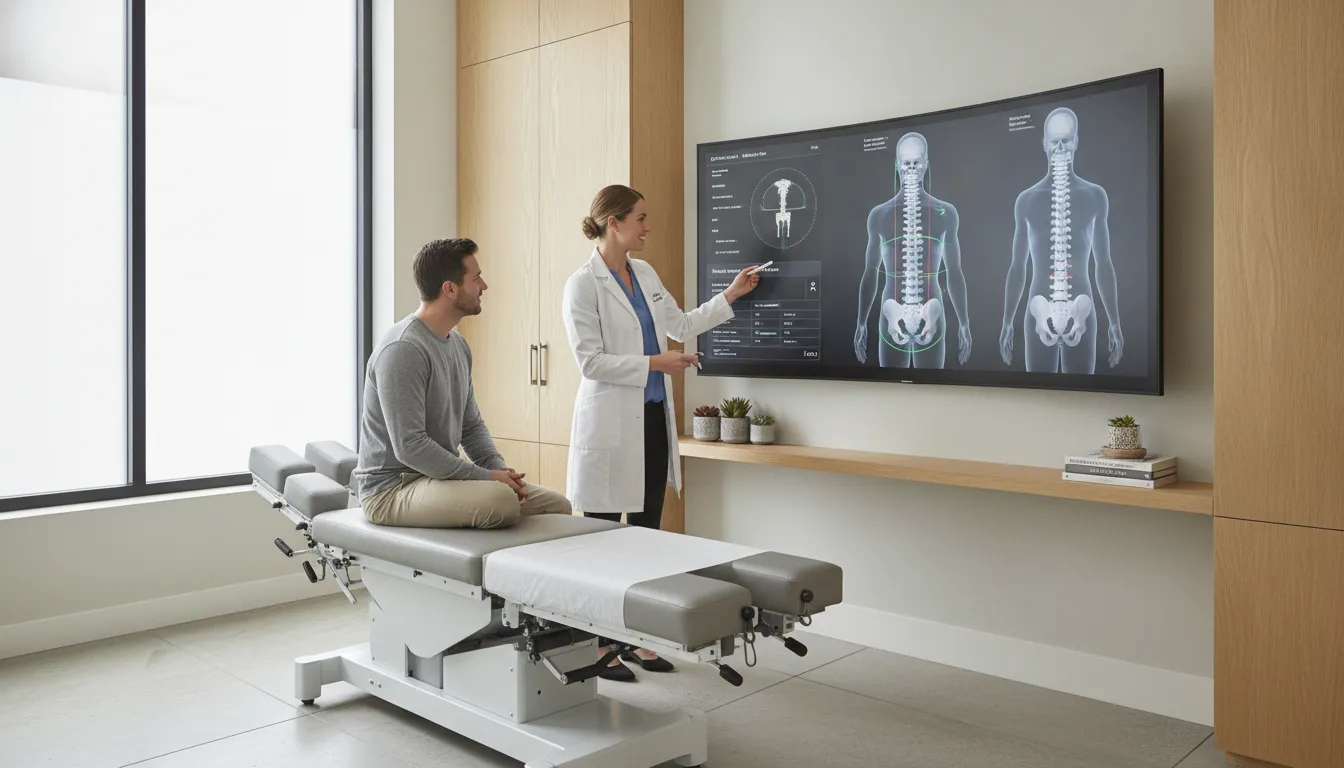
Once we have a clear understanding of your history and physical condition, we’ll develop a personalized plan just for you. This isn’t a one-size-fits-all protocol. Instead, it’s a tailored roadmap that outlines the recommended therapies designed to address the specific conditions we treat and help you reach your goals. We will walk you through each component of the plan, explaining the "why" behind every recommendation and what you can expect along the way. You will have the opportunity to ask questions and provide input, ensuring the plan aligns with your comfort level and lifestyle.
Questions to Ask Your Provider
Your consultation is a two-way conversation, and we encourage you to come with questions. Being an active participant in your health journey is powerful. Consider asking about the different therapy options available for your specific situation, the expected timeline for your care, and what the overall investment in your treatment might look like. Understanding these details will help you make informed decisions and feel fully prepared for the path ahead. When you're ready to have this conversation, you can reach out to our team to schedule your visit.
How to Choose the Right Provider
Finding the right team to guide your health journey is just as important as the treatment itself. You want a provider who not only has the right skills but also listens to you and understands your goals. When you're exploring regenerative therapy for joint pain, you're looking for a partner in your health. Taking the time to research your options ensures you feel confident and supported from your very first conversation. The right clinic will be transparent about their process and dedicated to creating a plan that fits your specific situation.
Verify Credentials and Experience
When you're looking for a provider, start by checking their team's credentials and background. You want to see a team of qualified professionals, such as medical doctors and chiropractors, who specialize in regenerative and functional medicine. A clinic with a diverse and experienced staff demonstrates a deep commitment to comprehensive care. Feel free to look into the practitioners at any clinic you consider. This step helps ensure you are placing your trust in capable hands that are well-versed in the complexities of joint health and the body's natural healing processes.
Understand Their Treatment Approach
Every clinic has a unique philosophy of care. Look for a provider whose approach aligns with your own health goals. Do they focus on simply managing symptoms, or do they work to identify and address the root cause of your joint issues? A holistic approach that considers your entire well-being is designed to create lasting results, not just temporary relief. The best providers will conduct a thorough consultation to create a personalized treatment plan tailored to your needs. This shows a commitment to your individual journey rather than a one-size-fits-all solution.
Review Patient Testimonials
Hearing from people who have already been through the process can offer incredible insight. Patient testimonials are more than just reviews; they are stories that reflect the real experiences and results of others. Reading these accounts can help you get a feel for a clinic's environment and the quality of care they provide. When you see positive feedback from people who were once in your shoes, it can help you make a more informed decision. You can often find patient stories on a provider's website, giving you a glimpse into their ability to support patients and achieve satisfying outcomes.
Understanding the Investment in Your Health
When you’re exploring options for your health, it’s helpful to think in terms of investment rather than just an expense. Regenerative therapy is an investment in your long-term mobility, comfort, and overall quality of life. It’s a proactive step toward helping your body heal and function at its best for years to come. Because these therapies are at the forefront of medical innovation, they are often not included in the standard benefits of many health plans. These plans may view regenerative treatments as newer approaches, even with their growing track record of success.
This means many people choose to pay for their care directly. This approach allows you and your provider to focus entirely on your health goals, without the administrative delays that can sometimes come with third-party approvals. It creates a direct partnership dedicated to creating a plan that addresses the root cause of the conditions you're facing. By investing directly in your care, you gain more control over your health journey and can move forward with a strategy designed exclusively for you. This personalized focus is often the key to achieving meaningful and lasting results. It shifts the focus from simply managing symptoms to truly restoring function, which is a powerful return on your investment.
Planning for Your Treatment
Your journey with regenerative therapy begins with a one-on-one consultation. This initial meeting is the most important step, as it lays the groundwork for your entire treatment plan. It’s an in-depth conversation where we get to know you, your health history, and your goals. We’ll discuss the specifics of your joint pain, how it affects your daily life, and what you hope to achieve. This allows us to understand the complete picture of your health.
Based on this conversation and a thorough evaluation, we can create a personalized strategy. This ensures that your investment is targeted, effective, and aligned with your body’s unique needs. Taking the time for this initial step is crucial for a successful outcome. When you're ready, you can schedule a consultation to start the conversation and discover if regenerative therapy is the right path for you.
Schedule Your Regenerative Therapy Consultation
Taking the next step toward addressing your joint pain is a big decision, and we want to make the process as clear and comfortable as possible. Booking your initial consultation is your opportunity to share your story, ask questions, and see if our approach feels right for you. Here’s what you can expect when you schedule a visit with our team at Ascend Functional Health.
The process is straightforward and designed to put you at ease. We believe in a partnership approach to your health, which begins the moment you reach out.
Get in Touch: The first step is simple: reach out to our clinic. You can give us a call or fill out the form on our contact page to request a consultation. Our patient care coordinator will help you find a time that works for your schedule and answer any initial questions you might have.
Discuss Your Health History: Your first appointment is all about you. We’ll sit down together to discuss your health history in detail, the specific joint pain you’re experiencing, and what you hope to achieve with treatment. This conversation is crucial for us to understand the full picture of your health and how we can best support you.
Undergo a Thorough Evaluation: To get to the root of the problem, we conduct a comprehensive evaluation. This goes beyond your symptoms to assess your joint function, movement patterns, and overall physical condition. This is a key part of our Physical Medicine approach and helps us gather the information needed to build an effective plan.
Receive Your Personalized Plan: Based on your history and evaluation, we’ll outline a personalized treatment plan designed specifically for you. We’ll walk you through our recommendations, explain the therapies involved, and answer any questions you have. Our goal is to create a clear path forward that you feel confident and excited about.
Related Articles
- Regenerative Medicine for Pain Recovery | Ascend Functional Health
- 5 Disadvantages of Stem Cells for Arthritis
- Longevity Medicine in Tampa | Joint & Recovery Care | Ascend
- Regenerative Medicine for Knee Arthritis: What to Know
- Knee Cartilage Regeneration Medicine: A 2026 Guide
Frequently Asked Questions
How is regenerative therapy different from a cortisone shot? While both are used to address joint discomfort, they work in very different ways. A cortisone shot is primarily an anti-inflammatory that can provide temporary relief by reducing swelling and pain signals. Regenerative therapy, on the other hand, is designed to work with your body to address the underlying tissue damage. The goal is not just to mask the symptoms but to support your body's own repair processes for more lasting improvement.
What is the recovery process like after a regenerative treatment? Recovery is typically straightforward and involves a period of relative rest followed by a gradual return to activity. Immediately after the procedure, you might experience some mild soreness or swelling at the injection site, which is a normal part of the healing response. We will provide you with specific, personalized instructions on how to care for the joint, what activities to avoid, and when to begin gentle movement to support the healing process.
How long will it take for me to feel a difference? Patience is a key part of the healing process. Because these therapies work by stimulating your body's natural repair cycles, the results are gradual. Some people begin to notice improvements in a few weeks, while for others, the most significant changes occur over several months as the tissues continue to regenerate. Your provider will discuss a realistic timeline with you based on your specific condition and the type of therapy you receive.
How do you decide between PRP and other regenerative options? The choice of therapy is entirely based on your individual needs. During your consultation, we conduct a thorough evaluation that includes your health history, the specific nature of your joint issue, and your personal goals. This detailed assessment helps us determine which approach will provide the most effective support for your body's healing. We will explain our recommendation and why we believe it is the best path for you.
What makes someone a good candidate for these treatments? A good candidate is typically someone dealing with chronic joint pain or a lingering injury who has not found lasting success with other methods. They are often looking for a solution that addresses the root cause of their discomfort rather than just managing symptoms. Most importantly, a great candidate is someone who is ready to be an active partner in their health and is committed to following a personalized care plan to achieve the best possible outcome.