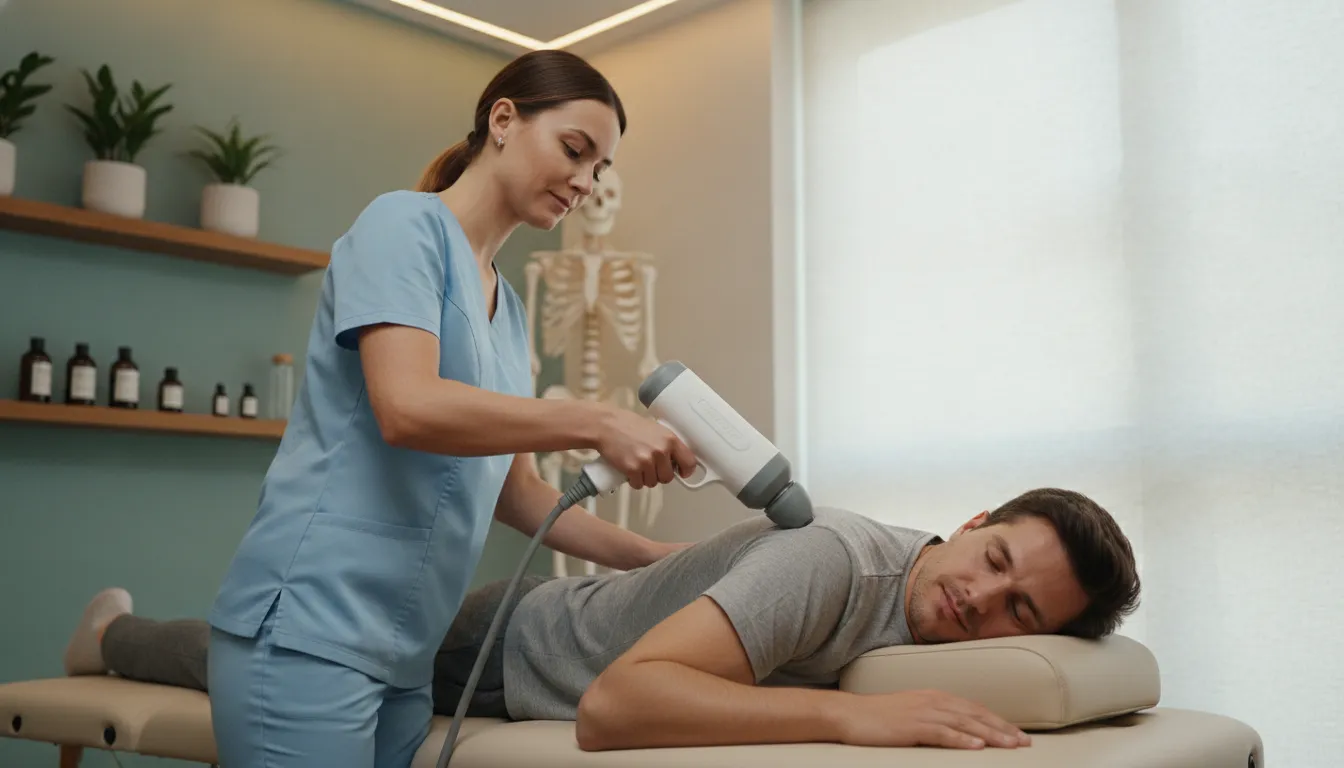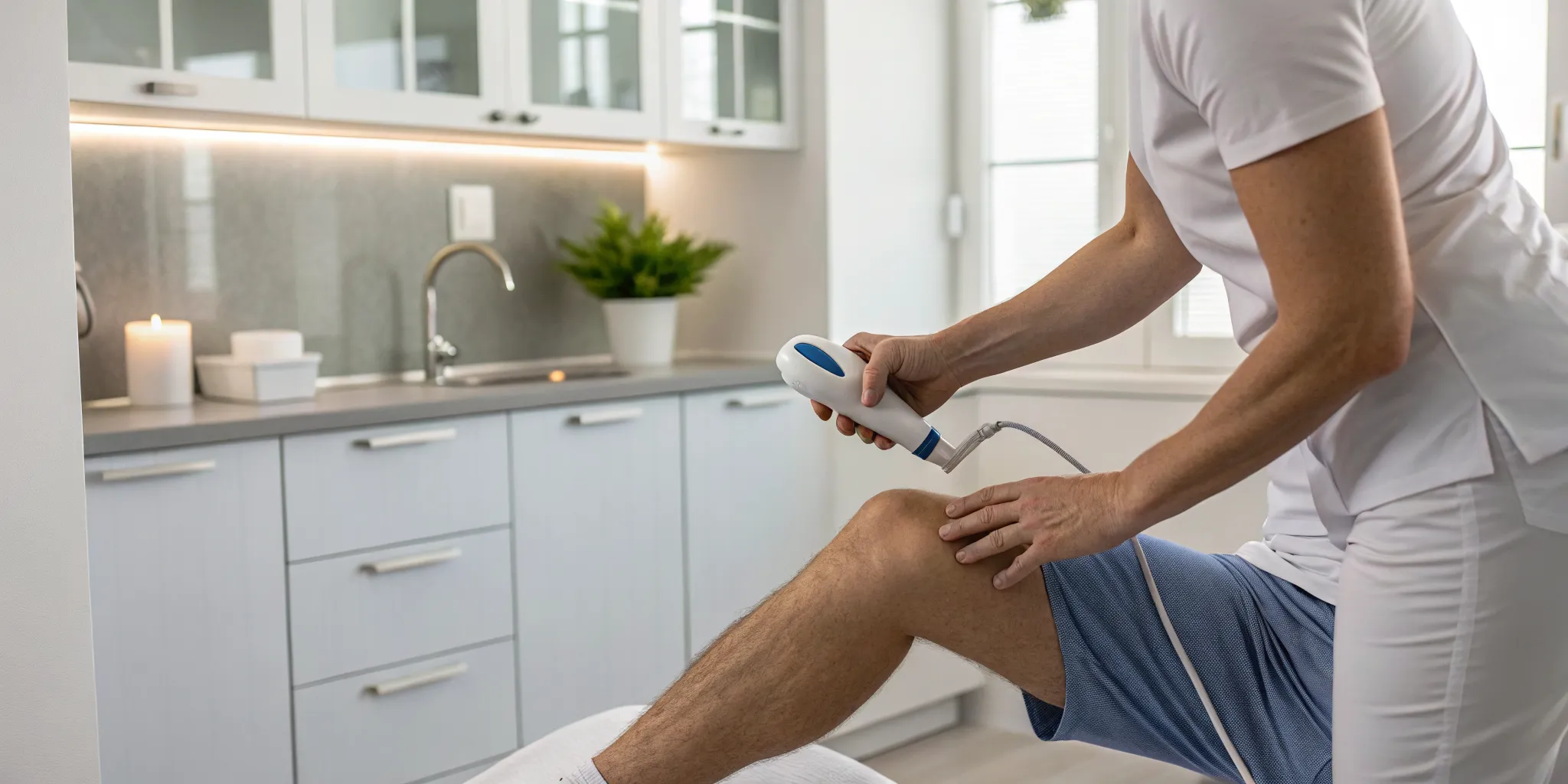
When you decide to bring shockwave therapy into your practice, the first question you'll face is: radial or focused? While both are effective, they serve very different purposes. One is like a ripple, treating broad, superficial areas, while the other is like a laser, targeting deep, specific points. Understanding this fundamental difference is the most critical step in your decision-making process. This guide will clarify how each technology works and the conditions they treat, so you can confidently select the best shockwave machine for clinic needs and ensure your investment directly serves your patient population.
Key Takeaways
- Choose the right tool for the job: Radial shockwave is your go-to for larger, superficial areas like common tendon issues, while focused shockwave targets specific, deep-seated problems with precision.
- Look beyond the tech specs: The best machine is one that fits your patient base, supports your treatment goals, and makes financial sense for your practice's growth.
- Think long-term with a reliable partner: Your investment's value depends on more than the machine itself; a solid warranty, comprehensive training, and accessible support are essential for providing consistent care.
Radial vs. Focused Shockwave: Which Is Right for Your Clinic?
When you’re ready to bring shockwave therapy into your practice, the first big decision is choosing between the two primary types of technology: radial and focused. While both are effective, they work differently and are suited for distinct clinical applications. The right choice depends entirely on your patient base, the conditions you treat most often, and your long-term goals for your practice. Understanding this core difference is the first step toward making a smart investment that aligns with your approach to physical medicine and patient care.
Making the right choice isn't about which technology is "better" overall, but which is better for your specific clinical needs. One delivers energy broadly to superficial tissues, while the other sends a precise beam deep into the body. This distinction will shape everything from the patient issues you can address to the complexity of cases you can take on. Before you can evaluate specific models or features, you need to have a clear vision for how this modality will fit into your service offerings. Let's look at how each one works and the conditions they are best suited to address.
How Radial Shockwave Therapy Works
Think of radial shockwave therapy like the ripples that spread out when you drop a stone into a pond. The energy starts at a central point and radiates outward, covering a wide but relatively shallow area. This makes it an excellent tool for treating larger muscle groups and superficial tissues. A radial device generates a pressure wave that is applied to the skin and spreads through the tissue underneath. Because the energy is dispersed, it’s less intense at deeper levels. This modality is often a great starting point for clinics new to shockwave, as it effectively treats larger surface areas and is versatile for common musculoskeletal complaints.
How Focused Shockwave Therapy Works
In contrast, focused shockwave therapy is more like a laser beam. It generates waves that converge on a single, precise point deep within the body. This technology can penetrate much further than radial waves, reaching depths of up to 12.5 centimeters. This precision allows you to target very specific structures, such as a calcified tendon, a deep trigger point, or an area of delayed bone healing. Because the energy is concentrated, it delivers a powerful therapeutic effect to a small, well-defined area without significantly affecting the surrounding tissue. This makes it an advanced tool for tackling deep, chronic, and hard-to-reach problems.
Key Conditions Each Type Treats
The different mechanisms of radial and focused shockwave naturally lend themselves to treating different conditions. Your decision should be guided by the types of patient issues you see every day. Radial shockwave therapy is highly effective for more superficial and widespread issues. It’s a go-to for conditions like plantar fasciitis, larger tendinopathies (like in the Achilles or patella), and general muscle pain across the back or shoulders.
Focused shockwave therapy is the preferred choice for issues that require depth and precision. It’s particularly effective for calcific tendinitis of the shoulder, deeper trigger points, and certain bone conditions. Because of its ability to target specific problem areas, it's often found in high-end sports clinics and practices that handle complex cases of chronic joint pain. By evaluating your patient demographics, you can determine which technology will provide the most value and the best outcomes for your clinic.
Key Features to Look for in a Shockwave Machine
When you’re dealing with chronic pain, the technology used in your treatment matters. Just as a chef needs the right knife for a specific cut, a clinician needs the right tool to effectively target the root cause of your discomfort. Not all shockwave machines are built the same, and understanding the differences can help you feel more confident in your care plan. The best clinics invest in equipment that is not only powerful but also versatile and, most importantly, safe.
Choosing the right device comes down to a few key factors that directly impact the quality of treatment. These include how deeply the waves can penetrate tissue, the power source behind the waves, and the ability to customize treatment for each person. At Ascend, our approach to physical medicine is rooted in using research-backed protocols and technology that allows for truly personalized care. Let’s walk through the essential features a top-tier shockwave machine should have, so you know what to look for in a provider.
Penetration Depth
Think of penetration depth as the machine's ability to reach the precise location of your injury. Some conditions are superficial, while others are located deep within muscle or connective tissue. Shockwave machines offer different capabilities here. Focused shockwave devices send acoustic waves deep into the body, reaching depths of up to 12.5 cm. This makes them ideal for targeting specific, deep-seated trigger points or joint issues. On the other hand, radial shockwave devices are designed to treat larger, more superficial areas, spreading their energy over a wider surface. The right choice depends entirely on the therapeutic goal.
Power Source: Pneumatic vs. Electromagnetic
For radial shockwave machines, the power source determines the device's strength and application. The two main types are pneumatic and electromagnetic. Pneumatic systems use compressed air to generate the shockwave, making them quite powerful. These machines can typically reach tissue depths of about 7 cm, making them a versatile option for a wide range of musculoskeletal conditions. Electromagnetic machines are generally smaller and generate a less powerful wave, reaching depths of around 4 cm. While less intense, their compact size can be an advantage in certain clinical settings. A clinic’s choice between the two often reflects the types of conditions they treat most frequently.
Power Output and Treatment Modes
Effective healing is never a one-size-fits-all process. That’s why the ability to adjust a machine's settings is so important. The best shockwave devices allow clinicians to fine-tune the power output and select different treatment modes. This customization is critical for tailoring the therapy to your specific needs and comfort level. For example, a sensitive area or an acute injury might require a lower intensity, while a chronic, stubborn condition may respond better to a stronger application. This adaptability ensures that your treatment is both safe and effective, aligning with a philosophy of personalized care that addresses your unique physiology.
Portability and Footprint
The design of a machine can significantly impact the treatment experience. A bulky, cumbersome device can be difficult for a practitioner to maneuver, which can make it harder to treat certain areas of the body effectively. Many modern clinics prefer machines that are portable and have a small footprint. Some of the most popular devices are lightweight, weighing around 9.5 kg, and even feature controls on the handpiece itself. This thoughtful design allows the clinician to make adjustments on the fly and maintain focus on you, ensuring the applicator is always in the perfect position for optimal results.
FDA Clearance and Clinical Backing
When it comes to your health, there’s no room for compromise. That’s why one of the most important features of any medical device is its regulatory status and scientific support. It's essential for clinics to choose devices that are FDA-cleared, as this indicates the technology has been reviewed for safety and effectiveness. Beyond that, a quality machine will be backed by strong clinical studies that validate its use for specific conditions. This commitment to evidence-based technology ensures you are receiving a treatment that is not only innovative but also proven to work, giving you peace of mind as you move forward on your healing journey.
A Look at Leading Shockwave Machines for Clinics
When you start exploring the market for a shockwave machine, you'll find a handful of names that consistently come up. These devices have earned their reputations for reliability, performance, and specific features that cater to different clinical needs. Understanding what makes each one stand out can help you narrow down the best fit for your practice and patient population. Let's look at a few of the leading models that practitioners often consider.
Storz Medical DUOLITH® SD1
The DUOLITH® SD1 is a true powerhouse, known for its versatility. It’s capable of reaching treatment depths of up to 125mm, which gives you the flexibility to address a wide range of conditions. This depth is ideal for treating everything from common sports injuries to more complex issues like pelvic pain and slow-healing bones. The handpiece is designed with integrated controls, allowing you to adjust the shockwave depth on the fly. This feature is incredibly useful for customizing treatment to each patient’s specific anatomy and condition, ensuring you deliver the most effective care.
MP200
If your practice sees a high volume of patients who can benefit from radial shockwave therapy, the MP200 is built to keep up. It’s recognized as the most powerful radial machine available, designed with heavy-duty construction to handle a busy schedule without a hitch. This model is excellent for treating muscles, fascia, and other connective tissues. You can also expand its capabilities by pairing it with various Storz accessories. For an improved user experience, many clinics opt for the 10-inch touchscreen, which simplifies operation and makes treatment sessions run more smoothly.
MP ULTRA+
The MP ULTRA+ is one of the most popular devices on the market, largely because of its thoughtful design. It’s compact and lightweight, weighing only about 21 pounds, making it a fantastic option for clinics with limited space or for practitioners who need to move the machine between treatment rooms. One of its best features is the ability to control the entire treatment directly from the handpiece, which streamlines your workflow significantly. This, combined with its user-friendly touchscreen, makes it an efficient and practical choice for many looking to integrate professional shockwave therapy machines into their practice.
Understanding the Cost of a Shockwave Machine
Adding a shockwave therapy machine to your practice is a significant step, and it’s a decision that comes with a wide range of price points. The investment can vary dramatically, from the cost of a new car to that of a small house, depending on the technology you choose. The primary factors influencing the price are whether the machine is radial or focused, its power, its features, and the manufacturer. Think of it as an investment in your clinic's ability to deliver exceptional results and expand your treatment capabilities.
Making the right choice requires a clear understanding of what you're paying for. An entry-level radial machine will have a much different price tag than a high-end focused device designed for specialized applications. To help you make a well-informed decision for your practice, let's break down the different tiers of shockwave machines and what you can expect from each. This will give you a clearer picture of the financial commitment involved and help you align your purchase with your clinic’s specific needs and goals.
Entry-Level Radial Machines
If you're just beginning to incorporate shockwave therapy into your practice, an entry-level radial machine is a great place to start. These devices represent the most accessible entry point into the world of shockwave technology. Radial shockwave machines are designed to treat larger, more superficial areas of the body, making them effective for conditions like plantar fasciitis or tennis elbow.
Because they work on surface-level tissue, they are a solid, foundational tool for many physical medicine practices. Their straightforward operation and lower initial investment make them a practical choice for clinics looking to offer this effective modality without committing to a top-of-the-line unit right away. They provide a reliable way to introduce patients to the benefits of shockwave therapy and build that service within your clinic.
Mid-Range Options
For established clinics ready to handle a more diverse range of patient conditions, mid-range shockwave machines offer a perfect balance of versatility and power. These units, which can include advanced radial or introductory focused systems, are built for practices that see a high volume of patients with varied musculoskeletal issues. They often come with more power, additional applicators, and preset protocols for treating everything from common sports injuries to chronic pain syndromes.
A versatile machine like the DUOLITH® SD1 T-TOP is a great example of a device that can manage many different conditions effectively. Investing in a mid-range option allows you to expand your scope of practice and provide targeted treatments for a broader patient base, solidifying your clinic's reputation as a comprehensive care provider.
Advanced Focused Machines
Advanced focused shockwave machines represent the pinnacle of shockwave technology and are a substantial investment for any practice. Unlike radial devices, focused machines generate waves that penetrate deep into the body, targeting specific points with incredible precision. This makes them ideal for treating deep-tissue problems, non-union fractures, and other complex conditions that don't respond to superficial treatments.
This level of technology comes with a correspondingly higher price tag; you can expect these units to require a much larger initial outlay than radial machines. For clinics specializing in sports medicine, orthopedics, or urology, the unique capabilities of a focused shockwave machine can be a true game-changer, enabling you to treat challenging cases and achieve superior patient outcomes.
Financing and Leasing
The price of a professional shockwave machine can feel daunting, but you don't necessarily need to pay the full amount upfront. Many manufacturers and medical equipment suppliers offer financing and leasing options that make this technology more attainable. Leasing a machine can be a smart move, as it often includes maintenance and service agreements, reducing the worry of unexpected repair bills.
Exploring these shockwave therapy machine cost insights and payment structures allows you to acquire a high-quality device while preserving your clinic's cash flow for other operational needs. When you're evaluating your options, think about the long-term value and the potential return on investment. A quality machine can pay for itself through new service offerings and improved patient results, making it a wise strategic investment for your practice's growth.
Common Myths About Shockwave Therapy Machines
When you're considering a significant investment like a shockwave machine, it's easy to get sidetracked by misinformation. Let's clear the air and address some of the most common myths we hear from both patients and fellow practitioners. Understanding the truth behind these claims will help you make a more informed decision for your clinic and your patients. Getting the facts straight ensures you choose technology that truly aligns with your practice's goals and commitment to patient care.
It’s a technology that can seem complex from the outside, and with that complexity comes a lot of questions and, unfortunately, a lot of myths. Some practitioners worry about patient comfort, while others are unsure if all machines produce the same results. There's also confusion around who is qualified to operate the equipment and whether a higher price tag guarantees better performance. These are all valid concerns when you’re dedicated to providing the best possible outcomes.
Sorting through these myths is a critical step before integrating this modality into your practice. The right information will not only guide your purchasing decision but also help you educate your patients, manage their expectations, and confidently incorporate shockwave therapy into your treatment plans. By debunking these common misconceptions, you can focus on what truly matters: leveraging advanced technology to support the body's natural healing processes and improve your patients' quality of life.
Myth: "Shockwave therapy is painful."
One of the biggest hesitations patients have is the fear of pain, but this is largely a misconception. While the name "shockwave" sounds intense, the therapy is non-invasive. Most people describe the sensation as a strong tapping or pulsing against the skin. There can be some mild discomfort, especially over a particularly sensitive area, but it’s generally well-tolerated and the intensity can be adjusted. The goal is to stimulate healing, not cause distress. As part of a comprehensive physical medicine plan, it's a powerful tool for managing chronic pain conditions without the need for invasive procedures. Communicating the process clearly with patients beforehand helps manage expectations and ensures they feel comfortable throughout the session.
Myth: "All shockwave machines are the same."
This is a common but incorrect assumption. As we've discussed, radial and focused shockwave machines operate differently and are suited for distinct clinical applications. Beyond that, machines vary in their power source, energy output, and the design of their applicators. Some are better for superficial tissues like tendons, while others are designed to reach deeper structures. Believing all machines are interchangeable can lead to a poor investment and suboptimal patient outcomes. A well-equipped practice understands that having a range of therapeutic tools allows for more precise and effective treatment protocols tailored to each individual's unique condition. The key is to match the technology to the specific problems you aim to solve in your clinic.
Myth: "Anyone can operate a focused machine."
This is a particularly dangerous myth. Because focused shockwave machines deliver higher energy to deeper tissues, they carry a greater risk if used improperly. Operating this type of medical device requires a deep understanding of anatomy, pathology, and the specific parameters of the machine. In many states, regulations may restrict the use of focused shockwave devices to licensed practitioners only, not assistants or technicians. At our clinic, we believe that advanced therapies should only be administered by trained and licensed professionals who can ensure both safety and efficacy. Proper training is not just a suggestion; it's essential for protecting your patients and your practice.
Myth: "The most expensive machine is always the best."
It's easy to fall into the trap of thinking that a higher price tag equals better quality, but that’s not always the case. The "best" machine is the one that aligns with your practice's goals and patient demographics. An expensive, complex focused shockwave machine might be overkill for a clinic that primarily treats superficial tendinopathies. Conversely, a basic radial unit may not be sufficient for a practice focused on deeper, chronic issues. The right choice depends on your specific patient needs and treatment philosophy. A machine that sits in the corner collecting dust because it doesn't fit your workflow is a far worse investment than a moderately priced device that you use every single day to get great results.
How to Choose the Right Shockwave Machine for Your Practice
Adding a shockwave machine to your practice is a big step, and picking the right one involves more than just comparing technical specs. It’s about finding a tool that fits seamlessly into your treatment philosophy and genuinely serves your patients. The right device can be a powerful addition to your physical medicine toolkit, helping you achieve better outcomes for chronic pain and musculoskeletal conditions. It can also become a key driver of growth, attracting new patients who are looking for effective, non-invasive solutions that get to the root cause of their pain.
Before you make a decision, it’s helpful to think through a few key areas. You’ll want to consider your current patient base, your long-term treatment goals, your team’s ability to adopt new technology, and the financial implications for your practice. By looking at the decision from these different angles, you can choose a machine that not only delivers excellent clinical results but also supports the health and growth of your business for years to come. This thoughtful approach ensures your investment enhances your ability to provide the kind of care your community trusts. It’s a strategic choice that reflects your commitment to providing the best possible outcomes and staying at the forefront of patient care.
Assess Your Patient Demographics
The first step is to look at the people you’re already helping. What common problems do your current patients face that shockwave therapy could address? Think about the conditions you see most often, whether it’s chronic plantar fasciitis, stubborn tennis elbow, or persistent shoulder pain. Your patient data is a goldmine of information that can point you toward the right type of machine.
Also, consider what new patients you could attract with this technology. If your area has a large population of athletes, a machine well-suited for sports injuries might be a smart move. If you want to expand your practice to include more complex chronic cases, a device with deeper penetration might be necessary. Understanding who you serve and who you want to serve will help you match the machine’s capabilities to the real-world conditions you treat.
Align the Machine with Your Treatment Goals
Your choice of a shockwave machine should directly support your practice’s mission. Are you aiming to become the go-to clinic for superficial tendon issues, or do you want to tackle deeper, more complex musculoskeletal problems? Shockwave therapy can help with a wide range of conditions affecting the feet, back, shoulders, and neck. The key is to align the device’s capabilities with the outcomes you want to create for your patients.
For example, if your practice focuses on providing comprehensive physical medicine solutions for a variety of conditions, you might want a versatile machine. If you specialize in a specific niche, like athletic performance or chronic pain management, a more specialized device could be a better fit. Think of the machine as an extension of your hands and your expertise; it should empower you to deliver on your treatment promises.
Consider Your Team's Learning Curve
A new piece of equipment is only as good as the team operating it. Before investing, honestly assess your team’s readiness to learn and integrate a new modality. Some shockwave machines are fairly straightforward, while others, particularly focused shockwave devices, require more advanced training to use safely and effectively. The last thing you want is a powerful tool that collects dust because no one feels confident using it.
When you explore different manufacturers, ask about their training and ongoing support. A company that provides comprehensive education will make the transition much smoother for your entire team. A well-trained and confident team of experts is essential for delivering consistent, high-quality care and getting the most out of your new technology. Make sure the provider you choose is a partner in your success, not just a vendor.
Calculate Your Return on Investment
Finally, you need to make sure the numbers work for your practice. The return on investment for a shockwave machine goes far beyond the initial purchase price. A quality device can open up new revenue streams and set your practice apart from competitors. More importantly, by delivering superior patient outcomes, you’ll naturally generate more word-of-mouth referrals, which is the lifeblood of any successful clinic.
Think about the size of your practice, your experience level, and the types of conditions you plan to treat. A smaller clinic just starting with shockwave might choose a different machine than a large, established practice. Investing in the right device can significantly improve patient care and help your practice grow, but it has to be a financially sound decision. It’s about finding the sweet spot where clinical excellence meets smart business strategy.
Planning for Maintenance, Support, and Long-Term Value
Choosing the right shockwave machine goes beyond the initial features and cost. To truly get the most out of your investment and provide consistent care for your patients, you need to think about the long-term picture. A great machine is one that performs reliably for years, and that requires a solid plan for its upkeep and support. Considering maintenance schedules, warranty terms, and training will protect your investment and ensure your clinic can continue to offer top-tier treatments without unexpected interruptions. This foresight is a key part of running a successful practice that patients trust.
Plan for Handpiece Revisions and Downtime
Think of a shockwave machine's handpiece like the tires on a car; it’s a critical component that experiences wear and tear. To deliver consistent and effective treatments, these handpieces need regular servicing or replacement at intervals set by the manufacturer. Planning for this is essential. Factoring in the cost and time for these revisions helps you avoid unexpected downtime that could disrupt patient schedules and affect your clinic's revenue. By scheduling this maintenance proactively, you ensure your equipment is always performing at its best, which is fundamental to providing the kind of high-quality physical medicine your patients deserve.
Review Warranty and Service Agreements
Before you make a final decision, take a close look at the warranty and service agreements. A comprehensive warranty is more than just a piece of paper; it’s your assurance that the manufacturer stands behind their product. Understand exactly what is covered, the duration of the warranty, and the process for getting repairs or replacements. Does the company offer loaner devices if your machine needs to be sent out for service? A strong agreement can significantly impact the long-term value of your machine and provide peace of mind. It reflects the manufacturer's commitment to quality, which is the same standard of trust you want to build with your own patients.
Evaluate Manufacturer Training and Support
The most advanced technology is only as effective as the clinician operating it. That’s why manufacturer training and ongoing support are so important. A good manufacturer will provide thorough initial training to ensure your team can use the device safely and effectively. They should also offer continuing education and be readily available to answer questions that come up in your practice. This partnership is crucial for maintaining high treatment standards and achieving the best possible outcomes for the various conditions we treat. When your team is confident and skilled with the equipment, your patients are the ones who ultimately benefit.
Integrating Shockwave Therapy into Your Physical Medicine Practice
Adding shockwave therapy to your practice is more than just getting a new piece of equipment; it's about expanding your ability to help patients heal from chronic pain without surgery. When you bring this technology into your clinic, you’re offering a powerful tool that can accelerate recovery and improve outcomes. But successful integration goes beyond just plugging in the machine. It requires a thoughtful approach to how it fits within your existing services, how you communicate with patients, and how your team is trained to use it effectively.
Combining Shockwave with Other Therapies
Think of shockwave therapy not as a solo act, but as a key player in a coordinated care plan. Its real power shines when combined with other treatments. For example, using shockwave to break up adhesions and stimulate blood flow can make subsequent manual therapy or corrective exercises much more effective. This integrated approach helps address the root cause of a patient's pain from multiple angles. By layering modalities, you create a comprehensive healing environment that supports the body’s natural recovery process and can lead to faster, more lasting results. It’s about building a complete physical medicine toolkit that works together seamlessly.
Setting Patient Expectations
Clear communication is the foundation of a great patient experience, especially with a therapy like shockwave. Before the first session, it's crucial to walk your patients through the entire process. Explain what the treatment feels like, how it works to promote healing, and the typical number of sessions they might need. It’s also important to frame shockwave therapy as part of their larger recovery journey, not a one-and-done fix. When patients understand the "why" behind their treatment and what to expect along the way, they feel more empowered and invested in their own care. This transparency builds trust and helps ensure they stick with the plan to achieve the best possible outcome.
Prioritizing Training and Support
A shockwave machine is a sophisticated tool, and your team's expertise is what will make it truly effective. Before you start offering treatments, make sure your chosen manufacturer provides thorough, hands-on training. Your clinicians should feel completely confident in operating the device, understanding its various settings, and applying the correct protocols for different conditions. Ongoing support is just as important. Having a reliable partner you can call with questions or for troubleshooting gives you peace of mind and ensures you can provide consistent, high-quality care. Investing in proper training isn't just about safety; it's about maximizing the potential of your new equipment to deliver exceptional results for every patient.
Related Articles
- SoftWave TRT Therapy in Tampa, FL - Alessi Functional Health
- SoftWave Tissue Regeneration Therapy in Tampa | Alessi Functional Health
- Regenerative Medicine for Pain Recovery | Ascend Functional Health
- What Is Soft Tissue Therapy? A Complete Guide
- The Ultimate Guide to Myofascial Release Therapy
Frequently Asked Questions
If my clinic treats a wide variety of conditions, how do I choose between a radial and a focused machine? The best approach is to analyze the conditions you treat most frequently. If your practice primarily handles issues like plantar fasciitis, tennis elbow, or general muscle tightness across larger areas, a high-quality radial machine will be a versatile workhorse. However, if your goal is to become a referral center for deep, chronic problems or complex cases that haven't responded to other care, investing in a focused machine from the start will give you the precision and depth needed to build that reputation.
Is it better to start with a more affordable radial machine or invest in an advanced one right away? This really depends on your practice's current stage and long-term strategy. Starting with a reliable radial machine is a very sound business decision. It allows you to introduce the service, generate positive results and revenue, and build patient demand. You can then use that growth to justify an upgrade to a more advanced focused or combination unit later. If your clinic already specializes in complex cases, investing in a top-tier focused machine immediately can be a powerful differentiator that aligns with your brand.
What's the best way to introduce shockwave therapy into my existing treatment plans? A great way to begin is by integrating it as a preparatory tool for your other therapies. For instance, you can use shockwave to help break up adhesions and increase blood flow in an area right before you perform manual therapy or corrective adjustments. This can make your hands-on work more effective and comfortable for the patient. Start by incorporating it with the conditions you are most confident in treating, which will help you and your team build expertise and see its value within a complete care plan.
What are the most important long-term factors to consider beyond the initial purchase price? Thinking long-term is key to a smart investment. You should absolutely factor in the cost and schedule for handpiece revisions, as this is a recurring operational expense. Also, carefully review the manufacturer's warranty and service agreement, paying close attention to what happens if your machine needs repairs; a company that provides a loaner device can save you from costly downtime. Finally, confirm that the manufacturer offers excellent clinical training and ongoing support, as this partnership is vital for getting the best results for your patients.
How should I explain the shockwave therapy process to my patients to manage their expectations? Transparency is everything. It's helpful to explain that while the name sounds intense, the sensation is more like a strong, therapeutic tapping. More importantly, frame it as a healing process, not an instant fix. Let them know that the therapy works by stimulating the body's own repair mechanisms, which takes time. Setting the expectation that they will likely need a series of treatments to achieve lasting results helps them stay committed to the plan and feel empowered in their recovery journey.