If you’re dealing with persistent bloating, brain fog, or fatigue that just won’t quit, you might be looking in all the wrong places for answers. These subtle but frustrating symptoms are often signs of a sluggish lymphatic system, your body’s essential cleanup crew. When this network gets congested, it can affect everything from your energy levels to your skin. This gentle, hands-on therapy is designed to support this vital system, helping it function more efficiently. But it goes beyond general wellness. So, what conditions can lymphatic release therapy treat? From chronic swelling to post-injury recovery, this guide will explore how this targeted approach can help you find relief.
Key Takeaways
- Understand the gentle technique: Lymphatic therapy is a specialized treatment, not a deep tissue massage; it uses light, rhythmic strokes to help your body's natural drainage system reduce swelling and clear waste.
- Get the best results with a complete plan: Lasting benefits come from consistency and integrating the therapy with other supportive habits, like gentle movement and following your practitioner's advice.
- Prioritize safety by choosing a specialist: This therapy requires a qualified practitioner with specific training, so always ask about credentials and discuss your health history with a provider to ensure it is the right choice for you.
How Does Lymphatic Release Therapy Work?
If you’ve ever had a deep tissue massage, you might imagine lymphatic therapy is a similar experience. It’s actually a much gentler approach. Think of it less as a muscle-kneading massage and more as a precise technique supporting one of your body's most vital networks. This therapy uses light, rhythmic touch to encourage the natural movement of lymph fluid, helping your body manage fluid balance and clear out waste. It’s a cornerstone of our physical medicine services, focused on restoring your body's inherent ability to heal.
What Your Lymphatic System Does
Your lymphatic system is your body's dedicated cleanup crew. It’s a complex network of vessels and nodes transporting a clear fluid called lymph, which is packed with infection-fighting white blood cells. This makes it a critical part of your immune defense. It also maintains fluid balance by collecting excess fluid from tissues and returning it to your bloodstream. When this system gets sluggish, fluid can build up, leading to swelling and a backlog of cellular waste. Supporting your lymphatic health is a key part of a holistic functional medicine approach to wellness.
What to Expect During a Session
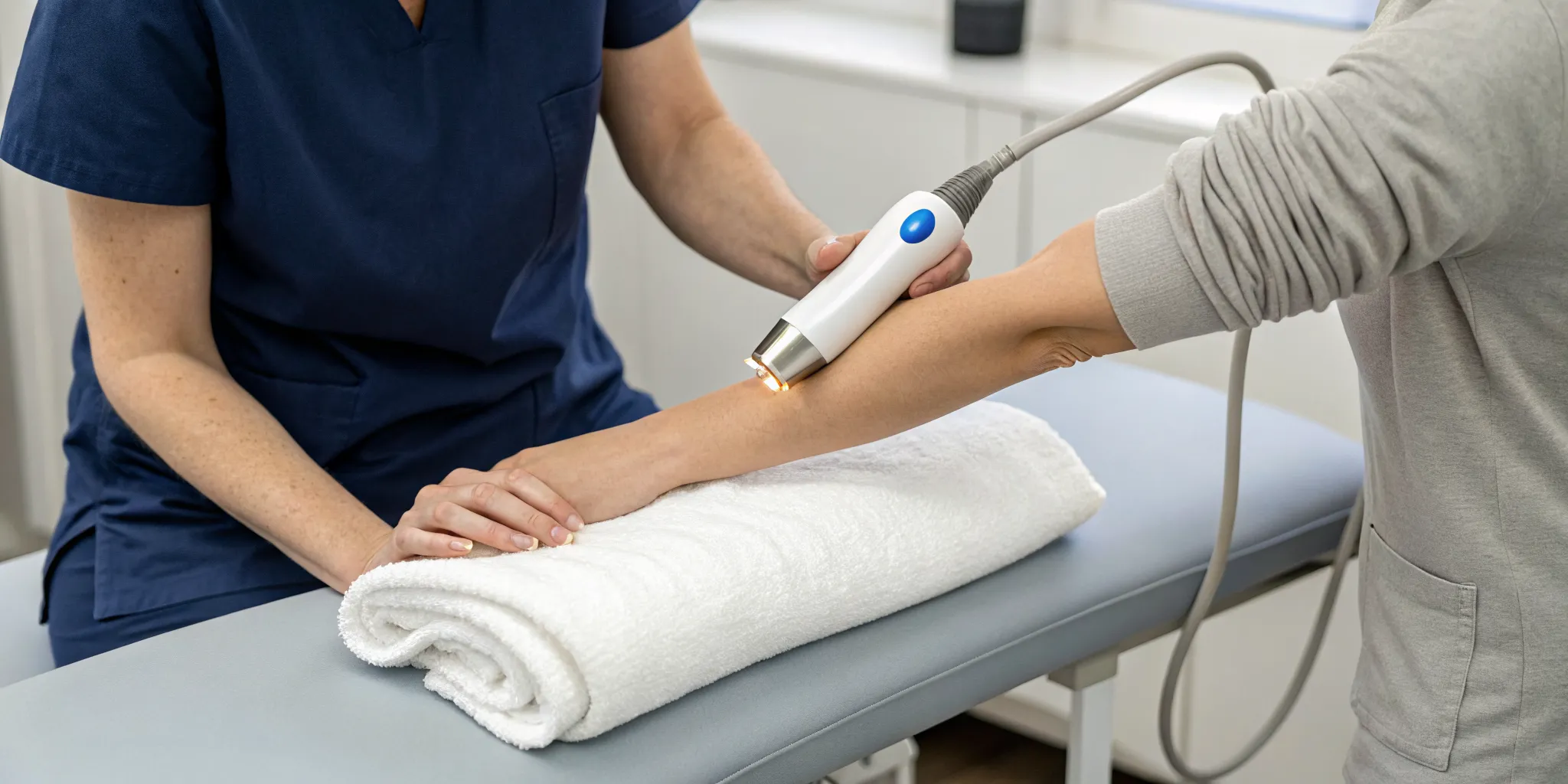
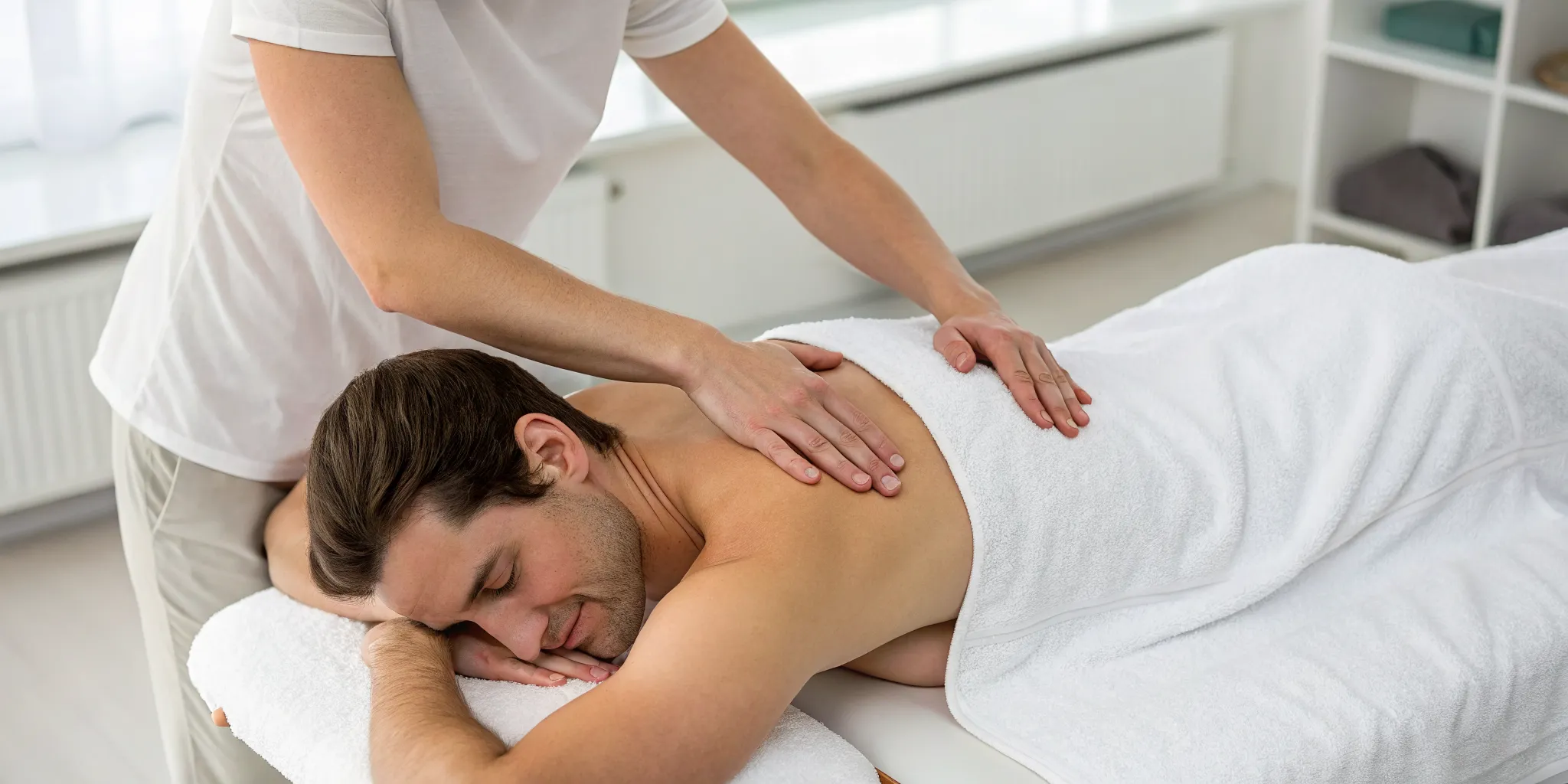
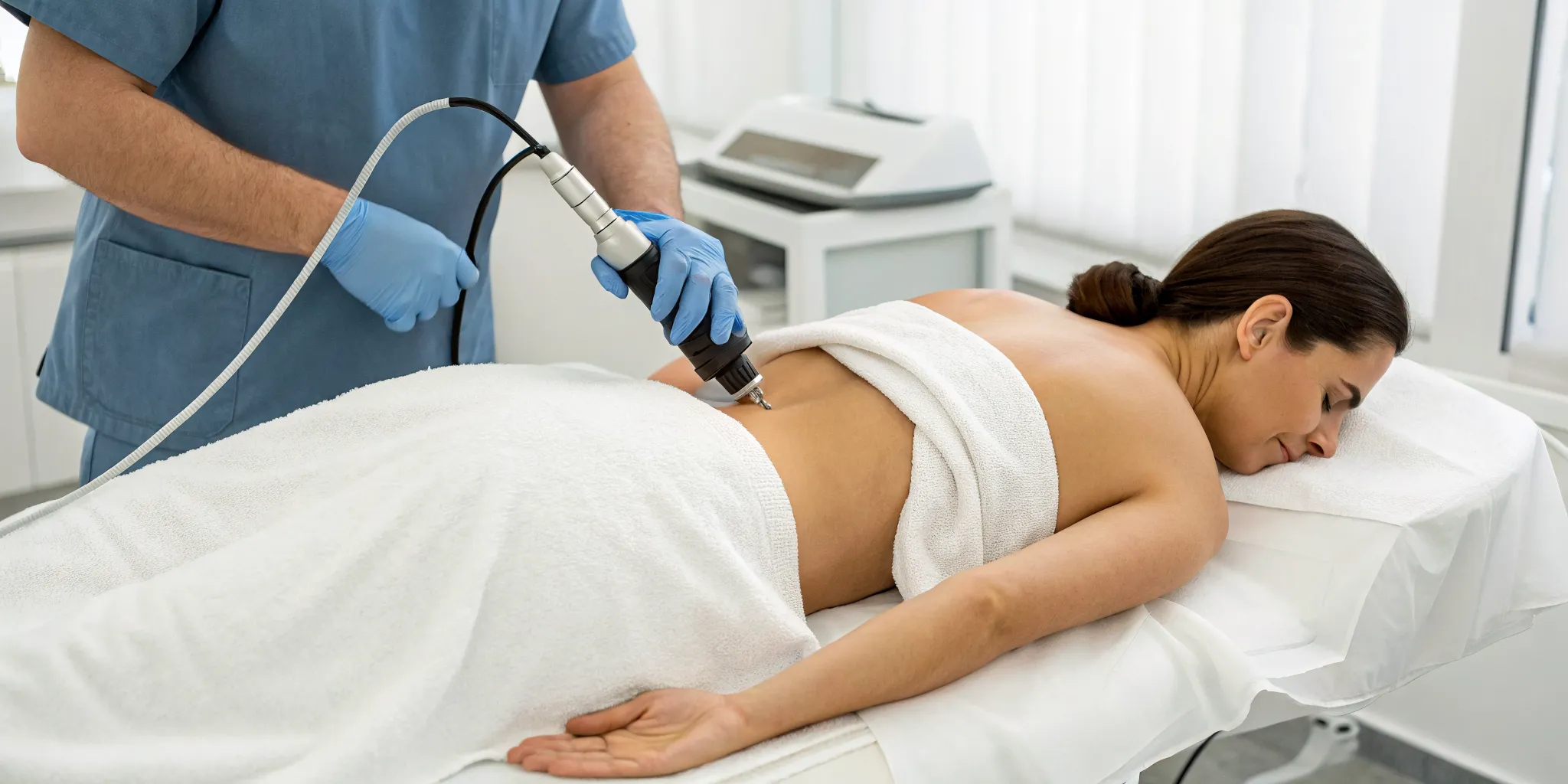
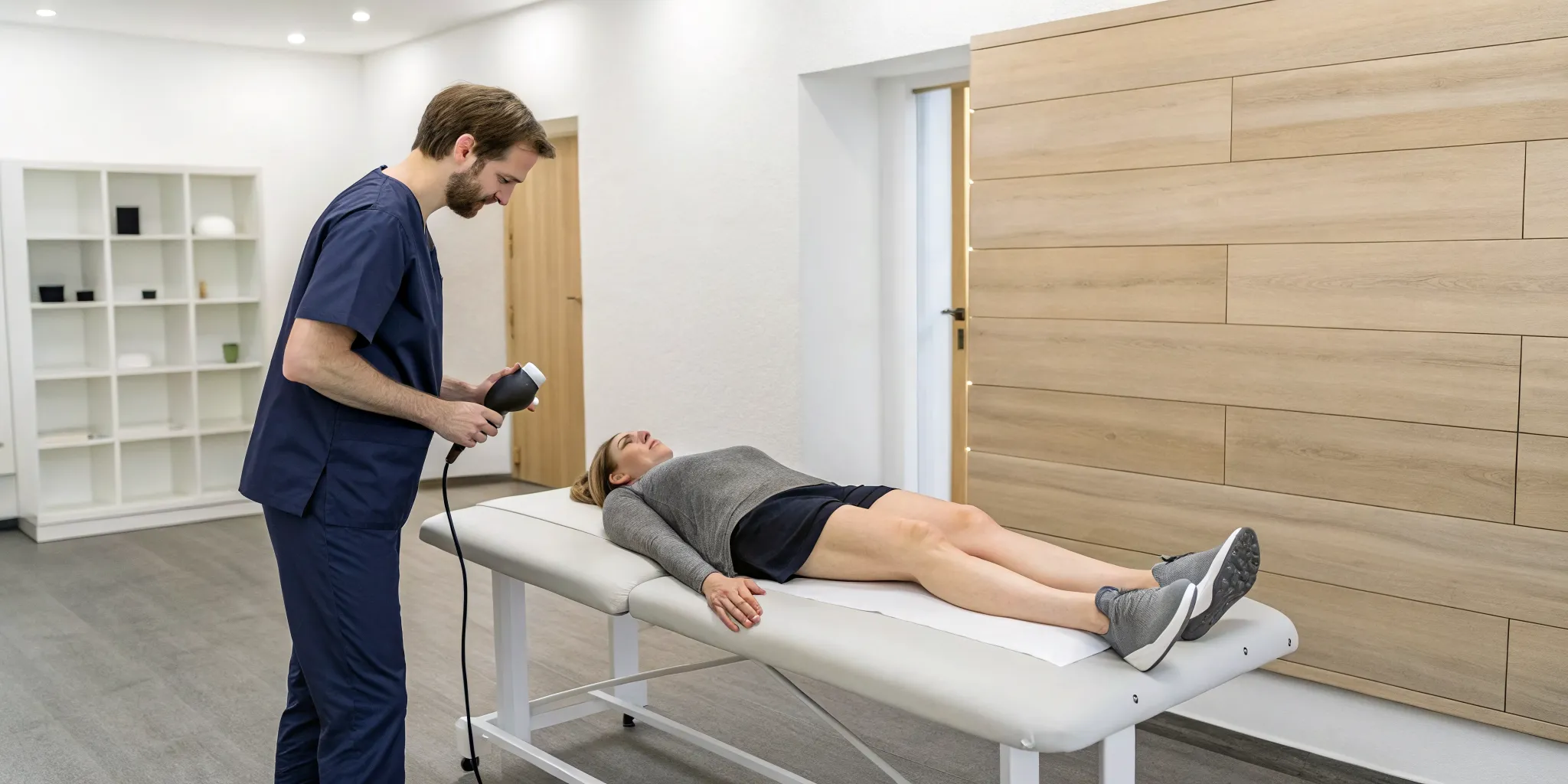
During a lymphatic release therapy session, expect a calm and relaxing experience. Your practitioner will use very light pressure and gentle, rhythmic strokes on your skin. The session often begins by working on areas where lymph nodes are concentrated, like your neck, armpits, and groin, to prepare them. From there, the practitioner uses specific movements to gently guide excess fluid from swollen or congested areas toward these lymph nodes. This encourages your body to process and eliminate the fluid naturally.
How It Differs From a Regular Massage
It’s important to know that lymphatic release therapy is a clinical treatment, not a spa massage. While a traditional massage uses deeper pressure on muscles, lymphatic therapy uses a feather-light touch to target the delicate lymph vessels just below the skin. The goal isn't to work out muscle knots but to stimulate fluid movement. This technique is performed by a practitioner with specialized training to address specific health conditions. It’s a targeted therapy designed to support your body’s function, not just for general relaxation.
Health Conditions Lymphatic Therapy Can Address
While many people think of lymphatic therapy as a way to support general wellness, it’s also a powerful tool for managing specific health issues. This gentle, targeted approach can make a significant difference for those dealing with chronic conditions related to fluid retention, inflammation, and circulatory problems. By encouraging the movement of lymph fluid, the therapy helps clear waste and reduce swelling, which can ease discomfort and improve function. If you're struggling with persistent symptoms, understanding how lymphatic therapy works for certain conditions can help you see if it’s a good fit for your health plan. Let's look at some of the key health concerns where this therapy can offer real support.
Lymphedema
Lymphedema is a condition characterized by swelling, typically in an arm or leg, caused by a blockage in your lymphatic system. This blockage prevents lymph fluid from draining properly, leading to uncomfortable fluid buildup. Lymphatic release therapy is a cornerstone of managing lymphedema. The gentle, rhythmic motions are specifically designed to manually redirect fluid away from the swollen areas and toward functioning lymph nodes. This process helps reduce the swelling and discomfort associated with the condition. Our team uses a holistic approach to understand the root cause of your symptoms and create a personalized plan that supports your body’s natural processes.
Chronic Venous Insufficiency
When the veins in your legs struggle to send blood back to your heart, it can lead to a condition called chronic venous insufficiency. This can cause fluid to pool in your legs, resulting in swelling, aching, and skin changes. Lymphatic therapy can be incredibly helpful here. By stimulating the lymphatic system, the therapy helps move this trapped fluid out of your tissues, easing the pressure and swelling in your lower legs. It’s a supportive treatment that works alongside other strategies to manage symptoms and improve your comfort. This is just one way our physical medicine services can help restore your body's optimal function.
Fibromyalgia
Living with fibromyalgia often means dealing with widespread pain, fatigue, and tenderness. While there is still more to learn, many people with fibromyalgia find that lymphatic therapy helps manage their symptoms and improve their overall quality of life. The gentle touch can help calm an overstimulated nervous system, and by promoting fluid movement, it may ease the feeling of stiffness and puffiness that can accompany the condition. It’s a soothing therapy that can be a valuable part of a comprehensive plan for managing the complex symptoms of fibromyalgia and other chronic conditions.
Lipedema
Lipedema is a chronic condition that involves an abnormal accumulation of fat and fluid in the legs and sometimes arms, which can be painful. It's often mistaken for simple weight gain, but it’s a distinct medical issue. Manual lymph drainage, a form of lymphatic therapy, is a key component of lipedema management. This specialized, gentle massage helps your lymphatic system process the excess fluid, which can significantly reduce both swelling and pain. For many dealing with lipedema, this therapy provides much-needed relief and helps them feel more comfortable in their bodies.
Rheumatoid Arthritis
Rheumatoid arthritis (RA) is an autoimmune condition that causes inflammation, pain, and swelling in the joints. In the later stages of RA, lymphatic therapy can be a beneficial addition to your care plan. The therapy helps manage the persistent swelling and discomfort by encouraging the drainage of excess fluid from around the affected joints. This can help ease pain and may even improve skin changes associated with chronic inflammation. Our approach to functional medicine focuses on addressing the underlying factors of autoimmune conditions like RA, and lymphatic therapy can be a wonderful supportive measure.
Post-Surgical and Post-Injury Recovery
After a surgery or an injury, your body’s natural response is to send fluid to the area, causing swelling. While this is a normal part of healing, sometimes the fluid can linger, slowing down your recovery and causing discomfort. Lymphatic therapy is excellent for supporting the healing process. The gentle techniques help move this excess fluid out of the swollen area, reducing puffiness and promoting better circulation to the tissues. This can help you get back on your feet faster and feel more comfortable as you heal. It’s a key part of our physical medicine toolkit for helping you recover effectively.
How Lymphatic Therapy Eases Symptoms
Lymphatic release therapy is a targeted approach that supports your body’s built-in drainage system. By encouraging the natural flow of lymph fluid, this therapy can provide relief from a range of uncomfortable symptoms and support your overall health in several key ways.
Reduces Fluid Buildup and Swelling
If you feel puffy or swollen, your lymphatic system may be struggling. Lymphatic therapy uses gentle, precise movements to encourage stagnant fluid to move out of your tissues and toward your lymph nodes. This process clears the way for waste to be removed, which can visibly reduce swelling and ease discomfort. A lymphatic drainage massage is specifically designed to address this kind of fluid buildup, helping you feel lighter and more comfortable.
Supports Circulation and Tissue Repair
Trapped fluid doesn’t just cause swelling; it hinders your body’s healing process. Healthy circulation is vital for delivering oxygen and nutrients to your cells for tissue repair. By moving excess fluid, lymphatic therapy helps improve circulation to affected areas, creating a better environment for healing. This supports your body’s innate ability to recover from injury or surgery, a core principle of functional medicine.
Strengthens Your Immune Response
Your lymphatic system is a cornerstone of your immune health, filtering out waste and unwanted invaders. When this system is congested, its ability to protect you is compromised, which can be a factor in some autoimmune conditions. Lymphatic therapy helps clear this congestion, giving your immune system a helping hand. By improving the flow and filtration of lymph fluid, the therapy enhances your body’s capacity to stay healthy and resilient.
Calms Your Nervous System and Reduces Stress
The benefits of lymphatic therapy extend beyond the physical. The slow, rhythmic, and gentle pressure has a profound calming effect on your nervous system, providing a much-needed opportunity to rest and reset. This reduction in stress is a key component of long-term health. Managing stress is crucial for balancing hormones and supporting your body’s overall function, which are central goals of longevity medicine.
Is Lymphatic Release Therapy Right for You?
You might be wondering if lymphatic release therapy is the right next step in your health journey. While it offers benefits for many, it’s particularly effective for certain symptoms and conditions. Understanding if your own experiences align with the signs of a sluggish lymphatic system can help you decide if this gentle, hands-on approach is a good fit. It’s about connecting the dots between how you feel and what your body might be trying to tell you.
Signs Your Lymphatic System Needs Support
Your body has its own ways of signaling that your lymphatic system is struggling to keep up. You might be experiencing symptoms that seem unrelated but are actually classic signs of lymphatic congestion. Do any of these sound familiar?
- Persistent bloating or puffiness, especially in your hands, feet, or face
- Brain fog that makes it hard to think clearly
- Chronic fatigue that sleep doesn’t seem to fix
- Recurring sinus infections or congestion
- Headaches or migraines
- Skin issues like acne, dryness, or rashes
If you’re nodding along, it could be your body’s way of asking for some lymphatic support. These issues are often signs that fluid isn't moving efficiently, and a targeted approach can help get things flowing again.
Beyond Swelling: Overlooked Symptoms
While noticeable swelling in the arms or legs (lymphedema) is a well-known reason to seek lymphatic therapy, many other symptoms are often overlooked. You don’t have to have dramatic swelling to have a lymphatic issue. Sometimes, the signs are more subtle, like a general feeling of heaviness, stubborn cellulite, or a weakened immune system that leaves you prone to getting sick. These are all potential indicators that your lymphatic system isn't functioning optimally. Our functional medicine approach helps connect these seemingly minor symptoms to find the root cause.
Who Typically Sees the Best Results?
Lymphatic release therapy can be a game-changer for individuals with specific health concerns. People with chronic fluid retention, particularly lymphedema, often experience significant relief. It’s also incredibly beneficial for post-surgical recovery, as it can help reduce swelling and support tissue healing. Those with conditions like fibromyalgia or chronic venous insufficiency may also find it eases their symptoms. The best results are seen when the therapy is performed by a skilled practitioner as part of a comprehensive care plan. At Ascend, our physical medicine team is trained to provide this specialized care, ensuring you get the most out of every session.
What Affects Your Results?
Lymphatic release therapy is a powerful tool for supporting your body’s health, but the results you experience aren't created in a vacuum. The effectiveness of your sessions is influenced by a combination of factors that are unique to you. Think of it as a partnership between the therapy, your body, and your daily habits. Your overall health, your lifestyle choices, and the expertise of your practitioner all play a significant role in the outcome.
At Ascend Functional Health, we see the body as an interconnected system. What happens in one area directly impacts another. This means that to get the most out of lymphatic therapy, it’s helpful to look at the whole picture. Understanding these influencing factors can empower you to take an active role in your healing journey, make informed decisions, and set realistic expectations for your progress. When you know what contributes to success, you can better support your body’s natural ability to find balance and wellness. The goal is not just to feel better after a session, but to build a foundation for lasting health.
Your Health and Lifestyle
Your body is the main character in this story, and its current condition sets the stage for your results. Your overall health status and daily habits create the foundation upon which lymphatic therapy builds. For example, if you have a condition like lymphedema, where fluid builds up in tissues, your starting point is different from someone who is simply looking to reduce occasional puffiness after a long flight. Your body's ability to heal, your hydration levels, your diet, and even your stress levels all contribute to how well your lymphatic system functions. Making supportive lifestyle choices, like drinking plenty of water and eating whole foods, can make a significant difference in your outcomes.
How to Get the Most From Your Sessions
Think of your lymphatic therapy sessions as a catalyst and your actions between appointments as the follow-through that solidifies your progress. A successful outcome often depends on integrating the therapy into a broader wellness plan. For instance, if your provider recommends compression garments to manage swelling, wearing them consistently is key. This therapy is not a standalone fix but a component of a larger strategy. Gentle, consistent movement is another powerful ally. Activities like walking or stretching help encourage lymphatic flow, amplifying the benefits of your sessions and helping you maintain the results you've worked for. A comprehensive treatment plan is your best path to success.
Why Your Practitioner's Skill Matters
This is a really important point, so I’ll be direct: the person performing your lymphatic therapy needs to be more than just a massage therapist. They need to be a specialist. This is a precise, technical therapy, not a generic spa treatment designed for simple relaxation. A qualified practitioner has undergone extensive training to understand the intricate map of your lymphatic system and how to apply the right pressure and technique to stimulate flow without causing harm. They know how to adapt the session to your specific health needs and conditions. When looking for a provider, you should feel confident asking about their qualifications. Finding a certified lymphedema therapist or someone with equivalent specialized training ensures you are in capable hands.
Finding a Qualified Practitioner
Finding the right person to perform your lymphatic therapy is just as important as the treatment itself. You want someone who not only understands the technique but also has a deep knowledge of the human body. Since this is a specialized skill, it’s worth taking the time to find a practitioner you trust completely. This ensures your sessions are safe, effective, and tailored to your specific health needs. At Ascend Functional Health, our team is trained to address the root causes of your symptoms, and we believe in empowering you with the knowledge to make the best choices for your care.
Key Certifications and Training to Look For
When you’re looking for a therapist, check for specialized education in manual lymphatic drainage. Credentials from established organizations, like the Lymphatic Association of North America (LANA), show that a practitioner has completed a rigorous, in-depth program. It’s also a great sign if they have a background in a related field, such as physical or massage therapy. This foundational knowledge of anatomy and physiology is essential for performing lymphatic therapy correctly. Our team’s expertise in physical medicine provides this crucial understanding of the body’s interconnected systems, ensuring a comprehensive approach to your care.
What to Ask Before You Book an Appointment
Before committing to a session, feel empowered to ask a few questions. Inquire about the practitioner’s experience with lymphatic therapy, especially with conditions similar to yours. A great follow-up question is about their treatment approach. They should be able to clearly explain the techniques they use and how they plan to personalize the session for you. Also, ask what kind of follow-up support or guidance they provide. A dedicated practitioner will often suggest self-care practices to help you maintain your results between visits. We encourage you to contact our team with any questions you have about our methods and how we can support your health goals.
Is Lymphatic Release Therapy Always Safe?
While lymphatic release therapy is known for its gentle touch, it’s not the right fit for every person or every situation. Your safety and well-being are the top priorities, so it’s important to understand when to proceed with caution or choose a different path. Like any effective therapy, it has specific applications and also clear contraindications. Understanding these guidelines is the first step in making an informed decision about your health.
When to Avoid This Therapy
This therapy is incredibly beneficial for many, but it should be avoided if you have certain acute or serious health conditions. Moving fluid through the lymphatic system can be problematic if your body is already dealing with a significant challenge. For instance, you should not have this type of therapy if you have an active infection, blood clots, heart failure, or kidney problems. Pushing fluid through the body could strain these systems or, in the case of an infection, potentially spread it. This is why a full picture of your health is so important before beginning any new treatment.
Why You Should Talk to Your Provider First
Before scheduling a session, having a conversation with your healthcare provider is essential. A thorough evaluation helps confirm that lymphatic therapy is appropriate for you and aligns with your health goals. Symptoms like swelling or fatigue can stem from various root causes, and a clear diagnosis ensures you’re getting the right treatment. At Ascend, we begin with a comprehensive look at your health history and current state to create a personalized plan. Discussing your concerns with our team helps us determine if this therapy can be an effective part of your functional medicine protocol. This collaborative approach ensures any therapy you receive is safe, suitable, and targeted to your specific needs.
Common Myths About Lymphatic Release Therapy
When you’re exploring new ways to support your health, it’s easy to run into conflicting information. Lymphatic release therapy is a powerful tool, but it’s also surrounded by a few common misunderstandings. Let’s clear up some of the biggest myths so you can feel confident about whether this gentle therapy is the right next step for you.
Myth: It's Just a Detox Fad
You’ve probably heard the word “detox” thrown around a lot, often attached to juice cleanses or trendy diets. While lymphatic therapy is sometimes put in this category, its function is based on concrete physiology, not fads. Your lymphatic system is a crucial part of your circulatory and immune systems, responsible for clearing cellular waste and excess fluid. Think of it as your body’s built-in sanitation crew. Lymphatic therapy doesn’t introduce anything new; it simply supports and enhances this natural process. This approach aligns with functional medicine, which focuses on helping your body’s own systems perform at their best. It’s about restoring function, not following a trend.
Myth: The Process Is Painful
Many people associate massage with the firm, deep pressure used to work out muscle knots. Because of this, it’s natural to assume that a therapy designed to move fluid would be intense or uncomfortable. However, lymphatic release is the opposite. It’s an incredibly gentle and relaxing process. The lymphatic vessels are located just beneath the skin, so a practitioner uses light, rhythmic strokes with just enough pressure to stimulate flow. Most people find the sessions to be deeply calming for the nervous system. This form of physical medicine is designed to be soothing and supportive, helping your body heal without causing additional stress or discomfort.
Myth: Results Are Instant and Last Forever
While you might feel lighter or less puffy after a single session, lymphatic therapy is a process, not a magic wand. The most significant and lasting results come from consistency. For chronic issues, it often takes a series of sessions to achieve noticeable improvement as your system learns to function more efficiently. The benefits are also not necessarily permanent on their own. Lasting change depends on addressing the underlying reasons for the lymphatic congestion. That’s why we look at the full picture of your health and lifestyle to create a sustainable plan. This therapy is one part of a larger strategy for managing various health conditions and improving your overall well-being.
Myth: It Can Replace Medical Treatment
This is one of the most important myths to address. Lymphatic release therapy can be an incredible tool for managing symptoms like swelling, inflammation, and discomfort. However, it is a complementary therapy, not a standalone cure. It works best when integrated into a comprehensive care plan that addresses the root cause of your health concerns. For example, if your lymphatic issues stem from an autoimmune condition or a past injury, it’s essential to manage that primary condition as well. Our holistic approach ensures that lymphatic therapy supports your main course of treatment, helping you feel better while we work together on your long-term health goals.
Integrating Lymphatic Therapy Into Your Health Plan
Think of lymphatic therapy not as a standalone treatment, but as a valuable player on your health team. Its real power shines when it’s part of a comprehensive strategy tailored to your body and your goals. By incorporating it thoughtfully, you can create a more effective and sustainable path toward feeling your best. This approach helps address symptoms while also supporting your body’s foundational systems for long-term wellness.
At Ascend, we see this therapy as a key part of our holistic framework, working alongside our other pillars of healing to help you achieve lasting results. When you support your lymphatic system, you’re helping your entire body function more efficiently, making every other positive step you take even more impactful.
Pairing It With Other Therapies and Movement
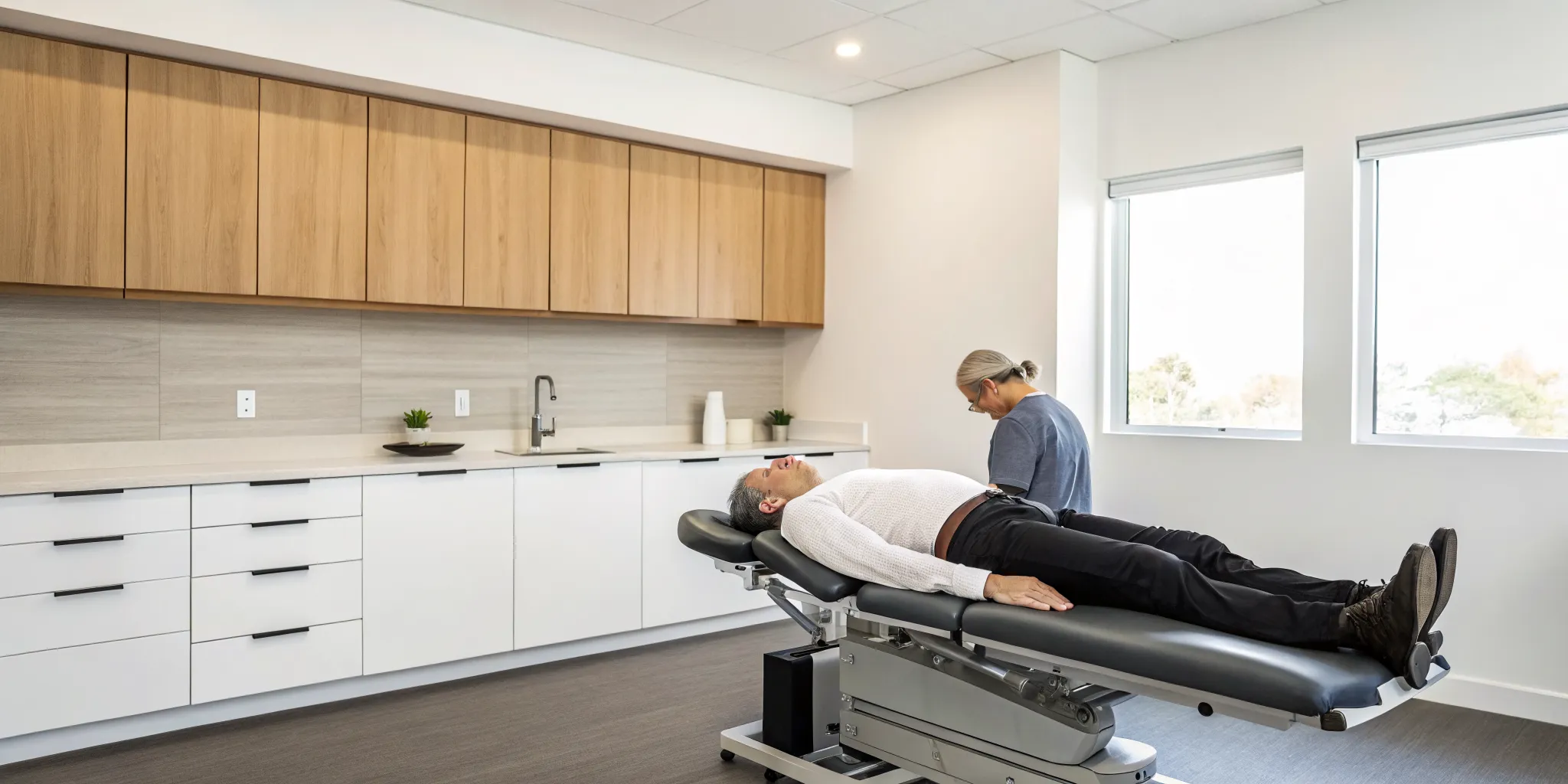
Lymphatic therapy works beautifully with other treatments because it helps prepare your body for healing. By encouraging the movement of waste and fluid, it can reduce the inflammation and congestion that might hinder progress. This can make other physical medicine approaches, like chiropractic care, more effective. When your tissues are less swollen and irritated, your body can respond better to adjustments and corrective care.
Movement is another key partner. Gentle activity, like walking or stretching, acts as a natural pump for your lymphatic system. Your practitioner might also recommend special exercises to perform between sessions to maintain fluid movement. This combination of manual therapy and light exercise creates a powerful synergy, helping you get more out of each treatment.
Connecting Treatment to Your Long-Term Health Goals
While reducing swelling is an immediate and welcome benefit, lymphatic therapy is also an investment in your long-term health. A well-functioning lymphatic system is crucial for a strong immune response and managing inflammation throughout your body. By making this therapy a regular part of your routine, you’re not just addressing a symptom; you’re supporting one of your body’s most fundamental systems for staying healthy.
Integrating this treatment into a holistic health plan helps you move from reactive care to proactive wellness. It’s about building a more resilient body that can better handle daily stressors and defend itself effectively. This proactive approach is central to achieving sustainable health, allowing you to feel vibrant and capable for years to come.
Related Articles
- Is Myofascial Release Legitimate? What Science Says
- The Ultimate Guide to Myofascial Release Therapy
- What Is Soft Tissue Therapy? A Complete Guide
Frequently Asked Questions
Why is this therapy so gentle? I thought moving fluid would require deep pressure. That’s a great question, and it gets to the heart of what makes this therapy so unique. Your lymphatic vessels are very delicate and lie just beneath the surface of your skin, unlike your muscles which are much deeper. Deep, firm pressure would actually just flatten these vessels and stop the flow. Instead, the therapy uses a light, rhythmic touch that gently stretches the skin to stimulate the natural pumping action of the lymphatic system, encouraging fluid to move along its intended path.
I'm just tired and feel puffy a lot. Could lymphatic therapy actually help with that? Feeling constantly fatigued and bloated can be incredibly frustrating, and they are often classic signs that your lymphatic system is struggling. Think of it this way: when your body’s cleanup crew is slow, waste products and excess fluid can get stuck in your tissues. This backlog can contribute to that feeling of heaviness, brain fog, and low energy. By helping to clear that congestion, lymphatic therapy can make you feel lighter, clearer, and more vibrant.
How many sessions will I need to see a difference? The number of sessions you’ll need is very personal and depends on your specific goals and health status. Someone recovering from a recent surgery might see a reduction in swelling after just a few appointments, while a person with a chronic condition like lymphedema or fibromyalgia will likely benefit from a more consistent, long-term plan. We work with you to create a schedule that supports lasting change, not just a temporary fix.
Can this therapy be combined with my other treatments, like chiropractic care? Absolutely. In fact, lymphatic therapy often works best when it’s part of a comprehensive plan. By reducing swelling and calming inflammation in the tissues, it can make your body more receptive to other physical treatments, including chiropractic adjustments. When your system isn't bogged down by excess fluid, other therapies can be more effective, helping you get better results from your overall care plan.
Are there any risks or people who should avoid this therapy? While the therapy is very safe for most people, it is not recommended for everyone. Specifically, you should avoid it if you have an active infection, a history of blood clots, or certain heart or kidney conditions. Moving fluid through the body can put extra strain on these systems or potentially spread an infection. This is why it is so important to have a thorough consultation with a qualified provider first, so they can confirm it is a safe and appropriate choice for you.