Living with the unpredictable pain of a pinched nerve can make you feel like you’ve lost control over your own body. But understanding your condition and the treatments available is the first step toward regaining that control. Knowledge empowers you to have informed conversations with your healthcare provider and make the best decisions for your well-being. A common and effective treatment for nerve compression is cervical traction, but many people aren't sure what it involves. The central question we want to answer is: how does cervical traction therapy help with pinched nerves? This guide will explain the process in simple terms, outlining who it’s for, what the benefits are, and how it safely provides relief from neck and arm pain.
Key Takeaways
- Creates Space to Relieve Pain: Cervical traction works by gently stretching your neck to create more room between the vertebrae, an action that directly reduces pressure on compressed nerves and discs to ease radiating pain and numbness.
- Professional Guidance Is Crucial: This therapy is not a one-size-fits-all solution; a thorough evaluation by a qualified provider is essential to confirm it's a safe and appropriate treatment for your specific condition.
- Best Used in a Comprehensive Plan: For lasting results, cervical traction should be part of a broader recovery strategy that includes other therapies and supportive lifestyle habits, like better posture, to address the root cause of your pain.
What Is a Pinched Nerve in Your Neck?
If you’ve ever felt a sharp, zinging pain travel from your neck down your arm, you might be dealing with a pinched nerve. It’s a common issue, but that doesn’t make it any less frustrating. A pinched nerve happens when surrounding tissues, like bones, cartilage, or muscles, put too much pressure on a nerve. This compression disrupts the nerve's ability to function correctly, leading to pain, numbness, or a "pins and needles" sensation.
In your neck, this condition is often called cervical radiculopathy. The nerves that branch out from your spinal cord in your neck (the cervical spine) travel down to your shoulders, arms, and hands. When one of these nerves gets compressed or irritated right at the root, where it exits the spine, the symptoms can show up anywhere along that nerve's path. It’s not just about neck pain; it’s about the radiating symptoms that can interfere with your daily life, from typing on a computer to simply getting a good night's sleep. Understanding what’s causing this pressure is the first step toward finding lasting relief, which is a core part of our approach to physical medicine.
Common Causes
So, what causes this uncomfortable pressure on your neck nerves? It’s usually related to changes in your spine. One of the most frequent culprits is a herniated disc, where one of the soft cushions between your vertebrae pushes out and presses on a nearby nerve. Another common cause is the development of bone spurs, which are tiny overgrowths of bone that can narrow the spaces where nerves exit the spine.
Conditions like arthritis can also contribute by causing inflammation and leading to a narrowing of the spinal canal, a condition known as spinal stenosis. But it’s not always about major structural changes. Sometimes, the cause is more related to your daily habits. Things like poor posture, especially "text neck" from looking down at your phone, and repetitive motions from work or hobbies can strain your neck muscles and tissues, eventually leading to nerve compression.
Symptoms You Shouldn't Ignore
The signs of a pinched nerve in your neck can vary, but they often follow a distinct pattern. You might feel a sharp pain that starts in your neck and radiates down your arm or into your fingers. Many people also describe a tingling sensation, like pins and needles, or a feeling of numbness in their arm or hand. It might feel like your arm has "fallen asleep," but the feeling doesn't go away when you move around.
While some discomfort can be managed, certain symptoms are a sign that you should seek professional guidance. If you experience severe or persistent pain that doesn't improve, noticeable muscle weakness in your shoulder, arm, or hand, or a loss of coordination, it's important to get it checked out. These could indicate more significant nerve compression that needs attention to prevent long-term issues. Addressing these symptoms is key to creating a personalized recovery plan.
How Cervical Traction Eases Pinched Nerve Pain
If you're dealing with a pinched nerve, you know the pain can be more than just a "pain in the neck." It can disrupt your sleep, work, and daily life. Cervical traction is a therapeutic technique designed to gently relieve the pressure causing that pain. Think of it as creating a little more breathing room for the delicate structures in your neck. By carefully stretching the cervical spine, this method addresses the root of the problem, rather than just masking the symptoms. It’s a key part of a comprehensive physical medicine plan aimed at restoring function and helping your body heal itself.
Creates Space Between Vertebrae
At its core, cervical traction works by gently pulling your head away from your neck. This subtle stretch creates more space between the bones in your neck, which are called vertebrae. When you have a pinched nerve, it's often because these vertebrae are too close together, compressing the nerves that run between them. By increasing the space, traction takes direct pressure off those sensitive nerves. This separation can provide immediate relief from the sharp, nagging pain and stiffness associated with nerve compression, allowing the area to finally calm down.
Decompresses Spinal Discs
Between each vertebra in your neck, you have soft, cushion-like discs. Sometimes, these discs can bulge or herniate, pushing out of their normal position and pressing on nearby nerves. Cervical traction creates a gentle suction-like effect that can help pull that bulging disc material back into its proper place. This process, known as decompression, is crucial for taking pressure off the spinal cord and nerve roots. It’s a targeted way to address one of the most common causes of the radiating pain that can travel from your neck into your shoulders and arms.
Reduces Nerve Compression
The ultimate goal of creating space and decompressing discs is to free the pinched nerve. When a nerve is compressed, it becomes inflamed and sends pain signals throughout your body. By moving the disc material away from the nerve and widening the small openings where nerves exit the spinal column, traction directly reduces this compression. This is why it can be so effective for relieving not just neck pain, but also the tingling, numbness, or weakness you might feel in your arm or hand. It helps stop the problem right at the source.
Improves Blood Flow
Pain and inflammation often go hand-in-hand with poor circulation. When your neck muscles are tight and your spine is compressed, it can restrict blood flow to the area. Cervical traction helps to gently stretch the muscles and arteries in the neck, which can improve circulation. Better blood flow brings more oxygen and vital nutrients to the injured tissues, which is essential for healing. This process also helps flush out inflammatory byproducts that contribute to pain, supporting your body’s natural ability to repair itself and recover more efficiently.
Relaxes Muscle Spasms
When you have a pinched nerve, the muscles around your neck and shoulders often tighten up in a protective response. This guarding can lead to painful muscle spasms, creating a frustrating cycle of pain and tightness. Cervical traction helps to break this cycle. The gentle, sustained stretch allows those tense, overworked muscles to lengthen and relax. Releasing this muscular tension not only feels good but also further reduces pressure on your cervical spine, contributing to overall pain relief and helping to restore your neck’s normal range of motion.
Key Benefits of Cervical Traction
Relieves Neck Pain and Pressure
One of the most immediate benefits of cervical traction is the feeling of relief from constant neck pain and pressure. The therapy works by gently stretching your neck, which carefully pulls your head away from your shoulders. This action creates more space between the vertebrae, the bones that make up your neck. Think of it as decompressing a tightly wound spring. This added space helps to take the pressure off the small, sensitive structures in your neck, easing tension and reducing that persistent ache. It’s a core component of the physical medicine services we use to help patients find lasting comfort.
Eases Radiating Arm and Shoulder Pain
If you’ve ever felt a sharp, shooting pain travel from your neck down into your shoulder or arm, you know how disruptive it can be. This often happens when a spinal disc bulges or herniates, pressing against a nerve. Cervical traction can be incredibly effective for this. By creating space in the spine, the therapy helps gently guide the disc material away from the nerve root. This reduces the compression that causes the radiating pain, tingling, or numbness. It’s a targeted way to address the source of the problem, not just the symptoms, for many of the conditions we treat.
Restores Flexibility and Motion
A stiff neck can make simple movements, like checking your blind spot while driving, feel like a major challenge. Cervical traction helps to relax tight, tense neck muscles that are often guarding an injury. As the muscles relax and the pressure between your vertebrae eases, you’ll likely notice a significant improvement in your neck’s flexibility and range of motion. This means you can turn and tilt your head more freely and with less pain. Restoring this movement is a crucial step in getting you back to your daily activities and feeling like yourself again.
Supports Long-Term Disc Health
Cervical traction isn't just about temporary relief; it also contributes to the long-term health of your spinal discs. The gentle stretching creates a subtle vacuum effect within the disc, which can help pull bulging material back into its proper place. More importantly, this process improves blood flow to the tissues in your neck. Better circulation brings more oxygen and nutrients to the area, which supports the body's natural healing process. This is a key part of our approach to creating comprehensive health solutions that address the root cause of your pain and promote lasting wellness.
What to Expect From Cervical Traction Therapy
If you’re dealing with persistent neck pain, the idea of any new treatment can feel a little intimidating. But cervical traction is a gentle, non-invasive therapy designed to bring relief, not add more stress. The entire process works by carefully stretching your neck to create more space between the vertebrae. Think of it as giving your spinal discs and nerves some much-needed breathing room, which helps to reduce pressure and tension that can cause significant discomfort.
Before we begin any treatment, our team conducts a thorough evaluation to understand your specific condition and confirm that cervical traction is the right approach for you. This is a key part of our commitment to personalized care. The therapy itself is performed in a controlled, professional setting by our trained practitioners. Many people start to feel a noticeable difference after just a few sessions, as the gentle pulling motion helps calm irritated nerves and relax tight muscles. Our goal is to use this effective technique as part of a broader strategy to address the root cause of your discomfort and help your body heal from within.
Manual vs. Mechanical Traction
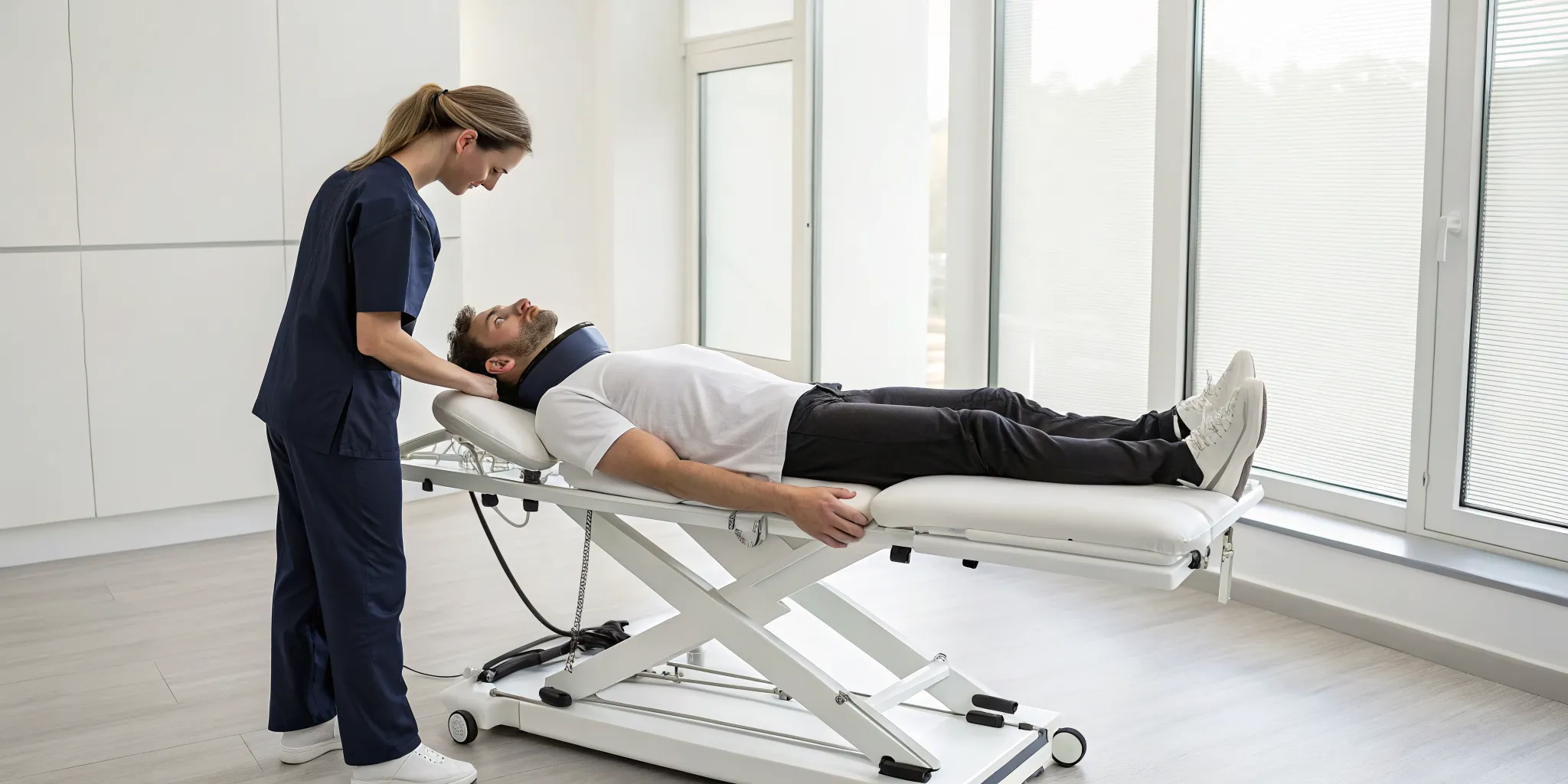
Cervical traction isn't a one-size-fits-all solution, and there are two primary ways we can apply it. The first is manual traction, where a skilled therapist uses their hands to gently pull and stretch your head and neck. This hands-on method is fantastic because it allows the practitioner to feel for muscle tightness and joint restrictions in real time. It’s a very controlled and adaptive technique that can be used to stretch specific muscles and provide immediate relief.
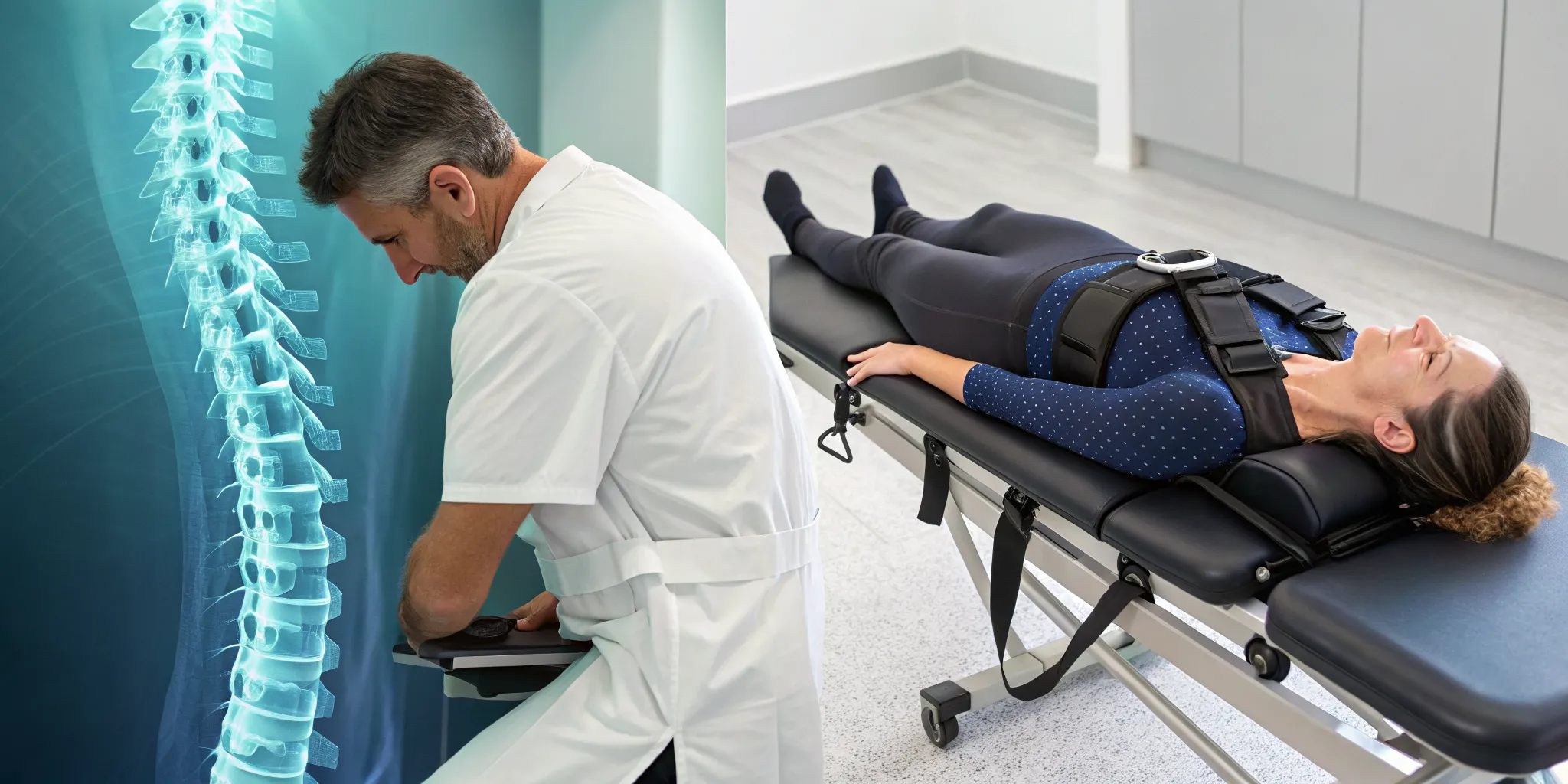
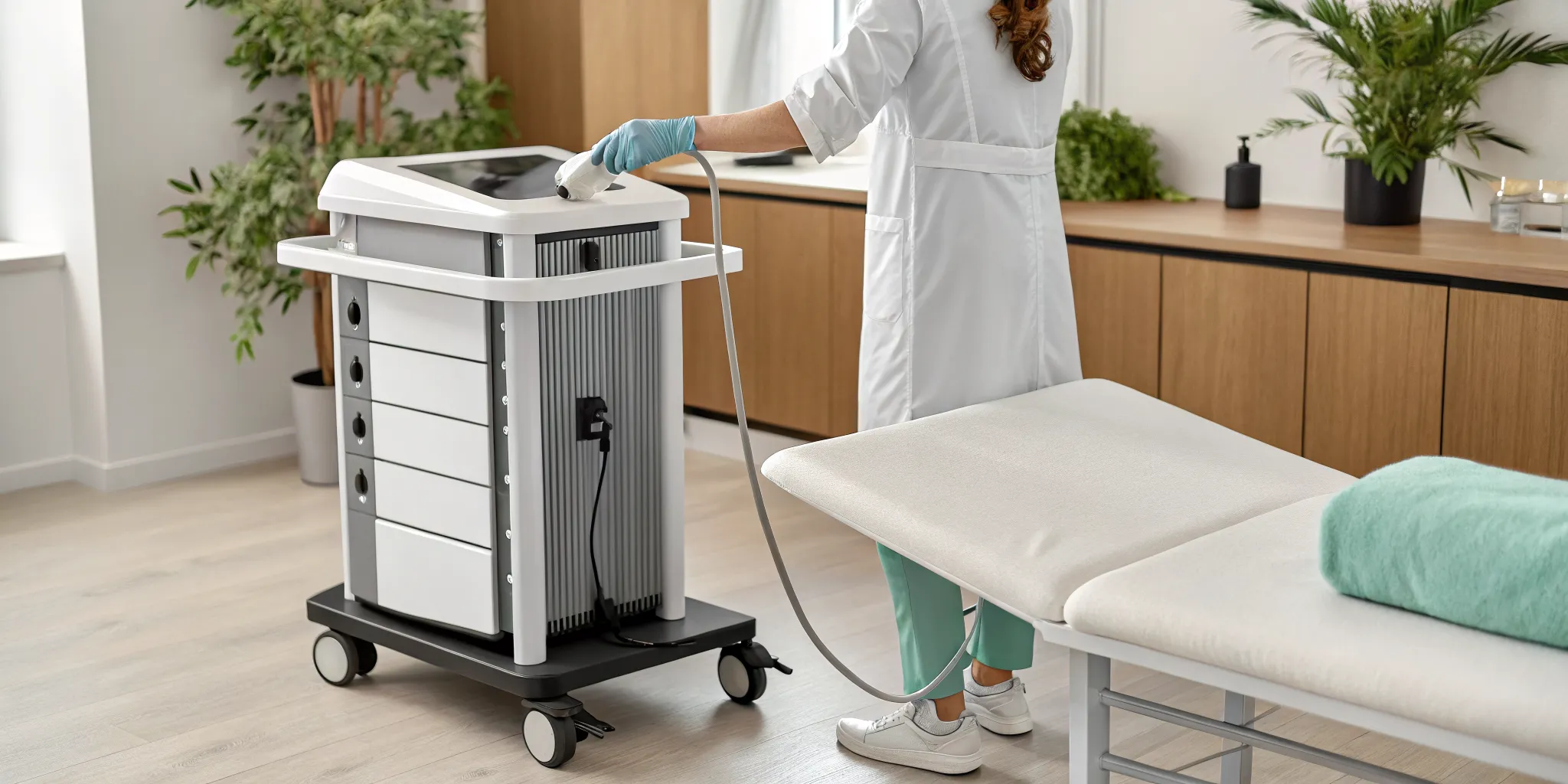
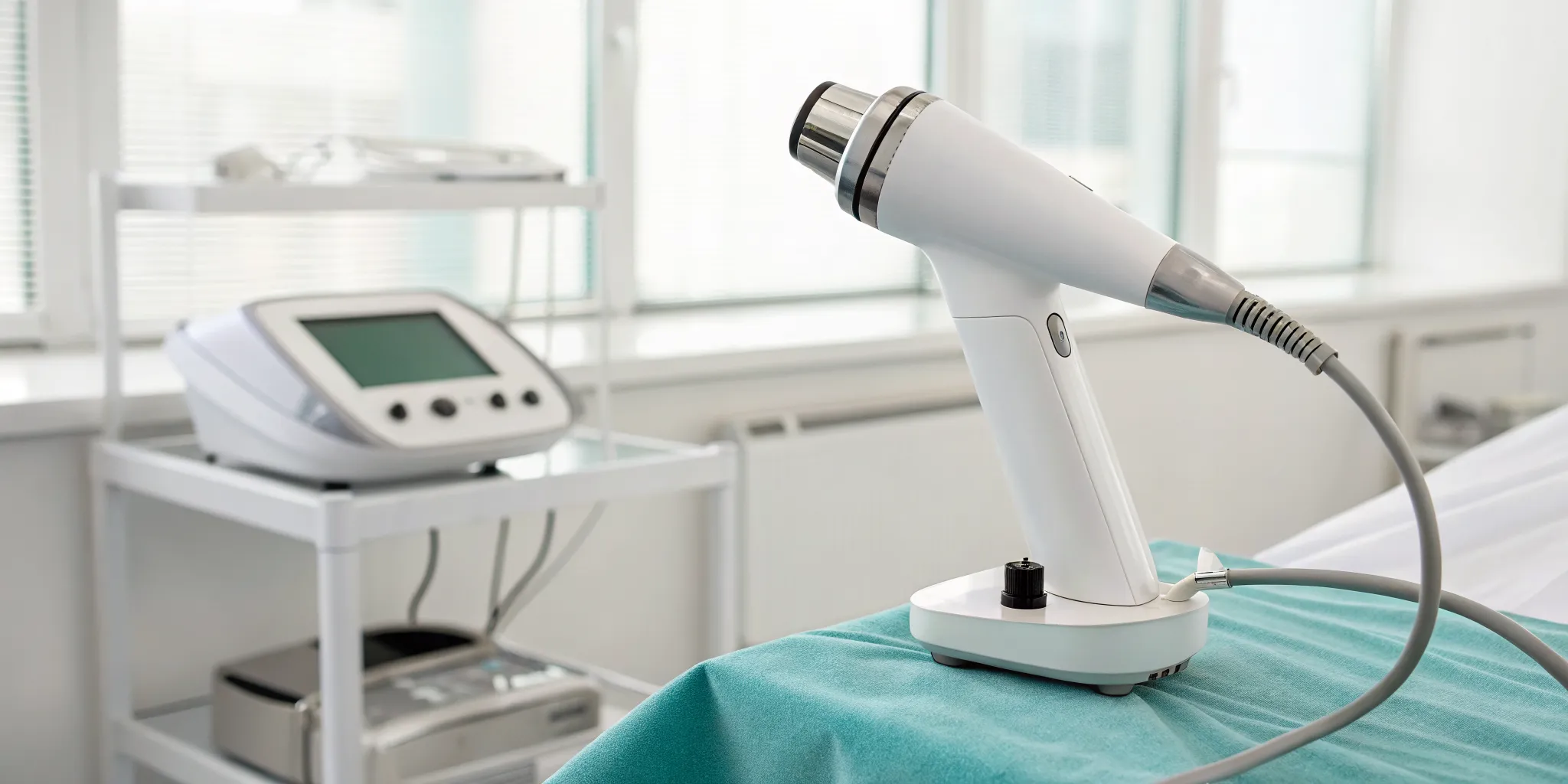
The second method is mechanical traction. For this, you’ll wear a soft, comfortable harness around your head while a specialized machine applies a slow, steady pulling force. This approach allows for a very precise and consistent stretch over a set period. Both methods are effective, and we’ll determine which one (or combination) is best suited to your unique needs and our overall physical medicine plan for you.
Your First Session
Your first cervical traction session is all about getting you comfortable and ensuring the treatment is tailored to you. We’ll start by reviewing your health history and the results of your initial evaluation. Each session is relatively short, typically lasting between 10 and 15 minutes, though it can sometimes extend a bit longer depending on your specific protocol. You’ll be in a relaxed position, either lying down or sitting, while the traction is applied.
The sensation is a gentle, relieving stretch, not a painful pull. It’s a non-surgical method designed to alleviate pressure on compressed discs and nerves, which is often the source of the neck and arm pain you’re experiencing. While every person’s body responds differently, many of our patients report feeling relief within their first two or three sessions. This therapy is just one part of how we address the various conditions we treat to help you find lasting comfort.
Is Cervical Traction Safe?
When performed by a trained professional in a clinical setting, cervical traction is a very safe and effective therapy. The goal is always to relieve pressure, not add stress, so the process is gentle and controlled from start to finish. However, like any therapeutic treatment, it’s not the right fit for every person or every condition. Your safety and comfort are our top priorities, which is why a thorough health history is the first step before beginning any new treatment. We believe in a partnership approach to your health, where understanding the potential risks and knowing who should proceed with caution is key to making an informed decision about your care.
This is why we start with a comprehensive evaluation. We need to understand your unique physiology and health background before recommending any therapy. Open communication with your provider ensures your treatment plan is perfectly suited to your body’s needs. We’ll walk you through every step of the process, making sure you feel comfortable and confident. The following points will help you understand the safety considerations we take into account, so you can feel empowered in your health journey. It's all part of our commitment to addressing the root cause of your discomfort, not just the symptoms.
Conditions Requiring Caution
While cervical traction is beneficial for many, it’s not recommended for everyone. Certain health conditions can make the spine more vulnerable, so it’s important to be transparent about your medical history. People who are pregnant or have had prior cervical fusion surgery should avoid this therapy. Additionally, individuals with conditions that affect bone density or spinal cord integrity, such as osteoporosis, spinal tumors, osteomyelitis, or untreated high blood pressure, are not good candidates. Our team always conducts a detailed assessment to understand your complete health picture and determine if traction is a safe option for you. We carefully evaluate all underlying conditions to ensure we only proceed with therapies that will help, not harm.
Potential Side Effects
Most people find cervical traction to be a relaxing experience, but some may notice mild, temporary side effects as their body adjusts. It’s possible to feel a little dizzy or lightheaded during or immediately after a session, which is simply due to the subtle changes in pressure and blood flow. Some people also report temporary muscle soreness or jaw discomfort, similar to how you might feel after a new workout. These effects typically fade quickly. If they persist, it’s a sign that the treatment needs adjustment. A skilled practitioner will start with very light force and check in with you constantly to ensure you remain comfortable throughout your physical medicine session.
When to Adjust Your Treatment
Your feedback is the most important part of cervical traction therapy. You should never feel sharp or increasing pain during a session. It’s crucial to speak up immediately if you experience any discomfort. You should stop treatment and talk to your provider if you develop a headache, dizziness, or any new nerve-related symptoms like weakness or numbness in your arms. These are signs that the technique or positioning needs to be modified. Before starting any traction protocol, a conversation with your doctor is essential. This ensures you’re using the correct approach for your specific needs and can contact us if any concerns arise.
Could Cervical Traction Work for You?
Cervical traction can be a game-changer for neck pain, but it’s not a one-size-fits-all solution. Understanding if you’re a good candidate is the first step toward finding effective relief. The goal is always to choose a therapy that aligns with your specific health profile and brings you closer to your wellness goals safely and effectively. Let’s explore who benefits most from this therapy and when it’s best to consider other options.
Ideal Candidates for Traction
If you're dealing with persistent neck pain, stiffness, or radiating symptoms, cervical traction might be an excellent option for you. This therapy works by gently stretching your neck to create more space between the vertebrae. This simple action can provide significant relief by taking pressure off your spinal discs and nerves. It’s particularly helpful for people experiencing conditions we treat like herniated or bulging discs, degenerative disc disease, pinched nerves (cervical radiculopathy), and muscle spasms. Many people find that traction provides noticeable relief from the pressure and tension that builds up from these conditions, helping to ease pain and improve mobility.
When Traction Isn't the Right Fit
While cervical traction is safe for many, it’s not appropriate for everyone. Your safety is the top priority, so it's crucial to know the contraindications. You should not use neck traction if you have certain underlying health issues. These include conditions like severe rheumatoid arthritis, osteoporosis, spinal instability, or a known tumor in the neck area. It's also generally avoided after a recent neck injury or fusion surgery. Additionally, people who are pregnant or have certain heart conditions should steer clear of this therapy. Being transparent about your full health history is key to ensuring any treatment you receive is both safe and beneficial for you.
The Importance of Professional Guidance
Deciding to try cervical traction shouldn't be a solo decision. Before you even consider it, a conversation with a qualified healthcare provider is essential. A professional can properly assess your condition, review your health history, and determine if traction is a safe and suitable path for you. At Ascend, our approach to physical medicine involves a thorough evaluation to ensure we create a personalized and effective treatment plan. This professional guidance not only protects you from potential harm but also ensures the therapy is applied correctly to achieve the best possible results for your recovery.
Creating a Comprehensive Recovery Plan
Think of cervical traction as one powerful tool in your recovery toolkit, not the entire solution. While it’s fantastic for providing relief, achieving lasting wellness means looking at the bigger picture. A truly effective plan addresses the root cause of your pinched nerve by combining professional therapies with supportive lifestyle adjustments. This comprehensive approach helps you not only feel better now but also build a foundation for long-term neck health and prevent future flare-ups.
Why Traction Is Part of a Bigger Picture
Cervical traction is a therapy that gently stretches the muscles and joints in your neck, helping to relieve pressure on your spine. This decompression can feel like a huge sigh of relief for a compressed nerve. But it’s important to remember that the pressure had to come from somewhere. A complete recovery plan aims to correct the underlying issues, like poor posture or spinal misalignment. Traction is a key step in breaking the pain cycle, but it’s the work you do alongside it that creates lasting change. Our approach to physical medicine always considers the entire system, not just the symptoms.
Combining Traction with Other Therapies
You’ll get the best results when cervical traction is paired with other complementary therapies, like chiropractic adjustments. Traction creates space and relaxes tight muscles, making the spine more receptive to adjustments that correct your neck's alignment. When your spinal curves are properly aligned, your nervous system functions better, and you experience less pain. Combining treatments creates a synergistic effect that accelerates healing. A plan that includes different services allows us to tackle the problem from multiple angles, leading to more durable relief from neck and shoulder tightness.
Lifestyle Changes to Support Healing
What you do between appointments is just as important as the treatment itself. Supporting your recovery with simple lifestyle changes can make a world of difference. This starts with being mindful of your posture throughout the day, whether you’re at a desk or looking at your phone. Making small ergonomic adjustments to your workspace, like raising your computer monitor, can take significant strain off your neck. Your practitioner may also recommend specific exercises to support better alignment. These daily habits empower you to maintain your progress and are fundamental to managing many of the conditions we treat.
Find Cervical Traction Therapy in Tampa
If you're in the Tampa area and think cervical traction could be the right step for you, finding the right provider is the most important part of the process. This isn't a one-size-fits-all treatment. Your recovery depends on a plan designed specifically for your body and your unique source of pain. While many clinics may offer this therapy, the key is to find a team that starts with a deep understanding of your condition.
Before beginning any treatment, a thorough evaluation by a qualified healthcare professional is essential. This initial assessment is where the real work begins. It allows your provider to pinpoint the root cause of your pinched nerve and tailor the traction protocol to your specific needs. This personalized approach ensures the therapy is both safe and effective for you, helping you get the best possible results. A practitioner will also monitor your progress closely, making adjustments as you heal.
At Ascend Functional Health, we specialize in creating comprehensive and personalized recovery plans. Our approach to physical medicine integrates treatments like cervical traction with a broader strategy for your long-term well-being. We focus on understanding your complete health picture to address the underlying issues, not just the symptoms. If you're ready to explore how targeted, professional care can help you find lasting relief from neck pain, we invite you to contact our Tampa office to schedule a consultation. We're here to help you get back to feeling your best.
Related Articles
- How a Chiropractor Helps Neck Pain and Headaches
- How to Choose the Right Neck Strain Doctor
- Cervical Myofascial Pain 101: A Complete Guide
- Spinal Narrowing Neck: Symptoms & Treatments
Frequently Asked Questions
How long does it take to feel relief with cervical traction? Every person's healing journey is unique, so there isn't a single timeline for relief. Many people report feeling a noticeable improvement in pain and pressure after just a few sessions. The goal is steady, consistent progress. The severity of your condition and its underlying cause will influence how quickly your body responds, but the therapy is designed to build positive results over time.
Is the cervical traction process uncomfortable or painful? You should not feel pain during cervical traction. The sensation is best described as a gentle, relieving stretch in your neck. Our practitioners are highly trained to apply a precise and controlled force that is tailored to your comfort level. We communicate with you throughout the entire session to ensure the experience is relaxing and therapeutic, not stressful.
Will traction alone be enough to fix my neck pain permanently? While cervical traction is excellent for relieving pressure and pain, we see it as one important piece of a larger recovery puzzle. For lasting results, it's most effective when combined with other therapies, like chiropractic adjustments, and supported by lifestyle changes. This comprehensive approach helps correct the root cause of the problem, not just manage the symptoms, which is key for long-term health.
How do I know if my neck pain is serious enough for this kind of therapy? If you're experiencing persistent neck pain, stiffness, or symptoms that radiate into your arm like tingling or weakness, it's a sign that you should seek a professional opinion. The only way to know for sure if cervical traction is right for you is to have a thorough evaluation. A proper assessment will help identify the source of your pain and determine the safest, most effective treatment plan for your specific needs.
What makes professional traction different from just stretching my neck on my own? While general neck stretches can be helpful for muscle tightness, therapeutic traction is a much more specific and targeted treatment. A trained professional uses precise angles and a controlled amount of force to decompress the exact spinal segments that are causing your pain. This level of precision makes the therapy significantly more effective and safer than attempting to replicate the effects on your own.