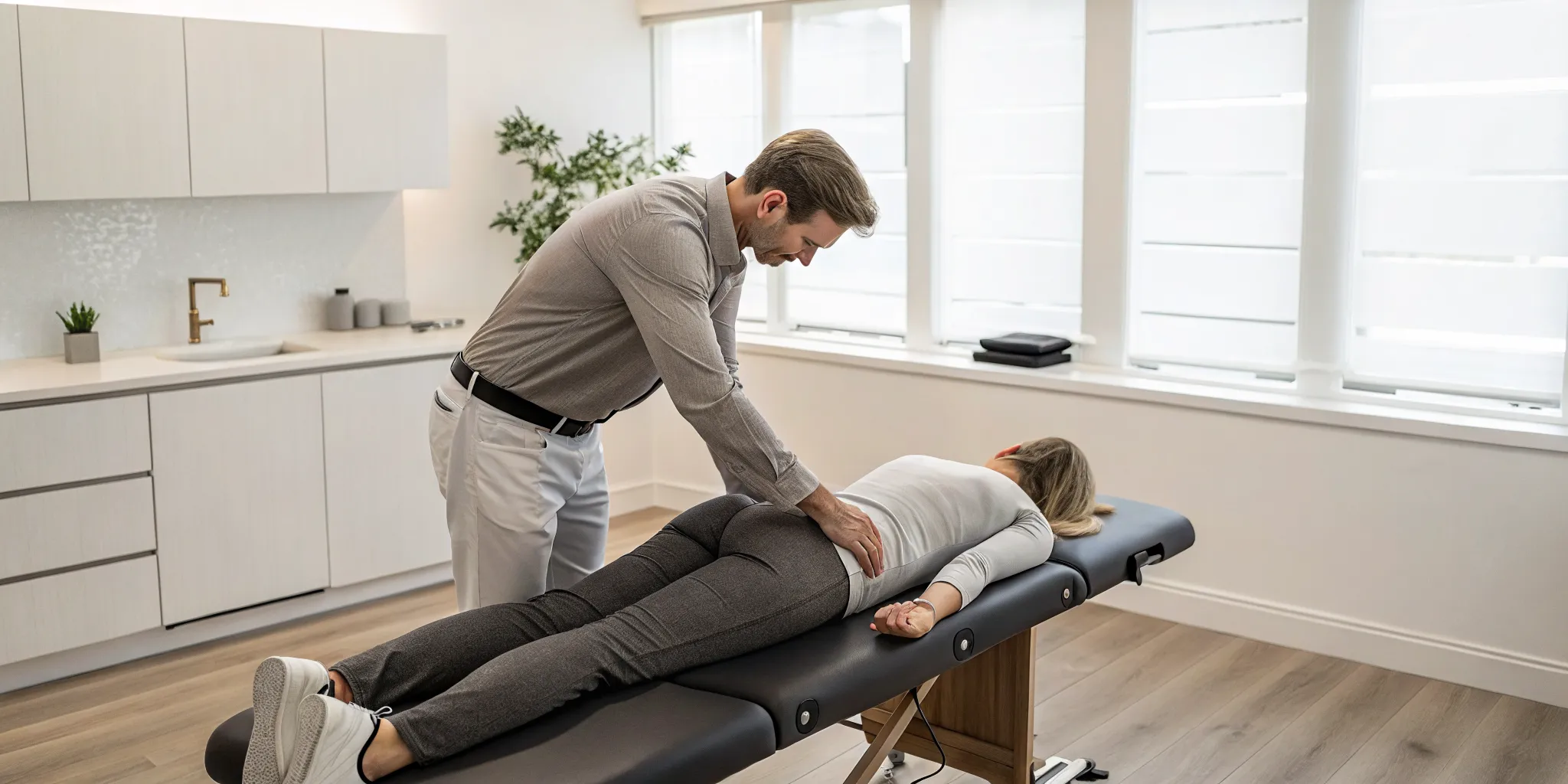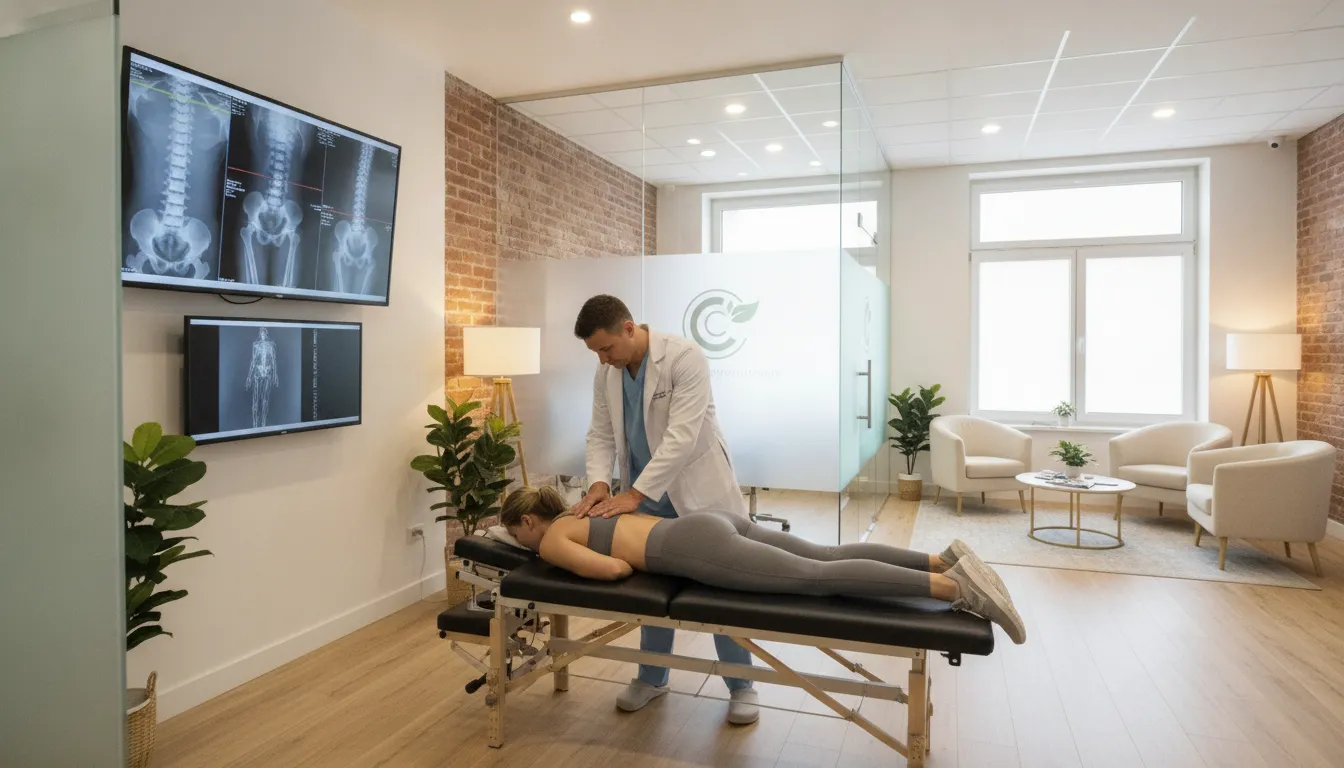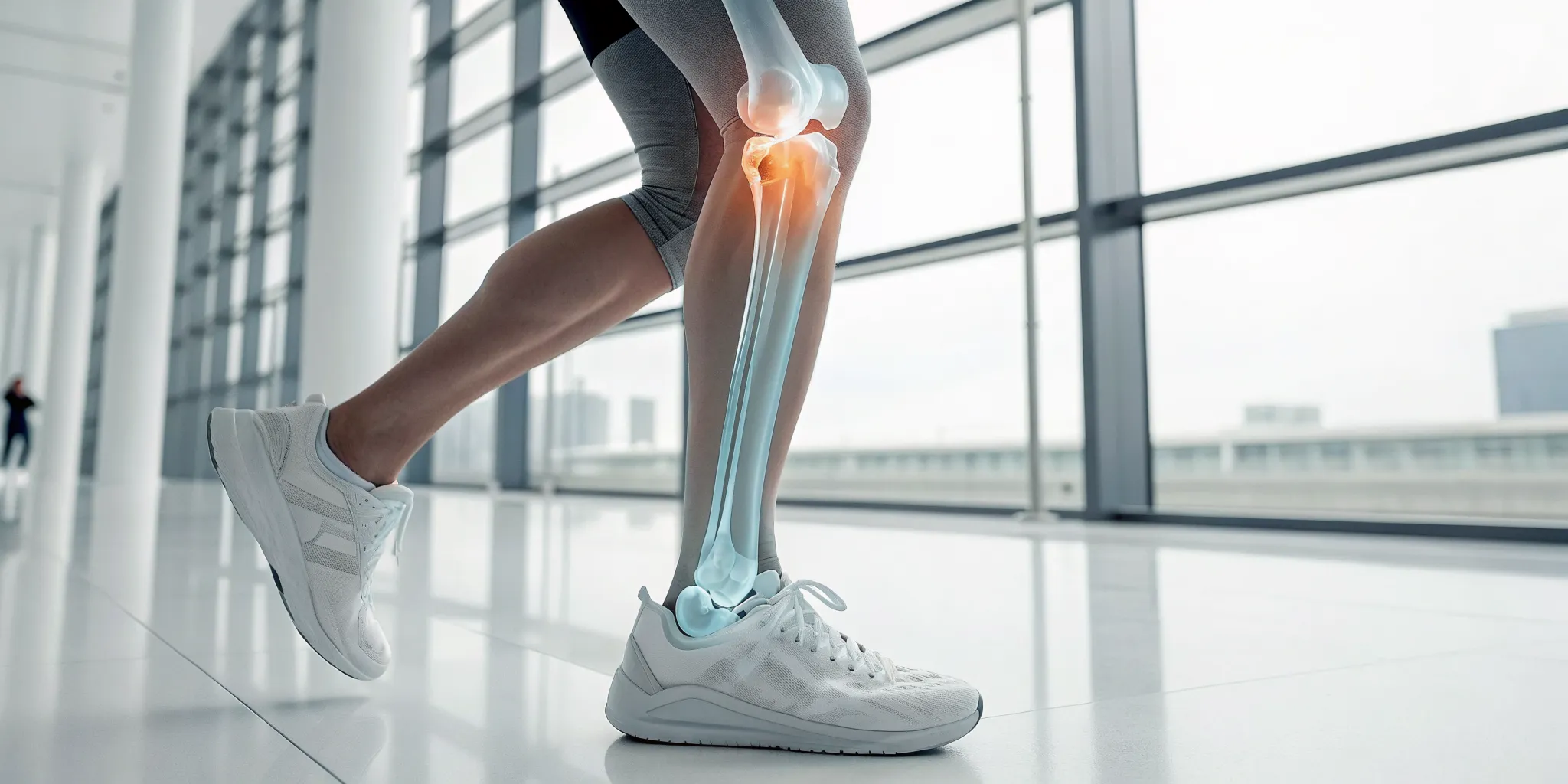
When an injury lingers for months, it can feel like your body has forgotten how to heal. You’ve rested, you’ve stretched, and you’ve tried all the conventional advice, yet that nagging pain in your heel, elbow, or shoulder remains a constant, unwelcome companion. This is often because the healing process has stalled, bogged down by poor blood flow and restrictive scar tissue. Shockwave therapy acts as a restart button for your body’s natural repair mechanisms. It uses targeted sound waves to break this cycle of chronic pain, making it a powerful tool for stubborn conditions. This approach is particularly effective as shockwave therapy for ligament injuries, helping to finally resolve the root cause of your discomfort.
Key Takeaways
- It restarts your body's natural healing: Shockwave therapy uses targeted sound waves to increase blood flow and stimulate cellular repair, prompting your body to address chronic injuries that have stopped healing on their own.
- It's a solution for stubborn pain: This treatment is most effective for long-term tendinopathies like plantar fasciitis, tennis elbow, and rotator cuff pain, especially when other methods have not provided lasting relief.
- Support the healing process after treatment: Expect some mild soreness after your session, but avoid common anti-inflammatory pain relievers. These can interfere with the very healing response the therapy is designed to create.
How Does Shockwave Therapy Work?
It might sound like something from a science fiction movie, but shockwave therapy is a straightforward and non-invasive treatment that uses the power of sound to encourage healing deep within your tissues. Instead of just masking discomfort, this approach aims to address the source of the problem by activating your body’s own remarkable ability to repair itself. It’s one of the key physical medicine tools we use to help people get back to living without nagging pain. Let’s look at how it all comes together.
The Science of Healing with Sound Waves
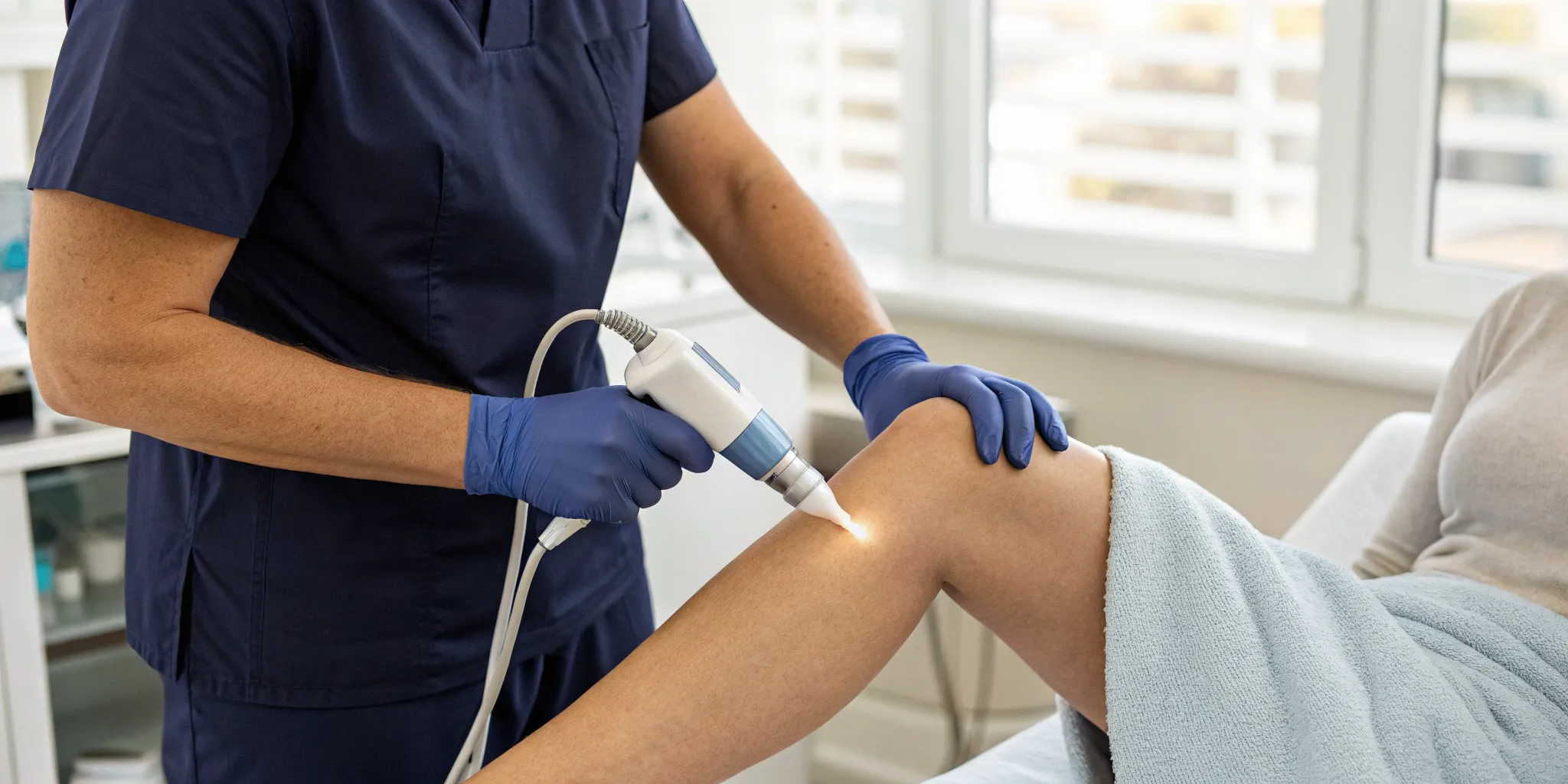
At its core, shockwave therapy uses a special device to send high-energy acoustic waves into an injured area of your body. Think of it like a highly targeted, deep-tissue massage. These sound waves penetrate the skin and travel to the damaged tendon or ligament, creating a ripple effect. This process increases blood circulation and metabolic activity around the site of your injury. This boost in blood flow brings more oxygen and nutrients to the area, which helps reduce discomfort and signals your body to kickstart its natural healing cascade.
Radial vs. Focused: What's the Difference?
You might hear the terms "radial" and "focused" when discussing shockwave therapy, and they simply refer to the two main types of treatment. Radial shockwave therapy uses lower-energy waves that spread out over a wider, more superficial area. This makes it a great option for larger muscle groups or injuries closer to the skin's surface. Focused shockwave therapy, on the other hand, uses higher-energy waves that can be precisely aimed at a specific point deeper within the body. The type of therapy recommended for you will depend on the specific conditions we treat and the unique nature of your injury.
Sparking Your Body's Natural Repair Process
The magic of shockwave therapy lies in its ability to create a biological response. The sound waves generate what’s known as controlled micro-trauma in the targeted tissue. This process essentially re-awakens a stalled or chronic healing process. Your body recognizes this new activity and responds by sending growth factors to the area, forming new blood vessels, and accelerating the repair of ligaments and tendons. It’s a way of prompting your system to do the work it’s designed to do, which aligns perfectly with our approach to healing that focuses on finding and addressing the root cause of your health concerns.
The Challenge of Healing Chronic Injuries
If you're dealing with an injury that just won't go away, you know how frustrating it can be. That nagging pain from an old sports injury or the persistent ache that limits your daily activities can feel like a constant battle. You rest, you stretch, you do everything you're "supposed" to do, but the problem lingers. This is the reality of a chronic injury. Unlike a fresh sprain that heals in a few weeks, these long-term issues often get stuck in a cycle of inflammation and dysfunction, making true recovery feel out of reach. Understanding why this happens is the first step toward finding a solution that finally works.
Why Poor Blood Flow and Scar Tissue Stall Recovery
One of the biggest reasons chronic injuries stick around is a combination of poor blood flow and scar tissue. When an area is repeatedly stressed or improperly healed, the body forms dense, fibrous scar tissue instead of healthy, flexible tissue. This can restrict movement and cause pain. At the same time, the blood vessels in the area can become compromised, reducing the flow of oxygen and nutrients that are essential for repair. It’s a frustrating cycle: the tissue can’t get what it needs to heal, so it stays weak and prone to reinjury. This is why our approach to physical medicine focuses on breaking this pattern by directly addressing these underlying roadblocks to recovery.
When Traditional Methods Don't Work
Many people who come to us have already tried a number of conventional treatments. Rest, ice, and physical therapy are often the first lines of defense, and they can be very effective for acute injuries. But when an injury has persisted for weeks or even months without improvement, it’s a sign that a different approach may be needed. For these stubborn tendinopathies and persistent ligament issues, we need a way to restart the healing process. When standard treatments haven't provided the relief you need, it doesn't mean you're out of options. It simply means your body needs a more targeted stimulus to get back on the right track and heal the specific conditions we treat every day.
Common Injuries Treated with Shockwave Therapy
Shockwave therapy is a versatile tool we use to address a variety of musculoskeletal conditions, especially those chronic issues that just won’t go away. It’s particularly effective for tendinopathies, which are injuries to the tough, flexible bands of tissue that connect your muscles to your bones. When these tendons become overused or injured, they can cause persistent pain and limit your movement. Here are some of the most common conditions that respond well to shockwave therapy.
Plantar Fasciitis and Achilles Tendinopathy
If you’ve ever felt that sharp, stabbing pain in your heel with your first steps in the morning, you know how disruptive plantar fasciitis can be. Similarly, Achilles tendinopathy can cause persistent pain and stiffness at the back of your ankle. These conditions often linger because the affected tendons have poor blood supply. Shockwave therapy directly addresses this by using sound waves to stimulate blood flow, break down restrictive scar tissue, and encourage the growth of new, healthy collagen. This process helps your body finally heal the underlying injury, providing lasting relief from foot and ankle pain.
Tennis Elbow and Golfer's Elbow
You don’t have to be a tennis player or a golfer to experience the nagging pain of these conditions. Tennis elbow (pain on the outside of the elbow) and golfer's elbow (pain on the inside) are often caused by repetitive motions from work or hobbies. When this pain becomes chronic, it’s a sign that the tendon isn’t healing properly on its own. Shockwave therapy is an excellent option for these long-lasting tendon problems. By targeting the injured area, it helps reduce pain and improve your elbow’s function, allowing you to get back to your daily activities without that constant ache. It's a key part of our physical medicine approach to restoring movement.
Patellar Tendinitis and Shin Splints
For many active people, knee pain from patellar tendinitis (also known as 'jumper’s knee') or the persistent ache of shin splints can be incredibly frustrating. These injuries often become chronic, stubbornly resisting traditional treatments like rest and ice. Shockwave therapy offers a promising solution, especially for these stubborn cases. It works by creating a controlled inflammatory response that kickstarts your body’s healing cascade. This helps repair the damaged tissue in your knee or shin, making it a powerful option when you feel like you’ve run out of other choices to manage your chronic pain.
Rotator Cuff Tendinopathy
Shoulder pain from rotator cuff tendinopathy can make simple tasks like reaching overhead or getting dressed feel impossible. This condition involves inflammation and damage to the tendons surrounding the shoulder joint, often leading to a limited range of motion and persistent discomfort. Shockwave therapy is commonly used to treat the rotator cuff by targeting the affected tendons with acoustic waves. This process helps reduce pain and inflammation while promoting tissue regeneration. By improving blood flow and stimulating cellular repair, it can significantly improve your shoulder’s function and help you regain your strength and mobility.
Key Benefits of Shockwave Therapy
If you're dealing with a nagging injury, you know how it can sideline you from the activities you love. The goal is always to get back to feeling like yourself, but the path there isn't always clear. Shockwave therapy offers some distinct advantages for healing chronic ligament and tendon injuries, helping you recover without invasive procedures or long-term medication. It’s a technology that works with your body, encouraging it to do what it does best: heal itself. Let’s look at some of the key benefits you can expect.
Find Relief Without Pills or Injections
When you’re in pain, it’s tempting to reach for a quick fix. But masking the pain doesn’t address the underlying injury. Shockwave therapy offers a different approach. It’s a non-invasive treatment, meaning it doesn't involve needles or going under the knife. Instead, it uses targeted sound waves to stimulate healing directly at the source of your pain. This makes it an excellent option for anyone looking to avoid the side effects of long-term pain medication or the discomfort of injections. By focusing on true healing, it provides a path toward lasting relief for many of the conditions we treat without creating dependency on other treatments.
Speed Up Tissue Repair and Rebuild Strength
Chronic injuries often linger because the damaged area isn't getting what it needs to heal, usually due to poor blood flow and stubborn scar tissue. Shockwave therapy directly counters this. The high-energy sound waves create a therapeutic effect that increases circulation and wakes up dormant healing factors in your tissue. Think of it as a signal that calls your body’s natural repair crew to the scene. This process helps break down scar tissue and stimulates the formation of new, healthy tissue, effectively rebuilding the area to be stronger and more resilient. It’s a core component of our physical medicine approach, designed to restore function from the inside out.
Get Back to Moving Freely
The ultimate goal of any treatment is to get you back to your life, whether that means running, playing with your kids, or just moving through your day without pain. Because shockwave therapy accelerates your body's own healing process, many people feel a noticeable improvement in pain and mobility relatively quickly. While the full healing process takes time, it’s not uncommon for patients to experience significant relief after just a few sessions. This can be incredibly motivating and helps you stay active in your recovery. Hearing from others who have found success can be powerful, and we love sharing our patient testimonials with those looking for hope.
A Solution for Stubborn, Long-Term Pain
Have you ever felt like you’ve tried everything for an injury that just won’t quit? That’s where shockwave therapy truly shines. It is particularly effective for chronic tendinopathies and other persistent injuries that have stopped responding to traditional methods. Conditions like plantar fasciitis, tennis elbow, and rotator cuff tendinopathy can be incredibly frustrating because the tissue gets "stuck" in a cycle of inflammation and incomplete healing. Shockwave therapy is designed to break that cycle. It provides the catalyst needed to restart the healing process, making it a powerful solution for long-term pain that has otherwise been difficult to resolve. Our entire approach to healing is built on finding and fixing the root cause, and this therapy is a perfect example of that philosophy in action.
Your First Shockwave Therapy Session: What to Expect
Walking into any new treatment can feel a little uncertain, but knowing what’s ahead can make all the difference. We want you to feel comfortable and confident from the moment you step into our office. A shockwave therapy session is a straightforward and relatively quick process designed to target your pain at its source and get you on the road to recovery. Our team will be with you every step of the way, explaining the process and making sure you feel at ease.
A Step-by-Step Look at the Process
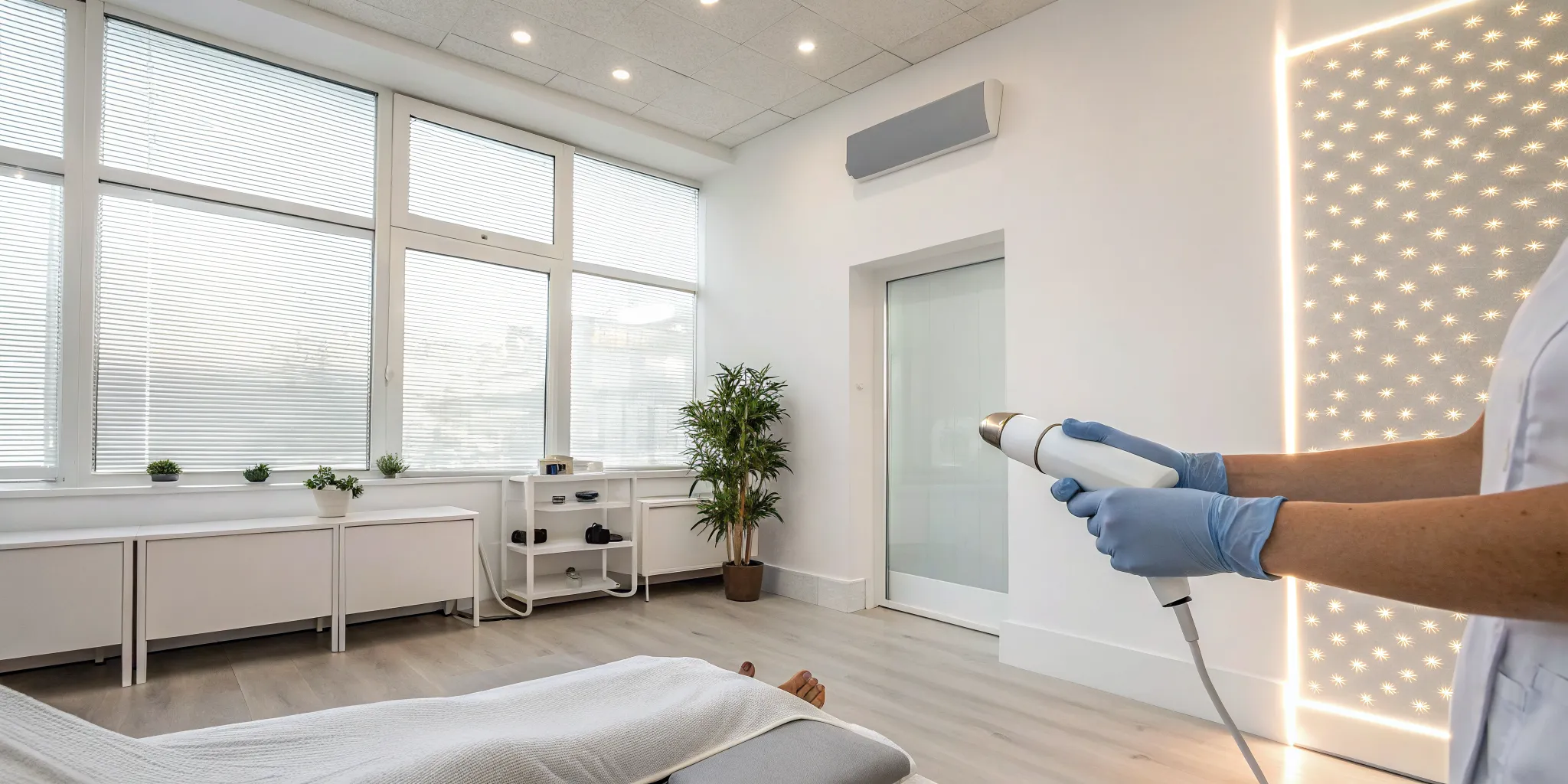
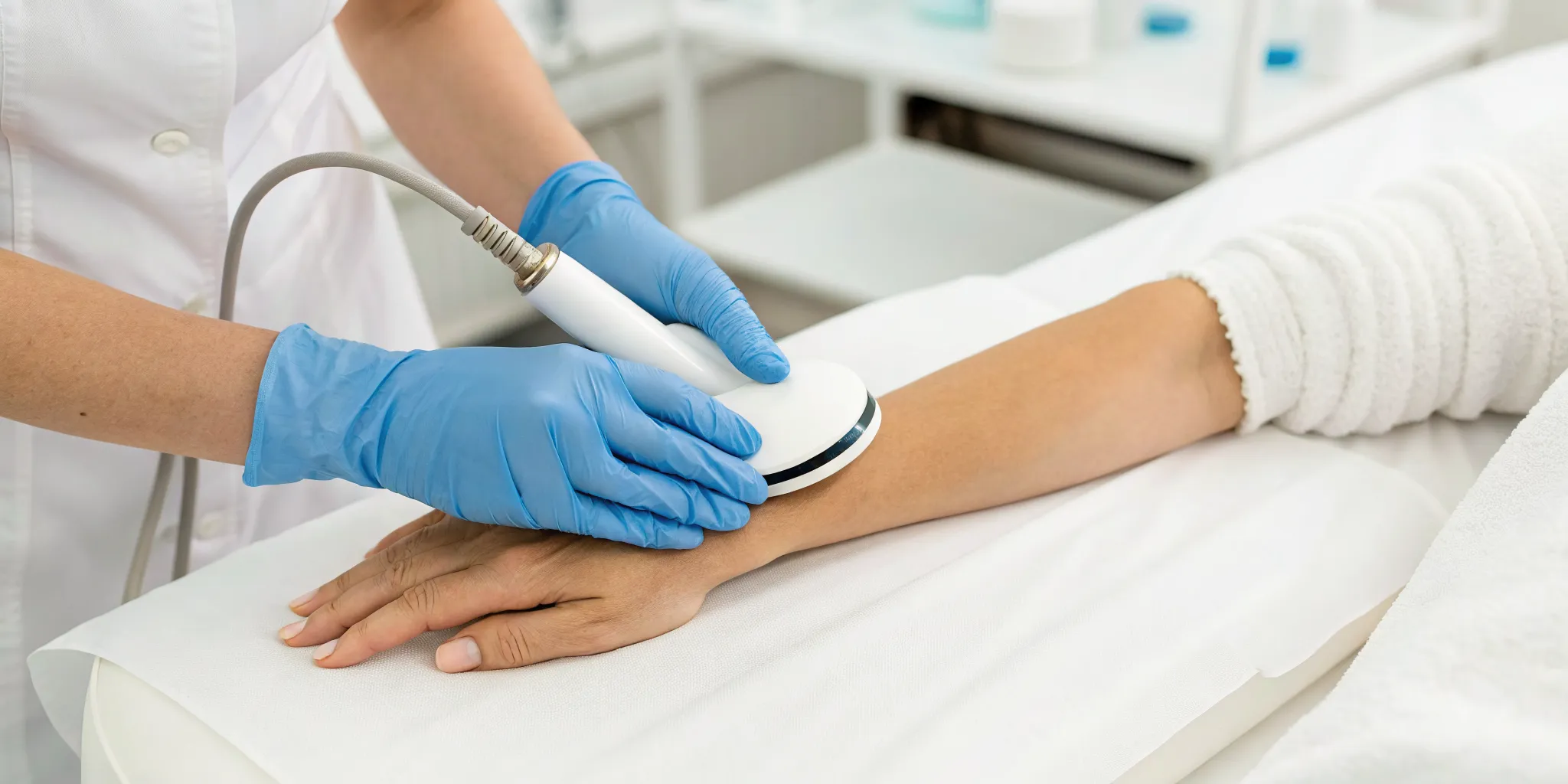
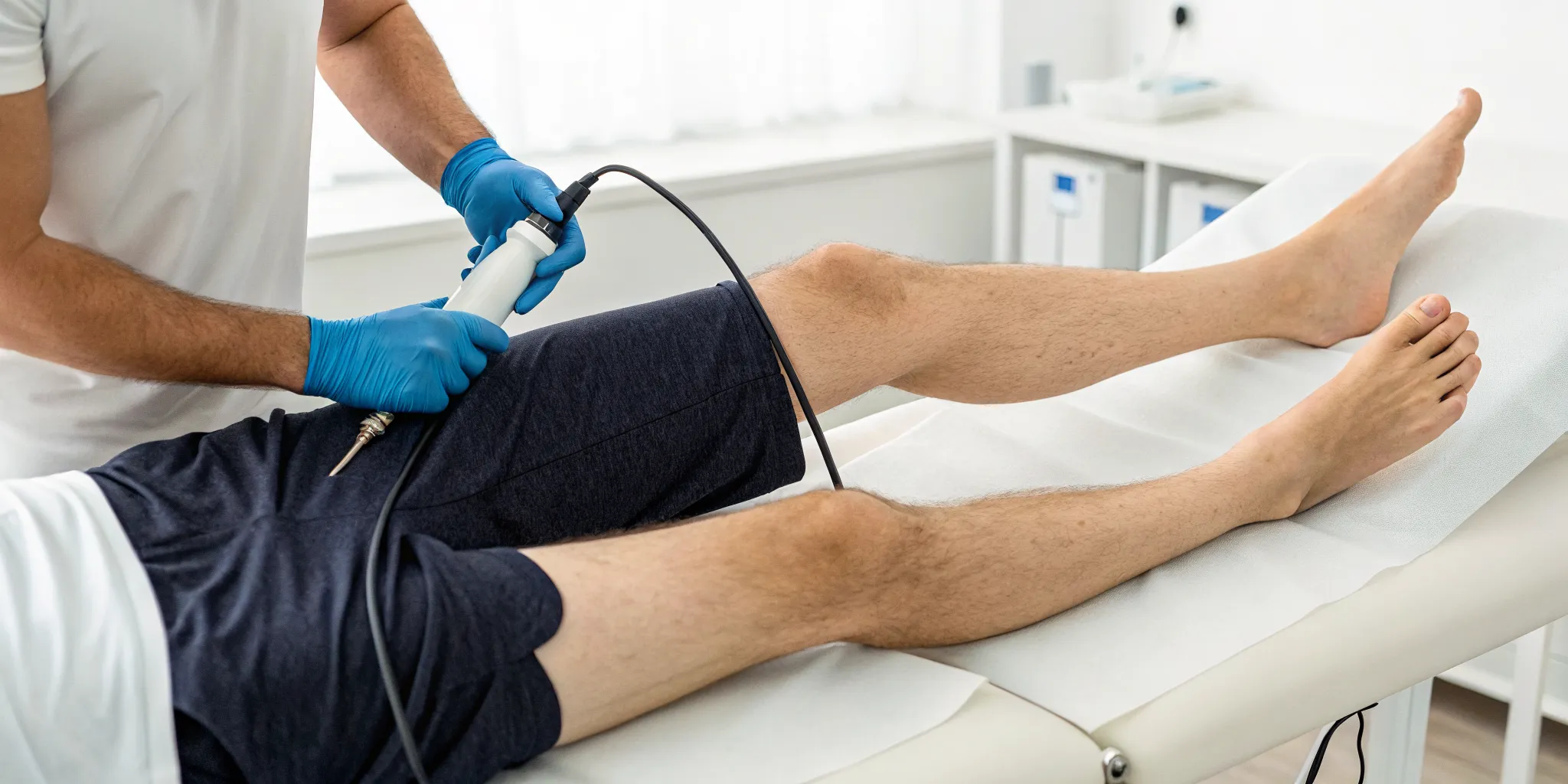
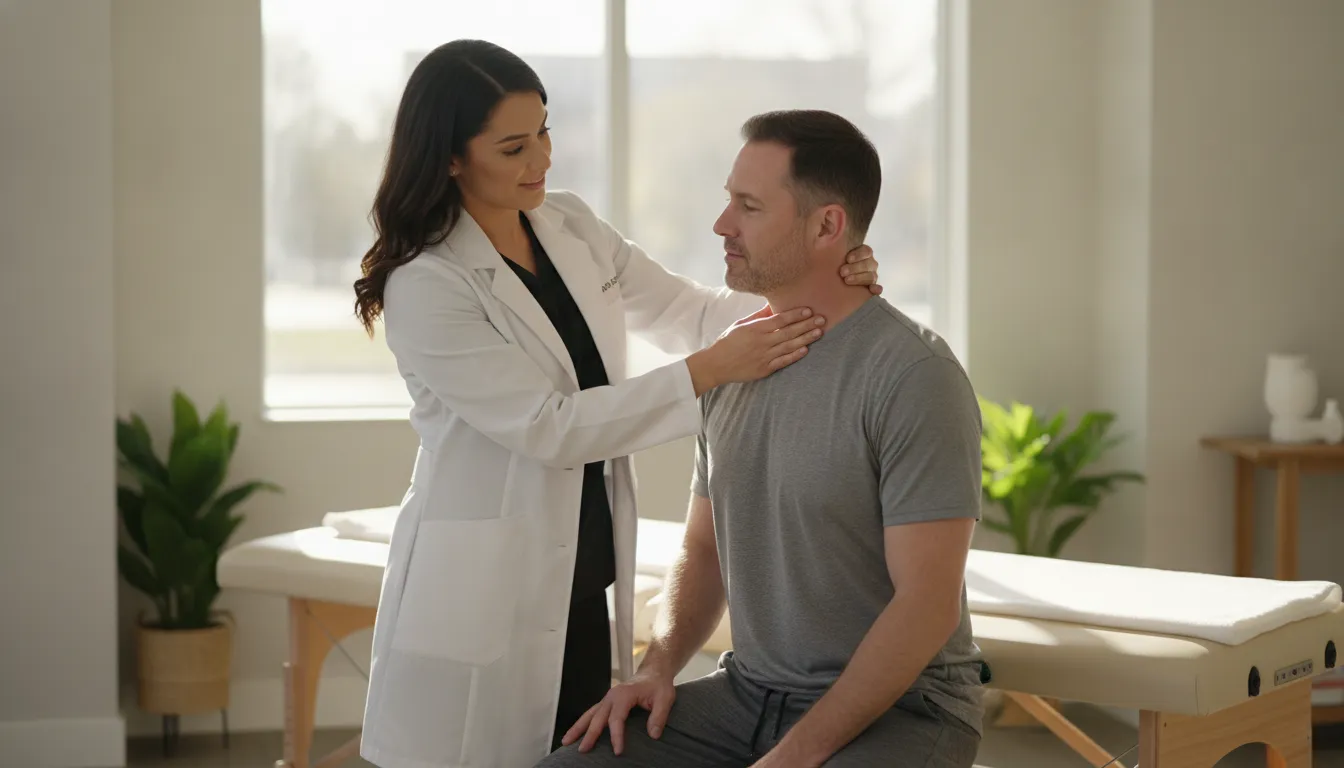
First, your clinician will locate the area that needs treatment. We’ll apply a gel to your skin, which helps the sound waves transfer more effectively to the tissue below. Then, we’ll use a handheld device, placing it against the targeted area. You’ll hear a clicking sound and feel a tapping or pulsing sensation as the device sends acoustic waves into the injured tissue. Some people feel a bit of discomfort, especially if the area is close to a bone, but the intensity is adjustable. We’ll communicate with you throughout the session to ensure the treatment is both effective and manageable for you.
How Long Will a Session Take?
One of the best parts of shockwave therapy is how quickly it can be done. An actual treatment session usually takes between 10 and 20 minutes, depending on the area we’re addressing. This makes it a convenient option that you can easily fit into your day. Your first appointment may be a little longer to allow for a thorough assessment and to make sure all your questions are answered. Our goal is to provide effective physical medicine solutions that respect your time and get you back to your life with less pain.
Determining Your Treatment Plan
Shockwave therapy is not a one-size-fits-all solution. Your specific treatment plan will be tailored to you, your injury, and your healing goals. This therapy is highly effective for chronic tendinopathies and other stubborn injuries that haven't responded to traditional methods. We often use it for many of the conditions we treat, including plantar fasciitis, tennis elbow, jumper's knee, and rotator cuff pain. Most people need a series of sessions, typically spaced about a week apart, to achieve the best results. We’ll work with you to create a personalized plan to help your body heal.
Life After Your Treatment
Finishing your shockwave therapy session is the first major step toward healing. Now, the focus shifts to supporting your body as it begins its natural repair process. Knowing what to expect and how to care for the treated area will help you get the most out of your treatment and ensure a smooth, effective recovery. Your active participation in this phase is key to achieving long-lasting relief.
Understanding Post-Treatment Soreness
It’s completely normal to feel some soreness in the treated area after your session. Think of it as a sign that your body is getting to work. Our approach to physical medicine uses methods like shockwave therapy to create a controlled inflammatory response, which is the first step in your body’s natural healing cascade. This process brings increased blood flow and growth factors to the site of your old injury, kicking off the repair of damaged tissue. So, while it might feel a bit tender, that soreness is actually a positive signal that the healing you’ve been waiting for has begun. The sensation is usually mild and temporary, fading within a day or two as your body adapts.
An Important Note on Post-Treatment Care
Here’s a crucial tip for a successful recovery: please avoid taking anti-inflammatory medications like ibuprofen or naproxen. While it might seem like a good idea to reduce soreness, these can actually slow down the healing process that shockwave therapy initiates. The therapy works by stimulating your body's inflammatory response to repair the chronic conditions we treat, and certain over-the-counter relievers block that very mechanism. Interfering with this process can limit the effectiveness of your treatment. If you're feeling uncomfortable, it's best to stick to simple measures like rest and follow the specific guidance provided by your practitioner at Ascend Functional Health.
Tips for a Smooth Recovery
Your body is now in active repair mode, and you can support this process with a few simple steps. Remember, shockwave therapy is an outpatient treatment, so you can return to your daily activities right away. We generally recommend avoiding strenuous exercise for the first 24 to 48 hours to give the area a chance to respond. Gentle movement is often fine, but listen to your body. Staying well-hydrated and eating nutritious foods can also provide your tissues with the building blocks they need to rebuild. The positive effects of this therapy are designed to be long-lasting, so giving your body this initial support helps set you up for a successful, long-term recovery. If you have any questions about your specific recovery plan, please don't hesitate to contact our team.
Is Shockwave Therapy Safe?
It's completely normal to have questions about the safety of any new treatment. The good news is that shockwave therapy is a non-invasive approach with a strong safety record. Complications are quite rare, and the procedure is designed to work with your body's own healing mechanisms, not against them.
Of course, safety starts with a thorough understanding of your unique health situation. That's why a proper assessment by a qualified practitioner is the essential first step. Before beginning any treatment, we take the time to review your health history and the specifics of your injury to make sure this is the right path for you. This ensures you can feel confident and informed as you move forward.
Potential Side Effects to Know
Like with many treatments that stimulate the body's healing response, you might notice a few minor effects after your session. Most people experience some temporary soreness, mild redness, or even a little swelling or bruising in the treated area. Think of it as a sign that your body is getting to work, increasing blood flow and starting the repair process.
These side effects are completely normal and typically fade on their own within a few days. It’s a world away from the long recovery times or side effects associated with more invasive procedures. Our team at Ascend Functional Health provides comprehensive physical medicine services and will guide you on what to expect and how to manage any discomfort as your body heals.
Who Isn't a Candidate for This Treatment?
While shockwave therapy is beneficial for many, it isn't the right fit for everyone. Your safety is our top priority, so we carefully screen for any conditions that might make the treatment unsuitable. For example, this therapy is not recommended for pregnant women or for individuals with certain health conditions.
These include having a blood clotting disorder, taking blood-thinning agents, having nerve damage related to diabetes, or having an active infection in the treatment area. It's also not used on children whose bones are still growing. A detailed consultation allows us to confirm if you are a good candidate and to create a personalized plan that aligns with your health needs. If you have questions about your specific situation, we encourage you to contact us to discuss your options.
Could Shockwave Therapy Be Your Answer?
If you’re dealing with a nagging ligament or tendon injury that just won’t quit, you’ve probably tried a lot of different things to find relief. When rest and traditional therapies don’t seem to make a dent, it’s easy to feel stuck. This is where shockwave therapy comes in. It’s a modern, non-invasive treatment that uses high-energy sound waves to address painful tendon issues at their source. Think of it as a way to restart your body’s own healing mechanisms.
The science behind it is straightforward: the acoustic waves create a therapeutic effect in the tissue, which helps to improve blood flow and stimulate the metabolic activity of your cells. This process encourages the body to repair damaged tissue and can significantly reduce pain. For many people struggling with chronic conditions, it’s a way to support healing without resorting to more intensive procedures. It’s a safe and effective option that works with your body, not against it, to get you back on your feet.
Are You a Good Candidate?
You might be a great candidate for shockwave therapy if you have an injury that has lingered for more than a month or two. It’s often recommended for people who have tried standard treatments, like physical therapy or stretching, without seeing the results they hoped for. If you’re frustrated by a persistent injury that keeps you from living your life to the fullest, this could be a path forward.
This therapy is especially effective for stubborn tendinopathies and ligament injuries that are notoriously difficult to heal. Because it targets the specific area of concern, it can address the underlying issues that prevent recovery. We see it help with a wide range of conditions we treat, giving people a way to finally move past the pain.
Our Approach to Healing in Tampa
At Ascend Functional Health, we see shockwave therapy as a powerful tool within our broader approach to wellness. We don’t just treat symptoms; we look for the root cause of your discomfort. This treatment fits perfectly into our physical medicine pillar, as it’s a non-invasive therapy that stimulates your body’s innate ability to heal itself. We use focused shockwave therapy to reduce pain, improve function, and help you rebuild strength.
Our team in Tampa creates personalized protocols for every person who walks through our doors. We integrate shockwave therapy with other supportive treatments to ensure you get comprehensive care that addresses your unique situation. Our goal is to help you find lasting relief and get back to moving freely and confidently. If you’re curious to learn more, we’d love to start a conversation about your health goals.
Related Articles
- SoftWave Tissue Regeneration Therapy in Tampa | Alessi Functional Health
- SoftWave TRT Therapy in Tampa, FL - Alessi Functional Health
- Regenerative Medicine for Pain Recovery | Ascend Functional Health
- What Is Graston Technique Therapy? A Beginner's Guide
- What Is Soft Tissue Therapy? A Complete Guide
Frequently Asked Questions
What does shockwave therapy actually feel like? Most people describe the sensation as a strong, rhythmic tapping or pulsing against their skin. During the session, which is quite short, your clinician will move a handheld device over the injured area. You may feel some discomfort when the device passes over the most sensitive spots, but the intensity is completely adjustable to your tolerance. We will communicate with you the entire time to ensure the treatment is both effective and manageable.
How many treatments will I need before I notice a difference? This is a great question, and the answer is unique to you. Your treatment plan is personalized based on your specific injury, how long you've had it, and how your body responds. Generally, many people start to feel a significant reduction in pain after just two or three sessions. A full course of treatment typically involves a series of weekly appointments to give your tissue the consistent signal it needs to repair itself fully.
Why should I avoid pain relievers like ibuprofen after my treatment? This is a crucial part of making your treatment successful. Shockwave therapy works by creating a controlled inflammatory response, which is your body’s natural signal to begin repairing tissue. Common anti-inflammatory medications (like ibuprofen or naproxen) are designed to block that exact signal. Taking them can interfere with the healing process we are trying to start, making the treatment less effective. The soreness you feel is a sign that your body is getting to work.
Is this only for old injuries, or can it help with a new one? Shockwave therapy truly excels when it comes to chronic, stubborn injuries that have stopped healing on their own. It’s designed to restart a stalled repair process, which is why it’s so effective for tendinopathies and other issues that have lingered for months or even years. For a brand new, acute injury, rest and other initial therapies are often the first step. Shockwave becomes a powerful option when those initial efforts haven't led to a full recovery.
How do I know if shockwave therapy is the right choice for me? The best way to find out is through a thorough consultation. This therapy is a fantastic solution for many people, but it isn't the right fit for every person or every injury. A detailed assessment allows us to understand your health history and the root cause of your pain. From there, we can determine if you are a good candidate and create a personalized plan that gives you the best chance for lasting relief.