Recovery can become harder to understand when persistent soreness, lower energy, recurring aches, or reduced function appear together. A single symptom may not explain the full picture. Especially for active adults in Tampa Bay who have already tried general strategies and still do not feel like themselves.
Recovery optimization is a personalized process for understanding the physical, functional, and regenerative factors that may influence how you feel and perform. At Ascend Functional Health, an evaluation may consider movement and structural findings, health history, digestion, hormones, laboratory data, and other case-specific information before discussing appropriate next steps.
This is not a promise of a particular outcome or a one-size-fits-all protocol. It is a framework for asking better questions, connecting relevant findings, and matching recommendations to your history, goals, and clinical needs. The process starts by clarifying what recovery means for you and which parts of your health may deserve a closer look.
Contact Ascend to discuss your recovery goals and next steps.
What Does Recovery Optimization Mean for Your Health?
Recovery optimization is an individualized way to understand how your body is responding to physical, functional, and lifestyle demands. It looks beyond a generic workout checklist to consider your history, current goals, persistent patterns, and possible contributing factors before discussing appropriate next steps.
Short-term recovery habits can still matter. Sleep, hydration, nourishing meals, mobility, and planned rest may support day-to-day resilience. However, these habits do not explain every lingering ache, energy change, digestive concern, or shift in performance. If a pattern continues despite reasonable adjustments, a closer clinical conversation may help clarify what deserves attention.
From isolated symptoms to useful context
A recovery-focused evaluation does not assume that one symptom has one cause. For an active adult, recurring soreness may need to be considered alongside movement patterns, strength, prior injuries, training demands, and sleep. For someone dealing with fatigue or several unresolved concerns, the discussion may also include digestive health, nutrition context, hormone health, or other aspects of overall function.
At Ascend Functional Health, the three care pillars provide complementary evaluation lenses. Physical Medicine may address structural and movement-related factors. Functional Medicine may help organize health history and, when appropriate, lab-informed questions. Regenerative Medicine may be discussed when a clinician determines that a listed modality fits the individual's findings and goals. These are not automatic treatments or a preset sequence.
| Evaluation lens | What it may help explore | Examples of case-dependent next steps |
|---|---|---|
| Physical Medicine | Movement, structure, posture, mobility, and function | Movement screening, posture analysis, or structural care discussion |
| Functional Medicine | Health history, digestion, energy, hormones, and lab context | History review, nutrition discussion, or selected laboratory testing |
| Regenerative Medicine | Whether an advanced modality fits the findings and goals | Discussion of appropriate options, alternatives, and expectations |
What an individualized process may include
The starting point is a clear account of what has changed, how long the pattern has been present, what affects it, and what you want to improve. Depending on the situation, assessment may include movement or range-of-motion screening, posture analysis, orthopedic or neurological evaluation, muscle-strength testing, or selected laboratory testing. The purpose is not to order every possible test. It is to gather relevant information that can support a more informed discussion.
- Describe the change in recovery, including timing, activities, and goals.
- Review relevant history, movement findings, daily patterns, and prior results.
- Discuss which next steps fit the findings, priorities, and clinical context.
Recovery optimization therefore means making decisions in context rather than chasing a universal protocol. Recommendations depend on your history, findings, and goals, and should be discussed with a qualified clinician who can evaluate your individual situation.
Which Physical Factors Can Affect Recovery?
Movement quality, joint mobility, strength, posture, and recurring physical symptoms can all shape how a clinician understands your recovery. A careful assessment looks at how your body functions as a whole rather than assuming one isolated symptom explains every concern.
Physical factors may influence recovery conversations because they affect how you move, load tissues, and respond to everyday demands. A limited range of motion can change movement patterns. Reduced strength may make ordinary activities feel more demanding. Postural changes can also affect how the spine, hips, shoulders, or other regions are assessed. These observations do not establish a diagnosis by themselves, but they can help a clinician decide which questions require closer attention.
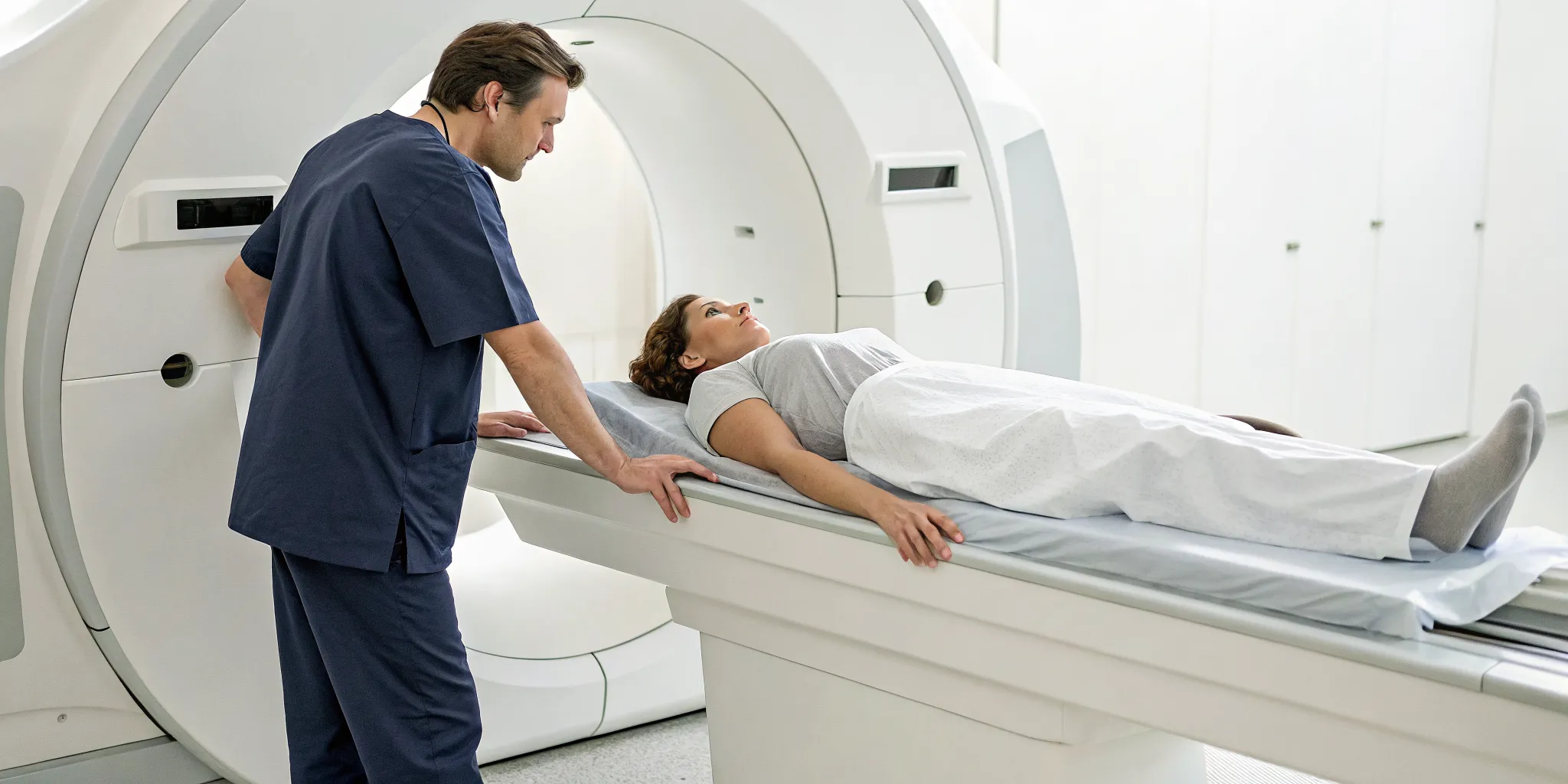
An evaluation may begin with your history, goals, and recurring symptoms. The clinician may then consider range-of-motion testing, functional movement screening, orthopedic and neurological evaluation, or muscle-strength testing, depending on the situation. These assessments can provide context about mobility, coordination, balance, and functional capacity. The purpose is not to label every variation as a problem. It is to identify relevant patterns and determine whether further evaluation is appropriate.
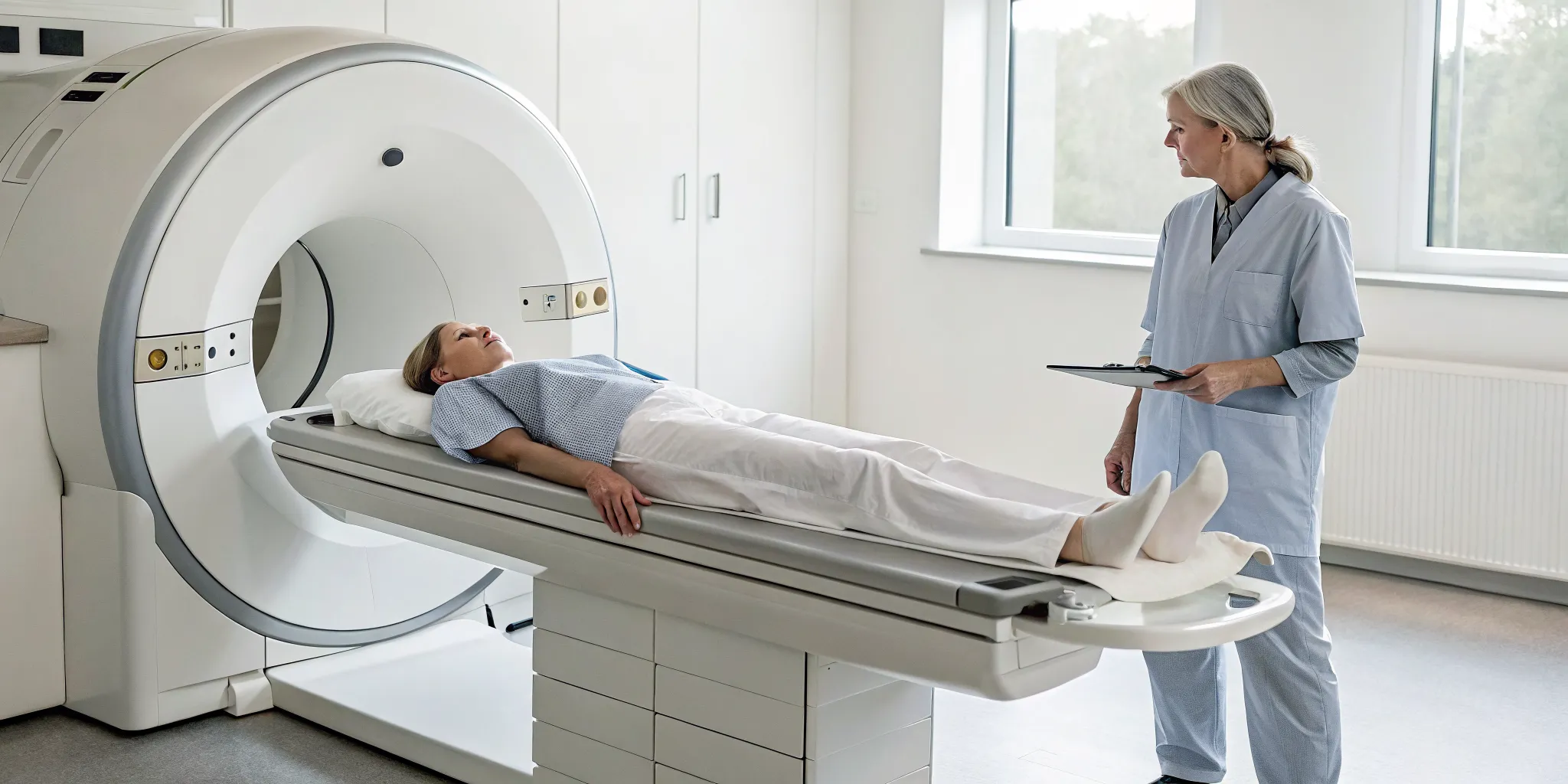
Posture and structural alignment may also be part of the discussion. When clinically indicated, digital X-ray or posture analysis can add another type of information to the assessment. These tools are case-dependent and do not replace a conversation about symptoms, activities, prior injuries, health history, or personal goals. A useful recovery plan should reflect the full picture, not just one image or test result.
Recurring aches, stiffness, movement limitations, or changes in strength may be worth bringing to a qualified clinician. Especially when they continue to affect work, exercise, sleep, or daily routines. That does not mean the symptom has a single physical cause. Recovery discussions may also include functional or regenerative factors when the history and findings support a broader review.
Ascend's Physical Medicine services use structural and movement-focused approaches as one part of a personalized evaluation. Recommendations depend on the individual's history, examination findings, and goals, so an assessment is more appropriate than selecting a modality based on a symptom alone.
How Can Functional Medicine Support Recovery Optimization?
Functional Medicine can add useful context when recovery concerns persist by looking beyond a single symptom or performance goal. A clinician may review your history, daily patterns, nutrition, digestion, hormone-related concerns, energy, and selected lab findings to help clarify which factors deserve closer attention.
Recovery is influenced by more than activity alone. During an evaluation, you may be asked about changes in sleep, appetite, digestion, stress, energy, exercise tolerance, and the time it takes to feel ready for normal activities. Your medical history, current treatment or supplement use, nutrition habits, and previous test results can also help shape the conversation. This broader context matters when several concerns overlap or when a person has tried general recovery strategies without understanding why the issue continues.
Nutrition is one possible area of review. The goal is not to prescribe a universal eating plan, but to understand whether daily intake. Meal timing, hydration patterns, or food-related symptoms may be relevant to your goals and overall health. Gut health may also enter the discussion when bloating, irregular bowel habits, food reactions, or other digestive changes occur alongside fatigue or difficulty maintaining normal activity. These concerns do not identify a diagnosis by themselves, but they can provide useful information for a clinician assessing the whole picture.
Hormone and energy concerns may be considered in the same individualized way. Depending on your history and symptoms, a clinician may discuss whether thyroid function, sex-hormone patterns, or other factors warrant evaluation. Possible laboratory options can include a CBC or comprehensive metabolic panel, thyroid or hormone panels, GI-MAP stool analysis, DUTCH testing, organic-acid testing, food-sensitivity panels, or micronutrient analysis. These are case-dependent options, not universal tests, and testing should be selected based on the person's history, findings, and goals.
That approach helps keep recovery optimization grounded in assessment rather than assumptions. Ascend's functional medicine evaluation may be one part of a broader plan that also considers physical function and other relevant factors. Recommendations should be discussed with a qualified clinician, especially when symptoms are persistent, changing, or affecting daily life.
When Might Regenerative Medicine Be Part of the Conversation?
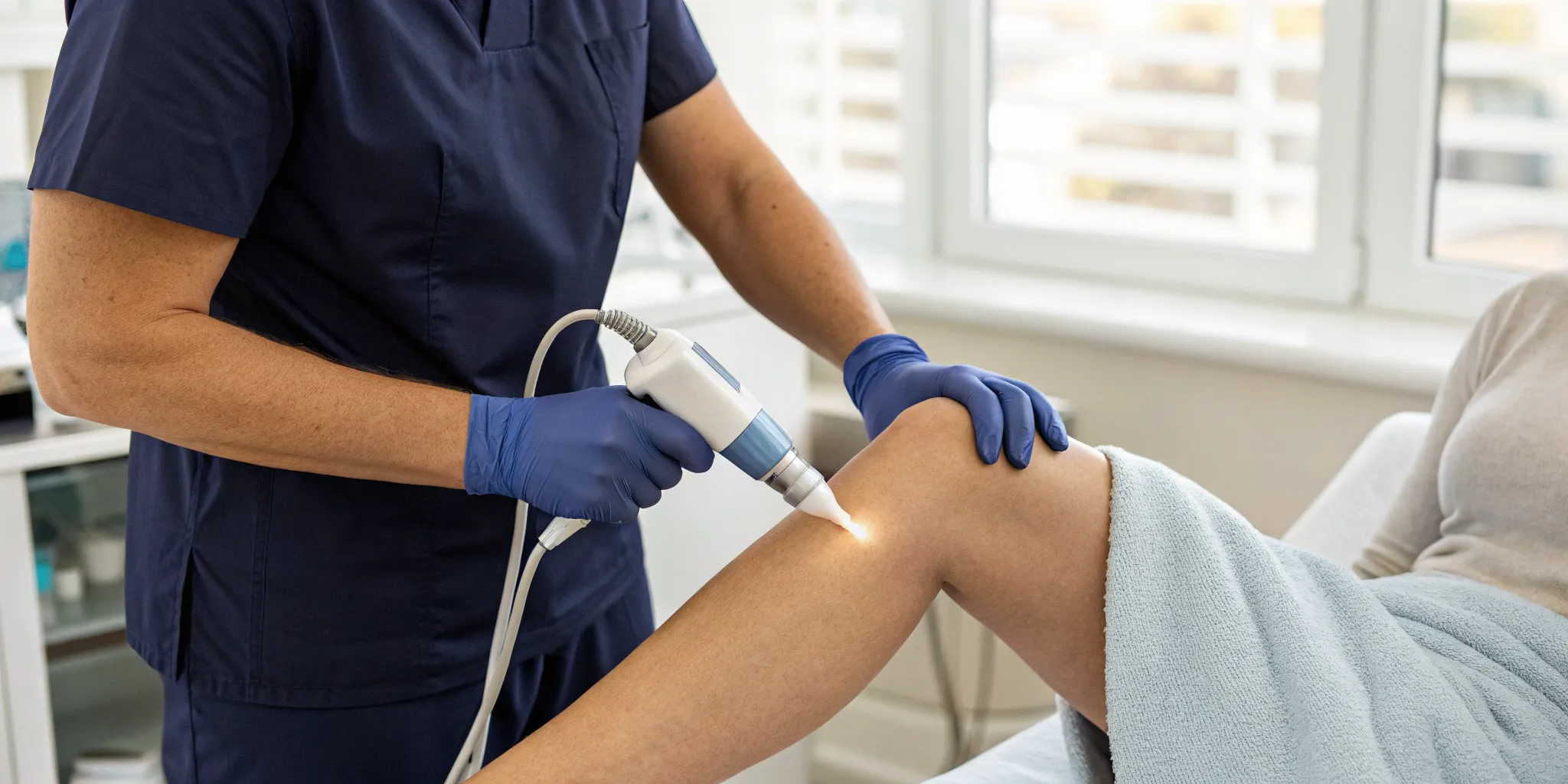
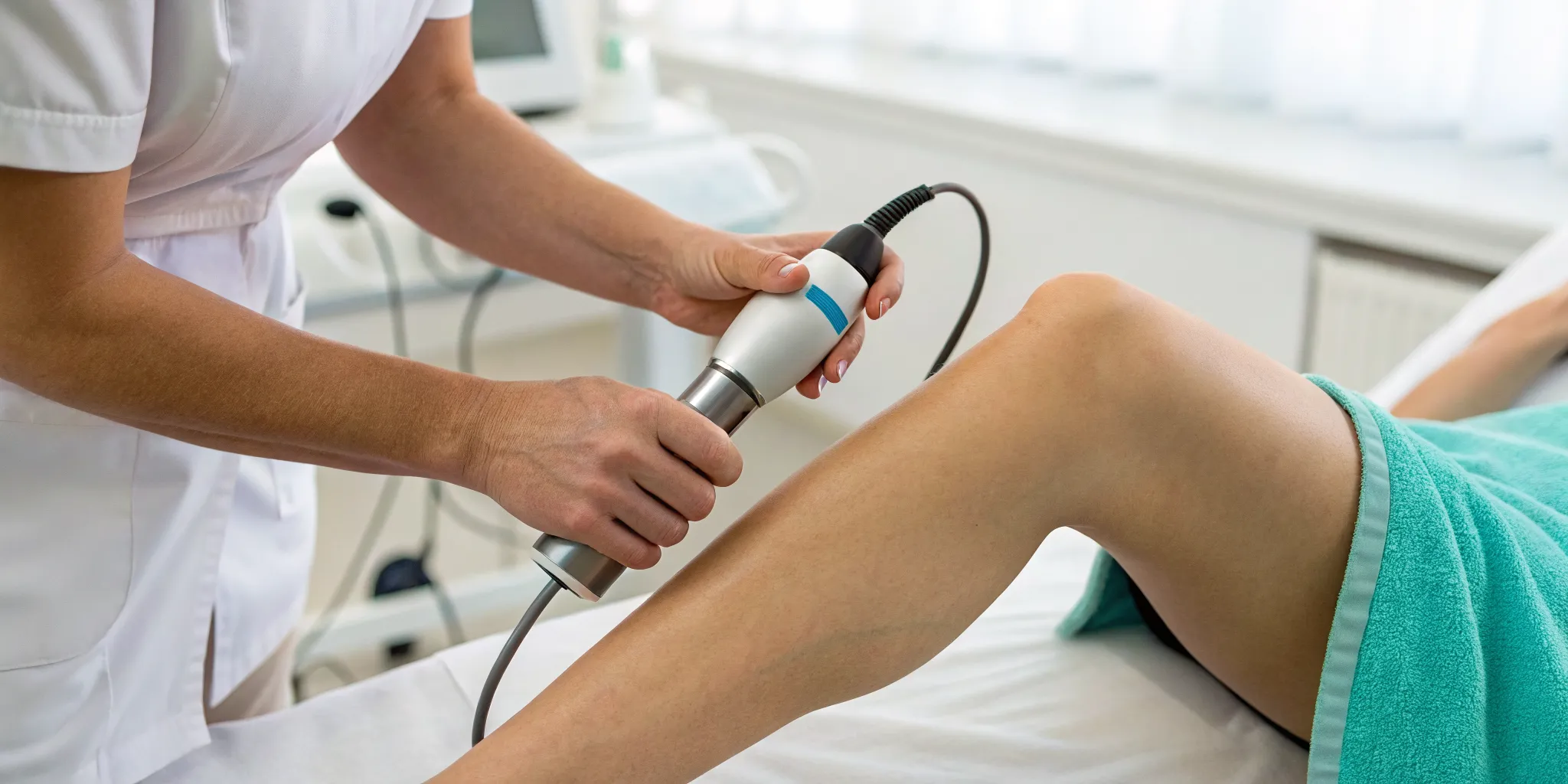
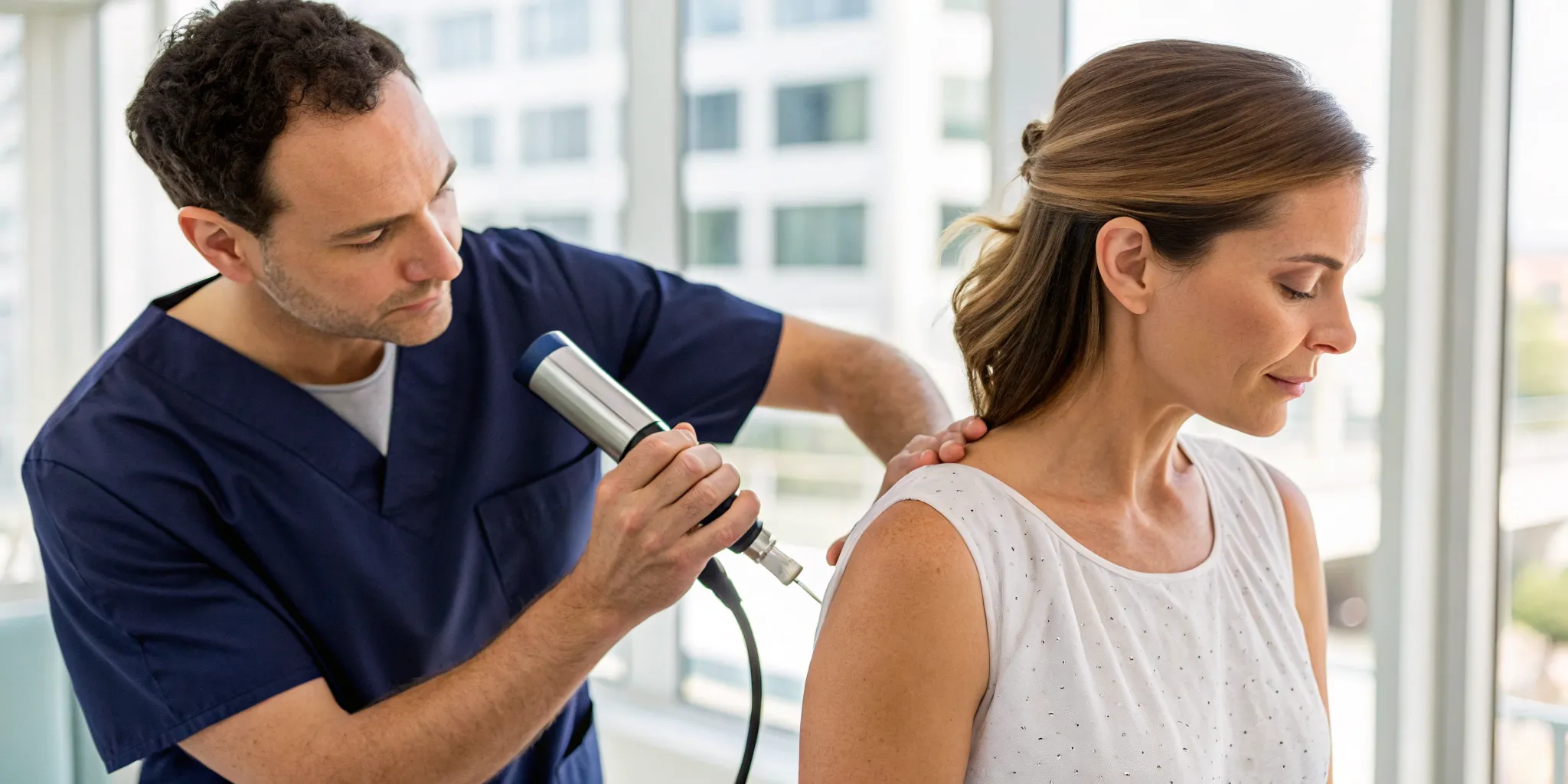
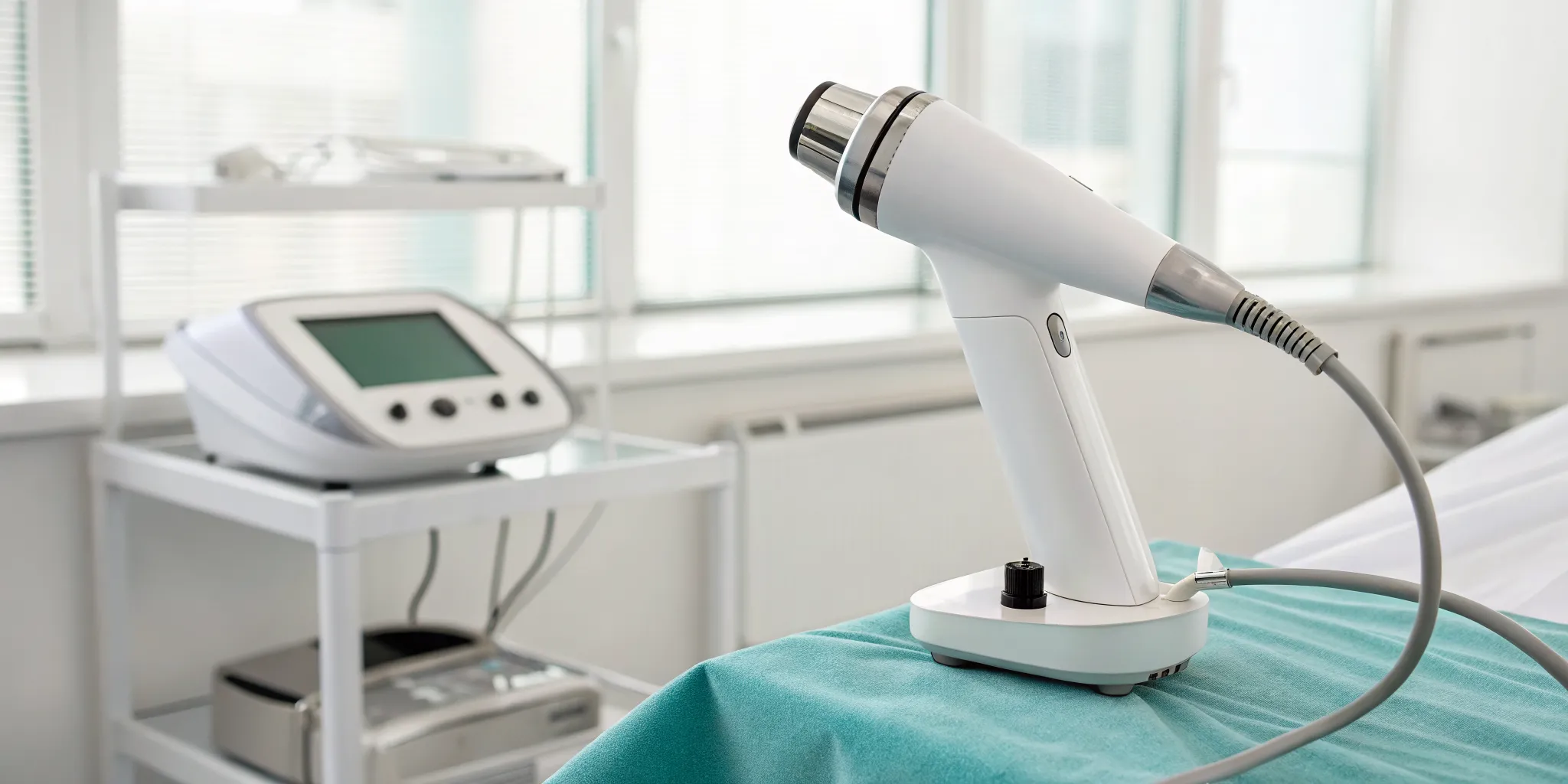
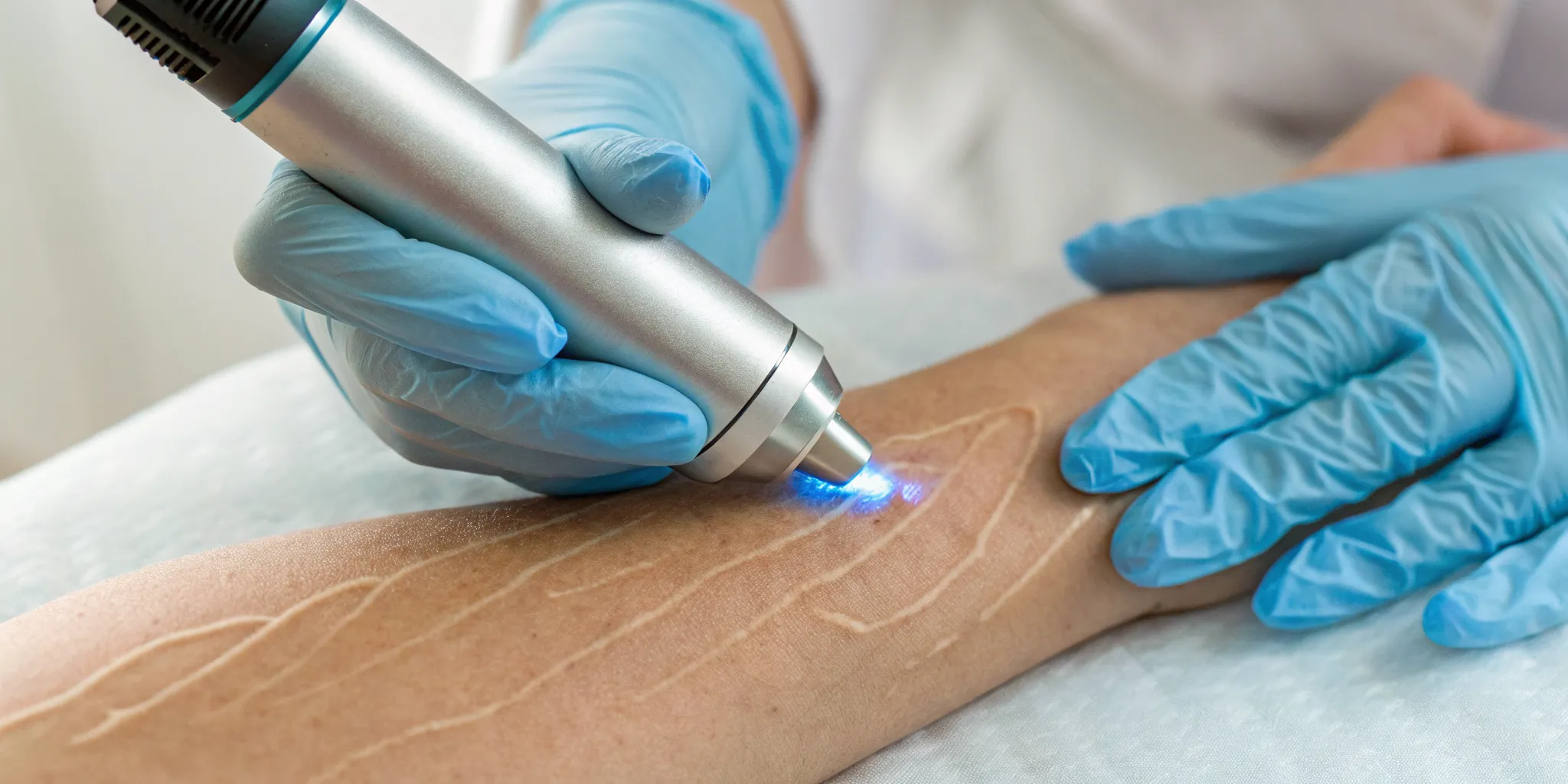
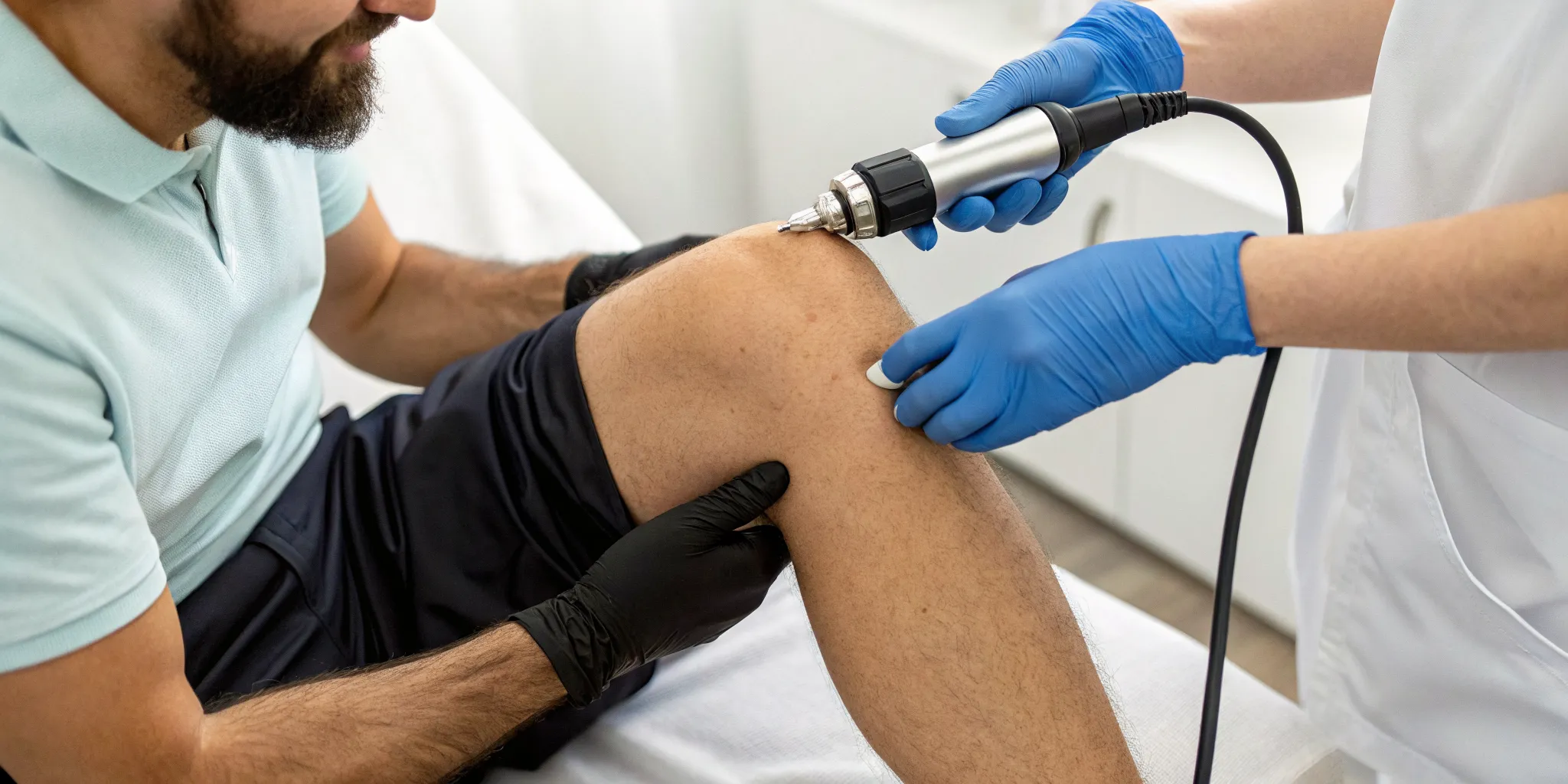
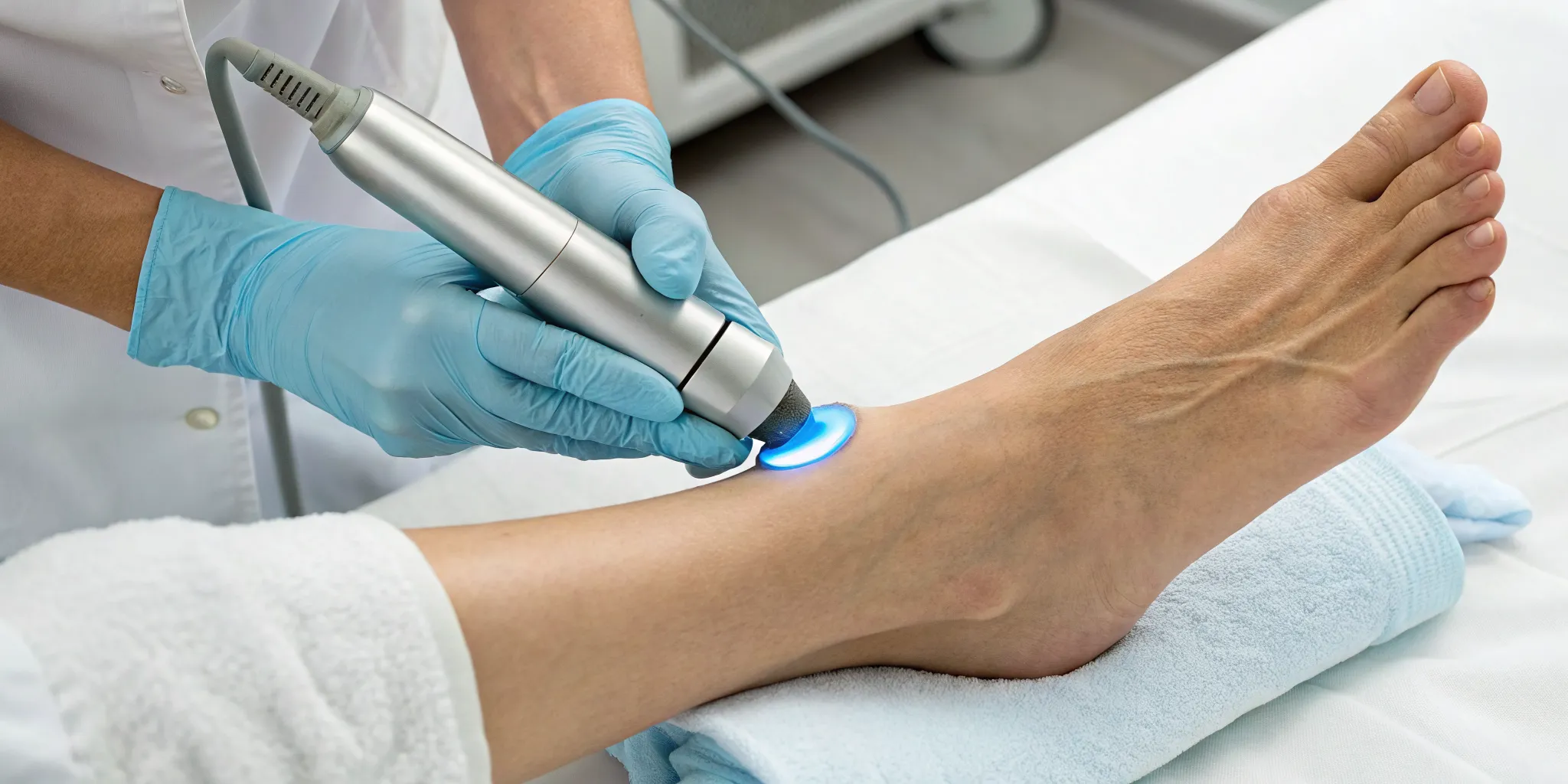
Regenerative Medicine may be considered when a clinical history, examination, and discussion of your goals suggest that it could be relevant to your situation. It is not a default treatment, and an offering such as SoftWave therapy, peptide therapy, or a bio-regulator treatment is not appropriate for everyone.
The starting point is evaluation. A clinician may review the concern you want to address, how long it has been present, relevant health history, previous care, current treatments, and your functional goals. Depending on the situation, that broader picture may be considered alongside physical findings, movement patterns, or appropriate laboratory information. Recommendations should follow those findings rather than the name of a device or modality.
Why the evaluation matters
Regenerative Medicine should not be framed as a spa service or as a fast answer for every ache, fatigue concern, or performance goal. That framing can leave out the questions that determine whether a treatment makes sense. Whether another type of care should be considered first, and how the approach fits into a person's overall health plan.
At Ascend Functional Health, Regenerative Medicine is one of three complementary clinical lenses, alongside Physical Medicine and Functional Medicine. The role of each lens depends on the individual. A structural or movement concern may call for one type of assessment, while digestive, hormonal, or broader health factors may lead to another. In some cases, more than one area may be relevant. In others, a regenerative offering may not be recommended.
This is why a conversation about regenerative therapies for pain recovery should include realistic expectations and a review of alternatives. The purpose is not to promise a specific result. It is to determine whether a particular option is clinically reasonable, what information is still needed, and how progress might be assessed if care is recommended.
If you are exploring recovery optimization in Tampa Bay, bring your questions and relevant history to a qualified clinician. A careful evaluation can help distinguish a potentially appropriate option from a treatment that does not fit your needs.
What Are Signs Your Recovery Needs a Closer Look?
Persistent soreness, recurring aches, changes in sleep or energy, and declining function can all be reasons to discuss your recovery with a qualified clinician. These patterns are not a diagnosis, but they may suggest that a broader look at your health, movement, habits, and goals would be useful.
Occasional soreness after unfamiliar activity is common. The more meaningful question is whether your body is returning to its usual level of comfort and function over time. If discomfort keeps returning in the same area, lasts longer than expected for your normal routine, or begins to affect how you move. Work, train, or participate in daily activities, it may be worth documenting the pattern and bringing it to a clinician conversation.
Changes in soreness, aches, or function
A nagging ache does not automatically point to one specific cause. It can be influenced by movement mechanics, training or work demands, recovery habits, previous injuries, or other health factors. A closer look may be appropriate when you notice that familiar activities require more effort. Your range of motion feels different, or you are modifying normal tasks because of discomfort.
Declining function can be subtle. You may not be dealing with one dramatic change. Instead, you might notice that you need more time between activities, cannot maintain a familiar pace, or feel less steady and capable than you did previously. Tracking when these changes occur, what activities preceded them, and how long they last can give a clinician more useful context than a single snapshot.
Sleep and energy shifts
Sleep and energy are also part of the recovery picture. A change in sleep quality, waking without feeling restored, or a persistent drop in daytime energy may deserve attention, especially when it occurs alongside soreness or reduced function. These experiences can have many possible contributors, so they should not be used to self-diagnose a hormone, nutritional, or other medical problem.
When several concerns appear together
One unresolved concern may be straightforward to describe, but several smaller changes together can provide important context. Recurring aches combined with disrupted sleep, lower energy, digestive concerns, or reduced exercise tolerance may justify a more comprehensive discussion. Depending on your history and goals, an evaluation may consider physical movement and structure, functional health factors, and other appropriate findings. Recommendations should be based on that individual assessment, not on a symptom checklist alone.
If your recovery feels different from your usual baseline and the pattern is not resolving. Consider discussing it with a clinician rather than continually pushing through or guessing at the cause.
Contact Ascend to discuss your recovery concerns and next steps.
Frequently Asked Questions
How can I support better recovery?
Start with consistent sleep, adequate hydration, balanced nutrition, appropriate rest, and movement that matches your current capacity. If recovery remains difficult, a clinical evaluation can look beyond general habits and consider physical, functional, and regenerative factors.
What are signs that my recovery needs a closer look?
Persistent soreness, recurring aches, declining function, changes in sleep or energy, or several concerns occurring together may justify a conversation with a qualified clinician. These signs do not identify a specific condition, but they can help determine whether a more detailed evaluation is appropriate.
How much sleep do I need for recovery?
Sleep is an important foundation for recovery, but the right amount and quality can vary by the individual. Rather than relying on a single number, discuss persistent sleep changes, daytime fatigue. Or ongoing recovery concerns with a clinician who can consider them in the context of your health history and goals.
Should I exercise when I am sore?
The appropriate response depends on the type and severity of soreness, your recent activity, and your overall function. Some people may tolerate lighter movement, while significant, sharp, or persistent pain warrants caution and professional guidance before you continue training.
Contact Us to Discuss Your Recovery Goals
A personalized conversation can help clarify which questions to bring to an evaluation and whether exploring physical, functional, or regenerative factors fits your goals. Recommendations depend on your history, findings, and priorities.
Contact Ascend Functional Health to discuss your recovery goals
This article is educational and not medical advice. Speak with your clinician before making healthcare decisions.