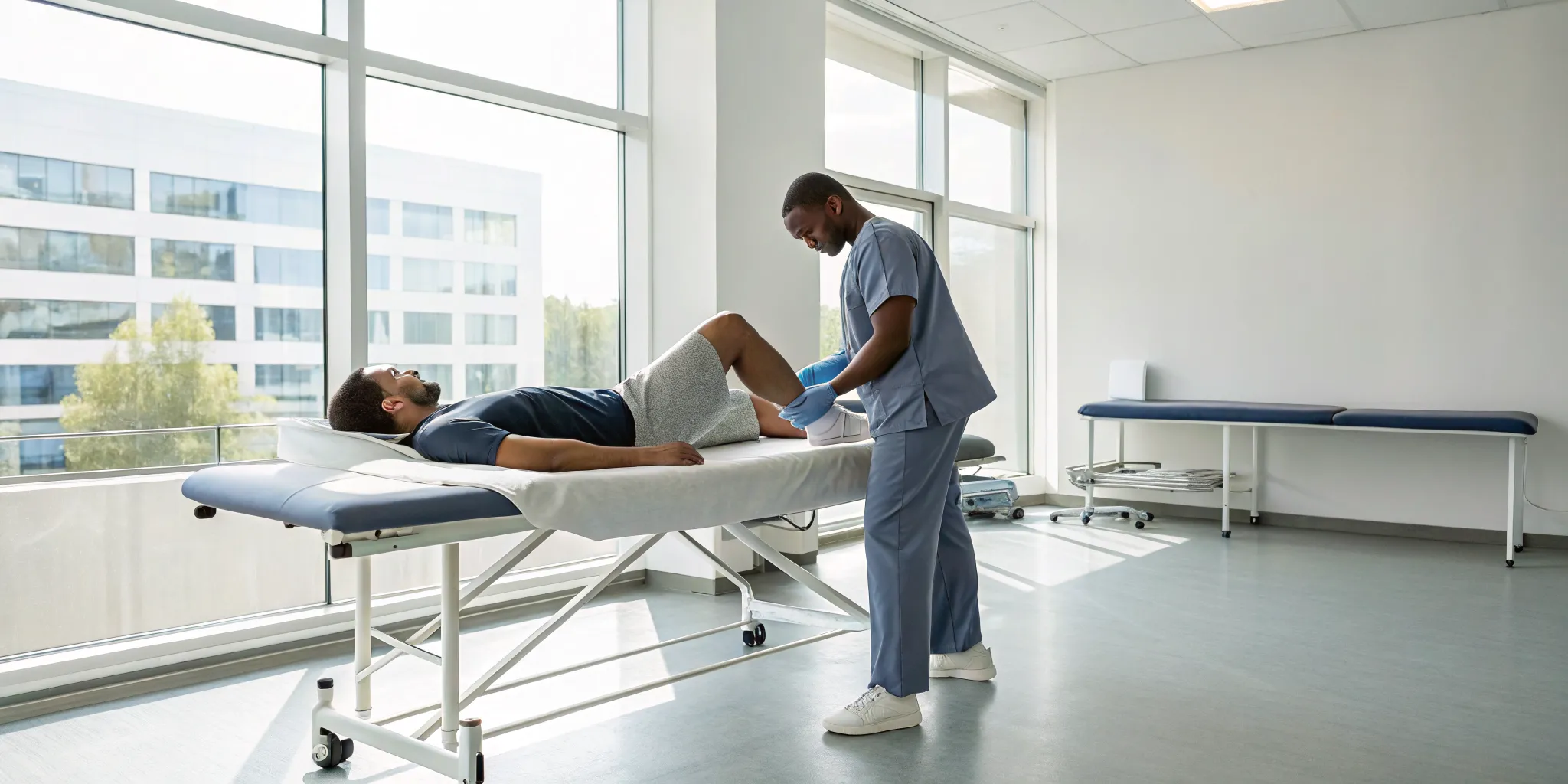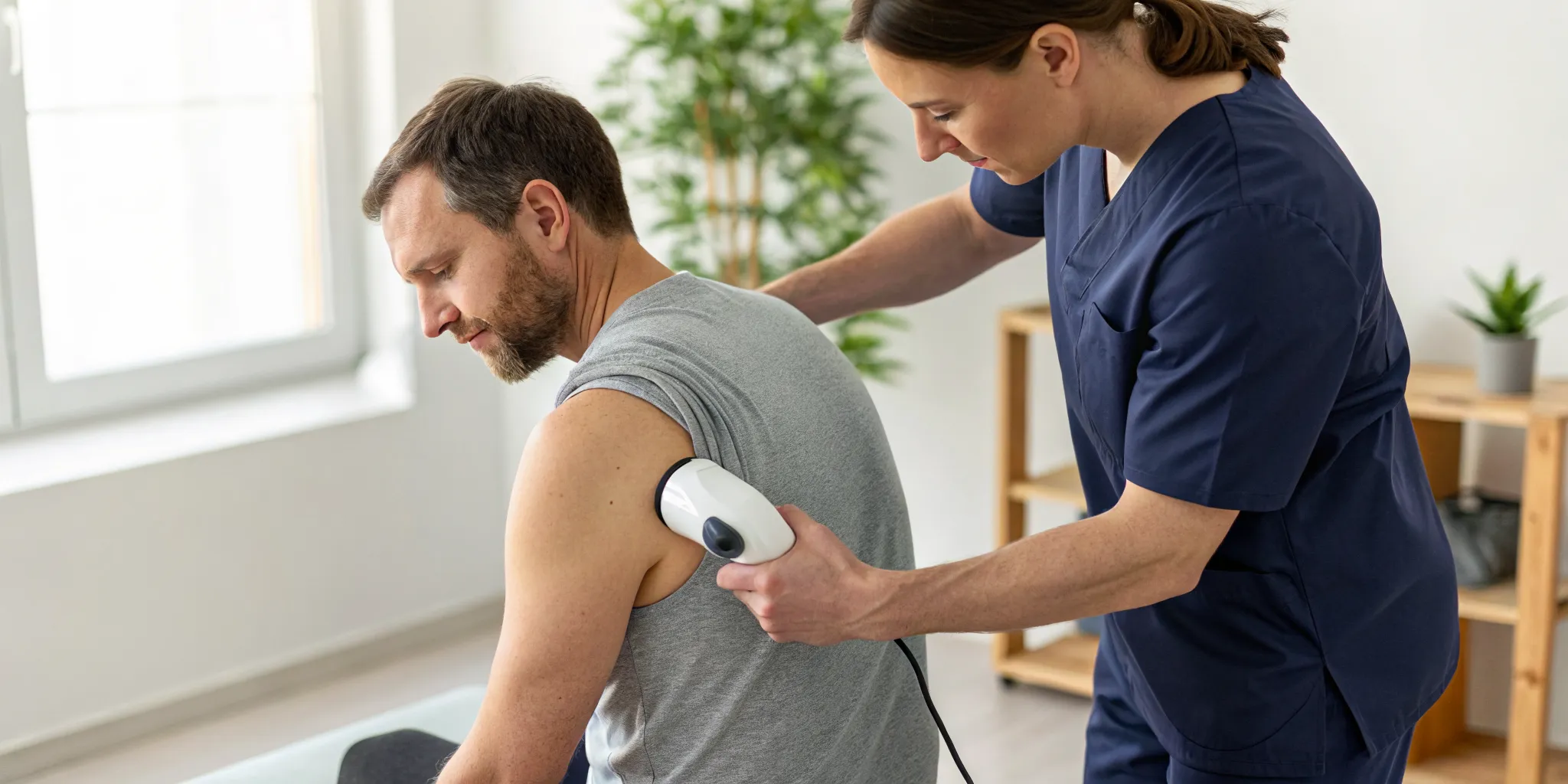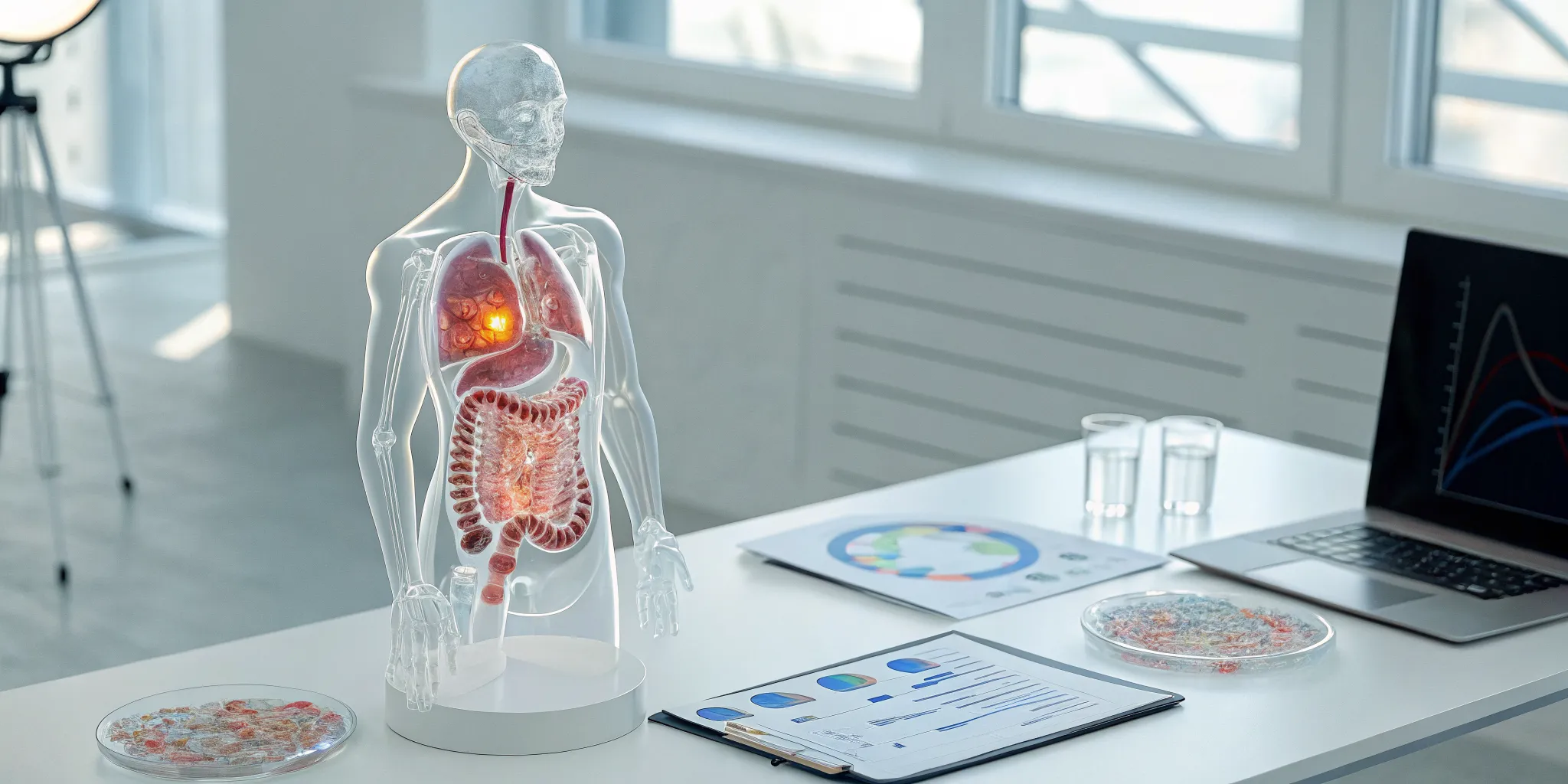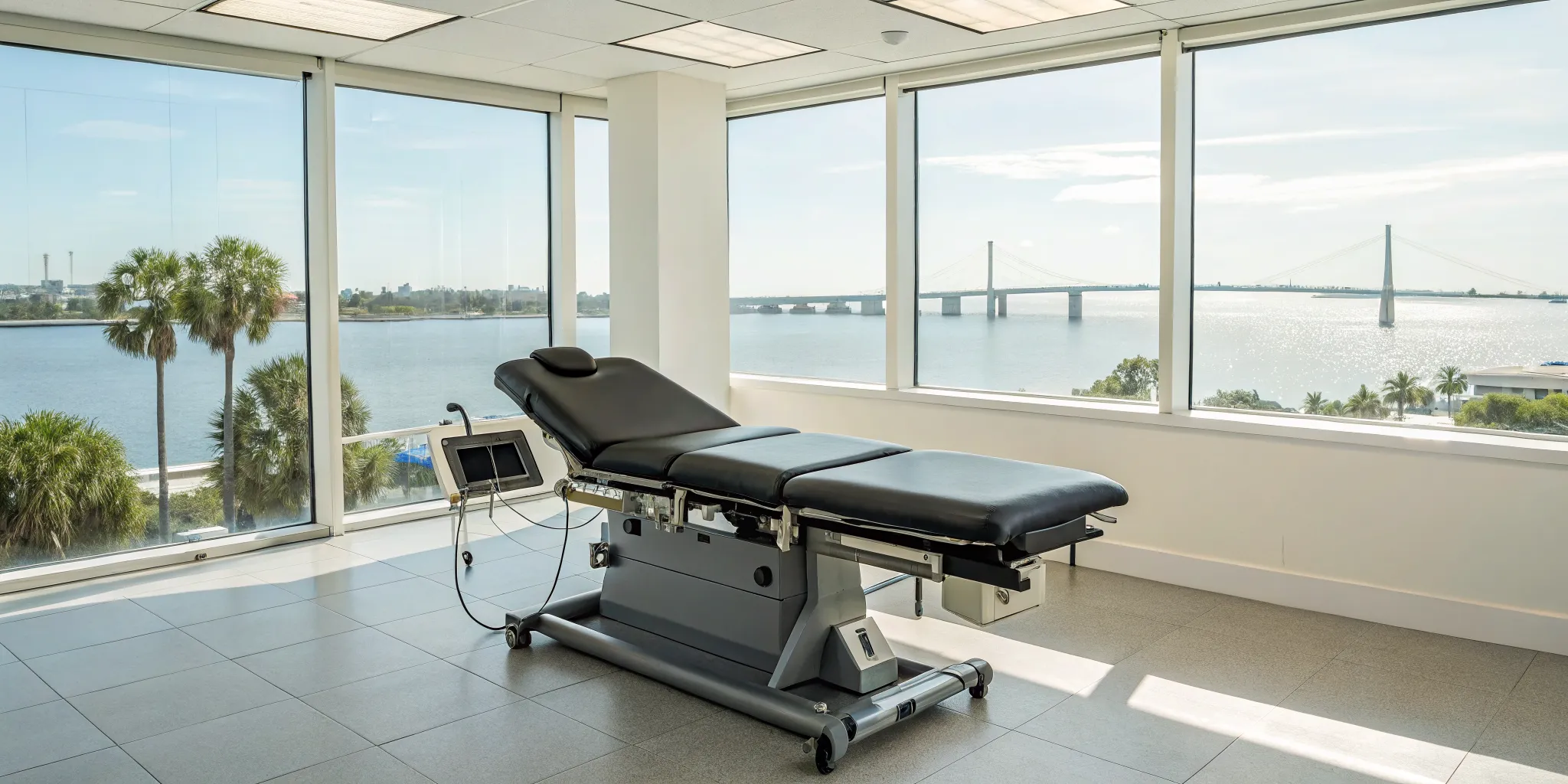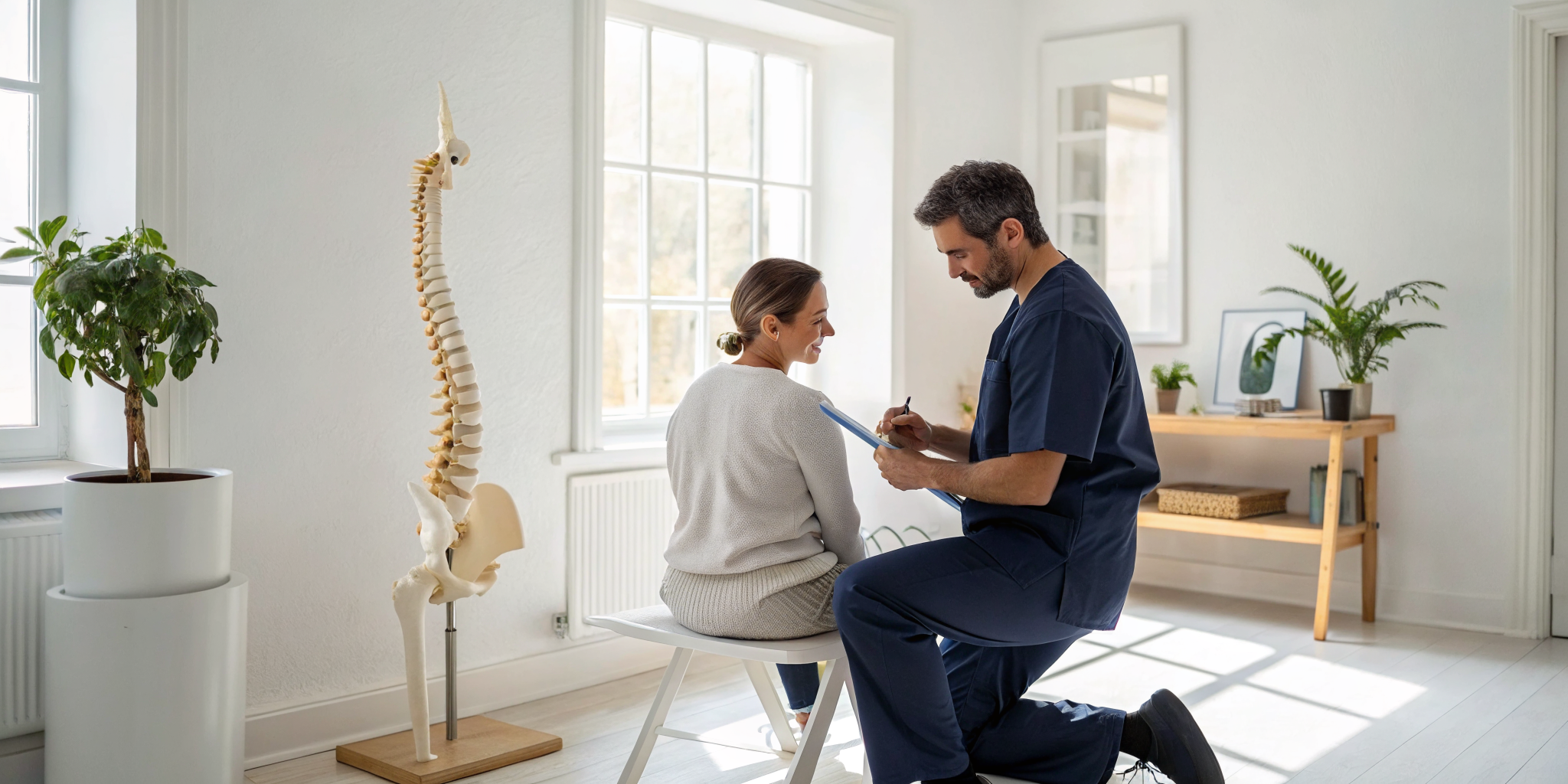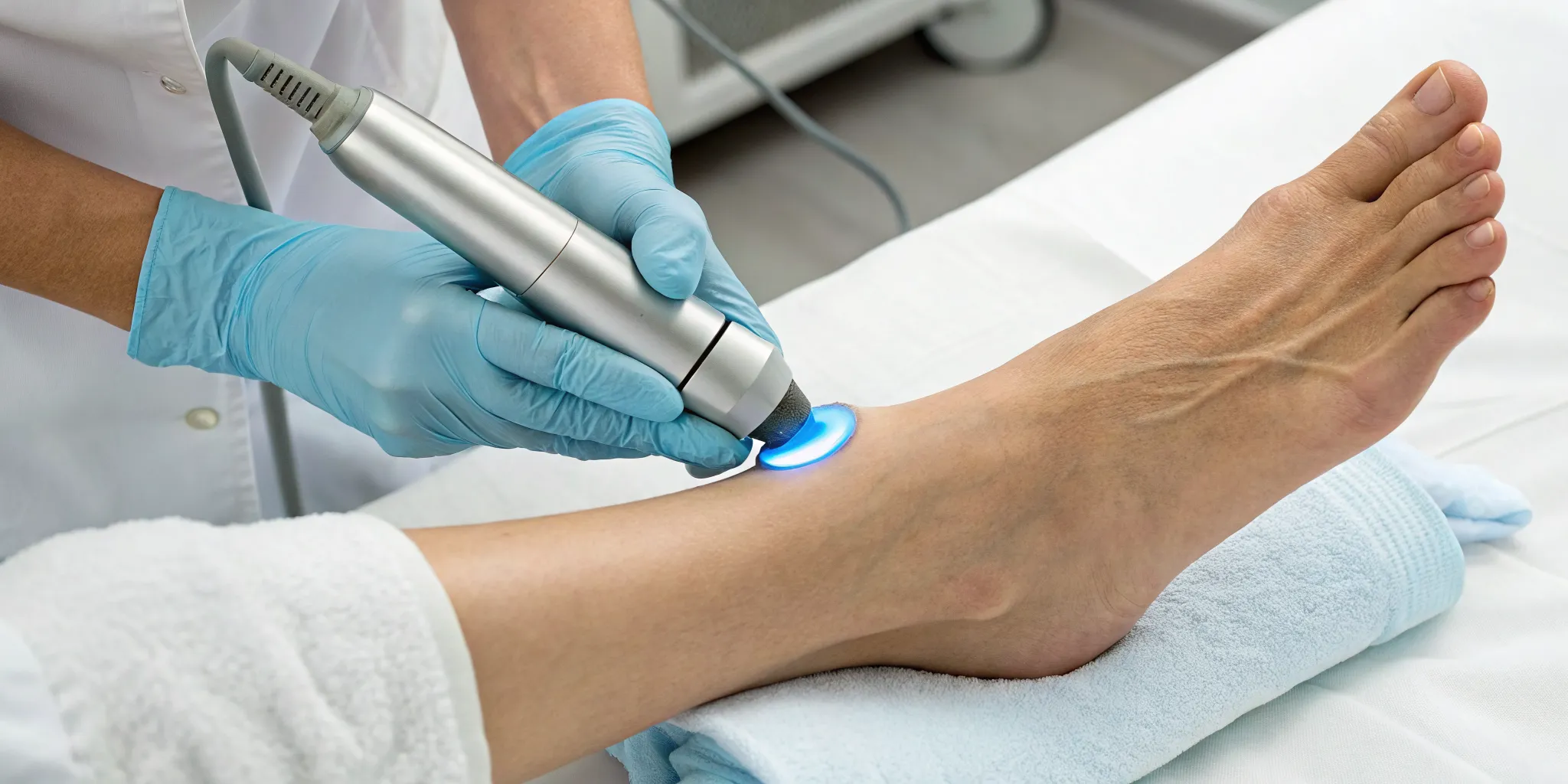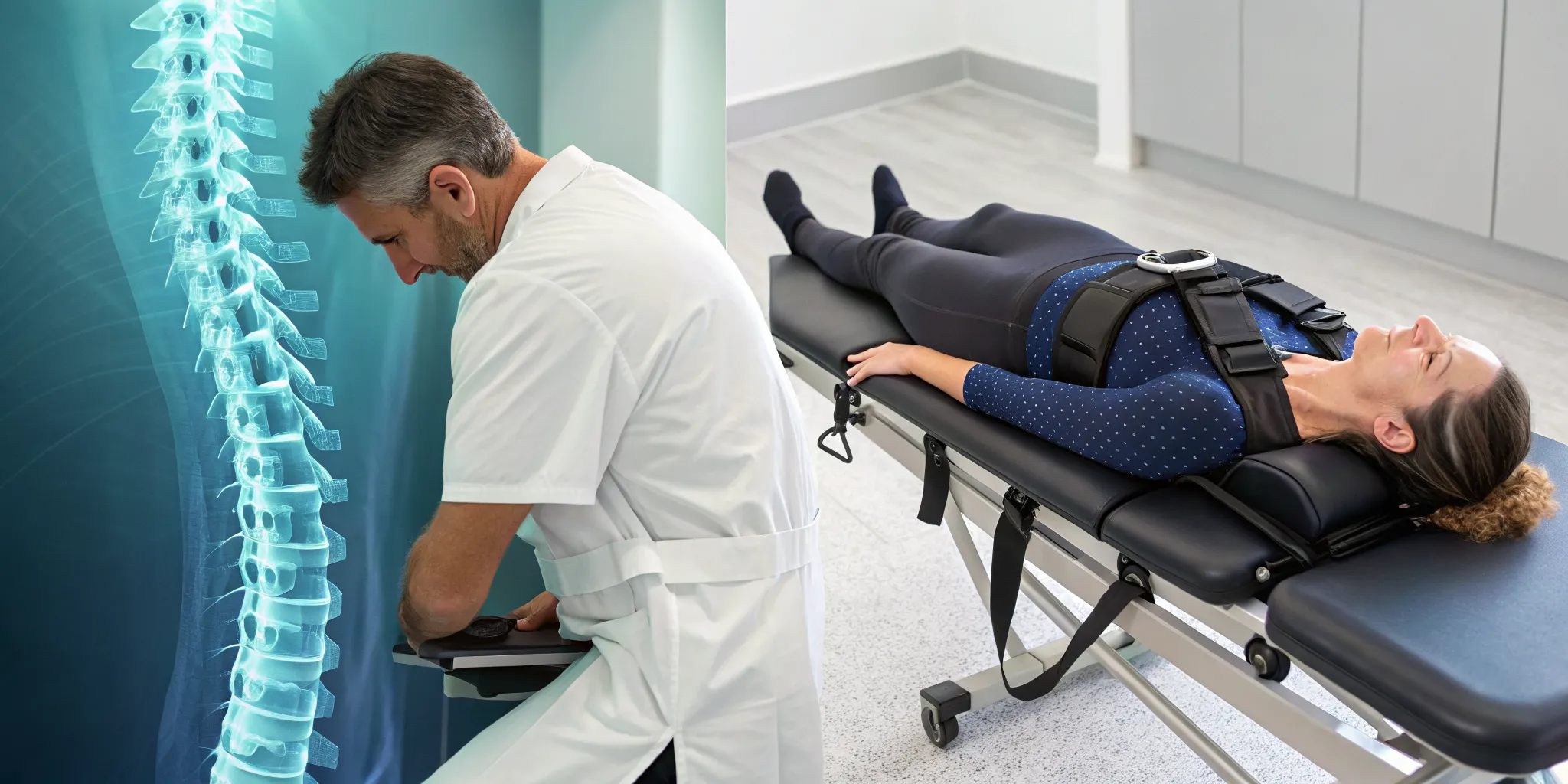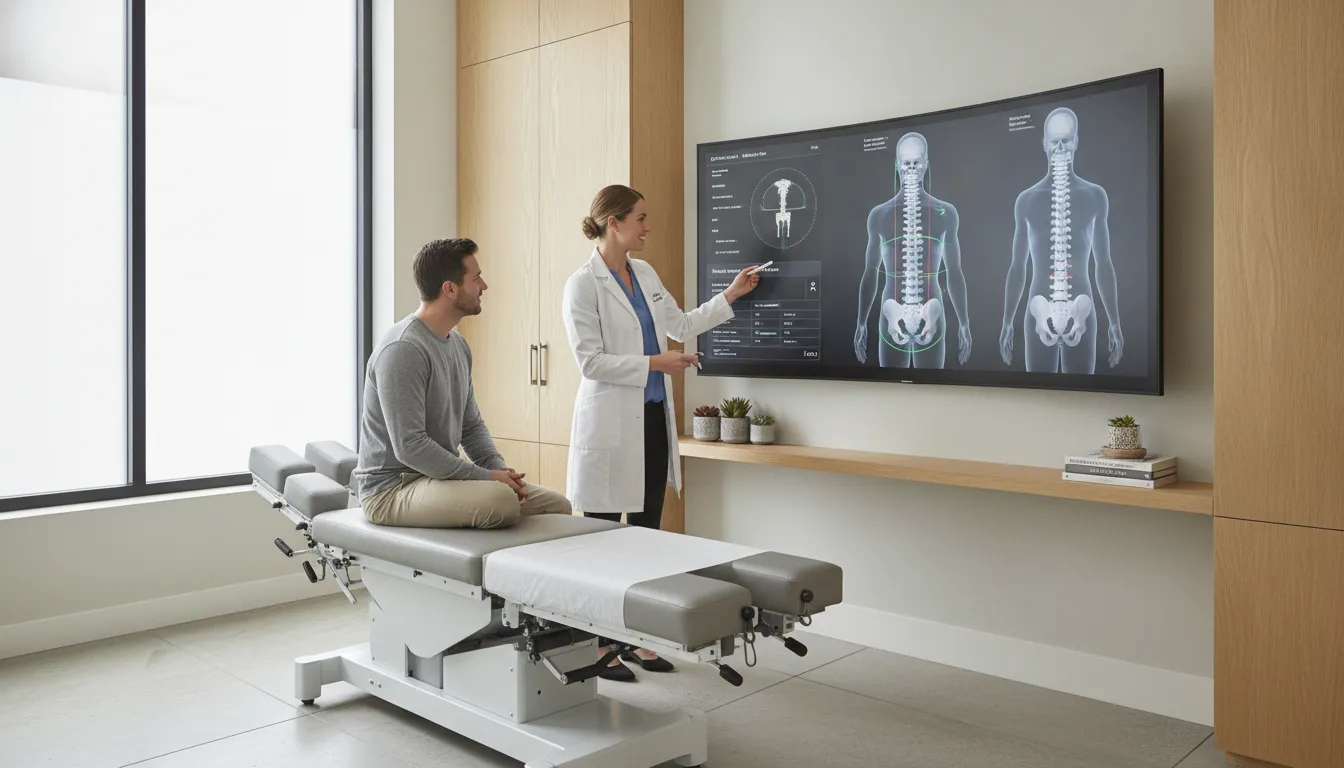
The concept behind a vibration plate is surprisingly straightforward. As the platform sends gentle energy waves through your body, your muscles react by contracting and relaxing dozens of times per second. It’s like your body is doing thousands of tiny, automatic adjustments to keep you stable, waking up deep supportive muscles without you even having to think about it. This process also increases blood flow, bringing more oxygen to stiff and sore tissues. Understanding this science is the first step to seeing how vibration plate therapy for back pain can be a gentle yet powerful tool for recovery, helping your body help itself from the inside out.
Key Takeaways
- View it as a supportive tool, not a standalone solution: A vibration plate can be a fantastic addition to your wellness routine for managing chronic back pain, but it doesn't replace a professional diagnosis. It works best when integrated into a comprehensive care plan that addresses the root cause of your discomfort.
- Prioritize safety and proper technique: Always start with short sessions on a low setting and use correct posture, such as keeping your knees slightly bent, to protect your spine. It is crucial to avoid using a plate if you have an acute injury, are pregnant, or have specific spinal conditions like a herniated disc.
- Consistency leads to lasting benefits: The real value of vibration therapy comes from regular, gentle use over time. Consistent sessions help improve circulation, strengthen deep core muscles, and increase flexibility, offering gradual relief and improved stability as part of a dedicated routine.
How Do Vibration Plates Work?
If you've ever seen a vibration plate, you might have wondered what's really going on. It looks simple enough: you stand on a platform that shakes. But the real value isn't in the machine itself; it's in how your body instinctively responds to it. This technology, known as whole-body vibration (WBV), uses carefully controlled vibrations to stimulate your muscles and nervous system in a way that passive stretching or conventional exercise can't always achieve.
When the plate vibrates, it sends tiny, rapid energy waves through your body. Your muscles react by contracting and relaxing dozens of times per second. Think of it as a high-tech way to get your muscles firing without you even having to think about it. This process can help relax tense back muscles, improve circulation to stiff areas, and gently build strength in the deep core muscles that support your spine. At our clinic, we use this as a complementary tool within our physical medicine protocols to support healing and improve stability. It’s a gentle yet powerful way to help your body help itself. The specific way these vibrations work depends on the type of machine being used.
Understanding the Vibrations
So, what are these vibrations actually doing? As the plate moves, it creates small, fast oscillations that travel up through your body. This gentle shaking causes your muscles to make thousands of tiny, automatic adjustments to keep you stable. It’s like your body is doing a mini-workout without the strain. These rapid contractions are especially beneficial for the deep muscles in your core and around your spine, which are crucial for good posture and stability but can be hard to activate. This process helps "wake up" these supportive muscles, encouraging them to engage properly.
Furthermore, this stimulation increases blood flow throughout the treated areas. Better circulation brings more oxygen and vital nutrients to tissues that may be stiff or sore, which supports the body's natural healing process. It’s a gentle way to ease discomfort and improve function from the inside out.
Oscillating vs. Tri-Planar Plates
It’s helpful to know that not all vibration plates operate the same way. The two most common types are oscillating and tri-planar plates, and they create different movements. An oscillating plate works like a teeter-totter, with the platform pivoting from a central point. As one side goes up, the other goes down, creating a rocking motion. This movement is great for stimulating the muscles and improving balance.
A tri-planar plate, on the other hand, produces vibrations in three different directions at once: up and down, side to side, and front to back. This multi-directional movement provides a more uniform and intense stimulation to the muscles. Because the vibrations are so consistent, they can be particularly effective for building muscle strength and bone density. Understanding these differences helps explain why certain plates are chosen for specific therapeutic goals related to the conditions we treat.
How Vibration Plates Can Ease Chronic Back Pain
If you’re living with chronic back pain, you know how it can impact every part of your life. While vibration plates might seem like a new trend, the science behind them shows real promise for providing relief. By using whole-body vibration, these platforms can help address some of the root causes of back discomfort in a gentle yet effective way. Let's look at how they work to support your spine and ease pain.
Relax Muscles and Reduce Stiffness
When your back is stiff and achy, the last thing you want is jarring movement. The gentle, rapid vibrations from a plate cause the muscles around your spine and in your core to contract and release very quickly. Think of it as waking up those deep, supportive muscles that may have become dormant from pain or inactivity. This process helps ease tension and gets blood flowing to the area. Over time, this can lead to less stiffness and a stronger, more resilient back, which is a key goal in our physical medicine approach to care.
Improve Circulation for Tissue Healing
Healing from chronic pain requires good circulation. Your blood acts as a delivery service, carrying essential oxygen and nutrients to tissues that need repair. Vibration plates can give this process a helping hand. The vibrations stimulate blood flow throughout your body, which means more of those healing resources can reach inflamed or injured areas in your back. It’s a gentle way to support your body's own healing mechanisms without the strain of a demanding workout. This focus on enhancing your body's innate ability to heal is central to functional medicine and getting to the root cause of discomfort.
Strengthen Your Core for Spinal Support
A strong core is your spine's best friend. Your abdominal and back muscles form a natural corset that stabilizes your spine and takes pressure off your vertebrae and discs. Vibration plates are excellent for engaging these crucial core muscles. As the platform vibrates, your muscles automatically fire to keep you stable, building strength without you even having to think about it. A stronger core provides better support for your spine during daily activities, which can significantly reduce strain and prevent future pain. This is a fundamental part of the corrective care we provide to help patients build long-term stability.
Increase Flexibility with Assisted Stretching
Tight muscles, especially in your hips and hamstrings, can pull on your lower back and contribute to pain. Stretching on a vibration plate can make your efforts more effective. Research shows that adding vibration to your stretches can significantly improve flexibility. For back pain specifically, studies have found that using low-frequency vibration for several weeks can lead to a noticeable reduction in long-term discomfort. By gently lengthening the muscles that support your pelvis and spine, you can improve your range of motion and find lasting relief. This is just one of the many tools we use to create a comprehensive treatment plan for our patients.
Is a Vibration Plate Right for Your Back Pain?
Vibration plates are an interesting tool, but they aren't a magic wand for every type of back pain. The key is understanding if your specific situation matches what this therapy does best. For some, it can be a fantastic addition to their wellness routine, while for others, it might not be the right fit. Let's look at a few scenarios where a vibration plate could be a helpful part of your back pain management plan.
If You Have Chronic, Non-Specific Low Back Pain
If you live with a persistent, dull ache or stiffness in your lower back, you might have what's known as chronic, non-specific low back pain. This isn't the sharp, sudden pain of a new injury but rather an ongoing tightness or discomfort. For this type of general back pain, research suggests that short, gentle sessions on a vibration plate can help lessen the ache and improve how well you move. It’s a way to gently stimulate the muscles and encourage relief without putting stress on your spine. However, if your pain is sharp or you've recently injured yourself, a vibration plate is not the right starting point.
As a Tool for Post-Rehabilitation Support
Once you're past the initial phase of an injury and have been cleared by a professional, a vibration plate can be a great tool for post-rehabilitation support. Think of it as a way to continue your progress. The vibrations create involuntary muscle contractions that help strengthen your core and back muscles, which are essential for long-term spinal stability. This process also enhances circulation to the area, bringing more oxygen and nutrients to help tissues heal. It’s a supportive measure that complements the corrective care you receive from a physical medicine plan, helping to reduce lingering stiffness and joint stress as you get back to feeling your best.
To Counteract a Sedentary Lifestyle
Many of us spend more time sitting than we’d like, which can lead to a weak core and a stiff, unhappy back. If your back pain is a result of a sedentary lifestyle, a vibration plate can help counteract some of those effects. It offers a way to engage your muscles and address back pain without resorting to more intensive measures. The rapid muscle contractions help wake up dormant muscles, reduce feelings of pain, and improve your body's overall function. Using it consistently can be a proactive step in your routine, helping to build a stronger foundation for your spine and keep sedentary-related aches at bay.
Clearing Up Common Myths About Vibration Plates
Vibration plates are gaining attention as a tool for managing chronic pain, but with that popularity comes a lot of confusing information. It’s easy to get swept up in claims that sound too good to be true, especially when you're looking for something that will finally bring you some comfort. Before you consider adding one to your wellness routine, it’s important to separate fact from fiction. Let's clear the air on some of the most common myths so you can make an informed decision about your health. Understanding what these machines can and can’t do is the first step toward using them effectively and safely as part of a larger strategy for feeling your best. We'll explore why they aren't a standalone solution, how they differ from one another, what to expect in terms of results, and why professional guidance is non-negotiable.
Myth: It's a Standalone Fix for Back Pain
It’s tempting to look for a single solution to back pain, but a vibration plate isn't a magic cure. While it can be a fantastic tool for waking up dormant muscles and improving your sense of body awareness, it won't correct the root cause of your discomfort on its own. Lasting relief comes from addressing the underlying issues, whether they stem from poor movement habits, muscle imbalances, or a weak core. Think of a vibration plate as a valuable player on your wellness team, not the entire team itself. It works best when integrated into a comprehensive care plan that targets the real reason for your pain.
Myth: All Vibration Plates Are the Same
Not all vibration plates are created equal. The market is filled with different types, from oscillating (teeter-totter motion) to tri-planar (vibrating in multiple directions), and their quality can vary dramatically. Using a low-quality machine or the wrong type of vibration can be ineffective at best and risky at worst, especially if you have certain specific spinal conditions. The intensity, frequency, and direction of the vibrations all matter. It’s essential to understand that the machine your friend loves might not be the right fit for you. Choosing the right equipment is a key part of the process, and it often requires a professional eye to match the plate to your unique needs.
Myth: You'll See Results Immediately
While some people feel a sense of relief after their first session, vibration therapy is a practice of consistency, not an instant fix. Scientific studies show that short, gentle, and regular sessions are what lead to reduced pain and improved movement over time. Expecting to hop on a plate and walk away pain-free forever is an unrealistic expectation. True progress is gradual and comes from committing to a routine. It’s more about the small, consistent steps you take that build up to lasting change. Looking at real patient journeys can give you a much better picture of what dedicated, long-term healing looks like.
Myth: You Don't Need Guidance to Use One
This is perhaps the most critical myth to debunk. You should always get professional advice before starting any new therapy, and vibration plates are no exception. A healthcare provider can determine if this tool is appropriate and safe for your specific condition. They can also show you the correct postures and exercises to perform on the plate to maximize benefits and minimize risk. Without proper guidance, you could inadvertently make your pain worse or fail to see any benefits at all. Before you begin, consulting with our team can ensure you’re using the vibration plate as a safe and effective part of your personalized health strategy.
Effective Vibration Plate Exercises for Back Pain
When you’re dealing with back pain, the idea of exercise can feel daunting. The right movements, however, can be incredibly beneficial. Using a vibration plate for gentle exercises can help you get the benefits of movement without the high impact. The vibrations stimulate your muscles, encouraging them to contract and relax, which can help release tension and build strength in a subtle way.
Think of these exercises as a way to support your body’s healing process. They are designed to be gentle, focusing on stability, flexibility, and improved circulation. Before you begin, remember to start with short sessions on a low setting to see how your body responds. The goal is to feel better, not to push through discomfort. These movements are a great complement to a comprehensive care plan that addresses the root cause of your pain, like the personalized protocols we develop within our physical medicine services. Always listen to your body and focus on maintaining good form.
Gentle Stand with Soft Knees
This is the perfect starting point for anyone new to a vibration plate. It allows your body to get used to the sensation while gently engaging your core and leg muscles. Simply stand on the plate with your feet about shoulder-width apart. Keep a slight bend in your knees, never locking them, and gently tighten your abdominal muscles as if you’re bracing for a light nudge. This simple action helps protect your spine.
Begin with just one to two minutes on a low-frequency setting. Pay attention to how your body feels. This exercise helps activate the small stabilizing muscles around your spine and improves your balance without putting stress on your back. It’s a foundational move that prepares you for more dynamic stretches.
Pelvic Tilts
Pelvic tilts are a classic exercise for lower back pain, and the vibration plate can make them even more effective. The vibrations help stimulate the deep core muscles that support your lumbar spine. You can do this exercise either lying on your back with your feet on the plate or standing on it with soft knees. Focus on slowly tilting your pelvis, flattening your lower back against the floor or tucking your tailbone under if you’re standing.
Then, gently arch your back to tilt your pelvis in the opposite direction. The movement should be small and controlled. The involuntary muscle contractions caused by the vibrations help strengthen your core and back, while the motion itself improves circulation to the lower spine. This can help reduce stiffness and ease the chronic, non-specific ache many people experience.
Cat-Camel Stretch
The cat-camel stretch is fantastic for improving spinal mobility, and adding vibration helps loosen tight muscles and the connective tissue around them, known as fascia. Start on your hands and knees on the plate. Inhale as you drop your belly, lift your chest, and look forward, creating an arch in your back (the "cow" or "camel" position).
Exhale as you round your spine toward the ceiling, tucking your chin to your chest (the "cat" position). The vibrations act like a mini-massage, helping to release tension along your entire back. This is a time-efficient way to gain better flexibility and support recovery. For more wellness insights, you can explore our blog.
Hip Flexor Stretch
Tight hip flexors are a common culprit behind lower back pain, especially if you sit for long periods. Stretching them on a vibration plate can significantly improve your flexibility. Get into a lunge position with your back knee resting on the plate and your front foot on the floor. Keep your torso upright and gently press your hips forward until you feel a stretch in the front of your hip.
Studies have shown that adding low-frequency vibration to stretching can make a real difference in reducing long-term back pain. The vibrations help the muscle relax more deeply into the stretch. Hold for about 30 seconds on each side, breathing steadily. This helps lengthen the muscles that pull on your pelvis and contribute to lower back strain.
Full Posterior Chain Stretch
This stretch targets the entire back line of your body, from your calves and hamstrings up to your glutes and lower back. Releasing tension along this entire chain can provide significant relief. Stand facing the plate and place your hands on it, then walk your feet back and hinge at your hips to create a flat back, similar to a downward dog position.
Alternatively, you can sit on the floor with your legs extended and your feet resting on the plate, then gently lean forward. The vibrations help increase blood circulation, which delivers more oxygen and nutrients to tight or inflamed tissues, supporting the healing process. This is a gentle way to address some of the underlying muscle tightness associated with many of the conditions we treat.
How to Safely Use a Vibration Plate for Back Pain
A vibration plate can be a fantastic tool in your wellness arsenal, but like any piece of equipment, using it correctly is key to getting the benefits without the risks. Think of it as a partnership with your body; you need to introduce it gently and pay attention to the feedback you receive. Following a few simple guidelines will help you use your vibration plate safely and effectively, ensuring it supports your journey to feeling better, not hindering it.
Start with Low-Frequency Settings
When you’re new to whole-body vibration, it’s best to ease into it. Your body needs time to adjust to the new sensations and movements. Begin with just one to two minutes on a low setting. This initial phase is all about observation. How does your back feel? What about the rest of your body?
This gentle start allows you to gauge your tolerance without overwhelming your system. Before you begin, it's always a good idea to consult with a professional who understands your health history. At Ascend, our physical medicine team can help determine if vibration therapy is a good fit for your specific condition and guide you on the safest way to start.
Find Your Ideal Session Length and Frequency
Once you feel comfortable with the initial sessions, you can gradually build up your routine. A good general target is to aim for sessions lasting 15 to 30 minutes, about two or three times per week. Remember, consistency is more important than intensity. It’s better to have several shorter, effective sessions than one long one that leaves you feeling sore.
Listen to your body as you slowly increase the duration and vibration level. Some days you might feel up for a longer session, while on other days, a shorter one might be what your body needs. This isn't a race. The goal is to create a sustainable practice that supports your long-term well-being and complements your overall health plan.
Use Proper Posture to Protect Your Spine
Your posture on the vibration plate is everything. Standing correctly ensures the vibrations work on your muscles, not your joints. Start by standing with your feet shoulder-width apart and maintain a slight bend in your knees. This helps absorb the vibrations and prevents them from jarring your spine.
Next, gently engage your core muscles, as if you’re bracing for a hug. This simple action helps stabilize and protect your spine. Keep your back in a neutral, straight position, avoiding any slouching or overarching. Proper form ensures you’re strengthening the muscles that support your back, which is exactly what you want.
Know When to Stop and Reassess
Being in tune with your body is crucial. While mild muscle fatigue is normal, sharp or unusual pain is not. You need to stop immediately if you feel any sharp pain, dizziness, or new tingling sensations. These are signals from your body that something isn’t right.
Pay close attention to any new symptoms like shooting pain down an arm, increased numbness, or a sudden worsening of stiffness. These are red flags. If you experience any of these, stop using the device and get in touch with a healthcare professional. It’s always better to be cautious and reassess your approach with expert guidance to ensure you’re on the right path to healing.
When to Avoid Using a Vibration Plate
While vibration plates can be a fantastic tool for managing chronic back pain, they aren't suitable for every person or every situation. Safety should always be your top priority. Using a vibration plate under the wrong circumstances can hinder your recovery or even make things worse. It’s crucial to understand the specific scenarios where you should pause or avoid this therapy altogether. Before starting any new regimen, especially if you have underlying health concerns, having a conversation with a healthcare professional who understands your full health picture is the best first step.
During Recovery from Acute Injuries
If you’ve just experienced a new injury, like a muscle strain from a weekend project or a recent accident, now is not the time to use a vibration plate. Your body’s initial inflammatory response is a critical part of the healing process. Introducing intense vibrations can disrupt this delicate phase and potentially delay your recovery. It’s best to let acute injuries heal properly before adding any form of mechanical stimulation. Once you’re out of the acute phase and have been cleared by a professional, a vibration plate might become a useful tool for rehabilitation, but patience is key in the beginning.
If You Are Pregnant or Have Heart Conditions
You should not use a vibration plate if you are pregnant. The effects of whole-body vibration on a developing baby are not well understood, so it's essential to avoid any potential risks. Similarly, if you have a heart condition, a pacemaker, or issues with blood clots, you should steer clear of vibration plates until you get explicit approval from your doctor. The vibrations can influence your circulation and blood pressure, which could be problematic for certain cardiovascular issues. A comprehensive health assessment through functional medicine can help you and your provider make the safest choice for your body.
If You Have Certain Bone or Spinal Conditions
For individuals with specific structural issues in their spine or bones, a vibration plate could introduce more stress than relief. It's important to avoid using one if you have conditions like a herniated disc, sciatica, spinal stenosis, or significant spinal arthritis. The same caution applies if you have osteoporosis or are recovering from a recent spinal procedure. These conditions can be sensitive to mechanical forces, and the vibrations might aggravate them. This is why getting an accurate diagnosis is so important. Our approach to physical medicine helps identify the root cause of your pain to ensure any therapy you use is both safe and effective for your specific condition.
What to Look for in a Quality Vibration Plate
If you’re considering adding a vibration plate to your wellness routine, you’ve probably noticed the huge range of options available. It can be tempting to just pick one, but the quality and design of the machine directly impact its effectiveness and, more importantly, your safety. A poorly constructed plate can do more harm than good, especially when you're dealing with something as sensitive as back pain. Think of it like any other tool for your health; you want one that is reliable and built for the job. Making an informed choice ensures the vibrations are transmitted through your body in a supportive way, rather than creating new stress points or aggravating existing issues.
At our Tampa clinic, we carefully select our equipment because we know that the right features make all the difference in achieving positive outcomes. Our approach to physical medicine is built on using tools that are both effective and safe for our patients. While you don't necessarily need a clinical-grade machine for personal use, you do need one with the right fundamentals. Choosing a quality plate is the first step in making sure this therapy is a helpful addition to your back care plan, not a source of new problems. Below are the key features to prioritize in your search.
Key Features for Effective and Safe Use
When you're comparing models, focus on a few non-negotiable features for a safe and productive session. First, a stable, sturdy design is essential for maintaining a neutral spine and preventing undue stress. Next, ensure the plate has adjustable settings for frequency and amplitude; starting on the lowest setting is key to letting your body adapt. The controls should also be user-friendly, allowing you to easily adjust the intensity or duration. Look for important safety features like a non-slip surface to prevent falls and an emergency stop function. Finally, always check the weight capacity to confirm it can safely support you. Prioritizing these elements will help you find a machine that truly supports your health goals.
Can a Vibration Plate Replace Professional Care?
While it’s tempting to look for a single piece of equipment to solve back pain, a vibration plate is not a substitute for professional medical guidance. Think of it as a powerful ally in your health journey, not the entire strategy. True, lasting relief comes from understanding and addressing the root cause of your pain, which is something a machine simply can’t do. Using a vibration plate can be a fantastic part of a comprehensive plan, but it shouldn’t be the only part.
Why It's a Complementary Tool, Not a Replacement
A vibration plate can be a great way to help your muscles "wake up," improve posture, and increase circulation. However, it won't correct poor movement patterns or strengthen specific weak muscles on its own. For lasting results, you need to fix the actual reason for your pain. A vibration plate works best when it’s part of a larger wellness plan that includes targeted exercises, stretching, and strength training. It’s a helper, not a standalone solution. To truly get to the bottom of your discomfort, you need a strategy that addresses the conditions we treat at their source, rather than just managing the symptoms.
The Role of Chiropractic and Physical Medicine
Before you start using a vibration plate, it’s essential to speak with a healthcare provider to ensure it’s a safe option for your specific situation. If your back pain is sharp, new, or shoots down your leg, a vibration plate is not the right first step. These symptoms require a professional evaluation to check for nerve issues or other serious problems that need immediate attention. A provider can give you an accurate diagnosis and create a personalized plan. Our approach to physical medicine focuses on identifying the underlying cause of your pain and developing a protocol to help your body heal correctly, using tools like vibration plates as a supportive therapy when appropriate.
Related Articles
- Spinal Decompression Hurts Lower Back: Normal or Not?
- Is Lumbar Decompression Chiropractic for You?
- Bulging Disc Therapy Treatment: A Complete Guide
- Revitalize Your Spine with Spinal Decompression Therapy in Tampa, FL
Frequently Asked Questions
How do I know if a vibration plate is a good choice for my specific back pain? A vibration plate is often most helpful for chronic, non-specific low back pain, like the kind of persistent stiffness or dull ache that comes from a sedentary lifestyle. It can also be a great tool for post-rehabilitation support. However, you should avoid it if your pain is sharp, new, or related to an acute injury. It's also not recommended for certain spinal conditions like a herniated disc or sciatica. The best way to know for sure is to get a professional evaluation to ensure it's a safe and effective option for your body.
Will using a vibration plate feel intense or painful? It shouldn't feel painful. When you start on a low setting, the sensation is more like a gentle hum that causes your muscles to engage automatically. The goal is to feel a subtle activation in your core and legs, not to experience jarring or discomfort. If you feel any sharp pain, dizziness, or new tingling, that is your body's signal to stop immediately. Proper use should feel supportive, not stressful.
How often should I use a vibration plate to see benefits for my back? Consistency is far more important than intensity or duration. You'll likely see better results from several shorter sessions throughout the week rather than one long, infrequent one. A good general guideline is to aim for sessions of about 15 minutes, two to three times per week. This gives your body time to adapt and build strength without getting overworked.
Can a vibration plate fix my back pain all by itself? Think of a vibration plate as a valuable supporting player, not the star of the show. While it's excellent for waking up dormant muscles and improving circulation, it can't correct the root cause of your pain on its own. Lasting relief comes from a comprehensive plan that addresses the underlying reasons for your discomfort, such as muscle imbalances or poor movement patterns. It works best when integrated into a complete care strategy.
What's the real difference between using a vibration plate and just doing regular stretches? Adding vibration to your stretches can help your muscles relax more deeply and quickly than with stretching alone. The rapid, tiny contractions caused by the plate help increase blood flow and stimulate the nervous system, which can improve your flexibility and range of motion more efficiently. It essentially gives your stretching routine an extra layer of effectiveness, helping to release tension in the muscles and connective tissues around your spine.