Persistent knee pain does more than just hurt; it shrinks your world. It’s the hesitation before taking the stairs, the decision to skip a walk on the beach, or the inability to get on the floor to play with your kids. The goal of any effective treatment shouldn't just be to reduce pain, but to give you your life back. SoftWave therapy for knee pain offers a practical path toward that freedom. Because the sessions are quick, non-invasive, and require no downtime, you can pursue deep, regenerative healing without putting your life on hold. This innovative approach focuses on restoring function so you can get back to the activities you love with confidence and comfort.
Key Takeaways
- Address the root cause of pain: SoftWave therapy uses acoustic waves to activate your body's own healing mechanisms, like stem cells and improved blood flow, to repair damaged tissue instead of just covering up symptoms.
- Find relief without the downtime: Treatments are fast, usually 10 to 15 minutes, and require no recovery time, allowing you to fit healing into your schedule. Many people report feeling better after just a few sessions.
- Choose a non-invasive path to recovery: This therapy is a clinically proven alternative to more invasive procedures, offering a way to manage conditions like osteoarthritis and tendonitis by supporting your body's ability to heal itself.
What Is SoftWave Therapy for Knee Pain?
If you're dealing with persistent knee pain, you know how much it can impact your daily life. Simple activities like walking, climbing stairs, or even just standing can become a challenge. SoftWave therapy is an innovative, non-surgical treatment that uses patented technology to encourage your body to heal itself from the inside out. Think of it as a way to jumpstart your body’s own repair crew right where it’s needed most: your knee.
This approach is a cornerstone of physical medicine, focusing on restoring function without invasive procedures. Instead of just masking symptoms, SoftWave gets to the heart of the issue by stimulating your body's natural healing mechanisms. It uses electrohydraulic supersonic acoustic waves, or sound waves, to target damaged tissue and promote regeneration. For anyone looking for a solution that works with their body, not against it, SoftWave offers a promising path toward lasting relief and improved mobility. It’s a modern approach for a wide range of conditions we treat, helping people get back to the activities they love.
How Acoustic Waves Address Knee Pain
So, how exactly do sound waves help a sore knee? SoftWave therapy sends special acoustic waves deep into the knee joint. These waves can penetrate up to 7 centimeters deep and spread out over a 12-centimeter area, reaching both shallow and deep tissues without causing any harm. This process triggers a response at the cellular level.
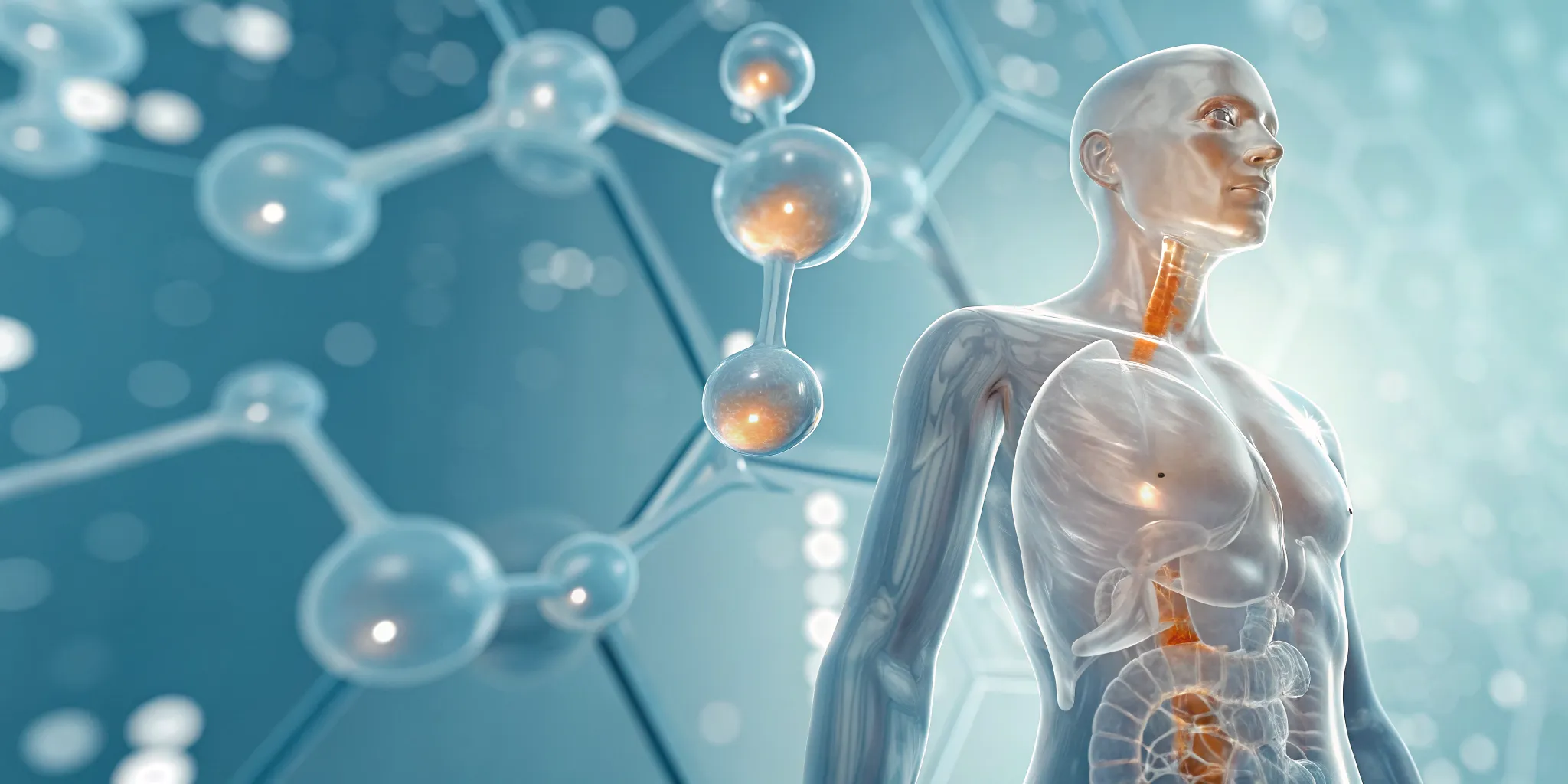
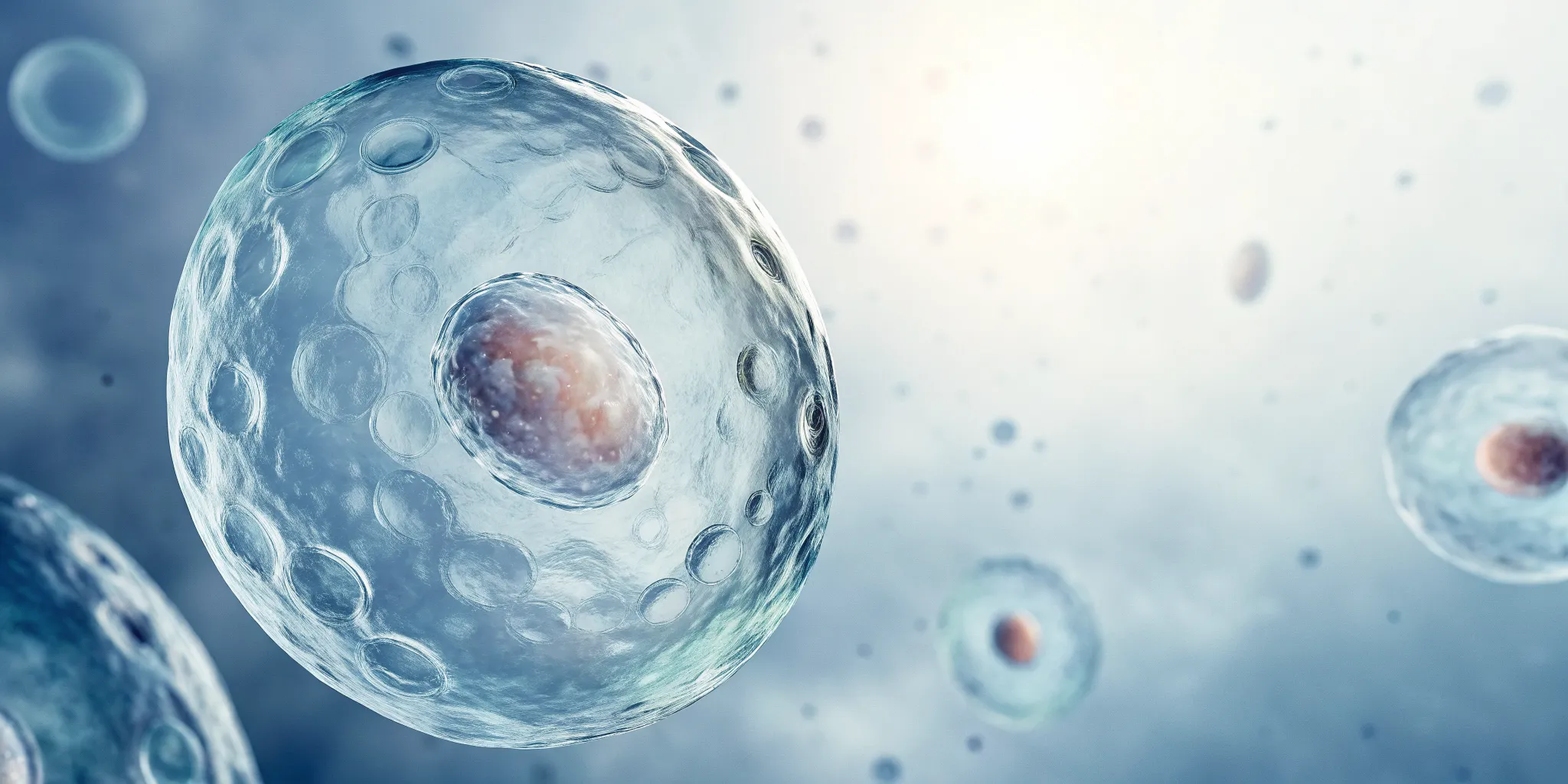
First, it helps improve blood flow to the area, which is crucial for healing. Better circulation brings more oxygen and nutrients to the damaged tissues. Second, it helps reduce inflammation and swelling, which are often the main sources of pain. Most importantly, these waves activate your body's own stem cells, signaling them to migrate to the area and begin repairing and regenerating the tissue.
What to Expect During a Session
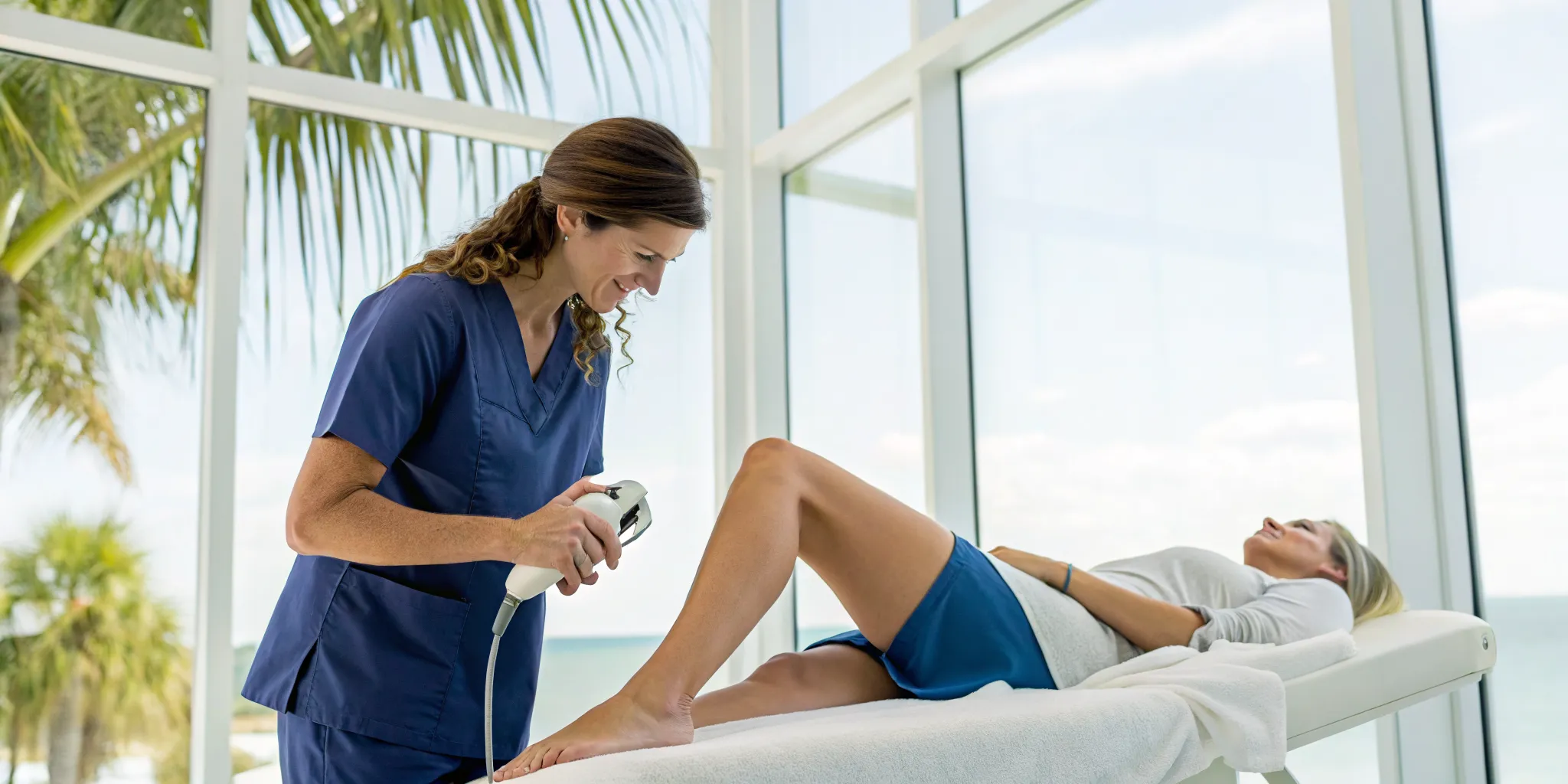
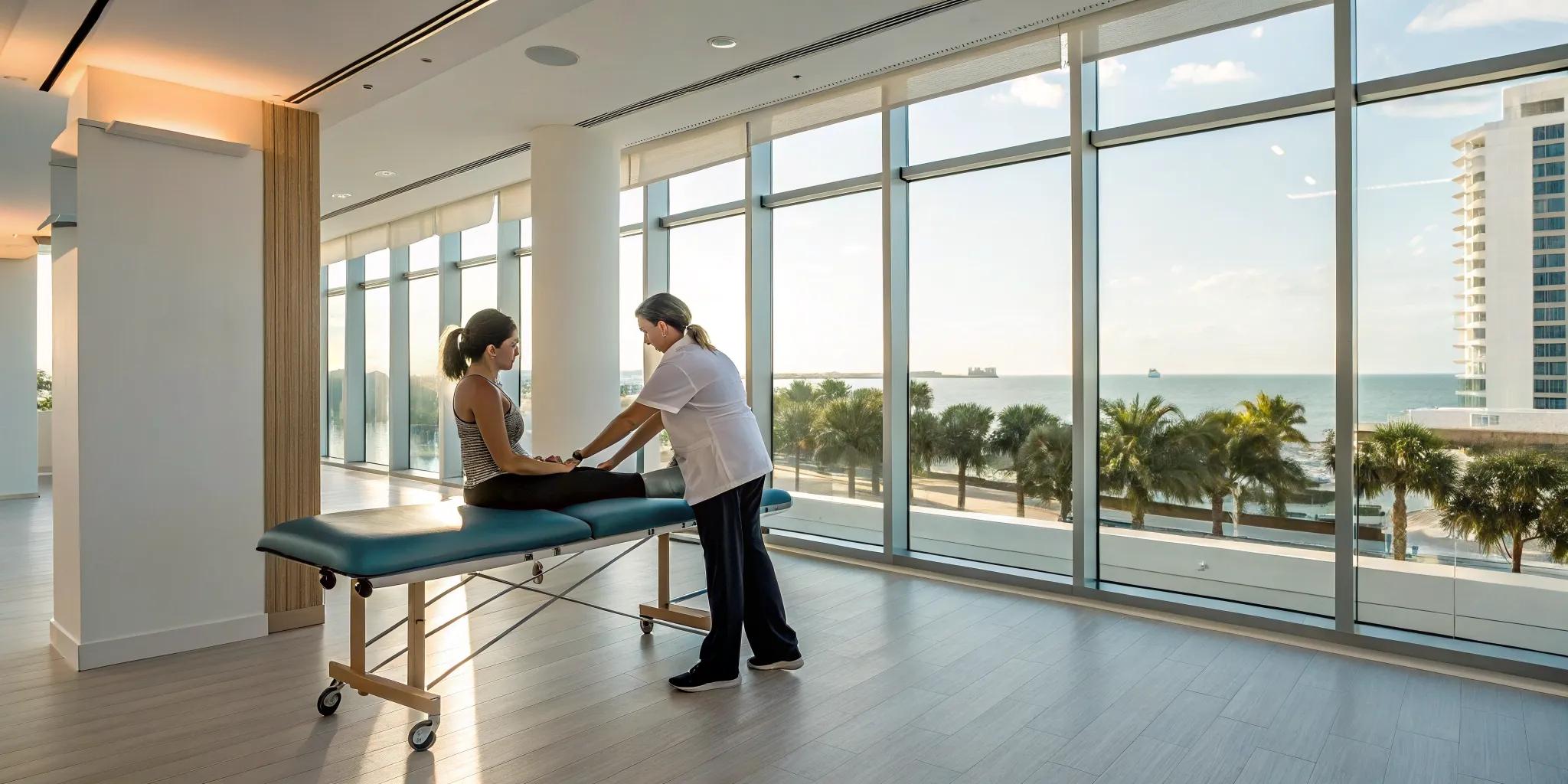
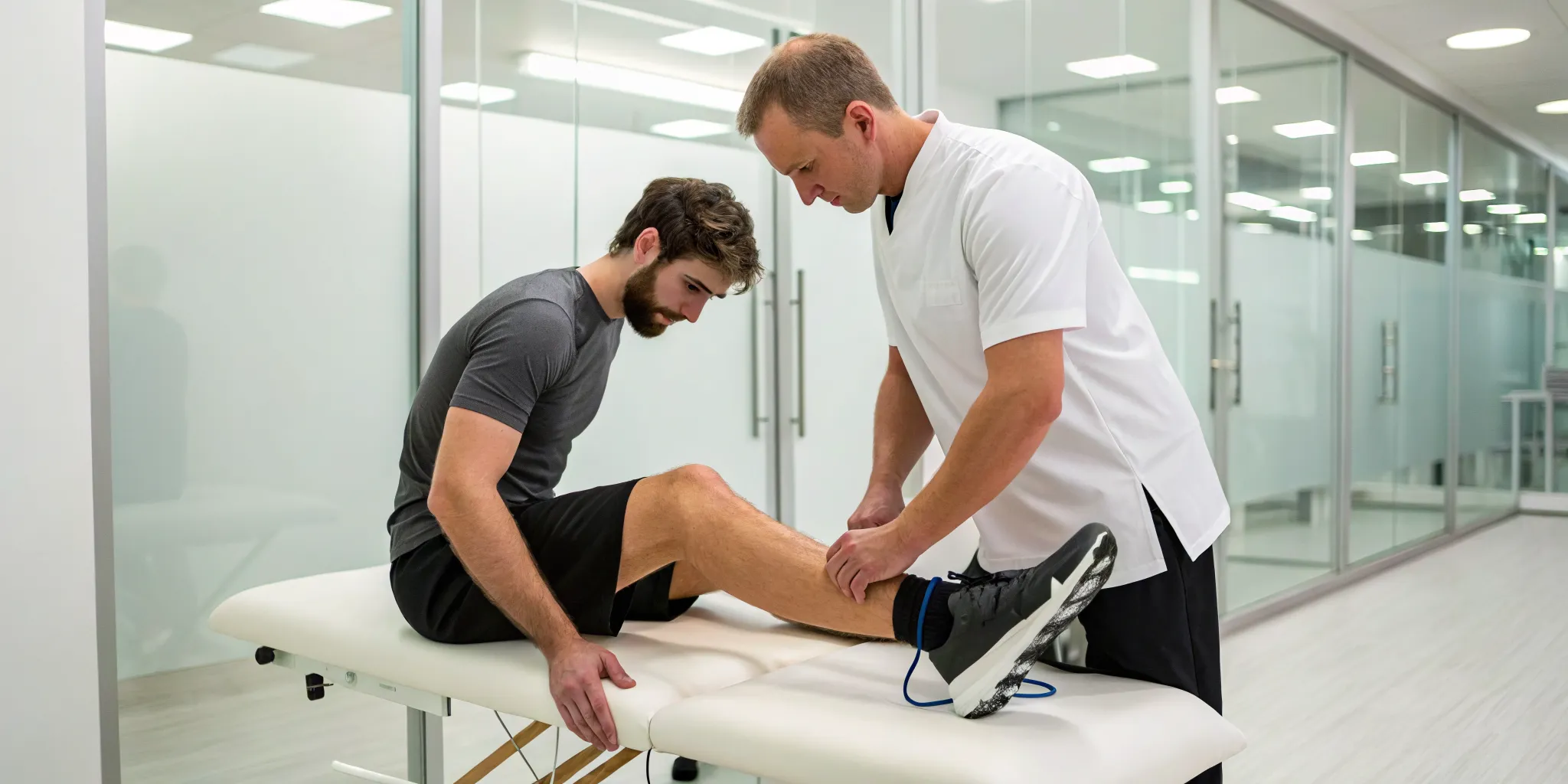
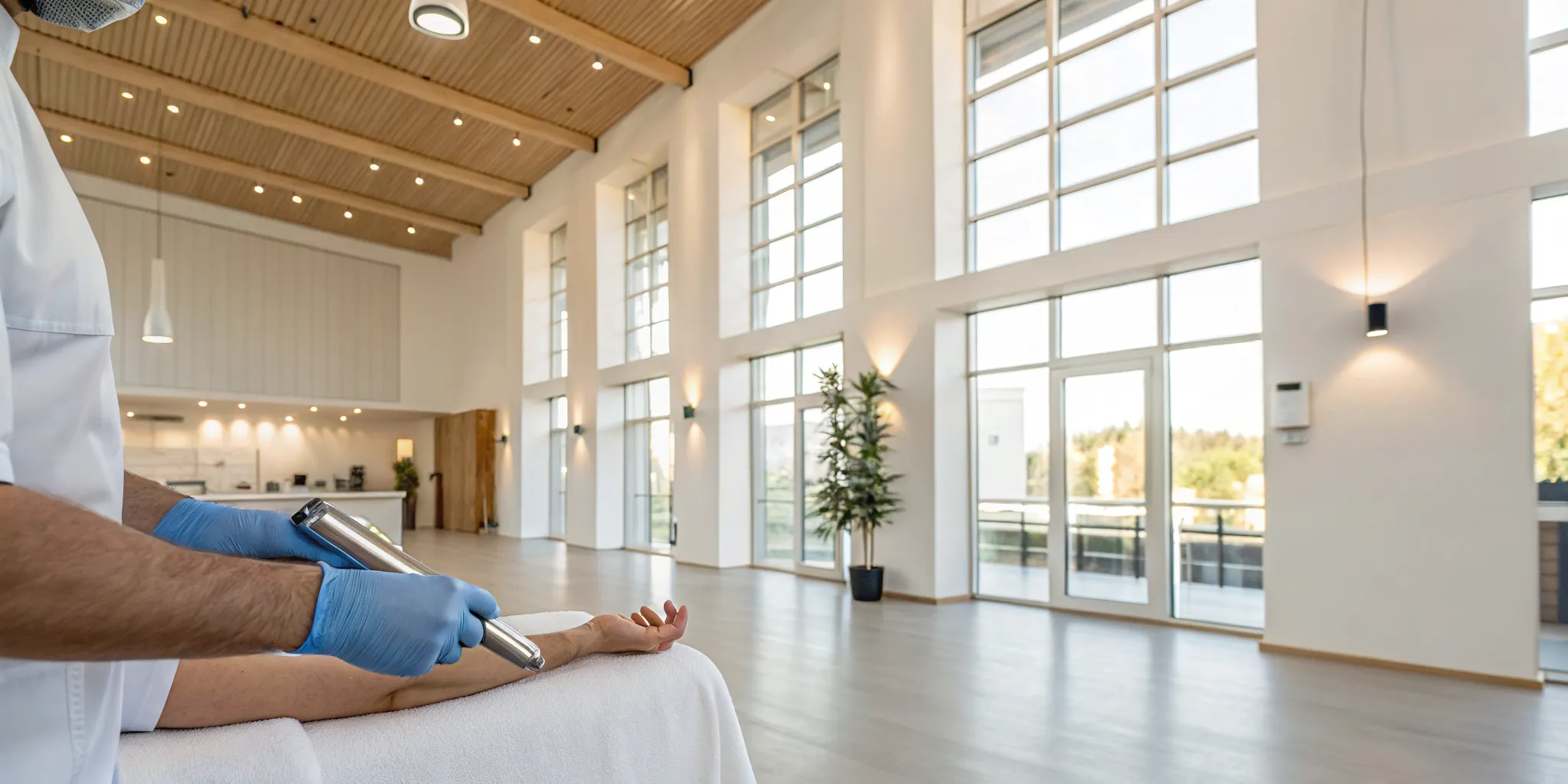
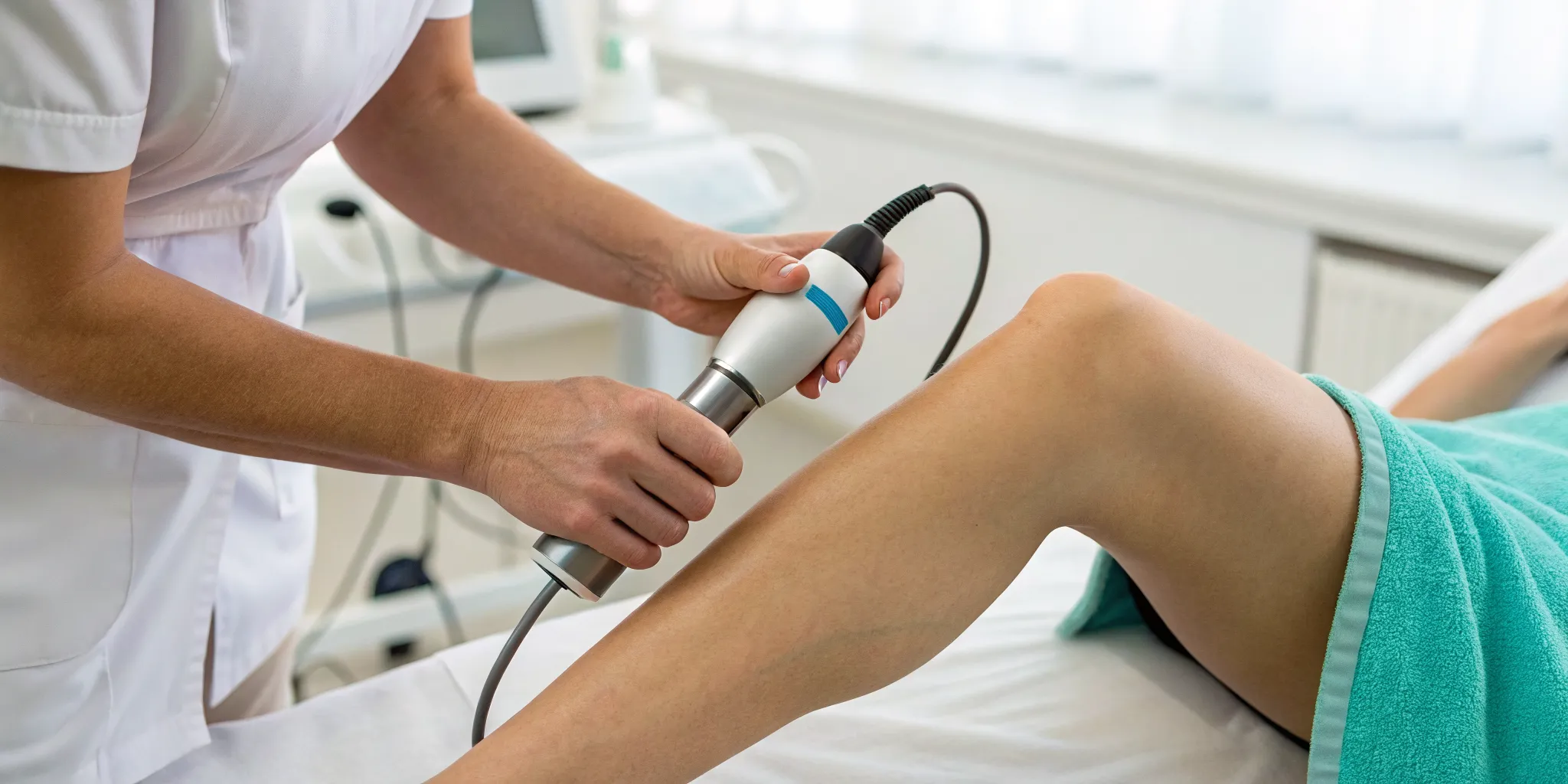
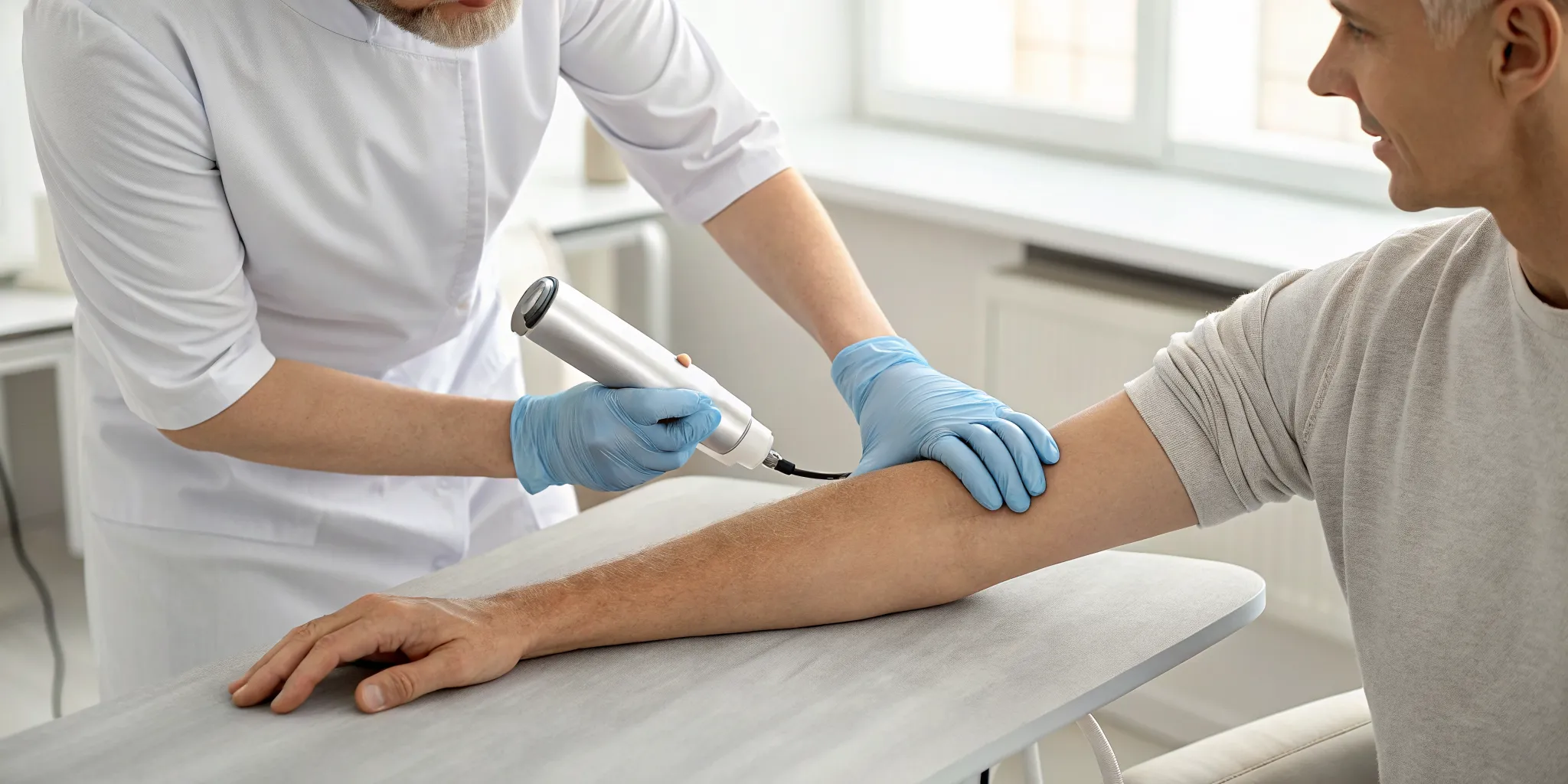
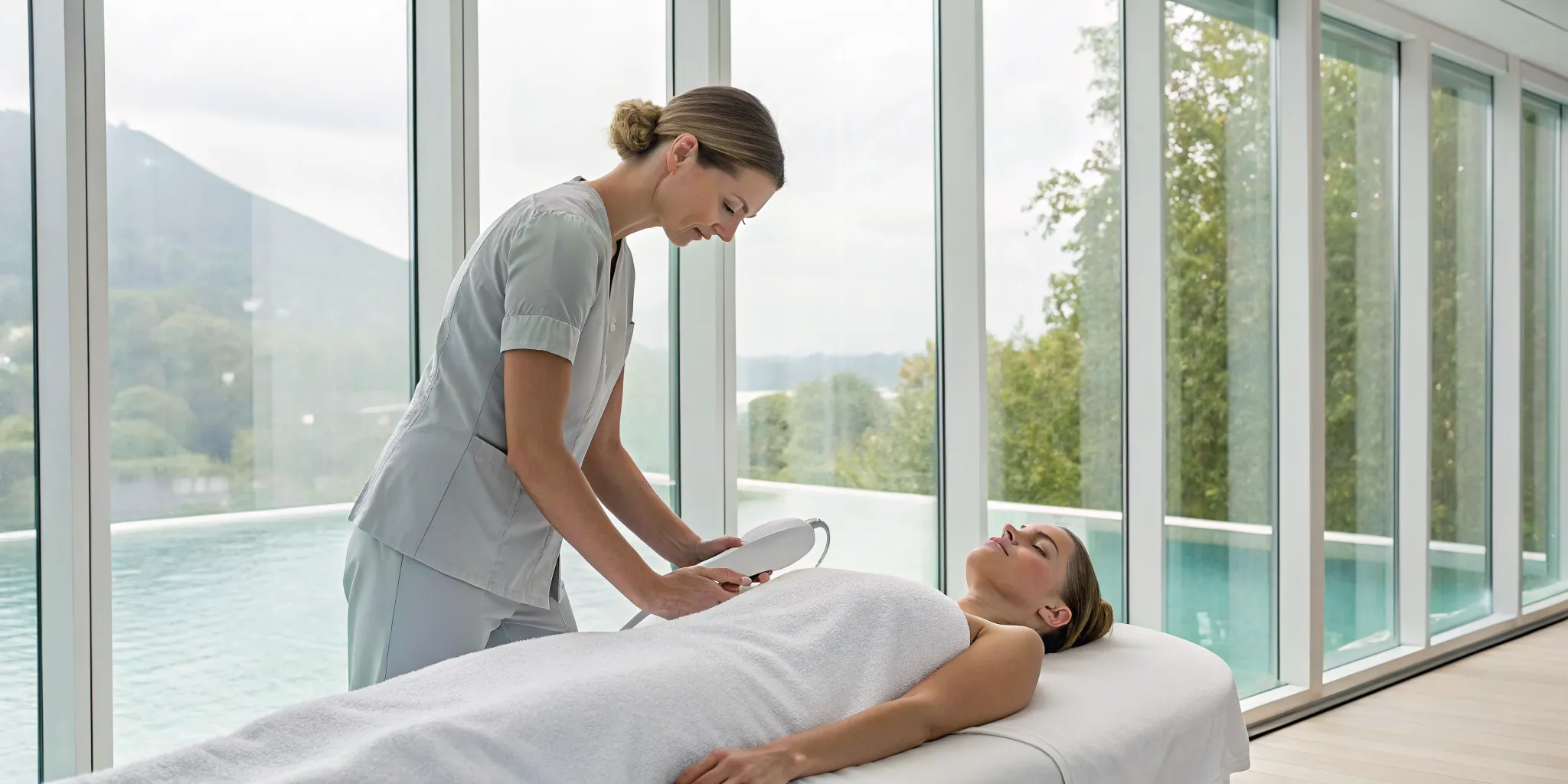
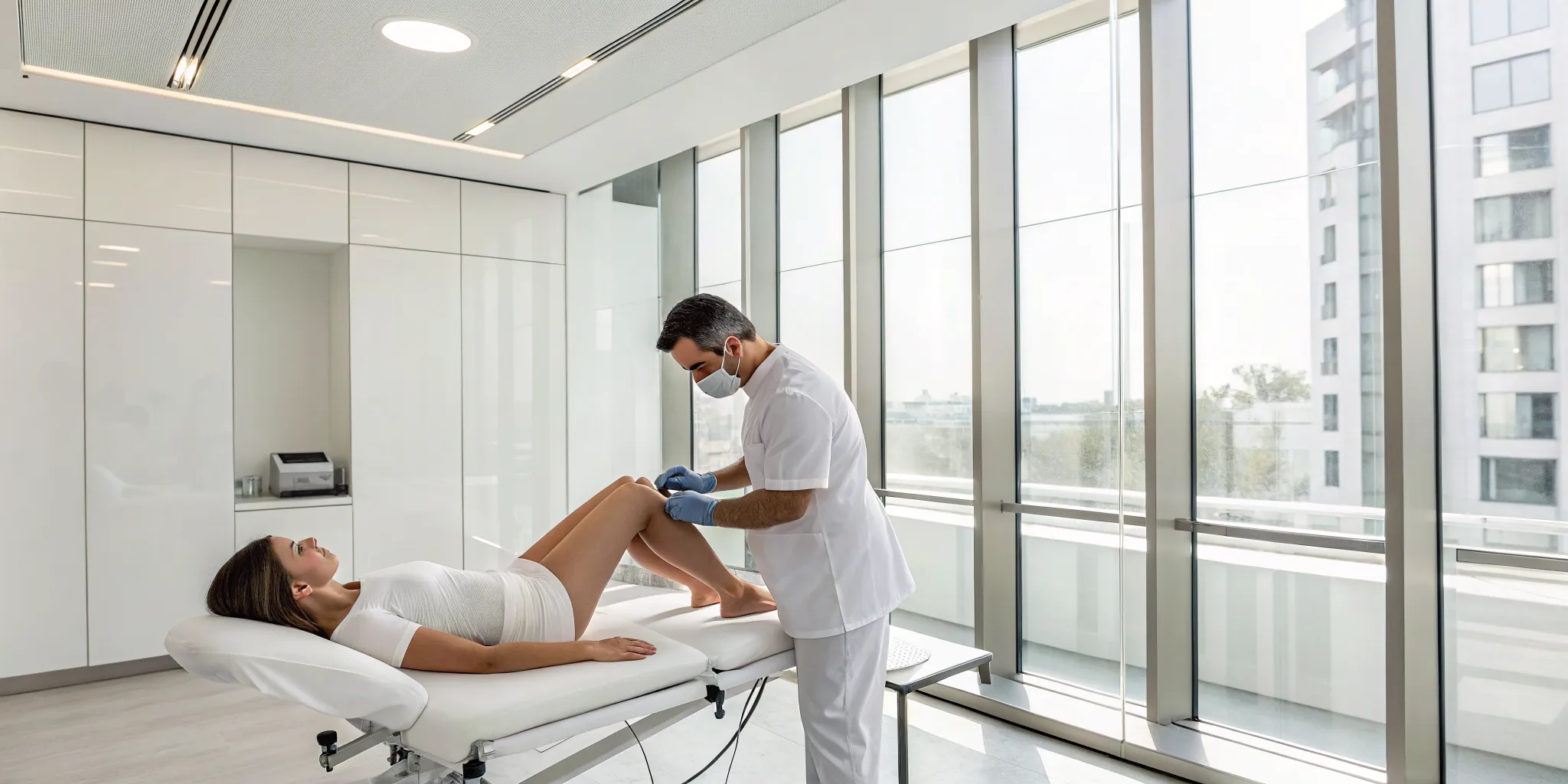
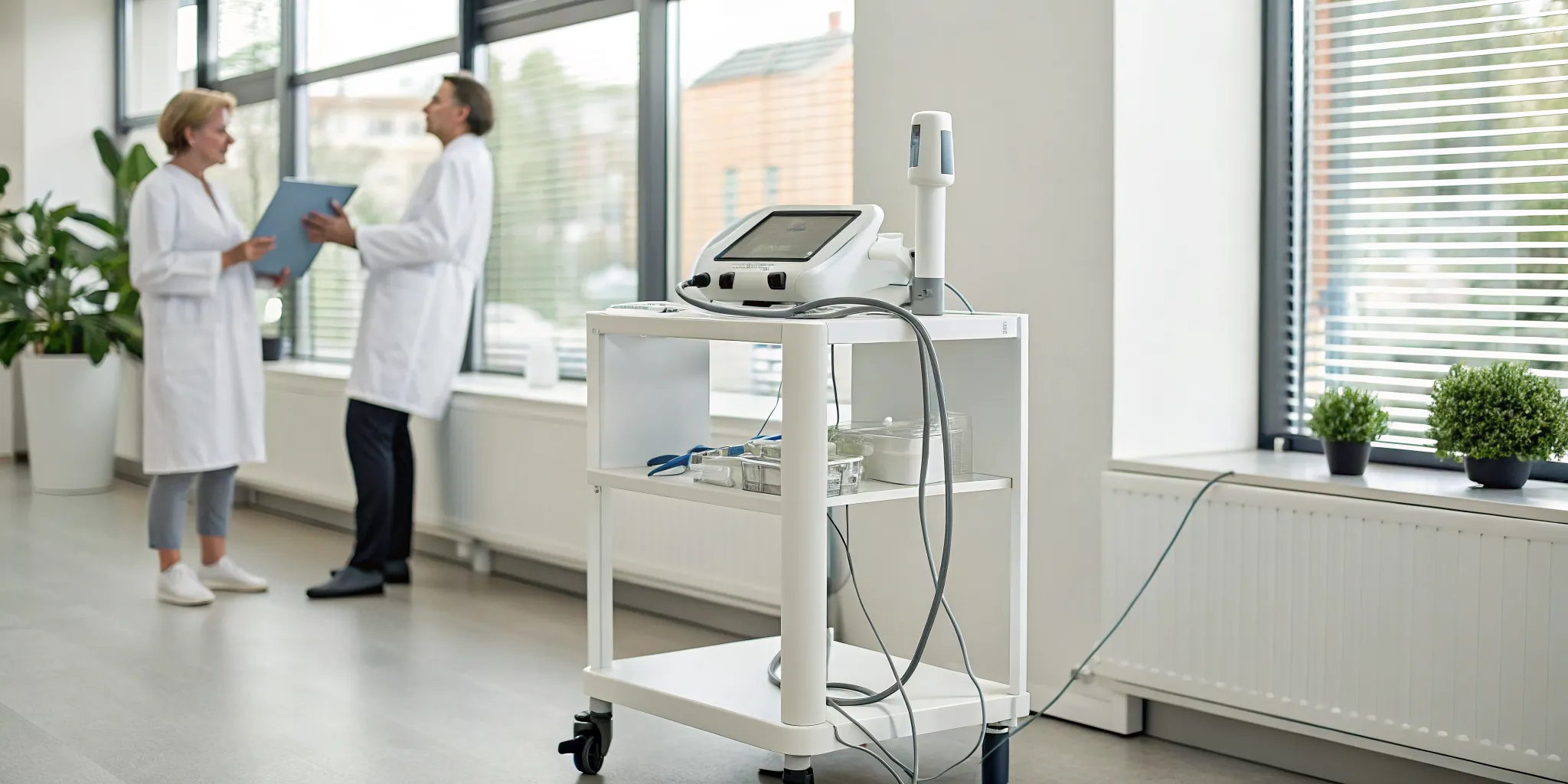
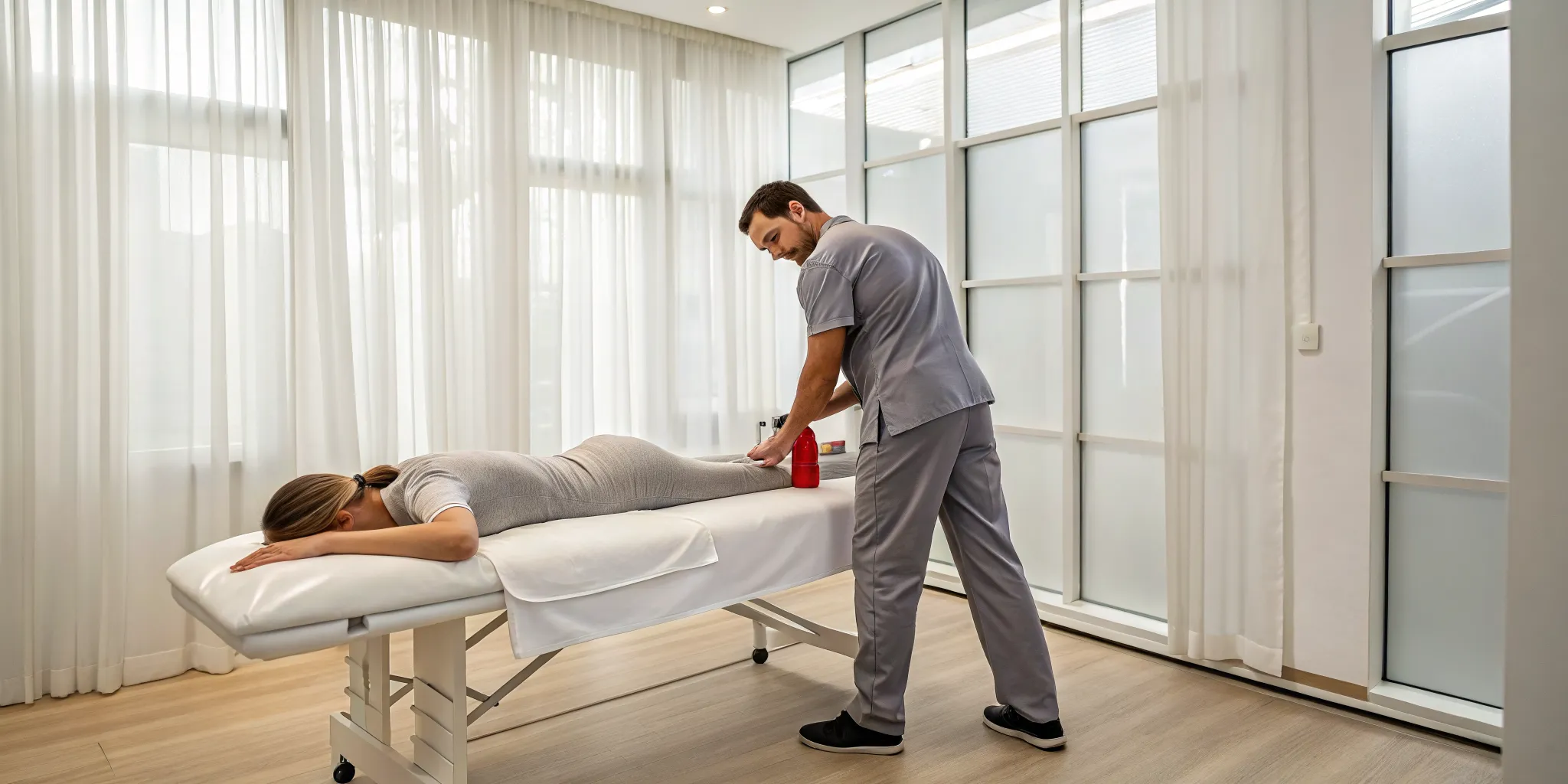
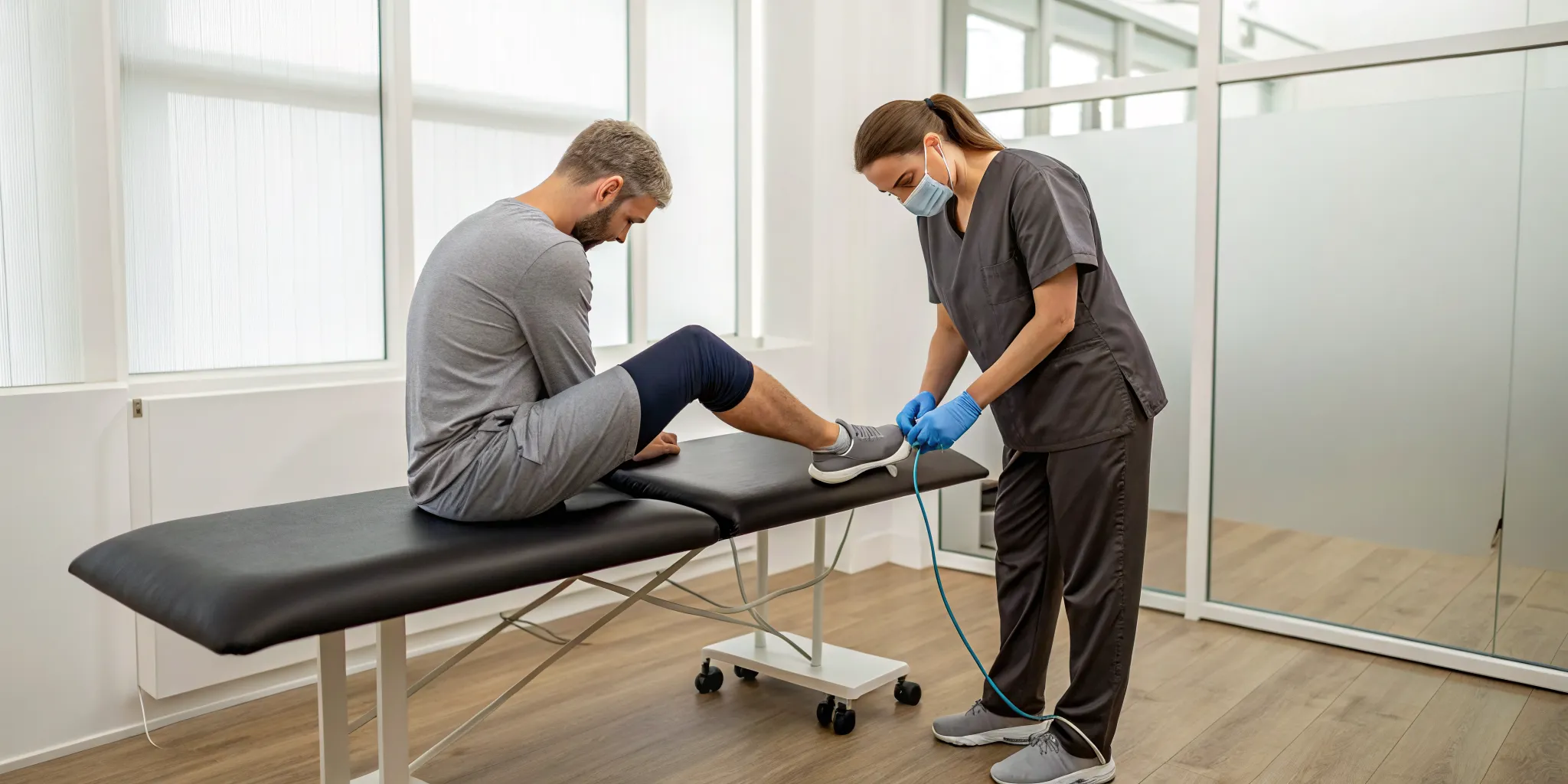
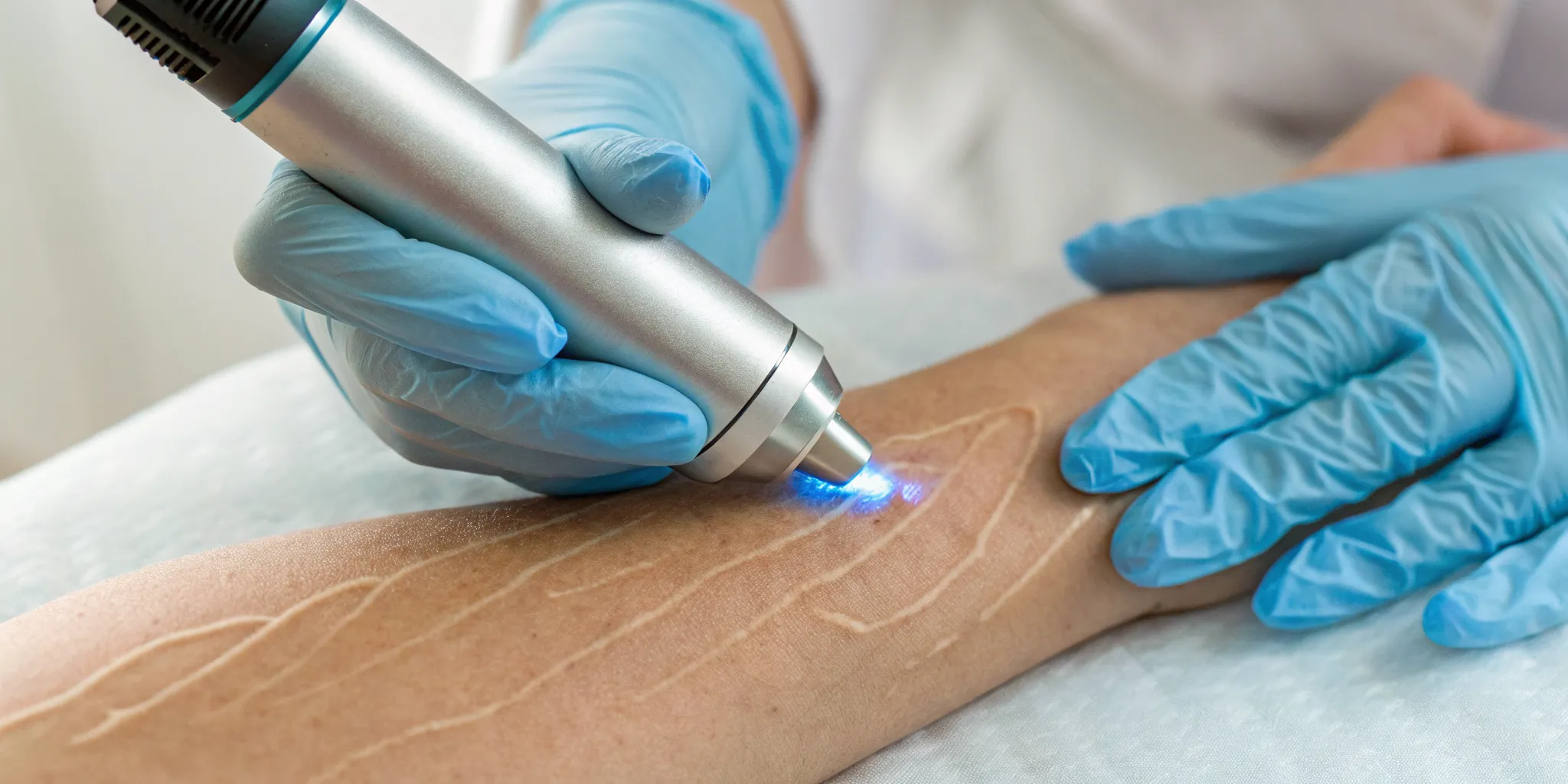
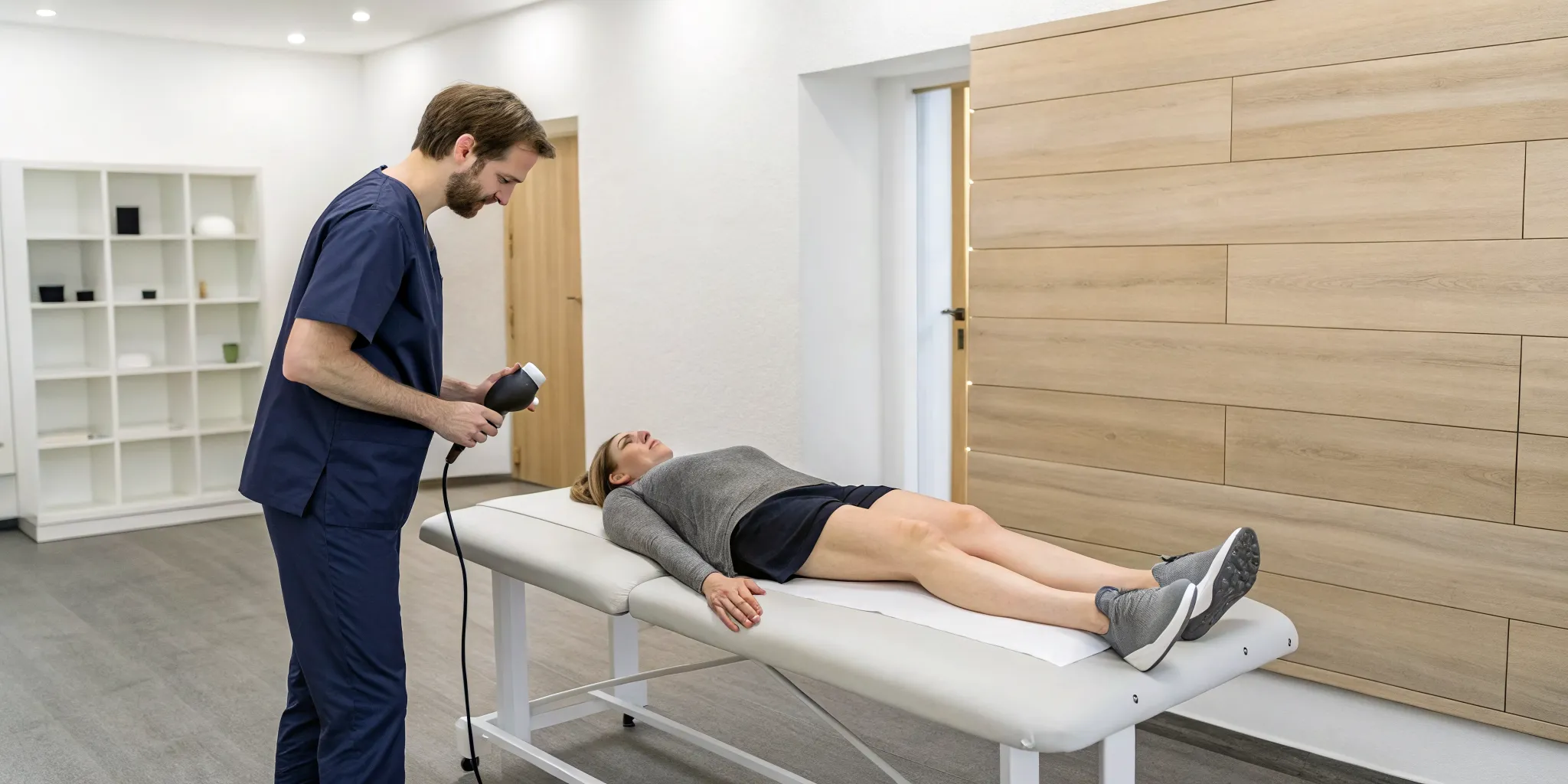
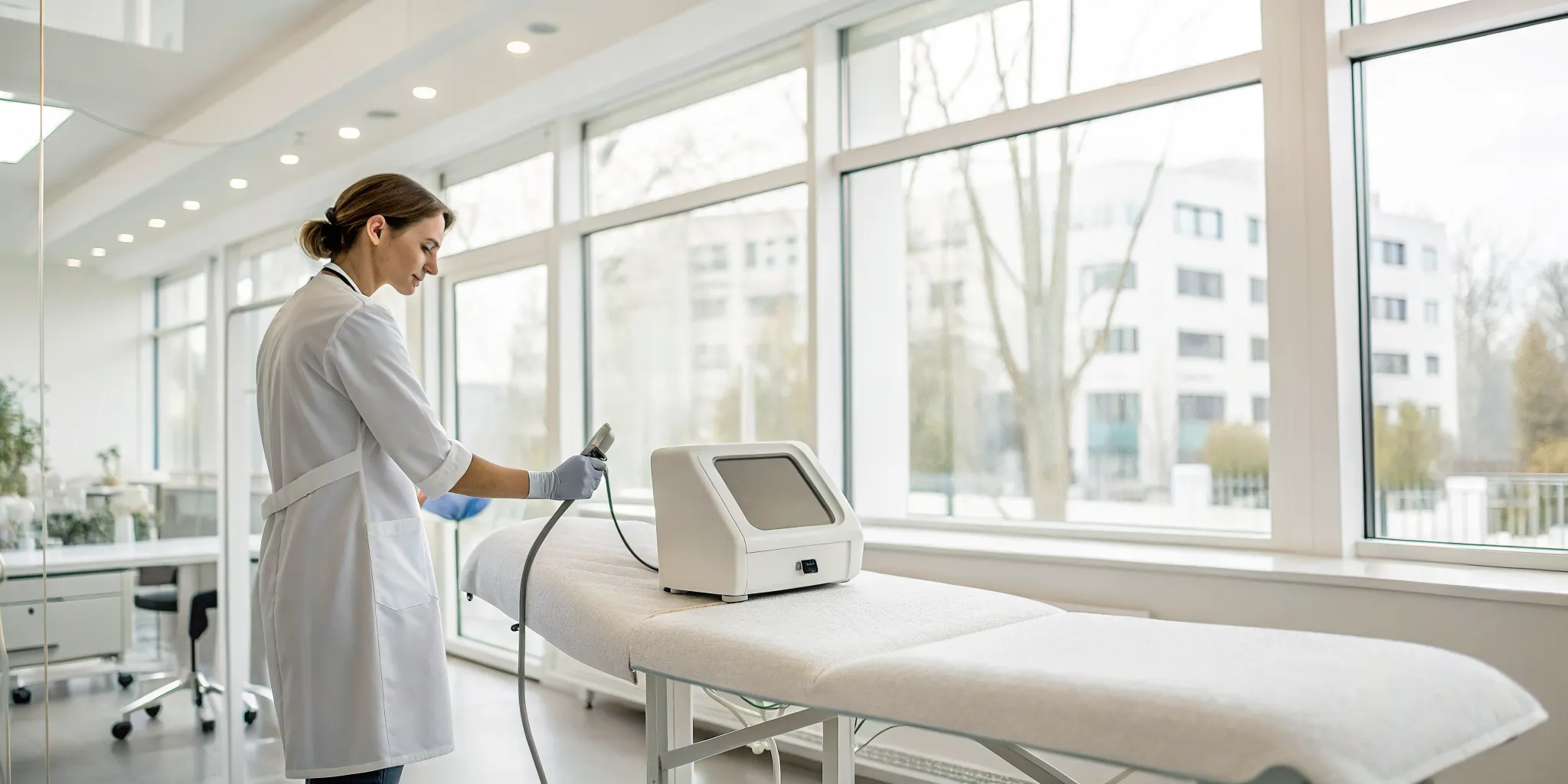
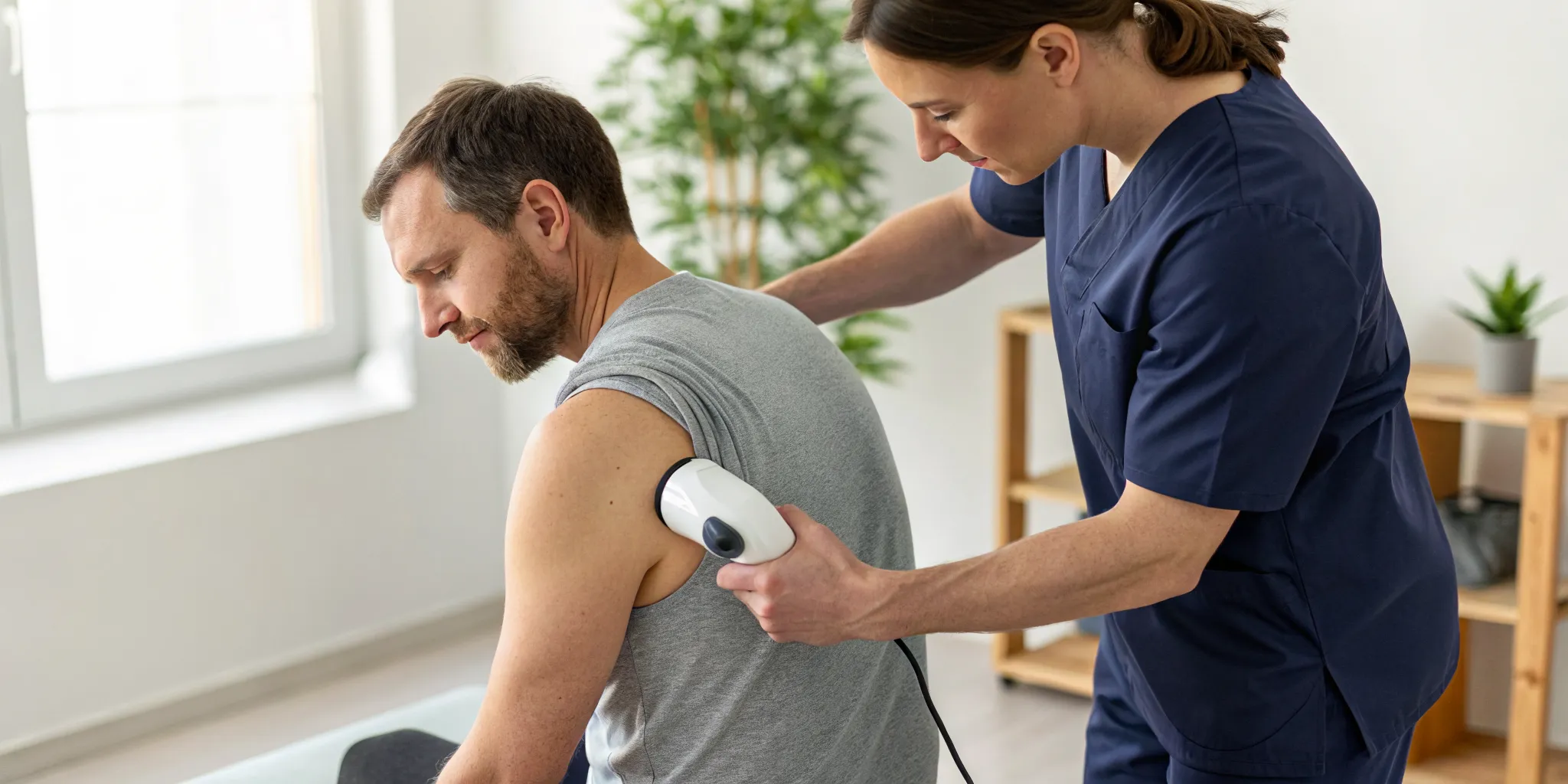
One of the best parts about SoftWave therapy is how straightforward and quick the sessions are. A typical treatment only takes about 10 to 15 minutes, making it easy to fit into a busy schedule. During the session, your practitioner will use a handheld device to apply the acoustic waves to the affected area of your knee.
You might feel a tapping or pulsing sensation as the waves work on the tissue. Some people experience mild discomfort, but the intensity can be adjusted to keep you comfortable. There’s no need for anesthesia, and you can get right back to your day afterward. It’s a simple process designed to deliver powerful results with minimal disruption to your life.
The Science and Safety Behind SoftWave
When considering any new treatment, it’s natural to wonder about its effectiveness and safety. SoftWave therapy is clinically proven, with studies showing a 61% to 91% improvement in musculoskeletal pain complaints. This high success rate makes it a reliable option for many people struggling with chronic knee issues.
From a safety perspective, SoftWave is exceptionally gentle on the body. Unlike other wave therapies, it doesn't cause bruising or significant swelling. Some patients might notice slight redness or soreness in the treated area, but this typically fades within a day or two. It’s a safe, FDA-cleared technology that offers a powerful healing response without the risks and downtime associated with more invasive options.
What Knee Conditions Can SoftWave Therapy Help?
Knee pain isn't a one-size-fits-all problem. It can stem from a variety of issues, from chronic wear and tear to specific injuries. The good news is that SoftWave therapy is a versatile tool that can address many of the underlying causes of knee discomfort. Because it works by stimulating your body’s own healing mechanisms at a cellular level, it’s effective for a range of soft tissue and joint-related problems. This approach helps reduce inflammation, improve blood flow, and regenerate damaged tissue, getting to the root of the pain instead of just masking the symptoms.
Whether you're dealing with the daily grind of arthritis or the sharp pain of a tendon injury, SoftWave offers a path toward lasting relief. It’s a non-invasive method that supports your body’s ability to repair itself. At Ascend Functional Health, we see patients with many different diagnoses find success with this technology. We use it to address several common conditions that cause knee pain, helping people in Tampa get back to their active lives. Below, we’ll explore some of the specific knee conditions that respond well to SoftWave therapy.
Knee Osteoarthritis
If you're struggling with the stiffness and aching of knee osteoarthritis, you know how much it can limit your daily activities. This condition, common in middle-aged and older adults, involves the gradual breakdown of cartilage in the knee joint. SoftWave therapy offers a promising approach to managing this. The technology uses sound waves to help reduce pain and improve function for those with knee osteoarthritis. By promoting circulation and stimulating your body's natural repair processes, this therapy can help calm inflammation and support the health of the surrounding tissues, allowing for smoother, more comfortable movement without invasive procedures.
Meniscal Tears
The meniscus is a piece of cartilage in your knee that acts as a shock absorber. When it tears, it can cause pain, swelling, and a feeling of your knee "giving way." While some tears require surgical intervention, many can be managed with supportive care that encourages healing. SoftWave therapy has shown promise in treating various knee issues, including meniscal tears. The acoustic waves penetrate deep into the tissue to stimulate stem cell activity and enhance blood flow. This process helps your body repair the damaged cartilage, reduce inflammation, and restore stability to the knee joint, helping you get back on your feet with confidence.
Patellar Tendonitis (Jumper's Knee)
Patellar tendonitis, often called "jumper's knee," is an overuse injury that causes pain in the tendon connecting your kneecap to your shinbone. It’s common in athletes who do a lot of jumping, but it can affect anyone. The pain can make it difficult to run, walk, or even bend your knee. SoftWave therapy is an effective method for addressing this stubborn condition. The acoustic waves target the inflamed tendon, breaking down scar tissue and stimulating a healing response. This helps to decrease pain and restore the tendon's strength and flexibility, allowing you to return to your favorite activities without that nagging discomfort.
Chondromalacia Patella
Chondromalacia patella is a condition where the cartilage underneath your kneecap softens and breaks down, leading to a dull, aching pain in the front of the knee. It's often felt when going up or down stairs or after sitting for a long time. SoftWave therapy can be a great option for this issue. By promoting blood flow and activating your body's natural healing agents, the therapy helps reduce pain and improve knee function. It addresses the underlying inflammation and supports the regeneration of healthier cartilage tissue, leading to less grinding and more comfortable movement in your day-to-day life.
Baker's Cysts
A Baker's cyst is a fluid-filled sac that forms behind the knee, causing a bulge, tightness, and sometimes pain. These cysts are usually a sign of an underlying knee problem, such as arthritis or a cartilage tear, that is causing the joint to produce excess fluid. While draining the cyst is one option, addressing the root cause is key for lasting relief. SoftWave therapy can help by targeting the inflammation within the knee joint that is causing the fluid buildup in the first place. This can alleviate the symptoms associated with the cyst, such as swelling and discomfort, by helping your body manage the inflammation and reabsorb the excess fluid naturally.
SoftWave Therapy vs. Conventional Knee Treatments
When you’re dealing with persistent knee pain, you’ve likely explored several conventional treatments. Many people try physical therapy, rely on pain relievers, or receive injections, only to find the relief is temporary. It’s a frustrating cycle that often leaves you feeling stuck, managing symptoms instead of addressing the real problem. This is where a different approach can make all the difference. Unlike methods that simply mask the pain, SoftWave therapy is designed to work with your body to promote genuine healing from the inside out.
Instead of just putting a bandage on the issue, this technology focuses on the underlying cause of your discomfort. It represents a significant shift from the temporary fixes that so many people with chronic knee pain have come to expect. By stimulating your body’s natural repair processes, SoftWave offers a path toward lasting improvement, helping you get back to the activities you love without the constant worry of returning pain. It’s about moving beyond symptom management and toward true, sustainable recovery.
An Alternative to Invasive Procedures
The thought of knee surgery can be daunting, often involving a lengthy recovery and significant downtime. SoftWave therapy presents a powerful alternative for those who want to avoid going under the knife. This non-invasive treatment uses patented acoustic waves to penetrate deep into the tissue, stimulating your body’s own healing mechanisms without a single incision. It’s a way to address the root of the problem, encouraging the repair of damaged tissue and reducing inflammation at the source.
By activating your body’s stem cells and improving blood flow, SoftWave helps your knee heal itself. This approach allows you to pursue recovery without the risks and extended timeline associated with surgical procedures. It’s a key part of our physical medicine toolkit for helping you find relief and regain function.
A Complement to Physical Therapy
SoftWave therapy doesn’t have to be a standalone solution. In fact, it works exceptionally well as part of a comprehensive care plan. We often find that combining SoftWave with other treatments, like chiropractic adjustments and corrective exercises, can accelerate your results. By reducing pain and inflammation first, SoftWave can make your body more receptive to other forms of therapy.
Think of it as preparing the foundation for healing. When your knee is less inflamed and painful, you can engage more effectively in the exercises and adjustments designed to restore proper mechanics and strength. This integrated strategy allows us to create a truly personalized plan that leverages multiple services to help you achieve the best possible outcome and get you back on your feet faster.
Moving Beyond Temporary Fixes
Pain relievers and steroid injections can provide short-term relief, but they rarely fix the underlying issue causing your knee pain. These methods often act like a temporary patch, masking the symptoms while the root cause remains. Over time, the pain returns, and you find yourself back where you started. SoftWave therapy is fundamentally different because its goal isn't to mask pain but to resolve it by promoting true tissue regeneration.
This approach is about creating long-term change. By stimulating your body’s natural healing processes, SoftWave helps repair the damaged tissue that’s causing the pain in the first place. With a clinically demonstrated success rate, it offers a reliable path toward lasting relief. This aligns perfectly with the core principles of functional medicine, where the focus is always on identifying and addressing the root cause for sustainable wellness.
Key Advantages of SoftWave Therapy for Knees
When you're dealing with persistent knee pain, you want a solution that does more than just cover up the symptoms. You’re looking for real, lasting relief that helps you get back to your life. SoftWave therapy offers a unique approach by working with your body to heal from the inside out. It stands apart from conventional treatments because it’s non-invasive, targets the source of your pain, and supports your body’s own powerful healing mechanisms. Let’s walk through the key benefits you can expect when you choose this innovative therapy for your knee pain.
Experience Noticeable Relief, Fast
One of the most encouraging aspects of SoftWave therapy is how quickly you can feel a difference. Many people who have lived with knee pain for years report a significant reduction in discomfort and an improvement in their range of motion after just one or two sessions. While the full regenerative process takes time, this initial relief can be a powerful motivator. It’s a clear sign that the therapy is working and that you’re on the right path. Our goal is to help you build momentum toward lasting wellness, and our patient testimonials often highlight this early, positive change as a turning point in their healing journey.
A Non-Invasive Method with Minimal Downtime
The thought of invasive procedures can be a major barrier to seeking care. SoftWave therapy offers a powerful alternative that doesn't involve needles or lengthy recovery periods. The treatment is entirely external, using acoustic waves to stimulate healing from outside the body. Sessions are quick, typically lasting about 10 to 15 minutes, and you can return to your daily activities right afterward. There’s no need to arrange for time off work or pause your life. This makes it a practical and accessible option within our suite of physical medicine services, designed to fit seamlessly into your busy schedule.
Targets Deep Tissue for Lasting Results
Superficial treatments often provide only temporary relief because they don't address the underlying issue. SoftWave therapy is different. Its acoustic waves can penetrate deep into the knee joint, reaching damaged tissues that other therapies can't. This deep stimulation promotes circulation, reduces inflammation, and breaks down scar tissue at the source of the problem. By targeting the root cause of the pain rather than just the symptoms, SoftWave helps create a foundation for genuine, long-term healing. This approach is fundamental to how we address the various conditions we treat, ensuring we focus on sustainable results.
Activates Your Body's Innate Healing Process
Perhaps the most significant advantage of SoftWave therapy is its ability to activate your body’s own regenerative capabilities. The acoustic waves send a signal to your body that an injury has occurred, which triggers a natural healing cascade. This process recruits your own stem cells and growth factors to the affected area, accelerating the repair of damaged cartilage, tendons, and ligaments. Instead of introducing an external substance, SoftWave empowers your body to heal itself. This aligns perfectly with our philosophy at Ascend Functional Health, which you can learn more about on our about page, where we believe in facilitating the body’s innate ability to restore function and vitality.
Understanding Your Potential Results
It’s natural to wonder what you can expect from a new therapy. While every person’s healing journey is unique, SoftWave therapy follows a predictable pattern of progress. The goal isn't just to mask your knee pain but to address the underlying issues by stimulating your body's own repair mechanisms. This approach supports lasting improvement in both how you feel and how you move.
From your very first appointment to the completion of your plan, we'll track your progress to ensure the therapy is working for you. Many people feel a difference right away, while the most significant changes happen over the course of a full treatment series. Understanding the process helps you set realistic expectations and stay motivated as your body heals from the inside out.
Your First Session: What to Look For
After your initial SoftWave session, you might be surprised by how quickly you notice a change. Many of our patients report feeling a significant reduction in pain and an immediate improvement in their range of motion. This early response is a great sign, indicating that the acoustic waves are successfully activating stem cells and reducing inflammation in the targeted knee tissue.
This isn't a temporary fix; it's the first step in a cumulative healing process. The relief you feel is evidence that your body is responding to the therapy and beginning the work of repair. We use this initial feedback to confirm that you are a good candidate for SoftWave and to fine-tune your personalized physical medicine plan for the best possible outcome.
Mapping Out Your Treatment Plan
A single session can provide relief, but lasting results come from a consistent series of treatments. A complete SoftWave therapy plan is tailored to your specific needs, but most people benefit from a series of sessions scheduled over several weeks. This allows the acoustic waves to build on the progress of previous appointments, promoting deeper and more durable tissue regeneration.
The exact number of sessions depends on the severity of your knee condition, how long you've had it, and your body's individual response. We will work with you to create a personalized roadmap designed to address the root cause of your pain. Our team at Ascend Functional Health develops these plans to help you achieve your health goals, whether that's walking without pain or getting back to your favorite activities.
Factors That Influence Your Outcome
Your results with SoftWave therapy are influenced by several factors, including the specific knee condition being treated, your overall health, and your commitment to the full treatment plan. Clinical findings show a high rate of improvement in musculoskeletal complaints, which gives us confidence in this technology. The therapy is designed to work with your body, so your lifestyle choices, like nutrition and activity levels, also play a role in your success.
One of the best parts of SoftWave is that it’s a gentle process. Most people tolerate the sessions very well, with some experiencing only minor redness or soreness that fades within a day or two. Our holistic approach ensures we consider all aspects of your health to support your body’s ability to heal effectively and achieve the best possible results.
Are There Side Effects with SoftWave Therapy?
One of the most common questions about any new treatment is, "What are the side effects?" It’s a great question to ask, and when it comes to SoftWave therapy, the answer is refreshingly straightforward. Because this is a non-invasive approach that works with your body, the side effects are typically very minimal. Unlike procedures that require incisions or injections, SoftWave doesn't cause significant bruising or swelling. Instead, it gently stimulates your tissue to kickstart healing from the inside out, which is a core principle of our approach to health.
Most people find the sessions comfortable and tolerate the treatment extremely well. The goal of our holistic health solutions is to support your body's natural abilities, not to add more stress or introduce foreign substances. The minor effects some people experience are usually a sign that the therapy is working and your body is responding by activating its own repair crews. Think of it as a gentle nudge that gets a powerful process started. We believe in empowering you with knowledge, so let’s walk through exactly what you might expect after a session so you feel confident and prepared for your healing journey.
Post-Treatment: The First 24 Hours
Immediately after your SoftWave session, you can get right back to your day. There’s no required downtime. In the first 24 hours, some people notice slight redness or feel a bit of soreness in the treated knee, similar to how you might feel after a deep tissue massage. This is completely normal and is simply your body’s inflammatory response beginning the healing cascade. It’s important to know that this is different from the kind of pain or swelling you’d see with an injury. This mild soreness typically subsides within a day or two. Our approach to physical medicine prioritizes treatments that are both effective and easy to integrate into your life.
Managing Minor Redness and Soreness
If you do experience a little soreness or redness, managing it is simple. The best thing you can do is listen to your body. We generally advise against applying ice, as the inflammatory process is a crucial part of the healing that SoftWave initiates. Instead, just allow the area to rest. You can continue with your normal daily activities, but it might be wise to postpone a heavy workout for a day. These minimal side effects are a positive indicator that your body is mobilizing its repair mechanisms to address the root cause of your knee pain, whether it's tendonitis or another one of the conditions we treat.
Activity Recommendations After Your Session
While you don’t need to put your life on hold, we do recommend making a few small adjustments to your activity level for about 24 to 48 hours post-treatment. This helps you get the most out of your session. We suggest avoiding any strenuous or high-impact activities that put a lot of stress on the knee, like running or heavy lifting. Gentle movement, like walking, is perfectly fine and can even be beneficial. Think of it as giving your body the space it needs to process the treatment and direct its healing resources effectively. If you ever have specific questions about your activity level, we're always here to help you find the answers.
Is SoftWave Therapy Right for Your Knee Pain?
Deciding on a treatment for your knee pain is a significant step, and it’s completely normal to wonder if a particular approach is the right fit for you. While many people find incredible relief with SoftWave therapy, the best path forward is always one that aligns with your specific condition, history, and health goals. This therapy is designed to work with your body to promote genuine healing, making it a powerful option for those struggling with persistent knee issues.
To help you get a clearer picture, let's walk through who typically sees the best results with SoftWave, when it might be wise to explore other avenues, and some common misunderstandings about the treatment. Understanding these points can help you feel more confident as you consider your next steps toward a life with less pain and better mobility. The ultimate goal is to find a solution that doesn’t just quiet the symptoms but addresses the underlying cause of your discomfort.
Who Makes an Ideal Candidate?
You might be a great candidate for SoftWave therapy if you're dealing with ongoing knee pain that hasn't responded well to other treatments. This is especially true for individuals looking for a non-invasive alternative to more aggressive procedures. SoftWave is clinically shown to achieve a 61% to 91% improvement for musculoskeletal pain, and many of our patients report feeling a noticeable reduction in pain and better movement after just one or two sessions. If you're motivated to find a solution that supports your body’s natural healing mechanisms and provides lasting relief from conditions like osteoarthritis or tendonitis, SoftWave is definitely worth exploring.
When to Consider Other Options
While SoftWave is a fantastic tool for regenerative healing, our primary goal at Ascend is to find the most effective solution for your unique situation. Traditional approaches like pain pills or steroid shots often provide only temporary relief because they don't address the root of the problem. SoftWave is different; it’s designed to create long-term change. If your knee issue requires a different type of intervention, we'll be upfront about it. A comprehensive evaluation helps us determine the best course of action, whether it's SoftWave, another form of physical medicine, or a combination of therapies tailored just for you.
Clearing Up Common Misconceptions
It’s smart to have questions about any new therapy, so let’s clear the air on a few things. First, SoftWave is not a painful procedure that will leave you with significant downtime. While some people experience minor redness or soreness at the treatment site, this typically fades within a day or two. It doesn't cause the bruising or swelling associated with other interventions. Second, this isn't an experimental treatment. SoftWave is supported by a strong body of clinical research for its effectiveness on conditions like patellar tendinopathy and chronic knee dysfunction. Our team is committed to using evidence-backed therapies that you can feel confident about.
Understanding the Investment in Your Knee Health
Making a decision about your health care always involves thinking about the financial commitment. When you're dealing with persistent knee pain, it’s easy to feel stuck between temporary fixes that don't last and invasive procedures that feel like too big a step. SoftWave therapy presents a different path, one focused on helping your body heal from the inside out. Viewing this therapy as an investment in your long-term well-being and mobility is a helpful way to frame it. The goal isn't just to manage pain; it's to get you back to walking, hiking, playing with your kids, and living your life without constantly thinking about your knees.
Understanding the costs involved is a crucial part of feeling confident in your choice. At Ascend Functional Health, we believe in complete transparency, so you can make an informed decision that feels right for you. We want you to have all the information you need to weigh the financial side against the potential for lasting relief. Our team is here to support you in exploring all aspects of your care, ensuring you feel comfortable with the conditions we treat and our approach to healing.
What to Expect for Session Pricing
When you're planning for SoftWave therapy, it's good to have a clear idea of the costs. Generally, you can expect individual sessions to be in the range of $150 to $250. The exact price can vary depending on the specifics of your treatment plan, which is tailored to your unique condition and goals. The total investment will depend on how many sessions you need to achieve significant and lasting results. We determine your personalized plan during your initial consultation, so you’ll know exactly what to expect before you begin. This upfront clarity ensures there are no surprises along the way.
A Note on Paying for Your Care
It's important to plan for the financial aspect of your treatment. SoftWave therapy is generally considered a self-pay service, which means patients typically cover the cost directly. Most health benefit plans do not include this type of advanced regenerative therapy in their standard coverage. We believe in being upfront about this so you can prepare accordingly. Our team is happy to discuss payment options and answer any questions you have during your consultation. Our focus is on making your path to recovery as smooth and straightforward as possible, and that includes being clear about the financial details from the start.
Is It Worth the Investment?
When you consider the potential for real, lasting relief, many people find SoftWave therapy to be an invaluable investment. Clinical studies have shown that 61% to 91% of patients experience a significant improvement in their pain complaints. Even more encouraging, many individuals report feeling 20% to 50% less pain and noticing better mobility after just one session. Instead of spending money on solutions that only mask symptoms, you’re investing in a therapy that activates your body’s own healing mechanisms. You can hear directly from our patient testimonials to understand the impact it has had on others.
Begin Your SoftWave Therapy Journey in Tampa
Deciding to address your knee pain is a significant step toward reclaiming your quality of life. SoftWave therapy offers a promising path forward, and starting your journey in Tampa begins with finding the right support and asking the right questions. Here’s how you can confidently move forward.
How to Choose the Right Provider
When you're ready to try SoftWave therapy, finding the right provider is the most important first step. You want a team with deep experience using this technology, as their expertise can directly influence your outcome. Look for a clinic that is transparent about its approach and focuses on patient results. Clinical studies have shown that SoftWave therapy can lead to a 61% to 91% improvement in musculoskeletal pain, which speaks volumes about its potential when applied correctly. Choosing a provider isn't just about the treatment; it's about finding a partner who is committed to your long-term health. At Ascend, our team is dedicated to understanding your unique situation and guiding you through every step of the process.
Questions to Ask at Your Consultation
Your initial consultation is the perfect time to ask questions and make sure you feel confident moving forward. Don't hesitate to get specific. You can ask about what to expect during and after a session, including any potential side effects. While SoftWave is very well-tolerated, some people notice slight redness or soreness that usually fades within a day or two. It's also a great idea to inquire about the clinical research behind the therapy for conditions similar to yours. A knowledgeable provider will be happy to discuss how the science applies to your knee pain. This conversation will help you understand the process and set clear expectations. You can schedule a consultation with us to discuss your specific needs.
Your Next Step with Ascend Functional Health
Taking that first step can feel like the hardest part, but knowing what to expect can make it easier. At Ascend Functional Health, many of our patients report a significant reduction in pain, often between 20% and 50%, and notice better mobility after just one SoftWave session. This immediate feedback is incredibly valuable. It not only provides you with encouragement but also gives our team important information to help guide the rest of your treatment plan. We use this initial response to tailor a protocol that addresses the root cause of your knee pain, ensuring your care is personalized to you. When you're ready to see what SoftWave can do for you, your next step is to contact our team and set up your first appointment.
Related Articles
- SoftWave Tissue Regeneration Therapy in Tampa | Alessi Functional Health
- SoftWave TRT Therapy in Tampa, FL - Alessi Functional Health
- Knee Cartilage Regeneration Medicine: A 2026 Guide
- 4 Ways to Regrow Knee Cartilage Without Surgery
- Regenerative Medicine for Knee Arthritis: What to Know
Frequently Asked Questions
Does the treatment itself hurt? Most people describe the feeling of SoftWave therapy as a light tapping or pulsing on the skin. While some areas might be more sensitive than others, the intensity is always adjustable to keep you comfortable. It’s a very different sensation from the sharp pain of an injection, and the entire session is over in about 10 to 15 minutes.
How many treatments will I need to feel better? This is a great question, and the answer is unique to you. While many people report feeling a noticeable improvement after just one or two sessions, lasting healing requires a full treatment plan. The exact number of sessions depends on your specific knee condition and how long you've been dealing with it. We will create a personalized plan for you after your initial consultation so you know exactly what to expect.
Is it normal to feel sore after a session? Yes, it’s completely normal and actually a good sign. Some people experience mild soreness in the treated area, similar to how you might feel after a good workout or a deep tissue massage. This just means the therapy has successfully activated your body’s natural healing response. This feeling typically fades within a day or two.
Can I combine SoftWave with other treatments I'm already doing? Absolutely. SoftWave therapy works exceptionally well as part of a comprehensive care plan. By reducing pain and inflammation, it can make your body more receptive to other therapies like corrective exercises or chiropractic care. Think of it as preparing the groundwork, which can help you get even better and faster results from your overall treatment strategy.
How do I know if SoftWave is actually working for me? You’ll likely have a good indication very quickly. A key benefit of SoftWave is the immediate feedback it provides. Many patients feel a significant reduction in pain and an improved ability to move their knee right after the first session. This initial relief is a clear sign that your body is responding to the therapy and that you are on the right path to long-term healing.