People ask, "Are peptides safe?" because the word describes very different products. A short chain of amino acids made for a prescription is not the same thing as a vial sold online with no clinician involved. At Ascend Functional Health in Tampa, peptide therapy sits inside Regenerative Medicine. It is considered only after a clinician reviews your history, your labs, and your goals. Safety is not a yes for every peptide and every person. It is a set of questions you should answer before anyone starts a protocol.
Review peptide therapy guidance
Are Peptides Safe, or Does the Answer Depend on the Person?
Are peptides safe only after someone looks at you, not at a product label. Peptides are short chains of amino acids. Your body already uses many of them as signals. A therapy peptide is still an active compound. It can change appetite, repair signals, immune activity, or growth-hormone release. That is why a blanket answer misleads people.
Ascend Functional Health is a Tampa Bay practice built around three pillars: Physical Medicine, Functional Medicine, and Regenerative Medicine. Peptide protocols live in the regenerative pillar, next to hormone care, not as a cosmetic add-on. The clinic at 3916 N Dartmouth Ave., Tampa, FL 33603, serves Tampa, Wesley Chapel, Brandon, and nearby communities, with telehealth for patients across Florida. You can read how the practice describes that model on the about page.
On the peptide therapy page, the practice is direct. Protocols are physician-supervised. They are built from your health history, lab results, and goals. The page says the team uses only pharmaceutical-grade peptides, and only inside a clinical framework. Specific peptides may be unavailable when compounding rules change. That note matters more than any marketing claim about feeling better fast.
A useful safety answer has four parts. Who is prescribing. What was screened. Where the peptide came from. How you will be followed. If any part is missing, you do not yet know whether that peptide is reasonable for you.
What Should You Screen Before You Start?
Screening is the first safety step, and it should happen before a peptide is named. A consult is not a product menu. It is a medical visit that can also end with a recommendation not to start.
Bring a full history. Include past diagnoses, surgeries, and family patterns that affect hormones or metabolism. List every prescription, vitamin, and herbal product, with the dose and how long you have taken it. Peptides can overlap with those products. A clinician cannot check that overlap from a guess.
Ascend pairs this history with lab work before a protocol is chosen. Comprehensive bloodwork and biometric panels are part of the functional medicine offering, and the peptide page says candidacy depends on that workup. Recent labs from the last six months help, but they may not replace new tests. The goal is a baseline, not a souvenir from another office.
Ask what would make you a poor candidate. Pregnancy, a complex medical history, or a plan that conflicts with another treatment can change the answer. The team should say so plainly. Informed consent at this practice includes risks, benefits, alternatives, and your right to decline.
Dr. Alfred Alessi leads the clinic as Founder and Director of Clinics. Dr. Richard Tellier is Director of Physical Medicine, as listed on the about page. If joint pain or a training injury is the real issue, physical medicine may belong in the plan before, or instead of, a peptide. That is a safety choice, not a detour.
Which Safety Questions Should You Ask About the Source?
Source is where many online answers go wrong. "Research use only" is not a clinical product. A careful conversation names the pharmacy, the prescription, and the rule that allows that peptide to be compounded.
The FDA keeps a public list of bulk substances used in compounding that may present significant safety risks. Several names from wellness ads are on it. For BPC-157, the agency says safety information is limited or missing for proposed routes. It does not know whether that drug would cause harm in people.
For CJC-1295, the FDA reports serious events, including a faster heart rate and body-wide widening of blood vessels. It also says clinical data are limited. For the thymosin beta-4 fragment called TB-500, the FDA has not identified human exposure data. It lacks the information to know whether the drug would cause harm.
Those notes are not a clinic slogan. They are a reason to ask, before you pay, whether a named peptide is even appropriate to discuss. Ascend states that availability follows current FDA compounding guidelines. If a peptide cannot be sourced through a legitimate prescription, it should not be offered as a workaround.
Ask these source questions in the visit, and write the answers down before you agree to anything:
- Will a licensed clinician prescribe this, or am I buying it myself?
- Which pharmacy will compound it, and is that pharmacy licensed?
- Is this peptide on an FDA safety-risk list for compounding?
- Which route is planned, and which safety data exist for that route?
- How will I store it, and who teaches me the injection steps?
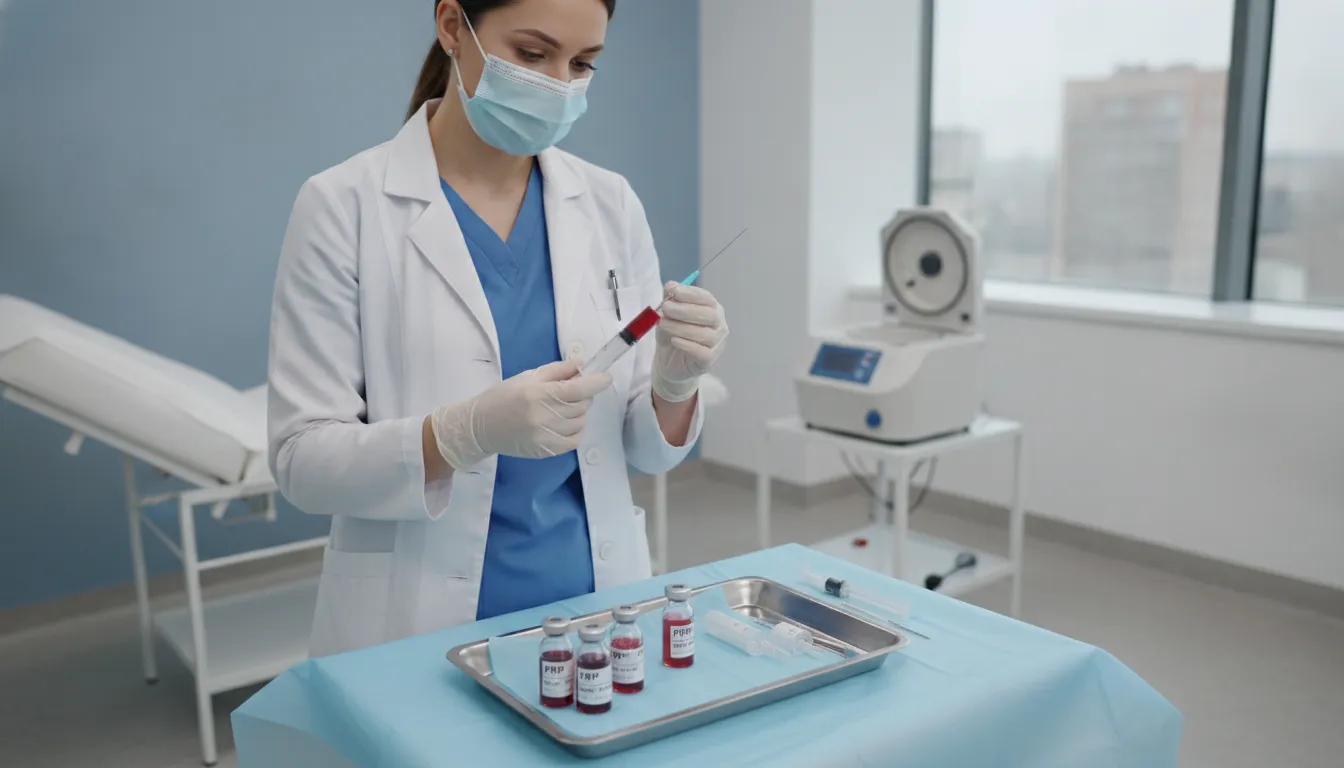
Purity talk should be specific. On Ascend's peptide page, "pharmaceutical-grade" means a prescription product used inside a clinical framework, not a sticker on a mail-order vial. Impurities and clumping are part of why the FDA flags certain peptides. You should hear that in plain language.
How Do Screening, Source, and Follow-Up Compare?
Use the table below to separate a clinical safety review from a product search. The rows are questions you can take into a Tampa consult, not a scorecard of clinics.
| Question | What a careful review includes | What should stop the plan |
|---|---|---|
| Who decides | A licensed clinician at Ascend reviews history and goals first. | A website, a coach, or a group chat picks the peptide. |
| What was checked | History, current products, and labs come before any protocol. | There is no baseline, or labs are ignored because you feel fine. |
| Where it comes from | A prescription is filled by a licensed compounding pharmacy. | The plan uses research-only vials, unknown sellers, or shared bottles. |
| Which compound | A named peptide is matched to a finding, and FDA limits are explained. | A stack is chosen because it is popular this month. |
| How you follow up | A planned recheck covers symptoms and labs, with room to stop. | There is no visit after the first vial, and no one to call. |
If a pitch fails two rows, treat that as a no for now. You can still learn how the clinic thinks about care. You should not start a compound you cannot explain.
How Should a Protocol Be Chosen?
Protocol choice is the next safety question, and it should be narrow. Ascend's peptide page lists compounds the team may use, and it says the list may vary. Names you may hear include BPC-157 for tissue and gut repair signals, and TB-500 for broader tissue repair. Growth-hormone signals may involve sermorelin, ipamorelin, or CJC-1295. Other names include LL-37, Selank, Semax, Epithalon, or PT-141. Listing a name is not a promise that you will receive it.
Match the peptide to a finding. Slow recovery after training is a different problem from poor sleep, low drive, or a gut complaint. A stack that tries to cover all of those at once is harder to monitor and harder to stop. One clear goal makes unwanted effects easier to interpret.
Dose and route belong in the same conversation. The FDA's ipamorelin note is a good example. The agency describes serious events, including death, when ipamorelin was given into a vein to help stomach movement. It also says it lacks enough information on certain other injection routes to know whether harm would occur. A wellness plan should not treat every injection style as equal. Ask which route is proposed and why.
Some patients also look at hormone care. Hormones can change how a peptide plan is judged, and the reverse is true. That does not mean both should start on the same day. Ask whether labs should be repeated after one change before a second change is added. Sermorelin has its own reaction questions. If that peptide is the one on the table, read the sermorelin side-effect guide and bring those questions to the visit. This article will not walk through that list.
Weight-loss peptides, including GLP-1 care, are a separate service at Ascend. Do not treat a fat-loss ad as the safety answer for a repair peptide, or the other way around. Different compounds, different monitoring.
What Does Follow-Up Look Like After You Begin?
Follow-up is part of safety, not a bonus visit. A peptide can feel uneventful in week one and still need a change later. Ascend describes care as assessment, a personal strategy, and ongoing optimization. Progress is tracked, and the plan is adjusted from real findings.
Before the first dose, ask what the check-in schedule is. Ask which symptoms should trigger a call the same day, such as chest symptoms, a severe headache, swelling that spreads, or a reaction at the injection site that worsens. Mild redness can happen with injections. Worsening pain, rash, or fever is a different call. You should know who answers.
Ask which labs will be repeated, and when. A baseline that is never compared is not monitoring. If the goal was sleep, energy, or recovery, ask how that goal will be judged besides how you feel on a single day. The practice emphasizes measurable progress. Use that. If the measure does not move, stopping is a valid result.
Also ask how long a trial should run before anyone adds a second peptide. Adding compounds before the first one is understood makes the next decision worse. Write the plan down: peptide name, dose, route, pharmacy, next lab date, and the reason you would stop.
When Should You Wait or Choose Another Path?
Waiting is sometimes the safer plan. Do not start if you cannot name the prescriber, the pharmacy, or the reason this peptide matches your labs. Do not start from a research-chemical site, a friend's leftover vial, or a protocol copied from a video.
Do not start because a label says natural. A signal your body already makes can still be the wrong dose, the wrong route, or the wrong moment. Do not start to replace care you actually need. Chest pain, a sudden severe headache, trouble breathing, or an injury that may be a break are urgent problems. A peptide consult is not that visit.
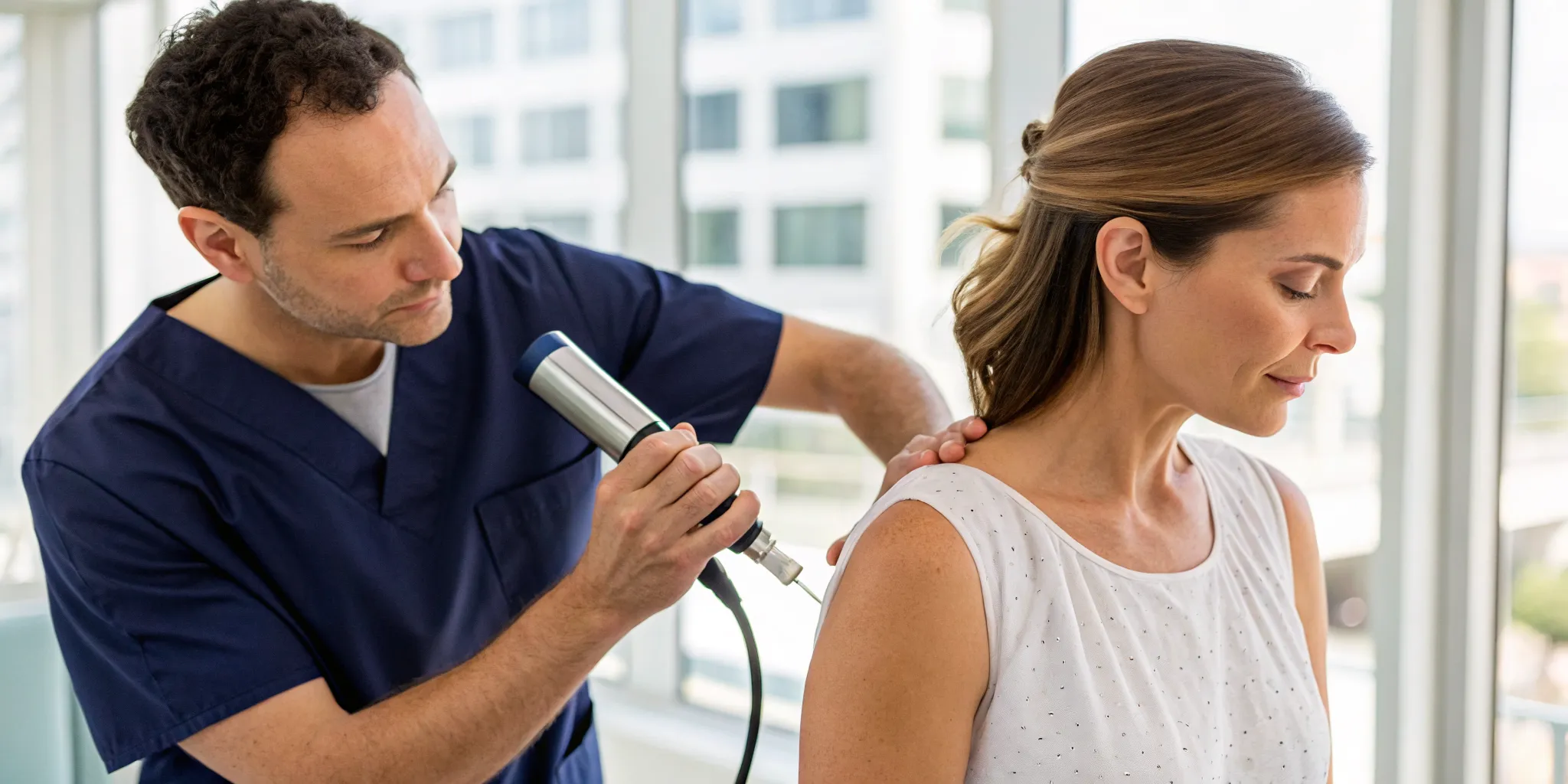
Ascend's own story is about looking past short-term relief. The team would rather map movement, labs, and history than hand you a popular compound. Physical medicine, including chiropractic care, decompression, and SoftWave, may be the right first step for a joint or spine problem. Functional medicine testing may be the right first step for fatigue, gut symptoms, or hormone questions. Regenerative options come after that picture is clearer.
If you want the visit itself mapped out, the peptide therapy consultation guide covers how to prepare and what the appointment includes. This page stays on the safety questions. Use both, but do not treat them as the same article.
What Should You Bring to a Tampa Safety Conversation?
A good consult is easier when you arrive organized. Use this short list, then let the clinician lead the visit instead of a product menu.
- Your main goal, in one sentence, such as recovery, sleep, or energy.
- A history of diagnoses, surgeries, and family hormone or metabolic patterns.
- Every current prescription, vitamin, and herbal product, with doses.
- Lab results from the last six months, if you have them.
- Any peptide you already researched, so the FDA status can be discussed openly.
- Questions about pharmacy, route, follow-up labs, and reasons to stop.
The new-patient process at Ascend is two visits. Day one is discovery, a sit-down consult, X-rays, and treatment only if the doctor finds it appropriate. Day two is a report of findings, a strategy session, and the doctor's recommendations. That pace fits a peptide decision. You should not feel pressed to begin on the first handshake.
Hours run Monday through Friday, with split morning and afternoon blocks on several days. If you are comparing care from Wesley Chapel, Brandon, or elsewhere in the bay, ask whether any follow-up can be done by telehealth and which steps still need to happen in Tampa.
Frequently Asked Questions
These answers stay on the same safety point. Are peptides safe only when the person, the source, the route, and the follow-up have all been reviewed. A product name alone is not an answer.
Are peptides safe for everyone?
No. Safety depends on the person, the peptide, the dose, the route, and the follow-up. A clinician should be able to tell you not to start.
Are research peptides the same as prescribed peptides?
No. Research-only products are not a prescription plan. Ask for a licensed prescriber and a licensed pharmacy, and skip sellers who will not name either one.
Does the FDA warn about any peptides used in compounding?
Yes. The FDA lists certain bulk substances that may pose significant safety risks in compounding. BPC-157, CJC-1295, ipamorelin, and the thymosin beta-4 fragment called TB-500 appear on that list with limited human safety data or reported serious events. A clinic should explain that before you begin.
Can I start peptides and hormone therapy at the same time?
Sometimes both are discussed, but starting both at once makes it harder to know what helped or what caused a reaction. Ask whether one change should be judged with repeat labs before the next change is added.
What if my goal is weight loss?
Say that plainly. GLP-1 care at Ascend is its own service, with its own monitoring. A repair peptide is not a shortcut answer to a weight question, and a weight-loss ad is not a safety review.
This article is educational. It is not medical advice, and it is not a personal recommendation. Talk with your clinician before you start, stop, or change any therapy.