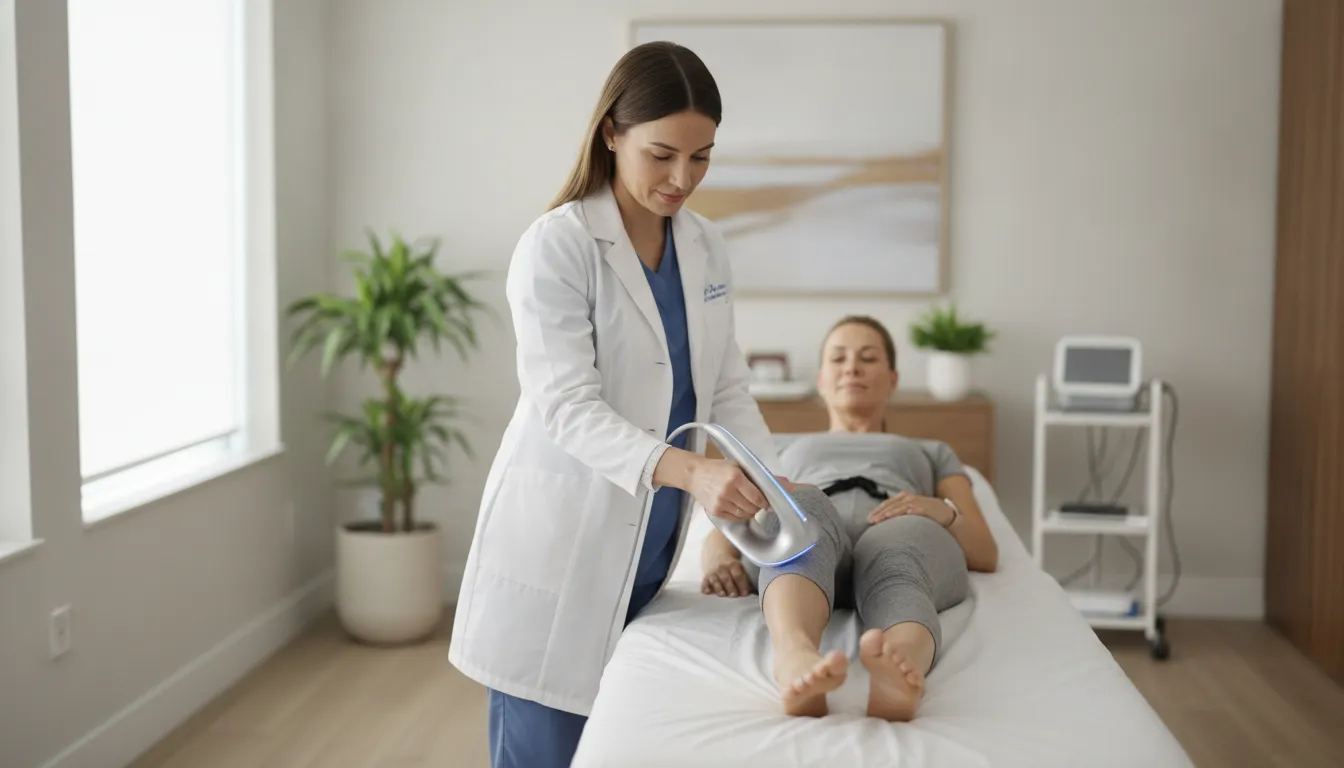
The idea of "shockwave" treatment might sound intense, but the reality is a gentle and highly targeted approach to healing. Instead of just managing symptoms, this technology gets to the heart of the problem. It uses patented acoustic waves to create a biological response deep within your injured tissue, signaling your body’s own repair crews to get to work. This process helps increase blood flow, reduce inflammation, and activate your resident stem cells to regenerate healthy tissue. This article will break down the science behind SoftWave therapy for foot pain, explaining how this non-invasive method provides the building blocks your body needs to finally repair the damage and find lasting relief.
Key Takeaways
- It Promotes Natural Healing: SoftWave therapy uses acoustic waves to activate your body's internal repair system, encouraging genuine tissue regeneration rather than relying on temporary fixes.
- Sessions are Fast with No Downtime: Treatments are typically finished in 10 to 15 minutes, allowing you to walk out and continue your day immediately without any need for recovery time.
- Consistency is Key for Lasting Results: While many feel better quickly, SoftWave works by healing tissue over time; completing your personalized series of treatments is essential for addressing the root cause of your pain.
How SoftWave Therapy Relieves Foot Pain
If you're dealing with persistent foot pain, you've probably tried a lot of things without much success. It’s easy to feel like your only options are temporary fixes or more invasive procedures. SoftWave therapy offers a different path by working with your body’s own healing mechanisms. Instead of just covering up the pain, it gets to the source of the problem to create lasting relief. Let's look at the science behind how this innovative treatment helps you get back on your feet, and what makes it different from other therapies you might have heard of.
The Science of Acoustic Wave Technology
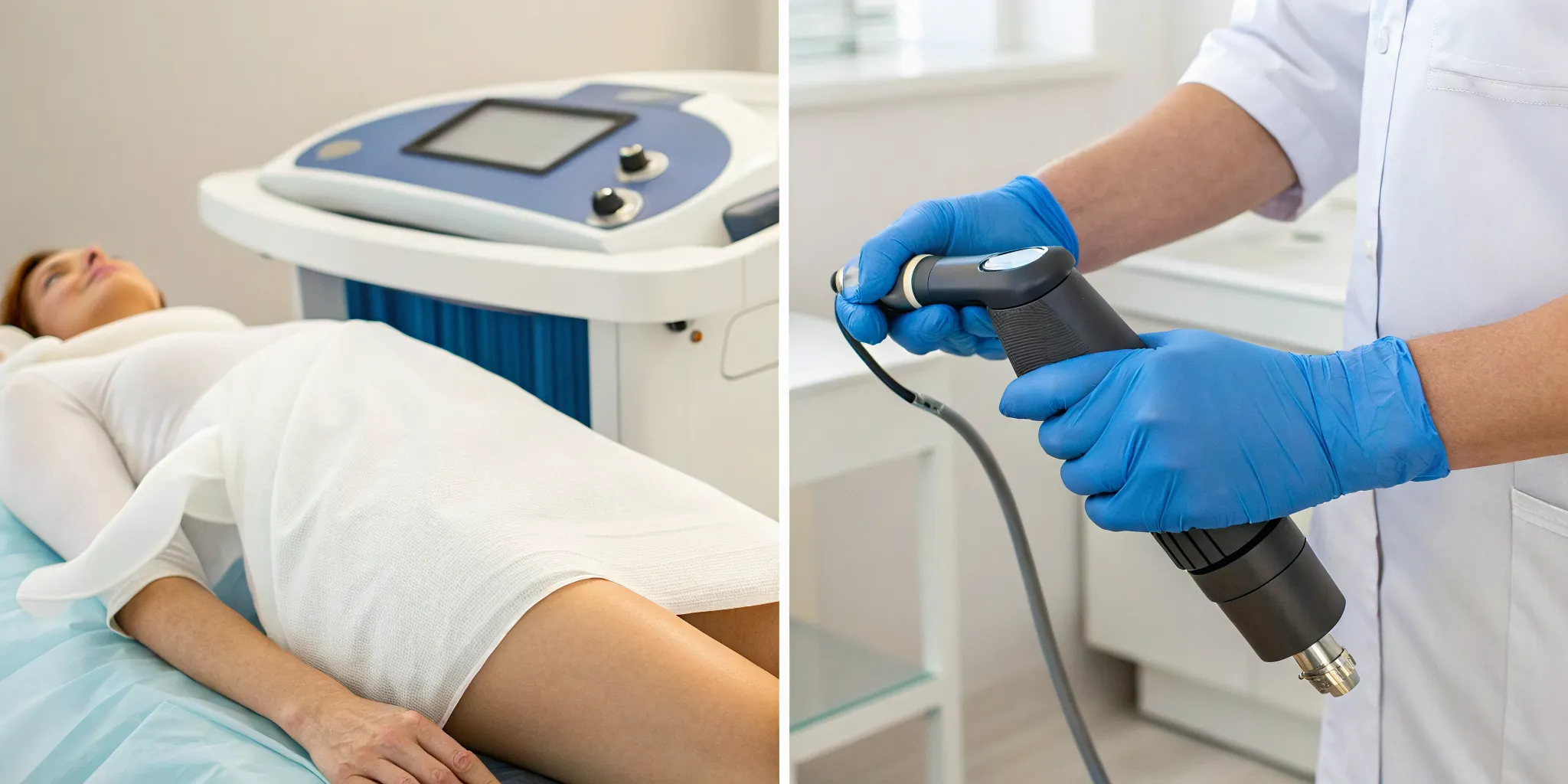
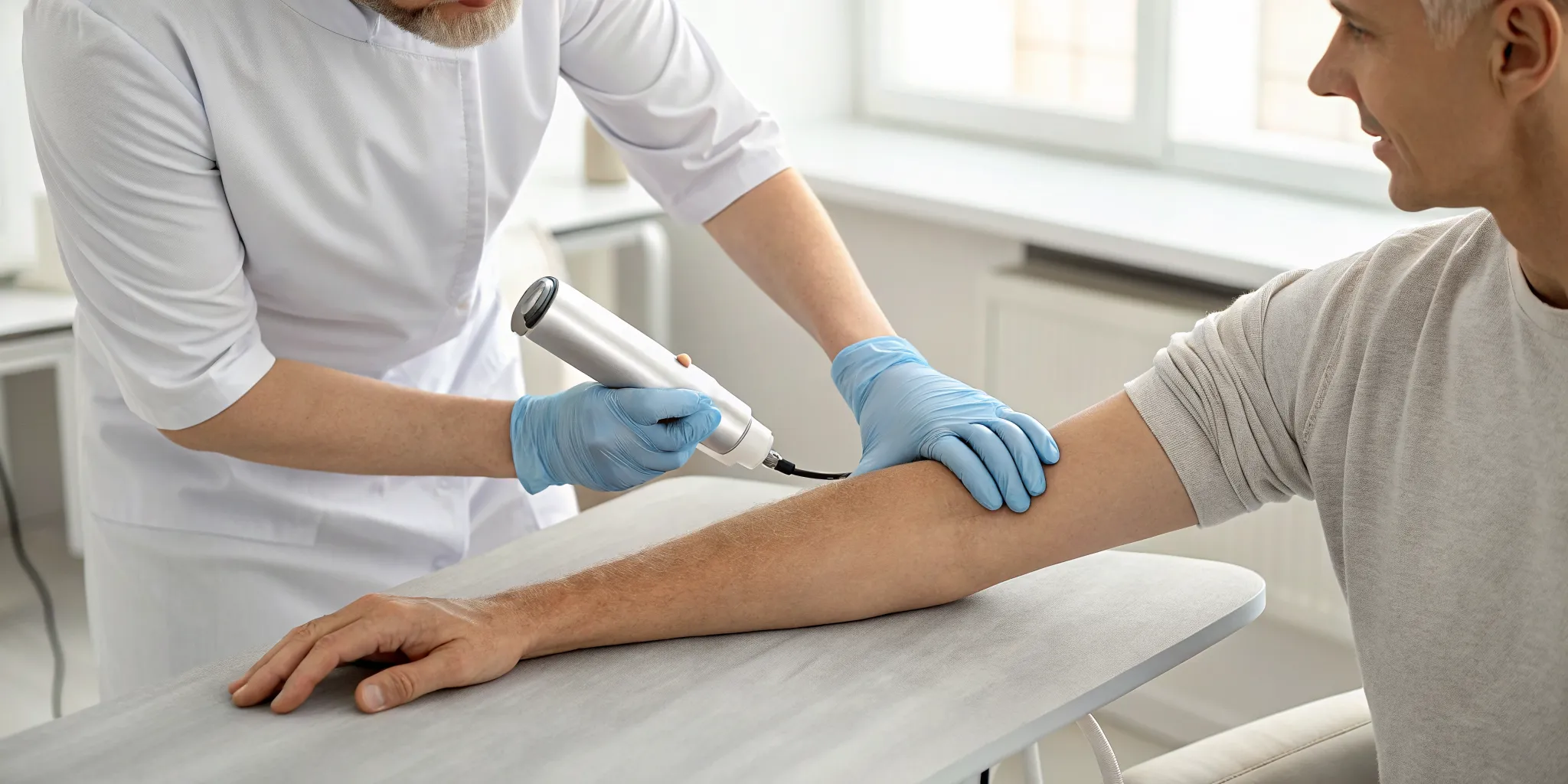
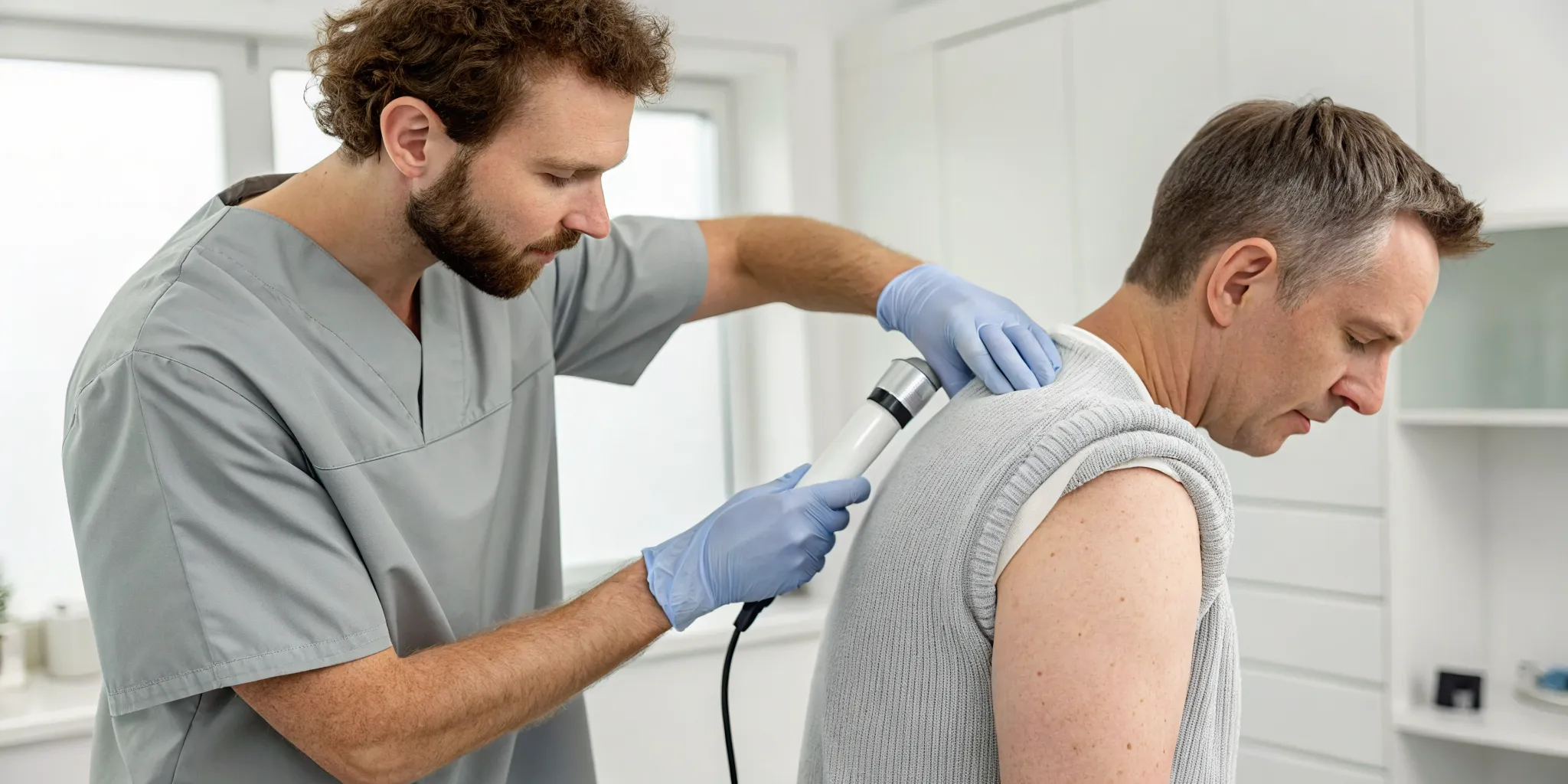
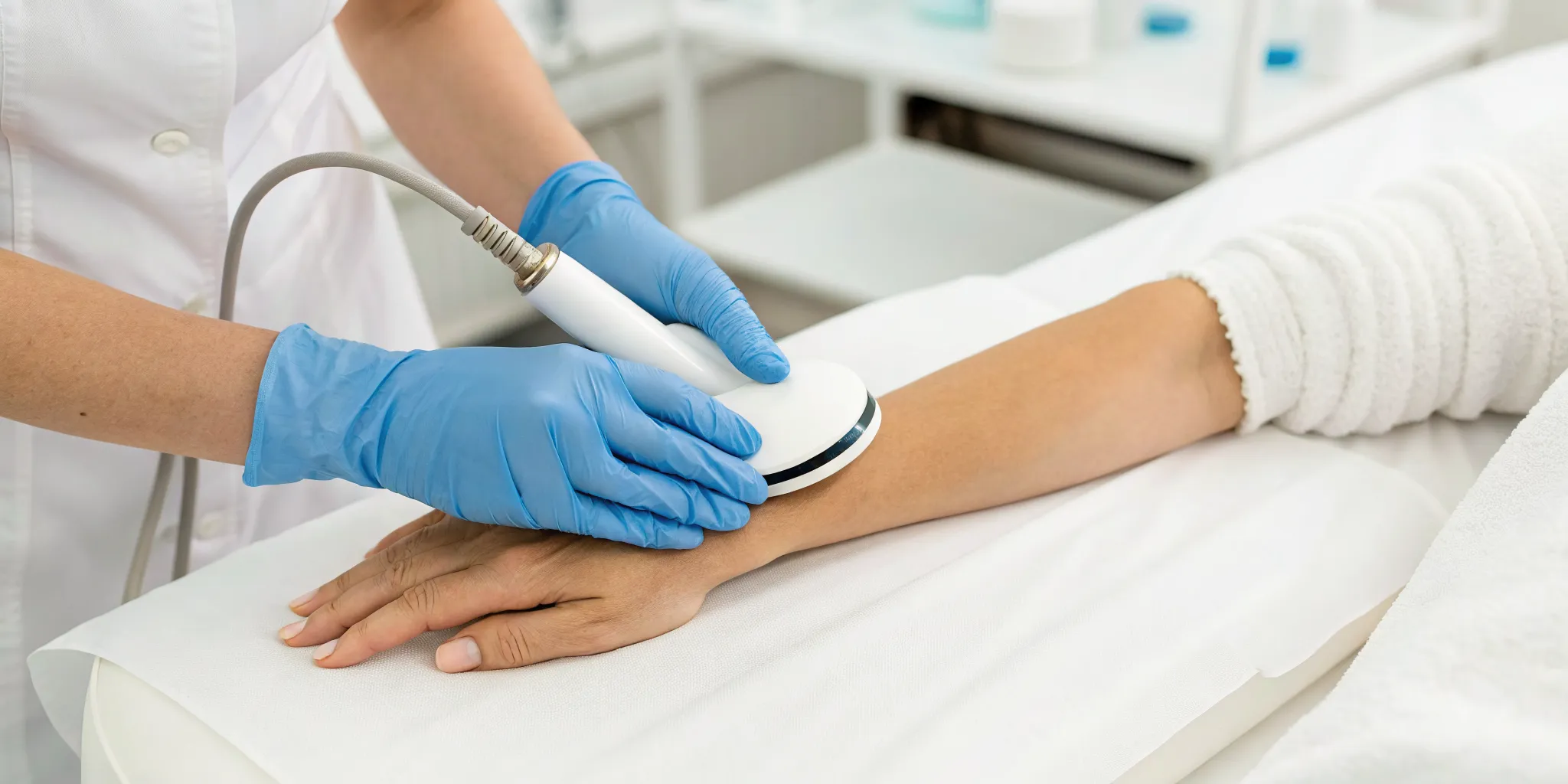
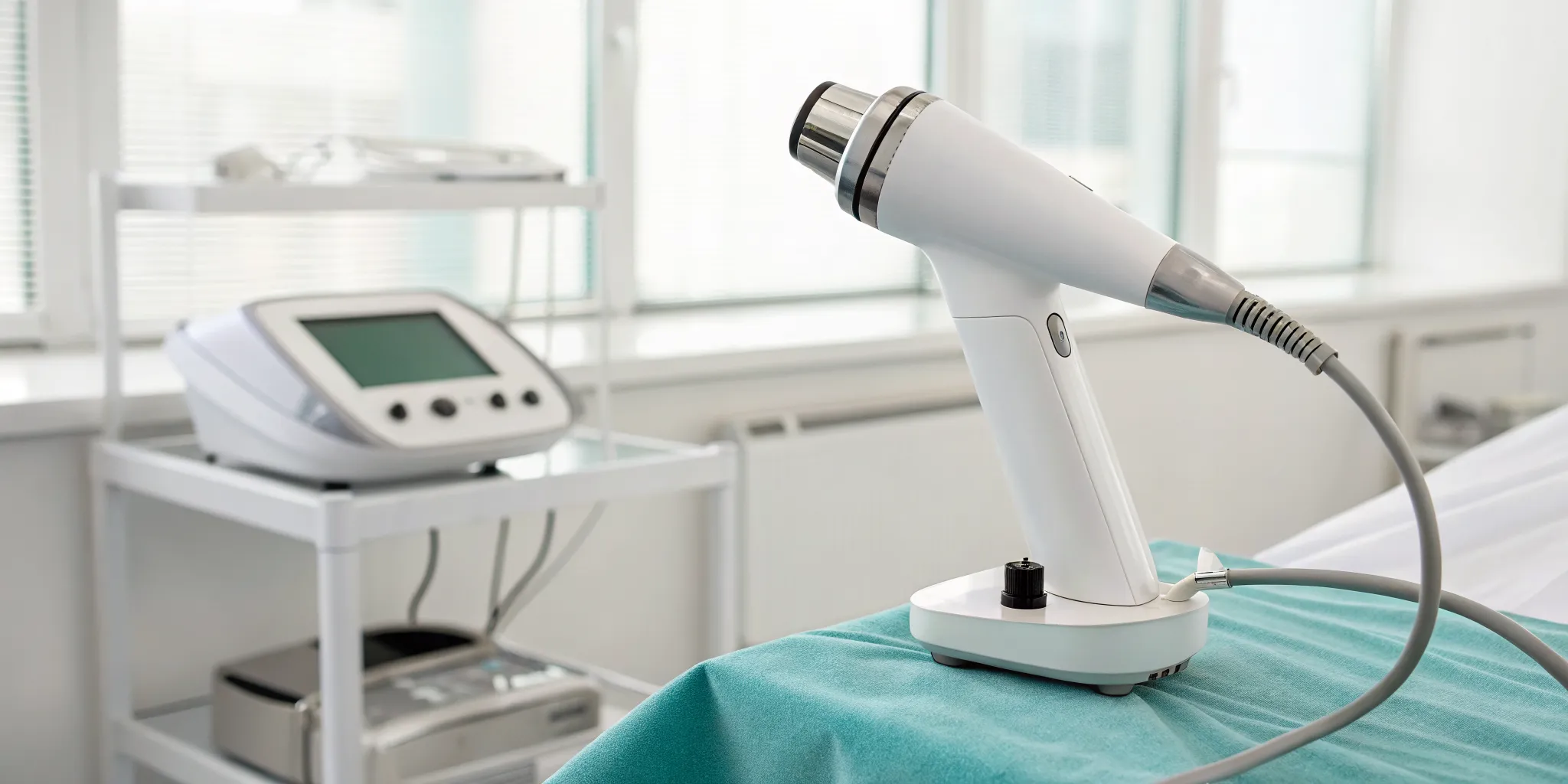
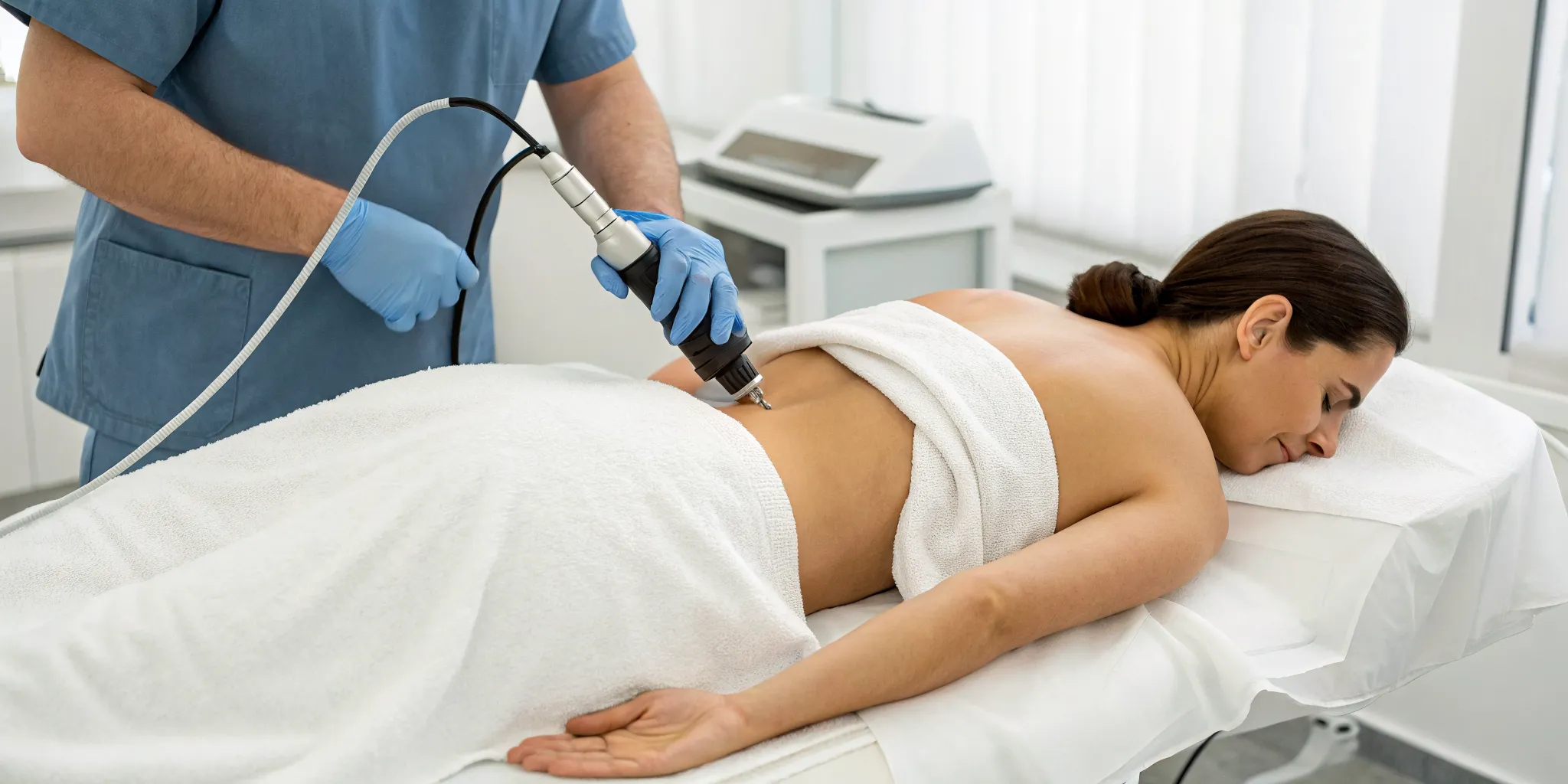
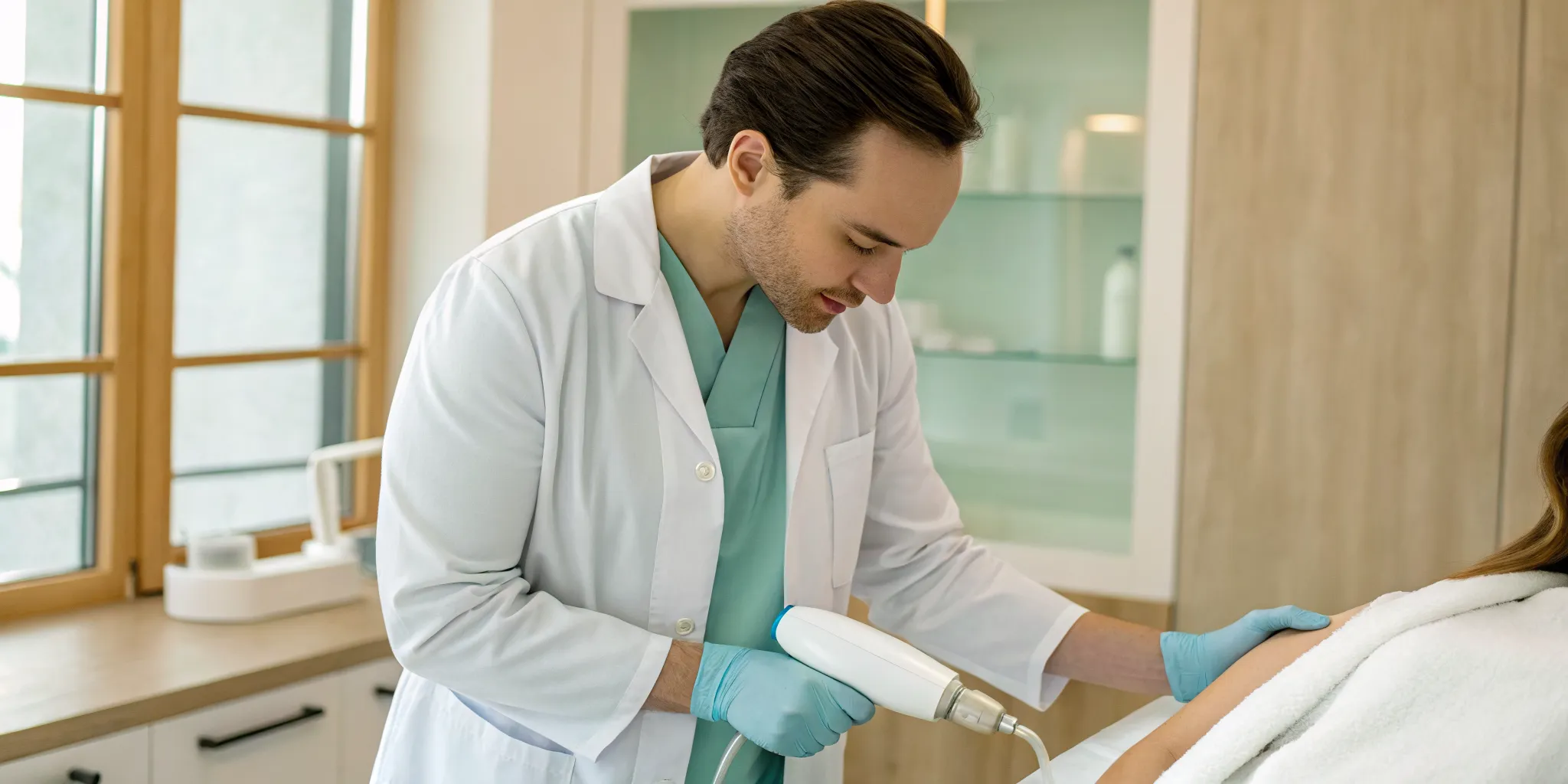
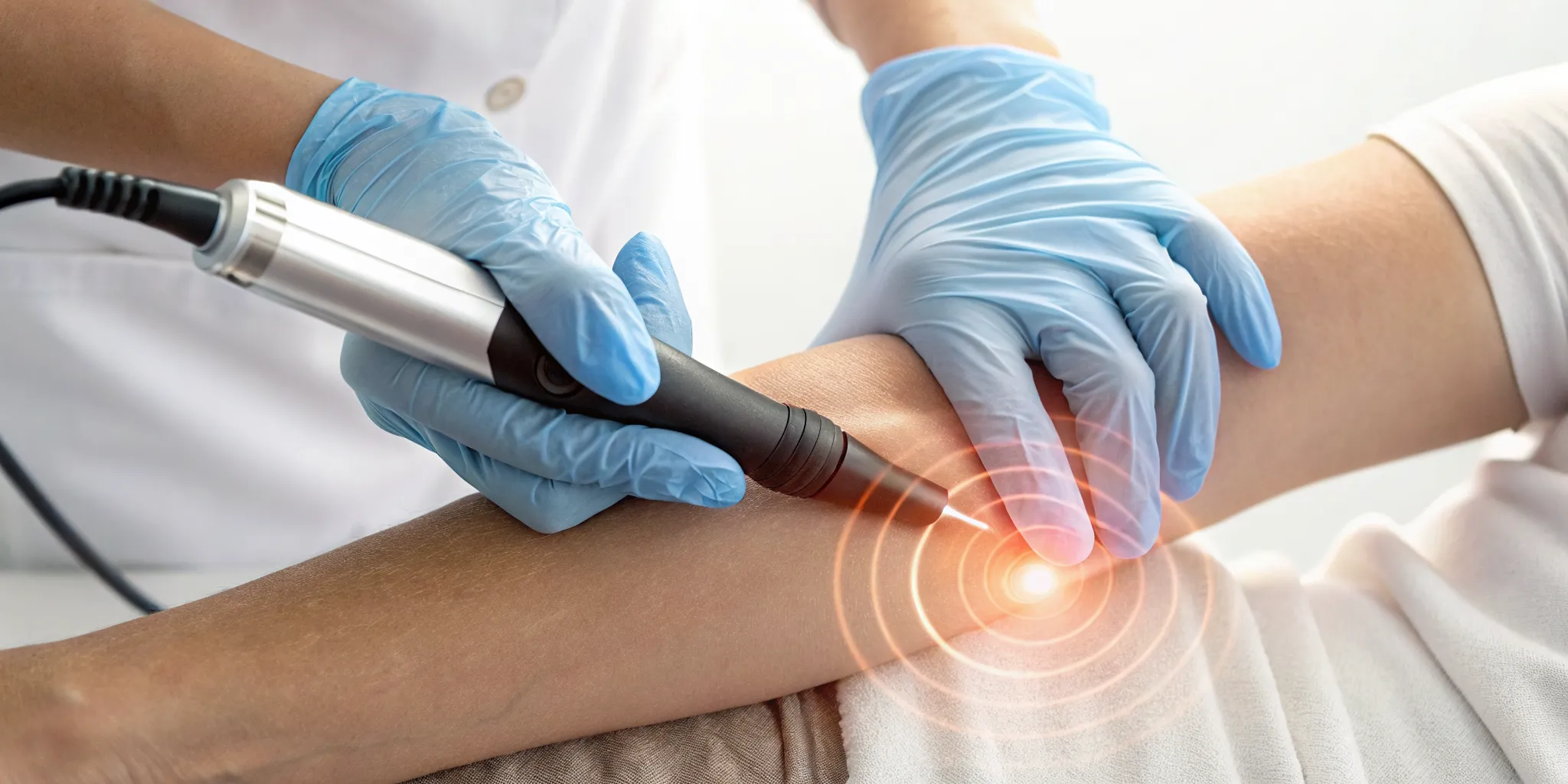
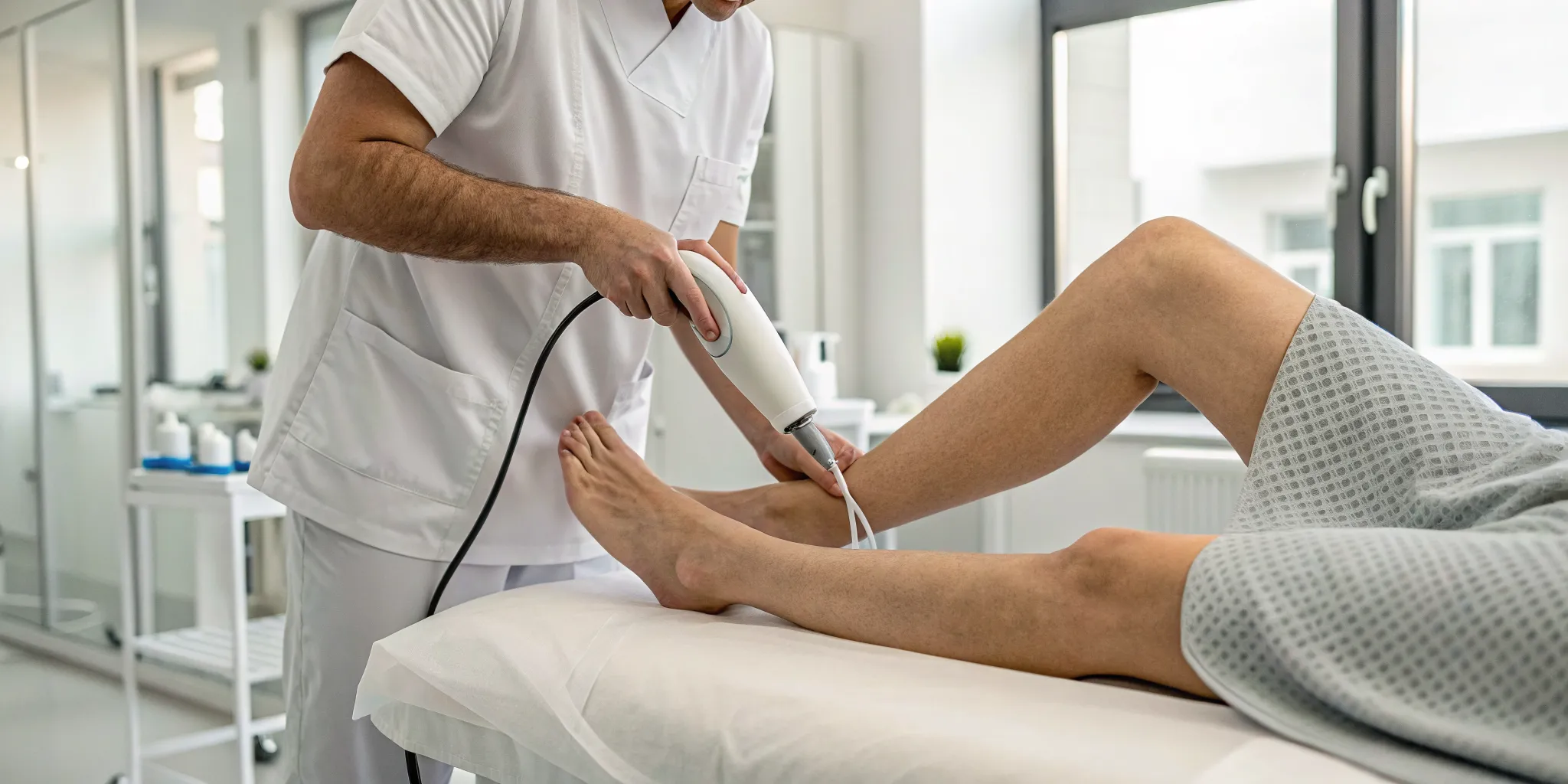
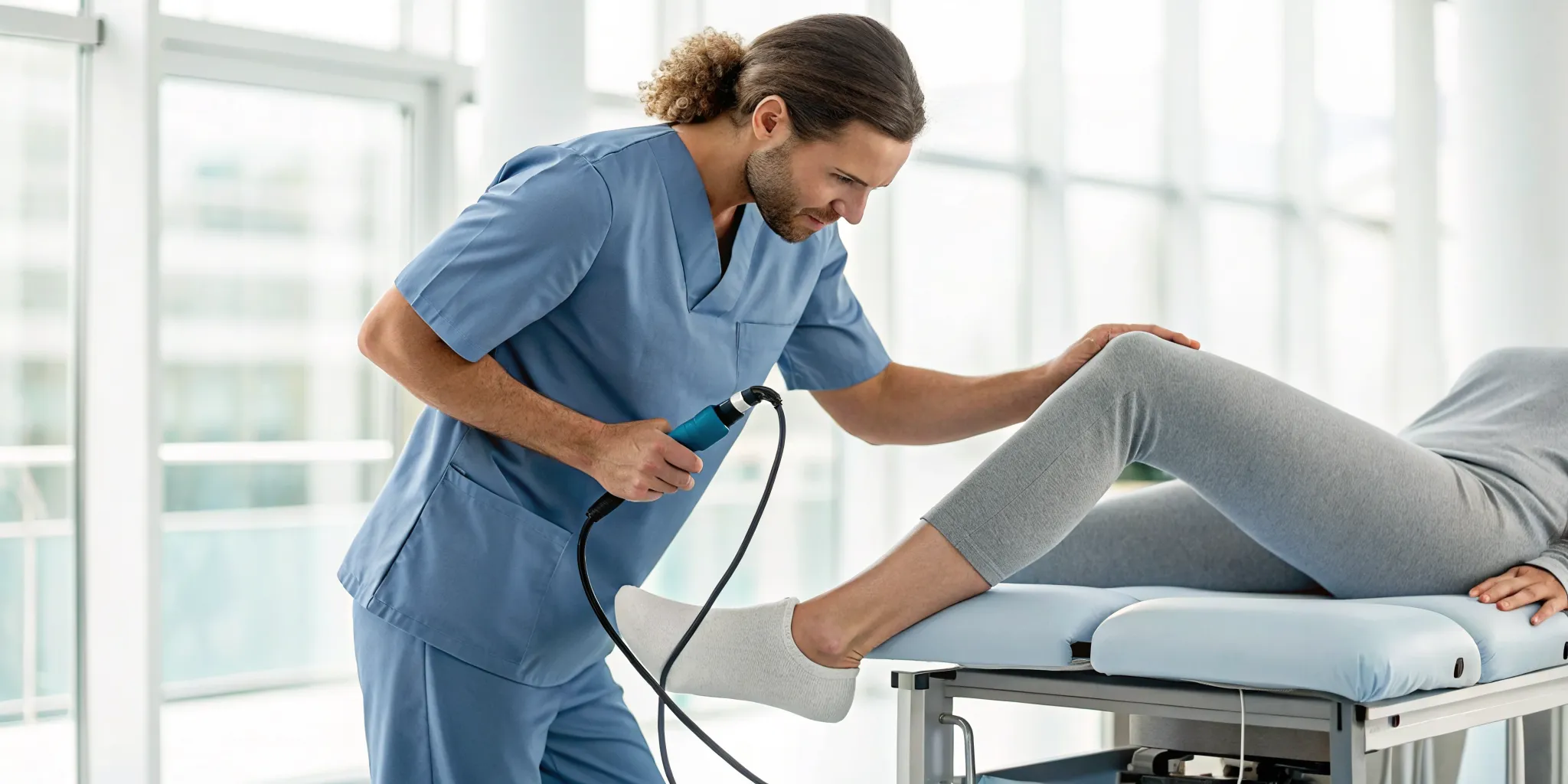
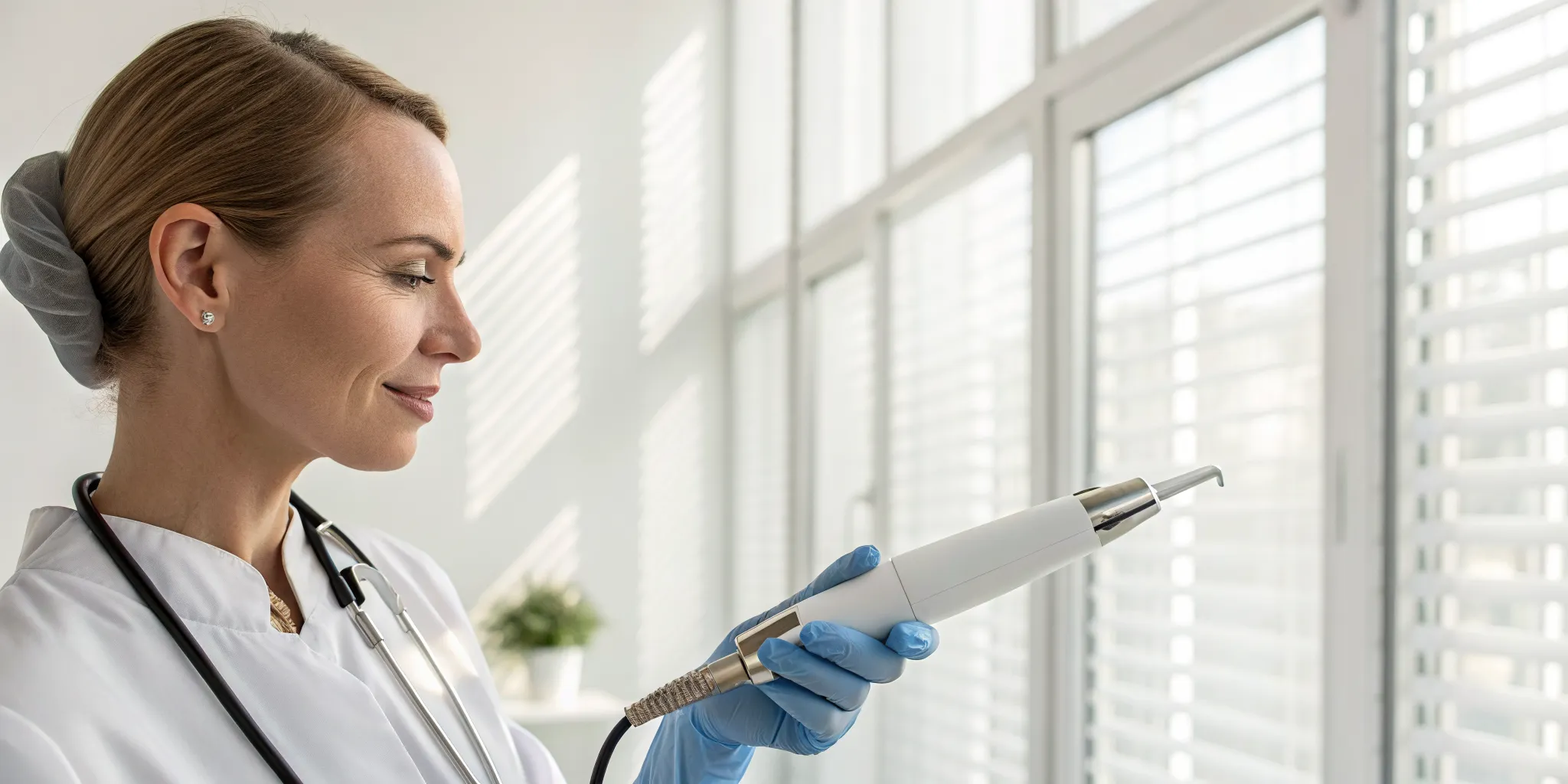
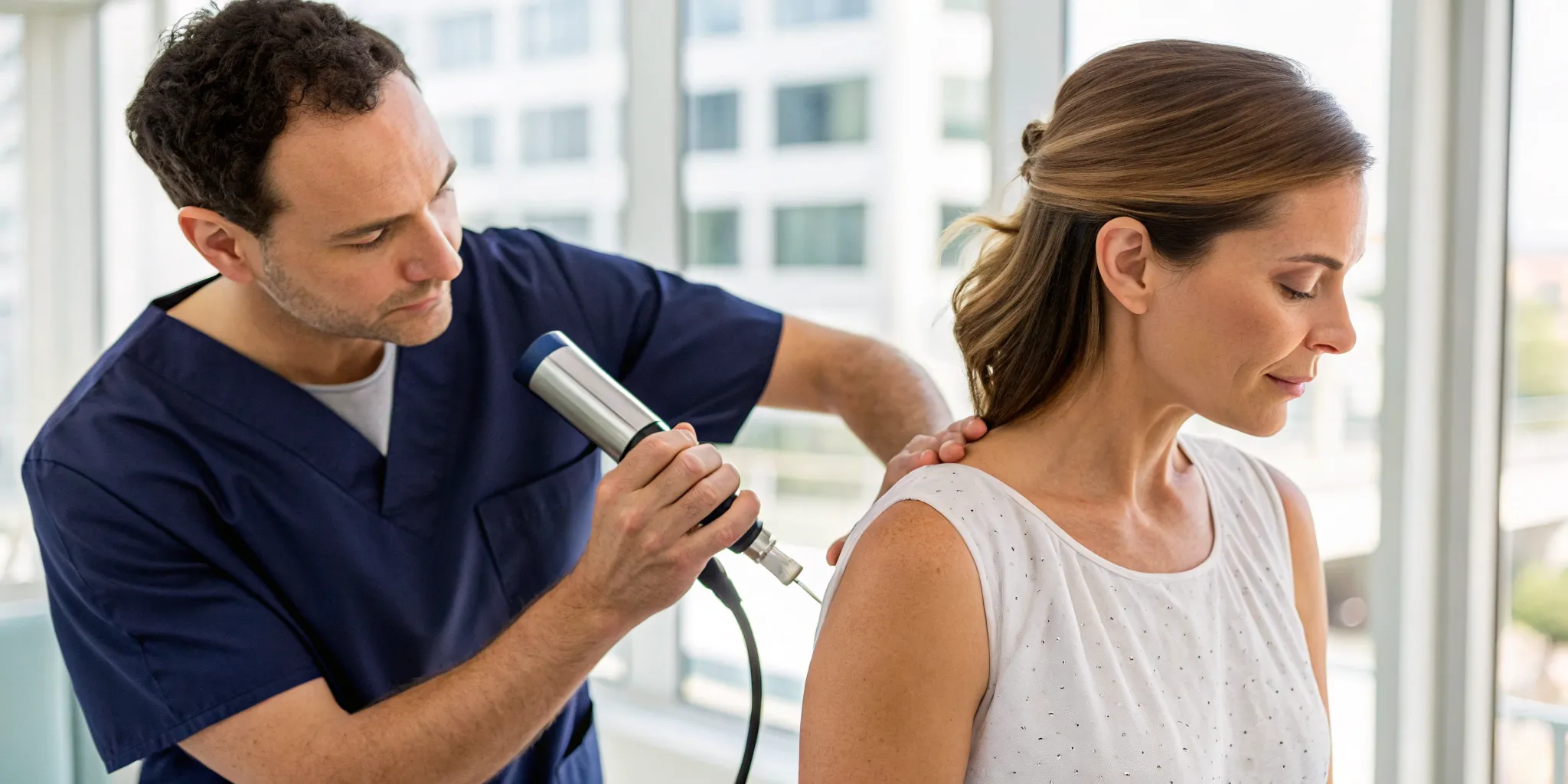
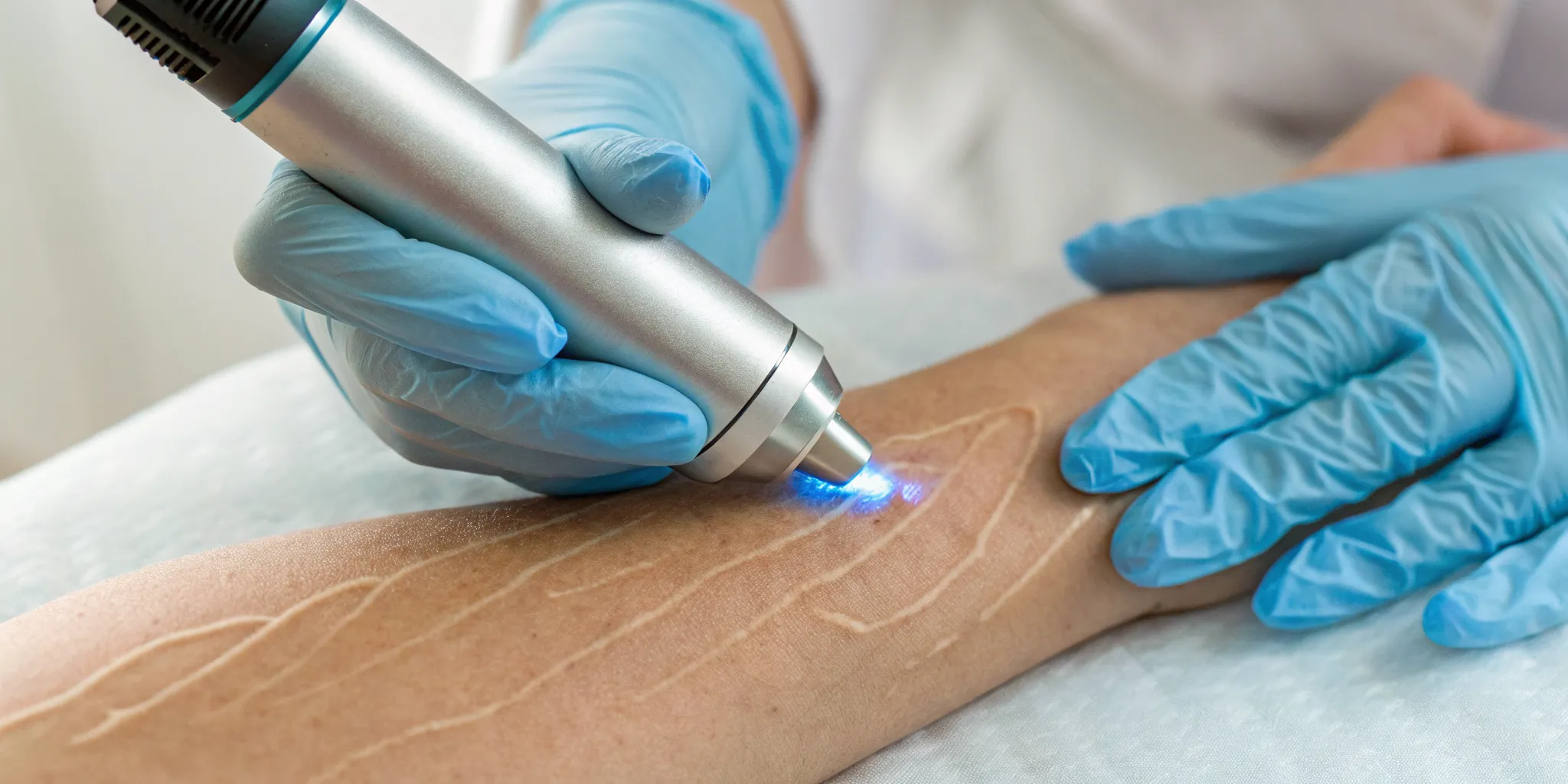
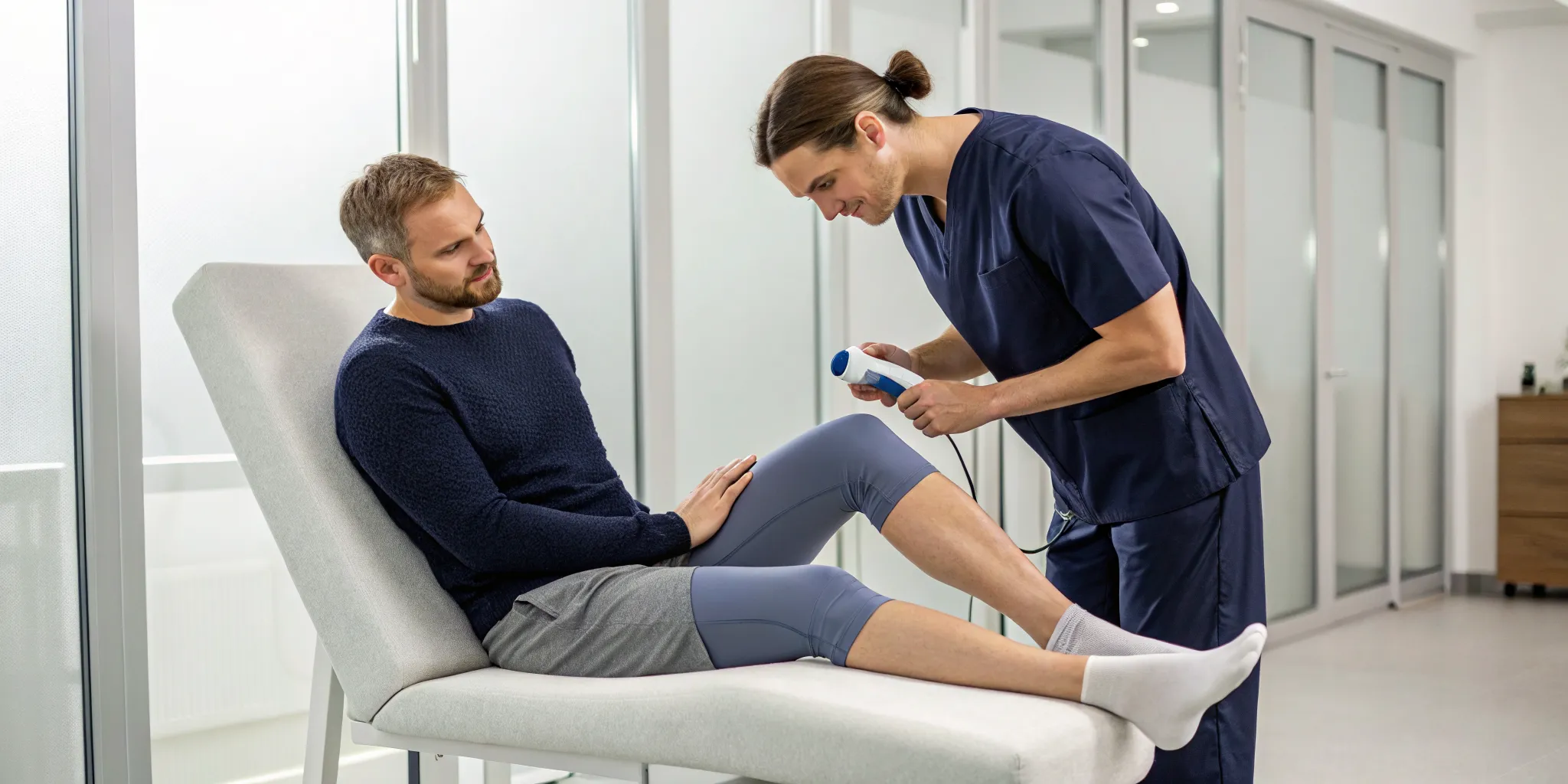
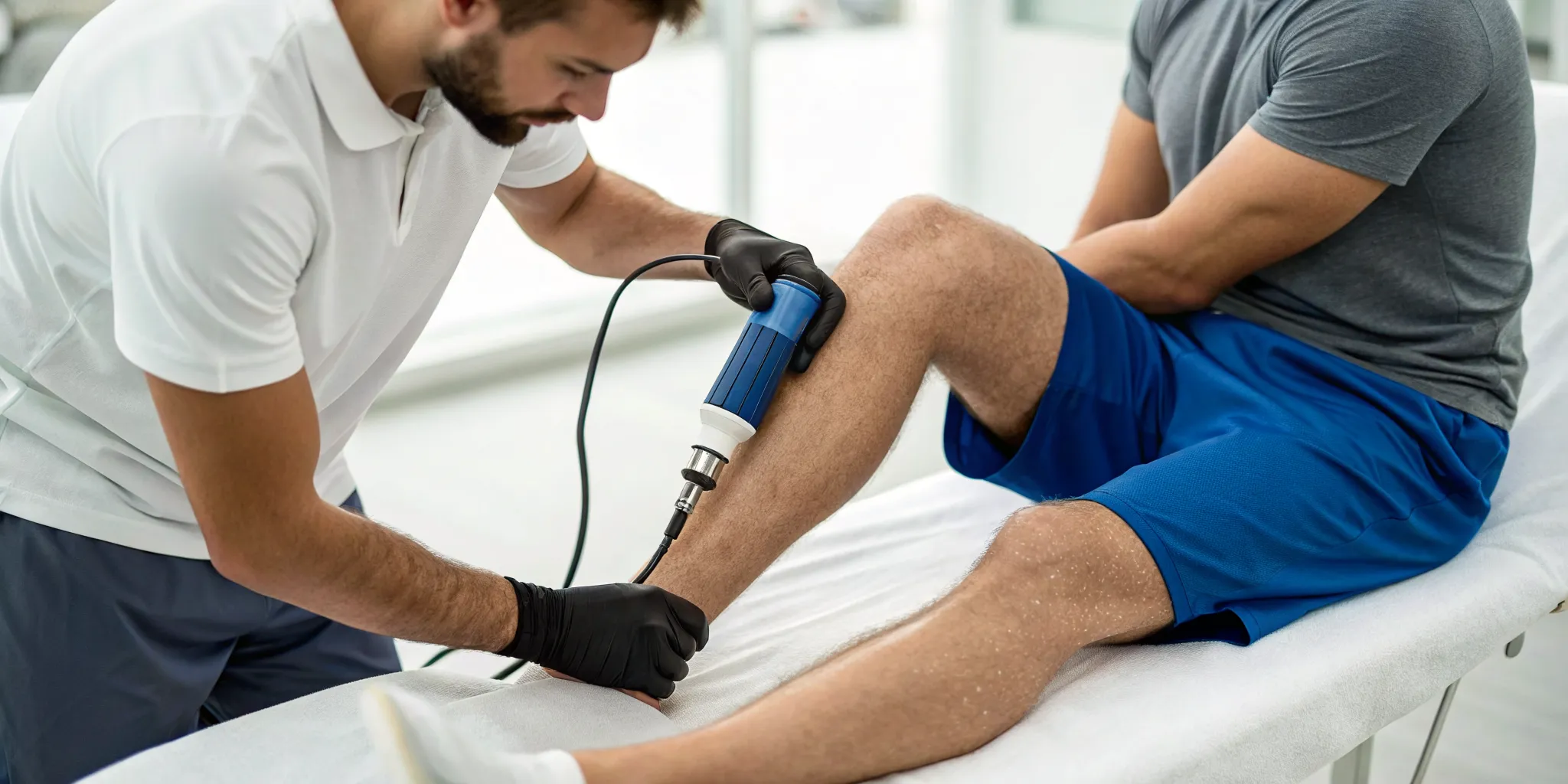
At its core, SoftWave therapy uses patented, low-intensity acoustic sound waves to create a powerful biological response. During a session, a handheld device is applied to your skin, sending these gentle waves deep into the injured foot tissue. This process isn't about heat or electricity; it's about using mechanical energy to wake up your body's internal repair crew. The waves trigger a cascade of healing effects, including increasing blood flow to the area, reducing inflammation and swelling, and activating your own resident stem cells. This encourages the regeneration of new, healthy tissue and can even help break down old scar tissue that might be restricting movement and causing pain. It’s a way to jumpstart healing right where you need it most.
SoftWave vs. Traditional Shockwave and Ultrasound
You might be wondering how SoftWave compares to other treatments like traditional shockwave or therapeutic ultrasound. While they may sound similar, the technology is quite different. Ultrasound, for example, uses heat to treat tissues, while SoftWave uses mechanical acoustic waves. This distinction is important because SoftWave is designed to be a primary treatment that addresses the underlying cause of your pain, rather than just a supportive therapy that temporarily masks symptoms. It’s a non-invasive procedure, meaning no incisions or instruments enter the body. By stimulating your body’s natural healing processes, it offers a solution for a wide range of conditions we treat without the downtime or risks associated with more aggressive interventions.
What Foot Conditions Can SoftWave Therapy Address?
Foot pain can be incredibly disruptive, affecting everything from your morning walk to your ability to stand and work comfortably. It’s easy to feel like you’ve tried everything without finding lasting relief. The good news is that SoftWave therapy is a remarkably versatile treatment that can address a wide range of foot and ankle problems by getting to the source of the pain. Instead of just masking symptoms, it stimulates your body’s own repair crews to start rebuilding damaged tissue.
This approach is effective for many of the most common and stubborn sources of foot pain. Because it works on a cellular level to reduce inflammation, improve blood flow, and trigger stem cell activity, it can be applied to issues involving tendons, ligaments, nerves, and even non-healing wounds. According to SoftWave, their technology is used to address many common foot and ankle issues, from the sharp pain of plantar fasciitis to the complex challenges of diabetic foot ulcers. At Ascend Functional Health, we use SoftWave as a key part of our physical medicine toolkit to help our patients get back on their feet and back to their lives, without invasive procedures or extended downtime. Let’s look at some of the specific conditions we successfully treat.
Plantar Fasciitis
If you’ve ever felt a sharp, stabbing pain in your heel with your first steps in the morning, you’re likely familiar with plantar fasciitis. This condition occurs when the thick band of tissue that runs across the bottom of your foot, the plantar fascia, becomes inflamed and irritated. It’s one of the most common causes of heel pain, and it can be frustratingly persistent. SoftWave therapy targets the inflamed ligament directly, sending acoustic waves deep into the tissue to break up scar tissue and stimulate a healing response. This process increases blood flow to the area, delivering the oxygen and nutrients your foot needs to repair itself and finally find relief from that persistent pain.
Achilles Tendinopathy
The Achilles tendon is the largest tendon in your body, connecting your calf muscles to your heel bone. When it becomes overused or injured, you can develop Achilles tendinopathy, which causes pain, stiffness, and swelling along the back of your leg, just above the heel. This is a common complaint among runners and active individuals, but it can affect anyone. SoftWave therapy is an excellent option for this condition because it addresses the degenerative process within the tendon. The acoustic waves help reduce inflammation and stimulate the production of new collagen, which is essential for rebuilding a strong, healthy tendon. This helps restore function and resilience, allowing you to move with confidence again.
Heel Spurs and Chronic Heel Pain
Heel spurs are small, bony growths that can form on the heel bone. While the spur itself isn't always the direct cause of pain, it is often associated with long-term plantar fasciitis and chronic inflammation in the area. This can lead to persistent, deep heel pain that makes standing or walking difficult. SoftWave therapy can be highly effective for the chronic pain associated with heel spurs. By targeting the inflamed soft tissues surrounding the spur, the treatment helps calm inflammation and promotes healing. This can significantly reduce pain and improve mobility, addressing the symptoms that are holding you back, which is why it's one of the many conditions we treat with this technology.
Morton's Neuroma and Peripheral Neuropathy
Nerve-related foot pain can feel like burning, tingling, or numbness, and it can be especially challenging to treat. Morton’s neuroma involves a thickening of the tissue around a nerve leading to your toes, causing a sharp pain in the ball of your foot. Peripheral neuropathy is broader nerve damage that often affects the feet, particularly in individuals with diabetes. SoftWave therapy can help by improving circulation and modulating the inflammatory response around the affected nerves. This can reduce pressure on the nerve in the case of a neuroma and support nerve fiber regeneration in neuropathy, leading to a reduction in pain and an improvement in sensation over time.
Diabetic Foot Ulcers and Chronic Wounds
For individuals with diabetes, even a small cut on the foot can become a serious problem. Poor circulation can prevent wounds from healing properly, leading to chronic ulcers that are at risk for infection. SoftWave therapy offers a powerful tool for wound care by promoting angiogenesis, which is the formation of new blood vessels. This improved blood supply is critical for delivering healing factors to the wound site. The acoustic waves also stimulate cellular activity to help close the wound and rebuild healthy tissue. This is a key part of a comprehensive functional medicine approach to managing the complications of chronic conditions like diabetes.
Why Choose SoftWave for Your Foot Pain?
When you’re dealing with persistent foot pain, the path to relief can feel overwhelming. You might think your only options are temporary fixes or more intensive procedures. SoftWave therapy offers a different route, one that aligns with your body’s own ability to heal. It’s a modern approach that addresses the root cause of your discomfort without the need for incisions or a long recovery period. For many people struggling with conditions like plantar fasciitis or chronic heel pain, this technology is a significant step toward reclaiming an active, comfortable life. Let’s explore the specific reasons why SoftWave might be the right choice for you.
A Non-Invasive Approach with Minimal Downtime
One of the biggest advantages of SoftWave therapy is that it’s completely non-invasive. This means no needles, no incisions, and no lengthy recovery. The treatment uses a handheld device to deliver patented acoustic waves through your skin to the injured tissue. Each session is quick, typically lasting only 10 to 15 minutes.
Because the procedure is gentle and doesn't break the skin, there’s virtually no downtime. You can walk out of our office and get right back to your day. This makes it an incredibly convenient option for anyone with a busy schedule who can’t afford to be off their feet. It’s a core part of our physical medicine services, focusing on effective healing without disrupting your life.
Activates Your Body's Natural Healing Process
SoftWave therapy does more than just manage symptoms; it stimulates a powerful healing response from within. The acoustic waves create a biological signal that increases blood flow, reduces inflammation, and activates your body’s own stem cells. Essentially, it gives your body the tools it needs to repair damaged tissue and build new, healthy tissue in its place.
This approach gets to the root of the problem rather than just masking the pain. By supporting your body’s innate ability to heal itself, SoftWave promotes lasting relief and helps prevent the issue from returning. This philosophy is at the heart of everything we do, as we believe in partnering with your body to achieve true wellness. You can learn more about our approach to health on our about page.
A Solution Beyond Pills and Injections
If you’re tired of relying on pain-masking pills or temporary injections that seem to wear off, SoftWave offers a compelling alternative. While those methods can provide short-term relief, they don’t address the underlying injury. Over time, this can lead to a frustrating cycle of recurring pain and repeated treatments.
SoftWave therapy helps break that cycle by promoting genuine tissue regeneration. By healing the injury at the source, it reduces the need for other interventions. This empowers you to find a sustainable solution for the conditions we treat, moving away from temporary fixes and toward long-term health. It’s about giving you a path to recovery that is both effective and restorative, without the potential downsides of other common treatments.
An FDA-Cleared, Research-Supported Method
Choosing a treatment for your health is a big decision, and you want to know it’s both safe and effective. SoftWave therapy is an FDA-cleared technology backed by extensive research. It isn't an experimental trend; it's a trusted method used in top orthopedic and regenerative medicine clinics across the country.
The science behind it is solid: gentle, unfocused sound waves stimulate deep tissues to reduce pain and inflammation while triggering your body’s repair mechanisms. This established foundation provides peace of mind, knowing you’re receiving a treatment that has been thoroughly vetted for its safety and therapeutic benefits. It’s one of the many advanced services we offer to provide our patients with the highest standard of care.
SoftWave Therapy vs. Injections and Surgery
When you’re dealing with persistent foot pain, it’s easy to feel like your only options are injections or going under the knife. These traditional methods have long been the standard approach, but they often come with significant downsides, like long recovery periods, potential side effects, and masking symptoms instead of fixing the underlying problem. Many people are looking for a way to heal that works with their body, not against it.
That’s where SoftWave Therapy comes in. It offers a completely different path forward, one that avoids needles and scalpels. By using patented acoustic wave technology, this treatment helps your body repair itself from the inside out. It’s a powerful choice for anyone who wants to find lasting relief without the risks and downtime associated with more invasive procedures. Let’s compare how SoftWave stacks up against these common treatments.
An Alternative to Cortisone Shots
If you’ve been getting cortisone injections for foot pain, you know the cycle. The shot provides temporary relief by reducing inflammation, but the pain often returns once it wears off, leading to another appointment. While helpful in the short term, these injections don't heal the damaged tissue. SoftWave Therapy offers a way to break this cycle. Research shows that this approach helps medical practices rely less on pain medications and repeated injections. Instead of just silencing the pain signals, SoftWave’s acoustic waves stimulate your body’s natural repair mechanisms, promoting new blood vessel growth and healing the tissue at the source of your pain for more sustainable results.
Avoiding Surgical Intervention for Foot Pain
The idea of foot surgery can be intimidating, bringing with it concerns about anesthesia, scarring, and a lengthy, difficult recovery. Before committing to a surgical procedure, it’s worth exploring less invasive options. SoftWave is a non-invasive treatment that can effectively address the root cause of many foot conditions, helping you sidestep the operating room altogether. By activating your body’s own stem cells and improving blood flow to the injured area, it creates an optimal environment for healing. Patients often report experiencing much less pain, better movement, and faster healing without the complications of a surgical recovery, allowing them to get back on their feet and back to their lives sooner.
What to Expect During Your SoftWave Session
Stepping into a new type of treatment can feel a little uncertain, but the process for SoftWave therapy is simple and designed with your comfort in mind. From the length of the session to what it actually feels like, we want you to feel prepared and confident. Our team at Ascend Functional Health is here to guide you through every step, ensuring your experience is as smooth and effective as possible. Here’s a clear breakdown of what happens during a typical SoftWave session for foot pain.
Your Treatment Schedule and Session Length
One of the best parts about SoftWave therapy is how easily it fits into your life. You don’t need to block off a huge chunk of your day for an appointment. Sessions are surprisingly short, usually lasting only about 10 to 15 minutes. The total number of treatments you’ll need will depend on your unique situation, including the specific foot issue you’re facing and how long you’ve been dealing with the discomfort. We create a personalized plan for the conditions we treat to give your body the best opportunity to heal. This efficient approach means you can get the care you need without disrupting your entire schedule.
What the Treatment Feels Like
It’s completely normal to wonder if a treatment will be uncomfortable. With SoftWave, most people report feeling a light tapping or pulsing sensation on their skin as the applicator moves over the affected area. It’s a unique feeling, but it generally isn’t painful. Our practitioners are focused on your comfort and can adjust the device’s intensity at any point to ensure the session is a positive experience for you. This sensation is a sign that the acoustic waves are at work, stimulating circulation and signaling your body’s healing resources. It’s a key part of our physical medicine approach, using advanced technology to support your body’s inherent ability to repair itself.
Getting Back to Your Routine After a Session
Unlike more intensive procedures, SoftWave therapy requires no downtime. As soon as your 10-to-15-minute session is over, you can walk out and get right back to your day. You can return to work, run errands, and resume your usual activities immediately. This is a major advantage for anyone with a busy life who can’t afford to be off their feet for recovery. There’s no need to arrange for someone to drive you home or take time off to rest. The goal is to help you feel better without putting your life on hold. If you have any questions about your specific activities, our team is always here to help when you contact us.
How Many Sessions Until You See Results?
It’s the question on everyone’s mind: "How long until my foot stops hurting?" While it would be great to give a single, simple answer, the truth is that healing is a personal journey. Your results with SoftWave therapy will depend on several factors, including how long you’ve been in pain and your body’s unique response to treatment.
The goal of SoftWave isn’t just to mask your symptoms; it’s to stimulate your body’s own healing mechanisms for lasting relief. While many people feel a noticeable improvement after their first session, this is often just the first step. True, deep healing happens over time as your tissues begin to repair and regenerate.
Timelines for Acute vs. Chronic Pain
The nature of your foot pain plays a big role in your treatment timeline. If you’re dealing with a recent, or acute, injury, you may find relief in fewer sessions. However, if you have chronic pain that has been a part of your life for months or even years, your body needs more time to heal. While many people report feeling better after just one session, a full course of treatment is usually necessary to address the underlying cause of the pain. The initial relief is a great sign, but the real magic happens over the following weeks as your body gets to work repairing damaged tissue.
Factors That Influence Your Healing Timeline
Your path to recovery is unique. While most people achieve the best results after three to six sessions, spaced about a week apart, your specific protocol will be tailored to you. Factors like your overall health, the severity of your condition, and how consistently you follow your treatment plan all influence your healing timeline. Real, lasting regeneration requires completing your full treatment protocol. It’s a commitment to your health, but it’s one that pays off; many patients report significant pain reduction within their first six sessions. Our team at Ascend Functional Health can help you understand the conditions we treat and what your personal healing journey might look like.
Are There Any Side Effects or Risks?
It's smart to ask about the safety of any new treatment you're considering. One of the most appealing aspects of SoftWave Therapy is its excellent safety profile, especially when you compare it to more invasive procedures for foot pain. The risks are minimal, and the side effects are typically mild and short-lived. Let's walk through what you can realistically expect so you can feel confident in your decision.
Understanding Potential Mild Side Effects
One of the biggest advantages of SoftWave is that it works with your body, not against it, so side effects are generally very minor. Most people find the treatment easy to tolerate. After a session, it’s possible to experience some temporary redness, mild swelling, or a bit of soreness in the treated area. This is completely normal and usually resolves within a day or two. Think of it as a positive sign that your body is getting to work, responding to the acoustic waves to kickstart the repair process. Because the therapy is entirely external, it doesn't carry the risks associated with injections or incisions. Our approach to physical medicine prioritizes treatments that are both effective and gentle on the body.
When SoftWave Might Not Be the Right Fit
While SoftWave is a fantastic option for many people, it isn’t the right choice for everyone. Your safety and results are our top priorities, so we always make sure you’re a good candidate before beginning a treatment plan. There are certain conditions, known as contraindications, where this therapy is not recommended. For example, we would not perform SoftWave therapy over areas with active tumors, for individuals with certain blood-clotting disorders, or during pregnancy. This is precisely why your initial consultation is so important. We’ll review your complete health history to determine if SoftWave is the safest and most effective path for you. If you're curious about the different conditions we treat and want to see if you're a candidate, the best first step is a conversation with our team.
Common Myths About SoftWave Therapy
Newer technologies often come with a lot of questions and a bit of misinformation. SoftWave therapy is no exception. Let's clear up some of the most common myths so you can understand how this treatment really works and decide if it’s the right step for you.
Myth: The Treatment is Painful
The term "shockwave" can sound a little intense, but the treatment itself is not designed to be painful. Most people describe the sensation as a tapping or deep pulse on the skin. You might feel some mild discomfort, especially over a particularly sore area, but this feeling often decreases as the tissue begins to heal. The goal of our physical medicine approach is to stimulate your body’s healing response without causing additional trauma. Our practitioners are skilled at adjusting the intensity to keep you comfortable throughout the session while ensuring the treatment is effective.
Myth: It’s Just Like Ultrasound
While both technologies use sound waves, they work in very different ways. Therapeutic ultrasound uses continuous, low-energy waves to generate heat deep in the tissues. SoftWave therapy, on the other hand, uses patented technology to deliver short bursts of high-energy acoustic waves. These waves create a mechanical force that penetrates the tissue, stimulating your cells to release growth factors and kickstart the body's natural repair and regeneration processes. This fundamental difference is why SoftWave is so effective for a wide range of conditions we treat, from chronic foot pain to joint issues.
Myth: It’s a Treatment Only for Athletes
It’s true that many professional athletes use SoftWave to recover from injuries and improve performance, but this therapy is for everyone. We see patients from all walks of life who are simply tired of living with persistent pain. Whether you're a teacher who is on your feet all day, a weekend warrior with a nagging injury, or someone struggling with arthritis, SoftWave can help. Our goal is to help you get back to the activities you love, pain-free. You can read stories from our patients to see the kinds of results people are getting.
Myth: One Session Is All You Need
While some people report feeling better after just one session, SoftWave is not a quick fix. It works by activating your body's own healing mechanisms, and that process takes time. True, lasting tissue repair requires a series of treatments to build on the progress from the previous session. The exact number of sessions you'll need depends on your specific condition, how long you've had it, and your overall health. We will work with you to create a personalized plan that gives your body the consistent support it needs to heal properly and achieve long-term relief.
Find Relief from Foot Pain at Ascend Functional Health
When every step hurts, it’s hard to enjoy your daily life. At Ascend Functional Health, we understand how persistent foot pain can sideline you from the activities you love. That’s why we focus on treatments that work with your body’s innate healing abilities. One of the most effective tools we use for foot pain is SoftWave Therapy, a revolutionary, non-invasive treatment designed to promote healing and alleviate discomfort right here in our Tampa clinic.
This innovative approach uses sound waves to stimulate your body's natural repair processes deep within the tissue. It’s a way to jumpstart recovery, reduce pain, and get you back on your feet more quickly. SoftWave Therapy is a targeted treatment for a variety of stubborn foot and ankle conditions, including plantar fasciitis, Achilles tendinopathy, and chronic heel pain. Many patients who complete a series of sessions report a significant reduction in pain, allowing them to return to their routines with greater ease. If you are struggling with foot pain, our team is dedicated to helping you find relief and improve your overall well-being through our advanced treatment options.
Related Articles
- SoftWave Tissue Regeneration Therapy in Tampa | Alessi Functional Health
- SoftWave TRT Therapy in Tampa, FL - Alessi Functional Health
- Pain Free Future | Alessi Functional Health
- Regenerative Medicine for Pain Recovery | Ascend Functional Health
- What Is Soft Tissue Therapy? A Complete Guide
Frequently Asked Questions
Is the treatment painful? Most people do not find SoftWave therapy to be painful. The most common sensation is a light tapping or pulsing on your skin. If the applicator passes over a particularly inflamed area, you might feel some mild discomfort, but this is a good indicator that we’ve found the source of the problem. Our practitioners can adjust the intensity at any time to make sure you are comfortable throughout the short session.
How is this different from getting a cortisone shot? While cortisone shots can provide temporary relief by reducing inflammation, they don't actually heal the underlying injury. This can lead to a cycle of recurring pain. SoftWave therapy works differently by stimulating your body’s own repair mechanisms. It promotes increased blood flow and activates your resident stem cells to regenerate damaged tissue, offering a solution that addresses the root cause of your pain for more lasting results.
How many sessions will I need before my foot feels better? Your healing journey is unique to you. While many people report feeling a noticeable reduction in pain after just one or two sessions, true tissue repair happens over time. For long-term results, a series of treatments is usually necessary. Most patients achieve the best outcomes with a plan of three to six sessions, spaced about a week apart, which gives your body the consistent support it needs to heal properly.
What is recovery like after a session? Is there any downtime? One of the best things about SoftWave therapy is that there is no downtime. The sessions themselves are quick, typically lasting 10 to 15 minutes. As soon as your appointment is over, you can walk out and get right back to your daily routine. You won’t need to take time off work or arrange for help, making it a very convenient way to address your foot pain without disrupting your life.
Is SoftWave therapy a safe option for me? SoftWave has an excellent safety profile and is cleared by the FDA. The most common side effects are very mild, such as temporary redness or soreness in the treated area, which usually fades within a day. However, the treatment isn't suitable for everyone. We do not use it over active tumors or for individuals with certain health conditions. That is why we conduct a thorough review of your health history during your initial consultation to ensure it is the right and safest choice for you.