Have you tried what feels like everything for your back pain, only to end up right back where you started? It’s a common and deeply frustrating experience. When you’ve already explored stretching, exercises, and other conventional methods, it’s easy to feel like you’re out of options. This is often a sign that the root cause of your pain lies deeper than just your muscles and spine. A comprehensive non-surgical back pain treatment plan must look at the whole picture, including factors like systemic inflammation, nutrient deficiencies, and gut health. By using advanced diagnostics and a functional medicine approach, we can uncover the hidden stressors contributing to your pain, creating a targeted strategy that finally addresses the source of the problem.
Key Takeaways
- Identify the root cause: Lasting back pain relief requires looking past the immediate discomfort. Your pain could stem from a structural issue like a herniated disc, daily habits like poor posture, or even internal factors like gut inflammation.
- Combine therapies for better results: A single treatment often isn't enough. A successful plan integrates different methods, like chiropractic care to align your spine, corrective exercises to build strength, and lifestyle adjustments to support healing.
- Commit to your recovery plan: Professional treatment is only one part of the equation. Your dedication to showing up for appointments, doing your prescribed exercises, and making supportive daily changes is what creates lasting results and prevents future pain.
What's Causing Your Back Pain?
If you’re dealing with back pain, you are far from alone. It’s one of the most common reasons people seek medical advice, and it can stem from a wide range of issues. Pinpointing the source of your discomfort is the first and most important step toward finding effective, lasting relief. The pain you feel is a signal from your body that something is wrong, and understanding the message is key.
From a simple strain to more complex structural changes in your spine, there are many potential culprits. Let’s look at some of the most common conditions we treat to help you better understand what might be happening.
Muscle and Ligament Strain
This is probably the most familiar cause of back pain for many of us. It’s that sharp twinge or lingering ache you feel after a day of heavy lifting, an awkward twist, or even just sitting with poor posture for too long. Your back is a complex structure of muscles and ligaments working to support you, and they can be strained or injured just like any other muscle. According to health experts at Brown University, this type of pain is incredibly common. While it often resolves with rest, repeated strains can point to underlying weakness or imbalances that need to be addressed.
Herniated or Bulging Discs
Think of the discs in your spine as little jelly-filled cushions that sit between your vertebrae, acting as shock absorbers. A herniated or bulging disc occurs when one of these cushions gets damaged. The soft center can push out through a tear in the tougher exterior, putting pressure on the surrounding nerves. This pressure can cause sharp, shooting pain, numbness, or weakness that may even travel down your leg (sciatica). It’s a common issue that can happen due to injury or simply the wear and tear of daily life. Our approach to physical medicine focuses on relieving this pressure without invasive procedures.
Degenerative Disc Disease
This might sound like a scary diagnosis, but "degenerative disc disease" isn't so much a disease as it is a term to describe the natural changes that happen in your spinal discs as you age. Over time, these discs can dry out, shrink, and lose their cushioning ability. This process is similar to how osteoarthritis can affect other joints in your body. As the discs wear down, the vertebrae may rub against each other, causing pain, stiffness, and reduced flexibility. It’s a gradual process, but it can lead to chronic discomfort if not managed properly.
Spinal Stenosis and Structural Issues
Spinal stenosis is a condition where the spinal canal, the space that holds your spinal cord and nerves, begins to narrow. This narrowing can put significant pressure on the nerves, leading to pain, numbness, tingling, or weakness, often in the legs. It’s usually related to age-related changes in the spine, like osteoarthritis. Other structural issues, such as scoliosis (an abnormal curvature of the spine) or poor posture that has become ingrained over years, can also contribute to chronic back pain by creating imbalances and placing uneven stress on your spine.
When to See a Professional for Your Back Pain
Most of us have felt that familiar twinge in our back at some point. Often, it's just a temporary annoyance that goes away on its own. But how do you know when it's something more? It can be tricky to decide whether to wait it out or to schedule an appointment. Listening to your body is key. Certain symptoms are clear signals that you shouldn't ignore, and understanding the type of pain you're experiencing can help you make the right call for your health. Let's walk through what to look for so you can feel confident in your next steps.
Symptoms You Shouldn't Ignore
While most back pain isn't a sign of a major issue, some symptoms warrant immediate attention. Pay close attention if your back pain is accompanied by other changes in your body. Things like a fever, chills, night sweats, or unexplained weight loss are red flags. You should also be on the lookout for numbness, tingling, or progressive weakness in your legs, feet, or hands. These aren't typical signs of a simple muscle strain. If you experience any of these symptoms, it's time to seek professional guidance to figure out what's really going on. Don't just hope it goes away; getting a clear picture is the first step toward feeling better.
Chronic vs. Acute Pain: What's the Difference?
It's helpful to know if your pain is acute or chronic. Acute back pain comes on suddenly, often from an injury or overexertion, and typically resolves within a few days to a few weeks. Most of the time, this kind of pain gets better on its own. Chronic pain, on the other hand, is pain that sticks around for three months or longer. If your back pain just won't quit, it has become a chronic issue. This is a clear signal that your body needs support. Instead of just managing the symptoms, our approach focuses on finding the root cause of your persistent pain to create lasting relief.
Your Guide to Non-Surgical Back Pain Relief
If the thought of surgery is holding you back from addressing your pain, I have good news. There are many effective, non-invasive ways to find relief and get back to living your life. The key is finding the right combination of therapies that address the root cause of your discomfort, not just the symptoms. At Ascend, our approach to physical medicine is all about creating a personalized plan that uses these powerful, non-surgical techniques to help your body heal. Let's explore some of the best options available.
Chiropractic Care and Spinal Manipulation
Think of chiropractic care as a way to restore your body's natural alignment and movement. Through gentle, hands-on adjustments, a chiropractor can improve your spine's mobility, relieve tension, and reduce pain. This isn't about forceful cracking; it's a precise technique aimed at correcting structural issues that contribute to your discomfort. When your spine is properly aligned, your nervous system can function optimally, which supports your body's innate ability to heal. Many people find that consistent chiropractic adjustments are a cornerstone of managing back pain and improving their overall function and well-being.
Spinal Decompression Therapy
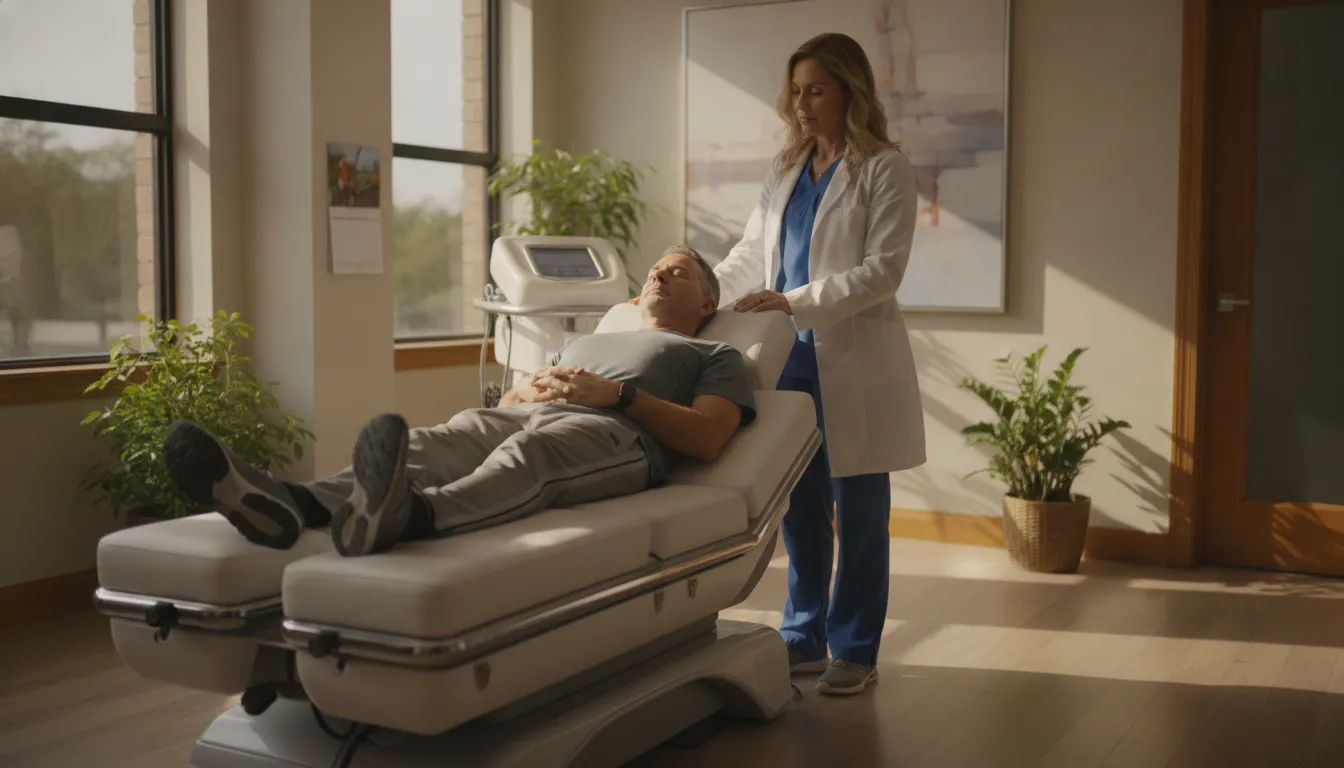
If you're dealing with pain from herniated discs, sciatica, or degenerative disc disease, spinal decompression can be a game-changer. This therapy uses a specialized table to gently stretch your spine, creating negative pressure within the discs. This process helps retract bulging or herniated disc material and takes pressure off your nerves and other spinal structures. It also allows for a better flow of water, oxygen, and nutrient-rich fluids into the discs so they can heal. It’s a controlled and comfortable non-surgical treatment that provides significant relief for many people who thought they had run out of options.
Physical Therapy and Corrective Exercise
While rest might feel intuitive, movement is often the best medicine for back pain. Physical therapy and corrective exercises focus on strengthening the deep core muscles that support your spine. A weak core can lead to instability and strain on your lower back. A qualified therapist will guide you through a personalized program designed to correct poor movement patterns, improve your flexibility, and build functional strength. This isn't about intense workouts; it's about targeted, therapeutic movements that reduce pain and give you the tools to prevent future injuries.
Acupuncture and Dry Needling
Acupuncture is a technique rooted in traditional Chinese medicine that can be very effective for both new and long-standing back pain. It involves placing thin needles at specific points on the body to stimulate nerves, muscles, and connective tissue. This stimulation appears to activate the body's natural painkillers and increase blood flow to the area. Many modern studies confirm that acupuncture can be a valuable tool for pain management. When used alongside other treatments like chiropractic care or physical therapy, it can help accelerate your progress and provide a deeper level of relief.
Massage Therapy
Massage therapy is more than just a relaxing treat; it's a powerful therapeutic tool for back pain. By manipulating the body's soft tissues, a skilled therapist can relieve muscle tension, reduce spasms, and improve circulation. Better blood flow helps deliver oxygen and nutrients to tired, sore muscles, which speeds up the healing process. Regular massage can help break up adhesions or "knots" that restrict movement and cause pain. It’s an excellent complementary therapy that addresses the muscular component of back pain, helping to maintain the benefits you get from chiropractic adjustments and other treatments.
Cognitive-Behavioral Therapy for Chronic Pain
Chronic pain isn't just a physical sensation; it has a significant emotional and psychological component. Cognitive-Behavioral Therapy (CBT) is a type of talk therapy that helps you change how you perceive and respond to pain. It gives you strategies to manage the frustration, fear, and stress that often accompany long-term discomfort. By learning to reframe negative thought patterns and develop better coping mechanisms, you can reduce your pain levels and improve your quality of life. Research shows that addressing the psychological aspects of pain is a critical part of a comprehensive and successful treatment plan.
Can Movement and Exercise Heal Back Pain?
When your back hurts, your first instinct might be to lie down and avoid moving altogether. While a short period of rest can be helpful, gentle and strategic movement is often one of the most effective tools for long-term healing. The right kind of exercise helps strengthen the muscles that support your spine, improves flexibility, and increases blood flow to the affected area, which can aid the healing process. It’s not about pushing through intense pain, but rather about reintroducing movement in a way that supports your body’s recovery and builds resilience against future issues.
Think of it as retraining your body. Years of poor posture, a sedentary lifestyle, or a sudden strain can teach your muscles to function improperly, creating imbalances that lead to discomfort. A guided approach to movement helps correct these patterns. Our physical medicine programs focus on this very principle, creating personalized corrective exercise plans designed for your specific needs. By focusing on core stability, low-impact activity, and consistent motion, you can take an active role in managing your pain and building a stronger, more resilient back for the future. This proactive approach empowers you to move with confidence again.
Simple Core Exercises to Get Started
A strong core is like a natural corset for your spine, providing stability and support with every move you make. When these muscles are weak, your lower back often takes on extra strain, leading to pain and instability. Starting a core routine doesn't have to be intimidating. Simple exercises like pelvic tilts, bridges, and bird-dog poses can begin to activate these deep stabilizing muscles. It’s true that physical therapy and new exercises can feel a bit uncomfortable at first, but this is often a sign that you’re waking up underused muscles. The key is to start slowly and focus on proper form over the number of repetitions. The goal isn't a chiseled stomach; it's building a functional, supportive core that protects your back from daily stressors.
The Power of Low-Impact Activity
You don’t need to run a marathon to help your back. In fact, high-impact activities can sometimes make things worse. Instead, focus on consistent, low-impact exercise. Activities like walking, swimming, or gentle yoga are fantastic for your spine. As experts from Johns Hopkins Medicine note, this type of regular movement keeps your muscles active and reduces stiffness without putting excess stress on your joints. These activities promote circulation, delivering vital nutrients to your spinal discs and soft tissues. They also help maintain a healthy weight, which reduces the overall load on your spine. For more tips on incorporating healthy habits into your life, you can explore our blog. The best activity is one you enjoy and can stick with, so find what feels good for your body and make it a regular part of your routine.
Why Movement Is Better Than Bed Rest
The old advice to stay in bed for days with back pain is officially outdated. While a day or two of rest might be necessary for a severe, acute injury, prolonged inactivity can do more harm than good. According to MedlinePlus, it's important not to stay in bed for more than a couple of days, as too much rest can actually make back pain worse. When you remain sedentary, the muscles supporting your spine begin to weaken and stiffen. This deconditioning makes your back more vulnerable to strain when you do start moving again. Gentle movement, like short walks or simple stretches, encourages blood flow, reduces inflammation, and prevents your joints from locking up. It’s a clear signal to your body that it’s time to heal and recover.
How Chiropractic and Decompression Restore Your Spine
When your back pain is rooted in the structure of your spine, it makes sense to use treatments that address that structure directly. Chiropractic care and spinal decompression are two powerful, non-surgical approaches that do just that. Instead of just masking symptoms with temporary fixes, these therapies focus on correcting the underlying mechanical issues that are causing your pain in the first place. By restoring proper alignment and relieving built-up pressure on your nerves and discs, they create an environment where your body can finally heal itself. This approach provides a clear path toward long-term relief.
Think of it as a way to reset your spine, allowing it to function the way it was meant to. These treatments are not about a quick, passive fix. They are active, targeted therapies designed to improve how your body moves and feels from the inside out. By combining precise adjustments with gentle decompression, we can address the source of your discomfort, reduce inflammation, and restore function. This is a cornerstone of our philosophy at Ascend Functional Health, where we focus on finding and treating the root cause to help you build a foundation for lasting wellness.
Aligning Your Spine with Adjustments
Chiropractic care is centered on the idea that a properly aligned spine is fundamental to your overall health. When vertebrae are out of place, they can irritate nerves and cause pain. A chiropractic adjustment is a precise, gentle technique used to guide those vertebrae back into their correct position. This isn't about forceful cracking; it's a controlled movement that helps improve mobility and alignment. By restoring proper motion to the joints in your spine, adjustments can reduce pain, decrease inflammation, and improve your body's physical function. It’s a foundational part of our physical medicine approach to healing.
Relieving Pressure with Decompression Therapy
If you have pain from a bulging or herniated disc, spinal decompression can be a game-changer. This therapy involves gently stretching the spine, which creates a vacuum effect or negative pressure within the targeted disc. This process can help draw the bulging material back into the disc and away from the nerve, relieving the pressure that causes so much pain. Decompression also encourages the flow of water, oxygen, and nutrient-rich fluids into the discs so they can promote healing. It’s a highly effective, non-invasive way to help with disc-related issues and sciatica.
Creating a Plan for Lasting Relief
True healing isn’t a one-time fix. While adjustments and decompression provide significant relief, lasting results come from a consistent, comprehensive plan. Your commitment to the process is just as important as the treatments themselves. A successful outcome depends on your dedication to a plan for your spinal health. This means showing up for your scheduled appointments and actively participating in your recovery. It also involves incorporating prescribed corrective exercises and making small, supportive lifestyle changes at home. This partnership approach ensures that we’re not just treating your pain, but building a stronger, more resilient back for the future.
Understanding Medications for Back Pain
When you’re dealing with back pain, finding relief is often the first thing on your mind. Medication can play a role in managing discomfort, especially in the short term, allowing you to participate in treatments that address the root cause of your pain. However, it’s important to see medication as a temporary tool, not a permanent solution. Relying on it can mask symptoms, potentially delaying a proper diagnosis and treatment of the underlying issue.
The goal isn't just to silence the pain; it's to understand what your body is trying to tell you. Different types of medications work in different ways, and they all come with their own set of benefits and potential side effects. Understanding these options helps you have a more informed conversation with your healthcare provider about creating a comprehensive plan. This plan should focus on healing, not just masking symptoms, incorporating therapies like chiropractic care and corrective exercises to build long-term resilience.
When to Consider Over-the-Counter Options
For mild to moderate back pain, especially from a muscle strain, over-the-counter (OTC) options can be a reasonable first step. Pain relievers like acetaminophen and nonsteroidal anti-inflammatory drugs (NSAIDs) such as ibuprofen can be effective for temporary relief. In many cases, studies show these can work just as well as stronger prescription medications for certain types of pain, but with fewer risks. They help reduce discomfort enough for you to stay mobile, which is often more beneficial than bed rest. Remember, the aim is to use them for the shortest time needed while you and your provider work on a plan for lasting relief.
The Limits of Prescription Medication
When OTC options aren't enough, a doctor might suggest prescription medications. These can include stronger NSAIDs, muscle relaxers, or in cases of severe, acute pain, opioids. While these can be very effective for short-term pain control, they come with significant limitations and risks. Opioids, for example, carry a high risk of dependency and side effects, and they should only be used for a brief period under close supervision. The biggest limitation of these medications is that they don't fix the problem. They are a temporary patch that can help you get through a difficult period, but they don't address the structural or functional issues causing your pain. True healing comes from addressing the root cause, not just turning down the volume on the symptoms.
Balancing the Benefits and Side Effects
Every medication involves a trade-off between its benefits and potential side effects. Simple pain relievers like acetaminophen are often recommended first because they are generally safer for many people than NSAIDs, which can sometimes affect the stomach or kidneys with long-term use. Other prescriptions, like muscle relaxers or certain antidepressants, can help with specific types of pain, such as muscle spasms or nerve-related issues. The key is to work with a professional who can help you weigh these factors based on your unique health profile and the specific nature of your back pain. A personalized approach ensures you’re not just taking a one-size-fits-all pill but using medication strategically as part of a larger, more holistic healing plan. If you're ready to explore a personalized strategy, we're here to help you get started.
Can Your Daily Habits Make a Difference?
While professional treatments like chiropractic care are powerful tools for healing, the small choices you make every day play a huge role in your long-term success. Think of it as a partnership: we help align your body and address the root cause of your pain, and you support that healing with healthy habits. Many common back pains are connected to other parts of your body, like tight hips or weak core muscles. Lasting relief often requires dedication to your treatment plan and a willingness to make some changes to your daily life. This isn't about a complete life overhaul overnight. Instead, it's about recognizing how your daily routines contribute to your pain and making small, sustainable shifts. The great news is that these changes, from adjusting your desk setup to managing stress, are entirely within your control. By focusing on these areas, you empower yourself to maintain the progress you make in our office, prevent future flare-ups, and build a strong foundation for a pain-free future. It’s about taking an active role in your own well-being, and we’re here to guide you every step of the way.
Improving Your Posture and Workspace
If you spend hours a day sitting at a desk, your workspace could be a major contributor to your back pain. Slouching over a keyboard or craning your neck to look at a monitor puts significant strain on your spine. Over time, this can lead to muscle imbalances and chronic discomfort. A few simple ergonomic adjustments can help. Position your monitor at eye level, use a chair that supports the natural curve of your lower back, and make sure your feet can rest flat on the floor. It’s also important to get up and move around every 30 to 60 minutes. These habits support the work we do with corrective care to restore your body's natural alignment.
How Weight Impacts Your Spine
Your spine is designed to support your body’s weight, but carrying extra pounds can place a constant, heavy load on its intricate structures. This added pressure can compress the discs between your vertebrae, strain muscles and ligaments, and accelerate wear and tear on your joints. According to Johns Hopkins Medicine, maintaining a healthy weight reduces pressure on the spine and can be a key factor in preventing further strain. If you're struggling with weight management, our functional medicine approach can help identify underlying factors like hormonal imbalances or metabolic issues that might be getting in your way, creating a holistic plan that supports both your weight and your spinal health.
Managing Stress to Reduce Pain
The connection between your mind and body is incredibly strong, especially when it comes to pain. When you’re stressed, your body releases hormones like cortisol and adrenaline, which can cause your muscles to tense up, particularly in your neck, shoulders, and back. This constant muscle tension can create new pain or worsen existing issues. Chronic stress can also make your nervous system more sensitive, amplifying pain signals. Learning simple ways to cope with and reduce stress can be a powerful strategy to manage long-lasting back pain. Techniques like deep breathing exercises, mindfulness, or even taking a quiet walk can help calm your nervous system and release muscle tension.
How Functional Medicine Gets to the Root of Back Pain
While chiropractic care and physical therapies are fantastic for addressing the structural side of back pain, sometimes the problem runs deeper than your spine. If you’ve tried everything and still struggle with chronic pain, it might be a sign that another system in your body is out of balance. This is where functional medicine comes in. Instead of just managing symptoms, our Functional Medicine approach acts like detective work for your health. We look at your body as a whole, interconnected system to find and address the true source of your pain.
The Link Between Gut Health and Pain
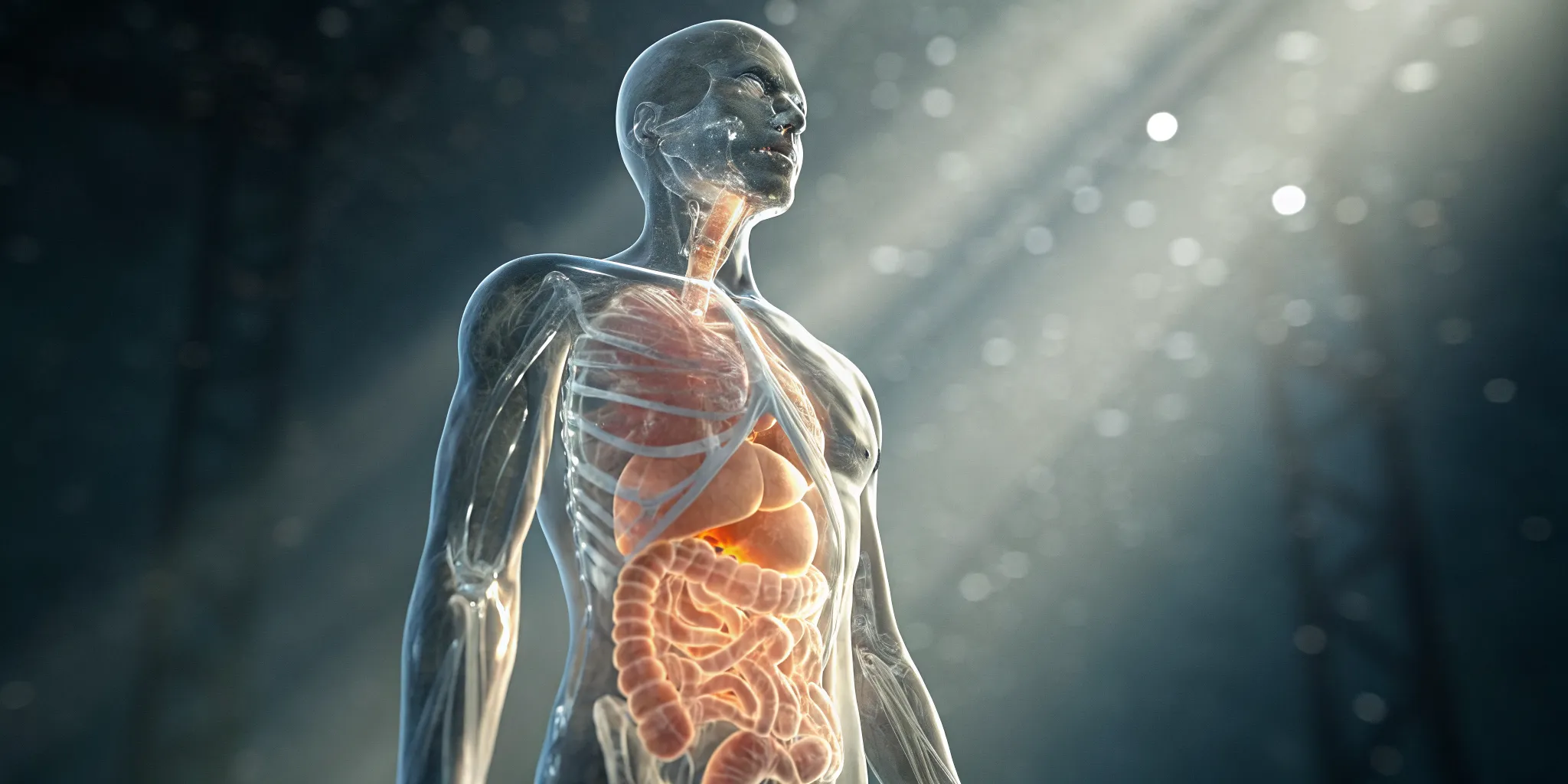
It might sound strange, but that nagging ache in your back could be linked to what’s happening in your gut. Your digestive system is home to trillions of bacteria, and maintaining a healthy balance is crucial for your overall wellness. Research shows a strong connection between the gut microbiome and chronic pain, suggesting that an imbalance can lead to body-wide inflammation. This inflammation isn't just confined to your gut; it can show up as pain and stiffness in your joints and muscles, including your back. By addressing gut health, we can often reduce the inflammatory burden that contributes to chronic pain.
Using Advanced Diagnostics to Find Answers
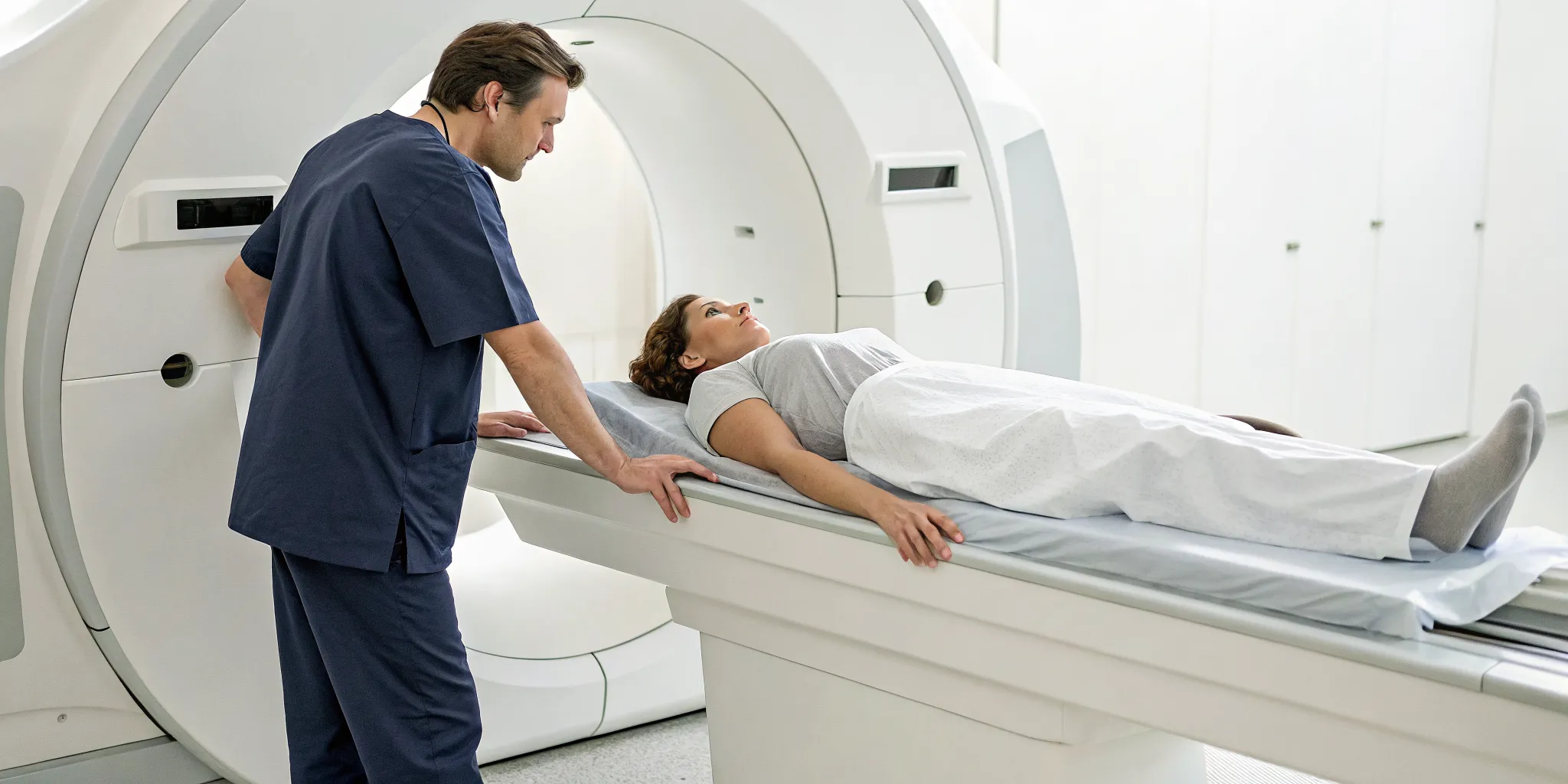
To understand what’s really going on inside your body, we have to look beyond a standard physical exam. Functional medicine uses in-depth testing to get a clear picture of your unique physiology. This can include comprehensive blood panels that check for inflammatory markers and nutrient deficiencies, or stool tests that analyze the health of your gut microbiome. These advanced diagnostic techniques provide the clues we need to identify the underlying factors contributing to your back pain. Instead of guessing, we gather concrete data to guide your treatment.
Personalized Plans vs. One-Size-Fits-All
There is no one-size-fits-all solution for chronic back pain because your body, your lifestyle, and your history are entirely your own. After using advanced diagnostics to uncover the root causes of your discomfort, we create a plan that is 100% tailored to you. Studies confirm that this kind of personalized medicine is a more effective way to manage chronic conditions. Your plan may include specific dietary changes to reduce inflammation, targeted supplements to correct deficiencies, and lifestyle adjustments to support your body’s healing process. This is how we create personalized, research-backed protocols designed for lasting results.
Creating Your Personalized Treatment Plan
When you're dealing with persistent back pain, the last thing you want is a generic solution that doesn't address your specific situation. Your body is unique, and your path to feeling better should be, too. That's why we focus on creating a truly personalized treatment plan. It’s not about finding a single magic bullet, but about understanding all the contributing factors and building a comprehensive strategy that works for you.
This process starts with looking at the big picture, combining different therapeutic approaches, and asking the right questions from day one. By moving beyond a one-size-fits-all model, we can design a roadmap that addresses the root cause of your pain and supports your body’s innate ability to heal. This ensures that every step we take is intentional and moves you closer to your health goals.
Why Combining Therapies Is More Effective
Think of your body as an interconnected system. Back pain rarely happens in isolation. Often, it’s linked to other issues, like tight hip flexors from sitting all day or a weak core that isn't properly supporting your spine. This is why simply treating the spot that hurts might only provide temporary relief. A more effective strategy involves combining therapies to address your body as a whole. For example, your plan might include chiropractic adjustments to restore alignment, alongside corrective exercises to strengthen weak muscles. By integrating different approaches from physical medicine, we can tackle the pain from multiple angles, leading to more sustainable results.
Key Questions for Your First Appointment
Your first appointment is all about discovery. To create a plan that works for you, we need to understand your complete health story, not just your symptoms. Be prepared to talk about more than just your back pain. We’ll likely discuss your daily routines, work environment, stress levels, and diet. Thinking about these things beforehand can help make your visit even more productive. Consider when your pain started, what makes it feel better or worse, and what you’ve tried so far. The goal is to identify the root causes of your discomfort so we can build a targeted plan to help you find lasting relief.
Find Lasting Back Pain Relief in Tampa
Living with persistent back pain can feel like a frustrating cycle of temporary fixes that never quite address the real problem. If you're tired of pain managing your life, it might be time for a different approach. Here in Tampa, finding lasting relief means looking beyond the surface-level symptoms to understand and treat the underlying cause of your discomfort. It’s about creating a strategy that restores your body’s function for good, not just for a few days.
The good news is that for the vast majority of people, invasive procedures aren't necessary. In fact, studies show that most back pain can be resolved without surgery. At Ascend Functional Health, our goal is to help you heal using a comprehensive, personalized plan. We combine different therapies to create a powerful healing synergy, moving you away from pain and toward a life of strength and mobility. We believe in empowering your body's own ability to heal.
Our approach integrates the best of Physical Medicine with the deep insights of Functional Medicine. This means we don’t just focus on spinal adjustments or exercises alone. We look at the whole picture, which could include chiropractic care, spinal decompression, corrective exercises, and even an analysis of how your gut health or inflammation levels might be contributing to your pain. A truly effective plan considers all the factors that make you unique.
You don't have to navigate this journey alone. If you're ready to break free from chronic back pain and discover what's really causing it, we're here to help. Let's work together to build a personalized roadmap to recovery. You can schedule a consultation with our team in Tampa to start your path toward lasting relief.
Related Articles
- Is Lumbar Decompression Chiropractic for You?
- Chiropractic Care: Everything You Need to Know
- Spinal Decompression Hurts Lower Back: Normal or Not?
Frequently Asked Questions
My back pain isn't constant, but it keeps coming back. Is it serious enough to get checked out? If your back pain has become a recurring issue, that's your body's way of telling you that an underlying problem isn't being resolved. It's less about the severity of the pain in any given moment and more about the pattern. Chronic pain is defined as discomfort that lasts for three months or longer, and this includes pain that comes and goes. Instead of waiting for it to become constant, addressing it now allows us to find and treat the root cause before it becomes a more significant problem.
I'm a little nervous about chiropractic adjustments. What should I expect? That's a completely understandable feeling. Many people picture forceful cracking, but a modern chiropractic adjustment is actually a very precise and gentle technique. You might feel a quick, light pressure or a comfortable stretch, often followed by a sense of relief. The goal is to restore movement to a joint that has become stiff or stuck. Your provider will walk you through every step of the process, ensuring you feel comfortable and informed the entire time.
I've tried physical therapy before without much success. How is your approach different? It can be frustrating to put in the work and not see the results you want. Often, when a single therapy doesn't work, it's because it's only addressing one piece of the puzzle. Our approach is different because we integrate multiple therapies. For example, physical therapy is excellent for strengthening muscles, but if your spinal joints are misaligned, those exercises may not be as effective. By combining corrective exercises with chiropractic care and functional medicine, we can address your body's structure, strength, and internal health all at once.
How long will it take for my back pain to go away? The timeline for healing is unique for every person. It depends on what's causing your pain, how long you've been dealing with it, and your body's individual response to treatment. While many people feel some relief after their first few visits, our primary goal is to create lasting results, not just a temporary fix. This involves correcting the root cause and building a stronger foundation for your health, which is a process. We'll create a clear plan and be with you every step of the way, adjusting as you progress.
How do you know if something like stress or gut health is contributing to my back pain? This is where the detective work of functional medicine becomes so valuable. It starts with a detailed conversation about your health history, your diet, your stress levels, and your daily routines. If we suspect an underlying issue, we can use advanced diagnostic testing, like comprehensive blood panels or stool analysis, to look for objective clues. These tests can reveal things like systemic inflammation, nutrient deficiencies, or gut imbalances that may be contributing to your pain, allowing us to create a truly personalized and effective treatment plan.