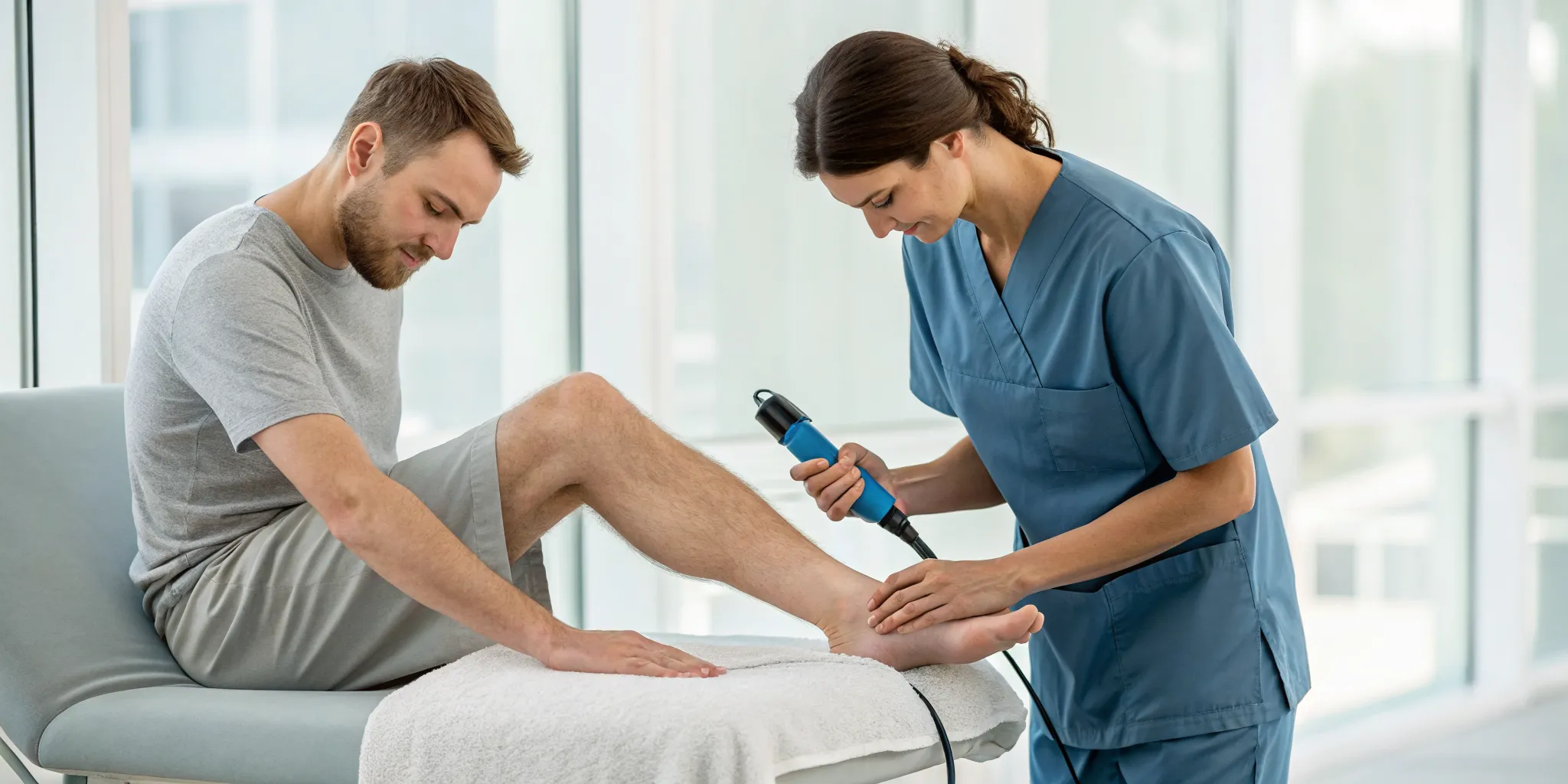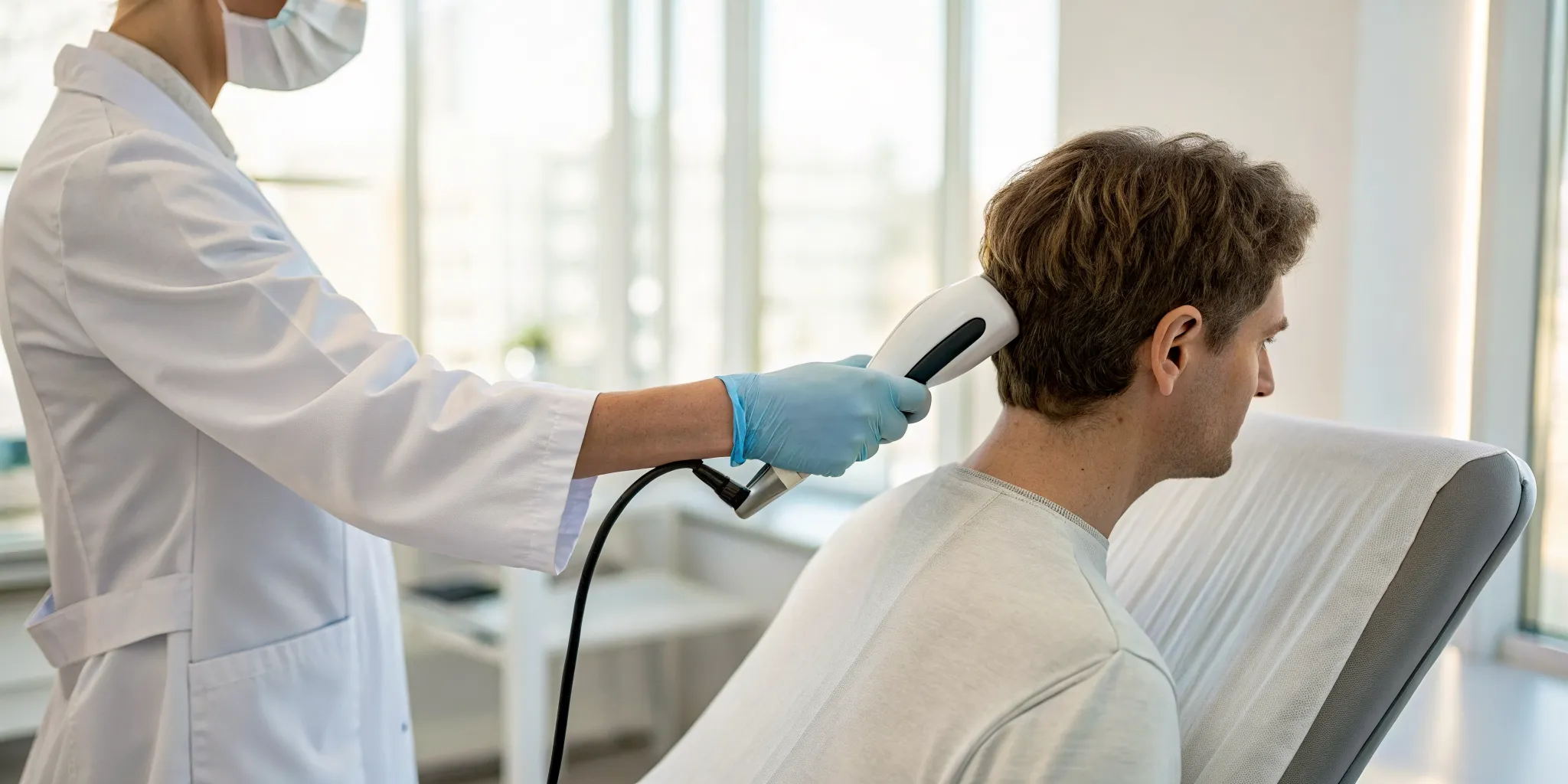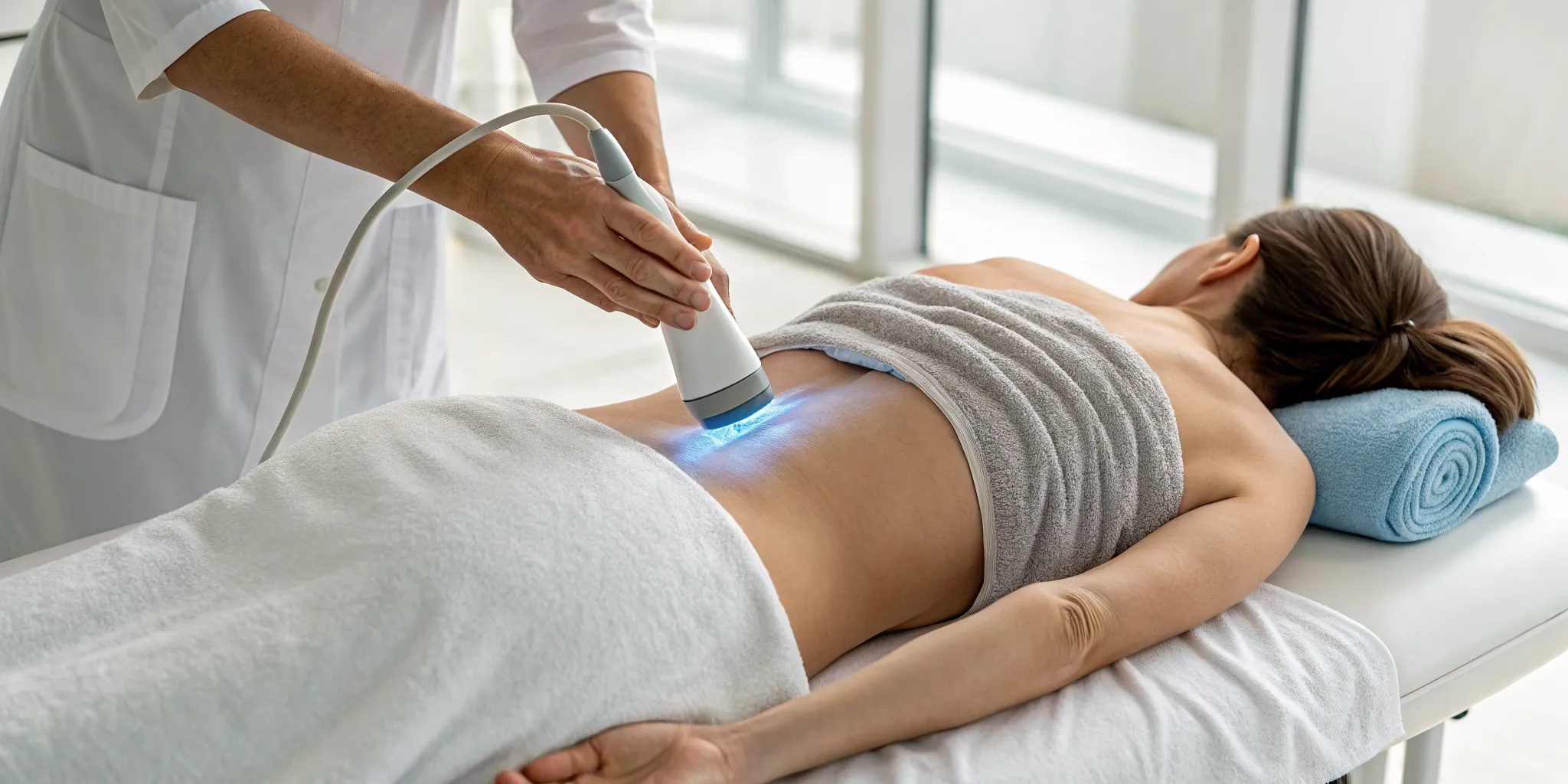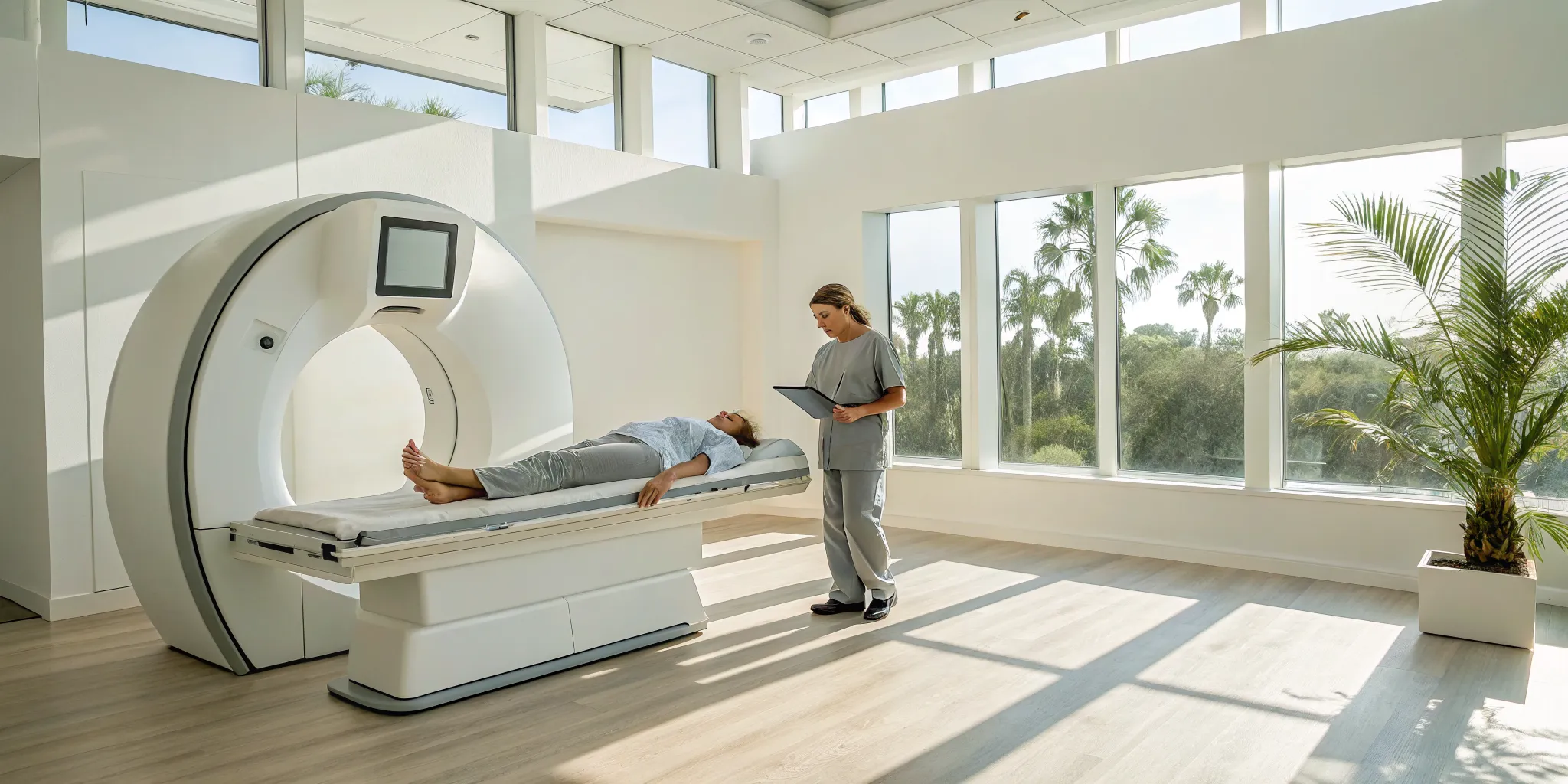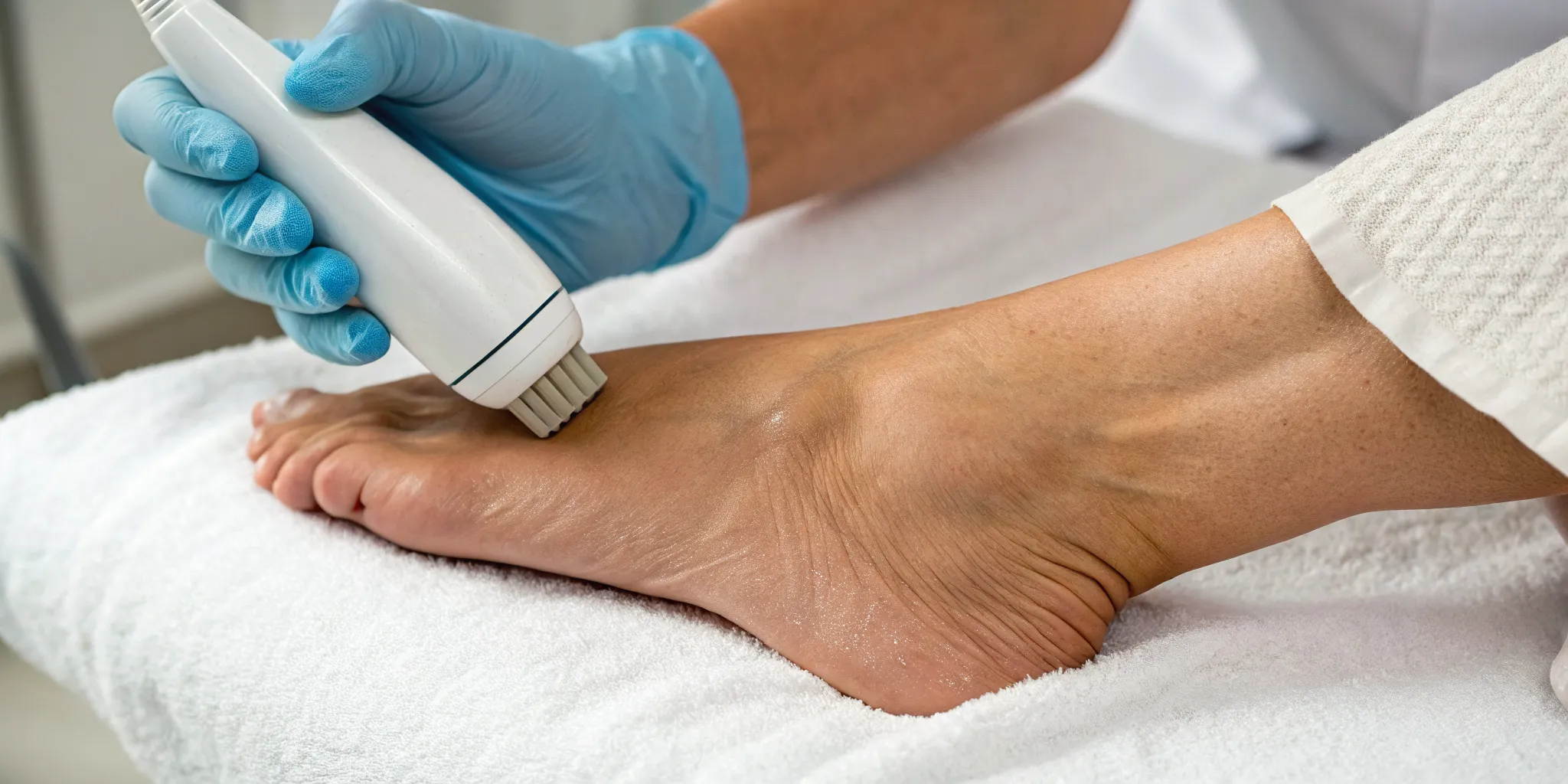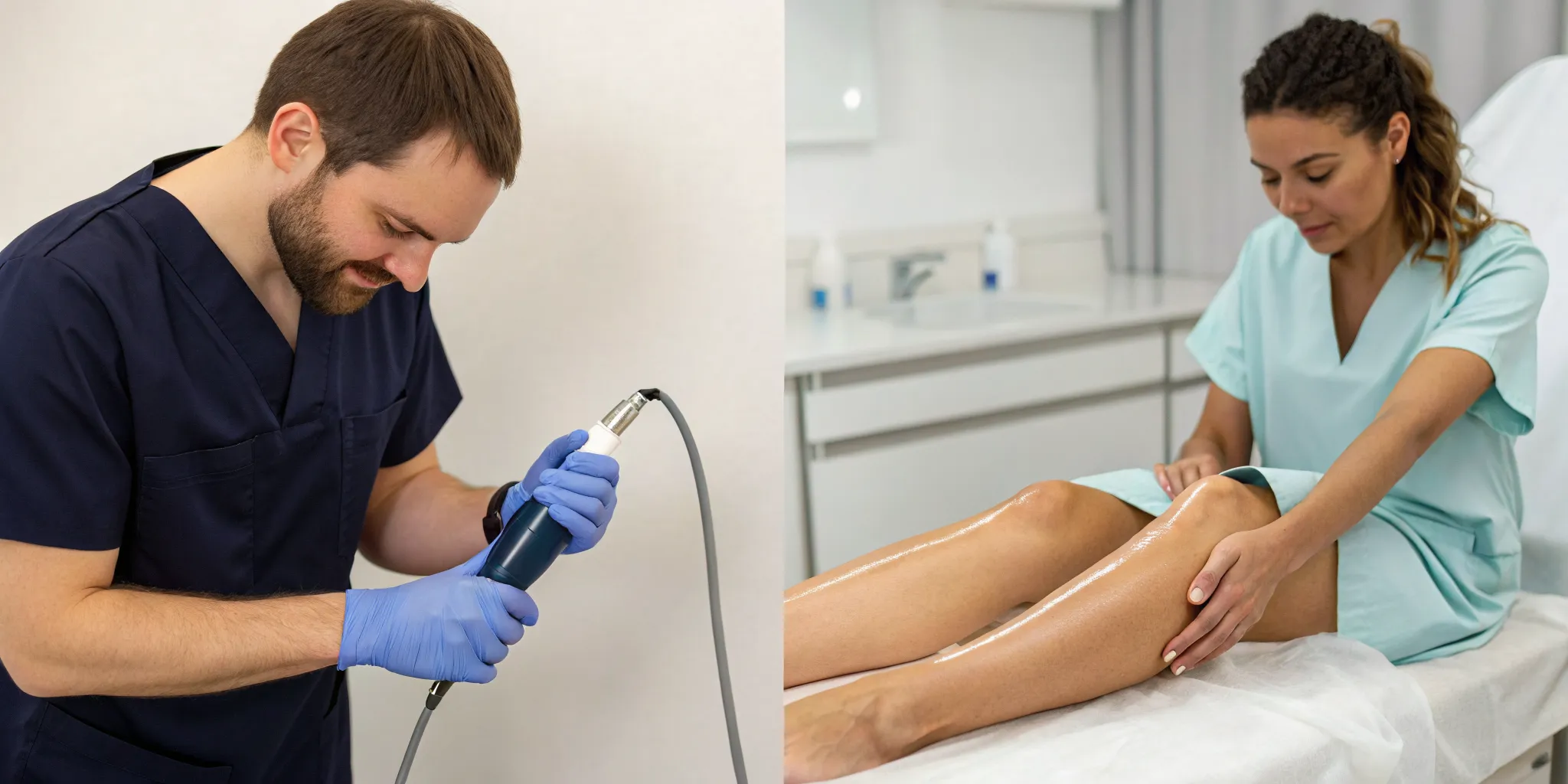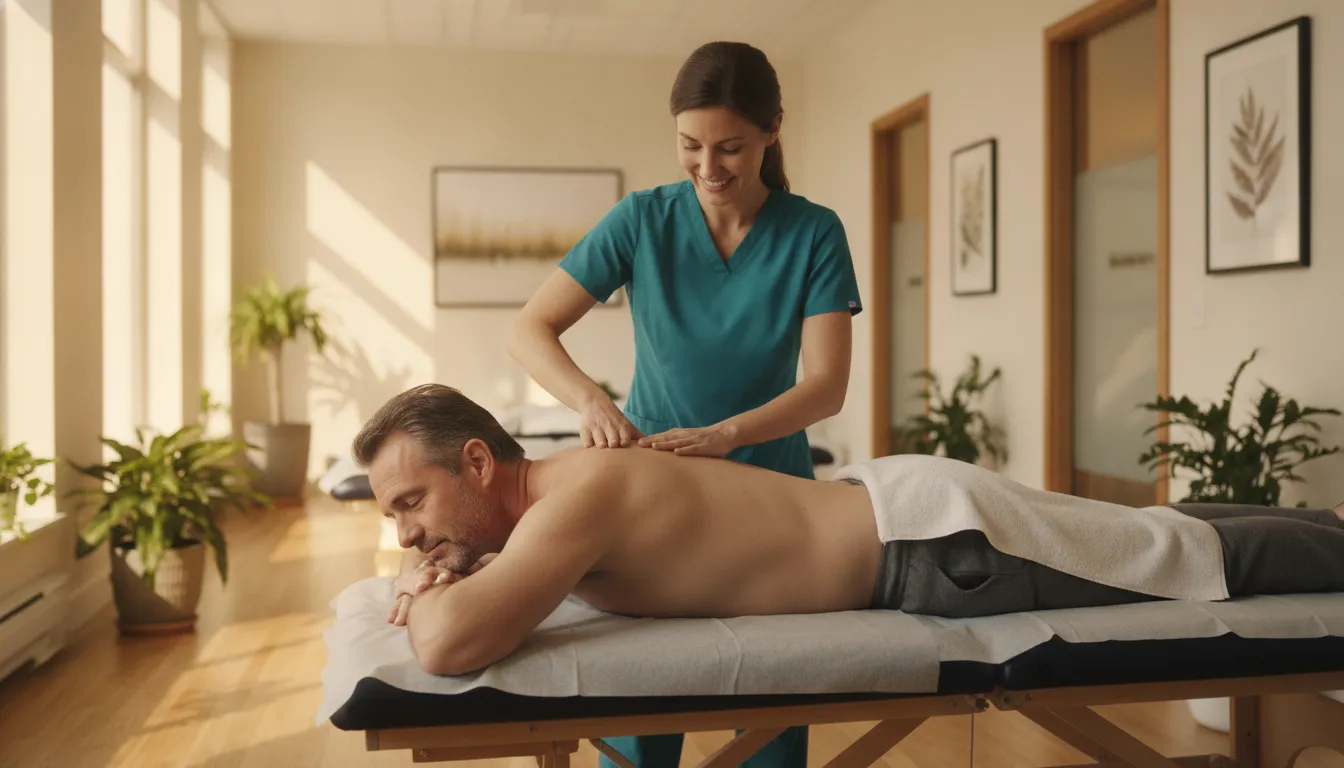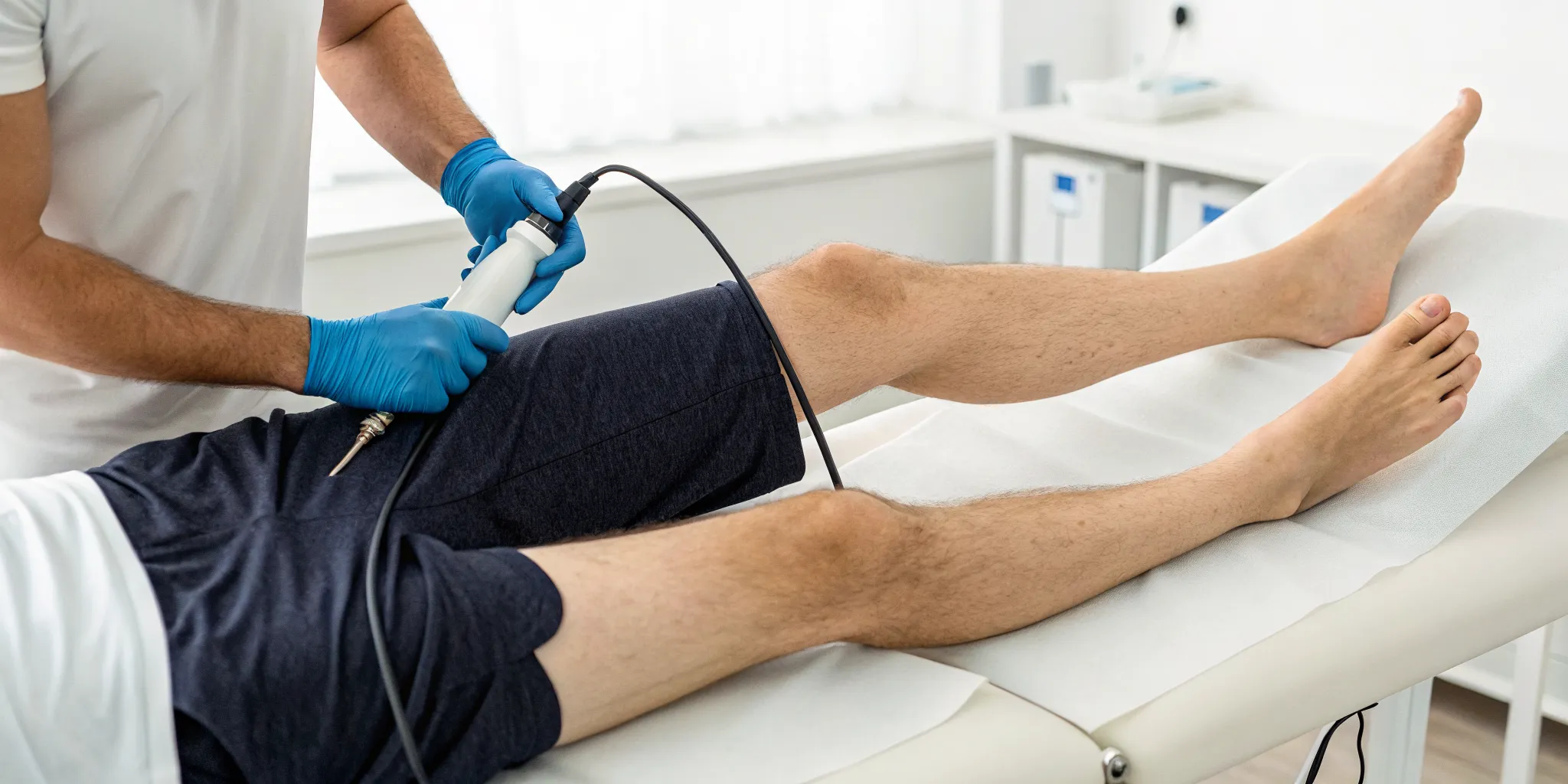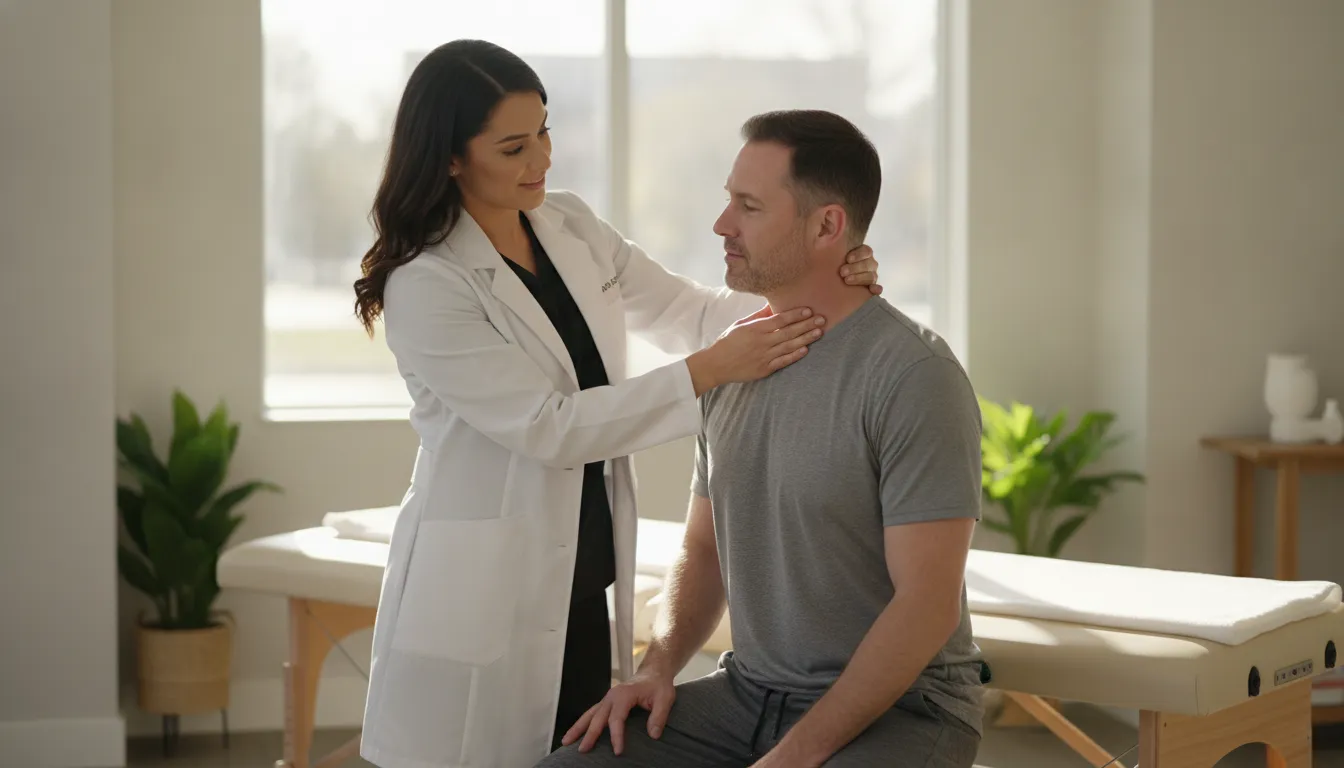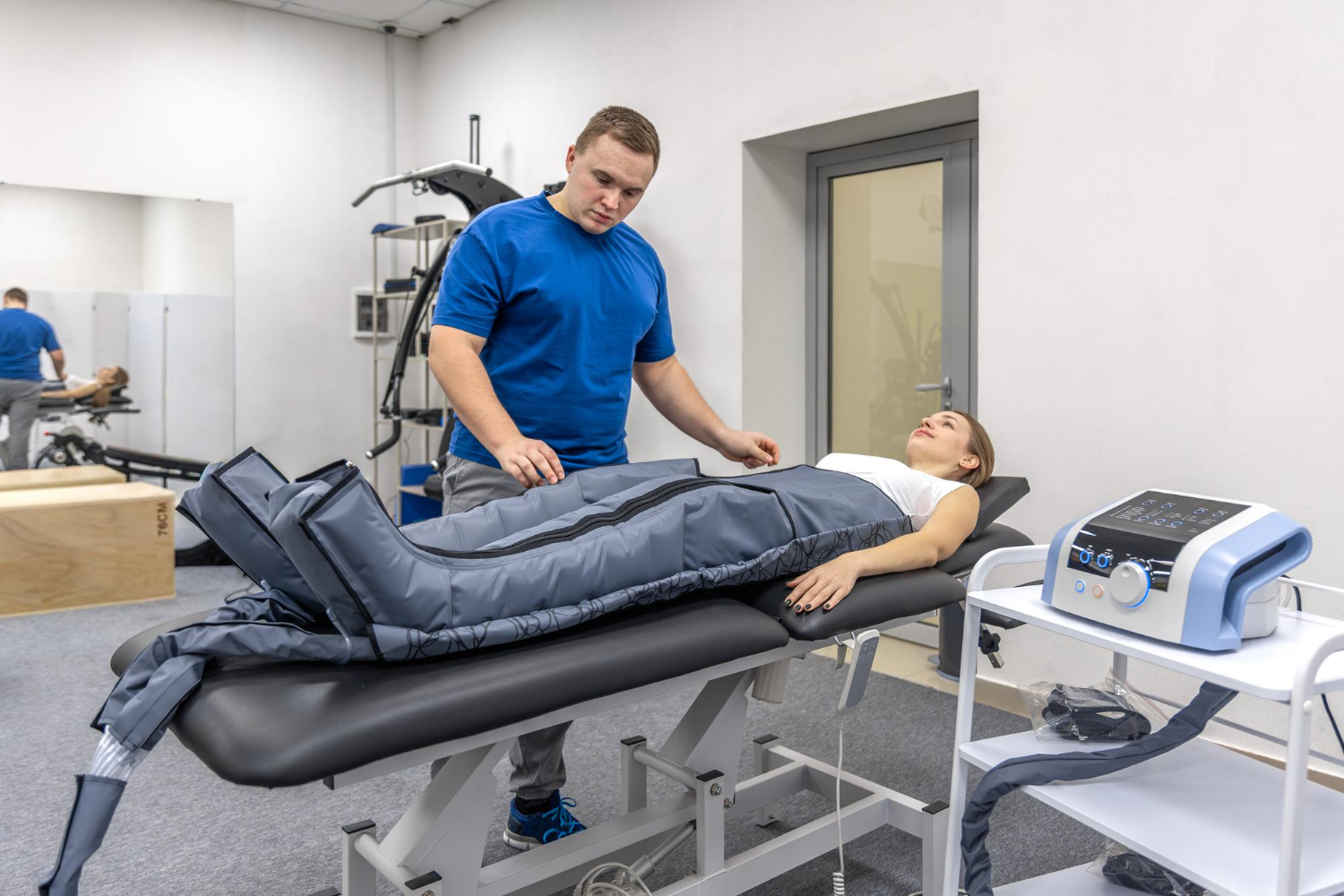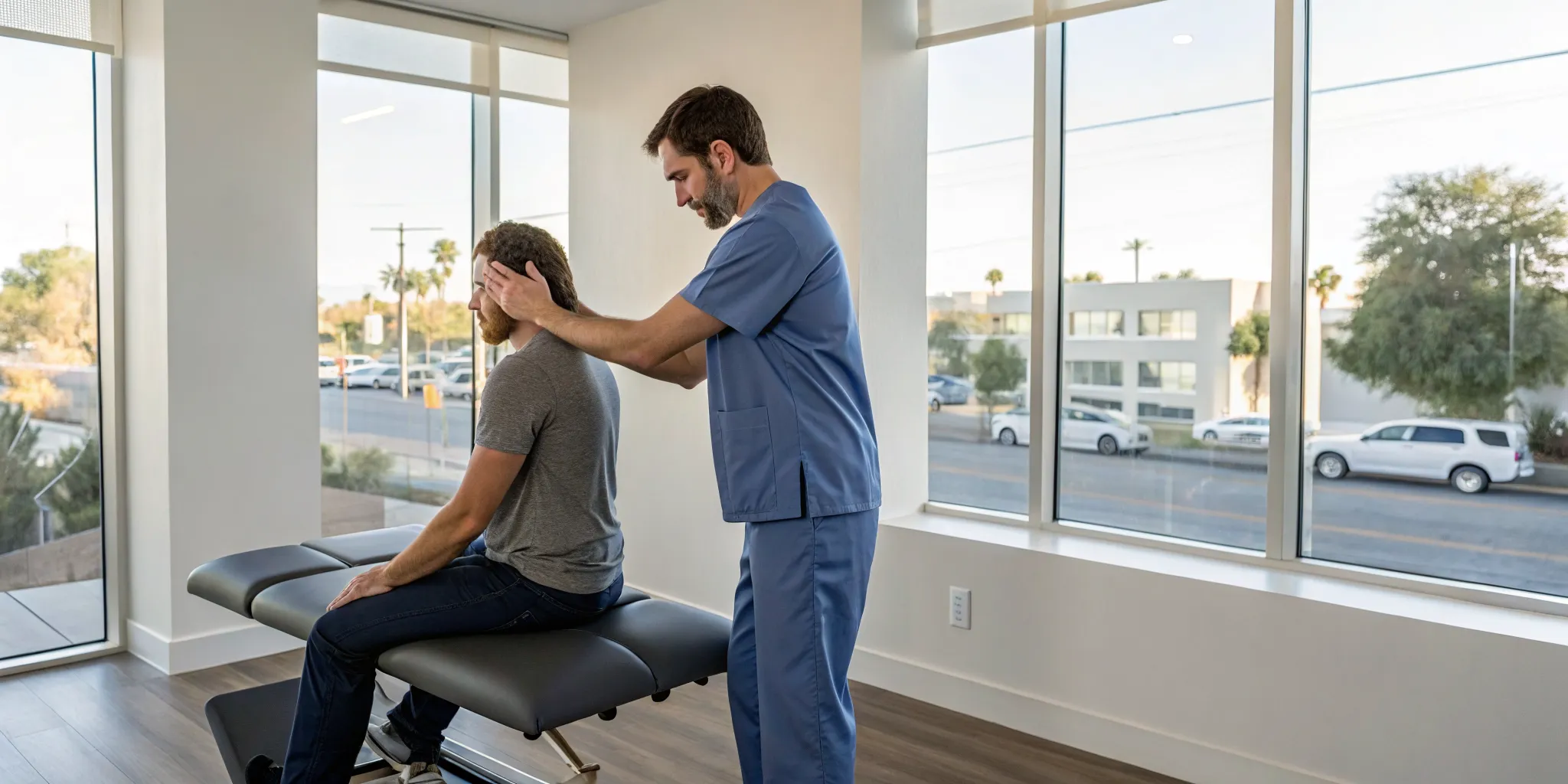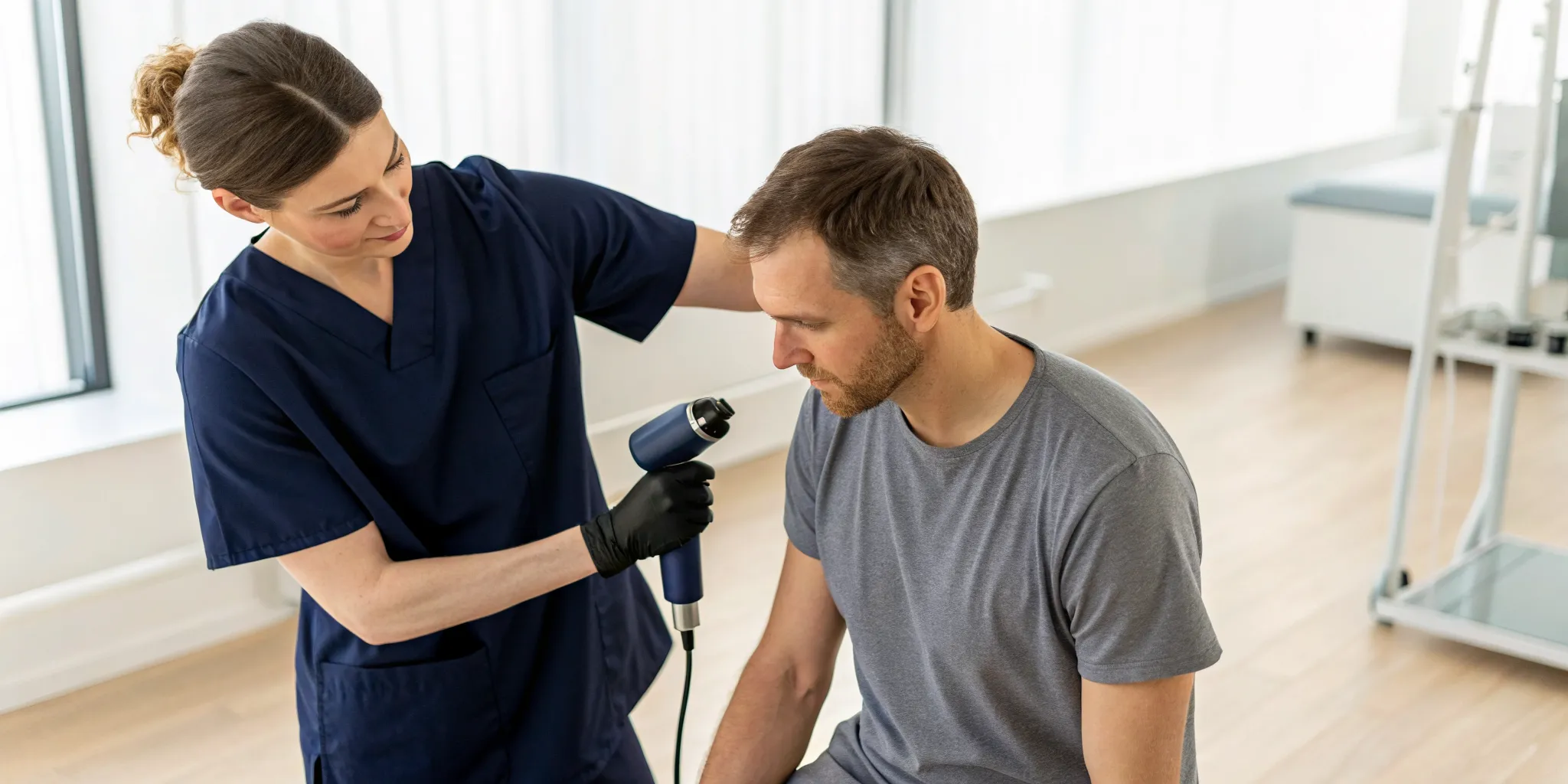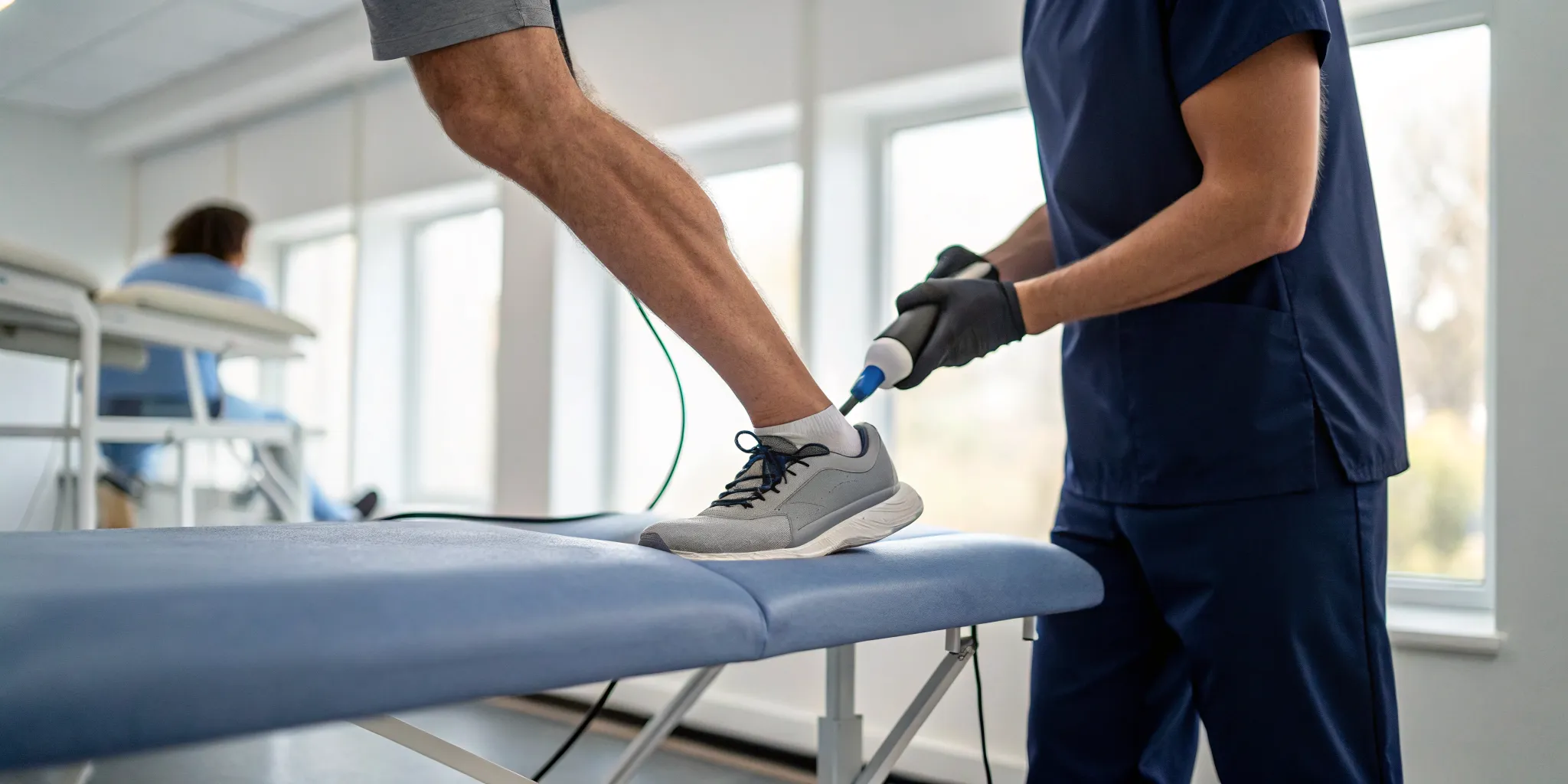
When an injury becomes chronic, it’s often because the body’s natural healing process has stalled out. The area has poor circulation, and the signals for repair are no longer being sent. Shockwave therapy acts like a jumpstart for these dormant healing mechanisms. By delivering targeted acoustic waves to the injured tissue, it creates a powerful biological response that increases blood flow, stimulates cell regeneration, and breaks down restrictive scar tissue. If you’re looking for a ‘shockwave therapy chiropractor near me,’ you’re looking for a way to get your body back on track. This treatment helps turn a chronic issue back into an acute one that your body can actively resolve.
Key Takeaways
- It kickstarts your body's natural healing: This non-invasive therapy uses acoustic waves to signal your body to repair damaged tissue by increasing blood flow and stimulating collagen, addressing the problem at its source.
- It's a solution for stubborn, chronic pain: Shockwave therapy is highly effective for persistent soft tissue conditions, such as plantar fasciitis or tennis elbow, especially when rest and other methods have failed to provide lasting relief.
- A comprehensive approach yields the best results: This therapy works best when integrated into a personalized care plan from a qualified provider that may include chiropractic adjustments and corrective exercises to ensure a full recovery.
How Does Shockwave Therapy Work?
If you’re picturing some kind of intense, electrical procedure, take a deep breath. Shockwave therapy is much gentler than its name suggests. It’s a non-invasive treatment that uses the power of sound to communicate with your body, encouraging it to heal itself from the inside out. Think of it as a way to restart the natural healing process in areas where it has stalled, like with a nagging old injury or chronic pain.
At its core, this therapy is about addressing the root cause of your discomfort, not just masking the symptoms. By targeting the specific tissues that are causing you pain, we can help your body build a stronger, more resilient foundation for long-term health. It’s one of the many tools we use in our physical medicine approach to help you get back to feeling your best.
The science of acoustic wave healing
So, how does it actually work? Shockwave therapy uses a special device to send high-energy acoustic waves (or sound waves) deep into the injured tissue. These waves create a controlled, therapeutic effect that essentially wakes up the cells in the area. This process signals to your body that it’s time to get to work on repairs.
This targeted stimulation triggers a cascade of natural biological responses. It’s like flipping a switch that tells your body to increase metabolic activity and circulation right where you need it most. This jumpstarts the regenerative process, helping to repair tissues that have been damaged or stuck in a state of chronic inflammation.
Restoring blood flow and stimulating collagen
Once the healing process is activated, two amazing things happen. First, the acoustic waves help form new blood vessels. This is crucial because increased blood flow delivers more oxygen and nutrients to the injured area, which are the essential building blocks for repair. Better circulation also helps to flush out waste products that can contribute to pain and inflammation.
Second, the therapy stimulates the production of collagen. Collagen is a vital protein that acts like the scaffolding for your tendons, ligaments, and other connective tissues. By encouraging new collagen growth, shockwave therapy helps to strengthen and regenerate damaged tissue, making it more resilient and less prone to future injury. This is especially helpful for the conditions we treat that involve chronic tendon issues.
Shockwave vs. other treatments: What's the difference?
You might be wondering how shockwave therapy compares to other treatments like therapeutic ultrasound or heat packs. While both shockwave and ultrasound use sound waves, shockwave therapy uses a higher energy level to actively break down scar tissue and stimulate deep tissue regeneration. Other treatments may provide temporary relief by warming the area, but they don't typically create the same lasting biological changes.
Unlike approaches that only manage symptoms, shockwave therapy is designed to promote true healing at the source of the problem. It’s a non-invasive method that works in harmony with your body’s own abilities. By integrating it into a comprehensive care plan, we can offer a powerful path toward recovery without the need for more intensive procedures. It’s a key part of our broader services aimed at restoring function and vitality.
What Conditions Does Shockwave Therapy Treat?
If you're dealing with a nagging injury that just won’t go away, you know how frustrating it can be. Maybe you’ve tried stretching, icing, and resting, but the pain always comes back. This is where shockwave therapy can be a game-changer. It’s a highly effective, non-invasive treatment designed to address the root cause of chronic pain by stimulating your body’s own healing abilities. Instead of just masking symptoms, this therapy creates a powerful healing response right where you need it most. It’s one of the cornerstones of our Physical Medicine approach here at Ascend Functional Health.
This technology is incredibly versatile, making it a go-to solution for a wide range of musculoskeletal problems. We use it to help people find lasting relief from stubborn conditions that have lingered for months or even years. Think of it as a way to restart the healing process for an old injury, turning a chronic issue back into an acute one that your body can actively repair. From the sharp pain in your heel that greets you every morning to the dull ache in your shoulder that makes it hard to get dressed, shockwave therapy can target the damaged tissue, improve blood flow, and accelerate recovery. We see it successfully treat a variety of common health concerns every day in our Tampa clinic.
Plantar fasciitis and heel pain
That sharp, stabbing pain in your heel, especially with your first steps in the morning, is the classic sign of plantar fasciitis. This condition happens when the thick band of tissue on the bottom of your foot becomes inflamed and develops micro-tears. Because this area has limited blood flow, it can be incredibly slow to heal on its own. Shockwave therapy directly addresses this by sending powerful acoustic waves into the heel and arch. These waves help break down scar tissue and stimulate the formation of new blood vessels, delivering the oxygen and nutrients your plantar fascia needs to finally repair itself. It’s a way to get you back on your feet and moving without that constant, debilitating pain.
Achilles tendonitis and overuse injuries
For many active people, Achilles tendonitis is a frustrating and persistent injury. It’s an inflammation of the tendon that connects your calf muscle to your heel bone, often caused by repetitive stress from running or jumping. Shockwave therapy is particularly effective for chronic tendon issues like this. It works by creating a controlled micro-trauma in the area, which triggers your body’s natural healing cascade. Essentially, it reminds your body that the injury still needs attention, prompting it to send in the resources for repair. This same principle applies to other overuse injuries, like jumper’s knee or shin splints, helping you recover faster and get back to the activities you love with more resilience against future injury.
Tennis elbow and rotator cuff issues
You don’t have to be a tennis player to suffer from tennis elbow. This painful condition, which affects the tendons on the outside of your elbow, can be caused by any repetitive gripping activity. Similarly, rotator cuff problems can cause deep shoulder pain that limits your range of motion and makes simple tasks like reaching overhead feel impossible. Shockwave therapy targets these inflamed and damaged tendons directly. The acoustic waves stimulate metabolic activity and collagen production, which are essential for repairing the tissue and reducing pain. By addressing the underlying cause of the inflammation, this therapy can help restore function and strength to your arm and shoulder.
Chronic pain, trigger points, and knee pain
Chronic pain can often be traced back to trigger points, which are tight, sensitive knots within your muscles that can refer pain to other areas of your body. Shockwave therapy is excellent for deactivating these stubborn points. The energy waves increase circulation and oxygen to the dysfunctional muscle tissue, helping it relax and release. This can provide significant relief from long-standing pain patterns. The treatment is also highly effective for various forms of chronic knee pain, such as patellar tendonitis (jumper's knee). By promoting tissue regeneration and reducing inflammation, shockwave therapy offers a path to lasting relief and improved mobility for those who have been struggling with persistent pain.
The Real Benefits of Shockwave Therapy
If you're dealing with chronic pain, the idea of another treatment can feel exhausting, especially when other methods have failed to provide lasting relief. But what if there was a way to address the root cause of your pain without surgery or downtime? Shockwave therapy is a modern, effective treatment that helps your body heal itself from the inside out. It’s one of the key therapies we use within our Physical Medicine pillar because it aligns perfectly with our goal: to find and fix the source of the problem, not just manage the symptoms. This approach is about creating real, sustainable change in your body.
This therapy uses targeted acoustic waves to kickstart your body’s natural repair mechanisms in areas that have been stuck in a cycle of pain and inflammation. Think of it as a way to wake up dormant healing processes. By increasing blood flow, stimulating new cell growth, and breaking down restrictive scar tissue, shockwave therapy can provide lasting relief for a variety of stubborn conditions. It’s a powerful tool for anyone looking for a solution that supports the body’s innate ability to heal, moving you away from temporary fixes and toward long-term wellness. It’s not about masking pain; it’s about resolving it.
A non-invasive approach to healing
One of the biggest advantages of shockwave therapy is that it's completely non-invasive. This means there are no needles, no incisions, and no surgery required. The entire treatment happens outside of your body. A special device is placed on your skin over the injured area, where it delivers gentle acoustic waves to the tissue underneath. For many people who are hesitant to undergo more aggressive procedures, this is a game-changer. It offers a path to healing without the risks and recovery time associated with surgical interventions. You can have a session and get right back to your day, which makes it a practical choice for a busy lifestyle.
Lasting pain relief and accelerated tissue repair
Shockwave therapy does more than just mask pain; it promotes true healing at the cellular level. The high-energy sound waves create a series of tiny, controlled micro-traumas in the targeted tissue. This process stimulates your body’s natural healing response, increasing blood circulation and promoting the formation of new blood vessels. It also helps break down scar tissue and calcifications that can restrict movement and cause pain. This renewed cellular activity accelerates tissue repair and regeneration, leading to a significant reduction in pain and an improvement in function that lasts long after your sessions are complete.
Common myths about shockwave therapy
Let's clear up a couple of common misconceptions. First, many people worry that "shockwave" means the treatment is painful. While you might feel a tapping or pulsing sensation, most people tolerate the sessions very well. It’s a strange feeling, but not typically described as painful. Second, some think this is a new, unproven technology. The truth is, shockwave therapy has been researched and used for decades in various medical fields. It has a strong track record for treating many of the conditions we treat, especially chronic musculoskeletal issues that haven't responded to other therapies.
Who is a good candidate for treatment?
Shockwave therapy can be an excellent option for individuals struggling with chronic pain that hasn't responded to traditional methods. It’s particularly effective for soft tissue injuries like plantar fasciitis, Achilles tendonitis, and tennis elbow. If you have persistent pain in your heels, shoulders, elbows, or knees that has been bothering you for months or even years, you could be a great candidate. The best way to know for sure is to have a thorough evaluation with a provider who understands your health history. A professional can assess your specific condition and determine if shockwave therapy is the right step for your healing journey. If you're ready to explore your options, we'd love to help you get in touch.
What to Expect During a Shockwave Therapy Session
If you’re considering shockwave therapy, it’s natural to wonder what the process actually involves. Knowing what to expect can help you feel more comfortable and confident heading into your first appointment. The good news is that the treatment is straightforward, quick, and designed to fit easily into your life. At Ascend Functional Health, we believe in making your healing journey as clear and stress-free as possible.
Our approach to physical medicine is centered on using advanced, non-invasive techniques to help your body heal itself. Shockwave therapy is a perfect example of this philosophy in action. It’s a tool we use as part of a larger, personalized plan to address the root cause of your discomfort and get you back to feeling your best. Let’s walk through what a typical session looks like.
The treatment experience: what it feels like, duration, and aftercare
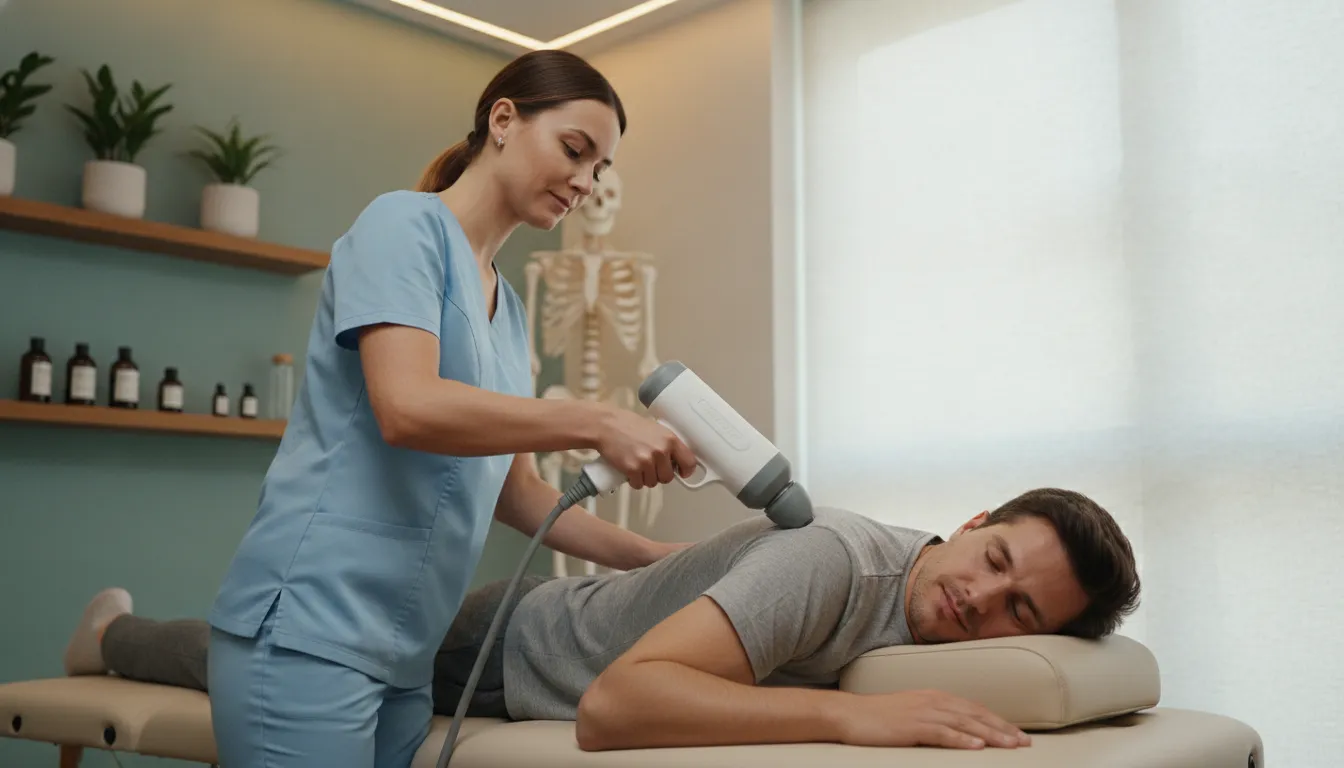
If you're picturing an intense or complicated procedure, you can relax. Shockwave therapy is completely non-invasive, meaning there are no incisions or instruments entering the body. During the session, your provider will use a handheld device to apply acoustic waves to the targeted area. Most people describe the feeling as a tapping, pulsing, or a sense of mild pressure. While you might feel some slight discomfort, the treatment is generally very well-tolerated.
One of the best parts is how quick it is. A typical session lasts only about five to ten minutes per treatment area. Afterward, there’s no downtime required. You can get right back to your daily activities without any need for a recovery period, making it a convenient option for busy schedules.
How many sessions you might need
There is no magic number when it comes to shockwave therapy sessions; your treatment plan will be tailored specifically to you. The number of sessions you need depends on your specific condition, how long you’ve been experiencing symptoms, and how your body responds to the treatment. While some people report feeling better after just one or two appointments, most chronic issues require a series of treatments to achieve lasting results.
Generally, a provider might recommend anywhere from three to five sessions to start. For more stubborn or long-standing conditions, a plan could extend to eight or ten treatments to ensure the tissue fully heals. We will assess your progress along the way and adjust your plan as needed to help you meet your health goals. Our focus is on addressing the unique conditions we treat with a personalized protocol.
How shockwave therapy works with chiropractic care
Think of shockwave therapy as a powerful tool in a comprehensive toolkit, not a standalone solution. It works best when integrated with other treatments, especially chiropractic care. Combining shockwave therapy with chiropractic adjustments, corrective exercises, and other modalities helps create a synergistic effect that supports your body’s healing from multiple angles. This integrated approach can lead to better long-term outcomes and may even reduce the total number of visits you need.
At Ascend Functional Health, we see you as a whole person, not just a collection of symptoms. Our team is dedicated to creating a holistic plan that gets to the root of the problem. By pairing shockwave therapy with our other services, we can help accelerate tissue repair, restore proper movement, and give you the tools to maintain your progress. This is central to our philosophy of empowering your body’s innate ability to heal.
Finding the Right Shockwave Therapy Provider
Choosing the right provider for shockwave therapy is just as important as the treatment itself. The skill and approach of the practitioner can make a world of difference in your results and overall experience. You want someone who not only has the right equipment but also understands how to integrate this therapy into a broader healing plan tailored to your specific needs. It’s about finding a partner in your health journey, someone who is invested in getting to the root of your pain, not just managing symptoms. This is a core part of our philosophy at Ascend Functional Health, where we focus on comprehensive health solutions.
Taking a little time to research your options will pay off in the long run. A qualified provider will be transparent about their experience, their process, and what you can realistically expect. They should see you as a whole person, considering all the factors that contribute to your condition. This ensures you’re not just getting a one-off treatment but a comprehensive strategy for lasting relief and recovery. The right clinic will feel like a supportive environment where your concerns are heard and your goals are prioritized. The following steps will help you identify a practitioner who is the right fit for you.
Questions to ask before your first appointment
Walking into a consultation prepared with questions is one of the best things you can do for yourself. It shows you’re an active participant in your health and helps you gauge if a provider is the right fit. Remember, being a chiropractor doesn't automatically mean someone is an expert in shockwave therapy. Don’t be shy about asking about their specific qualifications.
Here are a few questions to have in your back pocket:
- What are your credentials and training for performing shockwave therapy?
- How long have you been using this treatment in your practice?
- What kind of results have you seen for conditions similar to mine?
- How do you combine shockwave therapy with other treatments for a more complete recovery plan?
A trustworthy provider will welcome your questions and provide clear, confident answers.
How to read patient reviews and testimonials
Patient stories can offer incredible insight, but it’s important to know how to read them effectively. Instead of just scanning for star ratings, look for reviews that specifically mention shockwave therapy. See what people are saying about their experience with the treatment for conditions like plantar fasciitis, tendonitis, or chronic joint pain. The most helpful reviews often describe the before-and-after, giving you a clearer picture of the potential outcomes.
Pay attention to comments about the provider’s approach. Do patients feel heard and cared for? Does the clinic seem organized and professional? Reading through patient testimonials can help you understand not just the effectiveness of a treatment but also the quality of care you can expect to receive.
Shockwave Therapy at Ascend Functional Health in Tampa
At Ascend Functional Health, we use shockwave therapy as a key part of our Physical Medicine services. We see it as a powerful tool for stimulating your body’s natural healing processes, but we know it’s rarely the whole story. That’s why we integrate it into a comprehensive and personalized treatment plan. We look at your health from all angles, combining shockwave therapy with other modalities like chiropractic adjustments and corrective exercises to address the root cause of your pain.
Our goal is to do more than just provide temporary relief. We want to restore function, improve mobility, and give you the tools to maintain your health long-term. By looking at the complete picture, we ensure that your shockwave therapy sessions are working in harmony with a broader strategy designed for lasting results.
Related Articles
- SoftWave Tissue Regeneration Therapy in Tampa | Alessi Functional Health
- SoftWave TRT Therapy in Tampa, FL - Alessi Functional Health
- Regenerative Medicine for Pain Recovery | Ascend Functional Health
- What Is Soft Tissue Therapy? A Complete Guide
- Is Myofascial Release Legitimate? What Science Says
Frequently Asked Questions
Does shockwave therapy hurt? Most people describe the sensation as a strong tapping or pulsing against the skin. While there can be some discomfort, especially over a very tender area, it's generally well-tolerated and not considered painful. The sessions are also very quick, usually lasting only a few minutes, which makes any strange sensations easy to manage.
How soon will I feel better after starting treatment? While some people notice an improvement in their pain levels after just one or two sessions, the real benefits of shockwave therapy happen over time. The treatment is designed to stimulate your body's own repair processes, which is a gradual journey. The most significant and lasting results typically build over a series of treatments as the tissue regenerates and strengthens.
Are there any side effects or downtime after a session? One of the great things about this therapy is the lack of significant side effects or required downtime. You can return to your normal daily activities immediately after your appointment. Some people might experience temporary redness, mild soreness, or slight swelling in the treated area, but these effects usually fade within a day or two.
I've already tried physical therapy and stretching. How is this different? Stretching and physical therapy are fantastic for improving flexibility and strength, but they don't always address the underlying tissue damage in chronic conditions. Shockwave therapy works on a deeper, cellular level. It uses acoustic waves to break down stubborn scar tissue and actively restart the healing process in areas where it has stalled, which is something that stretching alone cannot accomplish.
Will I need to keep coming back for shockwave therapy forever? The goal of shockwave therapy is to create lasting healing, not to become a lifelong treatment. By addressing the root cause of the injury and helping your tissue fully regenerate, we aim for a permanent solution. Once your initial treatment plan is complete and your body has healed, you shouldn't need ongoing sessions for the same issue, especially when you follow the supportive care and corrective exercises we recommend.