Many adults accept declining energy and physical stiffness as an inevitable part of growing older. However, optimizing your healthspan is a proactive clinical process that begins with detailed baseline data. Knowing how to prepare for your upcoming visit ensures you and your care team can focus on the root causes of aging.
Preparing for a longevity medicine consultation requires gathering your complete personal and family medical history, compiling an exact list of all medications and supplements, and writing down your specific health and lifestyle goals. This clinical process is a collaborative partnership where you and your care team analyze deep biomarker data to extend your healthspan. By organizing past laboratory reports and clarifying your long-term health concerns in advance, you help your practitioner customize an evidence-informed clinical strategy tailored to your biology. Preparing this baseline data before your first visit ensures you get the most value from your comprehensive health evaluation.
Approaching your first appointment with the right records allows your clinical team to find the root causes of age-related physiological changes. It turns a standard checkup into a personalized strategy to protect your physical and functional health as you age. To help you prepare for this process, let us look at what this visit involves, beginning with the definition of What Is a Longevity Medicine Consultation?
What Is a Longevity Medicine Consultation?
A longevity medicine consultation is a specialized, clinical assessment designed to help you live healthier for a longer time. While standard medical checkups focus primarily on diagnosing active diseases, this focused evaluation looks deep into your biological systems. A longevity medicine approach aims to find very early signs of cellular decline, metabolic shifts, and systemic imbalances before they can become symptomatic chronic illnesses.
By shifting the clinical focus from late-stage treatment to early prevention, these consultations help you maintain high functional capacity as you age. It is a highly personalized process that uses detailed biomarker analysis, personal health histories, and targeted diagnostic testing to build an actionable plan for your unique physiology. Ultimately, the goal is to make sure your body remains strong, energetic, and resilient through every decade of life.
Integrating Clinical Geroscience and Daily Practice
At its core, this approach connects advanced research with real-world clinical care to support your body's self-healing mechanisms. The medical discipline of healthy longevity medicine integrates geroscience into clinical settings to optimize health across your full lifespan. Geroscience is the study of how the biological processes of aging drive the development of age-related physical decline and chronic disease.
By bringing this cutting-edge science into a clinic, providers can study the basic mechanisms of cellular aging in individual patients. Your provider looks at how your genes interact with your lifestyle, stress levels, and local environmental factors. This deep integration allows your healthcare team to design tailored interventions that target the specific biological pathways responsible for cellular wear and tear.
Instead of using generalized advice, your care team creates a strategy based on how your body is aging at a microscopic level. They translate complex academic data on cellular pathways, mitochondrial health, and inflammation into simple daily habits. This process helps you take control of your long-term health using strategies backed by clinical proof.
Addressing the Root Causes of Aging
Conventional healthcare often waits for a major symptom to appear before starting an intervention or writing a prescription. In contrast, specialized longevity clinics address factors contributing to aging rather than just treating established diseases. By looking at root causes, providers can help you prevent or delay the onset of cardiovascular issues, cognitive decline, and metabolic dysfunction.
These biological root causes of aging include chronic low-grade inflammation, hormonal imbalances, gut microbiome dysbiosis, and progressive mitochondrial decay. During your initial consultation, a provider evaluates these systems to see where your body is losing its natural balance. Finding these issues early allows for highly targeted therapies that restore biological balance before structural tissue damage occurs.
This root-cause focus means your care plan may include specific lifestyle modifications, nutritional changes, and natural physical therapies. Providers work to optimize your gut health, support thyroid and hormone production, and reduce systemic oxidative stress. This deep, systemic support helps your cells function efficiently, which naturally lowers your risk of developing chronic age-related issues.
Closing the Healthspan-Lifespan Gap
Modern medicine is very good at keeping people alive for many years, but those extra years of life are not always spent in good health. Currently, longevity medicine aims to close the gap between healthspan and lifespan. Healthspan is the period of your life spent free from chronic disease and physical limitations, while lifespan is simply the total number of years you live.
For many adults, the final ten to fifteen years of life are marked by pain, low mobility, fatigue, and cognitive decline. This gap represents a major loss in quality of life that is often accepted as a normal part of growing older. Longevity care rejects this idea, focusing instead on extending your active, healthy years so they match your total lifespan.
By optimizing your metabolism, protecting your joints, and keeping your mind sharp, this proactive care helps you maintain your independence. You can continue to participate in sports, travel, and play with your grandchildren without being held back by physical limitations. Closing this biological gap ensures that your later years are defined by vitality, energy, and strength rather than medical visits and physical decline.
Step 1: Gather Your Health History and Current Records
Before you arrive for your longevity medicine consultation, you need to collect your medical data. This preparation is more than a simple chore. It is the key first step that helps your healthcare provider build a highly accurate, personalized plan to protect your health. A deep review of your health history lets your clinical team see the unique patterns in your biology, find early risks, and target the root causes of aging.
Your Personal and Family History
You should start by compiling a detailed timeline of your own health events. Note any past diagnoses, surgeries, hospital stays, or ongoing physical concerns. It is just as vital to map out your family health tree. Gathering your detailed personal and family medical history is a key part of preparing for any long-term wellness strategy, as noted by the Mayo Clinic. This genetic and historical view helps find familial patterns in cardiovascular, metabolic, or cognitive health.
Medications and Supplement Lists
Next, write down every single prescription drug, over-the-counter medicine, and daily supplement you take. Be sure to note the exact dosages and how often you take them. A thorough review of current medications and supplements is essential for an effective wellness assessment, according to the Mayo Clinic. Many people take vitamins or herbs that can interact with other treatments, so your provider must see the full picture. This list is a key part of your first-day discovery session.
Past Lab Work and Imaging
Gather any lab reports, blood tests, or diagnostic scans you have had done over the last year. This includes lipid panels, hormone tests, thyroid checks, and imaging like X-rays or ultrasounds. Having these old records prevents repeat testing and shows how your biomarkers are changing over time. When you prepare with these documents, you should approach your wellness visit with an open mind and a willingness to explore personalized, functional medicine choices, as recommended by the Mayo Clinic.
- Write down your medical history: List all past health conditions, surgeries, and physical symptoms. Note when each issue started and how it was treated.
- Map your family health tree: Talk to relatives about major health events in your family. Focus on heart disease, diabetes, cancer, and memory issues.
- List all drugs and supplements: Note the name, strength, and schedule for every pill, liquid, or powder you take.
- Organize your old test results: Collect paper copies or download digital files of any blood work, imaging, or heart tests from the past twelve months.
Step 2: Identify Your Personal Longevity Goals
Before you sit down for your longevity medicine consultation, you should define what you want to achieve. Knowing your targets helps shape your care plan. Identifying personal health goals before the consultation helps your provider build a plan that fits your life. It keeps your first visit focused on the areas that matter most to you.
Reflect on Your Long-Term Values
Longevity is not just about living more years. It is about how well you live those years. To start, think about your deep priorities. Reflecting on your long-term health values gives your healthcare team the context they need to customize your journey. Some people want to travel without joint pain in their eighties. Others want to run with their grandchildren or keep their minds sharp for work. Connecting your physical health to your personal values makes your treatment plan sustainable.
As you plan for your longevity medicine consultation, think about what you want your life to look like in ten, twenty, or thirty years. This long view helps move the focus from simple disease prevention to active health optimization. You can learn more about how we look at the body as a whole by exploring our approach to functional medicine, which targets the root causes of health issues.
Document Your Specific Concerns
Once you know your values, write down your specific physical and mental worries. Documenting specific health concerns and questions before you arrive ensures a focused visit. Do not leave your worries to memory during your appointment. Write down any patterns you notice in your daily life, such as low energy in the afternoon or brain fog after meals.
Your list might include concrete aims like these:
- Maintaining your physical independence in later decades
- Improving your daily energy levels and reducing chronic fatigue
- Optimizing cognitive function, memory, and focus
- Reducing chronic inflammation that causes joint discomfort
- Managing hormone balance to support sleep and muscle tone
- Preventing age-related decline before symptoms appear
Sharing these clear targets during your longevity medicine consultation allows your provider to choose the right advanced tests. It ensures every diagnostic step connects directly back to your personal vision of health.
Step 3: Understand the Role of Advanced Diagnostics
Your journey toward better health starts with a clear view of where your body stands today. During a longevity medicine consultation, providers do not rely on standard health screenings alone. They use advanced diagnostic testing to find silent risks and build a personalized health plan. These tools help find the root causes of aging before symptoms start.
Biomarkers and Blood Testing
A major part of this process is checking key biological markers in your blood. Standard clinical tests often miss early signs of decline, but longevity diagnostics look deeper. For instance, tests look at cardiovascular risks by measuring apolipoprotein B, also known as ApoB. This marker provides a much more precise view of heart risk than simple cholesterol checks. Advanced blood tests also evaluate thyroid activity, hormone balance, and metabolic health. These detailed findings help providers see how well your body functions at a cellular level, according to research from Johns Hopkins Medicine.
Metabolic Health and Energy Panels
Your metabolism controls how your body uses energy, manages sugar, and fights inflammation. Longevity consultations look closely at these processes. Providers study insulin levels, blood sugar trends, and kidney function to check your metabolic health. They also look at biomarkers for cellular stress and chronic swelling. These panels show if your cells produce energy well. If your metabolism is out of balance, it can speed up biological aging. Finding these issues early allows you to make precise lifestyle and therapeutic changes.
Body Composition and Muscle Mass
How your body distributes weight plays a key role in how well you age. Longevity testing often includes advanced tools to measure bone, fat, and muscle. A bioimpedance assessment or a dual-energy X-ray scan can show your exact muscle mass and body fat. It also measures visceral fat, which is the deep tissue fat around your organs that increases health risks. Knowing these numbers helps providers protect your strength and physical capacity. These detailed scans allow the clinical team to track your progress over time, as noted in studies from Johns Hopkins Medicine.
The Interplay of Vital Systems
True longevity care does not look at your organs in isolation. Instead, it studies how your cardiovascular, metabolic, and neurological systems work together. Advanced diagnostics help connect these dots to map out your overall rate of aging. For example, poor blood sugar control can harm your blood vessels and your brain health over time. By looking at all these systems together, providers can design a targeted strategy. This cohesive baseline is a cornerstone of regenerative medicine protocols.
| Diagnostic Area | Standard Bloodwork | Comprehensive Longevity Panel |
|---|---|---|
| Heart health | Total cholesterol, LDL, HDL | ApoB, Lp(a), hs-CRP, coronary calcium score |
| Metabolic function | Fasting glucose | Fasting insulin, HbA1c, HOMA-IR, oral glucose tolerance |
| Hormone status | Basic thyroid panel (TSH) | Free T3, free T4, reverse T3, cortisol rhythm, full sex hormone panel |
| Body composition | BMI (height and weight) | DXA or bioimpedance scan: muscle mass, visceral fat, bone density |
Step 4: Review Your Lifestyle Habits Honestly
Your daily choices shape your health over time. Before your functional health consultation, you must evaluate your habits with complete honesty. Patients should prepare to discuss their lifestyle habits, including diet, exercise, and sleep, to help build a highly personalized plan (Centers for Disease Control and Prevention). Looking at these areas helps your care team find the root causes of issues like low energy or joint pain. It is key to remember that current health habits have long-term consequences on healthspan and longevity (Centers for Disease Control and Prevention).
Nutrition and Diet Quality
What you eat drives gut health and inflammation levels. You do not need to follow a perfect diet, but you must track what you consume. Note how often you eat processed foods versus whole foods. If you suspect specific foods trigger bloating or joint pain, start a food diary to track your symptoms. Your provider can use this log to see if you might benefit from an elimination plan. Focus on how your meals affect your energy and digestion throughout the day.
Physical Activity and Movement
Movement is a vital pillar of healthspan optimization. Assess your weekly routine to see if it includes three key areas: strength training, cardiovascular work, and mobility. Note if you sit for long periods at work or if you get joint stiffness. Be ready to share your current limits and any past injuries with your doctor. This baseline helps us design safe exercises that support your joint health and muscle strength as you age.
Sleep and Circadian Rhythm
Sleep is when your body repairs cells and balances hormones. Look closely at both how long you sleep and how well you sleep. Do you wake up tired, or do you have trouble falling asleep at night? Circadian rhythm issues, such as late-night screen use or shifting sleep schedules, can affect your recovery. Tracking these patterns helps your team find sleep-related factors that impact your overall metabolic and cognitive health.
Stress and Cortisol Patterns
Chronic stress has a direct impact on your immune system and metabolic health. Think about your daily stress levels and how you cope with them. Note the difference between short-term pressure and long-term worry. Chronic tension can alter your normal cortisol patterns, leading to fatigue and poor sleep. Journaling your primary triggers for a few days gives your provider valuable data during your longevity medicine consultation.
Small Habits Compound Over Time
You do not need to change every habit overnight. Longevity medicine emphasizes that small, consistent lifestyle changes can have significant long-term impacts (Centers for Disease Control and Prevention). Tracking your habits for a week, wearing a sleep monitor, or logging your stress triggers gives your doctor excellent data. These simple steps ensure your upcoming strategy session is fully customized to your real daily life.
What Happens During a Longevity Medicine Consultation at Ascend Functional Health
Your first visit to Ascend Functional Health in Tampa starts a detailed journey to improve your health. Unlike a quick checkup, a longevity medicine consultation is a deep, slow look at how your body works. This visit is built as a collaborative partnership between you and your healthcare team, as detailed in clinical research on the longevity patient experience. We focus on finding the root cause of issues and preserving your functional capacity as you age. This personalized care process is split into a clear two-day onboarding strategy.
Your Day One Discovery Visit
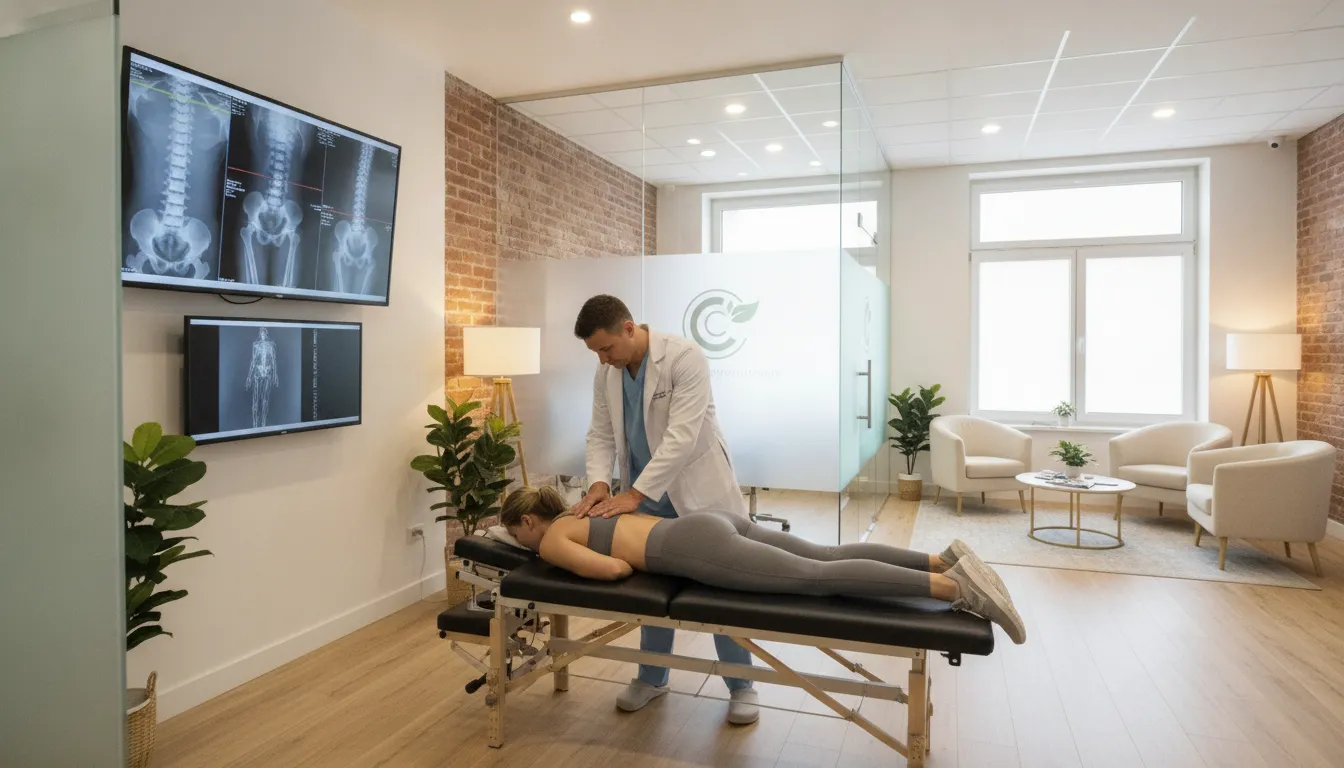
Day one is all about discovery and gathering your physical data. When you walk into our South Tampa clinic, you sit down with a doctor for a long consultation. We do not rush you. We review your full history, your personal goals, and your lifestyle. Next, we take precise digital X-rays of your spine and joints. We do this to find any joint wear or physical stress that could limit your movement. If the doctor finds it helpful and safe, you may also get your first chiropractic or regenerative therapy treatment on this day. This first step ensures we understand your current physical state before we build a long-term plan.
Your Day Two Findings and Strategy Session
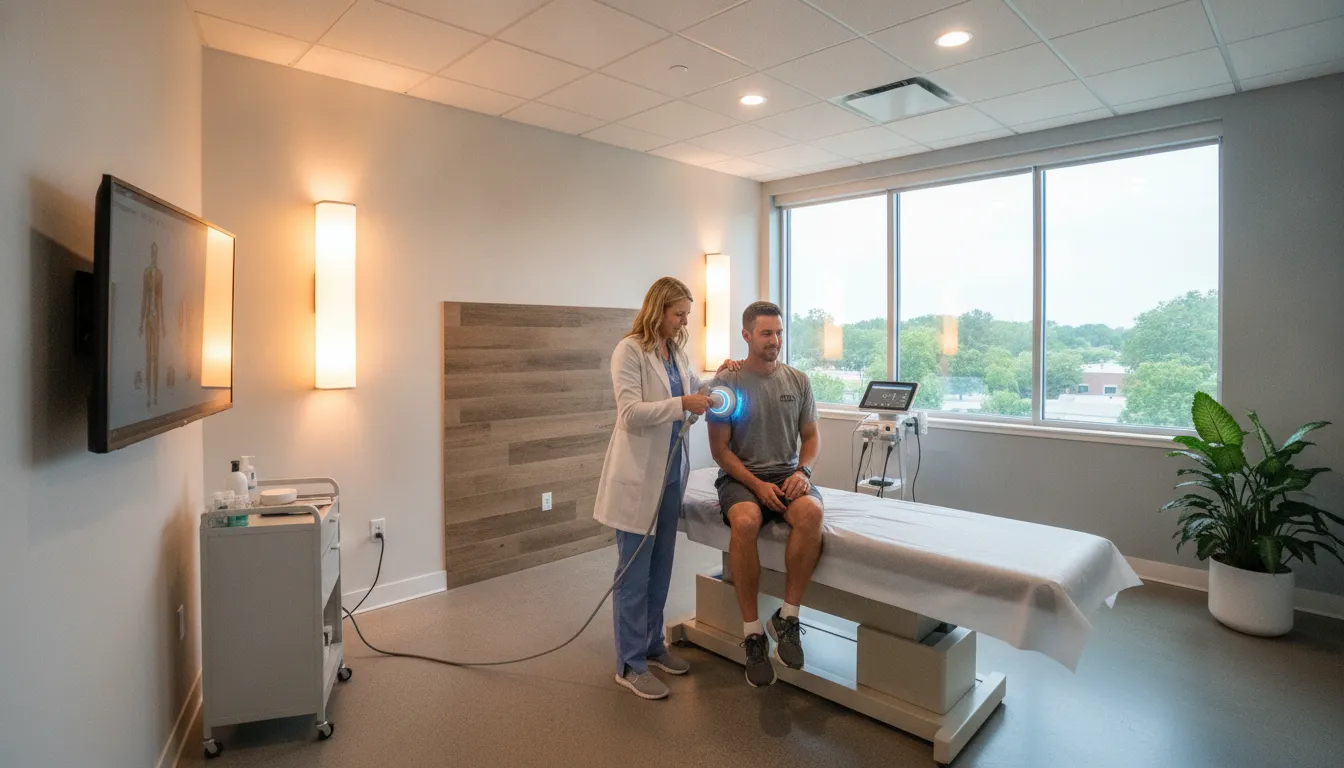
You return on day two for a detailed report of findings and your strategy session. Your doctor reviews all the data gathered from your history, physical checks, and Day 1 diagnostics. We explain what your X-rays and biometric tests show in plain, clear terms. From there, we give you the doctor's recommendations. This personalized plan acts as your wellness roadmap. It links chiropractic care, nutrition changes, and therapy goals to support your body's natural healing. It is a true team effort to help you live a long, active life.
Creating Your Personalized Plan
Your finished plan is built to support your long-term movement and energy. To start, you can easily book your functional health consultation online. We review your metabolic health, sleep, and physical strength together. By looking at all these parts, we help you make small, daily changes that build great health over time. Ready to begin your path to better aging? Learn more about our longevity medicine options in Tampa and Wesley Chapel today.
Frequently Asked Questions
What is included in a longevity medicine consultation?
A thorough longevity medicine consultation focuses on finding the root causes of aging. At Ascend Functional Health, this starts with a deep review of your health history, current lifestyle, and wellness goals. According to Johns Hopkins Medicine, these visits often lead to advanced diagnostic tests and comprehensive bloodwork to check your body's key biological markers and build a custom health plan.
How is longevity medicine different from standard primary care?
Standard primary care mostly focuses on finding and treating active illness or managing sudden health events. In contrast, longevity medicine focuses on proactive optimization to keep your body working at its best. Research in Healthy Longevity Medicine shows this field targets the biological pathways of aging to prevent issues before they start, helping to close the gap between your healthspan and lifespan.
How should I prepare for my first longevity consultation?
To get the most out of your visit, you should gather your full medical history and a list of all current medications. Academic guidance from the Mayo Clinic suggests writing down your specific long-term health goals and any family health patterns beforehand. Being ready to discuss your daily diet, sleep habits, and stress levels will help your care team tailor your longevity plan.
Are diagnostic tests required before or during the visit?
You do not need to run diagnostic tests before your first sit-down visit. Your provider will use your initial consultation to find out which specific tests are right for your body. According to Johns Hopkins Medicine, longevity assessments use advanced diagnostics to establish a clear health baseline, which may include custom hormone panels, cardiovascular markers, and cellular health screens.
Ready to Schedule Your Longevity Medicine Consultation?
Postponing a comprehensive baseline assessment can allow underlying health issues to develop without any clear warning signs. Starting your journey now gives you the data needed to protect your future vitality and add healthy years to your life. When you take action today, you stop guessing about your wellbeing and gain a personalized, research-backed strategy built for your unique biology.
Do not wait for chronic fatigue or joint discomfort to limit your daily life in Tampa Bay. Investing in your wellness today lets you plan for long-term strength and cognitive clarity with confidence.
Ready to optimize your healthspan? Schedule your longevity medicine consultation with our integrative medicine team today to discuss your health goals.