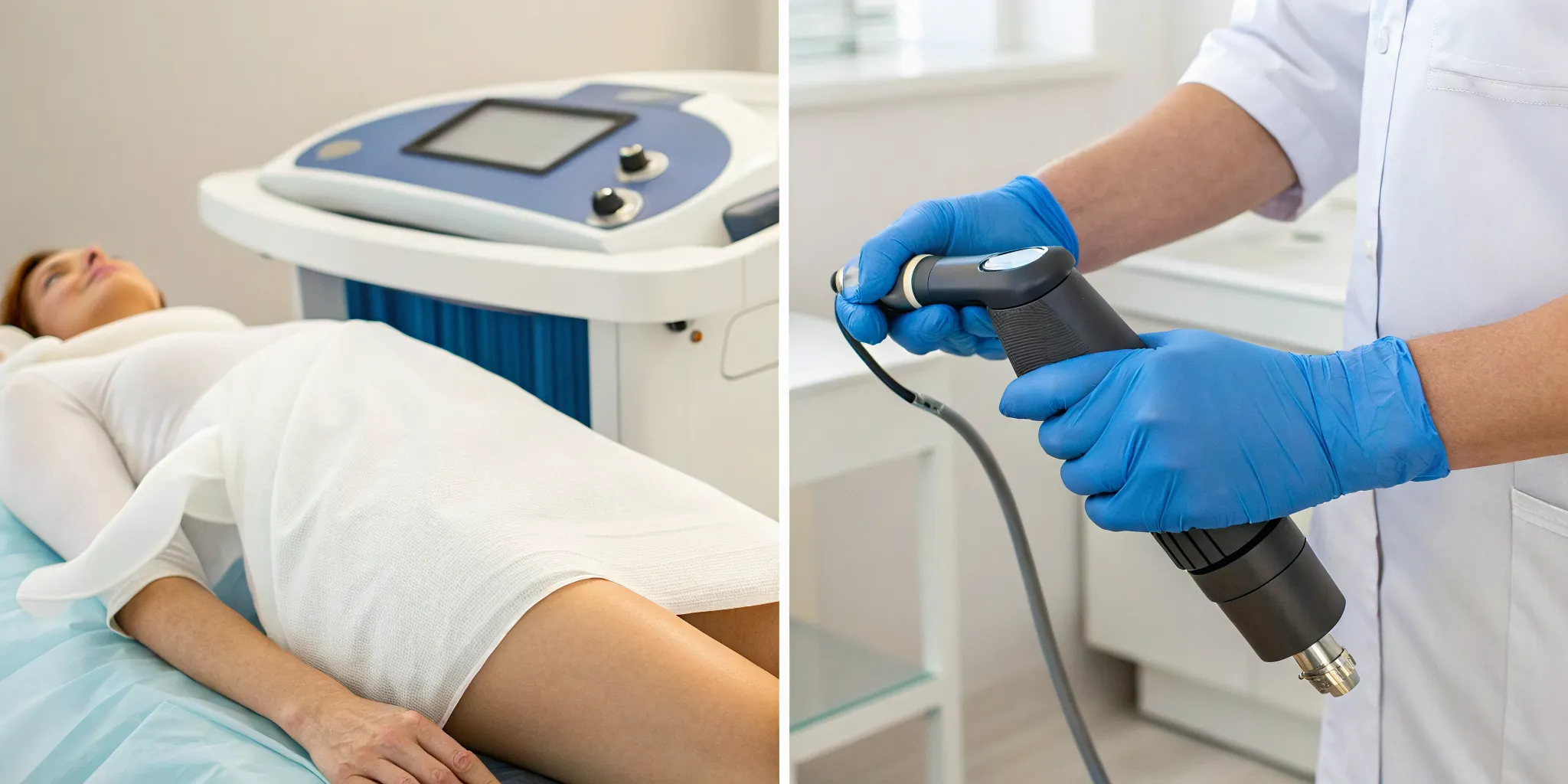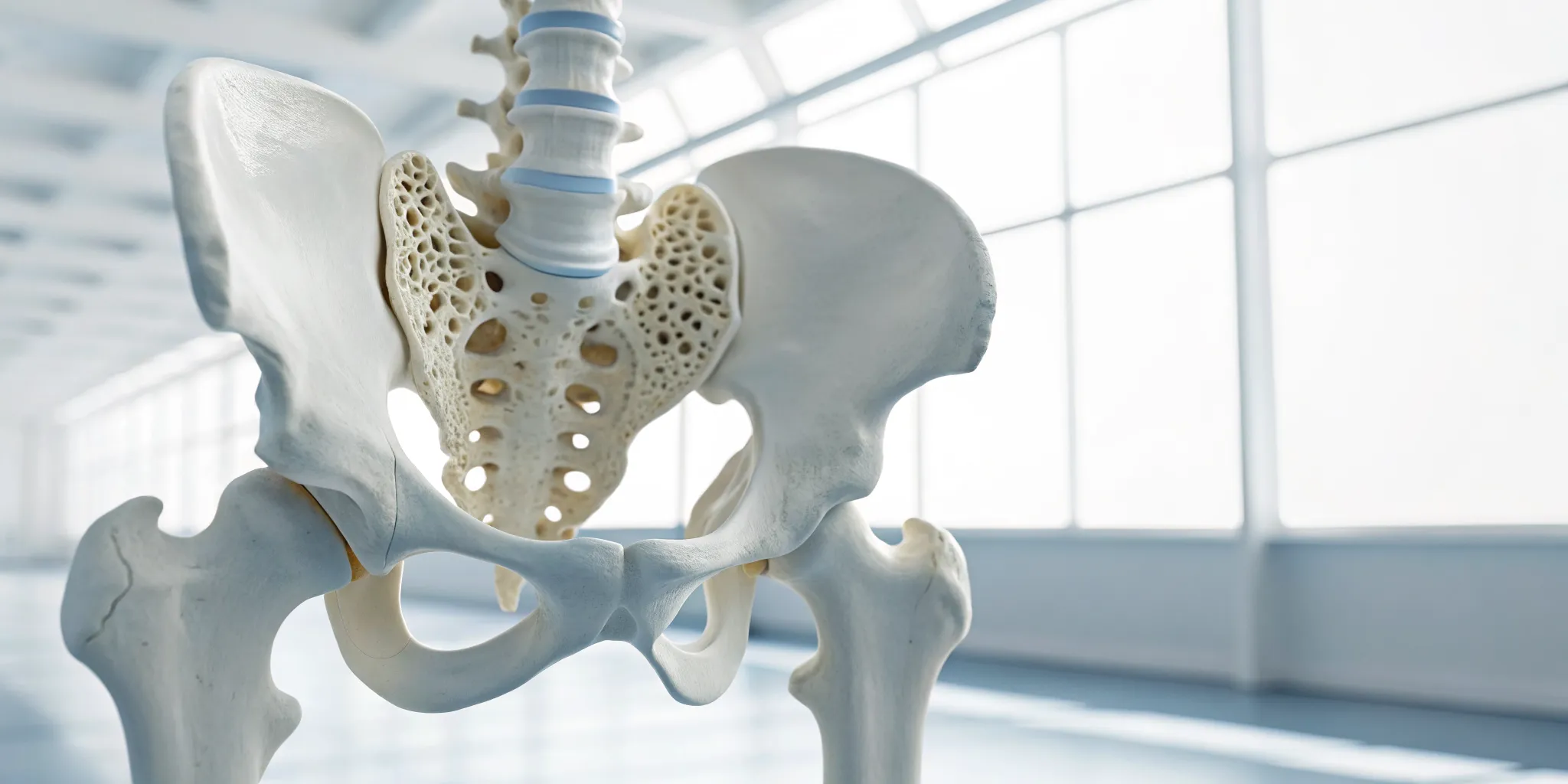
If you were active in sports for years, joint stiffness after 40 can feel like a frustrating change from what your body used to do. Joint stiffness former athletes over 40 experience can have different contributors, so the most useful next step is not guessing at a single cause. It is noticing the pattern, understanding what affects your movement, and preparing for a focused conversation about options.
Discuss your movement concerns with Ascend
What Does Joint Stiffness Mean for Former Athletes Over 40?
Stiffness is a description of how movement feels, not a diagnosis by itself. Its location, timing, duration, and effect on daily activity can help a clinician decide what to assess.
For a former athlete, the story may include years of training, old injuries, changes in activity, or a new movement demand. But history alone does not explain the current pattern. A knee that feels stiff after sitting may call for different questions than a shoulder that has gradually become harder to reach overhead. A brief tight feeling after a workout is also different from a persistent limitation that affects walking, sleep, or routine tasks.
Try to describe the experience rather than label it. Is the sensation limited to one joint or present in several? Does it show up at a particular time of day, after a certain activity, or after being still? Does it ease, stay the same, or worsen as you move? These observations are useful starting points, not a substitute for an evaluation.
Stiffness can coexist with pain, reduced range of motion, weakness, swelling, or a sense that a joint is unstable. You do not need to decide which symptom matters most before seeking advice. A clear account of what has changed gives the clinician a better basis for asking follow-up questions.
It is also useful to distinguish a temporary sensation from a change in what you can do. For example, note whether you can still get dressed, climb stairs, carry groceries, or complete a usual warm-up, even if the movement feels different. If several joints are involved, or if stiffness comes with broader changes in how you feel, mention that too. It may affect which questions are useful in an evaluation.
Former athletes may recognize familiar aches and assume they are simply part of getting older or returning to activity. That assumption can obscure a new pattern. Consider whether the symptom began after a specific event, emerged gradually, or followed a change in your routine. These details do not diagnose the cause, but they help separate the current concern from what you experienced during your playing years.
Which Details Should You Track Before a Care Conversation?
A short, practical record can make a visit more specific. Note where stiffness occurs, when it appears, what makes it better or worse, and how it changes your usual activities.
You do not need a complicated tracking app or a detailed training log. For a week or two, jot down a few observations when symptoms are noticeable. Include the activity or position beforehand and whether the stiffness changed with gentle movement or rest. Avoid repeatedly testing a movement that causes significant discomfort just to collect data.
- Location: Name the joint and side, and note whether nearby areas feel involved.
- Timing: Record whether it appears after sleep, sitting, exercise, or at another consistent time.
- Duration: Estimate how long it lasts and whether the pattern is changing.
- Movement effect: Describe specific tasks that feel limited, such as stairs, getting up from a chair, reaching, or walking.
- Related symptoms: Note pain, swelling, warmth, weakness, numbness, or other changes without trying to diagnose them.
- Relevant history: List prior injuries, operations, treatment, and any recent change in training or daily activity.
- What you have tried: Include changes in activity or care and whether they helped, did not help, or made symptoms worse.
Keep the notes factual. For example, “my right knee feels tight after a long drive and takes several minutes to feel easier when I walk” is more useful than “my knee is worn out.” The first statement gives timing, location, and context; the second assumes a cause. Bring your notes and any relevant records you already have. If you have had imaging or treatment elsewhere, tell the clinician rather than assuming it will be available in the new visit.
It can also help to name your goal. You might want to walk comfortably, return to recreational activity, manage stairs, or understand why a joint feels different. A realistic goal gives the conversation a practical focus without presuming a particular treatment or result.
How Can You Tell When Stiffness Needs Prompt Medical Attention?
New, severe, or rapidly worsening symptoms deserve timely clinical guidance. Do not delay urgent evaluation for a serious injury, inability to use a joint, or symptoms that feel alarming or are accompanied by significant illness.
Joint stiffness is not always an urgent situation, but context matters. Contact a qualified clinician promptly if the change is persistent, worsening, limiting everyday function, or occurring with other concerning symptoms. A major injury, sudden inability to bear weight or use a limb, marked swelling, redness or warmth, fever, or severe pain may require urgent assessment. When in doubt about urgency, call 911 or seek immediate evaluation rather than waiting for a routine wellness appointment.
This article cannot determine the cause of a person's symptoms. A clinician can take a history and decide whether an examination, imaging, lab work, referral, or another step is appropriate. If you already have a clinician who knows your medical history, let them know about a notable or persistent change.
What Might an Evaluation Include?
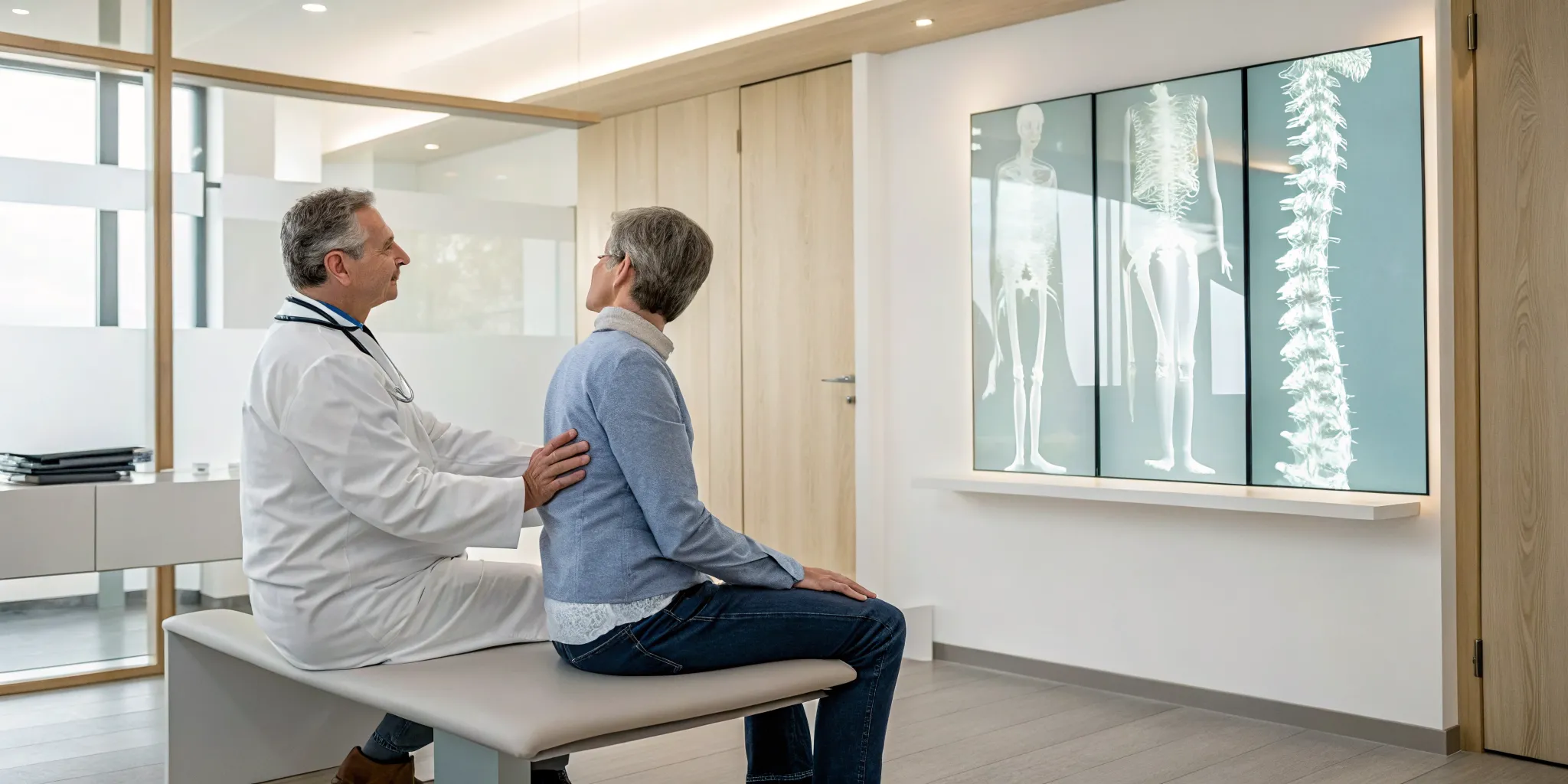
An evaluation starts with your current concern and health history. The clinician may ask about movement, prior injuries, general health, and your goals, then decide which examination or next steps fit your situation.
There is no one required checklist for every person or every stiff joint. Depending on the concern, a conversation may cover when symptoms began, what activities you do now, what sports or physical demands were part of your past, and how symptoms affect daily function. The clinician may ask about previous diagnoses, current medicines, procedures, and earlier imaging. Share relevant details, but do not feel you need to arrive with a diagnosis.
A physical assessment may look at posture, comfortable movement, strength, or how you perform a relevant task. The appropriate approach depends on your history and presentation. A clinician should explain why a proposed test or treatment is being considered and what it can and cannot tell you. If imaging or a medical referral is indicated, that can be discussed as part of the plan.
The evaluation should remain centered on the concern you brought in. You can ask how the findings relate to your specific goal, whether there are limitations to what can be concluded from one visit, and what would make the clinician change course. If more than one reasonable option is discussed, ask about the purpose of each, any relevant risks or limits, and how follow-up would work. This helps you make an informed choice instead of feeling that you must agree to a plan before you understand it.
It is appropriate to share concerns about returning to a sport or activity, including worries about recurrence or losing conditioning. A clinician can help you discuss those concerns in light of your history and current findings. Be direct about what you hope to return to, but leave room for the assessment to identify a different priority or the need for another kind of care.
Ask practical questions during the visit: What are you assessing? What findings would change the plan? Are there activities I should modify while we learn more? How will we check whether the approach is helping? A clear plan should identify what happens next and when to revisit the decision. For an overview of the clinic's approach, see Physical Medicine at Ascend.
How Do Care Options Differ, and What Questions Can You Ask?
The right next step depends on the history, examination, goals, and any need for additional evaluation. It is reasonable to ask what each option is intended to address, how progress will be assessed, and when the plan should be reconsidered.
People sometimes use “stiffness” to mean several things: reduced movement, discomfort after activity, or a sense of tightness. Those experiences do not all call for the same approach. The table below is a conversation aid, not a diagnosis or a promise that any particular service is appropriate.
What you want to clarifyUseful question to askWhat the discussion can establishWhat may be contributing?“What parts of my history or examination are relevant to this stiffness?”Whether the clinician has identified a reason to assess further or consider a specific direction.Whether more assessment is needed“Would an additional examination, imaging, lab work, or referral change the plan?”Why a test or referral is being proposed, and what the possible results could mean.How movement care could fit“Would chiropractic, decompression, corrective care, or soft-tissue work be relevant to my situation?”Whether a physical medicine approach is a reasonable option for the concern being evaluated.Whether broader health factors matter“Could my overall health history or another symptom change how we approach this?”Whether a broader functional medicine conversation or appropriate diagnostic testing merits consideration.How progress will be reviewed“What change should we monitor, and when do we reassess?”A shared way to review function and decide whether to continue, adjust, or reconsider a plan.What to do between visits“Are there activities I should modify until we have more information?”Individualized guidance based on the evaluation, rather than a generic self-directed remedy.
Ascend organizes care around three pillars: Physical Medicine, Functional Medicine, and Regenerative Medicine. For a movement concern, a clinician can discuss whether physical medicine approaches such as chiropractic, decompression, corrective care, or myofascial and soft-tissue work fit the findings. A broader health history may make functional medicine evaluation relevant in some cases. Regenerative medicine options are not automatic answers to stiffness; any discussion should follow an appropriate clinical workup and an individualized review of risks, benefits, and alternatives.
Read about Functional Medicine and the practice's services to understand the different care areas. A web page can explain the general approach, but it cannot determine whether a service is suitable for you.
How Can You Set Sensible Movement Goals After Years of Sport?
Start with the activities that matter to you now, rather than assuming you must return to your former training volume. A useful plan connects your goals to current function and is adjusted as more is learned.
Former athletes may compare today's movement with a past season, personal best, or familiar training routine. That comparison can help explain what feels different, but it can also set a target that does not fit current circumstances. Instead, describe the activity you want to do and the specific part that is difficult. “I want to hike for an hour without needing to stop because my hip feels restricted” gives a clearer direction than “I want my old body back.” For general information about health and aging, visit the National Institute on Aging; it cannot assess an individual joint concern.
Ask how the plan will account for your schedule, current activity level, other health concerns, and the movements you want to return to. If a clinician recommends a gradual adjustment or follow-up, clarify what signs should prompt you to pause and check in. Avoid pushing through significant, worsening, or unexplained symptoms simply to prove that a joint can tolerate a workout.
Progress can be discussed in concrete terms: a task feels easier, you can move through a comfortable range more consistently, or stiffness interferes less with a chosen activity. These are examples of observations to discuss, not guaranteed outcomes. If the plan is not matching your experience, say so. A care conversation should allow room to reassess rather than assume that one approach suits everyone.
What Can Tampa Bay Former Athletes Do Before Booking a Visit?
Choose a convenient next step and prepare a concise account of the problem. A consultation can help you discuss whether the practice's approach fits your needs and what information may be useful to bring.
Before contacting a clinic, write down your main concern, when it began, and one or two activities it affects. Gather a brief list of relevant history and questions. You can also ask how an initial evaluation works, what the next steps may involve, and how costs and payment arrangements are explained. These questions help you understand the process without presuming a treatment recommendation.
Ascend Functional Health serves the Tampa Bay area and brings together physical, functional, and regenerative medicine approaches. You can review the clinic's about page and its Tampa service information before deciding whether to start a conversation. If you are comparing options, focus on whether the clinician listens to your history, explains the reasoning for recommendations, and makes room for questions.
Contact Ascend to discuss your goals and next steps
Frequently Asked Questions
These brief answers can help you prepare for a conversation, but they do not identify the cause of an individual's symptoms.
Is joint stiffness after 40 always caused by an old sports injury?
No. A past injury may be relevant, but stiffness can have different contributors. Current symptoms, health history, and an appropriate evaluation matter more than assuming that an old sports injury explains everything.
Should I stop exercising if a joint feels stiff?
There is no single rule for everyone. Avoid forcing a painful or worsening movement, and ask a clinician for guidance tailored to your symptoms and health history. Seek prompt assessment for severe, sudden, or concerning changes.
What information should I bring to an evaluation?
Bring a concise symptom timeline, examples of activities affected, relevant injury or treatment history, and a list of current medicines or questions. If you have relevant records or imaging, tell the clinician and ask whether they would be useful.
Can an evaluation guarantee that I will return to my previous sport?
No. An evaluation can help clarify concerns and discuss possible next steps, but no outcome or return to a particular activity can be guaranteed. A plan should reflect individual findings, goals, and progress.
Does every person with stiffness need imaging or lab work?
No. Whether a test is appropriate depends on the person's history and clinical assessment. Ask what a proposed test is intended to answer and whether its result would affect the plan.
Ready to Discuss Your Movement Goals?
A focused conversation can help you understand what may be worth evaluating and which next steps are appropriate for your situation.
Talk with Ascend about joint stiffness and your next steps
Educational content only; this article is not medical advice or a substitute for evaluation by a qualified clinician. Consult your clinician before acting on health information, and seek timely care for urgent or worsening symptoms.