When an old training routine no longer produces the same recovery, sleep deserves a closer look. The issue may not be motivation or discipline. Changes in schedule, pain, stress, conditioning, and daily responsibilities can all shape how restored you feel after activity.
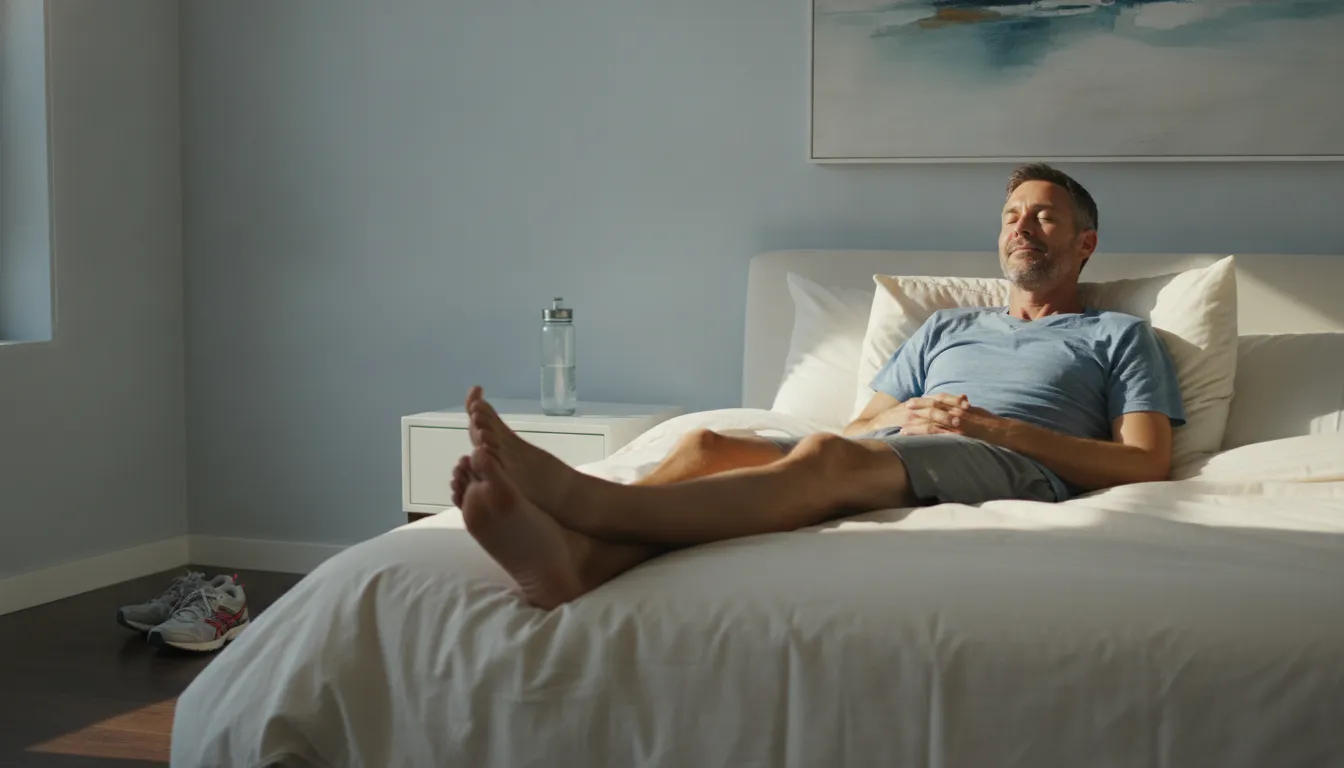
Sleep and recovery for former athletes over 40 are closely connected because adequate duration, quality, timing, and regularity can influence physical performance, pain, daytime alertness, and how prepared you feel for your next effort. Adults are generally advised to get at least seven hours regularly, but that broad guideline does not explain every person's experience.
For someone accustomed to pushing through discomfort, the more useful question is how sleep patterns fit with current training demands and recovery signals. Looking at those pieces together can clarify which changes may be reasonable to discuss and when persistent concerns deserve a clinician's attention.
Discuss your sleep and recovery goals with Ascend Functional Health
What Does Sleep Change for Former Athletes Over 40?
Sleep can influence how consistently a former athlete handles training, daily movement, pain, and mental focus, but it is only one part of recovery. For adults over 40, sleep and recovery for former athletes over 40 should be viewed through duration, quality, timing, and regularity rather than a single nightly number.
The adult sleep consensus recommends at least seven hours per night on a regular basis for adults. The CDC adult sleep guidance also identifies seven or more hours as the recommended amount for adults in its covered age range. These are useful reference points, not a promise that one target will fit every person or resolve every recovery concern.
Why the recovery conversation needs more than sleep duration
Healthy sleep includes adequate duration, good quality, appropriate timing, regularity, and the absence of sleep disturbances or disorders. That broader framework matters for former athletes who may still judge recovery by familiar signals such as workout output, soreness, or the ability to push through a demanding day. A person may spend enough time in bed and still experience inconsistent timing, disrupted sleep, or unrefreshing rest.
The consensus statement associates regularly sleeping less than seven hours with impaired performance, increased pain, more errors, and greater accident risk. Those associations do not prove that short sleep caused a specific symptom in an individual. They do show why persistent short sleep deserves attention when recovery feels less predictable than it once did.
Former-athlete habits can shape the questions
Training schedules, work demands, family responsibilities, and changing physical capacity can all influence sleep patterns. Former athletes may also carry expectations formed during competition, such as treating fatigue as a challenge to overcome. A more useful approach is to notice patterns over time: how sleep aligns with activity, whether daytime alertness changes, and whether discomfort or performance concerns persist.
This is not a reason to self-diagnose or assume that sleep explains every change after 40. It is a reason to bring clear observations to a qualified clinician so sleep can be considered alongside movement, health history, and other relevant factors.
What Should Sleep and Recovery for Former Athletes Over 40 Include?
Sleep and recovery for former athletes over 40 should be viewed as a pattern, not a single number. A useful review considers how long you sleep, how restorative that sleep feels, when it occurs, and how consistently the pattern fits your life.
The adult sleep consensus describes healthy sleep through these same related dimensions: adequate duration, good quality, appropriate timing, regularity, and the absence of sleep disturbances or disorders. It also recommends that adults sleep at least seven hours per night on a regular basis, while recognizing that individual needs and clinical circumstances can differ. Read the adult sleep consensus for the full framework.
| Area | What to notice | Practical questions |
|---|---|---|
| Duration | Whether your usual sleep time generally supports the demands of your day. | Am I regularly getting at least seven hours, or often trying to function on less? |
| Quality | Whether sleep feels continuous and restorative rather than repeatedly interrupted. | Do I wake often, wake unrefreshed, or notice persistent daytime sleepiness? |
| Timing | Whether your sleep and wake periods align with work, family, and activity demands. | Does my schedule make it difficult to wind down or wake consistently? |
| Regularity | Whether bedtime and wake time follow a reasonably stable pattern across the week. | Do late nights, travel, or changing training times repeatedly disrupt my rhythm? |
Former athletes may also need to reconsider habits built around earlier training schedules, competition demands, or the expectation of pushing through fatigue. That does not create a special diagnosis, but it can make an honest pattern review more useful than relying on how recovery felt years ago. A brief sleep and activity log can help you notice connections among demanding days, evening routines, interrupted sleep, and next-day function without turning the record into a performance scorecard.
The CDC provides additional adult sleep guidance, including the recommendation of at least seven hours daily. Persistent disruption, breathing concerns, or substantial daytime effects deserve discussion with a qualified clinician rather than self-directed conclusions.
How Can Training Load and Sleep Quality Be Read Together?
Training load and sleep quality are best viewed as connected signals, not separate scorecards. For former athletes over 40, noticing how activity demands, nighttime consistency, and next-day recovery change together can provide more useful context than judging any one workout or night in isolation.
Training load includes more than the number of sessions on a calendar. It can reflect how challenging movement feels, how much soreness lingers, whether pain changes your mechanics, and how demanding work or family responsibilities are at the same time. A familiar routine from earlier athletic years may place different demands on the body now, especially when recovery time is less predictable.
Look for patterns, not a single difficult day
A demanding training day followed by one restless night does not automatically explain a performance change. The more helpful question is whether a pattern develops: sleep becomes less regular, fatigue lasts longer, soreness does not settle as expected, or familiar activities feel unusually difficult. This is why consistency matters. Trying to make up for missed sessions by cramming more activity into a short window can make it harder to interpret recovery signals.
Sleep quality also includes more than time in bed. Healthy sleep involves adequate duration, good quality, appropriate timing, regularity, and the absence of sleep disturbances or disorders, according to an adult sleep consensus statement. The consensus statement on recommended sleep duration and healthy sleep offers useful background, but it does not replace an individualized clinical assessment.
Use recovery signals to guide the conversation
Keep the focus on observations rather than trying to diagnose yourself. You might note whether your sleep schedule shifts after harder activity, whether you wake feeling restored, and whether daytime concentration or movement changes. Regularly sleeping less than seven hours is associated with impaired performance and increased pain, but an association does not prove that short sleep is the only cause of a symptom.
For a former athlete, this approach respects both experience and changing context. Bring the pattern to a clinician who can consider sleep history, pain, movement, health factors, and goals together. The purpose is not to recreate a past training environment. It is to understand what your current recovery signals may be communicating and decide whether further evaluation is appropriate.
Which Recovery Signals Deserve a Closer Look?
Persistent sleep disruption, daytime fatigue, recurring pain, or changes in breathing deserve a thoughtful clinical conversation, especially when they begin to affect movement or daily function. These signals do not identify a single cause, but they can show that your recovery needs a closer look.
Former athletes may be accustomed to pushing through discomfort or measuring readiness by whether they can complete a workout. That approach can become less useful when sleep is repeatedly interrupted, when you feel unusually sleepy during the day, or when concentration and motivation feel different from your usual baseline. A study of former athletes examined sleep and related wellbeing symptoms, but its findings do not establish that every former athlete will experience the same pattern. Use that study only as background for its scope and limitations.
Sleep disruption and daytime effects
Pay attention to patterns rather than one difficult night. Repeated trouble falling asleep, waking often, waking unrefreshed, or relying on unusual amounts of daytime sleep may be worth documenting. Daytime effects can include reduced alertness, slower thinking, irritability, or less confidence during familiar activities. Adult sleep guidance commonly describes seven or more hours on a regular basis as a general health target, while also recognizing that sleep quality, timing, regularity, and possible disturbances matter alongside duration.
Pain and breathing concerns
Pain that repeatedly wakes you, changes your position at night, or limits normal movement belongs in the conversation too. Sleep and pain can influence one another, so the useful question is not which one came first, but how the pattern is affecting your function. Loud or persistent snoring, gasping, witnessed breathing pauses, or morning headaches are also reasons to discuss your experience with a qualified clinician. They are not a diagnosis, and self-screening should not replace an appropriate evaluation.
Recovery expectations may also need to change with age, training history, work demands, and current health. That is not a loss of athletic identity. It is an opportunity to replace old assumptions with current information, including a clear record of sleep patterns, pain, breathing changes, and daytime effects. A clinician can help determine whether further assessment is relevant and what questions should come next.
What Questions Should You Ask Before an Individualized Visit?
An individualized visit is most useful when you arrive with a clear picture of your sleep, activity, pain, and recovery patterns. The goal is not to prove that one factor explains everything, but to give the clinician enough context to discuss appropriate next steps.
- What has changed in my recovery? Note when you first noticed changes in sleep, energy, soreness, mobility, or exercise tolerance. Include whether the pattern followed a training change, an old sports injury, a shift in work demands, or a major life transition.
- What does a typical week look like? Bring a simple overview of your activity, rest days, work schedule, bedtime and wake time, and any late-evening training. Sleep duration is only one part of the picture. Quality, timing, and regularity also matter.
- Which symptoms are affecting daily function? Describe daytime sleepiness, difficulty concentrating, persistent aches, reduced range of motion, or feeling less prepared for activity. Be specific about frequency and impact rather than relying only on a general statement that you feel off.
- What information should I bring? A short sleep and activity log can help show patterns across several days. Bring a list of current prescriptions or supplements, relevant health records, prior injury information, and any questions about breathing or repeated nighttime disruption. Tracking is a conversation aid, not a substitute for clinical evaluation.
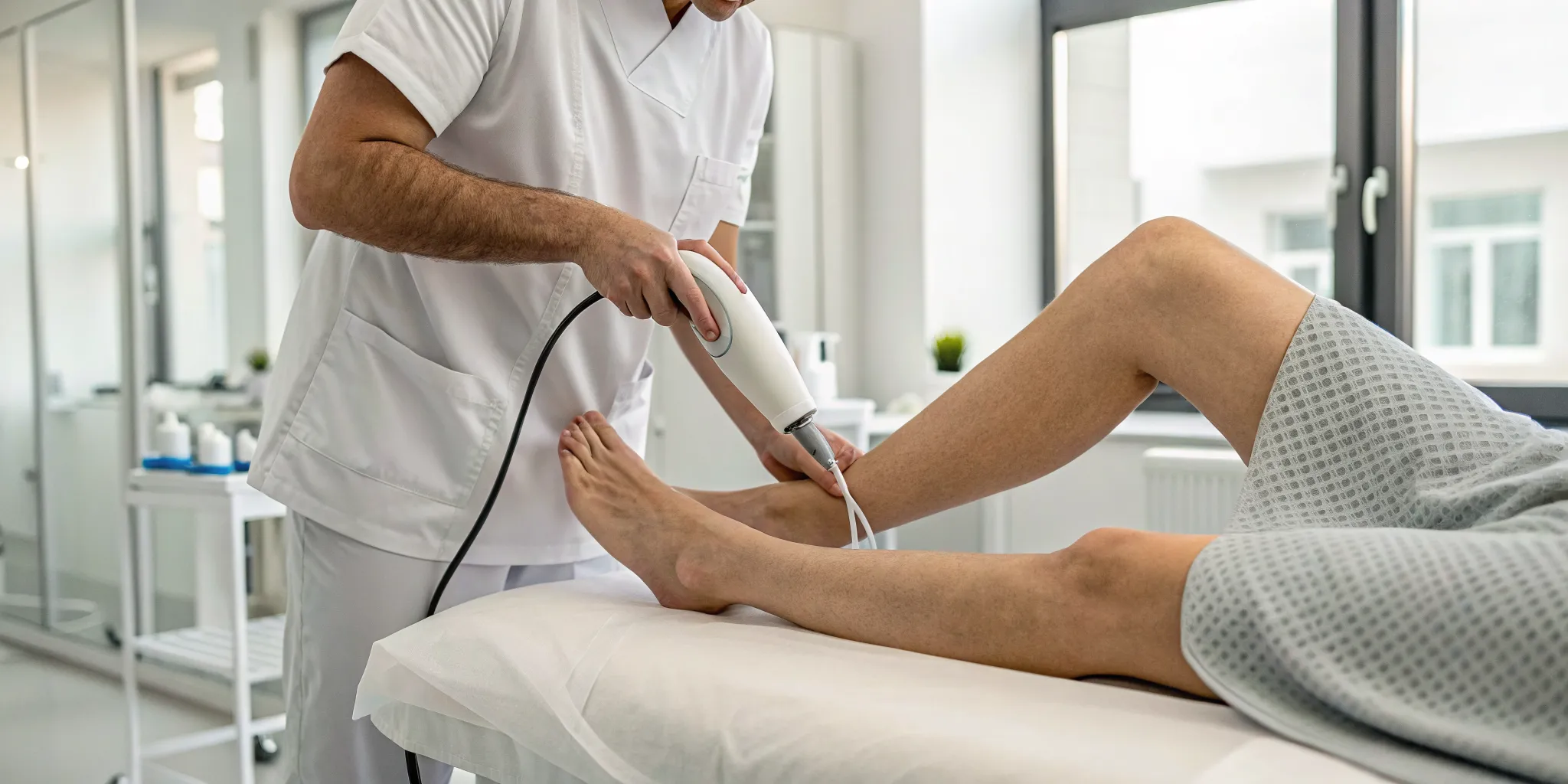
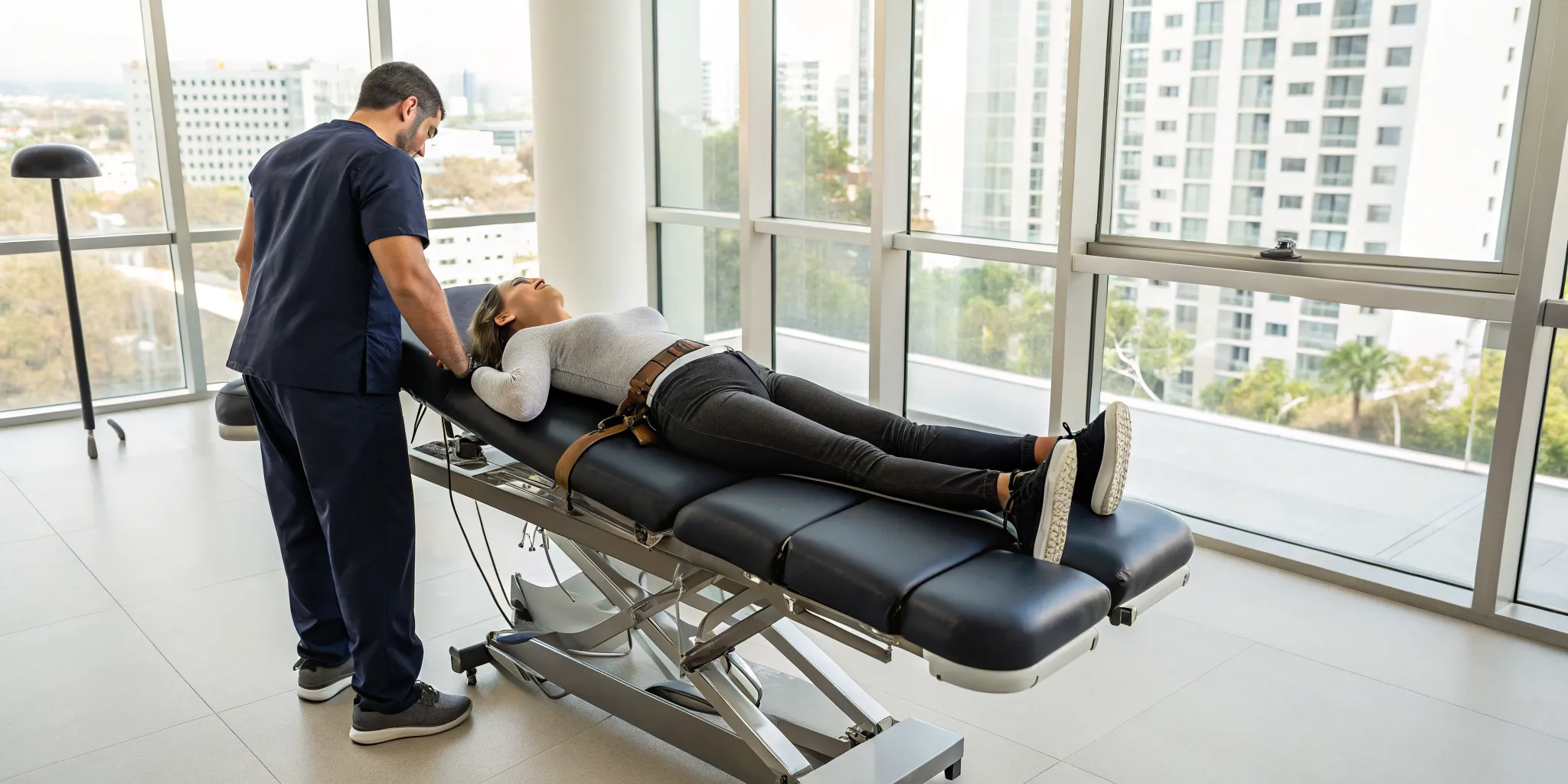
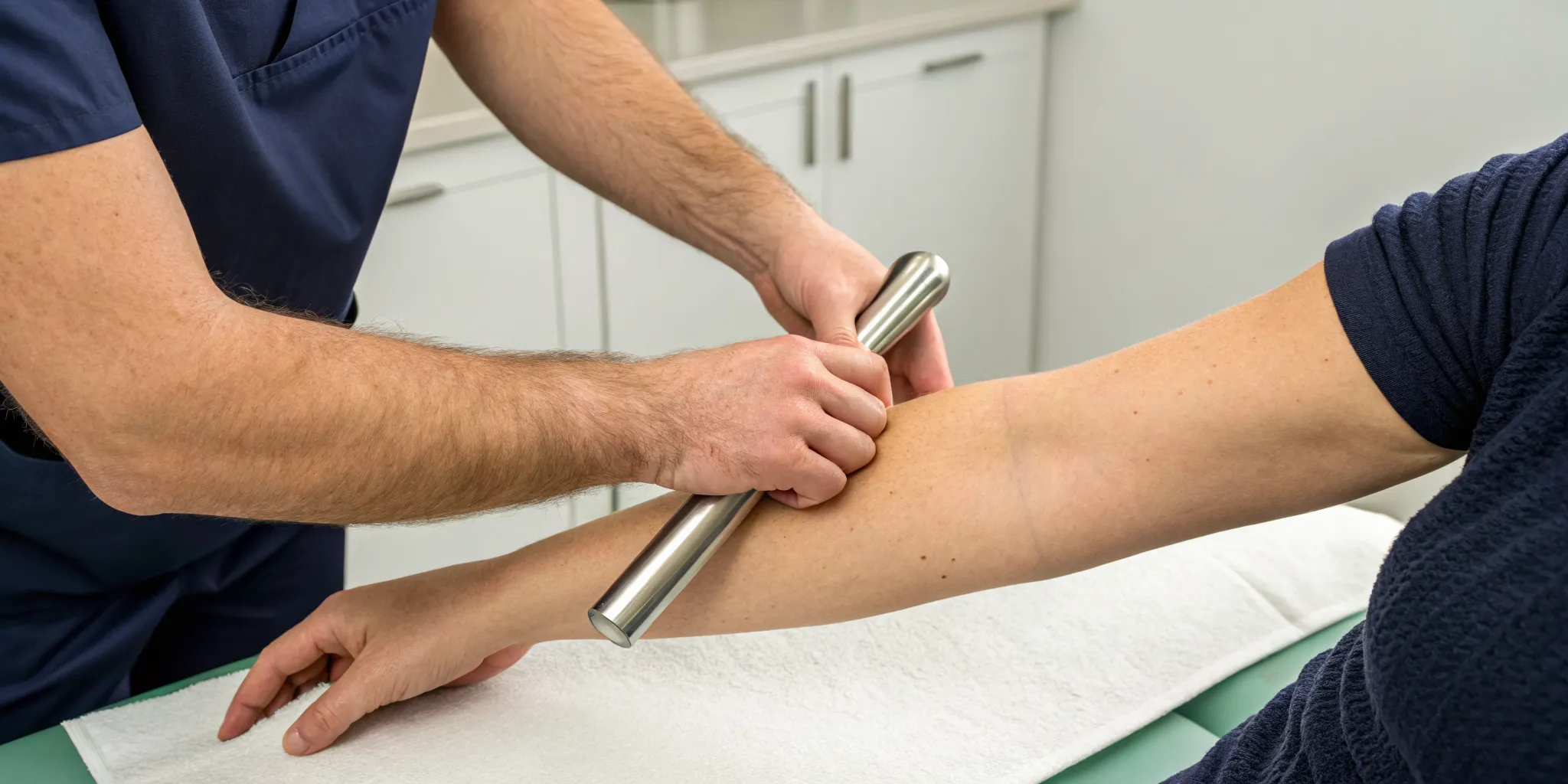
- Could movement or musculoskeletal factors be part of the discussion? If pain, stiffness, an old sports injury, or movement limitations are affecting rest or activity, ask how they fit into the broader picture. Ascend's Physical Medicine services include evaluation of movement and musculoskeletal concerns, but the appropriate scope depends on your history and findings.
- What would the next step be if concerns persist? Ask what information would guide follow-up, whether additional evaluation is clinically relevant, and which changes should prompt a conversation with another qualified clinician. A thoughtful plan should reflect your current goals, health history, and recovery demands rather than assume every former athlete needs the same approach.
How Can Tampa Bay Adults Explore Personalized Support?
Tampa Bay adults can begin with a focused conversation about sleep, recovery, movement, and the changes they have noticed since competitive sports. A thoughtful evaluation can clarify which concerns deserve attention without assuming that every person needs testing or a sleep-specific treatment plan.
For former athletes over 40, the starting point may be a clear account of current symptoms and goals. Note changes in sleep quality, daytime energy, training tolerance, recurring pain, or recovery after activity. Your history can also include prior injuries, work demands, stress, and the routines that changed after stepping away from competition. These details help place sleep and recovery in context rather than treating either one as an isolated problem.
Ascend Functional Health documents care across Physical Medicine, Functional Medicine, and Regenerative Medicine. Its clinical scope includes sports injuries, chronic pain, joint pain, and other musculoskeletal concerns. When movement, pain, or previous injuries are part of the picture, Physical Medicine services may be relevant to the conversation. A Functional Medicine evaluation can provide another setting to review health history and consider whether clinically relevant testing belongs in the next step.
That does not mean every adult needs laboratory work, sleep tracking, or a particular intervention. Testing and monitoring should answer a useful clinical question, and persistent or concerning symptoms may warrant discussion with an appropriate clinician. Ascend also offers a general sleep optimization guidance resource for broader education, while this article remains centered on recovery demands after an athletic career.
If you are in South Tampa, North Tampa, New Tampa, Wesley Chapel, Town & Country, or another part of the greater Tampa Bay area, you can discuss your concerns and appropriate next steps with Ascend. The purpose of that conversation is to explore fit and develop a measured direction, not to promise a specific sleep or recovery result.
Talk with Ascend about your recovery concerns and next steps
Frequently Asked Questions
How much sleep supports recovery after age 40?
There is no single sleep target for every former athlete, but adults are generally advised to get at least seven hours nightly on a regular basis. The quality, timing, and consistency of that sleep also matter, so repeated disruption deserves attention rather than relying on duration alone. CDC adult sleep guidance and the adult sleep consensus provide useful context.
Is seven hours enough for muscle recovery?
Seven hours is a reasonable adult minimum, not a guarantee that recovery will feel complete. Your recovery experience also depends on sleep quality, regularity, training demands, pain, stress, and overall health. If you regularly wake unrefreshed despite adequate time in bed, bring that pattern to a qualified clinician.
How can poor sleep affect exercise recovery?
Ongoing short or disrupted sleep may be associated with reduced physical performance, greater pain, and slower recovery after an injury. It can also affect daytime alertness and decision-making. These associations do not identify the cause of your symptoms, but they can justify reviewing sleep alongside training load and other recovery signals.
Should former athletes track sleep and recovery?
A simple record of bedtime, wake time, awakenings, perceived restfulness, exercise, pain, and daytime energy can help reveal patterns. Tracking should support a conversation, not replace clinical assessment or turn recovery into another performance test. Share persistent or concerning patterns with a clinician who can decide whether further evaluation is appropriate.
When should I discuss sleep concerns with a clinician?
Consider a clinical conversation when sleep disruption persists, daytime fatigue affects your work or training, pain repeatedly interrupts rest, or you notice concerning breathing-related symptoms. A clinician can review your history, habits, prescriptions, and relevant health factors without assuming that every recovery concern has the same explanation.
Ready to Discuss Your Sleep and Recovery Goals?
A focused conversation can help connect persistent sleep concerns, changing recovery patterns, and your goals as a former athlete. Share what you have noticed, what has changed, and what questions you want to explore so the next step can be considered thoughtfully.
Contact Ascend Functional Health to discuss your goals and next steps
This article is for educational purposes only and is not medical advice. Consult your clinician before making decisions about your health.