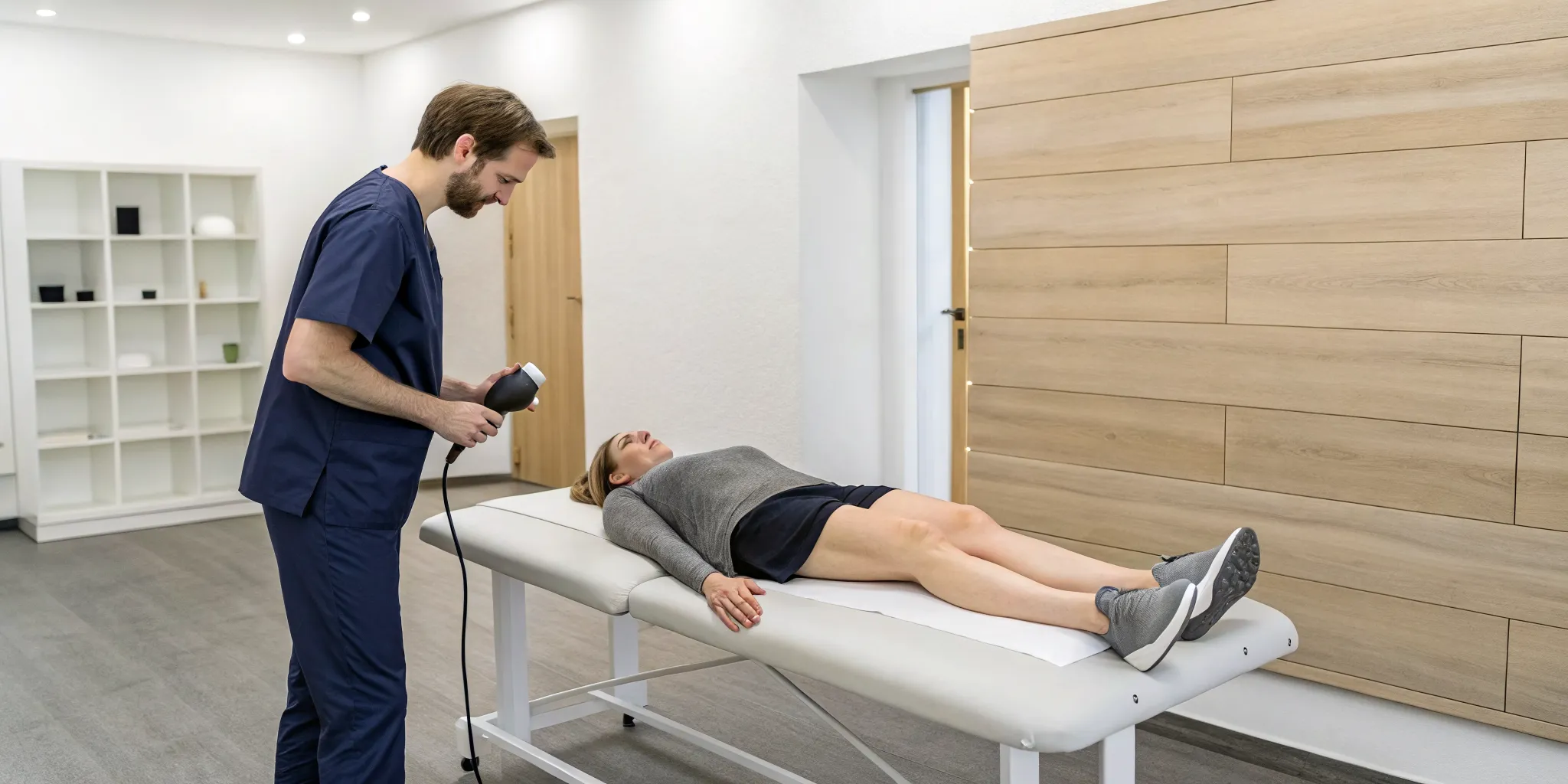
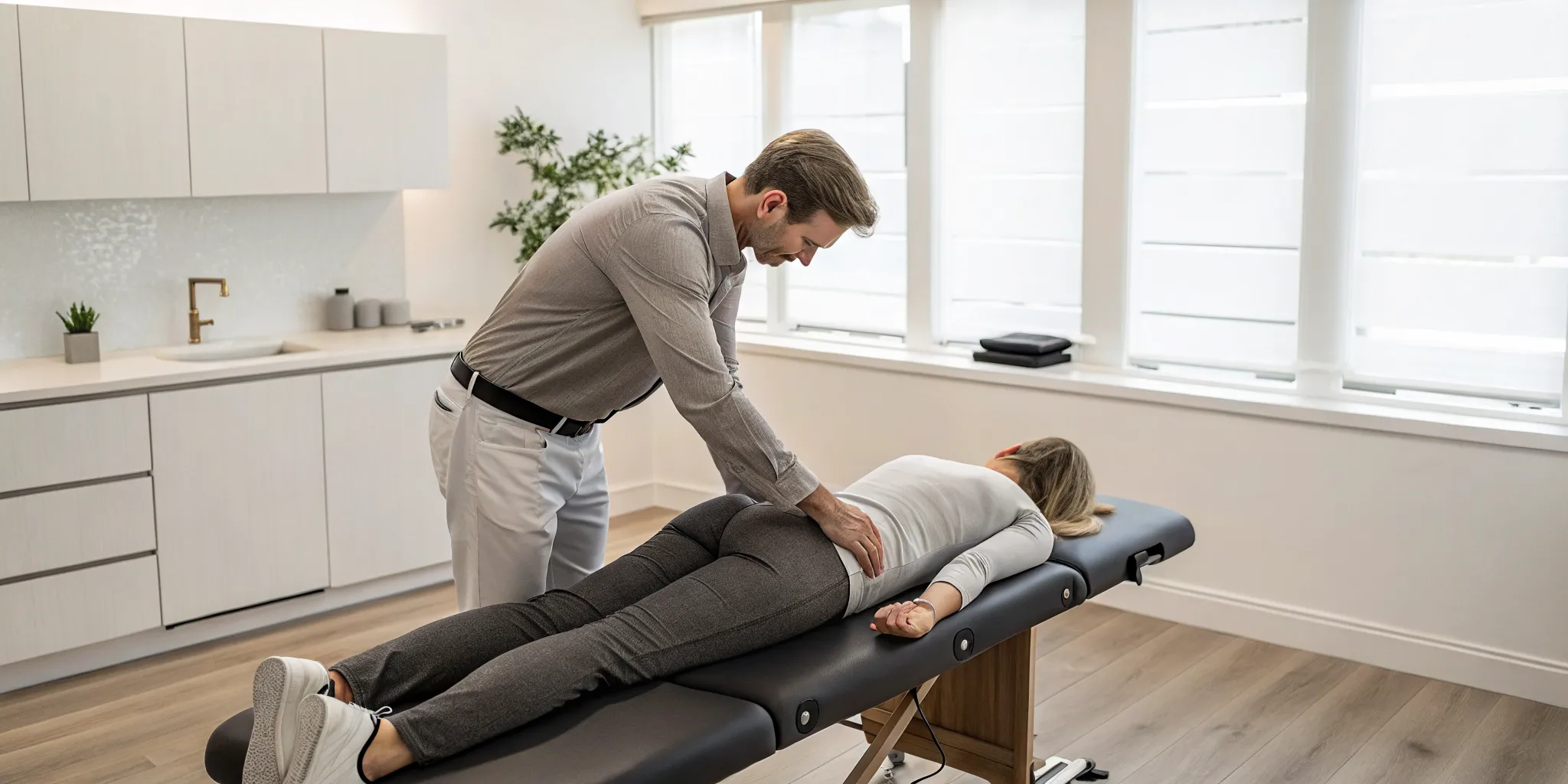
Return to exercise after back pain evaluation is not a date on the calendar or a universal checklist. A clinician can consider your symptoms, movement, daily function, and activity goals together, then discuss what may be appropriate to monitor and when another conversation could help.
Explore a clinician-guided Physical Medicine evaluation
How Can an Evaluation Inform a Return to Activity?
An evaluation provides context for a discussion about your current function and goals; it does not guarantee a particular recovery date. The findings can help your clinician identify what to monitor, which activity demands matter, and whether follow-up or coordination with another provider may be useful.
Your clinician may ask when the discomfort began, where you notice it, how it has changed, and which movements or daily tasks affect it. You may also be asked about prior episodes, general health, work and caregiving demands, and the activities you were doing before symptoms began. Share both the details that seem relevant and the questions you are unsure how to answer.
The examination may include observing how you move and discussing or assessing functions such as mobility, strength, or tolerance for particular positions. The specific assessment depends on your presentation. It is not a contest, and you should not force a movement to prove that you can do it. Tell the clinician if a position brings on discomfort, feels unfamiliar, or makes you hesitant.
Be precise when describing your goal. “Exercise” might mean a neighborhood walk, a recreational class, lifting equipment, a long bike ride, or returning to a sport with repeated quick movements. These activities differ in pace, duration, positions, and physical demands. A practical account helps the clinician discuss the actual task rather than a broad label.
Ascend Functional Health describes its Physical Medicine services as including chiropractic care, decompression, lumbar care, corrective care, and soft-tissue approaches. A discussion can help you decide whether this type of evaluation fits your needs. You can also review the practice’s service information before asking about fit.
Which Readiness Factors Are Worth Discussing?
Readiness is individual and should be considered with a clinician in the context of your symptoms, function, health history, and intended activity. No single sign or elapsed-time rule can answer every person’s question.
Start with how you are managing ordinary routines. Describe whether sitting, standing, walking, dressing, sleep, or work tasks have changed. Mention whether those tasks feel easier, remain difficult, or vary from day to day. These details can show how the concern affects your life beyond a formal examination and help put an activity goal in perspective.
Talk about symptom patterns rather than reporting only a number. When do you notice discomfort? Does it appear during a movement, later in the day, or during a routine task? Does it settle, remain, or change after you stop? Your clinician can help interpret the pattern; a personal log is simply a way to communicate observations, not to diagnose the cause.
Ask how movement findings relate to the activity you named. A clinician might explain which function or position they want to reassess, or why a particular task needs a separate discussion. If you feel guarded or uncertain during a movement, say so. Comfort, confidence, and control are useful parts of the conversation, even when they do not provide a stand-alone clearance.
For people considering sport, MedlinePlus describes general readiness considerations such as no pain or only mild pain, normal or nearly normal range of motion without pain, and enough strength regained for the sport. These broad points are not individual clearance. Sport demands vary, and your own history and assessment still matter. Review its guidance on returning to sports after a back injury as background for questions to discuss with your clinician.
Ask the clinician to explain the findings in plain terms. If a measure or observation is unfamiliar, request an example of how it relates to your goal. You can also ask which findings are reassuring, which remain uncertain, and whether there are limits to what the evaluation can establish that day. Clear explanations make it easier to take part in decisions without turning general information into personal clearance.
How Do Different Activity Demands Change the Discussion?
The movements, duration, intensity, and setting of an activity affect the questions a clinician may consider. Describe the exact version of the activity you have in mind, including how it differs from ordinary daily movement.
Instead of saying only “I want to exercise,” outline a typical session. Include how long it lasts, how often you participate, the pace, the positions involved, whether you carry or lift objects, and whether you repeat the same movement. If your activity involves a sudden change in direction, uneven ground, contact, or sustained effort, mention that as well. Details are more useful than assumptions about what a sport or hobby entails.
| Activity context | Details to describe | Question to ask |
|---|---|---|
| Everyday movement | Walking, sitting, standing, stairs, and routine tasks | Which changes in daily function should I keep track of? |
| Recreational activity | Duration, pace, position, frequency, and movements linked with symptoms | Which aspects of this activity matter most in my evaluation? |
| Sport or demanding activity | Practice length, repeated effort, contact, direction changes, and full-session demands | Which functions or symptoms should we review before discussing full participation? |
| Work or caregiving tasks | Time on your feet, reaching, carrying, bending, and breaks | How do these regular tasks affect the overall activity conversation? |
Use the table as a preparation aid, not as an exercise prescription. A person who enjoys walking may need to describe route length and pace; a person returning to court play may need to explain repeated starts, stops, turns, and the time spent playing. Someone whose work includes carrying items should describe the usual load and schedule rather than treating work demands as separate from activity.
Two people can name the same activity and face very different demands. One may be thinking of a brief, relaxed session while another means a long practice with repeated high-effort movements. The setting matters too: a controlled individual session differs from a group activity in which pace and direction may change without warning. Explain the version you actually want to do first, then ask how a later increase in demands should be reviewed.
If several activities matter to you, rank them. You might care most about comfortable daily walks, then recreational cycling, then joining a sport. Tell the clinician which goal matters most and why. A specific priority can make the discussion more manageable than trying to address every activity at once.
How Can You Describe Symptoms and Changes Clearly?
Clear, timely reporting gives your clinician better information for deciding whether the current plan needs review. Describe new, worsening, or unexpected symptoms instead of assuming every change is ordinary.
Before increasing activity, ask which signs in your particular situation should lead you to pause and contact the clinician. Discuss changes in discomfort, movement, sensation, strength, or everyday function. If something feels intense, rapidly worsens, or comes with a concerning change in strength or sensation, seek prompt assessment through an appropriate medical channel. The clinician who knows your history can explain which concerns call for a quick response.
Make a report specific. Include the activity, when the symptom appeared, what you were doing at that moment, whether it continued after stopping, and whether anything else changed. For example, “I walked for a short time, noticed a new pulling sensation near the end, and it remained while I sat afterward” offers more context than “walking felt bad.” Do not push through an unfamiliar or escalating response simply to keep a planned schedule.
If your clinician suggests keeping notes, record only details that help you communicate: date, activity, approximate duration, symptom change, and what happened afterward. A concise record can show whether a pattern is consistent or varied. There is no need to test yourself repeatedly or deliberately provoke discomfort to create more information. Bring the observations to a follow-up and let the clinician help interpret them.
Ask in advance how to make contact if a symptom changes and what information to include. If you are uncertain whether a change matters, explain the uncertainty and ask. Ascend’s frequently asked questions offer general information about the practice, while a direct conversation is the right place to discuss your symptoms and whether another assessment may be appropriate.
How Can Follow-Up Make the Plan More Useful?
A useful follow-up connects your observations with the original evaluation and clarifies the next decision. It should clarify current findings, remaining uncertainties, and a sensible time to check back.
Before the visit, prepare a short timeline: when the concern began, meaningful changes since then, activities you have tried or avoided, and how daily tasks are going. Bring prior assessment information if it is relevant and available. You do not need a long report; a few clear examples can help keep the discussion focused.
Consider asking questions such as:
- Which findings from my evaluation are most relevant to the activity I described?
- Are there movements or daily functions you would like to review again?
- Which symptom changes should lead me to pause and get in touch?
- How would you like me to describe my response after activity?
- When should we review my progress, and what change would make an earlier discussion sensible?
- Are other health factors or clinicians relevant to this decision?
- What uncertainty remains, and what information could help clarify it?
Ask for a clear explanation if recommendations sound broad. For instance, if you hear “take it gradually,” ask what the clinician means for your situation: which activity context they are referring to, what response they want you to monitor, and how they would like you to report it. This does not ask the clinician to promise a timeline. It makes the advice easier to understand and apply within the clinician’s guidance.
When a recommendation does not fit your work or family schedule, explain the constraint. A useful discussion accounts for real life, including a commute, caregiving, long periods of sitting or standing, and access to follow-up. Share your priorities and ask which considerations are flexible. Decisions should reflect your circumstances rather than an imagined ideal week.
Ascend is a Tampa Bay integrative healthcare practice. Learn more about the people behind the practice on its about page, or review its Tampa service-area information. For related reading, the practice’s guide to choosing a back pain clinician and its article on the kinetic chain and connected movement provide additional context. If you want to ask about evaluation options, use the contact page.
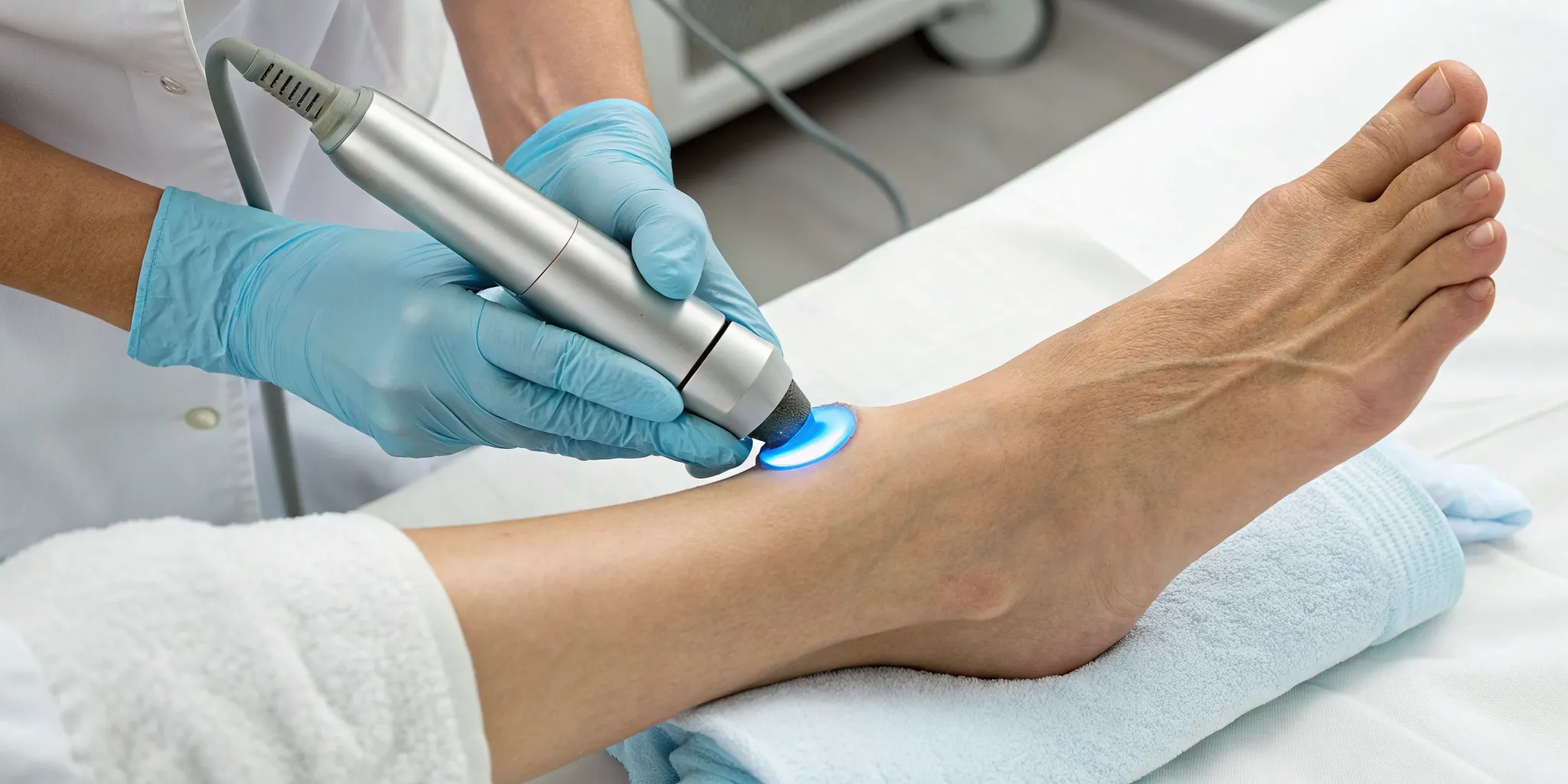
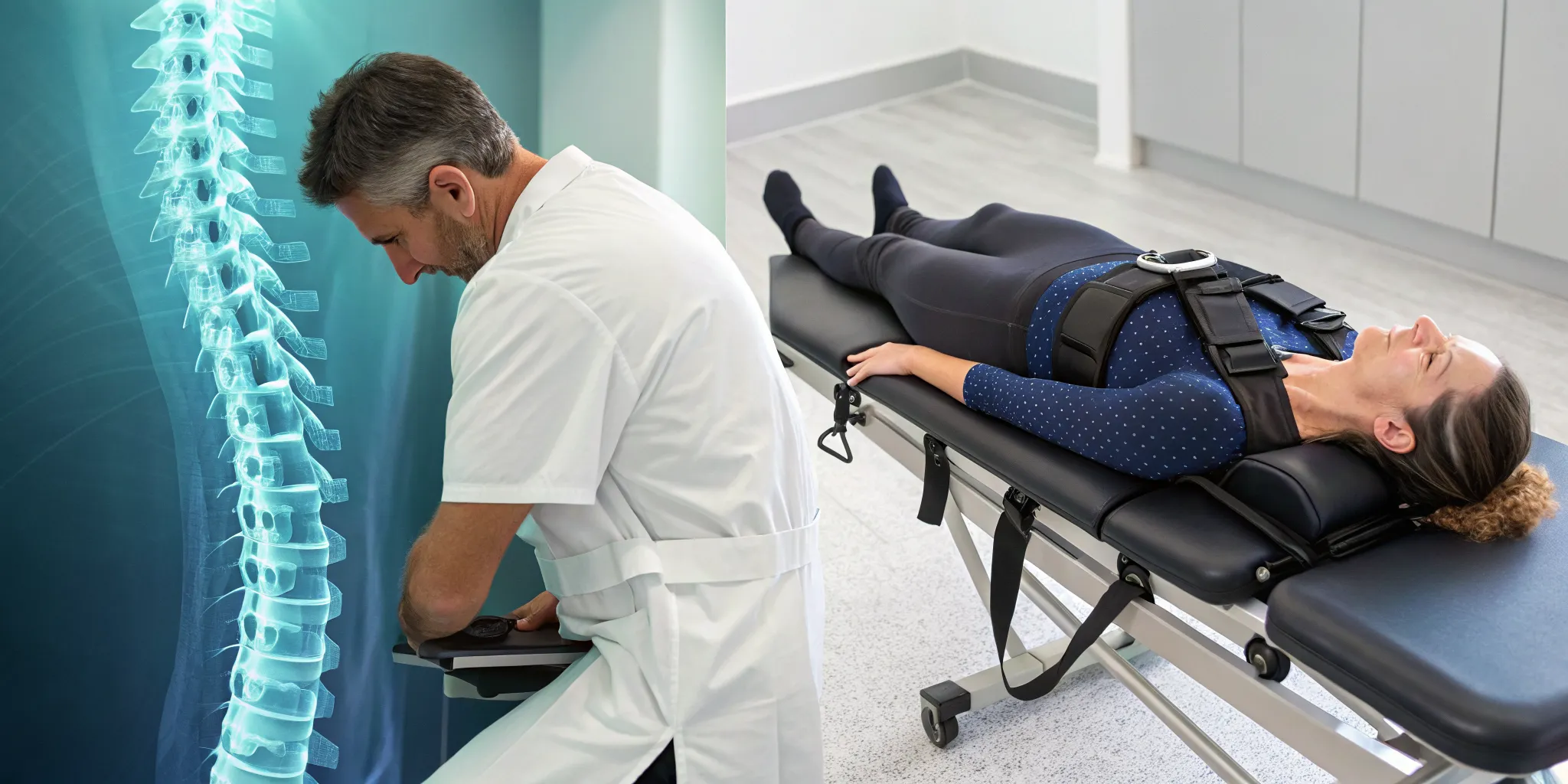
Ascend’s Physical Medicine pillar includes approaches such as chiropractic care, decompression, lumbar care, corrective care, and soft-tissue work. Those approaches are not interchangeable, and a blog article cannot determine which is appropriate. A clinician can discuss your evaluation and whether any service fits your goals. Read about spinal decompression therapy only as general service information, not as a recommendation for your particular back concern.
More broadly, Ascend organizes its care around Physical Medicine, Functional Medicine, and Regenerative Medicine. The relevant conversation for a movement concern begins with your goals, history, assessment, and questions about fit. Explore the practice’s health articles for general education, but rely on a clinician who knows your case for personal guidance.
Talk with Ascend about evaluation questions
Frequently Asked Questions
There is no single timetable or checklist that applies to everyone. These answers offer general context and point to questions you can raise with a clinician who understands your history.
How soon can I return to exercise after a back pain evaluation?
There is no universal timeline. Timing depends on symptoms, evaluation findings, the demands of the activity, and how your function changes. Ask your clinician to discuss factors that apply to your situation and when a follow-up may be useful.
Can an evaluation automatically clear me for sport?
No. An evaluation informs a clinical discussion; it is not automatic clearance. The activity’s demands and your individual findings matter. Ask which functions, symptoms, and follow-up details are relevant before considering full participation.
Which details should I share if symptoms change during activity?
Describe what you were doing, when the change began, how it felt, whether it continued after you stopped, and whether movement or sensation also changed. Follow your clinician’s instructions and contact them to ask whether review is appropriate.
Can general sports guidance answer my personal question?
General guidance can help you prepare questions, but it cannot account for your history or examination. Treat it as background and discuss your goals and concerns with a qualified clinician.
Explore Ascend Physical Medicine and discuss your next steps
This article is for educational purposes only and is not medical advice; consult your clinician before acting on health information.