Have you ever had a tension headache that seemed to start in your shoulder? Or lower back pain that sent a strange sensation down your leg? This is often the work of trigger points, which are notorious for causing "referred pain"—discomfort felt in a different location from the actual source. It can be a frustrating puzzle to solve on your own. Myofascial release trigger point therapy is a specialized technique that acts like a detective for your body, tracing the pain back to its origin. By applying slow, sustained pressure to these hidden knots, we can release the tension at the root, helping to resolve those mysterious aches and pains for good.
Key Takeaways
- Your pain's source might be a hidden trigger point: Myofascial release targets small, tight knots in your connective tissue called trigger points. These knots can cause discomfort right where they are and also send pain to other areas, meaning your headache could actually be caused by tension in your neck.
- Gentle, sustained pressure is the secret to relief: Releasing a trigger point isn't about force; it's about applying slow, consistent pressure to allow the tight tissue to relax. You can do this at home with a foam roller or ball for maintenance, but a therapist can apply this technique with more precision.
- Know when to call a professional: While at-home tools are great for managing minor tightness, you should seek professional help for chronic pain that doesn't improve or limits your daily activities. A trained therapist can properly diagnose the issue and treat hard-to-reach trigger points safely.
What Is Myofascial Release Trigger Point Therapy?
If you’ve ever had a persistent, deep ache in a muscle that just won’t go away, you’ve likely encountered a trigger point. Myofascial release, also known as trigger point therapy, is a hands-on treatment designed to find and relieve these specific points of tension. Think of it as a highly targeted form of bodywork that goes beyond a general massage. Instead of broad strokes, a therapist applies slow, sustained pressure directly to the knotted areas to gently relax and lengthen the tight, restricted fibers within your muscles and connective tissues. This process helps restore normal tissue mobility, which can significantly reduce pain and improve your overall function.
This approach is a cornerstone of physical medicine because it addresses the root cause of discomfort rather than just masking the symptoms. Many people who struggle with chronic tightness and pain aren’t even aware that their muscle fibers are stuck in a state of permanent contraction. Myofascial release works to break that cycle. It’s a gentle yet powerful technique that encourages your body to let go of long-held tension, helping you move more freely and with less pain. Whether you're dealing with an old injury, postural strain from sitting at a desk, or unexplained muscle soreness, this therapy can offer a path to lasting relief by communicating directly with your nervous system to release the tension.
What Are Myofascial Tissue and Fascia?
To understand how this therapy works, you first need to know about fascia. Imagine a thin, strong, web-like tissue that wraps around every single muscle, bone, nerve, and organ in your body. That’s fascia. It’s not a series of separate coverings but one continuous structure that runs from head to toe, providing support and shape to your entire body. When your fascia is healthy, it’s flexible and glides smoothly, allowing you to move without restriction. However, things like physical trauma, inflammation, or even emotional stress can cause the fascia to become tight, sticky, and restricted, pulling on your internal structures and causing pain.
How Trigger Points Cause Muscle Pain
Trigger points are the small, hyper-irritable "knots" that form within those tight bands of fascia and muscle. They are tender to the touch and can cause significant discomfort. One of the most interesting things about trigger points is their ability to cause "referred pain," which means you feel the pain in a different location from the actual knot. For example, a trigger point in your shoulder muscle could be the source of your tension headaches. These knots develop when muscle fibers become permanently contracted and can’t relax, leading to persistent pain and a decreased range of motion. Many of the conditions we treat are directly linked to these painful points.
How Myofascial Release Targets Trigger Points
Myofascial release therapy is a hands-on technique designed to manage the pain and discomfort caused by trigger points. Think of it as a specialized massage that goes deeper than just the muscles. The primary goal is to find those stiff, knot-like areas in your fascial tissue and encourage them to release. These knots don't just cause pain where they are located; they can also refer pain to other parts of your body, which is why you might have a headache that actually stems from tension in your neck and shoulders.
This manual therapy technique works by applying gentle, sustained pressure to the tight or restricted areas of fascia. This process helps restore normal tissue mobility, which in turn can reduce pain and improve your overall function. It’s a targeted approach that aims to get to the root of the problem instead of just masking the symptoms. By focusing on the fascial system, this therapy helps your body return to a state of balance, allowing muscles to relax and move freely without the constant pull of tight connective tissue. At Ascend Functional Health, our physical medicine services incorporate these principles to help you find lasting relief.
Common Myofascial Release Techniques
Myofascial release therapy uses specific massage techniques to help tight, knotted, or sore muscles finally relax. The main objective is to return muscles that are stuck in a contracted state back to their normal, relaxed position. A trained therapist will use their hands, knuckles, or elbows to apply slow, steady pressure to the trigger points, stretching the fascia until the tension gives way. This isn't a rushed process; the slow pressure gives the fascia time to elongate and release effectively.
You can also practice a version of this at home. Self-myofascial release is often done using tools like a foam roller, lacrosse ball, or tennis ball. By applying your body weight to the tool placed on a sore spot, you can apply targeted pressure until you feel the muscle begin to relax.
What Happens to Your Body During Treatment?
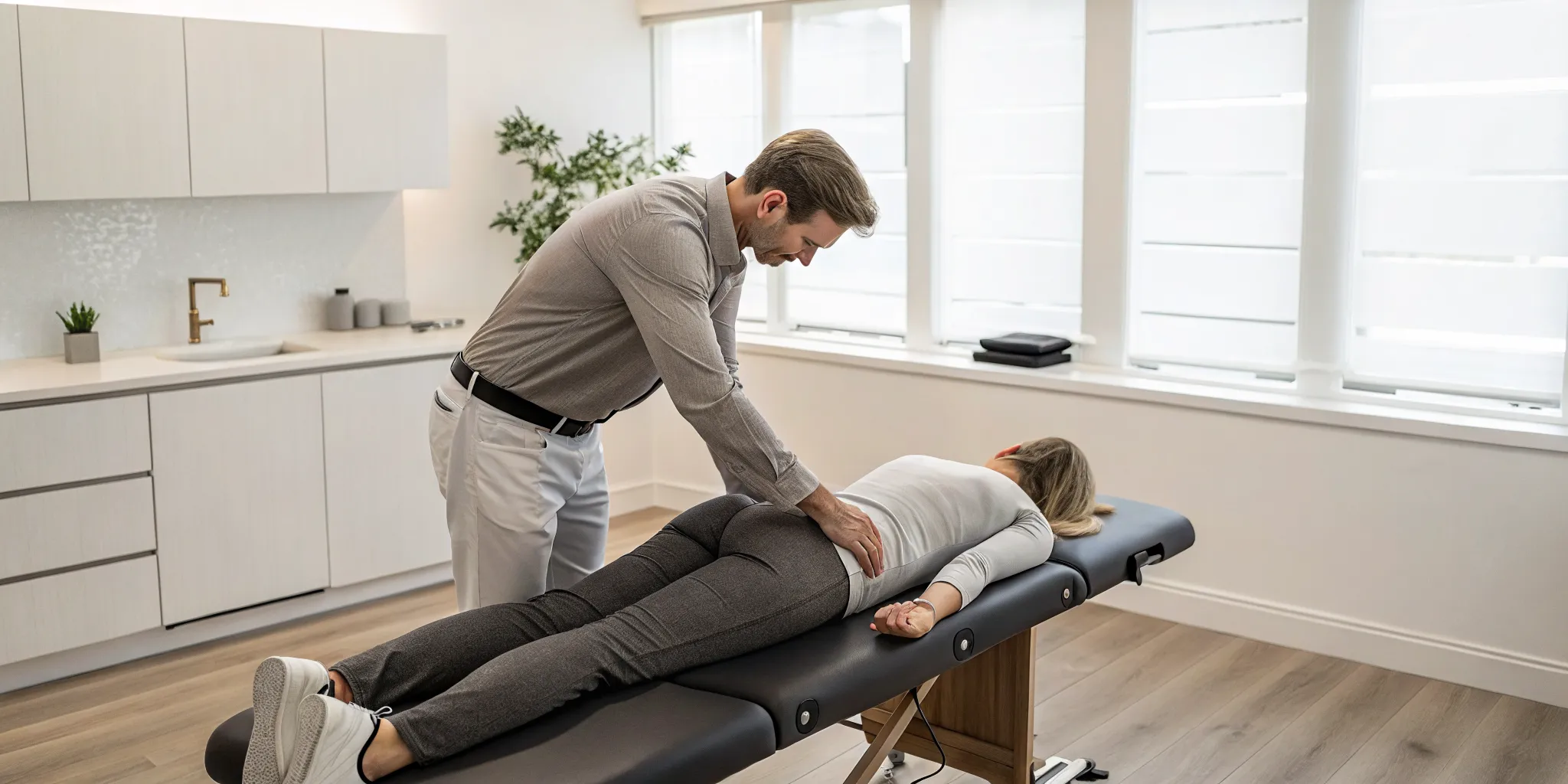
During a professional myofascial release session, your therapist will first identify the tight spots, or trigger points, in your fascial tissue. Once located, they will apply gentle, constant pressure directly to the area. You’ll feel them kneading and stretching the tissue slowly until it begins to loosen. This isn't about aggressive force; it's about a patient and sustained touch that allows the fascia and the underlying muscle to respond and let go.
The ultimate goal is to "release" the built-up tension in the fascia and surrounding tissues. This release helps bring back your body's normal movement patterns, reduces pain, and can lower your risk of further injury. As the fascia softens, blood flow to the area improves, bringing much-needed oxygen and nutrients that help the tissue heal.
Signs Your Trigger Points Are Releasing
So, how do you know it's working? The most immediate sign is a noticeable decrease in pain. That sharp, nagging ache from the trigger point will start to fade. Along with pain relief, you'll likely experience an increase in your range of motion. An area that felt stiff and restricted will suddenly feel freer and more mobile. Many people also report a deep sense of relaxation and relief as the muscle tension finally dissipates.
As you continue with treatment, you'll notice that the persistent, localized pain associated with trigger points becomes less frequent and less intense. The decreased range of motion that was limiting your daily activities will improve, allowing you to move more comfortably. It’s a clear signal that your body is responding to the therapy and your muscles are returning to a healthier, more relaxed state.
What Are Trigger Points and Why Do You Get Them?
If you’ve ever had a stubborn “knot” in your shoulder or back that just won’t go away, you’ve likely met a trigger point. These aren't just simple muscle cramps; they are small, hyper-irritable spots within a tight band of muscle. Think of them as tiny contraction knots that lock up a few muscle fibers, preventing them from relaxing. This constant tension can cause pain right at the source and sometimes in seemingly unrelated parts of your body.
Understanding what causes these painful spots is the first step toward finding relief. Trigger points don't appear out of nowhere. They are your body's response to some form of stress or strain. By identifying the root cause, you can not only treat the existing trigger points but also prevent new ones from forming. Let's look at how these knots form, what typically causes them, and the specific symptoms they create.
How Trigger Points Form
Imagine a single muscle fiber as a long, thin strand. When it's working correctly, it contracts and relaxes smoothly. A trigger point forms when a small section of these fibers gets stuck in a contracted state. This creates a palpable, tender nodule within a taut band of muscle tissue. This constant contraction chokes off the muscle's own blood supply, which means it isn't getting the oxygen and nutrients it needs. At the same time, metabolic waste products build up in the area, irritating the nerves and causing pain. When you press on an active trigger point, you might even feel a "twitch response" as the tense muscle fibers react to the pressure.
Common Causes of Trigger Points
Trigger points are often the result of muscles being overworked or traumatized. They can develop from a single incident or from long-term, repetitive strain. Some of the most common causes include acute injuries from a fall or accident, poor posture from sitting at a desk all day, or repetitive movements from sports or physical labor. Even emotional stress can be a major factor, as it often causes us to unconsciously tense our muscles, particularly in the neck and shoulders. Our team of physical medicine experts can help you identify postural imbalances or movement patterns that may be contributing to your pain.
Symptoms of Trigger Points, Including Referred Pain
The most obvious symptom of a trigger point is localized pain that worsens when you press on the knot. However, one of their most distinct characteristics is the ability to cause "referred pain." This is pain that you feel in a different area from the actual source. For example, a trigger point in your shoulder muscle might be the real cause of your tension headache or the tingling sensation running down your arm. Many people don't even realize their muscles are in a state of constant tension. This can also lead to stiffness, muscle weakness, and a decreased range of motion, impacting many of the conditions we treat at our clinic.
Conditions Treated with Myofascial Release
Myofascial release isn't just for a post-workout massage; it's a targeted therapy that can address the root cause of many persistent aches and pains. Because it focuses on the fascia, the connective tissue that envelops your entire body, its benefits are widespread. This therapy can be a game-changer for a variety of conditions, from chronic pain that hasn’t responded to other treatments to specific issues like headaches and jaw tension. By releasing restrictions in the fascial network, we can restore movement, reduce pain, and improve your overall quality of life. If you're dealing with discomfort that seems to have no clear origin, there's a good chance your fascia is involved.
Chronic Pain and Musculoskeletal Issues
If you live with chronic pain, you know how frustrating it can be. Myofascial release therapy is particularly effective for long-term musculoskeletal problems. Issues can arise when fascial tissues tighten due to physical injuries, inflammation, scarring, or even repetitive stress from your job or hobbies. This tightness can pull on your muscles and skeleton, causing pain and limiting your mobility. Our physical medicine approach uses myofascial release to gently stretch and smooth out these restricted areas. This helps to relieve pressure, reduce pain signals, and restore proper movement patterns, offering a path to lasting relief.
Myofascial Pain Syndrome and Fibromyalgia
Myofascial pain syndrome is a chronic pain disorder specifically caused by trigger points in your muscles. These sensitive knots of muscle fiber can cause persistent, localized pain and often lead to referred pain in other parts of your body. You might also notice a decreased range of motion in the affected area. For those with fibromyalgia, a condition characterized by widespread musculoskeletal pain, myofascial release can be an incredibly helpful part of a larger pain management plan. By carefully releasing these trigger points, we can help ease the muscle tension and pain associated with these complex conditions we treat.
Headaches, TMJ, and Carpal Tunnel Syndrome
Many common yet debilitating conditions can be traced back to fascial restrictions. Chronic tension headaches and even some migraines often stem from trigger points in the neck, shoulders, and upper back. Similarly, temporomandibular joint (TMJ) disorder, which causes jaw pain and clicking, is frequently linked to tightness in the facial and neck muscles. Myofascial release can target these specific areas to relieve tension. This therapy is also used for carpal tunnel syndrome, as releasing tight fascia in the forearms and wrists can reduce the pressure on the median nerve, easing the characteristic pain, numbness, and weakness in the hand.
How to Do Self-Myofascial Release at Home
While working with a professional is best for deep-seated trigger points, you can manage some muscle tightness at home. Self-myofascial release is a great way to maintain your muscle health between appointments and address minor aches before they become bigger problems. The key is to listen to your body and use the right techniques to apply gentle, sustained pressure that encourages your muscles to relax.
Tools You'll Need for Self-Release
You don’t need a home gym to get started with self-myofascial release. The most common tools are simple: a foam roller or a tennis ball. A lacrosse ball also works if you need something firmer. Foam rollers are ideal for large muscle groups like your quads, hamstrings, and upper back, allowing you to use your body weight to control the pressure. A tennis or lacrosse ball is perfect for targeting smaller, hard-to-reach areas like the muscles in your shoulders, glutes, or the arches of your feet. These tools help you pinpoint specific trigger points with more accuracy.
A Step-by-Step Guide to Applying Pressure
Once you have your tool, find a comfortable spot on the floor. The goal is to slowly explore a tight muscle until you find a tender spot, which is likely a trigger point. If you’re using a foam roller, position it under the target muscle and gently roll back and forth. When you find a sore spot, pause there for 20 to 30 seconds while taking deep breaths. For a tennis ball, place it between your body and the floor and apply gentle pressure to the trigger point. Instead of rolling, try to stay still and let the muscle "melt" over the ball. Hold the pressure until you feel the tension ease. This approach can be especially helpful for the types of chronic pain we see in our patients.
Safety Tips and When to Stop
It’s important to know the difference between productive discomfort and actual pain. You should feel a "good hurt" sensation as the muscle releases, but never sharp or stabbing pain. If you feel any warning signs, ease up or stop immediately. Avoid rolling directly over bones, joints, or your lower back, as this can cause irritation. Focus on the fleshy parts of your muscles, and remember that more pressure isn’t always better. If your pain worsens or doesn’t improve, it’s a sign you may need professional guidance. Our physical medicine services can help identify the root cause of your pain and create a safe, effective treatment plan.
When to See a Professional for Myofascial Release
While self-myofascial release is a fantastic tool for managing everyday aches and muscle tightness, there are times when a foam roller just won’t cut it. If you’ve been dealing with persistent pain or a limited range of motion, it might be time to call in a professional. A trained therapist can identify and treat trigger points with a level of precision that’s difficult to achieve on your own. They can get to the root of the problem, providing relief that lasts. Think of it as a partnership: your at-home efforts maintain your progress, while professional sessions do the deep, corrective work.
Signs It's Time for Professional Help
How do you know when to make the call? A key sign is chronic pain that doesn’t improve with rest, stretching, or your own release techniques. If a knot has been bothering you for weeks, or if the pain is interfering with your daily life, a professional can help. Many people don't even realize their muscle fibers are stuck in a permanently contracted state, leading to constant tension. Other red flags include radiating pain or a significant loss of flexibility. If any of these sound familiar, exploring physical medicine with a trained practitioner can provide the targeted relief you need.
What to Expect at Your Appointment
Your first appointment isn't as intimidating as it might sound. It starts with a conversation where your therapist will ask about your medical history and symptoms to create a plan tailored for you. During the hands-on portion, they will find tight spots and trigger points, then apply gentle, sustained pressure to the area. They'll slowly stretch the tissue until it begins to release. The process is very controlled, and your therapist will communicate with you throughout to ensure the pressure is effective but not overly painful. The goal is to work with your body, not against it.
Combining Professional Therapy with At-Home Care
The most effective treatment plans combine professional therapy with consistent at-home care. Your therapist can release deep, stubborn trigger points that are hard to reach on your own. Afterward, they can show you specific techniques using a foam roller or massage ball to maintain that progress between sessions. This teamwork approach empowers you to take an active role in your healing. By following personalized guidance, you can extend the benefits of your treatment and prevent trigger points from returning. This integrated strategy is a core part of our holistic health solutions at Ascend Functional Health.
Related Articles
Frequently Asked Questions
What's the difference between myofascial release and a deep tissue massage? While both can help with muscle pain, they have different goals. A deep tissue massage uses strong, forceful strokes to target deep layers of muscle. Myofascial release, on the other hand, applies slow, sustained pressure to the fascia, the connective tissue surrounding your muscles. It’s a more targeted approach designed to find specific trigger points and gently encourage them to release, which helps restore mobility and address the root of the tension.
Does myofascial release therapy hurt? You can expect to feel some discomfort, but it shouldn't be sharply painful. The sensation is often described as a "good hurt," similar to the feeling of a deep stretch. A skilled therapist will communicate with you to ensure the pressure is productive, not painful. The goal is to work with your body to release tension, not to force the muscle into submission.
How quickly can I expect to feel better? This really depends on your specific situation and how long you've been dealing with the issue. Some people notice a significant improvement in their range of motion and a decrease in pain after just one session. If you have a chronic condition, it may take a series of treatments to achieve lasting results as your body learns to let go of long-held tension patterns.
Why do I keep getting knots in the same spot? Recurring trigger points are often a sign of an underlying issue. This could be related to your posture, like how you sit at your desk, or a repetitive movement you do at work or during exercise. Even chronic stress can cause you to unconsciously tense the same muscles over and over. A professional can help you identify these patterns so you can address the root cause of the knots, not just the symptom.
Can I just use a foam roller at home instead of getting professional treatment? Using a foam roller or tennis ball at home is an excellent way to manage general muscle tightness and maintain your progress between appointments. However, a trained therapist can do things you can't. They can accurately diagnose the source of your pain, reach trigger points in difficult areas like your back, and apply specific techniques to release stubborn knots more effectively and safely.