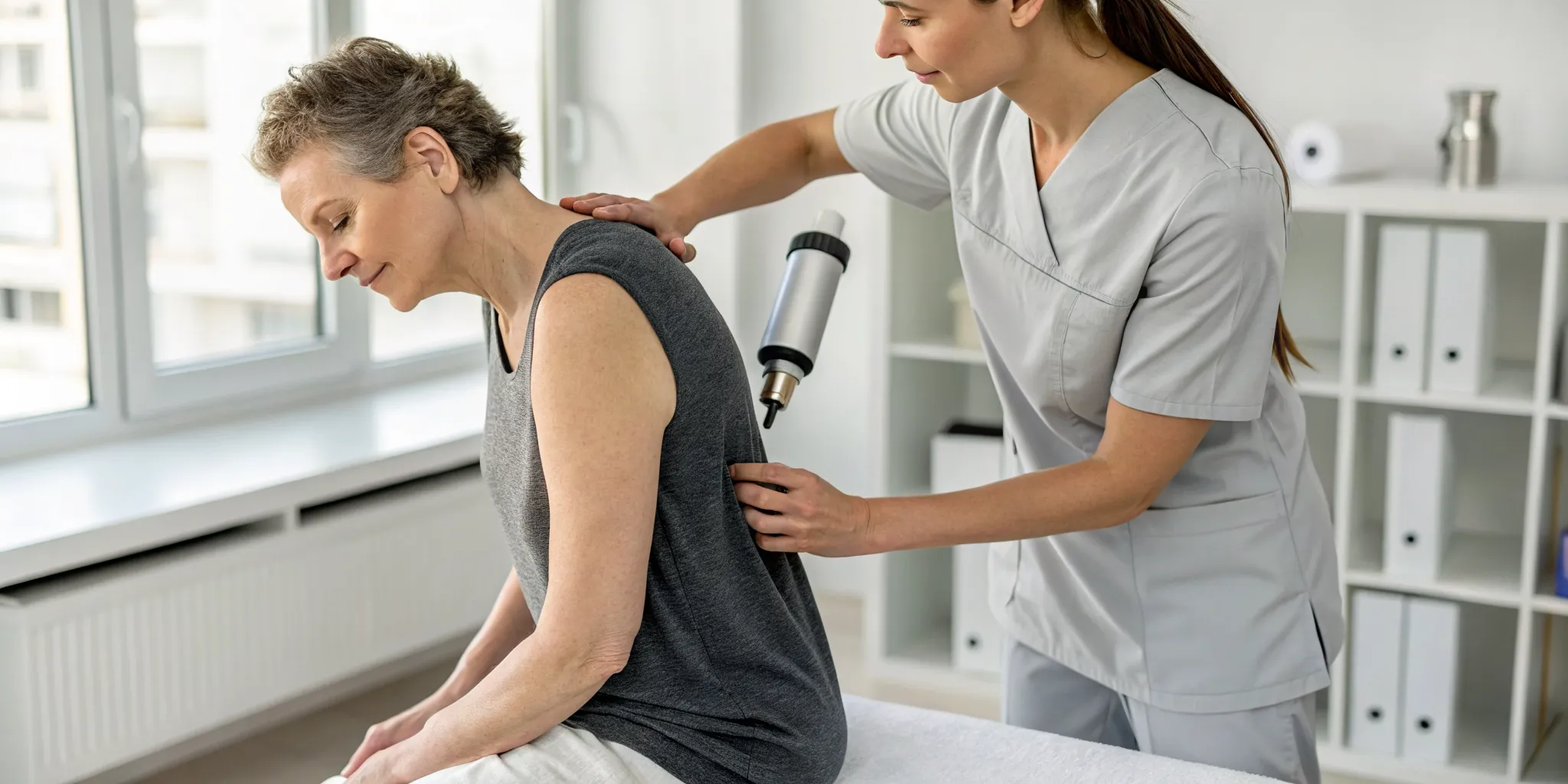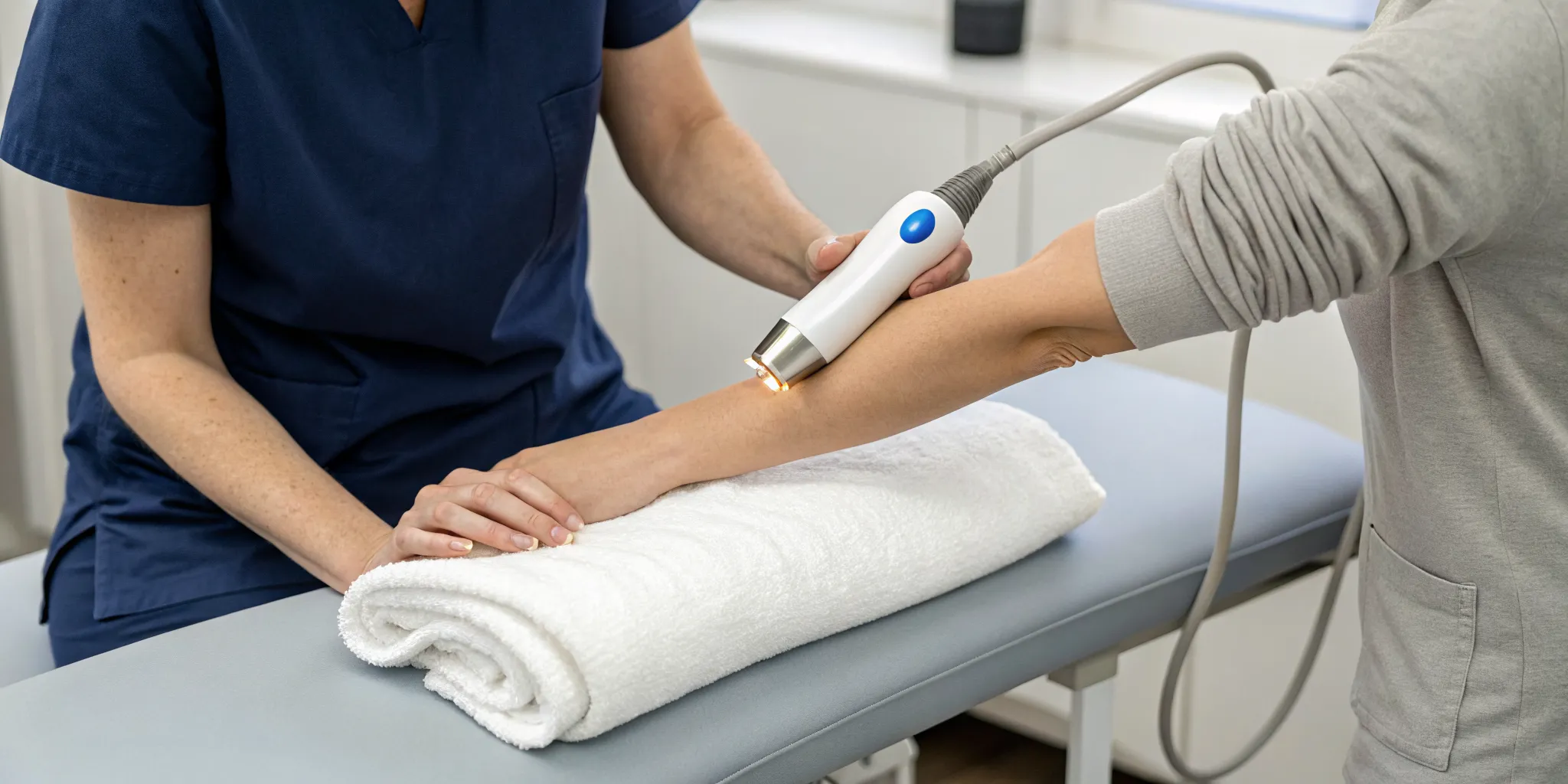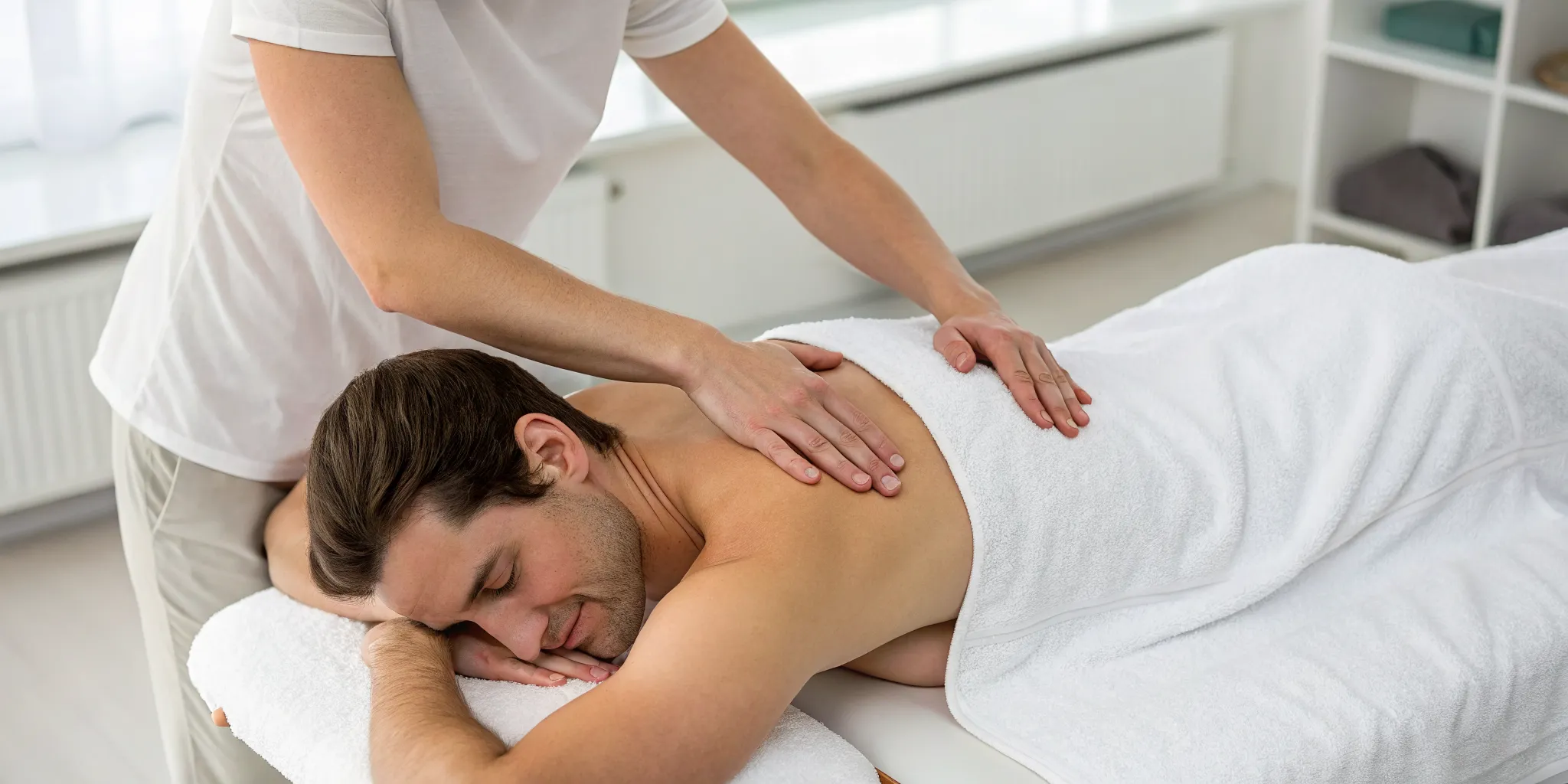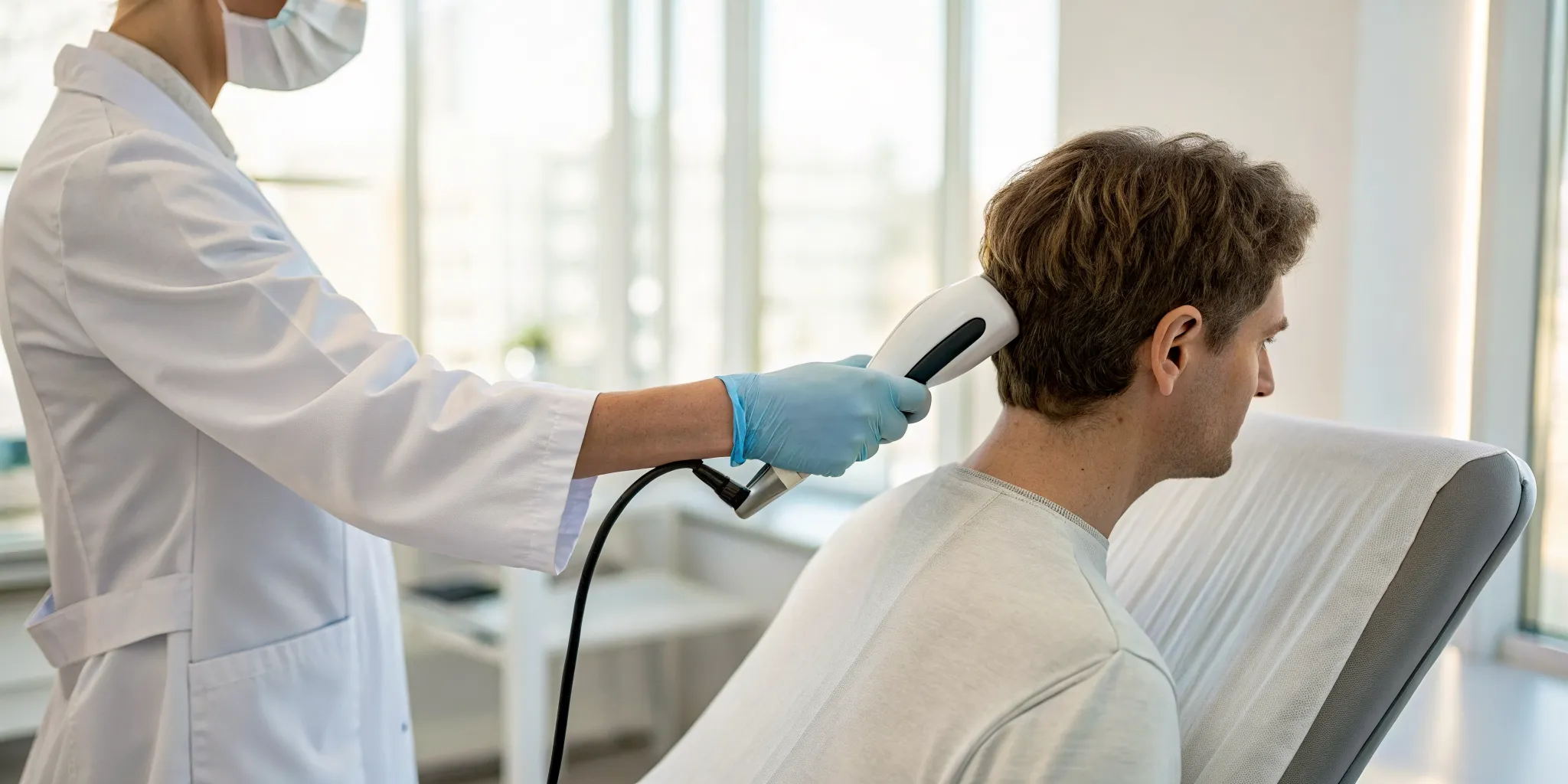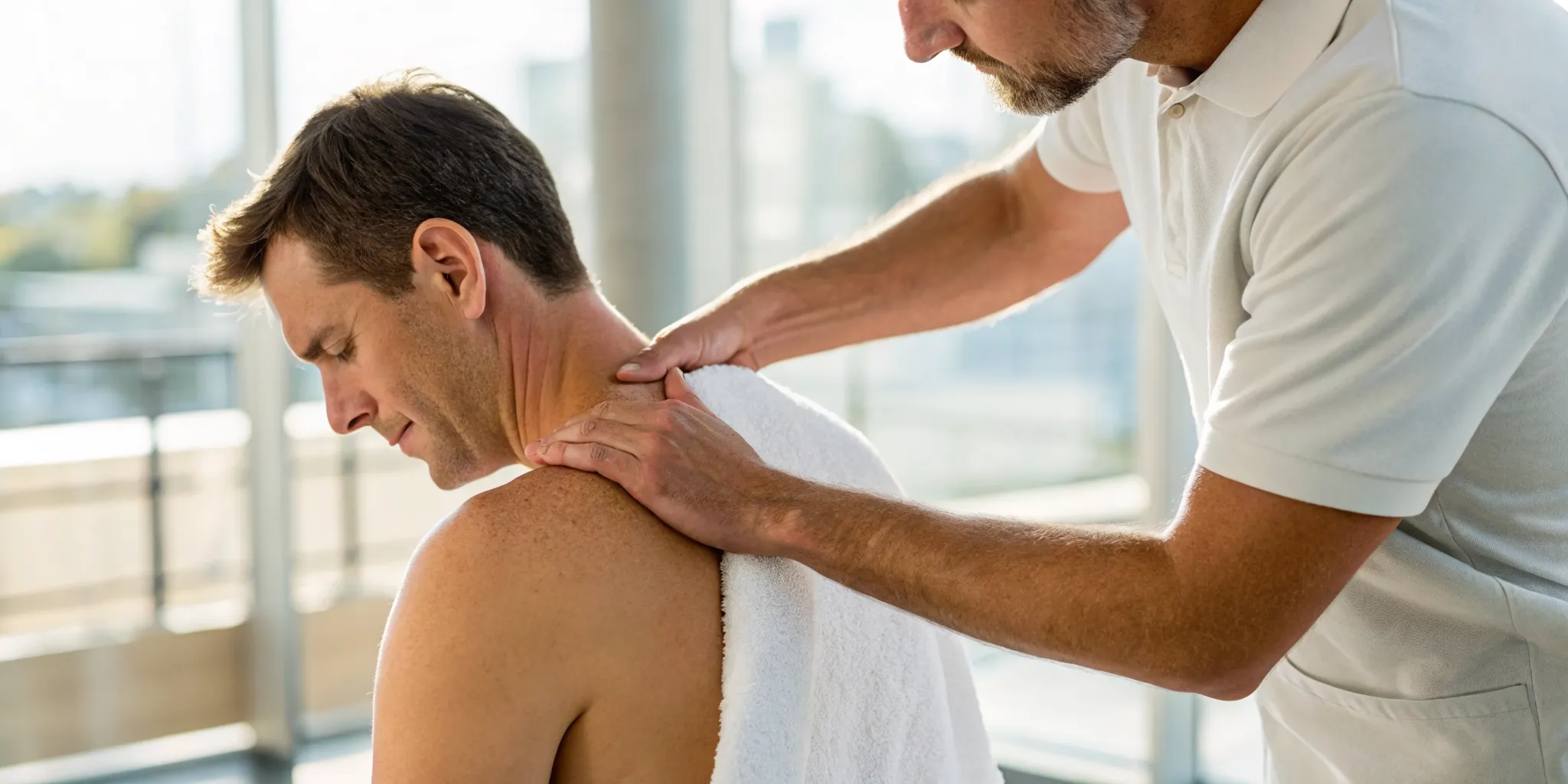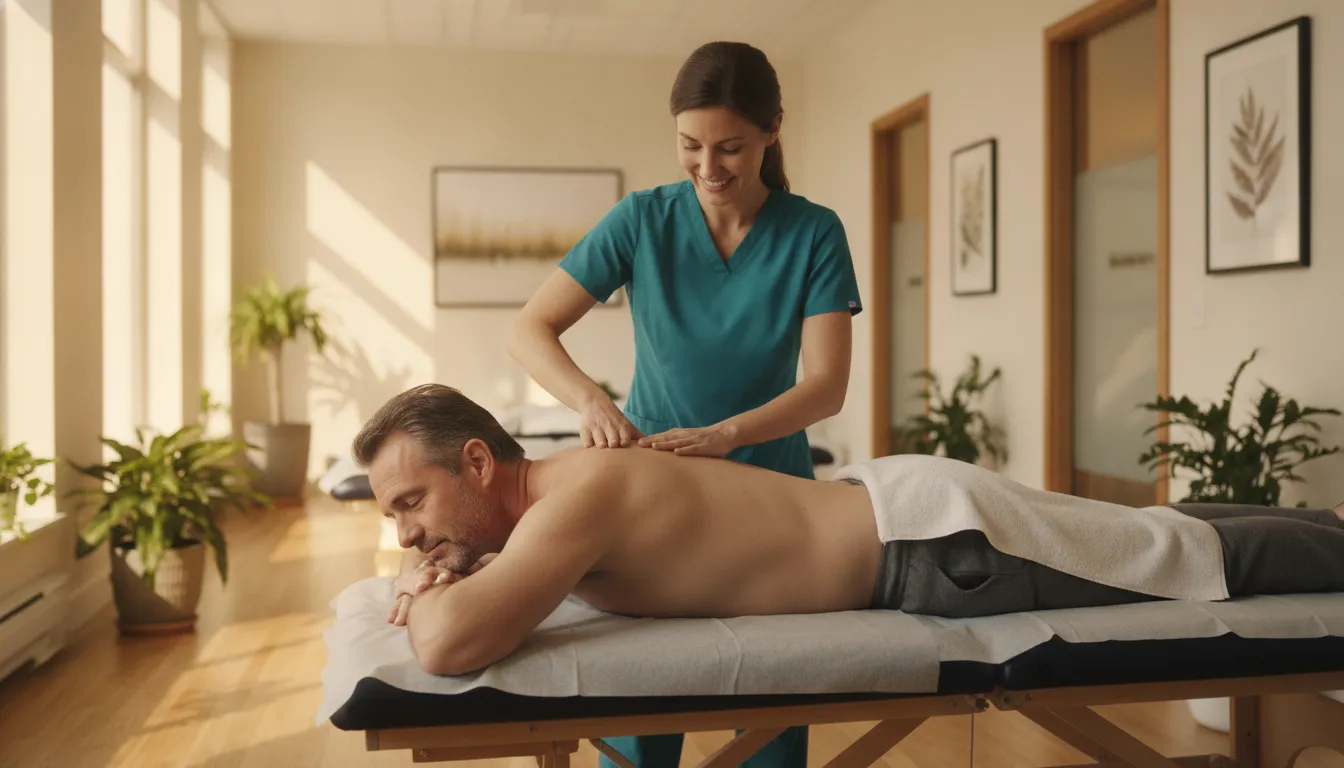
Let's be honest, the term “muscle scraping” can sound a little intimidating. It's completely normal to be curious about what happens after a session. While the Graston Technique is a safe and controlled therapy, the most common Graston Technique side effects are actually a good sign. Seeing some redness or feeling a bit tender means the treatment is working. We've successfully broken down old scar tissue and kickstarted your body's natural healing process. Think of it as a reset for your muscles, clearing the way for better movement and lasting pain relief.
Key Takeaways
- Embrace the Healing Response: Mild bruising, soreness, and redness are normal and temporary signs that the treatment is working. This response shows your body is breaking down old scar tissue and beginning to repair the area.
- Take an Active Role in Your Recovery: You can manage post-treatment effects and improve your results at home. Focus on staying hydrated, using ice for discomfort, and performing the gentle stretches your provider recommends.
- Honesty Ensures a Safe Treatment: The Graston Technique isn't suitable for everyone, especially those with certain circulatory issues or unhealed injuries. Always share your complete medical history with your provider to confirm it's the right choice for you.
So, What Is the Graston Technique?
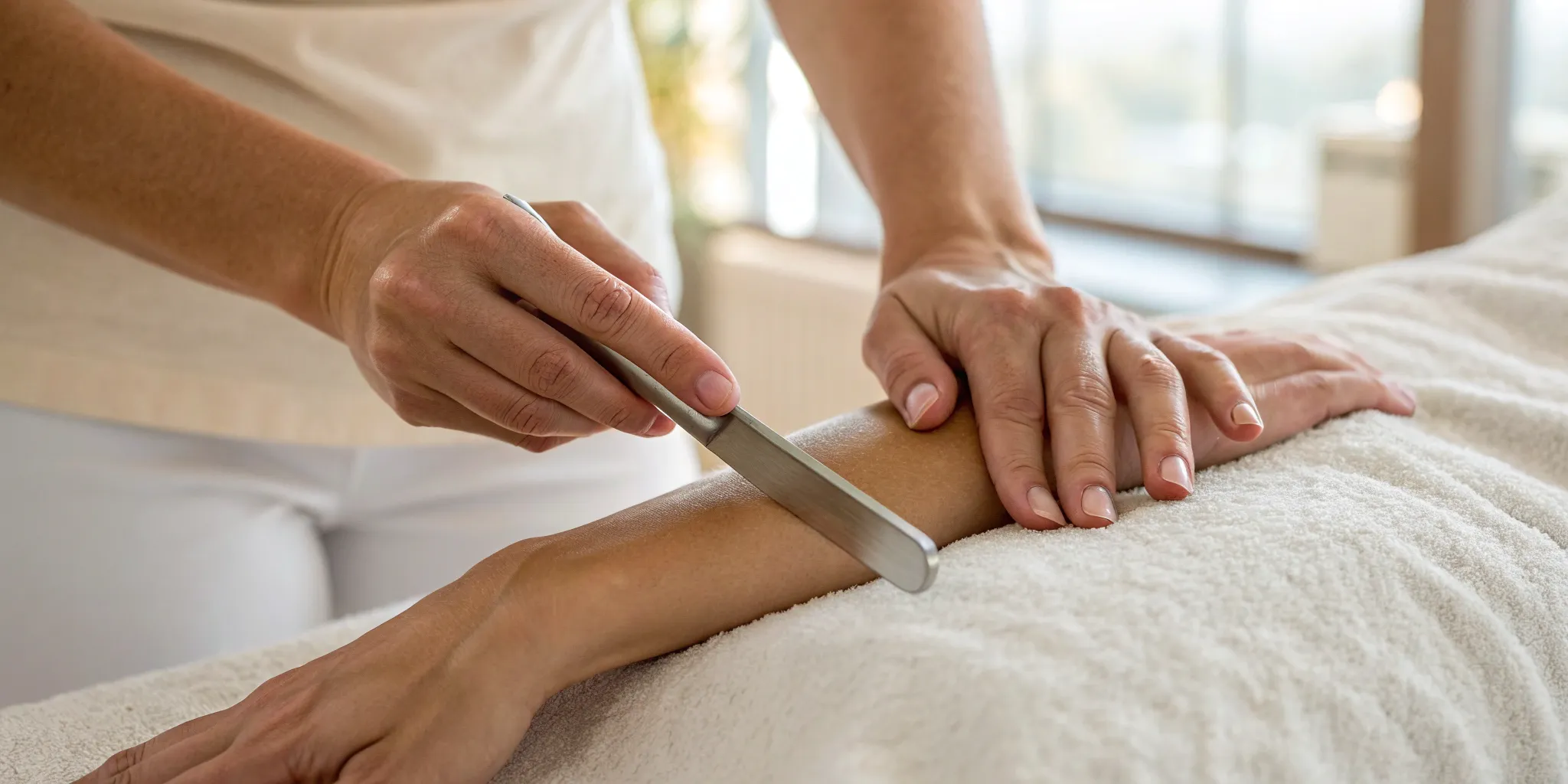
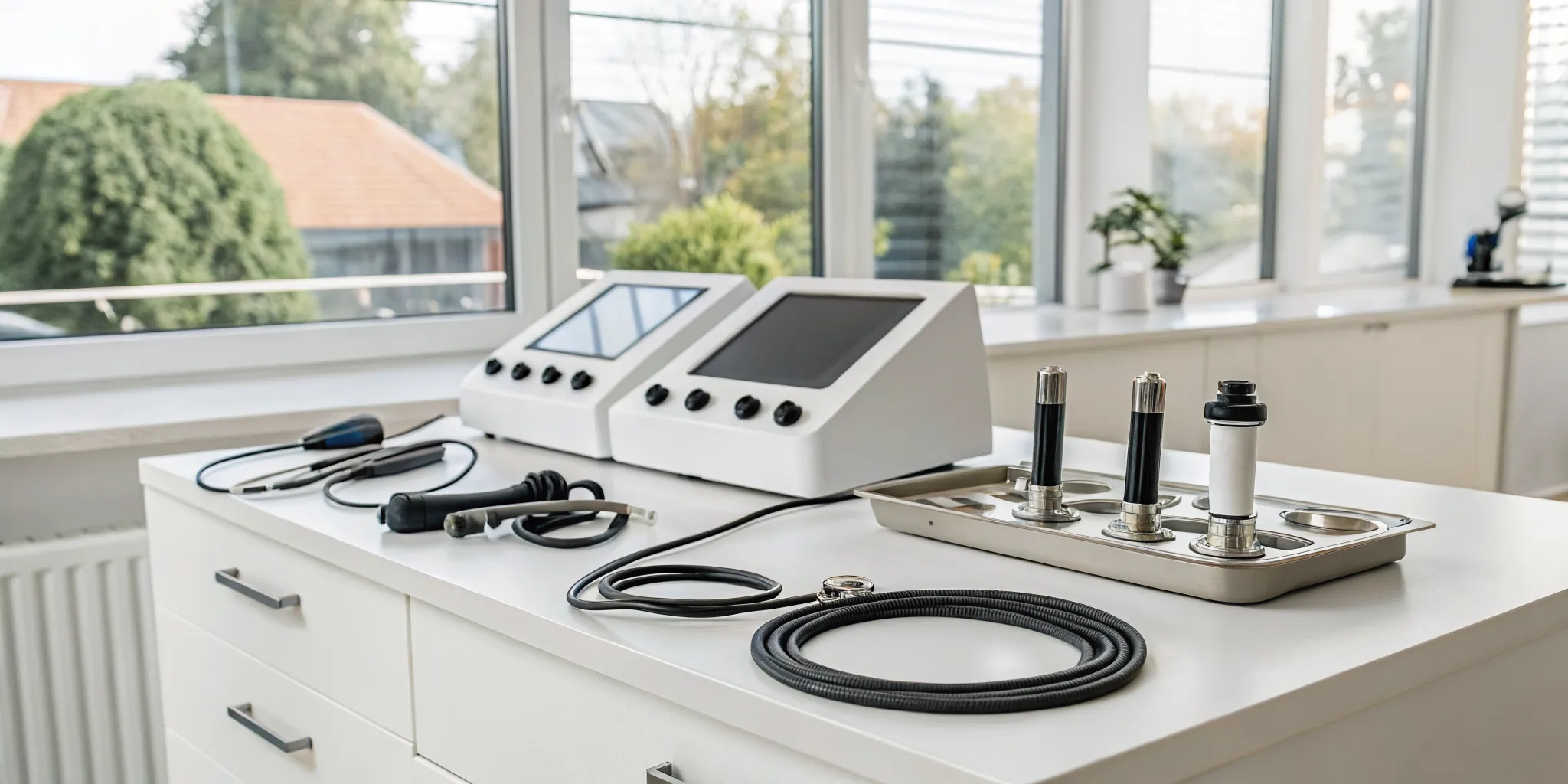
If you're dealing with chronic pain or stiffness from an old injury, you may have heard of the Graston Technique. At its core, it’s a specialized form of massage that uses smooth, stainless-steel instruments to help your practitioner find and treat soft tissue problems. It falls under a category of treatment called instrument-assisted soft tissue mobilization, or IASTM for short.
Think of it as a more precise way to perform a deep-tissue massage. While a practitioner’s hands are great for identifying large areas of muscle tension, these specially designed tools can detect smaller, more specific restrictions in your muscles, ligaments, and tendons. This technique is a key part of our Physical Medicine services, designed to address the root cause of your pain and restore healthy movement. It’s a targeted approach that helps your body heal the way it was meant to.
How Does It Actually Work?
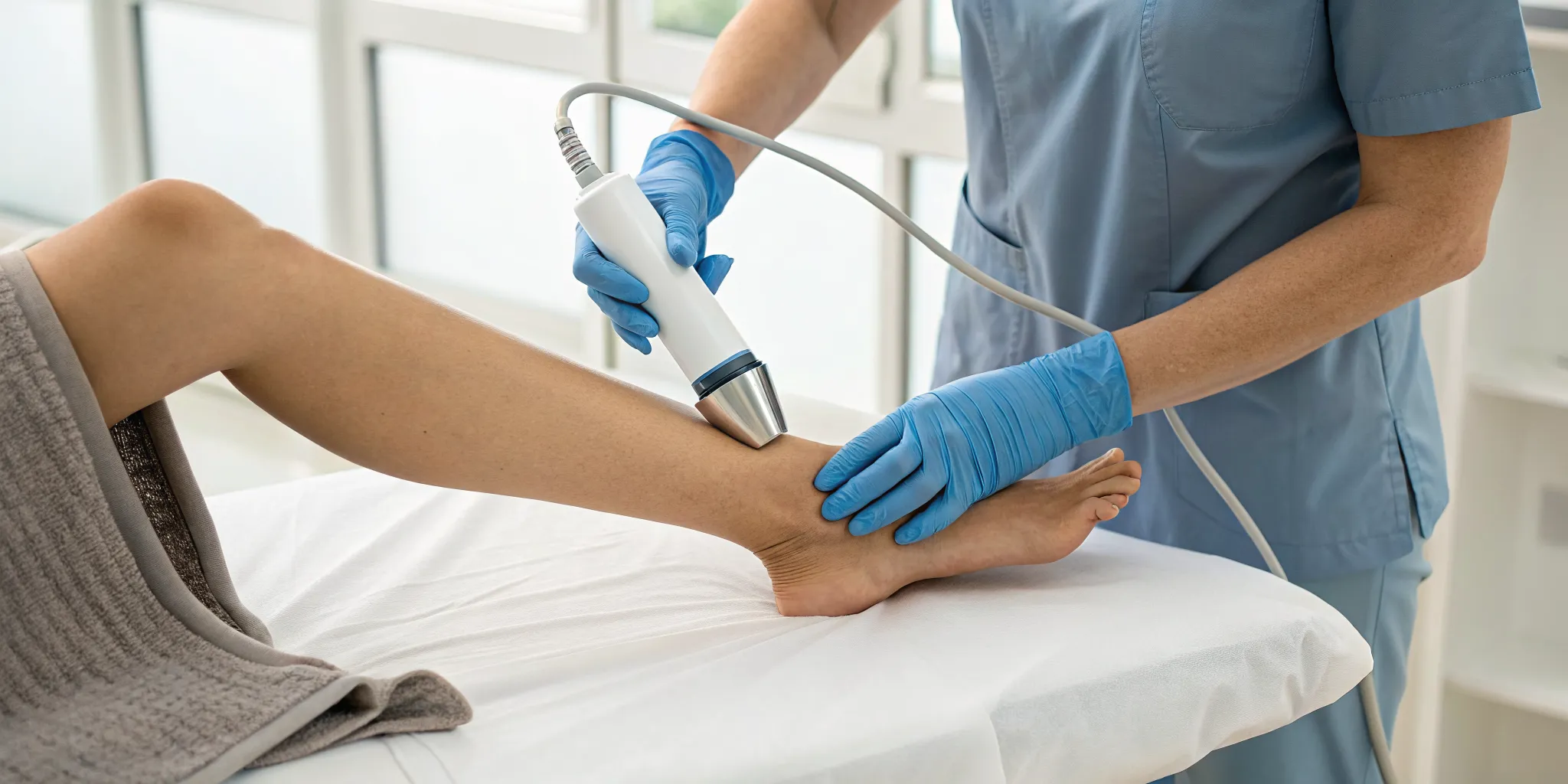
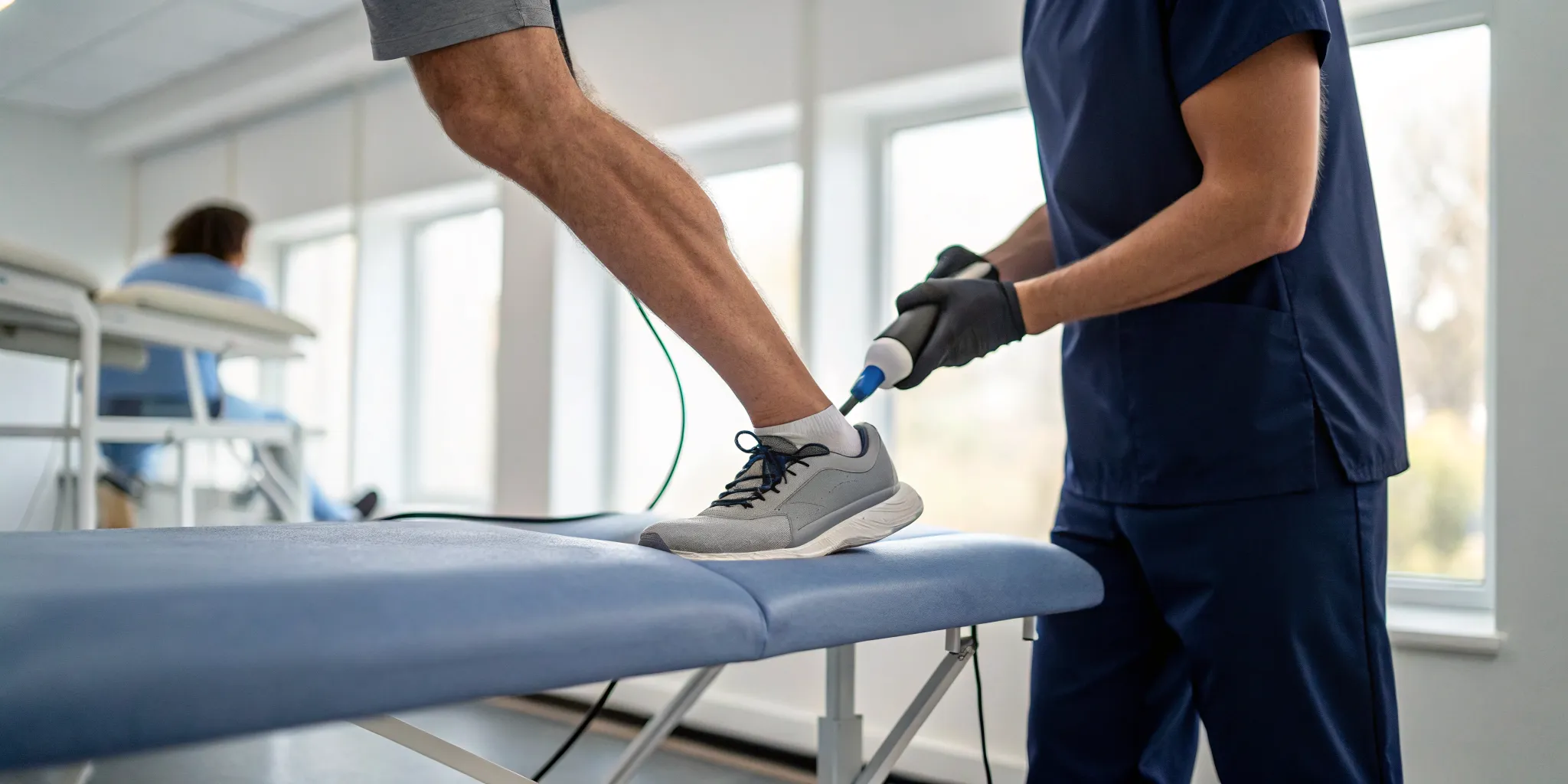
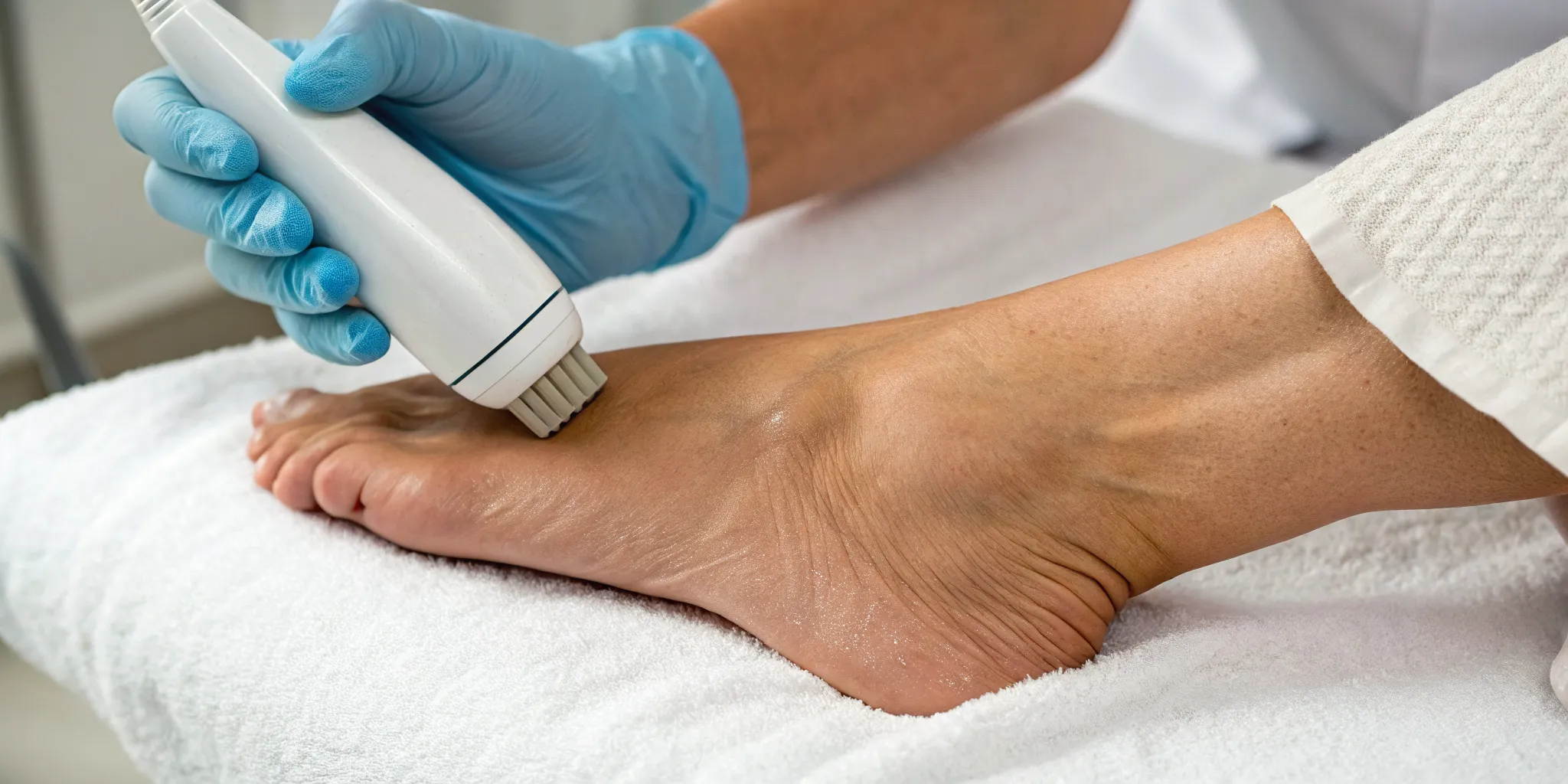
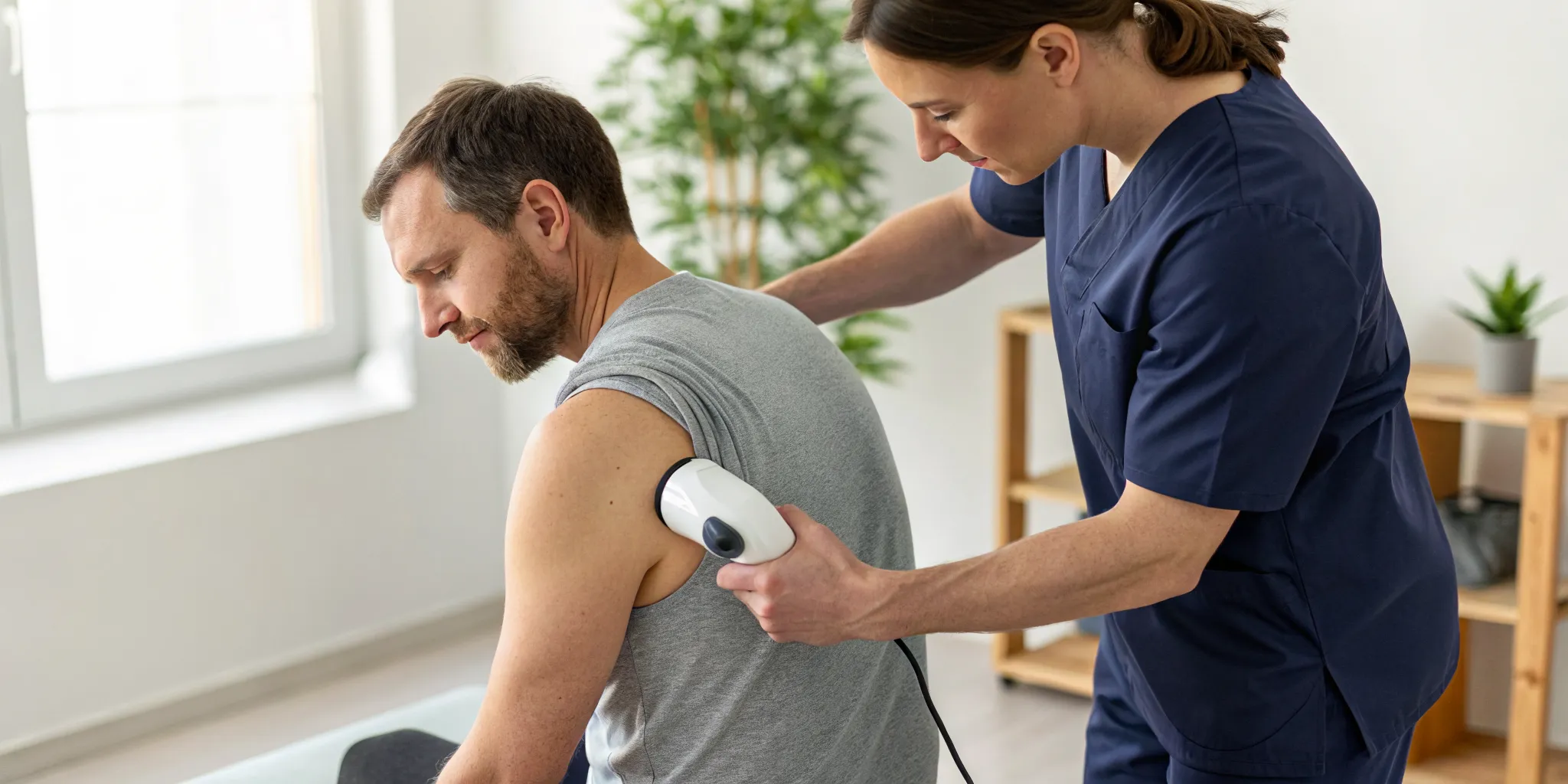
The Graston Technique is sometimes called "muscle scraping," which sounds a bit intense, but it's a gentle and controlled process. Your practitioner will use the instruments to glide over your skin, feeling for fibrous or scarred tissue, often called adhesions. These adhesions can develop after an injury or from repetitive strain, and they often restrict movement and cause pain.
Once these problem spots are identified, the tools are used to gently break down the scar tissue and fascial restrictions. This process creates a controlled inflammatory response, which might sound counterintuitive, but it’s actually a good thing. It increases blood flow to the area, bringing in fresh oxygen and nutrients that kickstart your body’s natural healing process. The goal is to help your body rebuild healthy tissue, leading to less pain, better flexibility, and improved function.
What Conditions Can It Help With?
Because the Graston Technique is so effective at addressing soft tissue problems, it’s used to treat a wide range of conditions that cause pain and limit mobility. It’s a go-to therapy for many of the common issues we see, including chronic neck and back pain, muscle strains, and pinched nerves. Many people find relief from repetitive strain injuries like tennis elbow and carpal tunnel syndrome.
It’s also incredibly helpful for lower body ailments like shin splints and plantar fasciitis—that nagging pain in the bottom of your foot. Beyond that, the technique can address pain from sports injuries, accidents, and even fibromyalgia. It’s also frequently used to break down scar tissue that has formed after surgery, helping to restore movement and reduce tightness around the surgical site. It's one of the many services we use to create a personalized healing plan for you.
Who Uses the Graston Technique?
You might be surprised by the wide range of people who benefit from the Graston Technique. While many professional athletes rely on it to recover faster and maintain peak performance, its use extends far beyond the sports world. It’s a trusted tool for trained professionals, including chiropractors and physical therapists, in physical medicine settings who treat everyone from runners dealing with plantar fasciitis to office workers experiencing chronic neck pain. It’s a versatile therapy for anyone whose daily activities are limited by soft tissue restrictions.
This technique is also incredibly effective for anyone dealing with the lingering effects of an injury, surgery, or repetitive strain. If you have stubborn scar tissue that restricts your movement or chronic pain from an old injury that never quite healed, this therapy can make a significant difference. It offers a non-invasive way to address the root cause of soft tissue pain, helping the body remodel tissue correctly without relying on medication. It’s for anyone looking to restore proper function and get back to living comfortably and without limitations.
Common Graston Technique Side Effects
If you’re considering the Graston Technique as part of your physical medicine plan, it’s helpful to know what to expect afterward. Like a deep tissue massage or an intense workout, this therapy works by creating a controlled inflammatory response to kickstart your body’s natural healing process. As the specialized instruments break down scar tissue and fascial restrictions, it’s completely normal to experience a few temporary side effects.
Think of these effects not as a setback, but as a sign that the treatment is doing its job. Your body is responding to the therapy by increasing blood flow and sending restorative cells to the targeted area. This is the first step toward reducing pain and improving your range of motion. Most of these side effects are mild and resolve on their own within a few days as your body begins to repair the underlying tissue.
Why You Might See Some Bruising
Don't be alarmed if you notice some bruising after your session. This is one of the most common side effects of the Graston Technique. The instruments are designed to glide over your skin to detect and break up fibrous scar tissue underneath. This process can cause tiny blood vessels near the surface, called capillaries, to break, resulting in petechiae (small red or purple spots) or light bruising. This discoloration is a visual cue that blood is flowing to the area to heal the tissue. It’s typically mild and should fade within a few days, just like any other bruise.
Feeling Sore? That's Totally Normal
It’s very common to feel some soreness or tenderness in the treated area, similar to how your muscles feel after a challenging workout. This happens because the technique is actively breaking down adhesions that have built up over time, often due to injury or repetitive stress. This soreness is actually a positive sign that the restrictions have been released and your body is beginning its natural repair cycle. The discomfort is usually mild and manageable, typically lasting for about 24 to 48 hours as your tissues begin to heal and remodel.
What to Do About Minor Swelling
You might also notice some minor swelling in the area that was treated. Swelling is a natural part of your body's inflammatory response, which is essential for healing. When the Graston tools work on restricted tissue, your body responds by sending extra blood and fluid to the site to clean out damaged cells and deliver the nutrients needed for repair. This is a productive and temporary phase of the healing process for many of the conditions we treat. The swelling is generally minimal and should subside within a day or two as your body moves into the next stage of recovery.
How Long Do Graston Side Effects Last?
If you’re considering the Graston Technique, it’s natural to wonder what to expect afterward and how long any side effects might stick around. The good news is that the most common effects, like bruising or soreness, are temporary and a normal part of the healing process. It’s helpful to think of them not as negative side effects, but as positive signs that your body is responding to the treatment. This therapeutic inflammation is exactly what we want to see, as it kickstarts the process of breaking down old scar tissue and rebuilding healthier, more functional tissue in its place. This response is your body working to repair the underlying issues that have been causing you pain or limiting your movement.
While everyone’s body is different, the recovery timeline is usually quite short. Most people find that any discomfort or visible marks fade within a few days, leaving them with improved mobility and less pain than before. Your individual experience will depend on a few key factors, including the area being treated, the chronicity of your condition, and your body’s unique response to the therapy. It's all part of a personalized approach to healing, not a one-size-fits-all solution. Understanding this process can help you feel more in control of your recovery. Let’s break down what a typical recovery looks like and what can influence your healing time so you feel confident and prepared for your journey back to wellness.
Your Graston Technique Recovery Timeline
For most people, the side effects of the Graston Technique are brief. You might notice some redness or tenderness right after your session, which is simply a result of increased blood flow to the area—a key part of the healing process. This redness often subsides within a few hours. It’s also common to experience some mild soreness and bruising. This is a sign that the treatment has successfully broken down scar tissue and adhesions. While it might look a little dramatic, this bruising is typically superficial and should fade within a few days. Our approach to physical medicine focuses on supporting your body’s natural healing abilities, and this temporary response is a step in the right direction.
When You Can Expect to Feel Better
After a Graston Technique session, it's important to remember that the side effects are not setbacks but signs that the therapy is working as intended. Mild bruising, soreness, and redness are common and temporary responses. They indicate that your body is actively breaking down old scar tissue and beginning to repair the area. This is a productive part of the healing process for many of the conditions we treat, from nagging shoulder pain to stubborn shin splints.
So, how long until you feel the benefits? Most people find that any discomfort or visible marks fade within a few days. You can generally expect to feel a noticeable improvement in pain and mobility within 24 to 48 hours. This is the point where the initial therapeutic inflammation starts to subside, leaving you with less pain and better function than you had before the treatment.
This controlled response is what kickstarts the process of rebuilding healthier, more resilient tissue in place of the old restrictions. By understanding this recovery timeline, you can feel more confident in your body's ability to heal. It's a key part of the personalized physical medicine protocols we use to help you achieve lasting relief and get back to doing what you love.
What Can Affect Your Healing Time?
Your personal recovery timeline can be influenced by a few different things. The intensity and duration of your session play a role, as does the specific area being treated. A larger muscle group, for example, might respond differently than a smaller, more delicate joint. Your overall health and circulation also contribute to how quickly your body recovers. Remember, soreness after a session is a positive indicator that the treatment addressed the restrictions in your soft tissue. Staying hydrated, getting enough rest, and following any specific after-care instructions from your provider can help speed up your recovery. The specific conditions we treat often involve chronic inflammation, so your body's response is a unique part of your journey back to health.
Your Day-by-Day Guide to Recovery
After a Graston Technique session, your body gets right to work healing the treated tissues. Think of it like the feeling after a really productive workout—you might feel a little tender, but it’s a sign that you’ve stimulated positive change. This recovery phase is a crucial part of the process, where your body breaks down old scar tissue and rebuilds healthier, more functional tissue in its place. It’s an active healing response that gets to the heart of chronic pain and stiffness by creating controlled, micro-trauma that your body rushes to repair correctly.
Our approach to physical medicine is all about supporting your body’s innate ability to heal itself. We don't just treat symptoms; we create the right conditions for your body to repair and strengthen from the inside out. Understanding what to expect after your treatment helps you feel confident and play an active role in your recovery. Most of what you’ll feel is completely normal and a clear signal that the technique is working exactly as it should. Knowing the difference between a healing response and a problem is key to a smooth and successful recovery, so let’s walk through what’s normal and what’s not.
Is This Normal? Spotting Red Flags
It’s completely normal to experience a few mild side effects as your body begins to heal. Most commonly, you might notice some bruising, tenderness, or light swelling in the area that was treated. You may also see some redness, which is simply a sign of increased blood flow to the area—a good thing for healing! These effects are temporary and typically fade within a few days. However, you should always listen to your body. While mild soreness is expected, severe or sharp pain is not. If you experience any symptoms that feel intense or last longer than a few days, it’s always best to reach out to your provider for guidance.
When Bruising Is a Cause for Concern
While seeing bruises pop up can be a little surprising, it’s usually a sign that the treatment is working as intended. The therapeutic bruising, or petechiae, is a result of the instruments breaking up adhesions and stimulating blood flow to the area. This is a normal and expected part of the healing process. However, it's important to know the difference between this productive response and something that might need attention. Normal bruising should be localized to the treatment area, relatively mild, and start to fade within three to four days. If you notice bruising that is exceptionally dark, spreads far beyond the treated area, or is accompanied by severe pain rather than mild tenderness, it’s best to check in with your provider.
Other Warning Signs to Watch For
Beyond bruising, the most important thing is to listen to your body. The goal of our physical medicine treatments is to facilitate healing, not cause undue stress. Mild, muscle-like soreness is normal, but sharp, stabbing, or radiating pain is not. Your discomfort should gradually decrease after the first 48 hours; if it gets worse instead of better, that’s a sign to reach out. While extremely rare, you should also watch for signs of infection, such as fever, chills, or unusual warmth and redness that doesn't subside. Open communication is key to a successful recovery, so if anything feels off or concerns you, please don't hesitate to contact our office for guidance.
Good Signs: How to Know It's Healing Well
Believe it or not, that initial soreness is actually a great sign. Feeling some discomfort after your first Graston session is an indicator that the treatment successfully addressed the soft tissue restrictions that were causing you problems. As those adhesions are broken down, your body’s natural inflammatory response kicks in to clear out the old tissue and lay down new, healthy fibers. As the initial tenderness and bruising subside, you should start to notice the real benefits: increased range of motion, less stiffness, and a reduction in the pain that brought you in. This healing process is how we address the root cause of so many different conditions we treat, from chronic back pain to stubborn joint issues.
How to Manage Side Effects at Home
The good news is that managing any post-treatment discomfort is usually simple and can be done right at home. Your body is actively working to heal, and these steps are just ways to support that natural process. Think of it as teamwork—your practitioner does their part, and you do yours to ensure the best possible outcome. A little self-care goes a long way in helping you feel better faster and get the most out of your sessions.
Using Ice, Rest, and Over-the-Counter Relief
It’s completely normal to feel some soreness in the treated area, similar to how you might feel after a tough workout. This tenderness should fade within 48 to 72 hours. To ease any discomfort, try applying an ice pack to the area for about 15 minutes at a time, a few times a day. This can help reduce inflammation and provide some welcome relief. While rest is important, it doesn’t mean you have to be completely still. Just avoid strenuous activities that put a lot of strain on the treated muscles or tissues. If you’re considering over-the-counter pain relievers, it’s always a good idea to check with your provider first.
Why Water and Gentle Movement Are Key
After a Graston session, two of the best things you can do for your body are to hydrate and move gently. Drinking plenty of water helps your body flush out the metabolic waste released from the treated tissues and supports the overall healing process. Your practitioner will also likely recommend specific stretches and light exercises to do at home. This isn't about pushing yourself; it's about encouraging blood flow and maintaining flexibility in the area. Following the personalized physical medicine plan your provider gives you is a key part of your recovery and helps you achieve lasting results.
Post-Treatment Activity Guidelines
Think of your recovery as a team effort. We handle the in-office treatment, and you can support the healing process at home with a few simple steps. Following these guidelines helps you manage any temporary side effects and get the most out of your care, leading to reduced pain and better movement. Here’s what we recommend:
- Embrace the healing response. It’s normal to see some mild bruising or feel sore, much like you would after a good workout. This is a positive sign that the treatment is working. It means we’ve successfully broken down old scar tissue, and your body is now in repair mode.
- Listen to your body. Pay close attention to how you feel. While mild soreness is expected, any sharp or severe pain is not. Understanding the difference between a normal healing response and a potential issue is key. If anything feels off, please don't hesitate to contact our office.
- Stick with gentle movement. While you should avoid intense exercise for a day or two, complete rest isn't the answer either. Performing the gentle stretches and movements recommended by your practitioner is a vital part of your physical medicine plan. This encourages healthy blood flow and helps maintain flexibility in the treated area as it heals.
- Stay well-hydrated. Drinking plenty of water is one of the most effective things you can do after your session. It helps your body flush out the metabolic waste that was released from the treated tissues and is crucial for supporting the entire repair process.
When Should You Call Your Provider?
While mild soreness and bruising are expected, it’s important to listen to your body. You should feel free to contact your provider if you experience anything that seems unusual or concerning. Give us a call if your pain gets worse instead of better, lasts for more than three days, or if you notice excessive swelling. Open communication is essential for your care. We want to know how you’re feeling between sessions so we can adjust your treatment plan as needed. Your comfort and safety are our top priorities, and we’re here to support you through every step of your healing journey. If you have other health concerns, we can address those, too.
Who Should Avoid the Graston Technique?
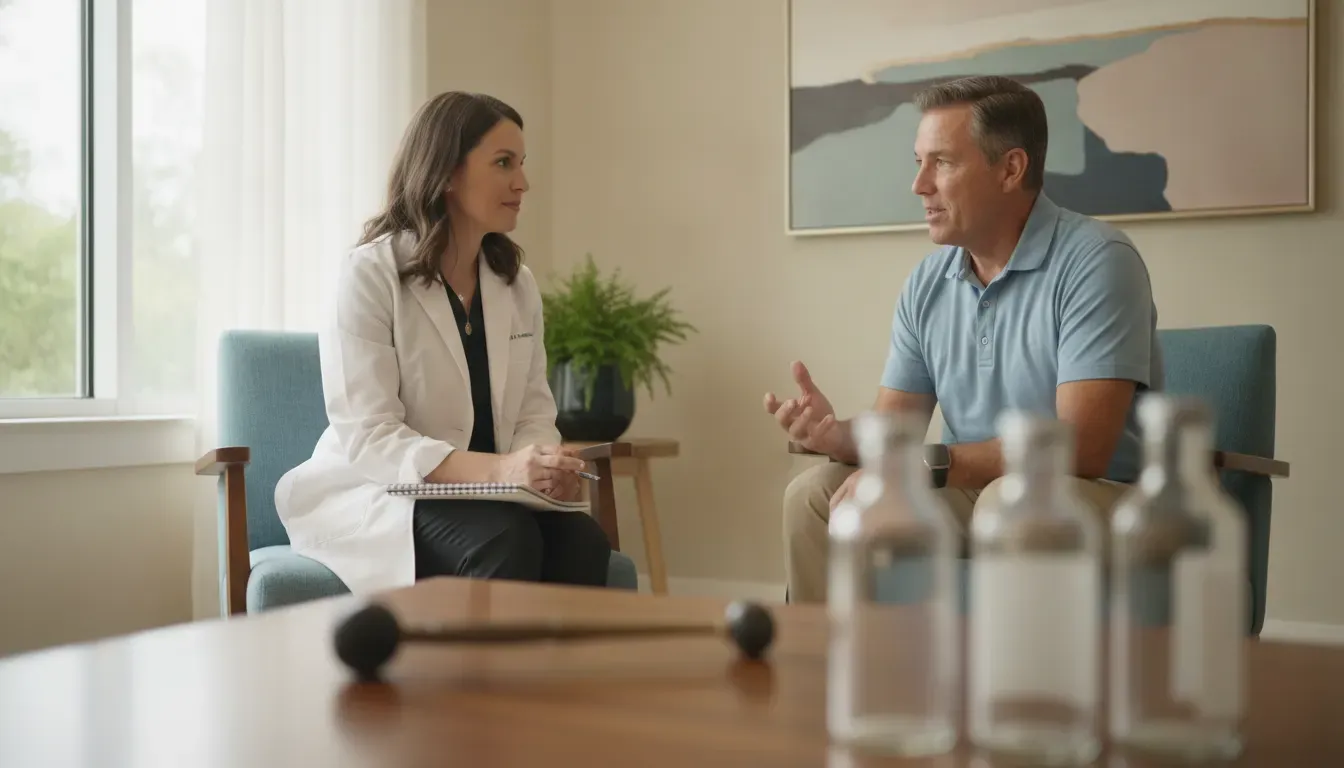
While the Graston Technique is a powerful tool for healing, it’s not the right fit for every person or every situation. Your safety and well-being are always the top priority, which is why a thorough health assessment is the first step in any treatment plan. Certain health conditions can make this type of soft tissue mobilization unsafe or ineffective. It’s crucial to have an open and honest conversation with your provider about your complete medical history before starting treatment.
Think of it as a partnership. Your provider brings their expertise in physical medicine, and you bring the essential knowledge of your own body and health history. Together, you can determine if the Graston Technique is the best path forward for you. If it isn't, we can explore other effective therapies to help you reach your goals. Below are some specific situations where this technique is generally not recommended, or where it might be best to wait.
Medical Reasons to Skip This Treatment
Certain underlying medical conditions make the Graston Technique unsuitable. Because the treatment involves applying firm pressure to the skin and underlying tissues, it’s not recommended for anyone with open wounds or unhealed bone fractures in the treatment area. Applying pressure could interfere with the natural healing process or cause further injury. Additionally, individuals with certain types of cancer or chronic, uncontrolled high blood pressure should avoid this therapy, as it can create unnecessary risks. Your health history provides the roadmap for safe and effective care, ensuring any treatment you receive supports your body’s healing, rather than hindering it.
Considerations During Pregnancy
Pregnancy is a time of incredible change, and your body's needs shift accordingly. When it comes to the Graston Technique, caution is key. The treatment is generally not recommended for use over the abdomen, lower back, or pelvic area during pregnancy. This is to ensure the safety and comfort of both you and your baby by avoiding direct pressure on these sensitive areas. While you might still be able to receive treatment for issues in other parts of your body, like your neck or shoulders, it’s essential to have a detailed conversation with your provider. Every pregnancy is unique, and we always prioritize a safe and gentle approach to care during this important time.
Other Health Conditions to Discuss with Your Doctor
A transparent conversation about your health history is the most important part of ensuring your treatment is both safe and effective. The Graston Technique is not suitable for individuals with certain health issues. For example, if you have a history of deep vein thrombosis (blood clots), are taking blood thinners, or have an active infection, this therapy could pose a risk. It's also contraindicated for areas with unhealed fractures, tumors, or open wounds. Conditions like uncontrolled high blood pressure or kidney problems also require careful consideration. Sharing your full medical background allows us to create a personalized and safe treatment plan for you, ensuring we choose the right therapies to support your health goals. If you have any questions about your specific situation, please don't hesitate to contact our team.
A Special Note on Blood Clots and Circulation
If you have a history of blood clotting disorders, such as deep vein thrombosis (DVT), the Graston Technique is not for you. The deep pressure used during a session could potentially dislodge a blood clot, which can lead to a serious medical emergency. Similarly, if you are currently taking blood thinners (anticoagulants), the risk of significant bruising and bleeding increases. It’s vital to inform your practitioner about any circulatory conditions or medications you’re taking. This transparency allows us to tailor our services to your specific needs and choose a therapy that is both safe and beneficial for your circumstances.
Good Reasons to Reschedule Your Appointment
Sometimes, the issue isn't if you can have the Graston Technique, but when. If your body is fighting an active infection, it's best to postpone your session until you've fully recovered to avoid potentially spreading the infection. The same advice applies if you have a tumor in the area to be treated or an unhealed bone fracture that needs more time. If your blood pressure is currently uncontrolled, it’s important to get it managed before proceeding with treatment. Always let your provider know if you’re feeling unwell or have had any recent health changes before your appointment. We can always reschedule for a time when your body is ready.
Are the Side Effects Dangerous?
It’s completely understandable to have questions about the safety of any new treatment. When it comes to the Graston Technique, you can rest assured that it is widely considered a safe and effective therapy. The side effects are typically mild, temporary, and, perhaps surprisingly, a sign that the treatment is working as intended. Think of it this way: the technique is designed to break up restrictive scar tissue and increase blood flow to promote healing. The visible signs, like redness or bruising, are simply your body’s natural response to this process.
Most people experience some minor bruising, tenderness, or light swelling in the treated area. These effects are a normal part of the inflammatory process that kicks off your body’s healing cascade. They usually fade within a few days, leaving behind healthier, more mobile tissue. At Ascend Functional Health, our approach to physical medicine always prioritizes your comfort and safety. We'll walk you through what to expect and ensure the pressure is appropriate for you, making adjustments as needed to keep the treatment productive and manageable.
Is It Safe? What the Research Says
The research and clinical experience surrounding the Graston Technique support its safety. While you might feel some soreness after your session, it’s generally not severe. This post-treatment tenderness is often described as similar to how you’d feel after a tough workout. It’s an indication that the targeted tissues have been stimulated and that positive changes are underway. As the old adhesions and scar tissue break down, your body gets to work rebuilding stronger, more flexible tissue in its place. This controlled microtrauma is precisely what stimulates the healing you’re looking for.
A Safer Alternative to Surgery and Medication
For many people dealing with chronic pain, the Graston Technique offers a powerful alternative to more invasive options like surgery or long-term medication. It’s a non-invasive therapy designed to work with your body, not against it. The treatment is widely considered safe, and the mild side effects like bruising or tenderness are actually signs that your body is responding correctly. This controlled inflammatory response is what stimulates your body’s natural healing abilities, helping to repair damaged tissue from the inside out. Instead of just masking symptoms, this approach helps resolve the underlying problem, offering a path to lasting relief without the risks and recovery time associated with more aggressive procedures.
How It Compares to a Deep Tissue Massage
While a deep tissue massage is great for general muscle tension, the Graston Technique takes it a step further with a more targeted approach. A practitioner’s hands are excellent for finding large knots, but the specially designed stainless-steel instruments can detect smaller, more specific adhesions in your muscles and fascia that fingers might glide right over. This precision allows for a more focused treatment of the problem areas. It’s a key part of our Physical Medicine services because it allows us to address the root cause of your pain with incredible accuracy, helping to restore healthy movement and function more effectively than massage alone.
Debunking Common Graston Technique Myths
One of the biggest misconceptions is that the bruising or redness from the Graston Technique is a sign of damage. In reality, these are expected outcomes. You might see small red dots under the skin, known as petechiae, which are simply a result of increased blood flow and the release of underlying tissue restrictions. It’s a low-risk treatment with predictable side effects. The key to a safe and effective session is open communication. While discomfort is normal, sharp pain is not. Always let your practitioner know how you’re feeling so they can adjust the technique for you.
The Importance of a Certified Practitioner
While it might be tempting to think of the Graston Technique as something you could try at home, it’s crucial to work with a trained professional. A certified practitioner has gone through specific training to understand the nuances of the technique, from the right amount of pressure to the correct angle for the instruments. This expertise is what makes the treatment both safe and effective. Before even beginning, a qualified provider will conduct a thorough health assessment to ensure you're a good candidate and to identify any potential risks, like a history of blood clotting disorders. This is a key part of our approach to physical medicine—we always start with a complete picture of your health to create a safe and personalized plan. They also know how to interpret your body’s feedback during the session, ensuring the pressure is therapeutic, not harmful, which leads to better, faster results.
What to Know Before Your First Session
Walking into any new treatment can feel a bit nerve-wracking, but knowing what to expect can make all the difference. The Graston Technique is a highly effective therapy, and being prepared helps you get the most out of every session. It’s all about understanding your body’s response to the treatment and knowing how to support the healing process.
Think of your first appointment as a partnership between you and your practitioner. Your role is to communicate what you’re feeling, and their role is to guide the treatment and answer your questions. When you’re informed, you can relax and trust the process. We’ll cover what’s normal to experience after a session and how you can prepare to make your treatment as smooth and successful as possible. This knowledge empowers you to be an active participant in your own health journey.
What to *Really* Expect from Treatment
It’s completely normal to experience a few temporary side effects after a Graston Technique session. The most common ones are mild bruising, redness, and some tenderness in the treated area. This isn't cause for alarm; in fact, it’s a sign that the treatment is working. The instruments are designed to break down scar tissue and increase blood flow, and these reactions show that your body is kicking its natural healing process into high gear.
These side effects are typically short-lived, usually fading within a few days. Some people even find that the initial soreness is a "good" ache, signaling that tight, restricted tissues have finally been addressed. Our approach to physical medicine is centered on helping your body heal itself, and these responses are a visible part of that powerful process.
The Tools Used in a Session
The Graston Technique is sometimes called "muscle scraping," which sounds a bit intense, but it's a gentle and controlled process. Your practitioner will use a set of smooth, stainless-steel instruments to glide over your skin. These tools act as an extension of their hands, allowing them to feel for fibrous or scarred tissue, often called adhesions, with incredible precision. These adhesions can develop after an injury or from repetitive strain, and they often restrict movement and cause pain. The instruments are specifically designed to resonate when they pass over these restrictions, helping us pinpoint the exact source of your discomfort for a more targeted and effective treatment.
A Typical Session Breakdown
Once these problem spots are identified, the tools are used to gently break down the scar tissue and fascial restrictions. This process creates a controlled inflammatory response, which might sound counterintuitive, but it’s actually a good thing. It increases blood flow to the area, bringing in fresh oxygen and nutrients that kickstart your body’s natural healing process. This is a core principle of our physical medicine approach—we work with your body to resolve the root cause of pain. The goal is to help your body remodel the tissue correctly, leading to less pain, better flexibility, and improved function over time.
Your Treatment Plan Timeline
While every person’s body responds differently, most people find that any discomfort or visible marks from the treatment fade within a few days. What’s left behind is often improved mobility and less pain than before. Your individual experience will depend on a few key factors, including the area being treated, how long you've had the condition, and your body’s unique response to the therapy. We create a personalized plan for you, adjusting as we go to ensure you get the best results. Many of our patients have shared how this process has helped them get back to the activities they love, which you can read about in their testimonials.
Your Pre-Appointment Checklist
A little preparation can go a long way. Before your appointment, make sure you’re well-hydrated, as this helps your soft tissues respond better to treatment. It’s also a good idea to wear comfortable, loose-fitting clothing that allows easy access to the area being treated. Don’t hesitate to ask your practitioner questions before you begin. You might want to know what to expect during the session, what you should do for aftercare, or how many treatments they anticipate you’ll need.
Open communication is key. If you have any concerns, voice them! Your comfort and confidence are important. Understanding the full scope of the conditions we treat can also help you see how this technique fits into a larger, personalized care plan designed just for you.
Why Do These Side Effects Happen?
Seeing bruises or feeling sore after a treatment can be unsettling, but when it comes to the Graston Technique, these responses are actually a good sign. The side effects you experience are a visible signal that your body is beginning the important work of healing. Instead of being a cause for alarm, they indicate that the treatment is successfully targeting the root cause of your pain and restriction.
Think of it as a productive conversation between the practitioner's tools and your body's tissues. The technique creates a controlled, therapeutic inflammatory response that kickstarts your natural repair cycle. This process is essential for breaking down old, dysfunctional tissue and rebuilding it in a healthier, more organized way. It’s a fundamental part of our physical medicine approach, where we guide the body to repair itself. Understanding why these side effects occur can help you feel more confident and comfortable throughout your recovery.
Understanding Your Body's Healing Response
So, what’s happening under your skin? The Graston Technique uses specially designed stainless steel instruments to detect and treat areas of scar tissue and fascial restrictions. These adhesions can develop after an injury or from repetitive strain, limiting your range of motion and causing pain. The instruments glide over your skin, allowing your practitioner to pinpoint these problem spots and apply precise pressure.
This process effectively breaks down the restrictive scar tissue and tangled connective fibers. As this happens, it’s normal to see some redness, which is caused by increased blood flow to the area. This rush of blood is exactly what you want—it brings oxygen and nutrients that are vital for healing. The bruising and soreness are simply the results of breaking up that tough, stubborn tissue.
The Natural Healing Process Explained
The Graston Technique intentionally creates what’s called "micro-trauma" in the targeted soft tissues. It might sound a bit intense, but it’s very similar to the process your muscles go through after a good workout. When you lift weights, you create tiny tears in your muscle fibers, and as they heal, the muscles become stronger. The Graston Technique works on the same principle.
By creating this controlled inflammatory response, we’re signaling your body to start its natural healing cascade. This process clears out the old, damaged tissue and lays down new, healthy collagen fibers. This is how the body rebuilds stronger, more flexible tissues, which is key for treating many of the chronic conditions we see. The temporary soreness is just a part of that powerful rebuilding phase.
Frequently Asked Questions
Is the Graston Technique painful? You can expect to feel some intensity during the session, much like a deep tissue massage, but it shouldn't be sharply painful. Your practitioner will be in constant communication with you to make sure the pressure is productive but still within your comfort level. The goal is to challenge the restricted tissue, not to cause unnecessary pain.
Why is bruising considered a good thing with this treatment? It’s natural to be concerned about bruising, but in this case, it’s a positive sign that the therapy is working. The discoloration shows that we’ve successfully broken down old, stubborn scar tissue and increased blood flow to the area. This process kickstarts your body’s natural repair cycle, allowing it to build new, healthier tissue in its place.
What's the difference between the Graston Technique and a deep tissue massage? While both treatments address muscle tension, the Graston Technique is much more specific. A practitioner's hands are great for finding larger knots, but the stainless-steel instruments allow us to detect and treat smaller, more precise areas of scar tissue and fascial restriction that hands can easily miss. This targeted approach helps us get to the root of the problem more effectively.
How soon will I notice an improvement? Every person’s body responds differently, but many people report feeling an increased range of motion and less stiffness after their very first session. The most significant and lasting results typically come from a series of treatments, as your body needs time to heal and remodel the tissue. The goal is to create lasting change, not just temporary relief.
What should I do to prepare for my first appointment? Preparing for your session is simple. The most important things you can do are to drink plenty of water throughout the day and wear comfortable, loose-fitting clothing that allows your practitioner to easily access the area being treated. It’s also helpful to think about your goals and any questions you might have so you can feel confident and informed.