Think of your body like a high-performance computer. Your bones and muscles are the hardware, but your nervous system is the software that tells everything what to do. After an injury or from years of poor posture, that software can develop bugs. The signals from your brain to your muscles get scrambled, leading to inefficient movement, pain, and instability. You can have perfectly strong hardware, but if the software is faulty, you’ll never function at your best. Neuromuscular reeducation is the essential software update for your body, retraining those neural pathways to ensure your brain and muscles are communicating clearly and correctly.
Key Takeaways
- Retrain your brain to heal your body: This therapy corrects the communication breakdown between your nervous system and muscles. By addressing the source of faulty movement, it provides a path to lasting pain relief, not just a temporary fix.
- A versatile tool for recovery: This is not a one-size-fits-all solution; it's a customized approach for your specific needs. It is highly effective for a wide range of conditions, including post-surgical recovery, sports injuries, and chronic pain.
- Prevent future injuries, not just treat them: The goal is to create lasting change. By improving your body awareness and correcting ingrained movement habits, you build stability and resilience, which significantly reduces your risk of re-injury.
What Is Neuromuscular Reeducation?
Think about how you walk, reach for a cup, or even just stand up. You probably don’t give these movements a second thought. Your brain and muscles work together seamlessly, a coordinated dance directed by your nervous system. But after an injury, surgery, or due to chronic pain, that connection can get fuzzy. Your body might develop faulty movement patterns as a way to compensate, leading to more pain and dysfunction.
Neuromuscular reeducation is a specialized therapy designed to restore that vital mind-body connection. It’s less about building brute strength and more about retraining the conversation between your brain and your muscles to help you move correctly and without pain again.
How Your Nerves and Muscles Communicate
Your nervous system is the body's control center, sending electrical signals to your muscles to tell them when and how to move. When everything is working correctly, this communication is instant and precise. But an injury can disrupt these signals, like static on a phone line. Your body, in an effort to protect itself, might start using the wrong muscles for a job or create awkward movement patterns. Neuromuscular reeducation helps you get back to normal, controlled movement by focusing on retraining this system. It’s a core component of our Physical Medicine approach, helping to re-establish clear communication so your body can function as it should.
Using Brain Plasticity to Recover
The most exciting part of this process is that your brain is designed to adapt. This amazing ability is called neuroplasticity, and it means your brain can create new connections and change itself based on what it learns and experiences. Neuromuscular reeducation is a therapy process that retrains the nervous system and muscles to work together properly by taking advantage of this natural skill. Through specific, repeated exercises and movements, we help your brain forge new, healthier pathways for movement. This allows you to break free from the compensatory patterns that contribute to many of the conditions we treat and build a foundation for lasting recovery.
How Does Neuromuscular Reeducation Work?
Think of neuromuscular reeducation as a way to reset the communication lines between your brain and your muscles. After an injury, surgery, or even from long-term poor posture, these signals can get scrambled. Your body, in an attempt to protect itself, might develop faulty movement patterns to compensate for pain or weakness. For example, you might start limping after an ankle sprain or favor one side of your body after a fall. While this is a smart short-term strategy, it can lead to chronic pain, instability, and a cascade of other issues down the road if left unaddressed. This is where neuromuscular reeducation comes in. It’s a therapeutic process designed to help you unlearn those bad habits and retrain your body to move correctly and efficiently again.
It’s a foundational step in any true recovery plan. You can spend hours strengthening a muscle, but if your brain isn't telling it to fire at the right time or in the right sequence, you won't see lasting results. This therapy focuses on the quality of your movements, not just the quantity. It ensures that your brain and muscles are working together in harmony. Before you can fully rebuild strength and mobility, you have to make sure the underlying communication system is working correctly. By restoring this connection, we can help you move with more confidence, reduce your risk of re-injury, and get back to the activities you love without pain.
The Nervous System’s Role in Movement
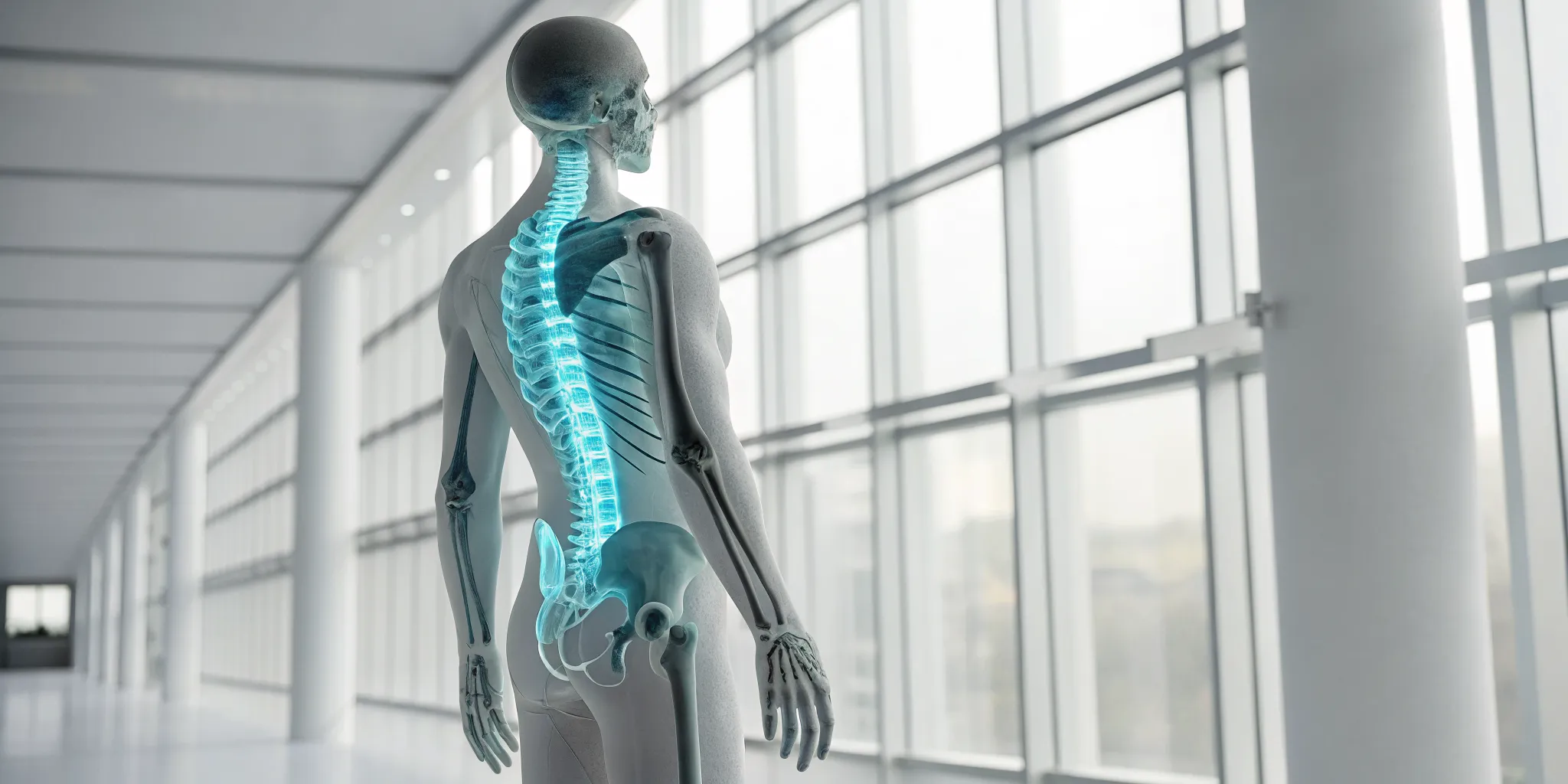
Your nervous system is the master control center for every move you make. It’s a complex network that sends signals from your brain, down your spinal cord, and out to your muscles, telling them when to contract and when to relax. When you get injured, this signaling process can be disrupted. The connection becomes weak or inefficient, which is why you might feel unstable, uncoordinated, or weak, even after the initial injury has healed. Neuromuscular reeducation directly addresses this communication breakdown. The goal is to re-establish a clear and strong connection so your muscles fire in the correct sequence with the right amount of force. Our approach to physical medicine focuses on restoring this vital link to support lasting recovery.
Retraining Your Body's Movement Patterns
The most exciting part of this process is that your brain is designed to adapt. This ability is called neuroplasticity, and it means your brain can create new neural pathways and reorganize itself based on new experiences. Neuromuscular reeducation uses targeted exercises and techniques to take advantage of this incredible ability. We guide your body through specific, controlled movements, helping your brain learn and adopt healthier patterns. This isn't just about strengthening muscles; it's about re-teaching them how to work together as a team. By repeating correct movements, you create and reinforce new, efficient pathways in your nervous system. This helps correct many of the conditions we treat, from chronic back pain to post-surgical instability.
What Conditions Can It Help?
Neuromuscular reeducation is a versatile therapy because it addresses the fundamental connection between your brain and your muscles. It’s not just about treating a symptom; it’s about correcting the root cause of faulty movement patterns. This makes it an effective approach for a surprisingly wide range of issues, from recovering after an accident to managing chronic conditions that affect your daily life. Whether you're an athlete trying to get back in the game, recovering from a neurological event, or simply tired of dealing with persistent pain, this therapy can help retrain your body for better, more efficient movement.
Sports Injuries and Post-Surgical Recovery
If you’ve ever had a significant injury or surgery, you know that healing is more than just letting the tissue repair. Your body often develops compensatory patterns to avoid pain, which can throw your movement out of whack. Neuromuscular reeducation is essential for helping you get back to normal, controlled motion. It focuses on retraining the nervous system, which acts as the control center for your muscles. By re-establishing the correct communication pathways, this therapy ensures your muscles fire in the right sequence with the right amount of force, speeding up your recovery and helping to prevent future injuries.
Neurological Conditions and Stroke Rehabilitation
For individuals managing the effects of certain neurological disorders, neuromuscular reeducation can be a game-changer. Conditions like stroke, Parkinson’s disease, multiple sclerosis, or traumatic brain injury can directly impact the communication lines between the brain, spinal cord, and muscles. This therapy uses targeted exercises and techniques to help the brain remap these connections and find new ways to control movement. It’s a process that leverages the brain's incredible ability to adapt (neuroplasticity), helping patients regain function, improve coordination, and build confidence in their physical abilities.
Chronic Pain and Faulty Movement
Sometimes, chronic pain isn't caused by a new injury but by years of moving incorrectly. Poor posture, old injuries that never fully healed, or repetitive motions can teach your body faulty movement patterns that lead to strain, inflammation, and persistent pain. Neuromuscular reeducation helps identify and correct these ingrained habits. A key goal is to help your body regain its sense of where it is in space, a concept known as proprioception. By improving this internal awareness, you can restore proper posture and muscle function, which often helps to finally get rid of nagging pain and other symptoms.
What Techniques Are Used?
Neuromuscular reeducation isn’t a single method but a collection of powerful techniques designed to restore the connection between your brain and your body. A skilled practitioner will create a personalized plan, often combining several approaches to address your specific needs and goals. Think of it as a customized toolkit for retraining your movement. These techniques work together to help you move more efficiently, reduce pain, and get back to the activities you love. At Ascend, our approach to physical medicine integrates these methods to support your body's natural healing process from the ground up.
Proprioceptive Neuromuscular Facilitation (PNF)
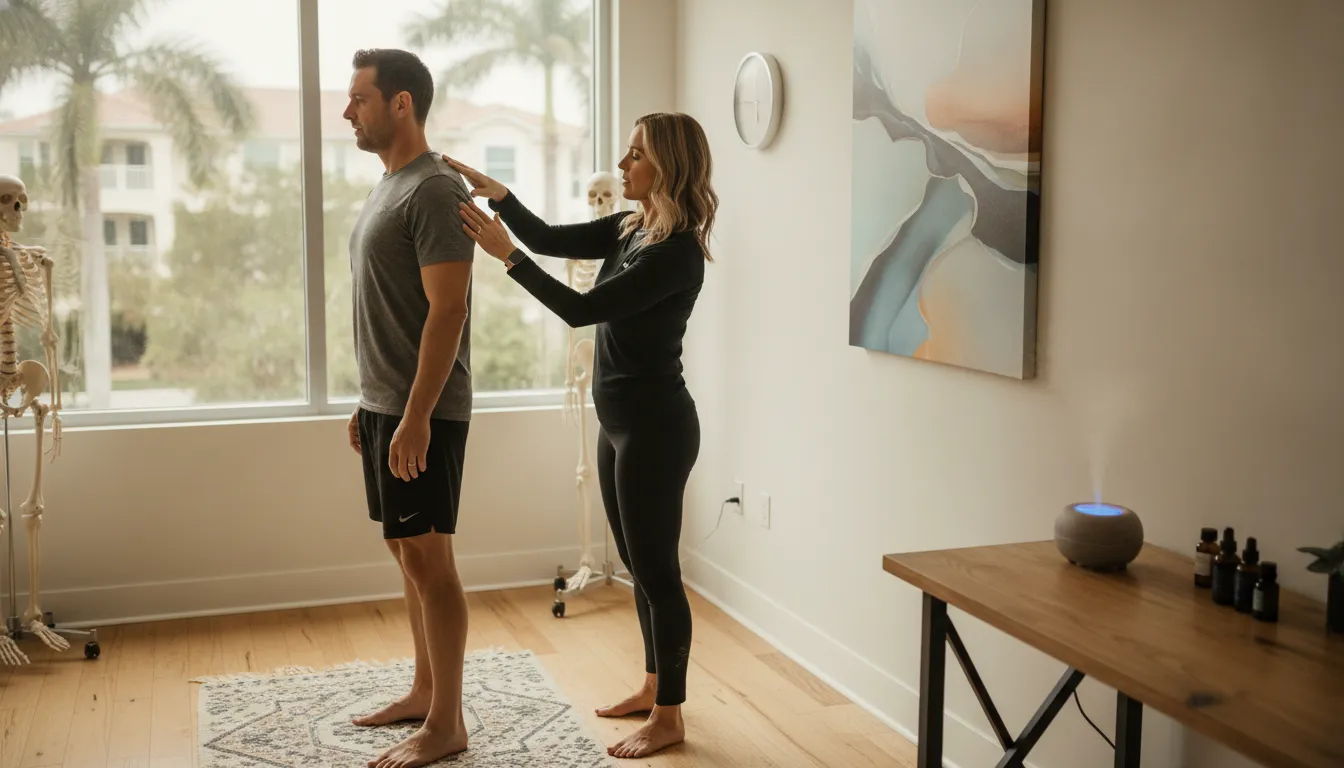
Proprioceptive Neuromuscular Facilitation, or PNF, is a hands-on approach where a therapist helps guide your body through specific movement patterns. It’s a way to re-establish communication pathways between your muscles and nerves. The core idea is that by combining passive stretching with muscle contractions, you can improve both flexibility and strength more effectively. A therapist uses this manual technique to assist your movements, which helps enhance the neuromuscular response. For example, your therapist might guide your arm through a stretch, ask you to resist, and then relax, allowing for a deeper, more effective stretch that your brain registers as a safe and correct movement.
Balance and Gait Training
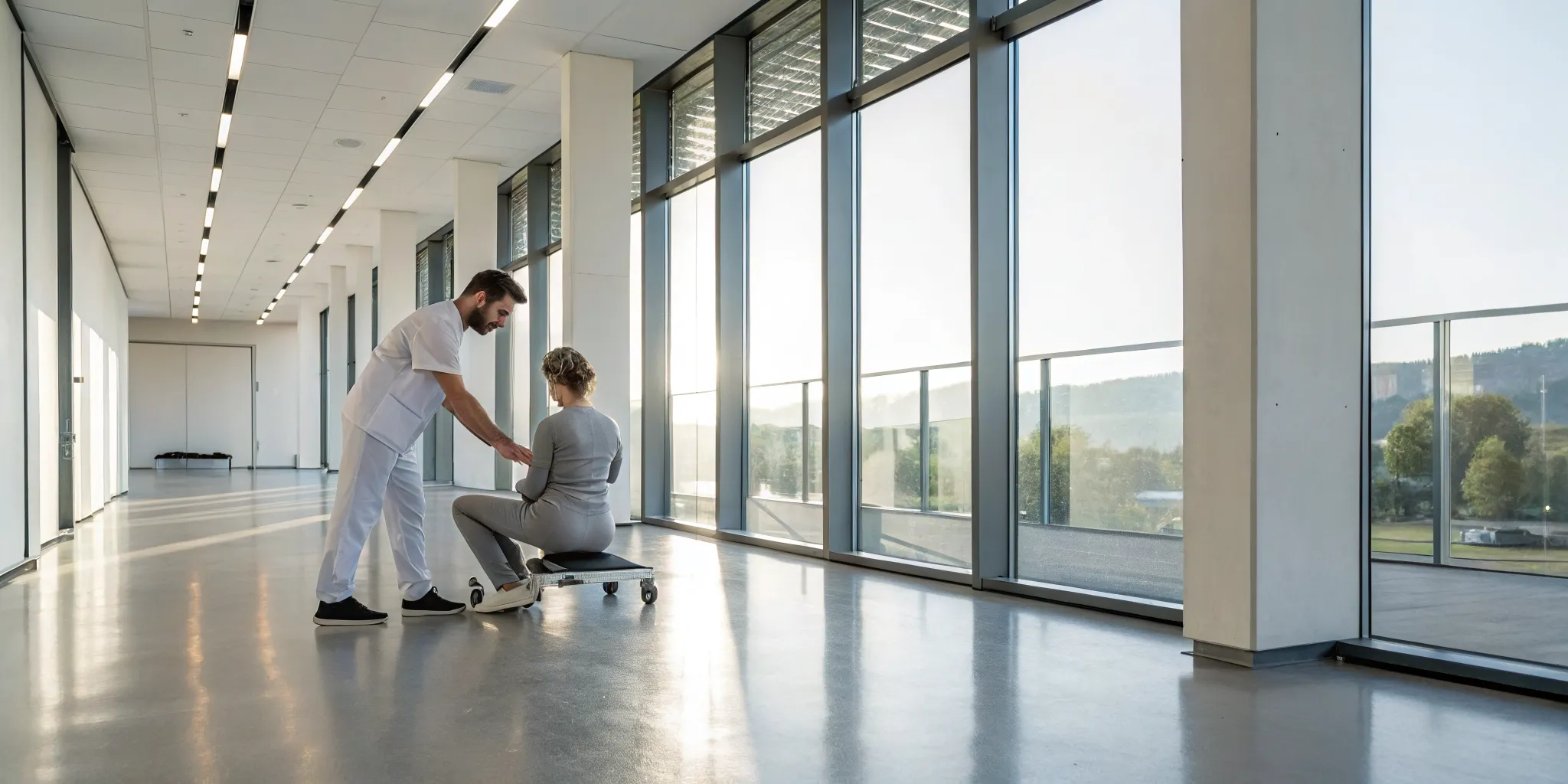
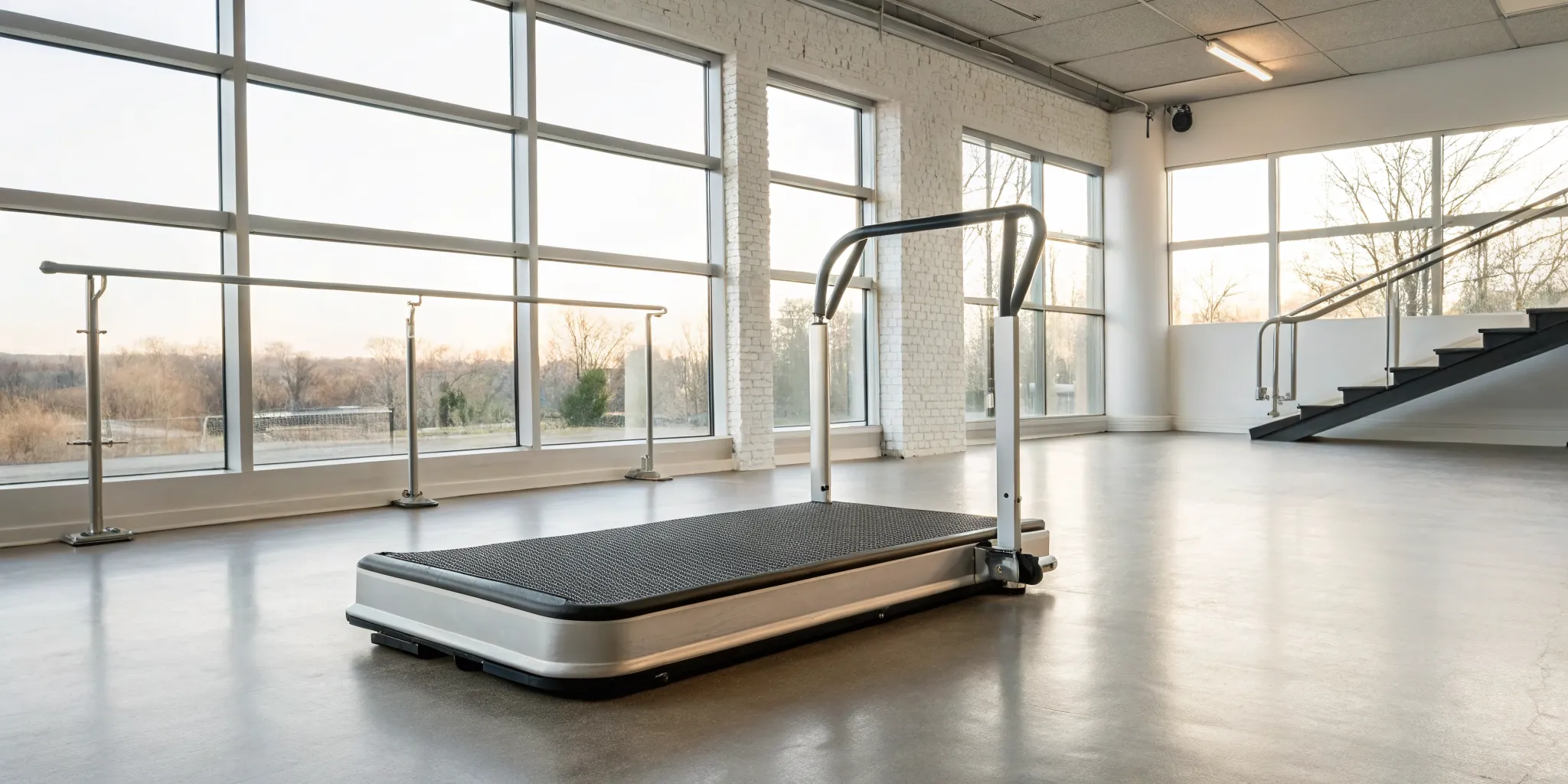
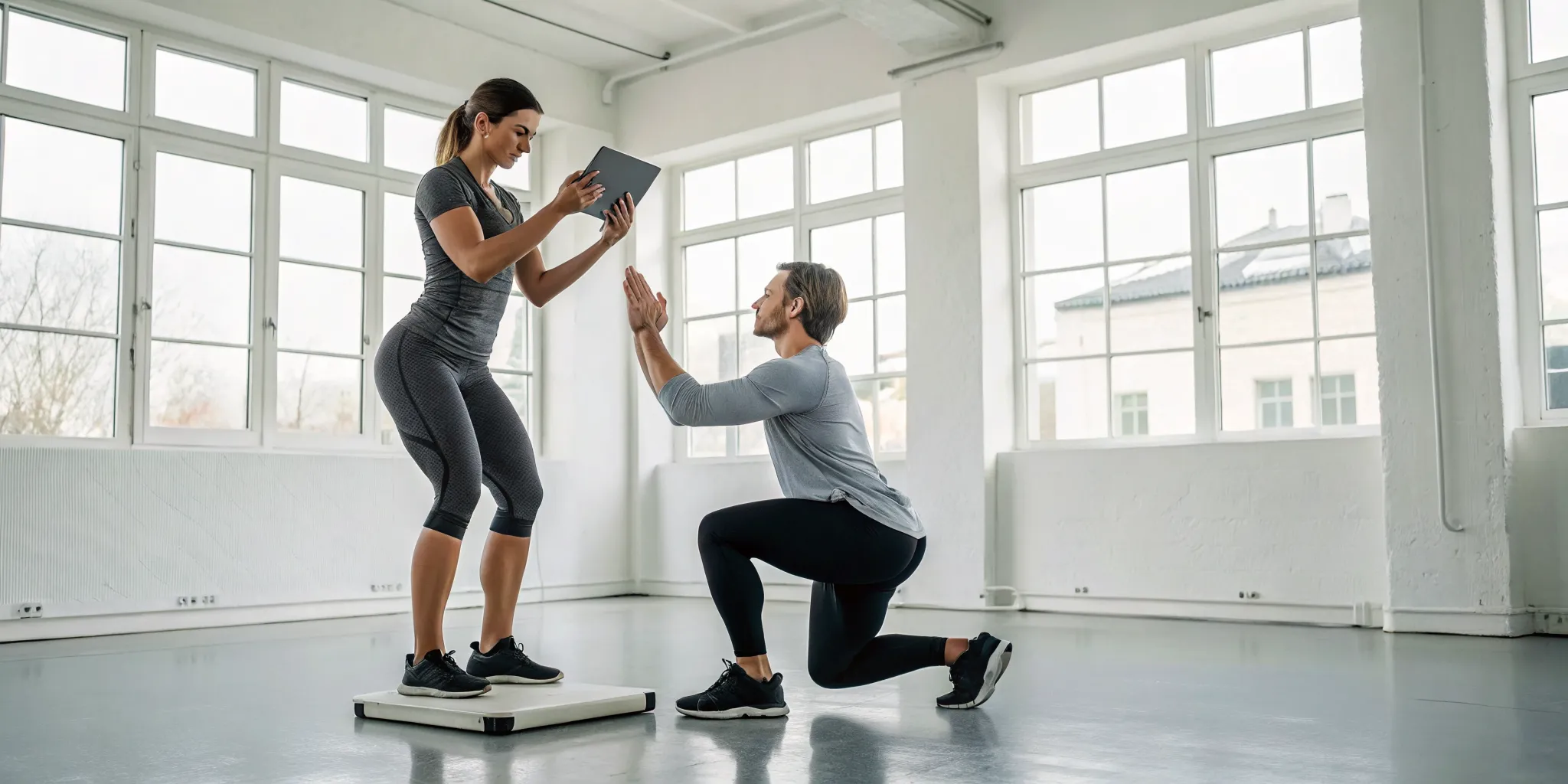
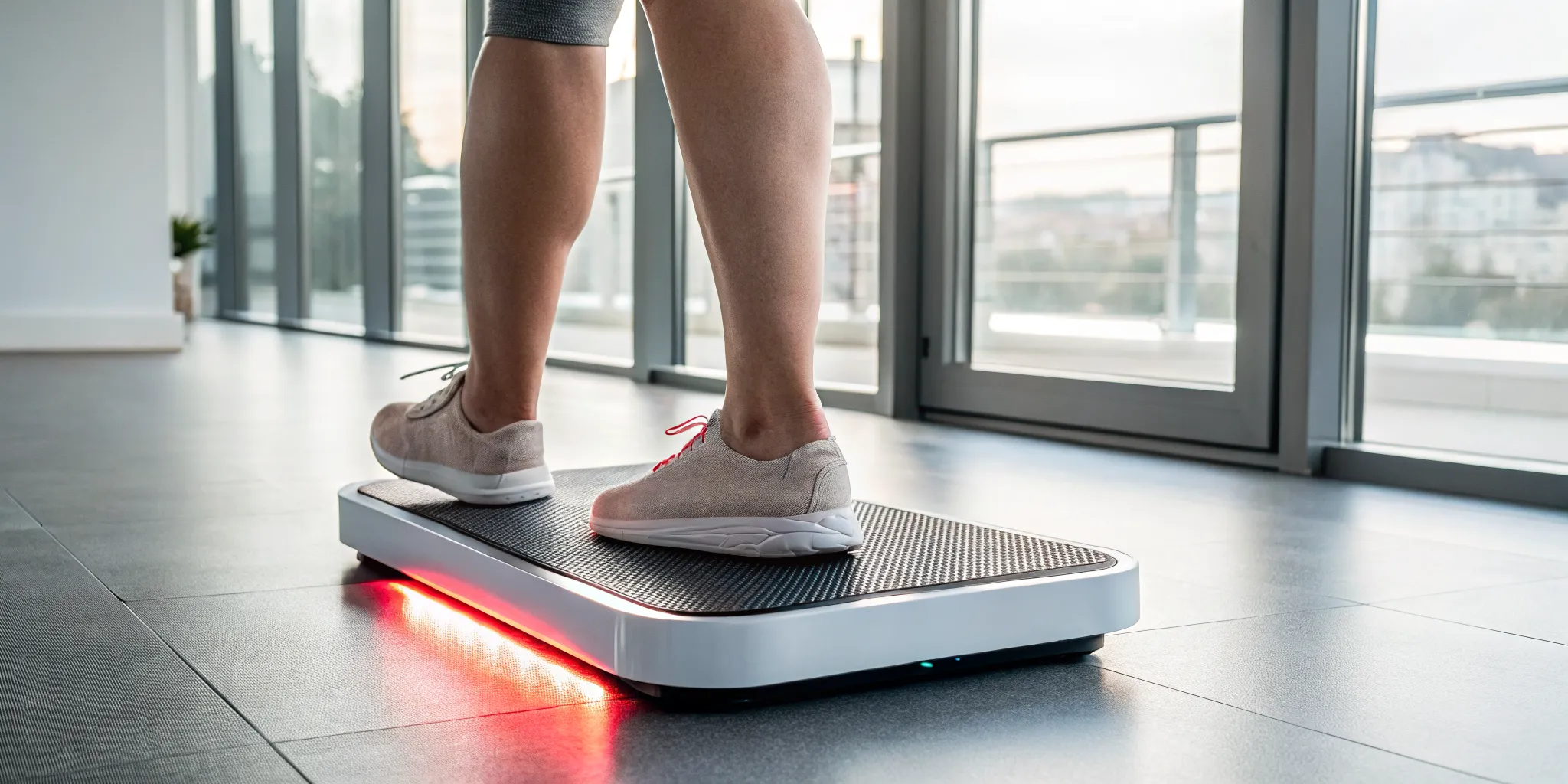
If you’ve ever felt unsteady on your feet or noticed your walking pattern feels "off," balance and gait training can make a world of difference. These are activities specifically designed to improve your stability, strengthen your core, and refine your walking mechanics. Restoring your balance and gait is essential for safe, functional mobility in everyday life. This might involve exercises like standing on one leg, walking in straight lines, or using specialized equipment like balance boards. The goal is to retrain your body to automatically make the small adjustments needed to keep you stable, whether you’re walking on uneven ground or simply getting up from a chair.
Electrical Stimulation and Biofeedback
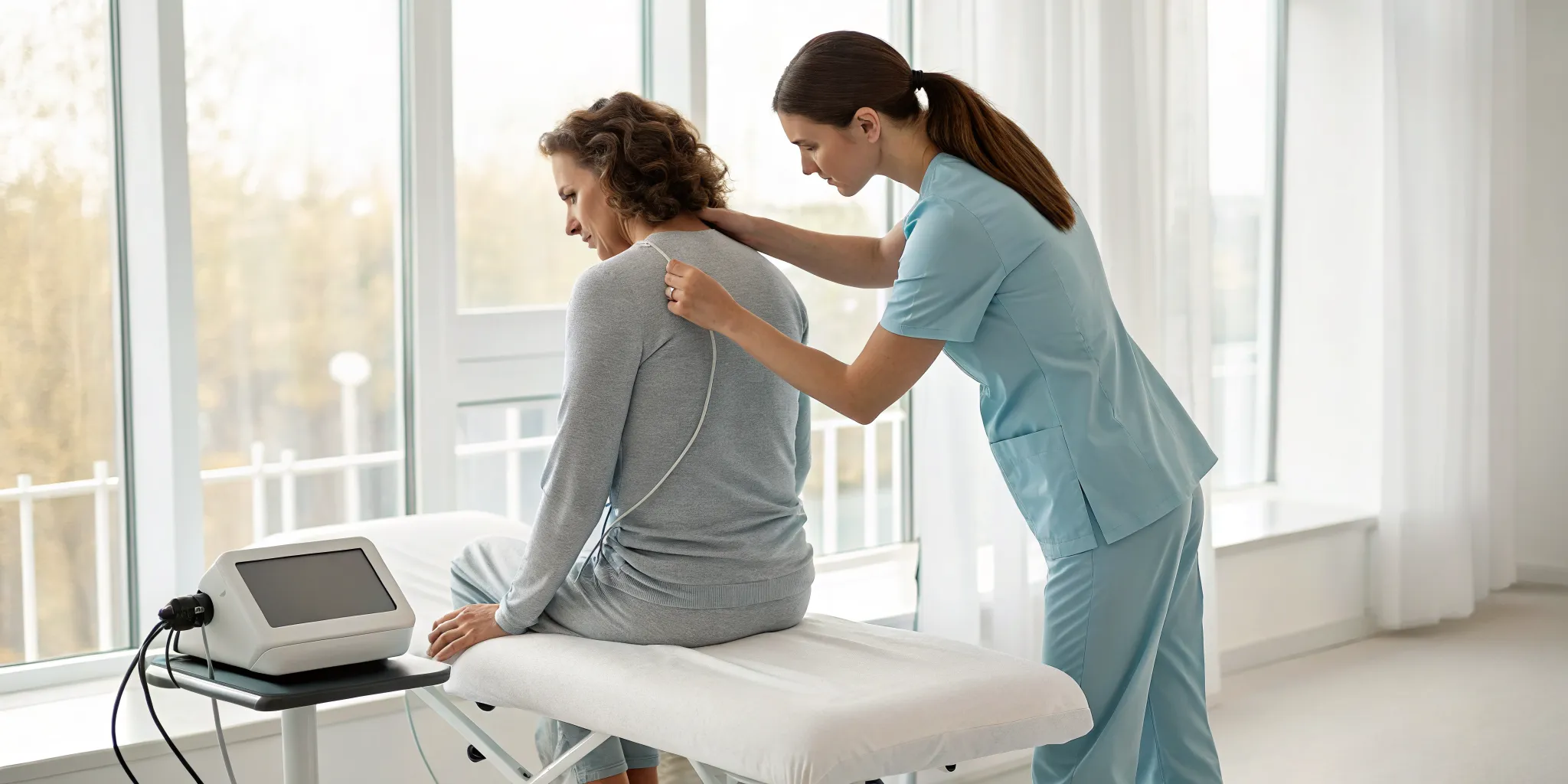
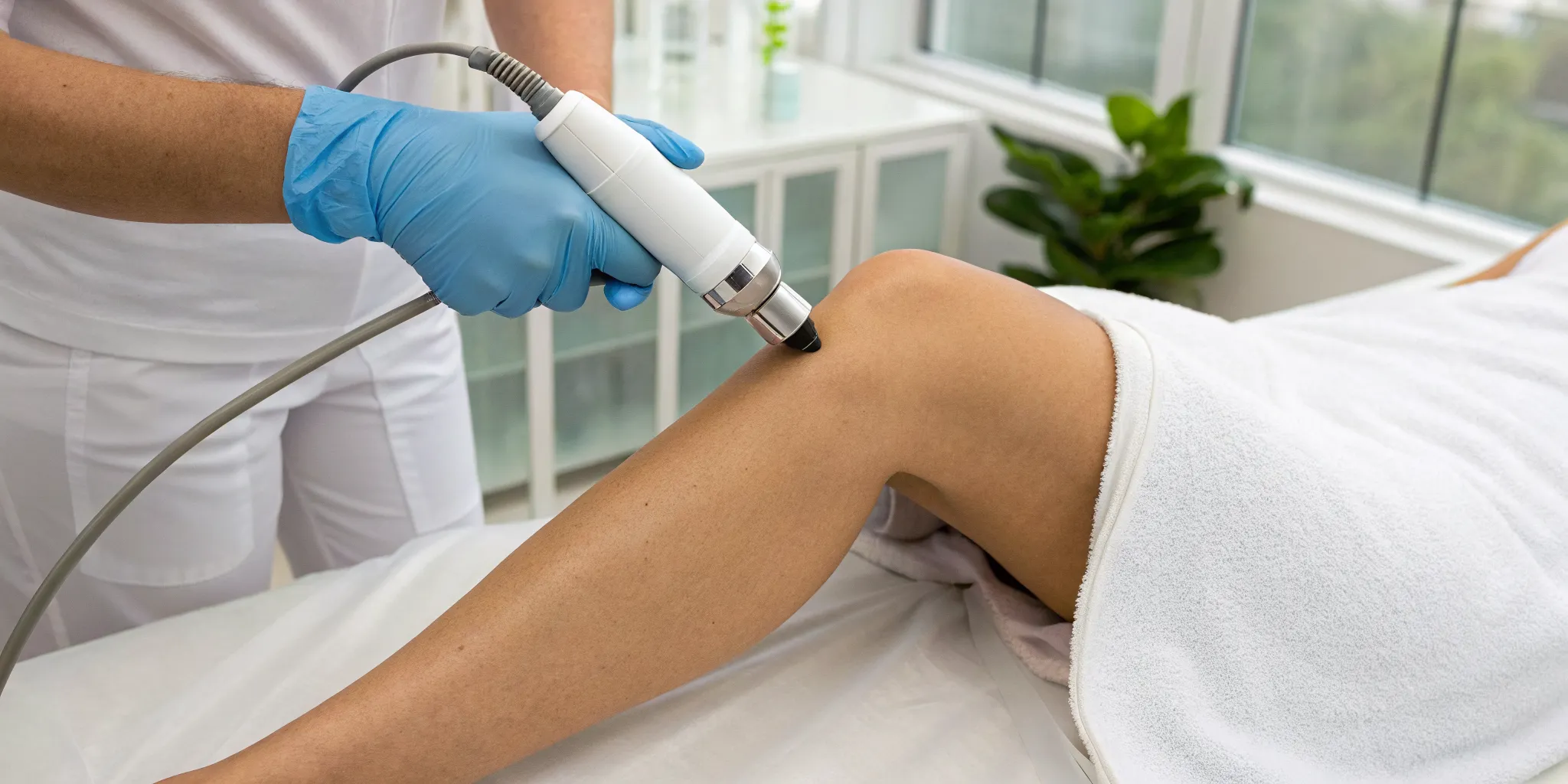
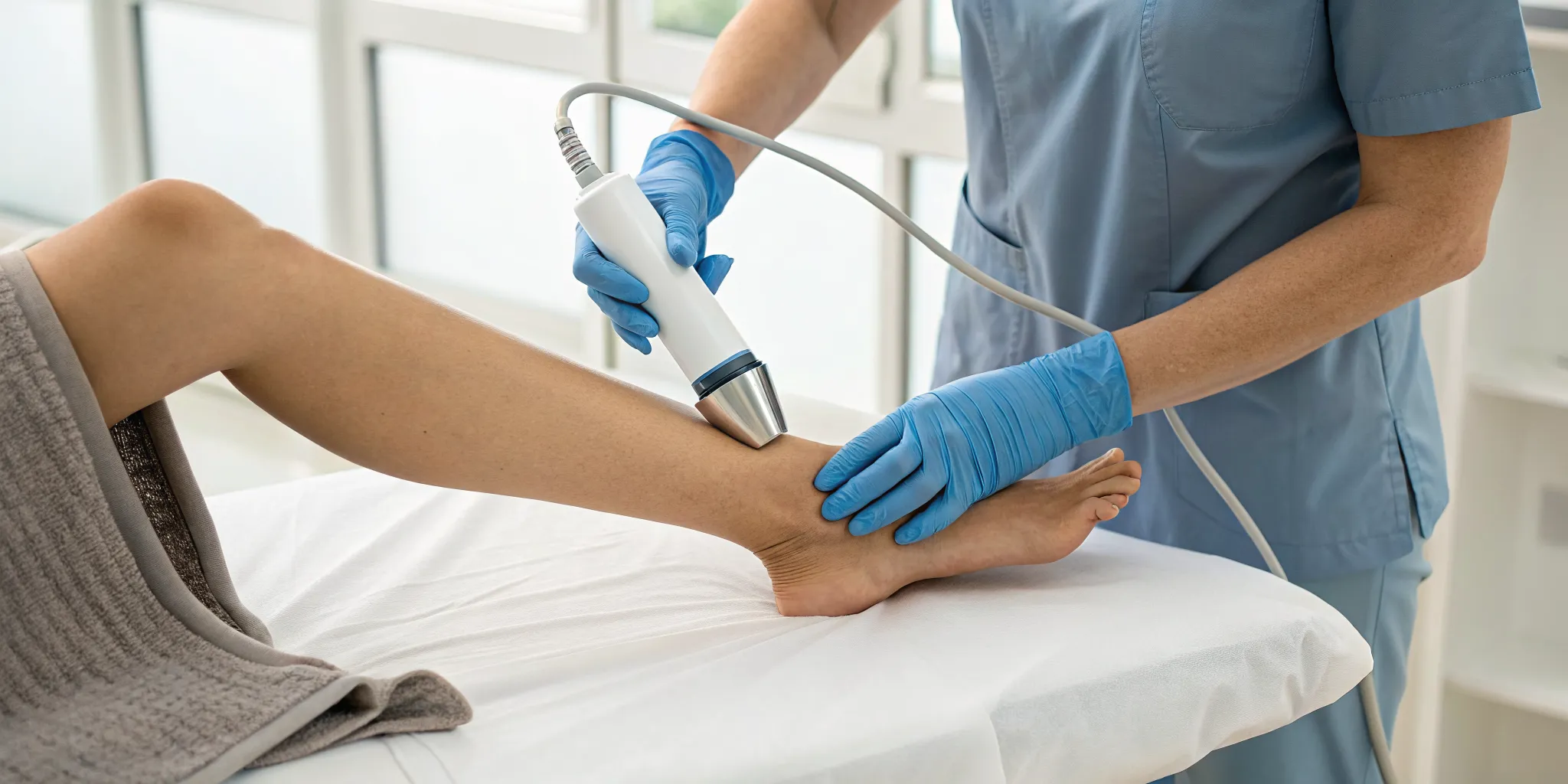
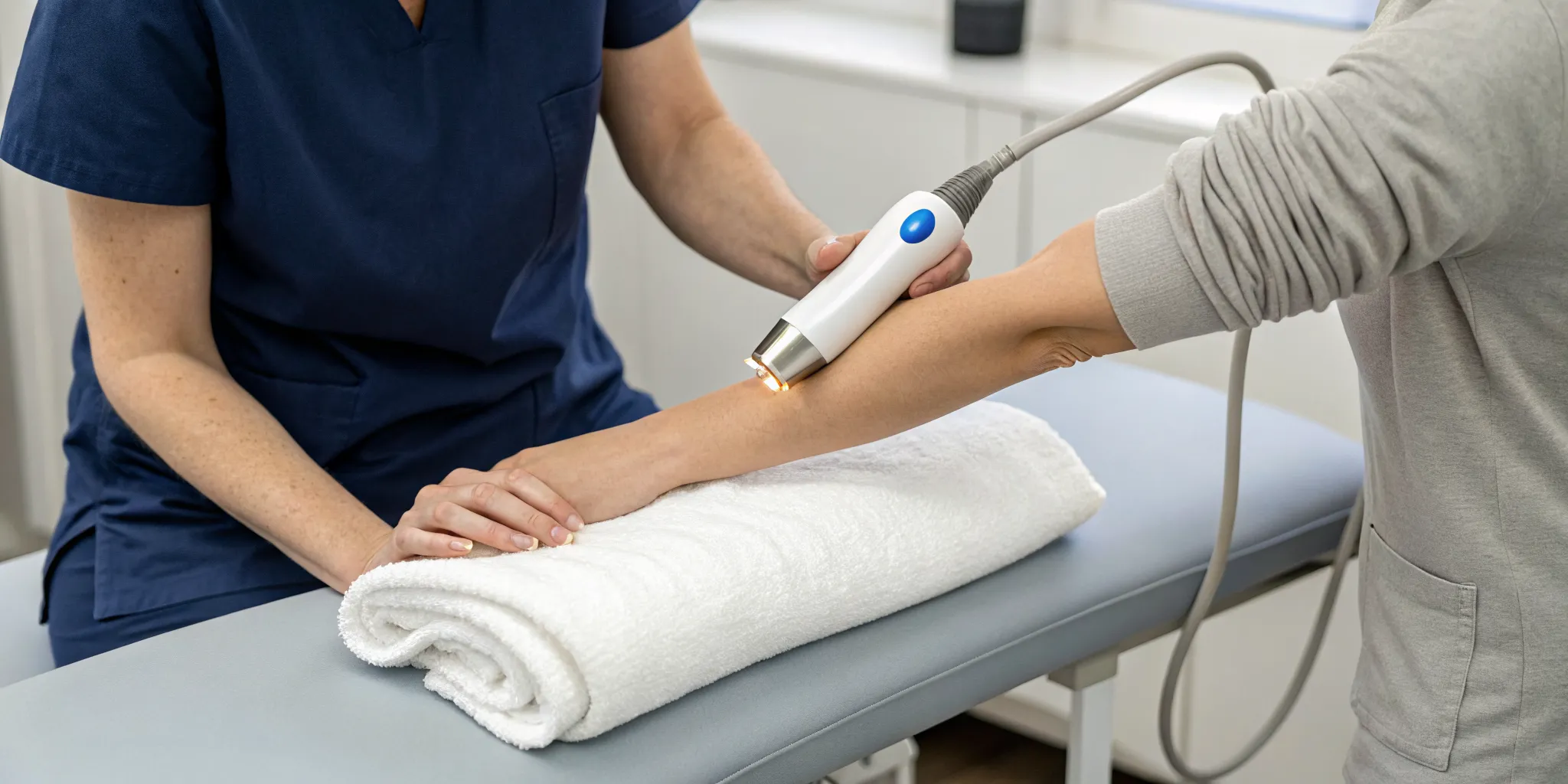
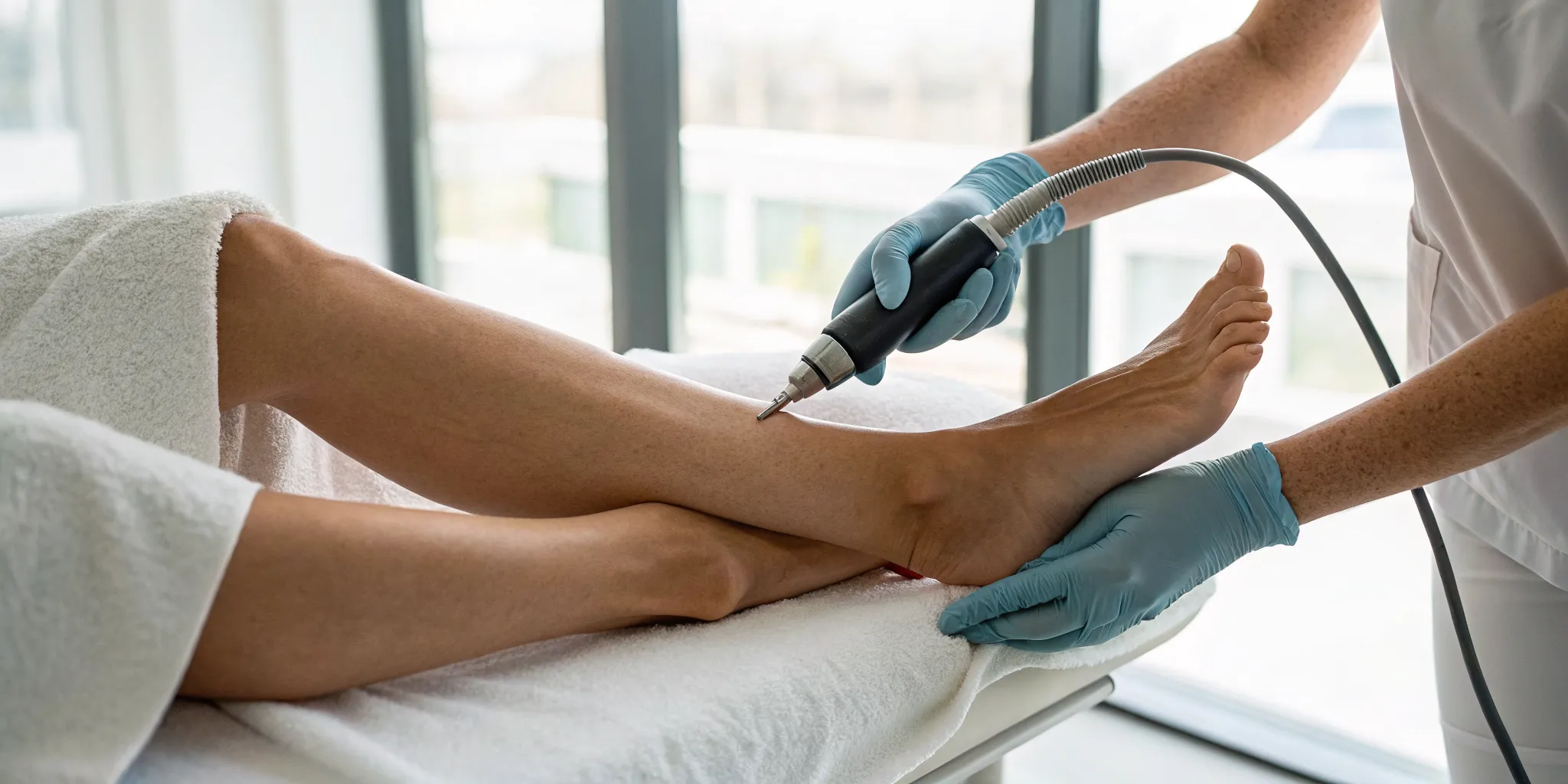
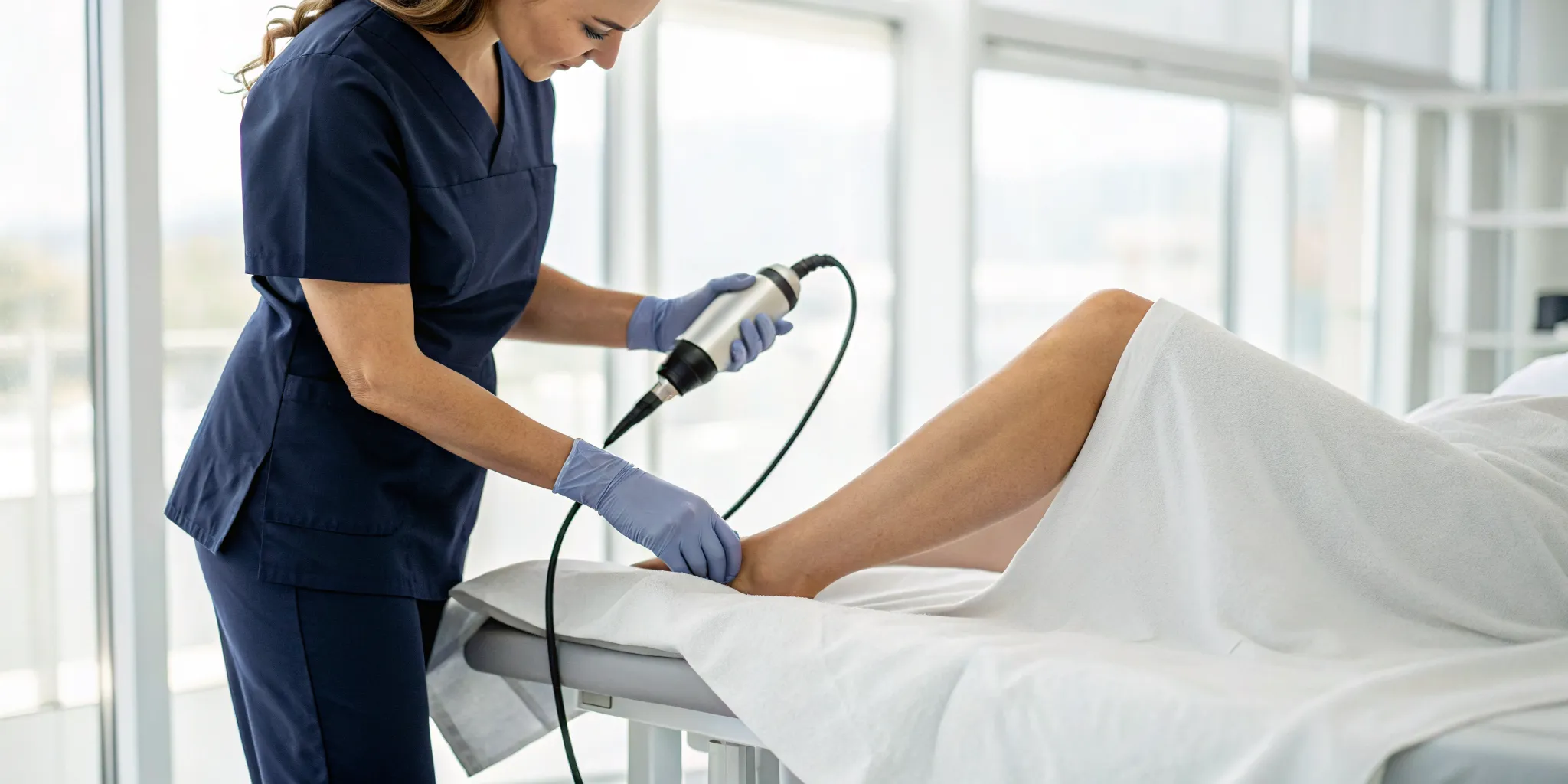
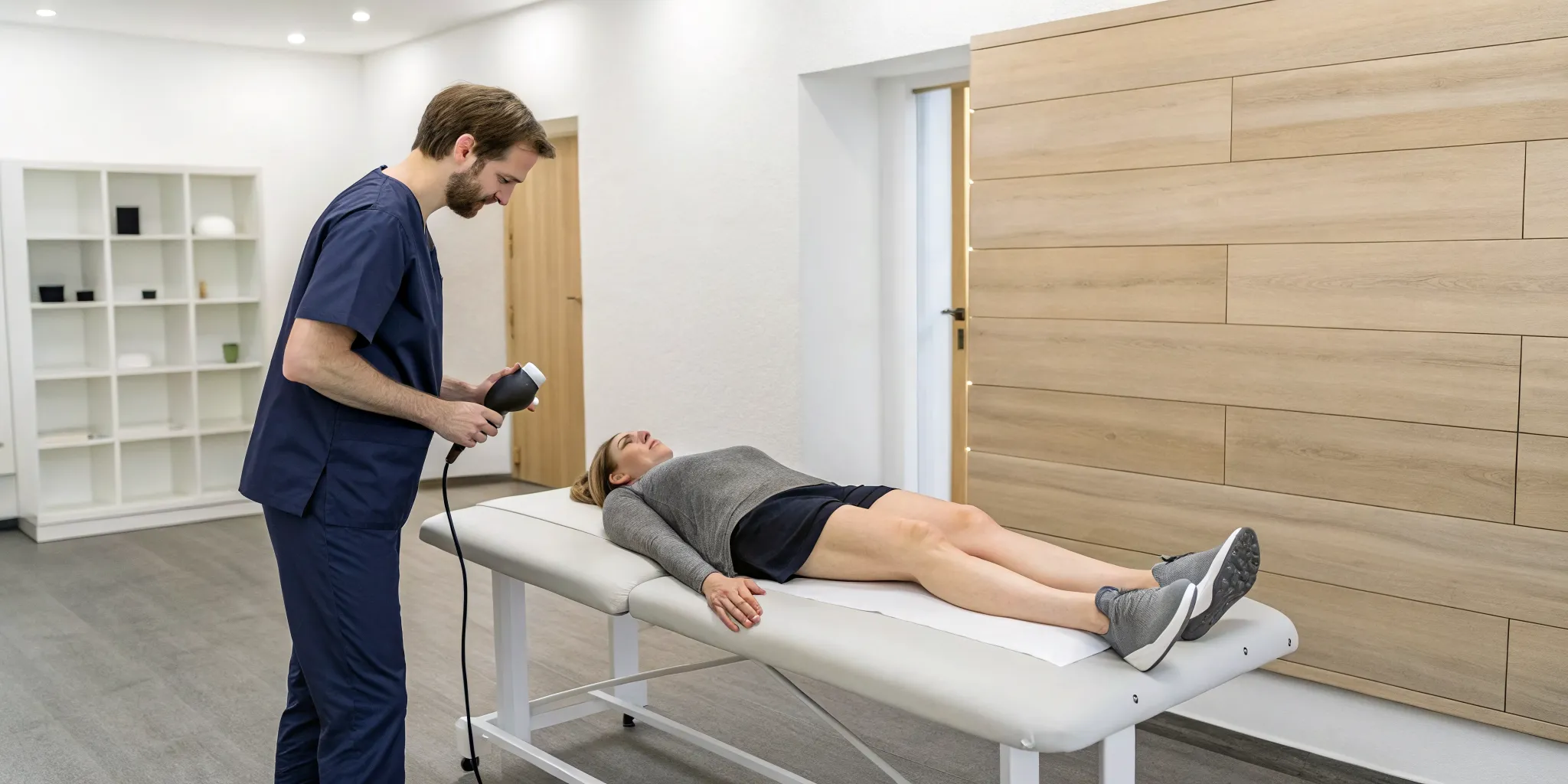
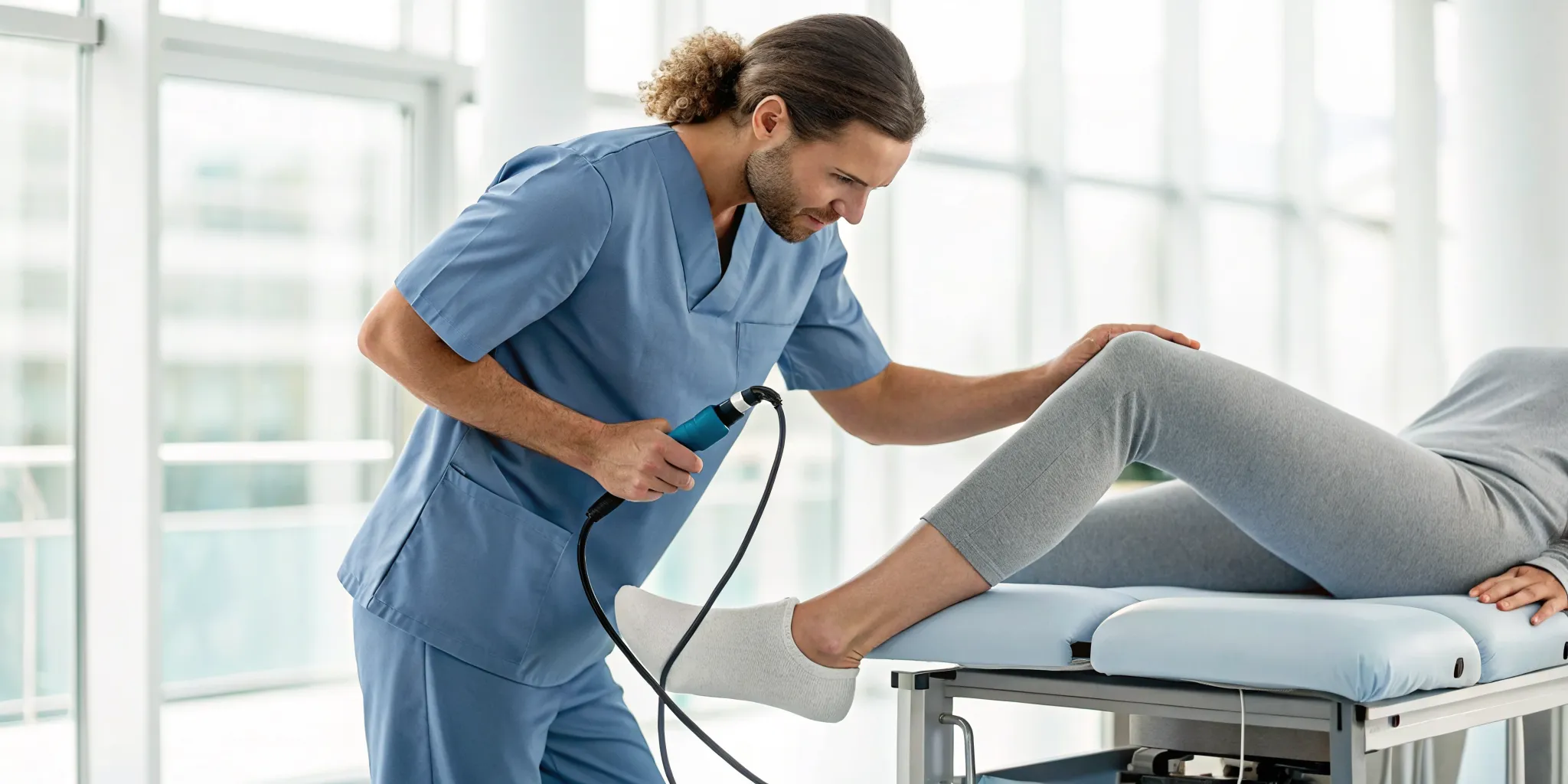
Sometimes, muscles need a little extra encouragement to wake up and function correctly, especially after an injury. Neuromuscular Electrical Stimulation (NMES) uses gentle electrical currents to stimulate a muscle contraction, helping to rebuild strength and control. It’s a way to remind the muscle how to fire properly. On the other hand, biofeedback techniques help you become more aware of your body’s signals. By using sensors that provide real-time feedback on muscle activity, you can consciously learn to control movements that were previously involuntary or uncoordinated, giving you more command over your body.
Therapeutic Exercises and Manual Therapy
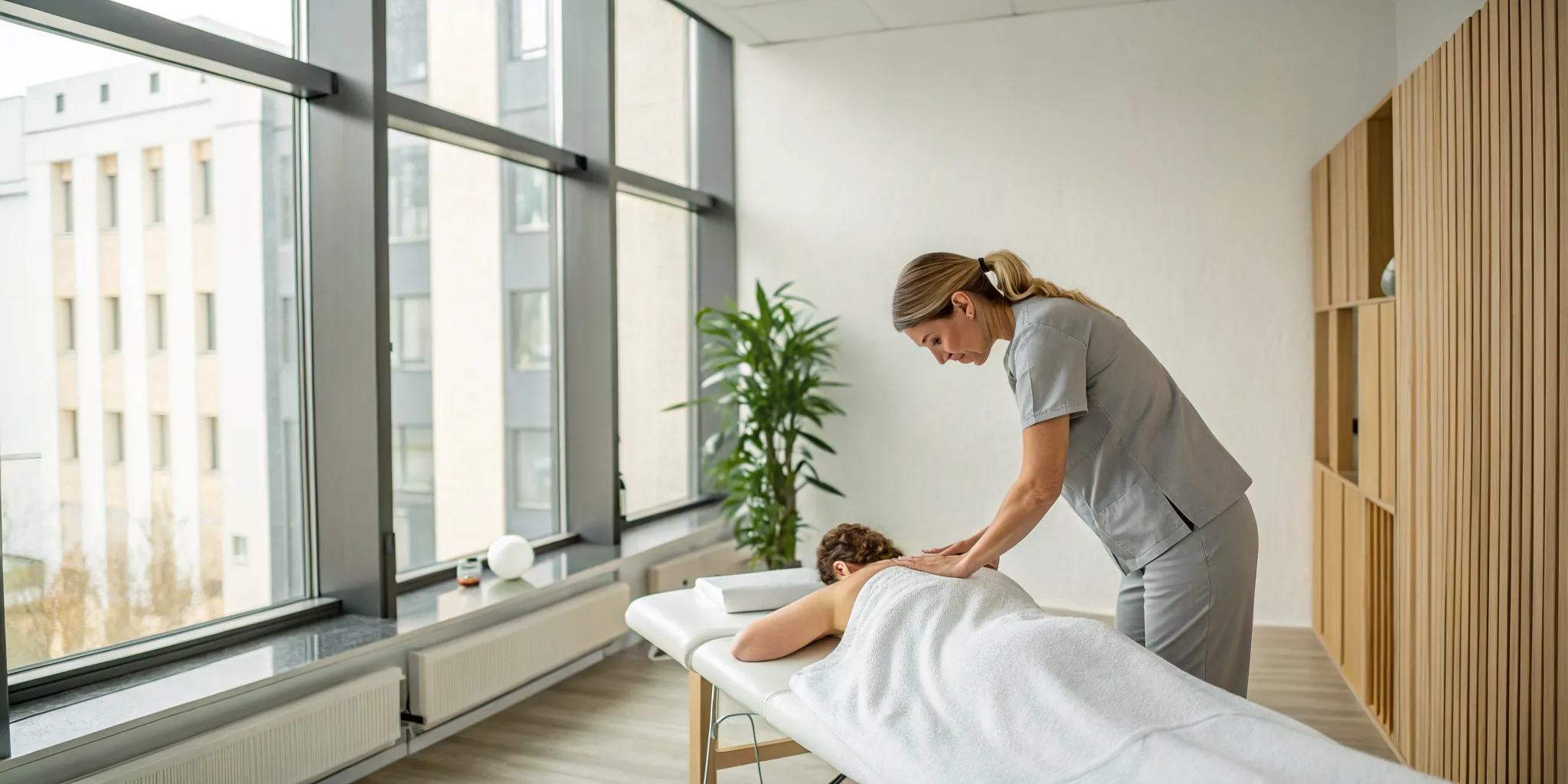
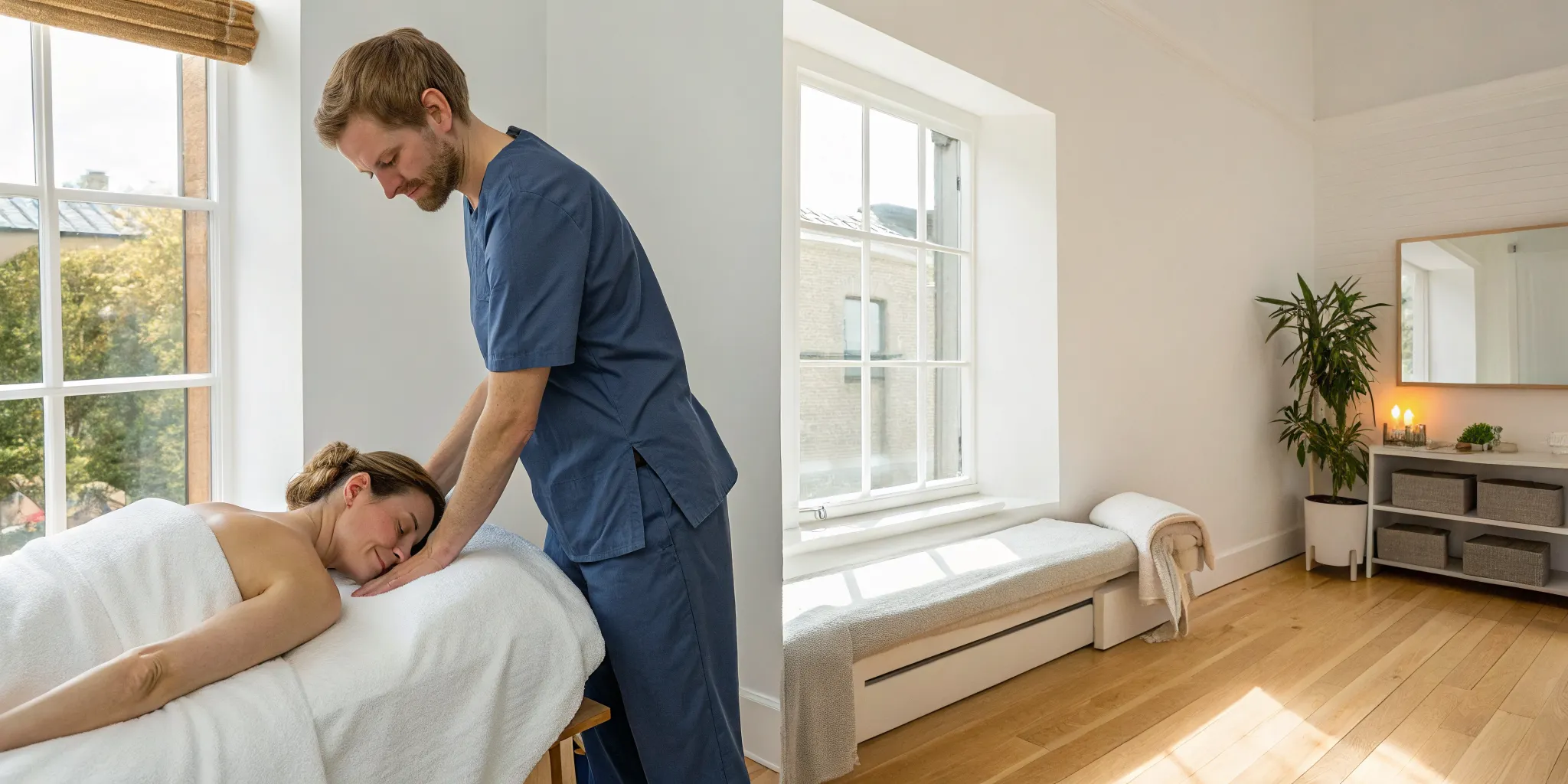
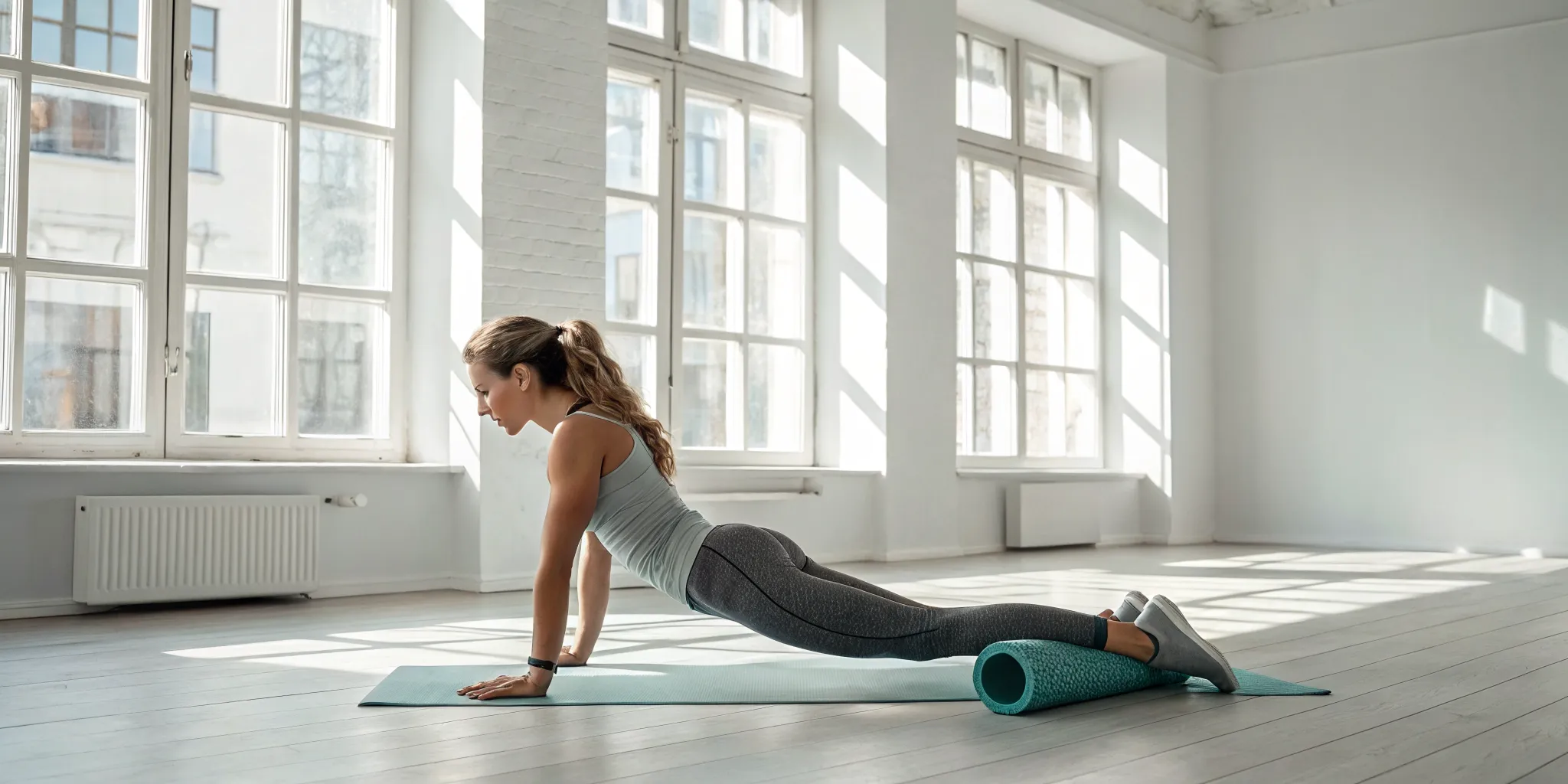
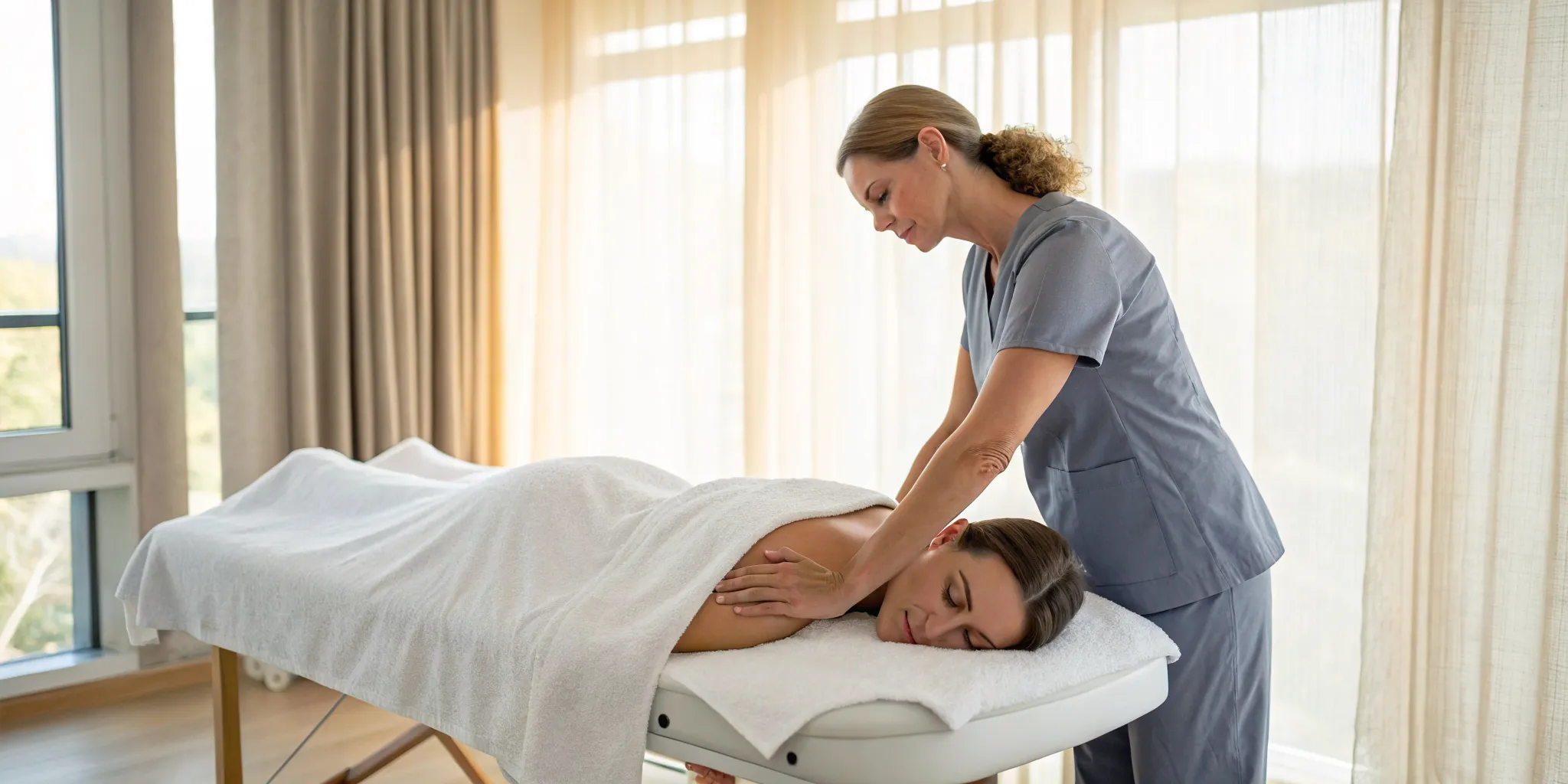
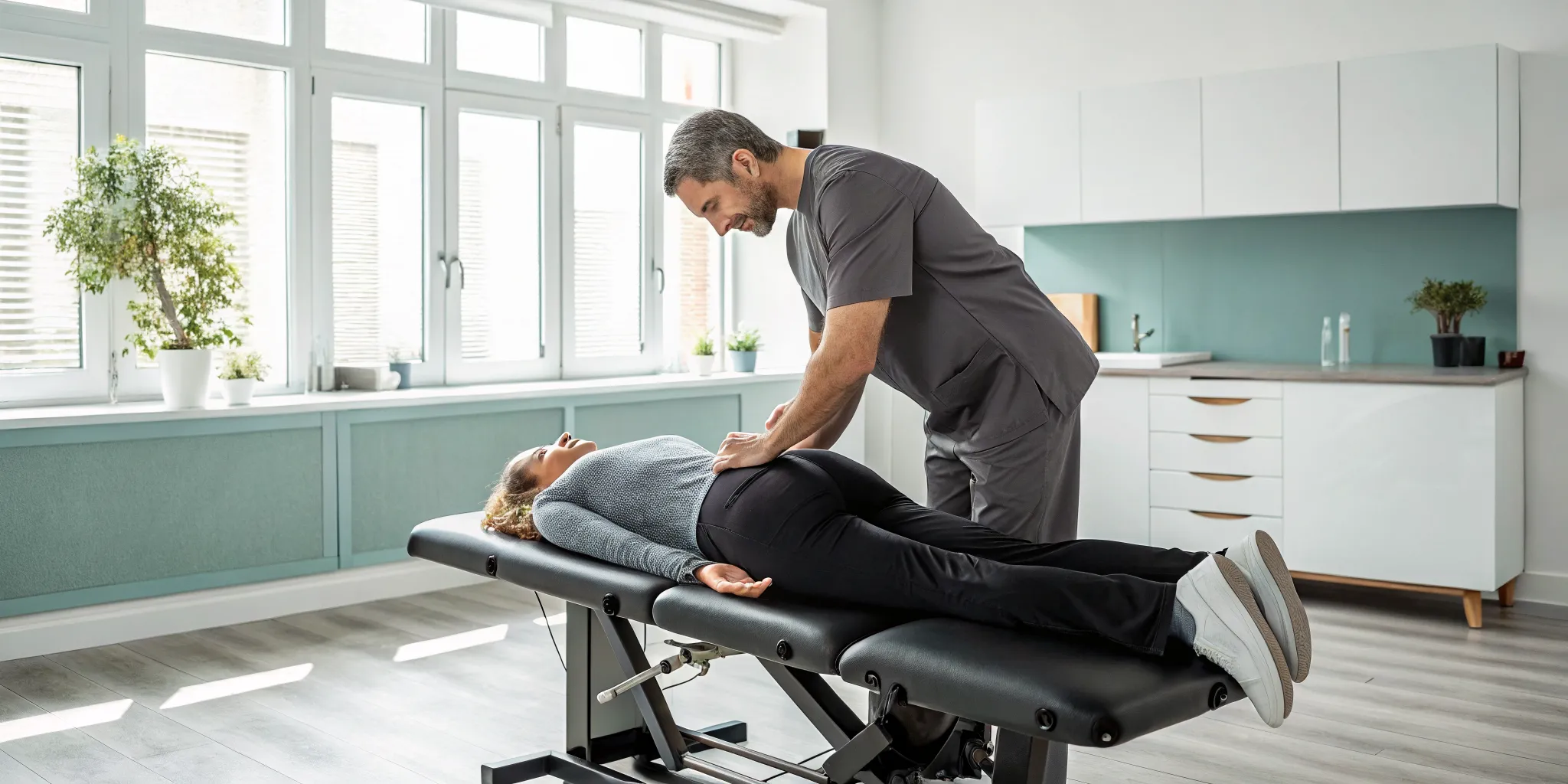
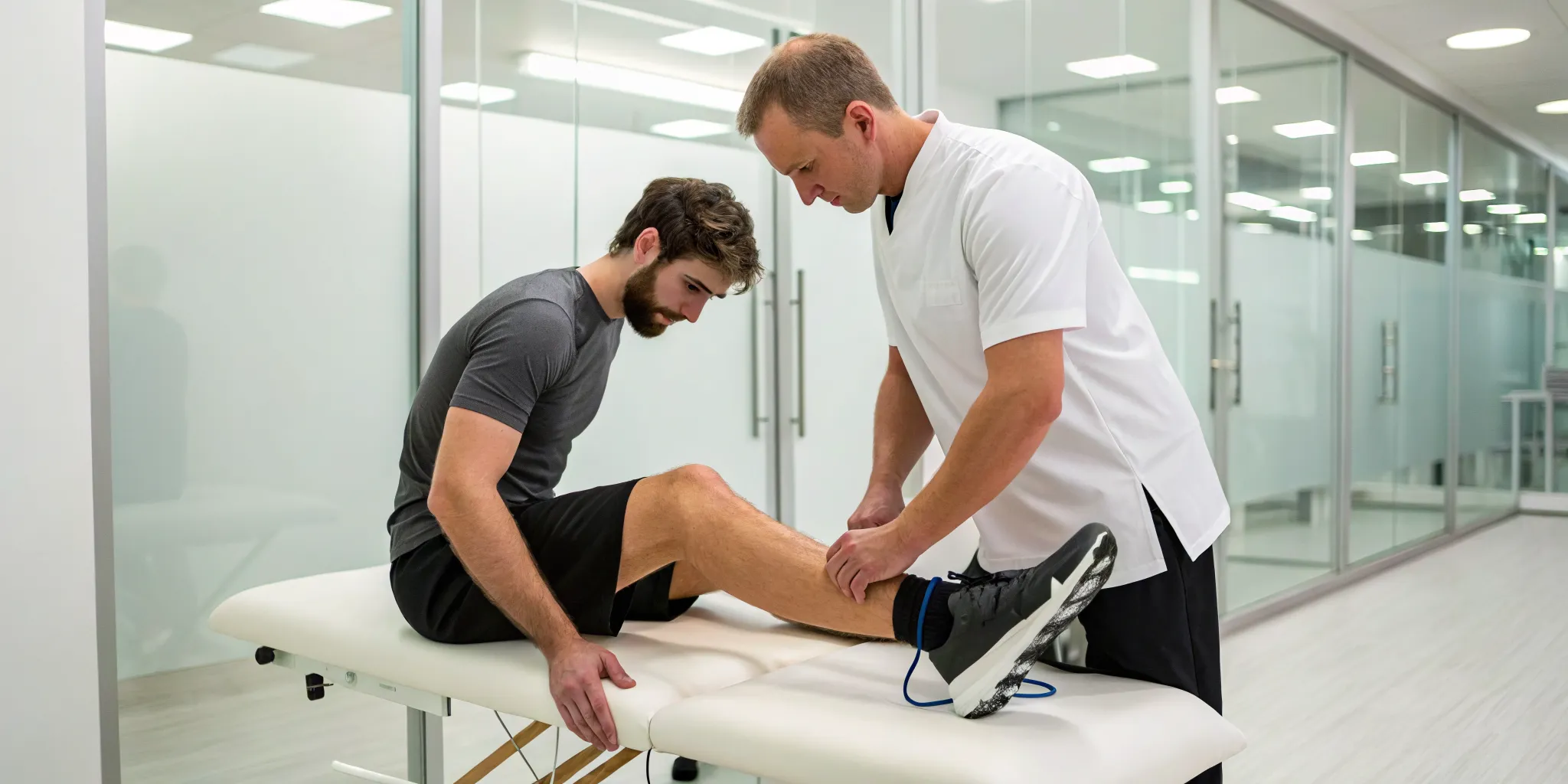
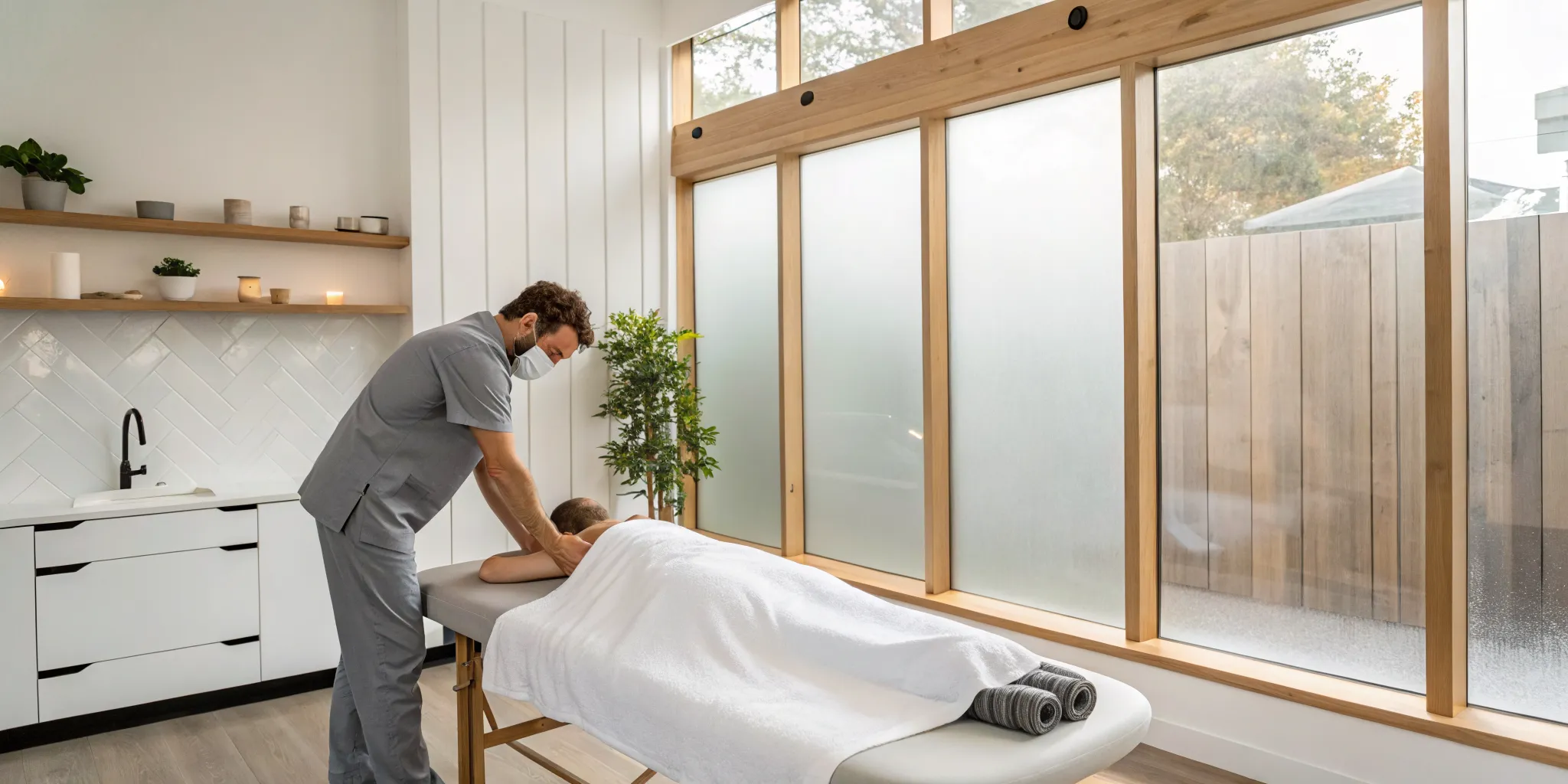
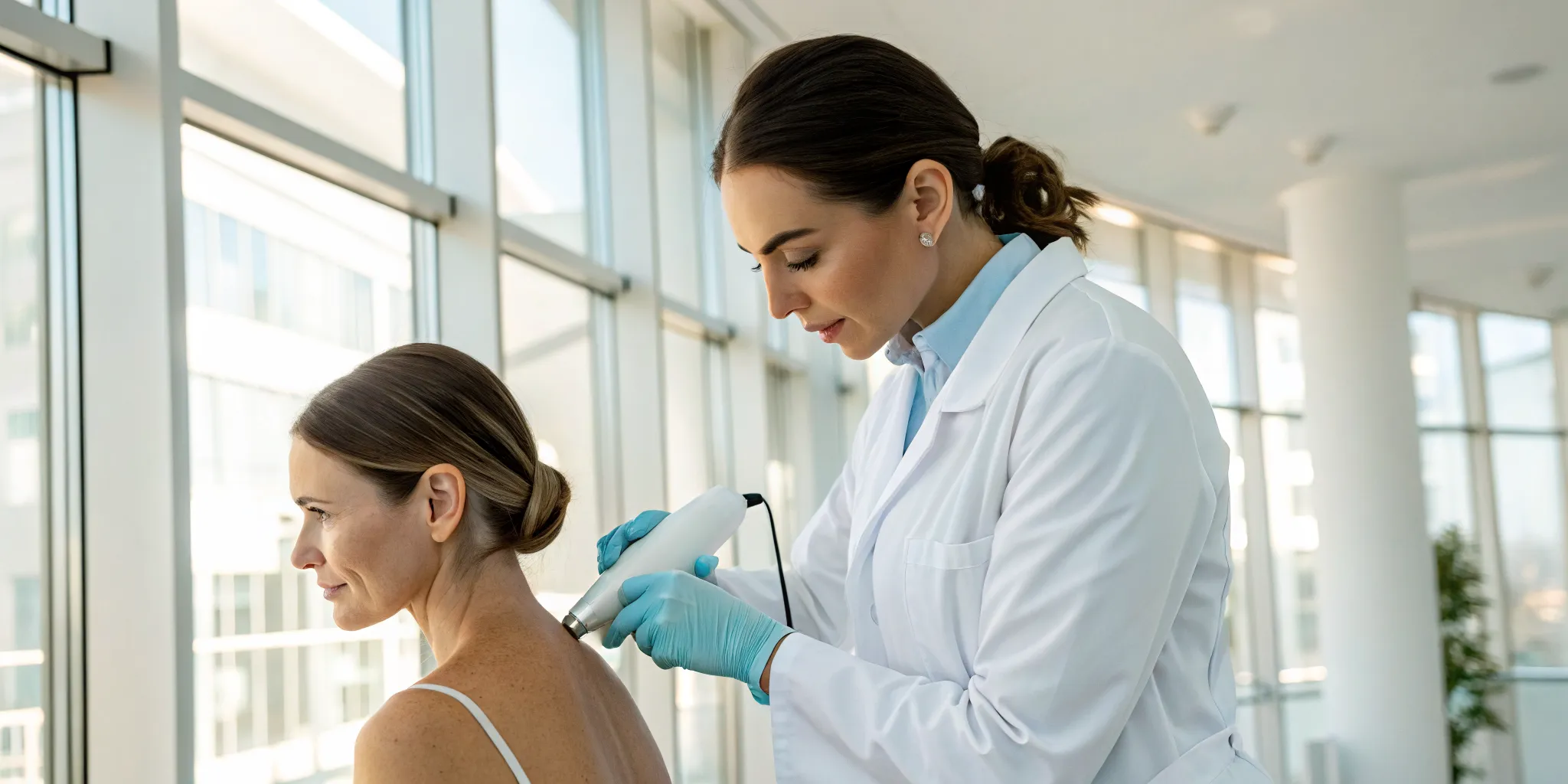
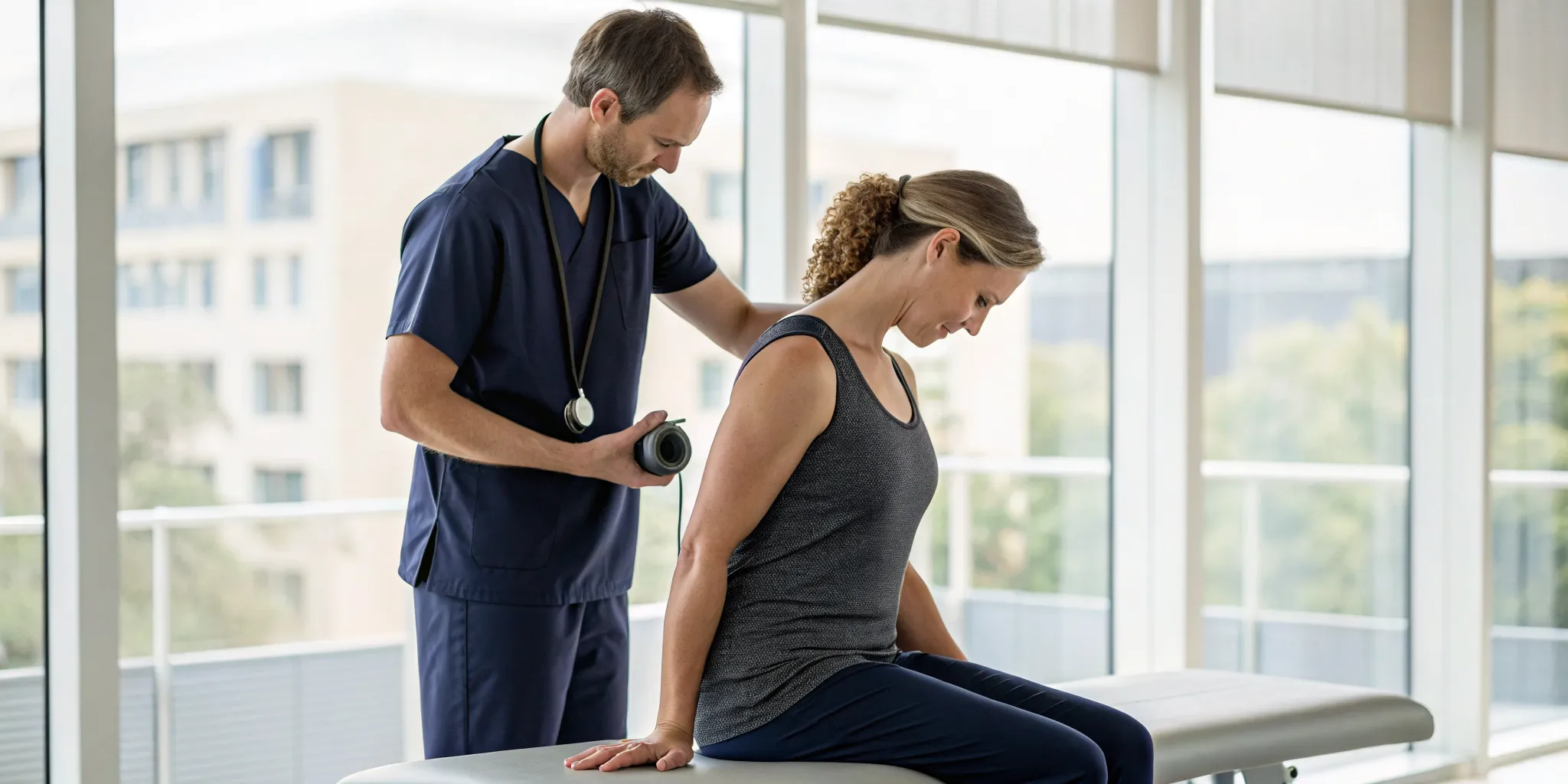
Therapeutic exercises and manual therapy are two cornerstones of neuromuscular reeducation that work hand-in-hand. Therapeutic exercises are specific movements and stretches tailored to improve your balance, coordination, and range of motion. These are the active things you do to rebuild strength and function. Meanwhile, manual therapy involves hands-on techniques performed by your therapist. They use these methods to improve joint movement, release muscle tension, and reduce pain. By combining what your therapist does to help your body move with the exercises you do to reinforce those patterns, you can achieve lasting results and reboot your body's communication system.
What Are the Benefits?
Neuromuscular reeducation is about creating lasting change, not just temporary relief. By retraining the communication pathways between your brain and muscles, this therapy helps your body move more efficiently and without pain. The goal is to address the root cause of your discomfort, leading to benefits that build on each other. You’ll find that improved movement reduces pain, better stability prevents future injuries, and a greater awareness of your body gives you more confidence in your daily activities. It’s a holistic approach that supports your body’s natural ability to heal.
Improve Movement and Reduce Pain
Chronic pain is often a signal that your movement patterns are off. Instead of just managing symptoms, neuromuscular reeducation gets to the heart of the problem by correcting the faulty signals that cause strain and stiffness. By teaching your muscles and nerves to work together correctly, you can move more smoothly and easily. The focus is on fixing the cause of poor movement, which reduces pain. This approach is a core part of our physical medicine services, where we find the "why" behind your symptoms to create sustainable wellness.
Gain Better Balance, Stability, and Body Awareness
Think of your nervous system as your body’s control center. After an injury, communication from this center can get fuzzy. Neuromuscular reeducation helps clear up that connection and improves your proprioception, which is your body’s awareness of its position in space. This helps you feel more grounded and stable, whether you’re walking on uneven ground or getting up from a chair. By retraining the nervous system, you gain better control over your movements, which is fundamental for improving balance and preventing falls.
Recover Faster and Prevent Future Injuries
Recovery isn’t just about healing tissue; it’s about preventing the same injury from happening again. Neuromuscular reeducation is key for both recovery and prevention. It helps your body relearn how to move correctly, creating more resilient and efficient patterns. This process gets rid of lingering pain and strengthens your body against future stress. By restoring normal, controlled movement, you’re building a stronger foundation. This proactive approach supports your body’s innate ability to heal and stay healthy, reducing the likelihood of re-injury down the road.
How Long Does Treatment Take?
"How long until I feel better?" It's one of the first questions we all ask when starting a new therapy, and it's a completely valid one. With neuromuscular reeducation, the answer is unique to you. Because this therapy works by retraining your brain and nervous system, the duration depends entirely on your specific situation. Think of it less like a quick fix and more like learning a new skill. It requires a consistent, long-term approach to create lasting change in how your body moves and feels.
The goal is to encourage significant neural reorganization, a process known as neuroplasticity. This is your brain's amazing ability to form new, more efficient pathways for movement, essentially overwriting old, faulty patterns that may be causing pain or dysfunction. This rewiring process doesn't happen overnight, but with steady effort, you can achieve sustained improvements in your motor function and find lasting relief. Our approach to physical medicine is built around supporting your body through this journey, giving it the time and specific inputs it needs to heal itself. We’ll be with you every step of the way, adjusting your personalized plan as you progress.
What Affects Your Recovery Timeline?
Several key factors influence how quickly you’ll see results. Your specific condition plays a big role; recovering from a minor sports injury will look different than rehabilitating after a major surgery or managing a chronic neurological issue. Your overall health and lifestyle also matter, as a well-nourished and rested body is better equipped to heal and adapt.
Perhaps the most important factor is your commitment to the process. Neuromuscular reeducation isn't passive. It involves your active participation both during sessions and at home. Consistently performing your prescribed exercises helps reinforce the new movement patterns your brain is learning, making them second nature. By staying engaged, you can directly impact your recovery timeline.
What to Expect During the Process
During your neuromuscular reeducation sessions, we focus on addressing the root cause of your movement problems, not just masking the symptoms. Our primary goal is to improve the communication between your brain and your muscles. We do this by guiding you through specific exercises and movements that challenge your body to create new, more efficient pathways for control and coordination.
Because every person’s body and history are different, each treatment program is completely unique. We tailor your plan specifically to your condition, your lifestyle, and your personal goals. You can expect a hands-on, personalized approach that adapts as you make progress. We’ll work together to reboot your body’s internal communication system, helping you move with greater ease and confidence.
Is Neuromuscular Reeducation Right for You?
Neuromuscular reeducation might sound technical, but it’s really about helping your brain and muscles communicate better. If you’ve ever felt like your body isn’t responding the way it used to, or if pain and instability are holding you back, this therapy could be a great fit. It’s designed to retrain your body’s movement patterns, helping you recover from injury, manage chronic conditions, and get back to feeling like yourself.
So, how do you know if it’s the right path for you? Let’s look at who benefits most and the signs that suggest it’s time to explore this option.
Who Benefits Most From This Therapy?
This therapy is incredibly versatile and helps a wide range of people. It’s a cornerstone of recovery for those with orthopedic issues or neurological conditions that affect movement. We often use it to help individuals bounce back from sports injuries or regain strength and mobility after surgery. Because it focuses on retraining the brain-body connection, it’s also highly effective for those managing conditions like stroke, Parkinson’s disease, or traumatic brain injury. If you’re dealing with persistent pain that hasn’t responded to other treatments, neuromuscular reeducation can address the faulty movement patterns that might be the root cause of your discomfort.
Signs It's Time to Seek Help
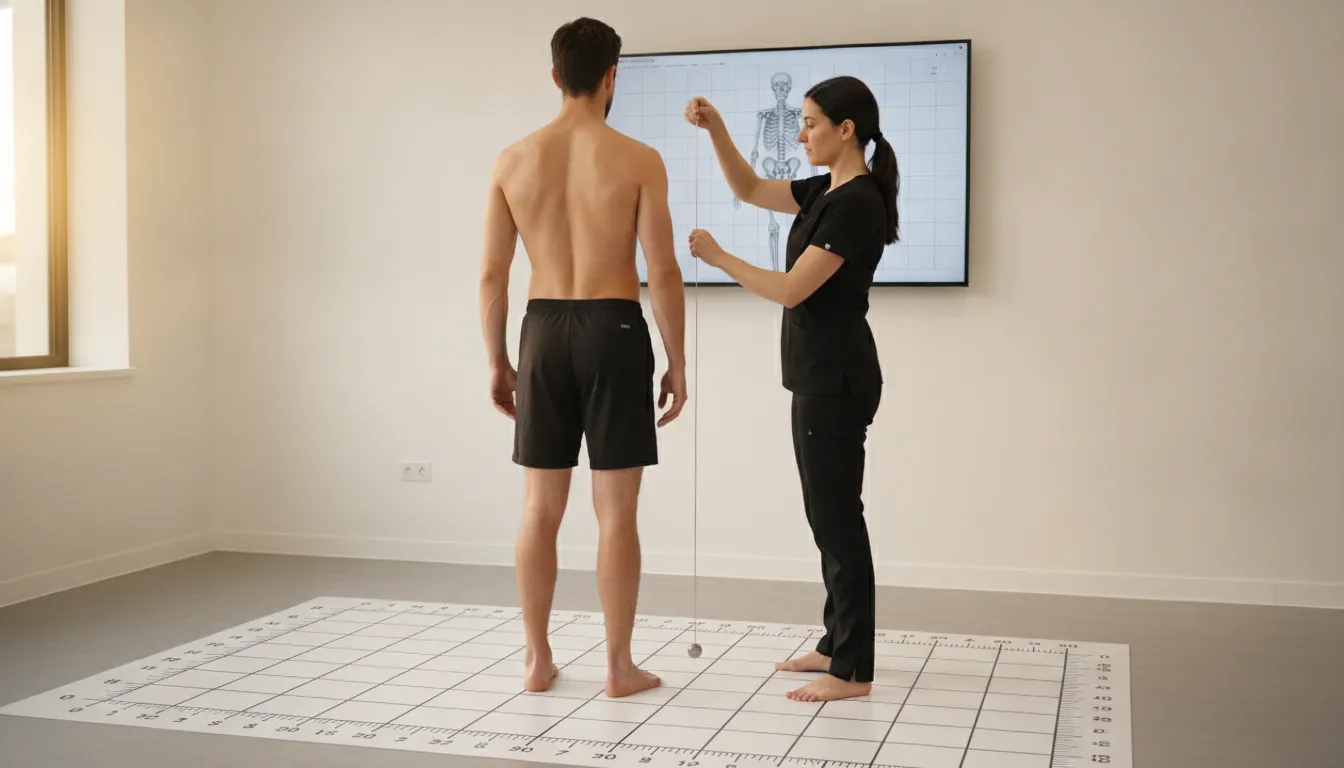
Your body often sends signals when the communication between your nerves and muscles is off. You might notice you’re having trouble with coordination, or your balance feels unsteady. Maybe your gait has changed, or you just feel clumsy. These are signs that your body has lost its sense of position, which can happen after an injury or surgery. Persistent pain, muscle spasms, or tightness that just won’t go away are also major indicators. If you feel like you’re constantly fighting your own body to perform simple movements, it’s a good time to seek help. Addressing these issues with physical medicine can prevent them from becoming long-term problems.
How Does This Fit Into a Holistic Health Plan?
True healing isn't about chasing symptoms; it's about understanding how your body works as a whole. Neuromuscular re-education fits perfectly into a holistic health plan because it focuses on a fundamental connection: the one between your brain and your muscles. When this communication pathway is clear and efficient, your body can move correctly, heal effectively, and function at its best.
Instead of just addressing a painful joint or a tight muscle, this therapy looks at the root cause, which is often a breakdown in how your nervous system controls your movements. By retraining these signals, we’re not just providing a temporary fix. We are restoring your body’s natural function and building a stronger foundation for long-term health. It’s a key piece of the puzzle that helps all other treatments work better, ensuring every part of your system is working in harmony. This approach is central to creating a comprehensive wellness strategy that addresses your entire body, not just isolated issues. By integrating neuromuscular re-education, we can ensure that improvements in one area support and sustain progress in others, leading to more profound and lasting well-being.
Pairing with Chiropractic and Physical Medicine
Think of it this way: a chiropractic adjustment helps restore proper alignment to your spine and joints, which is a crucial first step. But if the muscles surrounding those joints are still stuck in old, dysfunctional patterns, they can easily pull everything back out of place. This is where neuromuscular re-education comes in. It acts as the essential follow-up, retraining your muscles to support your new, healthier alignment.
By combining this therapy with our Physical Medicine services, we create a powerful partnership. The adjustment creates the opportunity for change, and neuromuscular re-education makes that change stick. It teaches your body how to maintain proper posture and movement, leading to more stable, lasting results.
Supporting Your Body's Innate Healing
Your body has an incredible, built-in capacity to heal itself. Sometimes, however, chronic pain and faulty movement patterns create constant stress that gets in the way of this natural process. Neuromuscular re-education helps remove these roadblocks. By correcting inefficient movements, we reduce the daily strain on your joints, ligaments, and muscles, freeing up your body’s resources to focus on healing and recovery.
This therapy essentially reboots your body’s internal communication system, improving your awareness of how you move and stand. This helps you build new, healthy muscle memory that protects you from re-injury. By restoring proper function at this deep level, we support your body’s innate healing abilities and empower you to achieve a more resilient state of health.
How to Get Started
Feeling ready to address your movement patterns and find relief? Taking that first step is often the most challenging part, but it doesn't have to be complicated. When you know what to look for in a provider and how to prepare for your first visit, you can start your healing journey with confidence. Here’s a simple guide to get you on the right path.
Finding the Right Provider
When you’re searching for someone to guide you through neuromuscular re-education, you’ll want a professional who understands the intricate connection between your brain and muscles. Look for a team with deep experience in physical medicine and a focus on retraining the nervous system to restore proper movement after an injury or due to a chronic condition. This isn't a one-size-fits-all therapy. Your provider should take the time to understand your specific history, condition, and goals. A great practitioner will listen to your concerns and create a customized plan designed to help you regain control and function. They should see you as a whole person, not just a collection of symptoms.
Preparing for Your First Session
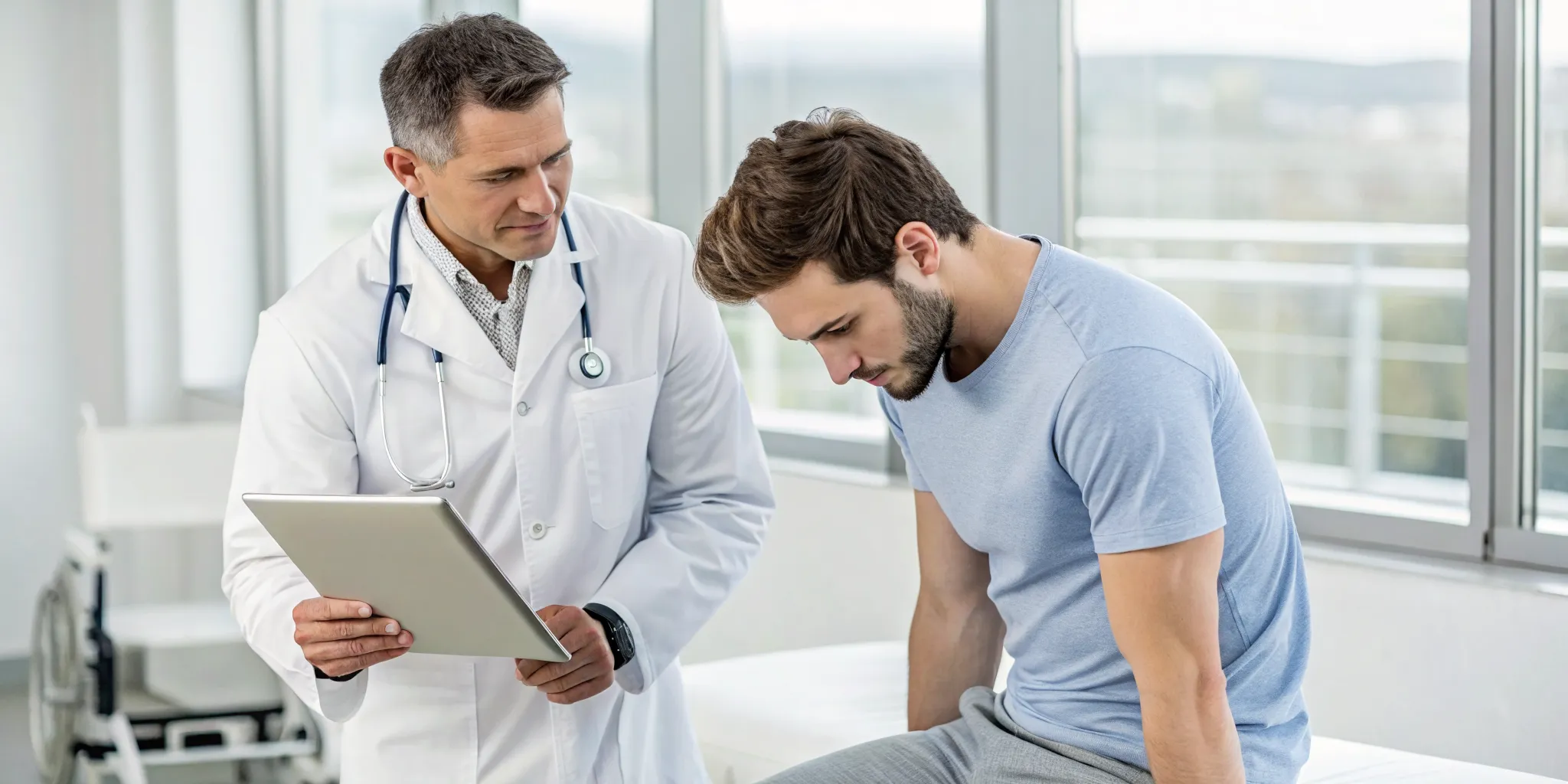
Your first session is a chance to build a partnership with your provider, so a little preparation goes a long way. Start by thinking about your health history and making a few notes about your symptoms: when they started, what makes them better or worse, and how they affect your daily life. It’s also a great idea to wear comfortable, loose-fitting clothing that you can easily move around in. Most importantly, come with an open mind. Neuromuscular re-education is a process that relies on your active participation and consistency. Be ready to ask questions and work collaboratively with your therapist. Your commitment is a key ingredient for success, and our team is here to support you every step of the way.
Related Articles
- Physical Medicine in Tampa | Chiropractic & Rehab Care | Ascend Functional Health
- Regenerative Medicine for Pain Recovery | Ascend Functional Health
- Functional Movement | Alessi Functional Health
- How to Choose the Right Neck Strain Doctor
- Bulging Disc Therapy Treatment: A Complete Guide
Frequently Asked Questions
How is neuromuscular reeducation different from standard physical therapy? While there's some overlap, the focus is quite different. Traditional physical therapy often concentrates on strengthening specific muscles or increasing the range of motion in a joint. Neuromuscular reeducation goes a step deeper by focusing on the quality of your movement and retraining the conversation between your brain and your muscles. It's less about how much you can lift and more about how you lift, ensuring the correct muscles fire in the right sequence.
Does the therapy process hurt? The goal of neuromuscular reeducation is to reduce pain, not cause it. The techniques we use are gentle and controlled, designed to work with your body to re-establish healthy movement patterns. You might feel your muscles working in new ways, which can feel like a mild workout, but the process itself should not be painful. We always work within your comfort level and adjust the therapy to meet your specific needs.
Why can't I just strengthen my muscles at the gym to fix the problem? Strengthening is important, but it's only one piece of the puzzle. If your brain is still sending faulty signals to your muscles, you could end up reinforcing poor movement patterns, which can make the problem worse over time. Neuromuscular reeducation ensures the foundation is correct first. We make sure your brain is using the right muscles for the job before you start adding significant load or intensity.
What does a typical session involve? A session is very hands-on and personalized to you. It might start with some manual therapy to release muscle tension or improve joint mobility. Then, we would guide you through specific, controlled exercises designed to retrain certain movement patterns. This could involve balance training, coordination drills, or techniques where the therapist helps guide your limbs to re-teach your brain the correct sequence of muscle activation.
Will I have to do exercises at home? Yes, your participation is a key part of your success. The work we do in the clinic is designed to teach your brain new, healthier habits. The exercises you do at home are what make those habits stick. Consistently practicing these movements helps reinforce the new neural pathways we are building, which speeds up your recovery and helps you achieve lasting results.