You’ve blamed the bread, the beans, and that fizzy drink, but you still end up feeling swollen and uncomfortable. When you’ve tried adjusting your diet and the bloating persists, it’s a clear sign that the source of your discomfort might run deeper than just your last meal. Your body is an interconnected system, and issues like hormonal shifts, chronic stress, and the health of your gut microbiome can all play a significant role. This guide looks beyond the usual suspects to explore the complex and often overlooked bloating causes. We’ll help you understand how these different factors can contribute to that puffy feeling, empowering you with the knowledge to find lasting relief.
Key Takeaways
- Bloating isn't just about food: Your daily routines, stress levels, and hormonal cycles play a significant role in digestive comfort. Simple changes to how you eat and manage stress can make a noticeable difference.
- An imbalanced gut is a primary cause: Persistent bloating is often a direct signal of an underlying gut issue, like dysbiosis or SIBO. Restoring balance to your gut microbiome is essential for finding long-term relief from gas and pressure.
- Don't ignore persistent symptoms: While occasional bloating is common, chronic discomfort, pain, or bloating paired with other warning signs warrants a professional evaluation. Getting to the root cause is the only way to create an effective, personalized plan for relief.
What Does Bloating Really Feel Like?
We’ve all been there: that uncomfortable, tight feeling in your belly that makes you want to unbutton your pants. Bloating is more than just the sensation of being full after a big holiday dinner. It’s a persistent feeling of pressure, where your stomach feels stretched and tight, sometimes to the point of being painful. While it's a very common complaint, understanding what you're feeling is the first step toward figuring out the cause and finding relief.
Symptoms to Watch For
When we talk about bloating, it’s often a collection of symptoms rather than just one. The most common sign is that feeling of fullness or tightness in your upper abdomen. Your belly might also look visibly swollen or puffy. For many people, this comes with other uncomfortable signs, like noticeable abdominal discomfort or pain. You might also find yourself burping more than usual or dealing with a lot of gas. These symptoms can show up together, creating a frustrating experience that can disrupt your day.
Is It Bloating or Just an Upset Stomach?
It’s easy to confuse bloating with a generic upset stomach, but there are key differences. An upset stomach can be a fleeting issue, but bloating often feels more specific: a sense of pressure and fullness that can happen even after a small meal. It can also be tied to hormonal cycles. Many women experience bloating and water retention during their period, pregnancy, or menopause due to shifts in hormones like estrogen. If your bloating seems to follow a pattern or feels distinct from other stomach issues, it’s worth paying closer attention. This is often a sign that something deeper, related to your gut health, needs to be addressed.
Bloating vs. Distension: What's the Difference?
Here’s a distinction that can be helpful when you talk about your symptoms: bloating is a feeling, while distension is a physical change. Bloating is your personal sensation of being gassy, full, or swollen. You can feel incredibly bloated without your stomach actually looking any bigger. Distension, on the other hand, is a measurable increase in the size of your abdomen. This is when you might say you "look pregnant" or feel like a balloon because your belly is visibly sticking out. Knowing the difference can help you describe your experience more accurately and get to the root of the problem.
Common Foods That Trigger Bloating
It’s a frustrating feeling: you’re trying to eat well, but you end up feeling puffy and uncomfortable. If you’re constantly asking yourself why you feel bloated, your diet is the first place to look. Certain foods, even healthy ones, can be tough for your digestive system to handle, leading to that familiar pressure and fullness. Understanding which foods are common culprits is the first step toward pinpointing your personal triggers. This isn’t about creating a long list of "bad" foods; it's about learning to listen to your body. By identifying what makes you feel less than your best, you can start to address the root cause of your digestive discomfort, a core principle of our functional medicine approach.
Dairy and Lactose
That morning latte or evening bowl of ice cream could be the source of your bloating. For many people, dairy products like milk, cheese, and yogurt are difficult to digest because of lactose, a sugar found in milk. To break down lactose, our bodies need an enzyme called lactase. As we age, many of us produce less of this enzyme, leading to what’s known as lactose intolerance. When you can’t properly digest lactose, it ferments in your gut, producing gas that causes bloating, cramping, and discomfort. If you suspect dairy is an issue, try paying close attention to how you feel after consuming it.
High-Fructose Foods and Sweeteners
Sugar can be a major contributor to bloating, but it’s not always straightforward. Fructose, a type of sugar found naturally in fruits like apples and mangoes and added to sodas and energy drinks, can be hard for the small intestine to absorb. This can lead to excess gas production and bloating. Similarly, sugar substitutes like sorbitol, xylitol, and mannitol, often found in "sugar-free" gum, candy, and snacks, are notorious for causing digestive issues. Your body has a hard time breaking them down, so they travel to the large intestine where they ferment, creating gas and pulling water into the gut, which results in bloating.
Cruciferous Veggies and Legumes
It can feel defeating when even healthy vegetables seem to cause problems. Cruciferous veggies (think broccoli, cauliflower, cabbage, and Brussels sprouts) and legumes (like beans, lentils, and chickpeas) are packed with nutrients and fiber. However, they also contain complex sugars that our bodies can't fully digest on their own. When these sugars reach your gut, the bacteria there have a feast, producing a lot of gas in the process. This doesn't mean you should banish these foods from your plate. Instead, try eating smaller portions, cooking them thoroughly, and gradually increasing your intake to give your digestive system time to adjust.
Carbonated Drinks and Alcohol
That fizzy sensation in a can of sparkling water or soda comes from carbon dioxide gas. When you drink it, you’re also swallowing that gas. Some of it comes back up as a burp, but some can travel through your digestive tract, leading to bloating and a feeling of trapped air. Alcohol can also be a significant trigger. It can irritate your digestive system, contribute to inflammation, and cause your body to retain water, leaving you feeling puffy and bloated the next day. Limiting these beverages can make a noticeable difference in how your stomach feels.
Eating Too Quickly or Too Much
Sometimes, it’s not just what you eat, but how you eat it. When you eat too quickly, you tend to swallow more air along with your food. This excess air can get trapped in your digestive system and cause you to feel bloated. Chewing gum and drinking through a straw can have the same effect. Furthermore, eating large meals puts a lot of pressure on your stomach and digestive system, slowing everything down and contributing to that heavy, overstuffed feeling. Practicing mindful eating by slowing down, chewing each bite thoroughly, and stopping when you feel satisfied can be a simple yet powerful change. For more tips on building healthy habits, you can explore our blog.
Are Your Habits Making You Bloated?
When you feel that familiar, uncomfortable puffiness, your first instinct might be to blame last night’s dinner. While food is often a major player, it’s not the only culprit. Sometimes, the key to understanding your bloating lies in your daily habits. The little things you do without a second thought, from how you eat your lunch to how you manage stress, can have a big impact on your digestive comfort.
By taking a closer look at your routines, you can start to connect the dots between your actions and your symptoms. This is a core part of a functional medicine approach: looking beyond the obvious to find the root cause of your discomfort. Let’s explore a few common habits that might be contributing to your bloating.
The Air You Swallow: Straws, Gum, and Mealtime Chatter
It might sound strange, but simply swallowing air can leave you feeling like an overinflated balloon. This happens when you eat or drink too quickly, talk while chewing, drink through a straw, or chew gum. When you do these things, you inadvertently swallow excess air that gets trapped in your digestive tract, leading to pressure and bloating. Taking the time to eat mindfully, putting your fork down between bites, and savoring your food can make a world of difference. If you’re a frequent straw user or gum chewer, try skipping them for a week to see if you notice an improvement in how you feel. Swallowing too much air is a surprisingly common yet often overlooked cause of bloating.
The Gut-Brain Connection: How Stress Affects Your Stomach
Have you ever felt "butterflies" in your stomach when you were nervous? That’s the gut-brain connection in action. Your brain and your digestive system are in constant communication, so when you’re stressed, your gut feels it too. Stress can trigger what’s known as gut-brain dysregulation, where the coordination between your brain and abdominal muscles goes awry, leading to bloating and discomfort. This is why you might feel more bloated during a stressful week at work, even if your diet hasn't changed. Incorporating stress-management practices like deep breathing, meditation, or gentle yoga into your day can help calm both your mind and your belly. It’s a powerful reminder that our emotional health and digestive health are deeply intertwined.
How a Lack of Movement Slows Digestion
If your daily routine involves a lot of sitting, your digestive system might be getting a little sluggish. Your body relies on movement to keep things running smoothly, and that includes your digestion. Gentle physical activity helps stimulate the muscles in your gut, encouraging gas to move through your system instead of getting stuck and causing that tight, bloated feeling. You don’t need an intense session to see benefits. Simply going for a 15-minute walk after meals, doing some light stretching during your workday, or choosing the stairs can help wake up your digestive tract. An active lifestyle is a simple yet effective tool for supporting better digestion and reducing bloating.
Could a Health Condition Be Causing Your Bloat?
If you’ve tried adjusting your diet and lifestyle but still feel bloated, it might be time to look deeper. While what you eat and how you live are major players, persistent bloating can sometimes be your body’s way of signaling an underlying health condition. When that uncomfortable, puffy feeling becomes a regular part of your life, it’s a clear sign that something in your digestive system is off-balance. Understanding these potential root causes is the first step toward finding lasting relief. Many conditions, from common gut disorders to autoimmune issues, list bloating as a primary symptom. Let's explore some of the most frequent culprits that could be behind your discomfort.
Irritable Bowel Syndrome (IBS)
If your bloating comes with a side of belly pain, gas, and unpredictable bowel habits (think swinging between diarrhea and constipation), you might be dealing with Irritable Bowel Syndrome, or IBS. It’s an incredibly common disorder, especially among women, that affects the large intestine. With IBS, the communication between your brain and your gut can get a little mixed up, leading to a hypersensitive digestive tract. This sensitivity can make you feel bloated and uncomfortable even from normal amounts of gas. A functional medicine approach can help identify the specific triggers and imbalances contributing to your IBS symptoms, moving beyond just managing the discomfort.
Small Intestinal Bacterial Overgrowth (SIBO)
Think of your digestive system as having different neighborhoods, each with its own set of residents. SIBO happens when bacteria that normally live in your large intestine decide to move into the small intestine and multiply. These misplaced bacteria then start to ferment the food you eat way too early in the digestive process. This fermentation creates a lot of excess gas, which directly leads to significant bloating, belching, and discomfort, often shortly after eating. SIBO is frequently found in people who also have IBS, and it requires specific testing to diagnose and targeted protocols to resolve the bacterial imbalance.
Inflammatory Bowel Disease (IBD)
It’s important not to confuse IBS with IBD, which stands for Inflammatory Bowel Disease. IBD is a more serious condition that involves chronic inflammation and damage to the digestive tract. The two main forms of IBD are Crohn's disease and ulcerative colitis. This persistent inflammation can cause swelling and narrowing of the intestines, leading to severe pain, diarrhea, and, you guessed it, bloating. Unlike IBS, IBD is an autoimmune-related condition that causes visible structural changes to your gut. Addressing the inflammation is key to managing IBD, and our team of experts can help create a personalized plan to support your body.
Celiac Disease and Gluten Sensitivity
For some people, a protein called gluten, found in wheat, barley, and rye, is the source of their bloating. Celiac disease is an autoimmune disorder where eating gluten triggers an immune response that damages the lining of the small intestine. This damage impairs nutrient absorption and can cause bloating, gas, diarrhea, and fatigue. Separately, many people experience non-celiac gluten sensitivity, where they have similar digestive symptoms after eating gluten but without the autoimmune attack or intestinal damage. If you suspect gluten is a problem, it's crucial to get proper testing before cutting it out of your diet completely.
Chronic Constipation
Sometimes the reason for bloating is simply a traffic jam. When you're constipated, stool moves too slowly through your digestive tract, or you aren't able to have a bowel movement regularly. This backup gives stool more time to sit and ferment in your colon, producing gas that gets trapped behind the blockage. The result is a feeling of pressure, fullness, and visible abdominal distension. Chronic constipation can have many causes, from a low-fiber diet and dehydration to a lack of movement. Addressing the constipation directly is often the most effective way to relieve this type of bloating and support your body's natural processes.
How Your Gut Health Affects Bloating
If you’re constantly asking yourself why you’re so bloated, the answer often lies deep within your gut. That uncomfortable, swollen feeling isn’t just a random occurrence; it’s a signal from your digestive system. The complex community of microorganisms living in your gut, known as your microbiome, plays a huge role in how you feel. When this internal ecosystem is balanced and happy, digestion runs smoothly. But when things get out of sync, bloating can become a persistent and frustrating part of your daily life. Understanding this connection is the first step toward finding lasting relief.
Your Gut Microbiome and Gas Production
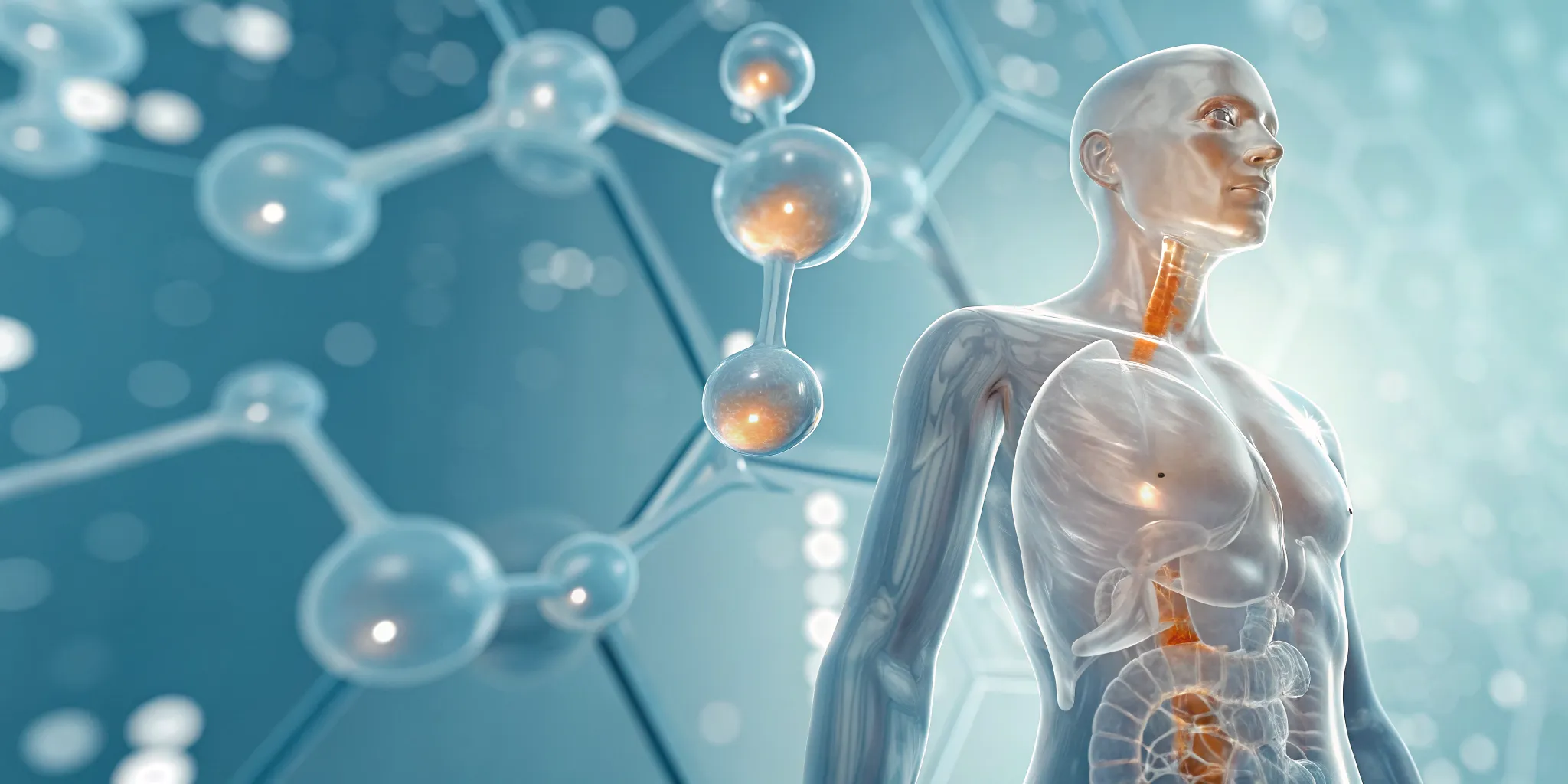
Think of your gut as a bustling city populated by trillions of bacteria. These tiny residents are essential for breaking down the food you eat, especially fiber. A natural byproduct of this digestive process is gas. The bacteria in your large intestine ferment food particles that your body couldn't digest on its own, producing hydrogen or methane gas. A certain amount of gas is completely normal and a sign that your gut bacteria are doing their job. The issue arises when this process creates an excessive amount of gas, leading to that familiar feeling of pressure and fullness.
Digestive Imbalance and Dysbiosis
Bloating often points to an imbalance in your gut bacteria, a condition known as dysbiosis. When the "bad" or gas-producing bacteria begin to outnumber the beneficial ones, your gut can become a gas-making factory. Another common culprit is Small Intestinal Bacterial Overgrowth (SIBO), where bacteria that normally live in the large intestine migrate to the small intestine. There, they ferment food too early in the digestive process, creating significant gas and bloating shortly after you eat. Restoring balance is key to addressing these digestive concerns, which is a core principle of functional medicine.
A Functional Medicine Approach to Gut Health
Instead of just treating the symptom of bloating, a functional medicine approach seeks to understand and address the root cause. Why is your gut producing so much gas in the first place? We start by listening to your story and tracking your symptoms to identify patterns and potential triggers. From there, we can use advanced testing to get a clear picture of what’s happening inside your gut. This allows us to create a personalized protocol designed to restore balance to your microbiome and support your body’s innate ability to heal. This method helps us address many of the conditions we treat that are linked to digestive distress.
Hormones, Thyroid, and Bloating: The Hidden Connection
If you’ve cleaned up your diet and are still dealing with frustrating bloat, it might be time to look beyond your plate. Your body’s intricate hormonal system plays a huge role in just about every function, including digestion. When these chemical messengers are out of sync, it can throw your whole system off, and one of the first places you might notice it is in your gut. Fluctuations in sex hormones and imbalances in your thyroid can directly impact how your body processes food and fluids, leading to that uncomfortable, puffy feeling.
This is where a functional medicine approach becomes so valuable. Instead of just treating the bloating, we look at the entire picture to see what’s really going on. Understanding the interplay between your hormones and your digestive health is a critical step in finding lasting relief. Our approach to Longevity Medicine focuses on restoring this balance from the inside out, addressing the root causes of your symptoms rather than just masking them.
Hormonal Shifts and Water Retention
If you’ve ever felt like you’ve inflated like a balloon right before your period, you’re not just imagining it. These predictable monthly shifts are a perfect example of hormones in action. Changes in estrogen and progesterone can signal your body to hold onto more water, leading to that heavy, swollen feeling. This type of hormonal bloating is also common during major life transitions like pregnancy and perimenopause. While it’s a normal biological process, chronic or severe bloating around your cycle could indicate a deeper imbalance that’s worth investigating.
Thyroid Issues and Sluggish Digestion
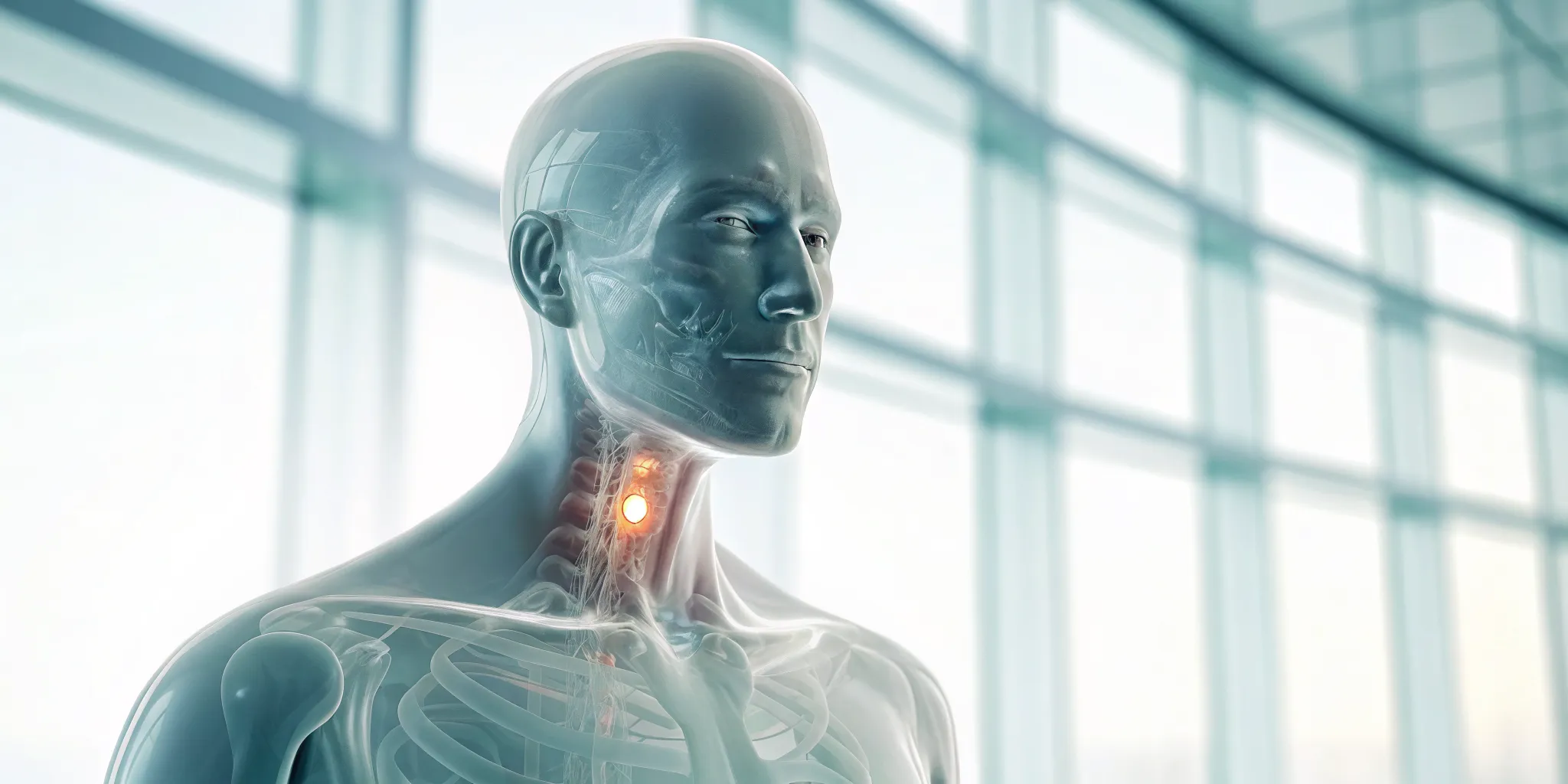
Think of your thyroid as the control panel for your body's metabolism. This small, butterfly-shaped gland in your neck regulates how quickly your body uses energy. When it’s underactive, a condition known as hypothyroidism, it can slow everything down, including your digestive tract. This sluggish digestion can lead to constipation and allow food to sit longer in your gut, fermenting and producing excess gas. The result is persistent bloating and discomfort. Because thyroid issues can cause a wide range of subtle symptoms, they are often one of the overlooked conditions we treat when getting to the bottom of chronic bloating.
Why Bloating Isn't Just a Female Issue
While periods and menopause make hormonal bloating a frequent topic for women, men are absolutely not immune. Hormones are not exclusive to women, and imbalances can affect anyone’s digestive health. For men, factors like chronically high cortisol from stress or shifts in testosterone levels can contribute to gut issues, including bloating. Regardless of gender, our bodies rely on a delicate hormonal equilibrium to function properly. When that balance is off, bloating can be one of the first signs that your body is asking for a closer look.
Simple Dietary Changes to Ease Bloating
Feeling better often starts with what’s on your plate. While chronic bloating can have complex causes, making a few strategic adjustments to your diet can provide significant relief. It’s not about overhauling your entire life overnight, but rather about taking small, consistent steps to understand how food affects your body. These simple changes can help you feel more comfortable and in control, paving the way for a clearer understanding of your digestive health.
Identify Triggers with a Low-FODMAP Diet
If you suspect certain foods are causing your bloating, a low-FODMAP diet can be an incredibly useful tool. FODMAPs are specific types of carbohydrates that can be difficult for some people to digest, leading to gas and bloating. This isn't a long-term diet, but rather a short-term plan to identify your personal triggers. You'll temporarily remove high-FODMAP foods and then systematically reintroduce them to see how your body reacts. This process helps you gather concrete data about your own digestive system. Working with a professional can make this process much smoother and help you build a sustainable eating plan based on your results, which is a cornerstone of functional medicine.
Reduce Your Salt and Processed Food Intake
Ever notice you feel extra puffy after a salty meal? That’s because sodium causes your body to retain water, which can lead to bloating. Processed and packaged foods are often loaded with salt and have very little fiber, creating a perfect storm for digestive discomfort. To combat this, try shifting your focus to whole foods like fresh fruits, vegetables, and lean proteins. When you can, cook at home to control the ingredients. Reading labels is also a powerful habit. You might be surprised where extra sodium is hiding. Making these small swaps can make a big difference in how you feel day to day. For more tips on healthy eating, you can explore our blog.
Stay Hydrated to Aid Digestion
It might seem counterintuitive, but drinking plenty of water is one of the best things you can do to beat the bloat. When you're dehydrated, your body holds onto water to prevent its levels from getting too low. Proper hydration also helps soften stool and keeps things moving smoothly through your digestive system, preventing constipation, which is a major cause of bloating. If you find it hard to drink enough, try carrying a reusable water bottle with you, infusing your water with fruit for flavor, or setting reminders on your phone. This simple habit is foundational for managing many digestive conditions and improving your overall health.
Track Your Triggers with a Food Journal
Becoming a detective for your own health is one of the most empowering things you can do. A food journal is a simple yet powerful tool for this. By tracking what you eat, when you eat, and any symptoms you experience, you can start to connect the dots and identify patterns you might have otherwise missed. Be sure to note not just bloating, but also your energy levels, mood, and sleep quality. This detailed record provides invaluable insight for both you and your healthcare provider. When you're ready to dig deeper into your symptoms, you can contact us to schedule a consultation, and bringing your journal will give us a fantastic head start.
Debunking Common Bloating Myths
It’s easy to get caught up in misinformation when you’re trying to figure out what’s causing your bloating. Let’s clear the air and tackle some of the most common myths about that uncomfortable, swollen feeling. Understanding the truth is the first step toward finding real relief.
Myth: Bloating Always Signals a Serious Problem
That tight, puffy feeling in your abdomen can be alarming, making it easy to jump to worst-case scenarios. The good news is that bloating is often temporary. Many times, it’s connected to completely normal bodily functions, like hormonal fluctuations during your menstrual cycle which can cause water retention. While it's usually harmless, persistent bloating that doesn't go away can sometimes point to underlying health concerns that need a closer look. The key is to pay attention to your body and notice if the bloating is constant, severe, or comes with other symptoms.
Myth: Diet Is the Only Thing That Matters
While what you eat is a huge piece of the puzzle, it’s not the only one. You could have the cleanest diet and still experience bloating if other factors are at play. Stress is a major contributor, as the gut-brain connection can throw your digestive system off when you're anxious. Hormonal shifts and not drinking enough water can also lead to that swollen feeling. Plus, chronic bloating is a hallmark of conditions like Irritable Bowel Syndrome (IBS). This is where a functional medicine approach is so valuable, as it looks at your entire health picture, not just a single piece.
Myth: Bloating Is Just Trapped Gas
Many people think bloating is simply an excess of gas. While gas can contribute, the sensation is more complex. It’s often a feeling of fullness, pressure, or tightness in your belly, even after a small meal. This can happen when your digestive system struggles to break down food properly, leading to fermentation and inflammation. It might also be related to how your brain and gut are communicating, making you more sensitive to normal amounts of pressure. This is often a sign that your digestive system needs support, which is a core focus of our approach.
When to See a Professional for Your Bloating
Most of us have felt bloated at one time or another, but it can be tricky to know when that puffy, uncomfortable feeling is just a temporary nuisance versus a sign that your body is asking for help. While you can manage occasional bloating with lifestyle tweaks, persistent or painful symptoms shouldn't be ignored. Listening to your body is the first step. If bloating has become a constant in your life, it might be time to work with a professional to understand what’s really going on beneath the surface.
Warning Signs It's More Than Typical Bloating
Think of your symptoms as messengers. Occasional bloating after a big meal is one thing, but if it sticks around for more than a week or is very painful, it's a message you’ll want to pay attention to. Other signs that it’s time to seek professional guidance include bloating that comes with a fever, vomiting, unexplained weight loss, or significant changes in your bowel habits. If your discomfort is so constant that it interferes with your daily life, that’s another key indicator. These symptoms suggest your body is dealing with more than just gas, and it's worth investigating to address the root cause.
Finding the Root Cause: Advanced Testing Options
When you’re struggling with persistent bloating, guessing which food or habit is the culprit can feel exhausting. Working with a practitioner who specializes in digestive health allows you to move past the guesswork and get concrete answers. A functional medicine approach uses advanced testing to uncover the source of your symptoms. This could involve specialized breath tests for bacterial overgrowth, comprehensive stool tests to analyze your gut microbiome, or detailed blood work to find sensitivities and inflammatory markers. These tools provide a clear roadmap for creating a targeted and effective plan.
Our Approach to Uncovering the Cause of Bloating
At Ascend, we start by listening. Your story provides the most important clues, so our first step is a deep dive into your health history, diet, and lifestyle. We believe in a partnership, where we work with you to connect the dots. From there, we determine which advanced tests will give us the clearest picture of your digestive function. Once we have answers, we build a personalized protocol designed to restore balance to your system, not just mask the symptoms. If you're ready to understand your bloating on a deeper level, our team is here to help guide you.
Related Articles
Frequently Asked Questions
I eat healthy foods like vegetables and beans, so why do I still feel bloated? This is a very common and frustrating experience. Even the healthiest foods, like broccoli, cauliflower, and beans, contain complex carbohydrates and fibers that can be difficult for our bodies to break down completely. When these undigested particles reach your gut, the bacteria there ferment them, which produces gas. This doesn't mean you should avoid these nutritious foods. Instead, it might mean you need to support your digestive system by cooking these foods thoroughly, eating smaller portions, or looking into the overall health of your gut microbiome to see why it's so sensitive.
Is it normal for bloating to get worse around my period? Yes, it is very normal to experience bloating before or during your period. The natural fluctuations of hormones like estrogen and progesterone can cause your body to retain more water, leading to that puffy, swollen feeling. While this is a typical part of the menstrual cycle for many women, if your bloating is severe, painful, or significantly impacts your quality of life each month, it could be a sign of a deeper hormonal imbalance that is worth investigating further.
I've tried cutting out different foods without much luck. What's a more effective next step? Randomly eliminating foods can feel like a frustrating guessing game. A more powerful first step is to start a detailed food and symptom journal. Tracking what you eat, when you eat, and how you feel can reveal patterns you might not have noticed. For a more structured approach, a temporary and guided low-FODMAP plan can help systematically identify specific carbohydrate triggers. This kind of targeted investigation provides clear data and is much more effective than simply guessing.
How is feeling bloated different from just having a full stomach after a big meal? Feeling full is a straightforward sensation of volume in your stomach that usually goes away as you digest a large meal. Bloating is different. It’s a more persistent feeling of pressure, tightness, and swelling in the abdomen that can be uncomfortable or even painful. It can happen even after eating a small amount of food and is often accompanied by excess gas, telling you that something in your digestive process is not working as smoothly as it should.
My bloating is constant and really affects my daily life. What makes a functional medicine approach different? While conventional advice might focus on managing the discomfort of bloating, a functional medicine approach is focused on finding the root cause. Instead of just treating the symptom, we ask why you are bloated in the first place. We use your personal health story and advanced testing to investigate potential underlying issues like a bacterial overgrowth (SIBO), a gut microbiome imbalance, hidden food sensitivities, or hormonal issues. This allows us to create a personalized plan to correct the core problem and provide lasting relief.