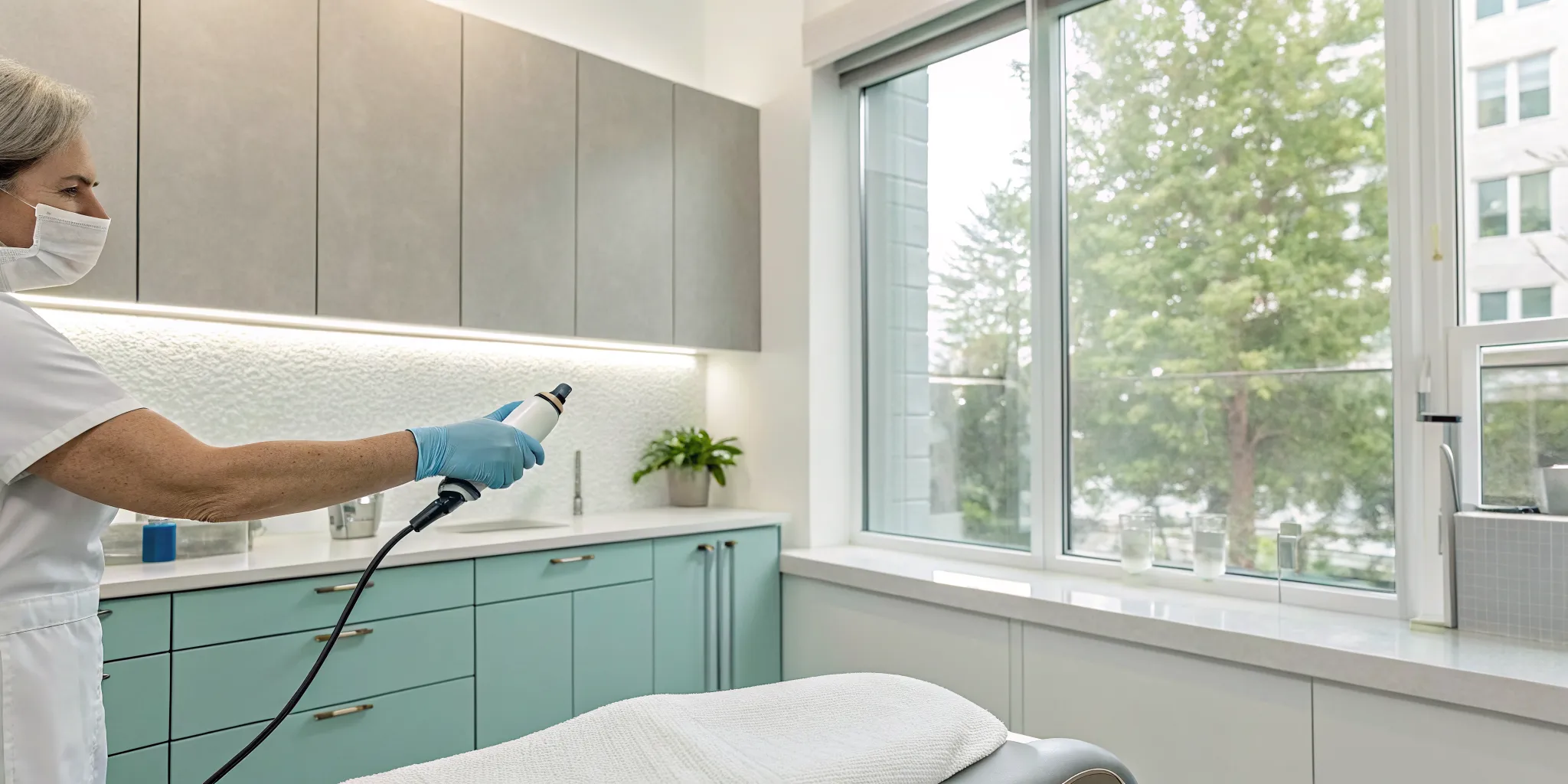
True healing is about more than just silencing pain; it’s about addressing the underlying reason for it. If you’re dealing with a chronic injury, you know that simply managing symptoms isn’t a long-term solution. Our philosophy centers on facilitating the body's innate ability to repair itself, and shockwave therapy is a perfect example of this principle in action. This treatment doesn’t introduce a foreign substance or force a change. Instead, it uses precise acoustic waves to stimulate your own biology, encouraging the release of growth factors and promoting new tissue development. As a key component of a holistic plan, shockwave therapy for sports recovery helps your body rebuild from the inside out, leading to more sustainable and complete healing.
Key Takeaways
- Stimulates your body's own healing process: Shockwave therapy uses acoustic waves to increase blood flow, break down scar tissue, and activate tissue regeneration, giving your body the signal it needs to repair itself.
- Targets stubborn, chronic injuries: This treatment is highly effective for persistent soft tissue conditions, such as plantar fasciitis, Achilles tendinopathy, and tennis elbow, that have not responded to conventional methods.
- Offers a non-invasive path to recovery: You can heal without significant downtime or medication, as sessions are quick and allow you to return to your daily routine while addressing the root cause of your pain.
How Does Shockwave Therapy Accelerate Healing?
If you’re dealing with a nagging sports injury, you know how frustrating the recovery process can be. You want to get back to your active life, but your body needs time to heal. Shockwave therapy is a modern approach that works with your body to speed up this natural process. It’s a non-invasive treatment that uses targeted sound waves to stimulate healing in injured tissues, helping you recover more efficiently from chronic pain and injuries.
This therapy is one of the tools we use in our physical medicine approach to help you get to the root cause of your pain. Instead of just masking symptoms, shockwave therapy encourages your body to rebuild and repair itself from the inside out. It’s a way to support your body’s incredible ability to heal, giving it the specific nudge it needs to get the job done. Think of it as a catalyst for recovery, helping you move past the pain and back to doing what you love.
The Science of Acoustic Sound Waves
The term "shockwave" might sound intense, but the treatment itself is straightforward and controlled. Extracorporeal Shockwave Therapy (ESWT) uses acoustic sound waves directed at the injured area. These waves create micro-trauma in the tissue, which might sound counterintuitive, but it’s actually the key to its success. This process helps break down scar tissue and calcifications that can limit movement and cause pain.
By creating this controlled response, the therapy significantly increases blood flow to the area. Better circulation brings more oxygen and nutrients, which are the essential building blocks your tissues need to repair themselves. This targeted stimulation helps your body clear out damaged cells and kickstart the healing cascade for tendons, ligaments, and muscles that have been slow to recover on their own.
Triggering Your Body's Natural Healing Response
The real magic of shockwave therapy is how it activates your body’s own healing mechanisms. The acoustic waves stimulate the release of natural growth factors and stem cells, which are crucial for tissue regeneration. This process encourages the production of new collagen, the primary protein that forms the structure of your tendons and ligaments. Essentially, the therapy signals your body to get to work building stronger, healthier tissue.
This approach aligns perfectly with our philosophy at Ascend Functional Health, where we focus on facilitating the body's innate healing abilities. Rather than introducing a foreign substance, we’re using advanced technology to prompt a powerful, natural response that was there all along. It’s a way of working with your body, not against it, to achieve lasting relief and true recovery.
Focused vs. Radial Shockwave Therapy
Not all shockwave treatments are the same. There are two primary types: focused and radial. The kind of therapy you receive depends on the nature and location of your injury. Focused shockwave therapy uses a precise, high-energy wave to target deep tissues with pinpoint accuracy. This makes it ideal for treating injuries located deeper within the body, like chronic hamstring tendinopathy or specific joint issues.
Radial shockwave therapy, on the other hand, generates a more superficial wave that spreads out from the point of contact. This type is excellent for larger surface areas and conditions closer to the skin, such as plantar fasciitis or tennis elbow. A trained practitioner will assess your specific condition to determine which approach will be most effective for you, ensuring a personalized treatment plan for the conditions we treat.
Sports Injuries Treated with Shockwave Therapy
If you’re an athlete or just an active person, dealing with a nagging injury can be incredibly frustrating. When rest, ice, and stretching don’t seem to resolve the pain, it’s easy to feel stuck. Shockwave therapy is a powerful tool in our physical medicine toolkit that excels at treating chronic tendon and soft tissue injuries. By delivering acoustic waves to the injured area, this treatment stimulates your body’s own repair mechanisms, addressing the root cause of pain and helping you get back to the activities you love. It’s particularly effective for a number of stubborn sports-related conditions that often linger for months.
Achilles Tendinopathy and Heel Pain
That persistent, aching pain in the back of your heel or lower calf is a classic sign of Achilles tendinopathy. Common in runners and athletes, this condition happens when the Achilles tendon becomes inflamed and degenerated from overuse. It can make every step feel stiff and painful, keeping you from your daily run or workout. Shockwave therapy targets this stubborn tendon, breaking down scar tissue and stimulating blood flow to the area. This process encourages the growth of new, healthy tendon fibers, offering a path to lasting relief when other methods have failed to resolve the chronic pain.
Plantar Fasciitis
If you’ve ever felt a sharp, stabbing pain in your heel with your first steps out of bed, you know the misery of plantar fasciitis. This condition involves inflammation of the thick band of tissue that runs across the bottom of your foot. Shockwave therapy is an excellent treatment for this, as it works on a cellular level to promote healing. The acoustic waves help break up soft tissue calcifications that can contribute to pain, enhance collagen production, and release natural growth factors. This stimulates your body’s healing process, helping to finally resolve the inflammation and get you back on your feet without that morning dread.
Rotator Cuff Injuries and Shoulder Pain
Shoulder pain can make simple movements like reaching overhead or putting on a jacket feel like a monumental task. Many athletes, especially those in throwing or swimming sports, experience rotator cuff tendinopathy, which is chronic inflammation or injury to the tendons surrounding the shoulder joint. Because this area has limited blood flow, it can be slow to heal on its own. Shockwave therapy directly targets the injured tendons, creating a healing response that increases circulation and promotes tissue regeneration. This can help you regain your shoulder’s mobility and strength, allowing you to return to your sport and daily life without pain.
Hamstring Tendinopathy and Muscle Strains
Proximal hamstring tendinopathy, a deep pain high up in the back of your thigh near your glute, is a frustrating injury for runners and anyone who spends a lot of time sitting. It can feel like a constant, deep ache that just won’t go away. This type of injury involves the tendon that attaches your hamstring muscle to your "sit bone." Shockwave therapy can be a fantastic first-line treatment for this condition. By delivering energy directly to the affected tendon, it kickstarts a healing cascade, reducing pain and helping to repair the damaged tissue so you can run, stretch, and even sit comfortably again.
Tennis Elbow (Lateral Epicondylitis)
You don’t have to be a tennis player to suffer from tennis elbow. This painful condition, which affects the tendons on the outside of your elbow, is often caused by repetitive wrist and arm motions. It can make gripping a coffee cup, turning a doorknob, or typing on a keyboard a painful experience. When rest and braces aren’t providing enough relief, shockwave therapy can be a game-changer. It targets the degenerated tendon tissue, breaking the cycle of chronic inflammation and stimulating a fresh healing response. This helps restore function and reduce the pain that’s been holding you back.
Golfer's Elbow (Medial Epicondylitis)
Similar to tennis elbow, golfer’s elbow affects the inner side of the elbow and is caused by repetitive gripping, lifting, or throwing motions. The pain can radiate down your forearm and weaken your grip strength, interfering with both sports and daily chores. This condition involves chronic degeneration of the tendon on the inside of your elbow. Shockwave therapy addresses this by delivering focused sound waves to the source of the pain, which helps increase blood flow and stimulate the cells responsible for tissue repair. It’s a targeted approach to help your body heal the tendon for good. You can find more health insights on our Ascend Functional Health blog.
What Are the Benefits of Shockwave Therapy?
When you’re dealing with a nagging injury, your main goal is to get back to feeling like yourself again. Shockwave therapy offers a path to recovery that works with your body, not against it. This innovative treatment uses acoustic waves to stimulate your body’s natural healing mechanisms, addressing the root cause of pain and dysfunction in tendons, ligaments, and muscles. It’s a fantastic option for athletes and active individuals who want to heal effectively without putting their lives on hold.
One of the most significant advantages is that it’s a non-invasive approach. There are no incisions and no lengthy recovery periods, which sets it apart from more aggressive interventions. Instead of just masking pain, shockwave therapy promotes true healing from within by increasing blood flow and stimulating tissue regeneration. This process helps break down scar tissue, improve mobility, and provide lasting relief. Many people find it’s the key to overcoming chronic issues like plantar fasciitis or tennis elbow, allowing them to return to the activities they love with renewed strength and confidence. At Ascend Functional Health, we see it as a powerful tool within our Physical Medicine services to support your body’s incredible ability to repair itself.
Find Relief Without Medication
Finding a solution for chronic pain that doesn't involve a cycle of medications can feel like a game-changer. Shockwave therapy offers just that, providing a way to manage discomfort by targeting the source of the injury directly. Because the treatment stimulates your body’s own repair processes, it can reduce the need for anti-inflammatory drugs or other pain relievers, which often come with unwanted side effects and only offer temporary relief.
This approach can also help you avoid more invasive procedures and their associated downtime. Instead of turning to options that require significant recovery time, you can choose a treatment that supports your body’s healing from the outside in. It’s about creating an environment where your tissues can properly regenerate, leading to sustainable relief and a return to function without relying on external substances to manage symptoms.
Accelerate Healing and Improve Blood Flow
One of the core functions of shockwave therapy is its ability to kickstart your body’s internal repair crew. The acoustic waves create micro-trauma in the targeted tissue, which sounds intense but is actually a good thing. This controlled stimulation signals your body to increase blood circulation to the area. Think of it as opening up new highways for healing.
This enhanced blood flow is crucial because it delivers more oxygen and nutrients, which are the essential building blocks for tissue repair. The process also helps your body produce new collagen, a vital protein for healing tendons, ligaments, and muscles. By stimulating these natural healing responses, shockwave therapy doesn't just soothe the pain; it actively helps rebuild and strengthen the injured tissue, leading to a faster and more thorough recovery.
Regain Mobility and Range of Motion
When you’re injured, your body often forms scar tissue as part of the healing process. While this is a natural response, scar tissue is less flexible than healthy tissue and can lead to stiffness, tightness, and a limited range of motion. This is often the reason why an old injury can continue to bother you long after it has technically "healed." You might feel a persistent pulling sensation or find that you can’t move a joint as freely as you used to.
Shockwave therapy is particularly effective at addressing this. The energy waves help to break down these tough, fibrous adhesions of scar tissue. By dissolving these restrictions, the treatment helps restore elasticity to your muscles and tendons. The result is improved flexibility, a greater range of motion, and a significant reduction in the discomfort caused by stiffness. This allows you to move more freely and comfortably, making it easier to get back to your daily activities and exercise routines.
A Non-Invasive Approach to Recovery
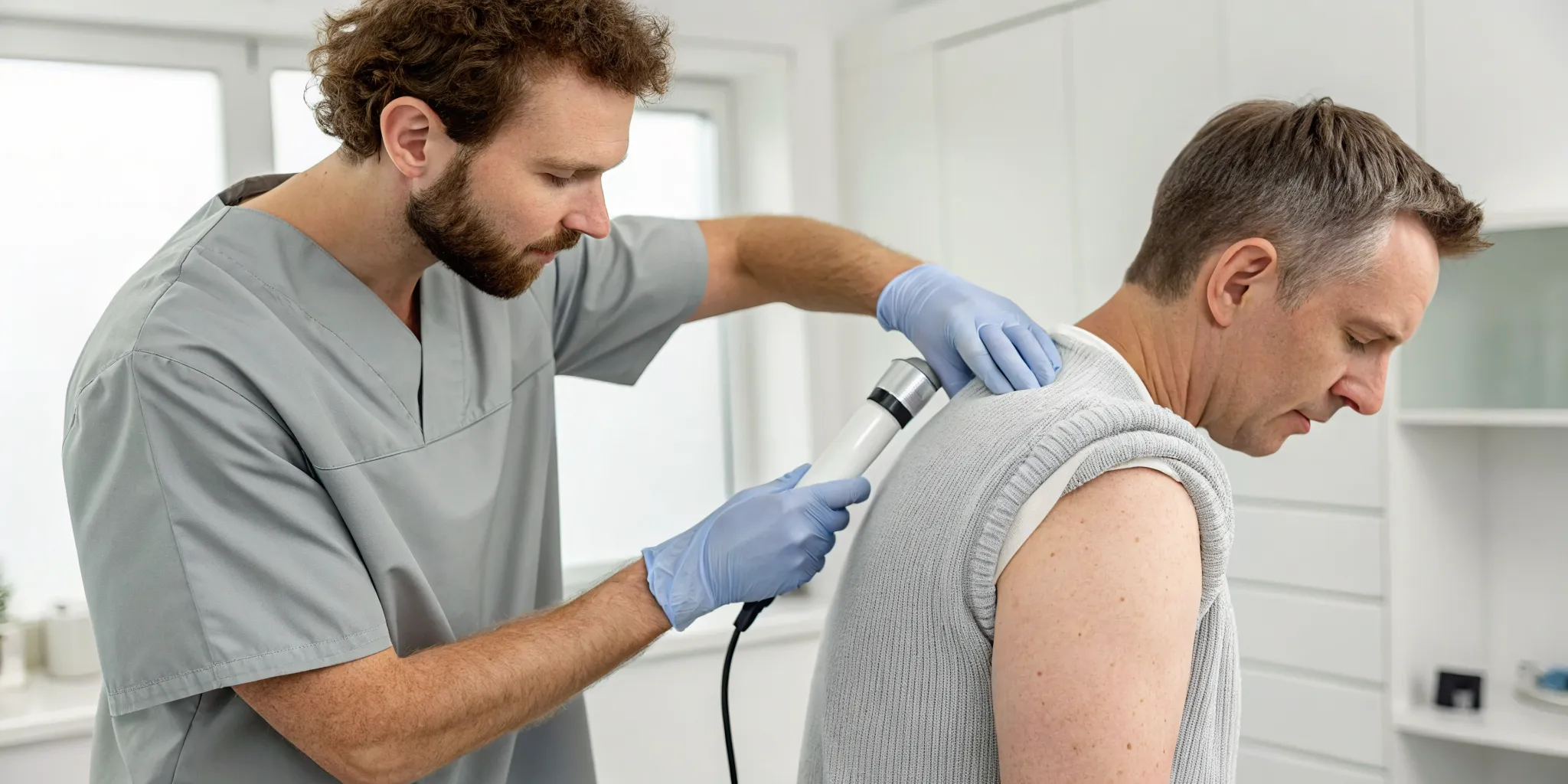
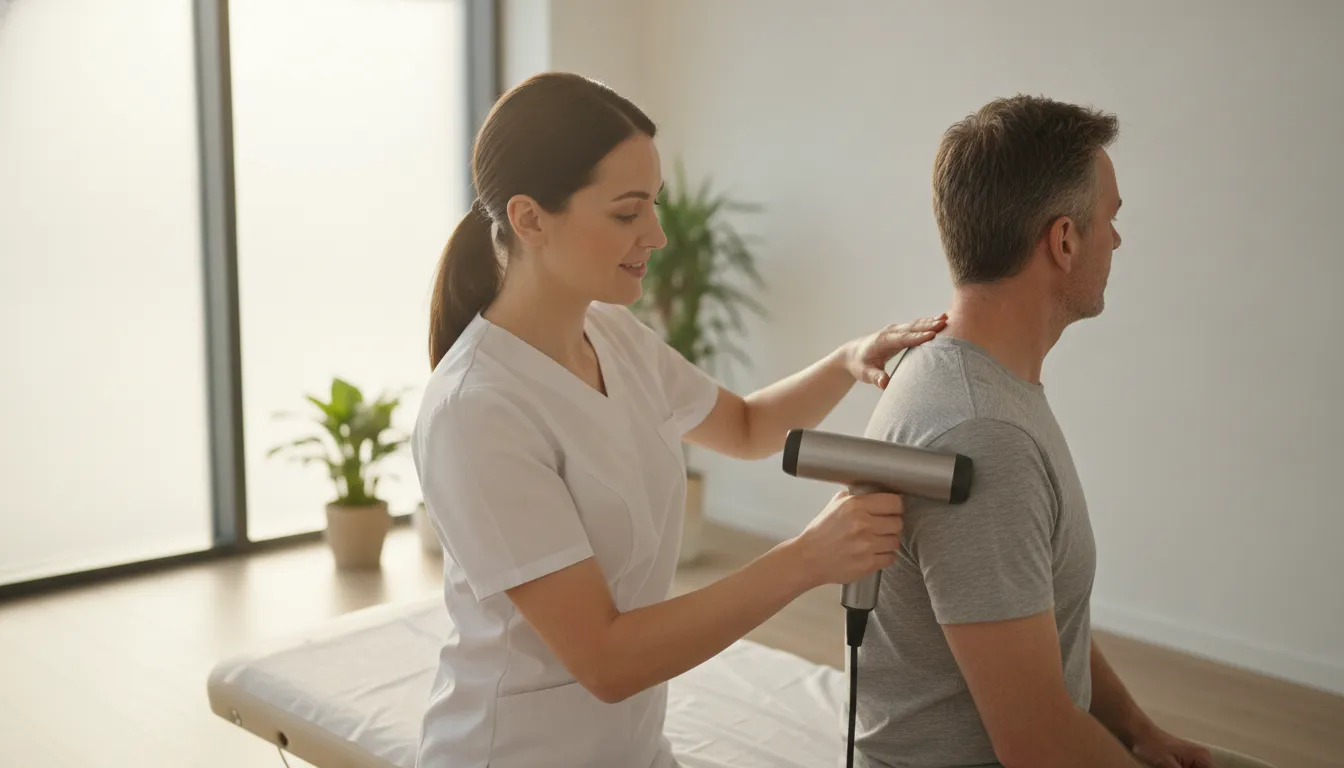
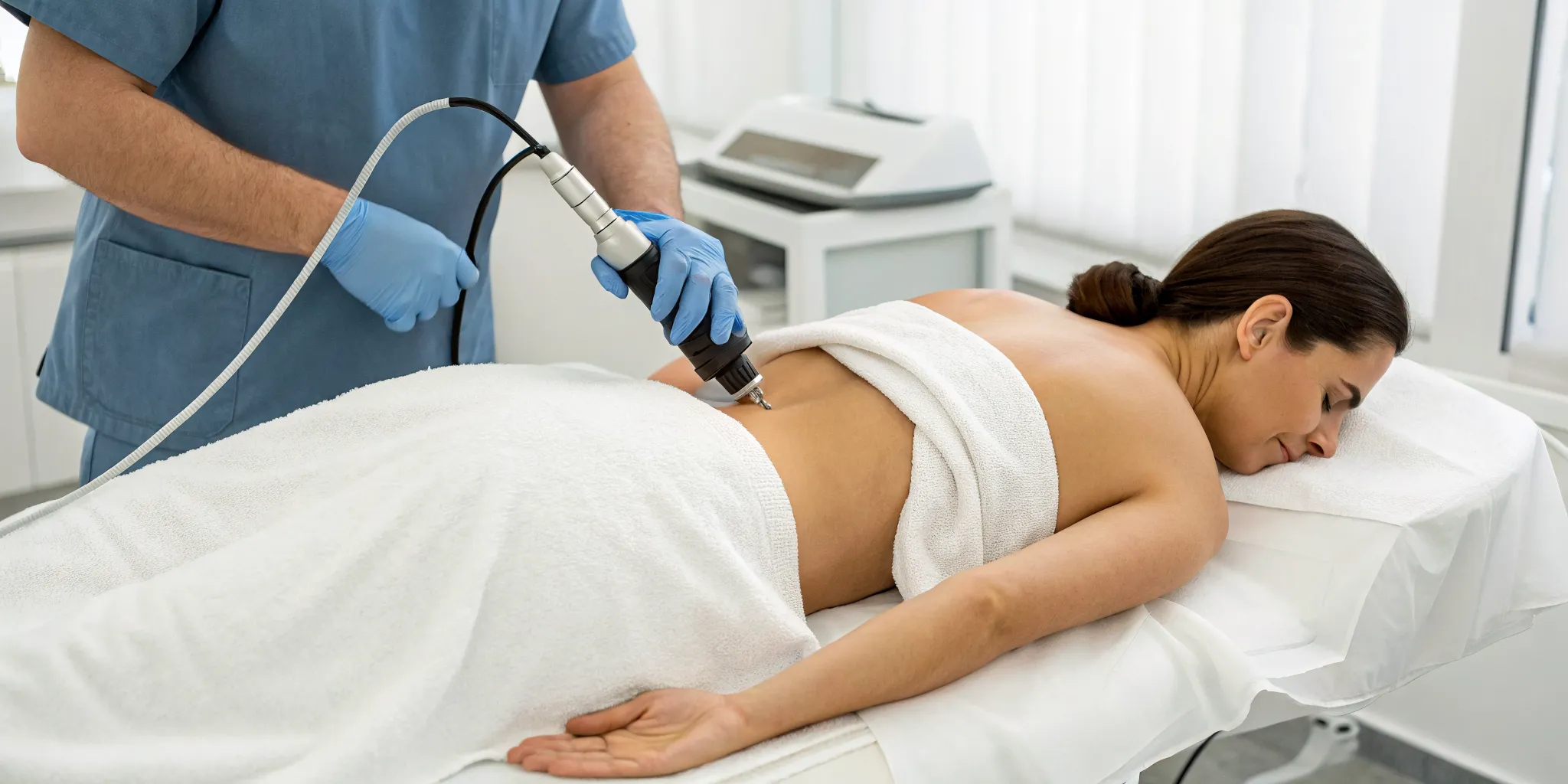
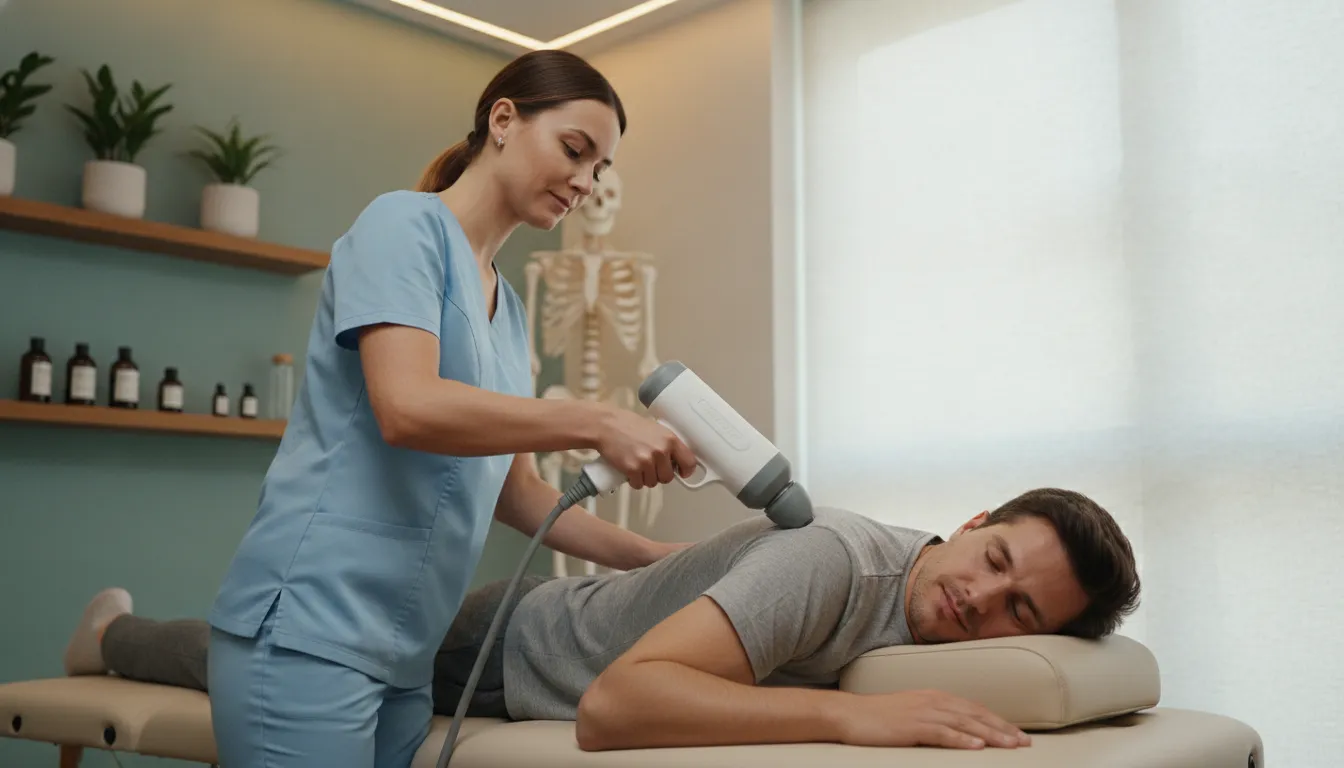
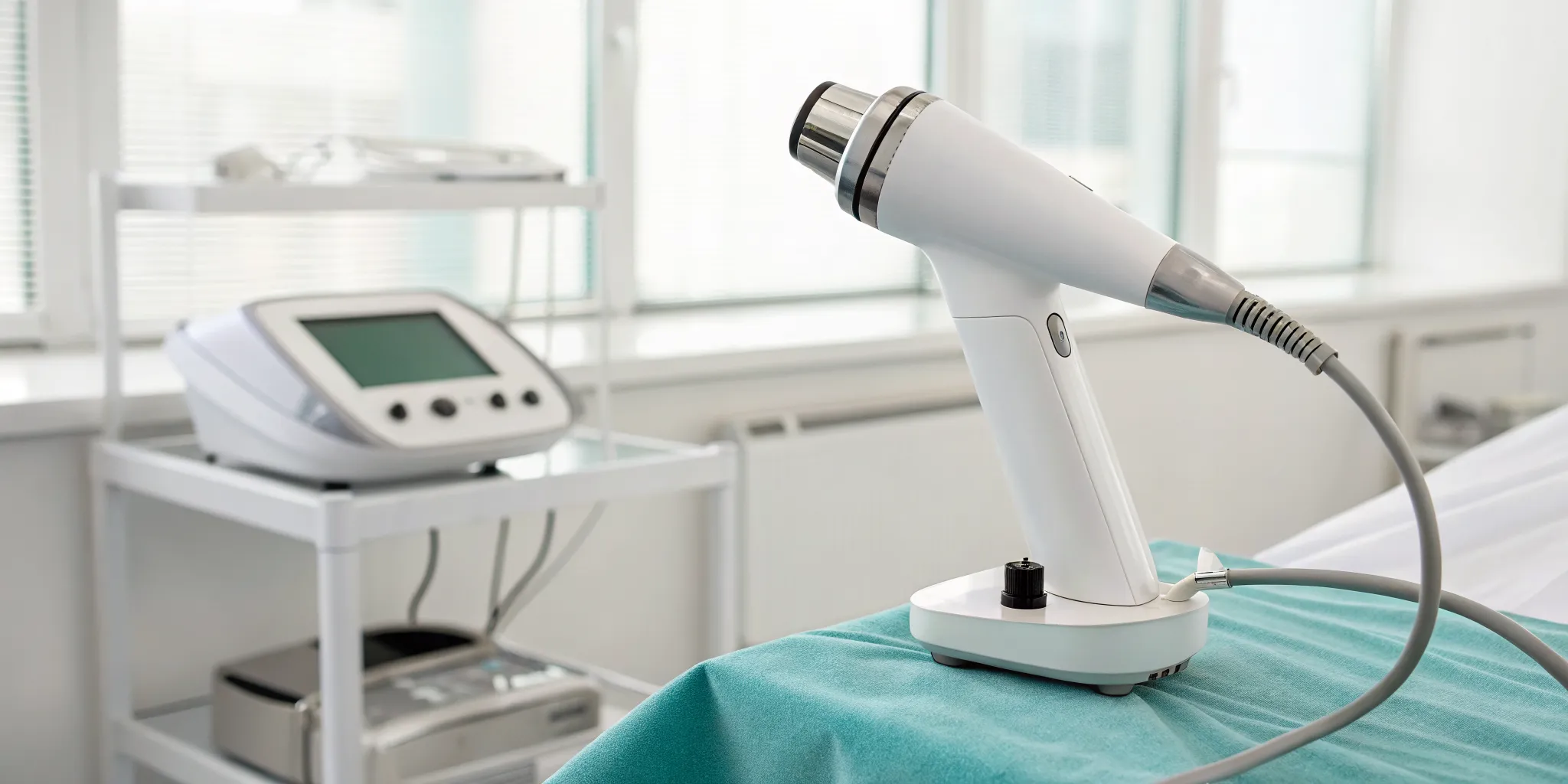
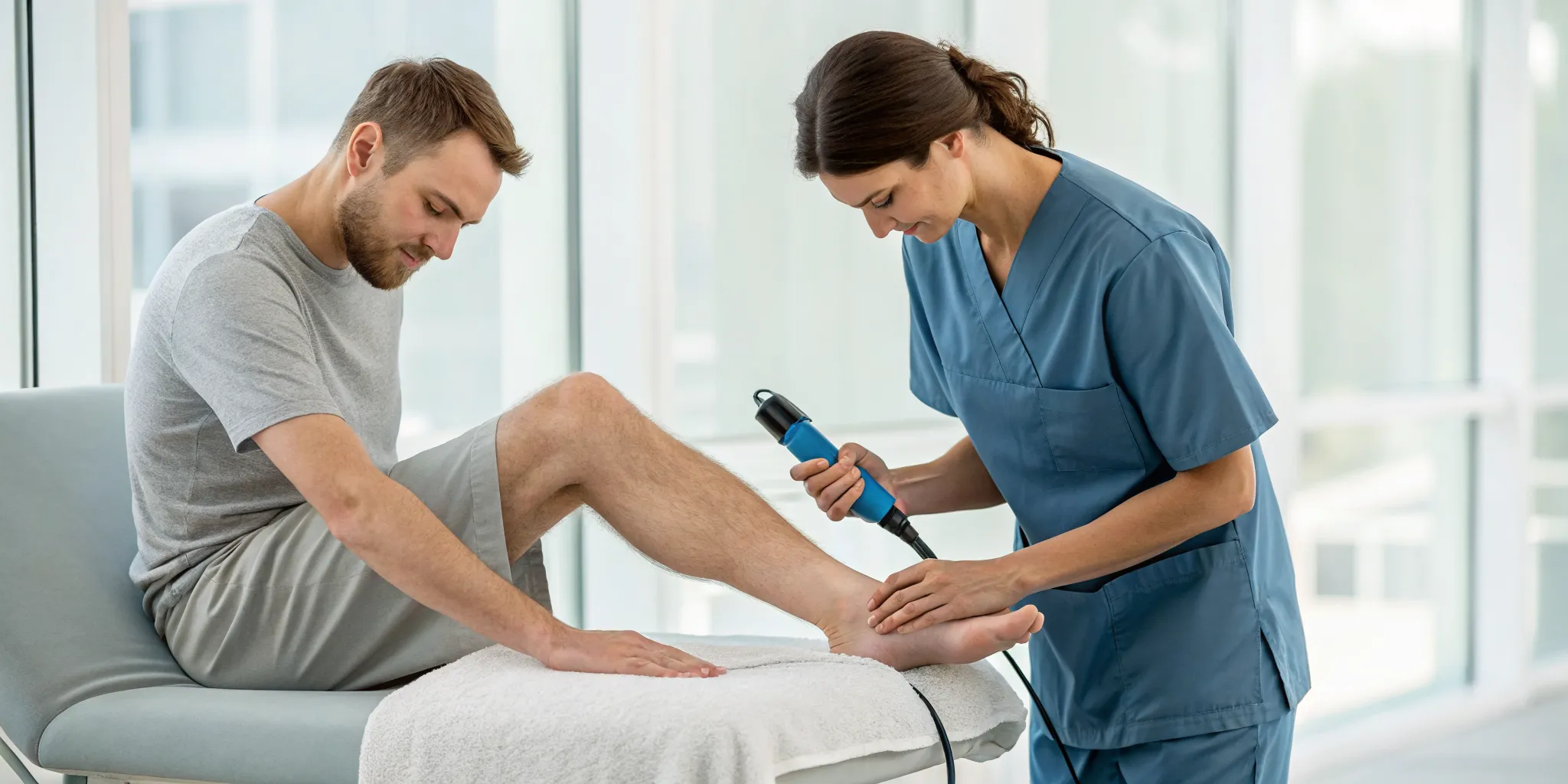
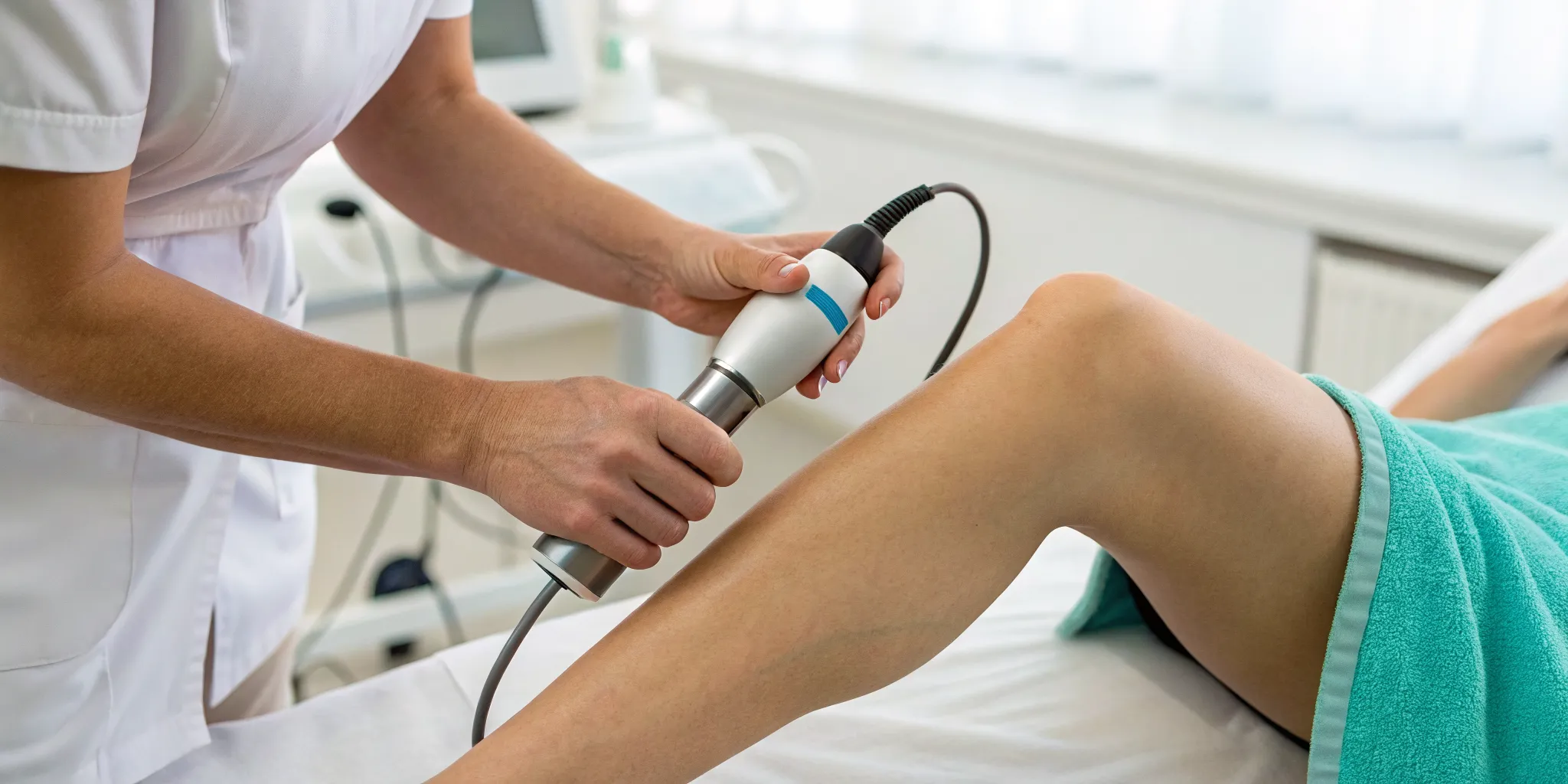
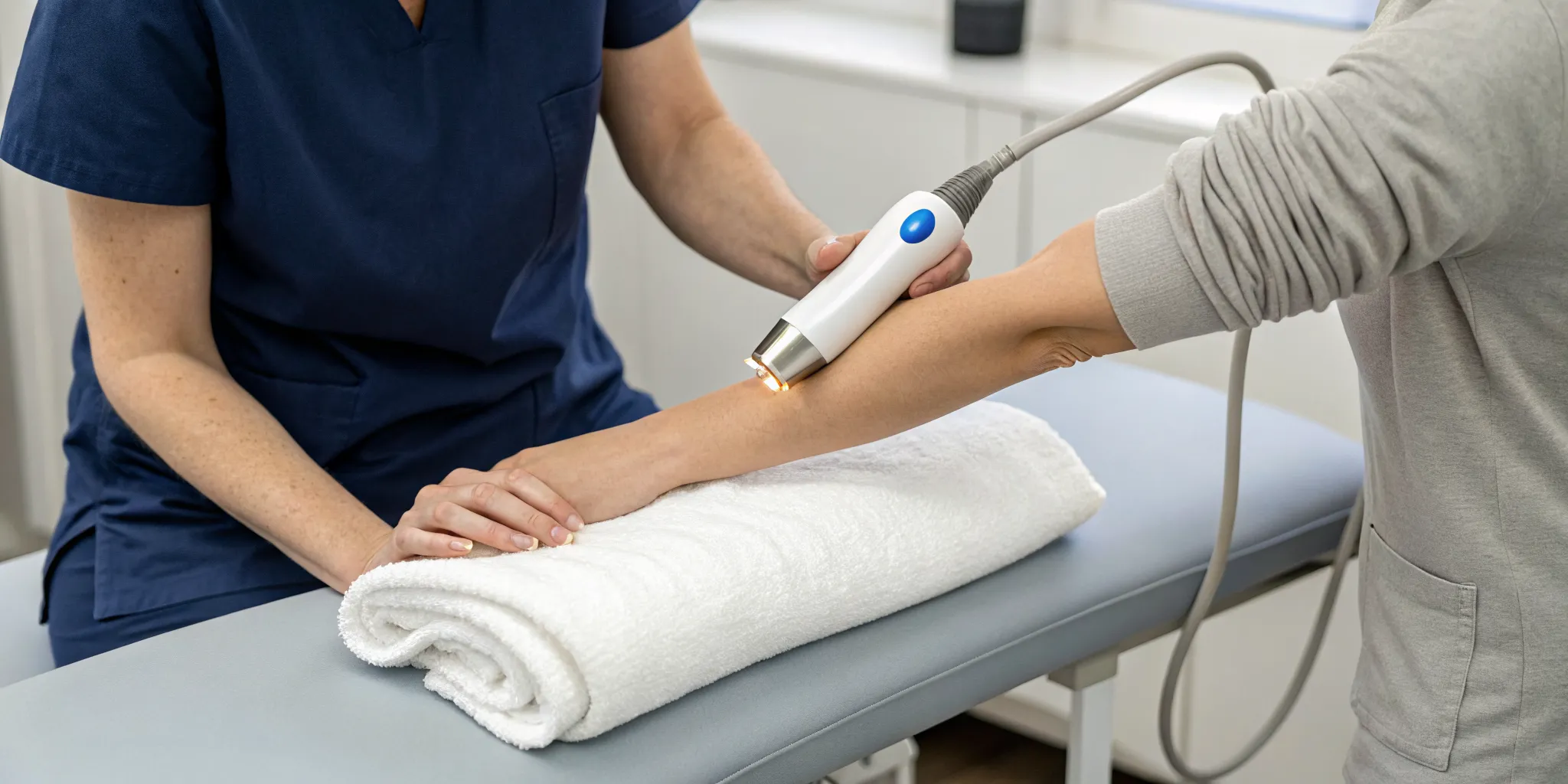
The term "therapy" can sometimes bring to mind intimidating procedures, but shockwave therapy is refreshingly straightforward and gentle on the body. It is a completely non-invasive treatment, meaning it works from outside your body without any need for needles or incisions. During a session, a provider simply applies a handheld device to the skin over the injured area, which delivers the acoustic waves directly to the underlying tissue.
This makes it an excellent alternative for those who are hesitant about more aggressive treatments. You get the benefits of a targeted, powerful therapy without the risks or recovery associated with invasive procedures. It’s a modern approach to healing that aligns perfectly with a holistic view of health, focusing on stimulating the body’s own systems to resolve a wide range of conditions we treat, from joint pain to muscle strains.
Experience Minimal Downtime
One of the most practical benefits of shockwave therapy, especially for busy individuals, is the minimal downtime required. Unlike treatments that can sideline you for weeks or even months, shockwave therapy allows you to get back to your life almost immediately. A typical session is relatively short, and most people can return to their normal daily activities right afterward.
In fact, many patients report feeling some improvement right after their first session. While you might be advised to take it easy with high-impact exercise for a day or two, there’s generally no extended recovery period. You can walk out of your appointment and continue with your routine while actively treating an injury. This makes shockwave therapy an incredibly convenient and effective option for anyone who can’t afford to press pause on their life.
What to Expect During a Shockwave Therapy Session
If you’re considering shockwave therapy, you probably have a few questions about what the treatment actually feels like. Knowing what to expect can help you feel more prepared and confident as you start your recovery. The process is straightforward, and your practitioner will be there to guide you every step of the way. Our goal is to make your sessions as comfortable and effective as possible, creating a clear path toward healing and getting you back to the activities you love.
Your Session, Step-by-Step
A typical shockwave therapy session is quick and simple. First, a gel will be applied to the skin over the area being treated. This gel helps ensure the acoustic waves are transmitted effectively into the tissue. Next, your practitioner will use a handheld device, moving it gently over the injured area. This device delivers the pressure waves that stimulate your body’s healing response. You’ll feel a tapping or pulsing sensation. We will adjust the intensity to your personal comfort level, aiming for a sensation that is noticeable but not painful. Each session is brief, usually lasting about 15 minutes, making it easy to fit into your schedule.
How Many Sessions Will You Need?
The number of sessions you’ll need depends on your specific injury, how long you’ve had it, and how your body responds to the treatment. For many common conditions, patients experience significant improvement after just three sessions, typically scheduled one week apart. Some more persistent injuries might require up to five sessions to achieve the best results. At Ascend Functional Health, we create a personalized treatment schedule tailored to the unique conditions we treat and your individual healing journey, ensuring you get the right amount of care for lasting relief.
Pairing Shockwave Therapy with Physical Rehabilitation
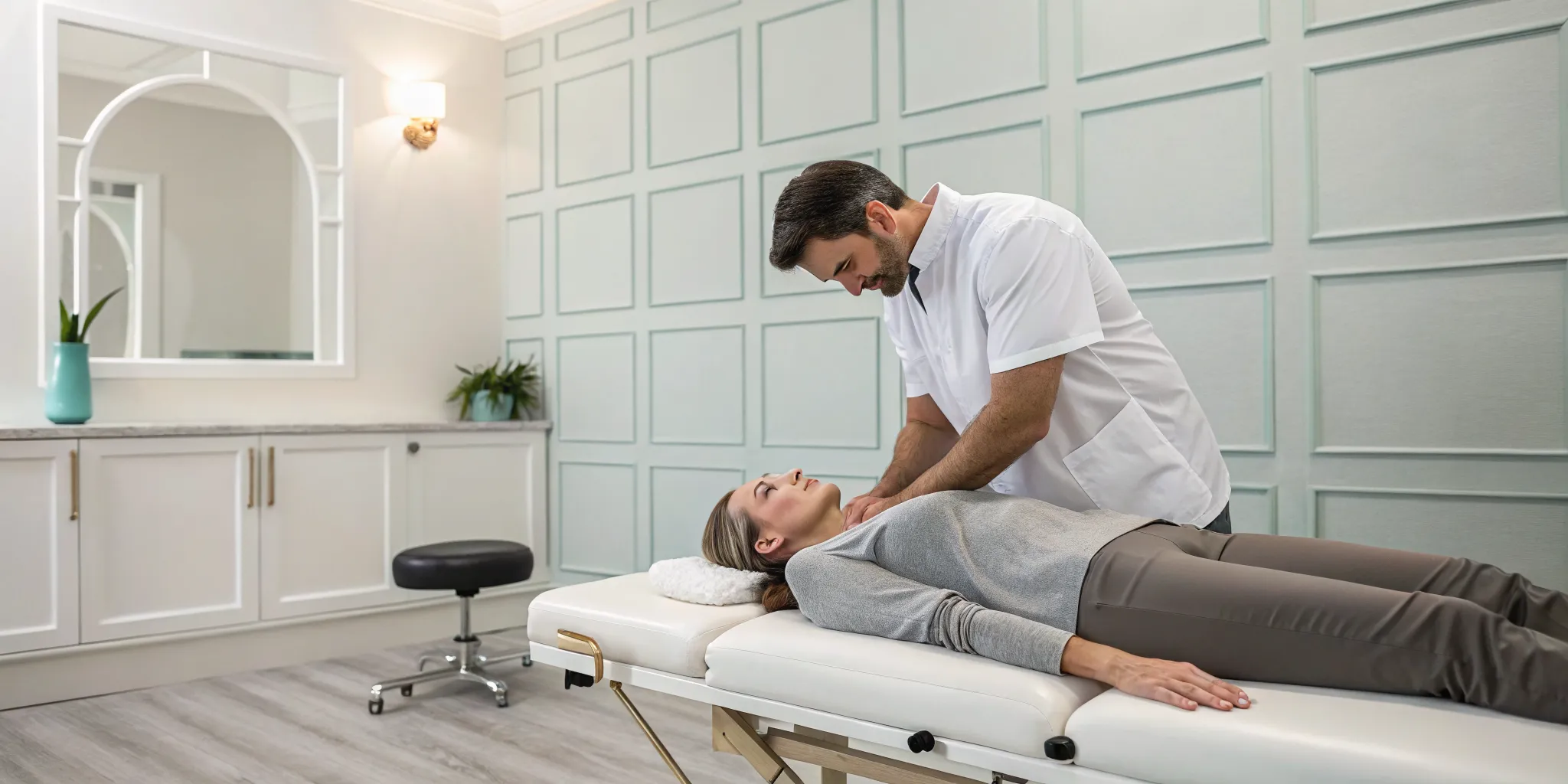
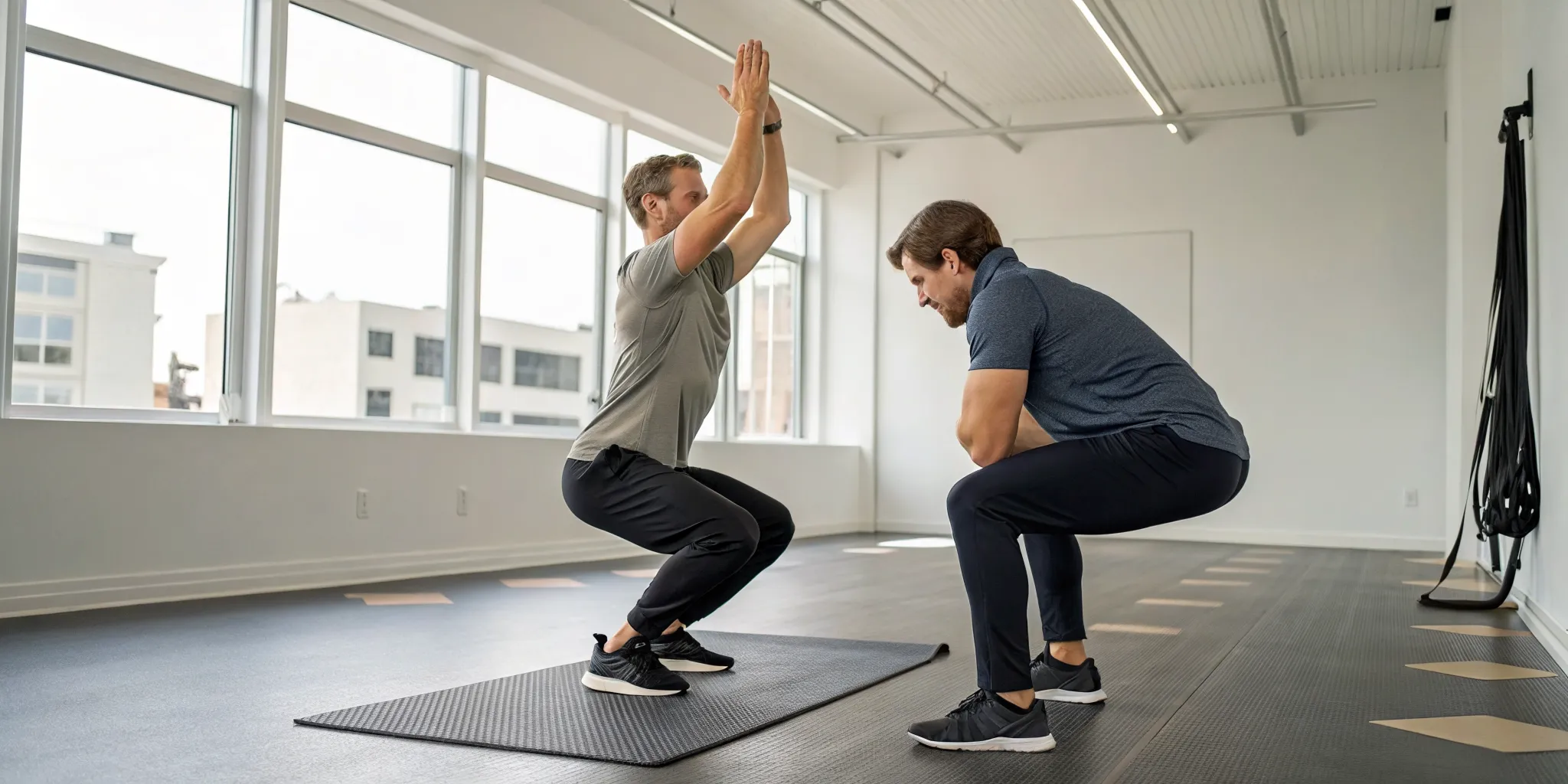
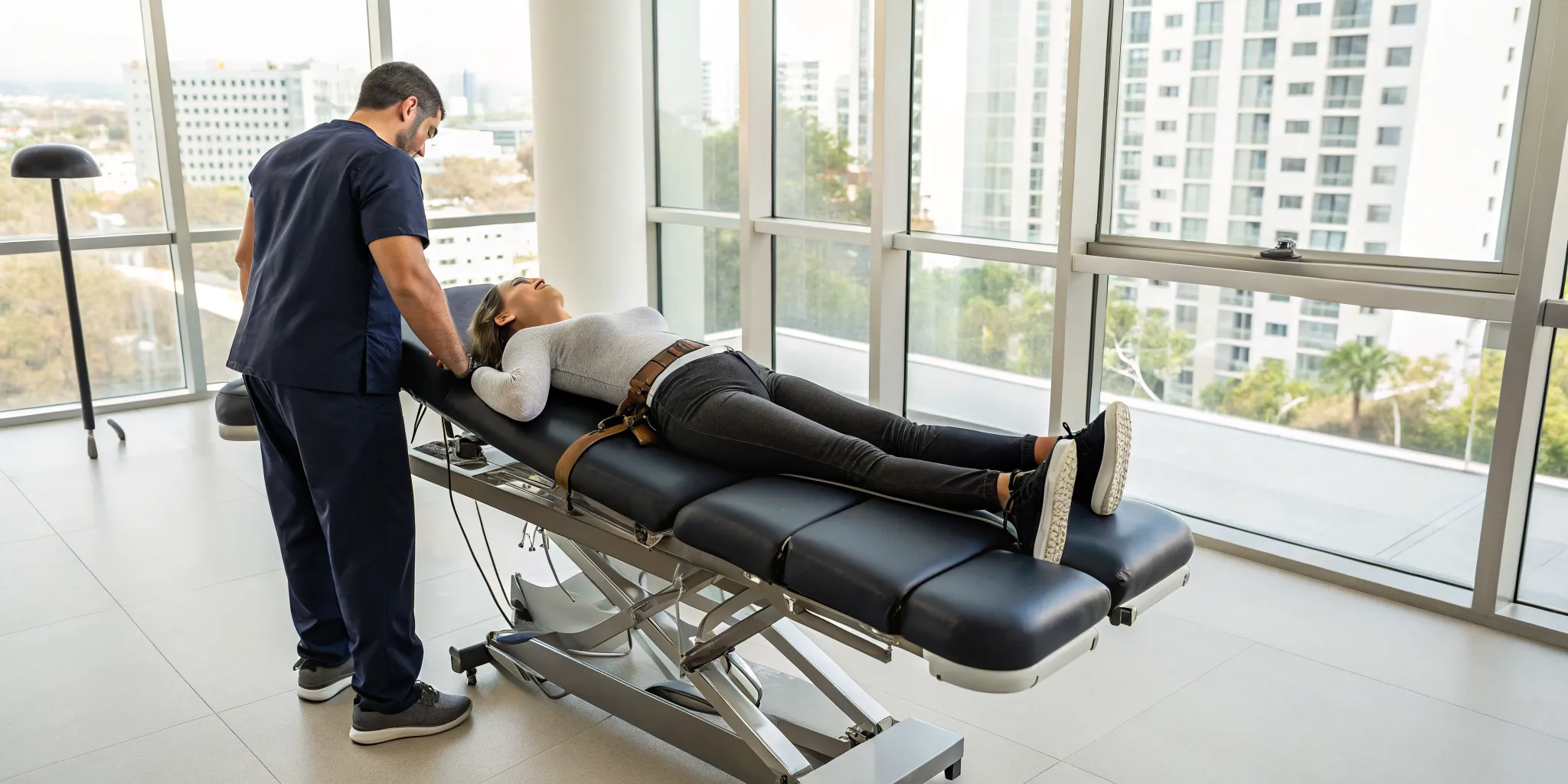
Shockwave therapy is a powerful tool on its own, but it’s often most effective when integrated into a comprehensive recovery plan. We find that pairing it with other forms of physical medicine, such as corrective exercises and chiropractic adjustments, can lead to more complete and lasting healing. This combined approach helps address the root cause of your pain while strengthening the surrounding tissues to prevent future injuries. Following a structured rehabilitation program alongside your shockwave treatments can help you recover more quickly and maintain your results long-term.
Understanding the Potential Risks and Side Effects
Any new treatment comes with questions, and it’s smart to understand the full picture before you begin. Shockwave therapy is widely considered a safe and effective treatment, but like any procedure, it’s helpful to know about potential side effects and who it’s best suited for. Our goal is always to make sure you feel informed and confident in your care plan. Let’s walk through what you can expect and the important factors to consider.
Common Temporary Side Effects
One of the great things about shockwave therapy is that the side effects are typically minor and don't last long. During a session, which usually only takes a few minutes, you might feel some slight discomfort or a pulsing sensation at the treatment site. It’s a sign that the acoustic waves are getting to work.
After your appointment, it’s common to see some temporary redness or feel a bit of soreness in the area, similar to how you might feel after a deep tissue massage. The good news is you can get right back to your daily routine afterward. We just recommend holding off on any strenuous exercise for about 48 hours to give your body time to begin the healing process that the treatment initiated. This approach is a core part of our physical medicine services.
When to Reconsider Shockwave Therapy
While shockwave therapy is a fantastic option for many, it isn’t the right fit for everyone. Your safety and health are the top priorities, so it’s crucial to be open about your medical history. This treatment is generally not recommended if you are pregnant, have a blood-clotting disorder, or are taking blood-thinning medication.
Other conditions that may prevent you from being a candidate include having a nerve disorder, bone cancer, an active infection, or metal plates in the area needing treatment. The best way to know for sure is to have a thorough conversation with a qualified provider. We encourage you to contact our team to discuss your specific situation so we can determine the best path forward for your health.
Important Considerations for Athletes
If you’re an athlete dealing with a nagging injury, shockwave therapy can be a real game-changer. It’s an excellent option for chronic issues like tennis elbow, plantar fasciitis, and Achilles tendinopathy that haven’t improved with traditional methods. Many athletes choose this therapy because it offers a path to recovery without resorting to more invasive procedures.
Instead of facing potential surgery or injections, you can use a non-invasive treatment that works with your body’s natural healing abilities. This often means you can get back to your sport and the activities you love with very little downtime. If you're struggling with a persistent sports injury, it’s worth exploring if shockwave therapy can help. You can see a broader list of conditions we treat to find out if your injury is on it.
Is Shockwave Therapy Right for Your Recovery?
Deciding on the right treatment path can feel overwhelming, especially when you’ve been dealing with pain for a while. Shockwave therapy is a highly effective option for many people, but it’s important to understand if it aligns with your specific needs and recovery goals. Let’s look at who benefits most from this treatment and how it fits into a comprehensive health plan.
Signs This Treatment Could Be a Good Fit
If you're dealing with a nagging injury that just won't quit, you know how frustrating the recovery process can be. Shockwave therapy could be the breakthrough you need, especially for chronic conditions that haven't improved with rest or other conventional methods. This treatment is particularly effective for stubborn issues like Achilles tendinopathy, plantar fasciitis, and persistent hip pain. If you're an active person tired of being sidelined by chronic pain, and you're looking for a solution that supports your body's healing process, shockwave therapy is definitely worth exploring. It’s a well-regarded approach for getting to the root of many muscle and bone-related injuries, helping you get back to your life.
Integrating Shockwave Therapy into Your Health Plan
Think of shockwave therapy as a powerful tool in your recovery toolkit, not a one-and-done fix. To achieve lasting results, we integrate it into a broader, holistic strategy. Studies show that combining this treatment with other rehabilitative care, like the physical medicine services we offer, leads to more complete and durable healing. One of the biggest advantages is that it’s a non-invasive option that can help you avoid procedures like surgery or frequent injections. Our goal is to create a personalized plan that addresses the source of your discomfort and helps your body truly heal. By pairing shockwave therapy with corrective exercises and other support, we can build a comprehensive path toward your recovery.
Begin Your Recovery at Ascend Functional Health in Tampa
Living with a nagging injury that keeps you from your favorite activities can be incredibly frustrating, especially when it feels like you’ve already tried everything. At Ascend Functional Health, we understand that you’re looking for a solution that does more than just mask the symptoms. Our Tampa practice is built on a foundation of identifying and treating the root cause of health concerns, empowering your body to heal the way it was designed to. We believe in getting to the heart of the issue so you can find lasting relief.
Shockwave therapy is one of the cornerstones of our physical medicine services, offering a powerful, non-invasive option for persistent sports injuries. This treatment is particularly effective for conditions like plantar fasciitis, Achilles tendinopathy, and rotator cuff issues because it stimulates blood flow and triggers your body’s natural repair mechanisms in tissues that are typically slow to heal. By creating a targeted healing response, shockwave therapy can significantly accelerate recovery and help active people get back to their routines without lengthy downtime.
What makes our approach different is that we don’t just treat the injury; we treat you as a whole person. We integrate shockwave therapy into a personalized recovery plan that considers your unique physiology, lifestyle, and health goals. Our goal is to help you regain mobility and strength for good. If you’re ready to move past your injury and get back to peak performance, we invite you to learn more about our team and our comprehensive approach to wellness. Let’s work together to build a plan that helps you achieve your health goals.
Related Articles
- SoftWave Tissue Regeneration Therapy in Tampa | Alessi Functional Health
- SoftWave TRT Therapy in Tampa, FL - Alessi Functional Health
- What Is Soft Tissue Therapy? A Complete Guide
- Regenerative Medicine for Pain Recovery | Ascend Functional Health
- What Is Graston Technique Therapy? A Beginner's Guide
Frequently Asked Questions
What does shockwave therapy actually feel like? Is it painful? Most people describe the sensation as a strong, rhythmic tapping or pulsing against the skin. While you will certainly feel it working, especially over a tender area, the treatment is not meant to be painful. Your practitioner will communicate with you throughout the short session and can adjust the intensity to a level that is effective yet comfortable for you.
How soon can I expect to feel better after starting treatment? Many patients report feeling some initial relief from their pain shortly after the first session. However, the most significant and lasting results come from the tissue regeneration that the therapy stimulates. This healing process continues for weeks after your sessions are complete. The full benefits typically become more noticeable as your body rebuilds stronger, healthier tissue over time.
What is my role in recovery after a shockwave session? Your main job after a session is to allow your body’s natural healing process to unfold. You can return to your normal daily activities right away, but we generally recommend avoiding any strenuous or high-impact exercise for about 48 hours. This gives the treated area a chance to respond without added stress. Following through with any complementary corrective exercises your practitioner provides is also a key part of achieving a successful, long-term recovery.
Why should I consider shockwave therapy if rest and stretching haven't worked? Rest and stretching are often effective for new injuries, but they can fall short when it comes to chronic conditions. After a certain point, a lingering injury may involve scar tissue or poor blood flow that prevents it from fully healing on its own. Shockwave therapy is designed specifically for these stubborn situations, as it actively breaks down adhesions and stimulates a fresh healing response in tissues that have been "stuck."
Is shockwave therapy the only treatment I will need for my injury? While shockwave therapy is a very powerful treatment, we find it delivers the best results when it is part of a complete recovery plan. At our practice, we integrate it with other physical medicine approaches, such as corrective exercises or chiropractic care, to address the root cause of your injury. This comprehensive strategy not only helps the tissue heal but also strengthens the surrounding area to help prevent the problem from returning.