Sciatica does more than cause physical pain; it steals your ability to enjoy daily activities, from playing with your kids to simply sitting comfortably at your desk. When you’re ready to stop managing your life around the pain, the first step is finding the right specialist. You need a partner in your health who will listen, perform a comprehensive evaluation, and create a personalized plan to address the root cause of your discomfort. The great news is that you don’t have to endure a long wait to get started. You can take control of your health today by booking a same week sciatica appointment in Tampa and begin your journey back to a full, active life.
Key Takeaways
- Focus on the Root Cause, Not Just the Symptom: Sciatica is your body signaling an underlying issue, such as a herniated disc or spinal misalignment. Lasting relief comes from a thorough evaluation that pinpoints and addresses the specific source of nerve pressure.
- A Personalized Plan is Key to Recovery: The most effective path to healing involves a tailored strategy that addresses your unique needs. This may include a combination of chiropractic care, spinal decompression, and a functional medicine approach to support whole-body health.
- Act Promptly to Prevent Chronic Pain: Ignoring sciatica can turn a temporary issue into a long-term problem that is more difficult to resolve. Seeking prompt care allows for early intervention, which can shorten your recovery time and prevent lasting nerve irritation.
What Is Sciatica and Why Does It Hurt So Much?
If you’ve ever felt a sharp, shooting pain travel from your lower back down your leg, you know it’s more than just a simple backache. This distinct and often debilitating pain is a hallmark of sciatica. It happens when the sciatic nerve, the longest nerve in your body, gets pinched or irritated. Think of it as a major communication highway running from your lower back, through your hips and buttocks, and down each leg. When something puts pressure on that highway, it creates a traffic jam of pain signals.
Sciatica isn't a diagnosis on its own; it's a symptom of an underlying issue. That’s why just managing the pain often isn’t enough. Getting to the bottom of what’s causing the pressure is the first step toward finding lasting relief. Understanding the root cause helps create a targeted plan to not only ease your current discomfort but also to help prevent it from coming back.
What Causes Sciatic Nerve Pain?
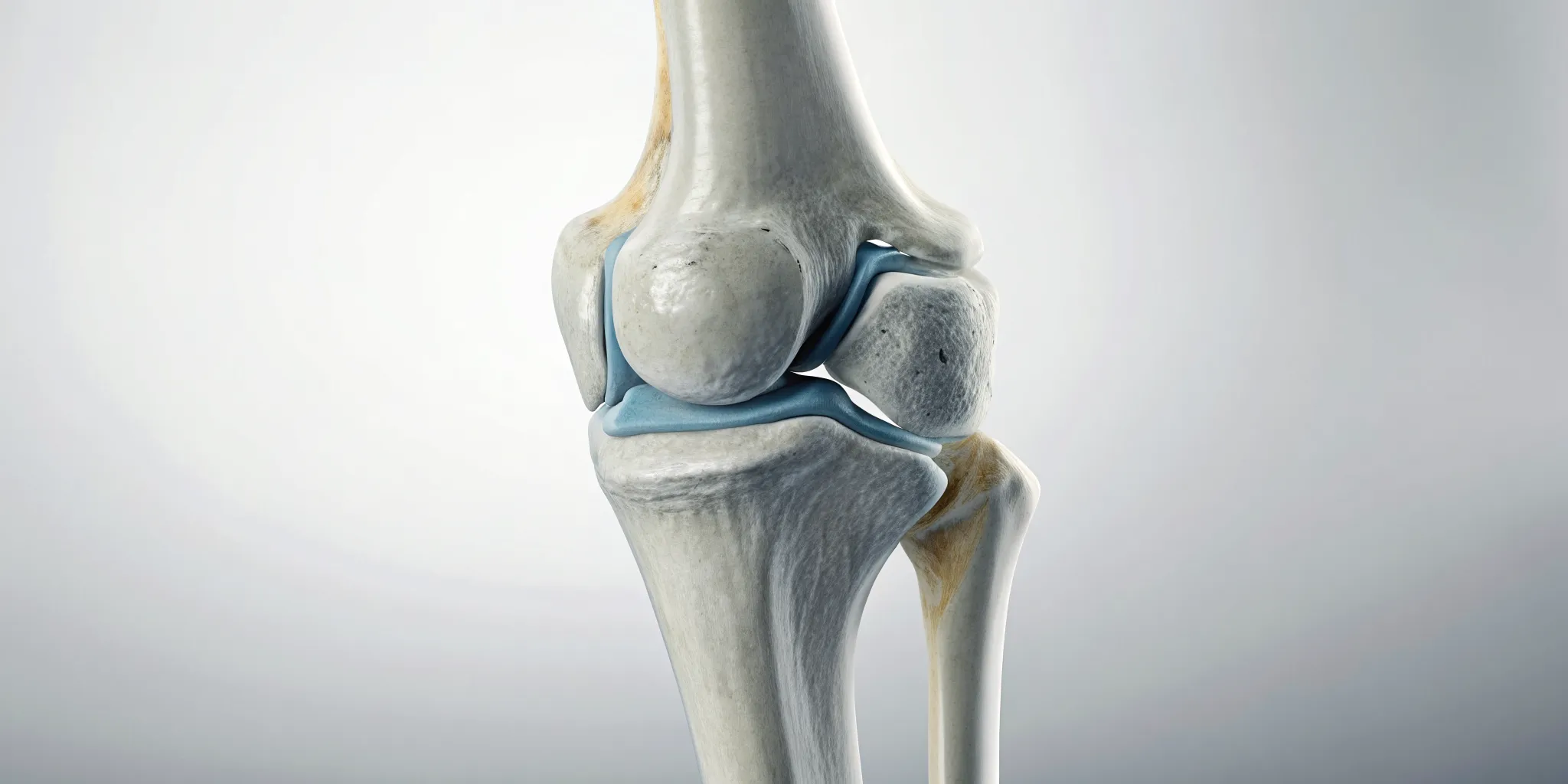
The pressure on your sciatic nerve can come from several sources, most of which are related to the spine. One of the most common culprits is a herniated disc, where one of the soft cushions between your vertebrae slips out of place and presses on the nerve. Other spinal issues, like a narrowing of the spinal canal (spinal stenosis) or degenerative disc disease, can also be the source of the problem.
Sometimes, the issue isn't in the spine itself. A muscle deep in your buttocks called the piriformis can spasm and squeeze the sciatic nerve, a condition known as piriformis syndrome. Less common causes include bone spurs or even changes during pregnancy. Because there are so many potential causes of your pain, a thorough evaluation is essential to pinpoint the exact reason for your discomfort.
Key Sciatica Symptoms
While sciatica is famous for its radiating leg pain, the symptoms can vary widely from person to person. The pain typically affects only one side of the body and can feel like a mild ache, a sharp burning sensation, or an electric jolt. You might also experience numbness, tingling, or muscle weakness in the affected leg or foot.
Many people find their symptoms get worse after sitting for a long time, coughing, or sneezing. The pain might be constant, or it could come and go. These different symptoms and conditions are your body's way of telling you that something is wrong. Paying attention to the specific type and location of your pain can provide important clues for your healthcare provider during your evaluation.
When to See a Specialist This Week
It’s easy to hope that sciatica will just go away on its own, but waiting too long can sometimes make things worse. If your pain is persistent, severe, or getting in the way of your daily life, it’s time to get it checked out. You should seek a professional opinion promptly if you notice increasing weakness in your leg or foot.
While rare, some symptoms signal a more serious issue that requires immediate attention. If you experience a loss of bladder or bowel control along with your sciatica, this is a sign to seek care right away. Getting an early and accurate diagnosis is the best way to prevent potential long-term nerve issues and start on the path to recovery. A specialist can help you understand your options and create a plan that’s right for you.
Why You Shouldn't Wait for a Sciatica Appointment
When that distinct, shooting pain of sciatica starts, it’s tempting to adopt a “wait and see” approach. We’ve all been there, hoping a little rest will make the problem disappear. But when it comes to nerve pain, waiting can often make things worse. Ignoring sciatica not only prolongs your discomfort but can also allow a manageable issue to become a chronic one that impacts your daily life, from sitting at your desk to enjoying a walk.
Understanding the risks of delaying care is the first step toward getting back on your feet. While some mild cases might improve on their own, you could be gambling with your long-term health. It’s also important to recognize that in some instances, sciatica can be a sign of a more significant underlying problem that requires prompt attention. Taking action and seeking a professional opinion sooner rather than later is the best way to protect your well-being and find a clear path to relief.
The Risks of Delaying Treatment
Putting off a visit for sciatica can turn a temporary problem into a long-term struggle. While it's true that acute sciatica can sometimes get better within four to six weeks with supportive care, that’s still over a month of dealing with disruptive pain. For many, the issue doesn't resolve and can become a chronic condition that is much more difficult to address. The longer the sciatic nerve is compressed or irritated, the greater the risk of developing persistent numbness, tingling, or weakness.
Delaying a proper evaluation means you’re missing the opportunity for early intervention that could significantly shorten your recovery time. A proactive approach helps identify the root cause of your sciatica, allowing for a targeted treatment plan. By addressing the issue head-on, you can often prevent lasting nerve irritation and get back to your life without pain.
Warning Signs of a Larger Problem
While most sciatica is caused by issues like a herniated disc, it’s crucial to know when your symptoms might point to something more serious. You should seek immediate medical help if you experience a loss of feeling or progressive weakness in the affected leg. Another major red flag is any loss of bladder or bowel control. These symptoms can indicate severe nerve compression that requires urgent evaluation to prevent permanent damage.
Getting checked early is always the best course of action, especially if you notice your weakness is getting worse or you’re having trouble with bladder or bowel function. As experts caution, severe sciatica can cause lasting nerve damage if it isn't addressed promptly. Listening to your body and recognizing these specific warning signs is key. If you experience any of them, it's time to contact a specialist right away.
Sciatica Treatment Options in Tampa
When you’re dealing with sciatica, you want a solution that does more than just mask the pain. In Tampa, you have access to a variety of advanced treatments that target the root cause of your discomfort. The goal is to find a specialist who can create a plan tailored specifically to you, often combining several effective therapies. A comprehensive approach looks at your entire body to understand why you’re experiencing pain in the first place, leading to more sustainable relief.
These modern treatments go beyond temporary fixes, focusing instead on true healing and long-term wellness. By addressing the underlying structural and functional issues, you can get back to living your life without that persistent, radiating pain. Let’s explore some of the most effective options available.
Chiropractic and Spinal Adjustments
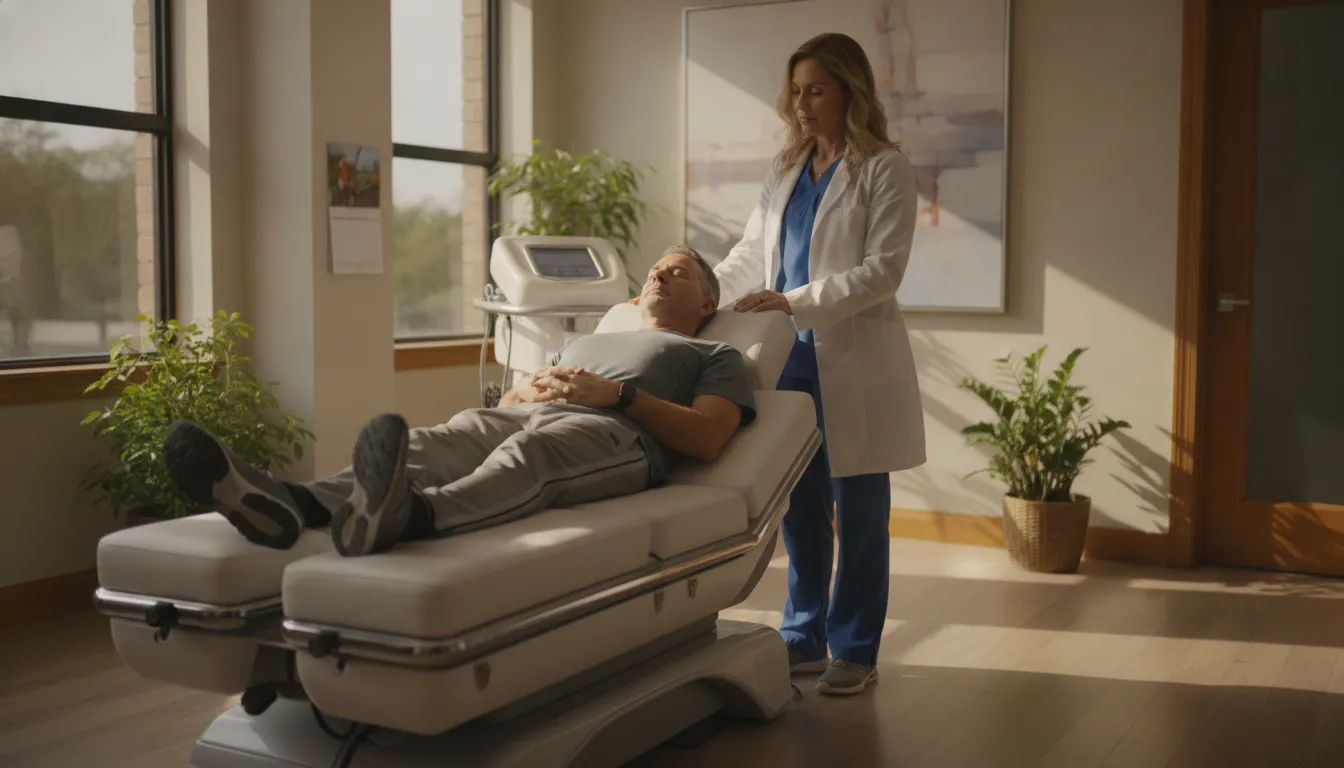
Chiropractic care is a cornerstone of sciatica treatment for a good reason. The pain you feel is often caused by a compressed sciatic nerve, and targeted spinal adjustments can provide significant relief. A chiropractor uses precise, gentle manipulations to realign your spine, which takes pressure off the nerve. This process not only helps reduce the immediate pain but also decreases inflammation and improves your overall spinal mobility. By restoring proper alignment, your body is better equipped to heal itself. This is a foundational part of a physical medicine approach that addresses the structural source of your sciatica.
Spinal Decompression and Corrective Care
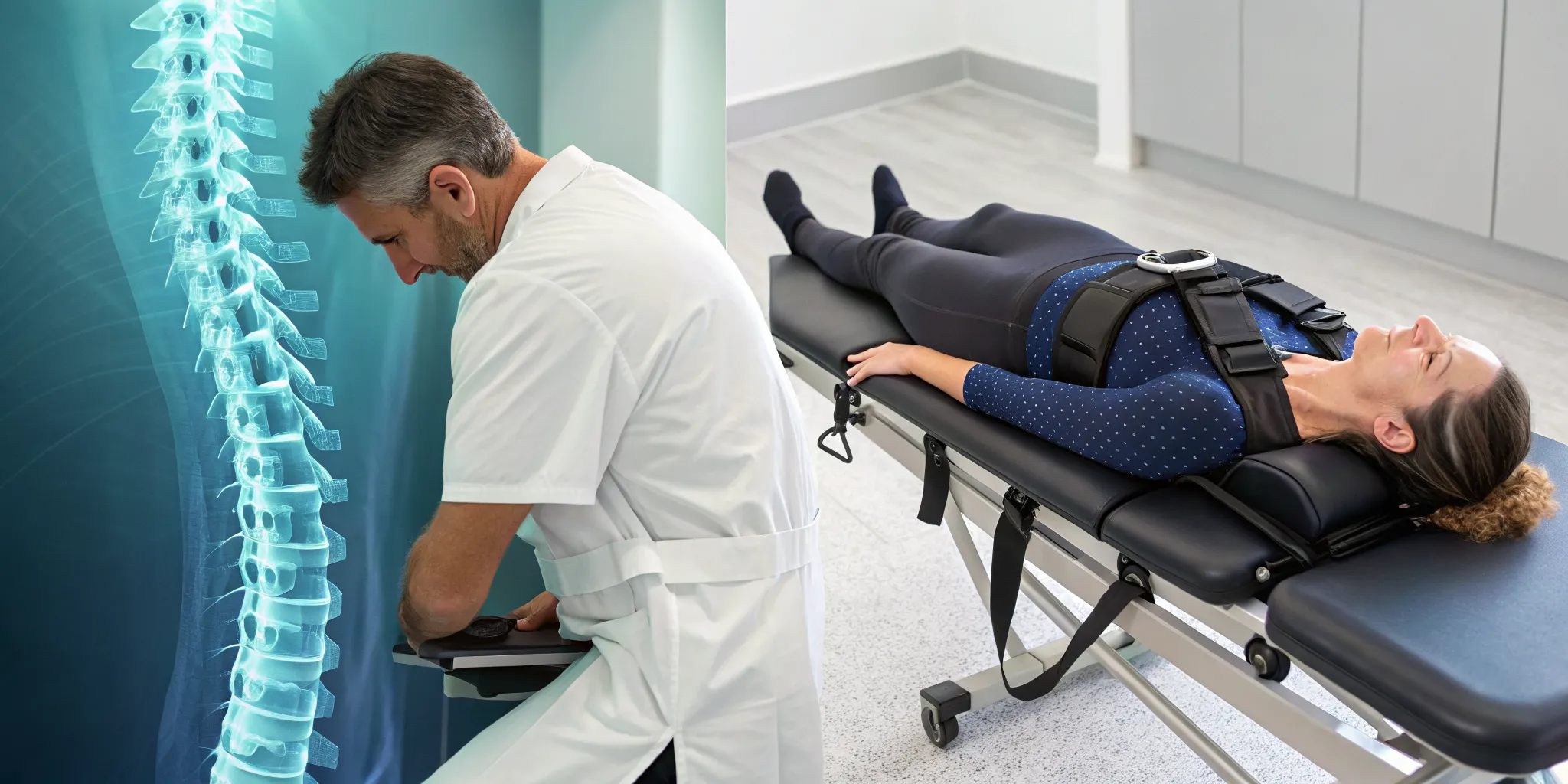
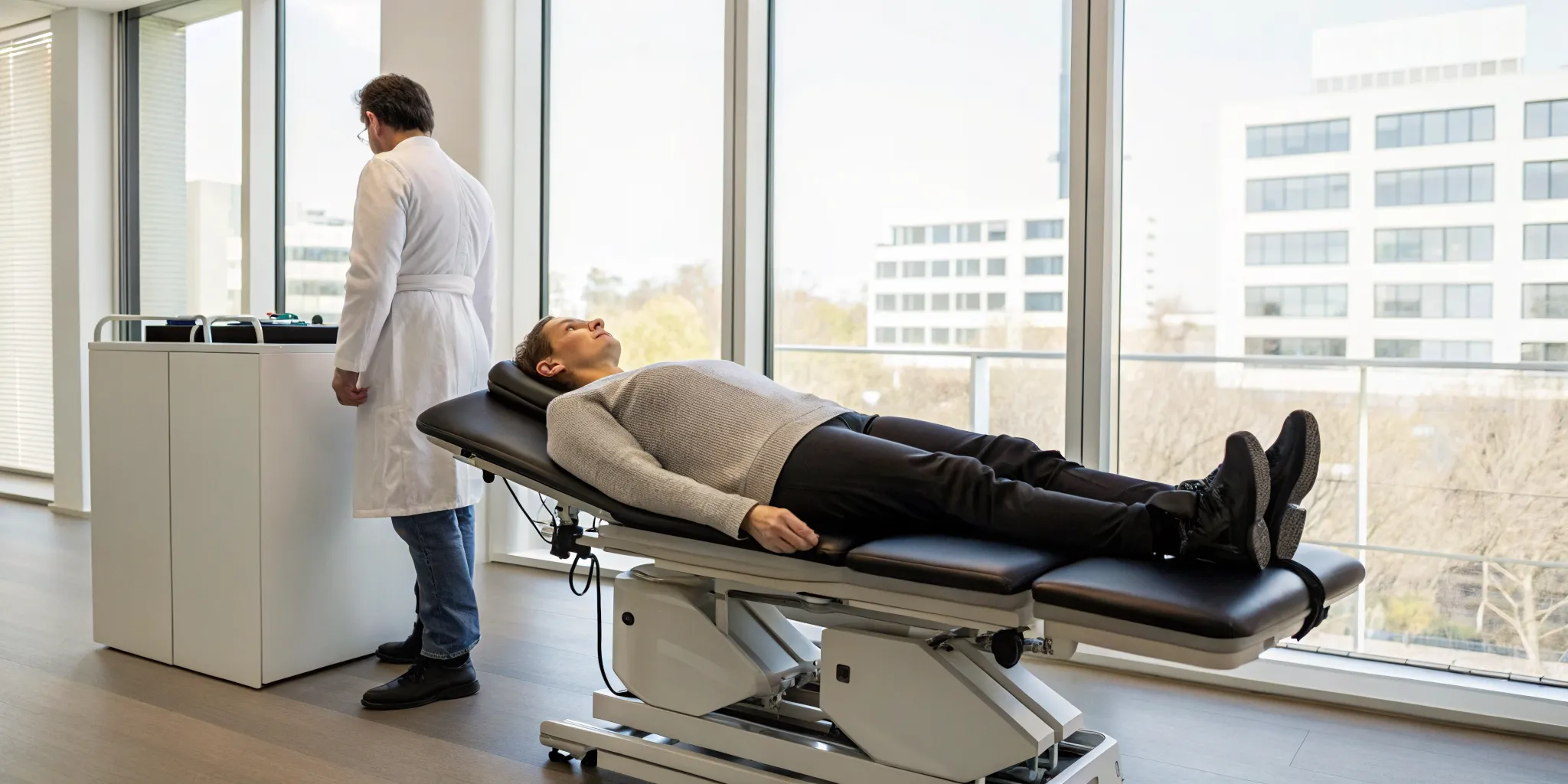
Think of spinal decompression as a therapy that creates much-needed space for your nerves. This non-invasive technique gently stretches the spine, which can help retract bulging or herniated discs that may be pressing on your sciatic nerve. It’s a highly effective method for relieving that deep, nagging ache and tingling sensation. Corrective care often goes hand-in-hand with decompression, focusing on restoring the natural curve of your spine and strengthening supporting muscles. This combination doesn’t just alleviate current symptoms; it helps build a more resilient back to prevent future flare-ups, forming a key part of a comprehensive treatment plan.
SoftWave Therapy for Nerve Pain
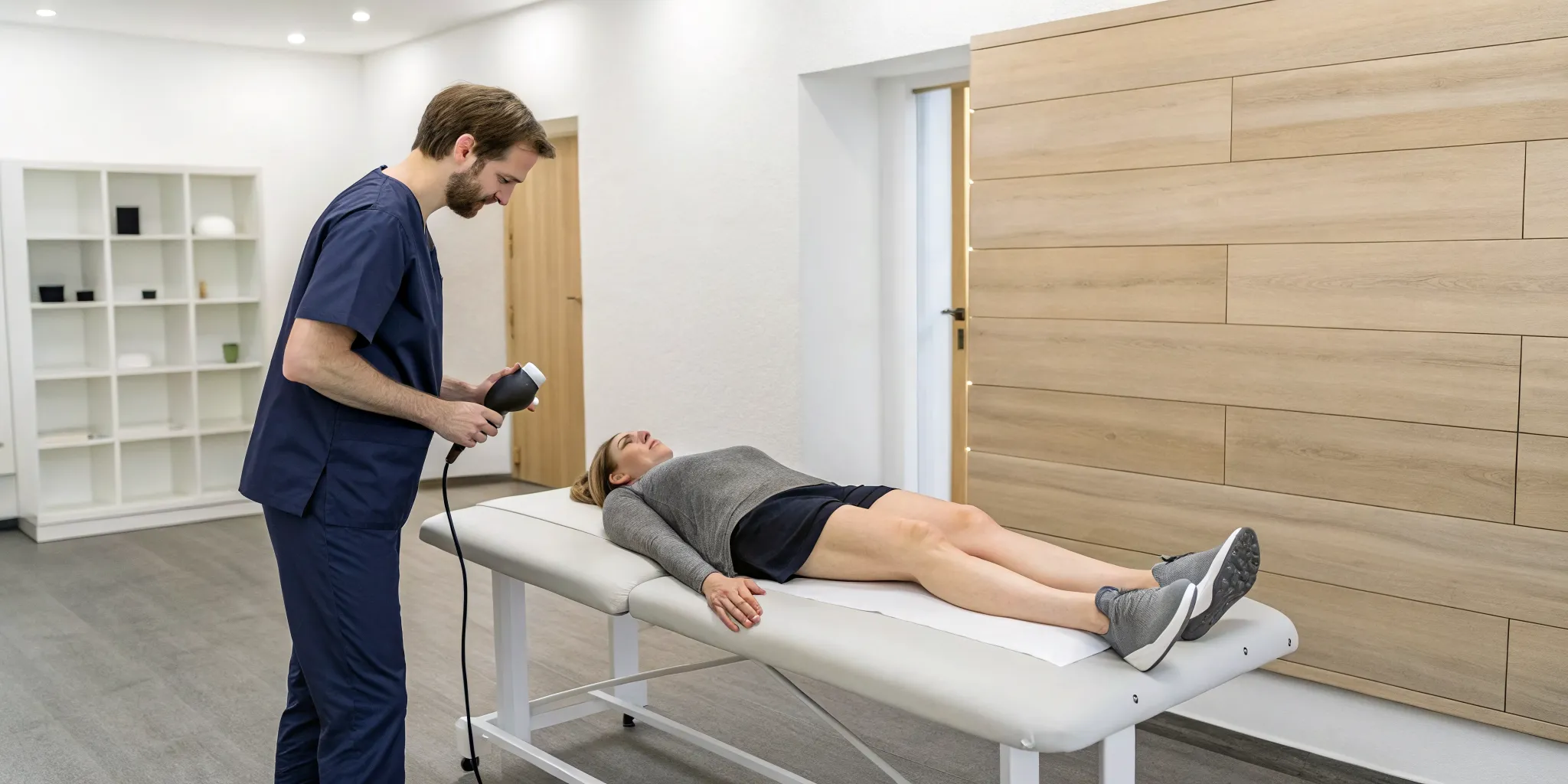
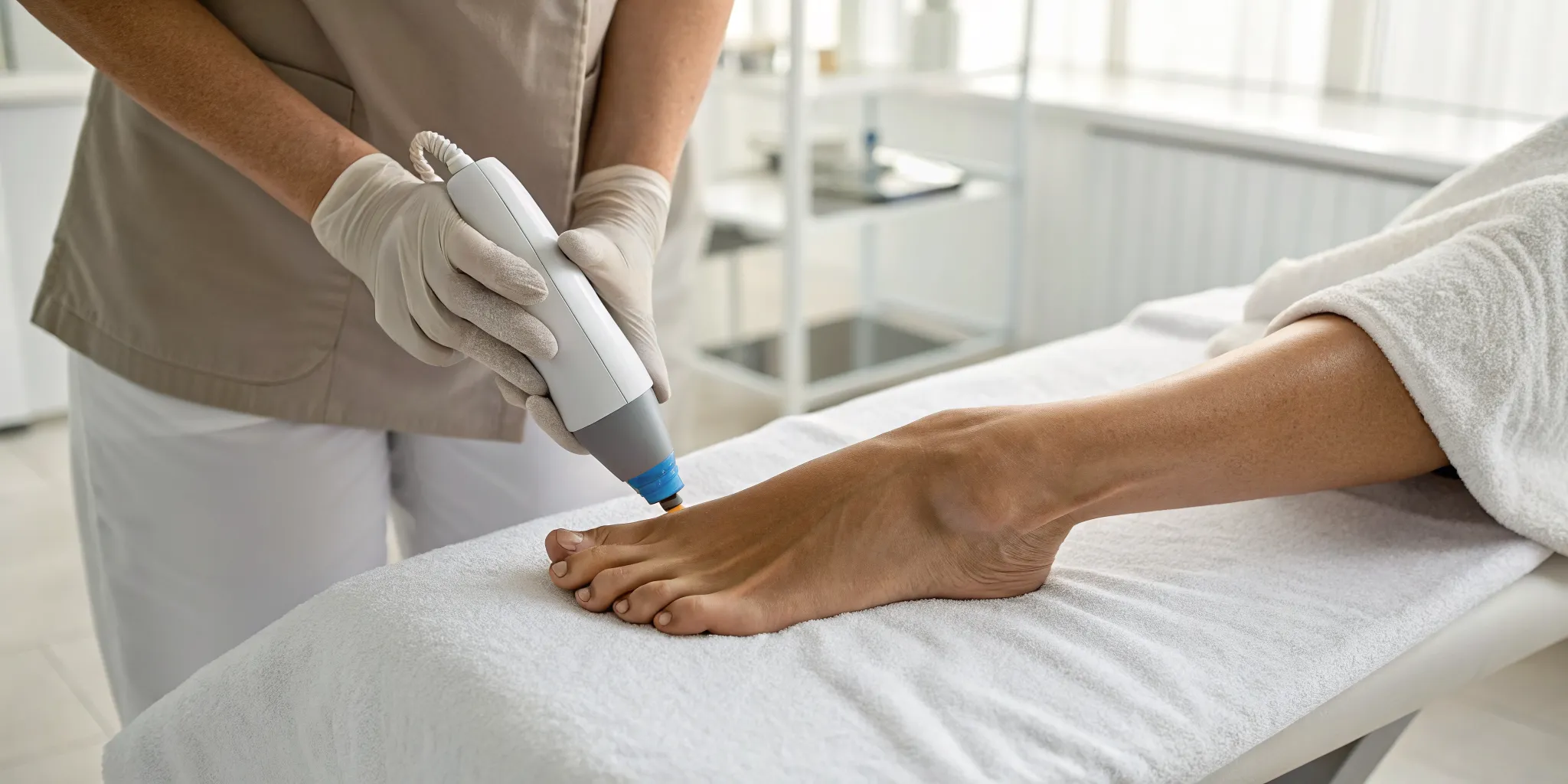
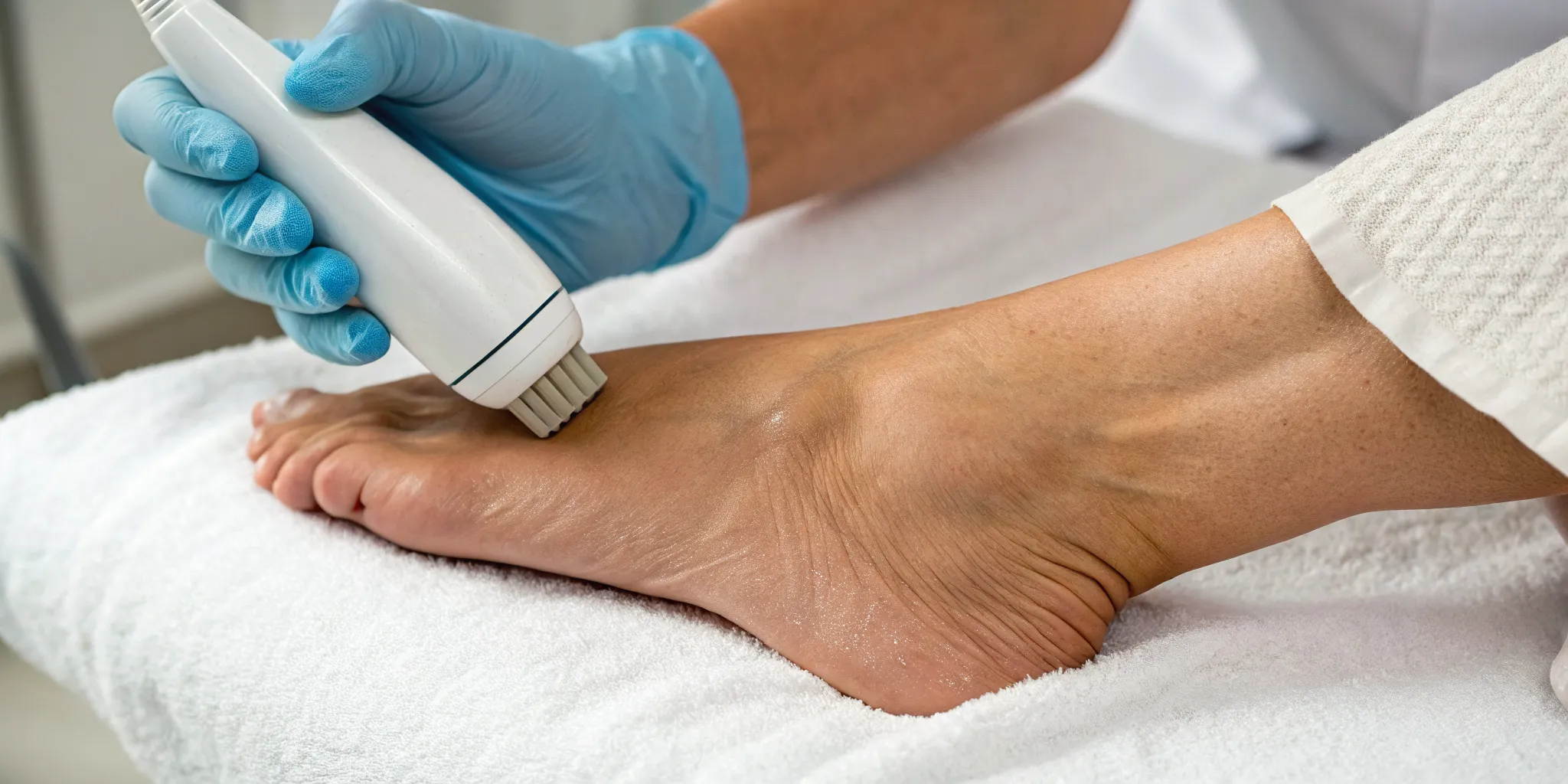
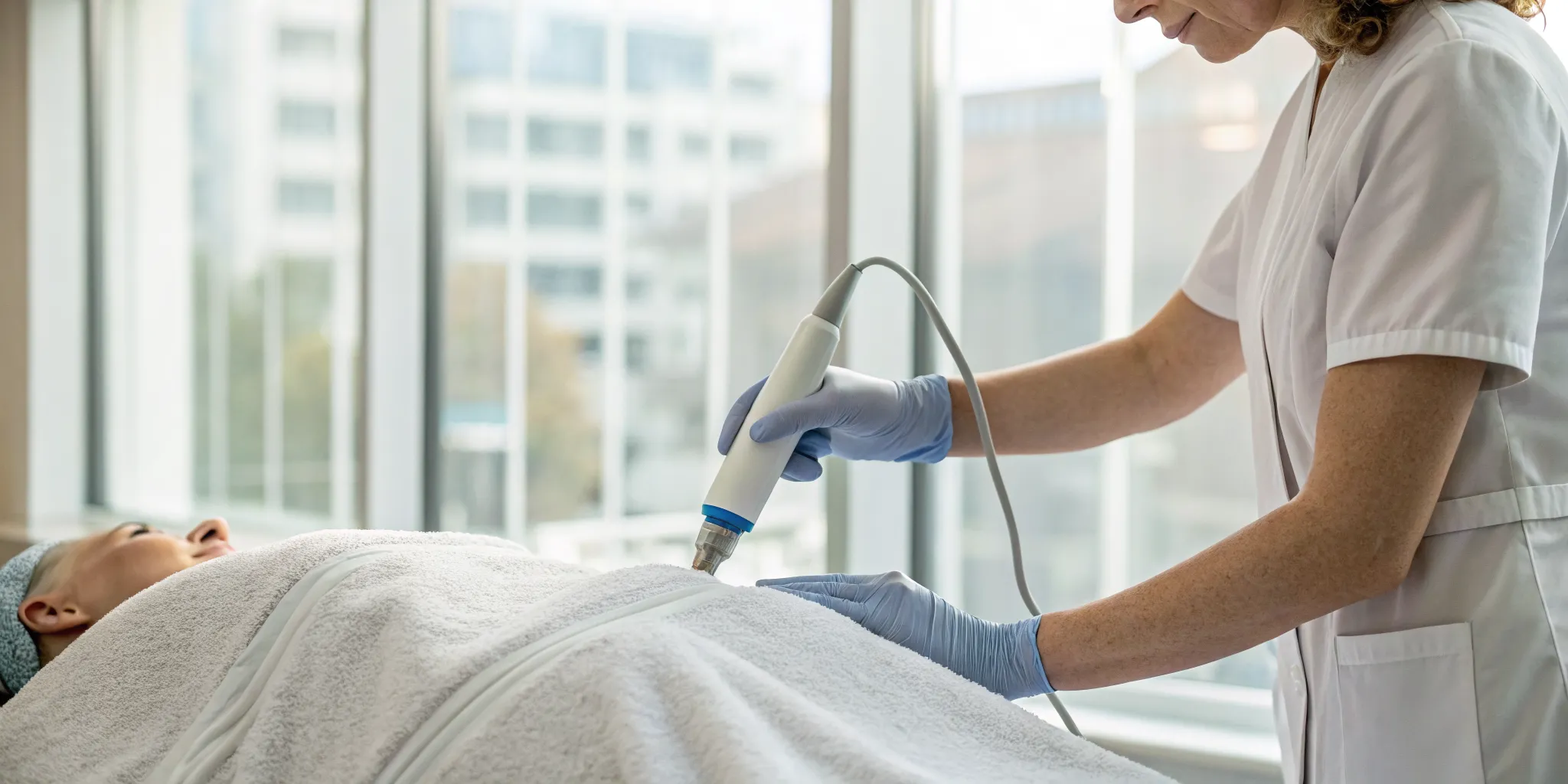
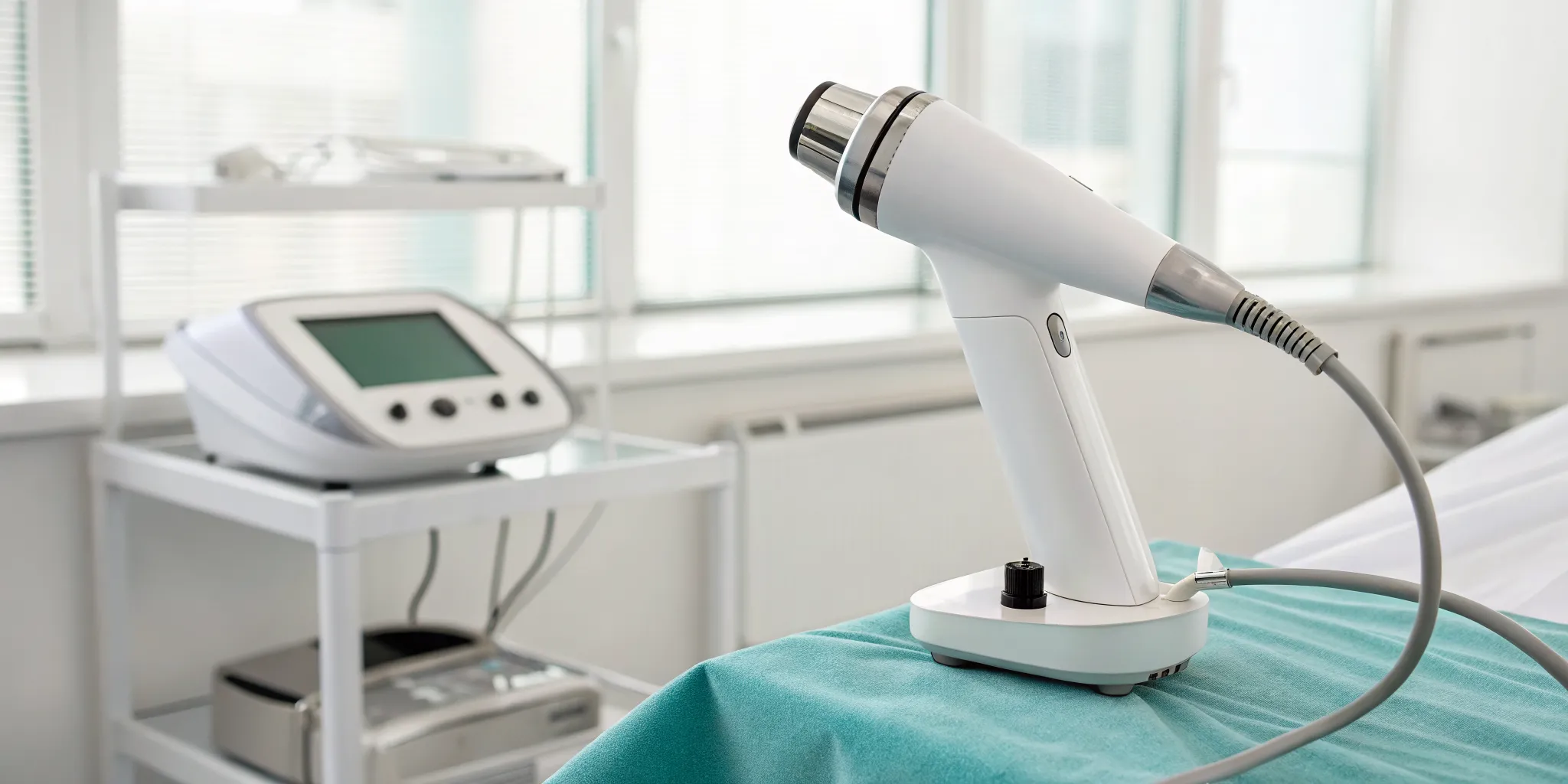
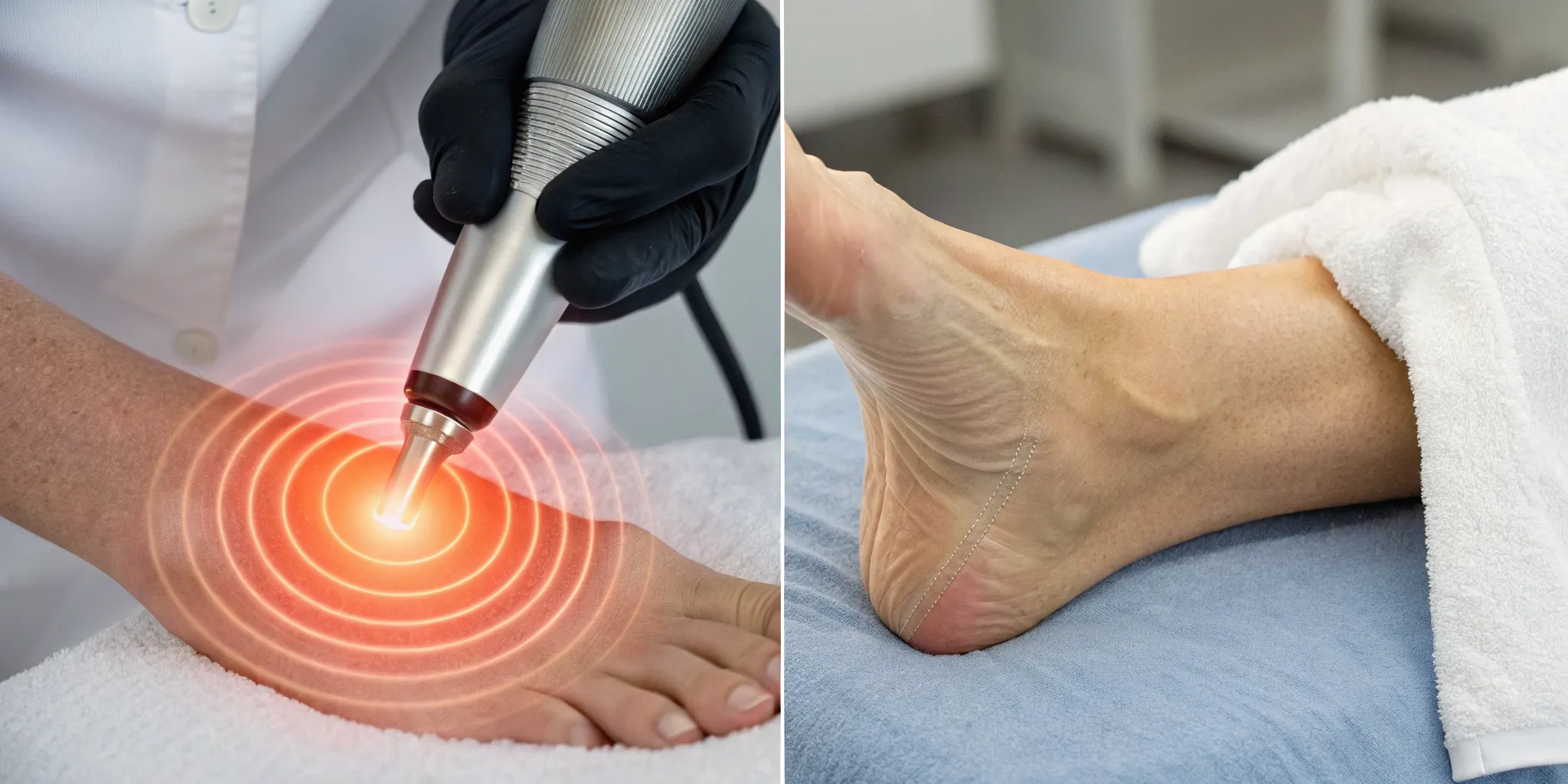
For stubborn nerve pain, SoftWave therapy is an exciting and innovative option. This treatment uses unfocused sound waves to stimulate your body’s natural healing processes at a cellular level. It helps increase blood flow, reduce inflammation, and regenerate damaged tissue, including nerves. Many people report feeling relief after just one or two sessions. Because it’s non-invasive and works by activating your body’s own repair mechanisms, it’s an excellent addition to a holistic treatment plan. It’s particularly effective for the kind of persistent nerve pain that characterizes sciatica, helping you find lasting comfort without invasive procedures.
A Functional Medicine Approach
Sometimes, the source of your sciatica isn’t just in your back. Your body is an interconnected system, and chronic pain can be a signal that something else is out of balance. A functional medicine approach investigates these deeper connections. For example, systemic inflammation, often linked to gut health or diet, can make your sciatica symptoms worse. By running detailed diagnostics, a functional medicine practitioner can identify and address these underlying contributors. This whole-body strategy ensures your treatment plan is targeting every factor that contributes to your pain, leading to more complete and lasting results.
Why a Personalized Plan Matters
There is no one-size-fits-all solution for sciatica because every person’s body and health history is unique. The most effective care comes from a specialist who takes the time to understand your specific situation through a comprehensive evaluation. A personalized plan might combine chiropractic adjustments, spinal decompression, and SoftWave therapy to address the physical problem while also incorporating functional medicine to reduce inflammation. This integrated approach ensures you’re not just chasing symptoms. Instead, you’re following a clear, step-by-step path designed to resolve the root cause of your pain and improve your overall health.
What to Expect at Your First Sciatica Appointment
Walking into a new clinic when you’re in pain can feel overwhelming. You want answers, but you also want to feel heard and understood. Your first visit is all about getting to the root of your sciatica, so we can build a plan that brings you lasting relief. It’s a collaborative process where your history and symptoms guide our approach. From the initial conversation to the final treatment plan, our focus is entirely on you and your path to feeling better.
Your Comprehensive Evaluation
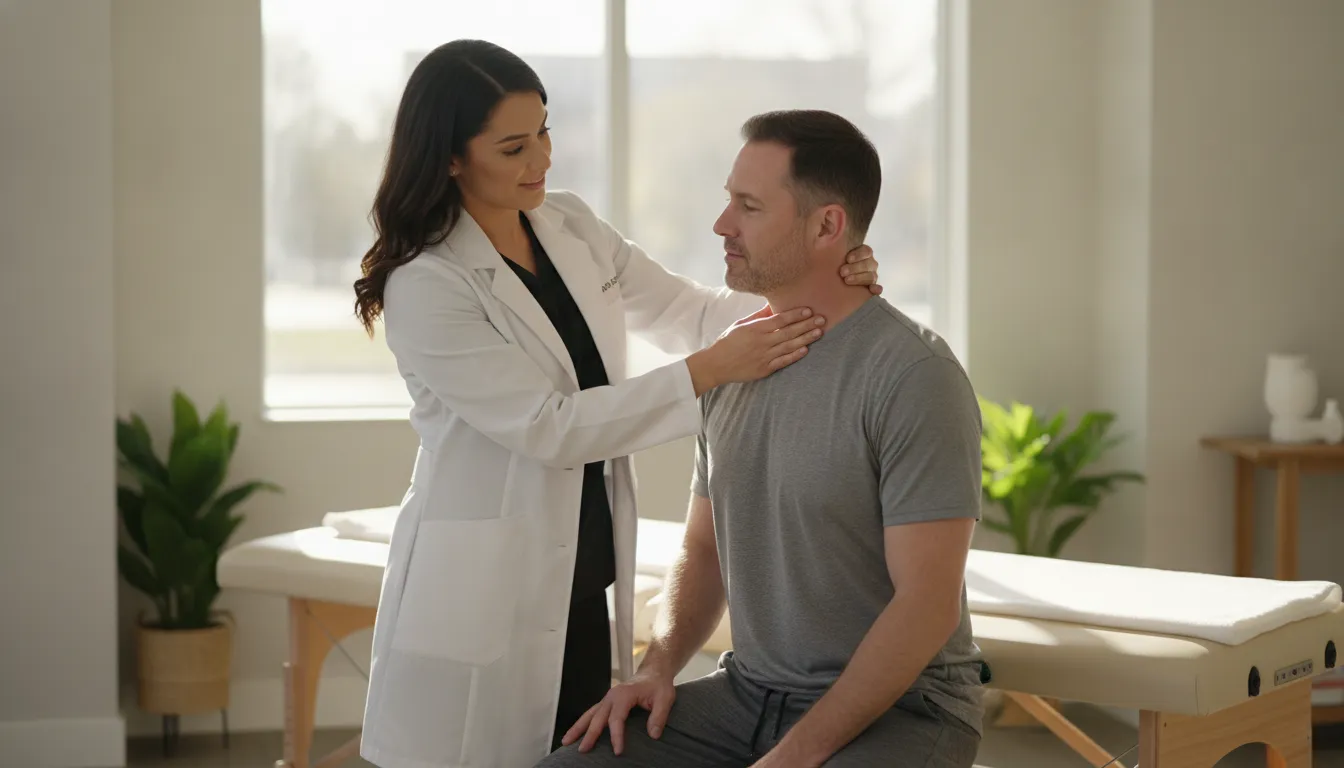
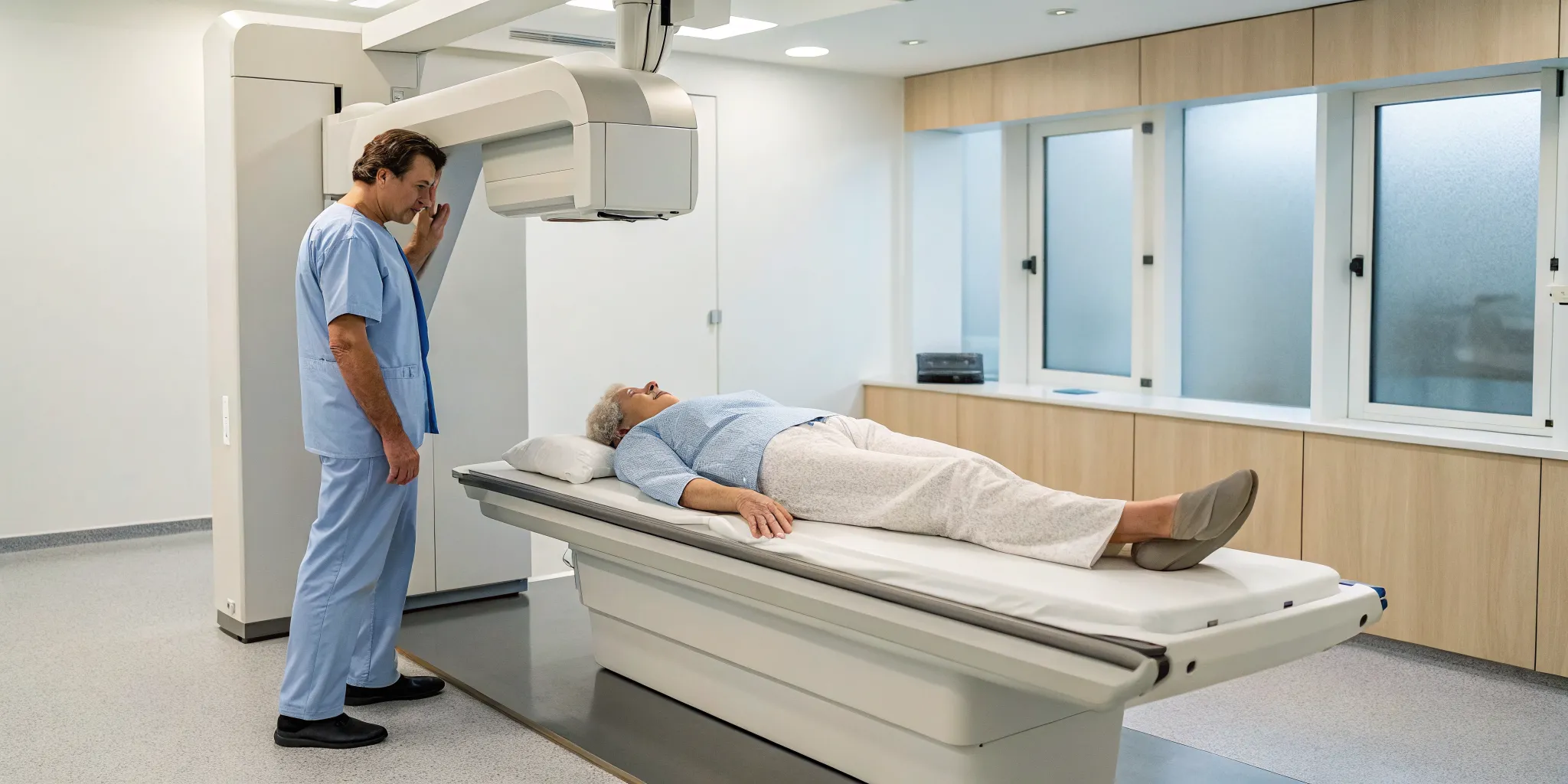
The first step is a thorough evaluation designed to uncover the source of your sciatica. We don't just look at where it hurts; we investigate why it hurts. This initial assessment involves a detailed conversation about your health history, the specifics of your symptoms, and your lifestyle. Our team is ready to provide a comprehensive evaluation to understand the full picture of your health. This allows us to connect the dots between your sciatic pain and any underlying imbalances, ensuring we address the actual cause instead of just masking the symptoms.
Creating Your Personalized Treatment Plan
Once we understand the root cause of your pain, we develop a tailored treatment plan just for you. We don’t believe in one-size-fits-all solutions because every person’s body and experience with sciatica is unique. Your plan will be designed to meet your specific needs and health goals. It may include a combination of our Physical Medicine services, such as chiropractic adjustments to restore proper alignment, spinal decompression to relieve nerve pressure, or other corrective care techniques. This personalized approach ensures your treatment is as effective as possible.
How to Prepare for Your Visit
To make the most of your first appointment, it helps to come prepared. Take a few moments beforehand to think about your symptoms. When did the pain start? What makes it better or worse? Have you tried any other treatments in the past? Jotting down a simple timeline can be incredibly helpful. Having this information ready allows us to spend more time focusing on solutions. Being prepared helps you and your doctor create the most effective treatment plan, making your visit as productive as possible when you contact our team to book.
How to Choose a Sciatica Specialist in Tampa
Finding the right person to help you with sciatica pain is a huge step toward feeling better. With so many options in Tampa, it can be tough to know where to start. The goal is to find a specialist who doesn't just understand your pain but also partners with you to find a lasting solution. Think of it as building your healthcare team; you want someone in your corner who is knowledgeable, listens to you, and has a clear, effective plan to get you back on your feet. This isn't about a temporary fix, but about finding a path to sustainable wellness.
When you're ready to choose a provider, there are a few key things to look for that can make all the difference. You'll want to consider their professional background and specific experience with sciatica, their overall philosophy on health and healing, and what other patients have to say about their care. Taking the time to research these aspects ensures you're not just picking a name from a list, but making an informed choice for your health. Focusing on these areas will help you find a specialist who is truly the right fit for your health goals and can guide you back to an active, pain-free life.
Look for Credentials and Experience
When you're dealing with nerve pain, you want to be sure you're in capable hands. Start by looking at a specialist's credentials and their specific experience with spinal health. While many types of doctors treat back pain, finding a provider who focuses on complex nerve and lower back conditions is key. Their background shows a commitment to understanding the intricacies of the spine and conditions like sciatica.
Look for a team with a proven track record of helping people find relief. A provider’s website will often have information about their education, certifications, and professional focus. Taking a moment to review the credentials of the team you're considering can give you confidence that they have the expertise needed to properly diagnose and treat your sciatica.
Whole-Body Care vs. Symptom Management
It’s important to find a specialist whose approach aligns with your long-term health goals. Some approaches focus only on quieting the immediate pain, which can be a temporary fix. A more effective strategy is a whole-body approach that seeks to identify and address the root cause of your sciatica. This means looking beyond the pain in your leg and considering what’s happening in the rest of your body.
This holistic method often combines physical medicine, like chiropractic adjustments, with functional medicine to investigate underlying issues such as inflammation or gut health that might be contributing to your pain. By creating a personalized plan that supports your body’s natural ability to heal, this comprehensive strategy can lead to more sustainable and meaningful results than simply managing symptoms as they appear.
The Importance of Patient Reviews
Credentials and experience tell you a lot about a specialist's qualifications, but patient reviews give you a glimpse into the actual experience. Reading what others have to say can tell you about the office environment, the provider's listening skills, and most importantly, the results they helped patients achieve. Look for patterns in the feedback to get a sense of what you can expect.
A large number of positive reviews can be a strong indicator of consistent, high-quality care. When you see hundreds of people sharing stories of how their discomfort was reduced and their health was restored, it speaks volumes. As many patient testimonials show, finding the right specialist can be one of the best decisions you make for your health, so it’s worth taking the time to see what others have experienced.
How Sciatica Severity Affects Your Treatment
Your path to sciatica relief isn't a one-size-fits-all solution. The right approach depends entirely on your specific situation, including how long you've been in pain and how intense your symptoms are. A personalized plan is essential because what works for a mild, recent flare-up is very different from the strategy needed for chronic, persistent pain. Understanding this distinction is the first step toward finding effective and lasting relief.
At Ascend Functional Health, we begin by understanding the complete picture of your health. We look at the severity of your sciatica to create a targeted treatment plan that addresses your immediate discomfort and the underlying cause. For some, this might mean gentle, corrective care to ease pressure on the nerve. For others, it could involve a more comprehensive approach to reduce inflammation and support the body's healing processes. The goal is always to move you from simply managing symptoms to building a foundation for long-term health and preventing future pain. Our holistic health solutions are designed to adapt to your unique needs, whether your pain is new or has been a part of your life for years.
Treating Mild to Moderate Sciatica
If you're dealing with mild to moderate sciatica, there’s good news: most cases improve significantly with conservative care. You likely won't need aggressive interventions to find relief. The focus here is on gentle, non-invasive techniques that calm the irritated sciatic nerve and correct the structural issue that’s causing the problem in the first place. This often involves a series of targeted spinal adjustments to restore proper alignment and movement in the lower back and pelvis. Our approach to physical medicine is designed to provide this kind of targeted care, helping your body heal naturally and effectively within a few weeks.
Addressing Persistent Sciatica
When sciatica pain lingers for more than a month or keeps coming back, it’s a sign that your body needs more support. It's best to get treatment before the problem gets worse, as chronic pain can become more complex to manage over time. Persistent sciatica often points to deeper underlying issues like chronic inflammation, disc-related problems, or significant spinal misalignments. Addressing this requires a more comprehensive strategy that goes beyond immediate symptom relief. We often find that a functional medicine approach, which investigates factors like gut health and systemic inflammation, can be the key to breaking the cycle of chronic pain.
Preventing Future Flare-Ups
Getting out of pain is the first goal, but keeping the pain from coming back is just as important. Preventing future sciatica flare-ups involves strengthening your body and adopting habits that support spinal health. Simple lifestyle changes can make a huge difference. This includes maintaining good posture while sitting and standing, learning proper body mechanics for lifting, and incorporating regular, gentle exercise to strengthen your core and back muscles. We help our patients build these habits and create a proactive wellness routine, empowering them to maintain their results and live without the fear of returning pain. You can find more wellness insights on our blog.
Book a Same-Week Sciatica Appointment in Tampa
When sciatica pain disrupts your life, waiting weeks for an appointment isn't an option. You need a clear path toward relief, and you need it now. The good news is that you can find prompt, effective care right here in Tampa. Taking the time to find the right specialist who can see you quickly will make all the difference in your recovery. The goal is to find a team that not only addresses your immediate pain but also investigates the root cause to create lasting change. By focusing on clinics that offer comprehensive evaluations and personalized care, you can get on the schedule this week and start your journey toward feeling better.
Finding the Right Tampa Clinic
Your first step is to find a clinic that specializes in treating the underlying structural and functional issues causing your sciatica, not just masking the symptoms. Look for specialists who focus on a whole-body approach to the conditions they treat. A practice that integrates different types of care, like physical and functional medicine, is often better equipped to uncover why you’re in pain. While it might seem like a lot to sort through, narrowing your search to clinics that highlight root-cause resolution will help you find a long-term solution instead of a temporary patch.
Questions to Ask Before Booking
Once you have a few potential clinics in mind, it’s time to pick up the phone. Your first interaction with the office staff can tell you a lot about the patient experience. Are they friendly, helpful, and able to answer your questions? Come prepared with a short list of things to ask. You might inquire about their evaluation process, what a first visit typically includes, and how they develop their treatment plans. Learning more about the team and their approach will give you confidence that you’re choosing the right partner for your health.
Get Same-Week Care at Ascend Functional Health
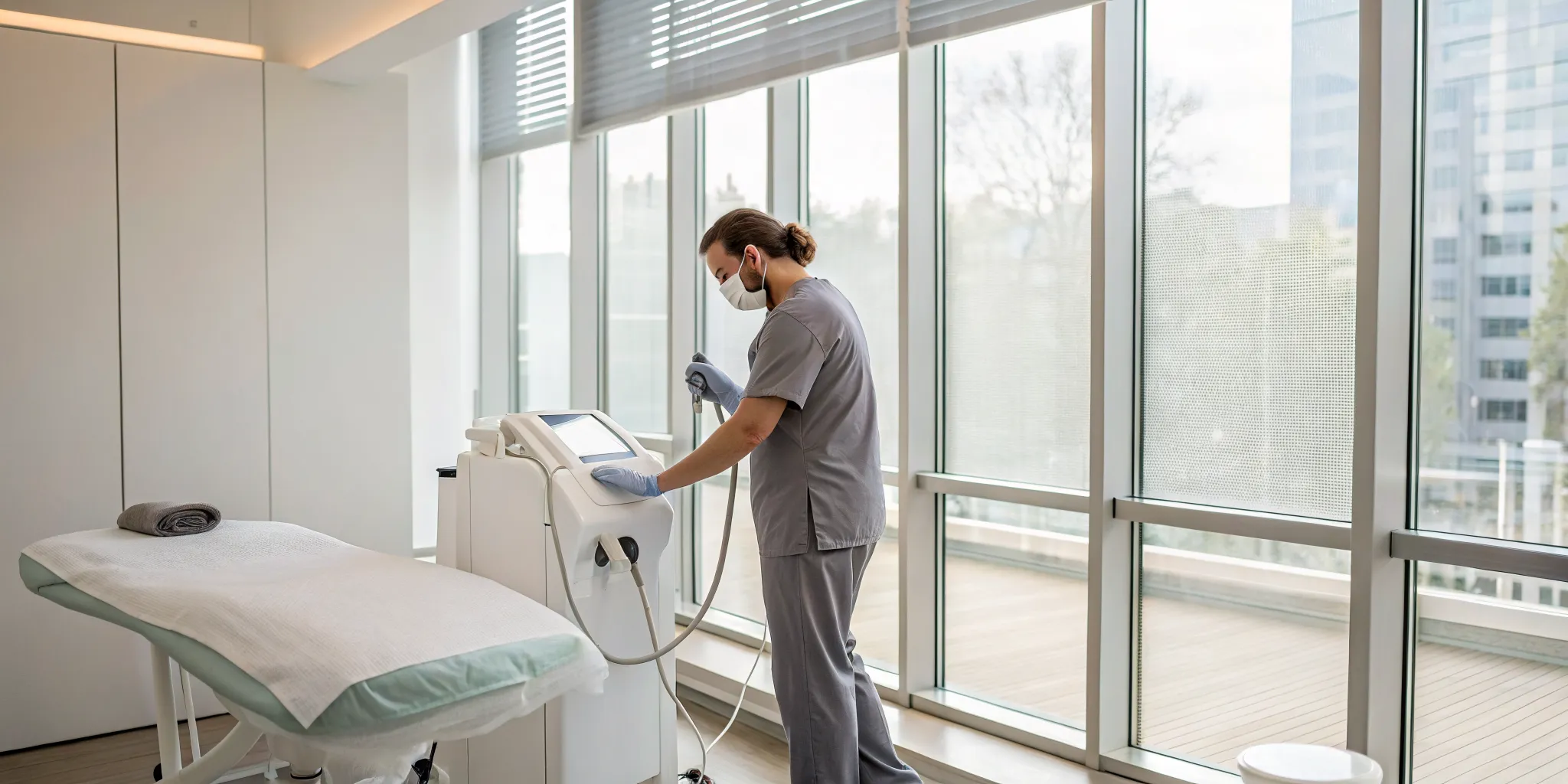
At Ascend Functional Health, we reserve openings in our schedule specifically for new patients in pain, so you can often get an appointment the same week you call. We deliver physical and functional care designed to uncover the source of your sciatica and provide clear next steps. As one of our patients shared after struggling with recurring sciatic pain, "After a detailed evaluation and personalized treatment plan including decompression and SoftWave therapy, I experienced relief and have remained pain-free for months." We are committed to helping you find that same relief. Contact our Tampa office today to plan your visit.
Related Articles
- Sciatica Treatment in Tampa, FL | Nerve Pain Relief | Ascend Health & Wellness
- Spinal Decompression Therapy
- SoftWave Therapy in Tampa FL | Regenerative Pain Treatment | Ascend Health
- Find Sciatica Relief: Spinal Decompression in Tampa
- How SoftWave Therapy for Back Pain Promotes Healing
Frequently Asked Questions
Is my leg pain really sciatica, or just a bad backache? That's a great question. The main difference is the path the pain takes. A typical backache usually stays in your back, but sciatica is known for its traveling nature. Because the sciatic nerve is the longest in your body, irritation in your lower back can send shooting pain, numbness, or tingling all the way down your buttock and into your leg. If you're feeling that distinct, radiating sensation on one side, it's a strong clue that you're dealing with more than just a simple backache.
What kind of treatments actually work for sciatica? The most effective treatments are those that address the root cause of the nerve pressure, not just the pain itself. A successful plan is often personalized and combines several therapies. For example, chiropractic adjustments can help realign the spine to take pressure off the nerve, while spinal decompression gently creates more space for it. A functional medicine approach can also be used to investigate and reduce underlying inflammation throughout your body, which can make your symptoms worse.
How long will it take for my sciatica to get better? The recovery timeline really depends on your specific situation, including what's causing the pain and how long you've had it. For mild cases, people often feel significant improvement within a few weeks of starting a targeted care plan. If your sciatica is more persistent, it may take longer to resolve because the goal is to correct deeper, underlying issues. The focus is always on creating lasting relief, not just a temporary fix.
My back doesn't hurt, so how can my leg pain be coming from my spine? This is a very common point of confusion. Think of your sciatic nerve as a long electrical cord that starts in your lower back and runs down your leg. If something pinches that cord near the outlet (your spine), you might not feel anything at the source. Instead, the problem shows up further down the line, causing the light to flicker in the lamp (your leg). This is why you can have intense leg pain from a spinal issue without any noticeable back pain.
Once my sciatica is gone, how do I keep it from coming back? Preventing a future flare-up is just as important as getting out of pain. The key is to build a more resilient body and adopt habits that support your spinal health. This often involves corrective care to strengthen your core and back muscles, which provides better support for your spine. Learning proper posture for sitting and lifting also makes a huge difference. It’s about creating a proactive wellness routine that empowers you to maintain your results and live without worrying about the pain returning.