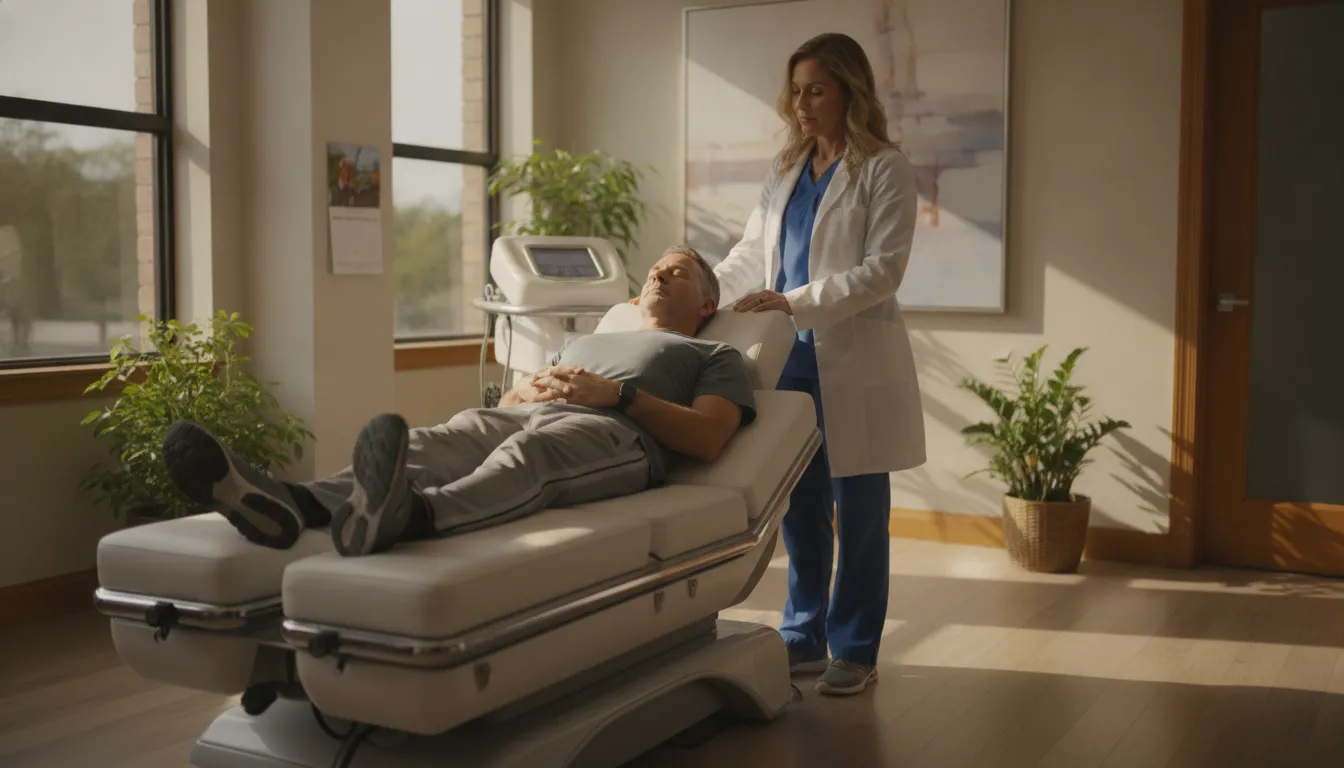
Vitality optimization is a measured way to pursue better energy, movement, resilience, and long-term health without reducing wellbeing to one symptom or one lab result. For health-conscious adults in Tampa Bay, the most useful starting point is a personalized review of goals, health history, daily patterns, physical function, and appropriate clinical data.
Schedule a Tampa Bay health consultation
What Does Vitality Optimization Mean in Practice?
Vitality optimization means using relevant health information to make thoughtful, personalized decisions that support how you want to function over time. It is not a promise of a certain result, a shortcut, or a single protocol that fits every person.
People often use the phrase when they want to feel more capable in daily life. They may want steadier energy through a demanding workday, better recovery after activity, more comfortable movement, sharper focus, or a plan for maintaining health as responsibilities change. Those goals can overlap, but the factors behind them are not identical.
A measured approach begins by clarifying the outcome that matters most to you. A clinician may then consider relevant history, current symptoms, sleep and stress patterns, nutrition, movement, physical findings, and laboratory information when appropriate. The purpose is context. A single number rarely explains the whole person, and an attractive trend on a wearable does not replace clinical judgment.
For someone in Tampa, the plan also needs to work in real life. Heat, travel, work schedules, family responsibilities, training habits, and access to care can all affect consistency. A useful plan is specific enough to follow and flexible enough to adjust as new information appears.
Why Does a Measured Approach Matter for Long-Term Health?
Long-term health decisions are stronger when they connect goals, evidence, and progress tracking instead of chasing isolated symptoms. Measurement can help a patient and clinician decide what deserves attention now, what can be monitored, and when a plan needs to change.
Many people begin with a narrow concern, such as afternoon fatigue, slower recovery, stiffness, digestive changes, or difficulty maintaining a familiar level of activity. That concern matters, but it may sit within a larger pattern. Sleep quality can influence energy. Movement limitations can change activity choices. Stress can affect routines. Nutrition and digestive comfort can influence how consistently someone follows a plan.
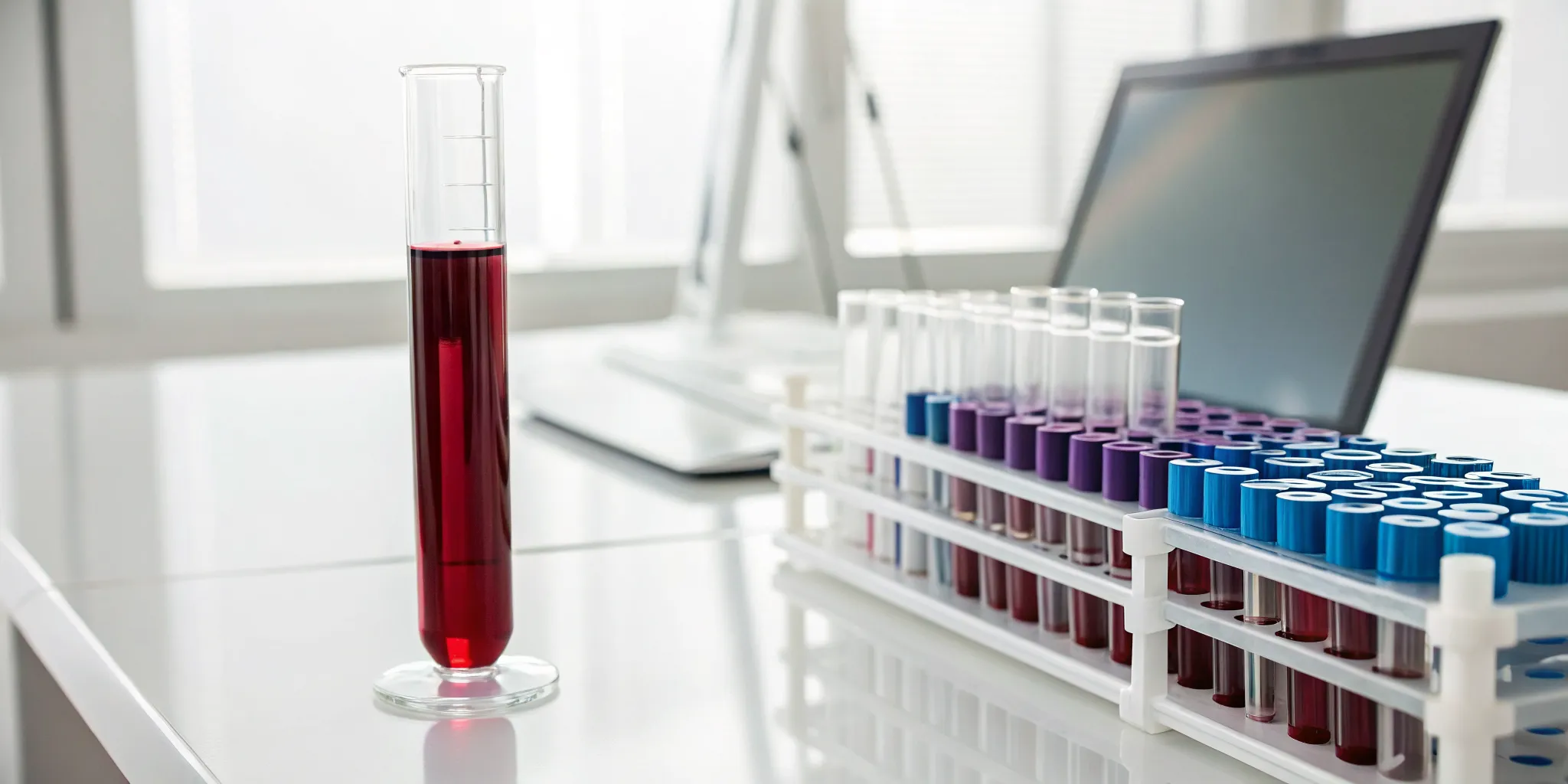
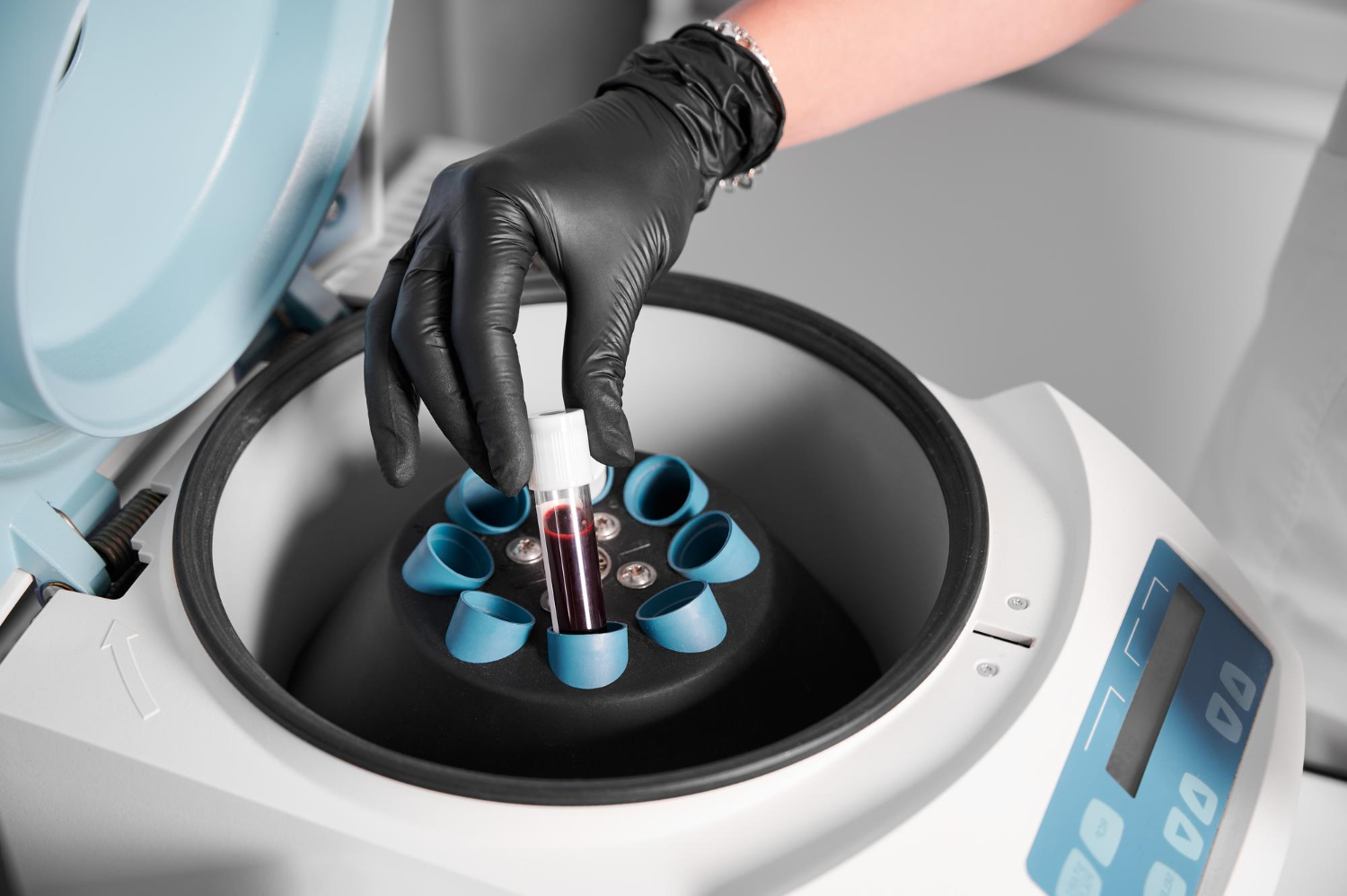
Measurement does not mean ordering every available test. It means choosing information that answers a relevant clinical question. Depending on the person and the scope of care, that may include a detailed history, movement assessment, physical findings, bloodwork, specialized testing, body-composition data, or progress measures selected by the care team.
Progress can also be tracked through practical outcomes:
- How comfortably you move through work and home activities
- How consistently you sleep and recover
- How your energy changes across the day
- How well you tolerate exercise or other physical demands
- How digestive, hormonal, or metabolic concerns affect daily function
- Which plan elements feel sustainable and which need adjustment
The aim is not to turn health into a scoreboard. It is to replace guesswork with a clearer conversation about direction and next steps.
Which Areas Can a Vitality Optimization Plan Address?
A vitality plan may address movement, physical function, metabolic and hormonal concerns, digestive health, recovery, and daily habits, depending on the individual evaluation. The right focus comes from the person's goals and clinical picture, not from a preset package.
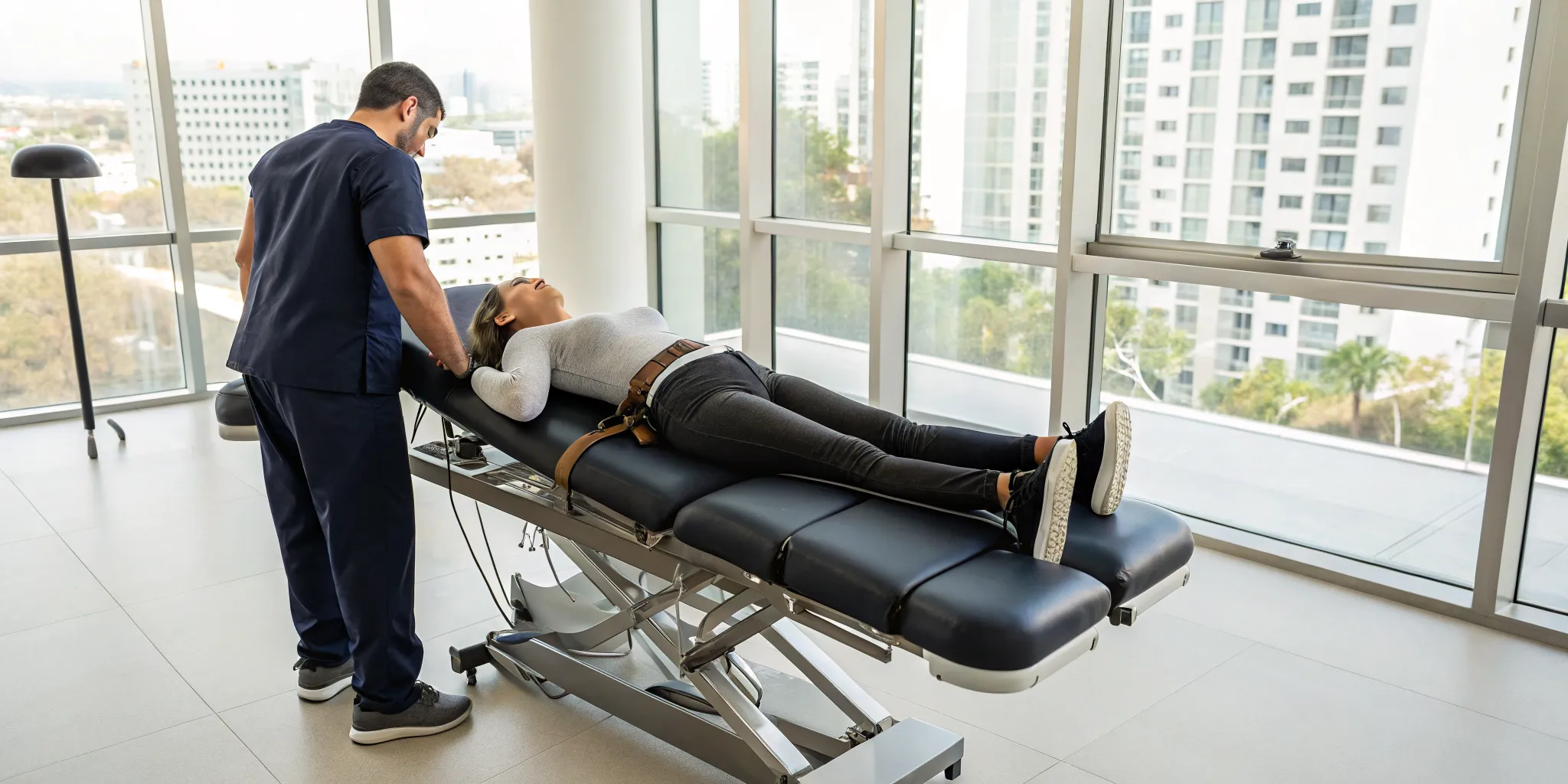
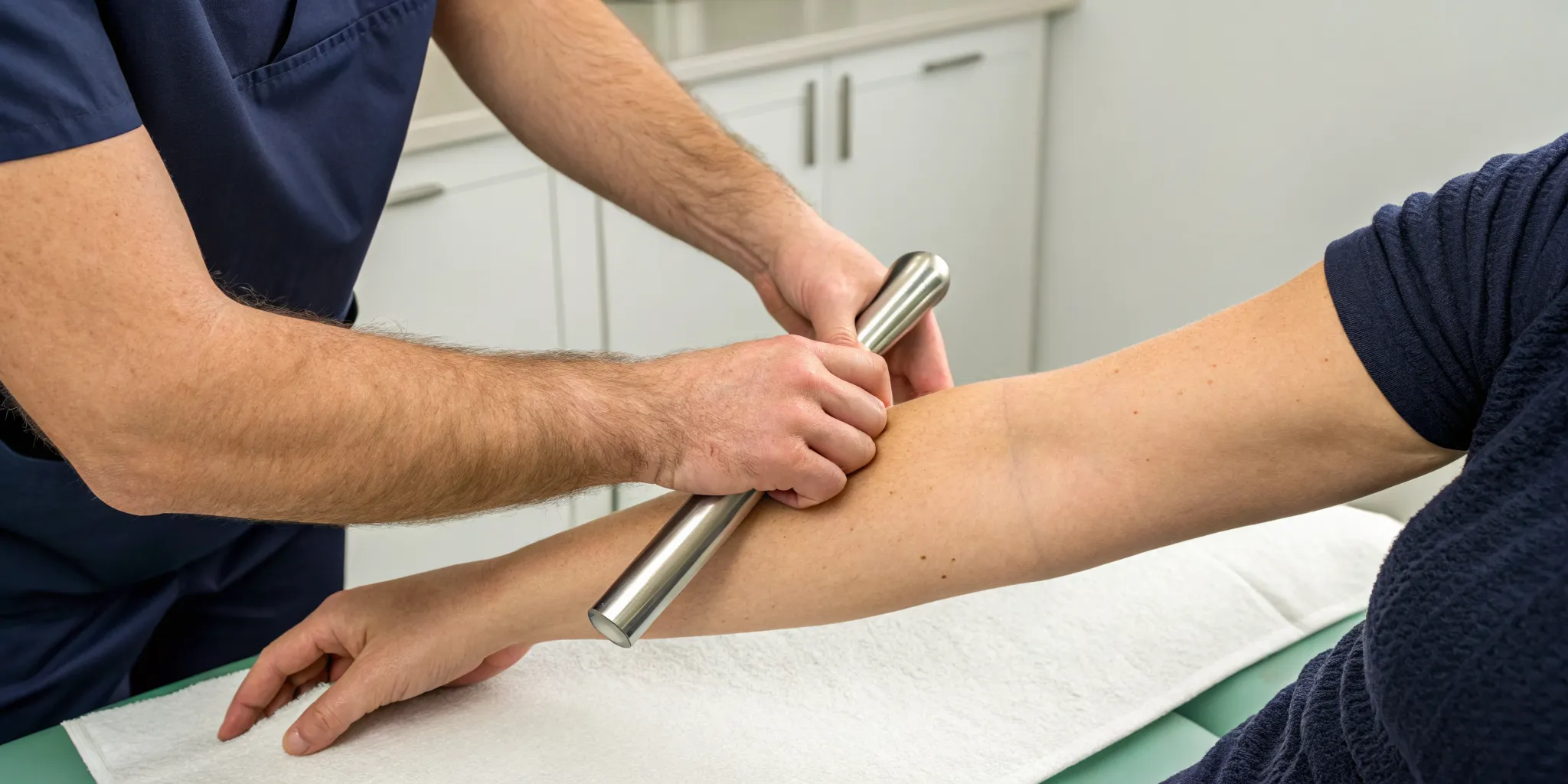
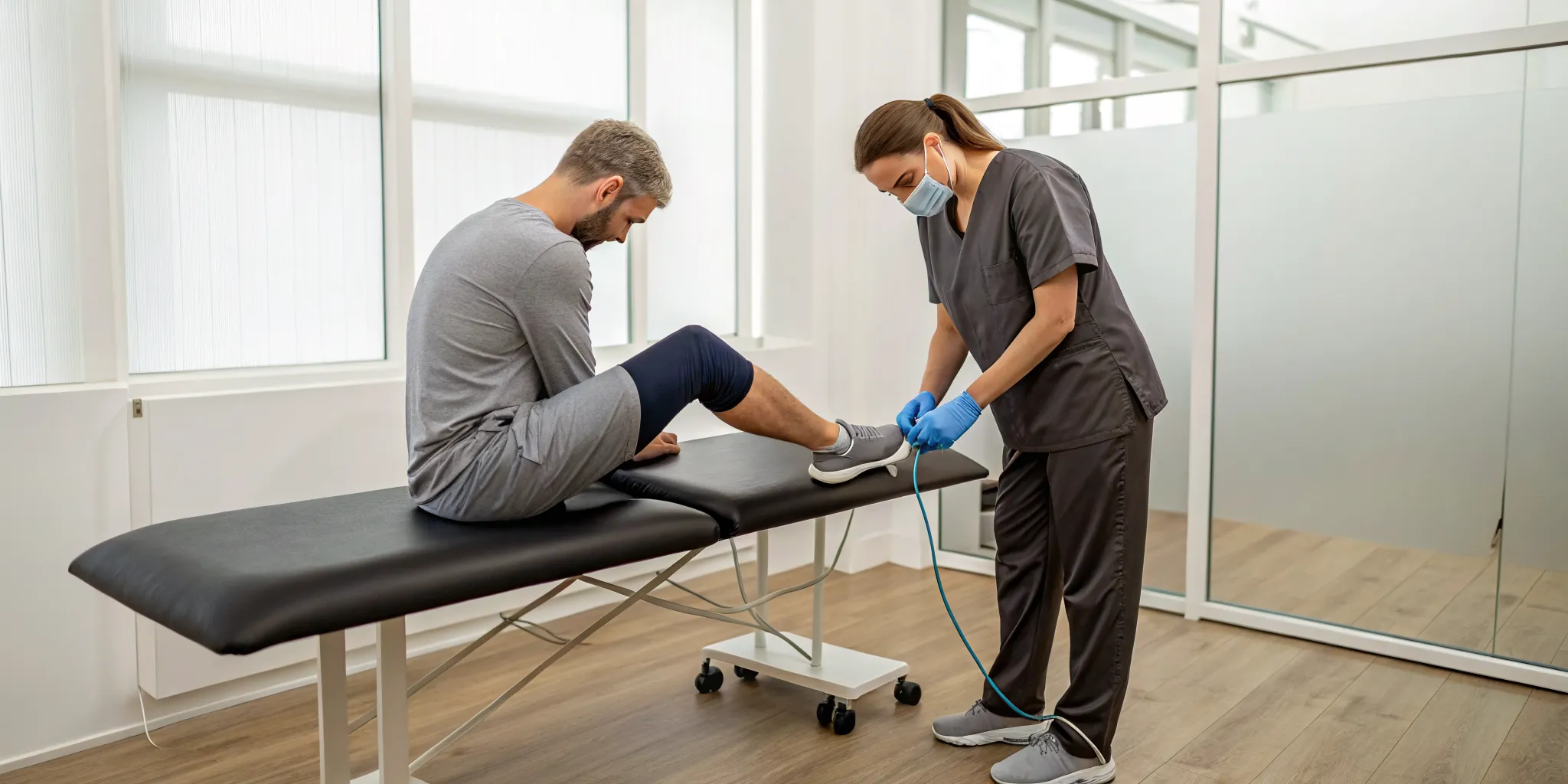
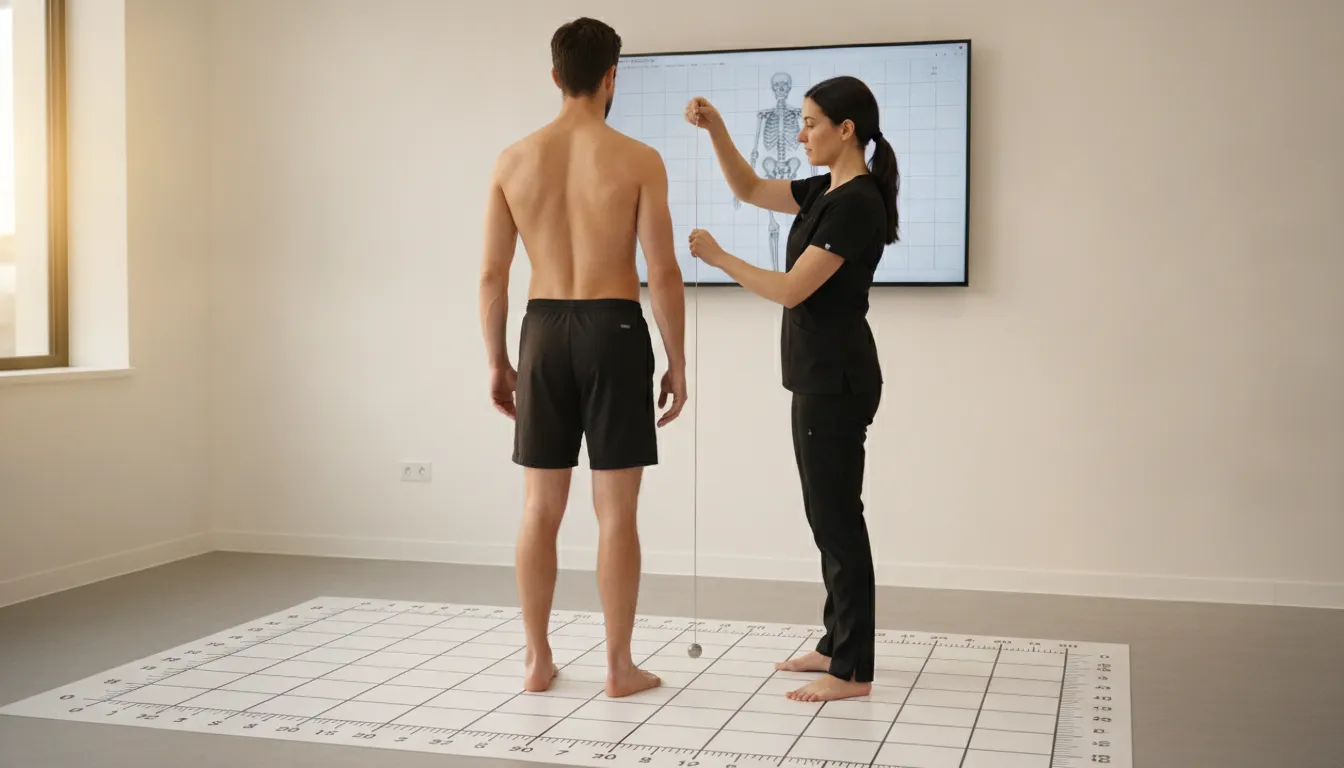
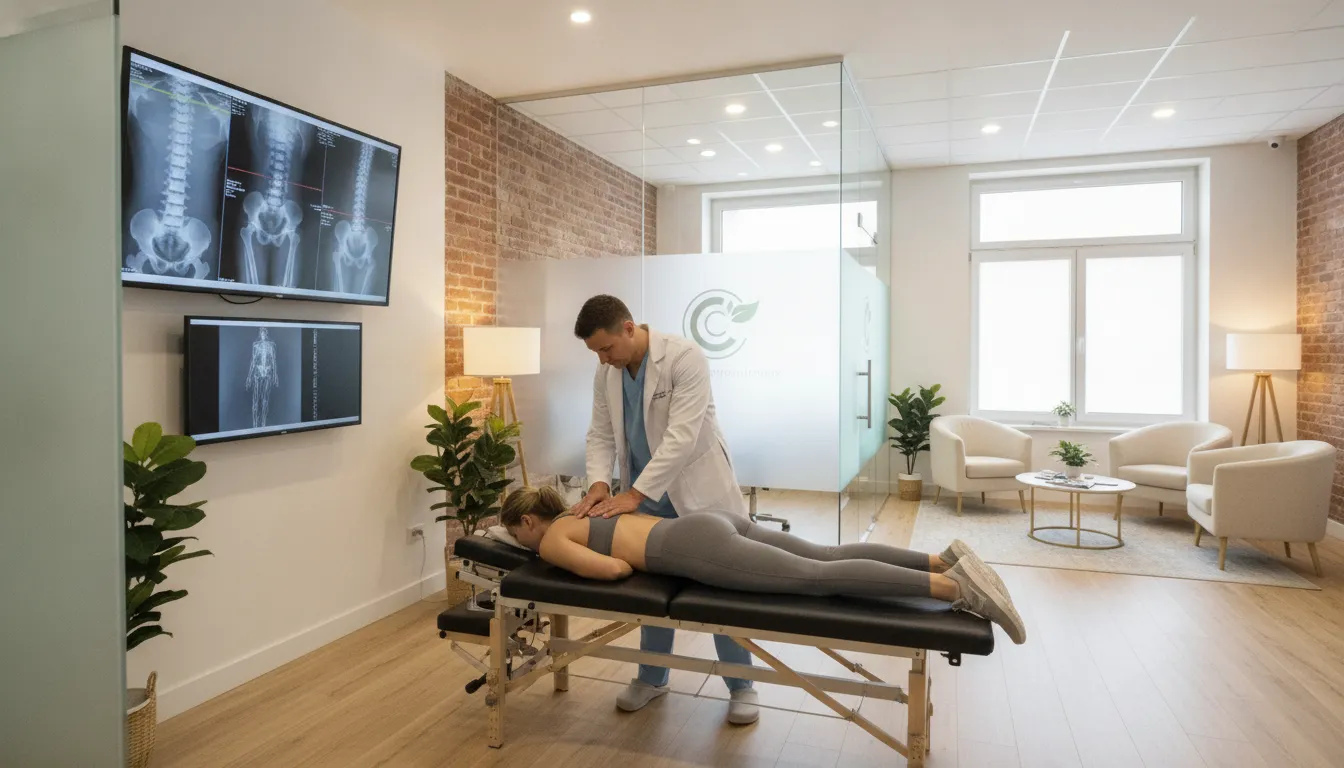
Physical function: Comfortable movement is part of vitality. A plan may include posture and movement evaluation, corrective care, spinal decompression, soft-tissue work, or other Physical Medicine services when appropriate. The focus is to understand how structure and function may be influencing the activities you want to do.
Functional health: Energy, bloating, bloodwork, stool testing, sleep concerns, and other systemic patterns may call for a Functional Medicine review. The goal is to connect symptoms and data with the broader context of a person's health rather than treating one result in isolation. Learn more about Functional Medicine in Tampa.
Recovery and tissue support: Active adults may need help understanding why recovery feels different from it once did. When clinically appropriate, a care plan may consider regenerative services such as SoftWave therapy, red light therapy, or other options offered by Ascend Functional Health. Candidacy and expected response vary, so these services should follow a qualified evaluation.
Hormonal and metabolic context: Changes in energy, body composition, sleep, or performance can have many possible contributors. A clinician may consider symptoms, history, physical findings, and relevant testing before discussing hormone or metabolic support. No single intervention is suitable for everyone.
Health habits: A plan is more useful when it accounts for meals, sleep timing, stress load, movement, and the person's actual schedule. Small, repeatable changes can be more practical than a long list of demanding instructions.
How Does an Evaluation for Vitality Optimization Work?
An evaluation usually starts with your goals and health history, then adds the physical findings and testing needed to make those goals clinically useful. The process should clarify priorities before recommendations are made.
- Clarify the reason for the visit. Describe what you want to improve, what has changed, and which activities or responsibilities matter most.
- Review your health context. This can include past concerns, current symptoms, sleep, stress, nutrition, activity, prior testing, and relevant family history.
- Assess physical function. Movement, posture, range of motion, strength, balance, or other findings may help identify factors that deserve attention.
- Select relevant data. When appropriate, the care team may recommend laboratory or other diagnostic testing that relates to the questions being considered.
- Build a prioritized plan. Recommendations should explain what to address first, why it matters, and how progress will be reviewed.
- Reassess and adjust. Follow-up is an opportunity to compare the plan with your experience and available measures, then refine the next phase.
This process is different from selecting a trendy protocol first and searching for a reason afterward. A measured approach gives the evaluation room to show that a requested intervention may not be the best fit, or that a simpler first step deserves priority.
Explore Ascend's longevity-focused care approach
What Should You Track Between Visits?
Track a small set of meaningful signals that connect to your goals, such as energy patterns, movement tolerance, sleep, recovery, and symptom changes. Consistent observations can make follow-up conversations more specific without turning every day into a test.
A simple note can include the date, the main concern, the situation around it, and what changed. For example, you might record whether energy dipped after a short night of sleep, whether a familiar walk felt easier, or whether a digestive symptom appeared after a recurring routine. Patterns become more useful when they are viewed over time and discussed alongside clinical findings.
Wearables can provide context about activity or sleep, but their readings are not a diagnosis. Use them as one source of information rather than as the final word. The same principle applies to online health scores and home testing. A result can prompt a better question, but it should not replace an appropriate evaluation.
It is also worth tracking what remains sustainable. If a plan requires changes that cannot fit your work, family, or travel schedule, tell the care team. The most elegant plan on paper is not necessarily the most useful plan in practice.
Discuss movement and physical function with Ascend Functional Health
How Can Tampa Bay Patients Choose a Vitality Optimization Provider?
Look for a provider who explains the evaluation process, connects recommendations to your goals, and has a clear method for monitoring progress. A consultation should leave you with better questions and a realistic sense of fit, not pressure to accept a predetermined plan.
Consider asking:
- How will you learn about my goals and health history?
- Which findings or tests would change the care plan?
- How will we decide what to address first?
- How will progress be reviewed?
- Which concerns are within your scope, and when would referral be appropriate?
- How can the plan fit my schedule and current activity level?
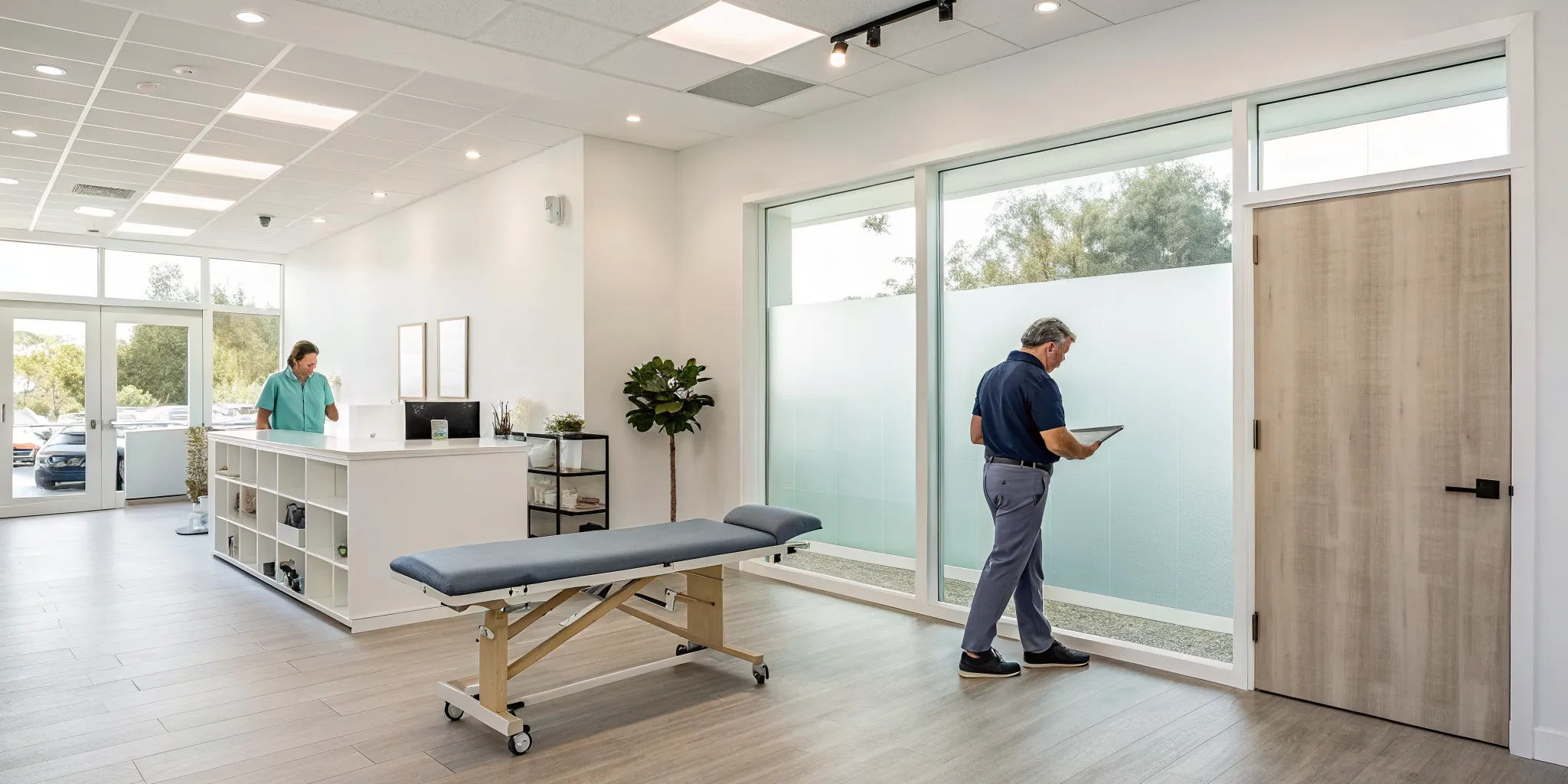
Ascend Functional Health brings Physical Medicine, Functional Medicine, and regenerative services into an integrated care setting in Tampa. The practice's process is designed to connect the patient story with movement findings, relevant testing, and measurable follow-up when appropriate. That does not mean every patient needs every service. It means the conversation can begin with the person rather than with a one-size-fits-all protocol.
Ascend Functional Health is located at 3916 N Dartmouth Ave, Tampa, FL 33603. People across greater Tampa Bay can use a consultation to discuss goals, ask questions, and determine whether the practice's approach fits their needs.
Request a consultation to discuss your long-term health goals
Frequently Asked Questions About Vitality Optimization
Is vitality optimization the same as treatment for a specific condition?
Not necessarily. Vitality optimization is a broad, goal-oriented framework. A clinical evaluation may identify a specific condition, several contributing factors, or a need for referral. The care plan should reflect those findings.
Can vitality optimization improve energy?
Energy changes can have many contributors, including sleep, stress, nutrition, physical function, hormonal or metabolic factors, and other health concerns. An evaluation can help determine which questions deserve attention. Outcomes vary, and no approach can promise a specific improvement.
Does everyone need advanced testing?
No. Testing should be selected when it can help answer a relevant clinical question or guide a decision. A clinician can review your history and goals before recommending appropriate next steps.
How long does a vitality optimization plan take?
Timing depends on the goals, findings, response to care, and consistency of follow-up. Some priorities may be reviewed over a shorter interval, while long-term health planning often involves ongoing reassessment and adjustments.
Can physical and functional care be considered together?
They can be considered together when that approach fits the person's needs and the practice's scope. Movement findings, symptoms, health history, and relevant testing may provide complementary context for prioritizing care.
Is a consultation a guarantee of results?
No. A consultation is an opportunity to review fit, clarify goals, and discuss possible next steps. Individual response varies, and recommendations should be based on an evaluation rather than a promise.
Contact Ascend Functional Health to plan your next step
This article is for educational purposes and is not medical advice. Consult a qualified clinician before making decisions about your health or acting on information in this article.