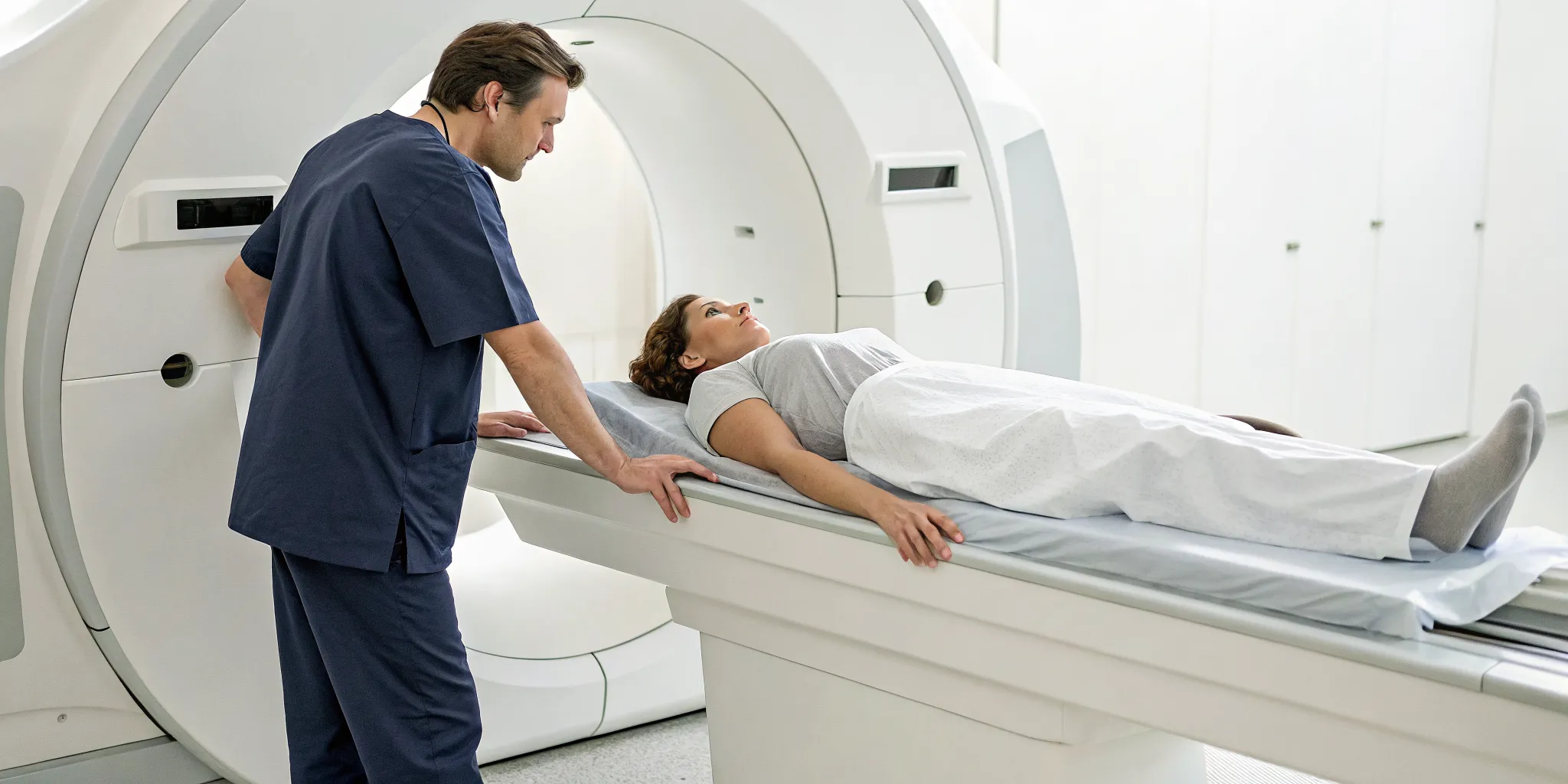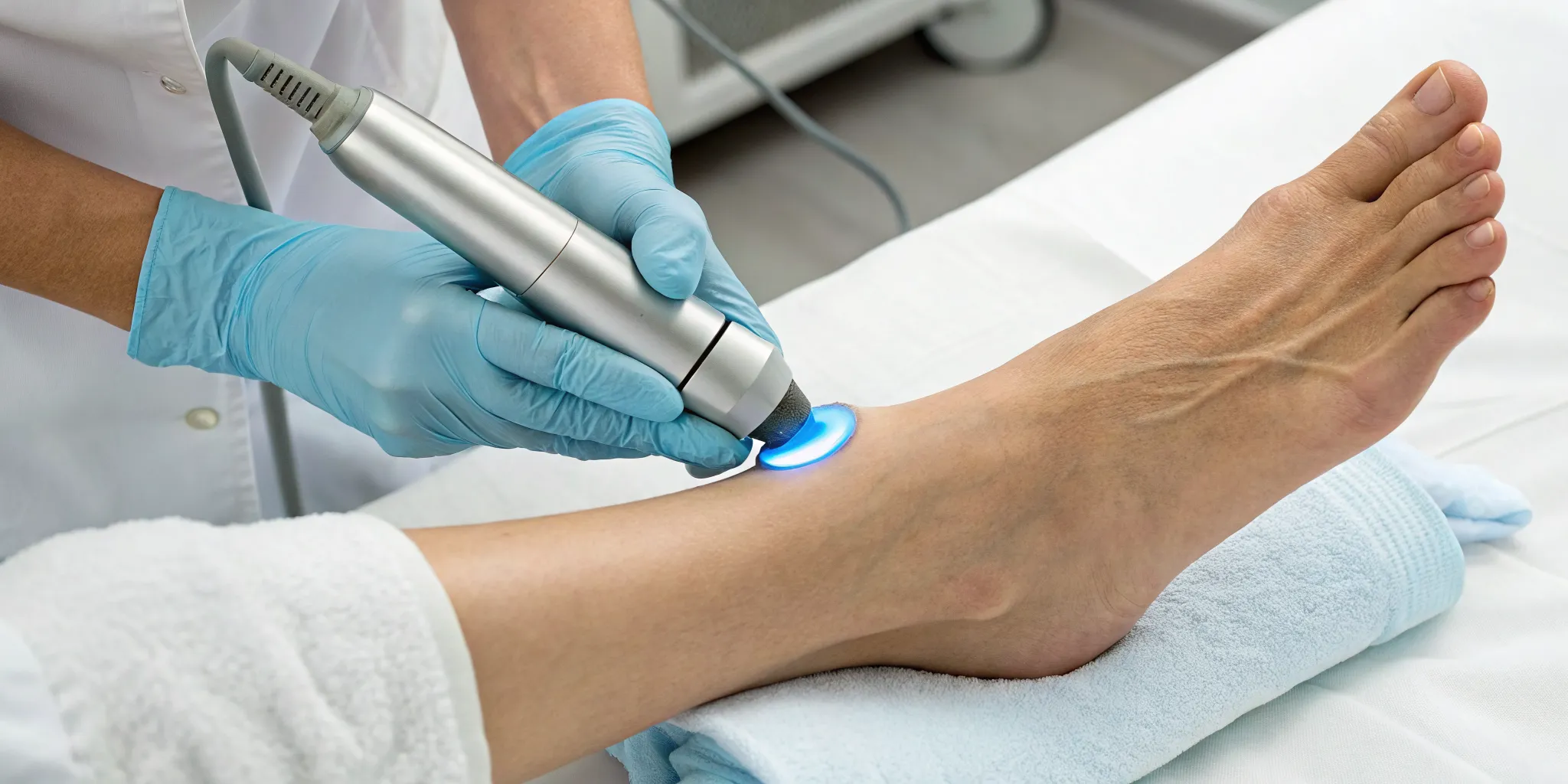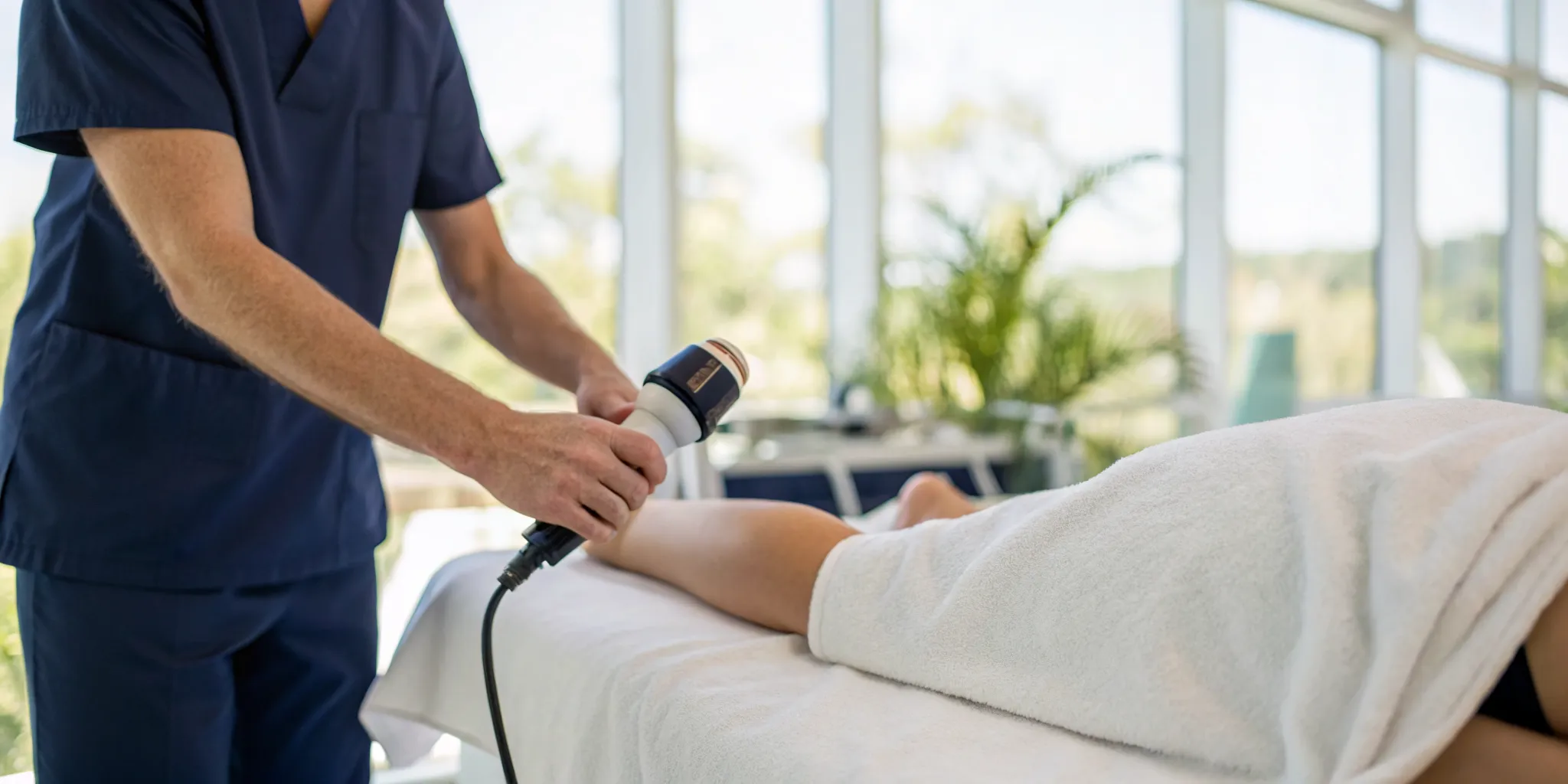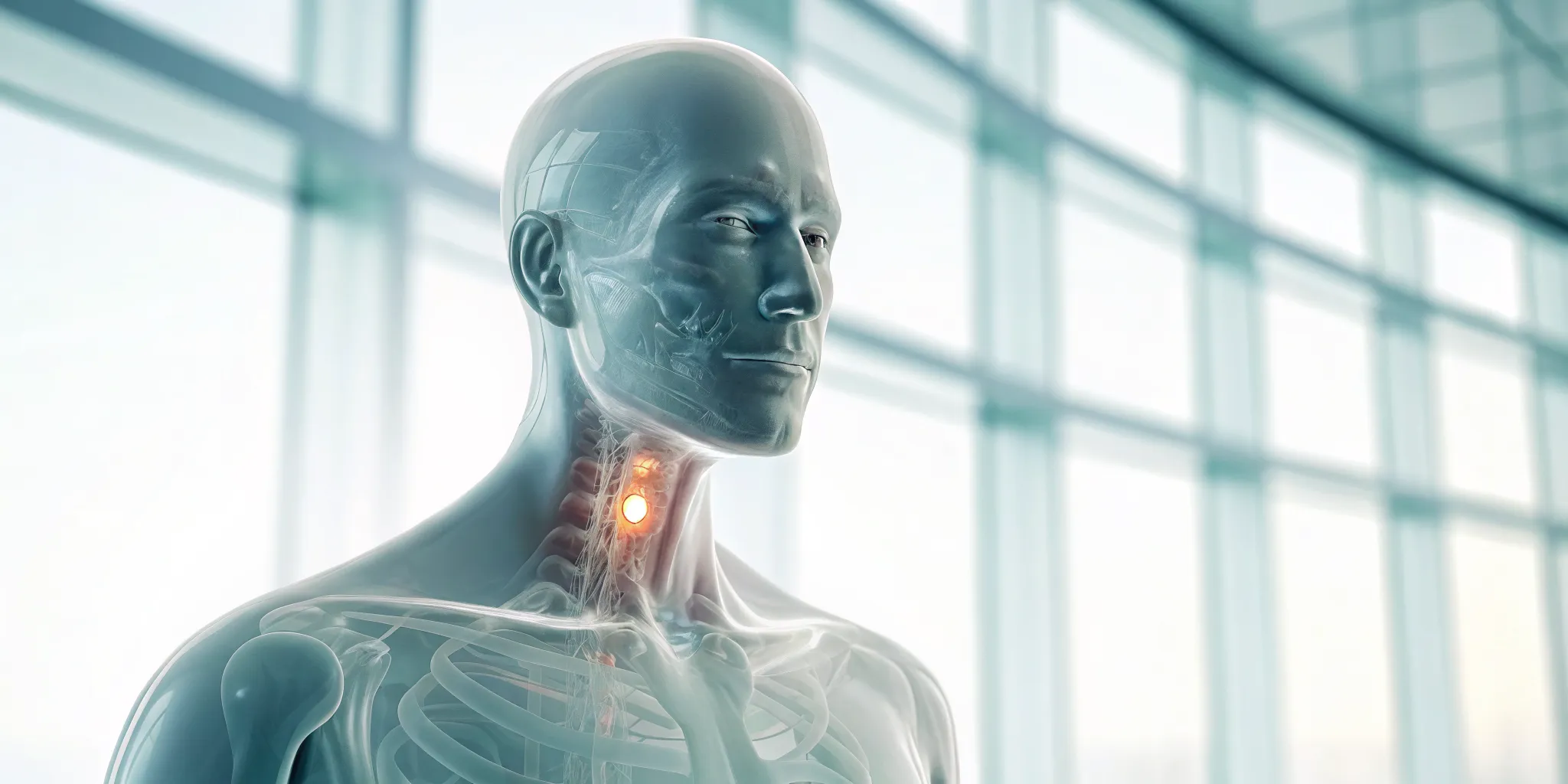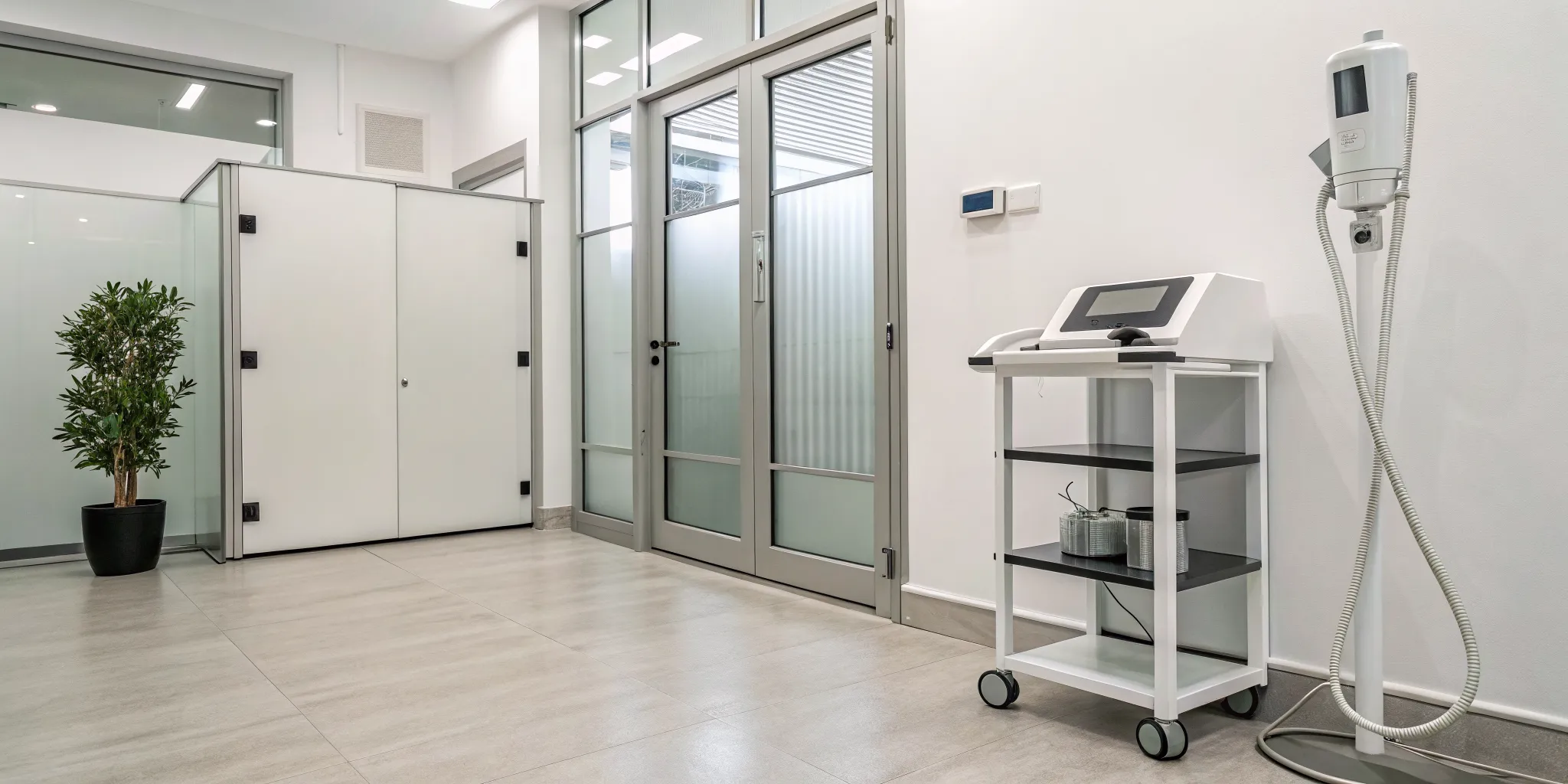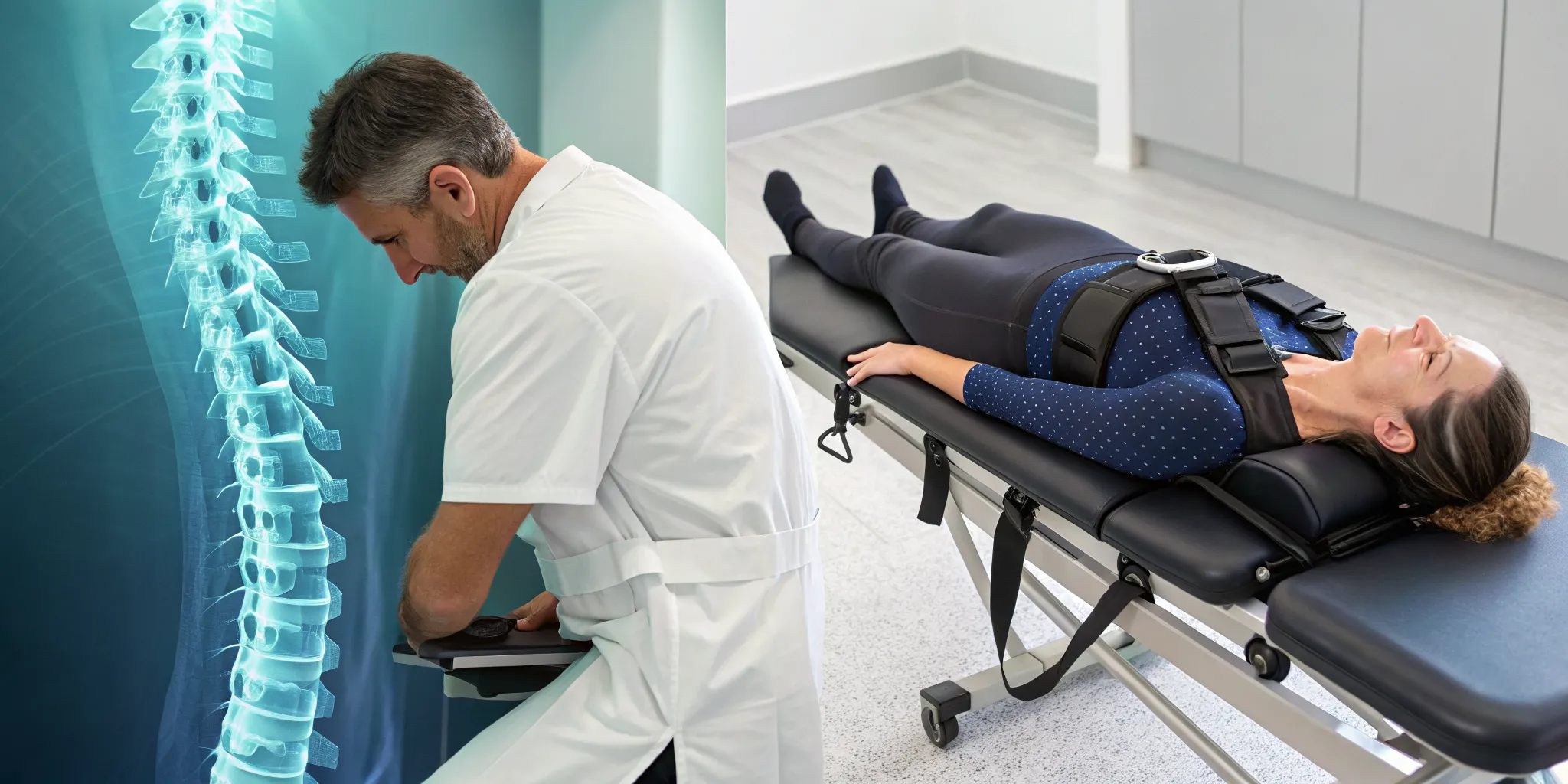
Let’s be honest, the name “shockwave therapy” sounds a bit intense. It might bring to mind something jarring or electric, but the reality is much gentler and more sophisticated. This treatment doesn’t involve electrical shocks at all. Instead, it uses high-energy acoustic waves, which are essentially powerful sound waves, to target injured tissue deep beneath the skin. Think of it as a highly focused therapeutic tool that wakes up your body’s healing potential. For those of us seeking lasting relief from chronic pain, it represents a powerful option for shockwave therapy without medication, helping to repair damage at the cellular level so you can finally move past your injury.
Key Takeaways
- It Addresses the Root Cause of Pain: Instead of just masking symptoms, shockwave therapy uses targeted sound waves to trigger your body's natural healing process. It promotes tissue repair and blood flow, helping your body fix the underlying problem for more sustainable results.
- A Solution for Stubborn Injuries: This treatment is especially effective for chronic soft tissue and tendon conditions that have not responded to other methods. It is a powerful option for persistent issues like plantar fasciitis, tennis elbow, and rotator cuff pain.
- The Process is Quick and Non-Invasive: A typical treatment plan involves just a few short sessions with no downtime required. You can get back to your day right after an appointment, making it a practical and efficient path toward recovery.
How Does Shockwave Therapy Work?
If you're dealing with chronic pain, you've probably heard about different treatment options. Shockwave therapy is one that often comes up, and for good reason. It’s a non-invasive approach that works with your body to address the source of your discomfort. But what exactly is it doing? It’s not as complicated as it sounds. The therapy uses targeted sound waves to kickstart your body’s natural repair mechanisms, helping to heal injured tissue and reduce pain without medication.
The science of acoustic waves
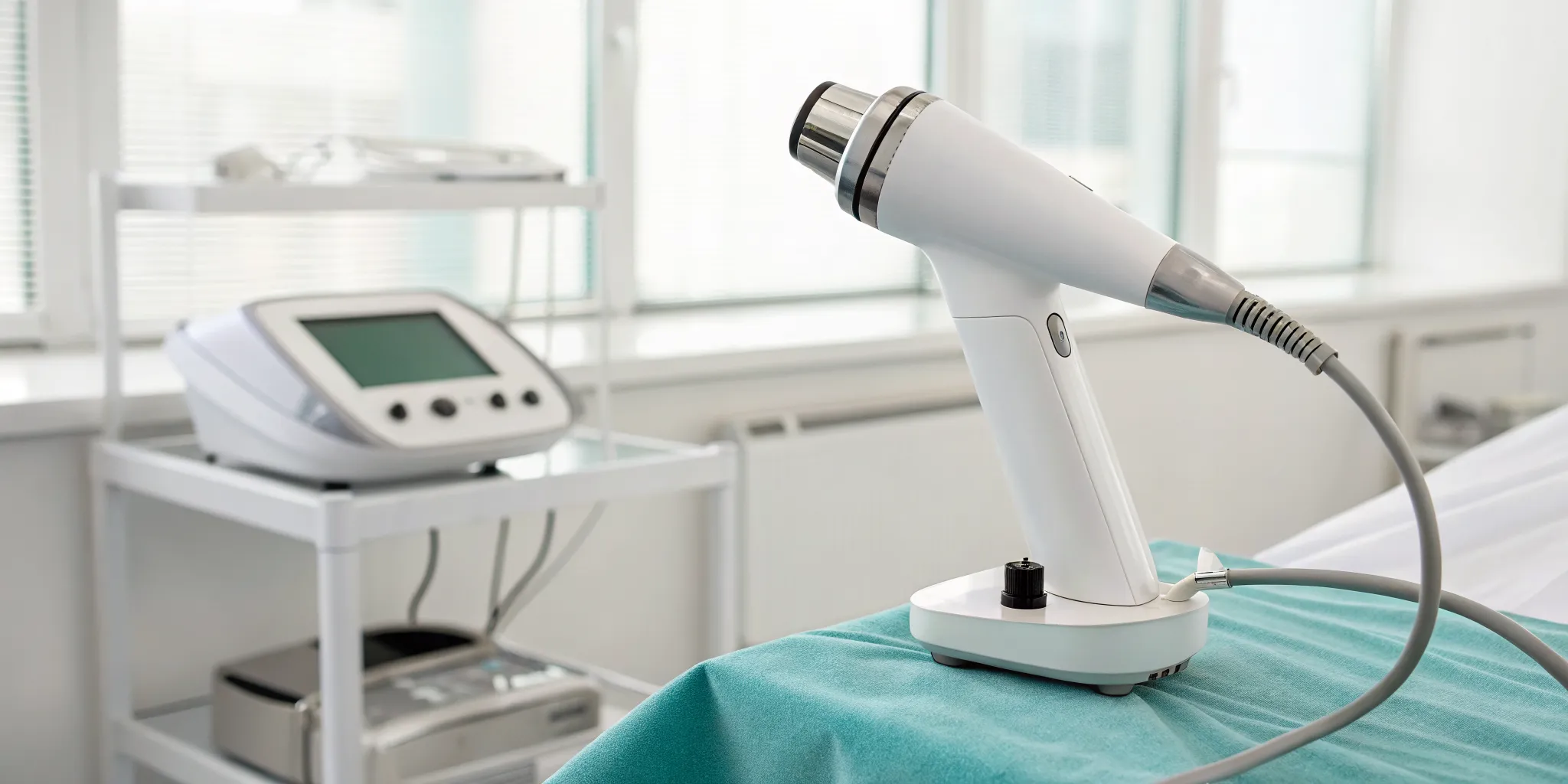
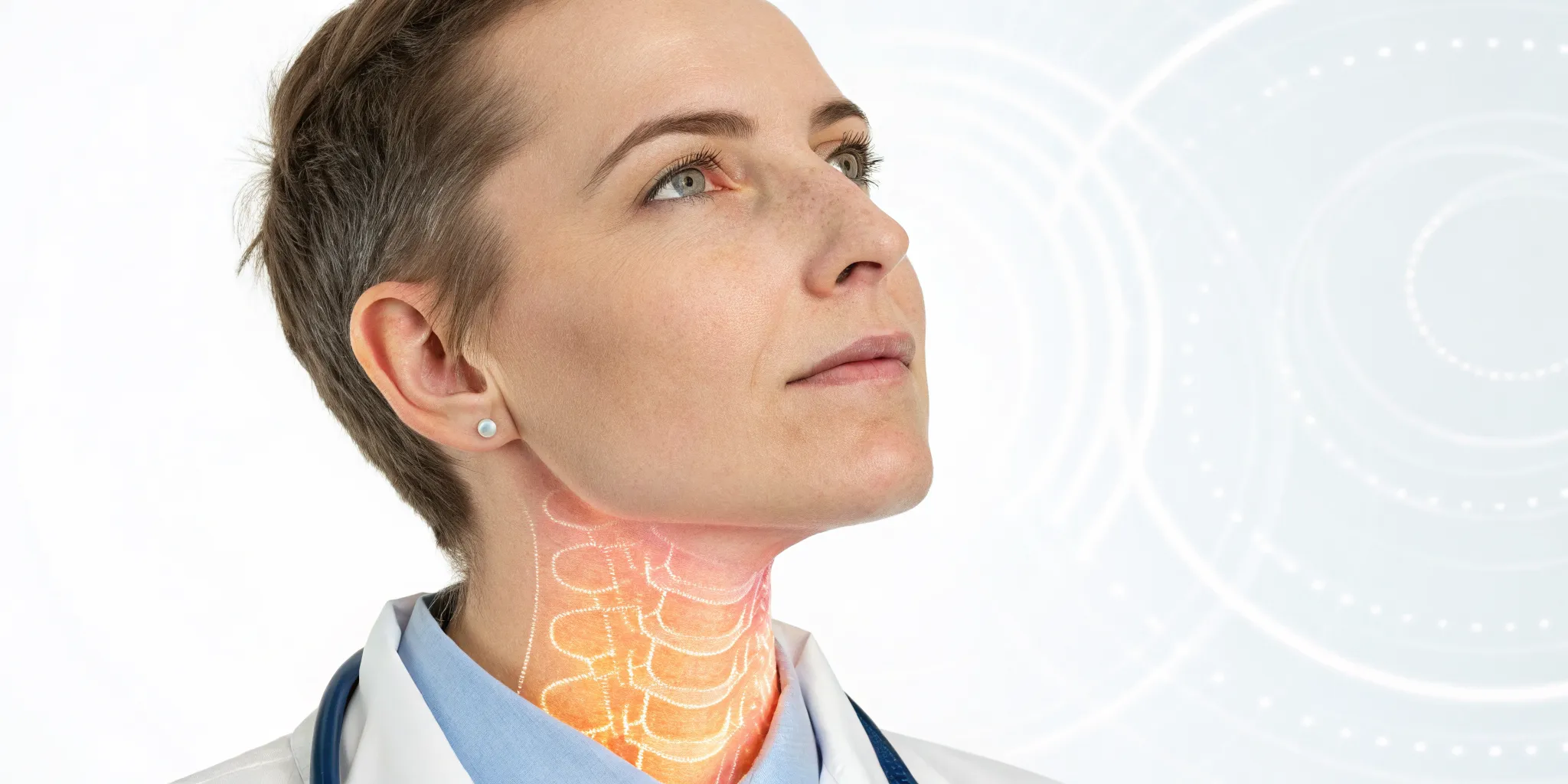
At its core, shockwave therapy uses a special device to send high-energy acoustic waves, which are essentially powerful sound waves, directly to the painful area. Think of it as a highly focused and deep form of therapeutic sound. These waves pass through your skin and into the injured tissue. This process creates micro-trauma in the tissue, which might sound counterintuitive, but it’s actually the key. This controlled stimulation signals your body to wake up and pay attention to an area that has been stuck in a chronic, non-healing state. It’s a way of prompting a fresh healing response where it’s needed most. This approach is a cornerstone of modern physical medicine.
Focused vs. radial therapy
Not all shockwave therapy is the same. You might hear the terms "focused" and "radial" used, and they refer to how the sound waves are delivered. Radial shockwave therapy sends out pressure waves that spread over a wider, more superficial area. This is often effective for larger muscle groups or conditions closer to the skin's surface. Focused shockwave therapy, on the other hand, concentrates the energy into a single, precise point. This allows the waves to penetrate deeper into the body to target specific tissues, like a tendon insertion on a bone. The right approach depends entirely on your unique situation and the root cause of your pain, which is why a thorough assessment is always the first step in determining the best path forward for the conditions we treat.
Triggering your body's natural healing
So, what happens after the acoustic waves reach the target tissue? This is where your body takes over. The energy from the shockwaves stimulates increased blood flow to the area, much like a very deep tissue massage. This fresh circulation delivers vital oxygen and nutrients that are essential for repair. At the same time, the therapy helps to break down scar tissue and calcifications that can impede movement and cause pain. It also has an effect on your nerve endings, helping to reduce pain signals sent to the brain. Most importantly, it encourages your body to release its own natural healing factors, creating a powerful, internal environment for regeneration. It’s a perfect example of our philosophy: helping the body heal itself.
What Conditions Can Shockwave Therapy Help?
If you're dealing with a stubborn injury that just won’t seem to heal, shockwave therapy might be the breakthrough you’ve been looking for. This approach is incredibly versatile, making it a powerful tool for a wide range of musculoskeletal conditions. It’s particularly effective for chronic issues involving tendons and other soft tissues where the body’s healing process has stalled. By delivering targeted acoustic waves to the affected area, we can restart that natural healing cascade, reduce discomfort, and restore function without invasive procedures. It’s a key part of our physical medicine toolkit, designed to address the root of the problem.
This therapy can be applied to many different parts of the body. We find it brings significant relief for many of the chronic conditions we treat at our Tampa clinic, helping people get back to their lives, from walking without pain to returning to the activities they love.
Persistent foot and heel pain
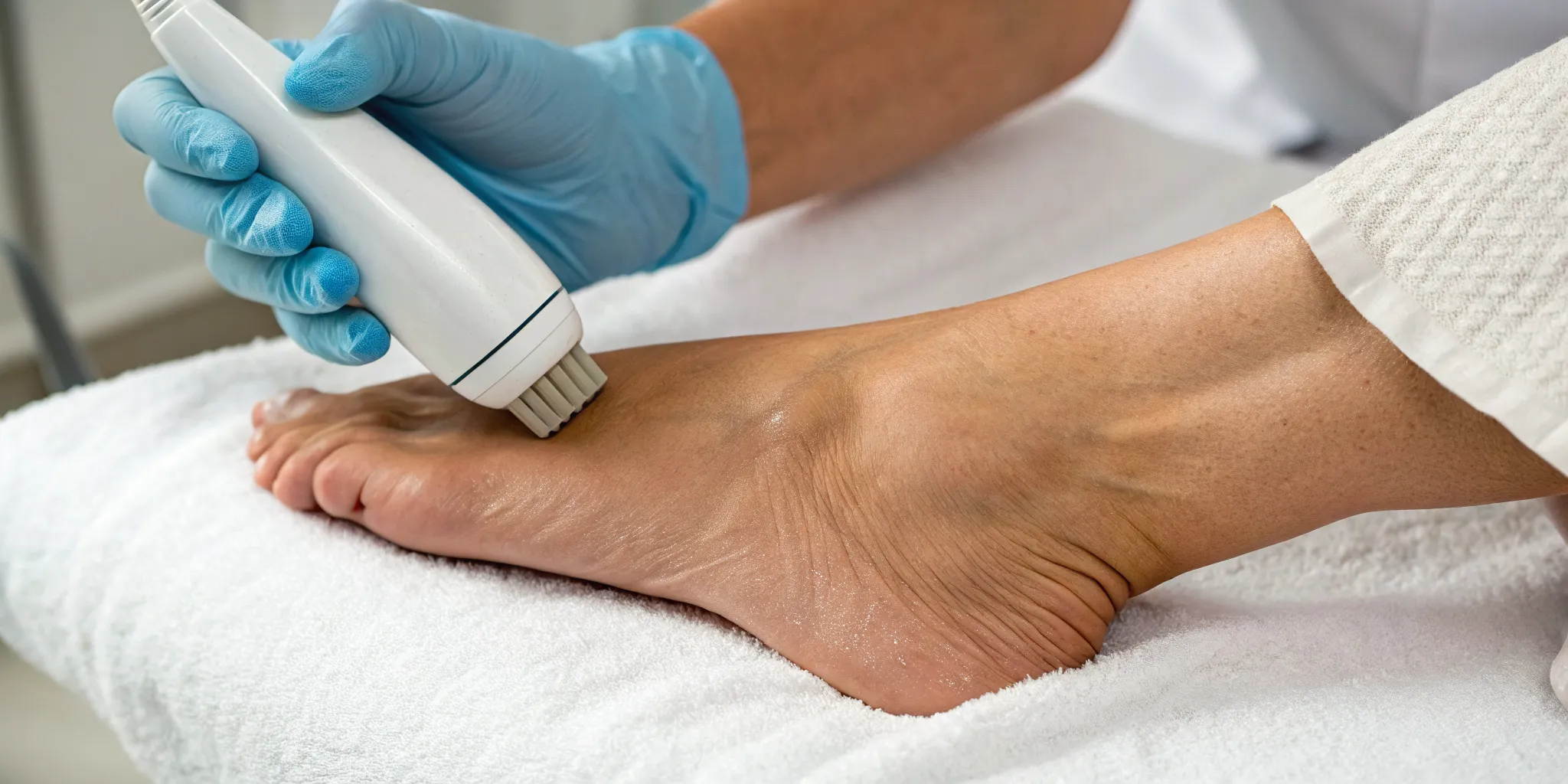
Waking up to sharp, stabbing pain in your heel is a frustrating way to start the day. For many, this is the reality of living with plantar fasciitis. This condition, along with Achilles tendinopathy, can make every step a painful reminder of an injury that won’t quit. Shockwave therapy offers a promising solution by directly targeting the inflamed and damaged tissue in your foot. The acoustic waves help break down scar tissue and stimulate new blood vessel formation, which brings more oxygen and nutrients to the area. This process encourages the regeneration of healthy tissue, providing lasting relief where other methods like stretching or icing may have fallen short. It’s about helping your foot heal itself from the inside out.
Shoulder and elbow injuries
Repetitive motions, whether from sports like tennis and golf or from daily tasks at a desk, can lead to nagging pain in the elbow and shoulder. Conditions like tennis elbow, golfer's elbow, and rotator cuff tendinopathy occur when tendons become overworked and inflamed. When these injuries become chronic, the healing process can stagnate. Shockwave therapy can effectively restart this process. By precisely targeting the injured tendons, the acoustic waves create a controlled micro-trauma that triggers your body’s natural healing response. This increases blood flow and metabolic activity, helping to repair the damaged tissue and reduce the persistent ache in your joints, so you can lift, reach, and swing with confidence again.
Common tendon and soft tissue problems
While foot and elbow pain are common complaints, shockwave therapy’s benefits extend to many other areas. It is an excellent option for various tendinopathies, which are chronic tendon injuries that can develop throughout the body. This includes issues like patellar tendinopathy (jumper’s knee) or gluteal tendinopathy, a common source of hip pain. The therapy works on the same principle: stimulating a healing response in tissues that are "stuck" in a cycle of pain and dysfunction. By addressing the underlying tissue damage, it helps your body finally heal from various types of injuries and move past the chronic pain that has been holding you back.
More than just sports injuries
There’s a common misconception that shockwave therapy is reserved for high-performance athletes. While it’s true that athletes rely on it to recover from stubborn injuries, its benefits are available to everyone. The reality is that chronic pain can stem from all sorts of activities, from gardening and household chores to spending long hours at a computer. This therapy is for anyone dealing with a musculoskeletal injury that hasn't resolved on its own. It’s also not just for chronic conditions; it can be an effective tool for some acute injuries as well, helping to speed up recovery from the start. You can explore our blog to learn more about our holistic approach to wellness for every lifestyle.
The Benefits of a Medication-Free Approach
If you’re dealing with chronic pain, you might feel like your only options involve invasive procedures or prescriptions that just mask the symptoms. Shockwave therapy offers a different path. It’s a cornerstone of physical medicine that works with your body, not against it, to encourage healing from the inside out. This approach aligns with a core belief in functional health: your body has an incredible capacity to heal itself when given the right support. By moving away from temporary fixes, you can create a foundation for lasting relief and improved function. This method is about getting to the heart of the problem and empowering your body to rebuild and recover, which is a game-changer for anyone tired of the symptom-management cycle.
A non-surgical solution
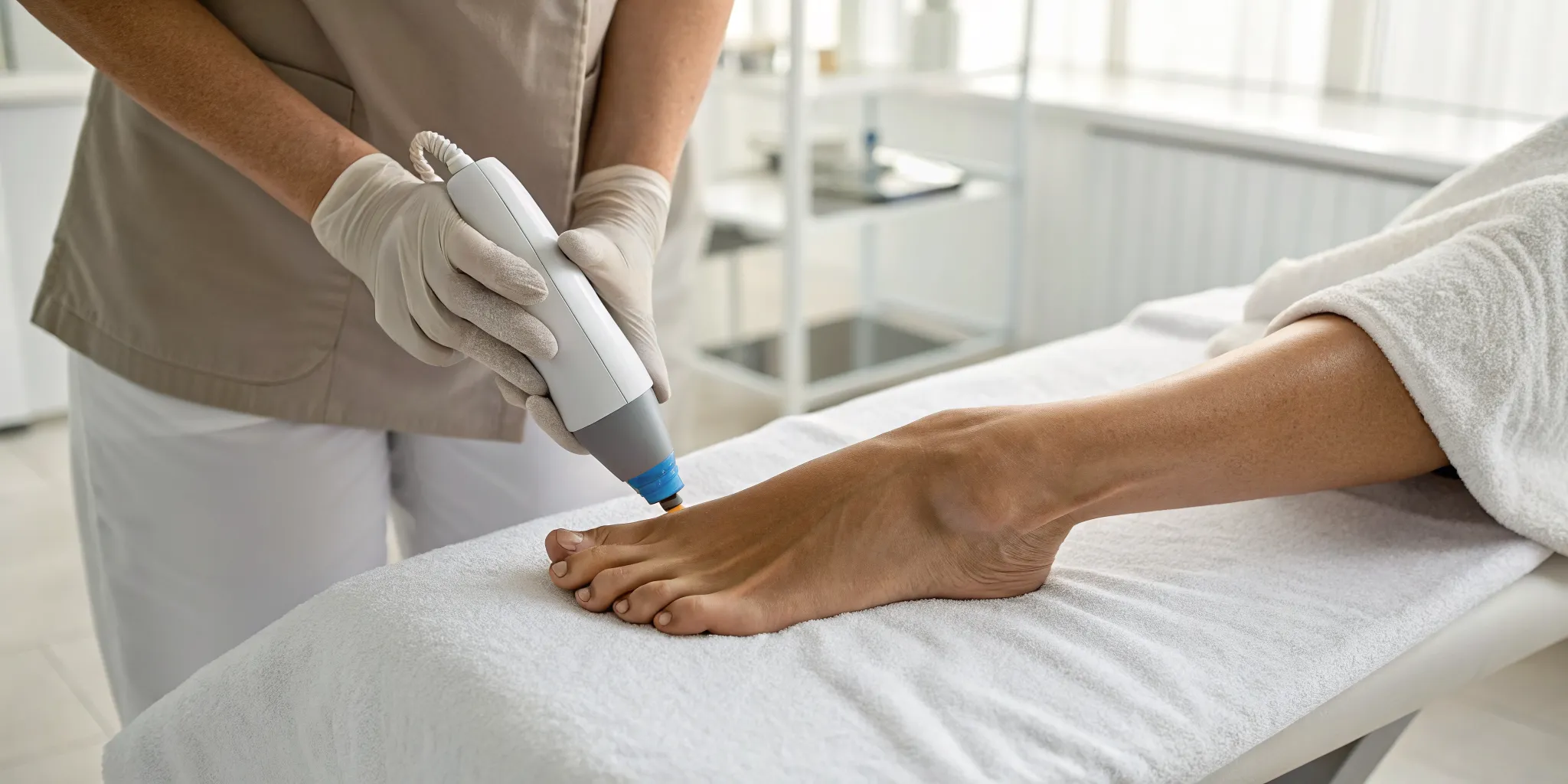
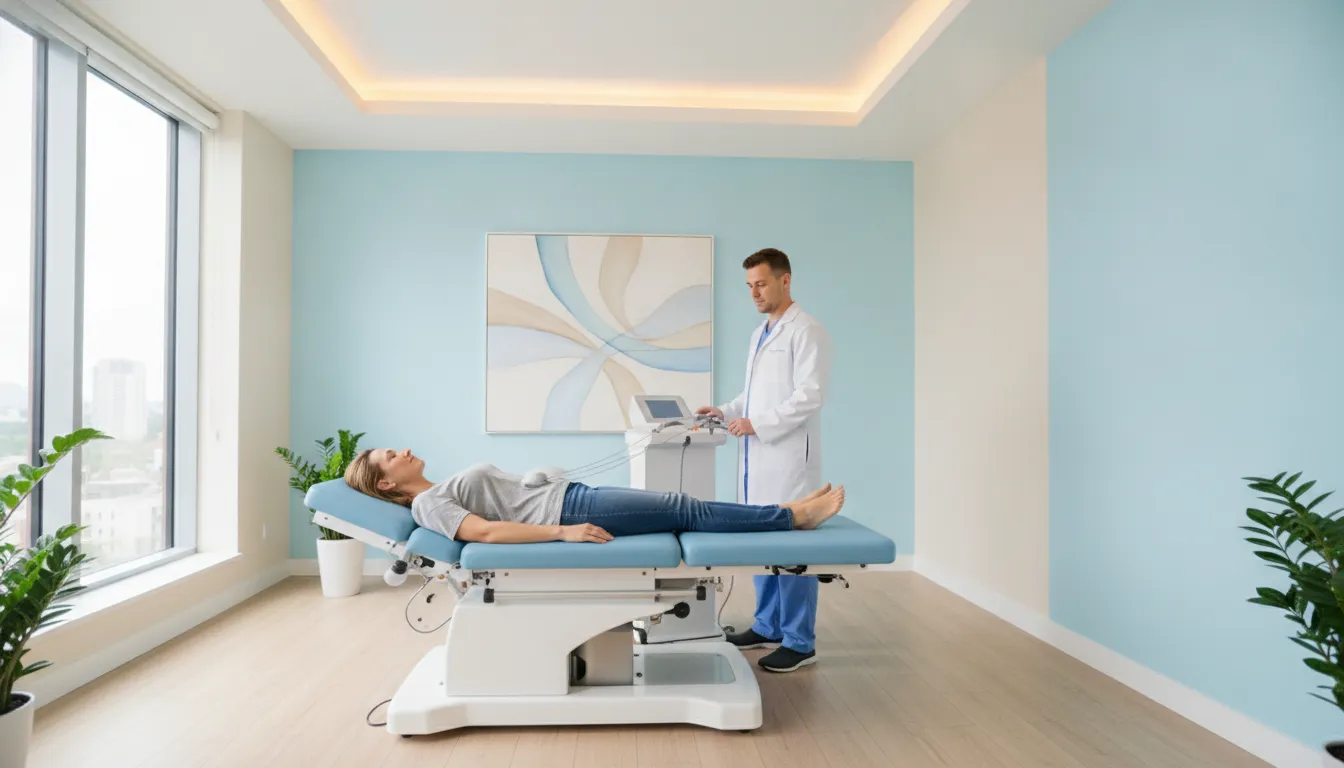
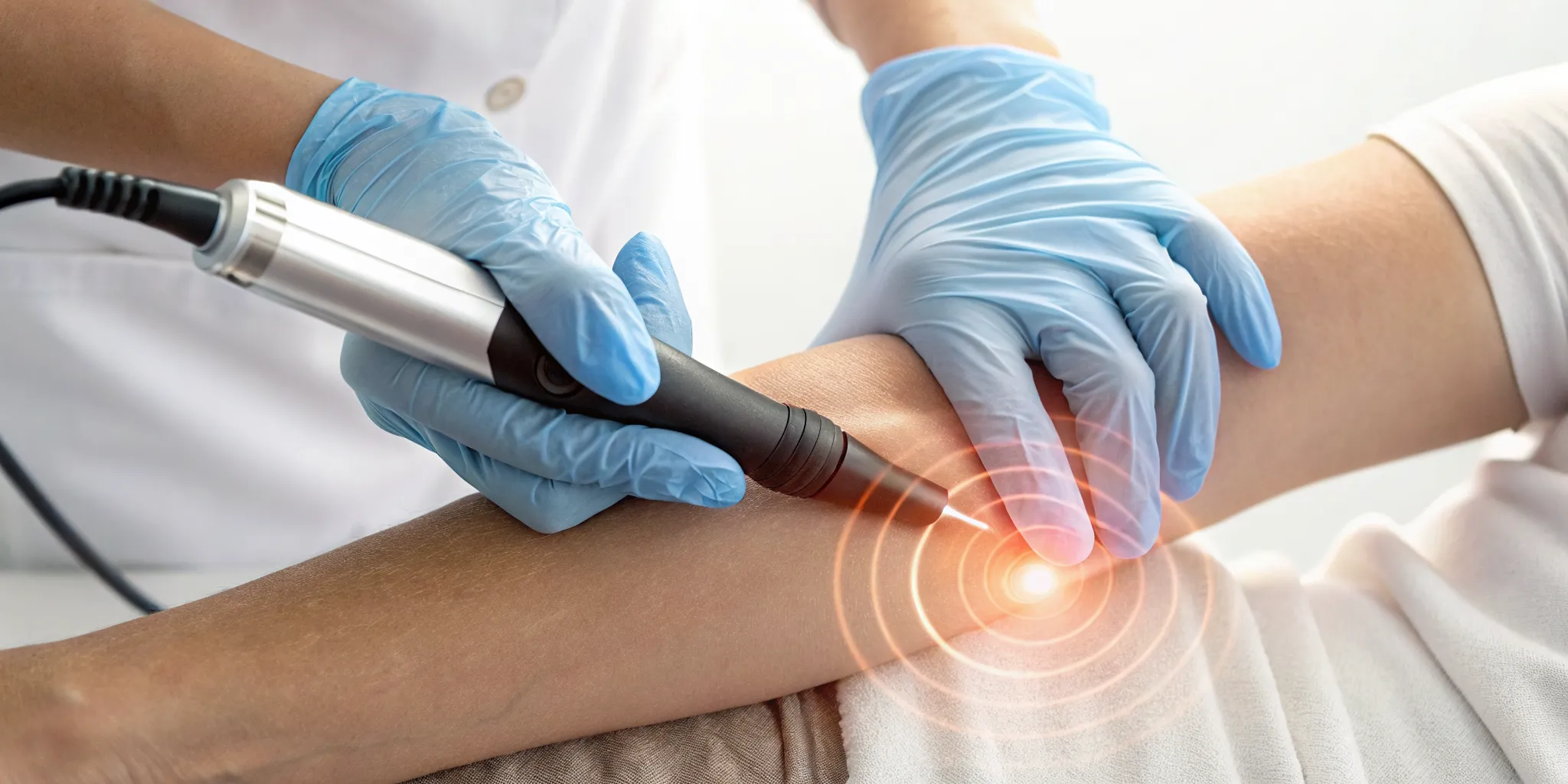
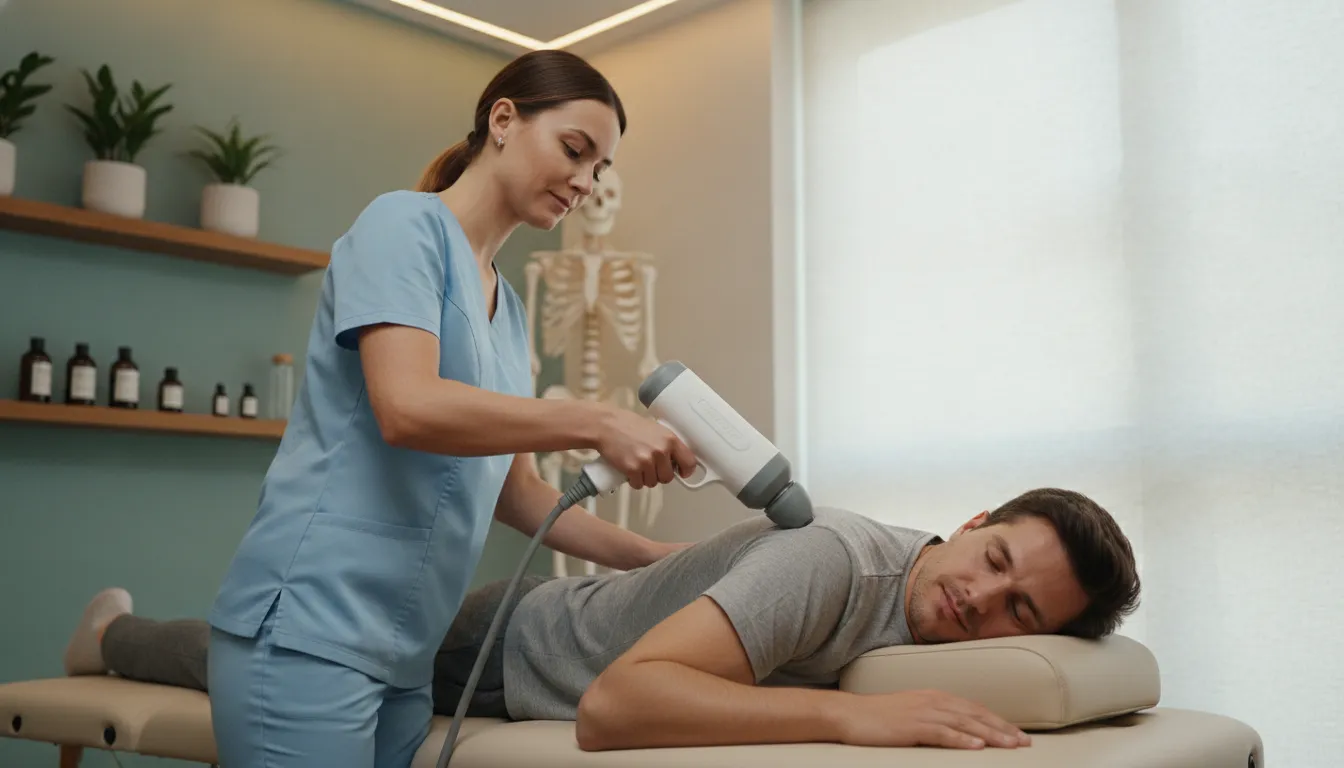
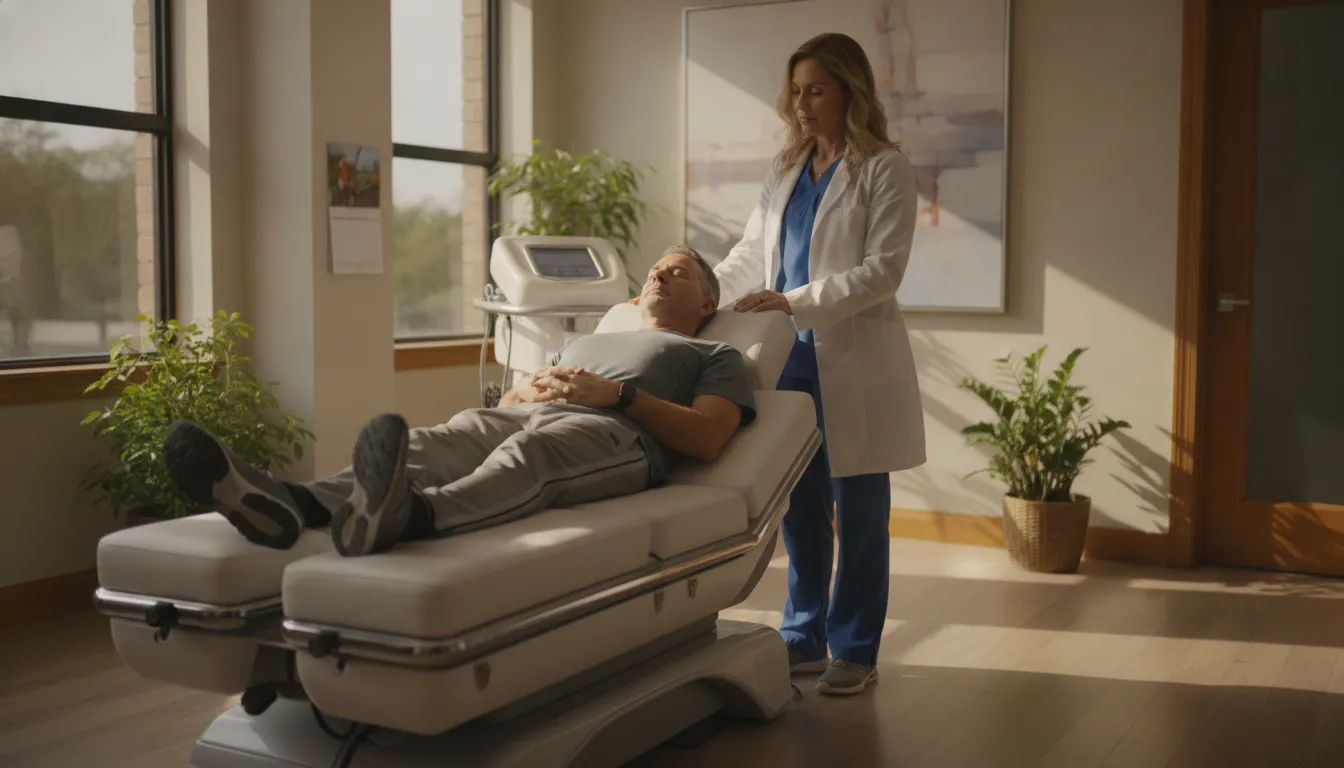
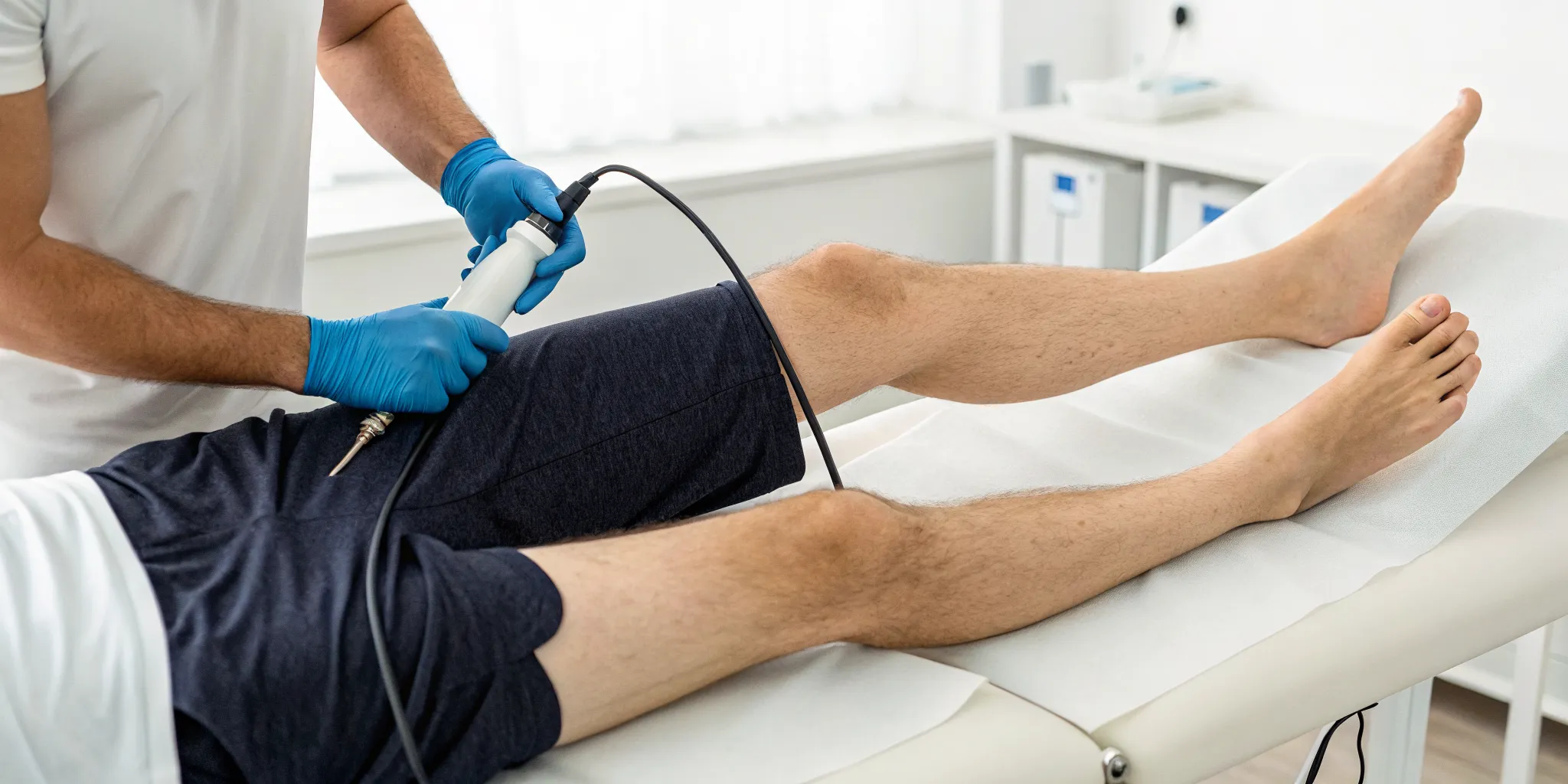
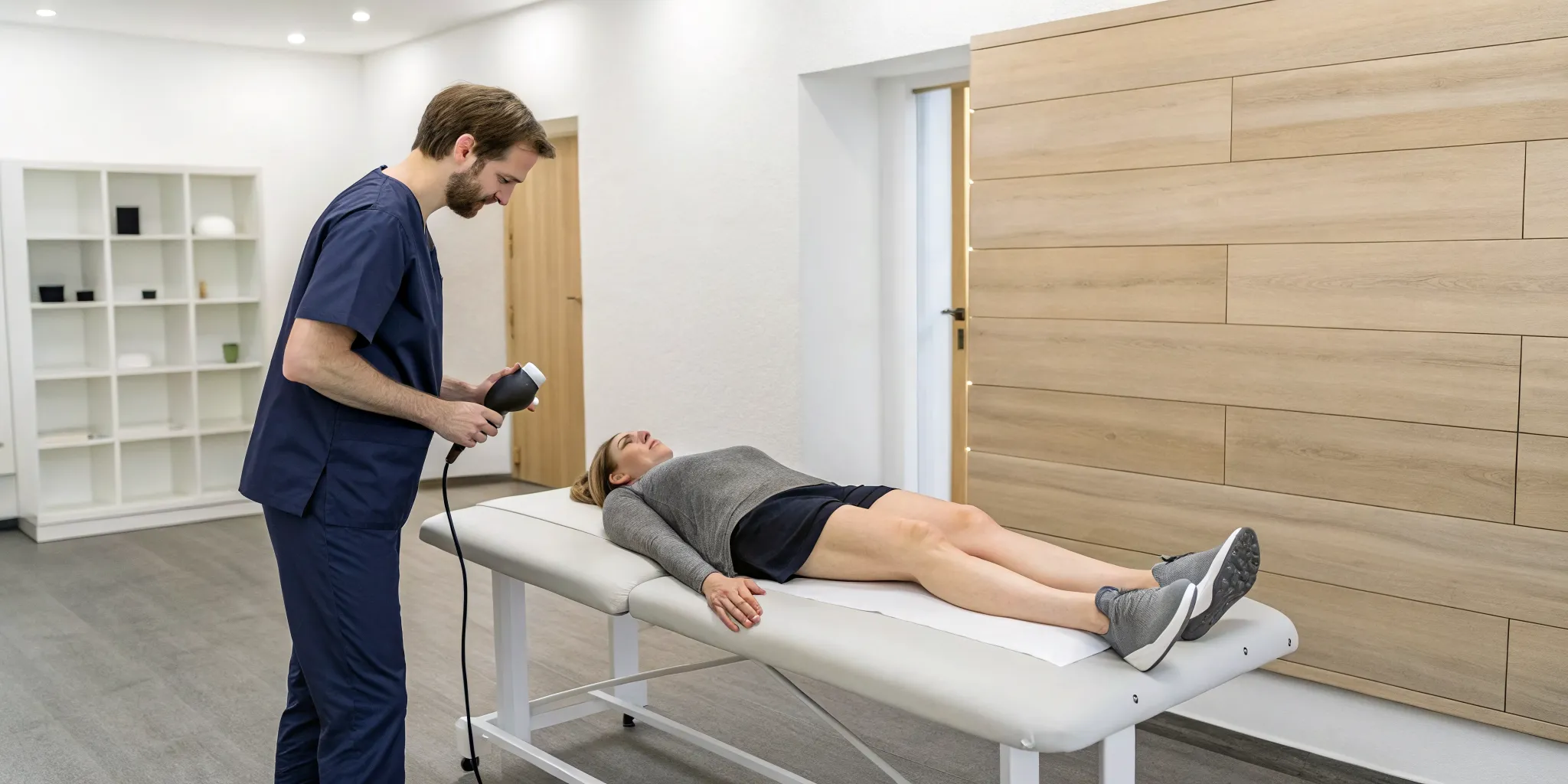
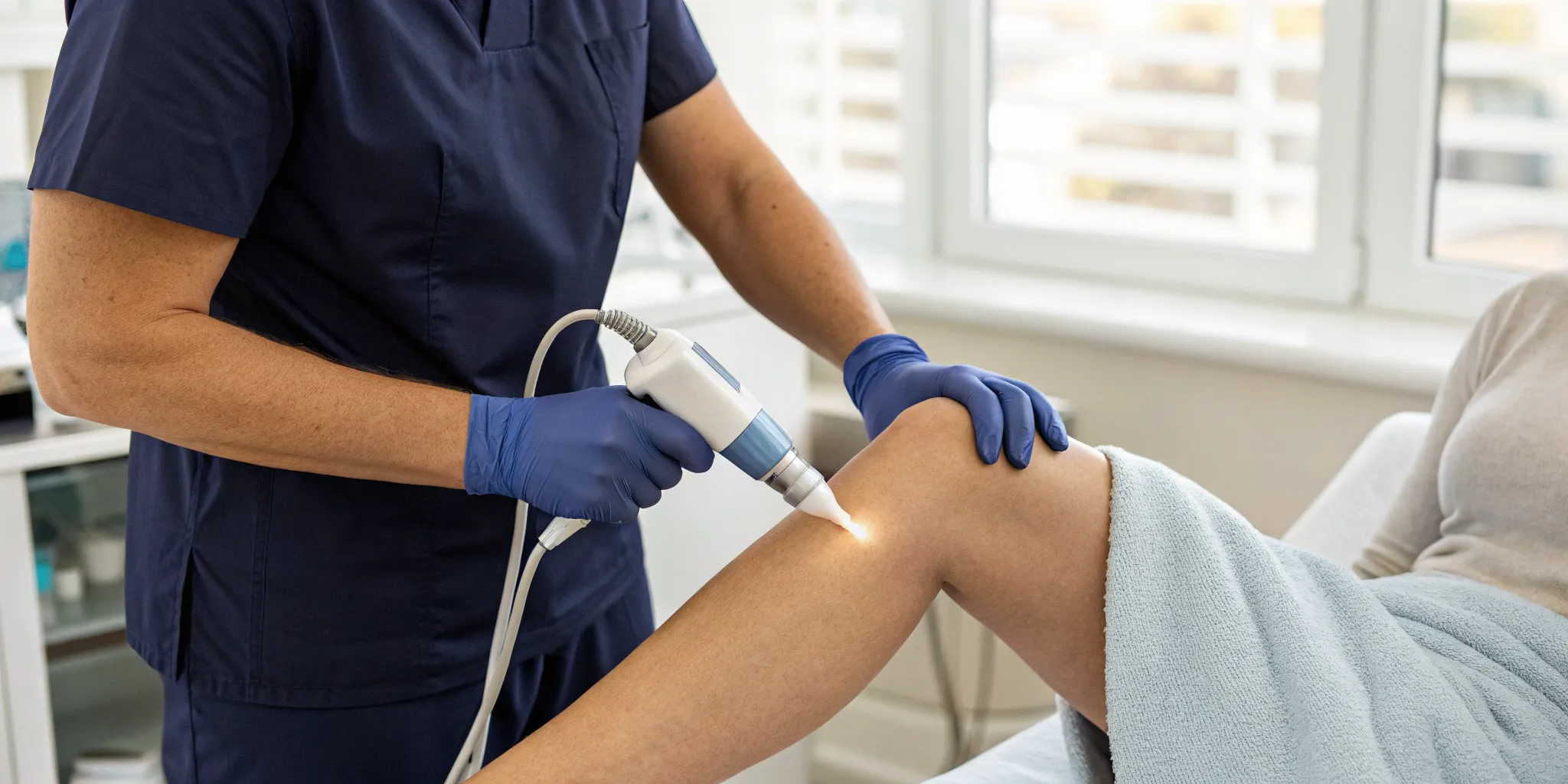
One of the most significant advantages of shockwave therapy is that it's a non-invasive procedure. That means it doesn't require any incisions, anesthesia, or instruments entering the body. For many people who are hesitant to undergo an operation due to the risks, potential complications, and lengthy recovery times, this is a welcome alternative. A session involves a practitioner using a device to apply acoustic waves to the outside of your skin over the injured area. You can walk out of the office right after your appointment and continue with your day. This makes it a practical choice for those with busy lives who want to address their pain without significant downtime.
Addressing pain at its source
Instead of just silencing pain signals, shockwave therapy gets to the root of the issue. The treatment uses a special device to send high-energy acoustic waves into the affected tissue. These waves create a response deep within the cells, stimulating your body’s own natural healing processes. This encourages increased blood flow, the formation of new blood vessels, and the regeneration of healthy tissue. By prompting this healing cascade, shockwave therapy helps repair the underlying injury that’s causing your discomfort. It’s a proactive approach that supports your body’s ability to fix itself, leading to more sustainable results than simply covering up the pain.
An alternative to repeated injections
For those caught in a cycle of receiving repeated injections for temporary relief, shockwave therapy can be a path to breaking free. While injections can sometimes provide short-term comfort, they often don't address the fundamental cause of the tissue damage. Over time, their effectiveness can diminish, and they may come with their own set of side effects. Shockwave therapy offers a different strategy by focusing on regenerating the damaged tissue itself. This can help you find lasting relief and potentially avoid the need for ongoing injections or more invasive procedures down the road for many of the conditions we treat.
Professional treatment vs. at-home devices
You might see devices marketed for home use, but they are not the same as the treatments you’d receive from a trained professional. The machines used in a clinical setting are powerful, high-energy devices that can be precisely adjusted to your specific needs and the depth of your injury. Our team of experts is trained to use this technology safely and effectively to target deep tissues. In contrast, at-home devices are low-intensity and lack the power to address serious or long-standing problems. While they might offer mild relief for minor aches, they can't produce the same regenerative effects needed for true healing of chronic conditions. For meaningful and lasting results, professional treatment is essential.
Is Shockwave Therapy Right for You?
Deciding on a new treatment can feel like a big step, especially when you’ve been dealing with pain for a while. Shockwave therapy is a powerful tool, but it’s important to know if it aligns with your specific health situation and goals. Let’s walk through who this treatment is designed for and the key factors to consider before getting started.
When other treatments haven't worked
If you’ve been struggling with a nagging injury for weeks or even months, you know how frustrating it can be when the usual advice doesn't help. Shockwave therapy is often most effective for these chronic conditions that haven't responded to first-line treatments like rest, ice, or stretching. It’s particularly helpful for soft tissue problems like persistent plantar fasciitis, Achilles tendon pain, jumper's knee, and tennis elbow. When you feel like you’ve hit a wall in your recovery, this therapy can be the key to finally stimulating the healing process. It’s designed to address many of the stubborn conditions we treat that keep you from living your life fully.
Important safety considerations
Your safety is always the top priority. While shockwave therapy is a non-invasive option for many, it isn't suitable for everyone. This treatment should not be performed on anyone who is pregnant or has a history of tumors. It's also not recommended for areas with active infections, for individuals with certain blood clotting disorders, or directly over a ruptured tendon. To ensure this is a safe and effective path for you, it’s essential to have a thorough conversation about your complete health history with a qualified professional. You can always contact our team to schedule a consultation and discuss your specific circumstances.
Who is an ideal candidate?
The ideal candidate for shockwave therapy is typically someone dealing with a soft tissue or tendon injury that has lingered for at least four to six weeks without significant improvement. If you’re looking for a solution that works with your body’s own healing mechanisms instead of just masking symptoms, you’re in the right place. This approach fits perfectly within a holistic health plan focused on resolving pain at its source. As part of our Physical Medicine services, shockwave therapy helps your body rebuild and repair damaged tissue. It’s for the person who is ready to move past temporary fixes and find lasting relief.
What to Expect from Your Treatment
Stepping into a new type of treatment can feel a little uncertain, so let’s walk through exactly what you can anticipate with shockwave therapy. From what the session feels like to how soon you might notice changes, knowing the process can help you feel confident and prepared. Our goal is to make your experience as comfortable and clear as possible. We focus on a structured plan that is tailored to your body’s specific needs and healing pace, ensuring you’re supported every step of the way. This method stands apart because it focuses on stimulating your body's own healing mechanisms, rather than just masking symptoms.
This approach is a key part of our Physical Medicine services, designed to work with your body’s inherent ability to repair itself. We believe in transparency and partnership, so you’ll always know what’s happening and why. By understanding the treatment journey, you can play an active role in your recovery and feel empowered from your very first appointment with us. We'll discuss your history, your goals, and how this therapy fits into your broader health picture. This isn't a one-size-fits-all solution; it's a collaborative process between you and our team to get you back to living the life you want.
What a session actually feels like
It’s completely normal to wonder about the sensation of shockwave therapy. During your session, you will feel quick pulses against your skin, often described as a tapping feeling accompanied by some warmth. While you might experience some discomfort, especially over bonier areas, it is generally very manageable. Most people rate the feeling at less than a 5 on a 10-point scale.
Your comfort is our priority. We can easily adjust the intensity of the treatment throughout the session to find a level that is both effective and tolerable for you. The entire process is interactive, and we’ll communicate with you to ensure you feel at ease from start to finish.
How many sessions you might need
One of the most encouraging aspects of shockwave therapy is its efficiency. This isn’t a treatment that requires an endless string of appointments. Most people find that just two or three sessions are enough to achieve their goals. These appointments are typically scheduled over a six to twelve-week period.
This timeline gives your body the space it needs to heal and respond to the treatment. By stimulating the natural repair processes, we can address a wide range of conditions we treat without a lengthy commitment. We will work with you to create a personalized plan that fits your unique situation and helps you get back to feeling your best.
Your timeline for results
Many people report feeling a noticeable improvement very soon after their first treatment, often within just a day or two. This can mean less discomfort and an easier time getting back to your normal activities. While every person’s healing journey is different, the results tend to appear quickly.
The majority of our patients achieve their primary healing goals within three to four weeks of starting their treatment plan. For some, a full plan might extend to six weeks to ensure the most complete and lasting results. Hearing from others who have gone through the process can be incredibly helpful, and we invite you to read about their experiences and successes.
5 Common Shockwave Therapy Myths
When you're looking for solutions to chronic pain, it’s natural to feel a little skeptical about treatments that sound new or different. Shockwave therapy often falls into that category, partly because it’s surrounded by a lot of confusing information and common misconceptions. As a key part of our physical medicine approach, we believe in giving you clear, honest answers so you can make informed decisions about your health.
Let's take a moment to clear the air and separate fact from fiction. Understanding what this treatment really involves is the first step toward figuring out if it's the right path for your healing journey. We're going to walk through five of the most common myths we hear from patients. By the end, you'll have a much better picture of what to expect from shockwave therapy and how it can be a game-changer for finding lasting relief from persistent pain.
Myth: "It's too painful."
The word "shockwave" can sound intense, leading many to believe the treatment itself is painful. In reality, shockwave therapy is a non-invasive procedure, meaning there are no incisions or needles involved. Most people describe the sensation as a series of strong, tapping pulses against the skin. While you might feel some discomfort, especially over a tender area, the intensity is always adjusted to your personal comfort level. The goal is to stimulate healing, not cause pain. Compared to the recovery from more invasive procedures, a session of shockwave therapy is very manageable and allows you to get right back to your day.
Myth: "One session is all you need."
It would be wonderful if chronic pain could disappear after a single appointment, but true healing is a process. Shockwave therapy works by triggering your body’s natural repair mechanisms, and this response takes time to build. Think of it as reminding your body how to heal itself. Each session builds on the last, progressively reducing inflammation and promoting tissue regeneration. Most treatment plans involve a series of sessions spaced about a week apart. This consistent approach is what helps achieve long-term results for the persistent conditions we treat, rather than just providing a temporary fix. Patience is key, as your body does the restorative work between appointments.
Myth: "It's the same as ultrasound."
This is a common point of confusion, since both treatments use waves to affect body tissue. However, they are fundamentally different technologies. Therapeutic ultrasound uses sound waves to generate deep heat, which can help relax muscles and increase blood flow. In contrast, shockwave therapy uses higher-energy acoustic pressure waves. These waves create a controlled, micro-level impact in the tissue to stimulate a powerful biological healing response. This process helps break down scar tissue and encourages the formation of new blood vessels. While both can be part of a comprehensive treatment plan, they serve very different purposes within our range of services.
Myth: "It's only for athletes."
While shockwave therapy is a go-to for many professional athletes dealing with sports injuries, its benefits are certainly not limited to them. We see people from all walks of life find relief with this treatment. Whether you have plantar fasciitis from being on your feet all day, tennis elbow from repetitive work tasks, or chronic shoulder pain that just won’t go away, shockwave therapy can be an effective solution. The treatment addresses tissue damage and chronic inflammation, which are problems anyone can face. Our goal is to help every patient regain function and live without pain, regardless of their activity level.
Myth: "The technology is unproven."
Although shockwave therapy has gained popularity for muscle and joint issues more recently, the technology itself has a long and successful history in medicine. It has been used for decades in other fields, most notably for breaking up kidney stones. Extensive research supports its effectiveness for musculoskeletal conditions, showing that it can successfully treat chronic tendon problems and other soft tissue injuries. We are committed to using evidence-based treatments, and shockwave therapy is a well-established modality that helps us address the root cause of your pain. You can learn more about our approach on our podcast, where we often discuss the science behind our therapies.
Find Relief with Shockwave Therapy in Tampa
When you're dealing with persistent pain here in Tampa, it’s easy to feel like you’ve tried everything. If you’re looking for a solution that gets to the root of the issue without involving medication or surgery, shockwave therapy could be the answer. This innovative treatment uses acoustic waves to target injured tissue, kickstarting your body’s natural ability to heal itself.
This approach is particularly effective for chronic conditions that have lingered for months or even years. Research from UCHealth explains that the high-energy sound waves can break up scar tissue and stimulate the body’s own repair mechanisms. This process helps create new blood vessels and release growth factors, which are essential for tissue regeneration. It’s a way of prompting the healing process in areas where it has stalled.
Many people with plantar fasciitis, tennis elbow, jumper's knee, and rotator cuff pain have found lasting relief through this method. It's also a go-to treatment for many sports and overuse injuries. As experts at UT Southwestern Medical Center note, shockwave therapy can help heal these types of injuries by addressing the source of the problem. Instead of just masking the pain, it promotes actual recovery in the damaged tissue.
At Ascend Functional Health, we use this technology as part of our Physical Medicine services to help our patients get back to their active lives. By focusing on the underlying cause of your discomfort, we can create a personalized path toward long-term wellness and help you feel your best again.
Related Articles
- SoftWave Tissue Regeneration Therapy in Tampa | Alessi Functional Health
- SoftWave TRT Therapy in Tampa, FL - Alessi Functional Health
- Regenerative Medicine for Pain Recovery | Ascend Functional Health
- Root Cause Treatment for Chronic Pain | Ascend Functional Health
- Pain Free Future | Alessi Functional Health
Frequently Asked Questions
What does a shockwave therapy session actually feel like? It’s natural to be curious about the sensation. Most people describe it as a series of strong, tapping pulses on the skin. You might feel some mild discomfort, particularly over the most tender spots, but the treatment should never be intensely painful. We communicate with you throughout the entire session and can adjust the intensity at any moment to ensure you remain comfortable while still receiving an effective treatment.
How many treatments will I need and how soon can I expect results? One of the best parts of shockwave therapy is its efficiency. A typical treatment plan involves just two or three sessions, usually spaced about a week apart to give your body time to respond. While everyone’s healing journey is unique, many people report feeling a noticeable improvement in their discomfort within a day or two of their first appointment. The most significant and lasting results tend to build over the course of your full treatment plan.
Is there any downtime after a treatment session? There is no significant downtime required, which is a major benefit. You can return to your normal daily activities right after your appointment. However, since the therapy initiates a healing response in your body, we generally recommend avoiding any strenuous or high-impact activities for about 24 to 48 hours after a session. This brief rest period allows the treated area to begin its repair process without added stress.
How is this different from other treatments I've tried for my chronic pain? While other therapies like massage or heat can provide temporary relief by relaxing muscles, shockwave therapy works differently. It is a regenerative treatment that creates a biological response at the cellular level. The acoustic waves stimulate your body’s own powerful healing factors to repair injured tissue, break down scar tissue, and form new blood vessels. Instead of just managing symptoms, it helps resolve the underlying problem for more sustainable relief.
How do I know if I'm a good candidate for this therapy? This treatment is often an excellent choice for individuals who have been dealing with a soft tissue or tendon injury for several weeks or months without success from other methods. If you have a persistent issue like plantar fasciitis, tennis elbow, or rotator cuff pain and are looking for a solution that addresses the root cause, you are likely a great candidate. The best way to know for sure is to have a thorough evaluation where we can discuss your health history and determine if this is the right path for you.