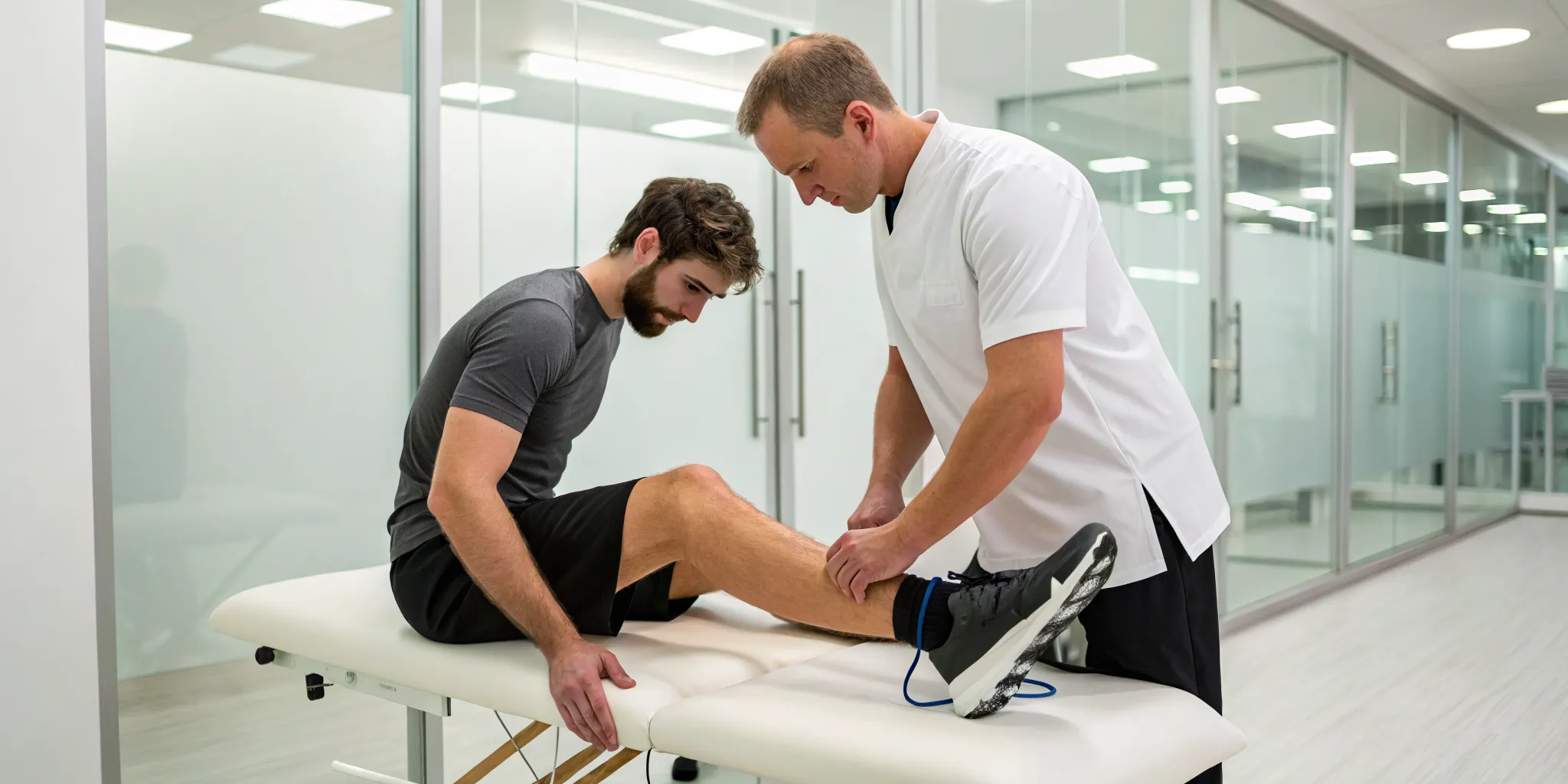
Joint discomfort can make routine activities harder, from walking through a store to reaching overhead or getting up from a chair. Regenerative medicine for joint pain is a broad term for approaches intended to support the body's repair processes, but the right next step depends on the joint, the source of symptoms, and a person's health history. A careful evaluation can help sort through those factors without promising a particular result.
Discuss your joint concerns with Ascend
How is regenerative medicine for joint pain considered?
Regenerative medicine describes a group of approaches that aim to support tissue function or the body's healing response. It is not one treatment, and the name alone cannot tell you whether a specific option fits your situation.
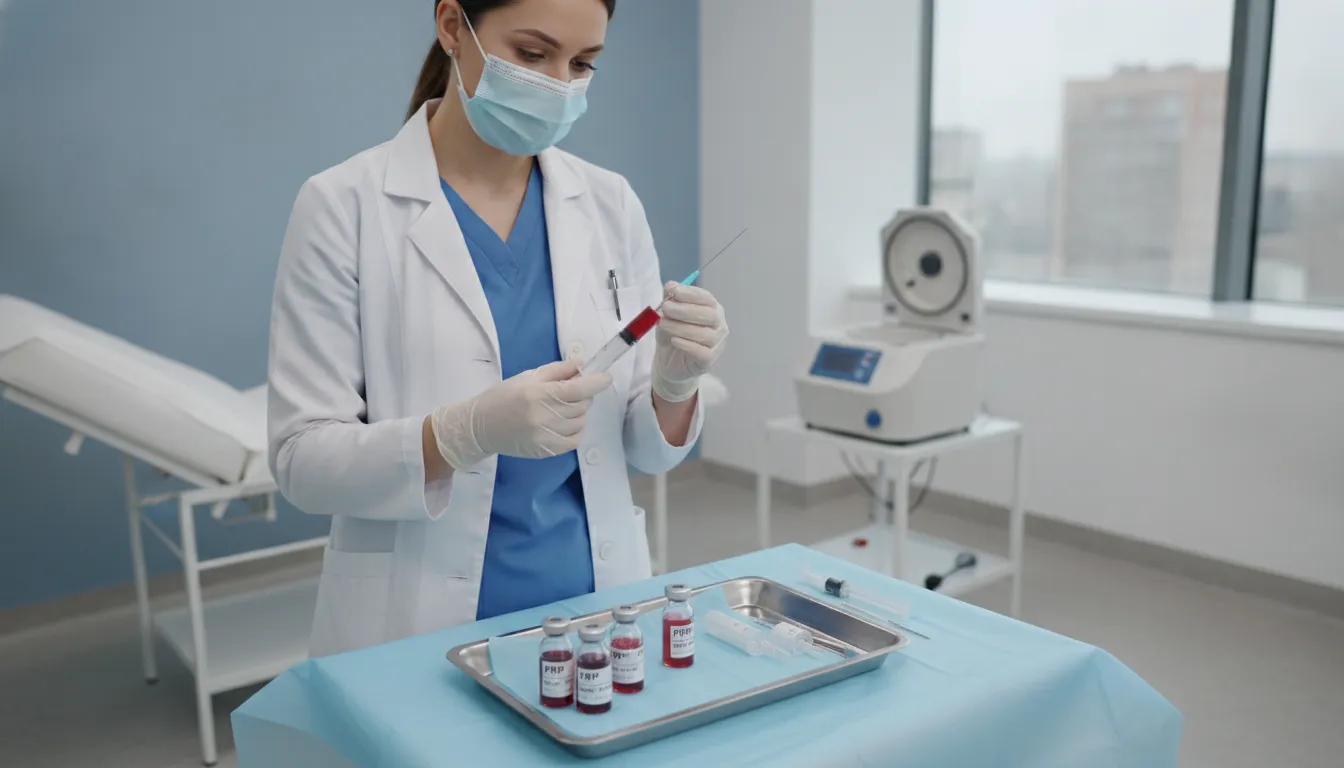
In joint care, people may encounter terms such as platelet-rich plasma (PRP), peptide therapy, and other regenerative approaches. These modalities differ in how they are prepared or delivered, the questions they are intended to address, and the evidence available for particular conditions. Results can vary, and no approach should be presented as a guaranteed way to repair a joint or remove pain.
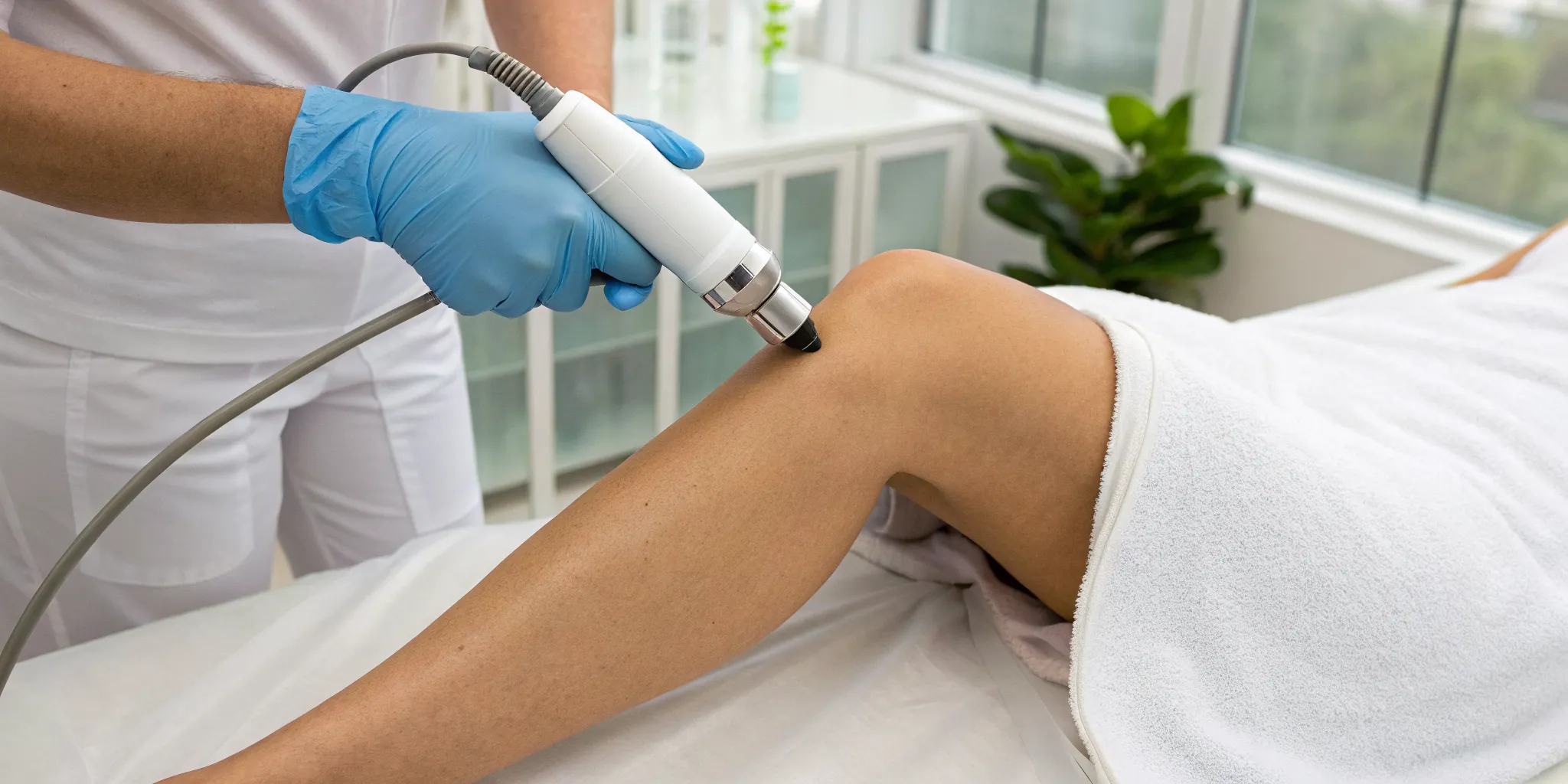
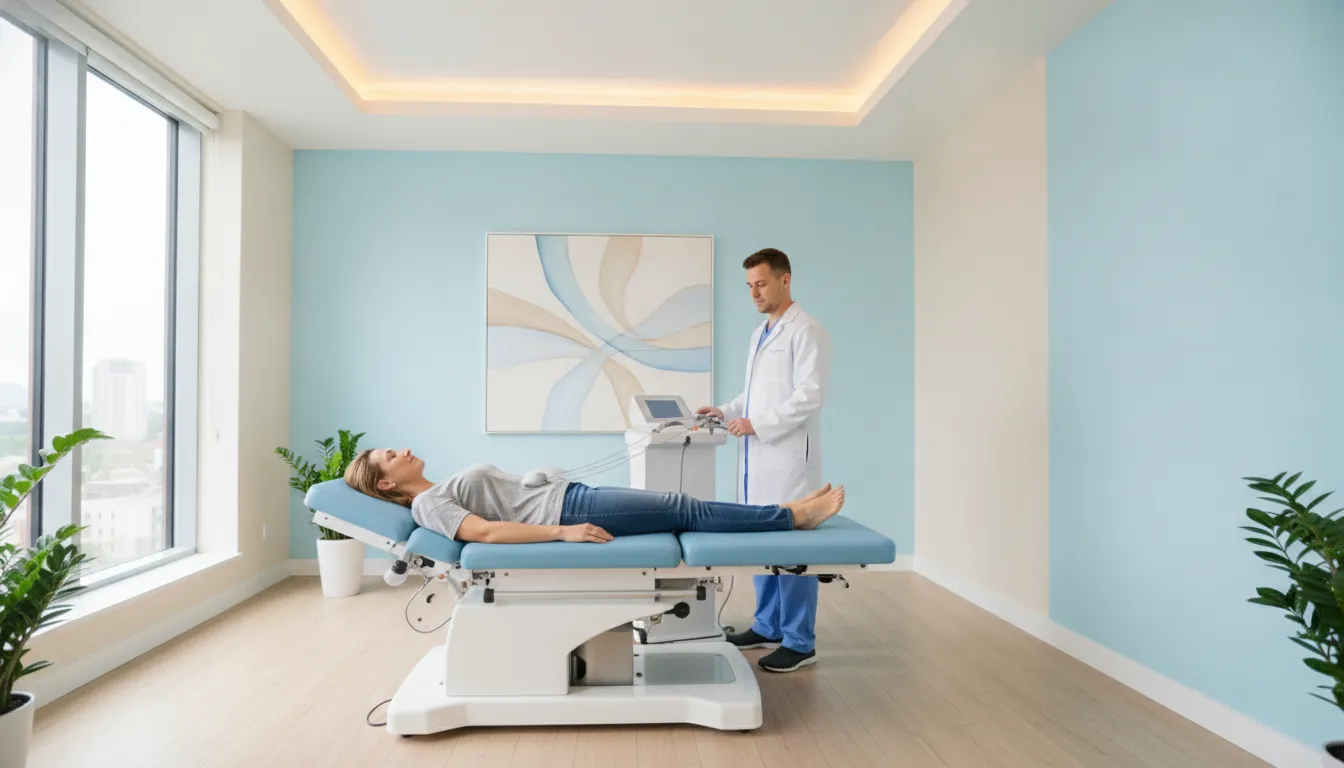
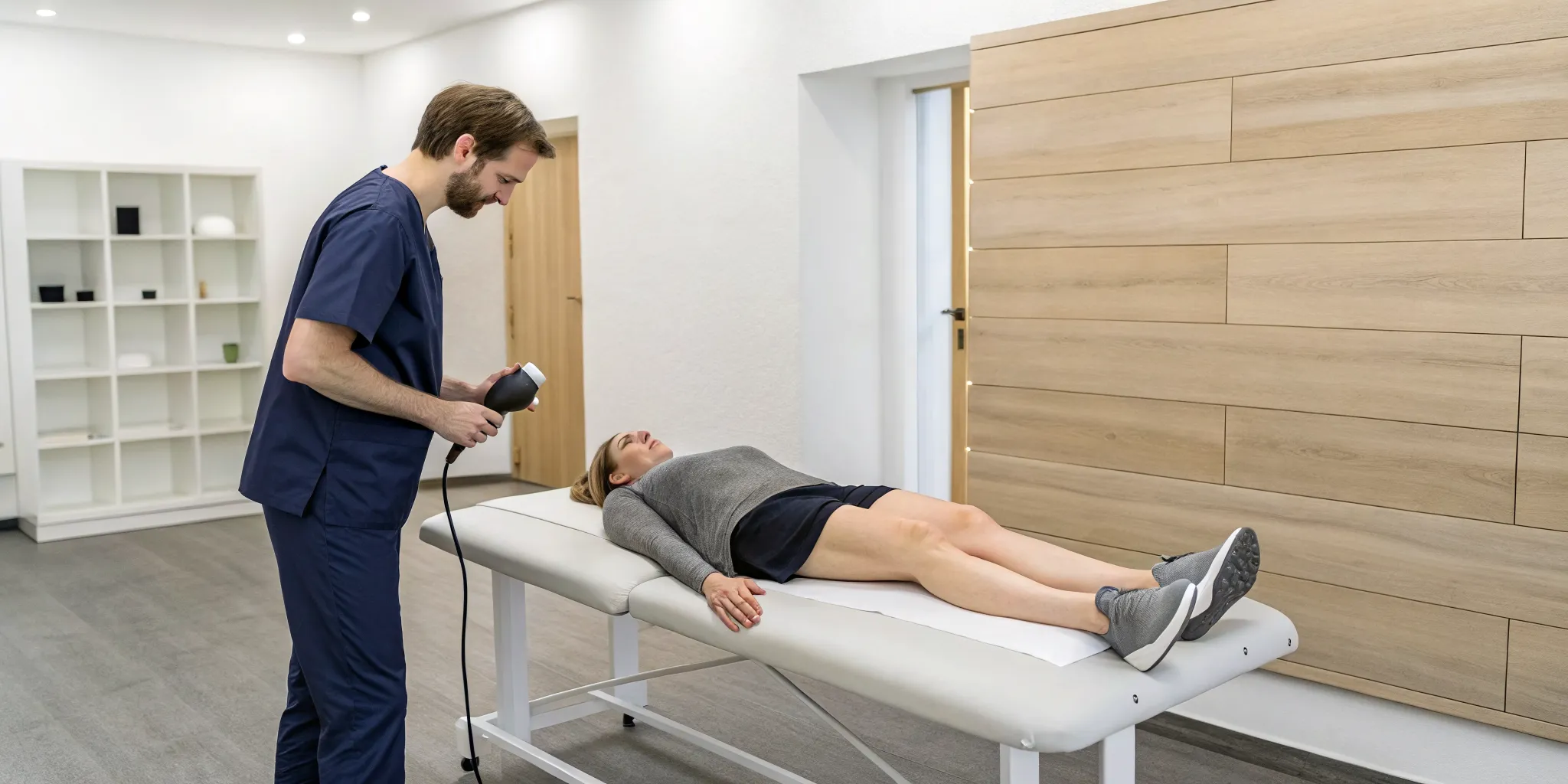
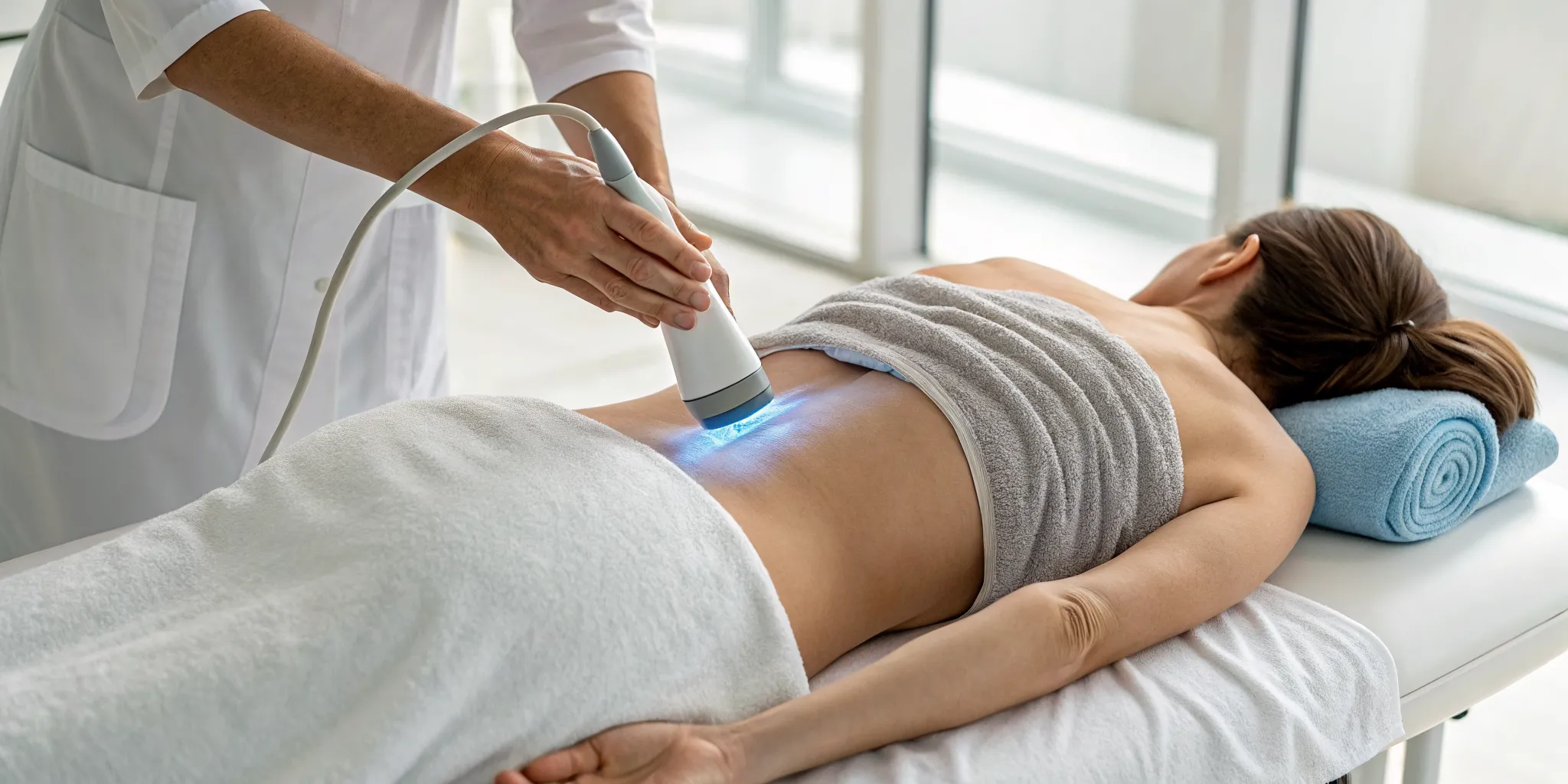
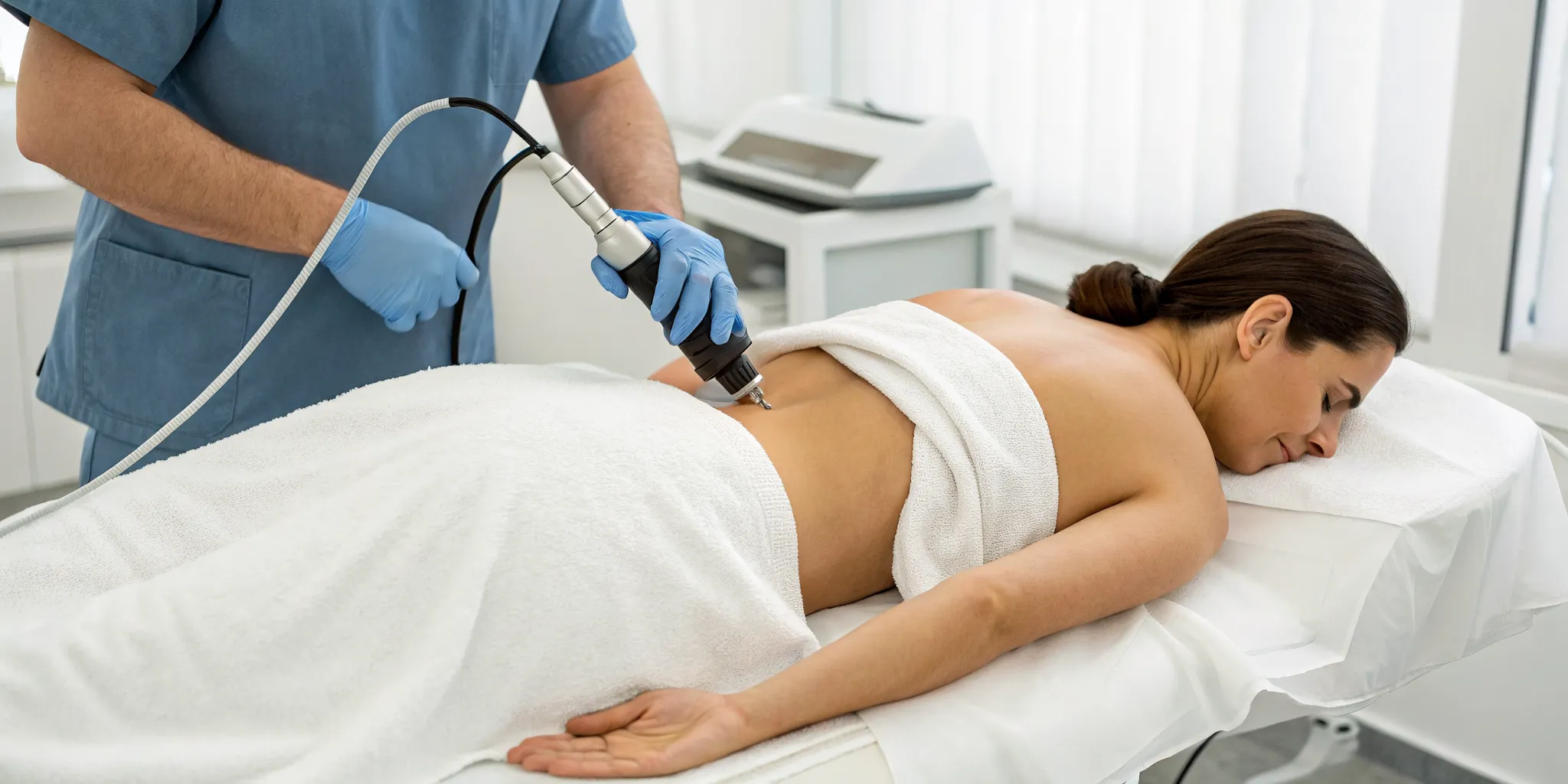
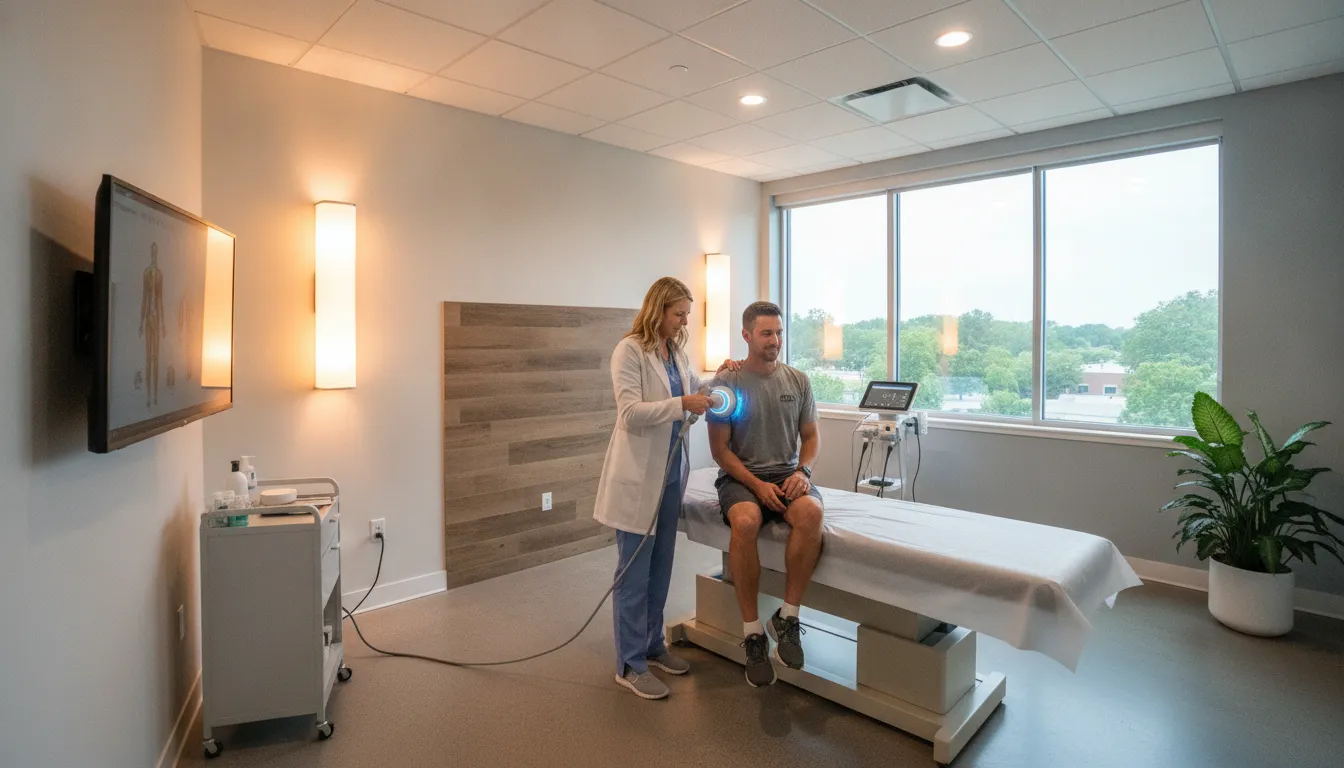
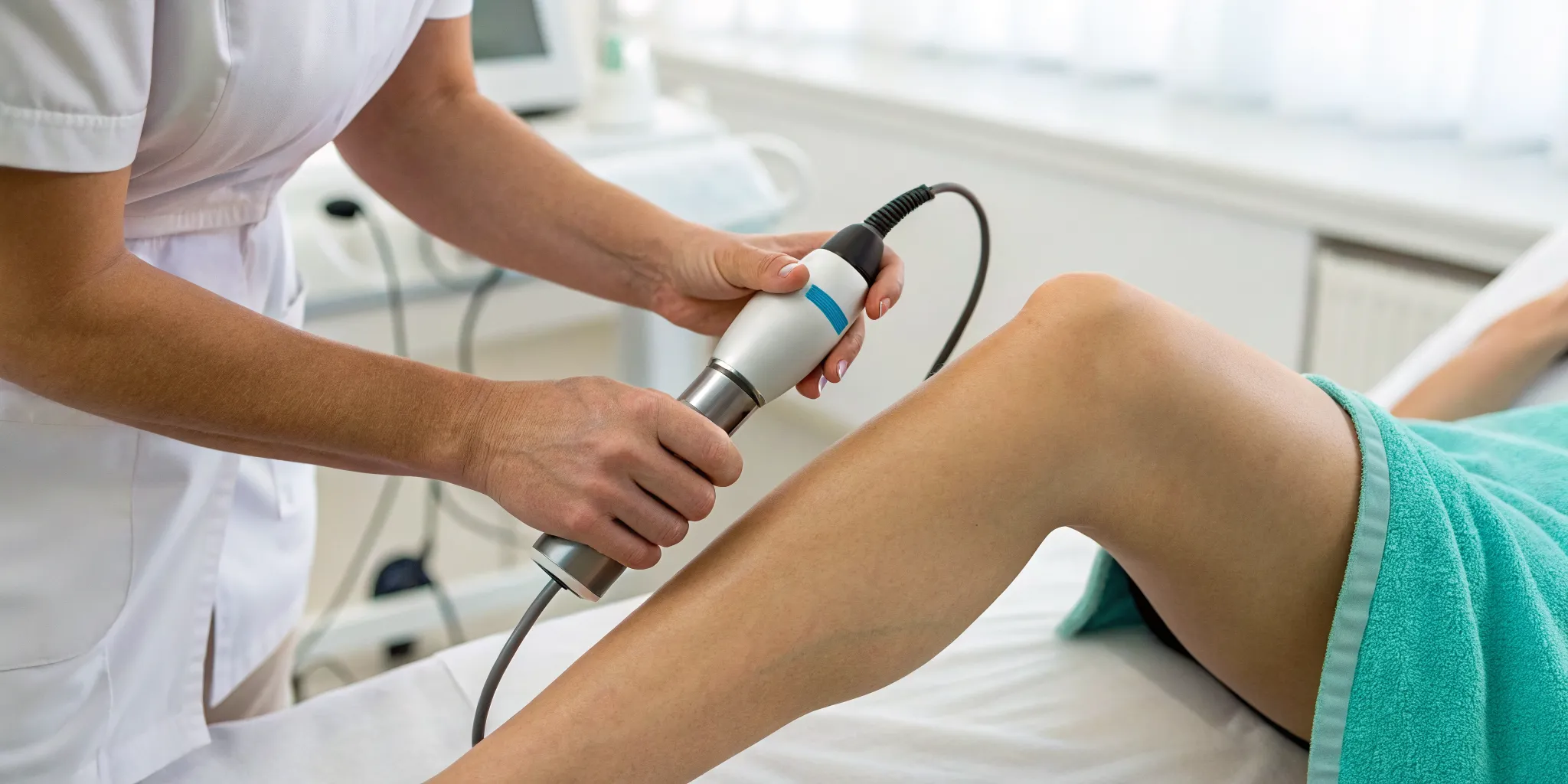
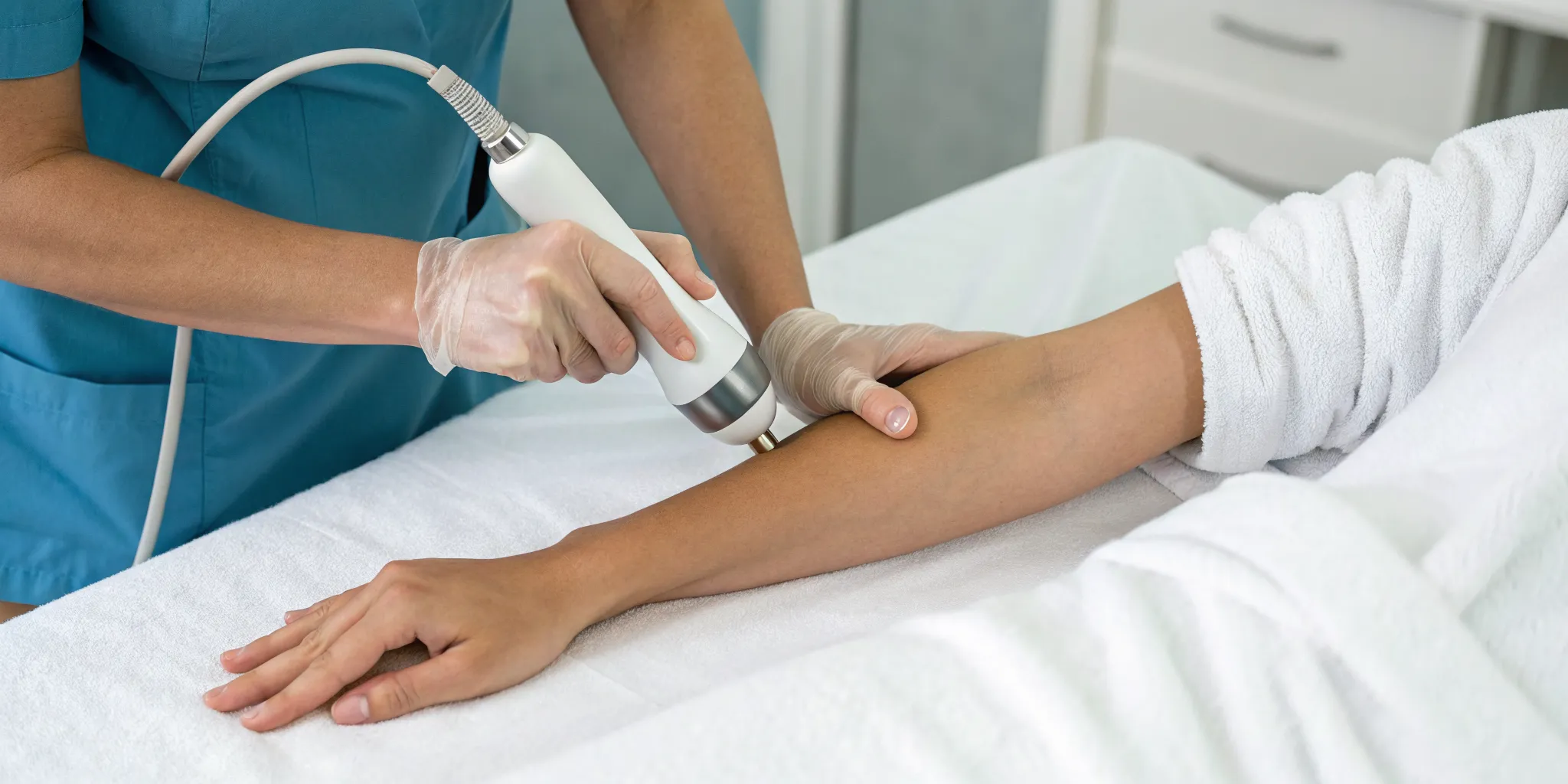
Ascend Functional Health organizes care around Physical Medicine, Functional Medicine, and Regenerative Medicine. The purpose of an evaluation is to understand your goals and relevant findings before discussing whether a modality, another form of care, or a referral is appropriate. A conversation about SoftWave therapy, for example, should include an explanation of the approach and how it may or may not relate to your individual concern.
For an accessible overview of regenerative approaches in the context of arthritis, the HSS guide to regenerative medicine treatments describes the topic and points out that these treatments are still developing. An overview can help you prepare questions, but it cannot determine which option suits your particular joint or health history.
The phrase can cover very different interventions, so ask for the exact name of the modality being discussed. Clarify whether the plan involves an external device, a procedure, or another form of care; what the clinician hopes it will address; and what evidence is relevant to your condition. Those distinctions help prevent a broad label from obscuring practical details such as the number and timing of visits, preparation, follow-up, and possible limitations.
Which details can guide a joint evaluation?
A useful evaluation connects the location and pattern of symptoms with your health history, movement, and everyday goals. The aim is to build a clearer picture before deciding which options deserve discussion.
Start by describing what has changed and when you first noticed it. Include whether symptoms began gradually or after a specific event, which activities make them more noticeable, and whether they ease or intensify at different times. Be specific about function: Can you climb stairs, walk your usual distance, lift an object, or take part in an activity you value?
Other helpful context may include previous joint concerns, past care, relevant diagnostic findings, prescriptions or supplements, and health conditions. Share what you have already tried and how you responded. If you have reports or imaging, ask whether they would be useful to review. Do not assume that a scan by itself explains every symptom; findings need to be considered alongside the examination and your experience.
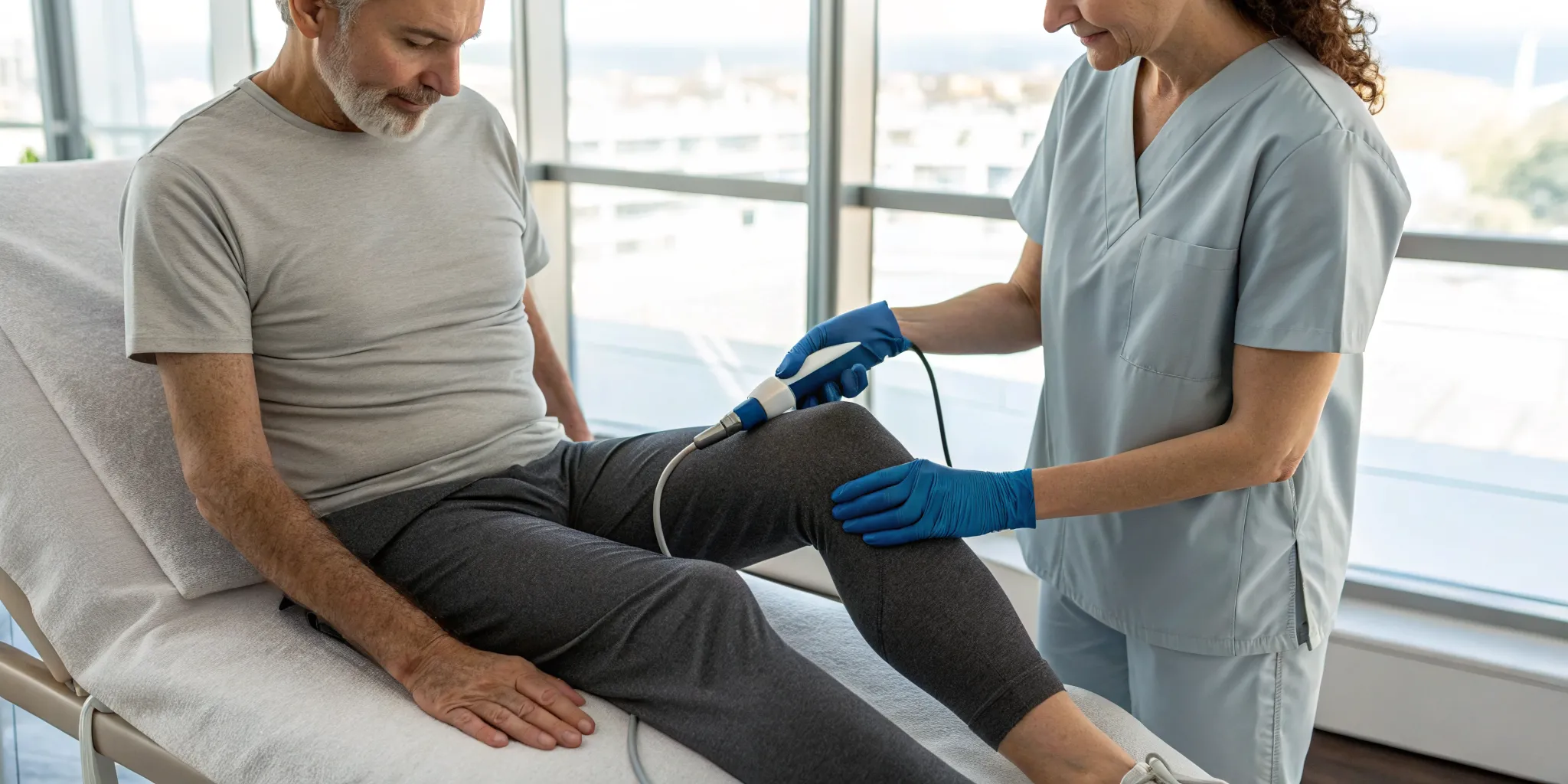
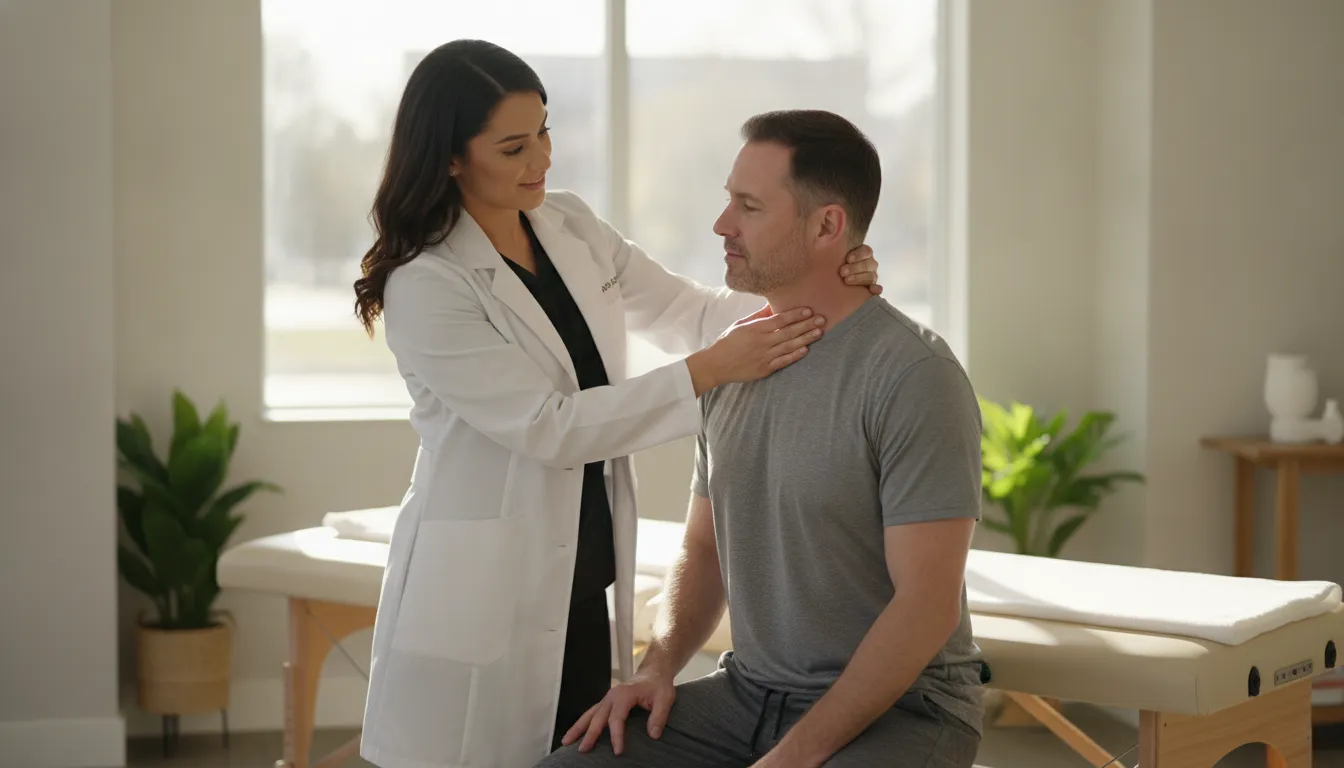
An evaluation may also consider movement and the tissues around the joint. Depending on the concern, a clinician may look at range of motion, strength, posture, balance, or how the joint behaves during a simple task. These observations help describe function; they do not automatically identify one cause or establish that a regenerative approach is needed.
- Symptoms: Note the joint involved, how long the concern has been present, and what tends to change it.
- Daily function: Identify the tasks or activities you most want to do more comfortably.
- Health background: Bring relevant history, prior care details, and a current list of medicines or supplements.
- Questions: Ask which findings support a recommendation, which alternatives exist, and how progress would be reviewed.
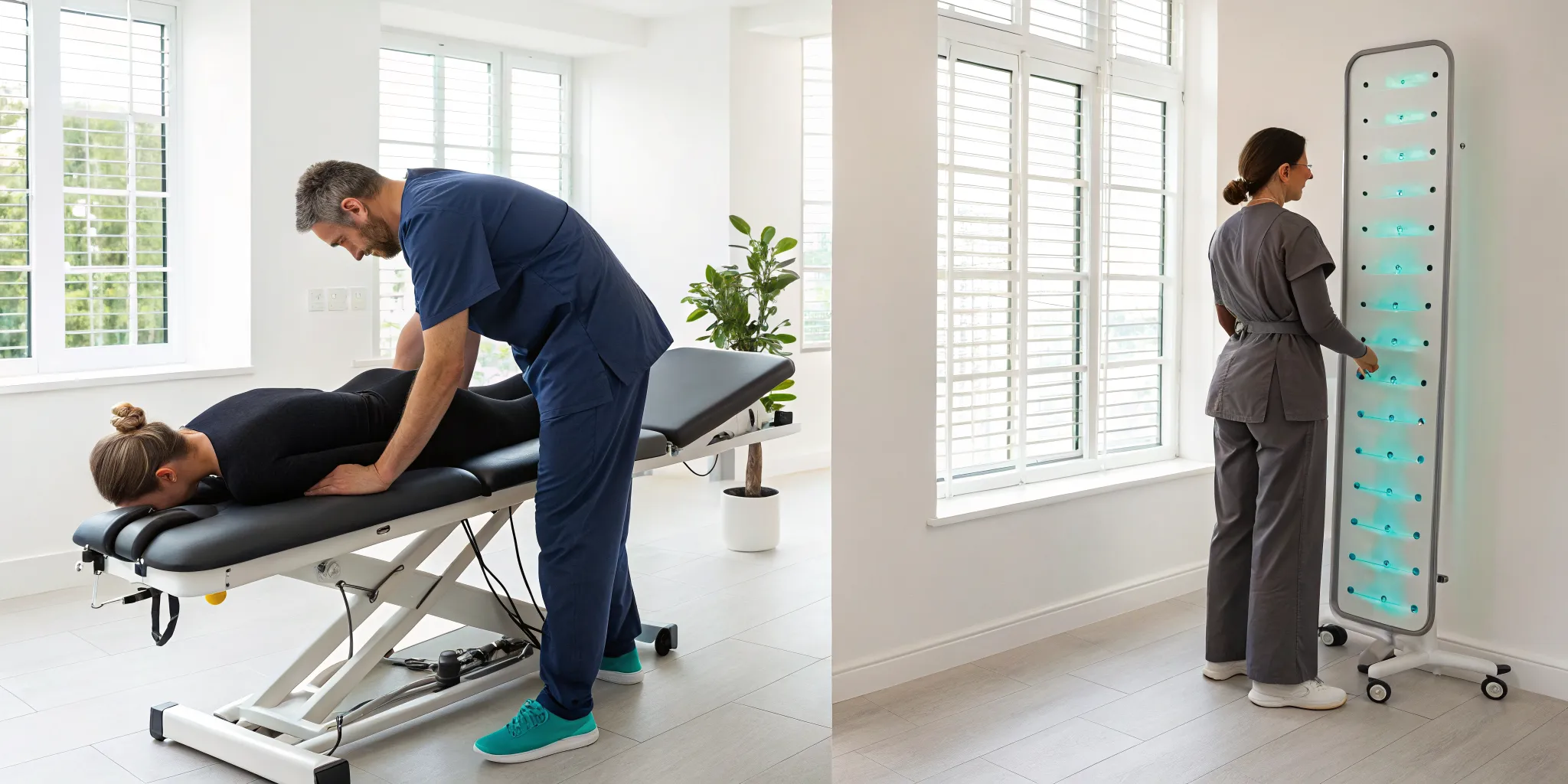
These details can make a conversation more focused. Ascend's Physical Medicine approach includes chiropractic care, decompression, corrective care, and soft-tissue approaches. Whether any of those options is relevant depends on the evaluation, not on a broad label such as joint pain.
A short symptom log can make patterns easier to explain. For several days before a visit, note the activity, the joint response during or afterward, how long the change lasts, and whether rest or a change in task affects it. Keep the record simple rather than trying to interpret it. For example, “stairs felt harder after a longer walk” gives a clinician a more useful starting point than a general statement that the joint is sometimes bothersome.
Also distinguish what you feel from what you can do. A person may report similar discomfort on two days but find that one day it interferes with carrying groceries and another day it does not. That practical context can help guide discussion and later review. Share changes that seem relevant, including new symptoms or a noticeable shift in function, rather than focusing only on a single rating.
How can the three care pillars relate to joint concerns?
Physical Medicine, Functional Medicine, and Regenerative Medicine offer different lenses for discussing health concerns. They are not interchangeable, and a care plan should connect each recommendation to a specific finding or goal.
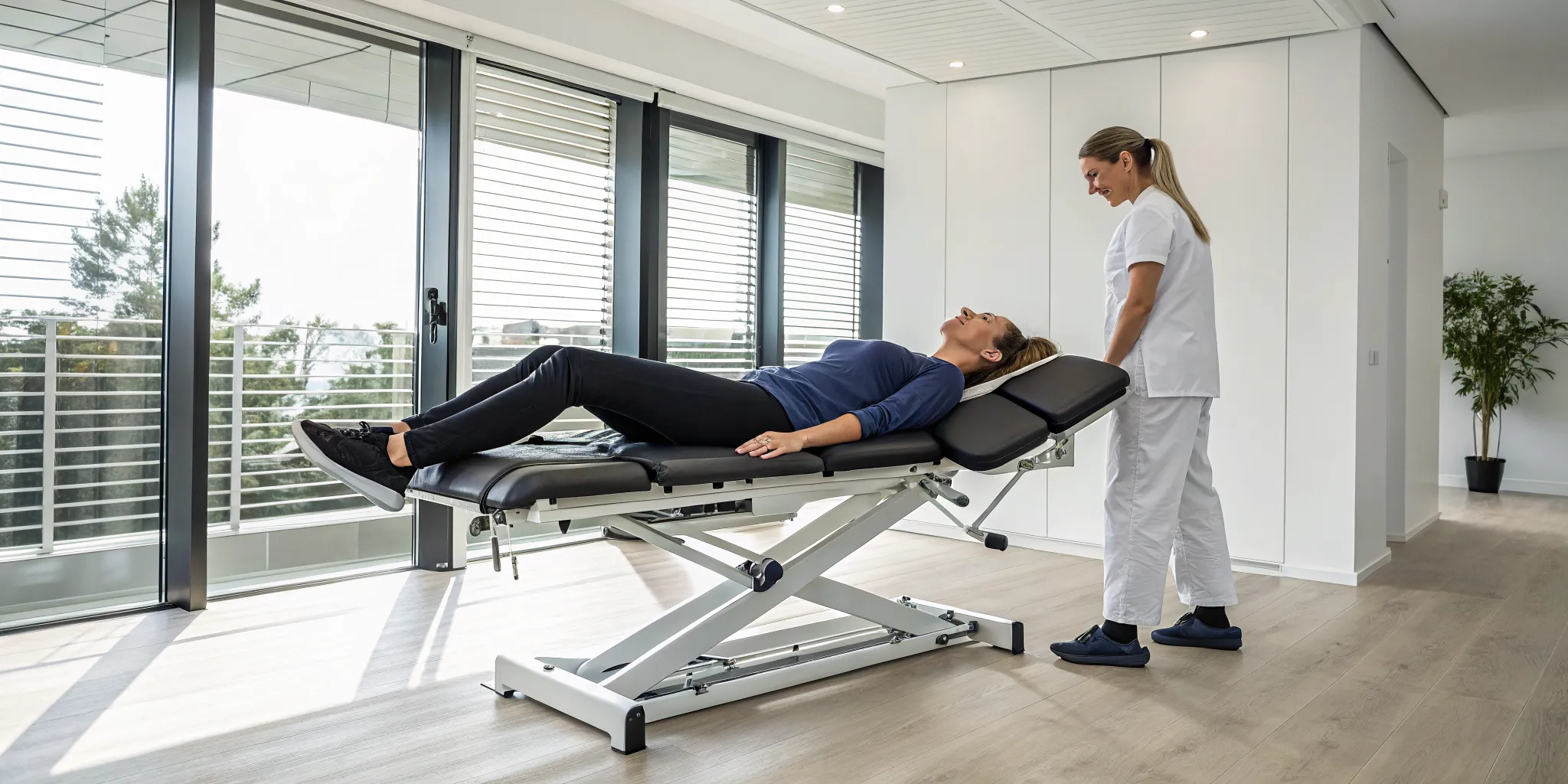
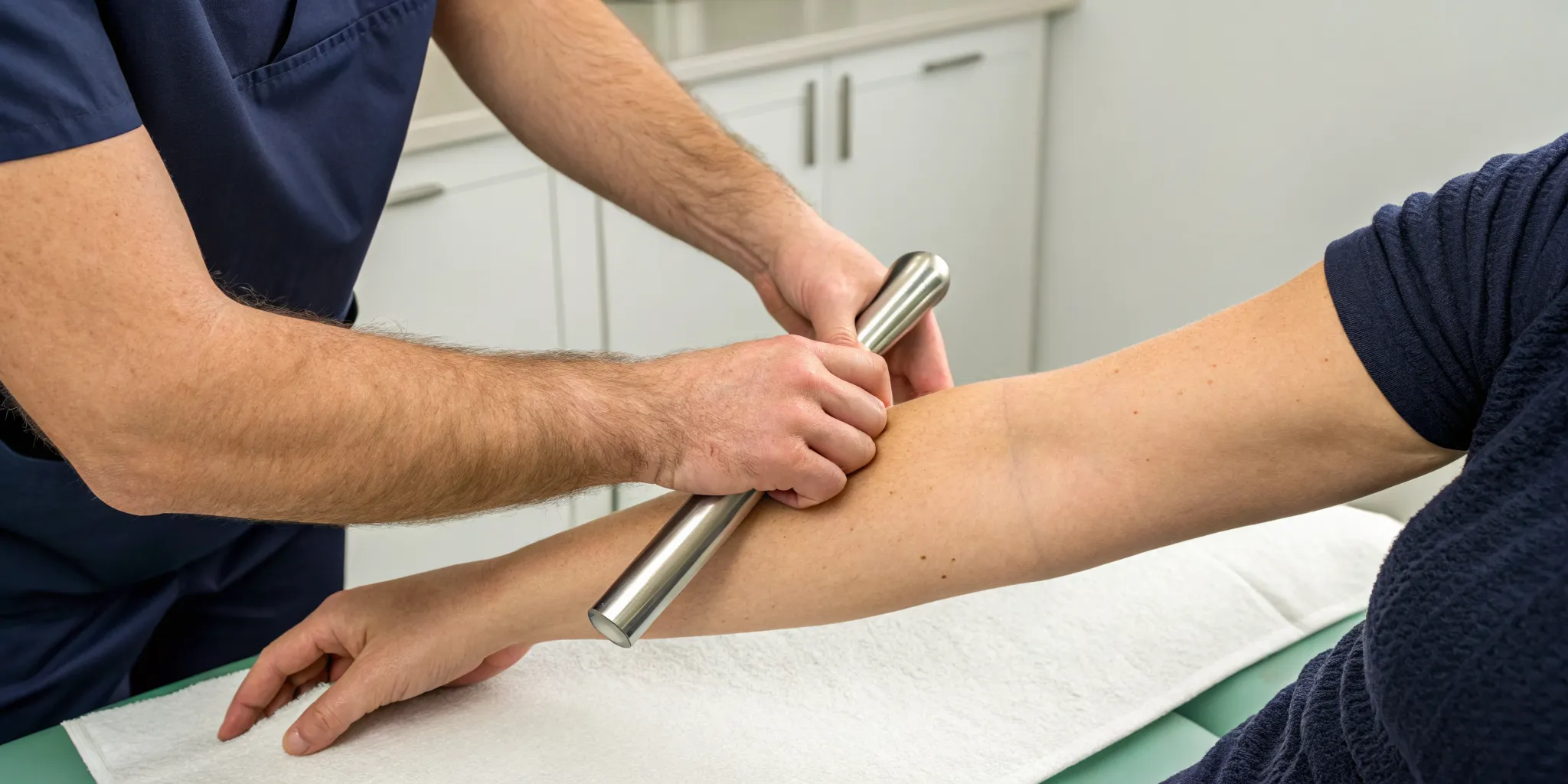
Physical Medicine focuses on movement and musculoskeletal function. A clinician may discuss chiropractic care, corrective care, decompression, or myofascial and other soft-tissue work when the assessment supports considering them. These approaches may be discussed alongside a joint concern when movement patterns or surrounding tissues are part of the picture. Learn more about spinal decompression as one example of a distinct physical approach; it is not a universal joint treatment.
Functional Medicine considers broader health context and may use history, appropriate bloodwork, or other testing to explore relevant concerns. Testing should answer a clinical question rather than be ordered simply because a person has joint discomfort. Ascend's Functional Medicine care may be part of a wider conversation when a patient's history suggests that broader evaluation is useful.
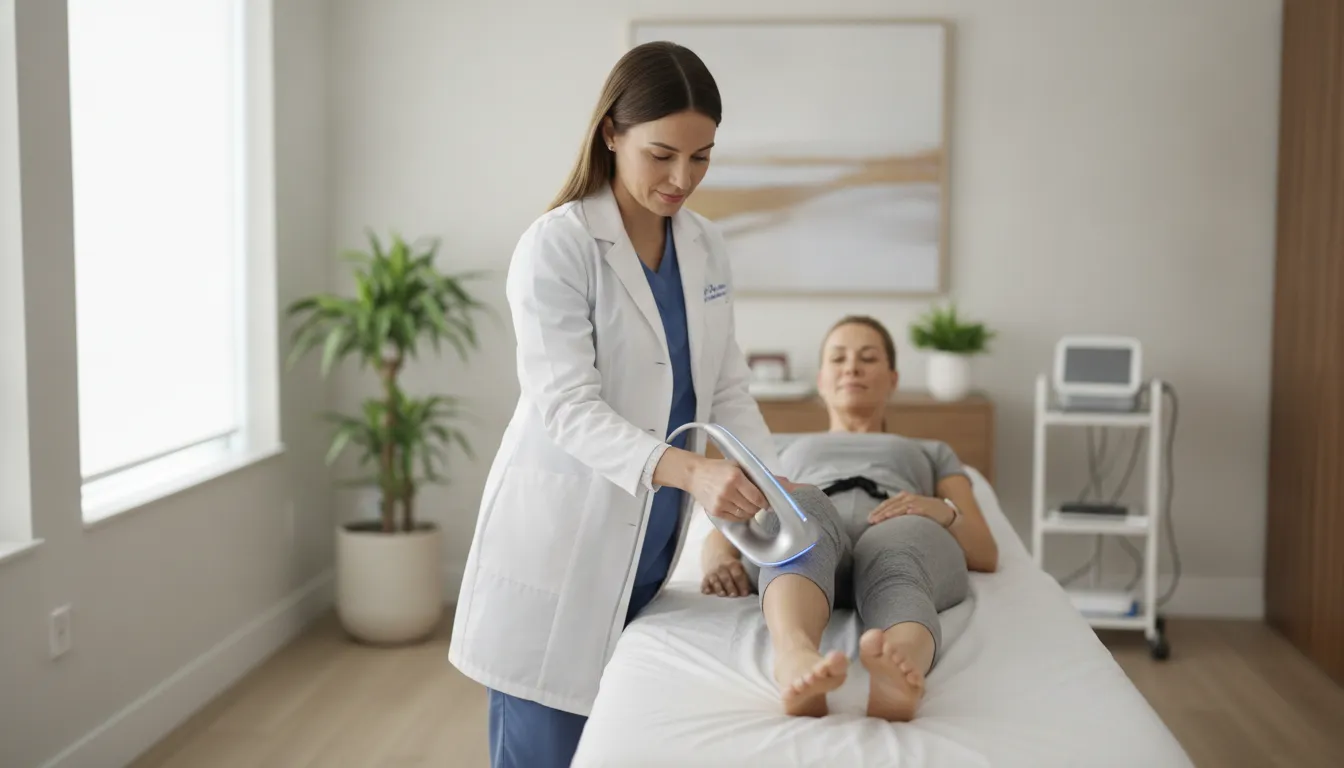
Regenerative Medicine includes approaches intended to support the body's healing response. A useful discussion should identify the specific modality, its intended purpose, established information and remaining uncertainty, potential risks, and the clinician's reasoning about whether it fits. A therapy's name or marketing description is not a substitute for that explanation.
Integrated care does not mean that every person needs every service. It means looking at relevant findings and goals, then explaining why a particular option is or is not being considered. Ask how recommendations relate to your situation and which other reasonable paths are available.
These pillars may overlap in a care conversation, but each should have a clear role. For instance, a discussion might begin with a movement-related concern and include a review of broader health history. That does not automatically mean that a test, procedure, or combination of services is appropriate. Ask the clinician to distinguish established information from remaining possibilities, and explain how each proposed step could inform the next decision.
How do common options compare during a care discussion?
Options differ in purpose, evaluation needs, and how progress may be assessed. The table is a discussion aid, not a treatment recommendation; the appropriate path depends on an individual assessment.
| Approach | What the discussion may focus on | Questions to ask |
|---|---|---|
| Movement-focused care | Joint function, movement patterns, and surrounding soft tissues | Which findings make this approach relevant, and how will function be reviewed? |
| Regenerative modality | A specific approach intended to support tissue or healing processes | Which precise modality is being discussed, which evidence applies to my concern, and which uncertainties remain? |
| Broader health evaluation | Relevant history and testing that may help clarify wider health factors | Which question will each test answer, and how could the result change the plan? |
| Continue evaluation or seek another opinion | Clarifying the source of symptoms or obtaining additional clinical input | Which information is still missing, and whom is it appropriate to consult? |
There is no universal sequence that applies to every person. A clinician should explain the rationale for any suggested step and make space for questions. If the proposed approach is not clear, ask for a plain-language explanation before deciding.
One useful way to compare options is to ask the same questions about each one. What concern is it intended to address? What findings make it relevant in your case? What are the known limitations and possible risks? How will you and the clinician decide whether it is helping? Consistent questions make it easier to compare a regenerative modality with movement-focused care or continued evaluation without assuming that one must come first.
Consider the practical demands as well as the proposed clinical purpose. Ask what a visit involves, whether follow-up is planned, what changes should prompt a check-in, and whether the approach can be adjusted if it does not fit your goals. Clarify any costs directly with the practice before making a decision. You should be able to take time to review the information and decide whether the proposed next step is right for you.
How should you assess claims and set expectations?
Look for a specific rationale, a balanced discussion of uncertainty, and a plan to review outcomes that matter to you. Be cautious when a claim promises the same result for everyone or presents one modality as a cure-all.
Ask whether information applies to your joint and condition, rather than to a different population or problem. Evidence for one type of joint concern does not automatically establish that the same approach works for another. You can also ask which change the clinician considers important: easier movement, improved ability to complete a daily task, less symptom interference, or another outcome that matters to you.
Before proceeding, discuss expected steps, possible risks and limitations, alternatives, and the plan if the approach does not meet agreed goals. Ask when progress will be reviewed and which findings would lead the clinician to adjust the recommendation. A measured plan recognizes that symptoms and function can change at different rates.
It is reasonable to take time to understand a recommendation. You can ask for the name of the modality, its intended role, and the basis for connecting it to your findings. If the explanation is unclear, ask again or seek another qualified clinical perspective. A consultation is a chance to weigh options, not a promise that a specific treatment will be offered.
Be wary of descriptions that rely on broad labels without explaining the actual approach. Ask whether the information you are given concerns the same joint, a similar stage of the condition, and an outcome you care about. A review of published evidence or an educational overview can provide general context, but your clinician should still explain how that context applies—or does not apply—to your evaluation.
It may help to agree on a baseline before starting any care plan. Depending on your concern, that could include a movement you want to perform more comfortably, a daily task that is currently difficult, or a clinician's assessment of function. Write down when you will revisit the goal. If there is no change, or if the plan is not working as expected, that review can support a practical discussion about whether to continue, modify, or reconsider the approach.
How can Tampa Bay patients prepare for a consultation?
Bring a concise account of your symptoms, relevant health information, and the activities you hope to improve. Preparing a few direct questions can help you leave with a clearer understanding of possible next steps.
Before the visit, write down when the concern began, what affects it, and what you have already tried. Choose one or two practical goals, such as walking a familiar route or returning to a valued recreational activity. If another clinician has evaluated the concern, note the recommendations and bring any relevant records you have available.
During the conversation, consider asking:
- Which findings from my history or examination are most important?
- Which possibilities are being considered, and which points remain uncertain?
- Why are you recommending this option rather than another?
- Which limitations and risks should I understand?
- How will we measure progress, and when will we review the plan?
- Would another clinical opinion or additional evaluation be appropriate?
Ascend Functional Health serves the Tampa Bay area with an integrative approach. If you want to understand how the practice's services are organized, review its overview of care options and frequently asked questions, then discuss your specific goals with the team.
For a focused visit, group your information into three parts: what changed, what you have already done, and what you hope to do more comfortably. You do not need to arrive with a theory about the cause. A straightforward account can help the clinician ask follow-up questions and explain which details support a recommendation. If you have more than one joint concern, identify which one affects your daily routine most so the conversation can begin with a clear priority.
Before leaving, summarize the plan in your own words. Confirm what the next step is, what information it is meant to provide, and when you will revisit the decision. If an approach is suggested, make sure you understand its intended role and alternatives. If no specific modality is recommended at the first visit, that can simply mean further clarification is needed before discussing options.
Explore a movement-focused care conversation
Frequently Asked Questions
These answers offer general context, not a personal treatment recommendation. A clinician can help relate them to your health history and evaluation.
Does regenerative medicine guarantee that joint pain will improve?
No. Outcomes can differ, and a treatment cannot be assumed to resolve pain or restore a joint. Ask which evidence and uncertainties apply to the specific modality and your concern.
Does every person with joint discomfort need regenerative treatment?
No. Joint discomfort has different possible contributors, and regenerative treatment is only one topic that may arise in an evaluation. A clinician can discuss whether further evaluation, movement-focused care, another approach, or a different clinical opinion makes sense.
What should I bring to a joint-care consultation?
Bring a summary of when symptoms began, activities that affect them, relevant health history, prior care details, and any reports you have. A short list of goals and questions can help focus the discussion.
How is progress reviewed?
Progress can be discussed using goals identified with the clinician, such as changes in movement or ability to complete an important activity. Ask when the plan will be reviewed and which developments might prompt a change in direction.
Request a conversation about your next steps
This article is for educational purposes only and is not medical advice. Consult your clinician before acting on health information or making decisions about care.