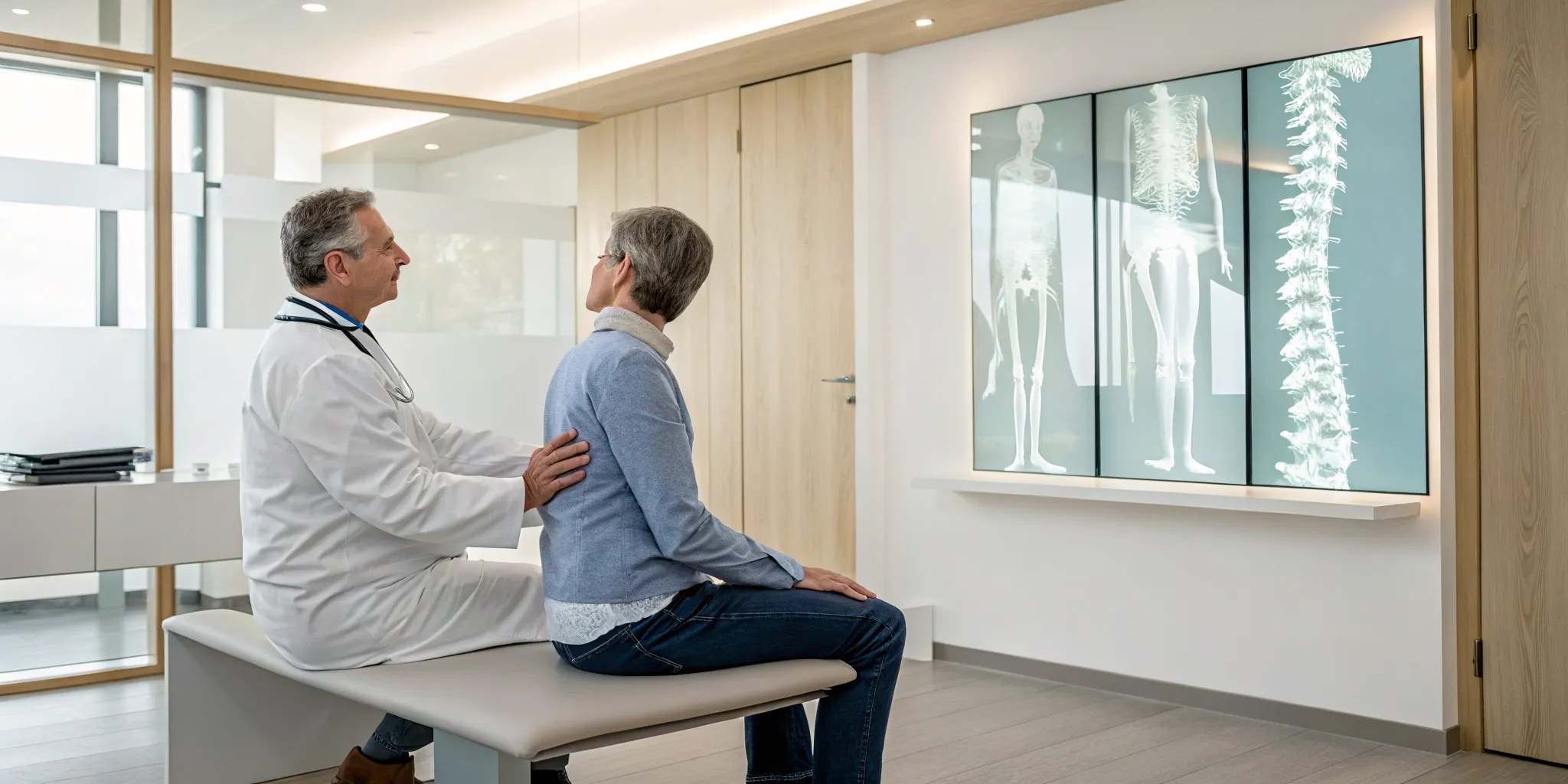
Sciatica pain relief without surgery often starts with a careful look at where symptoms travel, what affects them, and whether nerve irritation may be involved. For Tampa Bay residents, a clinical evaluation can help distinguish a familiar pattern of radiating leg discomfort from other causes and guide a discussion of appropriate next steps. Results vary, and no single approach fits every person.
Schedule a consultation to discuss your symptoms
How can sciatica symptoms guide the next step?
Sciatica describes pain or other sensations that travel along the path of the sciatic nerve, often from the lower back through the hip and into a leg. The pattern can offer useful clues, but symptoms alone do not establish their cause. A clinician considers the full history and examination before discussing care.
People use the word sciatica to describe radiating pain, tingling, numbness, or weakness. Symptoms may affect one side and can vary with sitting, standing, walking, or particular movements. Some people feel mostly back discomfort; others notice more symptoms in the buttock or leg. These differences matter because they help shape questions for an evaluation.
Several structures in the lower back and surrounding tissues can contribute to radiating symptoms. A disc or nearby joint may be part of the picture, but the same symptom does not mean every person has the same underlying issue. That is why a discussion should include when symptoms began, how they have changed, and which activities make them better or worse.
For a general overview, Harvard Health Publishing discusses how sciatica symptoms may improve over time for many people. That general observation is not a prediction for an individual. Persistent, changing, or concerning symptoms deserve an assessment suited to the person and their health history.
How does a clinical evaluation help shape options?
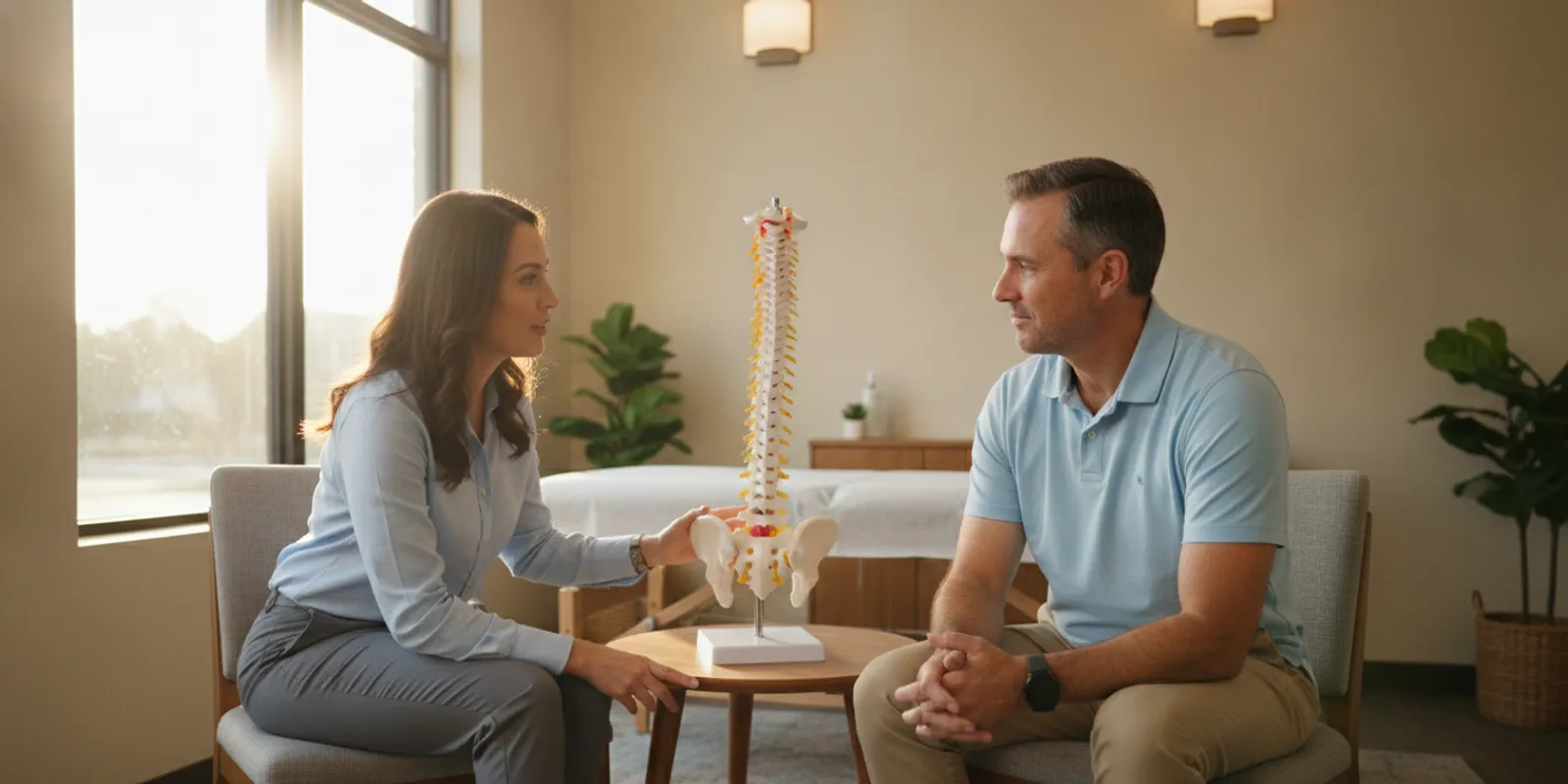
An evaluation connects the symptom pattern with movement, relevant health history, and examination findings to help determine which options are reasonable to discuss. It can also help identify when a different type of assessment is needed.
A useful conversation may cover the start and duration of symptoms, the route pain follows, changes in sensation or strength, prior episodes, daily activities, and any previous evaluations. Bring a list of questions and a simple timeline if symptoms are difficult to describe. Mention changes that affect sleep, work, or regular movement.
The physical examination may consider posture, range of motion, strength, sensation, and how certain movements relate to symptoms. A clinician may also review existing imaging or decide whether further assessment is appropriate. Imaging is not automatically necessary for every person; the decision depends on clinical context and the findings available.
Evaluation is different from a promise of a particular outcome. It is a way to make the discussion more specific: which structures may be contributing, what uncertainties remain, what approaches could be considered, and how progress might be reviewed. A clear plan should include room to reassess if symptoms or function change.
It is reasonable to ask the clinician to explain the thinking behind a recommendation in plain language. You might ask what findings support it, which alternatives were considered, what the approach is intended to address, and how you will decide whether it is helping. You can also ask what the next step would be if the initial plan does not fit your needs. These questions help keep decisions collaborative and grounded in your own goals.
Ascend Functional Health organizes its work across Physical Medicine, Functional Medicine, and Regenerative Medicine. For a concern involving lower-back mechanics and movement, a conversation may begin with Physical Medicine and whether chiropractic, decompression, lumbar care, corrective care, or soft-tissue approaches are appropriate to consider.
Which non-surgical approaches may be discussed?
Non-surgical care may include movement-focused and hands-on approaches, but the suitable mix depends on the evaluation, the person’s goals, and how symptoms respond. The table compares broad categories to help frame a clinician conversation, not to prescribe a plan.
| Option to discuss | What it may involve | Questions to ask |
|---|---|---|
| Activity and movement guidance | Reviewing which daily movements are manageable and how activity can be adjusted as symptoms change | Which activities should I modify, and how will we decide when to adjust them? |
| Chiropractic or corrective care | Assessment of spinal movement and an individualized discussion of hands-on care | What findings support this approach, and what should I expect during a visit? |
| Spinal decompression | A clinician considers whether a decompression approach is appropriate for the individual presentation | Which goal does this serve, and how will you assess whether it is suitable for me? |
| Soft-tissue or myofascial work | Care directed at soft tissues, as appropriate to findings and tolerance | Could this complement other care, and how will response be monitored? |
| Further assessment or referral | Additional evaluation when the history or findings call for another perspective | Which findings would change the plan or make another evaluation advisable? |
These options are not interchangeable, and the table does not imply that each one is appropriate for every case. A clinician can explain the purpose, expected time frame for reassessment, possible limitations, and alternatives for any approach being considered. Ask how the plan will be adapted if symptoms do not move in the expected direction.
It may help to separate established details from points that still need clarification. For example, ask whether a recommendation is based on your examination, prior records, or a working possibility that will be reviewed over time. Discuss any other health conditions or prior procedures that could affect suitability. If a proposed approach feels unclear, ask for an explanation before deciding. A thoughtful care discussion should make space for questions rather than suggesting that one service is the right answer for everyone.
Ascend describes its Physical Medicine services as including chiropractic, spinal decompression, rehabilitation, and soft-tissue work. A patient can review the practice’s spinal decompression information and sciatica care page before a consultation, then ask how the services relate to their own evaluation. The page descriptions are not a substitute for individualized guidance.
How can broader health context fit into the discussion?
Broader health context can help a clinician understand the person as a whole, but it does not replace an assessment of radiating symptoms and movement. A root-cause perspective should add useful context without assuming that every symptom has one explanation.
Tell the clinician about relevant health concerns, prior evaluations, and changes in energy, sleep, or daily function that may affect your goals. These details do not prove that a particular factor is causing leg symptoms. They can help the clinician decide what belongs in the current discussion and what may need separate attention.
Ascend’s Functional Medicine approach includes individualized review and may involve laboratory testing when appropriate to the concerns being evaluated. Such testing is not automatically needed for sciatica symptoms, and it should not be treated as a substitute for a physical assessment. Ask what a proposed test is intended to clarify, how the result could affect recommendations, and whether the question is directly relevant to your current concern.
Ascend’s three care pillars—Physical Medicine, Functional Medicine, and Regenerative Medicine—are not a checklist that every person must complete. The clinician should explain which area, if any, fits the findings and goals under discussion. A focused plan may involve one type of care, a coordinated discussion, or a different assessment. Personalization means matching recommendations to the individual rather than adding services without a clear reason.
How can you compare the options discussed?
Compare each option by its rationale, suitability, practical demands, and the way your response will be reviewed. This creates a clearer basis for deciding whether a proposed approach aligns with your needs and preferences.
Ask the clinician to explain which part of your evaluation supports an option and what it is meant to address. You may also ask about the expected schedule, the time set aside to reassess, possible limitations, and alternatives. If more than one approach is being considered, ask why one might be discussed first and what would lead to changing course.
Think about your own priorities too. You might want to focus first on walking, sitting through a workday, or returning to a regular daily task. Tell the clinician which goals matter most, what you are comfortable trying, and any practical concerns that affect participation. A recommendation is more useful when it is explained in relation to those priorities, not presented as a guaranteed result.
Keep the decision collaborative. You can request time to consider information or ask for clarification if a term or recommendation is unfamiliar. If another assessment is advised, ask how it fits into the overall plan. Clear reasoning and an agreed way to review progress make it easier to understand the next step.
How can progress and expectations be reviewed?
Progress is best discussed using concrete changes in symptoms and everyday function, with a plan to revisit the approach when those changes are limited or different than expected. Improvement may take time, and individual responses vary.
Before care begins, consider identifying a few practical measures. These might include how long you can sit comfortably, whether walking feels easier, the frequency of symptoms, or how a particular daily task is going. The measures should make sense for your routine and be reviewed in a way that does not encourage pushing through worsening symptoms.
Ask how often the clinician expects to check in, which changes should be reported, and what would prompt a revised plan. A care plan should not rely on vague promises. It should explain the rationale for each element, how the clinician will evaluate your response, and when additional assessment may be considered.
Keeping notes between visits may help: record the time of day symptoms occur, activities that affect them, changes in sensation or strength, and which tasks are getting easier or harder. Share the information at follow-up rather than drawing conclusions from one good or difficult day. A short record can make a conversation more focused.
Progress does not have to mean that every sensation disappears at once. A useful review can include whether you are managing an important activity more comfortably, whether symptoms are less disruptive, or whether a new concern has appeared. Small, observable changes can help guide a measured discussion, but they do not prove a specific structure is responsible. If the course is not as expected, ask whether the assessment or approach needs to be reconsidered.
When should symptoms receive prompt medical attention?
New or rapidly worsening weakness, loss of bladder or bowel control, or numbness around the groin or saddle area requires prompt medical assessment. Do not wait for a routine appointment when symptoms suggest a potentially serious problem.
Also tell a clinician promptly about significant changes, such as symptoms spreading or a marked decline in normal function. A clinician can help determine the appropriate level and timing of assessment based on current symptoms. If you are uncertain about the urgency of a new symptom, seek timely guidance from an appropriate medical professional.
This article cannot assess an individual’s symptoms or replace medical care. The purpose of this section is to make clear that some changes call for immediate attention rather than a routine discussion about ongoing care.
How can you prepare for a Tampa Bay consultation?
A brief symptom timeline, a list of relevant health details, and clear questions can make a consultation more useful. Preparation helps the clinician understand what has changed and what matters most to you.
- Note when symptoms began and whether the pattern has changed.
- Describe where discomfort, tingling, numbness, or weakness occurs, using a simple body outline if that helps.
- List movements and daily activities that affect symptoms, along with any meaningful changes in function.
- Bring reports or images from prior assessments if available, and note any current care you are receiving.
- Write down your main goals and questions about evaluation, options, follow-up, and the basis for recommendations.
Ascend Functional Health is based in Tampa and describes its approach as personalized, evidence-informed care across physical, functional, and regenerative medicine. You can read about the team and practice through its about page, review frequently asked questions, or use the contact page to ask about discussing your situation. The goal of an initial conversation is to understand fit and possible next steps, not to guarantee a result.
Contact Ascend to discuss your evaluation and next steps
Frequently Asked Questions
These answers offer general context; an individual evaluation is needed to discuss symptoms and appropriate care.
Can sciatica symptoms improve without surgery?
Some people improve over time, while others need an evaluation and a tailored care discussion. The cause, symptom pattern, health history, and changes in function all matter. No article can predict the course for a particular person.
Does pain traveling down a leg always mean sciatica?
No. Pain or altered sensation in a leg can have different causes. A clinician considers where symptoms travel, when they began, examination findings, and other relevant health details before describing a likely source.
Will I need imaging before discussing care?
Not necessarily. Whether imaging is useful depends on the person’s history and examination findings. Ask the clinician which information imaging would add and how it could affect decisions about next steps.
How can I tell whether a care plan is being reassessed?
Ask which signs of progress will be monitored, when the plan will be reviewed, and which findings would lead to a change or another assessment. A useful discussion connects recommendations to your goals and response over time.
What should I do if symptoms change suddenly?
Contact an appropriate medical professional promptly for guidance. New or rapidly worsening weakness, bladder or bowel control changes, or numbness in the saddle area should receive prompt medical assessment rather than waiting for a routine follow-up.
Request a conversation with Ascend Functional Health
Educational content only; it is not medical advice. Consult your clinician before acting on information in this article.