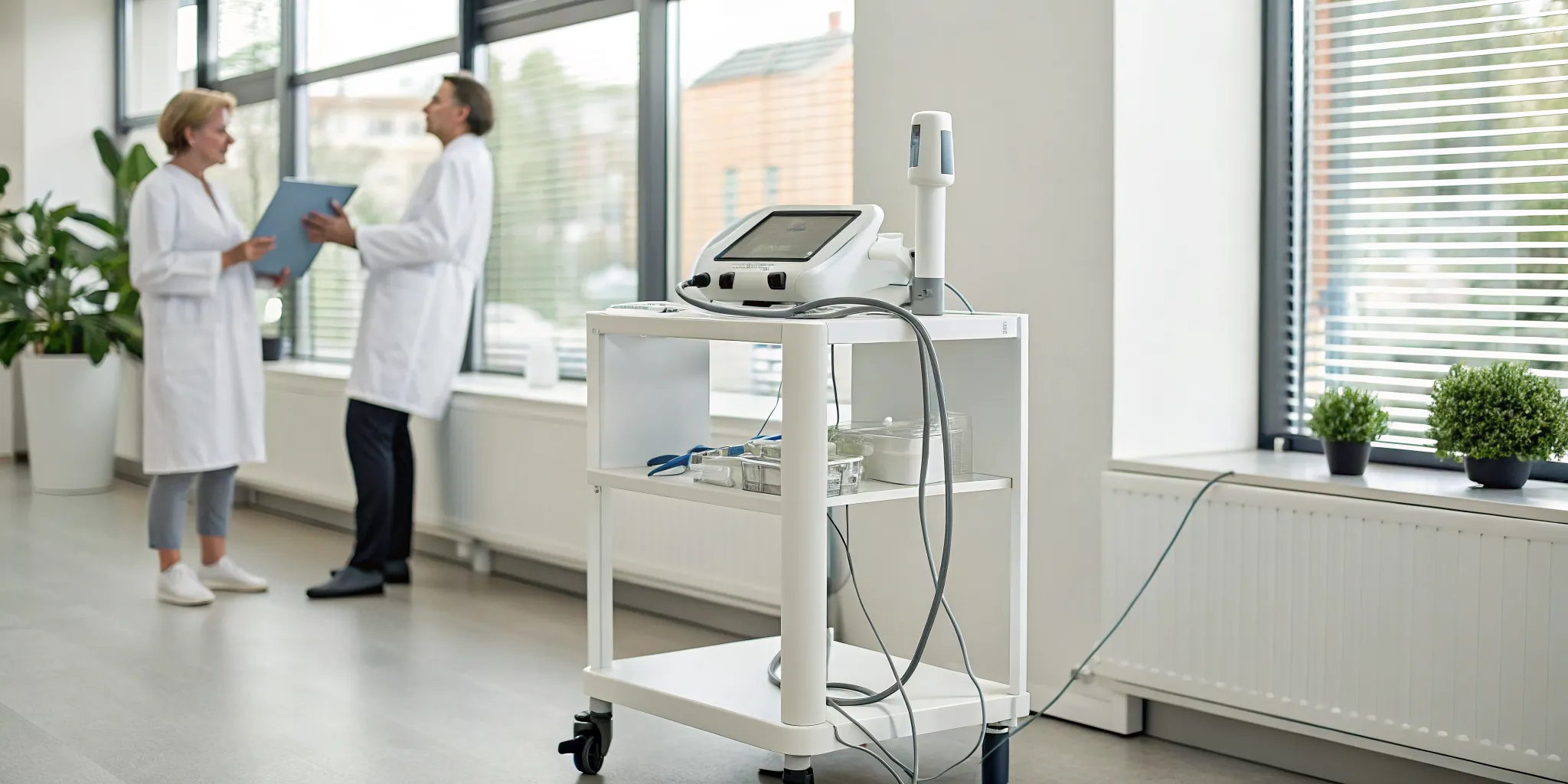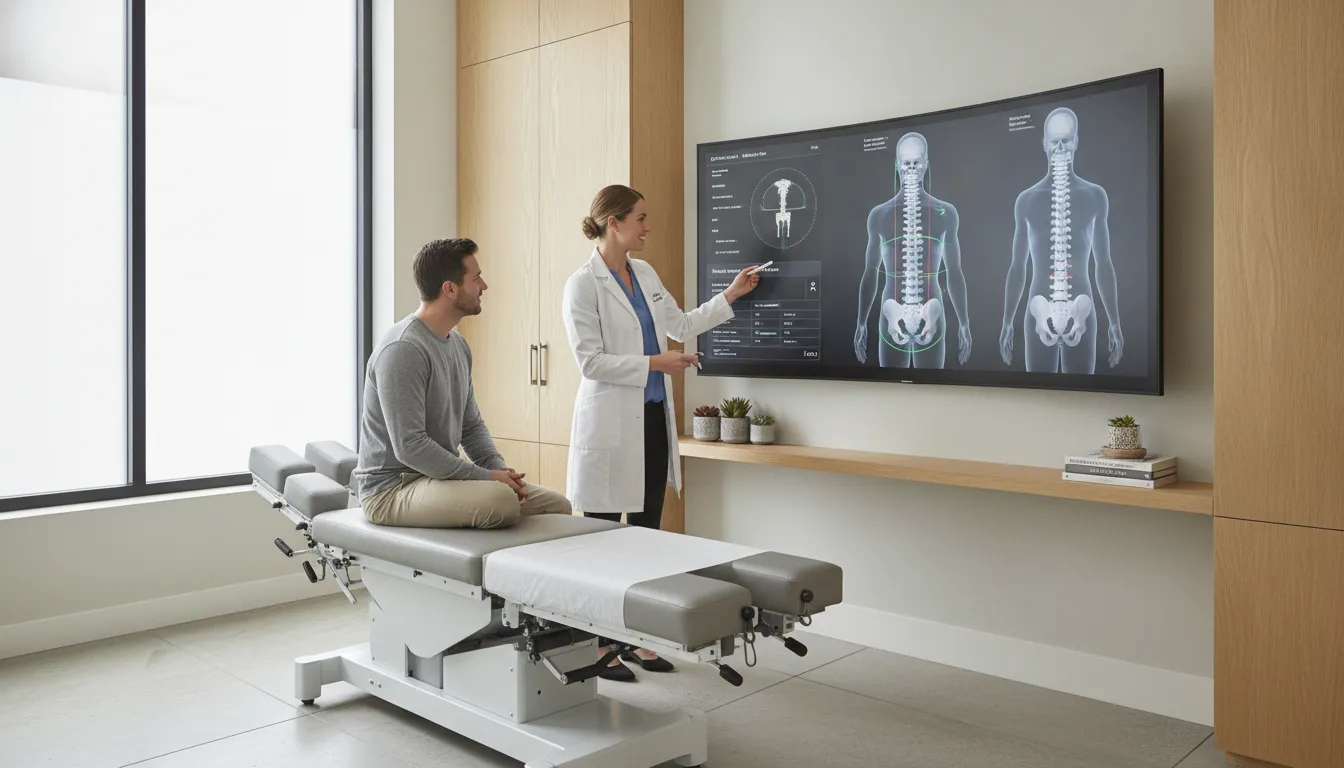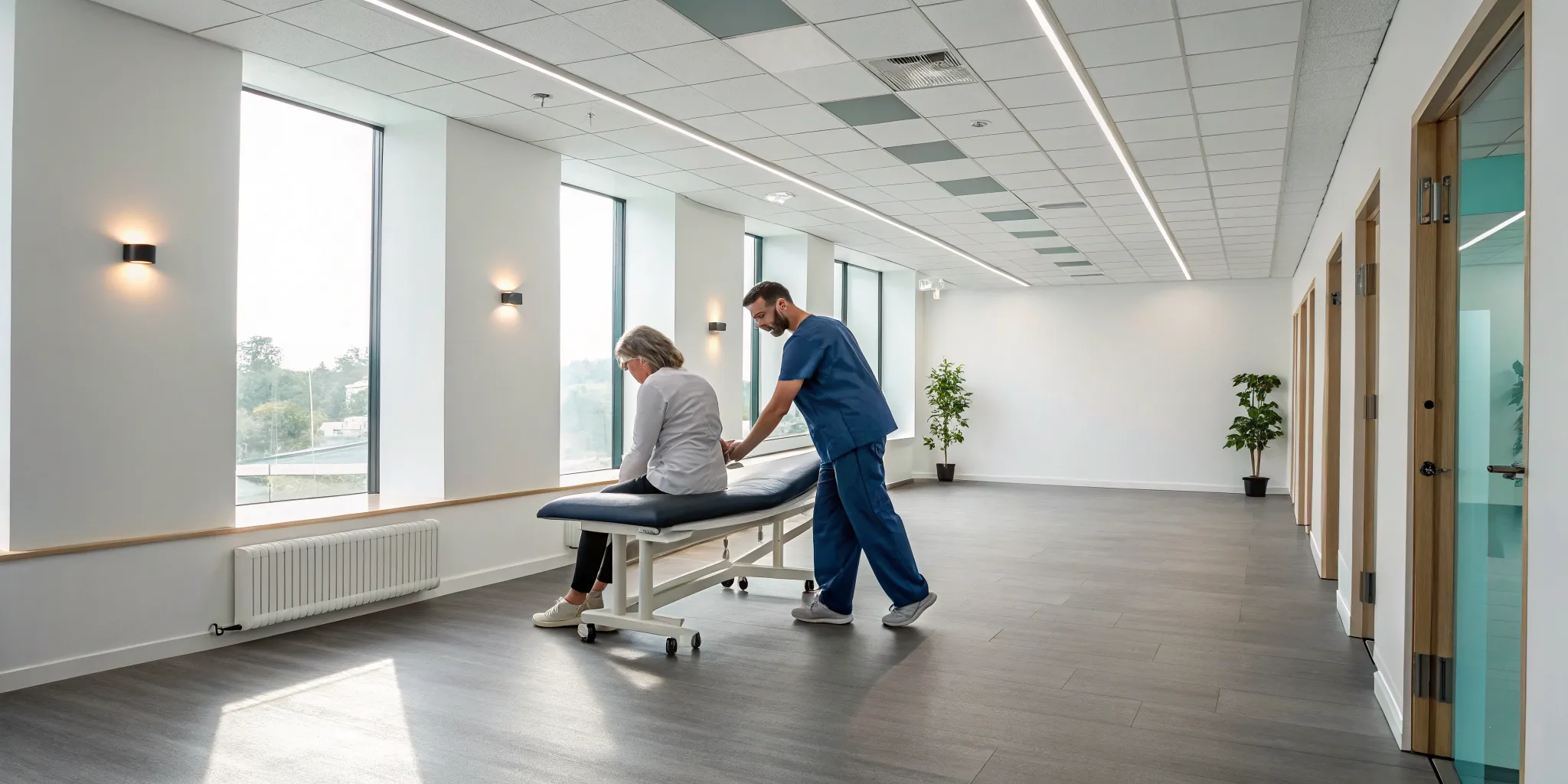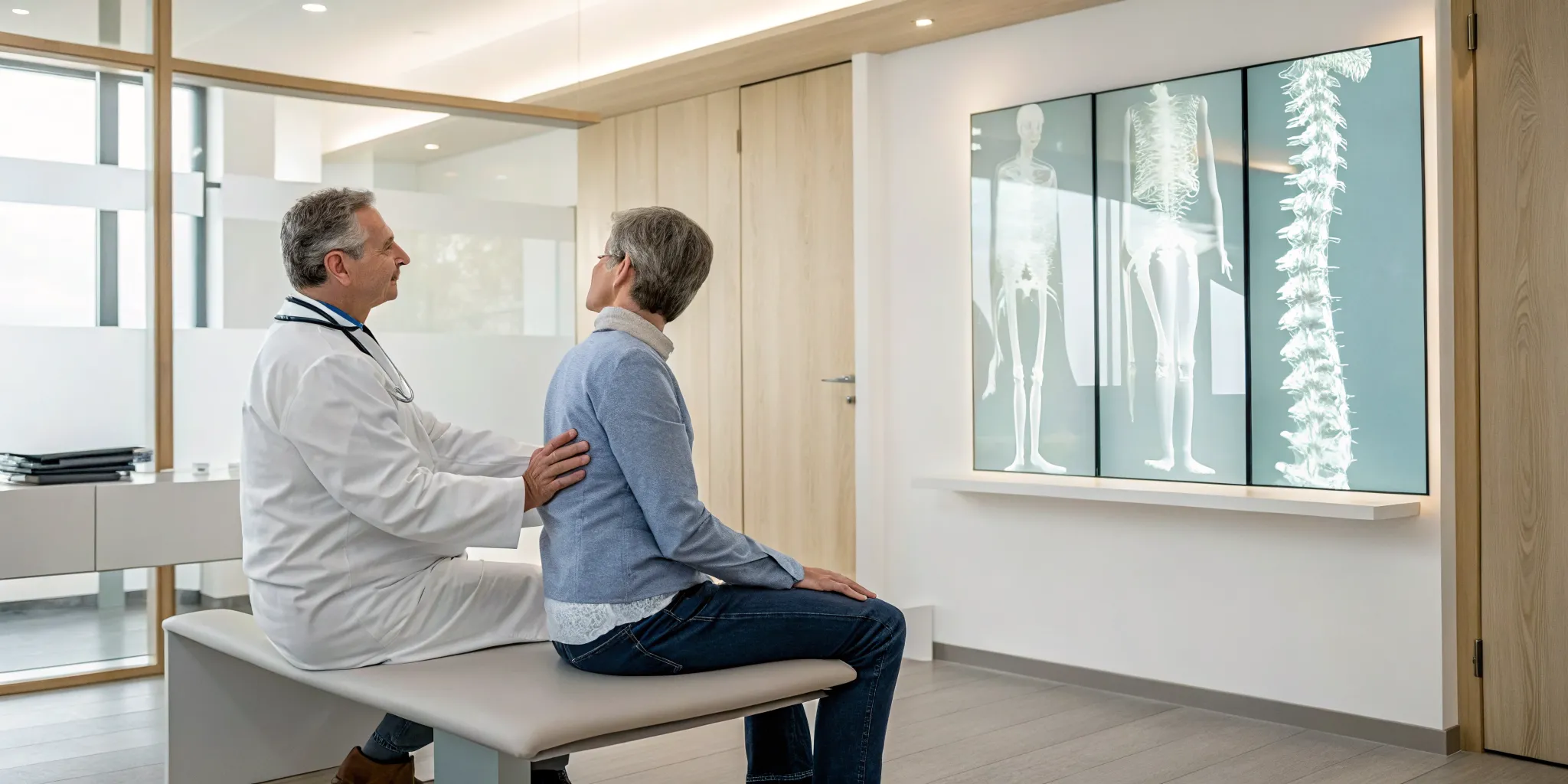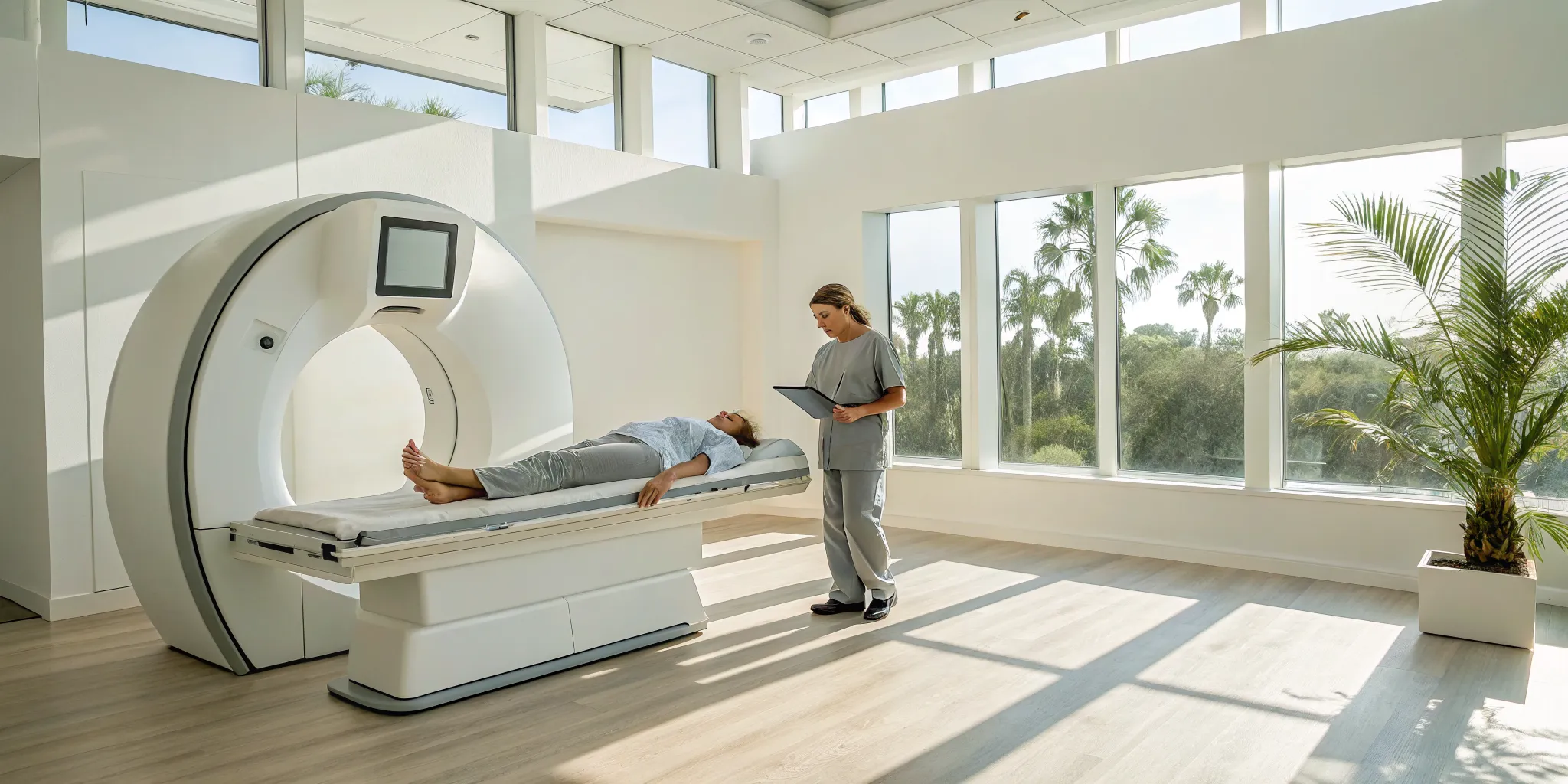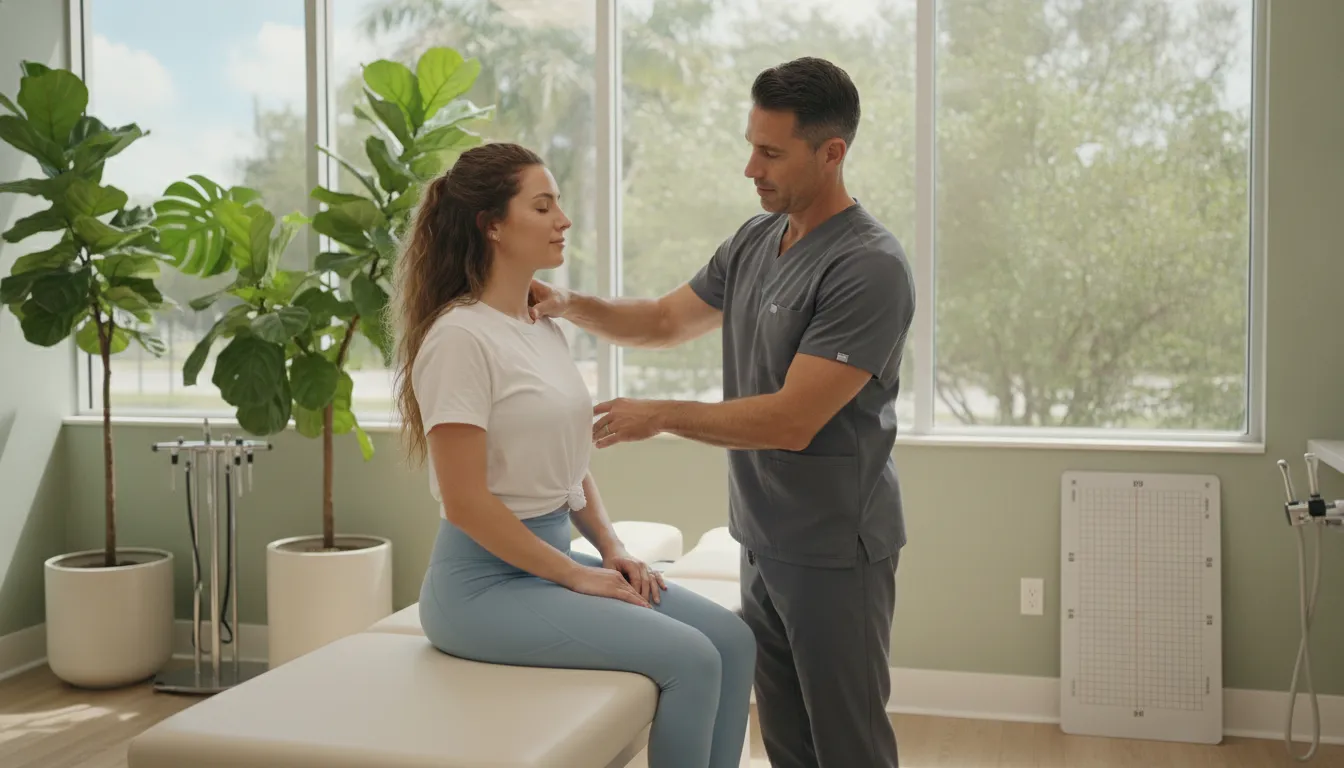
It’s incredibly frustrating when you feel like you’ve tried everything for your back pain with little to no success. If you’re tired of temporary fixes, it might be time to explore a different approach. Spinal decompression therapy works differently by targeting the underlying structural problem. Instead of just managing pain, it focuses on creating the conditions for your body to heal itself. This gentle, non-invasive treatment can be a turning point for many, but its success depends on applying it to the right situation. We’ll help you understand if this could be your next step by outlining the best candidates for spinal decompression.
Key Takeaways
- It creates space for your body to heal: The therapy gently stretches your spine, creating negative pressure that helps pull bulging discs back into place. This process also allows vital oxygen and nutrients to enter the discs, promoting natural repair from within.
- It's designed for specific conditions: Spinal decompression is a powerful tool for pain caused by compression, including herniated discs, sciatica, and degenerative disc disease. A thorough evaluation is essential to confirm it is the right and safest choice for your health profile.
- Healing is a process, not a single event: Achieving long-term relief requires a consistent series of treatments over several weeks. For the best results, decompression is often paired with other therapies, like corrective exercises, to create a comprehensive plan that supports your whole body.
How Does Spinal Decompression Work?
If you're dealing with persistent back or neck discomfort, you might have heard about spinal decompression. It’s a modern, non-invasive approach we use to help people find relief and get back to their lives. Think of it as a gentle, targeted stretch for your spine, designed to address the root cause of your pain. The entire process is controlled and comfortable, using a specialized table to slowly and carefully lengthen your spine. This creates a unique environment that allows your body’s natural healing processes to take over.
Creating Space for Your Spine to Heal
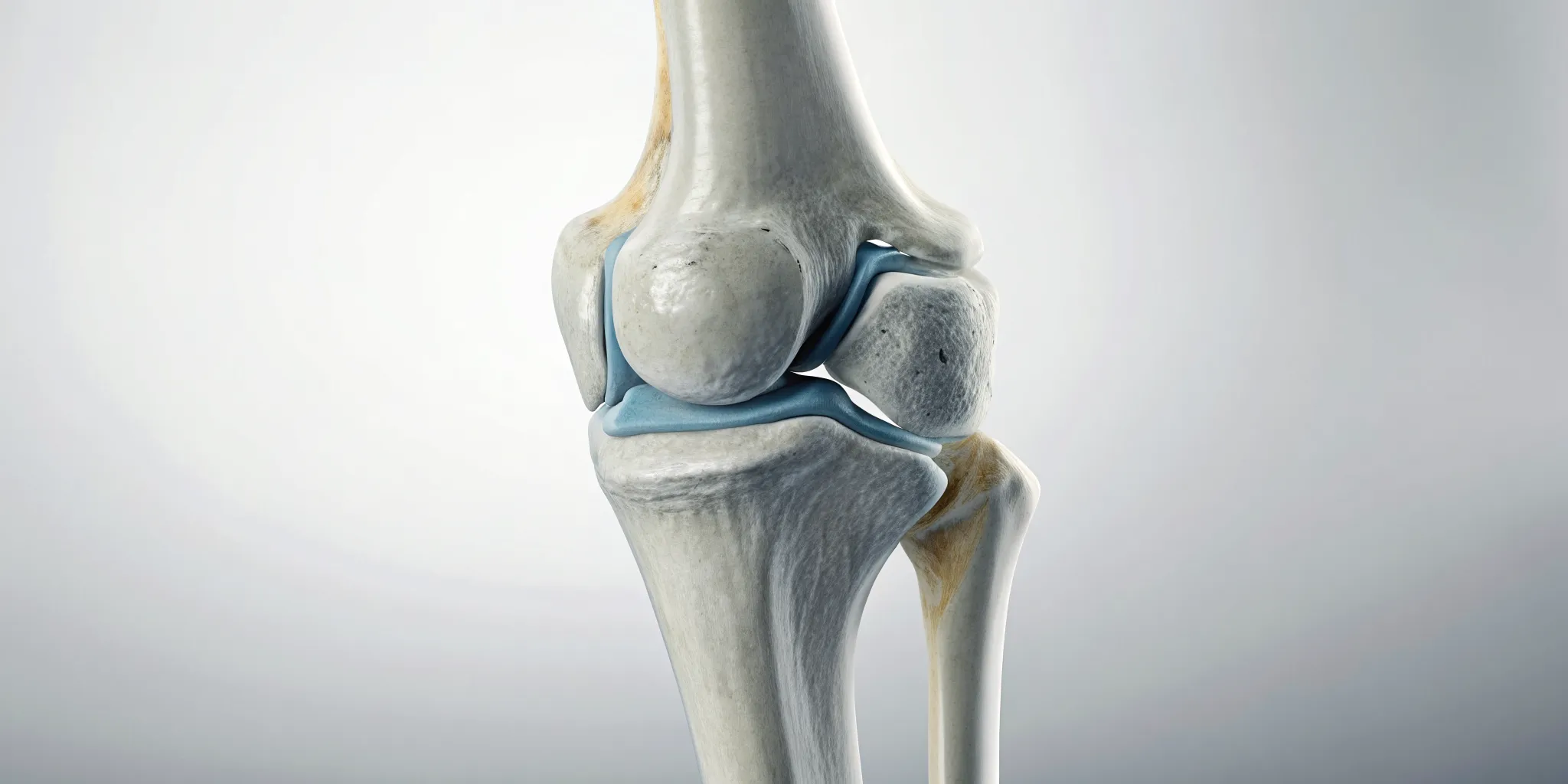
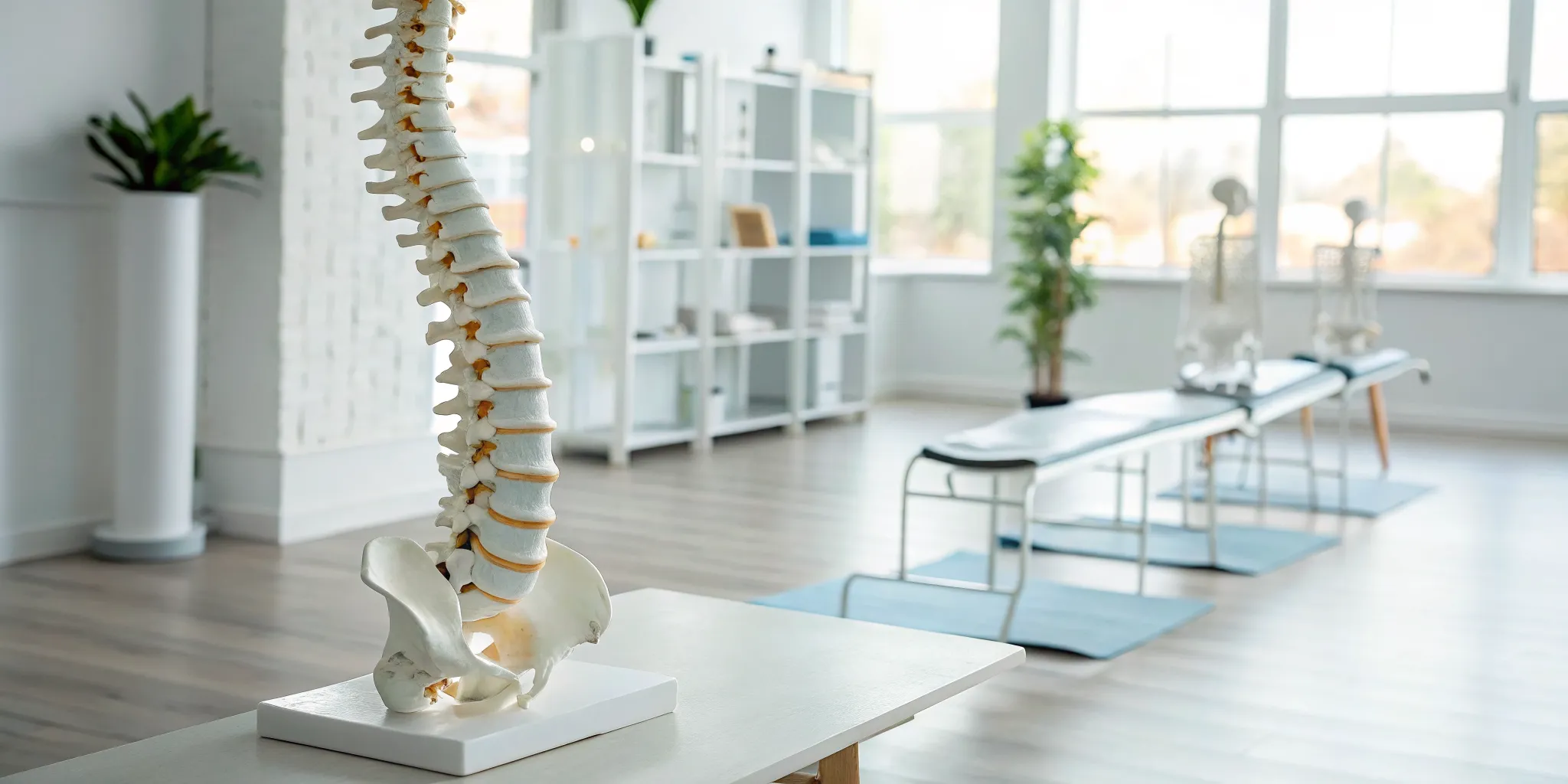
The main goal of spinal decompression is to create negative pressure within your spinal discs, the little cushions between your vertebrae. Imagine a gentle vacuum effect. As the table carefully stretches your spine, it reduces the pressure inside these discs. This subtle change accomplishes two very important things. First, it can help draw bulging or herniated disc material back into its proper place. Second, this negative pressure encourages the flow of oxygen, water, and nutrients into the discs, which is essential for them to heal and rehydrate. Our approach to physical medicine focuses on creating the right conditions for your body to repair itself, and decompression is a powerful tool for that.
Relieving Pressure on Your Discs
When your spinal discs are compressed, they can bulge and press on the sensitive nerves running along your spinal column. This is often the source of radiating pain (like sciatica), numbness, tingling, or even weakness in your arms or legs. By gently separating the vertebrae, spinal decompression takes that direct pressure off the nerves. As the pressure is relieved, communication between your brain and body improves, and those disruptive symptoms can begin to fade. It’s a way of giving your nerves the breathing room they need to function properly again, addressing many of the conditions we treat that stem from nerve compression.
Decompression vs. Traditional Chiropractic Adjustments
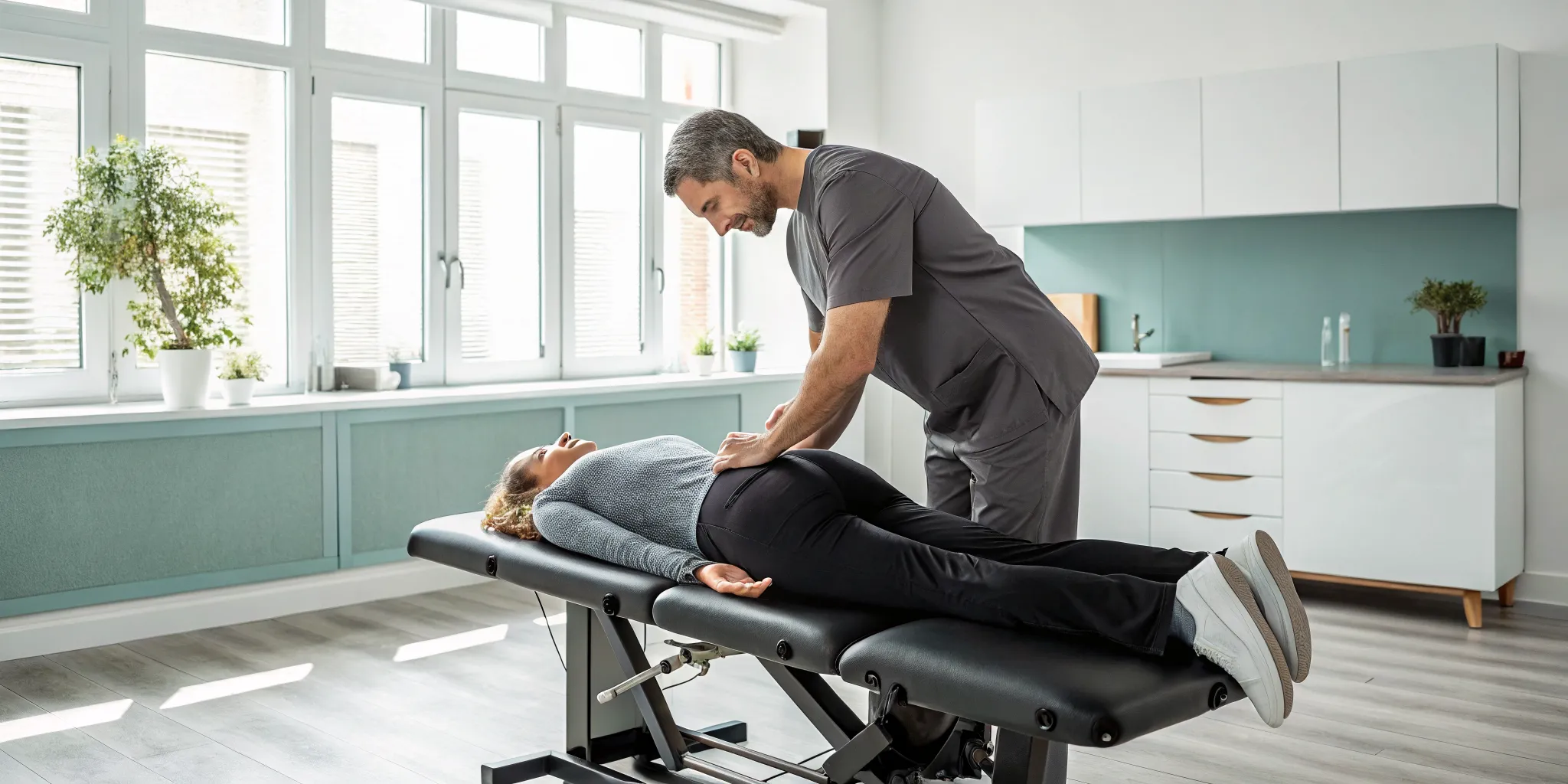
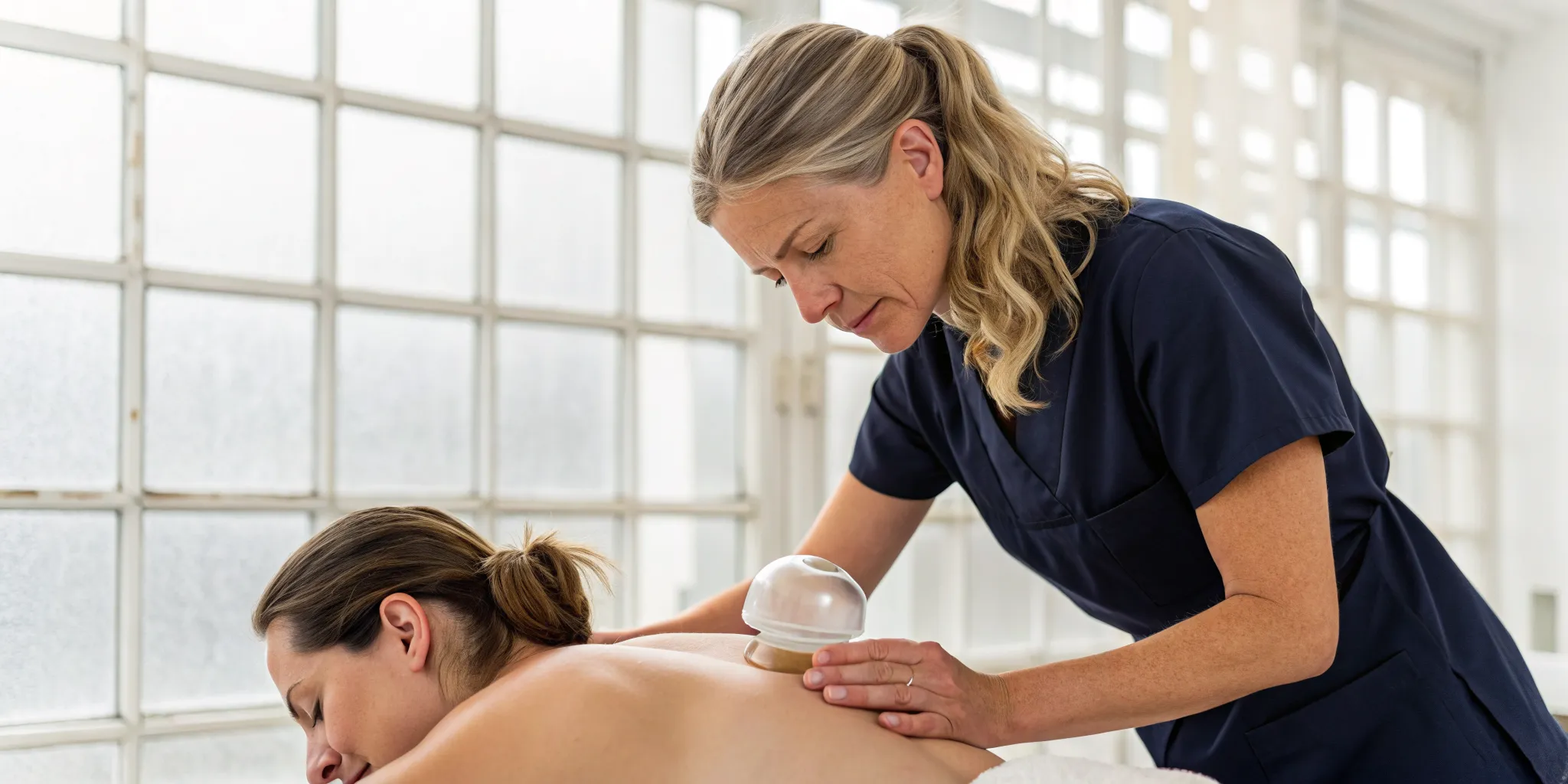
While both spinal decompression and chiropractic adjustments are effective therapies, they work in different ways. A traditional chiropractic adjustment involves a specific, hands-on manipulation to restore movement to a joint that feels stuck. It’s a direct and dynamic approach. Spinal decompression, on the other hand, is a more passive and gradual process. You relax on a motorized table that methodically stretches and releases your spine over the course of a session. This sustained, gentle traction is specifically designed to target the discs. We often use both therapies as part of a comprehensive care plan, selecting the right combination of services to match your body’s specific needs.
Is Spinal Decompression Right for You?
If you're living with persistent back, neck, or leg pain, you’ve probably wondered if there’s a solution that doesn’t involve invasive procedures. Spinal decompression therapy is a modern, gentle approach that might be the answer you're looking for. It’s one of the core services we offer within our Physical Medicine pillar because it directly addresses the mechanical causes of pain. The therapy works by gently stretching the spine, which changes the force and position of the spinal column. This shift creates negative pressure within the discs, the gel-like cushions between your vertebrae.
Think of it like creating a vacuum effect that can help retract bulging or herniated discs. This process takes pressure off pinched nerves and other spinal structures, allowing more room for healing. It also encourages the movement of water, oxygen, and nutrient-rich fluids into the discs so they can heal and rejuvenate. While it’s an incredibly effective treatment for many, it’s not a one-size-fits-all solution. The best way to know for sure is through a thorough consultation, but understanding the conditions it treats best is a great first step. Let's explore who makes an ideal candidate for this therapy.
If You Have a Herniated or Bulging Disc
A herniated or bulging disc is one of the most common reasons people seek out spinal decompression. When the soft center of a spinal disc pushes through a tear in its tough exterior, it can press on nearby nerves, causing significant pain, numbness, or weakness. Spinal decompression therapy is specifically designed for this scenario. The gentle, motorized traction helps create negative pressure inside the disc, which can encourage the herniated material to move back into its proper place. This retraction relieves the pressure on the nerve, which in turn reduces your pain and allows your body to begin the healing process.
For Relief from Degenerative Disc Disease
Degenerative disc disease isn't really a disease, but rather a term used to describe the natural breakdown of your spinal discs over time. As we age, discs can lose hydration, becoming thinner and less flexible, which can lead to pain and reduced mobility. Spinal decompression can be a game-changer here. The therapy helps to rehydrate the discs by promoting the diffusion of water, oxygen, and nutrients. This process can help restore disc height and relieve the pressure that contributes to pain. It’s a proactive way to address the effects of discs wearing down and improve the overall health of your spine.
To Address Sciatica and Nerve Pain
If you’ve ever experienced the sharp, shooting pain of sciatica, you know how debilitating it can be. This pain, which often radiates from the lower back down one leg, is typically caused by a compressed sciatic nerve. Most often, the culprit is a herniated disc or bone spur in the lumbar (lower) spine. Because spinal decompression is so effective at relieving pressure on spinal nerves, people with sciatica are often good candidates for the therapy. By gently stretching the spine and creating space, the treatment can alleviate the compression on the sciatic nerve, providing significant relief from that radiating pain, tingling, and numbness.
If You're Dealing with Spinal Stenosis
Spinal stenosis is a condition characterized by the narrowing of the spinal canal, the passageway that houses your spinal cord and nerves. This narrowing can put pressure on those nerves, leading to pain, cramping, and weakness, usually in the legs and lower back. Spinal decompression therapy can help by gently stretching the spine to create more space within the spinal canal. While it doesn't reverse the underlying cause of the stenosis, it can effectively manage and reduce the symptoms by giving your nerves more room to breathe. It’s a valuable tool for improving quality of life for those dealing with this condition.
When Other Treatments Haven't Provided Relief
It can be incredibly frustrating to try treatment after treatment for chronic back pain with little to no success. Many of our patients come to us feeling like they’ve exhausted all their options. If this sounds like you, spinal decompression could be a turning point. It’s a powerful, non-invasive option for those who have not found relief from other treatments like physical therapy or pain management. Instead of just masking symptoms, decompression targets the underlying mechanical issue, offering a path toward genuine, long-term healing and getting you back to the life you want to live.
As a Non-Surgical Alternative
The thought of back surgery can be daunting, with its associated risks and long recovery periods. Spinal decompression offers a compelling alternative for many conditions that might otherwise lead you down a surgical path. This therapy is a treatment that doesn't involve surgery; it uses a sophisticated, computer-controlled table to apply a precise and gentle stretching force to your spine. It’s a safe and comfortable way to address the root cause of your pain. By choosing a non-surgical route, you can avoid the complications of an operation while still achieving profound and lasting relief.
Important Safety Considerations
While spinal decompression can be a game-changer for many people dealing with chronic back pain, it’s not the right fit for everyone. Your safety and long-term health are our top priorities, which is why a thorough evaluation is the first step in any treatment plan at Ascend Functional Health. We take the time to understand your complete health picture to determine if you are a good candidate for this therapy. Think of it as a partnership: we bring our clinical expertise, and you bring the important details about your health history.
This careful screening process ensures that the treatment will be both safe and effective for your specific situation. Certain conditions, life stages, and past medical procedures can be contraindications, meaning spinal decompression could pose a risk. It’s not about limiting your options; it’s about choosing the best and safest option for you. Below, we’ll walk through some of the most common reasons why we might recommend an alternative therapy. This transparency is a core part of our approach, ensuring you feel confident and informed every step of the way.
During Pregnancy
If you are pregnant, managing back pain can be a challenge, but spinal decompression is generally not recommended during this time. The therapy applies a gentle but firm traction force to the spine, and the primary focus during pregnancy is to maintain a stable and safe environment for your developing baby. Because of the potential risks involved, healthcare providers typically advise against this treatment for expectant mothers. Our team can guide you toward other supportive therapies that are safe to use during pregnancy to help you find comfort and relief without compromising your or your baby’s well-being.
With Spinal Implants or Hardware
If you have any type of metal hardware in your spine, such as screws, plates, or rods from a previous fusion procedure, spinal decompression is not a suitable option. This hardware is surgically placed to provide stability, and the pulling forces used in decompression therapy could interfere with it. The presence of these spinal implants can complicate the treatment and potentially lead to adverse effects. During your initial consultation, it's essential to share your full surgical history so we can create a safe and effective plan tailored to your body’s unique structure and needs.
For Certain Health Conditions
Your overall health plays a huge role in determining if spinal decompression is right for you. Certain underlying health issues can make the therapy unsafe. For example, individuals with severe osteoporosis have reduced bone density, which makes the bones more fragile and susceptible to injury from the traction forces. Other conditions, like spinal tumors or certain types of cancer, are also contraindications. This is why our comprehensive evaluation is so critical. We need to confirm that your spine and body are healthy enough to respond well to this specific type of therapy.
After Previous Back Surgeries
Having a past back procedure doesn't automatically rule you out, but it does require careful consideration. Specifically, if you've had a back operation that was not successful or failed to resolve your pain, spinal decompression might not be the best path forward. The outcome of a previous procedure can create scar tissue or change the spine's structure in a way that makes decompression less effective or even risky. We will discuss your history in detail to understand what you’ve been through and determine if you are a suitable candidate for this non-invasive approach or if another therapy would better serve you.
Clearing Up Common Misconceptions
When you’re exploring new ways to manage pain, it’s easy to run into conflicting information. Spinal decompression is an incredibly effective therapy, but it’s important to have a clear picture of what it is and who it’s for. Let’s clear the air and address some of the most common myths we hear from patients.
Myth: "It works for every type of back pain."
While we wish there was a single solution for all back pain, spinal decompression is a specialized treatment for specific issues. It’s not a catch-all therapy. This treatment works by gently stretching the spine to relieve pressure on your discs and nerves. Because of this, it’s most effective for conditions caused by compression.
The best candidates for spinal decompression are typically those with herniated or bulging discs, sciatica, degenerative disc disease, or posterior facet syndrome. It’s not the right approach for every situation. That’s why our first step is always a thorough evaluation to understand the root cause of your pain and determine if this therapy is the right fit for your unique needs.
Myth: "The results are immediate."
Many people find the treatment sessions themselves to be quite gentle and relaxing. However, spinal decompression is about creating long-term healing, not providing an instant fix. The goal is to create negative pressure within the disc, which allows nutrients and oxygen to flow back in and promote healing. This is a gradual process that requires consistency.
While some patients feel a degree of relief after just a few sessions, a full treatment plan is typically necessary to achieve lasting results. You might feel a little soreness after your first few appointments, similar to how you feel after a new workout, but this is normal. True healing takes time, and our team will be there to support you through every step of your physical medicine journey.
Myth: "It's only a last resort before surgery."
This is one of the biggest misconceptions we encounter. Many people think of spinal decompression as a final attempt to avoid an operation, but it’s actually a powerful, proactive, and non-invasive therapy that can be used much earlier. By addressing disc and nerve issues before they become severe, you can often prevent the need for more aggressive interventions down the road.
Exploring non-surgical spinal decompression is a smart step for anyone dealing with chronic disc-related pain. It aligns perfectly with our philosophy of using the body’s own healing capabilities first. Many of our patients have found profound relief with this therapy, allowing them to get back to their lives without invasive procedures. It’s not a last resort; it’s a strategic choice for your long-term health.
What to Expect During Your Treatment
Deciding to address your back pain is a big step, and it’s natural to have questions about what treatment will be like. We believe that feeling prepared and informed is the first step toward a positive healing experience. Spinal decompression is a gentle, non-invasive therapy designed to help your body heal itself. Here’s a closer look at what you can expect when you come to our clinic for treatment.
A Look Inside a Typical Session
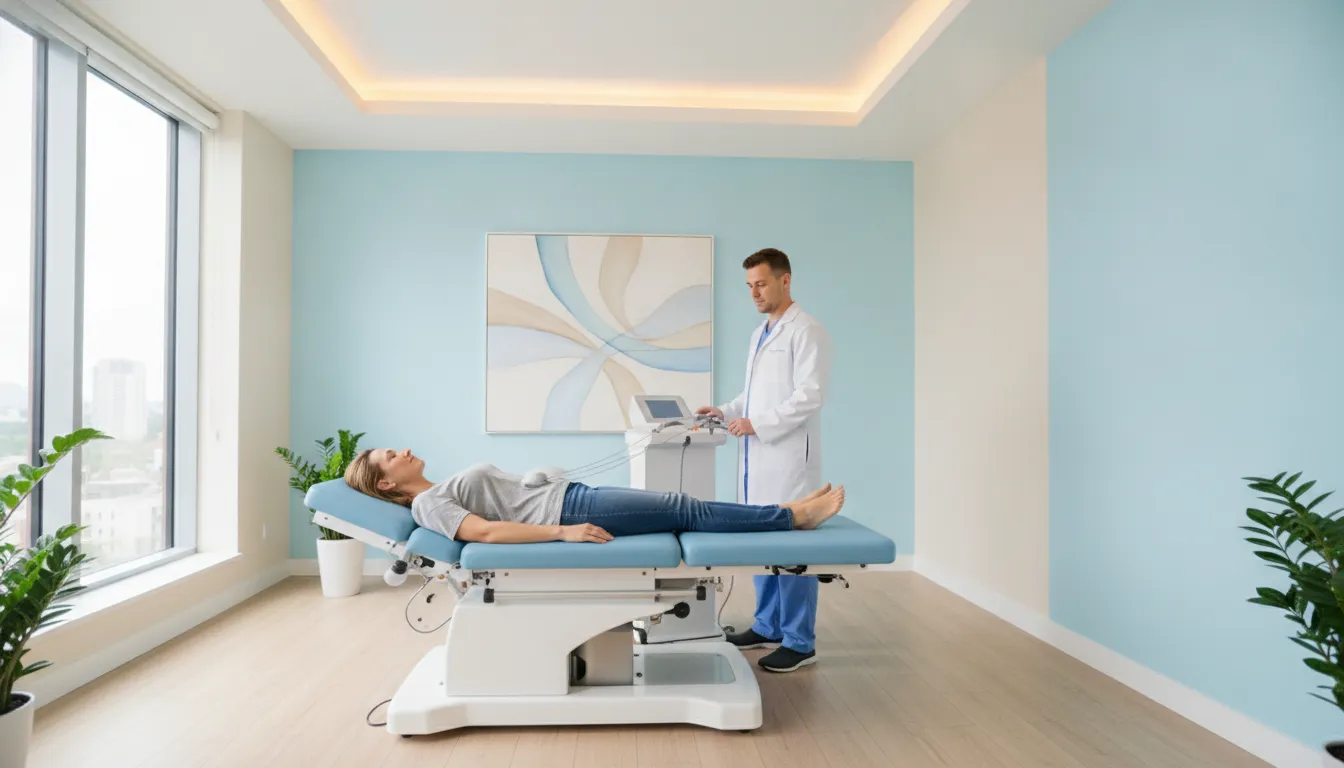
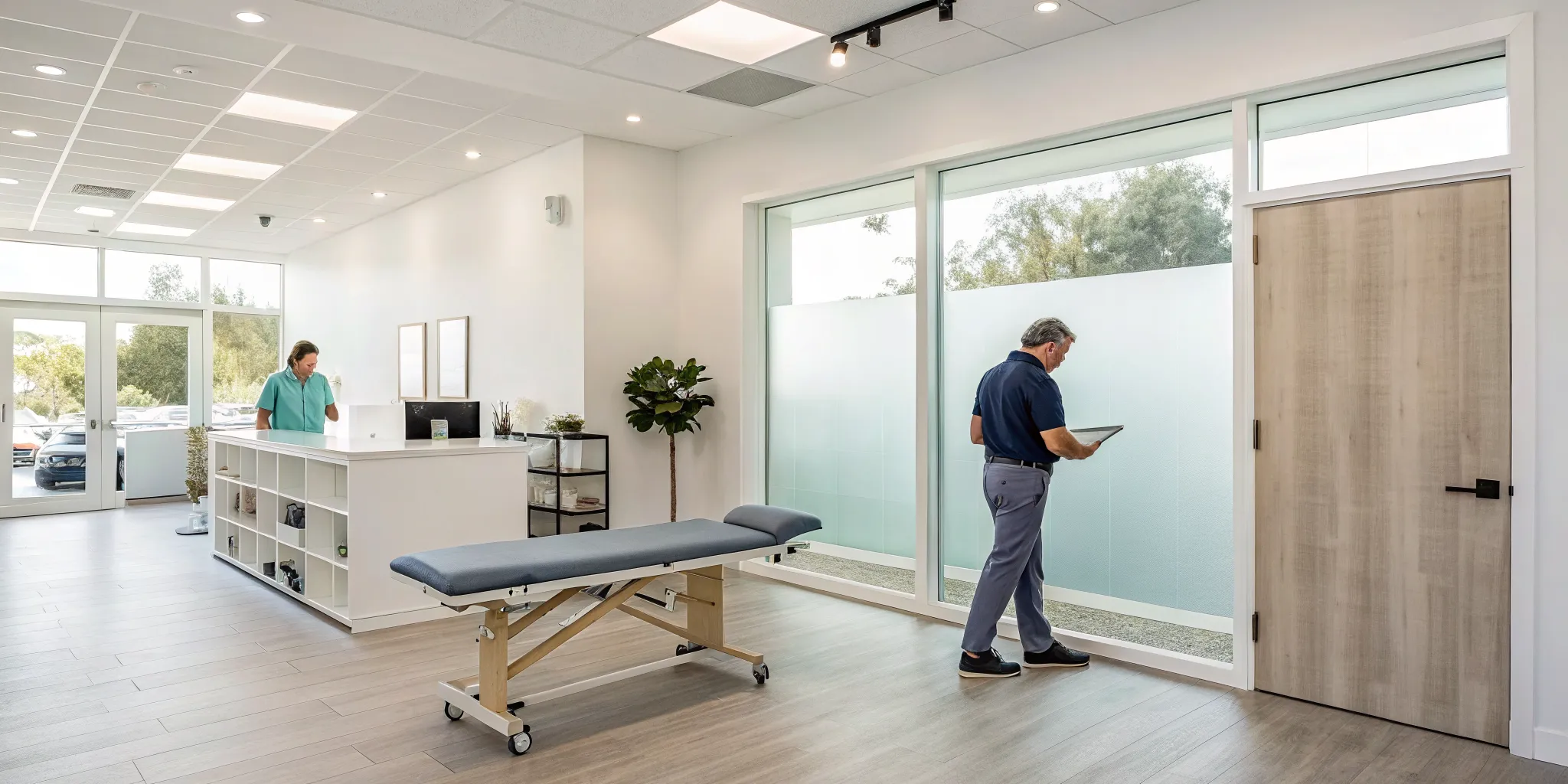
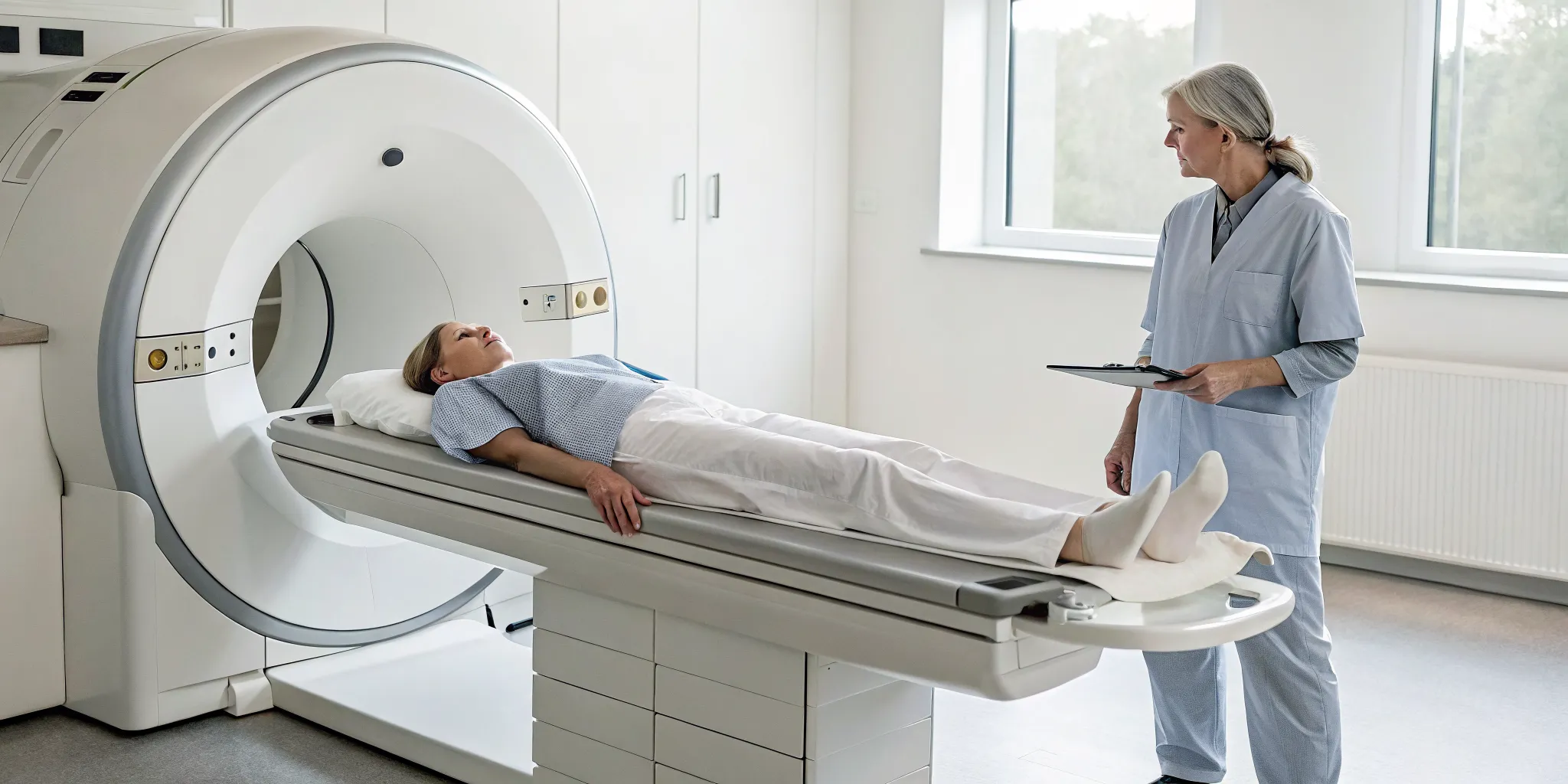
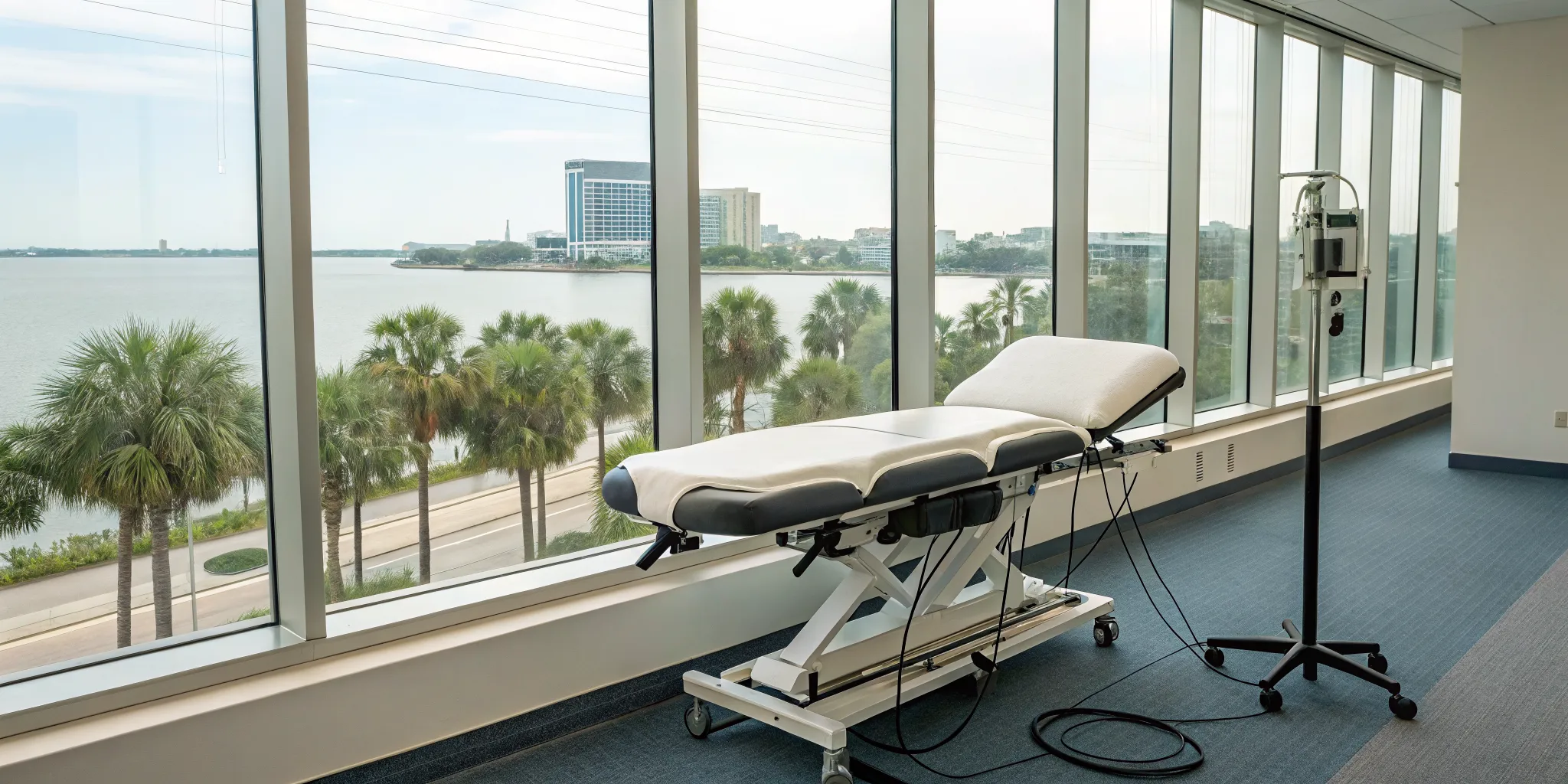
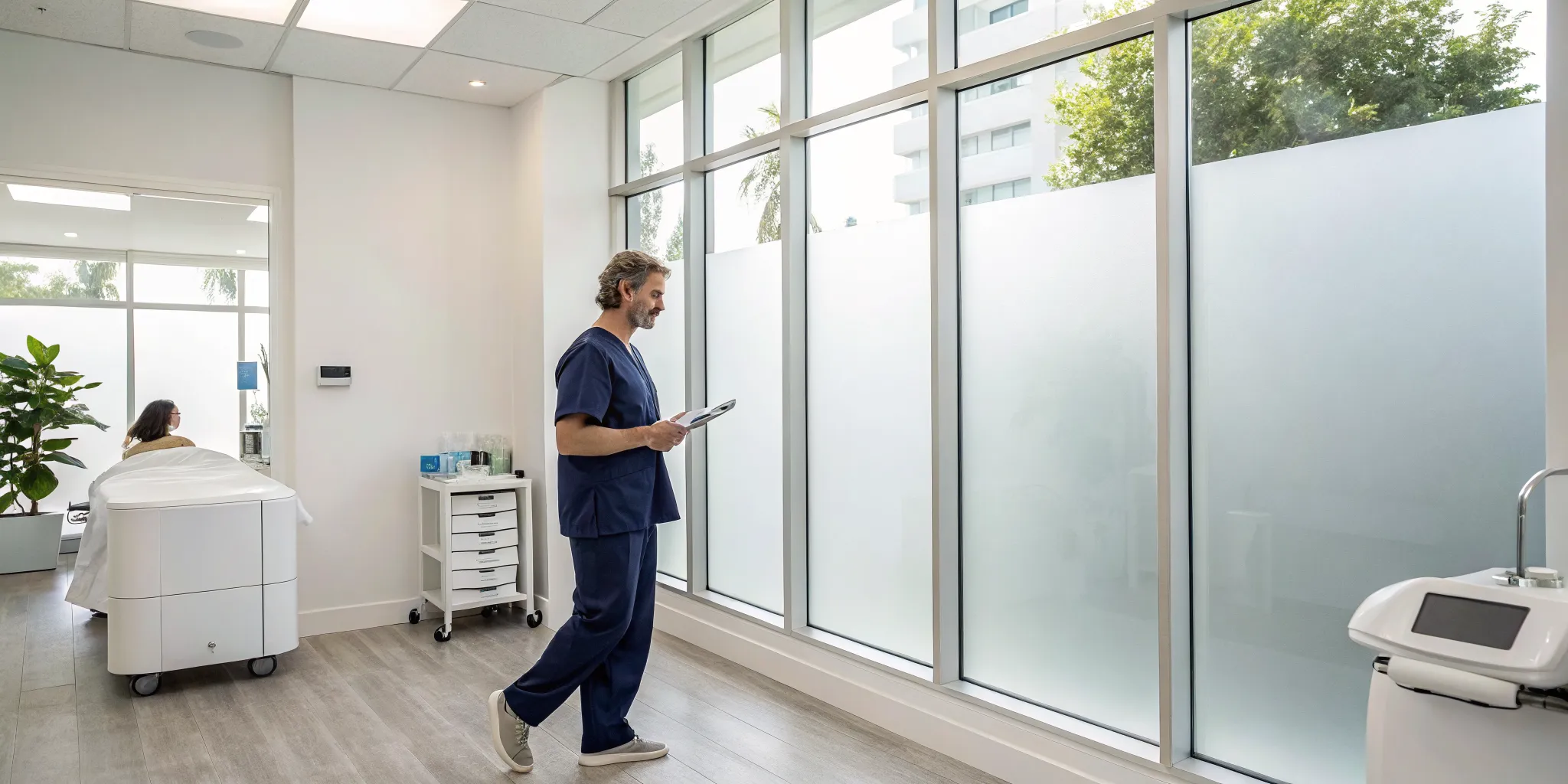
First, let’s walk through what happens during a spinal decompression session. You’ll lie down, fully clothed, on a specially designed, computer-controlled table. We’ll make sure you’re comfortable and secure before the session begins. The system then gently and precisely stretches your spine, creating negative pressure within your discs. Most people don’t feel any pain during this process; in fact, many find it quite relaxing and even doze off. A session typically lasts between 30 and 45 minutes. You might feel a little sore for a few hours afterward, similar to how you’d feel after a new workout, but this should fade quickly as your body adjusts.
Understanding Your Treatment Timeline
Spinal decompression is a process, not a one-time fix. Lasting relief comes from a consistent series of treatments that give your body the time it needs to heal. While every person’s care plan is unique, a typical course of treatment involves 20 to 30 sessions spread over several weeks. This steady approach allows the discs and surrounding tissues to gradually decompress and rehydrate. We tailor the timeline to the specific conditions we treat, ensuring your body gets the support it needs at every stage. Committing to the full plan is key to achieving the best and most durable results.
How We Pair Therapies to Improve Your Results
At Ascend Functional Health, we know that the most effective healing happens when we look at the whole picture. Spinal decompression is a powerful tool, but it works best as part of a comprehensive strategy. We often combine it with other aspects of our physical medicine services, such as corrective exercises to strengthen supporting muscles and improve posture. We may also incorporate principles from functional medicine to address inflammation through nutrition and lifestyle adjustments. This integrated approach helps ensure your results are not only significant but also long-lasting, because we’re addressing the root cause of your pain, not just the symptoms.
Preparing for Your Initial Consultation
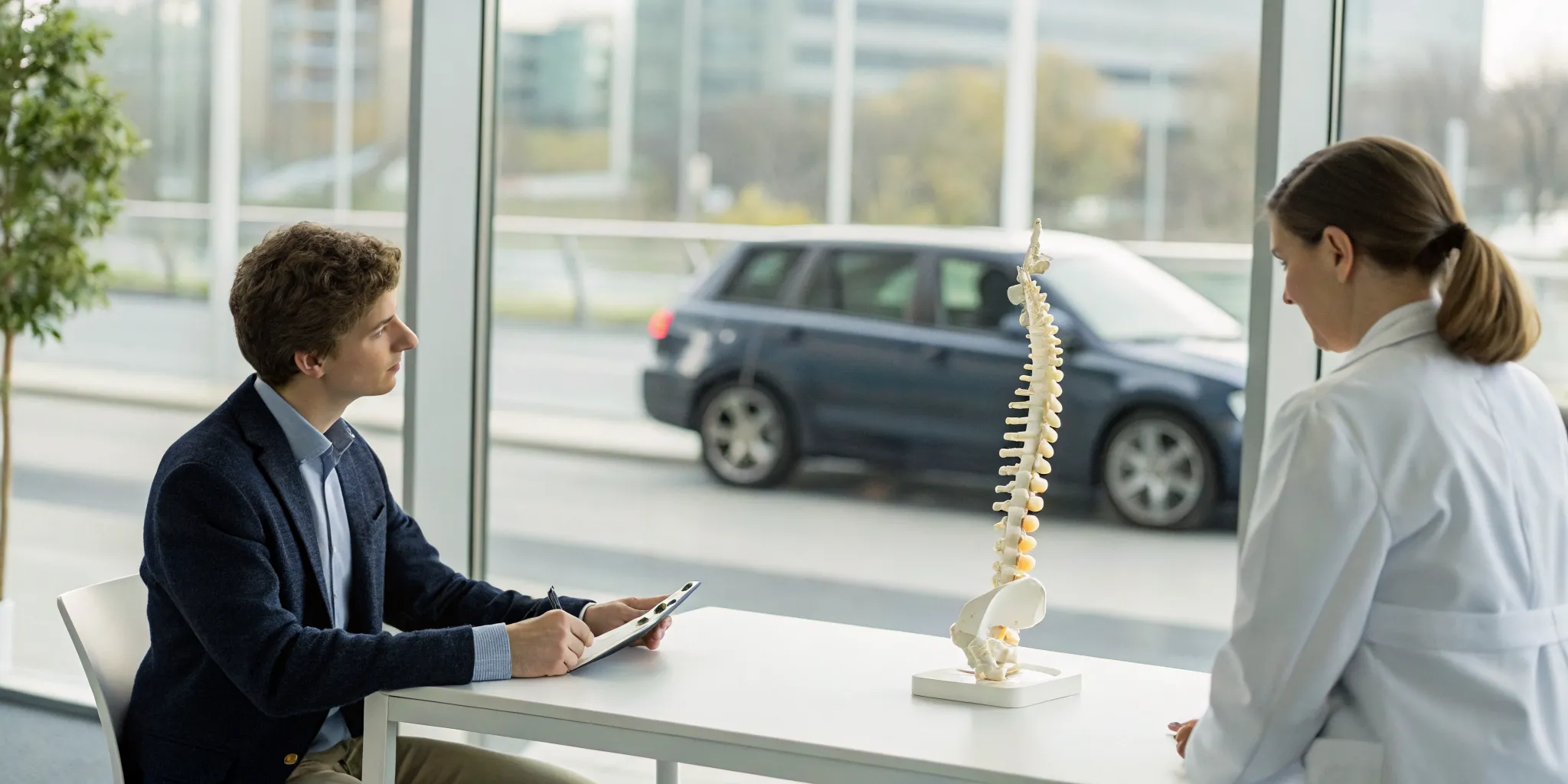
If you’re struggling with issues like a herniated disc, sciatica, or degenerative disc disease, the next step is to see if spinal decompression is right for you. Your journey with us begins with a thorough initial consultation. During this appointment, we’ll discuss your health history, symptoms, and goals. This conversation is essential for us to understand your unique situation and determine the most effective path forward. It’s an opportunity for you to ask questions and for us to create a personalized plan tailored to your body. To get started, simply contact us to schedule your first visit with our team.
Related Articles
- Revitalize Your Spine with Spinal Decompression Therapy in Tampa, FL
- Is Lumbar Decompression Chiropractic for You?
- Spinal Decompression Therapy in Tampa, FL - Alessi Functional Health
- Spinal Decompression Hurts Lower Back: Normal or Not?
Frequently Asked Questions
What does a spinal decompression session actually feel like? Most people find the treatment to be comfortable and even relaxing. You’ll lie on a specialized table while a harness is secured around your hips. The table then moves in a slow, controlled manner to gently stretch your spine. You’ll feel a light pulling sensation, but it shouldn't be painful. The system is designed to be so gentle that many of our patients use the time to rest or even take a short nap during the 30 to 45-minute session.
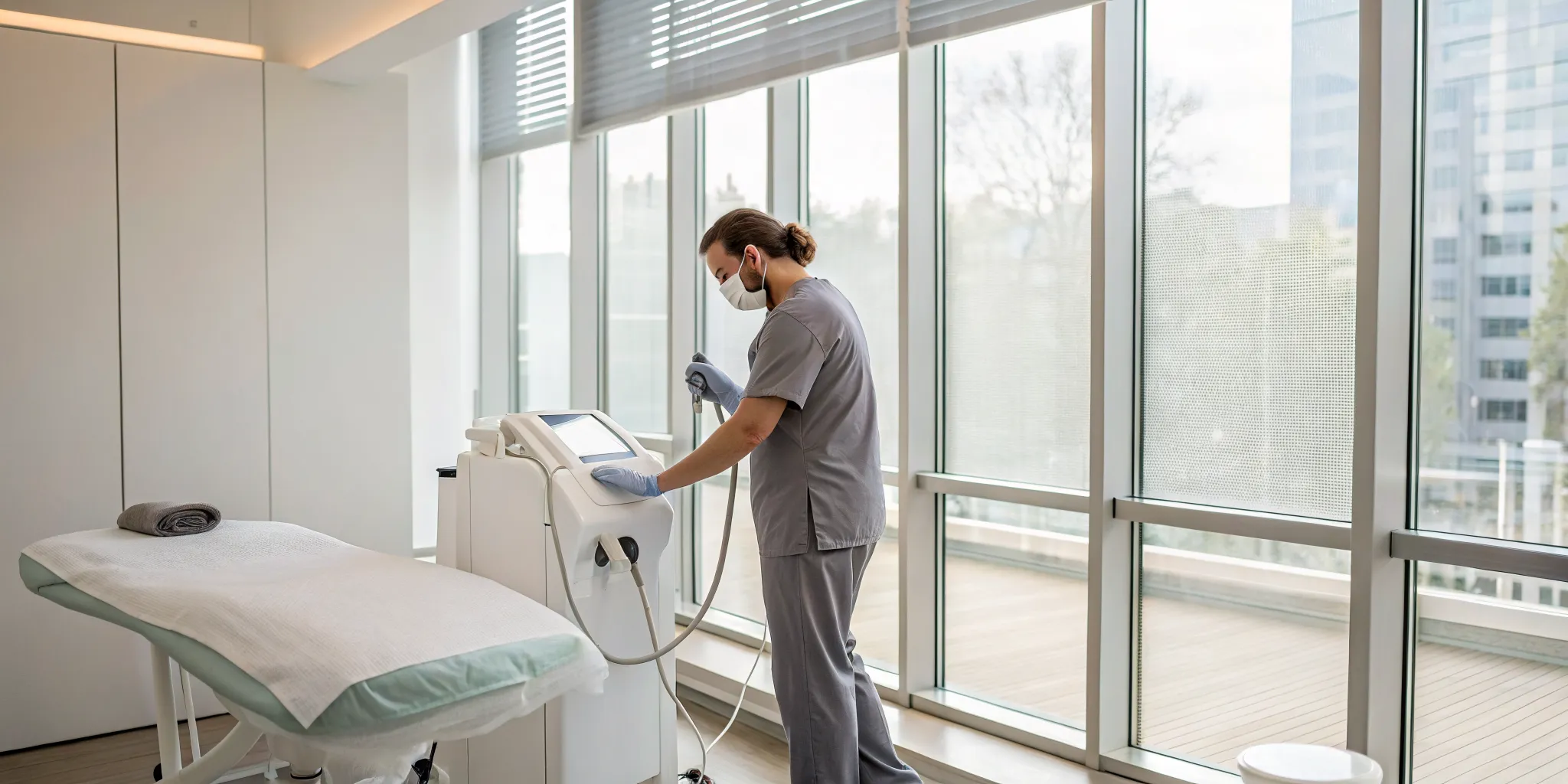
How is this different from using an inversion table at home? This is a great question because the concepts seem similar. The key difference is precision and control. Our spinal decompression table is computer-aided, allowing us to target a specific spinal segment with a precise amount of force. It also monitors your body's response and can adjust the pull to prevent muscle guarding, which is your body's natural tendency to resist the stretch. An inversion table applies a static, less targeted force that can sometimes trigger this muscle guarding, making it less effective at decompressing the disc itself.
How many sessions will I need before I start to feel better? While some people report feeling some relief after just a few sessions, spinal decompression is a cumulative process designed for long-term healing. The goal is to gradually rehydrate the discs and give nerves the space they need, which takes time. A typical treatment plan involves a series of sessions over several weeks. Lasting results depend on completing the full course of care we design for you, as this consistency is what allows your body to truly heal and repair the underlying issue.
I've had back surgery in the past. Does that mean I can't have this treatment? It depends on the type of procedure you had. If your surgery involved placing any kind of hardware like screws, plates, or rods, then spinal decompression is not a safe option for you. However, if you had a procedure like a discectomy without fusion and are still experiencing pain, you might still be a candidate. This is something we would need to assess carefully during a thorough consultation, where we would review your surgical history and current symptoms to determine the safest path forward.
Why do you recommend other therapies along with spinal decompression? We combine therapies because we focus on addressing the root cause of your pain, not just the immediate symptom. Spinal decompression is fantastic for relieving pressure on a disc, but we also need to address why that disc became compromised in the first place. By pairing it with corrective exercises, for example, we can strengthen the core and back muscles that support your spine. This comprehensive approach helps stabilize the area, improve your posture, and reduce the likelihood of the problem returning, leading to more durable, long-lasting results.