We make investments all the time, from our education to our homes. But what about the most important asset we have, our health? A DEXA scan is one of the most valuable investments you can make in your long-term wellness. It provides a detailed, accurate baseline of your body composition, giving you a starting point to track real, meaningful progress over time. Like any smart investment, it’s important to understand the financial side. Knowing the typical dexa scan cost helps you plan effectively. In this article, we’ll explore the factors that determine the price and explain why the insights you gain are worth every penny for your health journey.
Key Takeaways
- Go beyond the scale with precise data: A DEXA scan offers an incredibly accurate analysis of your body composition, including muscle, fat, and bone density, giving you a solid foundation for a personalized health plan.
- Understand the factors that shape the cost: The price of a scan can vary based on your location, its purpose, and the provider you choose, so it's always smart to ask for a full cost breakdown to avoid any surprises.
- Use smart strategies to manage the investment: You can often use pre-tax funds from an HSA or FSA for your scan, and many centers offer multi-scan packages to make long-term progress tracking more accessible.
What is a DEXA Scan?
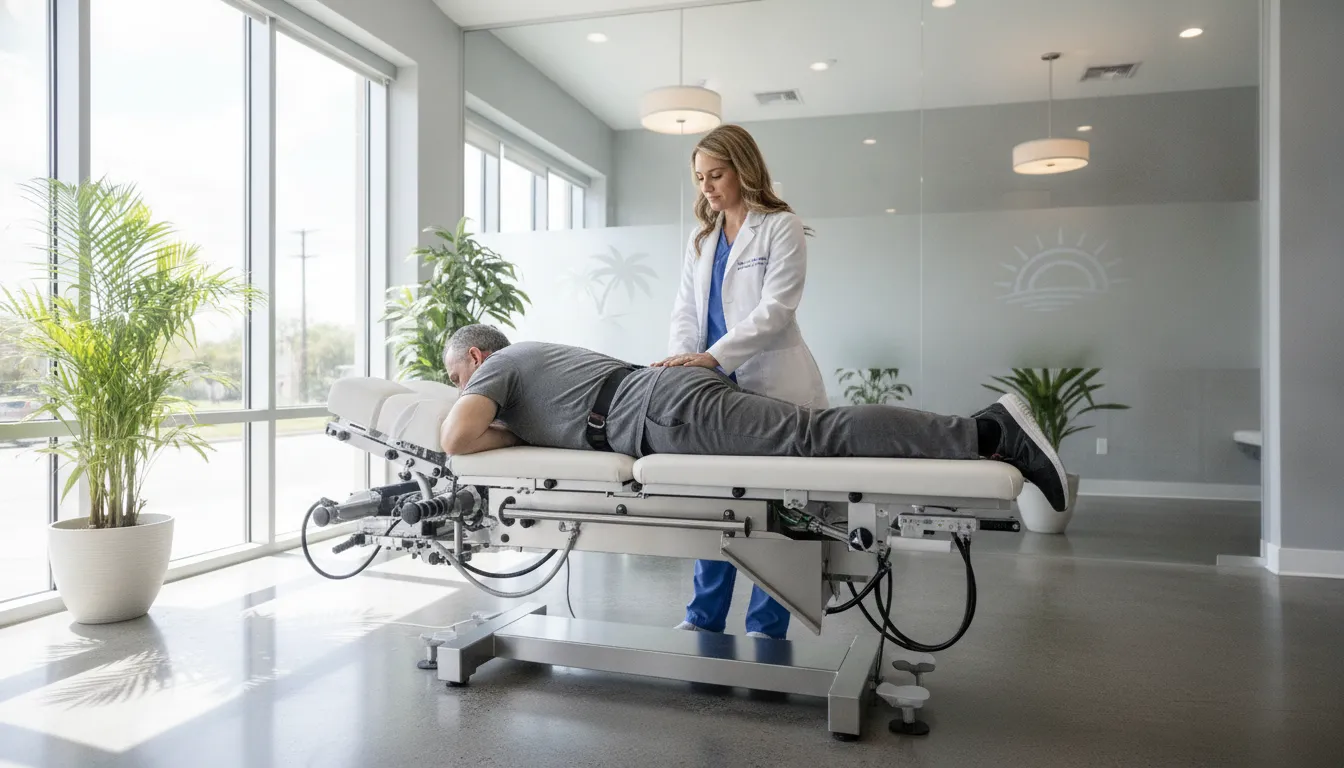
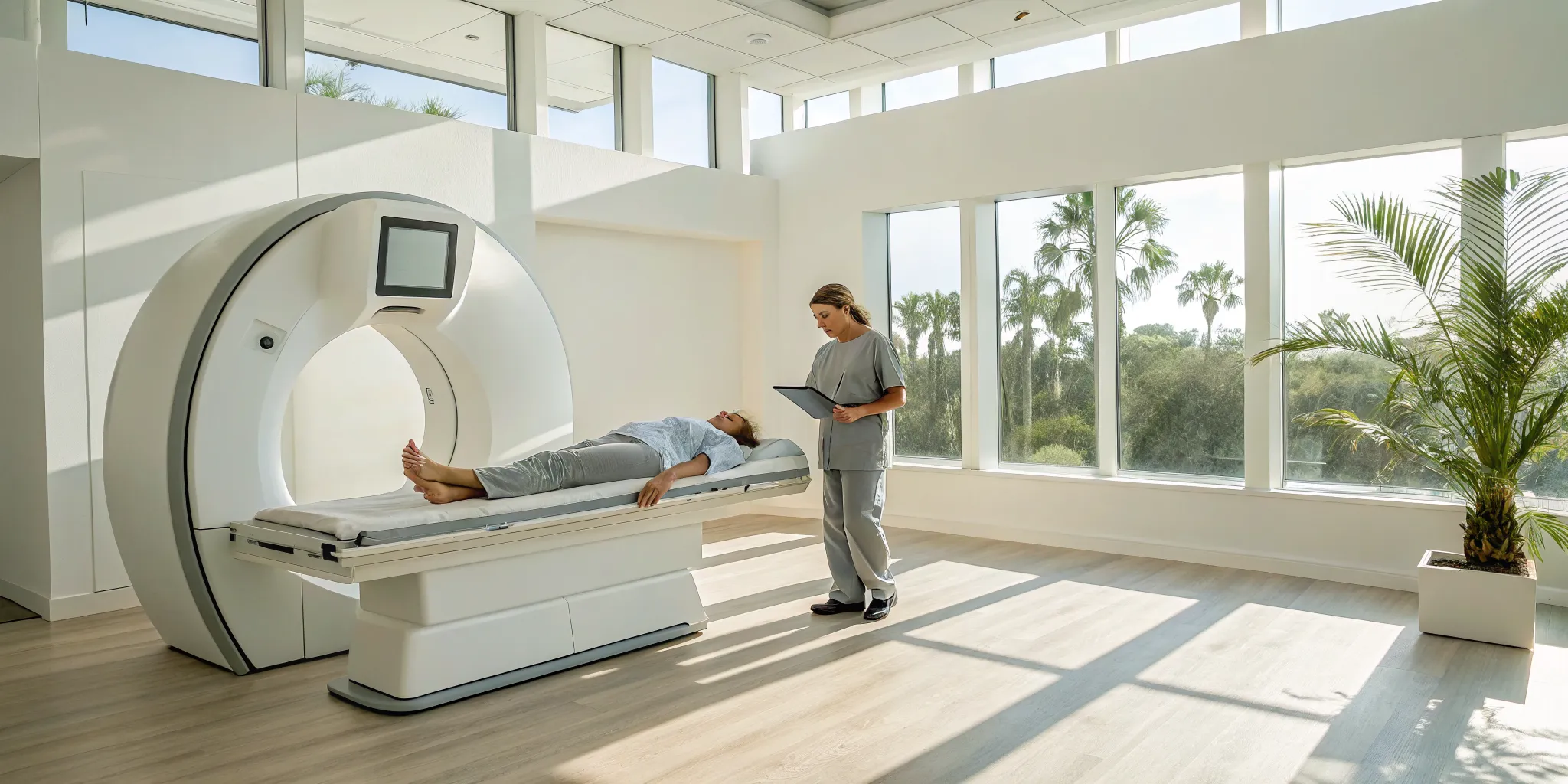
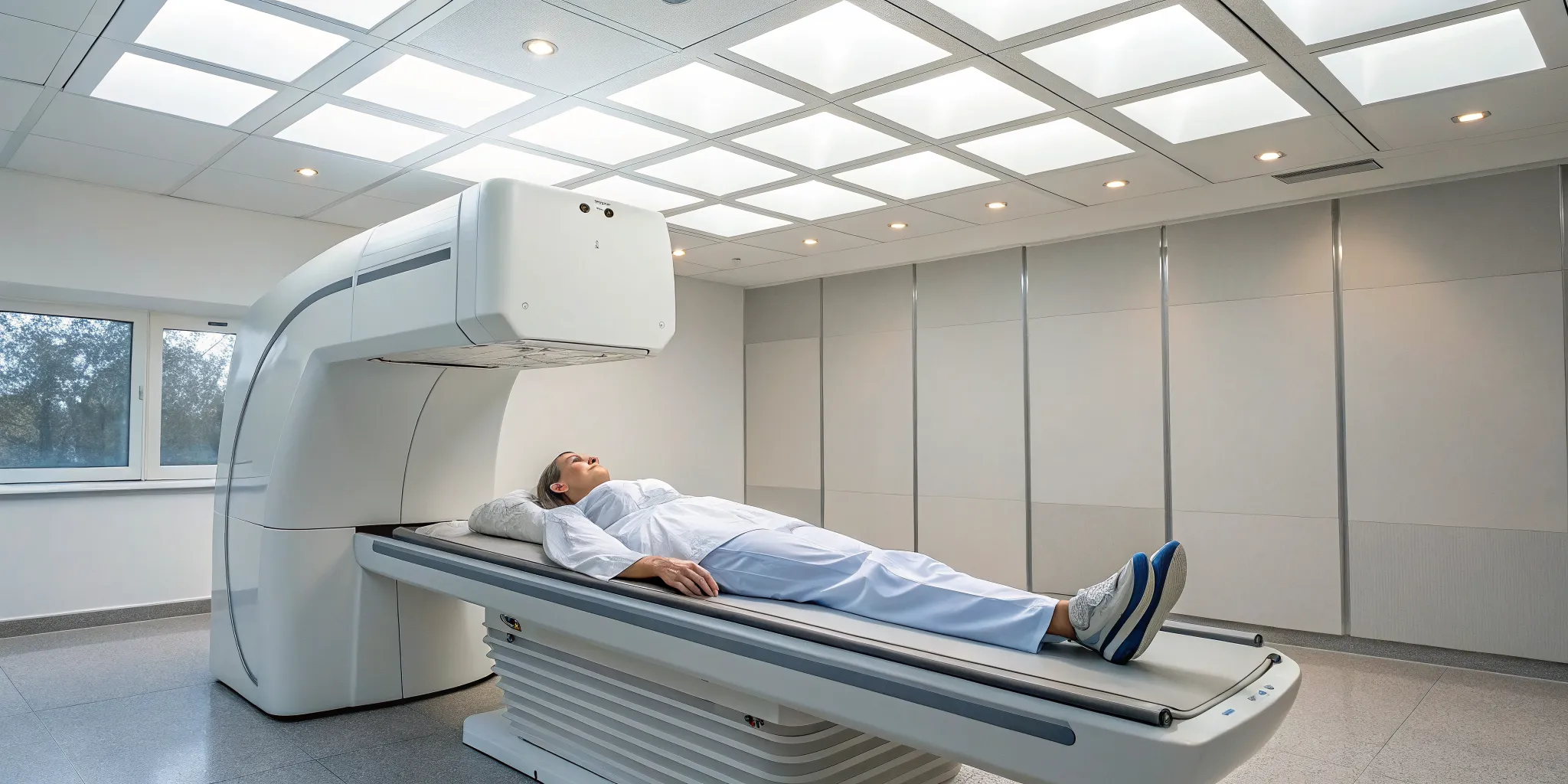
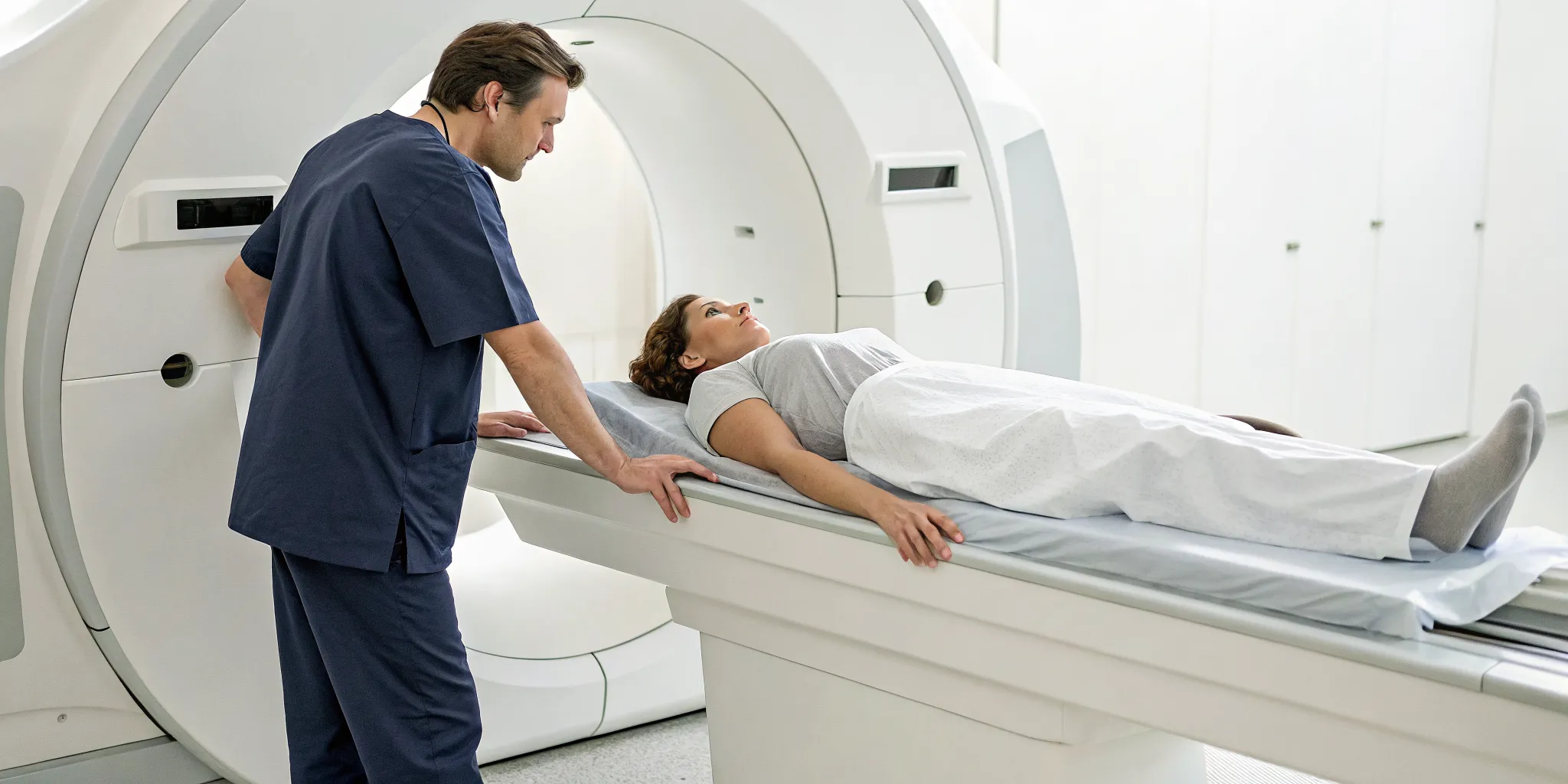
If you've ever wanted a truly clear picture of your health that goes beyond the number on a scale, a DEXA scan is one of the best tools available. Think of it as a highly detailed snapshot of your body's internal composition. Using a very low dose of X-ray technology, a DEXA (Dual-Energy X-ray Absorptiometry) scan precisely measures the key components that make you, you: your bone mass, fat tissue, and lean muscle. The process is simple and non-invasive; you just lie comfortably on a padded table while a scanning arm passes over your body. It's a quick and straightforward way to gather an incredible amount of information.
This isn't just about seeing how much you weigh. It’s about understanding the quality of that weight. The results give you a comprehensive baseline, allowing you to track real changes in your body composition over time as you adjust your lifestyle. Whether your goal is to build strength, manage your weight, or simply optimize your long-term health, the data from a DEXA scan provides the specific insights you need to create a truly personalized wellness plan. It moves you from guessing about your health to knowing exactly where you stand, giving you a solid foundation for your wellness journey.
Bone Density vs. Body Composition
The term DEXA scan is often used in two different contexts, and it's helpful to know the distinction. One common use is a medical bone density test, which focuses solely on measuring the strength of your bones to assess bone health. While important, this is a very narrow application of the technology.
A full body composition scan, on the other hand, provides a much more complete story. It gives you a detailed breakdown of your entire body, including your total body fat percentage, where you store that fat, your exact amount of muscle mass, and your overall bone density. This comprehensive view is essential for anyone focused on proactive wellness and understanding the full picture of their health, which is central to our approach in functional medicine.
Why This Scan Offers Deeper Health Insights
A DEXA scan is widely considered the gold standard for measuring body composition for one simple reason: its incredible precision. While methods like bioelectrical impedance scales can have a variance of 5% to 10%, DEXA technology is accurate to within 1%. This level of accuracy gives you data you can truly rely on.
These precise measurements offer insights that other methods miss. For example, a DEXA scan can identify visceral adipose tissue (VAT), the harmful fat that surrounds your organs and is linked to various health issues. It can also pinpoint muscle imbalances between the left and right sides of your body. Having this actionable data allows you to make smarter, more effective decisions about your nutrition and training, helping you address the root cause of many health concerns.
How Much Does a DEXA Scan Cost?
When you’re ready to invest in your health, understanding the financial side of things is a practical and important step. The cost of a DEXA scan can vary quite a bit, but knowing the general price range and what factors into it can help you plan. Think of it not as a cost, but as an investment in obtaining precise data about your body. This information is the foundation for creating a personalized health strategy that truly works for you. Let’s break down what you can expect to pay for this valuable insight.
The Typical Price Range for a Scan
Generally, you can expect a single DEXA scan to fall somewhere between $40 and $300. This is a wide range because the price often depends on the scan's purpose. A scan focused on body composition at a wellness-oriented center is typically on the lower end of that scale, often from $40 to $200. On the other hand, a scan used for assessing bone density in a more clinical setting might be priced higher, usually between $150 and $400. Knowing what kind of information you’re looking for can help you find the right type of DEXA scan service and anticipate the associated cost.
Factoring in Additional Fees
The price you see advertised isn’t always the final price. Some facilities have additional fees that can increase your total investment. For example, you might find separate charges for a professional consultation to review your results, which could add another $50 to $100. Other potential costs include fees for a copy of your detailed report or mandatory follow-up appointments. To avoid surprises, it’s always a good idea to ask for a complete breakdown of all potential charges upfront. A transparent provider will be happy to explain what’s included so you can have a clear financial picture before you commit. If you have questions, don't hesitate to reach out and ask.
What Influences the Cost of a DEXA Scan?
When you start looking into DEXA scans, you'll notice that the price isn't always the same across the board. That’s because several key factors can change the final cost. Understanding these variables will help you know what to expect and find the right option for your health goals and budget. From your location to the reason you’re getting the scan, here’s a breakdown of what shapes the price.
Your Geographic Location
Just like the cost of living, the price of health services can vary depending on where you are. A DEXA scan in a large metropolitan area might have a different price tag than one in a smaller town. This difference often comes down to higher operational costs for clinics in major cities. While you can’t change your location, being aware of this factor helps set realistic expectations as you research providers in the Tampa area and beyond. It’s always a good idea to compare a few local options to get a sense of the typical price range for our community.
The Purpose of Your Scan
Why are you getting a DEXA scan? The answer plays a big role in the cost. A diagnostic scan to assess bone health is generally priced differently than a body composition scan used for tracking wellness progress. Scans intended for evaluating bone health often fall into a different pricing structure. On the other hand, body composition scans provide detailed data on muscle mass and body fat, giving you actionable insights for your longevity and wellness journey.
The Type of Provider You Choose
Where you get your scan done can significantly affect the price. Large medical centers often have higher overhead, which can lead to higher costs for services, including DEXA scans. In contrast, independent wellness centers and specialized mobile clinics frequently offer more accessible pricing. These providers focus specifically on services like DEXA scans, which allows them to streamline their process and reduce operational expenses. You can often find providers that offer hospital-grade accuracy at a more approachable price point simply because of their business model.
Paying for Your DEXA Scan
Understanding the financial side of a DEXA scan helps you plan your health journey with confidence. While the cost can vary, knowing what to expect and what questions to ask makes the process much smoother. Thinking through your payment options ahead of time ensures you can focus on what really matters: gaining valuable insights into your health and taking action on your results. Let's walk through the key factors that play into the cost so you can feel prepared.
When a Scan is Medically Necessary
The reason for your DEXA scan plays a big role in how it's paid for. If a physician orders a scan to assess a specific medical condition, such as monitoring bone health, your health plan may contribute to the cost. On the other hand, scans performed for general wellness or fitness purposes, like getting a detailed body composition analysis, are usually considered elective. This means you would typically pay for the service directly. These wellness-focused scans are a powerful tool for anyone looking to optimize their health through functional medicine and get a precise baseline to track their progress.
Questions to Ask About Payment
To avoid any surprises, it’s always a good idea to be proactive and ask about the full cost before you book your appointment. A transparent provider will be happy to walk you through all potential charges. Be sure to ask if the quoted price includes everything, or if there are separate charges for the professional review of your results, the delivery of your report, or a follow-up consultation to discuss your findings. You should also inquire about the facility's cancellation policy. Getting clarity on these points will give you a complete financial picture. If you have questions about our process, we encourage you to contact our office directly.
Understanding Your Financial Options
You have several avenues to consider when paying for your scan. Many people choose to use funds from a health-related savings or spending account, which allows you to use pre-tax money for qualified medical expenses. This can be a smart way to manage the cost. If you plan to use DEXA scans to track your progress over time, ask about purchasing a package of multiple scans. Providers often offer a reduced per-scan price when you buy in bulk, which is ideal for anyone committed to a long-term wellness or longevity medicine plan.
How to Plan for DEXA Scan Costs
A DEXA scan is a valuable investment in understanding your body, but it's smart to have a financial game plan. Thinking ahead can make the process smoother and help you fit this powerful tool into your wellness budget. There are several practical ways to manage the expense, allowing you to focus on what really matters: your health data and the journey ahead. Let's walk through a few strategies.
Using Your HSA or FSA Account
If you have a Health Savings Account (HSA) or a Flexible Spending Account (FSA), you can often use these pre-tax funds for a DEXA scan. This is a fantastic way to make your money work harder for your health. Essentially, you’re paying with dollars that haven't been taxed, which can reduce the overall expense significantly. It’s worth checking the specifics of your plan, but these accounts are designed for health-related expenses, and a detailed body composition analysis often qualifies. Using these tax-advantaged accounts is one of the most straightforward ways to plan for the expense.
Exploring Scan Packages and Memberships
If you plan to use DEXA scans to track your progress, look for centers that offer packages. A single scan provides a great baseline, but the real power comes from seeing how your body composition changes in response to your nutrition and lifestyle adjustments. Many wellness centers understand this and offer bundles of two or more scans at a reduced rate per scan. This approach makes repeat scans more affordable and encourages you to stay committed to your health goals. It’s a perfect fit for anyone serious about following a data-driven health plan.
Why Choose an Independent Wellness Center
Where you get your scan matters. While large medical facilities may offer DEXA scans, specialized wellness centers often provide a more focused and personal experience. Because these centers specialize in services like body composition analysis, they can streamline their process and often offer more accessible pricing. You're also more likely to find a team that is deeply invested in helping you understand your results and integrate them into a broader wellness strategy. Choosing a dedicated center means you're not just getting a scan; you're connecting with a team passionate about holistic health solutions.
What to Expect During the Payment Process
Understanding the financial side of your health journey shouldn't be complicated. When you’re ready to book a DEXA scan, knowing what to expect during the payment process can help you plan accordingly and feel confident in your investment. Most wellness centers aim for transparency, so you can focus on your results, not on surprise bills.
Upfront Costs vs. Post-Service Billing
Unlike some medical settings where you might receive a bill weeks after your appointment, most independent wellness centers operate on an upfront payment model. This means you’ll know the full cost of your DEXA scan before you even walk in the door. Generally, body composition scans at wellness providers are quite accessible. The price you’re quoted is typically the price you pay, which makes budgeting for your health goals much simpler. At Ascend, we believe in clear communication about all our services so you can make informed decisions without any financial guesswork.
How to Spot Hidden Fees
While upfront pricing is common, it’s always smart to confirm what’s included in the cost of your scan. Before you book, don’t hesitate to ask if the price covers everything. Some places might add separate charges for things like a radiologist’s review, the delivery of your report, or a follow-up consultation to discuss your results. It's also a good idea to ask about any cancellation penalties. A direct question like, “Does this price include a one-on-one review of my results?” can give you peace of mind. This ensures the scan is a fully integrated part of your personalized health plan.
Available Payment and Financing Options
You have several options when it comes to paying for your DEXA scan. Many people choose to use funds from a Health Savings Account (HSA) or Flexible Spending Account (FSA). These accounts allow you to pay for qualified health expenses with pre-tax money, which can be a great way to save. Beyond that, online marketplaces show a trend toward transparent, pre-set pricing for health procedures. We recommend you contact our office directly to discuss the specific payment methods we accept and find the best option for you.
Common Misceptions About Paying for a DEXA Scan
Planning for your health investments is a key part of your wellness journey. When it comes to a DEXA scan, understanding the costs upfront helps you stay focused on your goals. A few common misunderstandings can create confusion, so let's clear them up. By getting the facts straight, you can confidently use this powerful tool to get personalized data about your body and make informed decisions about your health.
Assuming a Third Party Will Pay
Many people assume a third-party payer will cover the cost of a DEXA scan, but coverage often depends on the scan's purpose. A scan ordered to monitor bone health, for instance, might be treated differently than one used for tracking body composition. Scans for wellness and fitness goals are usually considered elective, meaning you should plan to pay for them directly. This puts you in the driver's seat, empowering you to invest in your health and gain a deeper understanding of your body through our functional medicine approach.
Understanding Scan Frequency and Authorization
Understanding the right frequency for your scans helps you plan effectively. For tracking body composition and fitness progress, a scan every three to six months offers valuable insights. For monitoring bone health, a two-year interval is more typical. You can often use Health Savings Account (HSA) or Flexible Spending Account (FSA) funds for your scan, which is a helpful way to manage the cost. To ensure complete clarity, it's always a good idea to ask about the total cost when you schedule your appointment. This helps you account for any additional fees for services like a detailed report analysis or a follow-up consultation.
Why a DEXA Scan is a Worthwhile Health Investment
When you think about investing in your health, you might picture a new pair of running shoes or organic groceries. But what about investing in information? A DEXA scan provides a clear, detailed picture of what’s happening inside your body. It moves beyond the simple number on the scale to give you a comprehensive look at your body composition and bone health. This information is the foundation for building a truly effective and personalized wellness plan.
Get Actionable Data to Reach Your Health Goals
A DEXA scan is often called the "gold standard" for a reason. It delivers incredibly precise measurements of your body composition, including your exact percentages of body fat, lean muscle mass, and bone density. This isn't just about aesthetics; it's about understanding your health on a deeper level. The scan can identify potential concerns like visceral fat, the harmful fat that surrounds your organs, or pinpoint muscle imbalances that could lead to future issues. This kind of detailed data gives you and your healthcare provider a clear baseline, allowing you to set realistic, meaningful goals based on your body's unique needs. It’s the first step in a proactive, data-driven approach to functional medicine.
Use Your Results to Guide Your Health Journey
Receiving your DEXA scan results is just the beginning. The real power of this tool lies in how you use it to guide your decisions moving forward. The detailed report helps you make informed choices about your nutrition and fitness routines. For example, seeing your lean muscle mass distribution might inspire a new strength training focus, while understanding your body fat percentage can help tailor your diet more effectively. When you combine these insights with a personalized plan from a trusted provider, you create a powerful roadmap for your health. This data allows you to track progress accurately over time, making adjustments to your health services and celebrating real, measurable achievements along the way.
Related Articles
- Body Fat Scan Near Me: Cost, Accuracy & What to Expect
- Body Composition Scan Near Me: Cost & What to Expect
- How to Find the Best DEXA Scan Clinic: 5 Tips
- Find the Best Private DEXA Scan Clinic for You
Frequently Asked Questions
How is a DEXA scan different from the body fat scale I use at home? While home scales that measure body fat can be useful for tracking general trends, they often rely on bioelectrical impedance, which can be influenced by your hydration levels and other factors. A DEXA scan provides a much more precise and detailed picture. It uses low-dose X-ray technology to give you exact measurements of your bone density, lean muscle mass, and fat tissue, even identifying the specific location of visceral fat around your organs. This level of accuracy gives you reliable data to build a truly effective health plan.
What is the actual experience of getting a scan like? The process is surprisingly simple and comfortable. You'll lie down on a padded table, fully clothed, while a scanning arm passes slowly over your body. There's no discomfort, no enclosure, and the entire scan is typically finished in just a few minutes. It’s a completely non-invasive and straightforward way to gather a wealth of information about your internal health.
How often should I get a DEXA scan to track my progress? The ideal frequency depends on your specific goals. If you are actively making changes to your nutrition and fitness routine to alter your body composition, getting a scan every three to six months can provide excellent feedback on what’s working. This interval gives your body enough time to show measurable changes in muscle and fat. For monitoring bone health, the timeline is usually much longer, often every couple of years.
What happens after I get my results? Will I know what to do with the information? Receiving your report is just the first step. A DEXA scan provides a lot of data, and the real value comes from interpreting it correctly. We always recommend a follow-up consultation to review your results. This is where we connect the numbers to your personal health goals, explain what they mean for you, and use the insights to create or refine a personalized action plan for your nutrition and lifestyle.
Can I use my HSA or FSA to pay for a body composition scan? Yes, in many cases you can. Health Savings Accounts (HSA) and Flexible Spending Accounts (FSA) are designed to be used for qualified health expenses, and a detailed body composition analysis often falls into this category. It's a smart way to use pre-tax dollars for a valuable health investment. We always suggest confirming the specifics with your plan administrator, but it is a very common payment option.