Persistent pain former athletes experience can have more than one influence, from an old injury to changes in activity, strength, mobility, or daily demands. A thoughtful evaluation looks at how symptoms affect movement and life now, then helps shape practical next steps around the individual rather than the athlete they used to be.
Discuss your movement concerns
Why can pain continue after an athletic career?
Persistent discomfort may reflect a mix of past injury, present movement demands, and broader health factors. The reason is not always obvious from the body part that hurts, so an evaluation starts by looking at the whole story.
Years of repetitive sport-specific movement can leave a history of strains, sprains, surgeries, or periods of restricted activity. A past injury may matter, but it does not automatically explain every symptom today. Work, recreation, sleep, stress, and changes in conditioning can also affect how a person moves and feels.
The transition away from competition can change routines quickly. A former athlete may go from frequent structured practice to a more variable schedule, while still expecting the same range or speed of movement. That mismatch can make ordinary activities feel different. It is useful to describe the change without assuming a single cause.
A publication collection from the Center for the Study of Retired Athletes describes associations between concussion history, health-promoting behaviors, and cognitive or emotional outcomes in former athletes. This is one reminder that an athlete's history and current well-being can involve more than a single joint or movement pattern. Explore the Center for the Study of Retired Athletes publications.
Former competitors may also find that their old reference points no longer fit. A pace, training volume, or recovery routine that once felt ordinary may not match current responsibilities or physical capacity. Rather than comparing every day with a peak-season standard, describe the specific change you notice now: for example, whether walking, lifting work materials, or playing with family brings on a familiar sensation. That detail helps keep the discussion grounded in current function.
What details should you track before an evaluation?
A brief, clear symptom and activity record can help a clinician understand the pattern. You do not need to arrive with a diagnosis; useful observations are enough to start a focused conversation.
For several days, note when discomfort appears, what you were doing, how long it lasts, and whether it changes with rest or a change of position. Include ordinary tasks as well as recreational activity. For example, describe whether symptoms show up after sitting through a meeting, carrying groceries, climbing stairs, or returning to a familiar sport.
- Location and sensation: Point to the area and describe the feeling in everyday language.
- Timing: Note when the concern began, whether it is steady or intermittent, and what has changed.
- Activity effect: Record movements or tasks that feel easier, harder, or different.
- Relevant history: List previous injuries, procedures, rehabilitation, and major training changes.
- Personal priorities: Identify the activities you hope to return to or make more comfortable.
A simple timeline can help connect the notes. Mark when a meaningful change happened, such as returning to a particular activity, changing your work routine, or noticing a new limitation. Include days when movement felt easier as well as days when it felt harder. This balanced record can help avoid focusing only on the most recent episode. Keep the notes factual and brief; they are there to support a conversation, not to prove a cause on your own.
For a useful comparison, record the circumstances along with the activity. A walk on flat ground and a long day on your feet may involve very different demands, even if both bring on discomfort. Note duration, pace, surface, footwear if relevant, and whether you took breaks. You do not need to track every detail; choose a few that make it easier to compare similar situations over time.
Bring a current list of prescriptions and supplements, and any relevant reports you already have. Be candid about what you have tried and how it affected you. A clinician can use this information to decide what further assessment may be appropriate, rather than assuming that the most memorable injury is the only important detail.
How can functional movement screening fit into an assessment?
Functional movement screening can provide observations about how you perform selected movements, but it is one part of a broader clinical assessment. It does not by itself diagnose the source of pain or determine a complete care plan.
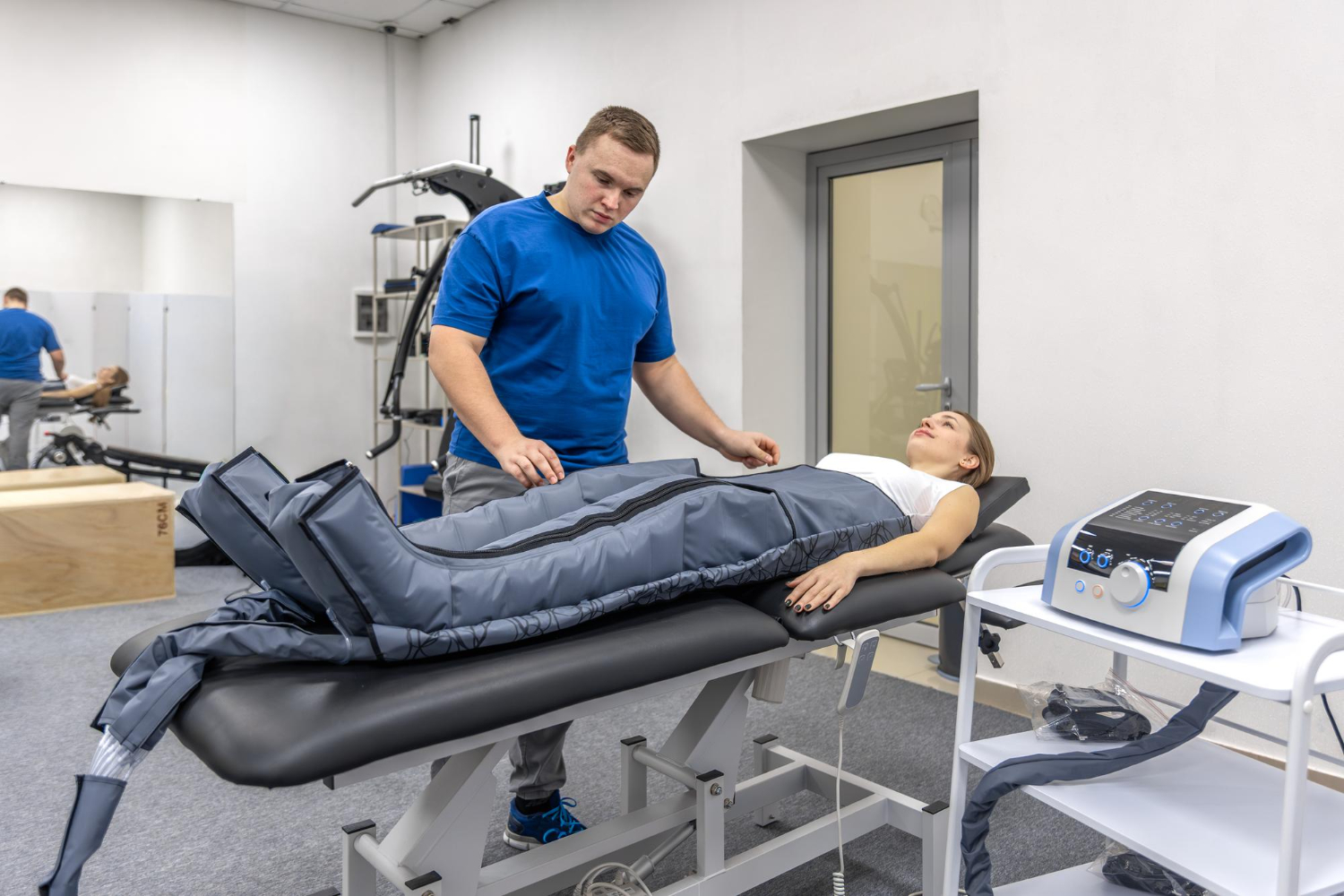
A clinician may ask you to walk, reach, bend, balance, or perform another comfortable task. The goal is to observe coordination, range of motion, control, and whether a movement brings on familiar symptoms. The clinician should explain each activity and adapt or stop it if it is uncomfortable or unsuitable.
The value of this step comes from the questions it helps answer, not from completing a set of motions. A clinician may compare how a movement looks on each side, ask whether it resembles your usual experience, or observe whether changing position affects it. These observations can guide the next question, but they should be interpreted in light of your history and the rest of the assessment. You can ask for an explanation before each movement and say if you would prefer to pause.
Context matters. A movement observation can be compared with your history, the demands of your daily routine, and other examination findings. A result should not be treated as a score that defines your future or as proof of a specific condition. Ask what an observation means for your situation and whether another assessment is needed.
Consider an example: one former athlete may move comfortably through a controlled bend but notice symptoms while lifting a box from the floor. Another may complete that task but feel limited during a longer walk. The same screening movement would not answer both concerns on its own. Relating observations to the activity that matters to you helps clarify what else the clinician may need to assess and which questions should guide the conversation.
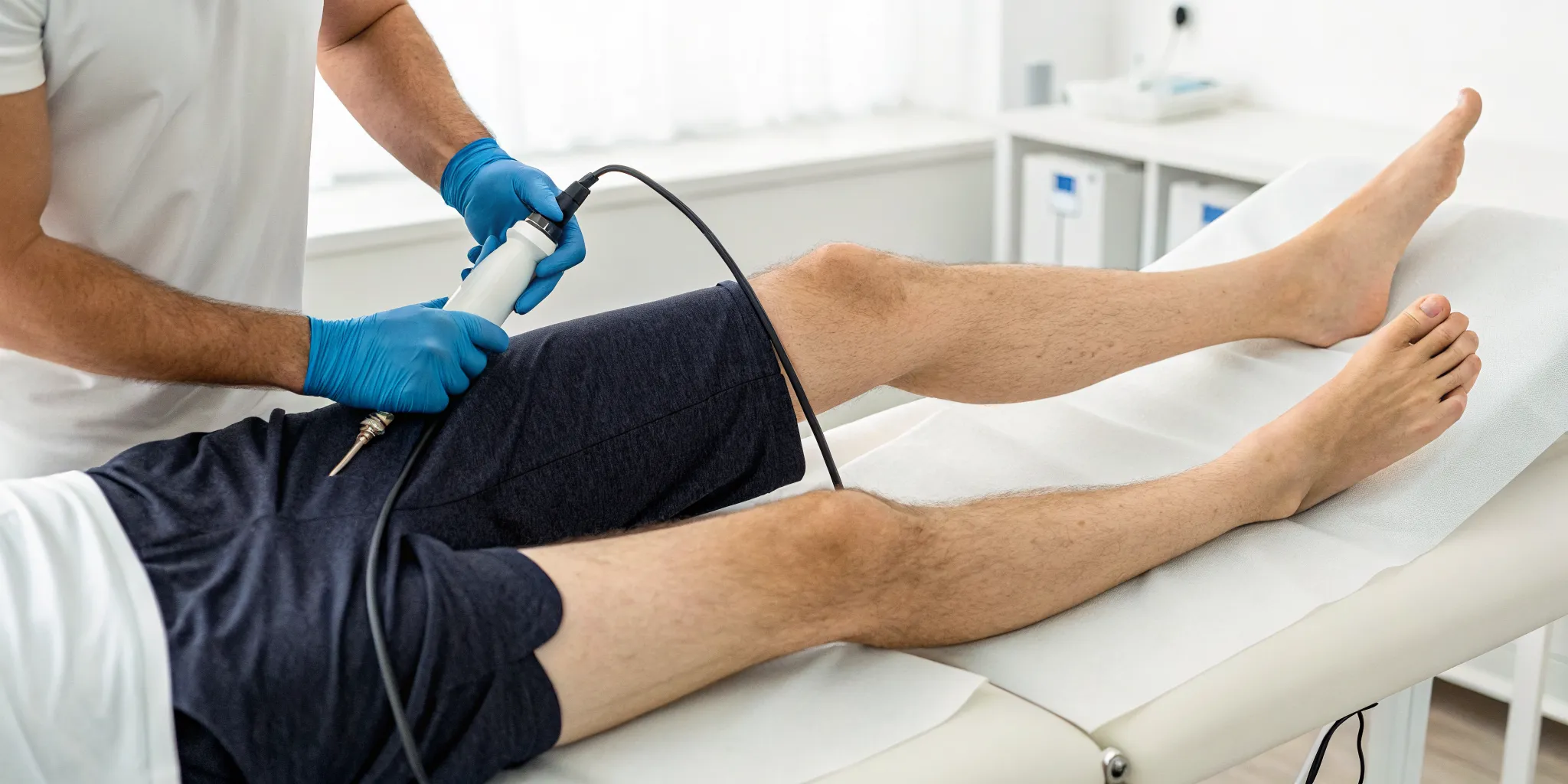
When appropriate, a clinician may discuss imaging or other testing based on your history and findings. Testing should answer a relevant question; more testing is not automatically better. Ascend describes its Physical Medicine approach as including chiropractic care, decompression, corrective care, and soft-tissue work. Which options fit depends on the individual evaluation and goals.
Which parts of your health history may be relevant?
Movement concerns can be considered alongside health history, daily habits, and current goals. This broader view can help a clinician decide whether a movement-focused conversation alone is sufficient or if other factors merit discussion.
Tell the clinician about changes in energy, sleep, digestion, or general activity when they are relevant to your concern. These details do not prove that one health issue caused another. They can help guide questions and determine whether additional evaluation is worth discussing.
Ascend organizes its care around Physical Medicine, Functional Medicine, and Regenerative Medicine. For some people, a conversation may focus primarily on movement and physical function. Others may want to ask whether a broader health review is appropriate. The practice's Functional Medicine service information describes personalized evaluation that may include bloodwork or other testing when clinically appropriate.
Keep the discussion specific. Ask which findings are established, which are still uncertain, and what additional information could change the recommendation. A careful explanation should distinguish observation from conclusion and should not promise a particular result.
It can also help to note changes in routine that may seem unrelated at first. A shift from regular practices to mostly desk-based work, a new caregiving responsibility, or a different sleep schedule can alter how much time you spend moving and when symptoms appear. These details are context, not proof of a cause. Share them if they help explain when your experience changed, and let the clinician decide whether they matter to the assessment.
How do common evaluation and care options compare?
Different steps answer different questions, and a clinician may recommend only the steps relevant to your history and goals. Use this comparison to ask what each option is intended to clarify before you decide what to pursue.
| Option | What it may help clarify | Questions to ask |
|---|---|---|
| History and goals discussion | Timing, prior injuries, activity limits, and priorities | Which details matter most for my concern? |
| Movement observation | How selected motions look and whether familiar symptoms occur | What did you observe, and what can it not tell us? |
| Physical examination | Relevant mobility, strength, or functional findings | How do these findings relate to my daily activities? |
| Imaging or laboratory testing | A specific question raised by the history or examination | What decision could this result help guide? |
| Care discussion and follow-up measures | Possible next steps and ways to review change over time | How will we assess whether the plan remains appropriate? |
These steps are not a fixed sequence for every person. A clinician may recommend observation and discussion first, or suggest a different evaluation based on your circumstances. If a care option is proposed, ask about its purpose, possible limitations, expected time frame, and how progress will be reviewed. For information on one physical approach, see spinal decompression therapy; a service page is a starting point for questions, not an individual recommendation.
It can help to separate assessment from a decision about care. First, clarify what the clinician has observed and what remains uncertain. Next, discuss whether further evaluation could change the next step. Then compare the proposed approach with your priorities, schedule, and comfort level. You should have room to ask questions and consider the information before deciding. If recommendations involve more than one service pillar, ask how each part relates to the concern being addressed rather than assuming that every option is necessary.
When comparing approaches, focus on the decision each one supports rather than treating the list as a menu to complete. For example, if the main goal is understanding a change during a particular daily task, ask how the proposed examination relates to that task. If testing is suggested, ask what question the result is meant to answer and whether it could affect the plan. This keeps the conversation practical and helps distinguish a useful next step from an option that may not add relevant information.
How can you set useful expectations for progress?
Useful measures are personal, observable, and reviewed over time. A change in one activity may matter more than a general rating, especially when the goal is to return to valued parts of daily life.
Choose a small number of practical markers with your clinician. These might include how comfortably you sit through a workday, complete a usual household task, or take part in a favored activity. Describe your starting point as clearly as possible, then review whether the experience changes during follow-up.
Keep each marker tied to something you can describe consistently. For instance, note whether a familiar walk felt manageable and what circumstances were different, rather than trying to rate every part of the day. The clinician can help decide how often to revisit each marker and whether it still reflects your goal. If the goal changes, update the measure so that follow-up remains relevant to your life now.
Progress may not be perfectly steady. A symptom can vary with demands and other circumstances, and one better or worse day does not necessarily show the whole trend. Keep notes brief and avoid pushing through a movement simply to test yourself. If symptoms change substantially or a new concern appears, share that promptly with an appropriate clinician.
Be wary of promises of a guaranteed outcome or a fixed timeline before an individual assessment. A responsible discussion explains which points are established, which remain uncertain, and when the plan should be reviewed or reconsidered.
It may be useful to agree on a review point as well as a measure. Ask when you should revisit the marker, what kind of change would be meaningful to you, and what to do if the activity becomes harder rather than easier. The aim is not to demand a straight-line pattern. It is to make follow-up specific enough that you and the clinician can discuss whether the current approach still matches your needs.
How should Tampa Bay former athletes prepare for a consultation?
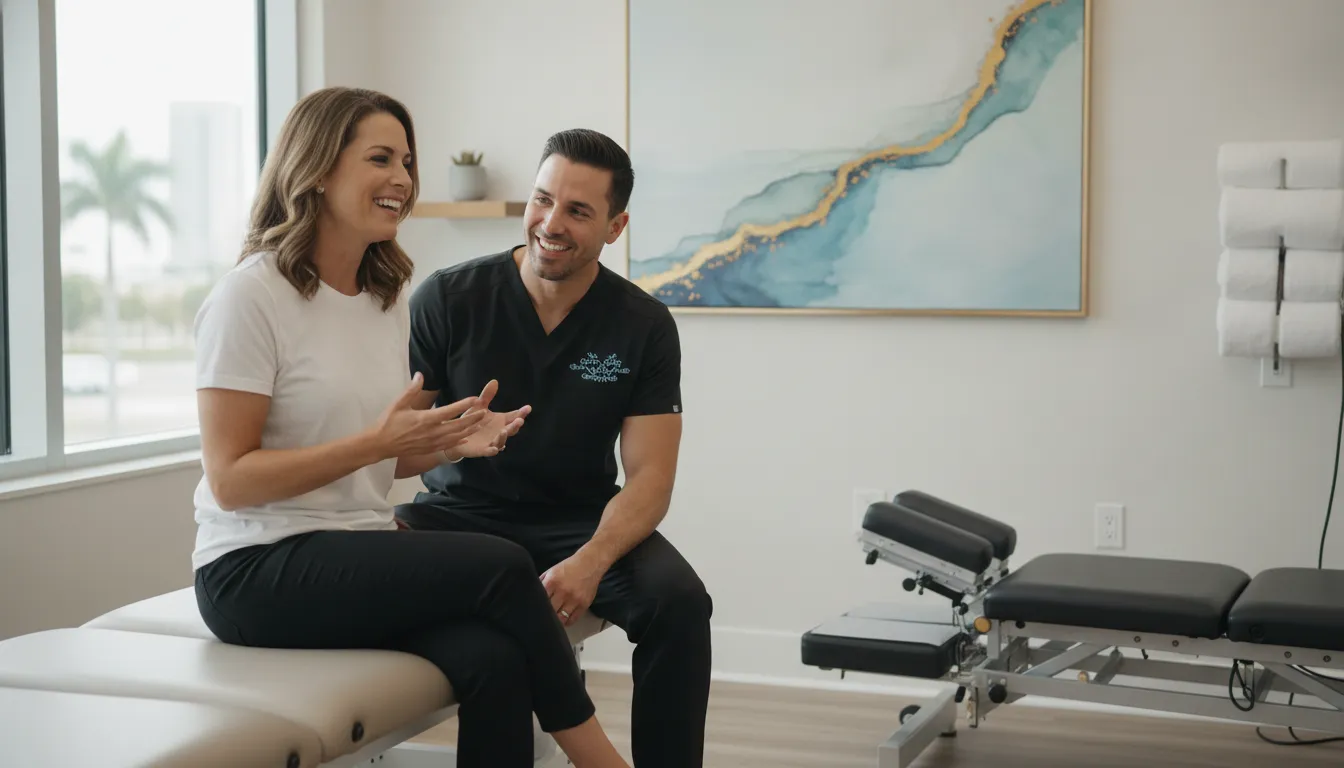
Bring your main concern, a few concrete examples, and questions about the proposed evaluation. Preparation can make the conversation more useful without requiring you to decide on a treatment in advance.
Before the visit, write down your top two or three priorities. You might want to understand why a certain movement feels different, explore options for a return to recreational activity, or learn whether broader health factors should be discussed. Bring the symptom notes and relevant records you have, but do not delay a conversation because your history is incomplete.
Ask what the clinician plans to assess, how each step connects to your goals, and whether you can pause an activity if it does not feel right. You can also ask what other options are available, what the limits of the proposed approach are, and how the practice will measure change. Ascend's frequently asked questions may help you prepare general questions about the practice.
Ascend Functional Health serves the Tampa Bay area and presents personalized, research-informed care through its three service pillars. To learn about the practice and its approach, review the services overview and practice background. You can then decide whether a consultation is the right next step for your concern.
One practical way to prepare is to bring a concise account of a single recent example. Include what you were doing, what felt different, whether you adjusted the activity, and what happened afterward. Then add one question you want answered, such as whether that task should be observed or whether another part of your history is relevant. A focused example can be easier to discuss than a long, unstructured account, while the clinician can ask for more context as needed.
Discuss physical medicine options
Frequently Asked Questions
These answers offer general orientation; an individual evaluation is needed to discuss your specific situation.
Can an old sports injury explain discomfort years later?
It may be relevant, but a past injury alone does not establish the cause of current symptoms. A clinician can consider the history alongside present movement, daily demands, and examination findings.
Does functional movement screening diagnose the cause?
No. It can provide observations about selected movements, but it is not a stand-alone diagnosis. A clinician interprets it with your history and other relevant findings.
Should I bring past imaging or treatment records?
If you have relevant records, bring them or ask how to share them. They may add context, although the clinician will still need to understand your current concern and goals.
What should I ask about a proposed care approach?
Ask what the approach is intended to address, how it relates to your findings, what its limitations are, and how change will be reviewed. You can also ask whether another option or further evaluation should be considered.
Request a conversation with Ascend
This article is for educational purposes only and is not medical advice. Consult your clinician before acting on health information or making changes to your care.