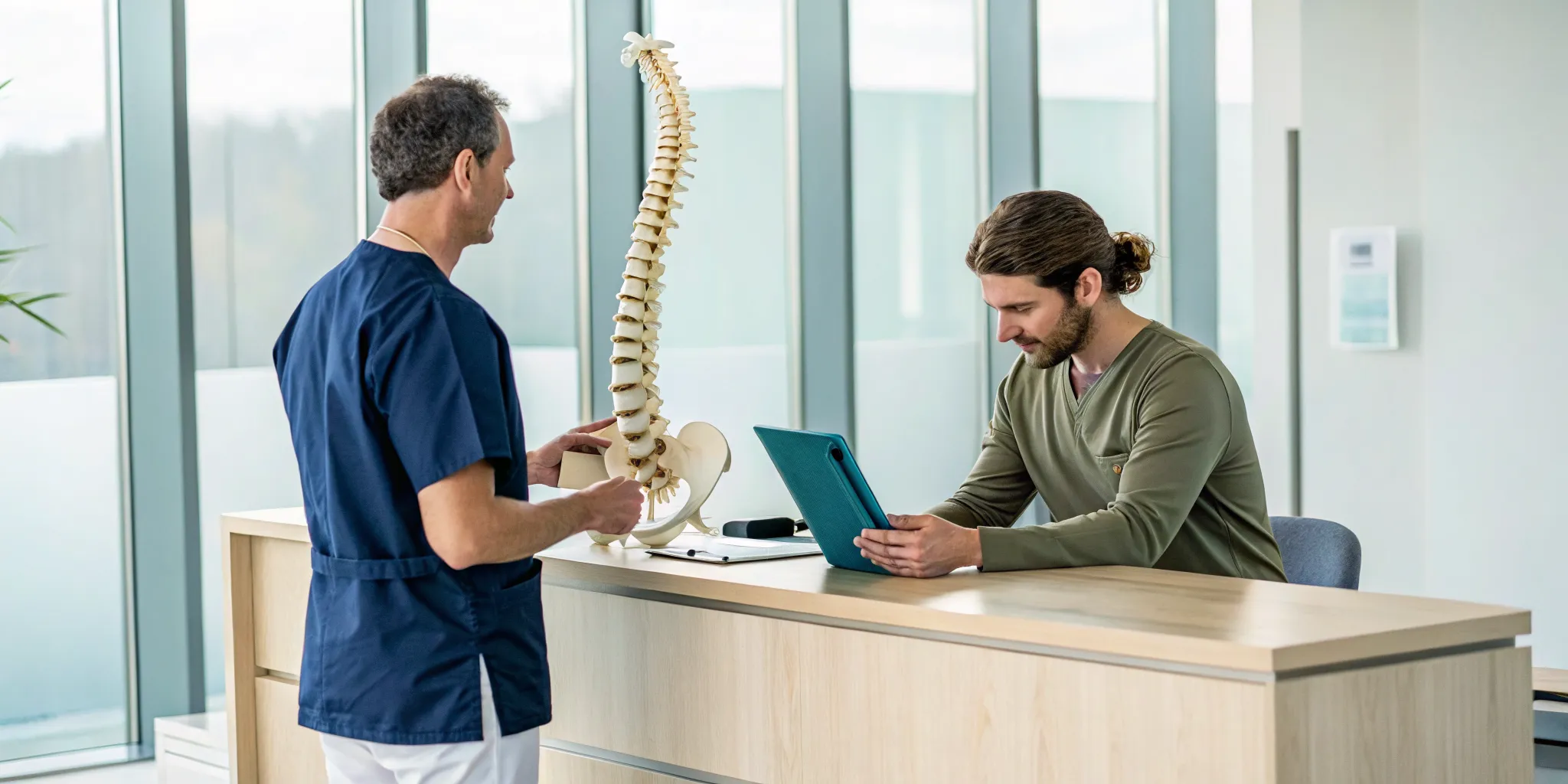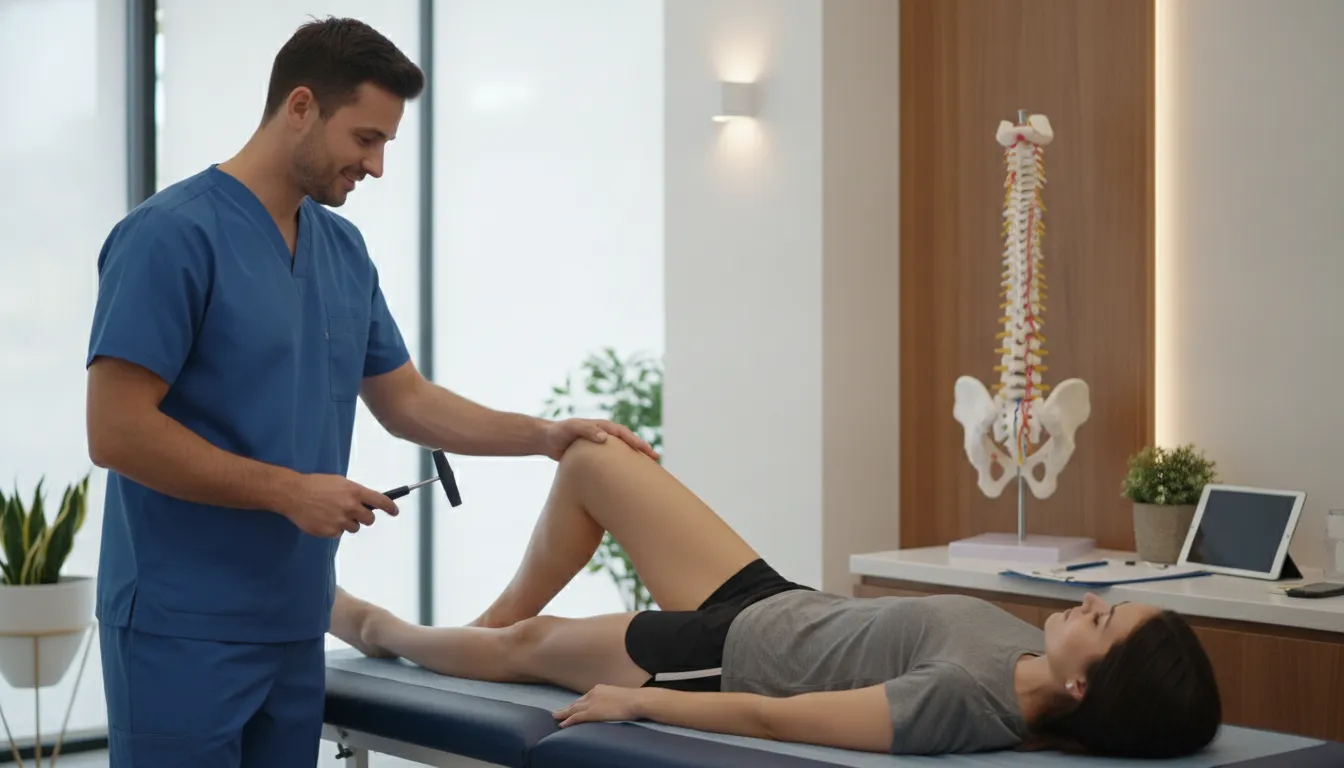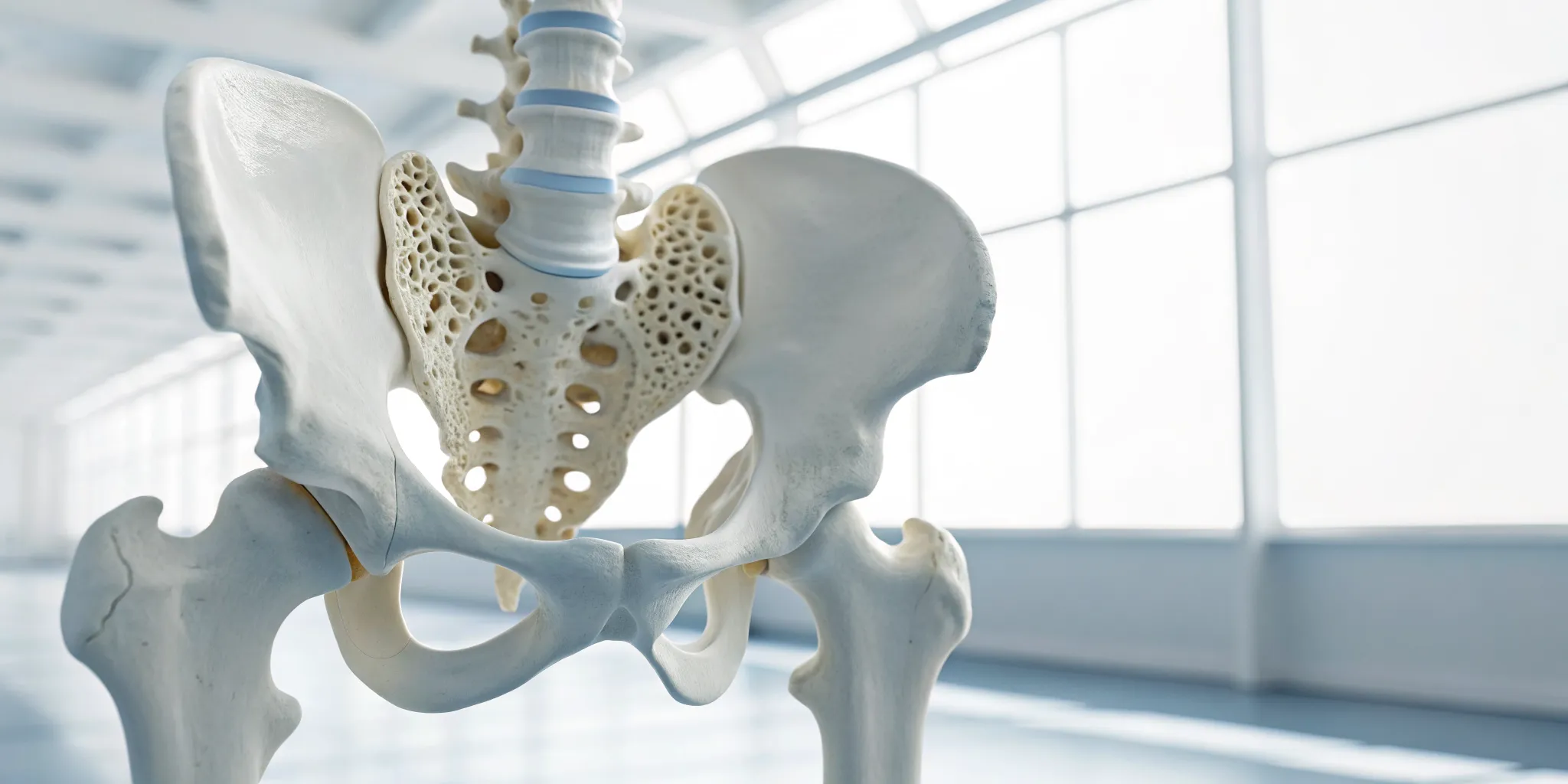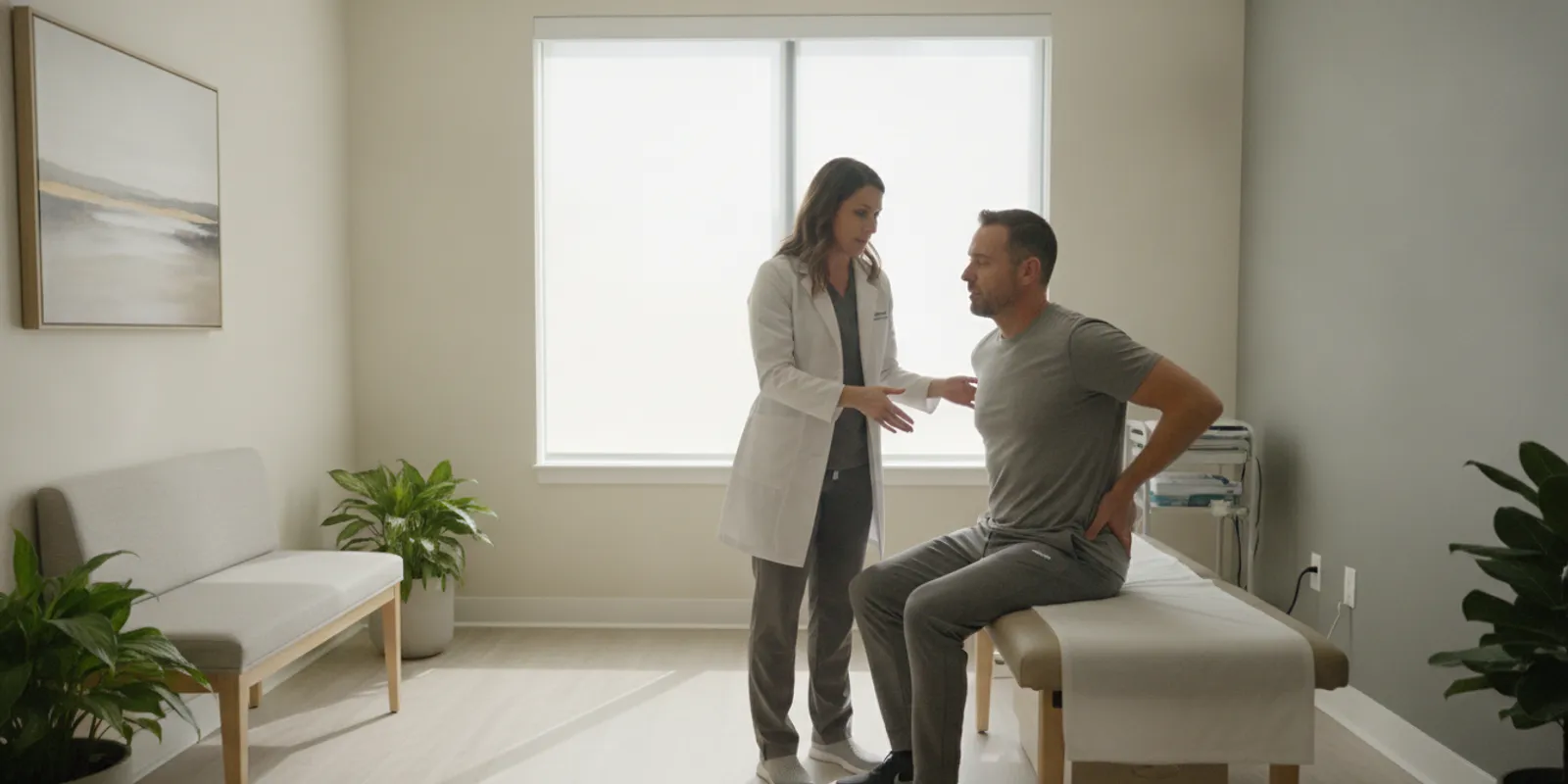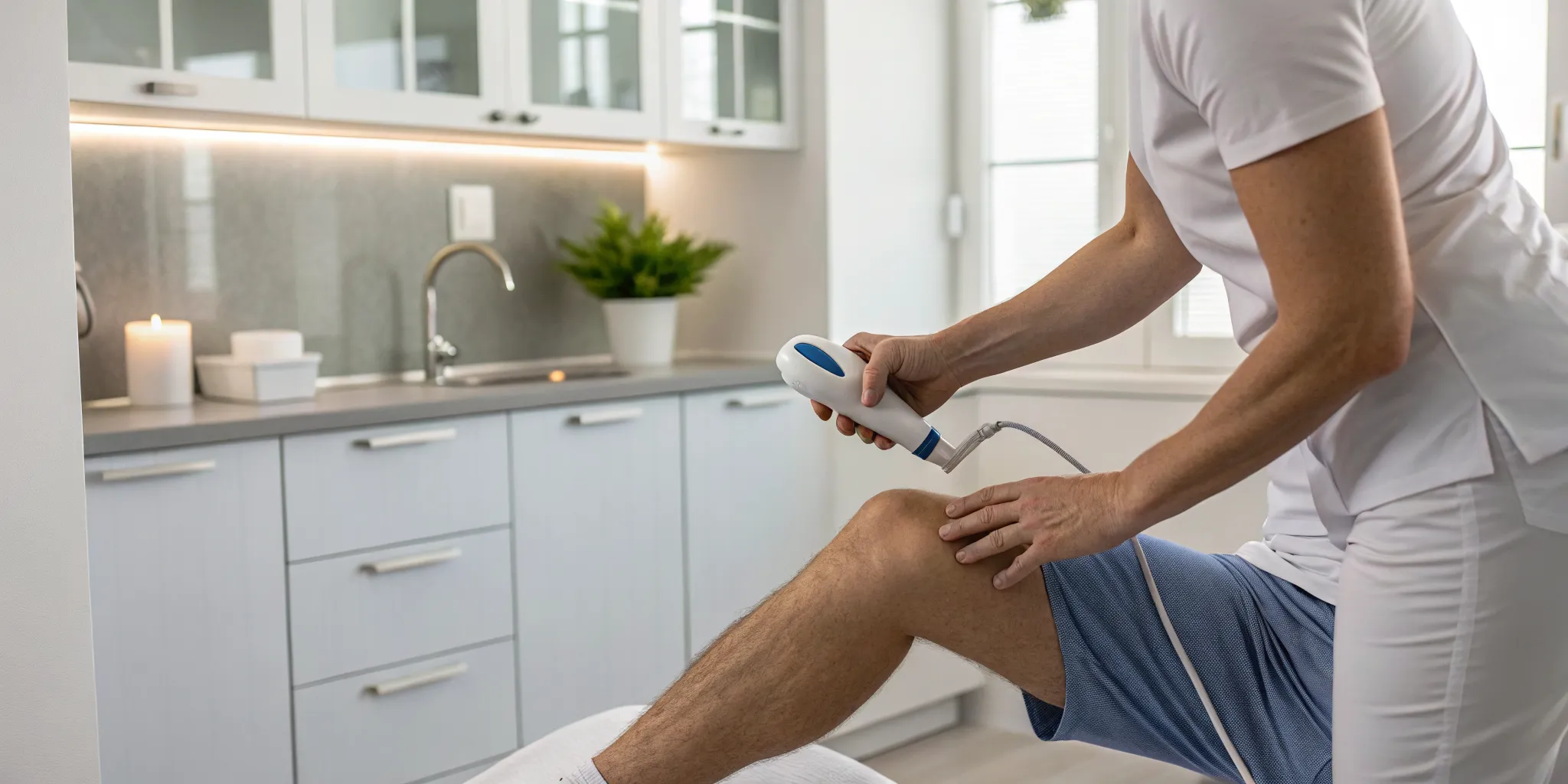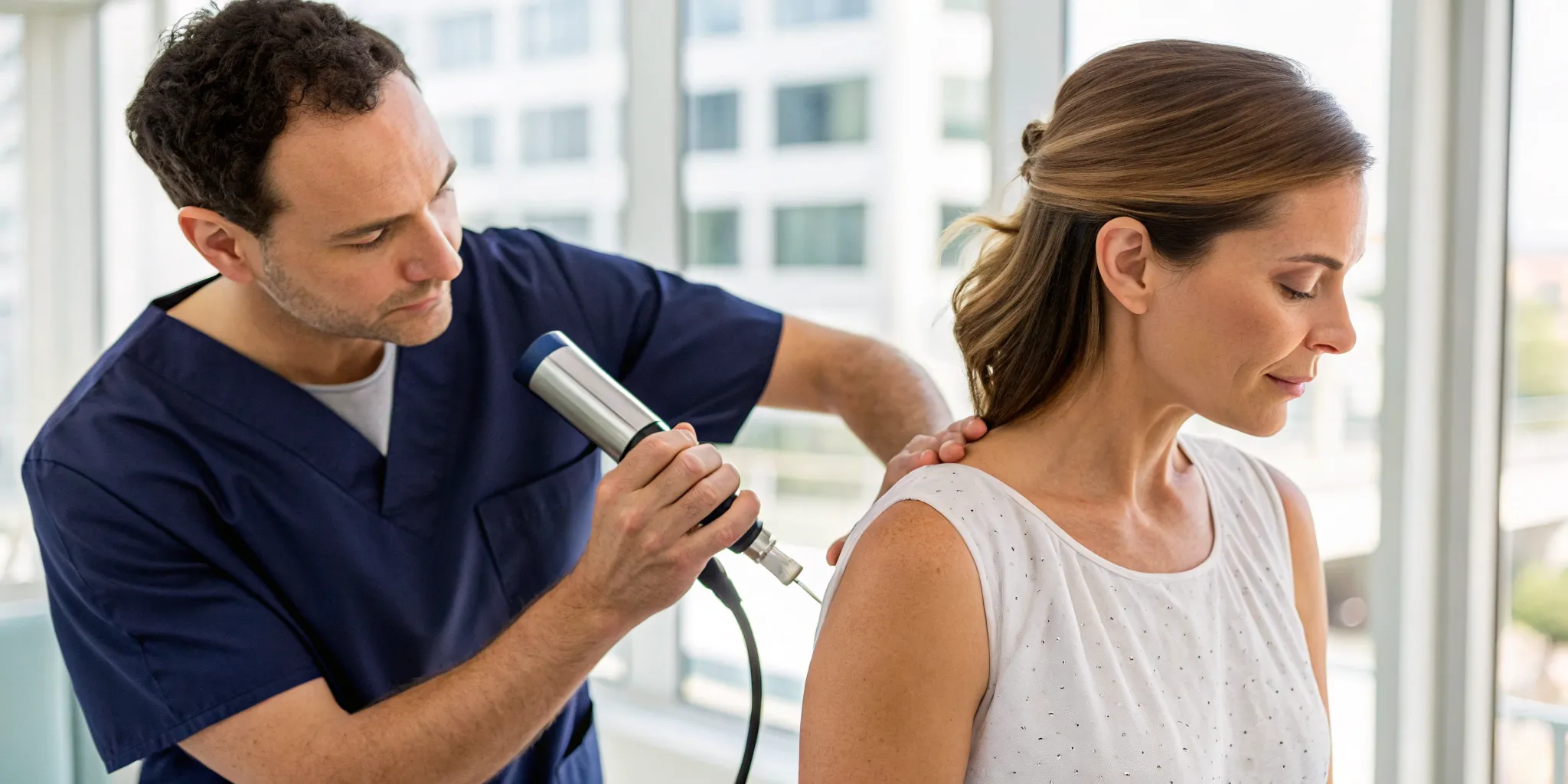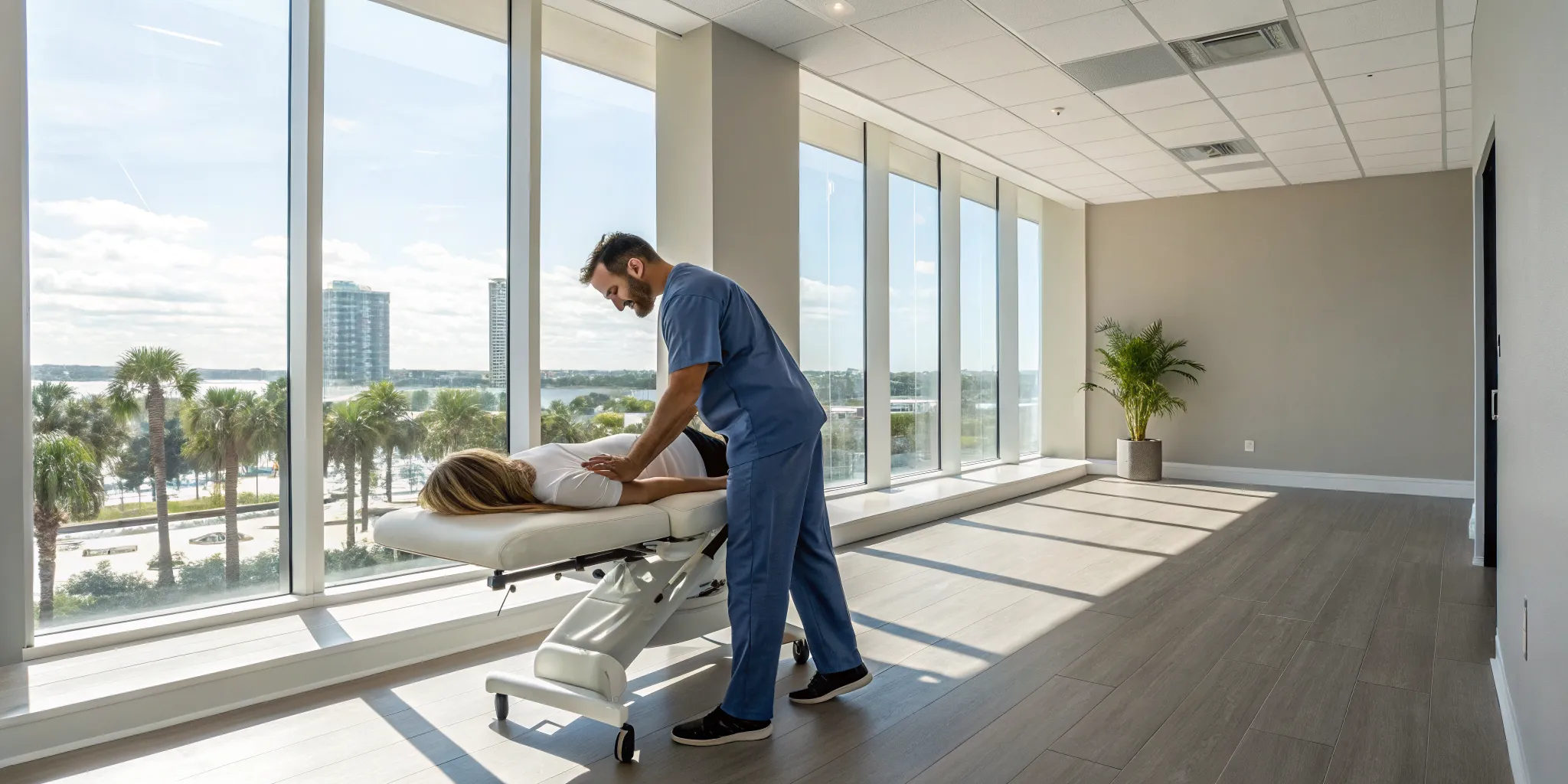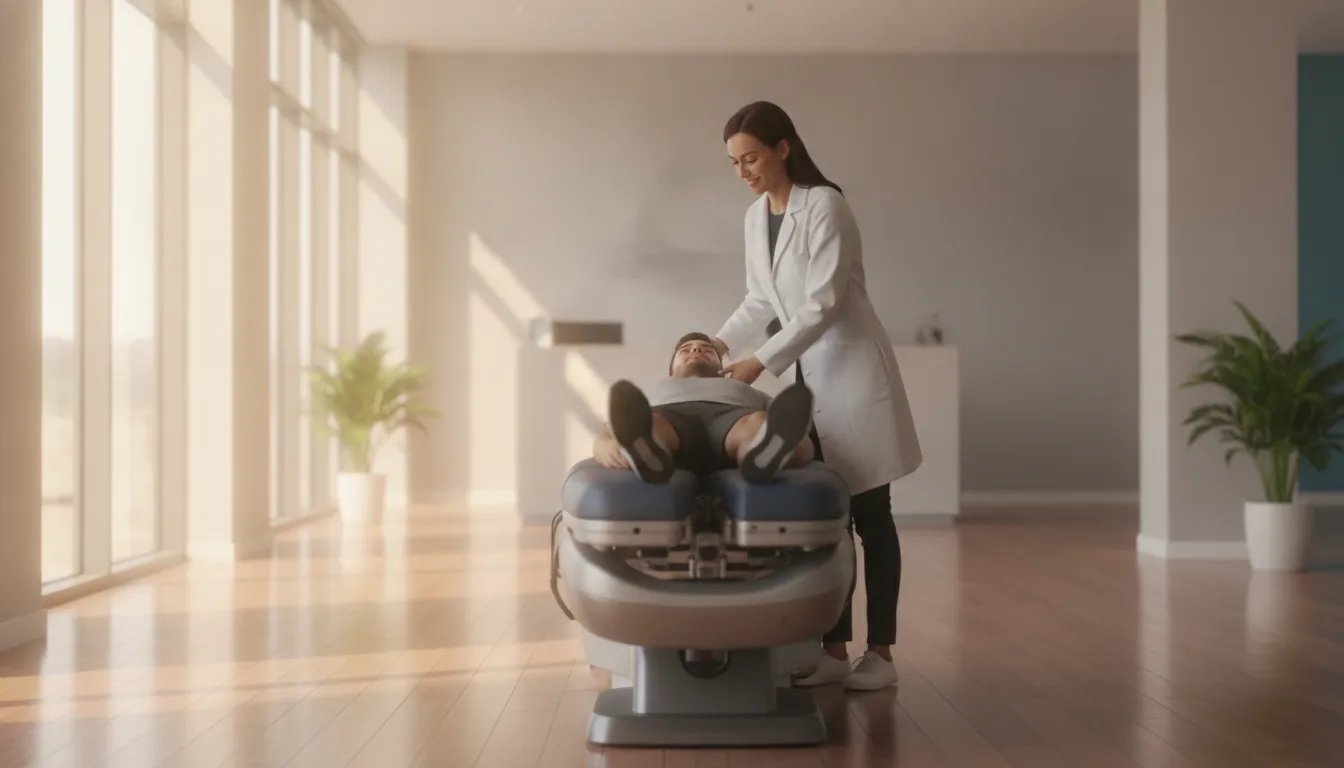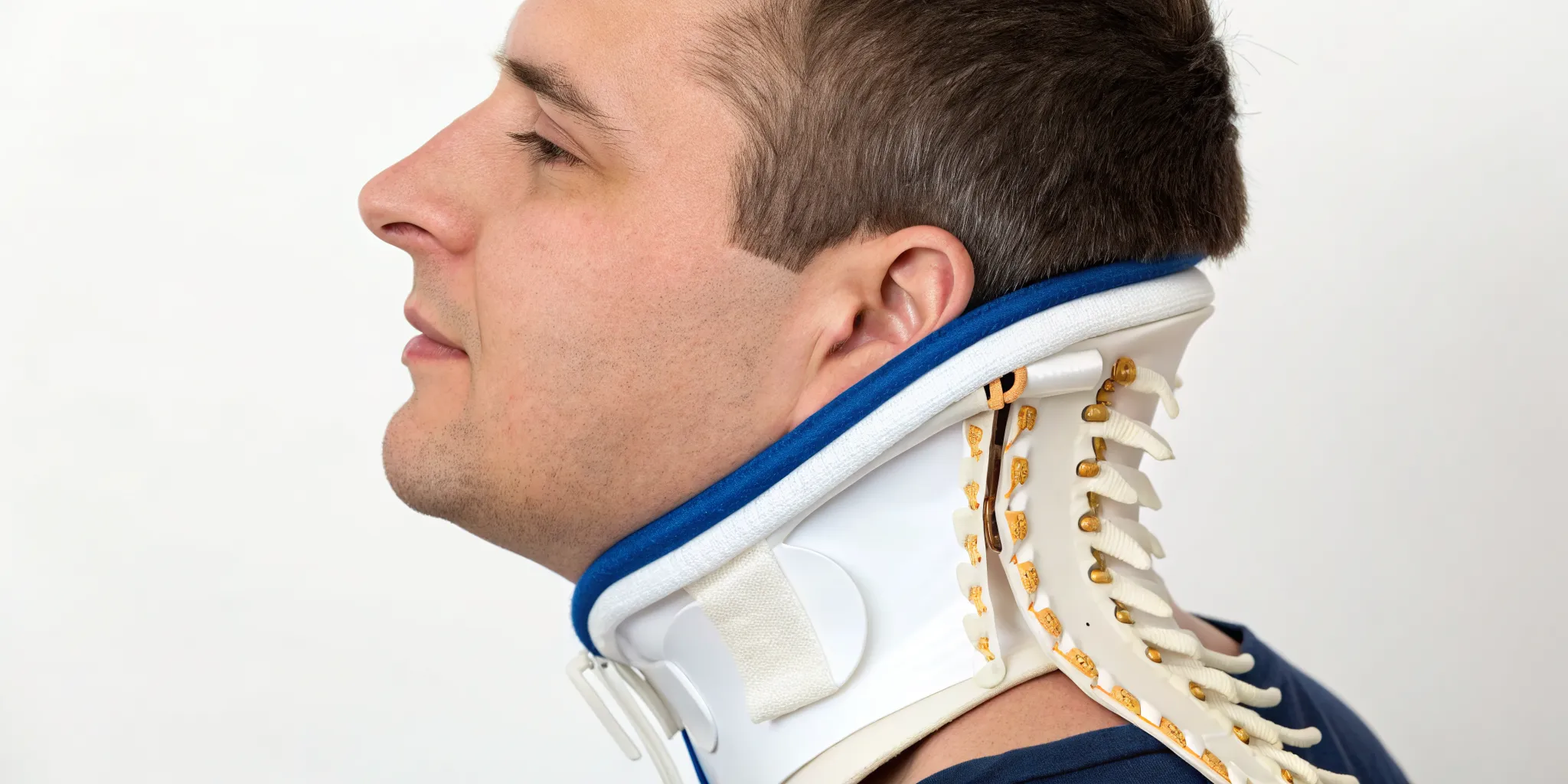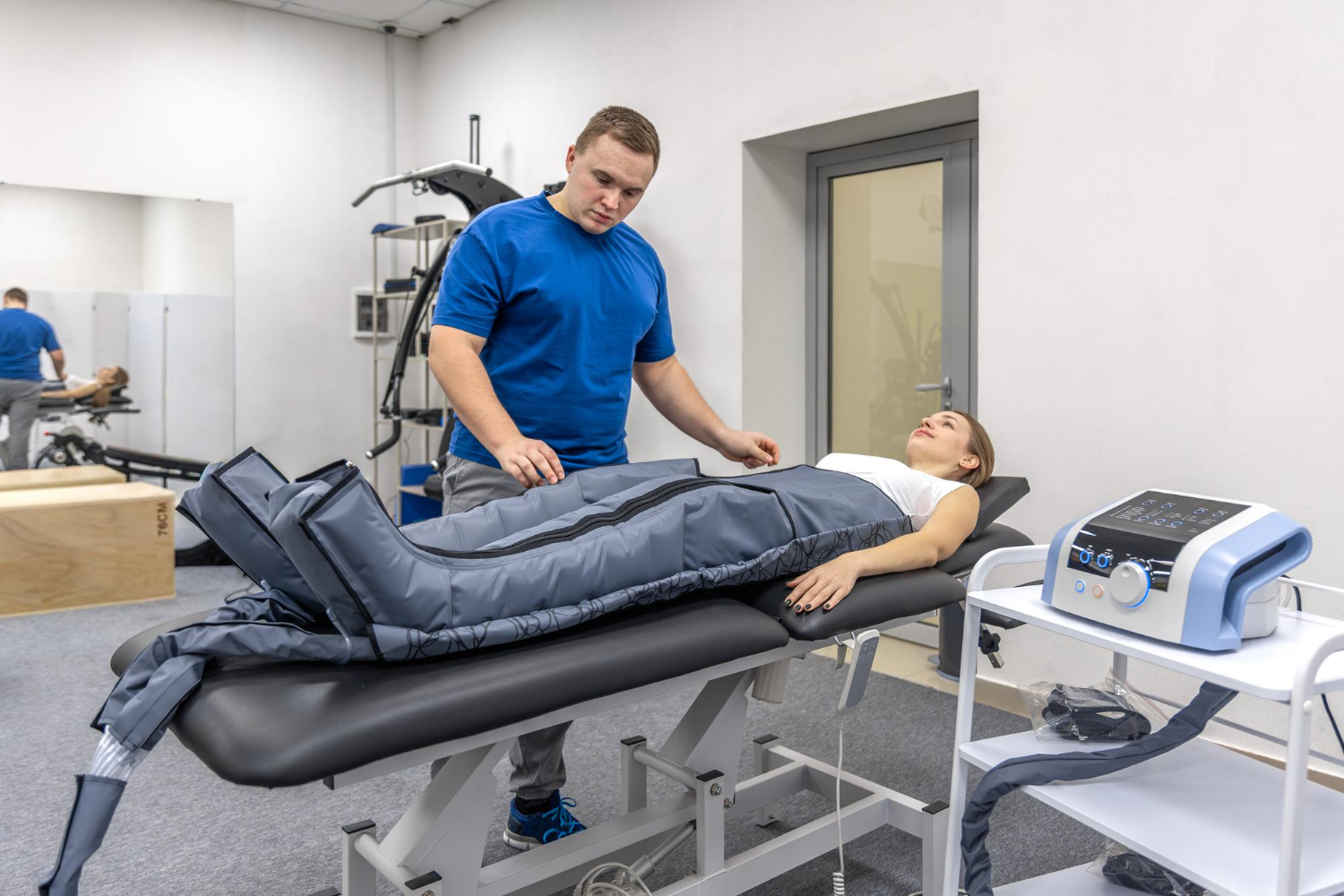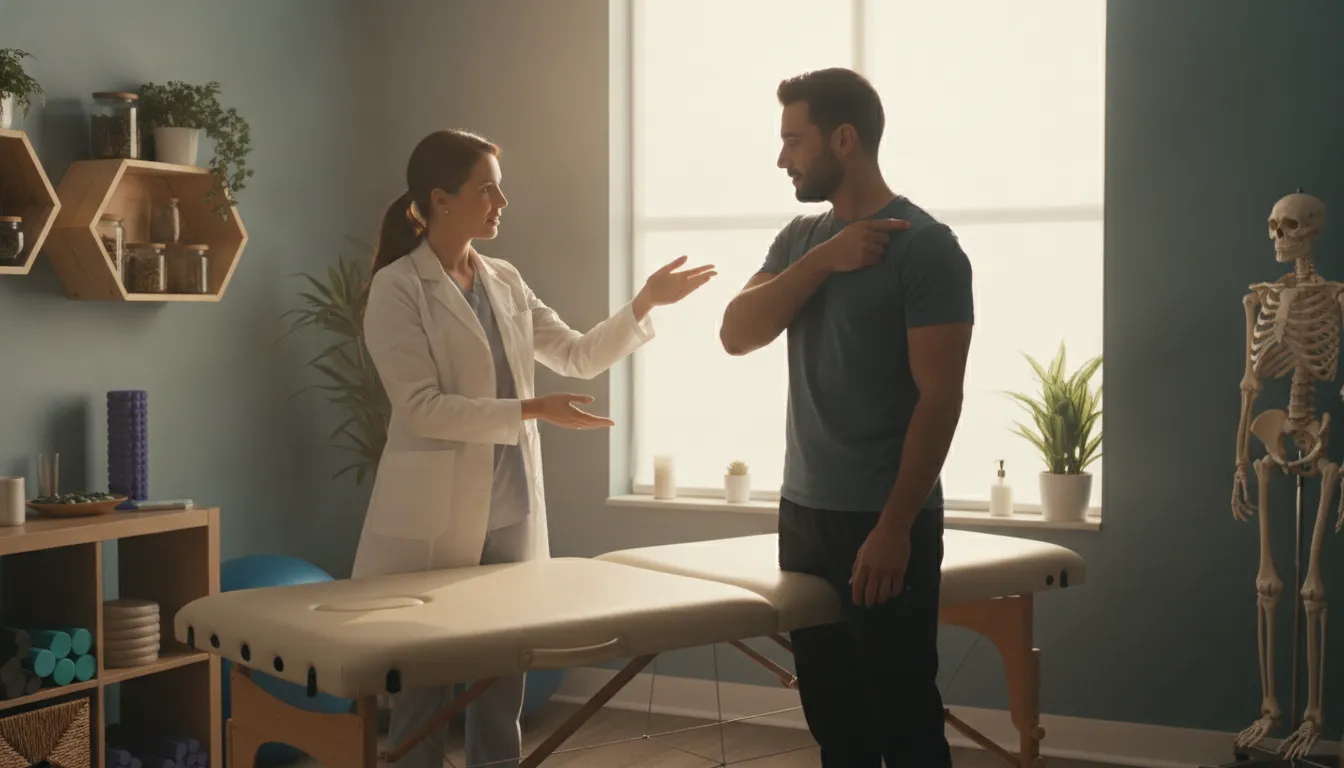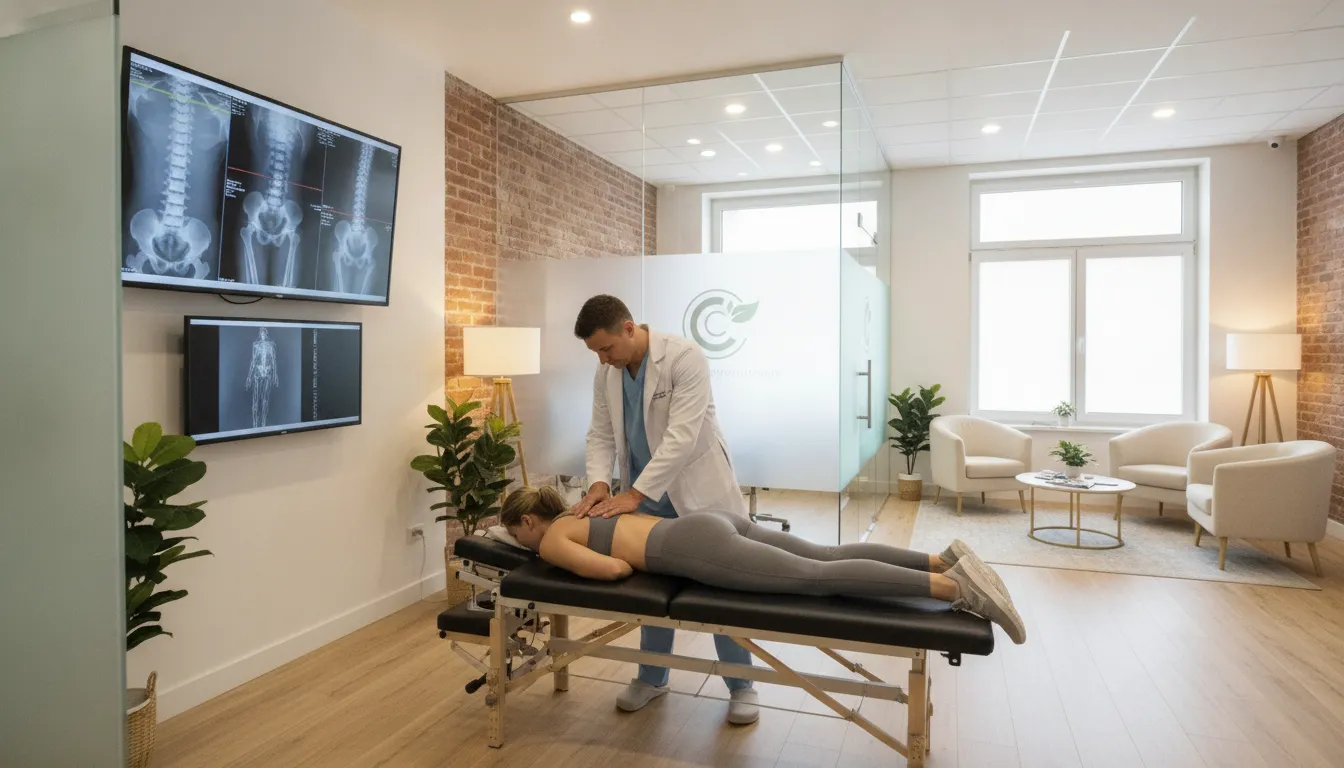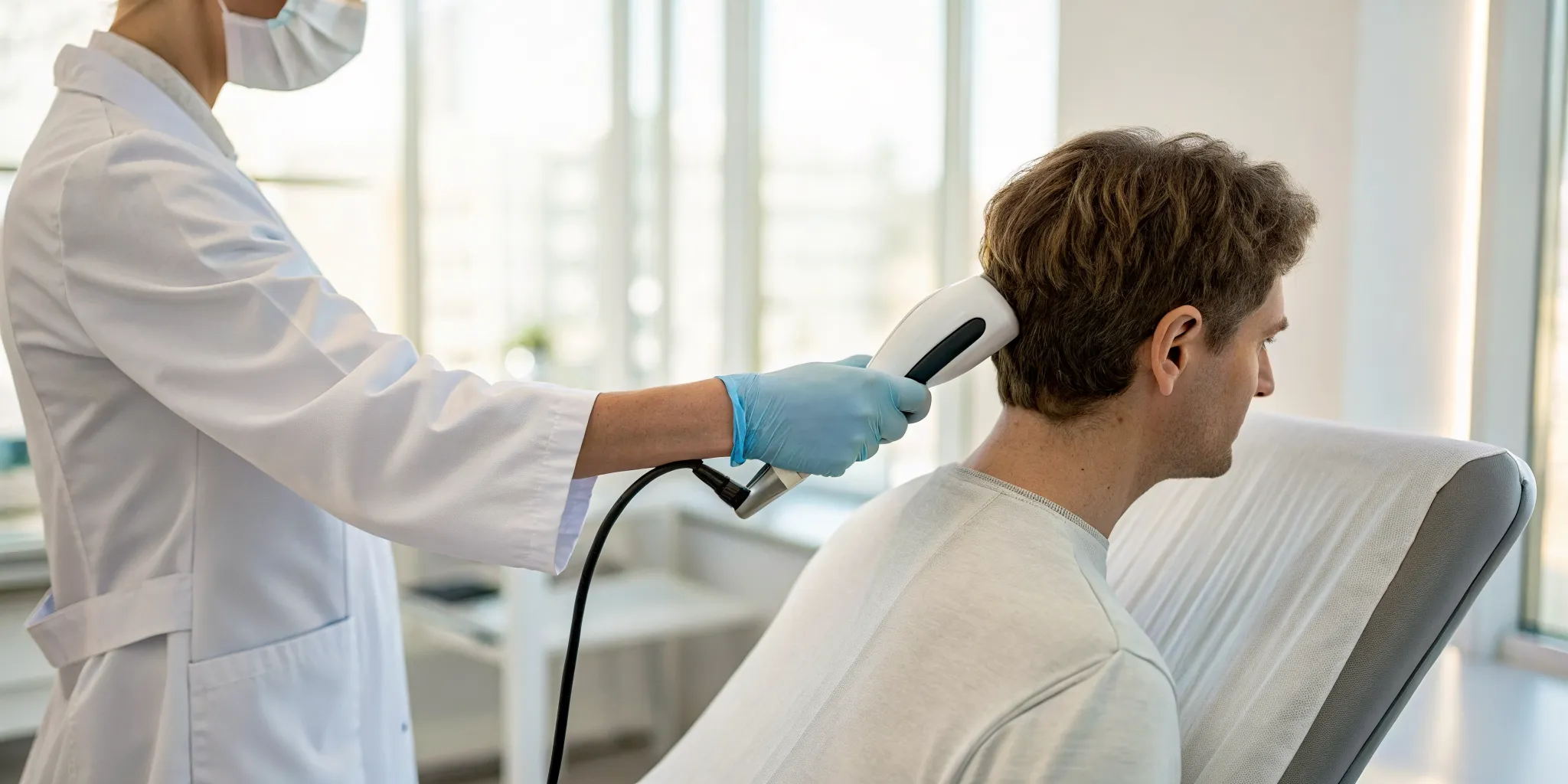
It’s easy to get caught up in the shockwave therapy vs physical therapy debate, but what if the question isn't about choosing one over the other? At our Tampa clinic, we find that the most powerful results often come from using them together. Think of it this way: shockwave therapy can act as a catalyst, kickstarting the healing process in stubborn, chronic tissue that has stopped responding. Once that barrier is broken, physical therapy provides the essential framework for rebuilding strength, correcting movement patterns, and ensuring the injury doesn’t return. This integrated approach allows us to address your pain from every angle, creating a more comprehensive and lasting path to recovery.
Key Takeaways
- Know the Core Difference: Shockwave therapy uses acoustic waves to restart healing in stubborn, chronic tissue, while physical therapy focuses on restoring function through targeted exercises and manual techniques.
- Consider Shockwave for Chronic Pain: If you are dealing with long-term pain from an issue like plantar fasciitis or tennis elbow, shockwave therapy can provide significant relief in fewer sessions by targeting the source of the problem.
- Combine Treatments for the Best Outcome: Using shockwave therapy and physical therapy together often provides the most lasting results; shockwave initiates repair, and physical therapy rebuilds strength to prevent the injury from returning.
Shockwave Therapy vs. Physical Therapy: How Do They Work?
When you're dealing with pain or an injury, understanding your treatment options is the first step toward feeling better. Both shockwave therapy and physical therapy are powerful tools for healing, but they work in very different ways. Let's break down what each treatment involves so you can get a clearer picture of how they help your body recover.
How Does Shockwave Therapy Work?
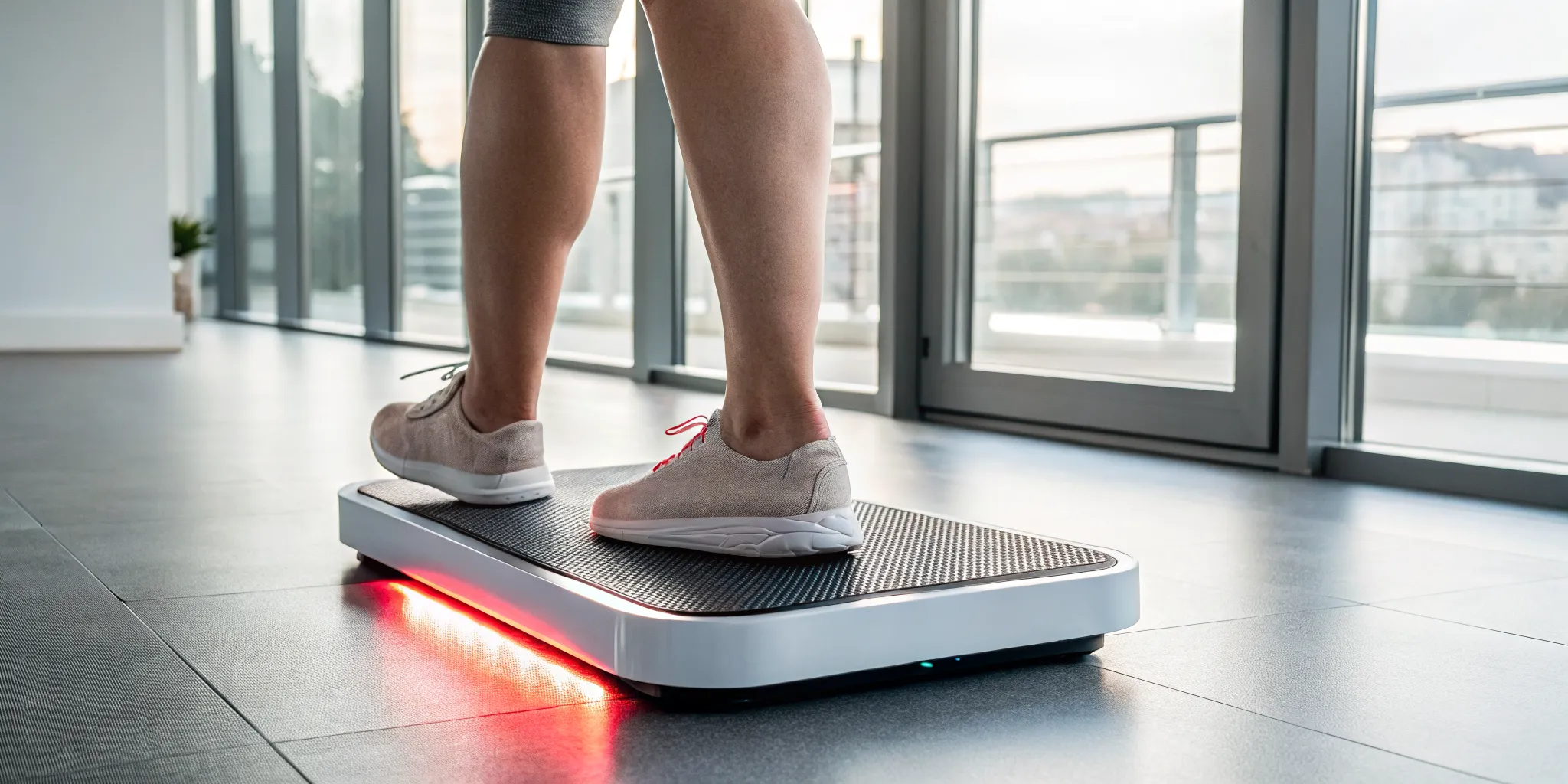
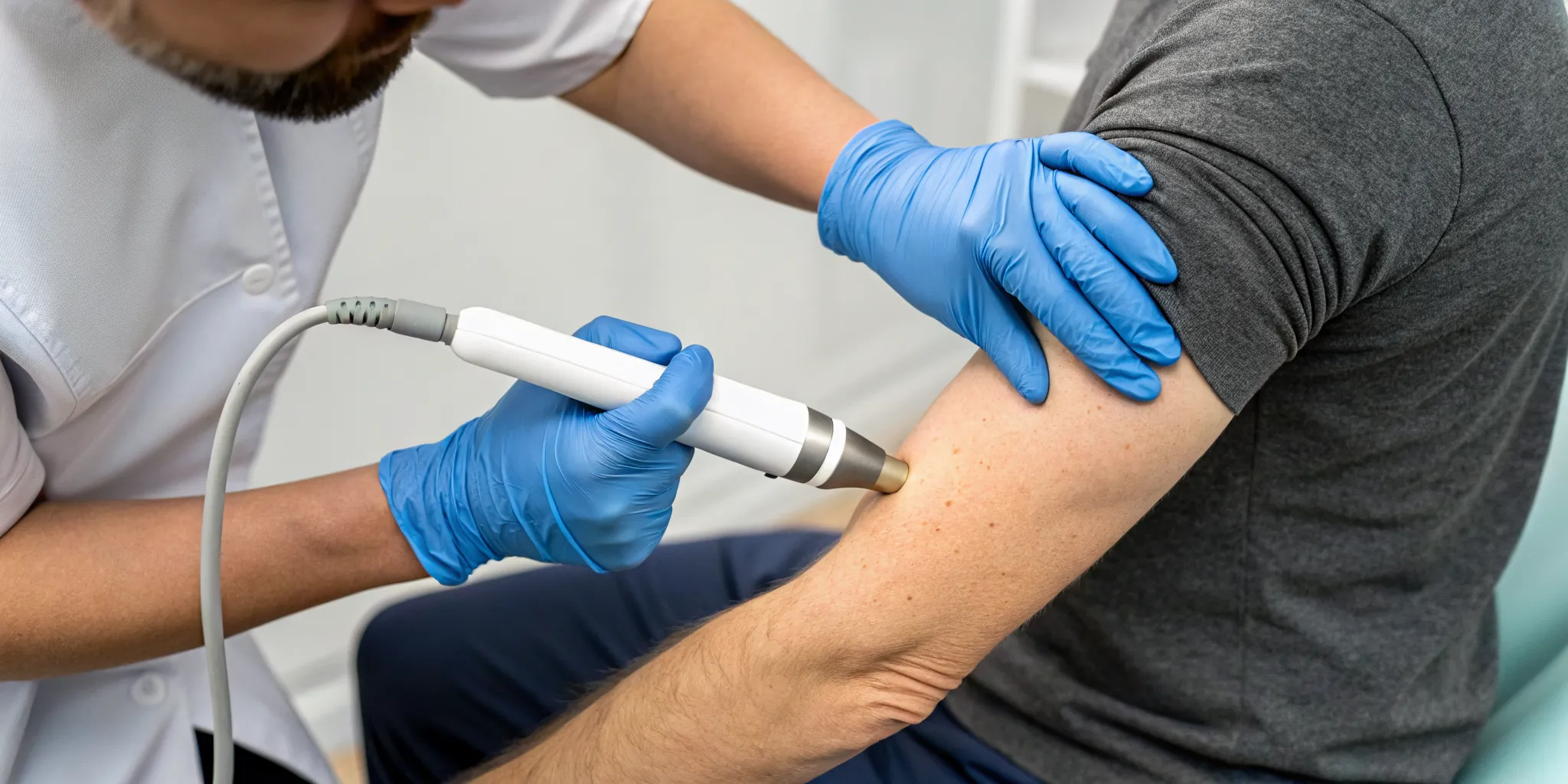
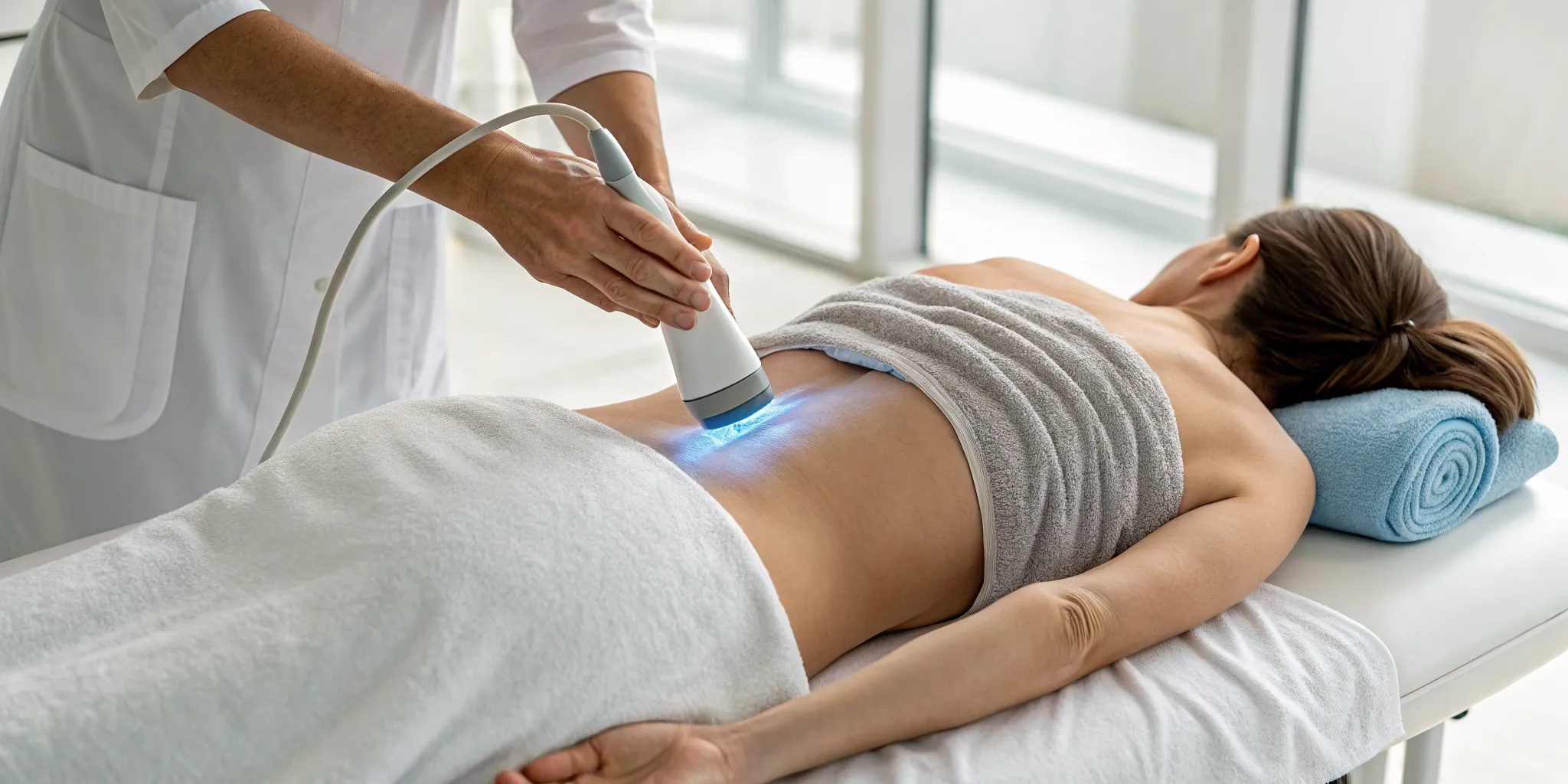
Think of shockwave therapy, also known as Extracorporeal Shockwave Therapy (ESWT), as a way to jumpstart your body’s own repair crew. It’s a non-invasive treatment where a special device sends high-energy sound waves directly to the injured area. These acoustic waves create micro-trauma in the tissue, which sounds a bit intense, but it’s actually a good thing. This process stimulates blood flow, breaks down scar tissue, and encourages your body to create new, healthy cells. It’s an effective way to accelerate healing for chronic conditions that have been slow to respond to other treatments. Our approach to physical medicine often incorporates advanced techniques like this to address the root cause of your pain.
How Does Physical Therapy Work?
Physical therapy (PT) is a cornerstone of recovery for a wide range of issues, from nagging injuries to persistent chronic pain. It’s a hands-on approach where a skilled therapist uses specific techniques to work on your muscles, joints, and soft tissues. The main goal is to reduce pain, restore movement, and improve your overall function so you can get back to doing what you love. Unlike a one-size-fits-all solution, physical therapy is completely personalized. Your therapist will assess your specific situation and create a plan designed to address your unique needs and goals. It’s a collaborative process that empowers you to take an active role in your own healing journey and manage the conditions we treat effectively.
Common Techniques in Physical Therapy
A physical therapy session is much more than just a few stretches. Your therapist has a whole toolkit of techniques they can use to help you heal. A major component is manual therapy, which involves skilled, hands-on movements to mobilize joints and release tight soft tissues. You’ll also likely be guided through therapeutic exercises tailored just for you. These can include targeted stretching to improve flexibility, resistance training to build strength, and balance exercises to improve stability. Your therapist might also use different modalities to support your recovery. At Ascend, we integrate these methods into a comprehensive plan, ensuring all our services work together to help you achieve lasting results.
Clearing Up Common Myths About Shockwave Therapy
Newer treatments often come with a lot of questions and, frankly, some misinformation. When you’re dealing with pain, you deserve clear, honest answers about your options. Shockwave therapy is an effective tool we use, but it’s surrounded by a few common misconceptions. Let's walk through some of these myths together so you can feel confident and informed about whether this treatment is a good fit for you.
Myth: "It's painful and invasive"
Many people hear the word "shockwave" and immediately think of a painful, intense procedure. The reality is much gentler. Shockwave therapy is a non-invasive treatment, which means nothing breaks the skin. There are no needles or incisions involved. During a session, a provider uses a handheld device to send acoustic waves into the injured tissue. Most people describe the sensation as a strong, tapping pulse. While you might feel some discomfort, especially over a tender area, the intensity is adjusted to your tolerance. It’s designed to stimulate healing, not cause unnecessary pain.
Myth: "It's only for athletes"
While it’s true that many professional athletes use shockwave therapy to recover faster, its benefits are available to everyone. This treatment is for anyone struggling with musculoskeletal conditions, whether you’re a weekend warrior, a busy parent, or someone with a desk job. It’s highly effective for common problems like plantar fasciitis, tennis elbow, Achilles tendinopathy, and shoulder pain. The goal is to address the root cause of tissue dysfunction, making it a valuable part of our physical medicine toolkit for a wide range of patients.
Myth: "One session is all you need"
It would be wonderful if one treatment could instantly resolve a chronic issue, but that’s not how true healing works. Shockwave therapy supports your body's natural repair mechanisms by increasing blood flow and stimulating cell regeneration. This process takes time. While some people feel better after just one session, most conditions require a series of treatments to achieve lasting results. Think of it as guiding your body back to health, not forcing a quick solution. A typical plan involves several sessions spaced about a week apart to give your tissue time to respond and rebuild.
Myth: "It's the same as ultrasound therapy"
This is a common point of confusion, but shockwave and ultrasound therapies are quite different. While both use waves, they operate on different principles and serve different purposes. Therapeutic ultrasound uses high-frequency sound waves to create a gentle heating effect, which can help relax tissues and improve blood flow. Shockwave therapy uses more powerful acoustic pressure waves that actively break down scar tissue and stimulate a strong metabolic response in the cells. This triggers a more robust healing cascade, making it one of the effective services for stubborn, chronic injuries.
What Conditions Do They Treat?
Both shockwave therapy and physical therapy are powerful tools for healing, but they shine in different situations. Understanding which conditions respond best to each treatment can help you make an informed decision about your care. Sometimes, one is the clear winner, while other times, using them together provides the most comprehensive recovery. Let's look at where each therapy excels.
Conditions That Respond Well to Shockwave Therapy
If you're dealing with chronic pain that just won't quit, shockwave therapy might be the answer. This treatment is particularly effective for conditions where tissue has been slow to heal. Think of stubborn issues like plantar fasciitis (that sharp pain in your heel), tennis elbow, or Achilles tendinopathy. Shockwave therapy uses targeted acoustic waves to stimulate your body’s own healing mechanisms, increasing blood flow and promoting tissue repair in damaged areas. It’s a way to essentially "wake up" the healing process in spots where it has stalled, helping you find relief from persistent pain and get back to your routine.
Conditions That Respond Well to Physical Therapy
Physical therapy is a cornerstone of treatment for a wide range of musculoskeletal issues that affect your movement and daily life. It’s an excellent choice for recovering from an injury, managing arthritis, or addressing pain caused by poor posture or muscle imbalances. Through a personalized plan of therapeutic exercises and hands-on manual therapy, a physical therapist helps you regain strength, improve flexibility, and restore proper function. The goal is not just to reduce pain but to correct the underlying mechanical problems so you can move through your day with confidence and ease. Our approach to physical medicine focuses on these tailored rehabilitation strategies.
When a Combined Approach Is Best
Sometimes, the most effective path to recovery involves using both shockwave and physical therapy together. These treatments aren't mutually exclusive; in fact, they can be highly complementary. Shockwave therapy can be used to kickstart the healing of a stubborn, chronic injury by breaking down scar tissue and stimulating repair. Once the initial healing is underway, physical therapy can address the root cause of the problem. This might involve strengthening weak muscles, correcting poor movement patterns, or improving flexibility to prevent the injury from happening again. This integrated strategy offers a comprehensive solution for lasting results.
Shockwave Therapy: The Pros and Cons
Like any treatment, shockwave therapy has its own set of advantages and potential drawbacks. Understanding both sides can help you and your practitioner decide if it’s the right choice for your healing journey. It’s all about weighing the potential for significant relief against the considerations of the treatment itself. Let's break down what you can expect.
The Benefits
One of the biggest draws of shockwave therapy is that it’s a powerful, non-invasive treatment. It uses high-energy acoustic waves to target a specific area, which helps stimulate the body’s natural healing process and promote tissue regeneration. For those dealing with chronic pain from conditions like plantar fasciitis or tendonitis, this can be a game-changer.
Many people find it effectively eases long-standing pain and helps restore mobility, allowing them to get back to their daily activities with more comfort. In fact, some research suggests that for certain conditions, shockwave therapy can provide more significant pain relief than conventional physical therapy. It’s a key part of our physical medicine toolkit for helping the body recover from persistent injuries.
The Downsides
On the other hand, it’s important to have a realistic picture of the treatment experience. While not typically painful, some people feel a tapping or pulsing sensation during the session. This mild discomfort is usually well-tolerated, but it’s something to be aware of. Also, shockwave therapy isn't a one-size-fits-all solution; it’s not suitable for everyone, particularly those with certain health conditions.
Another point to consider is that while the short-term results are well-documented, the research on its very long-term effects is still developing. This is why a thorough consultation is so important. We can help you understand if it’s the right fit for the specific conditions we treat and create a plan that aligns with your health goals.
Physical Therapy: The Pros and Cons
Physical therapy is a familiar and trusted approach for recovering from injuries and managing chronic pain. It’s a cornerstone of rehabilitative care for good reason, but like any treatment, it has its own set of strengths and limitations. Understanding both sides can help you decide if it’s the right path for your healing journey.
When you’re dealing with persistent pain or limited movement, you want a solution that doesn’t just mask the symptoms but helps your body heal and regain strength. Physical therapy aims to do just that through a structured, hands-on process. Let’s look at what makes it a go-to option for so many, as well as some potential drawbacks to keep in mind.
The Benefits
One of the biggest advantages of physical therapy is that it’s a non-invasive way to address musculoskeletal problems that get in the way of your daily life. The goal is to restore function and reduce pain through movement. A therapist uses a combination of hands-on manual therapy to work on soft tissues and joints, along with a tailored exercise program.
These aren't just generic workouts; they are specific therapeutic exercises designed for your body's needs. This might include stretching for flexibility, resistance training to build strength, or balance exercises to improve stability. This personalized approach is a core part of our philosophy for physical medicine, as it empowers you to take an active role in your own recovery and build resilience against future injuries.
The Downsides
While physical therapy is effective, its success often depends heavily on the practitioner's skill and the patient's commitment. The hands-on techniques require an experienced therapist to get the best results, so your outcome can vary based on who you see. It also requires a significant time investment. Lasting results depend on your consistency with attending appointments and completing your assigned at-home exercises, which can be a challenge to fit into a busy schedule.
Additionally, some research on physical therapy effectiveness is based on shorter-term results. While it’s excellent for initial recovery, there can be less information available on the very long-term impact for certain conditions we treat. This is why we believe in an integrated approach that not only addresses the immediate issue but also looks at the bigger picture of your health to support lasting wellness.
Which Is More Effective: Shockwave or Physical Therapy?
When you’re dealing with persistent pain, you want a solution that works. Both shockwave therapy and physical therapy are powerful tools for healing, but they operate differently. Deciding which path is right for you often comes down to your specific condition, your body’s needs, and your long-term health goals. While physical therapy has long been a go-to for rehabilitation, newer technologies like shockwave therapy are showing incredible promise, especially for chronic issues that haven’t responded to other treatments.
Thinking about effectiveness isn't just about which one makes the pain stop faster. It’s also about how well you recover your ability to move, how long the treatment takes, and whether the results will last. Let's compare them side-by-side to see how they stack up in these key areas. This can help you have a more informed conversation with your practitioner about which approach, or combination of approaches, will get you back to living your life to the fullest. Our approach to physical medicine always starts with understanding your unique situation to create a personalized plan.
Comparing Pain Relief and Recovery
When you're in pain, your main goal is relief. Studies comparing the two treatments for issues like chronic low back pain have found that shockwave therapy often comes out ahead. One study showed that people who received extracorporeal shockwave therapy (ESWT) reported a much greater reduction in pain compared to those who underwent conventional physical therapy. They were also able to handle more pressure on the affected area before feeling discomfort.
Beyond just pain, recovery is about getting back to your daily activities. The same research noted that the shockwave therapy group saw bigger improvements in their ability to perform daily tasks. They also regained more flexibility, showing a better range of motion when bending forward. This suggests that shockwave therapy can be a highly effective route for not only feeling better but also functioning better.
Comparing Treatment Timelines
Your time is valuable, and the length of a treatment plan can be a major factor in your decision. This is another area where shockwave therapy often has an edge. A course of shockwave therapy is typically much shorter than a traditional physical therapy plan. Most shockwave sessions last under 30 minutes, and a full treatment course usually involves just three to six sessions.
In contrast, a physical therapy plan might require ten or more sessions to achieve similar results. For chronic conditions, research has shown that shockwave therapy can deliver better outcomes in half the number of sessions. If you're looking for an efficient and effective way to address one of the many conditions we treat, the condensed timeline of shockwave therapy can be a significant advantage, helping you get back on your feet faster.
Looking at Long-Term Results
A quick fix is nice, but lasting relief is the ultimate goal. Shockwave therapy is designed to create long-term change by stimulating your body's natural healing mechanisms. The acoustic waves prompt the formation of new blood vessels and trigger cellular repair at the source of the pain. This process helps resolve the root cause of the problem rather than just managing the symptoms. Because it encourages your body to heal itself, the results are often sustainable.
This holistic approach aligns perfectly with a functional medicine philosophy, which is all about finding and addressing the underlying source of health issues. While physical therapy is excellent for building strength and improving mechanics, shockwave therapy’s ability to kickstart deep, biological repair makes it a powerful option for achieving lasting results, especially for stubborn, chronic pain.
How to Choose the Right Treatment for You
Deciding on a treatment path can feel overwhelming, but it really comes down to understanding your body and your specific situation. The best choice for you depends on the nature of your condition, your health history, and your personal goals. By looking at these key factors, you and your practitioner can create a plan that truly targets the source of your pain and helps you heal effectively.
Is Your Condition Chronic or Acute?
First, let's consider the timeline of your pain. Acute conditions are recent, like a sprain from a weekend run, while chronic conditions are long-lasting issues that have lingered for months or even years. Shockwave therapy is particularly effective for chronic problems that haven't improved with other methods. Think of stubborn plantar fasciitis or tennis elbow. This therapy uses targeted sound waves to restart your body’s natural healing process in areas where it has stalled.
Physical therapy, on the other hand, is versatile enough for both acute injuries and chronic pain. It focuses on restoring strength and mobility through guided exercises and manual techniques. The right approach depends on the specific conditions we treat and your body's unique needs.
Important Safety Considerations
Your safety and comfort are always the top priority. It’s helpful to know that shockwave therapy is a non-invasive treatment. Most people describe the sensation as a strong tapping or pulsing, and while it can cause mild discomfort, it’s typically very well tolerated. However, it isn't suitable for everyone. For example, it's not recommended for individuals who are pregnant or have an active infection in the treatment area.
Physical therapy is also very safe and can be adapted for nearly any fitness level or health status. The most important step is to have a thorough consultation with a provider who understands your full health picture. A detailed assessment will confirm which therapy is the right and safest option for you.
Factoring in Your Overall Health
Your injury or pain point doesn't exist in a vacuum. Your overall health, lifestyle, and goals play a huge role in how you heal. Physical therapy is a fantastic tool for improving general wellness, as it helps reduce pain, build strength, and improve mobility for daily life. It’s a foundational part of our physical medicine services because it empowers you to take an active role in your recovery.
At Ascend Functional Health, we look at the complete picture. Sometimes, the most effective plan involves more than just one approach. We might find that addressing gut health or hormonal imbalances through functional medicine can support your body’s ability to repair itself, making your physical treatments even more successful. It’s all about creating a personalized strategy that addresses the root cause of your issue.
Can You Use Shockwave and Physical Therapy Together?
Yes, you absolutely can. In fact, using shockwave therapy and physical therapy together is often the most effective path to lasting recovery. Think of them as two distinct tools that work in harmony to both heal your injury and prevent it from coming back. Shockwave therapy acts as the catalyst, directly targeting the problem area to break down scar tissue, reduce inflammation, and stimulate your body’s natural healing response. It’s a powerful, non-invasive way to address the root cause of your pain and prepare the tissue for repair.
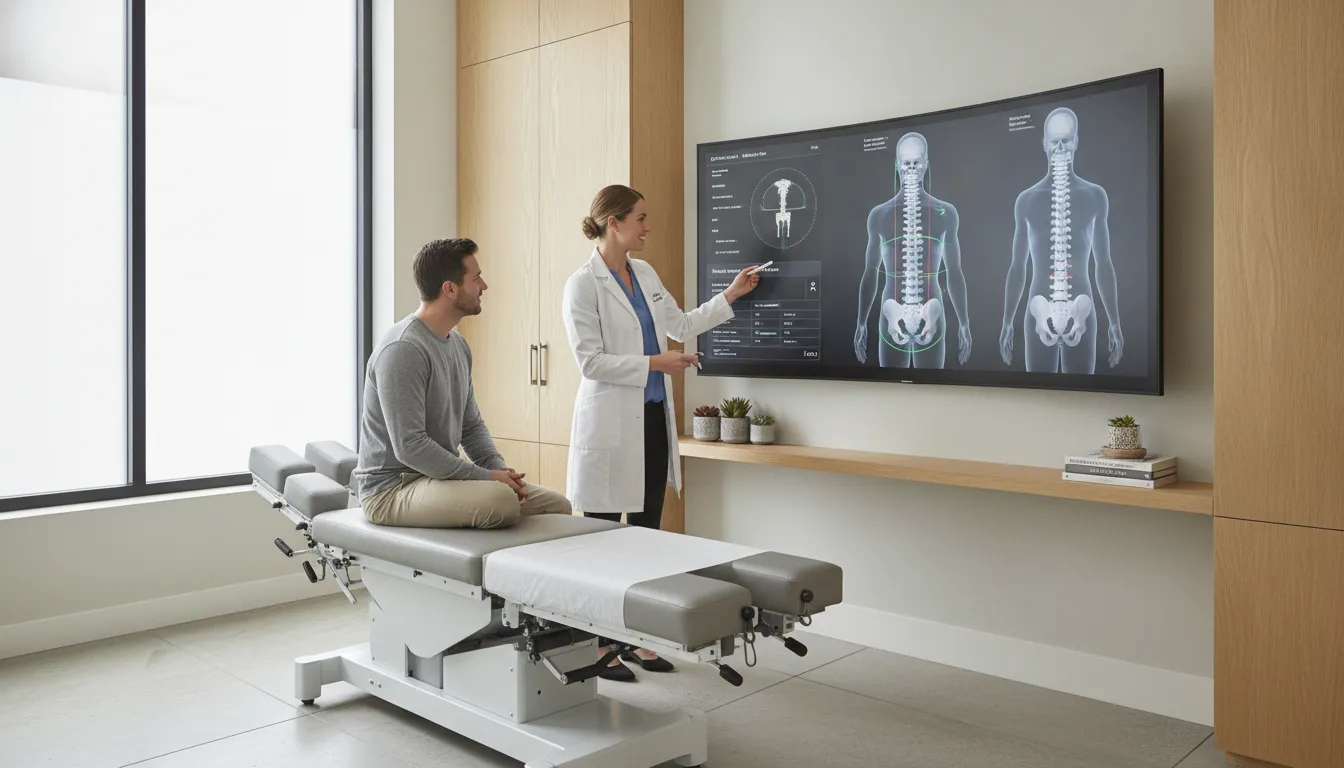
Once shockwave therapy has kickstarted the healing process, physical therapy steps in to rebuild and strengthen your body. This is where you’ll work on corrective exercises, improve your range of motion, and retrain the movement patterns that may have led to the injury. Studies and clinical experience show that shockwave therapy works best when combined with a solid rehabilitation plan. This integrated strategy ensures you’re not just getting temporary relief but are also building a more resilient foundation for long-term health. Our approach to physical medicine in Tampa is built on this principle of combining treatments to help you achieve a full and lasting recovery.
Our Integrated Approach to Physical Medicine in Tampa
Here in Tampa, we find that the "shockwave vs. physical therapy" debate often misses the bigger picture. Instead of viewing them as competing options, we see them as powerful partners in your healing process. Our philosophy centers on using the right tools for the right job, and for many of our patients, that means creating a plan that thoughtfully integrates both. This approach allows us to move beyond simply managing symptoms and instead address the root cause of your discomfort.
This synergy is a core part of our physical medicine services. Think of it this way: shockwave therapy can be incredibly effective at targeting stubborn, chronic tissue and stimulating the body’s own repair mechanisms, essentially preparing the ground for healing. Once we’ve used shockwave to address that initial barrier, our other physical medicine techniques, like chiropractic adjustments and corrective exercises, can be much more effective. This is where we work to correct underlying biomechanical issues, restore proper movement, and build strength for lasting stability.
By combining these therapies, we can create a more comprehensive and effective path to recovery. The goal is never just to quiet the pain; it’s to restore full function and resilience so you can return to your daily activities with confidence. Because every person’s body is unique, we don’t rely on a one-size-fits-all script. We start with a thorough assessment to understand your specific situation and health goals, which helps us determine which of the conditions we treat will respond best to a personalized, integrated protocol.
Related Articles
- SoftWave Tissue Regeneration Therapy in Tampa | Alessi Functional Health
- SoftWave TRT Therapy in Tampa, FL - Alessi Functional Health
- Physical Medicine in Tampa | Chiropractic & Rehab Care | Ascend Functional Health
- What Is Soft Tissue Therapy? A Complete Guide
- The Ultimate Guide to Myofascial Release Therapy
Frequently Asked Questions
What does a shockwave therapy session actually feel like? Most people describe the sensation of shockwave therapy as a strong, rhythmic tapping or pulsing against the skin. It is a non-invasive treatment, so nothing pierces the skin. While you might feel some mild discomfort, especially over a very tender spot, the intensity is always adjusted to your personal comfort level. The goal is to stimulate healing, not to cause significant pain.
Do I have to pick just one, or can I do both shockwave and physical therapy? You don't have to choose just one, and in many cases, you shouldn't. Shockwave therapy and physical therapy work together beautifully to support a full recovery. Shockwave can act as a catalyst to jumpstart healing in stubborn, damaged tissue. Once that process is underway, physical therapy helps rebuild strength, improve mobility, and correct the movement patterns that may have contributed to the injury in the first place.
I've had this pain for years. Is one treatment better for long-term, chronic issues? While physical therapy is a valuable tool for many conditions, shockwave therapy often has an edge when it comes to chronic pain that has lingered for months or years. This is because it is specifically designed to restart the healing process in tissues where it has stalled. The acoustic waves help break down old scar tissue and stimulate new blood flow, prompting a fresh healing response at the cellular level.
How long will it take before I start feeling better? Your recovery timeline really depends on your specific condition, how long you've had it, and your body's unique response to treatment. Generally, a course of shockwave therapy is shorter, often involving just a few sessions spaced a week apart. Some people feel relief after the first session, but the full benefits build over time. Physical therapy is typically a more gradual process that requires consistent participation over several weeks or months to build strength and restore function.
How do I figure out which treatment is the right starting point for me? The best way to determine your starting point is with a thorough consultation and assessment. A practitioner can evaluate your specific injury, discuss your health history, and understand your personal goals. This detailed look helps identify the root cause of your pain, which is essential for creating an effective plan. From there, you can make an informed decision together about whether shockwave therapy, physical therapy, or a combination of both is the most logical first step.