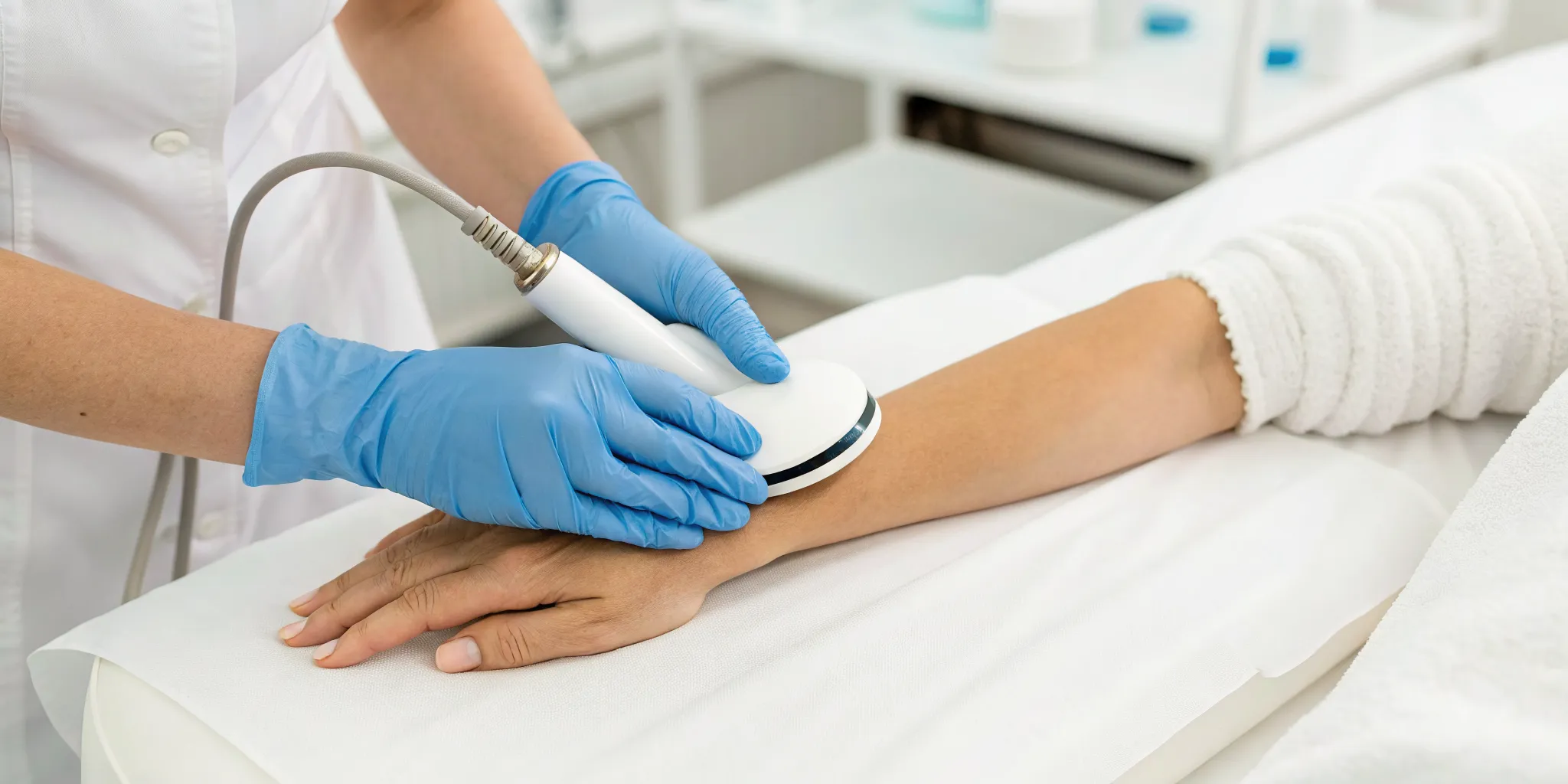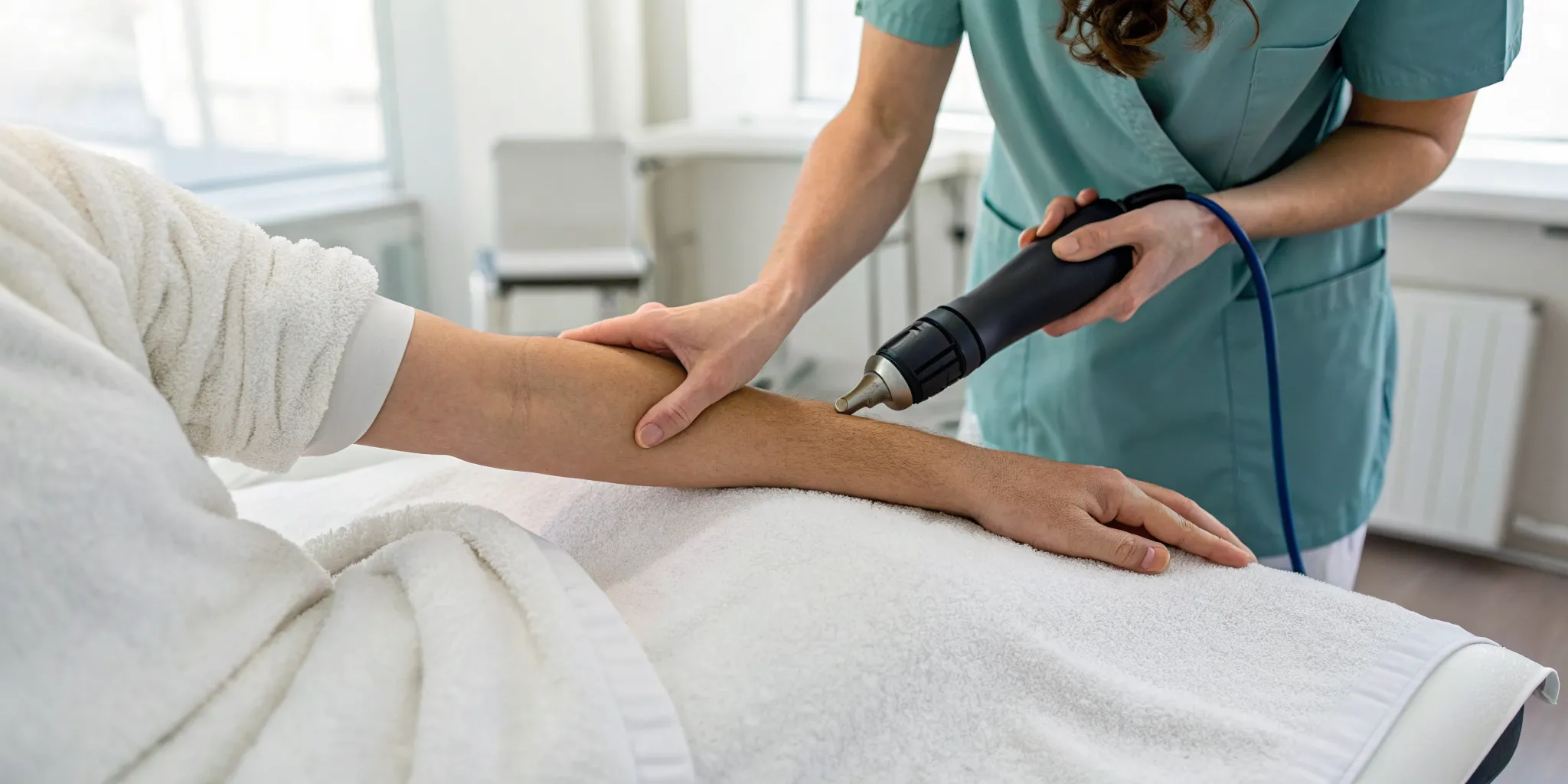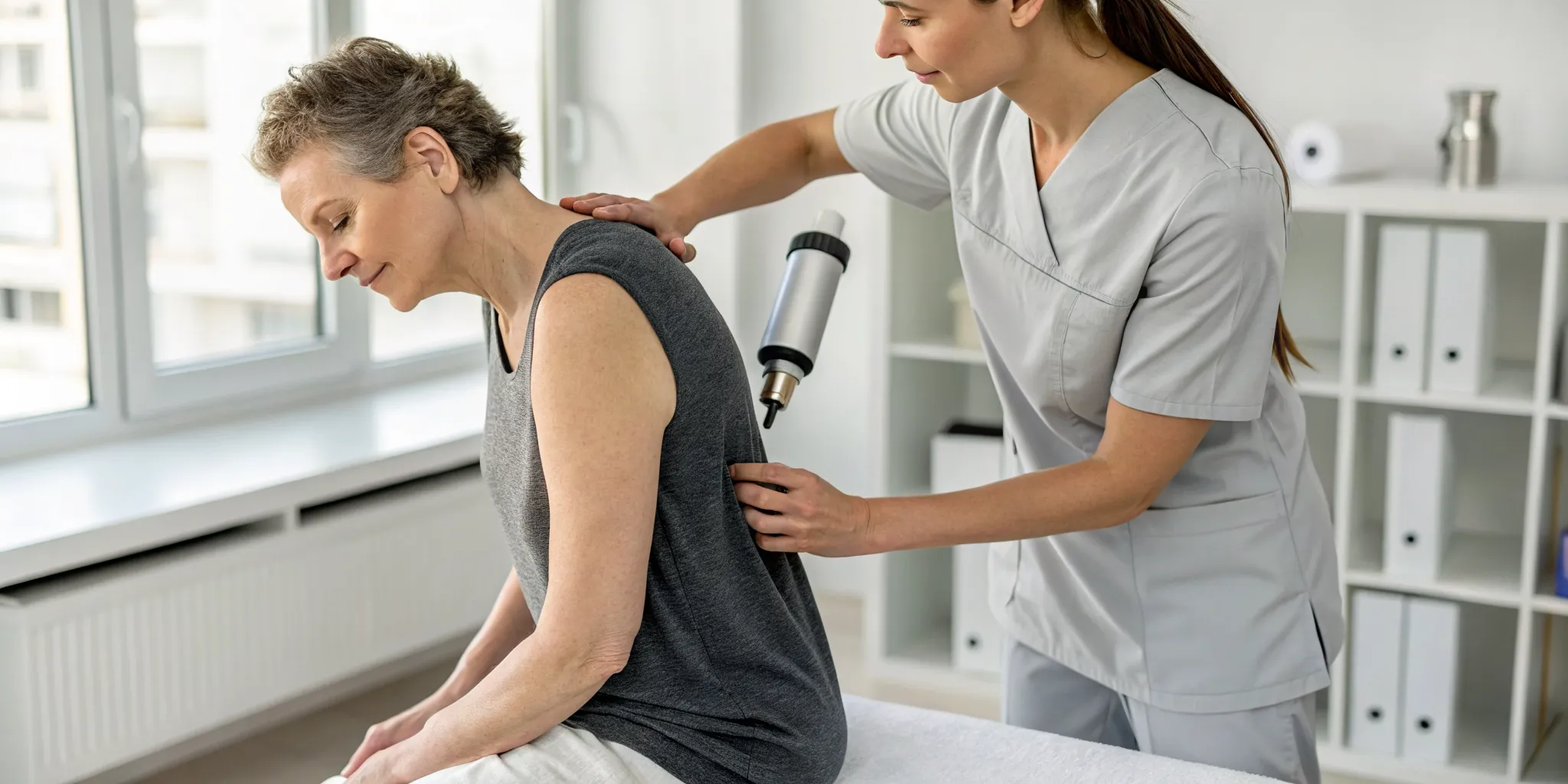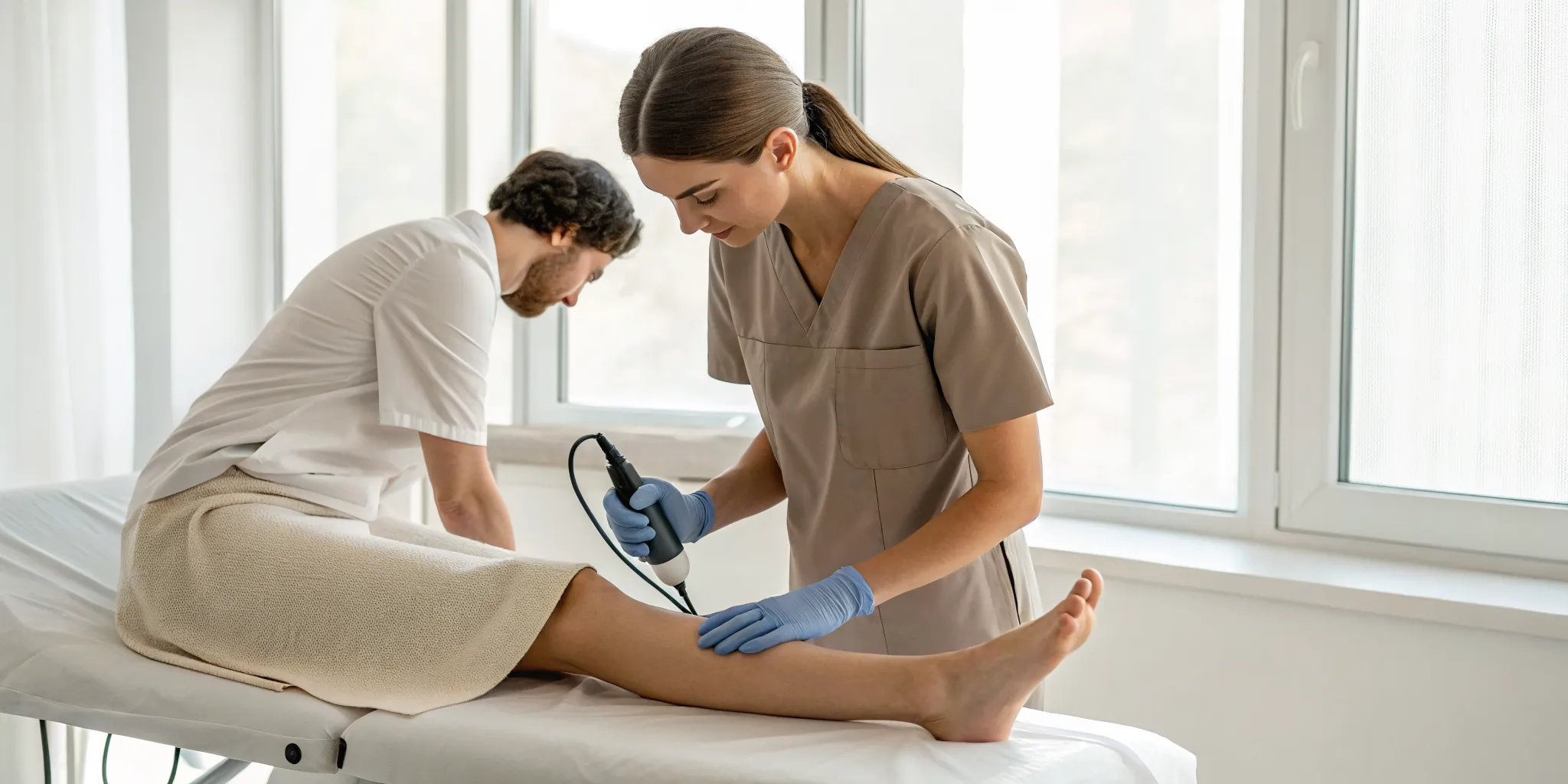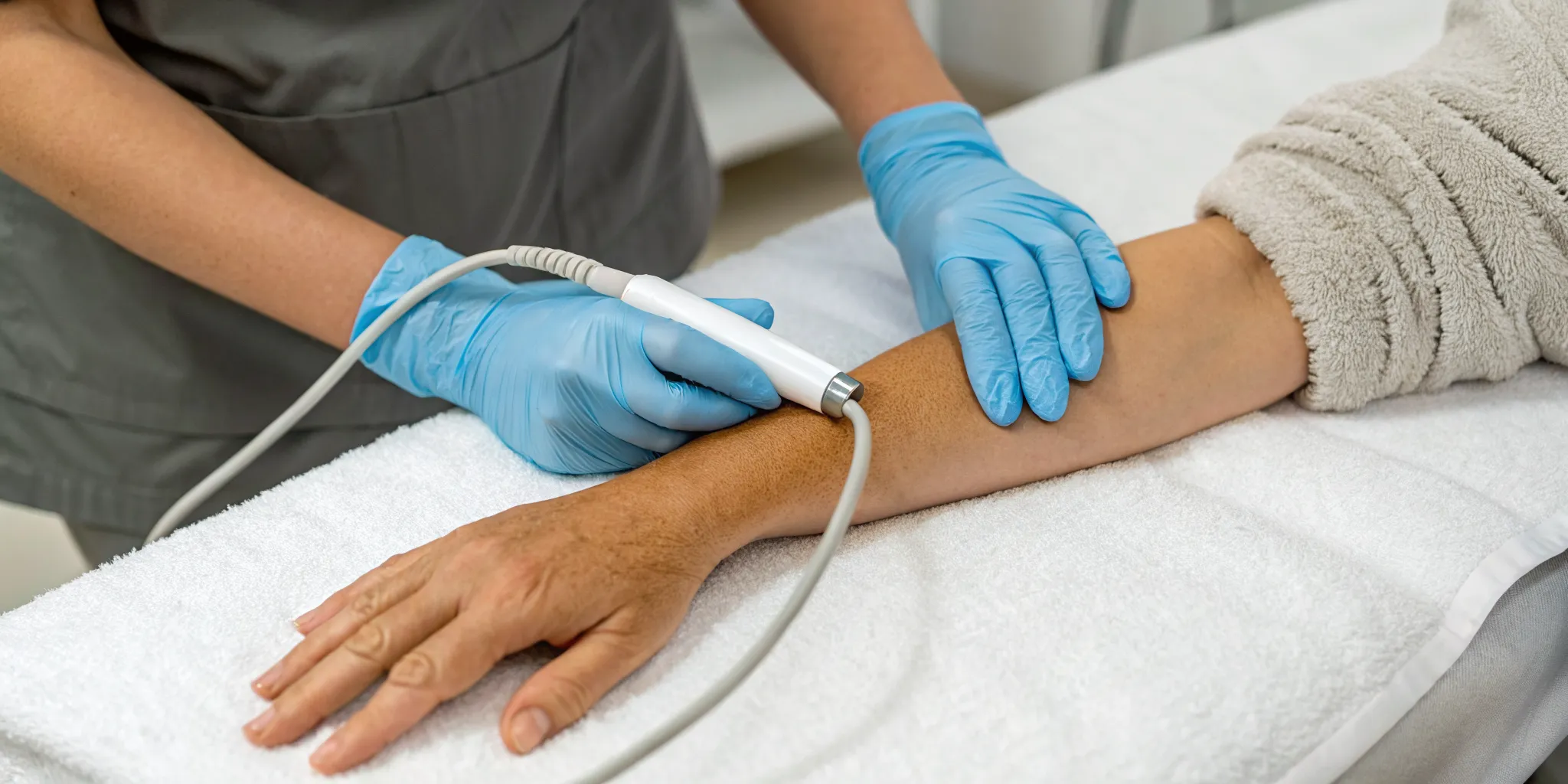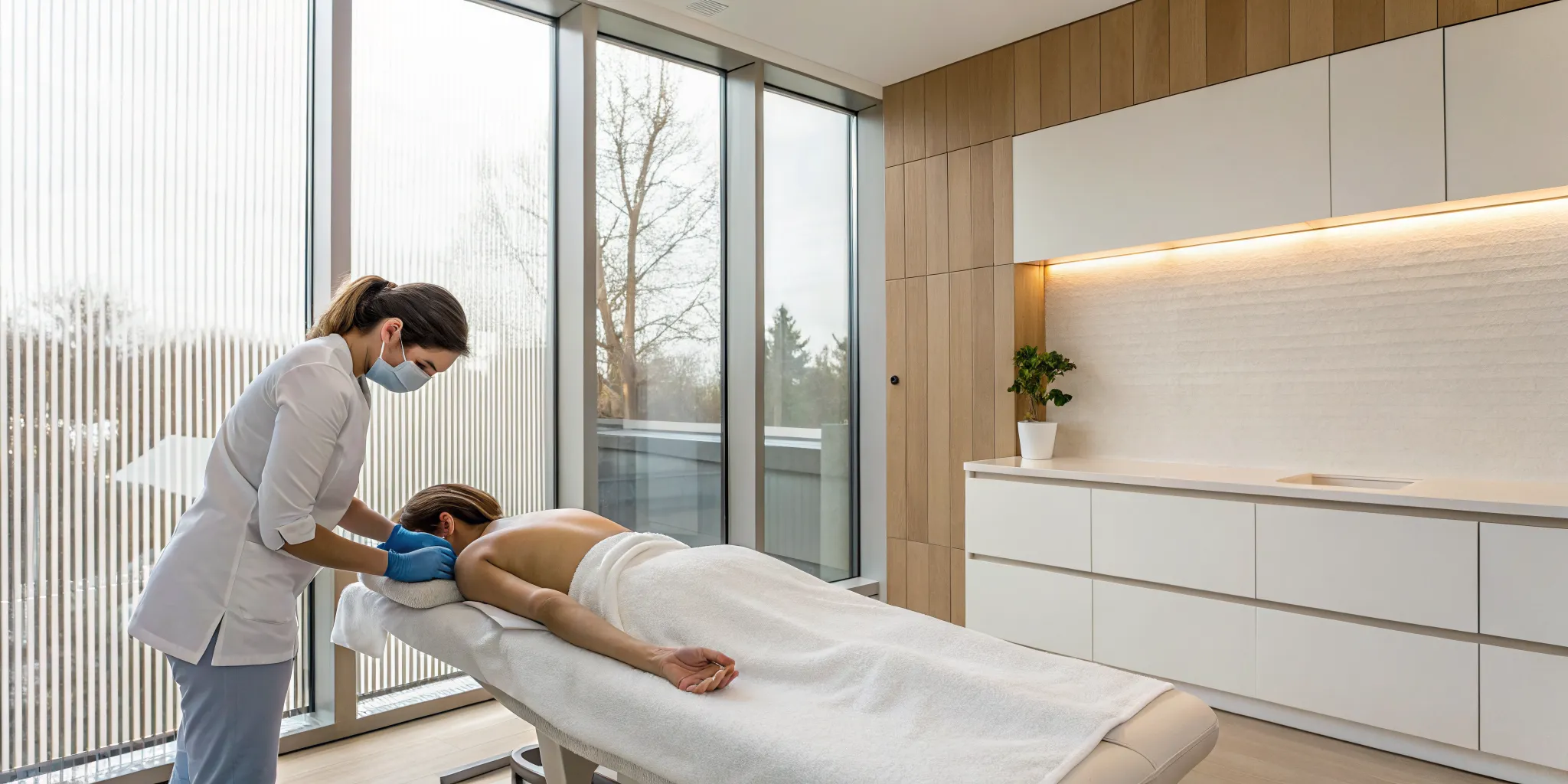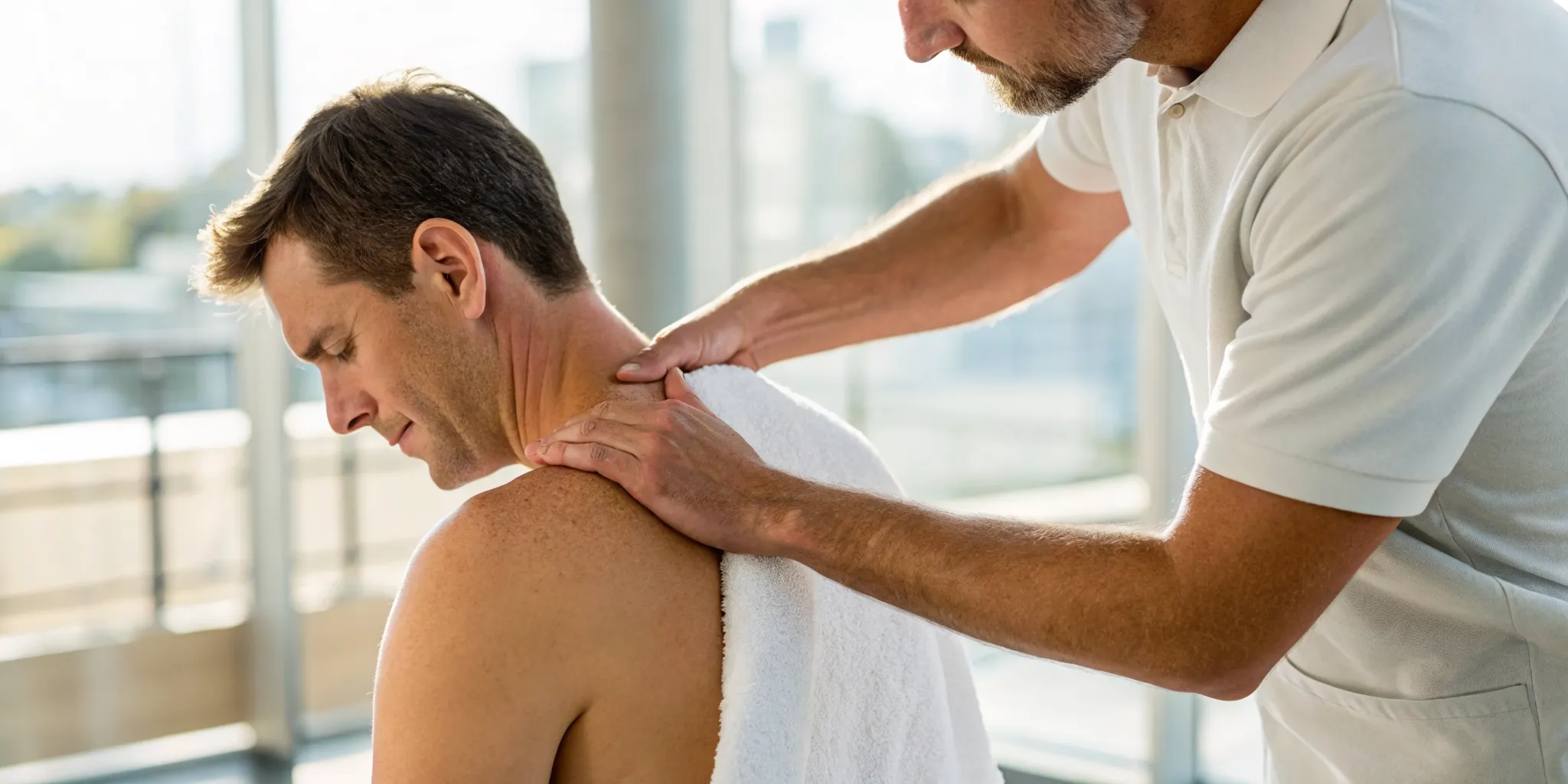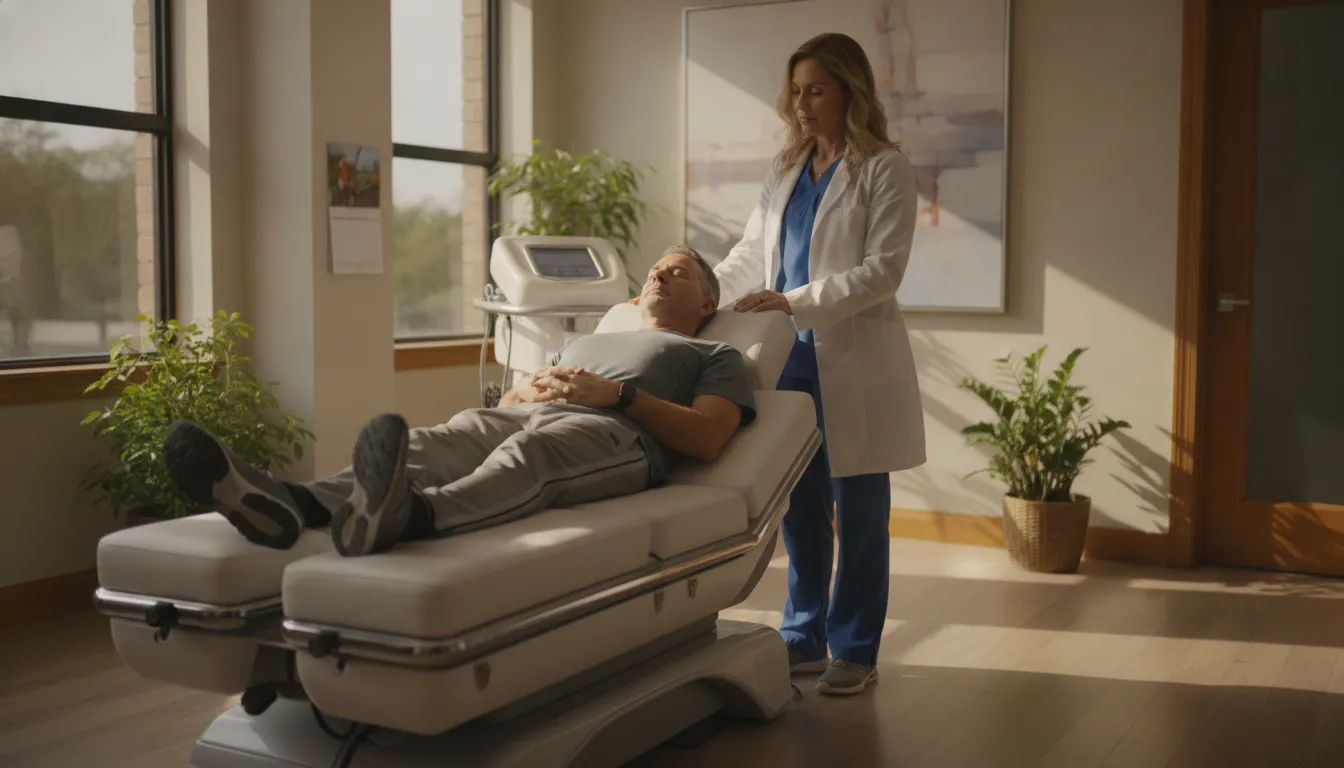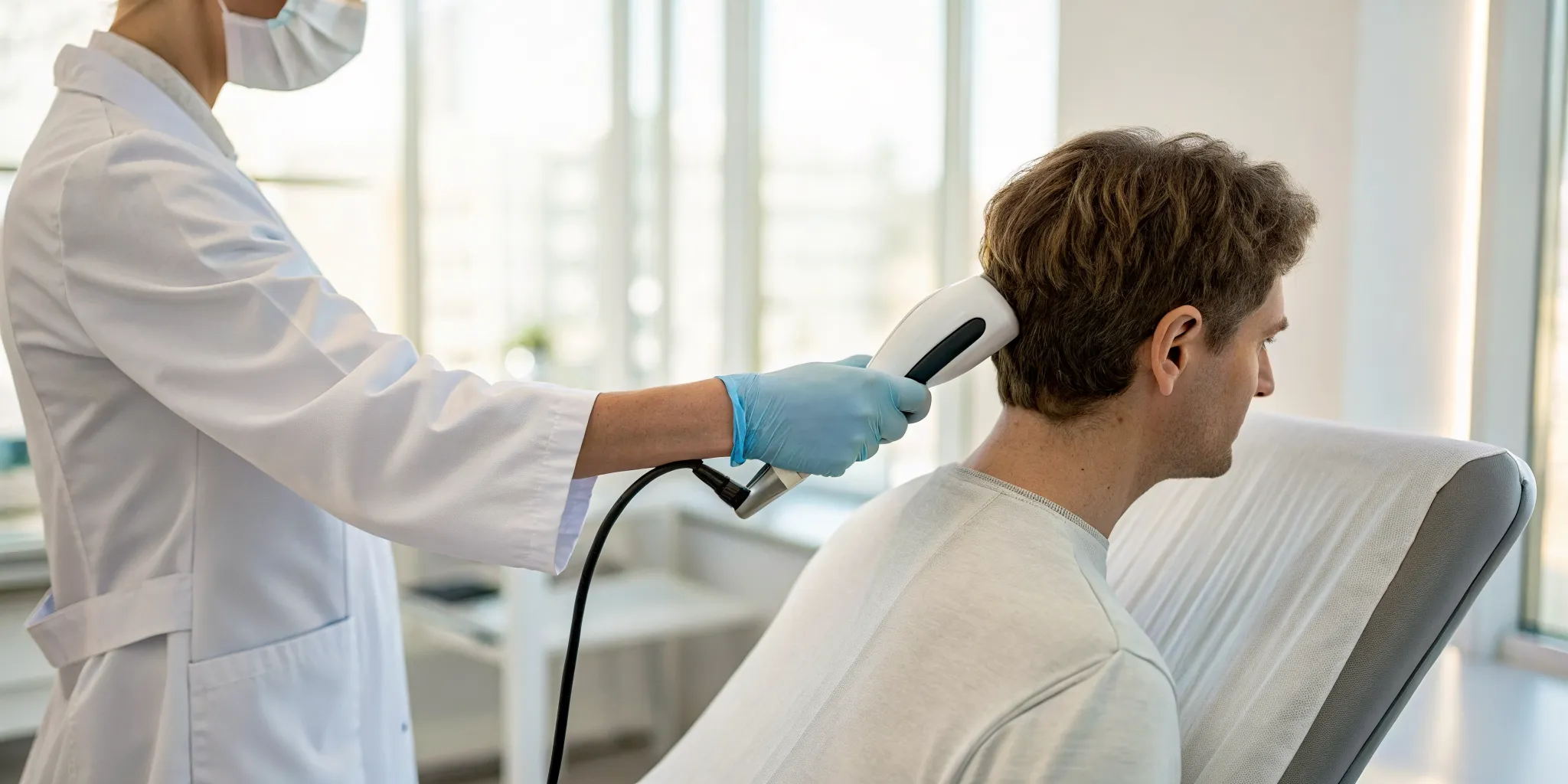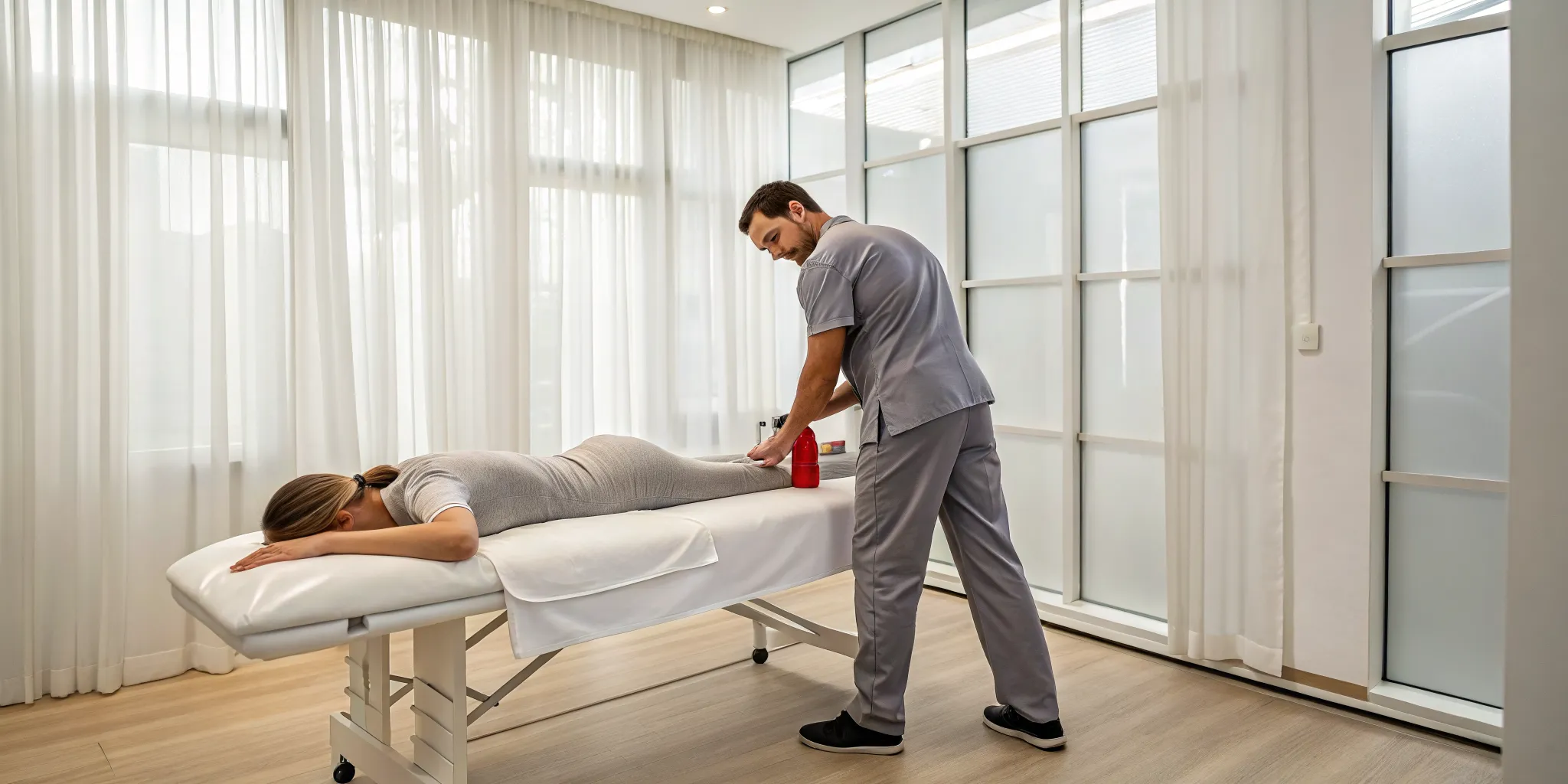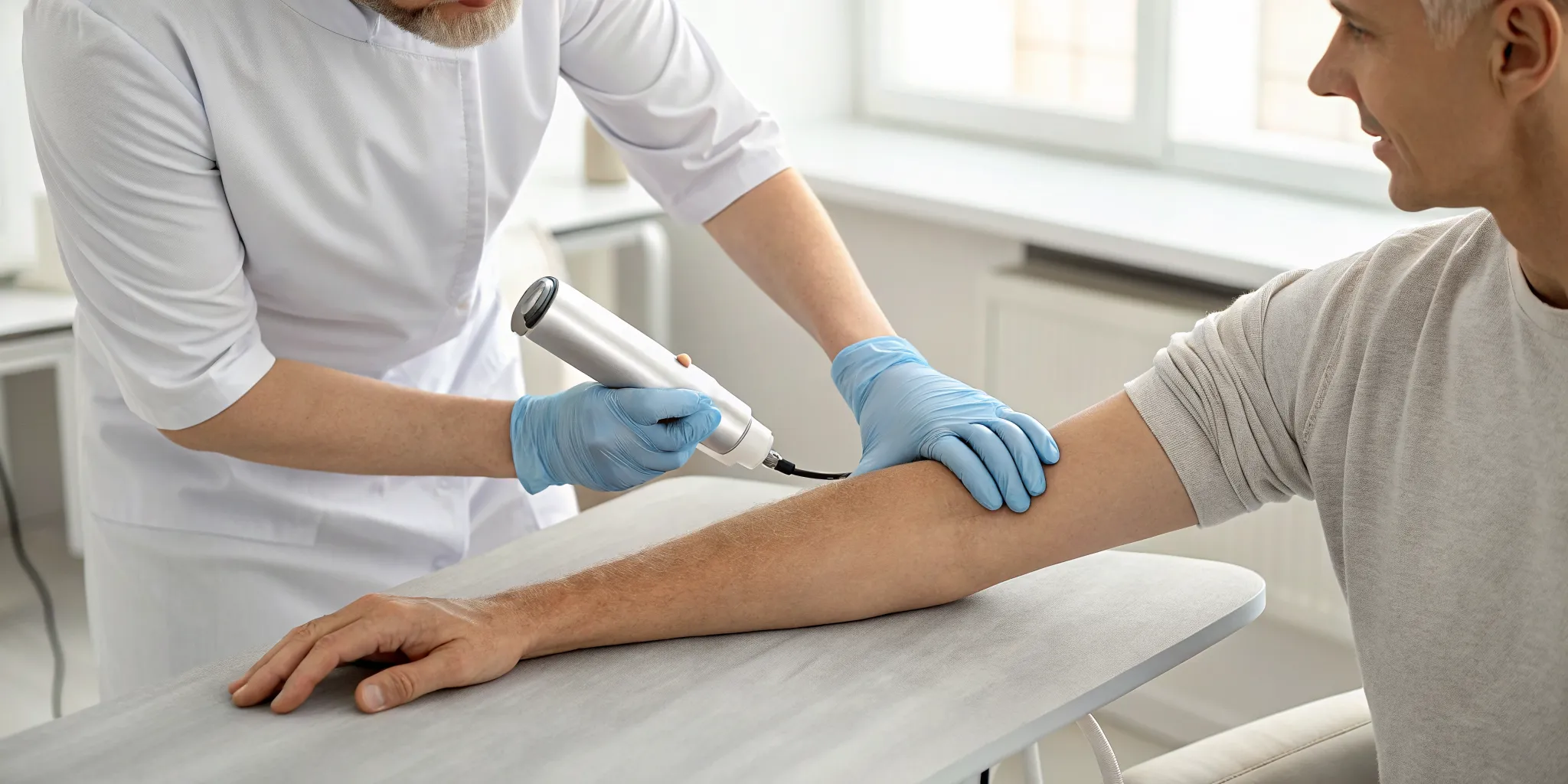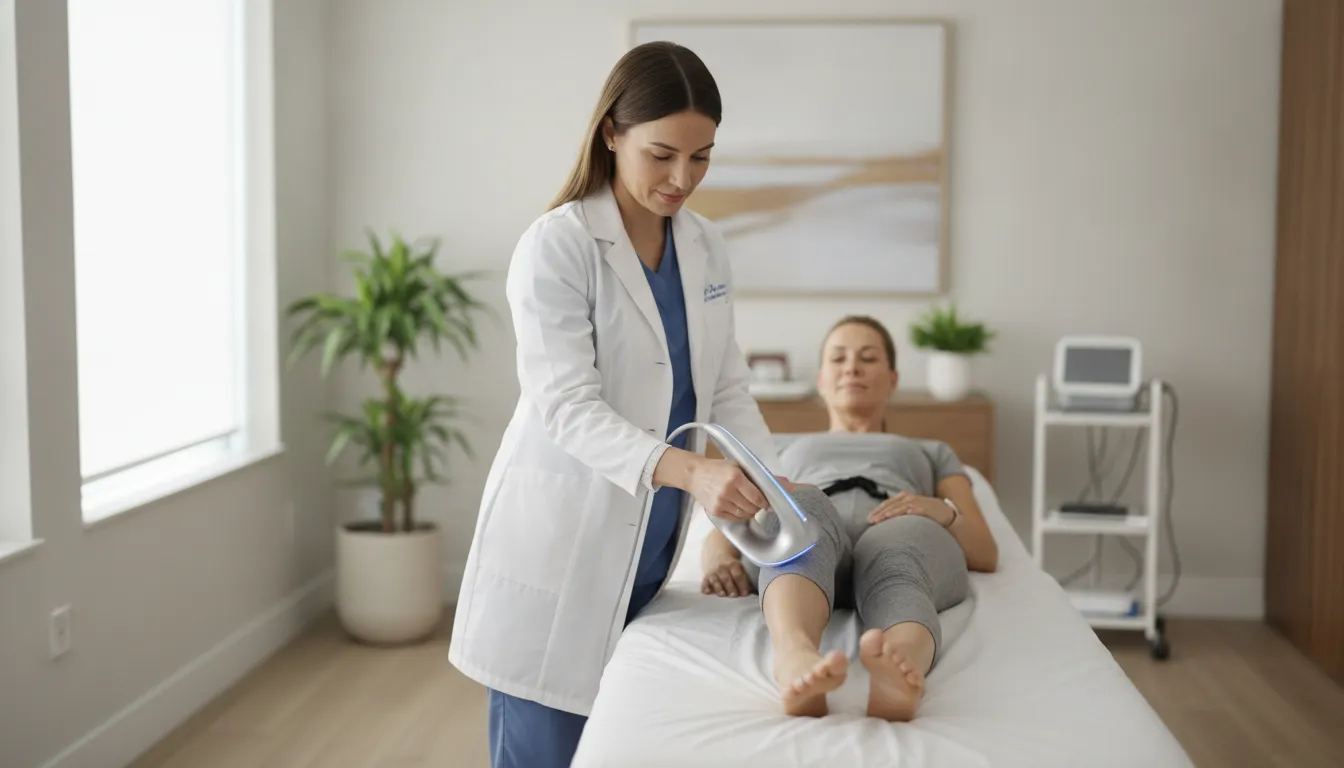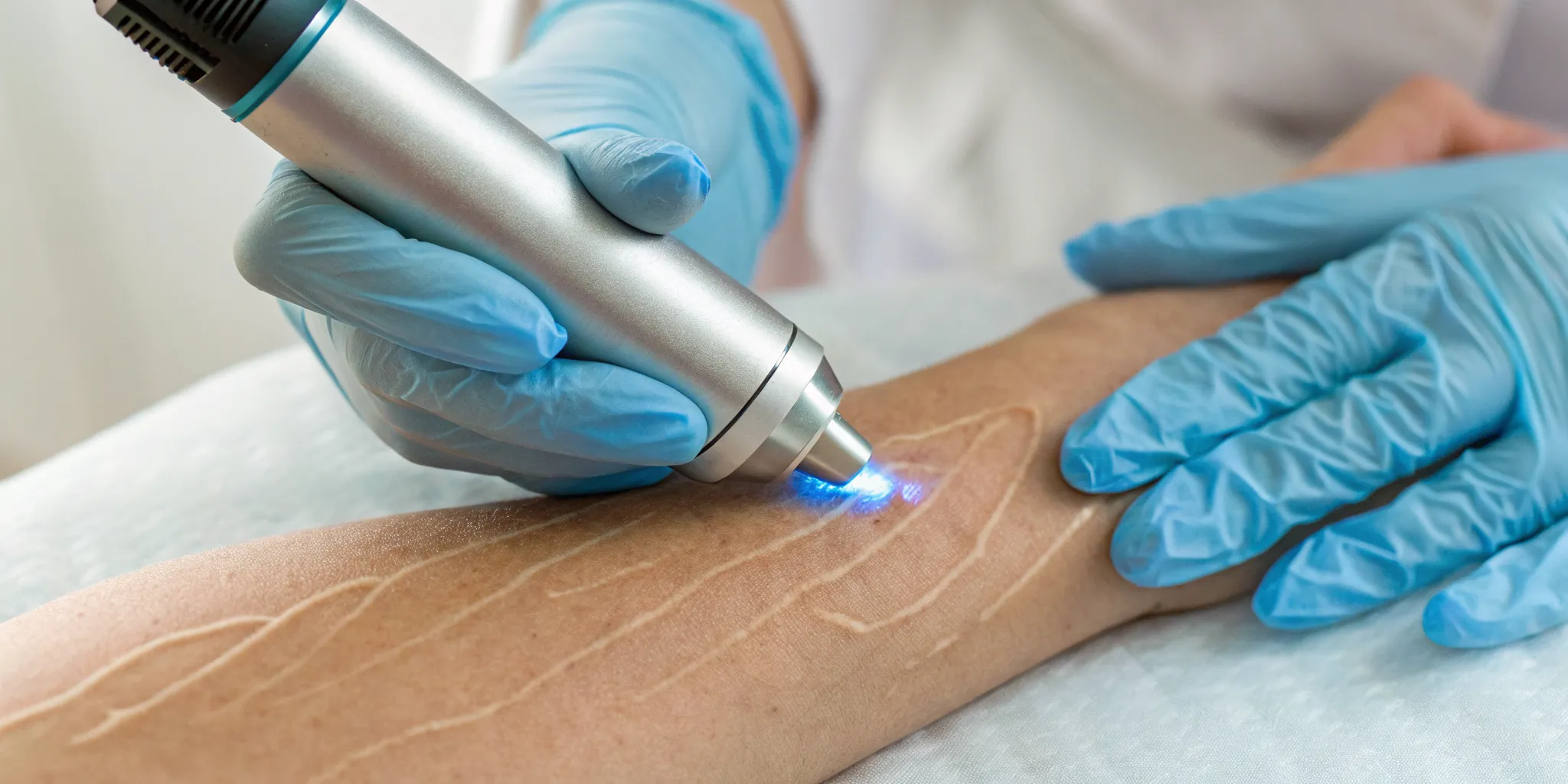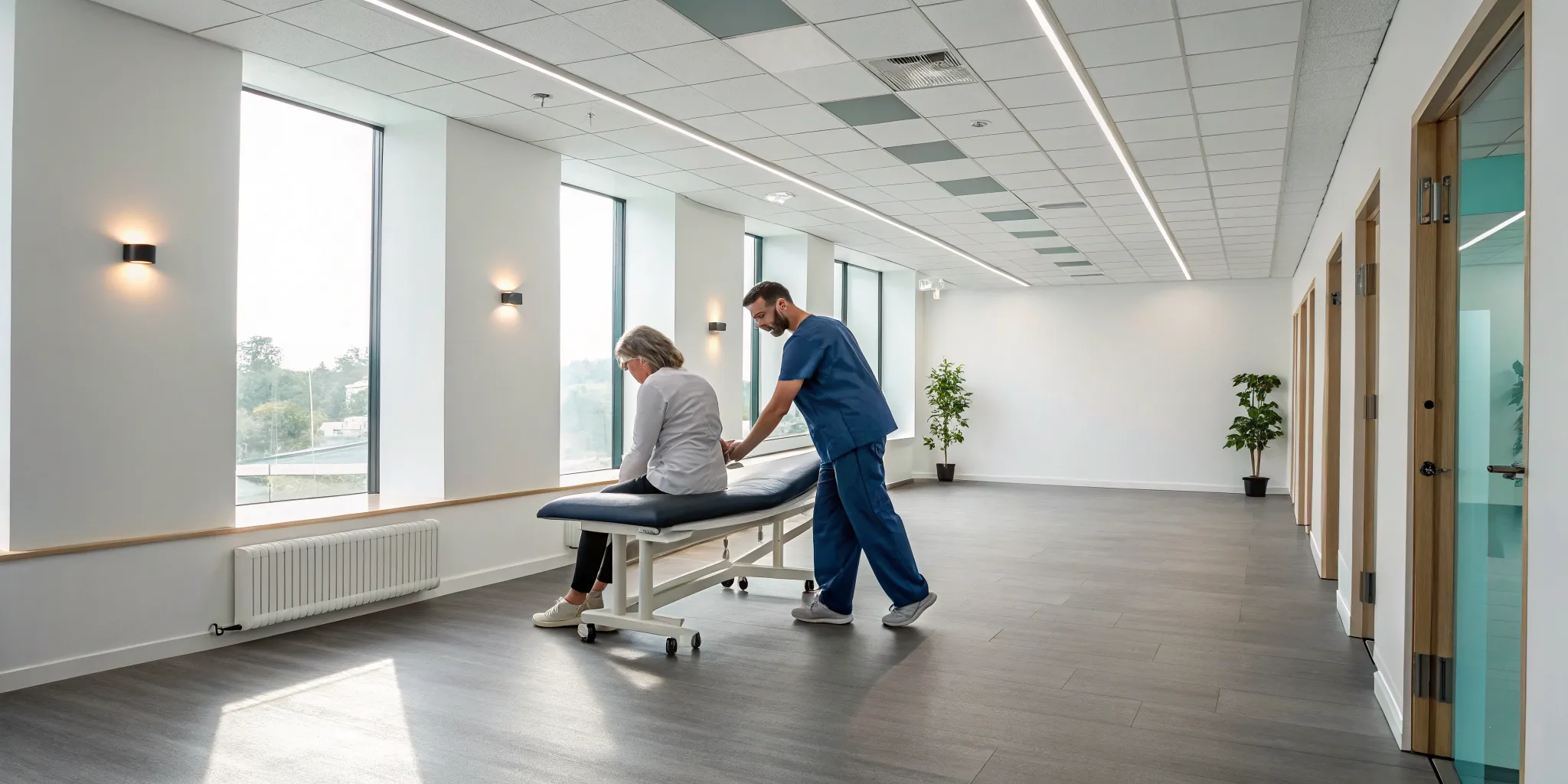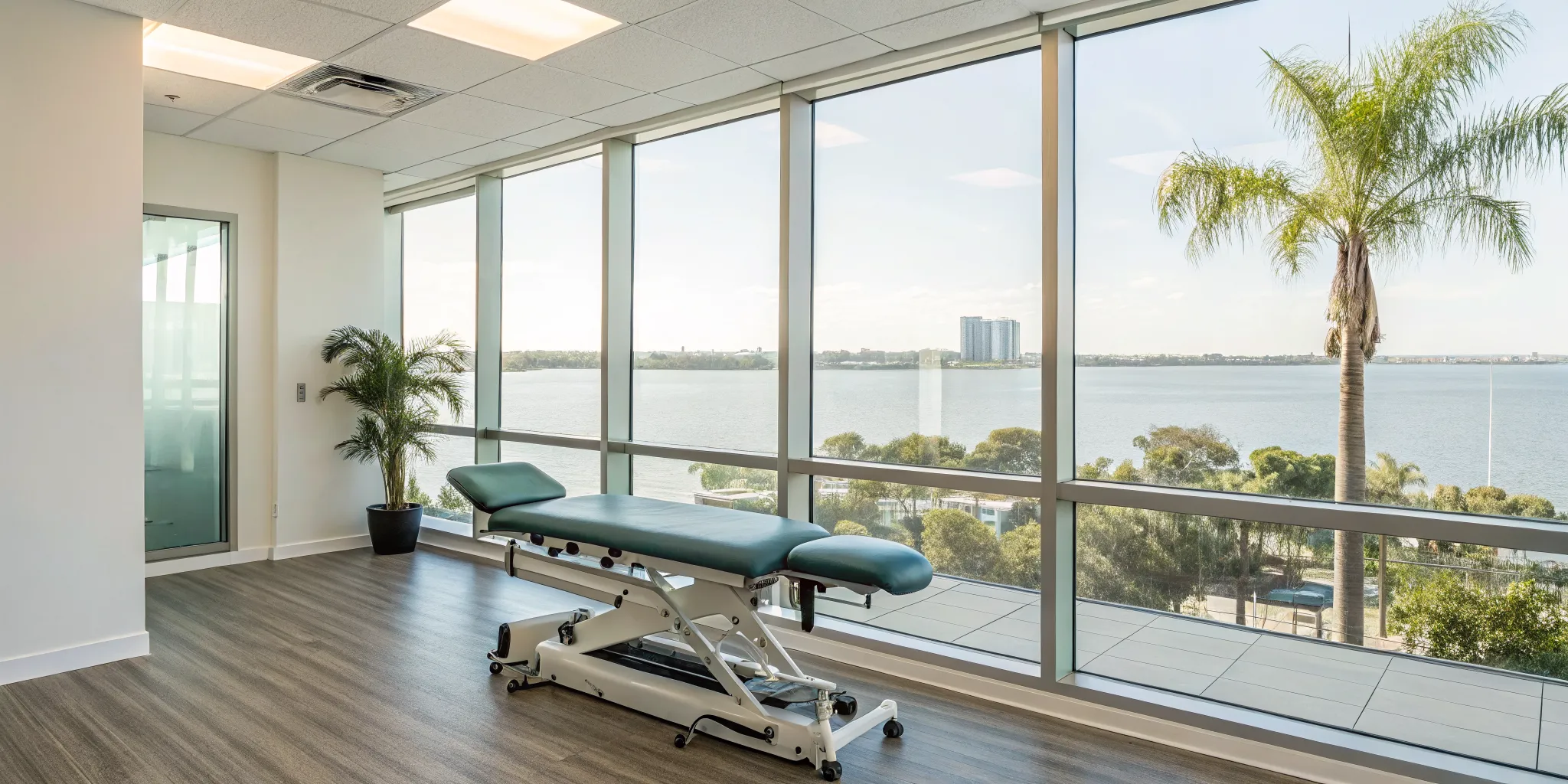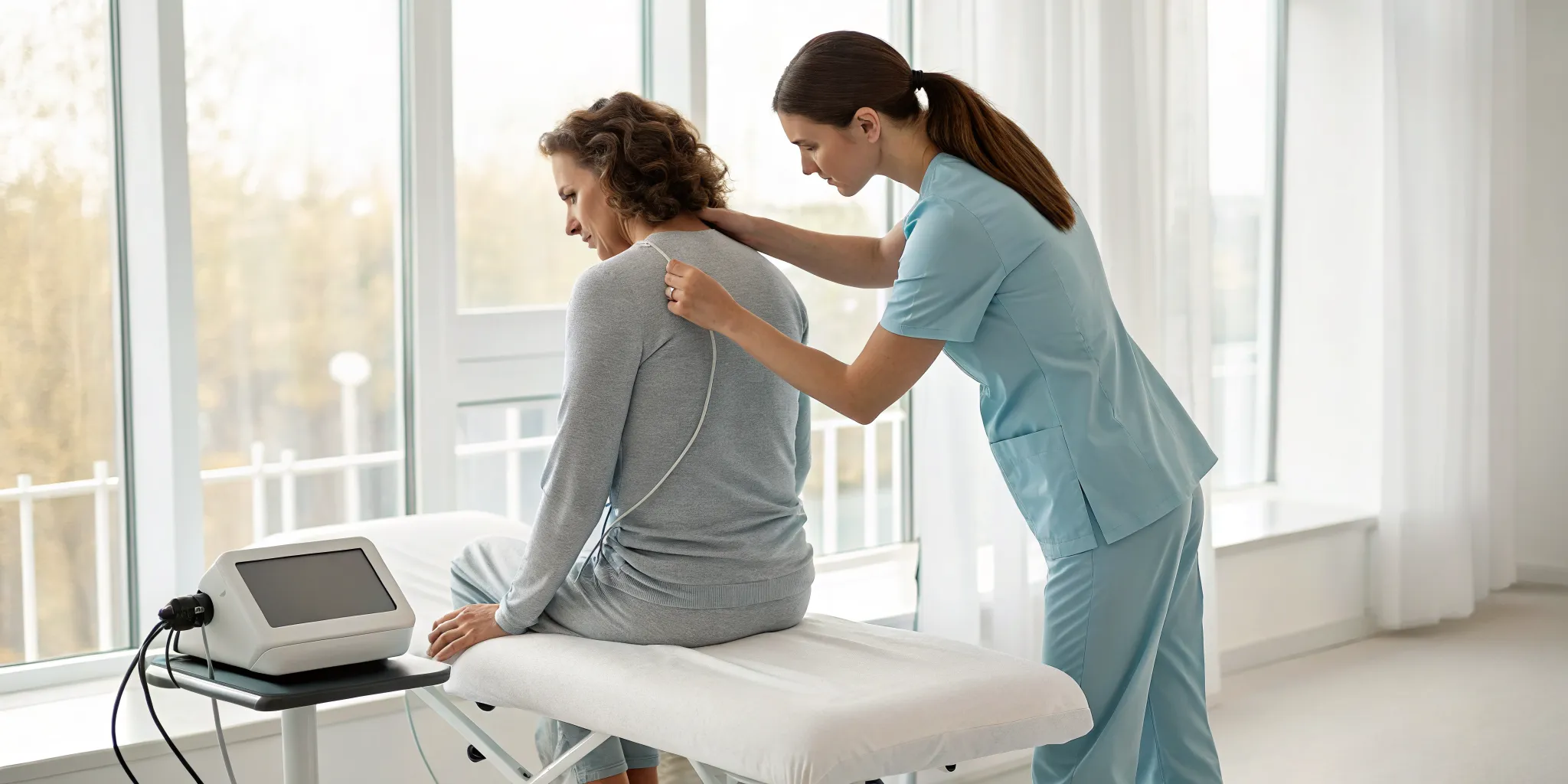
The name "shockwave therapy" might sound intense, but it’s actually a gentle and highly effective treatment. It doesn’t involve electrical shocks at all. Instead, it uses a special device to send acoustic waves—essentially, high-energy sound waves—into the area that’s causing you pain. Think of it as a precise signal that wakes up your body’s internal repair crew, telling it to increase blood flow and start rebuilding damaged tissue. This process helps reduce inflammation and break down scar tissue that can limit your movement. It’s a foundational part of our physical medicine approach to shockwave therapy for mobility improvement, helping you move more freely.
Key Takeaways
- It works with your body to heal from the inside out: This non-invasive therapy uses acoustic waves to stimulate your body's natural repair processes, increasing blood flow and encouraging tissue regeneration to address the source of your discomfort.
- Find relief for stubborn soft tissue injuries: Shockwave therapy is highly effective for chronic conditions that have not responded to other treatments, including plantar fasciitis, Achilles tendinopathy, and rotator cuff pain.
- Expect a comfortable and gradual process: Lasting improvement comes from a series of short sessions, which feel like a deep tapping sensation, that give your body the time it needs to properly rebuild and repair damaged tissue.
How Does Shockwave Therapy Work?
Shockwave therapy might sound intense, but it’s a gentle and effective way to encourage healing without involving surgery. It uses a special device to send acoustic waves into injured tissue, creating tiny vibrations that kickstart your body's natural repair processes. Think of it as a targeted signal that tells your body, "This area needs some attention!" This helps you find relief and get back to moving comfortably. Let's look at how this process unfolds.
How Acoustic Waves Trigger Healing
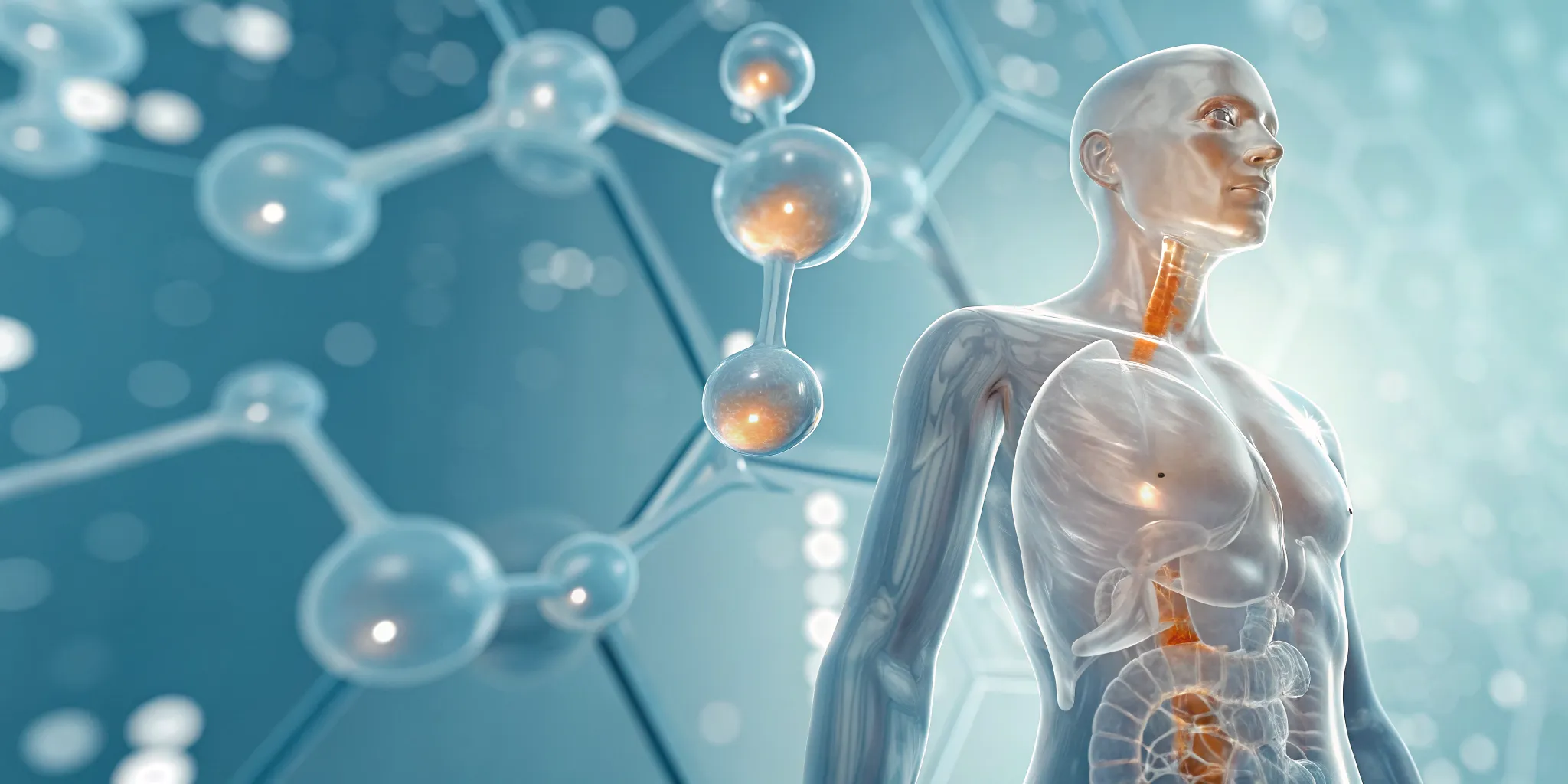
When the acoustic waves reach the targeted area, they act like a wake-up call for your body's internal repair crew. This process prompts your body to increase blood flow to the site of your discomfort. With better circulation comes a fresh supply of oxygen and nutrients, which are essential for healing. The waves also stimulate the release of growth factors, the very things your body uses to repair and regenerate tissue. This is a key part of our physical medicine approach, as it helps reduce pain and inflammation while accelerating your recovery from the inside out.
Focused vs. Radial Shockwave Therapy
Not all shockwave therapy is created equal, and it’s important to know there are different types. The two main forms are focused and radial shockwave therapy. Focused shockwaves are precise, delivering energy deep into a specific point, which is great for targeting deep-seated trigger points or joint issues. Radial shockwaves, on the other hand, spread out over a larger surface area, making them ideal for treating broader muscle groups. The type of therapy we recommend depends entirely on your unique situation and the specific conditions we treat, allowing us to create a truly personalized plan for your recovery.
Stimulating Your Body's Natural Repair System
At its core, shockwave therapy is all about empowering your body to heal itself. The high-energy acoustic waves jump-start your natural repair mechanisms by signaling your cells to get to work on tissue regeneration. This means your body starts building new, healthy tissue to replace what’s been damaged or inflamed. Our entire philosophy is built on this principle: identifying the root cause of your discomfort and giving your body the support it needs to restore function. It’s a powerful way to achieve lasting relief by addressing the problem at its source, rather than just masking the symptoms.
Mobility Issues Shockwave Therapy Can Address
If you're dealing with persistent pain that limits your movement, you know how frustrating it can be when traditional methods don't provide lasting relief. Shockwave therapy is a surprisingly versatile treatment that helps restore mobility for people with a wide range of injuries and chronic conditions. It’s a key part of our physical medicine services because it works by stimulating your body’s own healing mechanisms, addressing the root cause of your discomfort.
This non-invasive approach uses acoustic waves to target injured tissue, increase blood flow, and trigger a natural repair response. It’s particularly effective for stubborn conditions that haven't responded to other treatments. Below, we’ll explore some of the specific mobility issues that can be improved with shockwave therapy, from nagging heel pain to chronic shoulder stiffness.
Plantar Fasciitis and Heel Pain
That sharp, stabbing pain in your heel when you first step out of bed is a classic sign of plantar fasciitis. This condition happens when the thick band of tissue on the bottom of your foot becomes inflamed, making every step a painful effort. Shockwave therapy offers a powerful solution for this notoriously stubborn condition. By directing acoustic waves to the affected area, the treatment helps to break down scar tissue and stimulate the formation of new blood vessels. This process reduces inflammation and encourages your body to heal the damaged tissue, providing lasting relief and helping you get back on your feet without that dreaded morning pain.
Achilles Tendinopathy
The Achilles tendon is the largest tendon in your body, and when it becomes painful and stiff, it can seriously impact your ability to walk, run, or even stand on your toes. This condition, known as Achilles tendinopathy, often results from overuse or repetitive strain. If you've been struggling with this type of heel and lower leg pain, shockwave therapy can be a game-changer. The sound waves used in the therapy create a healing response deep within the tendon. This promotes tissue regeneration and reduces pain without the need for invasive procedures, helping you regain strength and flexibility in your ankle.
Rotator Cuff Discomfort and Frozen Shoulder
Your shoulder has an incredible range of motion, but when the rotator cuff is injured or you develop a condition like frozen shoulder, simple tasks like reaching overhead or getting dressed can become incredibly difficult. These conditions often involve chronic inflammation and the formation of scar tissue, which restricts movement and causes persistent pain. Shockwave therapy directly addresses these issues by promoting blood circulation and breaking down fibrous scar tissue. This helps to restore mobility in the shoulder joint, decrease stiffness, and alleviate the discomfort associated with these common shoulder problems.
Tennis Elbow
You don't have to be a tennis player to suffer from tennis elbow. This painful condition, which causes discomfort on the outside of your elbow, can result from any repetitive gripping activity, including gardening, painting, or using tools. The pain comes from damaged tendons in your forearm, and it can make it hard to lift even light objects. Shockwave therapy is an excellent treatment option for this type of overuse injury. It targets the inflamed tendons, stimulating a healing process that reduces pain and helps repair the underlying tissue. This allows you to return to your daily activities with improved strength and less discomfort.
Hip and Knee Discomfort
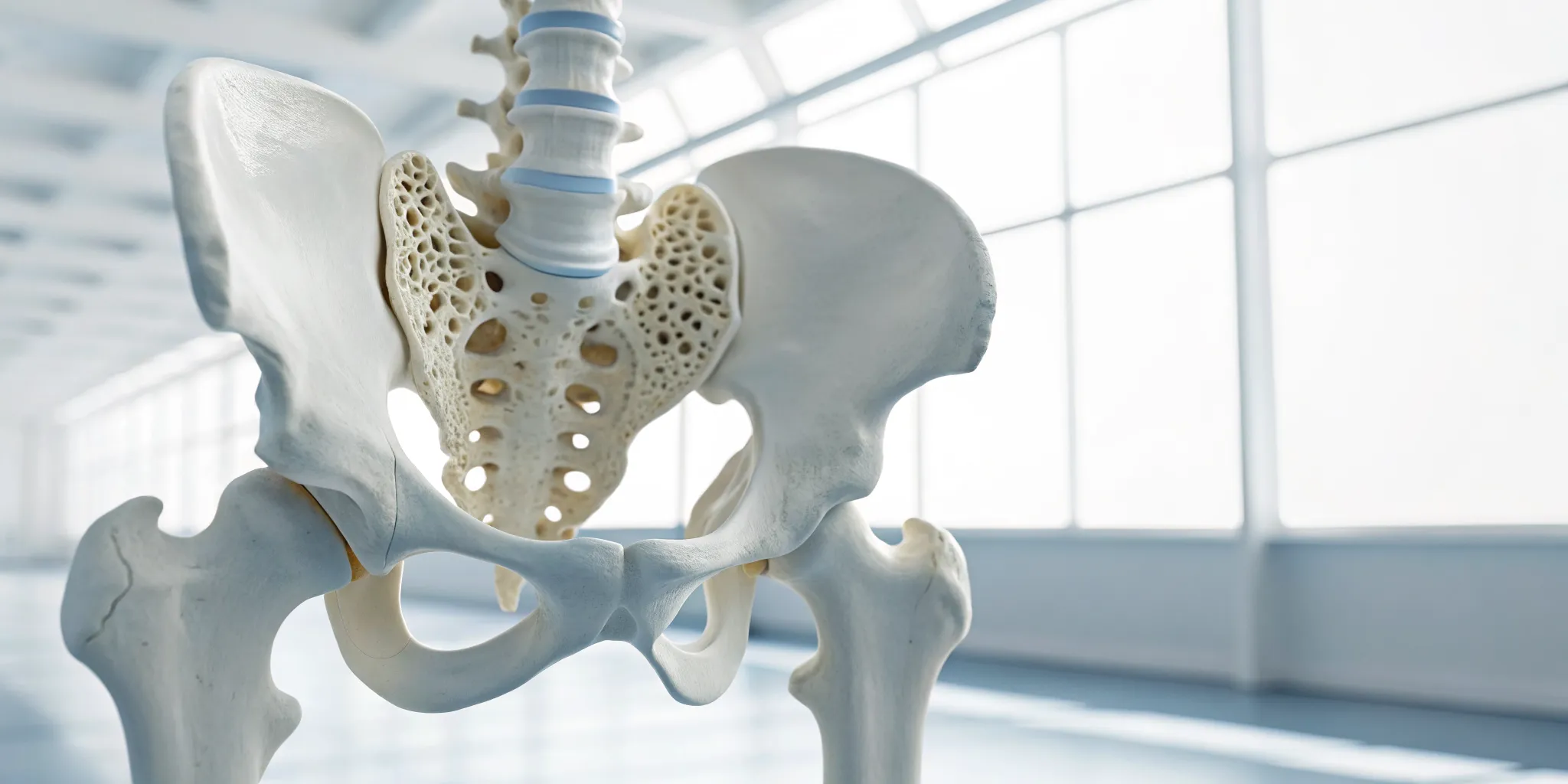
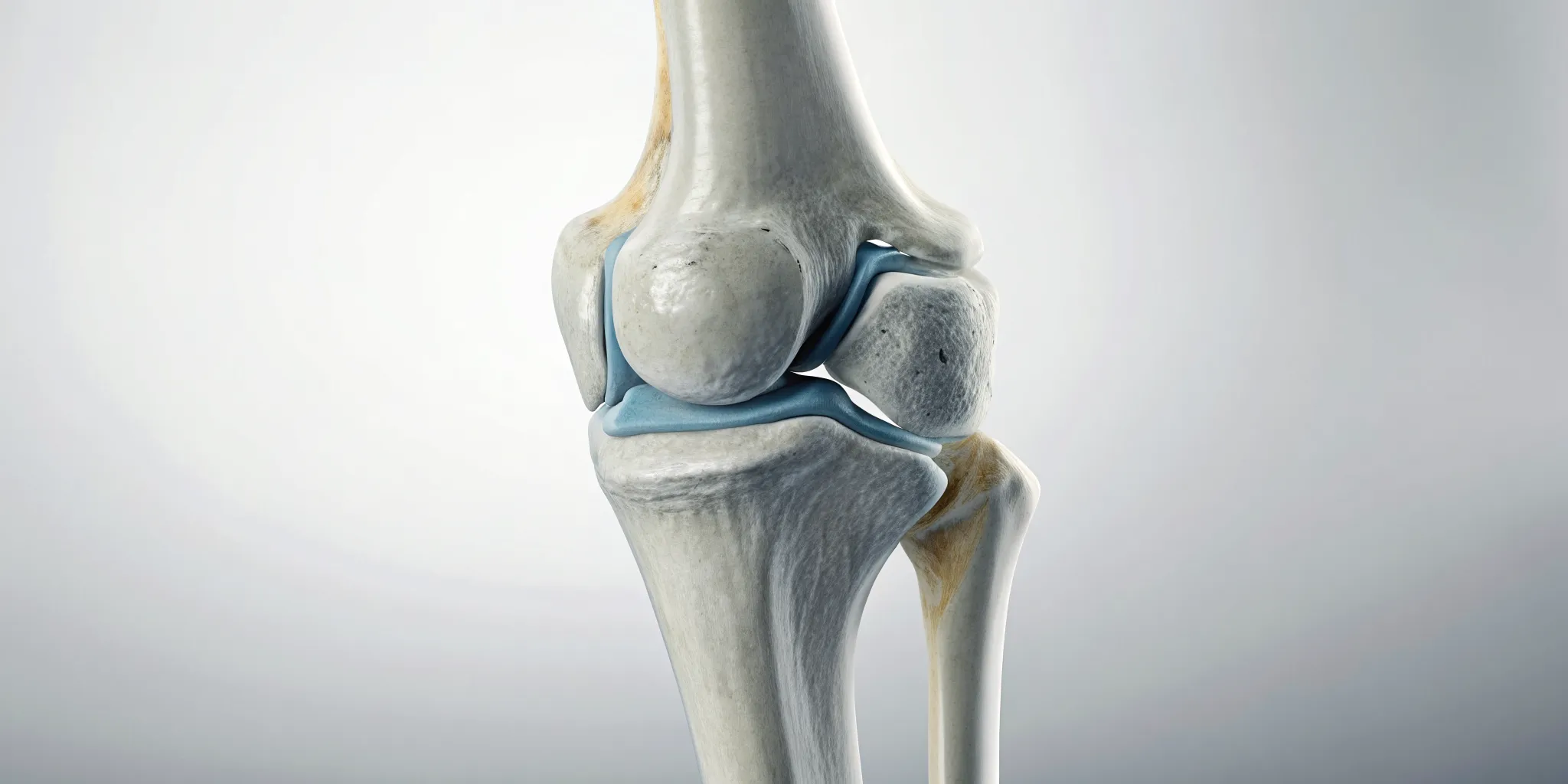
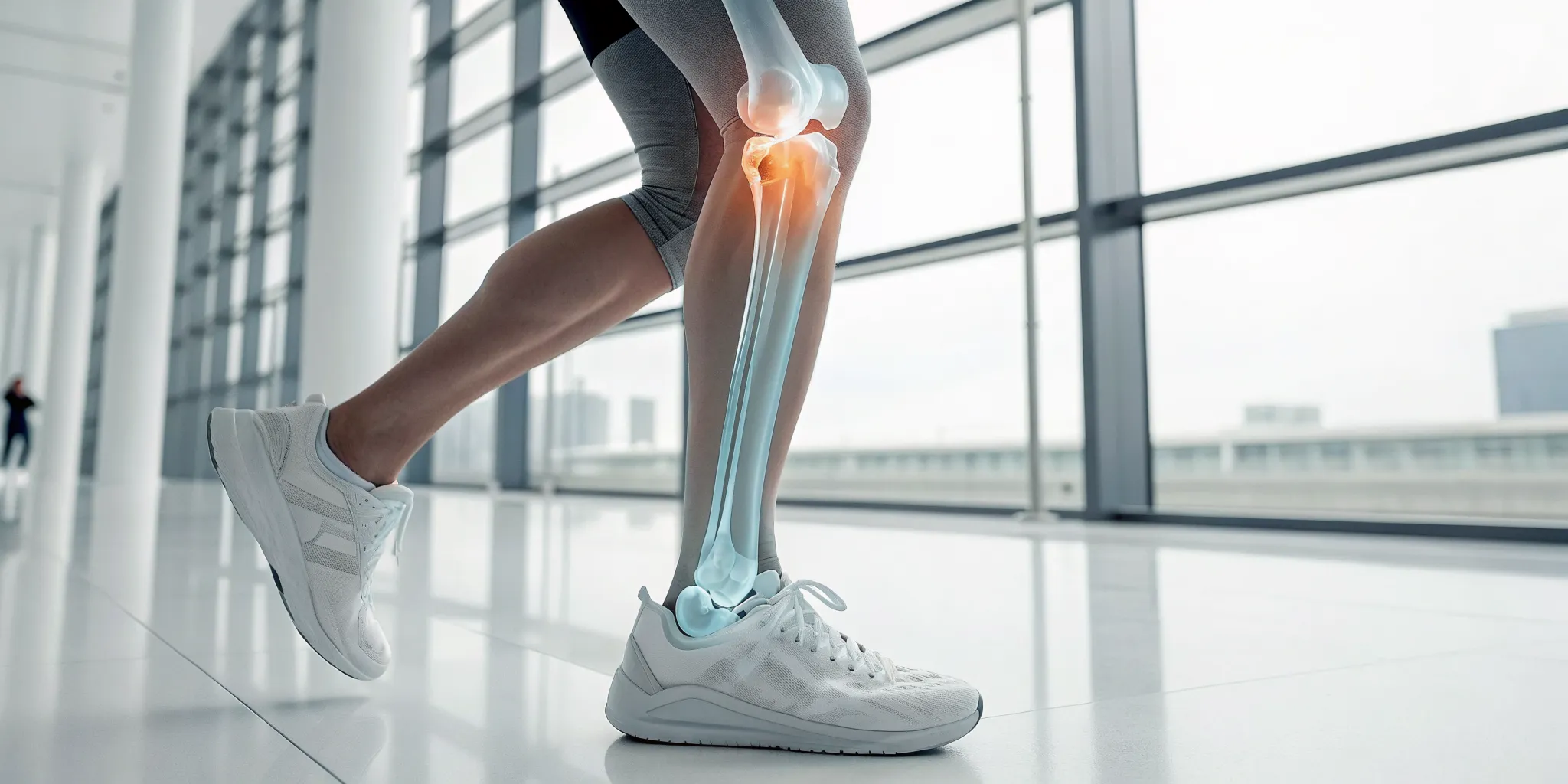
Chronic hip and knee pain can put a major damper on your life, affecting everything from your daily walk to your ability to play with your kids. Conditions like bursitis, tendon issues, or even some forms of arthritis can cause persistent discomfort that doesn't always respond to rest or stretching. Shockwave therapy can be an effective part of a comprehensive plan to address these issues. By improving blood flow and stimulating cellular repair in the soft tissues surrounding these joints, the treatment can help reduce pain and inflammation. This can lead to better function and improved mobility in your hips and knees.
Chronic Tendon and Soft Tissue Injuries
Sometimes, an injury just doesn't seem to heal. Whether it's a nagging hamstring issue, chronic tendon pain, or another soft tissue problem, these long-term injuries can be incredibly frustrating. Shockwave therapy is particularly well-suited for these chronic conditions. The acoustic waves effectively "wake up" the healing process in areas where it has stalled. By triggering a renewed inflammatory response and promoting tissue regeneration, this therapy can help your body finally repair old injuries. It's one of the many services we offer to help you move past persistent pain and get back to feeling your best.
What Are the Mobility Benefits of Shockwave Therapy?
When you're dealing with persistent pain and stiffness, the idea of getting back to your favorite activities can feel out of reach. Simple things like walking the dog, playing with your kids, or enjoying a round of golf might seem like a distant memory. Shockwave therapy offers a path forward by working with your body to heal from the inside out. This innovative approach isn't about masking symptoms; it's about addressing the root cause of your mobility issues.
By stimulating your body's natural repair mechanisms, it helps you regain strength, flexibility, and freedom of movement. The benefits go beyond simple pain relief, creating a foundation for lasting wellness and helping you get back to living your life without limitations. From improving blood flow to reducing muscle stiffness, this therapy can be a key part of your journey back to feeling like yourself again.
Find Relief Without Surgery
One of the most significant advantages of shockwave therapy is that it's a non-invasive treatment. If you're looking for a way to address chronic pain without undergoing a surgical procedure, this could be an excellent option. The therapy uses acoustic waves to target injured areas and promote healing deep within the tissue. This approach allows you to avoid the risks, downtime, and lengthy recovery associated with surgery. Our team at Ascend Functional Health uses physical medicine techniques like shockwave therapy to help your body heal itself, offering a powerful alternative for restoring mobility and getting you back on your feet.
Improved Blood Flow and Tissue Repair
So, how does it actually work? Shockwave therapy helps kickstart your body’s own healing processes. The acoustic waves gently break up scar tissue and calcifications that can cause pain and limit movement. This process also signals your body to create new collagen, a vital protein for repairing tendons and ligaments. At the same time, it stimulates the release of natural growth factors and significantly increases blood flow to the area. This rush of oxygen and nutrients helps your muscles, tendons, and other soft tissues repair themselves more efficiently. Our holistic approach focuses on these foundational healing mechanisms to create lasting change.
Regain Your Range of Motion
Stiffness and a limited range of motion can make everyday tasks feel like a struggle. Shockwave therapy directly addresses this by reducing the pain and inflammation that restrict your movement. As the targeted tissues begin to heal and repair, you'll likely notice a gradual return of flexibility and mobility. This isn't just about feeling less pain; it's about being able to move your body the way you want to again. Whether it's reaching for something on a high shelf or bending down without wincing, regaining your range of motion is a key step toward getting your life back. We treat many common conditions that limit mobility with this effective therapy.
Decrease Muscle Stiffness
Muscle stiffness, especially around joints like the knees and ankles, is a common complaint that can make walking and other movements feel difficult. Research has shown that shockwave therapy can significantly decrease this stiffness. By applying acoustic waves to the junction where muscles and tendons meet, the treatment helps relax tight tissues and improve their elasticity. This can lead to a noticeable improvement in how your joints feel and function, making movements smoother and less strained. For many people, this reduction in stiffness is one of the most welcome and immediate benefits of the therapy.
Achieve Lasting Mobility
Because shockwave therapy works by stimulating your body's own healing abilities, the results are often long-lasting. Instead of providing a temporary patch, it helps rebuild and strengthen injured tissue from the ground up. This versatile treatment supports your body’s innate capacity to repair itself, leading to sustainable improvements in mobility and a reduction in chronic pain. The goal is to help you not only feel better in the short term but also to build a foundation for long-term health and movement. Our patients' positive experiences show how this therapy can be a turning point in their health journey.
How Effective Is Shockwave Therapy?
When you’re dealing with persistent pain and limited mobility, you want to know that a treatment will actually work. The good news is that shockwave therapy has a strong track record for being both safe and effective. It uses acoustic waves to kickstart healing in tissues that have been injured or inflamed for a long time. Research and clinical results show it can significantly reduce the pain and stiffness that hold you back.
This therapy is particularly helpful for issues at the muscle-tendon junction, which are common sources of chronic discomfort. By addressing the root cause of the problem, shockwave therapy doesn't just mask symptoms; it promotes genuine repair so you can get back to living with more freedom and less pain.
Its Role in Addressing Chronic Pain and Stiffness
If you feel like you’re constantly fighting against your own body, shockwave therapy can help. The targeted sound waves used in treatment have been shown to significantly reduce pain and stiffness, especially in areas like the knees and ankles. By stimulating blood flow and metabolic activity in the affected tissue, this therapy helps your body break down scar tissue and regenerate healthy cells. Patients often report a noticeable decrease in muscle stiffness and an increase in their ability to move freely. This is a core component of our physical medicine approach, as it helps restore function and improve your overall quality of life without invasive procedures.
Comparing Shockwave to Other Gentle Treatments
Many people turn to shockwave therapy because it’s an effective alternative to more aggressive treatments. It can help you find significant relief and improved mobility, allowing many to avoid the risks and long recovery times associated with surgery. Because it’s a non-invasive treatment with minimal side effects, it’s an appealing option for a wide range of conditions we treat. A common misconception is that the procedure is painful, but it’s actually a gentle therapy designed with your comfort in mind. It offers a way to address chronic pain and stiffness without adding more discomfort to your life, making it a powerful yet gentle tool for healing.
What to Expect During Your Shockwave Therapy Session
If you're considering shockwave therapy, it’s natural to have questions about what the experience is like. The good news is that it’s a straightforward and non-invasive process. Our goal is to make you feel comfortable and informed every step of the way. From the moment you walk in for your appointment to the time you leave, here’s a clear picture of what your session will involve.
Before Your Appointment
One of the best parts of shockwave therapy is that it requires very little preparation on your end. Since the treatment is non-invasive, you can come to your appointment without needing to follow any special instructions. We simply recommend wearing comfortable, loose-fitting clothing that allows for easy access to the area we’ll be treating.
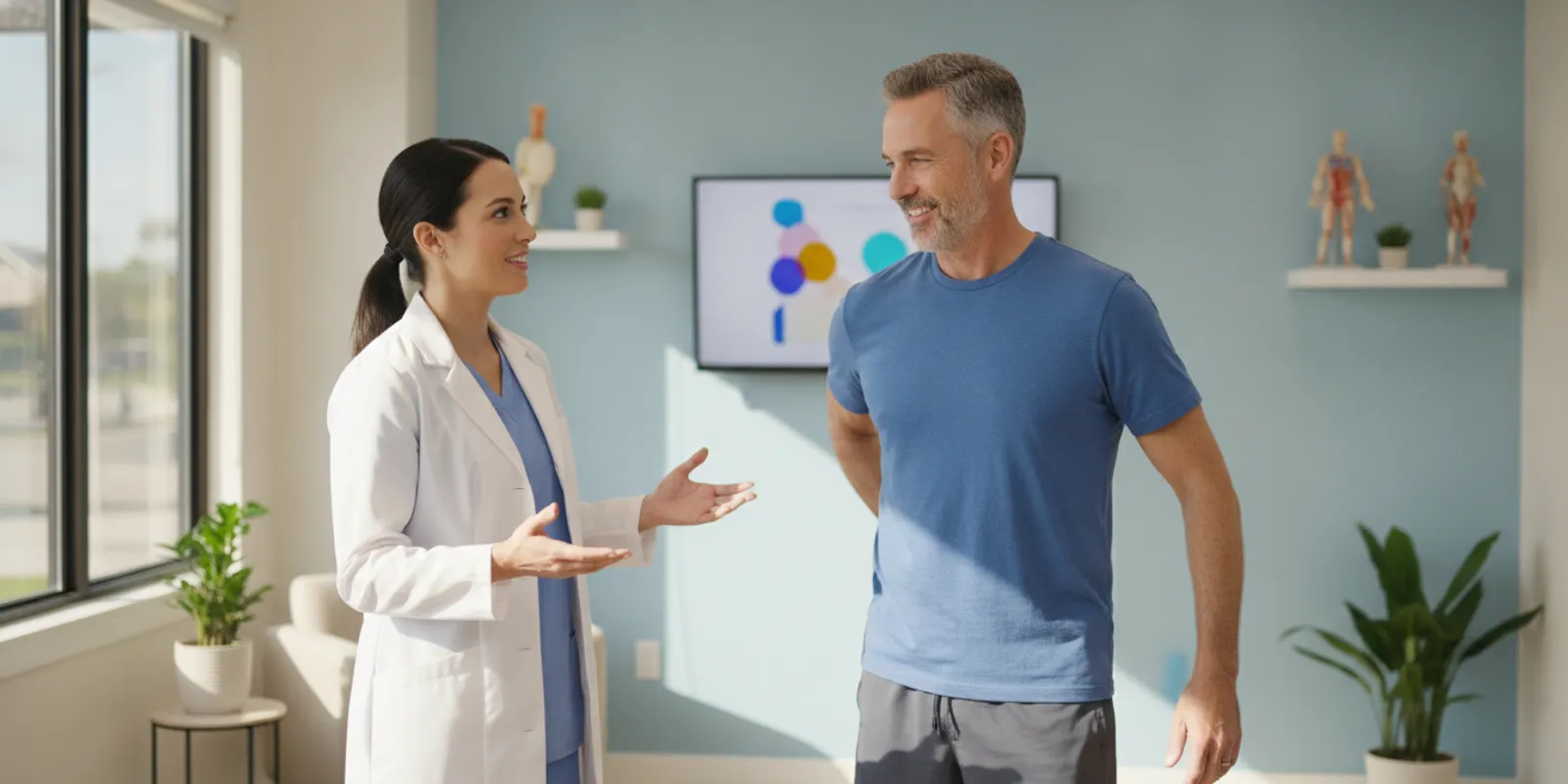
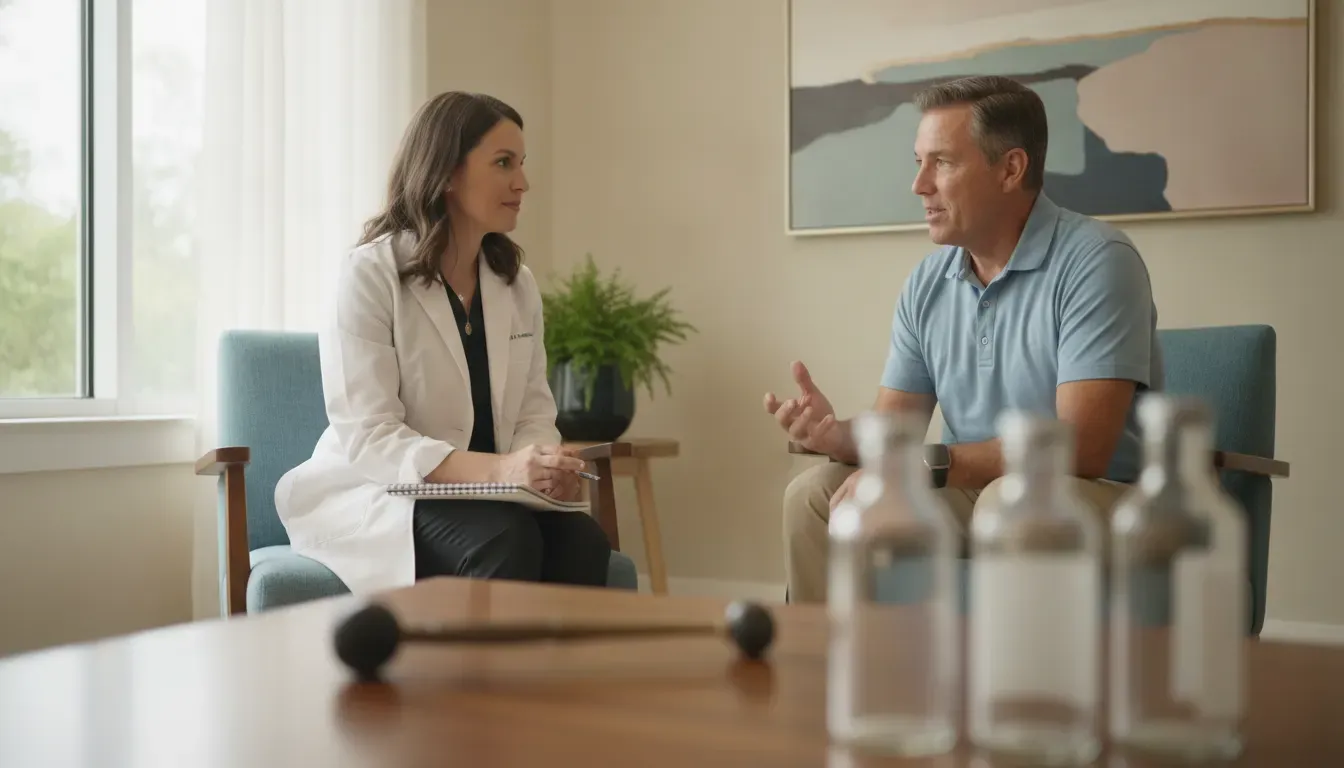
Before we begin, we’ll have a conversation to answer any last-minute questions and confirm the treatment area. Our team is here to ensure you feel confident and relaxed. This is a key part of our approach to physical medicine, where your comfort and understanding are priorities.
The Treatment Process and What It Feels Like
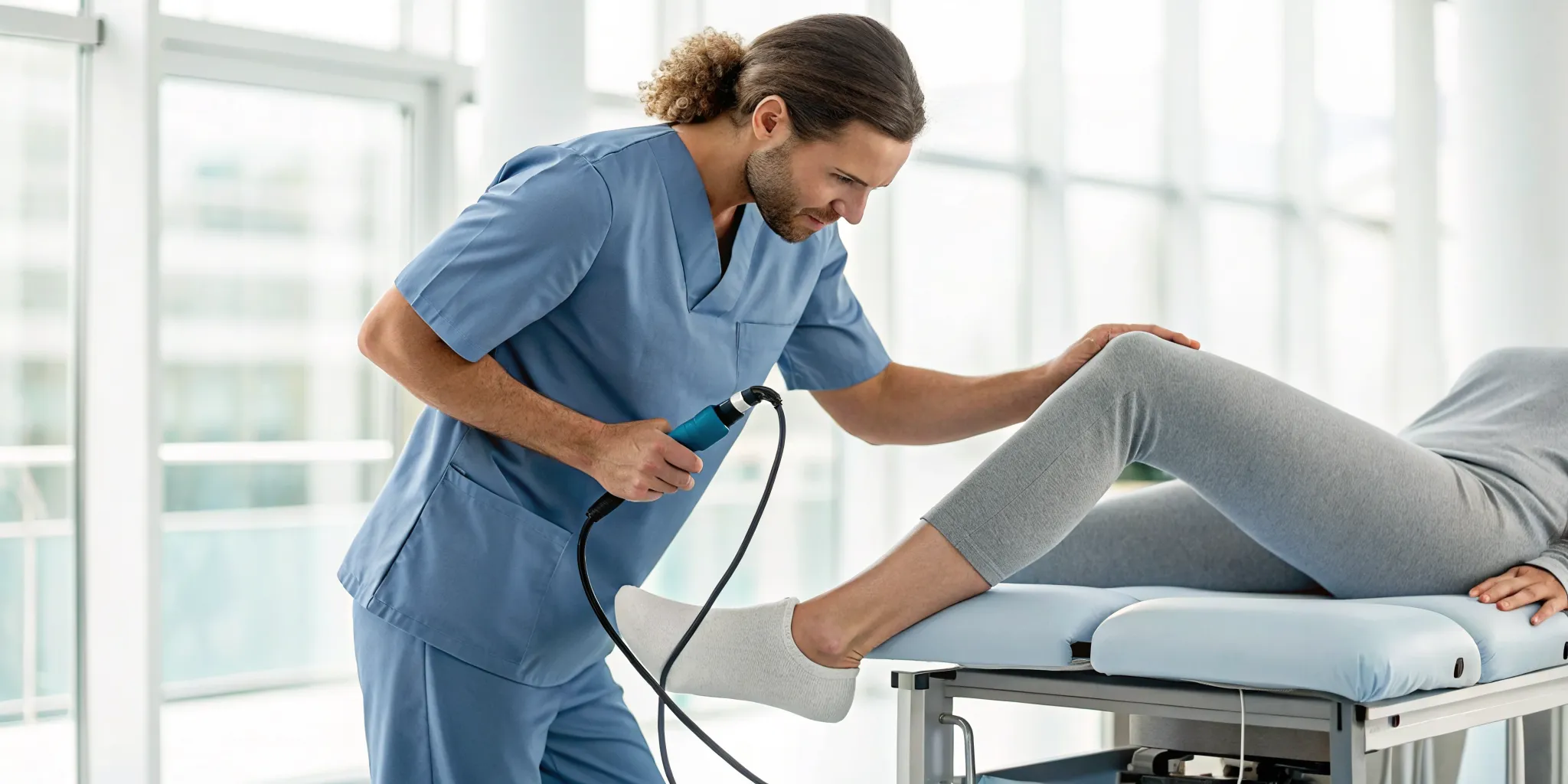
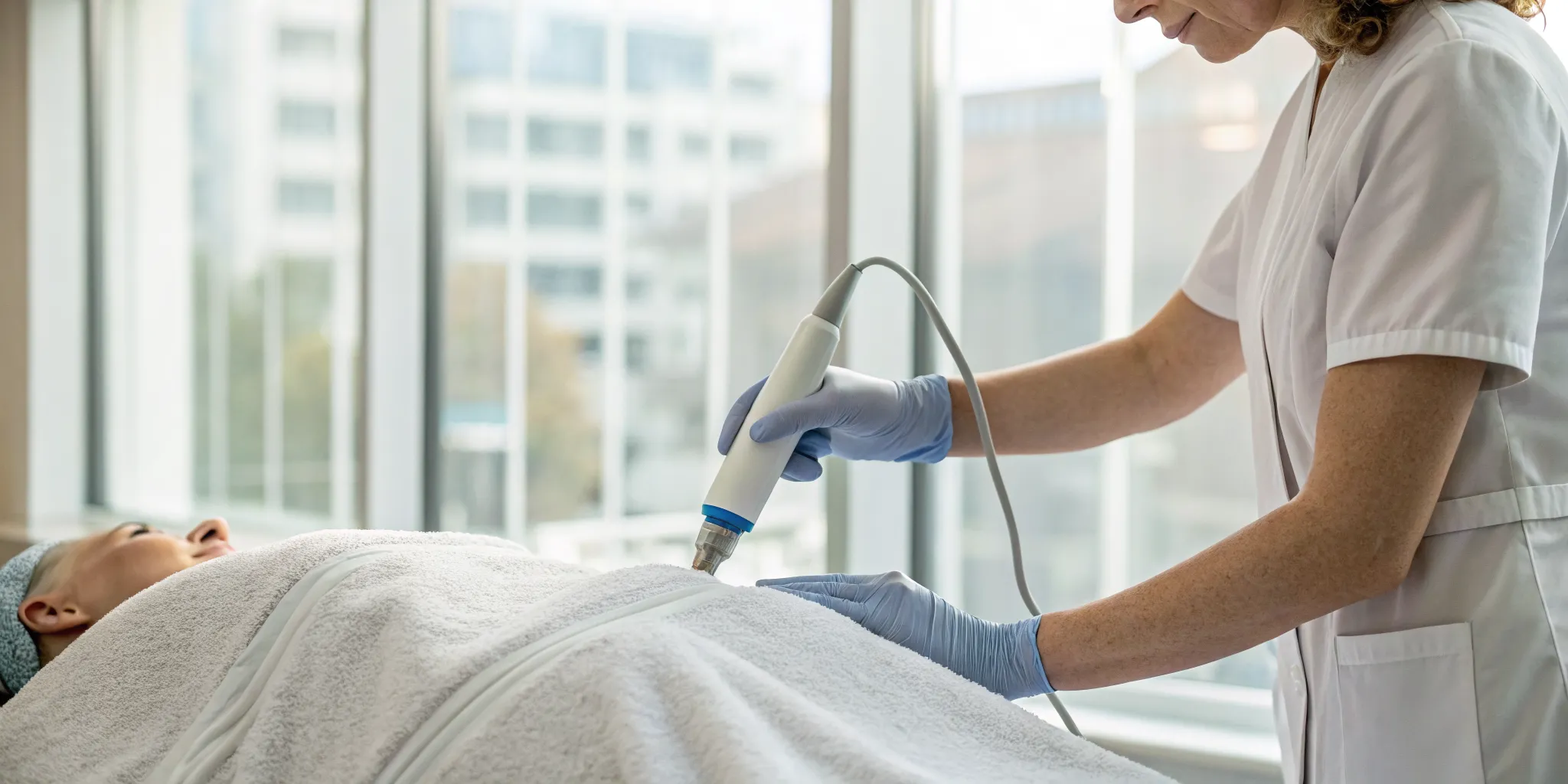
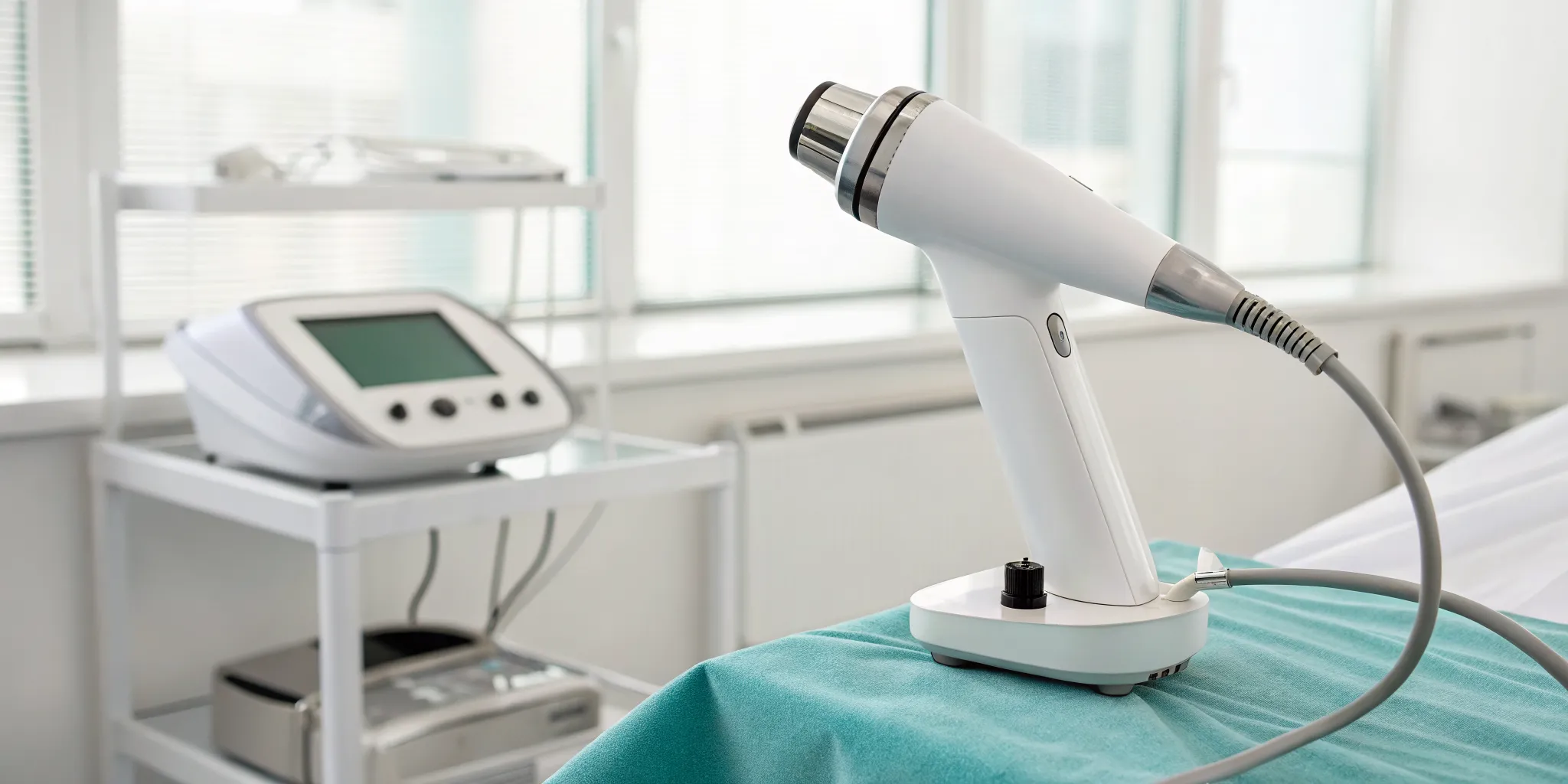
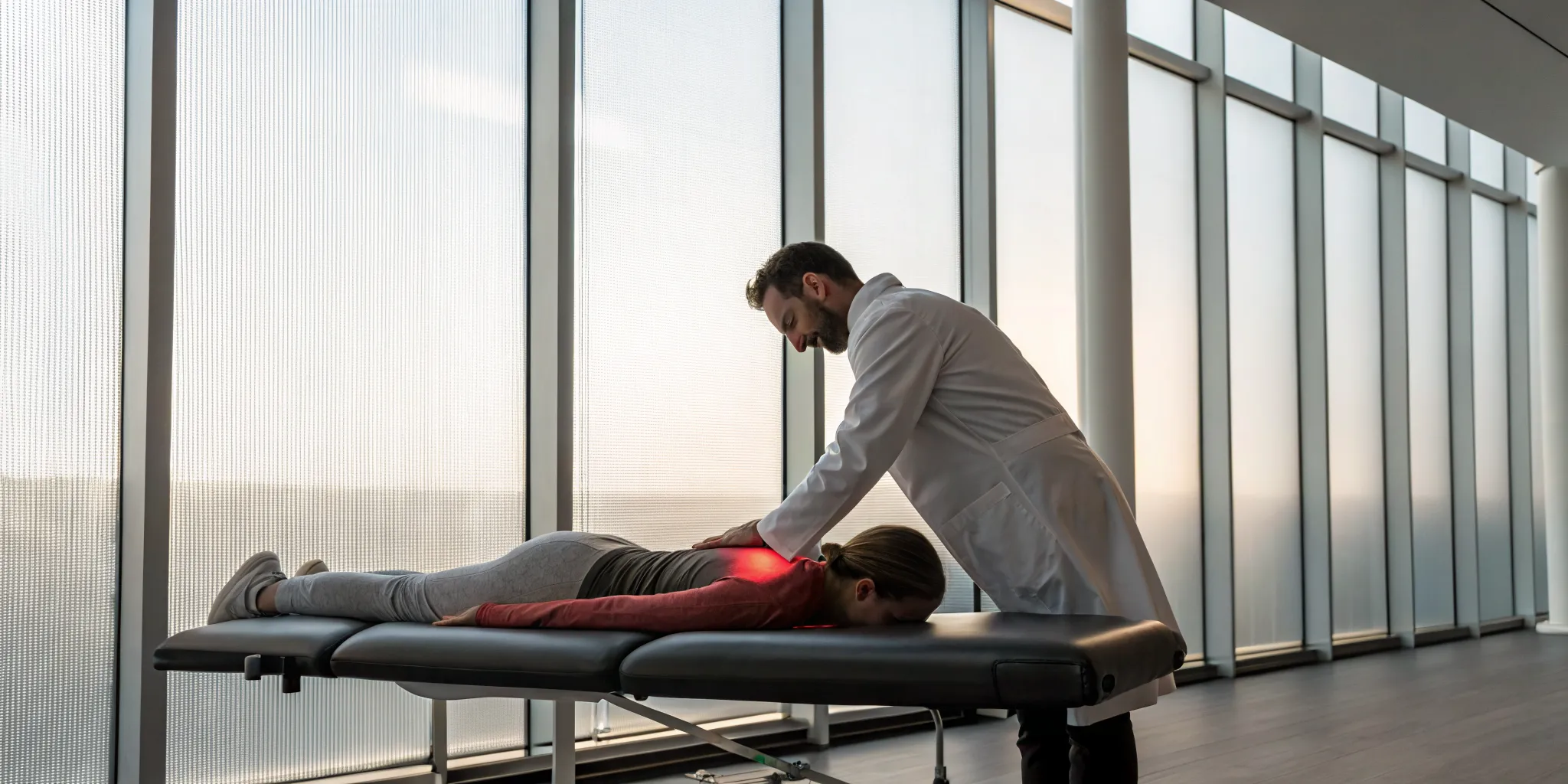
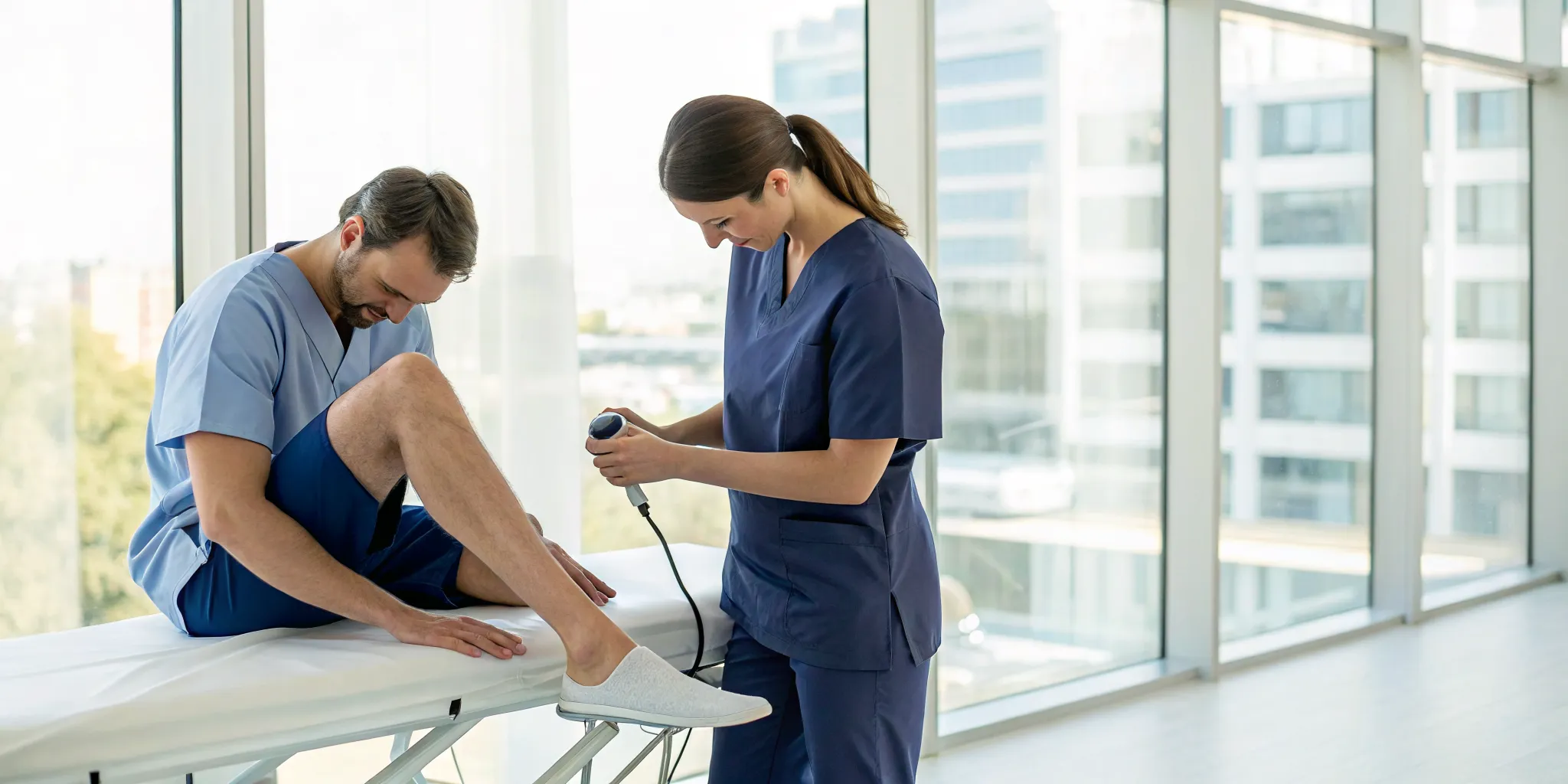
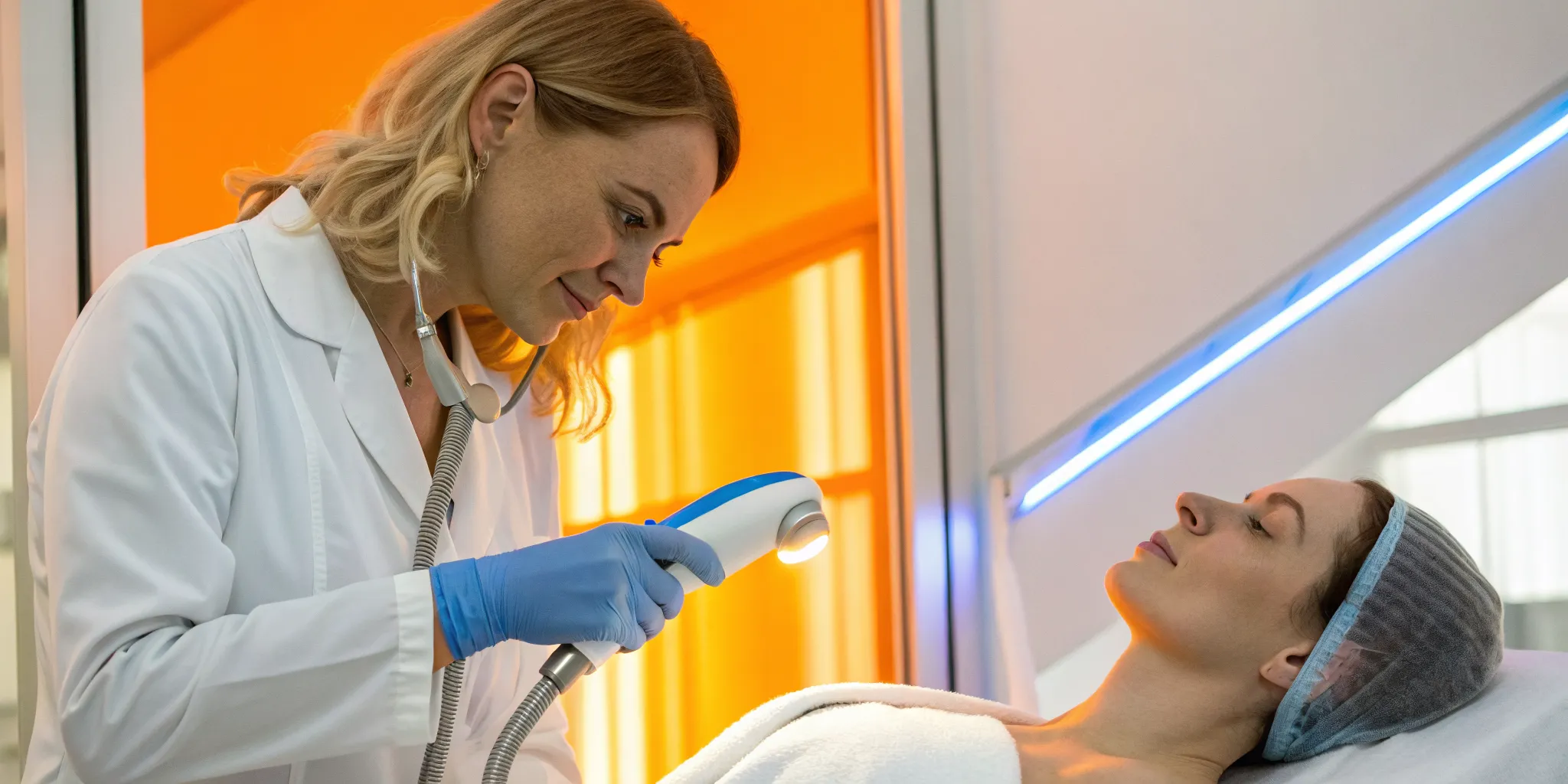
During the session, you’ll be comfortably positioned, either sitting or lying down. We’ll apply a gel to your skin over the target area, which helps the acoustic waves transfer effectively to the tissue. Then, we’ll use a handheld device that delivers the shockwaves, moving it gently over the affected spot.
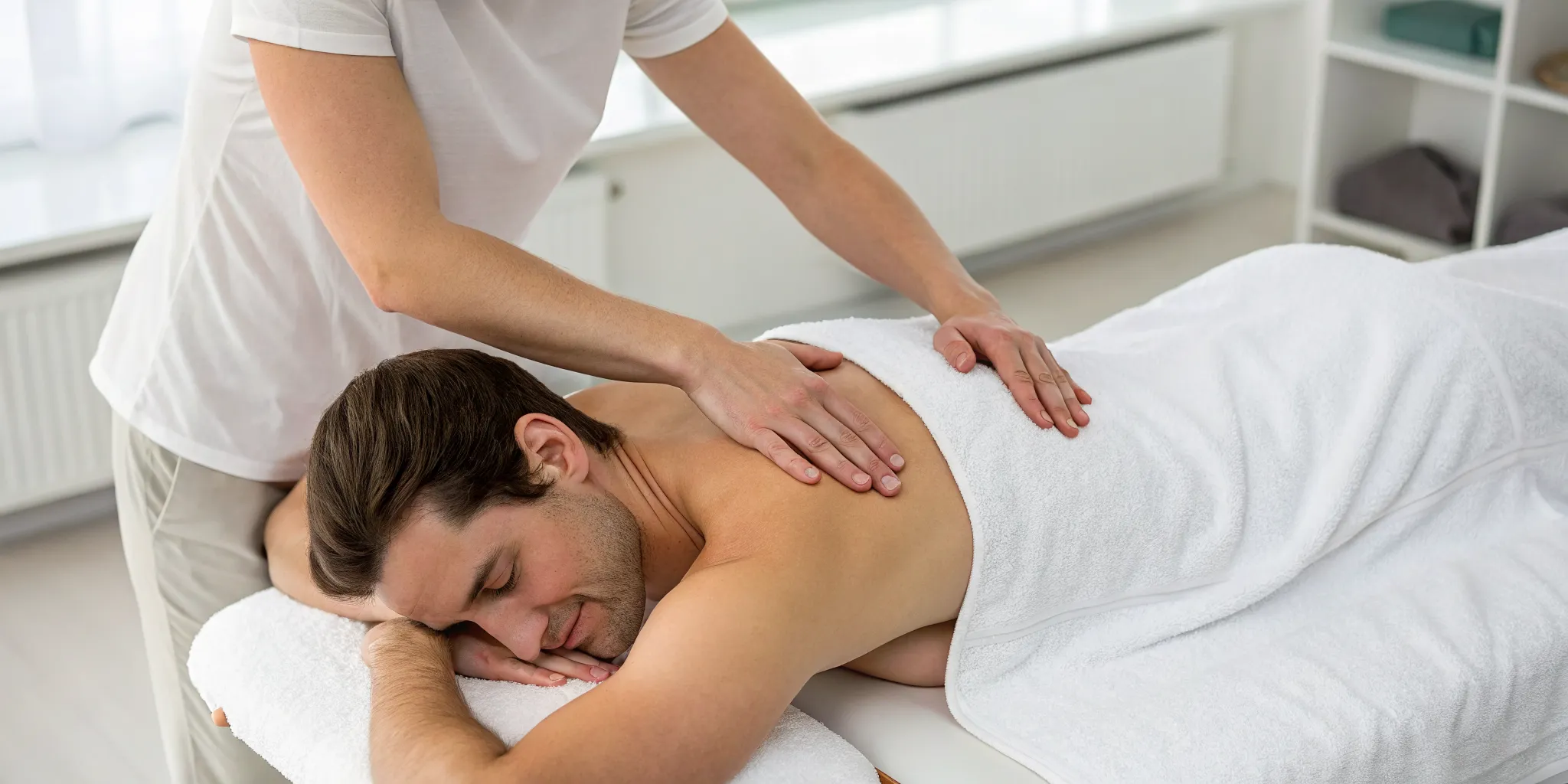
You’ll feel a sensation often described as a deep, strong vibration or a tapping, similar to a therapeutic massage. We will communicate with you throughout the treatment to ensure the intensity is right for you. We aim for a level that is effective but manageable, typically around a "5 out of 10" on a discomfort scale. The entire process is relatively quick, usually lasting just a few minutes.
What to Expect After Your Session
Many people report feeling some relief right after their first treatment. As the acoustic waves stimulate your body’s natural healing response, you may notice an immediate improvement in pain and mobility. It’s also common to experience some mild soreness or even slight bruising in the treated area for a day or two afterward. This is a normal sign that the therapy has initiated a healing process.
To support this process, we advise against taking anti-inflammatory medications (like Advil or ibuprofen) right after your session. The treatment works by creating a controlled inflammatory response, which is essential for tissue repair. Letting your body do its work is a crucial step toward addressing the root cause of the conditions we treat and achieving lasting results.
How Many Sessions Until I See Results?
It’s the question on everyone’s mind: how long until I feel better? While every person’s healing journey is unique, many individuals report feeling a noticeable improvement after just one or two shockwave therapy sessions. If the treatment is a good fit for you, you’ll likely experience some initial relief fairly quickly. This early response is often a great sign that your body is reacting positively to the therapy.
Of course, the total number of sessions you’ll need depends on several factors. The nature of your injury, how long you’ve been experiencing discomfort, and your body’s individual healing capacity all play a role. A recent issue might resolve in fewer sessions, while a chronic problem that has been around for years may require a more extended treatment plan to fully address the underlying tissue damage.
A typical course of treatment often involves three to six sessions, usually scheduled about a week apart to give your body time to repair and respond. During your initial consultation, our team will conduct a thorough assessment to understand your health history and goals. From there, we can create a personalized protocol that outlines the recommended number and frequency of sessions. The right plan for you will depend on your specific condition and what you hope to achieve.
Our goal at Ascend Functional Health is to address the root cause of your mobility issues, not just the symptoms. We’ll work with you to develop a clear and effective plan, ensuring you understand what to expect every step of the way. Your progress is monitored throughout the process, and we can adjust the plan as needed to ensure you get the best possible results.
Is Shockwave Therapy Right for You?
Deciding on a new treatment can feel like a big step, especially when you've been dealing with discomfort for a while. If you're wondering whether shockwave therapy is the right path for you, it really comes down to your specific symptoms, health history, and goals. Let's walk through who typically sees great results and when it might be best to explore other avenues.
Who Can Benefit from Shockwave Therapy?
Shockwave therapy is surprisingly versatile, offering a path to restored mobility for people with many different chronic issues. If you're struggling with persistent pain that just won't quit, this could be a game-changer. We often see fantastic results for individuals with stubborn heel pain like plantar fasciitis, Achilles tendinopathy, and discomfort in the shoulders, hips, or knees. It’s particularly helpful for those nagging soft tissue injuries that limit your daily activities. This treatment helps address a wide range of conditions by getting to the source of the problem, helping you move more freely and get back to doing what you love without being held back by pain.
When to Consider Other Options
While shockwave therapy is a powerful tool, it isn't the perfect fit for everyone. Your safety and success are our top priorities, which is why a thorough evaluation is so important. Certain health factors or conditions might mean that another approach would be more beneficial for you. This is why we always start with a detailed conversation about your health history and current situation. A one-on-one consultation allows us to determine if you're a good candidate and to create a personalized plan. If you're ready to find out if this treatment is right for you, the best first step is to schedule a consultation with our team to discuss your unique needs.
Clearing Up Common Myths About Shockwave Therapy
New treatments can sometimes come with a lot of questions and a bit of misinformation. When it comes to shockwave therapy, you might have heard a few things that give you pause. Let's clear the air and separate fact from fiction so you can feel confident about your options for improving mobility. Understanding the truth behind this innovative therapy is the first step toward getting back to the activities you love without discomfort.
We'll look at some of the most common myths and give you the straightforward answers you need. From concerns about pain to questions about who can benefit, getting the right information helps you make the best decisions for your health journey. Our goal at Ascend Functional Health is to empower you with knowledge, and that includes being transparent about the services we provide.
"It's a painful procedure."
One of the biggest worries people have is that shockwave therapy will hurt. The truth is, shockwave therapy is a non-invasive procedure. That means there are no incisions or instruments entering the body. Most people describe the sensation as a series of strong pulses or a deep tapping on the skin. While you might feel some discomfort, especially over a particularly tender area, the intensity is always adjusted to your tolerance level. Many patients compare it to a deep tissue massage. The goal is to stimulate healing, not to cause pain, and our team is with you every step of the way to ensure you're comfortable throughout the short session.
"It's only for professional athletes."
While it's true that many elite athletes use shockwave therapy to recover faster, it's definitely not just for them. This treatment is for anyone dealing with stubborn musculoskeletal pain, whether it's chronic or a more recent issue. Think of the desk worker with persistent shoulder stiffness, the teacher with plantar fasciitis from being on their feet all day, or the weekend gardener with nagging tennis elbow. Shockwave therapy helps stimulate the body's natural repair mechanisms for a wide range of common conditions. If you're struggling with soft tissue or tendon pain that isn't getting better, this therapy could be an excellent option for you, regardless of your activity level.
"You'll see results after just one session."
It’s natural to want relief as quickly as possible, but healing is a process. While many people report feeling better after just one or two treatments, shockwave therapy isn't a one-and-done fix. The therapy works by triggering your body’s own healing response, encouraging new blood vessel formation and tissue regeneration. This biological process takes time. For optimal, lasting results, a series of sessions is typically needed. Our approach focuses on addressing the root cause of your discomfort, and we create a personalized plan that supports your body's ability to truly heal over time, rather than just masking the symptoms.
Integrating Shockwave Therapy into Your Health Plan
Shockwave therapy is a powerful tool on its own, but its true potential shines when it's part of a comprehensive health strategy. Achieving lasting relief isn't just about treating a symptom; it's about addressing your body as a whole system. By combining shockwave therapy with other foundational practices, you create a supportive environment for deep, sustainable healing. This integrated approach helps ensure that the progress you make isn't just temporary, but a real step toward long-term mobility and well-being.
Pairing Shockwave Therapy with Chiropractic Care
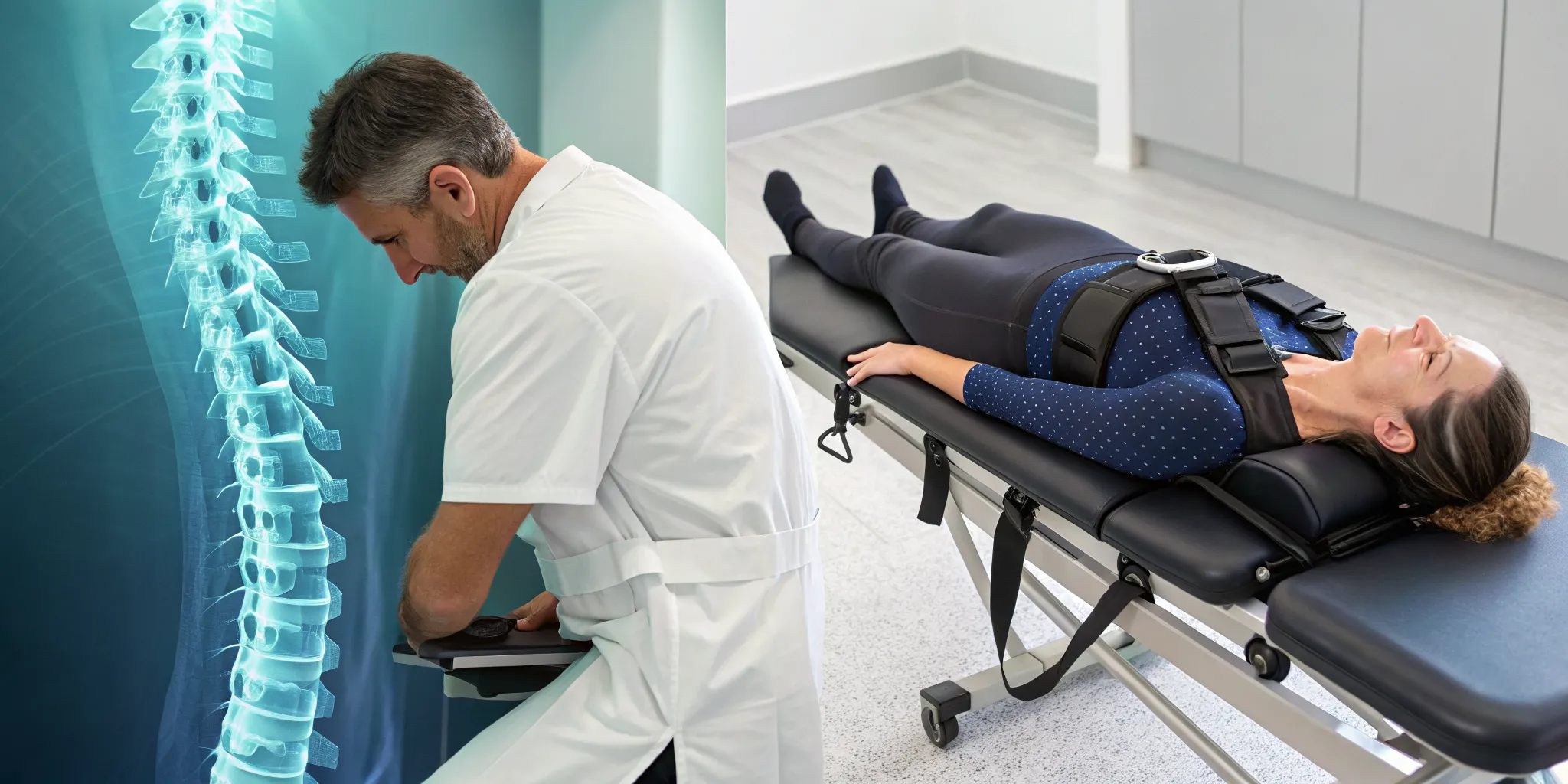
Think of shockwave therapy and chiropractic care as a dynamic duo for your musculoskeletal health. Shockwave therapy uses acoustic waves to target and stimulate healing in soft tissues like tendons and muscles that are causing you pain. It’s a non-invasive procedure that encourages your body’s own repair crew to get to work on tissue regeneration. At the same time, our physical medicine services focus on ensuring your body's structure, your spine and joints, are properly aligned. When your frame is correctly positioned, the soft tissues can heal without the constant stress of misalignment, allowing the benefits of shockwave therapy to go even further. This combination addresses both the source of the pain and the underlying structural issues.
How Functional Medicine Supports Your Recovery
While shockwave therapy kickstarts the physical repair process on the outside, functional medicine works to support that healing from the inside. Shockwave treatments help your body create new collagen and release growth factors essential for rebuilding tissue. But to do that, your body needs the right building blocks. This is where functional medicine becomes so important. We look at your unique internal environment, from your nutritional status to inflammation levels, to identify any barriers to healing. By addressing potential nutrient deficiencies or calming systemic inflammation, we ensure your body has everything it needs to respond effectively to treatment. This approach helps you recover more efficiently and build stronger, more resilient tissue for the long haul.
Improve Your Mobility with Shockwave Therapy in Tampa
If chronic pain or an old injury is holding you back from your favorite activities, it can feel incredibly frustrating. You might think your only options are to live with the discomfort or consider invasive procedures. But there’s another path to better movement. Here in Tampa, we use shockwave therapy, a non-invasive treatment that taps into your body’s own healing abilities to get you moving freely again. This approach is a key part of our physical medicine services, designed to address the root cause of your pain.
So, how does it work? Shockwave therapy uses targeted acoustic waves, which are essentially high-energy sound waves, sent deep into the injured tissue. These waves create tiny vibrations that stimulate your body’s natural repair mechanisms. Think of it as a wake-up call for your cells. This process increases blood flow to the area, reduces inflammation, and encourages the formation of new, healthy tissue. The result is less pain and, most importantly, improved mobility so you can get back to your life.
This therapy is remarkably versatile and effective for a wide range of stubborn issues that affect how you move. We see fantastic results for people dealing with plantar fasciitis, Achilles tendinopathy, rotator cuff pain, tennis elbow, and even chronic hip discomfort. Because it addresses so many different types of soft tissue injuries, it’s a powerful tool for anyone struggling with persistent pain. You can see a full list of the conditions we treat to find out if it might be a fit for you. For many of our patients in Tampa, shockwave therapy has been the key to regaining their freedom of movement without downtime.
Related Articles
- SoftWave Tissue Regeneration Therapy in Tampa | Alessi Functional Health
- SoftWave TRT Therapy in Tampa, FL - Alessi Functional Health
- Regenerative Medicine for Pain Recovery | Ascend Functional Health
- What Is Joint Mobilization & How Does It Work?
- What Is Soft Tissue Therapy? A Complete Guide
Frequently Asked Questions
Does shockwave therapy hurt? This is a very common question, and the short answer is no, it’s not a painful procedure. Most people describe the sensation as a strong, deep tapping or a series of pulses against the skin. While you might feel some mild discomfort over a particularly tender spot, we communicate with you the entire time to adjust the intensity to a level that is effective yet completely manageable. Think of it more like a very targeted deep tissue massage than a painful treatment.
What kinds of problems is this therapy best for? Shockwave therapy is especially effective for chronic soft tissue and tendon issues that haven't responded well to other treatments. It’s a great option if you're dealing with stubborn pain from conditions like plantar fasciitis, Achilles tendinopathy, tennis elbow, or rotator cuff discomfort. Essentially, it works best on injuries where the body's natural healing process has stalled and needs a signal to get back to work on repairing the damaged tissue.
Is there any downtime after a session? There is no required downtime, and you can return to your normal daily activities right after your appointment. It is common to feel some mild soreness in the treated area for a day or two, which is actually a positive sign that the therapy has initiated a healing response. We do recommend avoiding anti-inflammatory medications immediately following a session, as the controlled inflammation created by the treatment is a crucial part of the tissue repair process.
How quickly can I expect to feel better? While every person's body responds differently, many individuals report a noticeable reduction in pain after just one or two sessions. However, it's important to remember that this therapy is designed to promote genuine tissue repair, which is a process that takes time. For lasting results, a series of treatments is typically recommended to fully address the underlying cause of the discomfort and give your body the support it needs to heal completely.
How is this different from treatments that just manage pain? Many conventional treatments focus on temporarily reducing pain or inflammation. Shockwave therapy works differently by stimulating your body’s own powerful repair mechanisms to address the problem at its source. Instead of just masking the symptoms, the acoustic waves help regenerate damaged tissue, increase blood flow, and promote the formation of new collagen. The goal is to create lasting healing and improved function, not just provide a temporary fix.