Corrective Chiropractic in Tampa: How Care Supports Better Movement
Corrective chiropractic Tampa care starts with a closer look at how your spine, joints, posture, and movement work together. Instead of choosing an adjustment based only on the area that hurts today, a clinician evaluates your history and movement goals, then builds a plan around the findings. This guide explains the process at Ascend Functional Health.
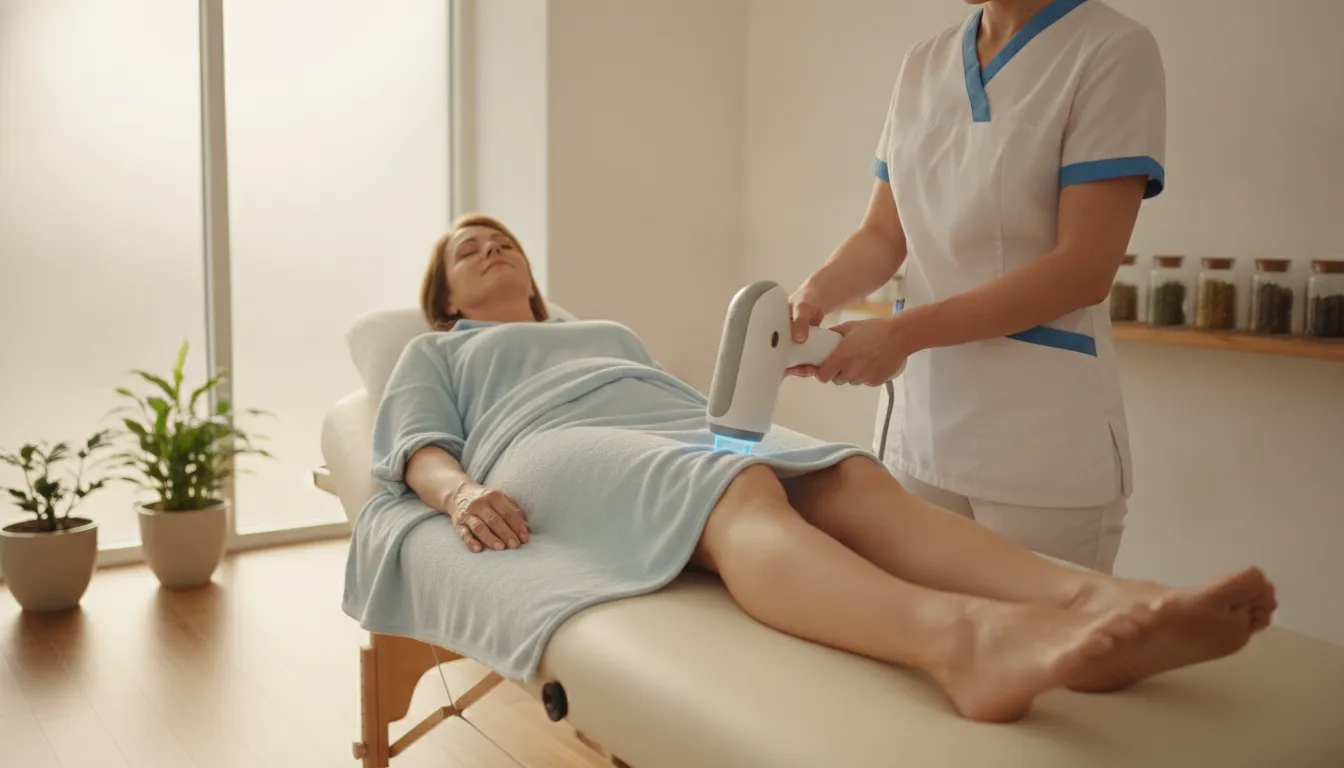
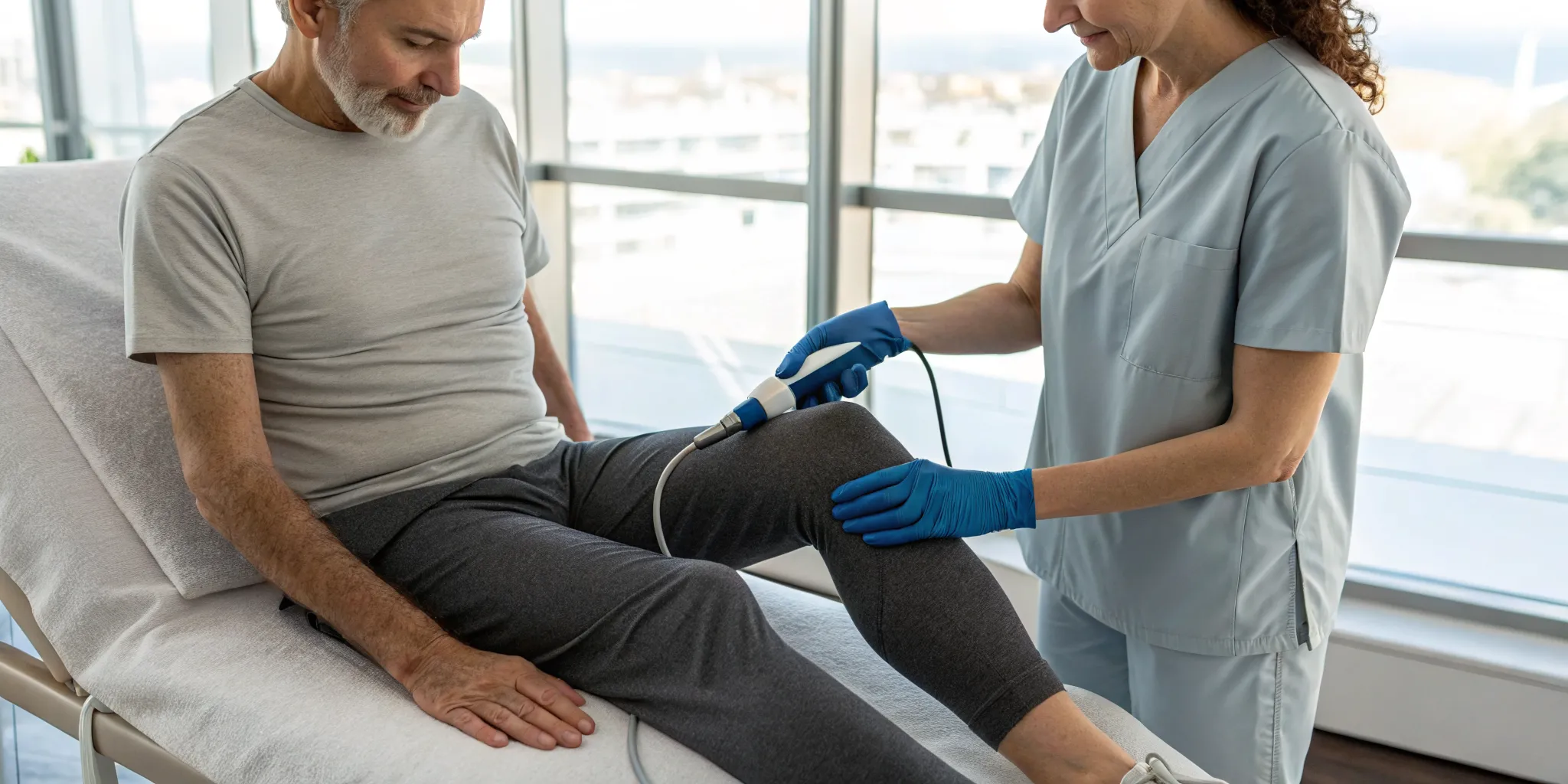
Corrective chiropractic care is an individualized approach that connects a detailed evaluation with movement goals, targeted chiropractic techniques, and regular progress checks. In Tampa, Ascend Functional Health places this work within Physical Medicine, where chiropractic, decompression, lumbar care, corrective care, and soft-tissue support may be considered according to the patient's needs.
Schedule a chiropractic care consultation with Ascend Functional Health
How Does Corrective Chiropractic Tampa Care Differ From Symptom-Focused Visits?
Corrective chiropractic Tampa care looks beyond the location of discomfort to examine the movement patterns and structural factors that may be contributing to it. The goal is not to promise a particular result. It is to create a clearer starting point, define relevant goals, and choose care that can be reviewed as your function changes.
A symptom-focused visit may concentrate on helping a painful area feel more comfortable in the moment. That can be useful, especially when discomfort limits normal activity. Corrective care adds another layer: it asks how posture, spinal curves, joint motion, muscle tension, previous injuries, and daily habits may interact.
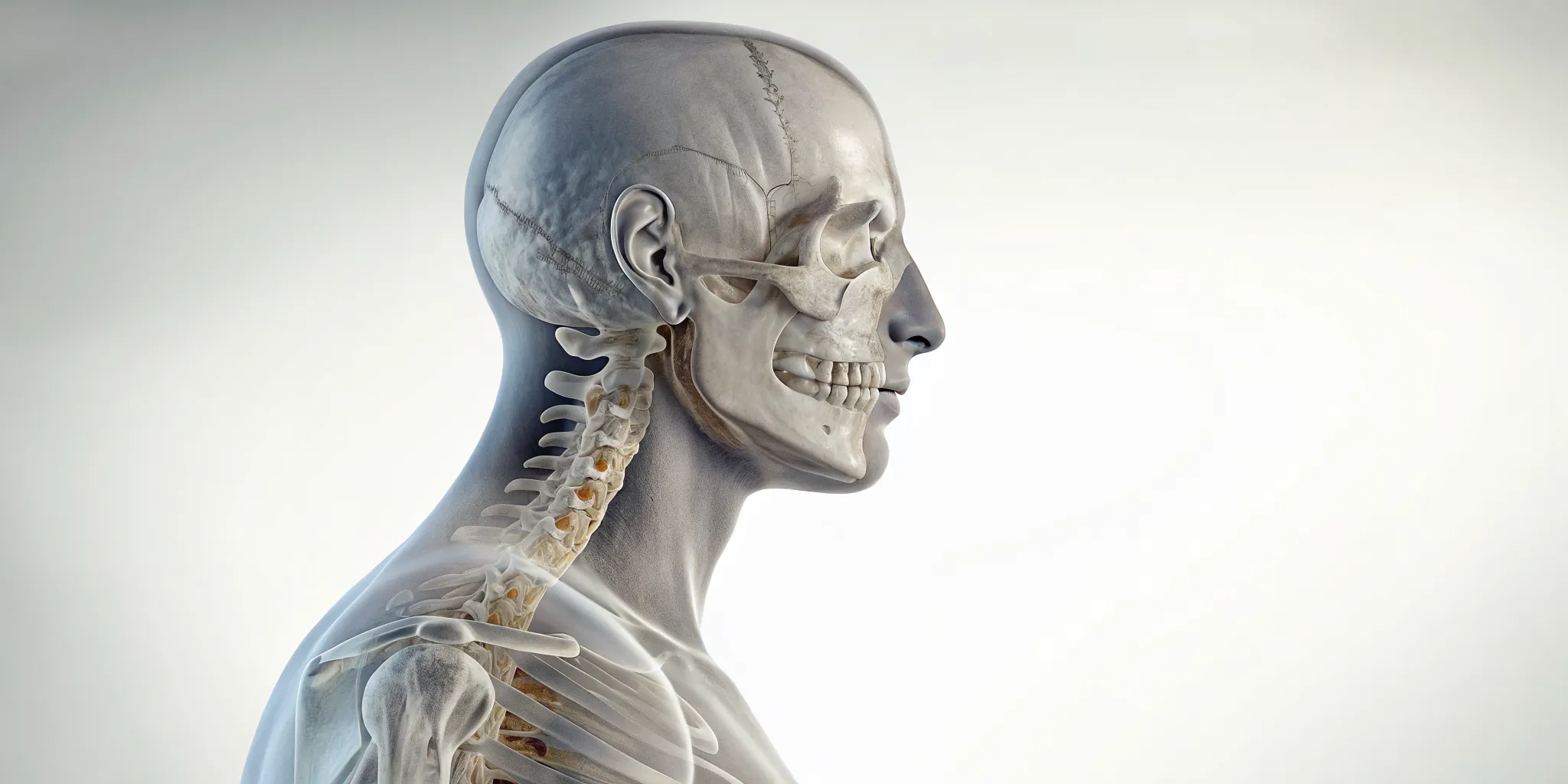
That distinction matters because the same complaint can have different contributors. Lower back discomfort may relate to lumbar mechanics, hip motion, work posture, training demands, or a history of injury. Neck tension may involve the cervical spine, shoulder movement, desk positioning, or sleep habits. A careful evaluation helps separate assumptions from findings.
Ascend Functional Health describes this approach through its Physical Medicine pillar. The emphasis is on personalized, evidence-informed care and measurable outcomes, without promising cures or immediate relief. A plan may include chiropractic adjustments, corrective strategies, decompression, lumbar care, or myofascial support when those options fit the evaluation.
For context, the NCCIH overview of spinal manipulation explains that spinal manipulation is one nondrug option used by trained practitioners and that people can experience different effects. That is one reason a qualified assessment and ongoing communication matter.
What Happens During a Corrective Chiropractic Evaluation?
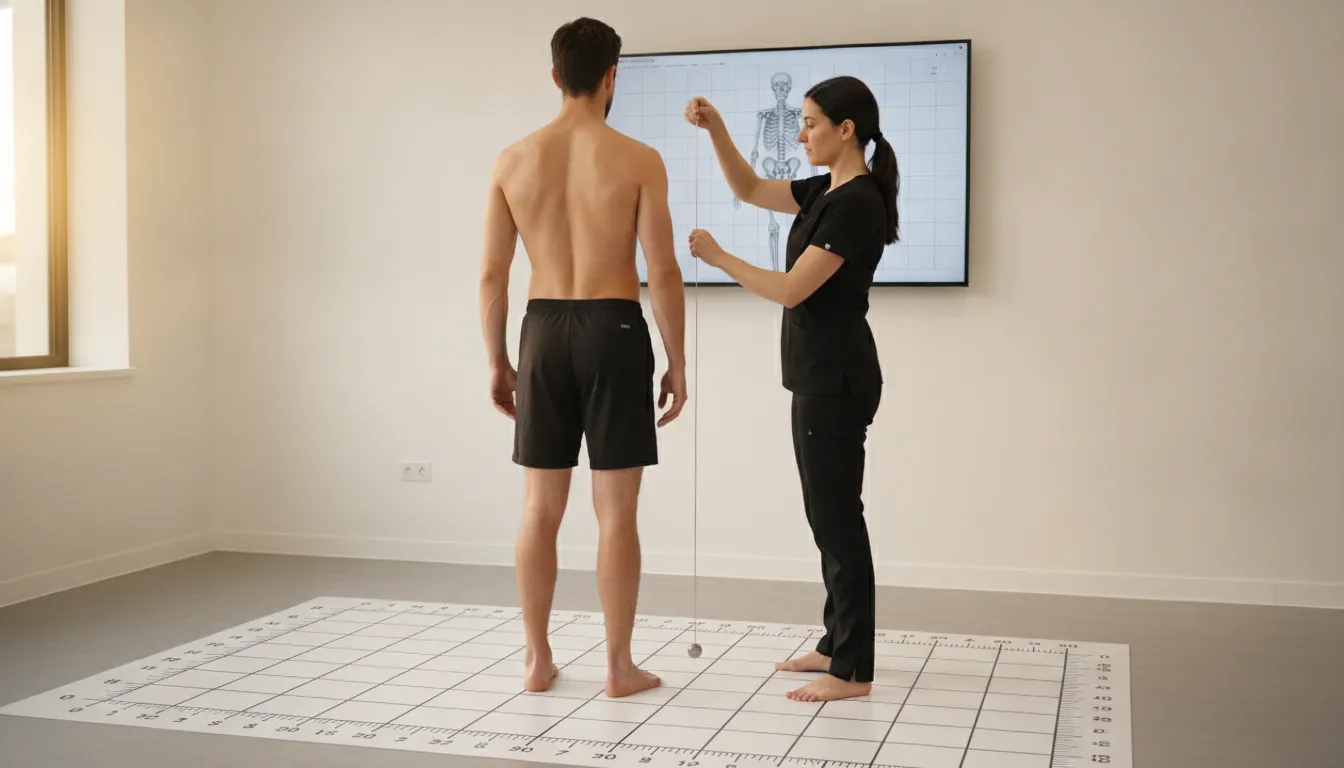
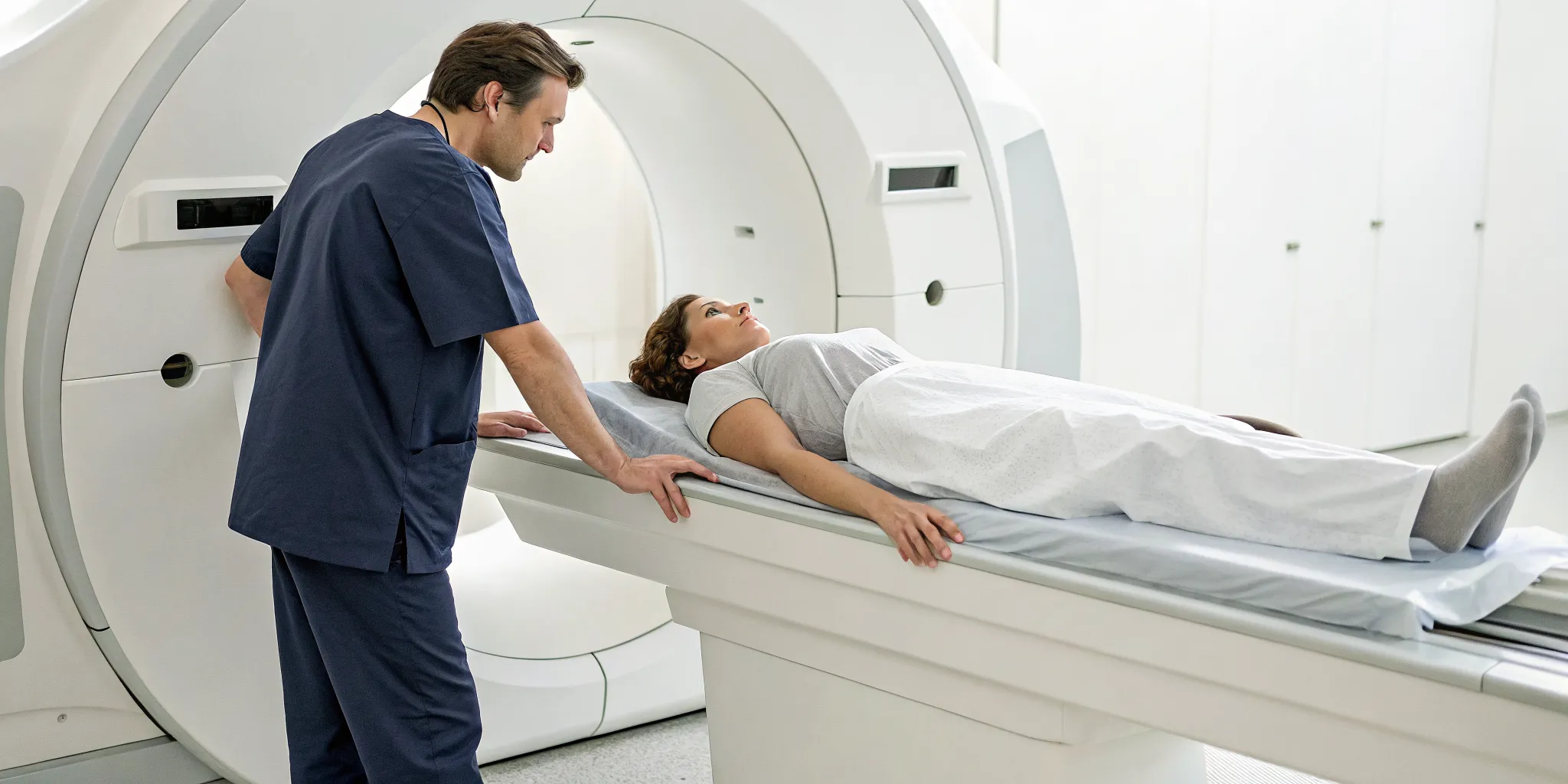
A corrective chiropractic evaluation typically combines your health history with posture, range-of-motion, orthopedic, neurological, strength, balance, and coordination findings. Imaging may be considered when clinically appropriate. The purpose is to understand your starting point and connect the findings to the activities you want to perform more comfortably.
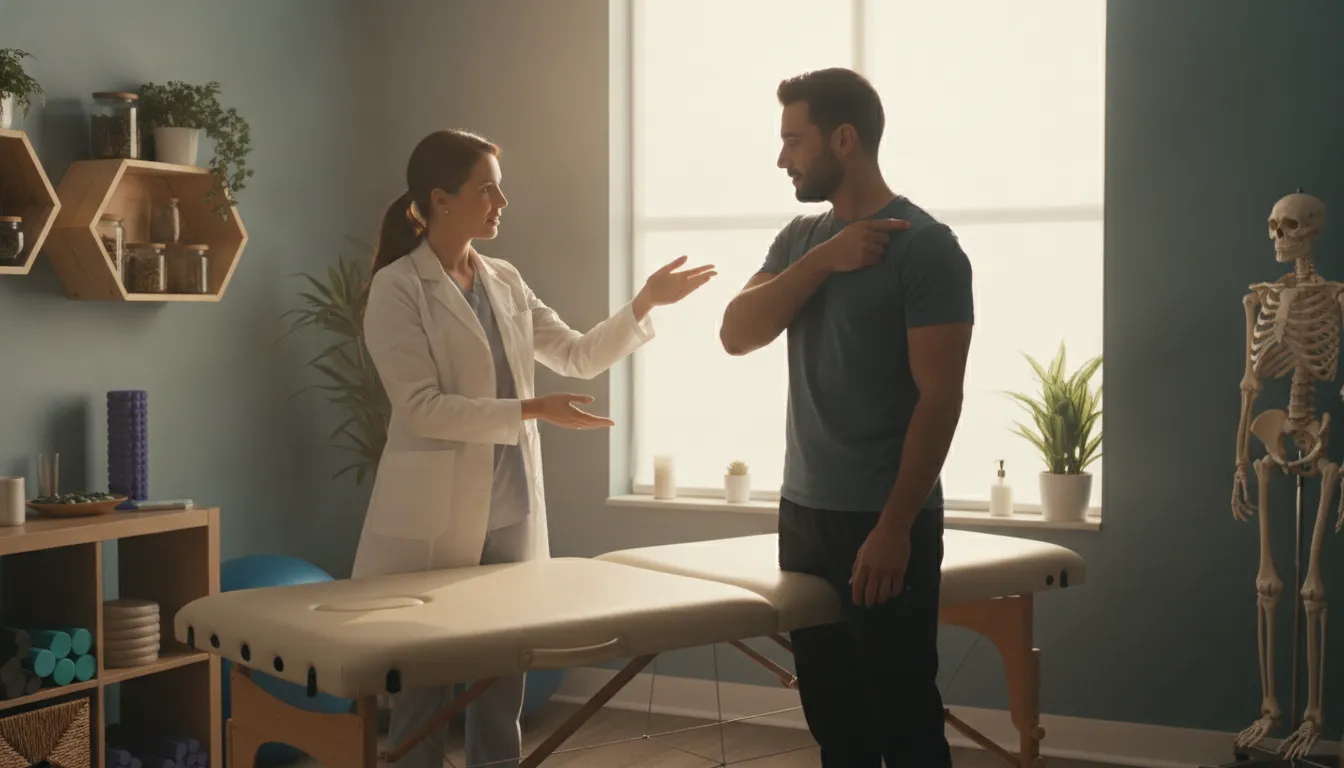
The first conversation should cover more than a pain score. Be prepared to discuss when the concern began, what makes it better or worse, any prior injury, your work setup, exercise or recreation, sleep, and the activities you have reduced. Your clinician can then connect your personal goals with the physical findings.
Depending on the presentation, an evaluation may include:
- Review of symptoms, health history, and previous care
- Posture and alignment observation
- Range-of-motion and movement testing
- Orthopedic and neurological checks when indicated
- Muscle strength, balance, and coordination assessment
- Digital X-rays or other imaging when clinically appropriate
These findings do not automatically determine one universal plan. They give the clinician a more complete picture of how your body handles load and motion. If imaging or additional evaluation is not appropriate for your situation, the plan should reflect that decision rather than treating every patient through the same sequence.

A useful evaluation also creates a baseline. That baseline may include a specific range-of-motion finding, a posture observation, a sitting or standing tolerance, or an activity that currently feels limited. Recording the starting point makes later conversations more concrete and helps determine whether the plan should continue, change, taper, or stop.
How Are Movement Goals Turned Into an Individualized Care Plan?
Movement goals make a corrective care plan practical. Rather than using a generic promise such as feeling better, you and your clinician can identify important activities, establish starting measurements, choose appropriate care options, and agree on checkpoints that show whether the plan is helping you move toward those goals.
A movement goal should be specific enough to observe. Examples might include sitting through a workday with fewer interruptions, turning your head more comfortably while driving, walking through a neighborhood, returning to a recreational activity, or lifting with better control. The right goal depends on your health history and should be set with your clinician.
Once the goals are clear, the plan can match the findings. Chiropractic adjustments may be one part of care. Other options within Ascend Functional Health's Physical Medicine approach may include decompression, lumbar care, corrective exercises, and myofascial release or other soft-tissue work. Each option should have a clear reason for being included.
| Plan element | Question it should answer | Example of a trackable outcome |
|---|---|---|
| Evaluation | What may be limiting movement? | Baseline range of motion or posture finding |
| Movement goal | Which activity matters most right now? | Walking, sitting, driving, work, or recreation tolerance |
| Care approach | Which option fits the findings? | Response, tolerance, and change in movement quality |
| Checkpoint | Is the plan moving in the right direction? | Repeat exam finding and patient-reported function |
This structure also makes room for shared decision-making. You should understand the purpose of each part of the plan, how often progress will be discussed, and what to do if the response is limited or a new concern appears. A plan is not a promise of a fixed outcome. It is a working clinical strategy that should respond to your findings.
Explore Ascend's Physical Medicine approach for personalized movement care
Which Approaches May Support Better Movement?
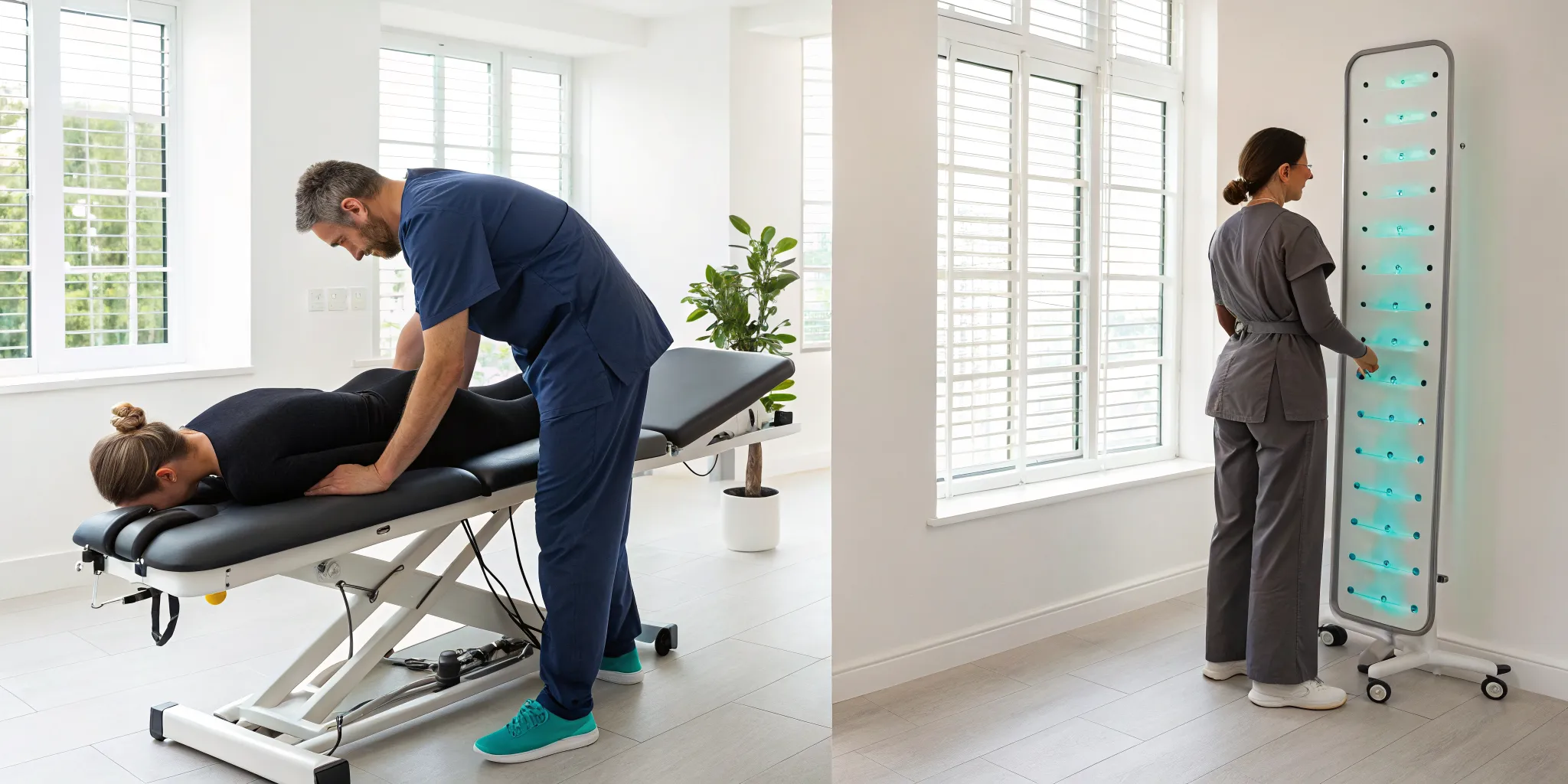
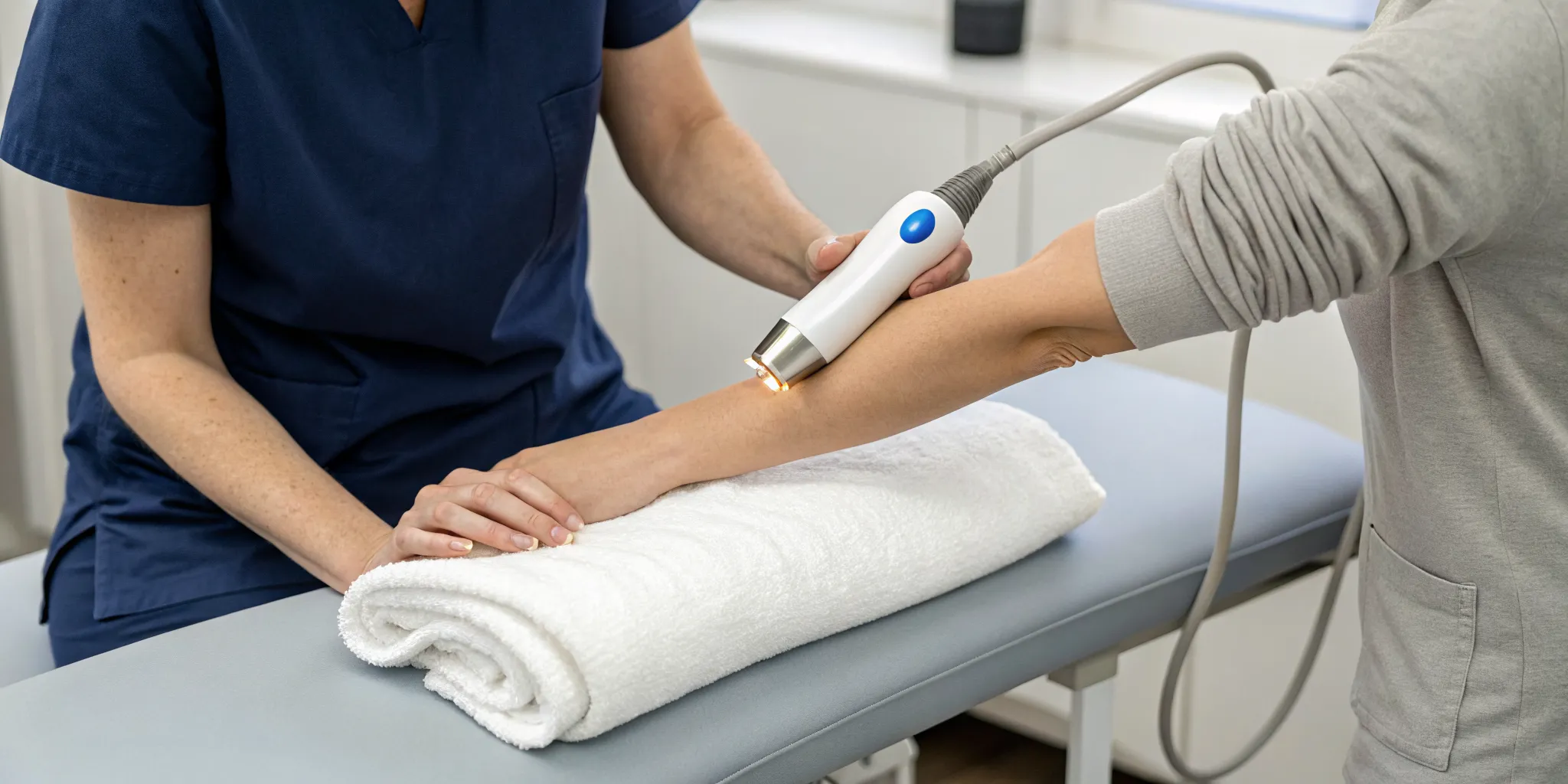
Better movement may require more than one tool, depending on the evaluation. Ascend Functional Health may consider chiropractic care alongside decompression, lumbar care, corrective strategies, and soft-tissue support within Physical Medicine. The appropriate combination depends on the patient's presentation, tolerance, goals, and response over time.
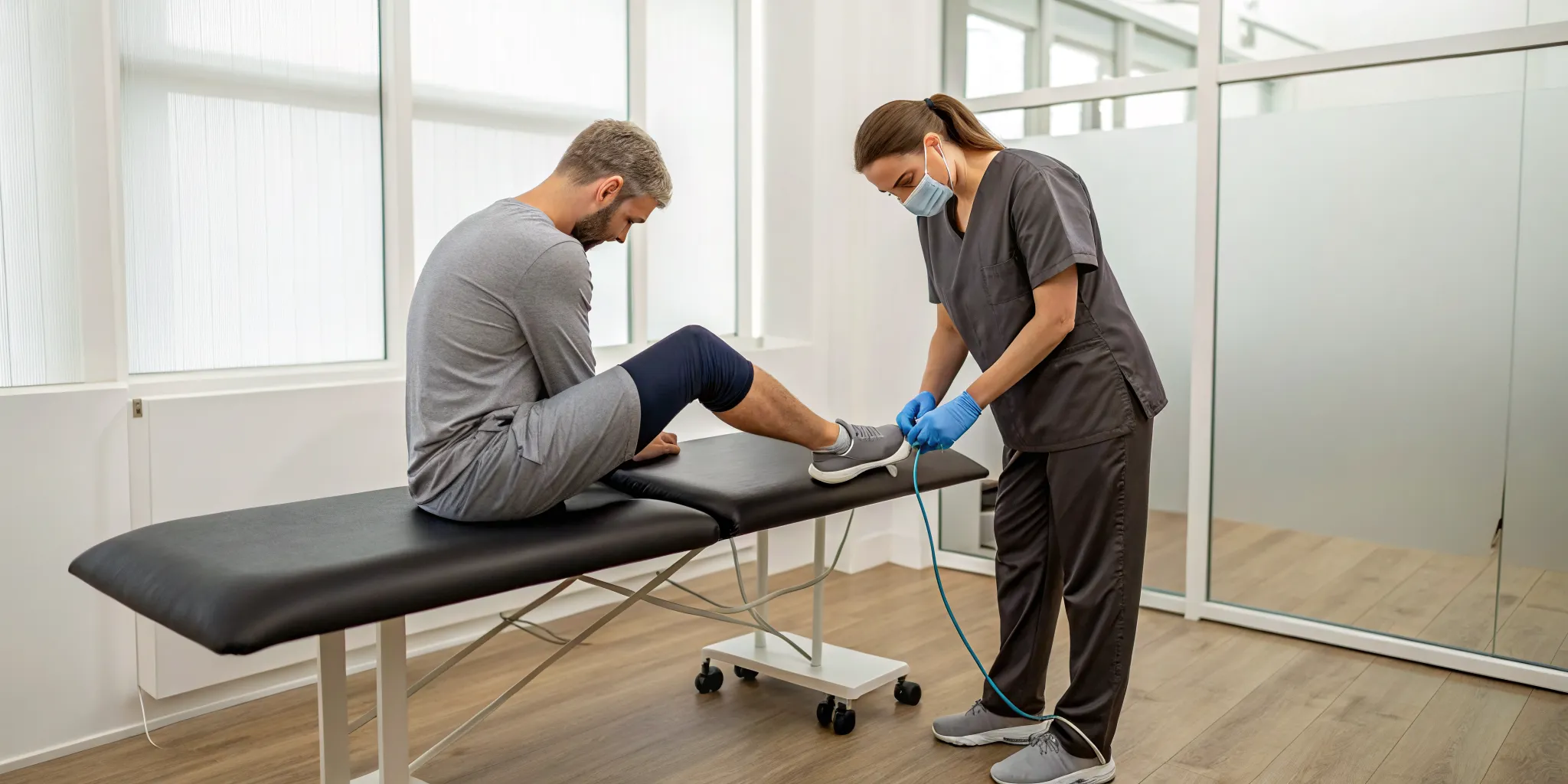
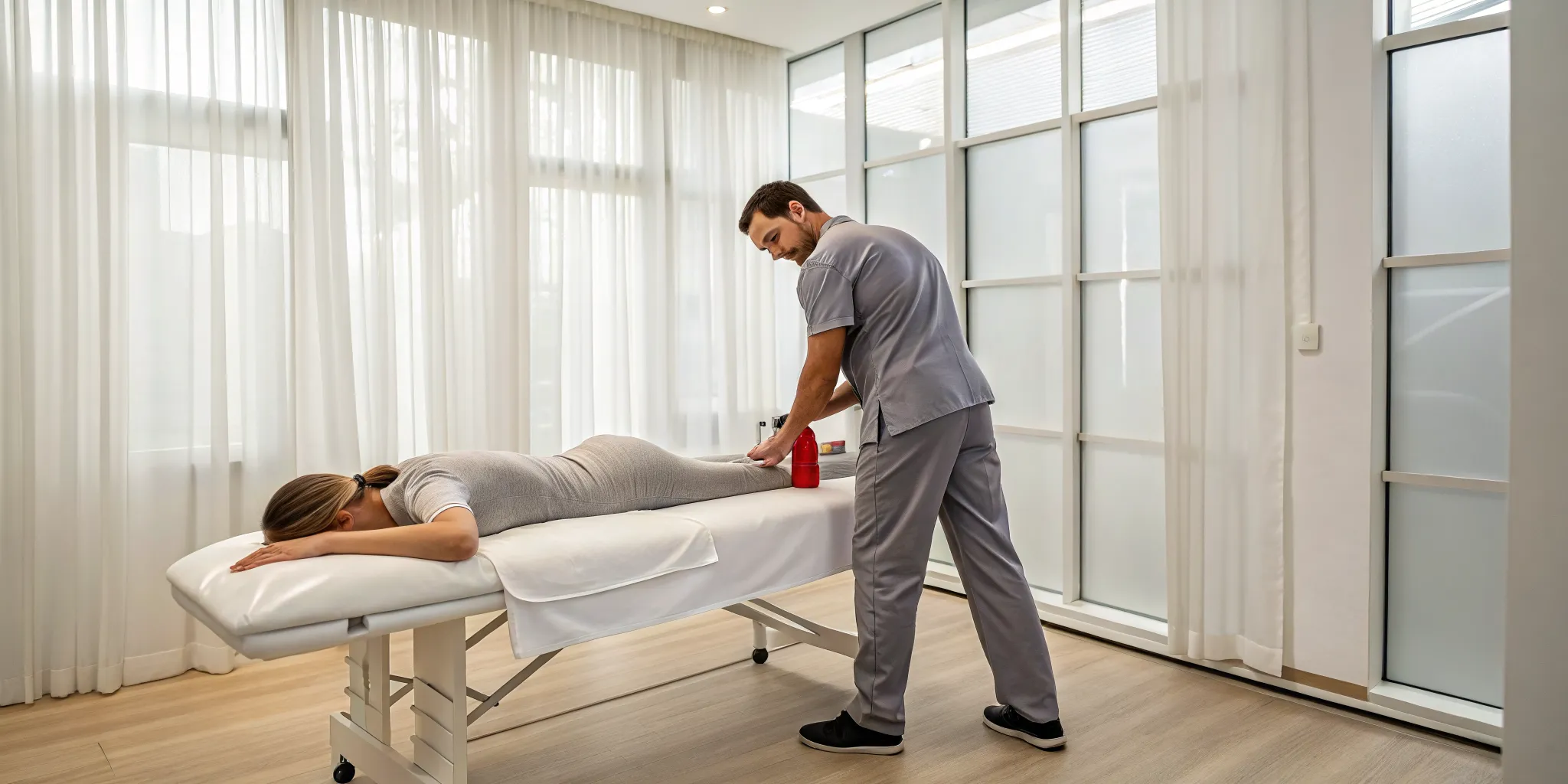
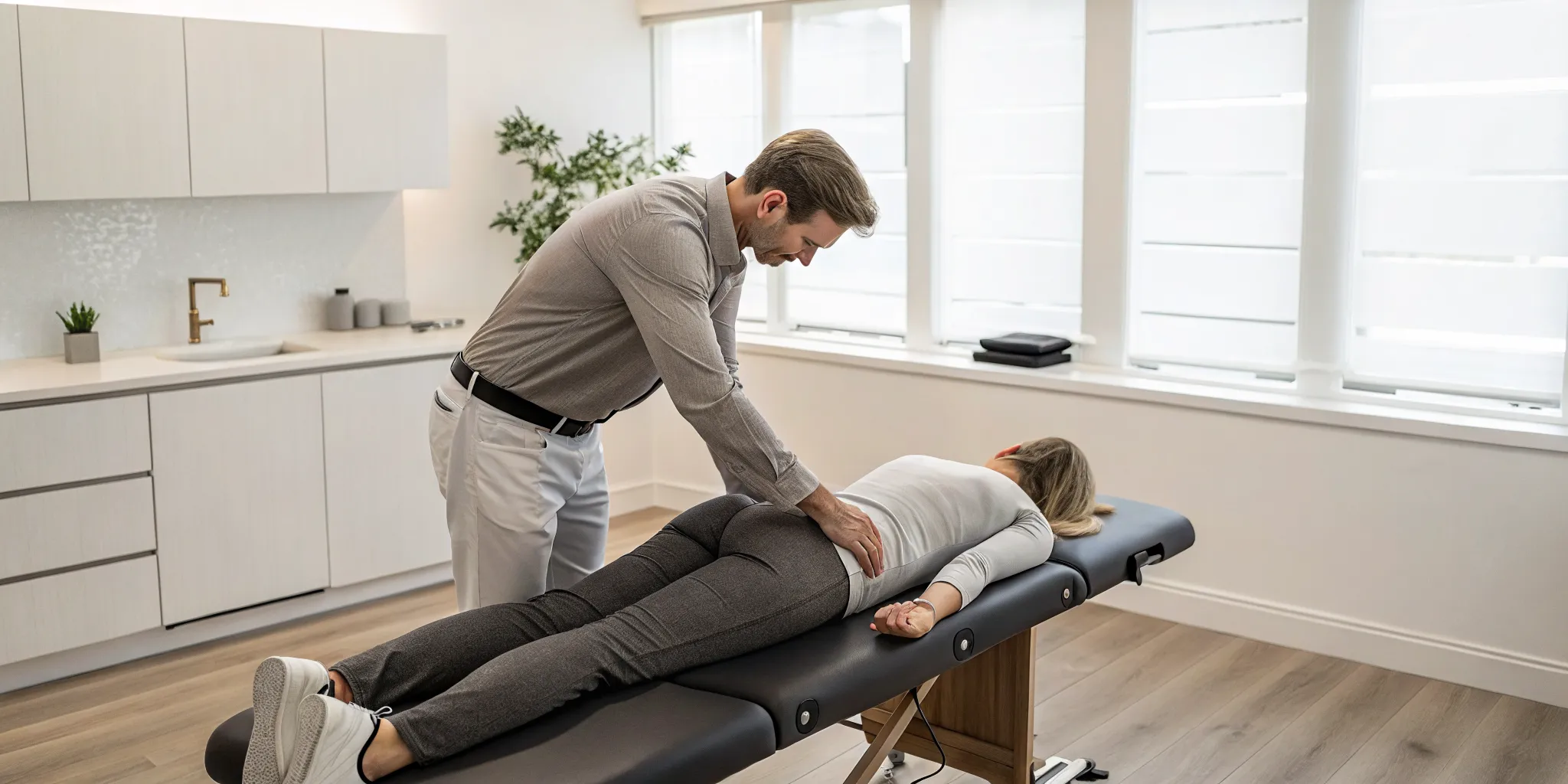
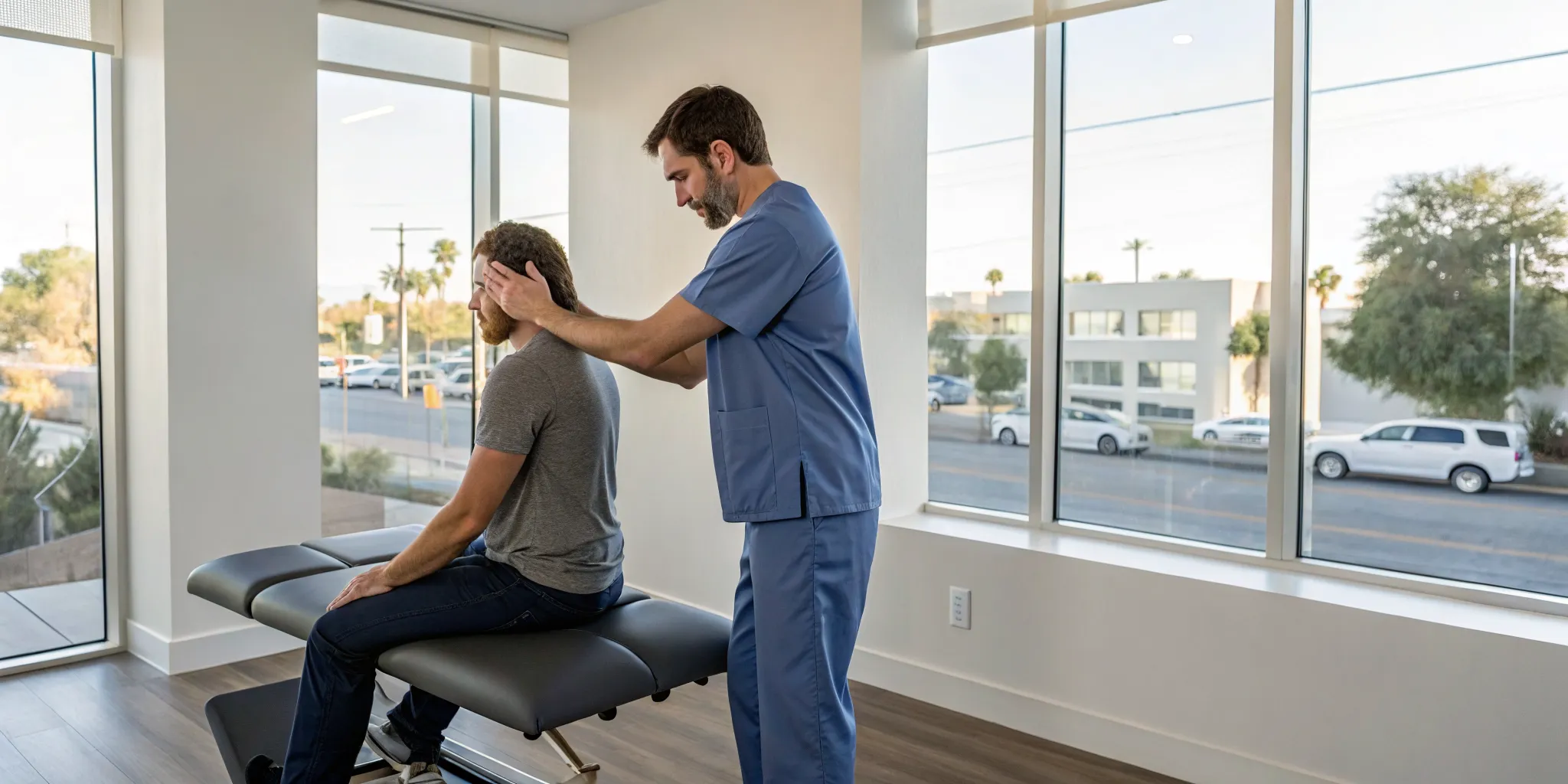
Chiropractic care uses clinician-directed adjustments and related hands-on techniques to address joint motion and musculoskeletal function. The exact technique, area, and amount of force should be selected after an evaluation, not assumed from a general label.
Corrective strategies focus on helping the body use improved movement patterns. These may involve clinician-guided exercises, posture cues, or changes to the way you approach everyday activities. The goal is to support carryover between visits without turning a general article into a personal exercise prescription.
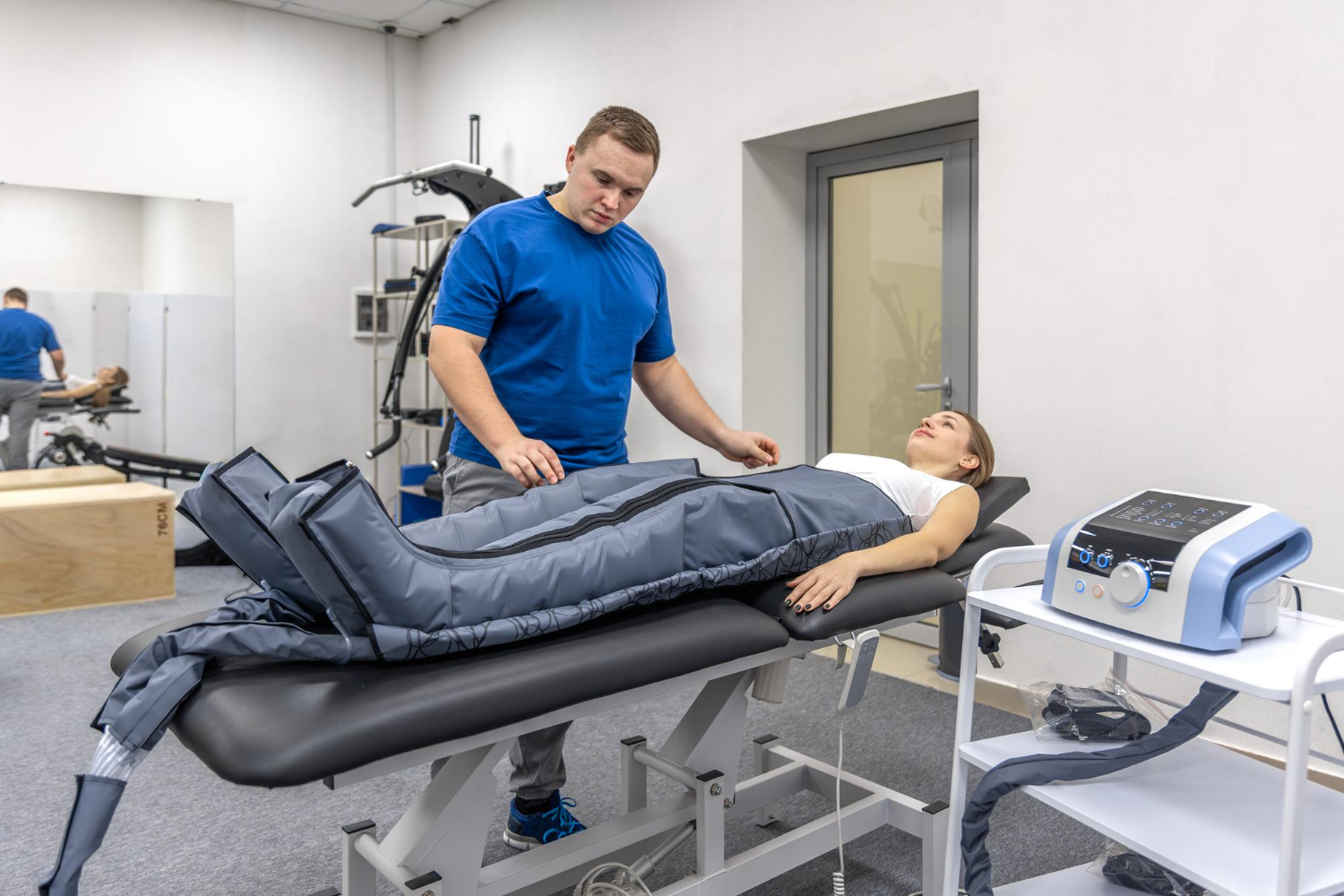
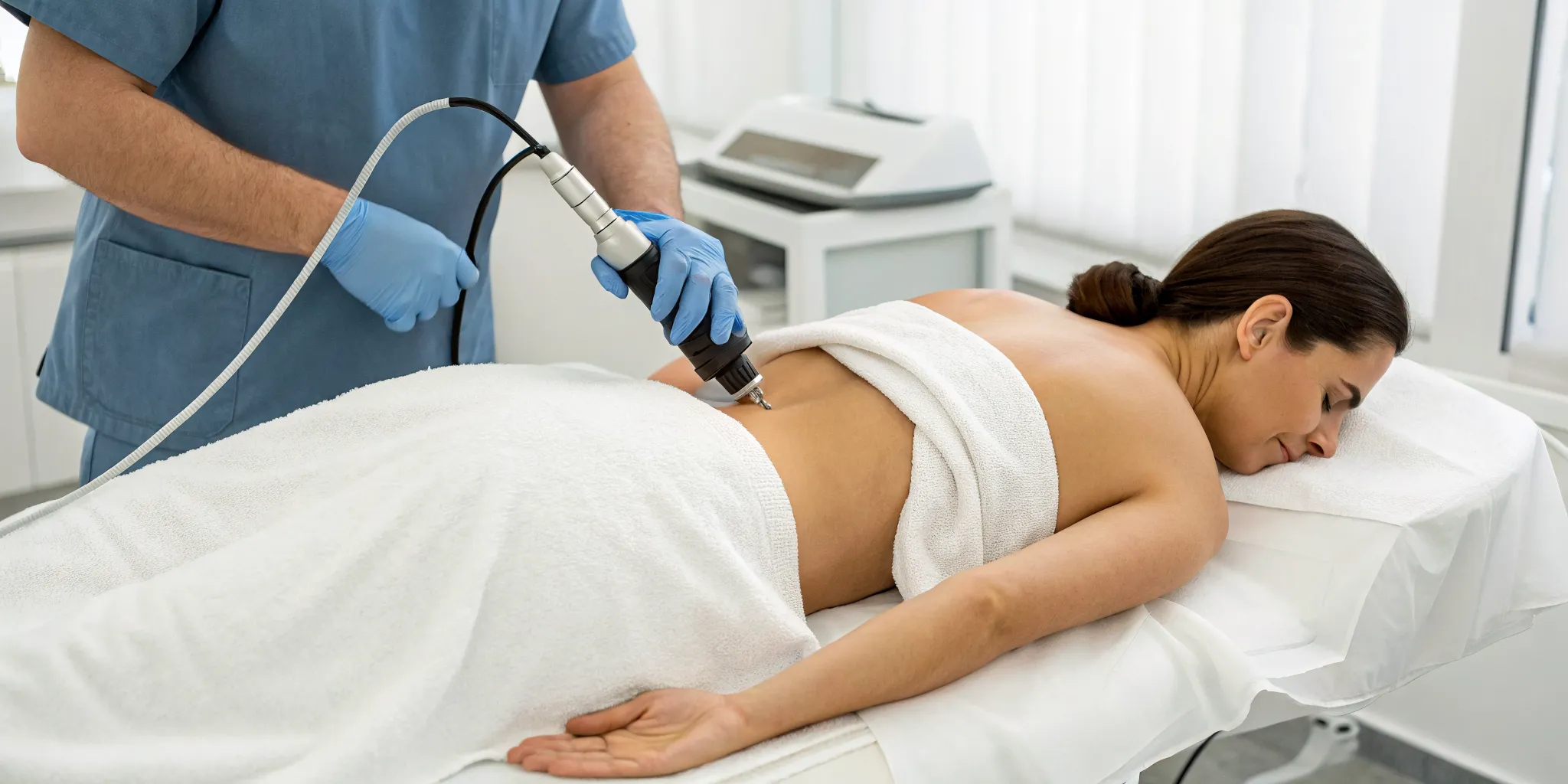
Decompression and lumbar care may be considered when the evaluation points to a lower-back or disc-related concern. Ascend's service model treats these as options within a broader Physical Medicine assessment, not as automatic answers for every person with back discomfort.
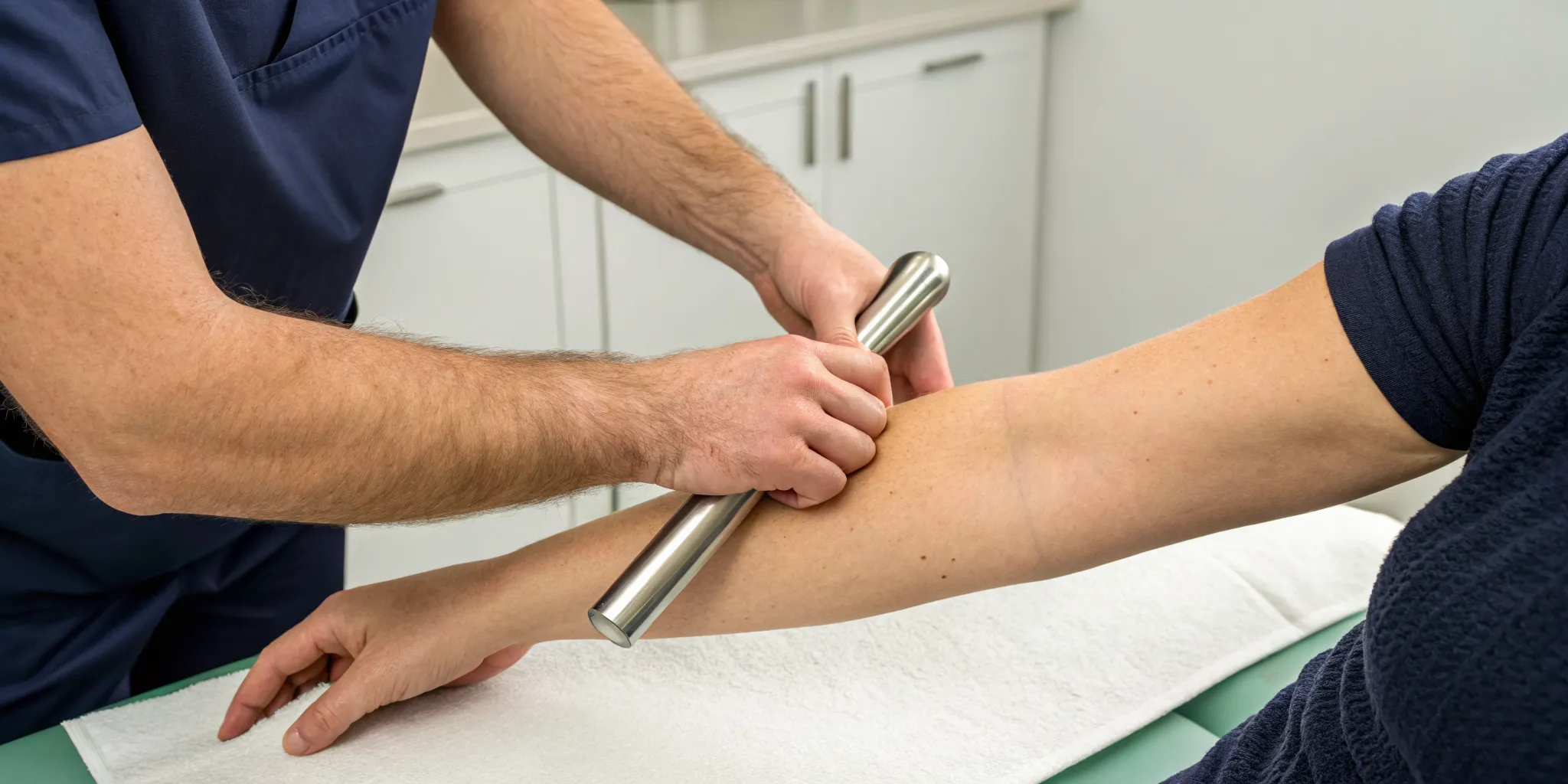
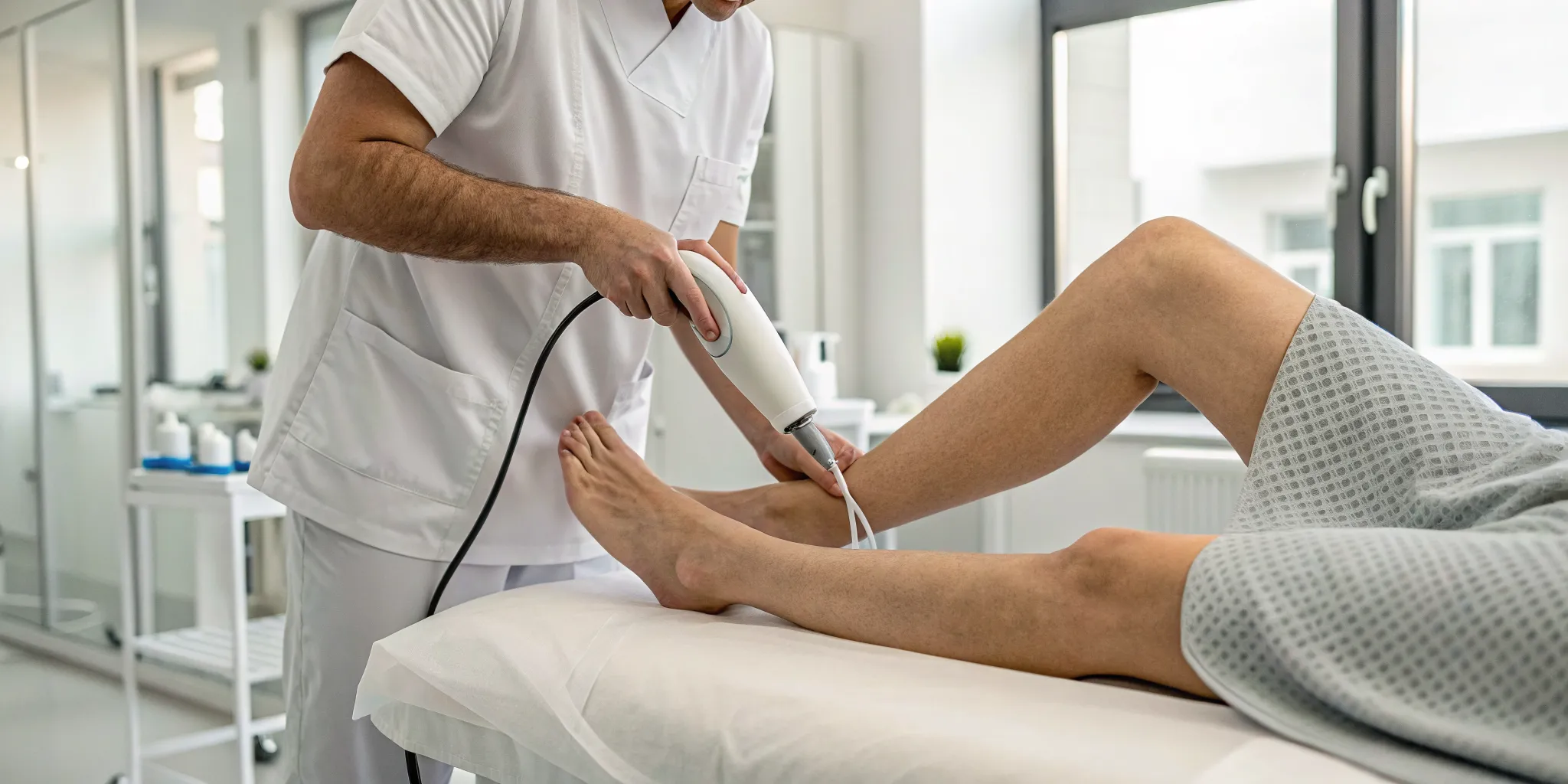
Myofascial or soft-tissue support may be useful when muscle and connective-tissue tension affects motion. The clinician can decide whether this type of care belongs in the plan and how it should relate to the primary movement goal.
These approaches are not interchangeable, and more treatment is not automatically better treatment. A sound plan explains why each element is present, how your response will be reviewed, and when the approach should be adjusted. Tell your provider if an activity becomes more difficult, a new symptom develops, or the expected tolerance is not there.
How Is Progress Tracked During Corrective Chiropractic Care?
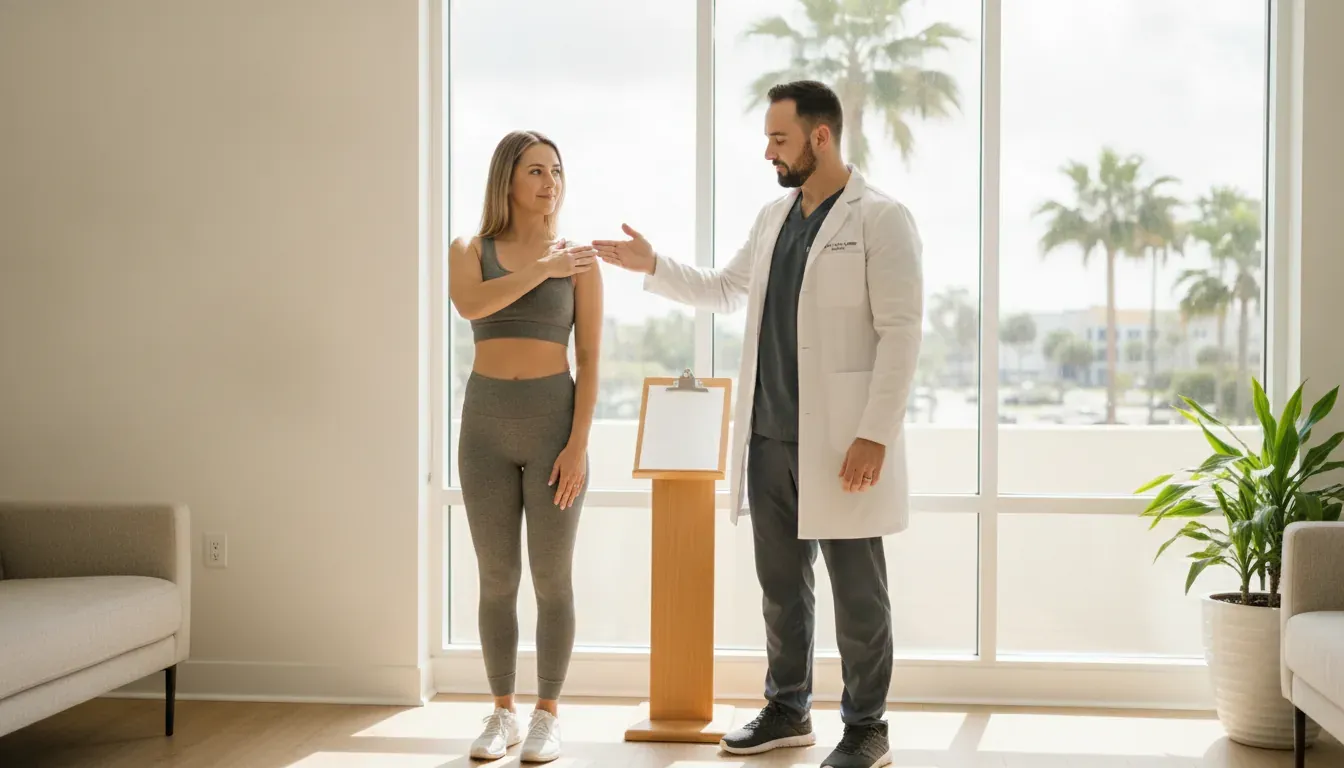
Progress tracking combines your experience with repeatable clinical findings. A clinician may compare movement, range of motion, posture, strength, tolerance, and daily function with the initial baseline. If the trend is limited or changes unexpectedly, the plan can be reviewed rather than continued automatically.
Progress does not have one universal measurement. For one person, the most useful marker may be the ability to stand through a work shift. For another, it may be turning the head, climbing stairs, sleeping more comfortably, or returning to a valued activity. Patient-reported function belongs alongside the clinical exam.
Depending on the concern, checkpoints may include:
- Change in a relevant range-of-motion finding
- Posture or alignment observations
- Strength, balance, or coordination changes
- Tolerance for sitting, standing, walking, or driving
- Ability to complete an important work or recreation activity
- Changes in discomfort, stiffness, or movement confidence
Some patients may also have repeat imaging or digital analysis when that is clinically appropriate. Ascend's clinical-services materials describe Chiropractic BioPhysics analysis with digital X-ray review and PostureRay software. If those tools are used, they should be interpreted as part of the full clinical picture, not as a standalone promise about your outcome.
At a checkpoint, the plan may continue, taper, change, or move toward discharge planning. A plateau is useful information. It may prompt a closer review of the original findings, technique, frequency, daily demands, or need for another evaluation. A new injury or substantial change in function should also prompt timely communication with your clinician.
Who May Be a Good Fit for This Approach in Tampa?
Corrective chiropractic may be worth discussing if recurring discomfort, stiffness, posture changes, or movement limits are interfering with daily life and you want a structured evaluation. A consultation is the appropriate way to determine fit. Your clinician can review your history, goals, findings, options, and any reasons another type of care may be more suitable.
This approach may appeal to Tampa Bay adults who want to understand why a movement concern keeps returning, who have a specific activity goal, or who prefer a plan that includes periodic progress conversations. It can also fit people who want Physical Medicine options considered within a broader, personalized care model.
A consultation is not a commitment to a particular technique. Bring a short timeline of your concern, a list of activities that feel limited, relevant records, and questions about the evaluation. Ask how the practice will define progress, when your plan will be reviewed, and how the team will respond if your goals are not being met.
Ascend Functional Health serves Tampa and the greater Tampa Bay area with a root-cause, evidence-informed approach across Physical Medicine, Functional Medicine, and Regenerative Medicine. For a movement concern, the Physical Medicine team can help you discuss whether corrective chiropractic care belongs in your next step.
Contact Ascend Functional Health to discuss your movement goals and next steps
Frequently Asked Questions
Is corrective chiropractic care the same as a routine adjustment?
Not necessarily. Corrective care usually begins with a broader evaluation, connects care to movement goals, and includes progress checkpoints. An adjustment may be one part of the plan. Your clinician determines the appropriate approach from your history and findings.
How long does a corrective chiropractic plan take?
There is no single timeline that fits every patient. The length and frequency of care depend on the concern, baseline findings, goals, response, and clinical judgment. Ask when your first progress review will occur and how the plan may change at that point.
Can corrective chiropractic care help with posture and movement?
It may support posture and movement when the evaluation identifies relevant musculoskeletal factors and the selected plan fits your needs. Progress should be discussed through both repeatable clinical findings and important activities, without promising a specific result.
What should I bring to a Tampa chiropractic consultation?
Bring a brief symptom timeline, information about previous care, relevant records or imaging, a list of activities that feel limited, and your questions. Sharing clear movement goals helps the clinician connect the evaluation with your daily life.
How do I know whether corrective chiropractic care is appropriate for me?
A consultation is the best place to discuss fit. The clinician can review your health history, perform an evaluation, explain options, and identify whether another type of evaluation or care is more appropriate for your situation.
Schedule your corrective chiropractic consultation with Ascend Functional Health
This content is educational and is not medical advice. Consult your clinician before acting on health information or beginning a new care plan.