Think of your body as having its own dedicated repair crew. When an injury occurs, this crew gets to work healing the damage. With chronic issues like sciatica, sometimes that crew needs a wake-up call. That’s essentially what shockwave therapy for sciatica pain does. It sends targeted acoustic waves into the tight muscles and inflamed tissues around your lower back and hips, signaling your body to restart the healing process. By increasing blood flow and stimulating cellular repair, it helps resolve the very issues that are putting pressure on your sciatic nerve, offering a path to lasting relief by fixing the problem at its source.
Key Takeaways
- Focus on the source of the pain: Lasting sciatica relief comes from addressing the root problem, not just masking symptoms. Shockwave therapy targets the inflamed muscles and tissues that irritate the sciatic nerve, promoting genuine healing.
- Activate your body's healing process: Shockwave therapy is a non-invasive treatment that uses acoustic waves to improve circulation and signal your body to repair damaged tissue. This helps reduce pain and improve mobility by working with your body's natural abilities.
- Enhance your overall treatment plan: Shockwave therapy works best as part of a comprehensive strategy. It can make other treatments like physical therapy and chiropractic care more effective by reducing pain and preparing the soft tissues for recovery.
Why Is Sciatica So Stubborn?
If you’ve ever felt that sharp, radiating pain that travels from your lower back down your leg, you know that sciatica is in a league of its own. It’s not just a simple backache; it’s a persistent, disruptive pain that can make sitting, standing, or even walking feel like a monumental task. Many people find themselves in a frustrating cycle of temporary relief, only for the pain to return. This stubbornness isn't in your head. It’s rooted in the very nature of the sciatic nerve and the underlying issues that irritate it.
Understanding why sciatica lingers is the first step toward finding a solution that actually works. The pain is a signal that something deeper is wrong, and simply masking that signal won't resolve the core problem. Lasting relief comes from addressing the source of the nerve irritation, which is why a one-size-fits-all approach often falls short.
Understanding the sciatic nerve and its pain points
So, what exactly is happening in your body? Sciatica occurs when the sciatic nerve, the longest and widest nerve in your body, gets compressed or irritated. This nerve starts in your lower back, runs through your hips and buttocks, and goes down each leg. Think of it as a major electrical cable. When something pinches that cable, the signals get disrupted, causing pain, numbness, or weakness along its path.
Common culprits behind this compression include a herniated disc, a bone spur on the spine, or even tight muscles like the piriformis. Because the nerve is so long, the source of the problem in your lower back can cause symptoms all the way down to your foot. Our approach to physical medicine focuses on identifying these structural issues to understand the true source of your discomfort.
Where traditional treatments can fall short
Many conventional methods for sciatica focus on managing the symptoms. While approaches like stretching, ice packs, or oral remedies can provide some temporary comfort, they don’t always fix the underlying mechanical problem. Research suggests that standard treatments only bring relief to about half of the people who try them. This is often because they don't fully address the inflammation and tissue damage at the root of the nerve compression.
This is where many people get stuck. They might feel better for a little while, but because the source of the irritation hasn't been resolved, the pain eventually comes back. Instead of just masking symptoms, it's essential to find a treatment that promotes genuine healing in the affected tissues. Finding a path to lasting relief means moving beyond temporary fixes and targeting the cause directly.
How Shockwave Therapy Addresses Sciatica
If you’ve been dealing with sciatica, you know that many treatments feel like a temporary fix. They might quiet the pain for a little while, but the underlying problem remains, and the discomfort eventually returns. Shockwave therapy works differently. Instead of just masking the pain, this approach focuses on creating a healing response deep within the affected tissues. It’s a modern technique that aligns with a core belief we hold at Ascend Functional Health: your body has an incredible capacity to heal itself when given the right support.
This therapy doesn’t just put a bandage on the issue. It gets to the heart of what’s causing your sciatic pain in the first place, whether it’s chronic inflammation, tight muscles, or scar tissue. By addressing the source, we can create a path toward lasting relief and improved function. Our goal is to help you move past the cycle of pain management and get back to living your life comfortably. The entire process is part of our physical medicine services, which are designed to restore your body’s natural mechanics and strength.
The science of healing with acoustic waves
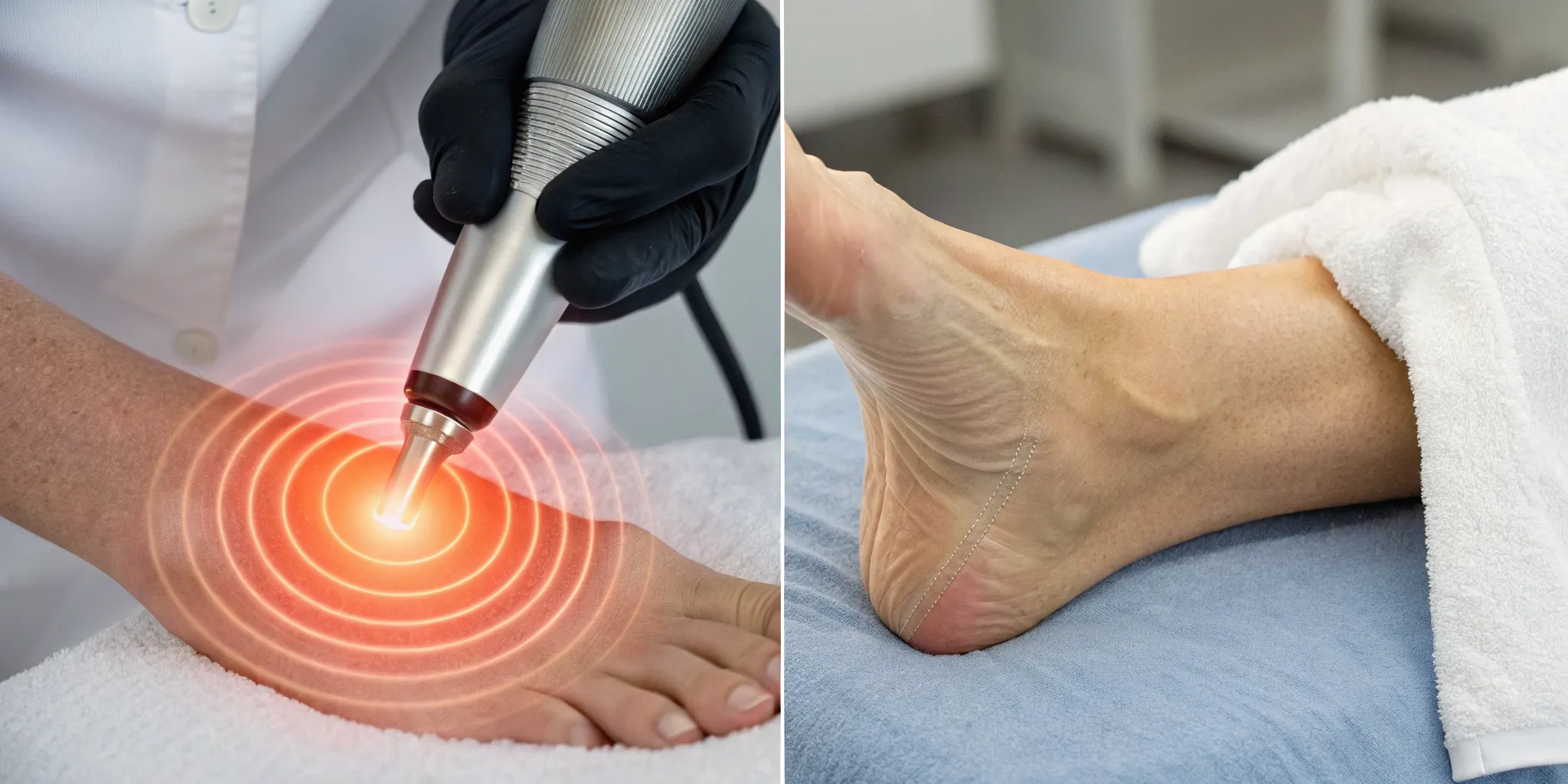
So, what exactly is shockwave therapy? It’s a non-invasive treatment that uses acoustic waves to deliver targeted energy to areas of pain and injury. Think of it as a way to communicate with your body’s cells, telling them it’s time to start the repair process. This method has become a popular and effective option because it can stimulate healing processes without any needles or downtime. The device sends gentle, high-energy sound waves through your skin directly to the injured tissue, waking up the area and signaling your body to get to work.
Targeting the root cause, not just the symptoms
Conventional treatments often focus on quieting the pain signals your sciatic nerve is sending. While that can bring temporary relief, it doesn’t solve the problem. Shockwave therapy, on the other hand, targets the root cause by addressing underlying issues like inflammation and tissue damage. Sciatica is frequently caused by something else, like a herniated disc, a tight piriformis muscle, or spinal stenosis, which puts pressure on the nerve. This therapy helps reduce that pressure by promoting healing in the tissues that are causing the compression, offering a more fundamental solution to the list of conditions we treat.
Encouraging blood flow and natural tissue repair
One of the most important ways shockwave therapy works is by improving circulation. The acoustic waves create what’s called neovascularization, which is just a technical term for the formation of new blood vessels. This enhanced blood flow is critical because it brings more oxygen and nutrients to the injured area, which promotes natural tissue repair and helps flush out inflammatory substances. It’s like giving your body’s internal construction crew the high-quality materials and clear roads it needs to rebuild and restore the damaged tissue, leading to reduced pain and better mobility.
Key Benefits of Shockwave Therapy for Sciatica
When you're dealing with the persistent, shooting pain of sciatica, finding a solution that actually works can feel like a full-time job. Many treatments offer temporary relief, but they don't always get to the heart of the problem. This is where shockwave therapy stands out. It’s gaining attention because it offers a different path to healing, one that works with your body’s natural processes. Let's look at some of the key benefits that make this treatment a compelling option for sciatica sufferers.
A non-invasive, medication-free approach
One of the biggest draws of shockwave therapy is that it’s completely non-invasive. That means no incisions, no needles, and no lengthy recovery times. The treatment uses acoustic waves to stimulate healing deep within your tissues, all from outside the body. For many people trying to avoid more aggressive procedures or the side effects that can come with pain-relieving drugs, this is a huge plus. It’s a way to address the pain without introducing foreign substances or creating new trauma to the area. Instead, the focus is entirely on activating your body’s own powerful healing mechanisms to resolve the issue naturally and gently.
Less inflammation and better mobility
Sciatic pain is often driven by inflammation around the nerve root. Shockwave therapy directly targets this issue by increasing circulation and breaking down scar tissue in the affected area. This process helps calm the swelling and irritation that puts pressure on the sciatic nerve. As the inflammation subsides, you’ll likely notice a significant reduction in pain. This relief isn't just about feeling better; it's about moving better. With less pain holding you back, you can regain mobility and start getting back to your favorite activities. It’s a foundational step in breaking the cycle of pain and inactivity that so many people with chronic conditions experience.
Lasting results that address the source of pain
While some treatments simply mask pain signals, shockwave therapy is designed to create lasting change by addressing the source of the problem. By promoting the formation of new blood vessels and stimulating cellular repair, it encourages the damaged tissues in your lower back, hips, or glutes to actually heal. This isn't a temporary fix. It's a regenerative process that helps restore function to the area, providing long-term relief. Many people find that after completing their treatment plan, the results are sustainable because the underlying issue has been resolved. The goal is to get you to a place where you’re not just managing pain, but truly healing, a sentiment echoed in many patient testimonials.
How Does Shockwave Therapy Compare to Other Treatments?
When you’re dealing with sciatica, the number of treatment options can feel overwhelming. From chiropractic adjustments to physical therapy and injections, how do you know which path is right for you? Understanding the differences is key to making an informed choice for your health. While many conventional treatments aim to manage symptoms, shockwave therapy stands out by working to address the problem at its source. It uses acoustic waves to stimulate your body’s own healing mechanisms, encouraging tissue repair and reducing the inflammation that causes pain.
This approach doesn’t just mask the pain; it helps rebuild the affected area from the inside out. It’s a fundamentally different way of thinking about healing, moving beyond temporary fixes toward lasting resolution. To give you a clearer picture, let’s compare shockwave therapy to some of the most common treatments for sciatica. Exploring these comparisons can help you understand how a comprehensive care plan, which may include several types of treatment, can be tailored to your specific needs. Our goal at Ascend Functional Health is to provide you with the right holistic health solutions to not only find relief but also restore your body’s function for the long haul.
Shockwave therapy vs. chiropractic care
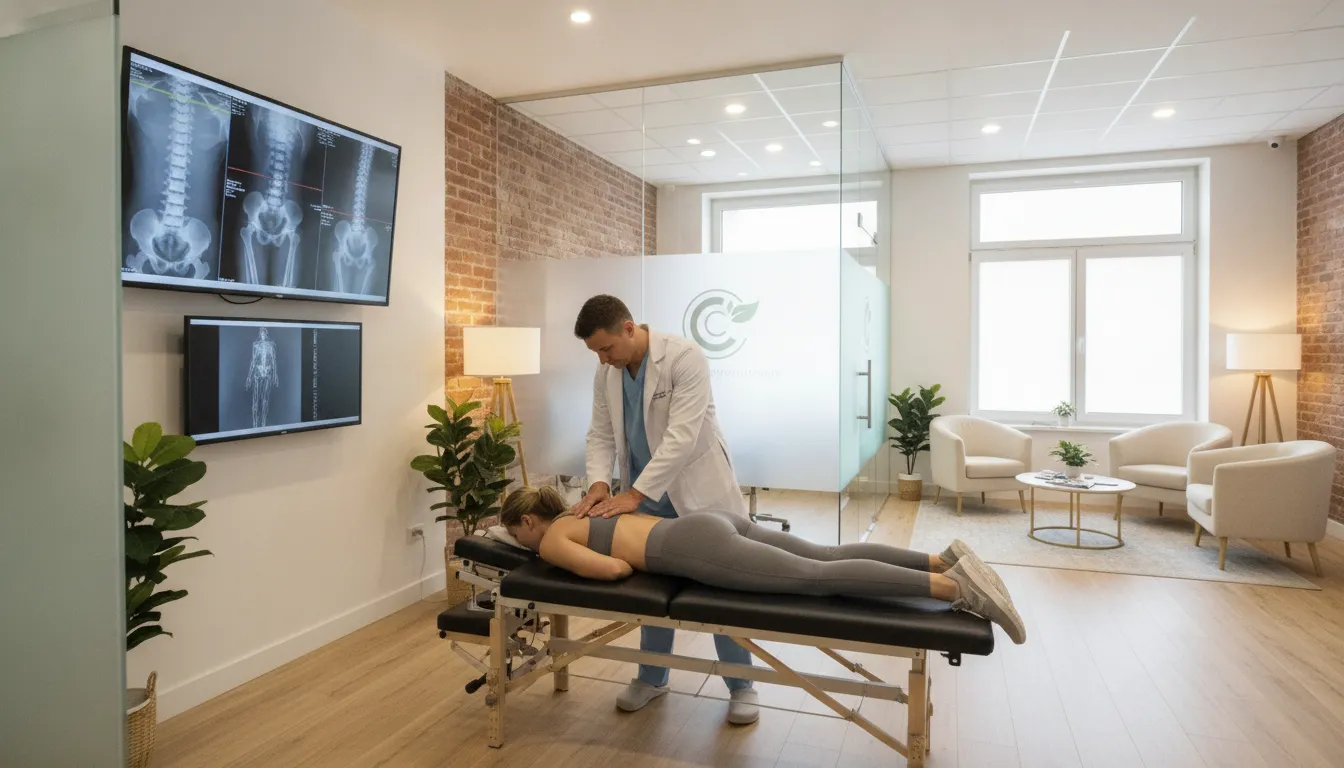
Many people find relief from sciatica through chiropractic care, which is excellent for addressing spinal misalignments that may be putting pressure on the sciatic nerve. These adjustments are a cornerstone of our physical medicine approach. Shockwave therapy complements this work by focusing on the surrounding soft tissues, like muscles and tendons.
While a chiropractic adjustment can correct the structural issue, shockwave therapy targets the inflammation and micro-tears in the muscles that are often the root cause of the pain. By stimulating blood flow and triggering cellular repair in these tissues, it helps heal the underlying damage. Think of it this way: chiropractic care ensures the frame is aligned, while shockwave therapy repairs the supporting structures.
Shockwave therapy vs. physical therapy
Physical therapy is an essential part of any sciatica recovery plan. It strengthens the muscles that support your spine, improves flexibility, and teaches you proper movement patterns to prevent future flare-ups. Shockwave therapy can act as a powerful partner to your physical therapy routine. It helps by reducing the pain and stiffness that can make it difficult to perform your exercises correctly.
By calming inflammation and improving mobility in your lower back, hips, and legs, shockwave therapy prepares your body to get the most out of every physical therapy session. This combination allows you to build strength and stability more effectively, leading to better and more sustainable results. It’s a synergistic approach that helps you heal faster and more completely, which is why we often incorporate both into our treatment plans for the conditions we treat.
Shockwave therapy vs. injections
For those with intense sciatic pain, injections are often presented as a way to get rapid relief. While they can be effective at reducing inflammation temporarily, they don’t address the underlying cause of the tissue damage. The relief can wear off, sometimes leading to a cycle of repeated treatments.
Shockwave therapy offers a non-invasive alternative that focuses on long-term healing. Instead of just silencing the pain signals, it stimulates your body’s natural repair processes to fix the damage that’s causing the pain in the first place. By encouraging new blood vessel formation and tissue regeneration, it provides a path to lasting relief without introducing foreign substances into your body. This makes it a compelling option for anyone looking to truly resolve their sciatica, not just manage it.
What to Expect During Your Shockwave Therapy Session
If you’re considering shockwave therapy, it’s completely normal to wonder what the experience will be like. The good news is that the process is straightforward, quick, and doesn’t require any downtime. Unlike more intensive procedures, a shockwave session is designed to fit easily into your day, helping you get back to your life with minimal interruption.
At Ascend Functional Health, we prioritize your comfort and make sure you feel informed every step of the way. Our goal is to create a supportive environment where you can focus on healing. From the moment you walk in, we’ll explain the process, answer your questions, and tailor the session to your specific needs. We believe that understanding your treatment is a key part of your recovery journey. Our team is dedicated to a patient-first philosophy, ensuring your experience is as positive and effective as possible.
A step-by-step look at the process
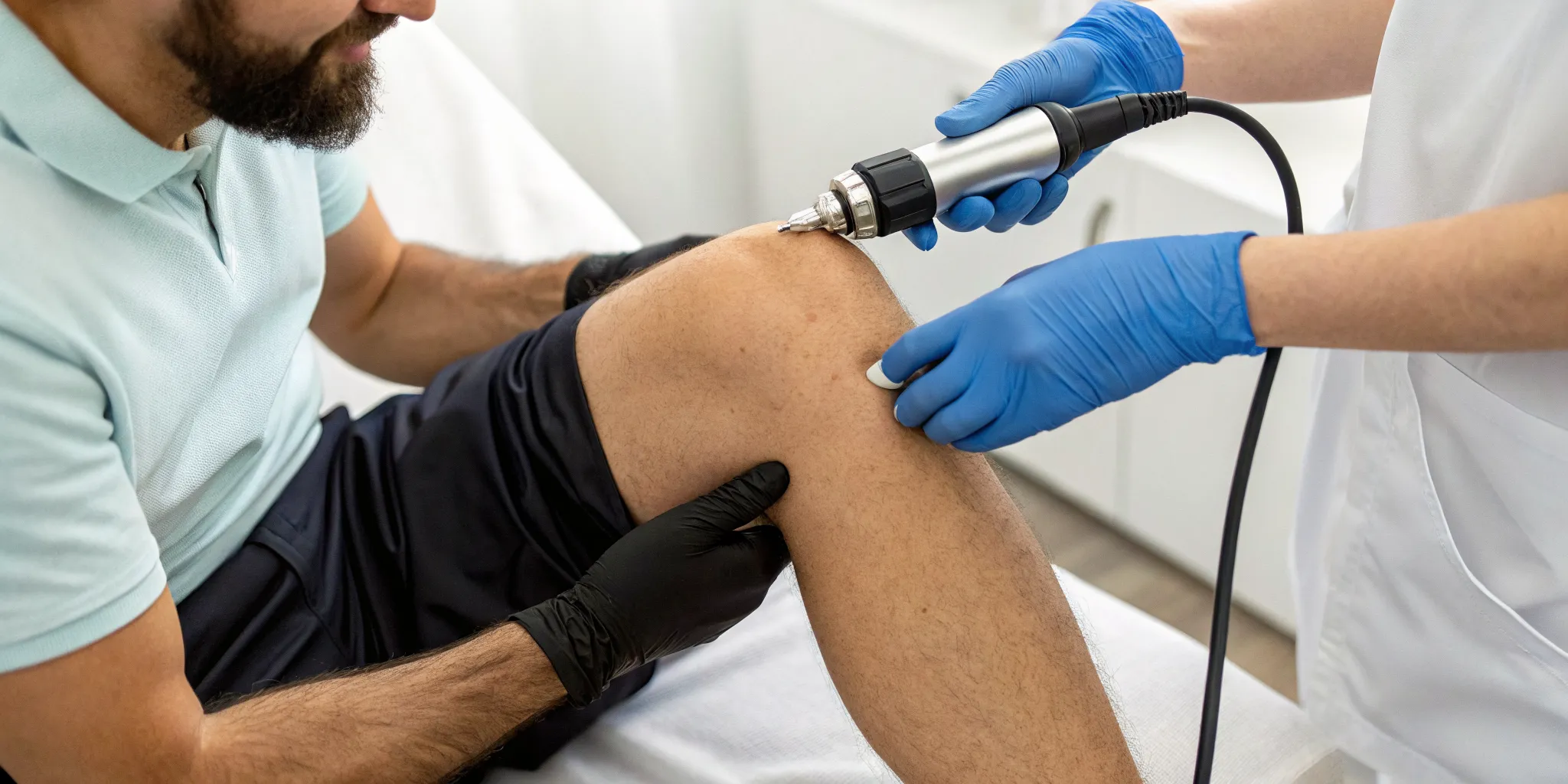
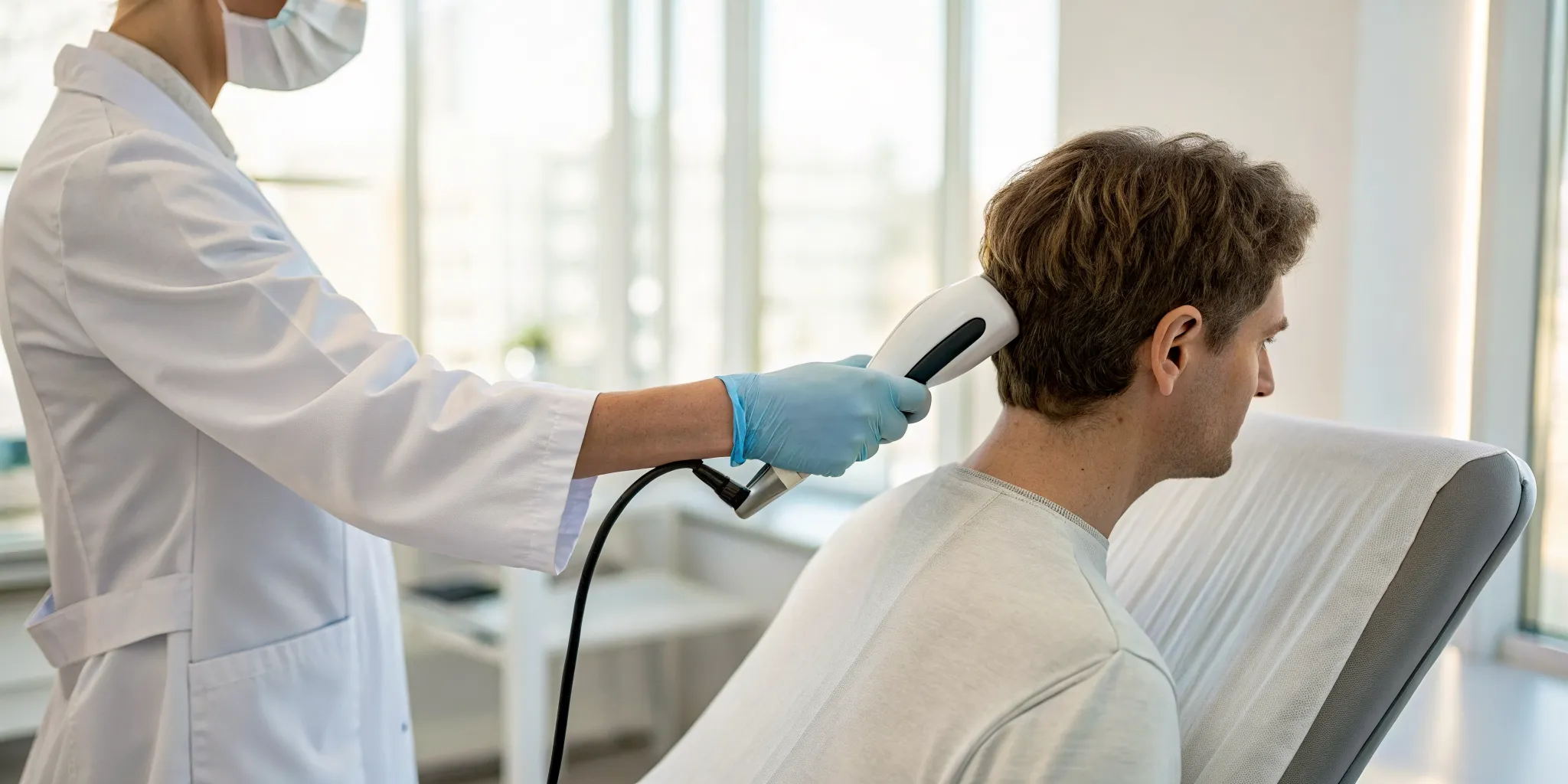
Your shockwave therapy session is a simple and direct process. First, your practitioner will locate the areas that need attention, which for sciatica is typically around your lower back, hips, or glutes. A gel will be applied to your skin in these spots; this helps the acoustic waves travel more effectively into the tissue.
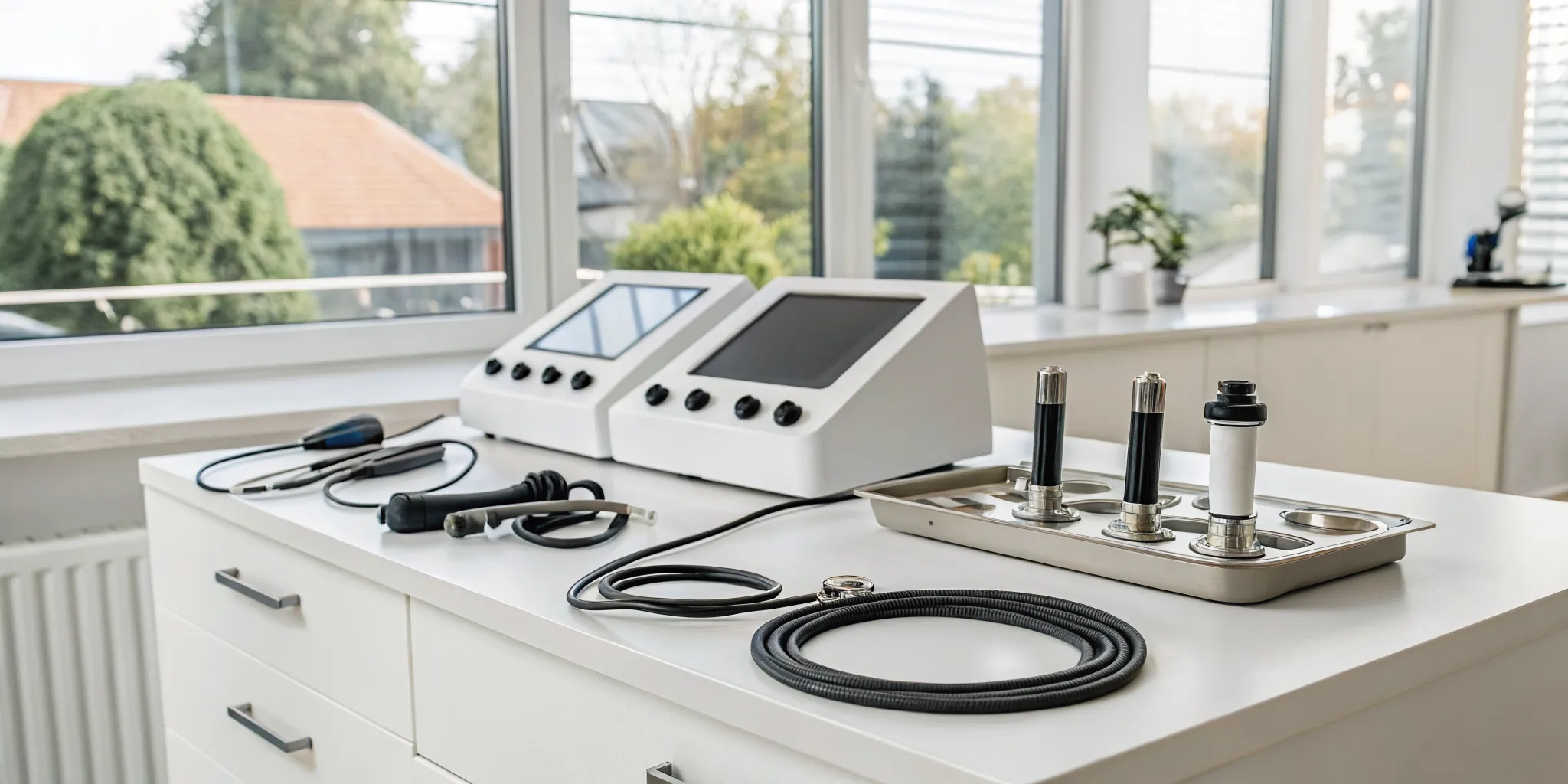
Next, your provider will use a handheld applicator that delivers the sound waves. They will move the tool over the targeted area, and you’ll likely feel a light tapping or vibrating sensation. The entire treatment is usually quite fast, often lasting only about 10 to 15 minutes. Our approach to physical medicine integrates treatments like this to support your body’s natural healing mechanisms without significant downtime.
Is the treatment uncomfortable?
One of the most common questions we hear is whether shockwave therapy hurts. While you might feel some mild discomfort, especially if the area is already tender, the treatment is not typically painful. It’s a non-invasive procedure, meaning there are no needles or incisions involved.
Your comfort is our top priority. We can adjust the intensity of the waves to a level that works for you, and we encourage you to communicate with us throughout the session. Most people describe the feeling as a strong vibration or a tapping pulse. Our entire team is committed to making your treatment a positive experience, so you can feel confident and relaxed while you’re in our care.
How many sessions are typically needed?
The number of sessions you’ll need depends on your specific situation, including how long you’ve been dealing with sciatica and the severity of your symptoms. Many people start to feel a noticeable improvement after just three to five sessions. The goal is to create lasting change by addressing the underlying cause of the pain.
Shockwave therapy is often most effective when it’s part of a comprehensive care plan. We use it to complement other therapies that reduce pain and restore mobility. By focusing on the root cause of sciatica and other conditions we treat, we can help you achieve long-term relief and get back to doing what you love.
Common Myths About Shockwave Therapy
Newer treatments often come with a lot of questions and a bit of misinformation. Let's clear the air about shockwave therapy so you can feel confident about your options. It’s a powerful tool in our physical medicine toolkit, but it's important to separate fact from fiction. By understanding what this therapy really is (and isn’t), you can make an informed decision about your path to healing.
Myth: It’s painful or invasive
The name "shockwave" can sound a little intimidating, but let’s set the record straight: this is a non-invasive treatment. There are no needles, no incisions, and no surgery involved. The therapy, also known as Extracorporeal Shockwave Therapy (ESWT), uses a special device to send acoustic waves through your skin to the affected tissue. Most people describe the sensation as a strong tapping or a deep pulse. While you might feel some mild discomfort, especially over a tender area, the intensity is always adjusted to your comfort level. It’s a world away from the recovery and risks associated with more invasive procedures.
Myth: It’s only for athletes
While it’s true that many professional athletes use shockwave therapy to recover from injuries, its benefits are not exclusive to them. This is a common misconception that keeps many people from exploring a great treatment option. Shockwave therapy is effective for a wide range of musculoskeletal issues affecting people from all walks of life. Whether your sciatica is from a sports injury, sitting at a desk all day, or chronic wear and tear, the therapy works by stimulating your body’s natural healing response. It’s for anyone looking to address the root cause of their soft tissue pain, not just those who play on a field.
Myth: It treats the sciatic nerve directly
This is a very important distinction to make. Shockwave therapy does not, and should not, target the sciatic nerve itself. Doing so would be uncomfortable and ineffective. Instead, the therapy focuses on the true source of the problem: the surrounding muscles and soft tissues that are compressing or irritating the nerve. By breaking up adhesions, reducing inflammation in the muscles of your lower back or glutes, and improving blood flow to those areas, we can relieve the pressure on the sciatic nerve. This is a perfect example of how we address the conditions we treat by focusing on the root cause rather than just chasing the symptoms.
Myth: The results are temporary
Some treatments for sciatica provide quick but fleeting relief, which can be frustrating. Shockwave therapy is different because it’s designed to create lasting change. By promoting blood flow and stimulating cellular repair, the therapy helps your body heal the underlying tissue damage. This isn’t a temporary patch; it’s a process that encourages your body to rebuild and strengthen the affected area. Studies and clinical experience show that many people experience significant, long-term improvement after completing their recommended sessions. The goal is to get you back to your life with results that stick.
Are There Any Risks or Side Effects?
It’s smart to ask about the safety of any new treatment you’re considering. When it comes to shockwave therapy, the good news is that it has a strong safety profile, especially when you compare it to more invasive procedures. Because it’s non-invasive, it sidesteps the risks that can come with injections or other intensive interventions. The entire goal is to work with your body’s natural healing processes, not against them. This approach helps you find relief without introducing foreign substances or requiring significant recovery time.
Most people find the treatment very manageable and appreciate that it doesn't require any downtime. The side effects are typically minor and don't last long. Think of it like the soreness you might feel after a productive workout; it’s often a sign that your body is responding and getting to work on repairing tissue. At Ascend Functional Health, we consider shockwave therapy a key part of our Physical Medicine services because it aligns with our philosophy of using safe, effective methods to help your body heal itself. We always start with a comprehensive evaluation to make sure any treatment we recommend is the right fit for your specific health picture and long-term goals.
Potential temporary side effects
Most people experience only mild discomfort during a shockwave therapy session, and any side effects afterward are usually temporary. You might notice some slight redness, swelling, or soreness in the treated area, similar to a deep tissue massage. This is a normal response and a sign that the therapy is stimulating blood flow and cellular activity. These feelings typically fade within a day or two. There’s no need for downtime, so you can get right back to your daily activities after your appointment. It’s a straightforward process designed to support your body’s recovery without disrupting your life.
When to consider other options
While shockwave therapy is a fantastic tool for many people dealing with sciatica, it’s not a one-size-fits-all solution. Research shows it’s highly effective, but its success can depend on the specific cause of your sciatic pain. If your symptoms are linked to certain underlying conditions, another treatment might be more appropriate. This is why a thorough initial assessment is so important. A proper diagnosis ensures we create a personalized plan that truly addresses the root of the problem. If you're wondering if shockwave therapy is the right path for you, the best first step is to schedule a consultation to discuss your unique situation.
Is Shockwave Therapy Right for You?
Deciding if a particular treatment is the right next step can feel like a big decision. Shockwave therapy is a powerful tool, but its success often depends on whether you’re the right candidate and how it’s integrated into your overall care plan. It’s not a one-size-fits-all solution, but for many people dealing with stubborn sciatica, it can be a game-changer.
Understanding who benefits most and how it works with other therapies will help you determine if it aligns with your health goals. At Ascend Functional Health, we focus on creating a personalized strategy, and shockwave therapy is one of the many tools we use to help our patients find lasting relief and get back to living their lives fully.
Who makes an ideal candidate?
Figuring out if you're a good fit for shockwave therapy is pretty straightforward. This approach might be the right choice if you're dealing with long-lasting sciatica pain that just hasn’t improved with other methods you’ve tried. It’s not typically a first-line defense, but rather a powerful option for persistent discomfort that keeps you from your daily activities.
If you lead an active lifestyle or are an athlete, you may find this therapy particularly helpful for getting back to your routine more quickly. It’s a modern treatment that can help reduce pain and improve your range of motion, allowing you to move with more freedom. If you feel like you’ve hit a wall with your recovery, shockwave therapy could be the key to getting you back on track.
Combining shockwave with other treatments
Shockwave therapy is most effective when it’s part of a bigger picture. Think of it as a catalyst that enhances your body’s healing potential, rather than a standalone fix. By stimulating blood flow and tissue repair, it creates an ideal environment for other treatments to work even better. This is why we often pair it with other therapies to create a truly comprehensive healing plan.
For example, receiving shockwave therapy before performing targeted exercises can make those movements more effective and comfortable. It also works hand-in-hand with chiropractic adjustments by helping to release tension in the muscles and connective tissues surrounding the spine. This integrated approach allows us to address your sciatica from multiple angles, supporting your body’s innate ability to heal.
Finding the Right Provider in Tampa
Choosing a healthcare partner for your sciatica is a significant decision. The right provider won’t just offer a temporary patch for your pain; they will work with you to understand the complete picture of your health and find a lasting solution. To make an informed choice, you need to know what to look for and what to ask. This guide will help you find a specialist in the Tampa area who can support your journey back to feeling your best.
What to look for in a specialist
When searching for a specialist, look for someone who goes beyond a surface-level diagnosis. Since it's a common misconception that all radiating leg pain is sciatica, a thorough practitioner will conduct a detailed assessment to pinpoint the true source of your discomfort. They should have a deep understanding of the musculoskeletal system and how different parts of the body are connected.
A great provider will also be well-versed in modern, non-invasive treatments. They should be able to explain how options like shockwave therapy work, which uses acoustic waves to target areas of pain. Ultimately, you want a specialist who focuses on the conditions we treat by addressing the root cause, not just managing the symptoms.
Questions to ask during your consultation
Your initial consultation is the perfect opportunity to see if a provider is the right fit for you. Don’t be afraid to come prepared with questions. This is your health, and you deserve to feel confident in your care plan. A good practitioner will welcome your questions and provide clear, thoughtful answers.
Consider asking things like, "Why do you recommend this particular therapy for my situation?" or "What does your process look like for creating a personalized treatment plan?" It's also important to feel comfortable during the treatment itself. Remember to let your provider know if the therapy ever feels too intense for you. Open communication is key to a successful partnership, so feel free to contact our team to start the conversation.
Our approach to sciatica at Ascend Functional Health
At Ascend Functional Health, we believe in a comprehensive and personalized path to wellness. We start by listening to your story and using advanced diagnostics to understand the underlying cause of your sciatic pain. We know that clinical studies and patient experiences highlight shockwave therapy’s effectiveness, and it’s one of the powerful tools we use within our Physical Medicine services.
Our goal is to do more than just quiet your symptoms. By stimulating the body’s natural healing processes, we aim to create long-term relief and a better quality of life. We see ourselves as your partners in health, guiding you with a research-backed protocol designed specifically for your body’s needs.
Related Articles
- SoftWave Tissue Regeneration Therapy in Tampa | Alessi Functional Health
- SoftWave TRT Therapy in Tampa, FL - Alessi Functional Health
- Is Lumbar Decompression Chiropractic for You?
- Disc Bulge Therapy: A Complete Guide to Healing
- Regenerative Medicine for Pain Recovery | Ascend Functional Health
Frequently Asked Questions
What does shockwave therapy actually feel like? The name can sound a bit intense, but the treatment itself is very manageable. After applying a gel to your skin, your practitioner will use a handheld device that sends acoustic waves into the targeted muscle or tissue. Most people describe the sensation as a strong, deep tapping or a pulsing feeling. While you might feel some mild discomfort over a particularly tender spot, the intensity is always adjusted to your comfort level, and the entire session is usually over in about 10 to 15 minutes.
How is this different from other treatments I've tried for sciatica? Many common treatments for sciatica focus on temporarily calming the pain, which is why the relief often doesn't last. Shockwave therapy works differently by targeting the source of the problem. Instead of just masking the pain signals from the irritated nerve, it helps heal the underlying soft tissue issues, like chronic inflammation or tight muscles, that are putting pressure on the nerve in the first place. It’s a way of prompting your body’s own repair mechanisms to resolve the root cause.
How quickly can I expect to see results? While every person’s healing journey is unique, many individuals start to feel a noticeable difference in their pain and mobility after about three to five sessions. The therapy has a cumulative effect, meaning each treatment builds on the progress of the last one. The goal is to create lasting change by healing the tissue, so while it isn't an overnight fix, the improvements are meant to be stable and long-term.
Is shockwave therapy a standalone treatment, or do I need to do other things? Shockwave therapy is most effective when it’s part of a comprehensive care plan. Think of it as a powerful tool that prepares your body to heal more effectively. By reducing pain and inflammation, it can make it easier to perform the strengthening exercises in physical therapy or help your body respond better to chiropractic adjustments. We find that combining therapies allows us to address the issue from multiple angles, leading to more complete and lasting results.
Will the pain come back after the treatments are done? Because shockwave therapy is designed to address the source of the nerve compression, it offers a path to long-term relief. The goal is to genuinely heal the damaged tissues so they no longer irritate the sciatic nerve. This is fundamentally different from treatments that only provide temporary symptom relief. By resolving the underlying problem and supporting it with proper movement and care, you create a much stronger foundation for staying pain-free.