If you’re researching advanced treatments for chronic pain, you’ve likely encountered the term “shockwave therapy.” This can be confusing, as it’s an umbrella term for different technologies that work in fundamentally different ways. Think of it like the difference between a spotlight and a floodlight; both provide light, but their application and effect are distinct. The central question of ESWT vs SoftWave therapy comes down to this distinction. One delivers a precise, focused beam of energy, while the other sends out a wider, gentler wave. Knowing which approach aligns with your condition is the first step toward lasting relief.
Key Takeaways
- Know the Difference in Delivery: ESWT uses focused sound waves to pinpoint a small, specific area of injury, while SoftWave uses broader, unfocused waves to treat a larger region, which often results in a more comfortable session.
- Consider the Nature of Your Pain: The right therapy depends on your symptoms. ESWT is excellent for targeting a single, stubborn point of pain, while SoftWave is better for addressing more widespread discomfort or complex issues involving a larger area.
- Prioritize a Professional Assessment: While understanding the technology is helpful, only a personalized evaluation can determine the root cause of your issue. A qualified provider will help you choose the therapy that best supports your body's healing process for lasting results.
ESWT vs. SoftWave: How the Technology Differs
When you’re dealing with persistent pain, you want a solution that gets to the root of the problem. Both ESWT and SoftWave therapy use sound waves to stimulate healing, but they work in fundamentally different ways. Think of it like the difference between a spotlight and a floodlight; both provide light, but their application and effect are distinct. Understanding how each technology delivers treatment is the first step in figuring out which approach might be the right fit for your body’s needs. Let's look at how these two powerful therapies compare.
How ESWT Delivers Treatment
Shockwave therapy, also known as ESWT (extracorporeal shockwave therapy), is a non-invasive treatment that sends short, high-energy acoustic waves directly into painful or injured tissue. It’s a well-established method in physical medicine for addressing musculoskeletal conditions, especially when rest or other manual therapies haven't brought lasting relief. The goal of ESWT is to create a strong stimulus in a very precise location, triggering a healing response from the body. This focused energy helps break up scar tissue and encourages the formation of new blood vessels, which is essential for repairing damaged tissue over time.
How SoftWave Delivers Treatment
SoftWave therapy also uses acoustic waves, but its approach is designed to be broader and gentler. This technology delivers unfocused, low-intensity waves over a larger treatment area to help reduce pain and decrease inflammation. Instead of just targeting one specific point, SoftWave aims to activate your body’s natural healing mechanisms across the entire region. By stimulating stem cells and increasing blood flow, it helps your body regenerate tissue and manage pain more effectively. It’s one of the innovative services we use to help accelerate recovery from chronic pain and musculoskeletal injuries.
The Main Difference: Focused vs. Unfocused Waves
The key distinction between ESWT and SoftWave lies in the type of wave they produce. ESWT uses focused waves, which are like a laser beam concentrating energy on a single, small point. This can be effective but also intense. In contrast, SoftWave’s patented technology creates unfocused waves that spread out, covering a wider and deeper area of tissue. This allows us to treat the entire biological region contributing to your pain, not just the most tender spot. This broader application often makes the treatment more comfortable while still addressing the complex conditions we treat every day.
What Conditions Do They Treat?
Conditions Treated with ESWT
Think of ESWT as a precision tool. Because it uses focused sound waves, it’s excellent for targeting specific, well-defined points of pain. This therapy is often recommended for chronic musculoskeletal conditions, especially when other approaches like rest or manual therapy haven’t brought the desired relief. It’s particularly effective for issues where the problem is localized to a small area.
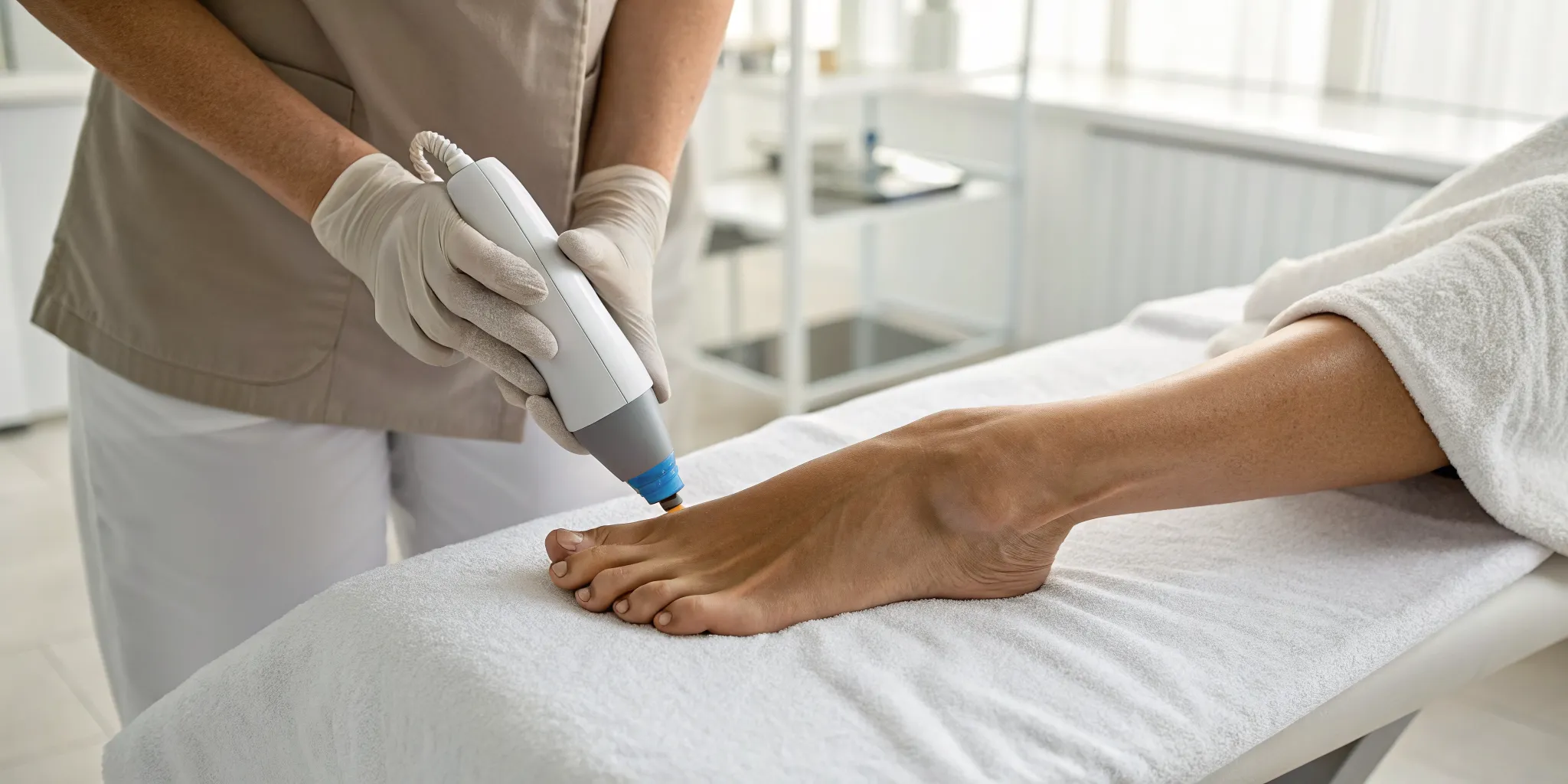
ESWT is commonly used to address conditions like plantar fasciitis (that sharp, nagging pain in your heel and arch) and calcific tendinitis, where calcium deposits form in a tendon, causing pain and stiffness. Research shows that focused shockwave therapies are effective for several soft tissue conditions, making it a go-to for stubborn injuries that need a concentrated healing signal.
Conditions Treated with SoftWave
If ESWT is the precision tool, SoftWave is like a gentle, wide-reaching wave of healing. It uses unfocused, or parallel, sound waves that cover a much larger and deeper area of tissue. This makes it ideal for conditions that are more spread out, complex, or involve multiple structures. Instead of just targeting one spot, SoftWave helps reduce pain, decrease inflammation, and stimulate tissue regeneration across a broader region.
This therapy’s broader activation pattern is beneficial for chronic tendinopathies, compensatory pain patterns (where one injury causes problems elsewhere), and dysfunction affecting a whole joint area. It’s a fantastic option for activating your body’s own healing mechanisms when the source of the pain isn’t confined to a single point.
When Their Applications Overlap
You might have noticed some overlap, and you’re right. Both therapies are powerful tools for healing, and their applications can sometimes intersect. Both ESWT and SoftWave use sound waves to help the body heal and are frequently used for chronic pain, tendon problems, and common ailments like plantar fasciitis. So, how do you know which is right?
The choice often comes down to the nature of your condition. Is your pain isolated to one tiny spot, or is it more diffuse and spread across a larger area? Answering that question is the first step. This is why a thorough assessment is so important. A practitioner can help pinpoint the exact source and scope of your issue to determine which therapy will give your body the best possible support for healing.
What to Expect During Treatment
Thinking about a new therapy can bring up a lot of questions. What does it feel like? How long does it take? Knowing what to expect can make the process feel much more comfortable. Let's walk through what a typical session looks like for both ESWT and SoftWave therapy, so you can feel confident and prepared for your appointment.
Your ESWT Session
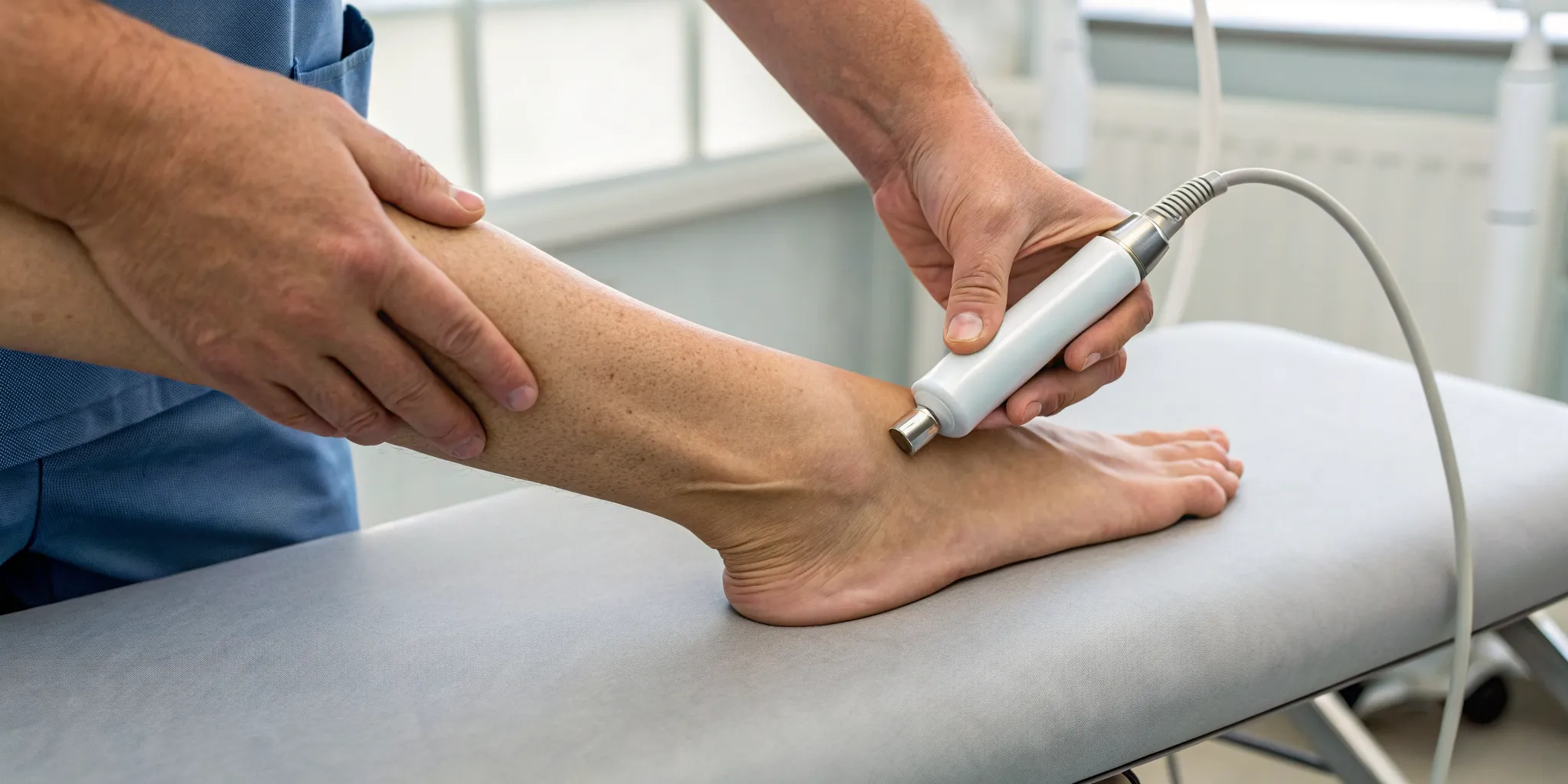
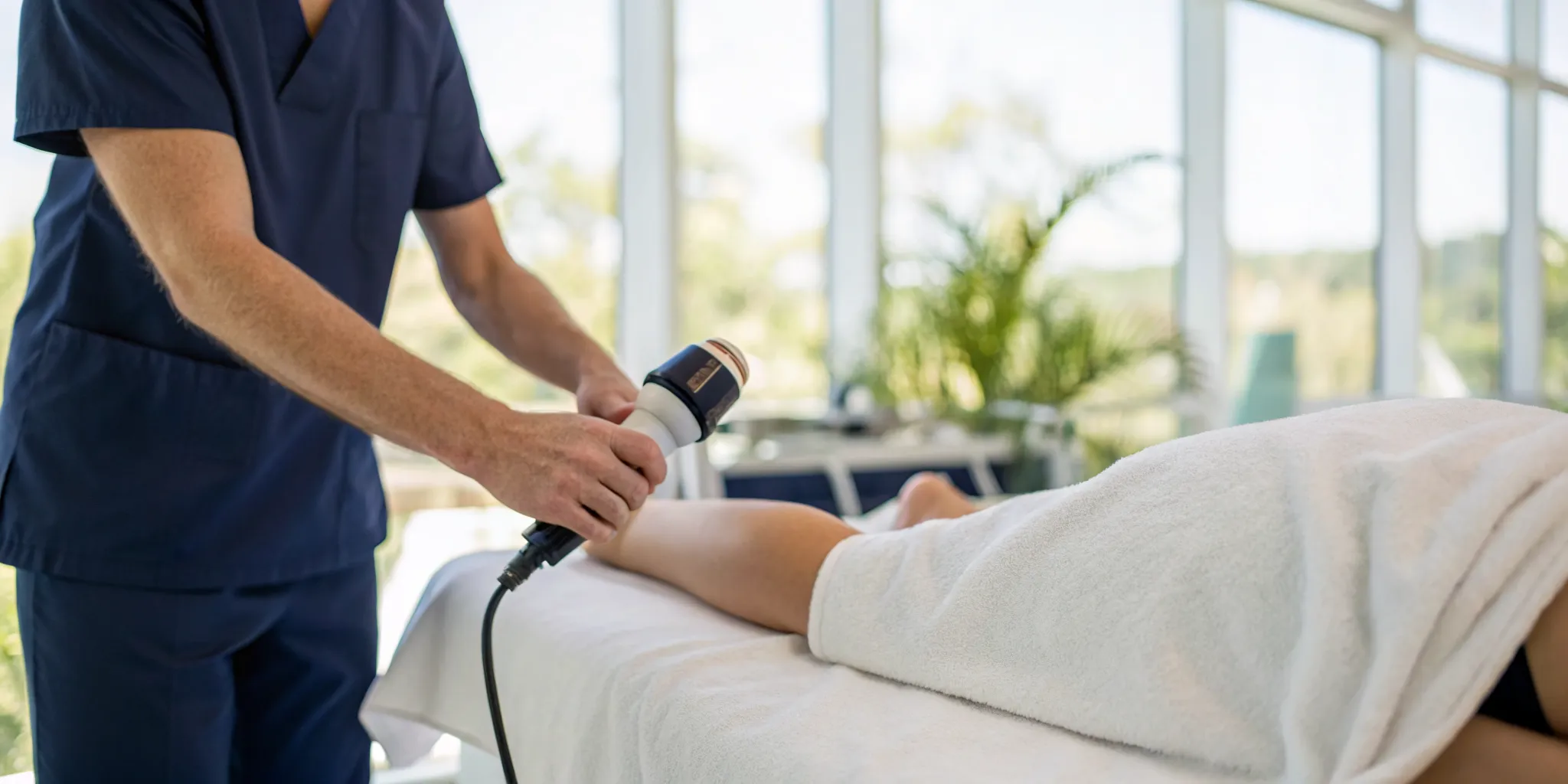
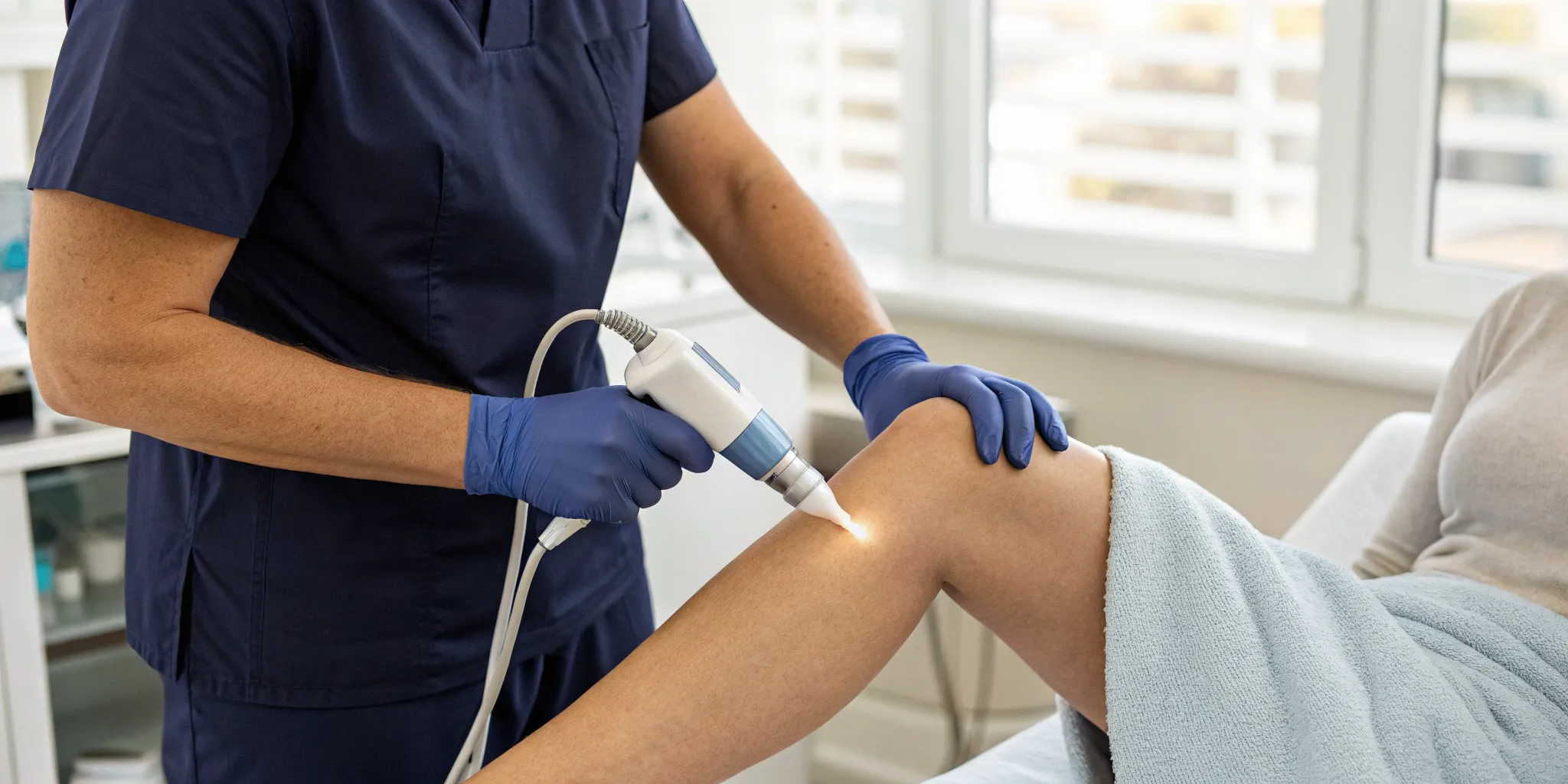
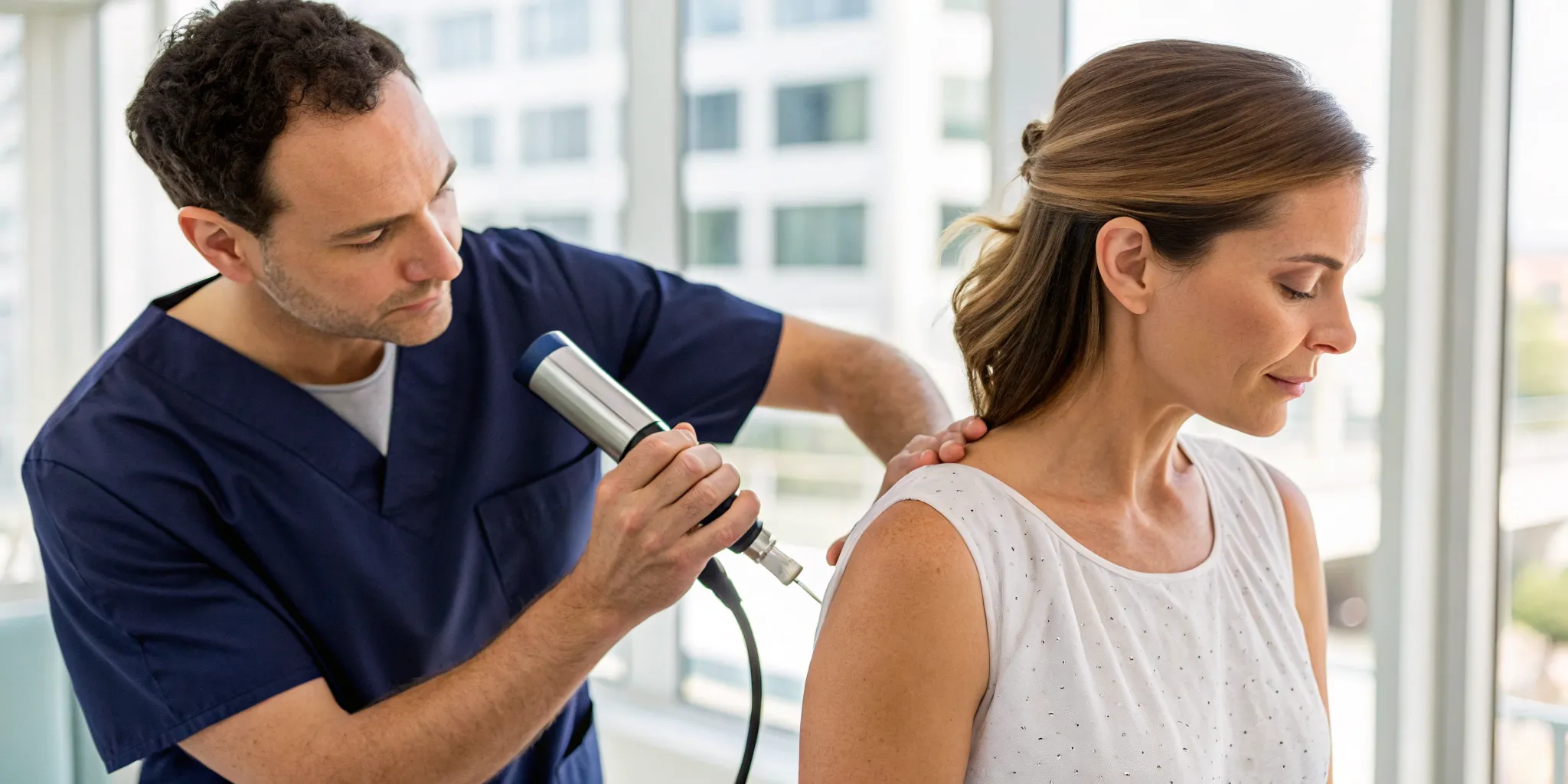
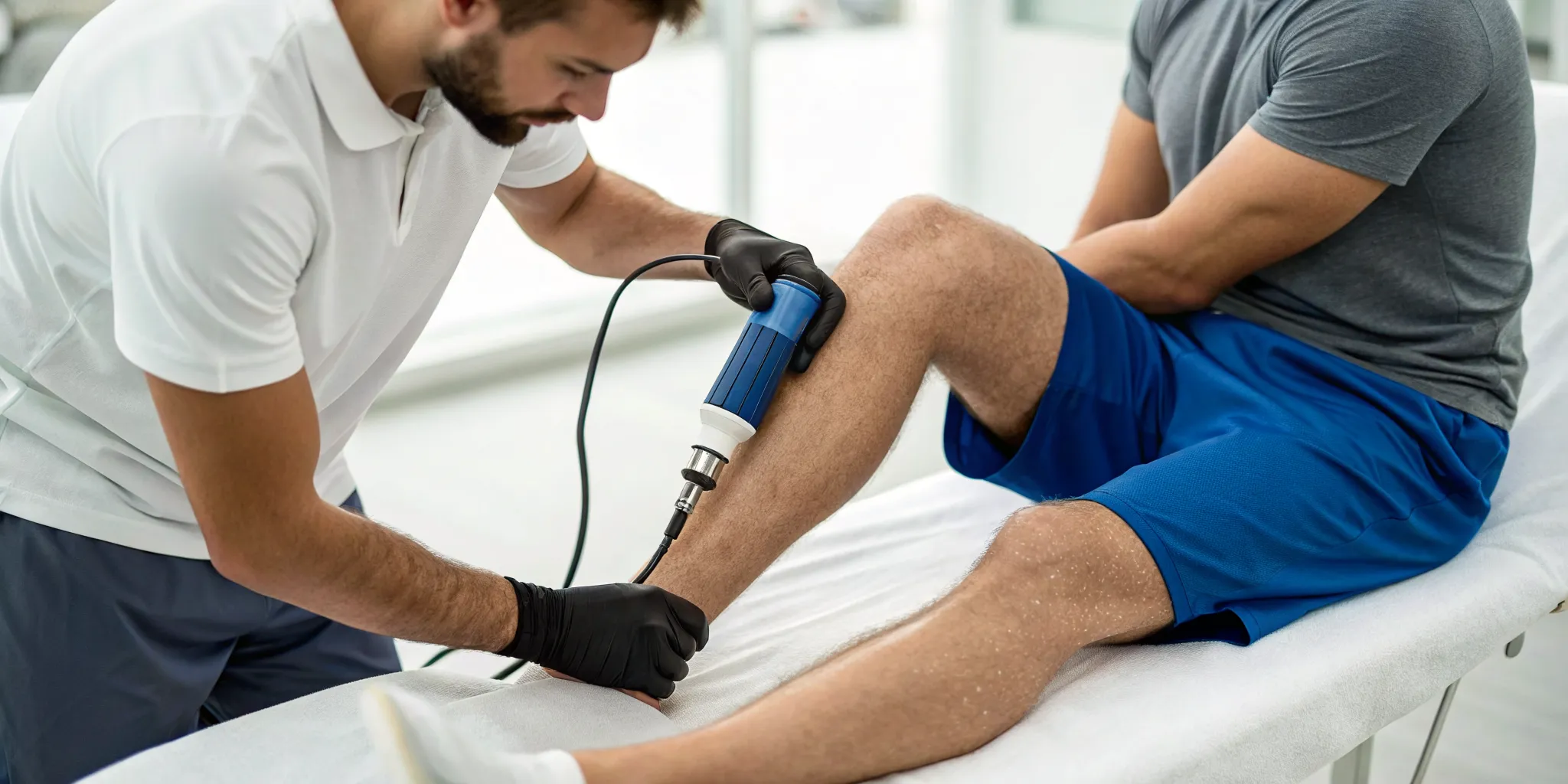
Extracorporeal shockwave therapy, or ESWT, is a non-invasive treatment that directs short, high-energy sound waves into a specific area of injured tissue. Think of it as a highly focused approach to healing. During a session, a practitioner will apply a gel to your skin and use a handheld device to deliver the waves directly to the source of your discomfort. This method is often used for musculoskeletal conditions when other approaches haven't provided enough relief. The goal is to stimulate metabolic activity and kickstart the body's repair process in a very targeted way, making it a key part of many physical medicine plans.
Your SoftWave Session
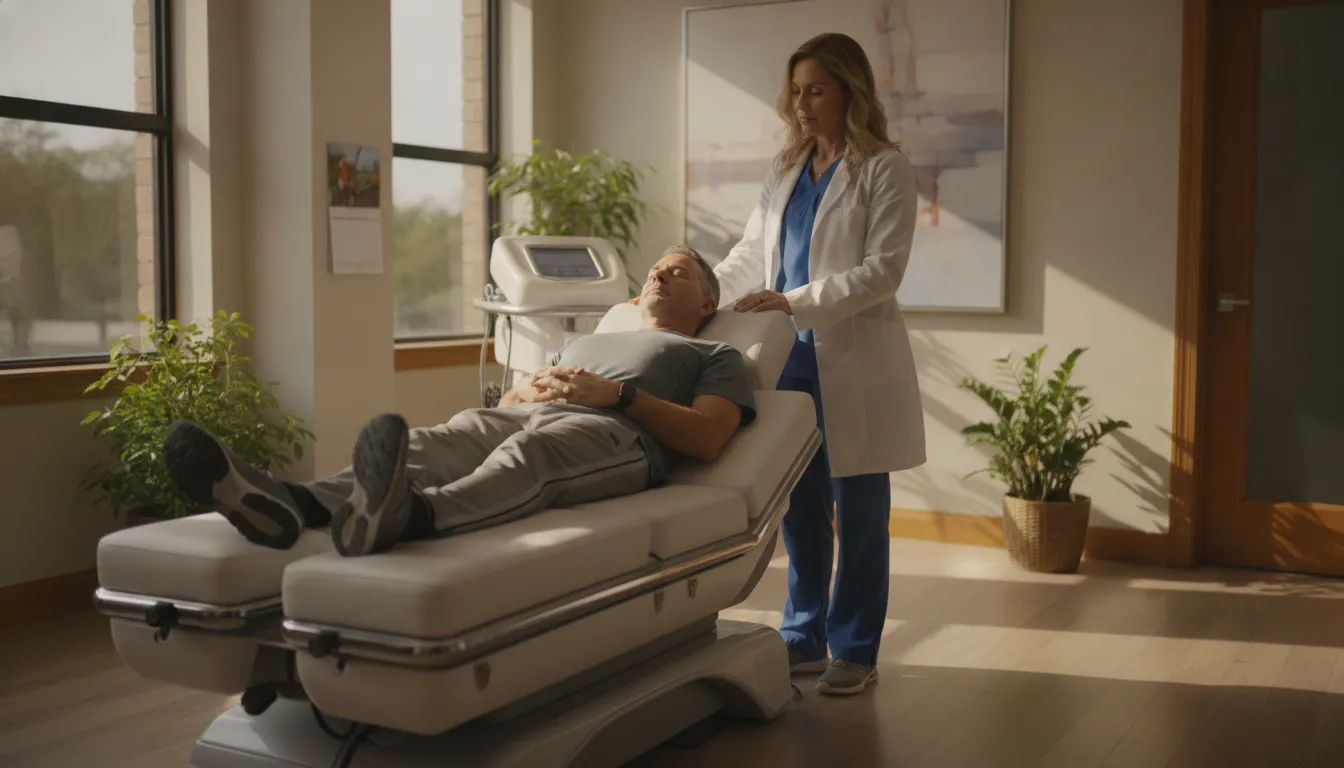
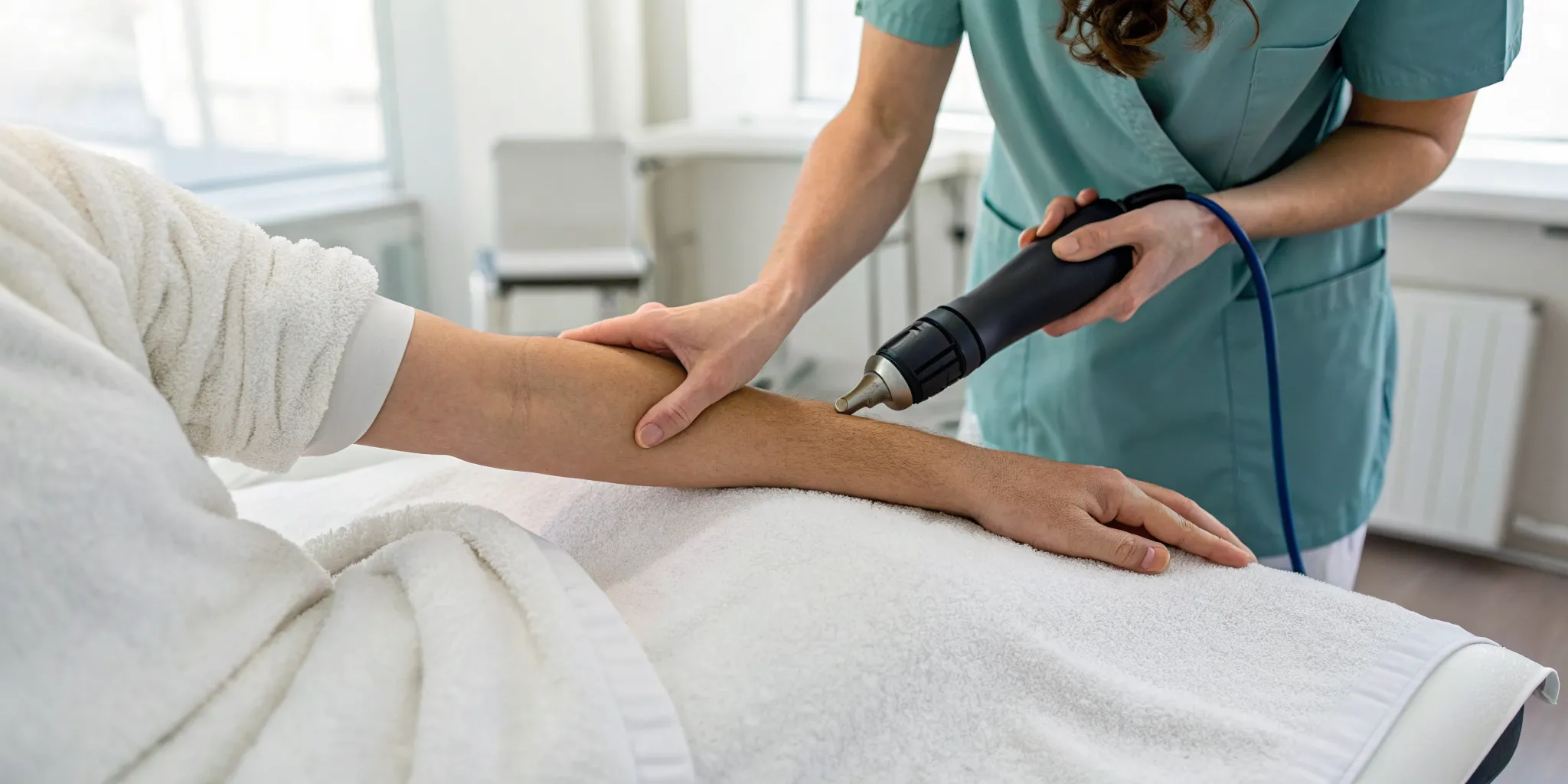
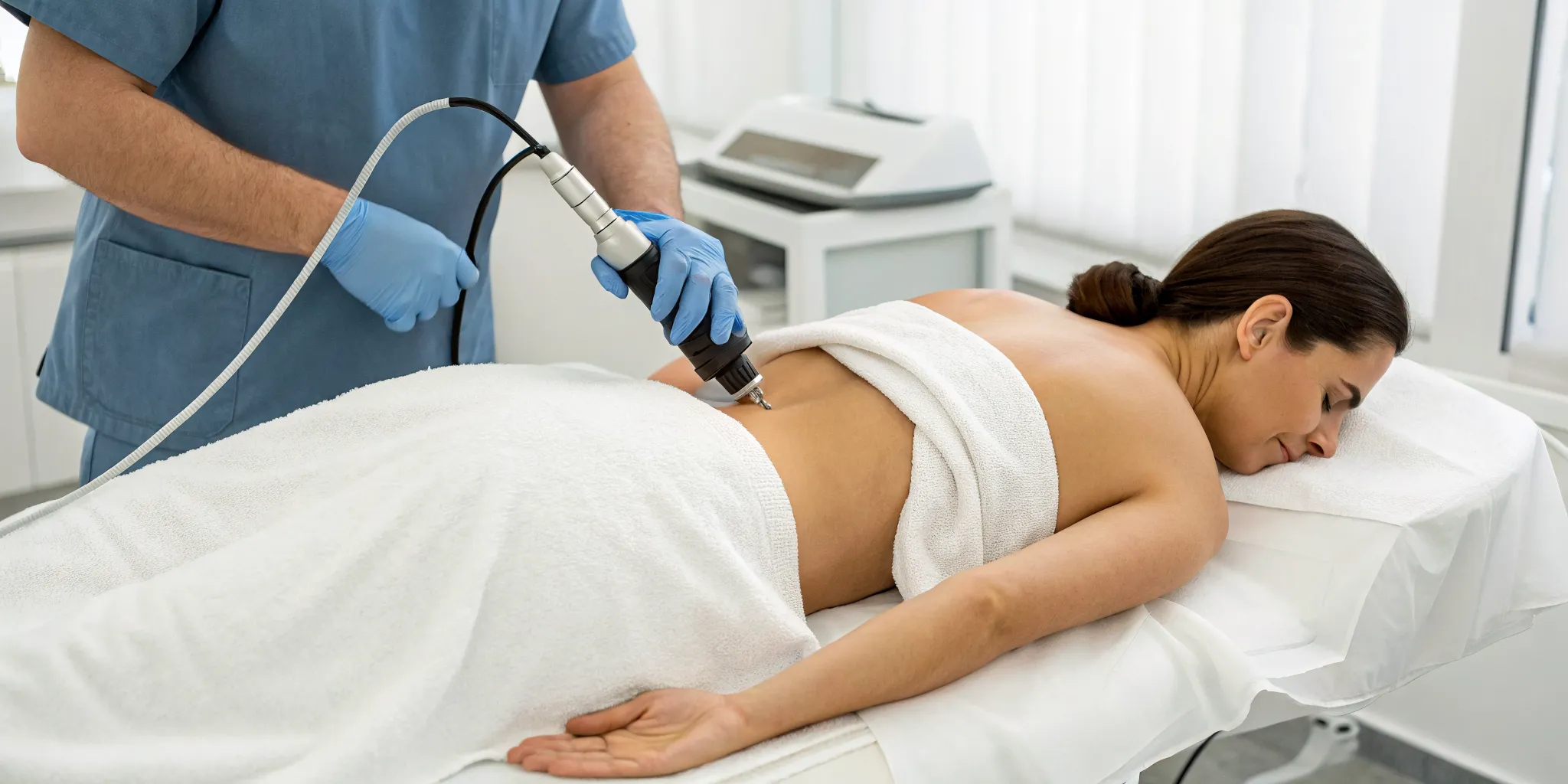
A SoftWave session also uses non-invasive sound waves, but its approach is a bit different. Instead of a focused beam, SoftWave uses a patented applicator to deliver electrohydraulic acoustic waves over a larger and deeper area of tissue. This broader application helps reduce pain, decrease inflammation, and promote tissue regeneration across the entire affected region. The energy from the waves stimulates your body’s natural healing response, calling stem cells to the area to repair and rebuild. This makes it an effective therapy for a wide range of conditions we treat, from joint pain to soft tissue injuries.
Treatment Length and Frequency
One of the best parts about these therapies is that the sessions are typically quite fast, often lasting just 10 to 15 minutes. You can easily fit an appointment into your day. The total number of treatments you’ll need, however, isn't one-size-fits-all. Your practitioner will create a personalized plan based on your specific condition, its severity, and how your body responds. Usually, a series of treatments scheduled over a few weeks is recommended to achieve lasting results and give your body the consistent support it needs to heal fully. To find out what a treatment plan might look like for you, it's best to schedule a consultation.
Does Shockwave Therapy Hurt?
This is a great question and one of the first things people ask. The word "shockwave" can sound a bit intense, but it's important to know that these are sound waves, not electrical shocks. The experience can vary between ESWT and SoftWave, and it also depends on your personal sensitivity and the area being treated. The main goal of either therapy is to stimulate your body's natural healing abilities, so your comfort is a priority.
Many people worry that shockwave therapy is a painful and invasive procedure, but that's a common misconception. Both ESWT and SoftWave are a non-invasive procedure, meaning they don't require any incisions or instruments entering the body. Your practitioner's goal is to stimulate healing, not cause unnecessary pain. They will work with you to ensure you're as comfortable as possible throughout the session. Understanding the differences in how each therapy feels can help you know what to expect and feel more confident going into your treatment. Let’s look at what you can expect from each type of therapy.
Comfort Levels During ESWT
With ESWT, the experience can range from mild discomfort to a more noticeable sensation. Because this therapy uses focused, high-energy sound waves aimed at a specific point, you might feel a strong tapping or pulsing directly on the injured area. Some people describe it as a bit intense, especially if the tissue is already tender.
The good news is that your practitioner can adjust the intensity level to match your comfort. Communication is key here. While it's not meant to be a spa treatment, it shouldn't be unbearable. The goal is to deliver enough energy to trigger healing without causing significant pain. Most sessions are quick, so any discomfort is usually short-lived and manageable for the results it can provide.
Comfort Levels During SoftWave
Most people find SoftWave therapy to be a much more comfortable experience. Instead of a focused beam, SoftWave uses a broader activation pattern of unfocused sound waves that cover a wider area. This distribution of energy generally feels gentler on the body. The sensation is often described as a light tapping or pulsing over the skin.
One of the unique things about SoftWave is that the applicator can help identify areas of inflammation. As the device moves over your skin, you might feel a slight increase in sensation when it passes over damaged tissue. This provides your practitioner with real-time feedback to guide the treatment. This approach allows for a thorough and comfortable session focused on alleviating pain and restoring function.
Why Your Comfort Matters for Healing
Your comfort during treatment isn't just about having a pleasant experience; it plays a real role in your body's ability to heal. When you're tense or in pain, your body enters a state of stress, which can interfere with the healing process. A comfortable and relaxed state is more receptive to the therapy's benefits.
The purpose of these therapies is to send mechanical energy into your tissues, which then gets converted into biological signals that tell your cells to start repairing themselves. This process works best when your body isn't fighting against the treatment. Feeling comfortable also makes it easier to stick with your full treatment plan, and consistency is crucial for achieving lasting relief and genuine tissue repair.
Are There Any Side Effects or Risks?
It’s completely normal to wonder about the safety of any new treatment. The good news is that both ESWT and SoftWave therapy are celebrated for being non-invasive, which means they don’t require any incisions or surgical procedures. They are designed to work with your body, not against it, making them a safe alternative to more aggressive interventions. While the risk of significant side effects is very low, it’s still wise to understand what you might experience and who should be cautious before starting treatment.
Most side effects are minor and temporary, often just a sign that your body’s healing mechanisms are kicking into gear. Think of it like the mild soreness you feel after a good workout; it’s an indication that change is happening within the tissue. These reactions show that the therapy is successfully creating a healing response. However, these therapies aren’t suitable for everyone. Certain pre-existing conditions or circumstances can make them a poor fit. That’s why a thorough evaluation with a knowledgeable provider is so important. We can help you weigh the benefits against any potential risks to ensure you’re choosing the best path for your health and long-term well-being.
Potential ESWT Side Effects
One of the biggest myths about ESWT is that it's an intense and invasive procedure. In reality, it’s quite the opposite. Because the treatment is delivered externally, you don’t have to worry about the risks that come with surgical interventions. After a session, some people report mild side effects like temporary redness, swelling, or tenderness in the treated area. This is a normal inflammatory response and a positive sign that the therapy is stimulating blood flow and cellular repair. These symptoms are typically short-lived and resolve on their own within a day or two as your body begins its recovery process.
Potential SoftWave Side Effects
Much like ESWT, SoftWave therapy is a non-invasive treatment that helps your body heal from the inside out. It uses a wider, unfocused wave to gently stimulate a larger area of tissue. The side effects are minimal and very similar to those of ESWT. You might notice some slight redness or experience mild soreness in the area that was treated, but this usually fades quickly. These reactions are simply your body responding to the stimulation, kicking off the regenerative processes that lead to long-term relief. It’s a gentle yet powerful approach to our physical medicine services.
Who Should Avoid These Therapies
While both therapies are safe for most people, there are specific situations where they should be avoided. You should not receive ESWT or SoftWave therapy if you have an open wound, skin infection, or severe acne in the treatment area. Additionally, individuals with pacemakers or other implanted electronic devices should not have these therapies applied near those devices. For ESWT specifically, it’s not recommended for those with a nearly-torn tendon, as it could cause a complete tear. It's also a good idea to be cautious if you have significantly low bone density. A detailed health assessment is the best way to confirm if you're a good candidate, so be sure to contact us to discuss your history.
How Effective Are These Therapies?
When you're dealing with chronic pain, you want a solution that provides lasting relief, not just a temporary patch. Both ESWT and SoftWave therapy aim to do just that by stimulating your body’s own healing processes. While they operate on similar principles, their effectiveness can vary based on the technology and the specific condition being addressed. Understanding how each one works and the results they typically produce can help you see which approach might be the right fit for your healing journey.
ESWT Efficacy and Results
ESWT has been around for a while, and research shows it can be quite effective for very specific issues. Studies have found that focused shockwave therapy provides real benefits for certain soft tissue conditions, especially those that are chronic and localized. For example, it’s a well-documented treatment for plantar fasciitis, the nagging pain in the heel and arch of your foot. It’s also used for calcific tendinitis, a condition where calcium deposits build up in a tendon, causing pain and stiffness. Because ESWT uses a focused, high-energy wave, it’s best suited for targeting these precise, shallow problem areas where the source of the pain is easy to pinpoint.
SoftWave Efficacy and Results
SoftWave therapy is a more recent advancement that uses unfocused, or parallel, sound waves. This approach allows for treating a much wider and deeper area of tissue. The goal of SoftWave is to reduce pain and inflammation while kickstarting your body’s own tissue regeneration. A growing body of evidence suggests that SoftWave can lead to more positive outcomes compared to other common therapies. Because it’s non-invasive and works by activating your body’s natural healing abilities, it’s becoming a preferred method for addressing the root cause of pain and injury. This is a core part of our approach to physical medicine at Ascend.
Long-Term Healing and Tissue Repair
So, how does this technology create lasting change? SoftWave’s gentle sound waves create a biological signal that essentially wakes up your body’s internal repair crew. This process helps to increase blood flow, break up scar tissue, and, most importantly, recruit your own stem cells to the injured area to begin rebuilding. The mechanical energy from the waves is converted into a biological response that activates your body’s inherent healing pathways. This isn't a temporary solution; it's a way to promote genuine, long-term tissue repair for a wide range of health concerns. By supporting your body’s innate ability to heal, SoftWave helps you build a stronger, more resilient foundation for health.
ESWT vs. SoftWave: A Quick Comparison
When you're looking at different types of shockwave therapy, it helps to see a straightforward comparison. Both ESWT and SoftWave aim to support your body's healing process, but they get there in slightly different ways. Understanding the key advantages and potential drawbacks of each can help you feel more confident in choosing a path forward. Let's break down the pros and cons so you can see how they stack up.
Pros and Cons of ESWT
The main advantage of ESWT is its precision. It uses a strong, focused beam of sound waves to target a very specific, small area of injury. This direct approach can be effective at stimulating healing and reducing swelling right at the source. As a form of physical medicine, it’s also a non-invasive therapy, which is always a bonus. On the other hand, that same precision can be a drawback. If the focused beam doesn't hit the exact spot, it might not deliver enough energy to be fully effective, potentially leading to slower recovery. In some cases, it may be less comfortable than other options.
Pros and Cons of SoftWave
SoftWave therapy stands out because it uses a patented device that delivers low-energy, unfocused sound waves over a wider and deeper area. This approach helps your body heal by stimulating new tissue growth and improving blood flow without creating the micro-trauma associated with other shockwave methods. Most people find the treatment causes little to no pain. The main consideration is that because the waves are spread out, it may not deliver the same pinpoint intensity as focused ESWT. However, its ability to treat a larger area at once makes it a very efficient and well-tolerated option for a variety of conditions we treat.
How to Choose the Right Therapy for You
Key Factors to Consider
Deciding between ESWT and SoftWave therapy can feel like a big choice, but it’s one you don’t have to make alone. The best option for you depends entirely on your unique situation, including the specific condition you're facing, your health history, and your ultimate goals for healing. Think of it this way: ESWT delivers short, high-energy waves to a very precise point, making it a go-to when other manual therapies haven't brought relief. On the other hand, SoftWave uses a broader, unfocused wave to treat a larger and deeper area of tissue. This approach is often better for more widespread discomfort. Understanding the nature of your pain, whether it’s a sharp, localized point or a more diffuse ache, is the first step in figuring out which technology aligns with your body’s needs. Our approach to physical medicine always starts with understanding you first.
Who Is a Good Candidate for ESWT?
You might be a great candidate for ESWT if you're dealing with a stubborn, chronic issue in a very specific spot. This therapy shines when treating soft tissue conditions like plantar fasciitis or calcific tendinitis of the shoulder. Because ESWT uses focused waves, it can precisely target damaged tissue without affecting the surrounding areas. This makes it a powerful, non-invasive option for long-lasting pain that hasn’t responded to other treatments. If you can point to the exact source of your discomfort and it’s been lingering for a while, ESWT could provide the targeted intervention needed to stimulate healing right at the source. We see many of these types of issues in our clinic, and you can learn more about the conditions we treat to see if yours is on the list.
Who Is a Good Candidate for SoftWave?
SoftWave therapy might be the right fit if your pain is more spread out or complex. Its patented technology sends waves over a wider and deeper area, which is ideal for reducing inflammation and promoting tissue regeneration across a larger region. This makes it particularly effective for chronic tendinopathies or issues involving multiple structures. Sometimes, pain in one area is actually caused by dysfunction elsewhere, creating what we call compensatory patterns. SoftWave’s broader application is excellent for addressing these complex presentations. If your discomfort feels more diffuse or you suspect multiple areas are involved, SoftWave’s ability to activate a larger biological region can support more comprehensive healing. Our team can help determine if this approach fits your unique presentation of symptoms.
Why a Custom Assessment Is Crucial
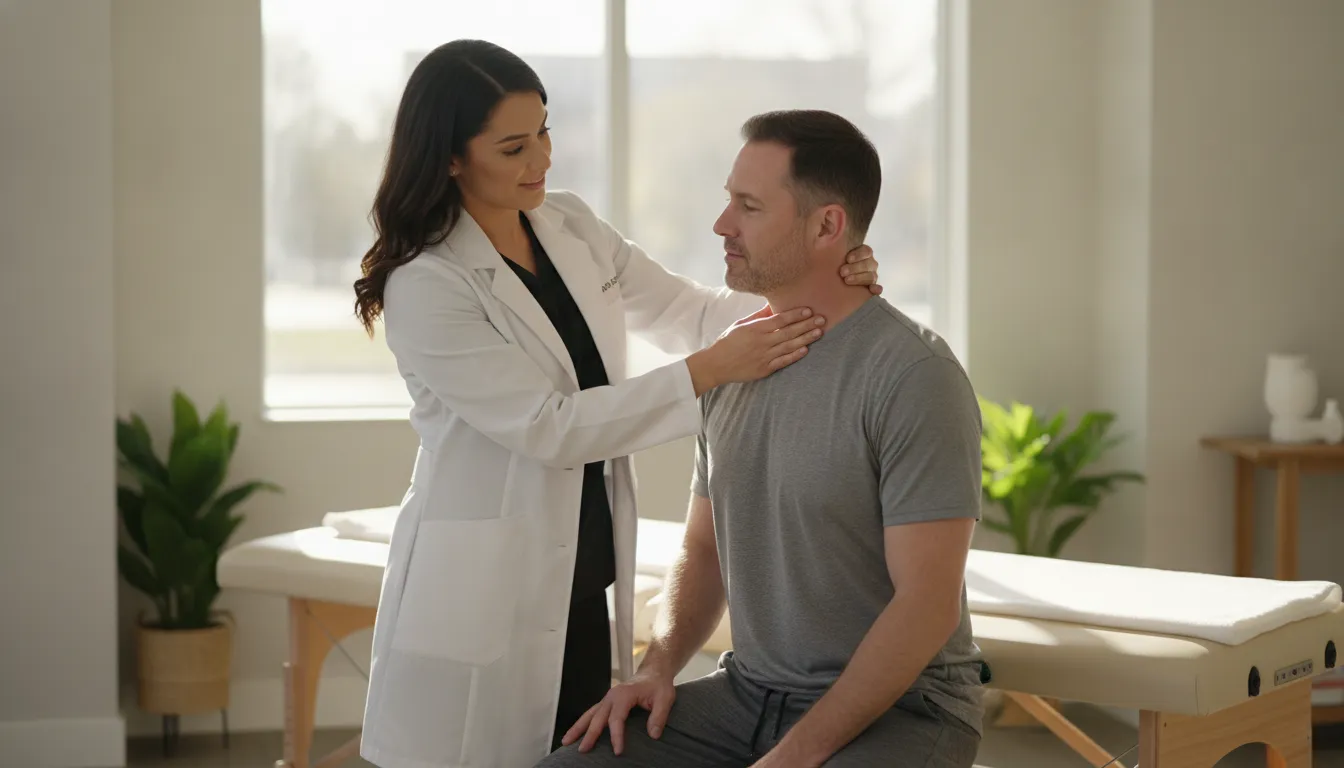
While it’s helpful to understand the differences between these therapies, the most important step is getting a professional assessment. An article can give you information, but it can't replace a personalized evaluation from a qualified provider who understands the nuances of your body and your pain. A thorough assessment allows us to identify the root cause of your issue, which is essential for creating an effective treatment plan. Your comfort and progress are our top priorities. During your consultation, we’ll discuss your symptoms and goals to determine which therapy is best suited for your needs. This is the foundation of all our services at Ascend Functional Health. We’ll create a plan that not only addresses your pain but also supports your body’s innate ability to heal for lasting results.
Discover SoftWave Therapy at Ascend Functional Health
At Ascend Functional Health, we are proud to offer SoftWave Therapy, an advanced treatment that uses patented, broad-focused acoustic waves to kickstart your body’s own repair mechanisms. It’s a powerful, non-invasive approach for anyone dealing with stubborn musculoskeletal conditions and chronic pain that just won’t quit. We’ve seen incredible results using this technology to help our patients get back to living the lives they love, free from discomfort.
What makes SoftWave so different is how it delivers healing energy. Instead of a narrow, focused beam that requires pinpoint precision, it sends waves over a wider and deeper area of tissue. This means we can treat complex issues more effectively, addressing the entire dysfunctional area rather than just one spot. It’s a game-changer for getting to the root cause of your discomfort, helping to reduce pain and inflammation while encouraging your tissues to regenerate. We find it’s an incredible tool within our Physical Medicine services.
Because the treatment is gentle and doesn't require any downtime, it’s an amazing option if you’re looking for real relief without interrupting your life. It’s all about activating your body’s incredible ability to heal itself from the inside out. If you’ve been searching for a solution for a lingering injury or chronic pain, SoftWave Therapy might be the answer you’ve been hoping for. Our team is here to help you figure out if this cutting-edge therapy is the right step on your path to feeling your best. You can learn more about the conditions we treat to see if your symptoms align with this therapy.
Related Articles
- SoftWave Tissue Regeneration Therapy in Tampa | Alessi Functional Health
- SoftWave TRT Therapy in Tampa, FL - Alessi Functional Health
- What Is Soft Tissue Therapy? A Complete Guide
- Regenerative Medicine for Pain Recovery | Ascend Functional Health
- Pain Free Future | Alessi Functional Health
Frequently Asked Questions
How do I know which therapy is right for me? The best way to know for sure is through a professional assessment. As a general guide, think about the nature of your pain. If your discomfort is isolated to one specific, easy-to-point-to spot, ESWT might be a fit. If the pain feels more spread out or involves an entire joint area, SoftWave's broader approach is often more effective for addressing the whole picture. A consultation will help us pinpoint the root cause and recommend the therapy that will give your body the best support.
What does a treatment session actually feel like? The sensation is different for each therapy. With ESWT's focused wave, you might feel a strong, tapping sensation directly on the tender spot, which can be a bit intense. SoftWave uses a gentler, wider wave, and most people describe it as a light pulsing over the skin. An interesting aspect of SoftWave is that you may feel a slightly stronger sensation when the applicator passes over an area of inflammation, which helps guide the treatment for better results.
How long will it take to feel better? This really depends on your specific condition, how long you've had it, and how your body responds to treatment. Some people notice an improvement in pain and mobility after just one or two sessions. For genuine, long-term tissue repair, a series of treatments over several weeks is usually recommended. The goal is to create lasting change, and consistency is key to giving your body the time it needs to regenerate and heal properly.
Are the results from these therapies long-lasting? Yes, the goal of this technology is to create lasting change, not just temporary relief. These therapies work by stimulating your body’s own repair mechanisms, like increasing blood flow and activating cells to rebuild damaged tissue. Instead of just masking symptoms, this approach addresses the underlying cause of the pain. By promoting genuine tissue regeneration, you can achieve long-term results and improved function.
Why does Ascend Functional Health choose to offer SoftWave therapy? We chose to offer SoftWave because we believe its technology provides a superior healing experience. Its unfocused waves treat a wider and deeper area of tissue, which is excellent for addressing complex pain patterns and not just a single point of injury. We find it to be more comfortable for patients while still being incredibly effective at stimulating the body's natural regenerative processes. It aligns perfectly with our philosophy of addressing the root cause of health issues to promote true wellness.