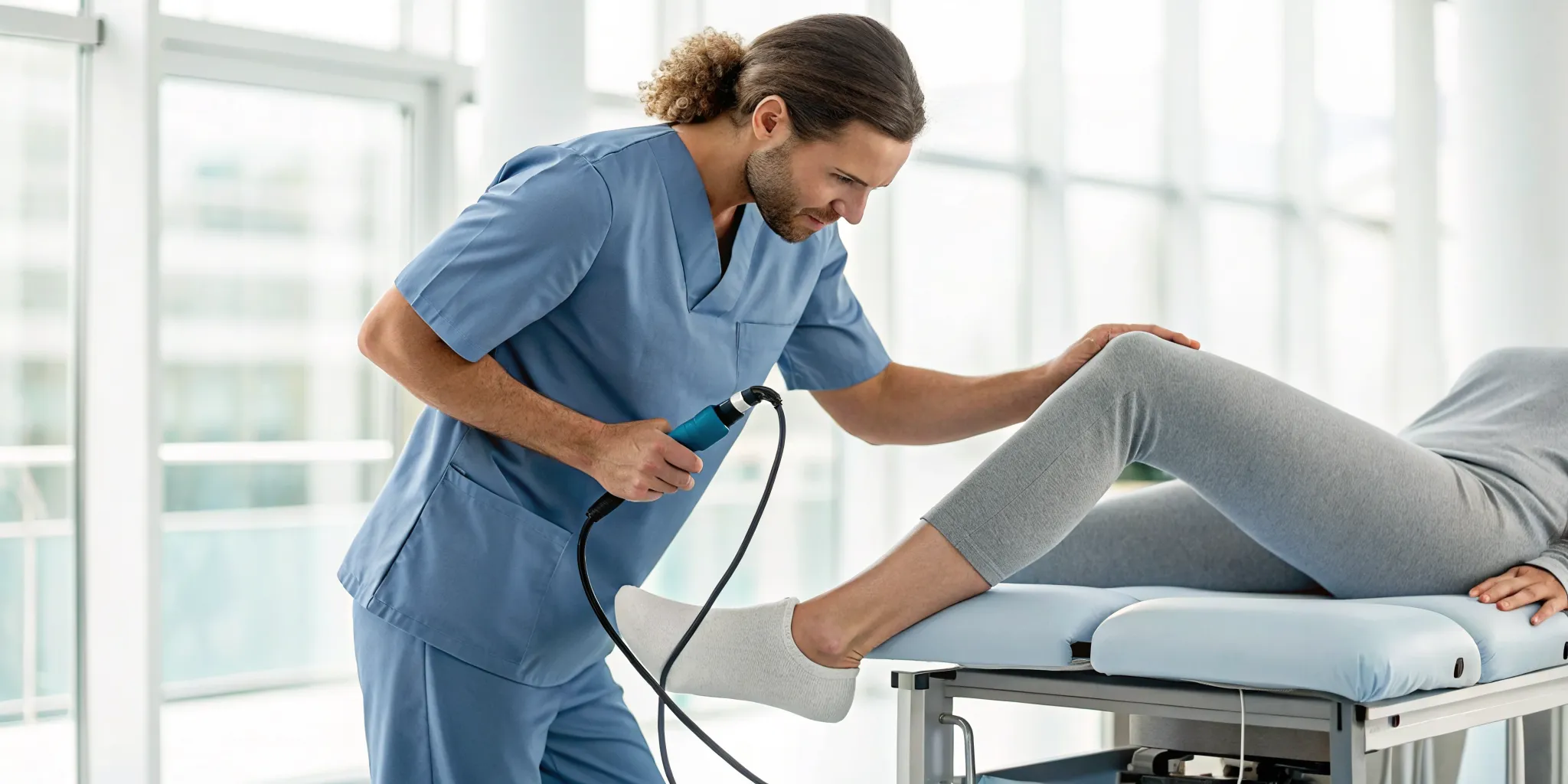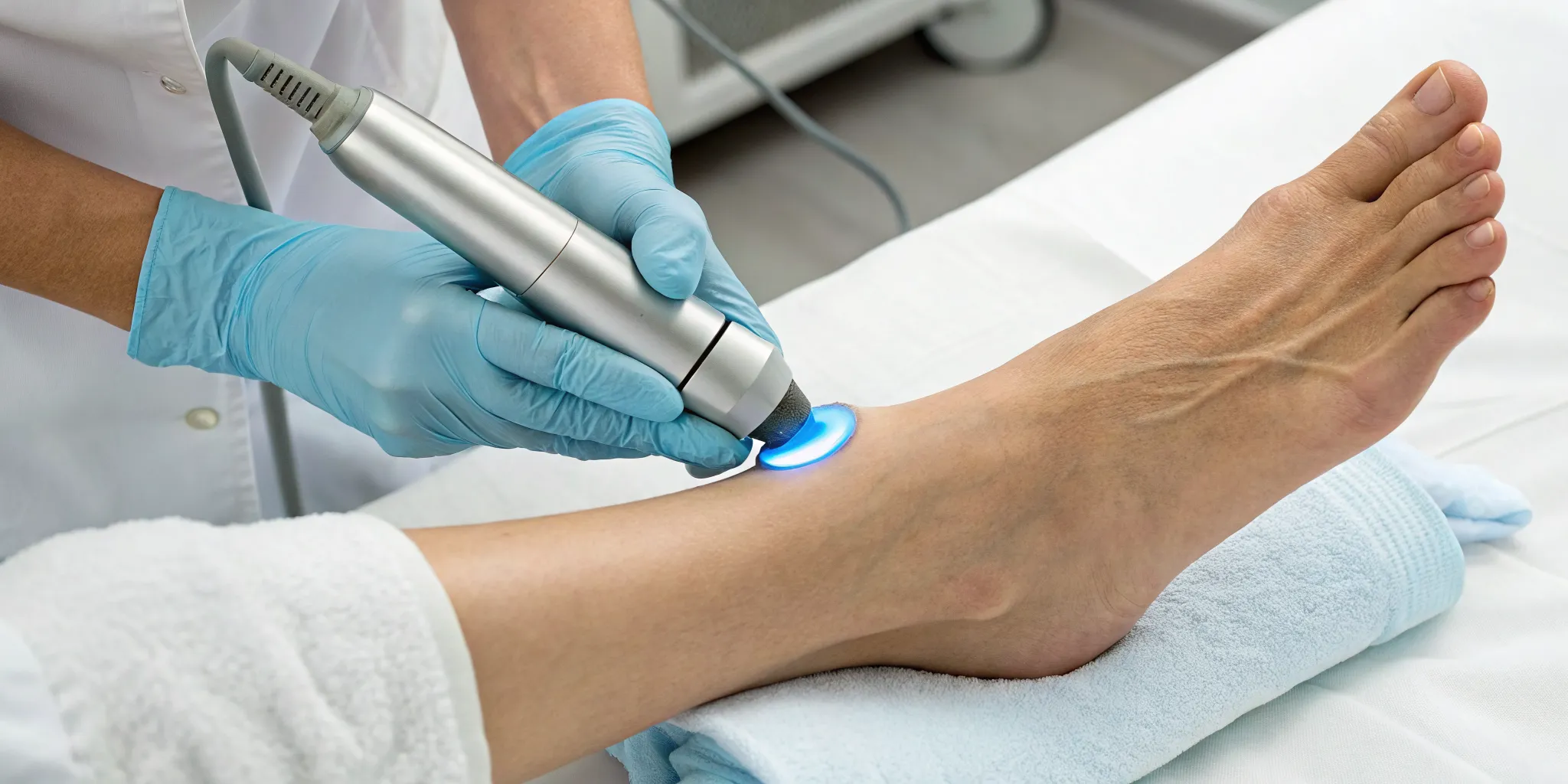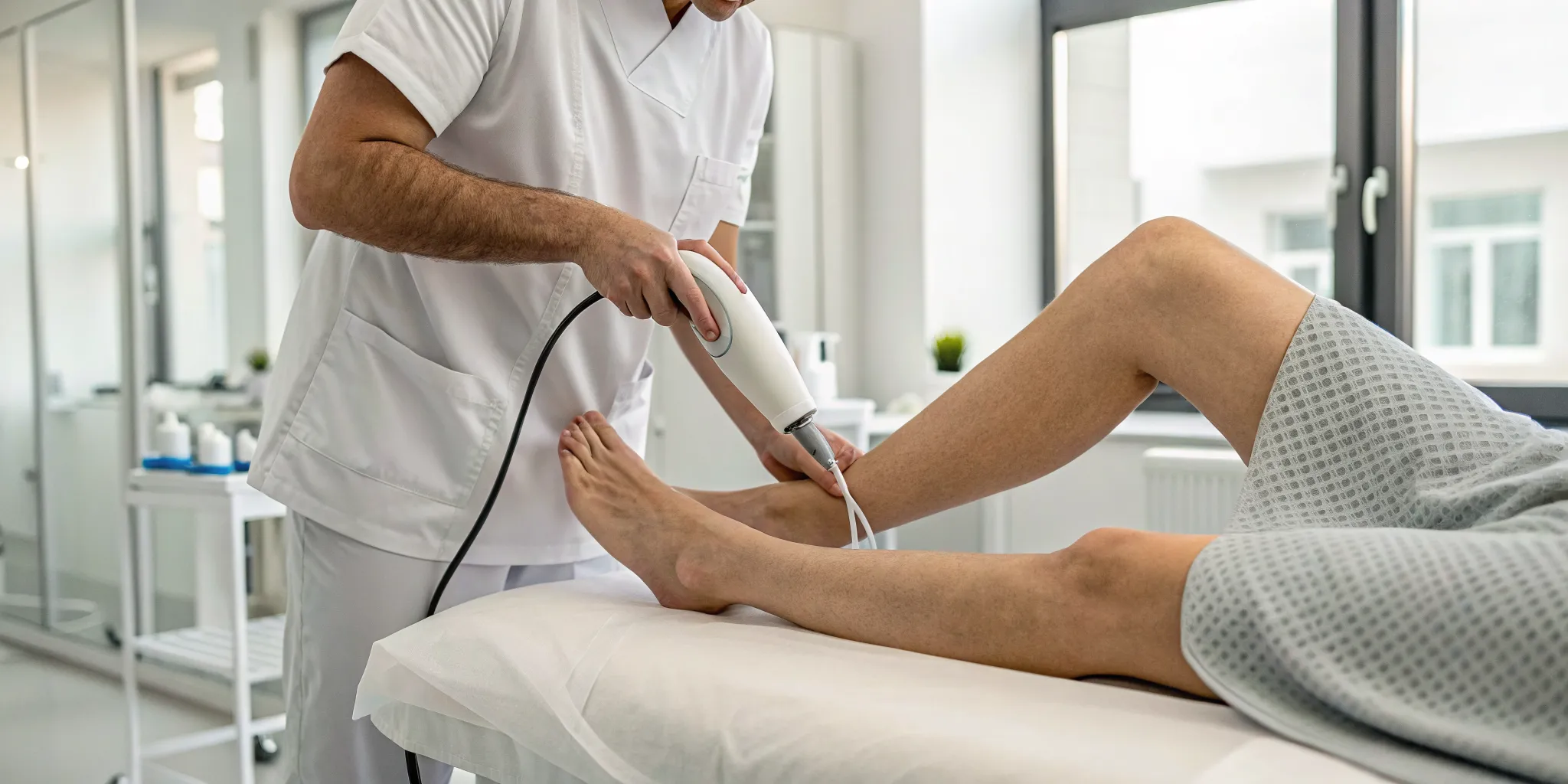
Recovery can change gradually: soreness may linger, familiar activity may require more time between sessions, and energy may not return as quickly as it once did. Those patterns are worth discussing, especially when they begin to affect movement, training, work, or daily life.
Explore Physical Medicine and recovery-focused care
Inflammation and recovery for men over 40 are connected, but neither slower recovery nor persistent soreness identifies one specific cause. A clinician-guided review can consider age-related recovery changes alongside movement, health history, energy, and other relevant factors.
A 2024 narrative review describes recovery in aging muscle as potentially delayed or less efficient, while also noting that inflammation can play different roles in repair and adaptation. That distinction matters: the goal is not to label every ache as a problem or suppress every inflammatory response. A clinician-guided review can help understand the pattern and decide what deserves a closer look.
Starting with how recovery changes over time helps put these symptoms in context and creates a clearer foundation for a productive clinical conversation.
Why Can Recovery Feel Different After 40?
Recovery can feel slower after 40 because age-related changes may affect how muscle responds to stress and repairs afterward. That shift is not inevitable, and it does not by itself identify a disease or explain every change in energy, soreness, or performance.
A 2024 narrative review examined age-related recovery after resistance exercise and exercise-related muscle damage. Its authors describe recovery in older muscle as potentially delayed, prolonged, or less efficient than it was earlier in life. In practical terms, an active man may notice that familiar training demands leave him feeling sore for longer, or that returning to the same level of activity requires more thoughtful assessment than it once did. These observations are prompts for a conversation, not a diagnosis. Read the peer-reviewed review on age-related muscle recovery.
The same review notes that age-related impairments may influence later adaptations to resistance exercise. That does not mean men over 40 cannot build strength, remain active, or respond well to training. It means recovery and adaptation can be influenced by more than effort alone, including individual history, movement patterns, current health, and the way the body responds to physical stress. The evidence also has limits, since relatively few studies directly separate age-related differences in muscle recovery.
This is why a personalized recovery evaluation can be more useful than assuming every symptom is simply part of aging. A clinician-guided review can put changes in soreness, movement, energy, and activity tolerance into context without prescribing a routine before the relevant history and contributing factors are understood. Men in the Tampa Bay area can explore a personalized recovery evaluation as a starting point for that discussion.
How Do Inflammation and Recovery for Men Over 40 Intersect?
Inflammation is not automatically harmful to recovery. A short, well-coordinated inflammatory response helps the body repair tissue, while inflammation that remains unresolved may complicate adaptation and contribute to slower recovery.
After unfamiliar or tissue-damaging exercise, transient inflammation is part of the repair process. It helps coordinate the early response to muscle stress, and its timely resolution supports longer-term adaptation and preservation of healthy tissue. In that sense, the goal is not to eliminate every inflammatory response. Blunting a useful acute response may interfere with beneficial skeletal-muscle adaptations, according to a review of recovery and exercise-induced muscle damage in older adults.
The concern is different when low-grade inflammation persists or does not resolve effectively. The review identifies chronic low-grade inflammation and unresolved inflammation as factors that can shape recovery in aging skeletal muscle. It also notes that aging may be associated with higher inflammatory activity in some contexts, sometimes called inflammaging. A baseline inflammatory state may interfere with the acute response to exercise damage, including by producing a response that is difficult to fully resolve.
That distinction matters for men over 40 who notice lingering soreness, reduced tolerance for activity, or a longer return to normal performance. These patterns can be worth discussing, but they do not identify one cause. Inflammation is multifactorial, and current evidence may not clearly establish whether it is a cause, a consequence, or one part of a broader recovery problem. The same symptom pattern may involve training demands, tissue changes, sleep, metabolic factors, an underlying health concern, or several influences together.
A thoughtful evaluation therefore looks beyond the idea of simply suppressing inflammation. It considers the person's history, movement, recovery pattern, and relevant clinical context before drawing conclusions. The evidence base also has limitations, so a research finding about aging muscle should not be treated as an individual diagnosis. Persistent changes are a reason to have a qualified clinician review the full picture, not a reason to start a self-directed protocol.
Read the review on inflammation and recovery in aging skeletal muscle.
Which Changes Deserve a Closer Clinical Look?
Persistent changes in pain, movement, energy, or recovery are reasonable prompts for a clinical conversation, especially when they continue or interfere with activities you value. They are not proof of inflammation, a hormone problem, or any single diagnosis.
A closer look may be worthwhile when soreness remains present longer than you expect or returns repeatedly after familiar activities. Reduced tolerance for walking, lifting, recreational sports, or other normal movement can also provide useful context. The concern is not one difficult workout. It is a pattern that persists, progresses, or changes how you move.
Patterns involving pain or movement
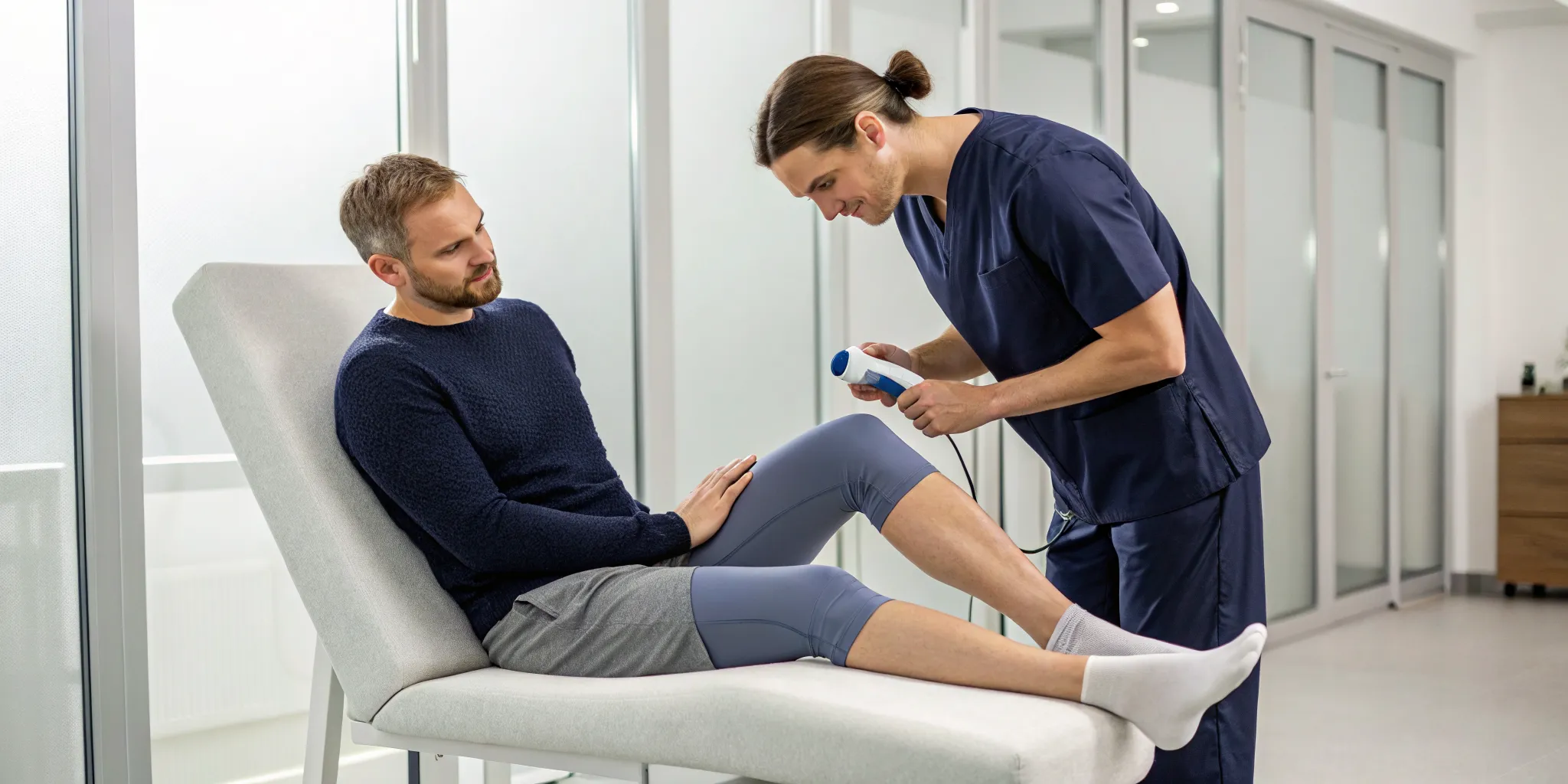
Joint pain, chronic pain, or a history of sports injuries may deserve discussion when they affect strength, mobility, confidence, or participation. Prior injuries can influence how you compensate during movement, but the history alone does not explain every current symptom. A clinician may need to understand where discomfort occurs, what activities affect it, and whether your movement has changed over time.
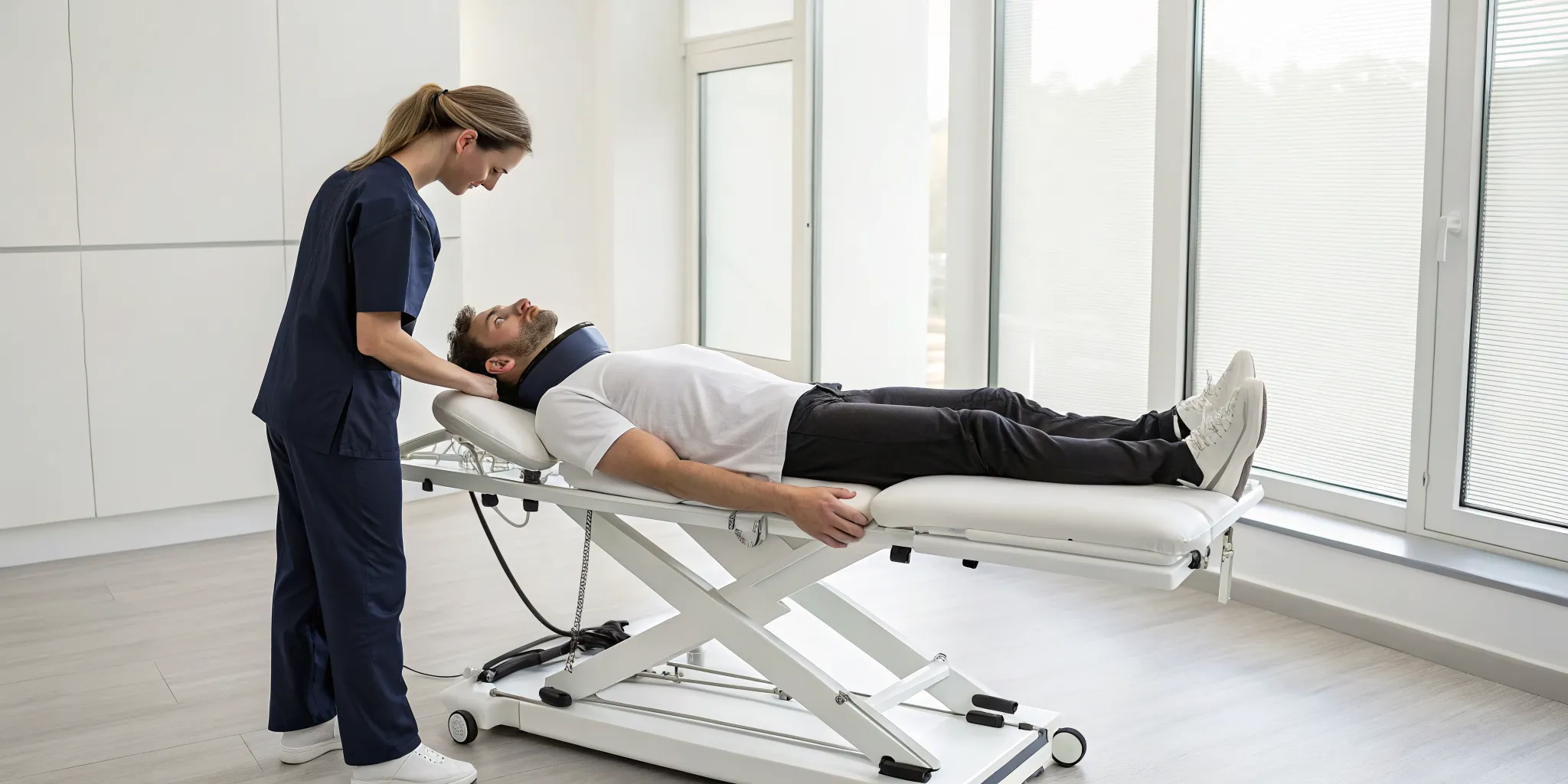
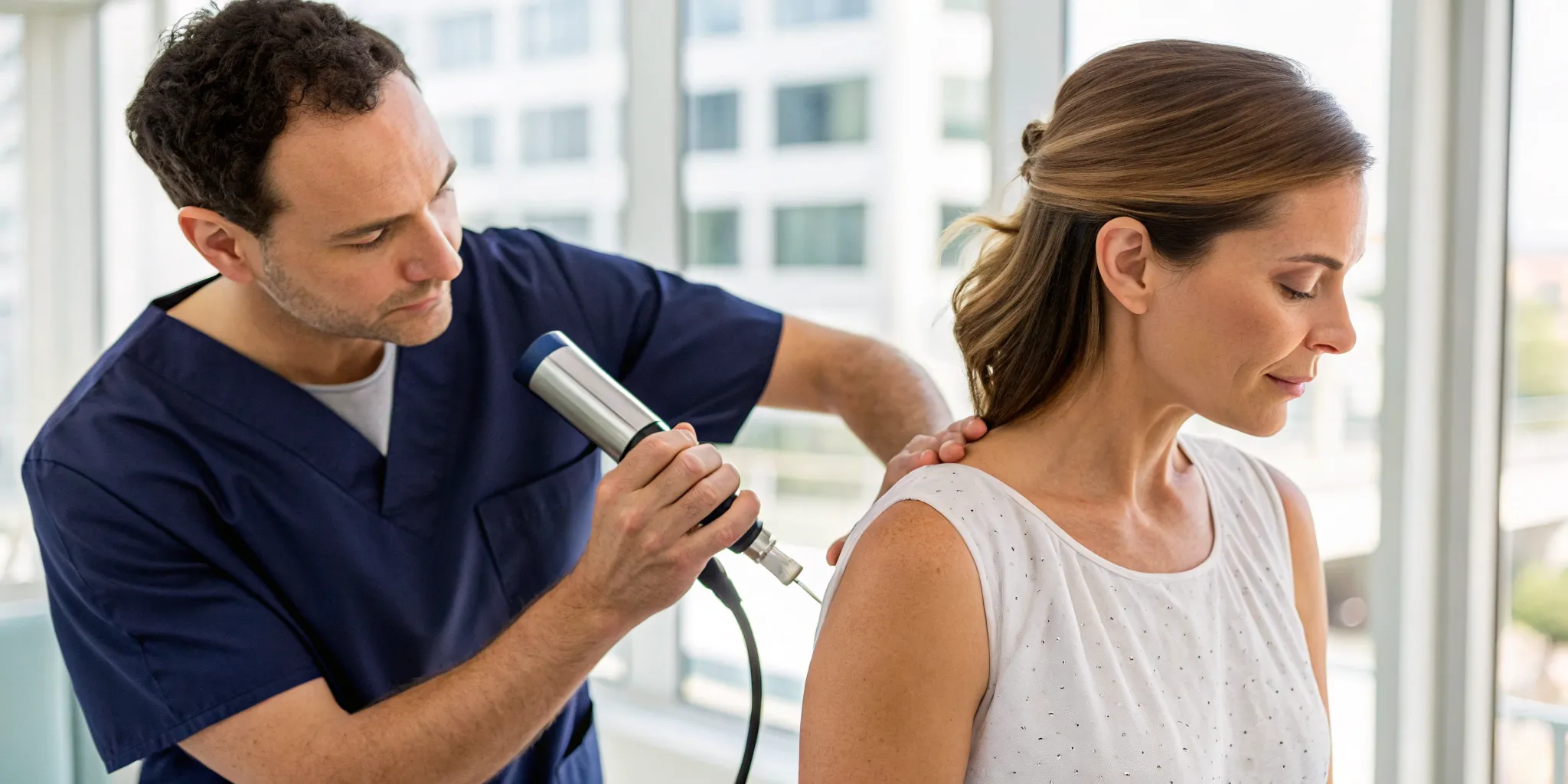
Ascend's documented Physical Medicine offerings include chiropractic, spinal decompression, corrective care, myofascial release, and soft-tissue work. A clinician can consider whether one or more of these approaches belongs in a broader review through Physical Medicine assessment. That type of evaluation is intended to add context, not label a symptom from a web article.
Patterns involving energy and recovery
Fatigue, delayed recovery between activities, or a noticeable drop in your usual capacity can also be worth documenting for a discussion. These experiences can have many possible contributors, including training demands, sleep, stress, nutrition, existing health concerns, or other factors. They should prompt questions about history and evaluation rather than self-diagnosis.
Before an appointment, note when the change began, what makes it better or worse, which activities are affected, and whether the pattern is stable or worsening. That information helps keep the conversation focused on your actual experience and the next appropriate step.
What Does a Clinician-Guided Recovery Evaluation Include?
A clinician-guided evaluation looks at the full recovery picture: your history, goals, movement, physical findings, and relevant health context. It is designed to clarify what deserves attention, not to assign a diagnosis from a symptom or promise a particular result.
The conversation usually begins with your history and goals. A clinician may ask when soreness, reduced energy, or delayed recovery began; whether the pattern changes with activity; and how it affects work, training, sleep, or daily movement. Your prior injuries and current concerns also help establish context. This matters for men over 40 because a former sports injury, a newer limitation, and a broader energy concern may require different lines of inquiry.
Assessing structure and movement
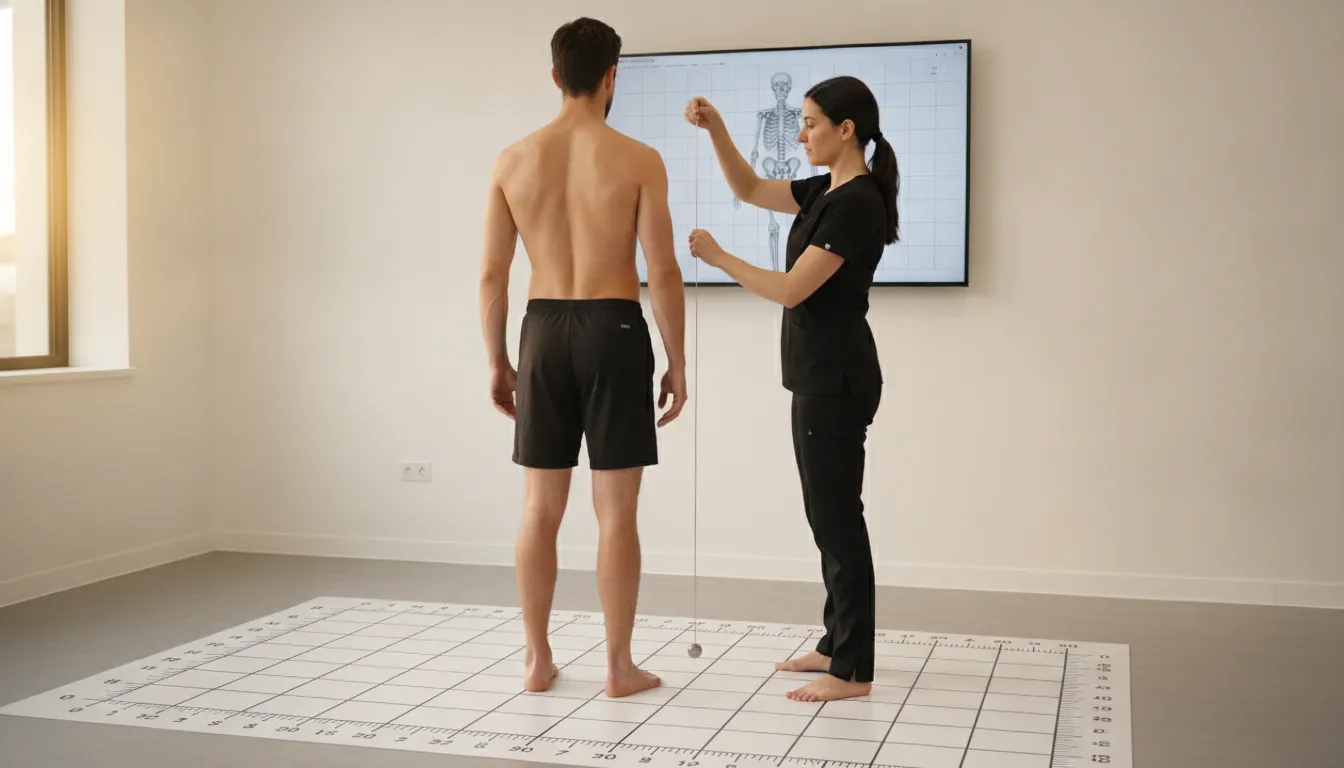
A movement-focused assessment can include range-of-motion testing, orthopedic evaluation, and neurological evaluation. These elements help a qualified clinician observe how joints and tissues move, whether a movement is limited or uncomfortable, and whether the overall pattern warrants closer review. Strength testing, balance, and coordination evaluation may add information about how the body performs a task, rather than focusing only on where discomfort is felt.
This is the structural side of the evaluation. Ascend describes its Physical Medicine assessment as part of a broader approach to movement and musculoskeletal concerns. Findings should be interpreted alongside your history and goals, not treated as a stand-alone explanation for inflammation and recovery for men over 40.
Considering functional context
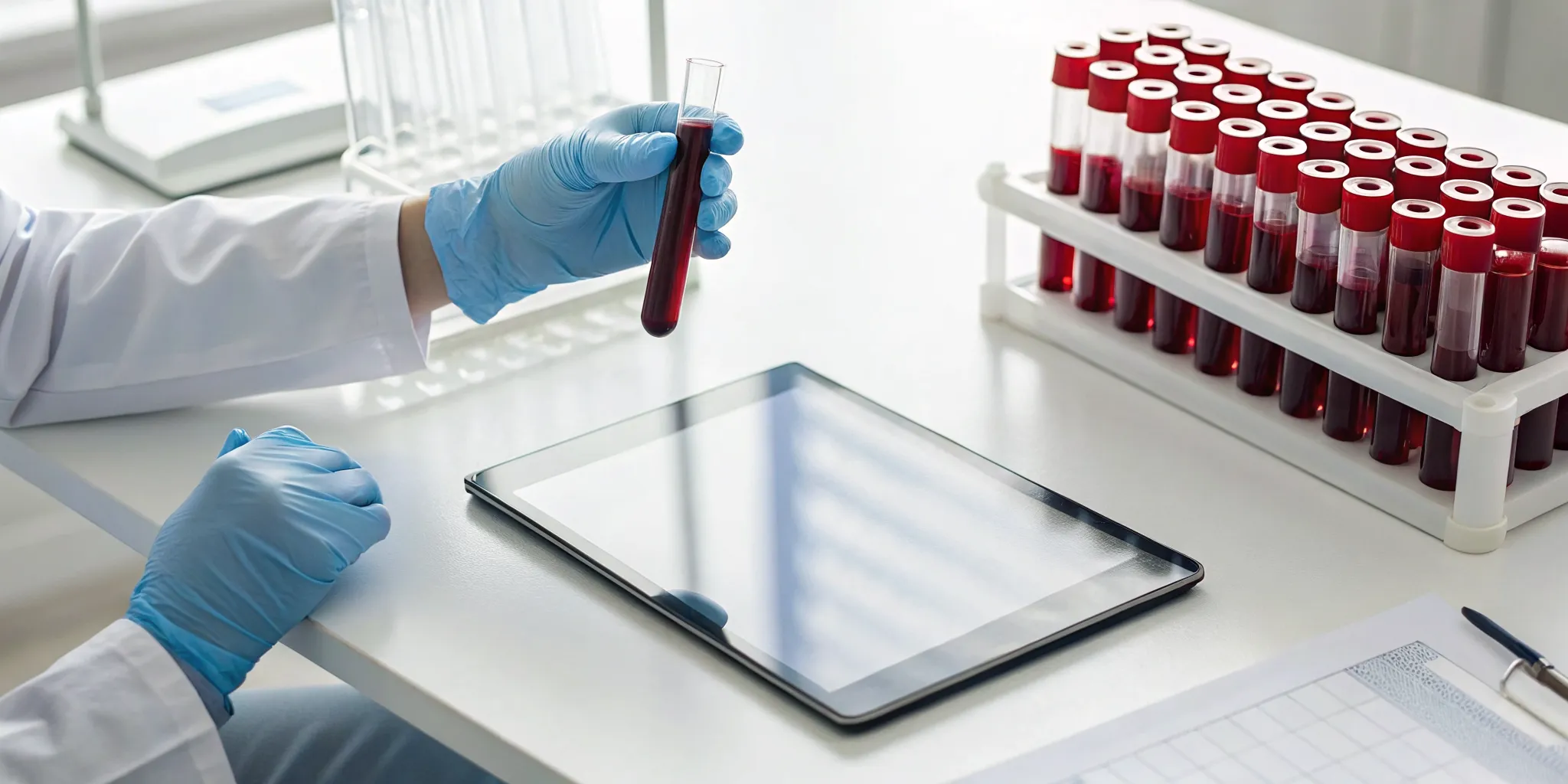
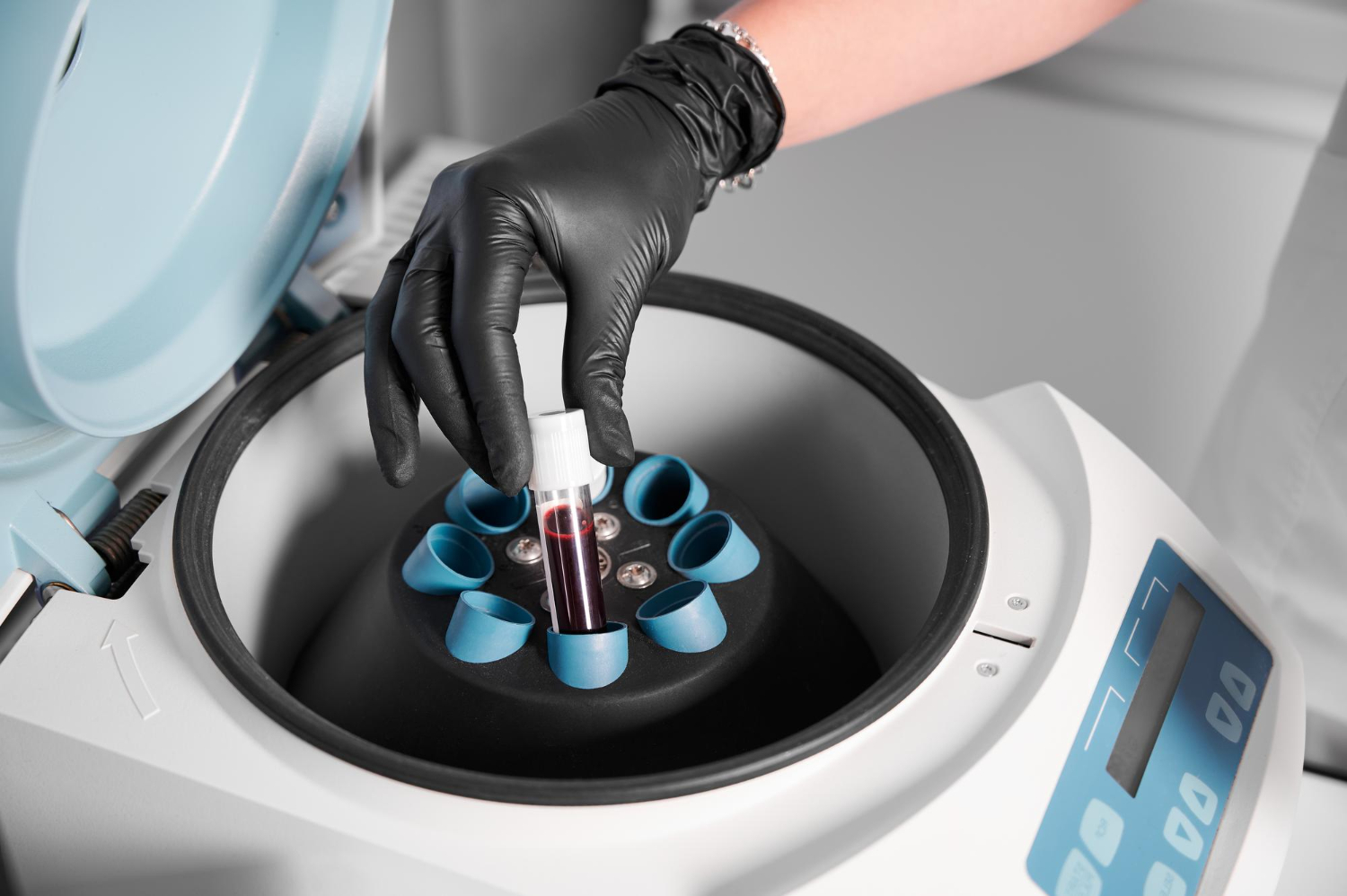
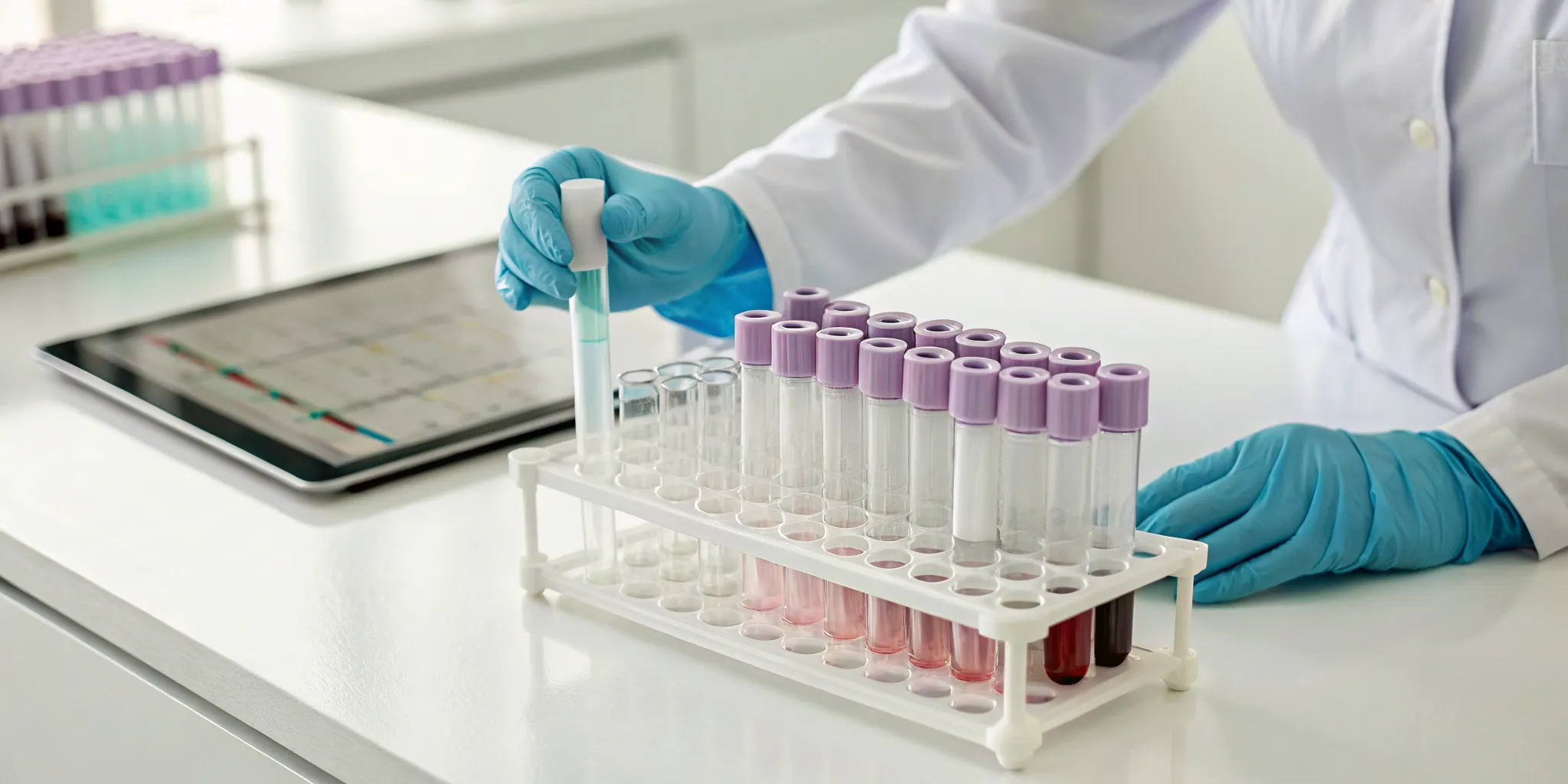
When fatigue, energy changes, or other broader concerns are part of the conversation, appropriate laboratory context may also be considered. Ascend's Functional Medicine services include comprehensive laboratory testing, with panels that may include inflammation markers. That does not mean a single marker explains an individual's recovery. It means laboratory information may be reviewed alongside the history and physical findings when clinically appropriate.
This distinction keeps structural and functional perspectives connected without blending them together. A Functional Medicine evaluation can provide broader context, while movement assessment examines how the body is functioning mechanically. Together, these observations can support a more individualized discussion about reasonable next steps.
How Can Movement and Training Be Adjusted Without Guesswork?
Movement decisions become more useful when they are guided by recovery patterns, not by a fixed rule about age. A clinician can help distinguish a normal training response from symptoms that deserve a broader look, while keeping the discussion focused on your history and current function.
Discussion areas for adjusting movement and training| Discussion area | What a clinician may explore | Boundary for self-management |
|---|---|---|
| Movement load | How training volume, intensity, exercise selection, and recent changes relate to soreness, stiffness, or reduced function. Recovery evidence may inform approaches tailored to older adults, but it does not establish one routine for every man. | Do not push through a persistent or worsening pattern simply to preserve a previous training schedule. Record the change and bring it to a qualified clinician. |
| Recovery patterns | Whether discomfort follows an unfamiliar or unusually demanding session, how long it lasts, and whether function returns. Research describes short-term inflammation as part of repair, while timely resolution supports adaptation and tissue preservation. | Do not assume every inflammatory response is harmful or that suppressing it is automatically helpful. The review also cautions that blunting acute inflammation may impede beneficial adaptation. |
| Sleep and nutrition context | Recent sleep quality, appetite, hydration, eating patterns, stress, and changes in body composition that may affect perceived energy or recovery capacity. | Use these observations as context, not as a reason to start a supplement or restrictive nutrition plan without appropriate guidance. |
| Symptom tracking | Patterns in energy, soreness, joint symptoms, movement tolerance, and recovery time across several sessions, alongside relevant health history. | A log can support a conversation, but it cannot identify the cause. Persistent symptoms should prompt history, movement review, and appropriate evaluation rather than self-diagnosis. |
These distinctions matter because inflammation is not a single, simple response. Evidence links recovery to multiple interacting factors, and the available research has limits. A thoughtful review can keep training goals, movement findings, and recovery context in the same conversation.
Read the research review on age-related recovery and exercise-induced muscle damage.
Where Do Labs and Hormone Context Fit?
Laboratory and hormone discussions can be useful parts of a broader, history-based evaluation when fatigue, energy changes, or delayed recovery warrant a closer look. They add context to the conversation, but no single lab marker explains an individual's symptoms or recovery pattern by itself.
Functional Medicine at Ascend includes comprehensive laboratory testing, and an appropriate panel may include inflammation markers. The purpose is to consider those findings alongside your history, symptoms, movement, sleep, nutrition, and other relevant health information. A result may help a clinician decide what deserves further attention, but it should not be treated as a stand-alone diagnosis.
Hormone concerns may also come up when a man reports persistent fatigue, changes in energy, or other symptoms that affect daily life and physical activity. Ascend lists low testosterone and hormonal imbalances among concerns that may be discussed in care. That does not mean a symptom proves a hormone problem, and it does not establish that a hormone intervention is appropriate. The clinical question is broader: what pattern is present, what additional context is needed, and how does it relate to the person's overall health?
For a focused explanation of how results fit into a wider assessment, review this male hormone testing overview. Readers interested in the role of laboratory data in energy and focus can also explore lab testing for energy concerns.
For men over 40 thinking about inflammation and recovery, the most useful next step is usually an informed discussion rather than self-diagnosis. A clinician can determine whether laboratory or hormone context belongs in the evaluation and how it should be interpreted with the rest of the history.
What Should Men Over 40 Bring to a Recovery Conversation?
Answer capsule: Bring a clear timeline, relevant records, and an honest picture of movement, training, sleep, nutrition, and energy. These details help a qualified clinician consider the full context instead of treating one symptom as a diagnosis.
A useful conversation is specific without becoming a self-diagnosis. Persistent soreness, delayed recovery, or lower energy can have more than one contributing factor, so describe what changed and what has remained consistent. The goal is to discuss history, movement, and appropriate evaluation rather than choosing a protocol on your own.
- Start with the timeline. When did soreness, stiffness, reduced energy, or slower recovery begin? Was the change sudden or gradual? Note what makes it better or worse, how long symptoms last, and whether the pattern affects work, recreation, or training.
- Describe movement and training load. Bring a simple record of activities, frequency, intensity, and recent changes. Mention movements that feel limited, painful, or less coordinated, along with any difference in strength, balance, mobility, or endurance.
- Share sleep and nutrition context. Discuss typical sleep duration and quality, schedule changes, appetite, hydration habits, and notable changes in eating patterns. This is context for evaluation, not a request for a one-size-fits-all plan.
- Clarify energy and daily function. Explain when energy is lowest, whether concentration or mood has changed, and how long it takes to feel ready for normal activity after exertion.
- Bring prior injury and care records. List previous injuries, surgeries, persistent joint or soft-tissue concerns, imaging, and prior evaluations. Include relevant results and a current list of treatments or supplements, and ask how they fit into the review. Do not stop anything without guidance from the clinician who prescribed it.
- Ask what evaluation is appropriate. Questions may include whether movement assessment, strength and coordination testing, or additional clinical evaluation fits the history. The goal is a measured next step based on your individual context.
Discuss your concerns with Ascend
Frequently Asked Questions
These common questions explain how age, inflammation, movement, and broader health context can fit into a thoughtful recovery discussion.
Why can recovery take longer after 40?
Recovery may become delayed or less efficient with age, but the experience varies by person and training context. A 2024 narrative review describes these age-related changes and notes that several biological factors can contribute, including unresolved inflammation. Read the review of age-related recovery.
Is all inflammation harmful after exercise?
No. A short-term inflammatory response can support repair after unfamiliar, muscle-damaging exercise. The timing and resolution of that response matter, because prolonged or poorly resolved inflammation may affect tissue preservation and useful adaptation. That distinction is one reason symptoms should be discussed in context rather than labeled on their own.
When should slower recovery prompt a clinical conversation?
Consider a conversation when persistent soreness, fatigue, movement changes, recurring joint or muscle concerns, or reduced tolerance for familiar activity continue or interfere with daily life. These patterns do not identify a cause by themselves. A qualified clinician can review your history, movement, and other relevant factors instead of relying on self-diagnosis.
Could laboratory testing be part of the evaluation?
It may be appropriate when your history and symptoms support a broader assessment. Ascend describes comprehensive laboratory testing and panels that may include inflammation markers, but results need clinical context and do not independently explain an individual's recovery. Discuss which evaluation is relevant for your situation with a qualified clinician.
Ready to Discuss Your Recovery?
Slower recovery, persistent soreness, changes in movement, or lower energy can be useful topics for a thoughtful clinical conversation. A personalized review can help connect your history, current concerns, and appropriate next steps without reducing the issue to a single explanation.
Contact us to discuss your concerns with Ascend Functional Health.
This article is educational and is not medical advice. Speak with a qualified clinician before making decisions about your health.