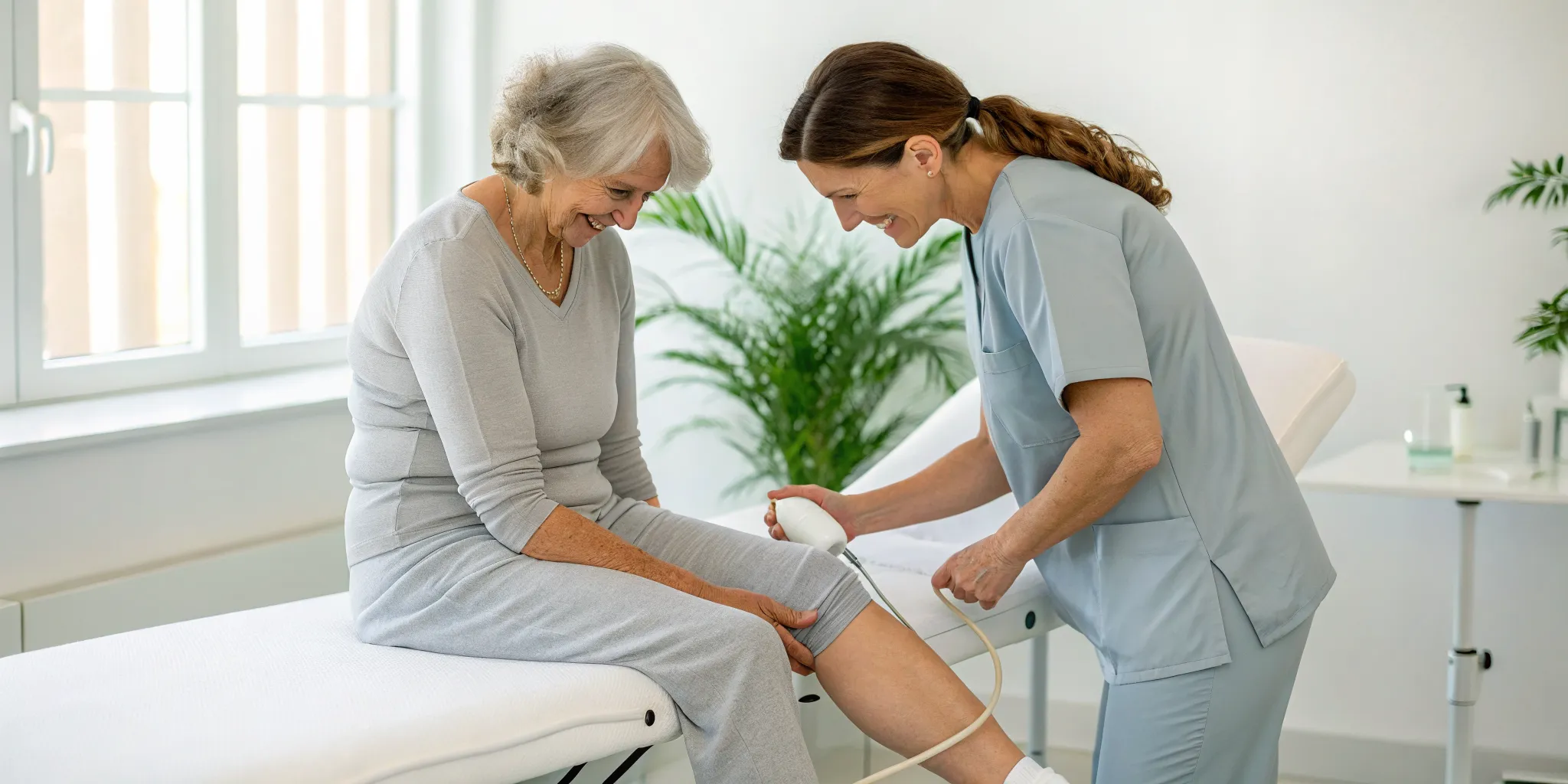
When you have a problem that requires a specific fix, you need the right tool for the job. The same is true when it comes to treating your body. While hands-on therapy is incredibly valuable, some soft tissue problems, like dense scar tissue and chronic adhesions, are difficult to address with hands alone. This is where the Graston Technique comes in. It’s a targeted approach that uses a set of specially designed stainless-steel instruments that act as an extension of the practitioner’s hands. These tools allow them to feel for and treat fibrotic tissue with a level of precision that fingers can’t always achieve. This method of graston myofascial release isn’t just a general treatment; it’s a focused solution for breaking up the restrictions that cause pain and limit your mobility.
Key Takeaways
- It targets the source of pain and stiffness: The Graston Technique uses specialized tools to precisely find and break down the scar tissue and fascial restrictions that cause discomfort and limit your movement.
- It supports your body’s natural healing: By increasing blood flow to the treated area, this method helps your body repair damaged tissue more efficiently, which can lead to faster recovery and reduced pain.
- It’s most effective within a complete care plan: For lasting results, the technique should be performed by a certified practitioner and combined with other therapies, such as corrective exercises, to build strength and stability.
What is the Graston Technique?
If you're dealing with lingering discomfort from an old injury or persistent tightness that just won’t go away, you’ve likely explored a few different approaches. The Graston Technique is a specialized method that addresses these issues at their source. It’s a form of instrument-assisted soft tissue mobilization, which is a way of saying we use specially designed tools to work on muscles and connective tissues. This hands-on approach allows our practitioners to find and address areas of scar tissue or restriction that can cause pain and limit your movement. Think of it as a way to smooth out the knots and tough spots that your body created during a previous healing process. By targeting these specific areas, we can help your body’s natural healing mechanisms work more effectively, restoring function and helping you feel better.
A Closer Look at Myofascial Tissue and Adhesions
To understand how the Graston Technique works, it helps to know a bit about myofascial tissue. This is the network of muscle (myo) and connective tissue (fascia) that runs throughout your entire body. When this tissue is healthy, it’s flexible and allows you to move freely. After an injury or due to repetitive strain, your body forms scar tissue, which can create adhesions. These are tough, dense spots where the tissue becomes stuck and restricted. Adhesions can limit your range of motion and cause discomfort. The Graston Technique is designed to gently break down these adhesions, which helps restore mobility and encourages better blood flow to the area, supporting a more complete healing process.
The Specialized Tools Behind the Technique
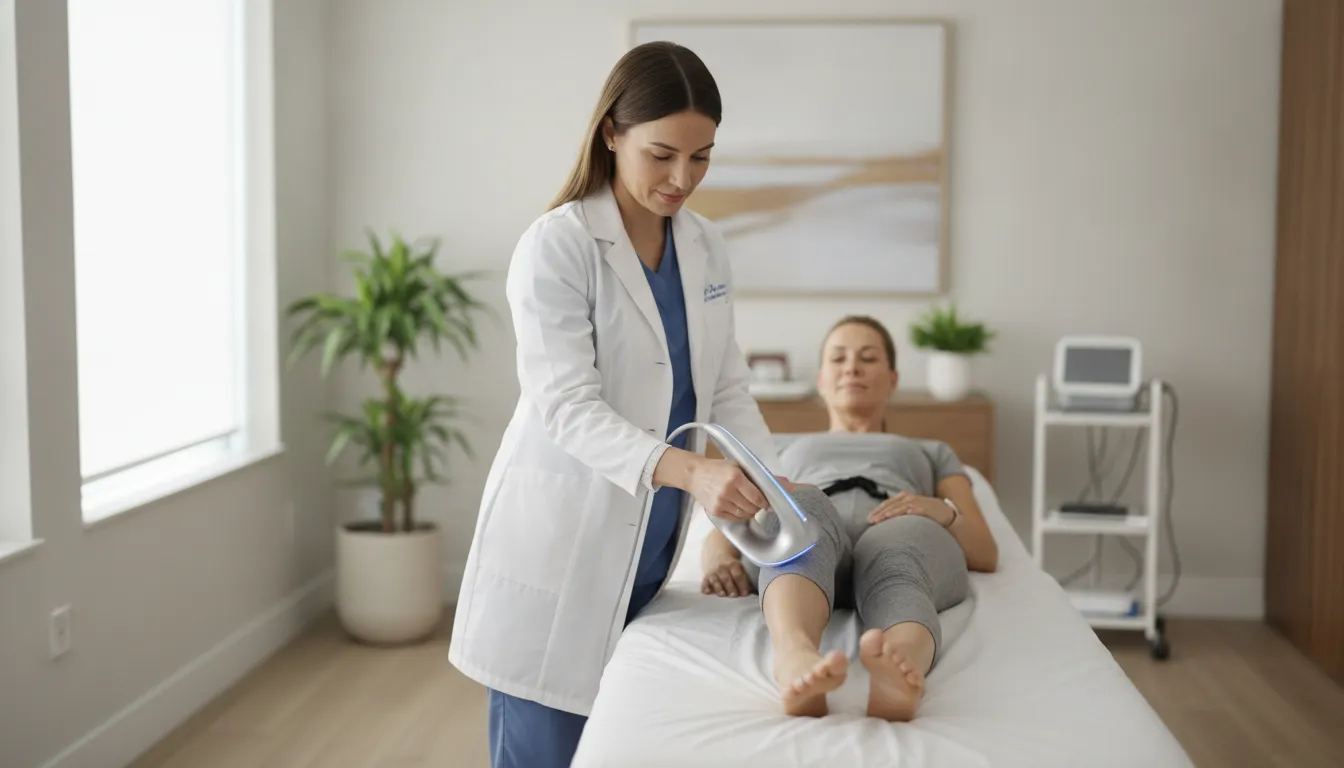
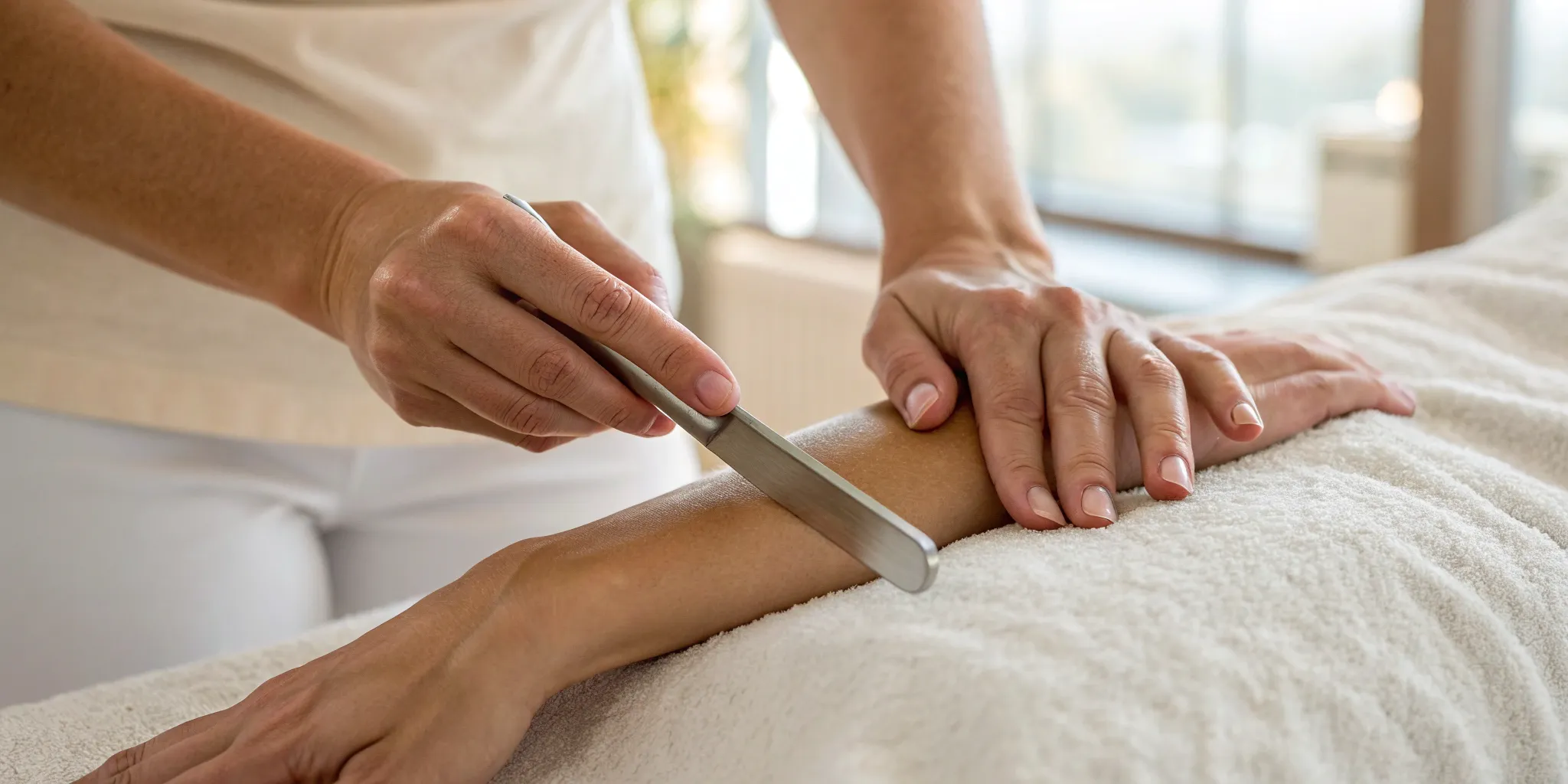
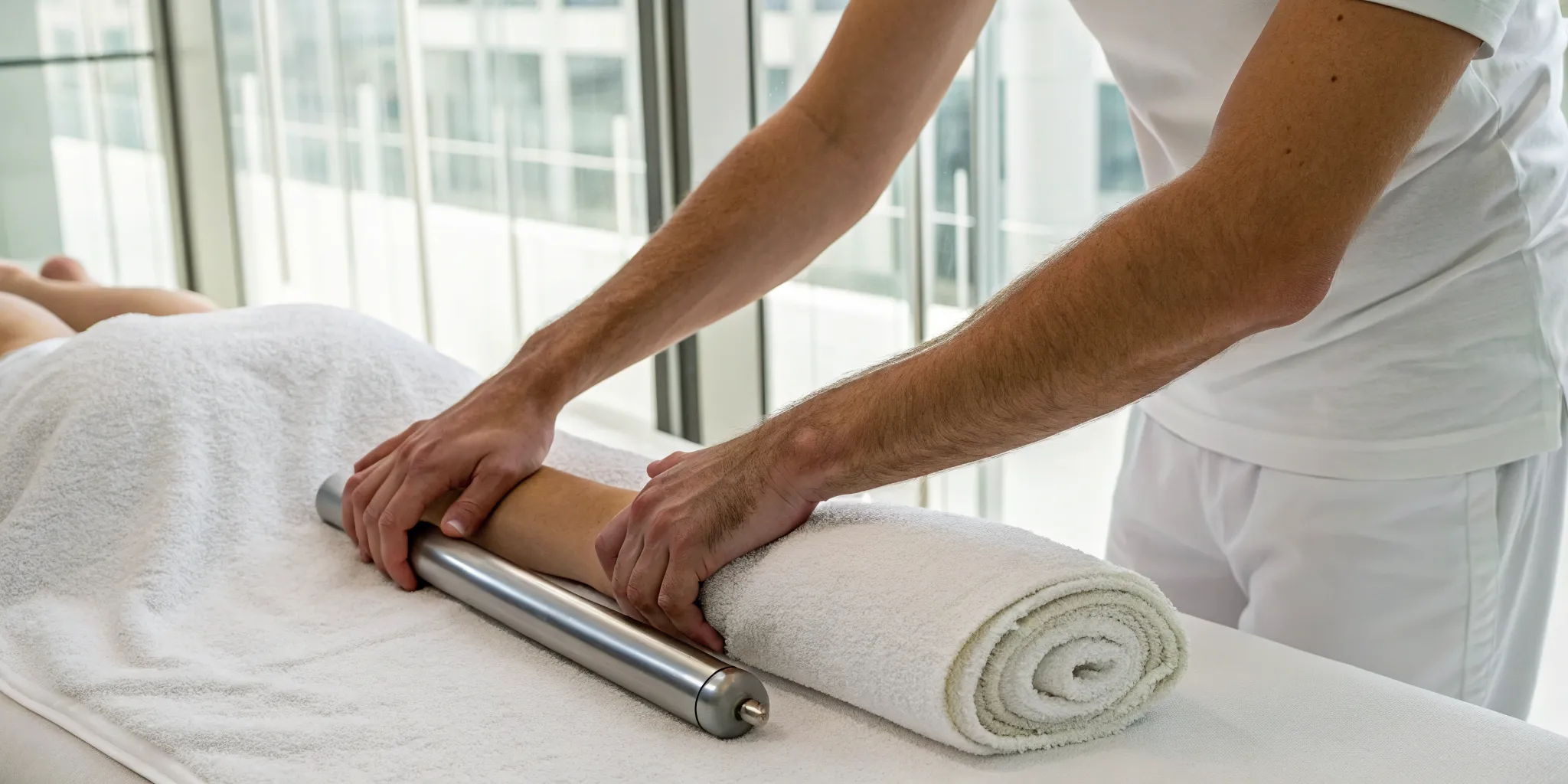
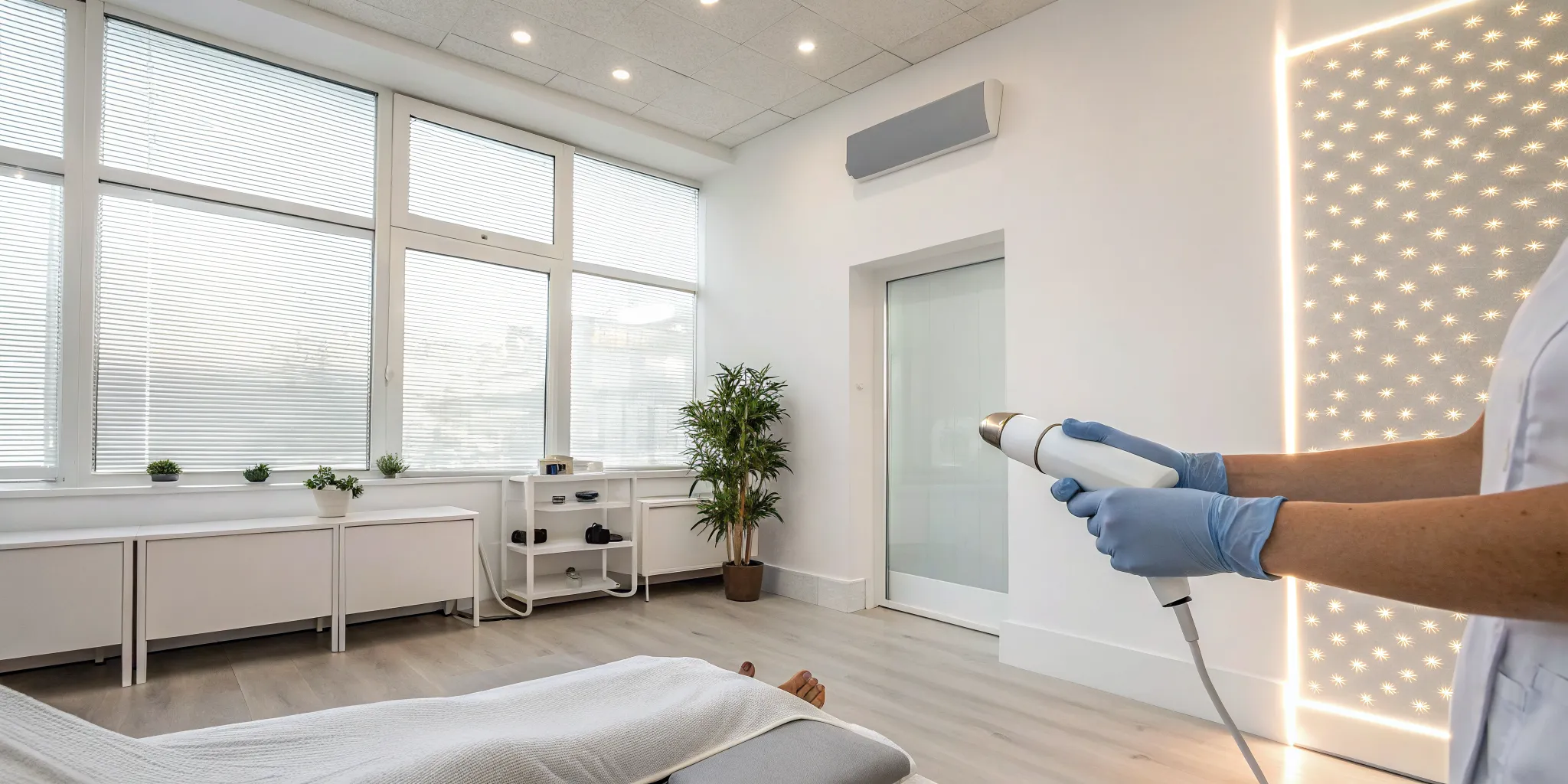
The Graston Technique isn't performed with just any tool. It uses a set of six core stainless-steel instruments, each with a unique shape and beveled edge. These tools are not blunt objects; they are designed to be sensitive. They act as an extension of the practitioner's hands, allowing them to feel for fibrotic tissue or restrictions in a way that fingers alone cannot. This resonance helps pinpoint the exact location of a problem. Once an adhesion is located, the same tool is used to apply precise pressure, helping to separate and release the restricted tissue. This targeted approach is a key part of what makes the Graston Technique a focused component of our physical medicine services.
How Does the Graston Technique Work?
So, how exactly do these stainless-steel tools help relieve pain and restore movement? The Graston Technique works by targeting the underlying soft tissues in a way that hands alone often can't. It’s a precise process that addresses issues at the source, helping your body repair itself more effectively. By applying targeted pressure, a trained practitioner can create changes in the tissue that lead to less pain, better flexibility, and improved function. Let’s look at the three key ways this happens.
The Science of Instrument-Assisted Healing
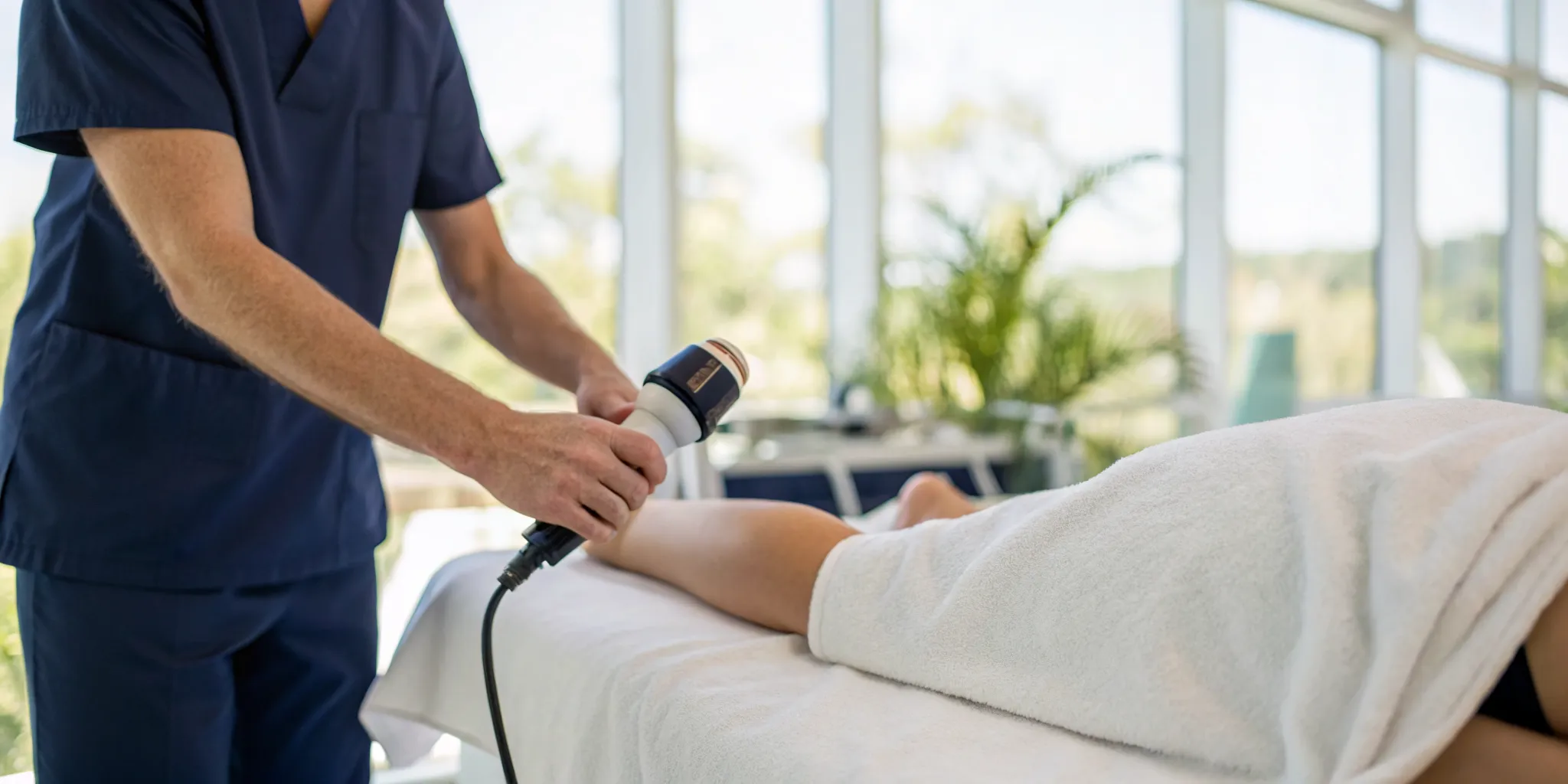
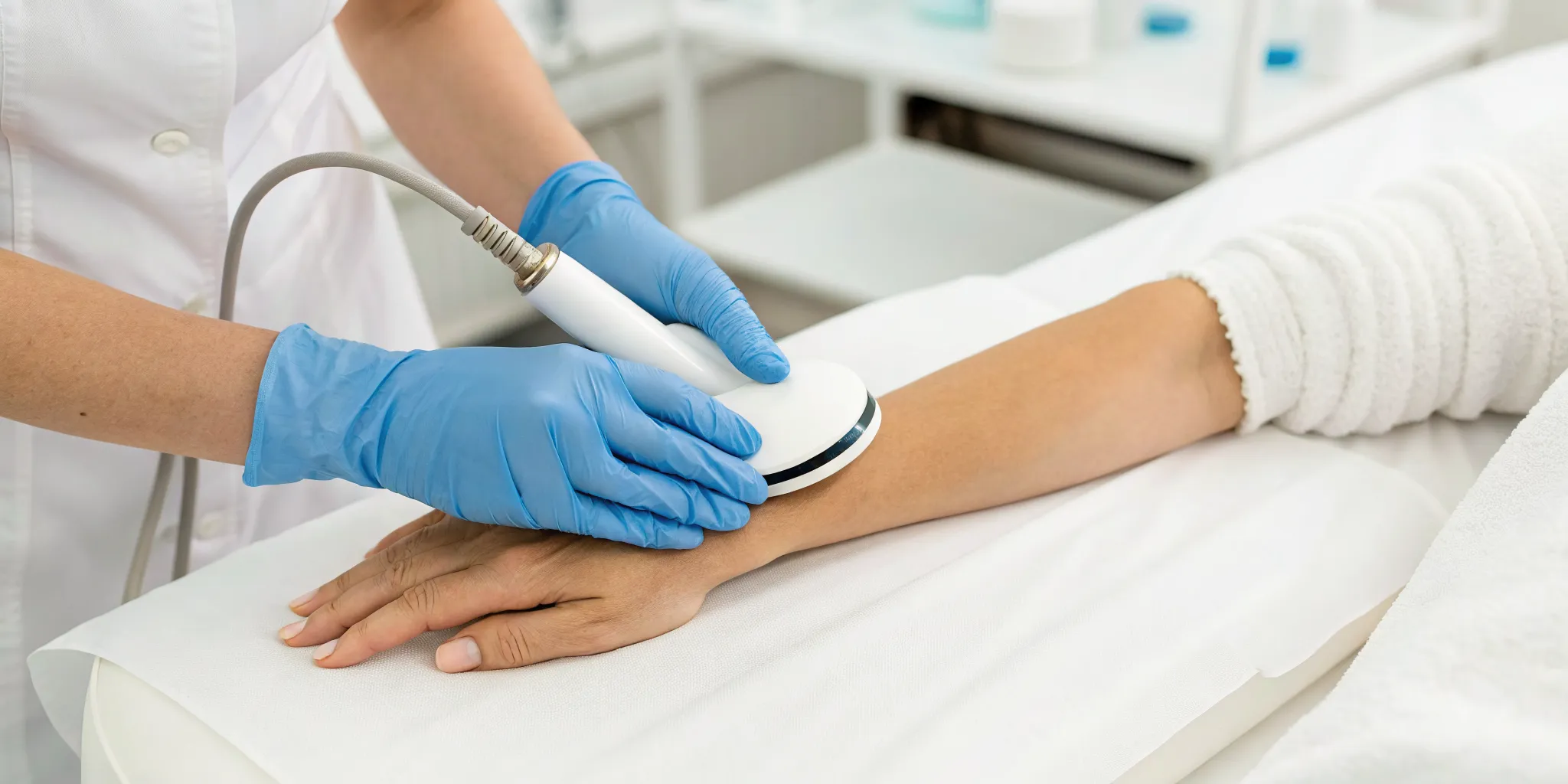
The Graston Technique is a form of instrument-assisted soft tissue mobilization, or IASTM. Using specially designed stainless-steel tools, your practitioner applies controlled pressure and strokes across the skin. This process allows them to detect and treat areas with fibrosis or chronic inflammation. On a cellular level, this targeted pressure helps stimulate the growth of new cells and improve the organization of collagen, which is a key building block for healthy tissue. This ultimately helps speed up the healing process, allowing you to move better and get back to your daily activities with greater ease.
Breaking Down Scar Tissue and Restrictions
When your body's soft tissues, like muscles and ligaments, are injured, they can develop scar tissue or tight spots known as fascial restrictions. Think of these as tiny internal adhesions that can restrict your movement and cause pain. The main goal of the Graston Technique is to find and break down these adhesions. The smooth, beveled edges of the tools allow your practitioner to comb over the tissue, catching on these restrictions and gently separating them. This process helps restore normal texture and function to the muscles and surrounding fascia, leading to significant pain relief and improved mobility.
Encouraging Blood Flow and Natural Healing
The friction from the tools creates a mild, controlled inflammatory response in the treated area. While "inflammation" might sound counterintuitive, this is actually a good thing. It signals your body to increase blood flow to the region, bringing with it the oxygen and nutrients needed for repair. This enhanced circulation is a crucial part of your body’s natural healing process. It helps flush out stagnant fluid and break up the stubborn scar tissue and fascial restrictions that were causing problems. By kickstarting this internal repair system, the technique supports a more complete and efficient recovery.
What Conditions Can Graston Help With?
The Graston Technique is a versatile approach used to address a wide range of musculoskeletal issues. Because it targets the underlying soft tissues, it can be effective for both long-standing chronic conditions and more recent injuries. The main goal is to find and treat the source of the problem, which is often scar tissue or fascial restrictions that limit your movement and cause discomfort. By addressing these root causes, the technique helps restore proper function to muscles, tendons, and ligaments, which is a core part of our approach to physical medicine.
This method is particularly helpful for conditions that haven't responded well to other approaches. It’s a go-to for athletes dealing with repetitive strain and individuals struggling with persistent pain from old injuries or daily activities. From nagging lower back pain to stubborn tendonitis, the Graston Technique offers a focused way to encourage tissue repair and get you moving comfortably again. It’s all about breaking the cycle of pain and dysfunction by helping your body heal the right way. By zeroing in on the precise areas that need attention, it allows for a targeted treatment that can lead to more significant and lasting improvements in how you feel and move.
Chronic Neck and Back Pain
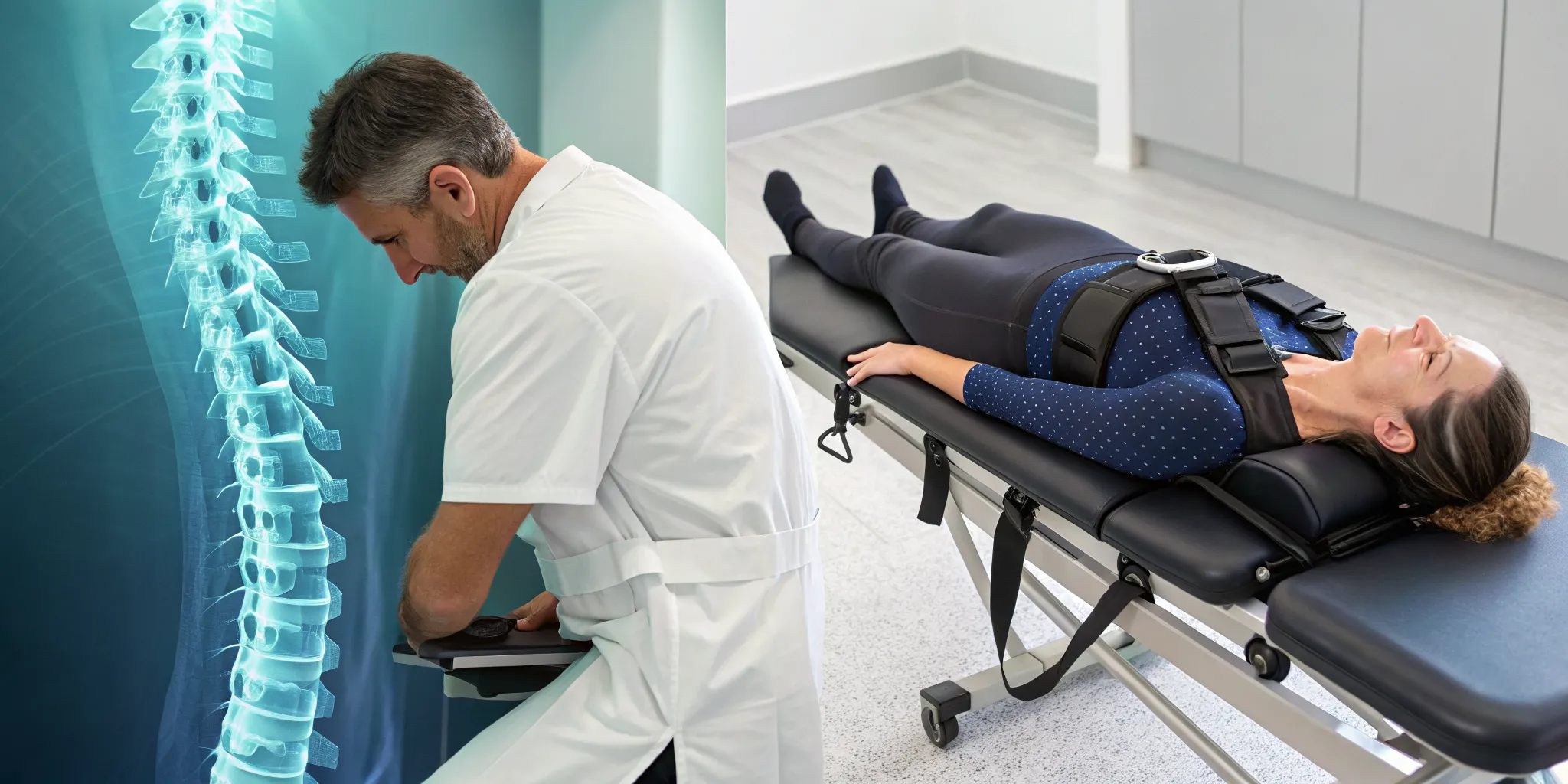
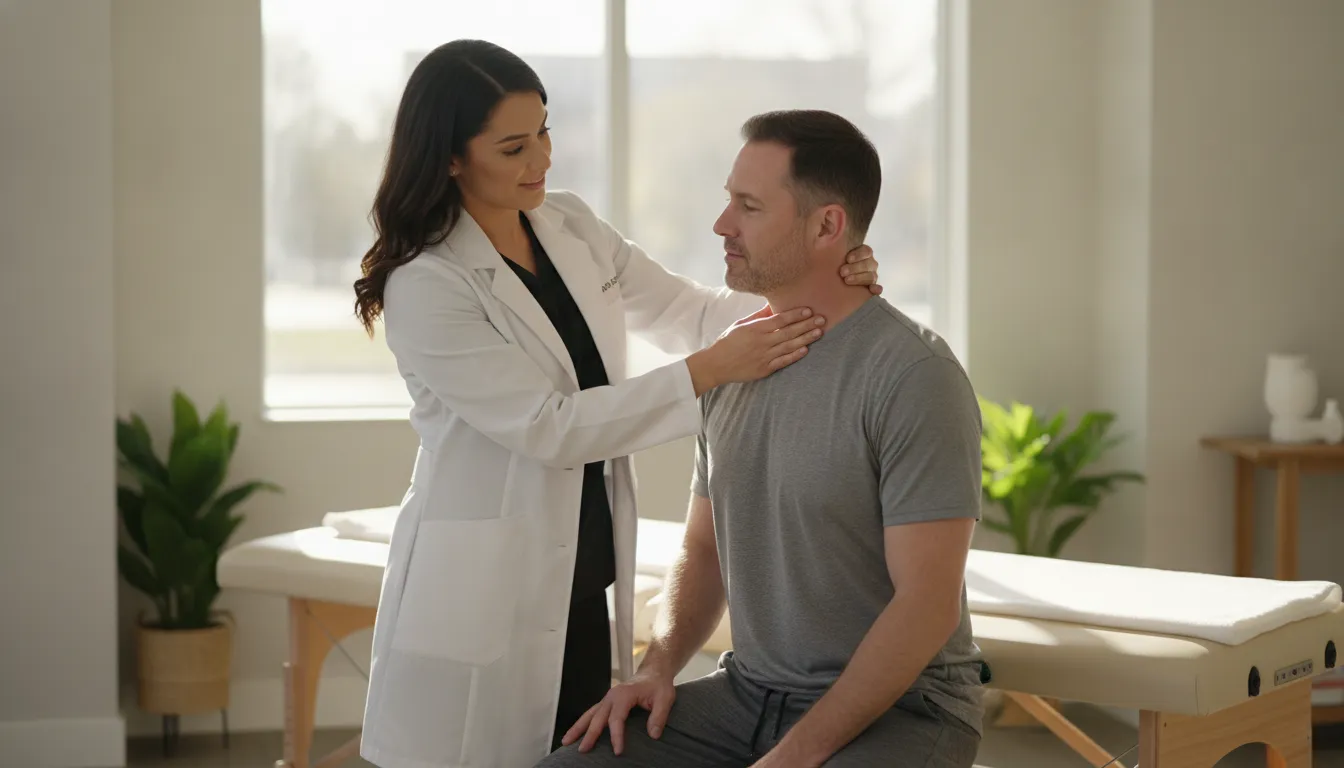
If you deal with persistent neck or back pain, you know how much it can interfere with daily life. This kind of discomfort is often linked to scar tissue and tight spots, known as fascial restrictions, that build up in muscles and ligaments over time. The Graston Technique is a specialized hands-on therapy that uses unique stainless-steel tools to locate and treat these soft tissue injuries. According to Gilroy Family Chiropractic, its primary purpose is to break down this restrictive tissue to help you move better and feel less pain. By smoothing out these adhesions, the technique helps restore flexibility and reduce the stiffness that contributes to chronic pain.
Shoulder and Rotator Cuff Issues
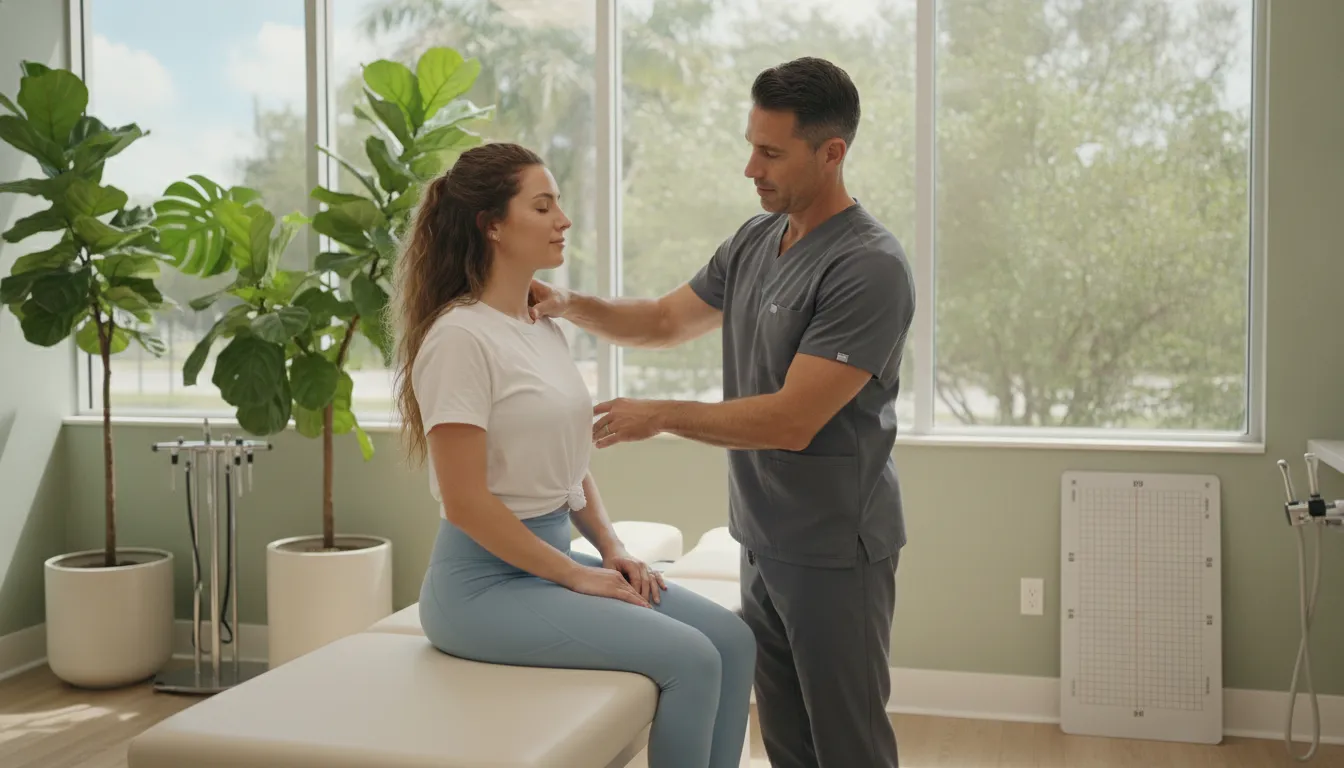
The shoulder is a complex joint, and issues with the rotator cuff are incredibly common, causing pain and limiting your ability to lift your arm. These problems often stem from inflammation and adhesions in the tendons and muscles. The Graston Technique is frequently used to treat many common problems, including shoulder injuries like those affecting the rotator cuff. The specialized instruments allow a practitioner to feel for fibrotic tissue and apply precise pressure to the affected areas. This process helps break up the scar tissue that restricts movement, encouraging better blood flow and promoting a more effective healing environment for the damaged tendons.
Tendonitis and Overuse Injuries
Tendonitis, tennis elbow, and shin splints are classic examples of overuse injuries. They happen when repetitive motions create micro-tears and inflammation in your tendons, leading to pain and weakness. The Graston Technique is highly effective for these types of chronic or acute conditions. It works by introducing controlled microtrauma to the affected area, which helps stimulate the body’s natural healing response. This process helps to break down disorganized scar tissue and encourages the regeneration of healthier, more aligned fibers. As one clinic notes, this makes it a great option for everything from Achilles tendonitis to lumbar strains.
Plantar Fasciitis and Carpal Tunnel Syndrome
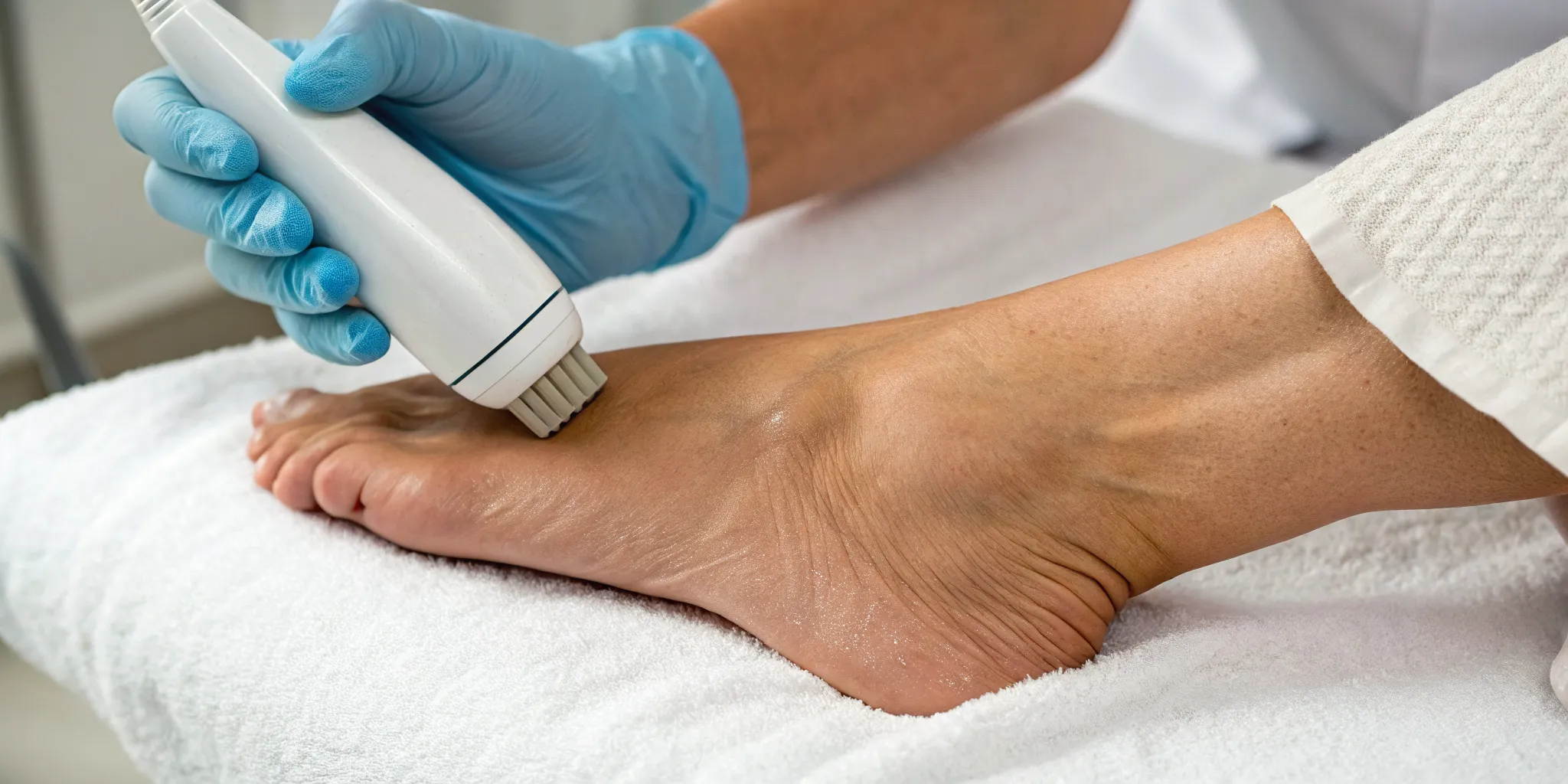
Conditions like plantar fasciitis (heel pain) and carpal tunnel syndrome (wrist pain and numbness) are often caused by thickened, tight fascia and scar tissue. In the foot, this affects the plantar fascia; in the wrist, it constricts the median nerve. The Graston Technique can provide lasting relief by directly addressing these fibrotic adhesions. It is particularly good at breaking up the tough, sticky tissue that causes pain and limits movement. By releasing these restrictions, the technique can lead to faster healing and better mobility, easing the tension on the plantar fascia and relieving the pressure on the carpal tunnel.
Key Benefits of the Graston Technique
The Graston Technique offers a targeted approach to soft tissue mobilization that can lead to significant improvements in how you feel and move. Unlike general massage, this method uses specially designed stainless-steel instruments to precisely detect and treat areas with scar tissue or fascial restrictions. Think of it as a way for your practitioner to find and smooth out the "knots" and "snags" in your muscles, tendons, and ligaments that are holding you back. By addressing these underlying issues that cause pain and stiffness, the technique helps restore normal function and supports your body’s natural healing process.
It’s a powerful component of a comprehensive physical medicine plan because it doesn't just mask symptoms. Instead, it focuses on correcting the structural problem within the soft tissue. This makes it an effective solution for chronic conditions that haven't responded to other treatments. When combined with other therapies like chiropractic adjustments and corrective exercises, it helps create lasting change. Many people find it provides significant relief because it gets to the source of the problem, allowing them to move better and live with less pain. Let’s look at some of the specific advantages you can expect.
Improve Your Range of Motion and Flexibility
If you feel like your movements are stiff or limited, fascial adhesions and scar tissue are often the culprits. These tight spots act like glue in your soft tissues, restricting how your muscles and joints are supposed to move and making everyday activities feel difficult. The Graston Technique directly targets these problem areas. By using specialized instruments to gently break down these restrictions, the treatment helps restore elasticity to the tissue. This process can lead to a noticeable improvement in your flexibility and an increased range of motion, allowing you to bend, reach, and twist more freely and without that familiar feeling of tightness.
Reduce Pain and Speed Up Healing
Pain is often your body’s signal that something is wrong, and with soft tissue injuries, that signal can be persistent. The Graston Technique helps address the root cause by breaking down the dysfunctional scar tissue that contributes to chronic pain. This process creates a controlled inflammatory response in the area, which might sound counterintuitive, but it’s actually a key part of healing. It increases blood flow, bringing more oxygen and nutrients to the damaged tissue. This creates a valuable window of opportunity where pain is lessened, allowing you to engage more effectively in the corrective exercises that build long-term strength and stability for lasting results.
Enhance Athletic Performance and Recovery
The Graston Technique isn't just for addressing injuries; it's also a valuable tool for athletes and active individuals looking to maintain their bodies and perform at their best. By keeping soft tissues healthy and pliable, this method can help prevent new injuries from happening. For those recovering from strenuous activity or training, it helps remodel scar tissue and reduce adhesions that can hinder performance. This can improve joint movement, decrease muscle soreness, and shorten recovery time. It’s a popular choice for enhancing both athletic recovery and overall performance, helping you stay at the top of your game.
What to Expect During a Graston Session
If you're considering the Graston Technique, you're probably wondering what a session actually involves. It’s a straightforward process designed around your specific needs. From the moment you walk in, the goal is to understand your body's unique patterns and create a plan that helps you feel and move better. Each step, from the initial chat to the post-session care, is a key part of your healing journey. Let's walk through what a typical appointment looks like so you can feel confident and prepared.
Your Initial Assessment and Movement Screen
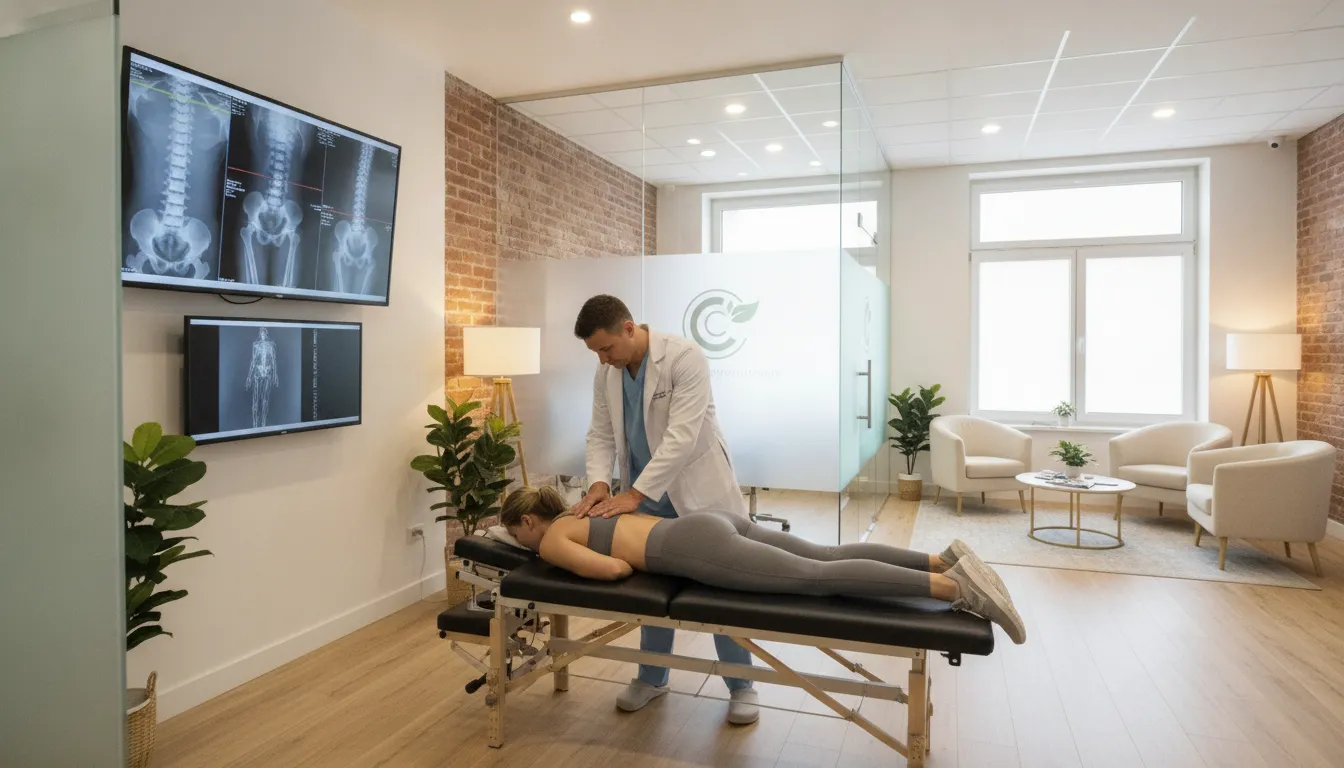
Your first session always begins with a conversation. Before any treatment starts, one of our practitioners will sit down with you to discuss your health history, your specific areas of pain or tightness, and what you hope to achieve. This isn't just a formality; it's a crucial step to ensure the Graston Technique is the right fit for you.
Next, you'll go through a movement screen. This might involve simple movements like bending, reaching, or walking. This assessment helps your practitioner see how your body moves, identify any limitations in your range of motion, and pinpoint the exact tissues that need attention. This thorough evaluation allows us to create a personalized treatment plan tailored to your body and your goals.
The Treatment Process: What It Feels Like
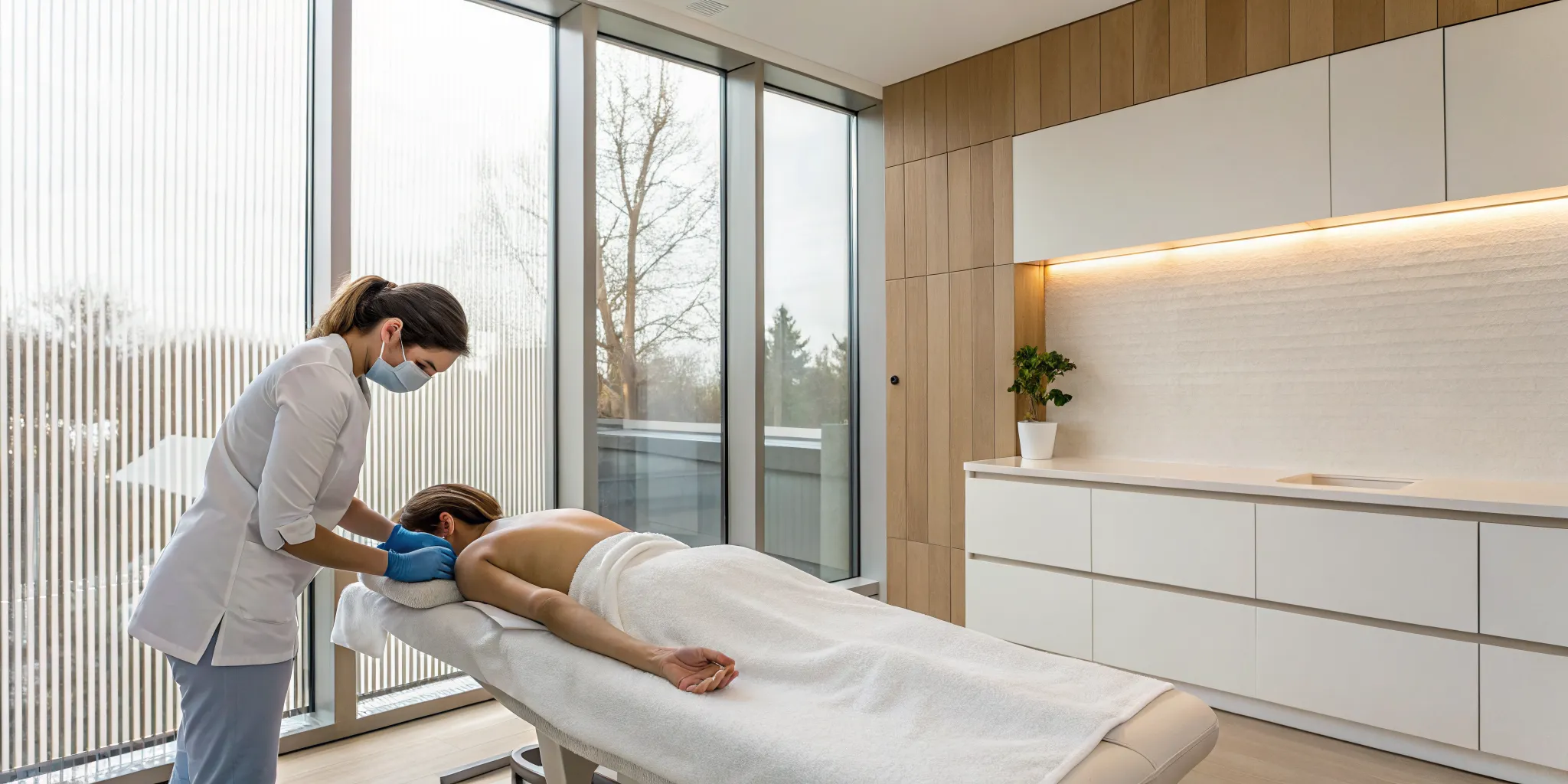
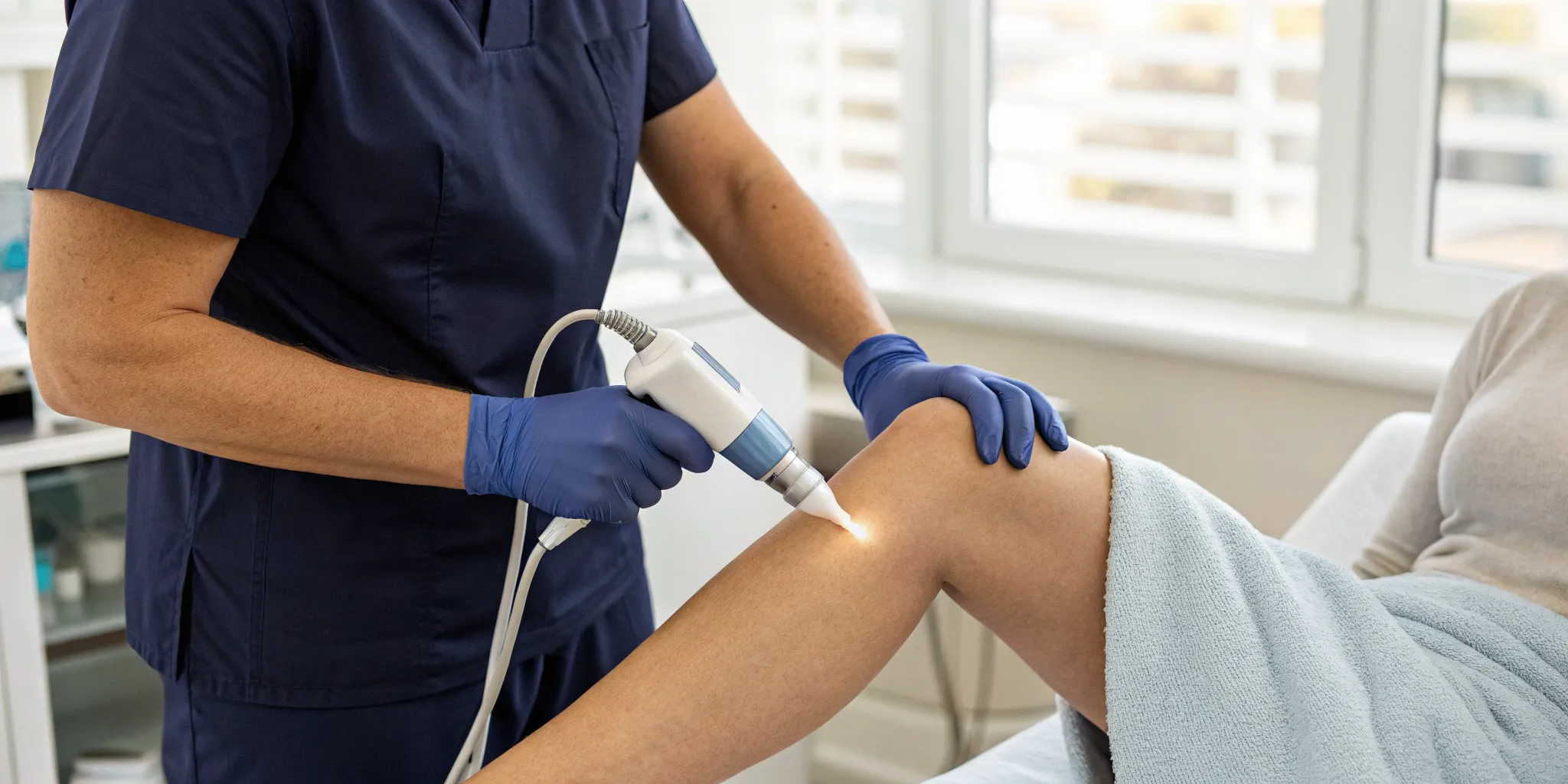
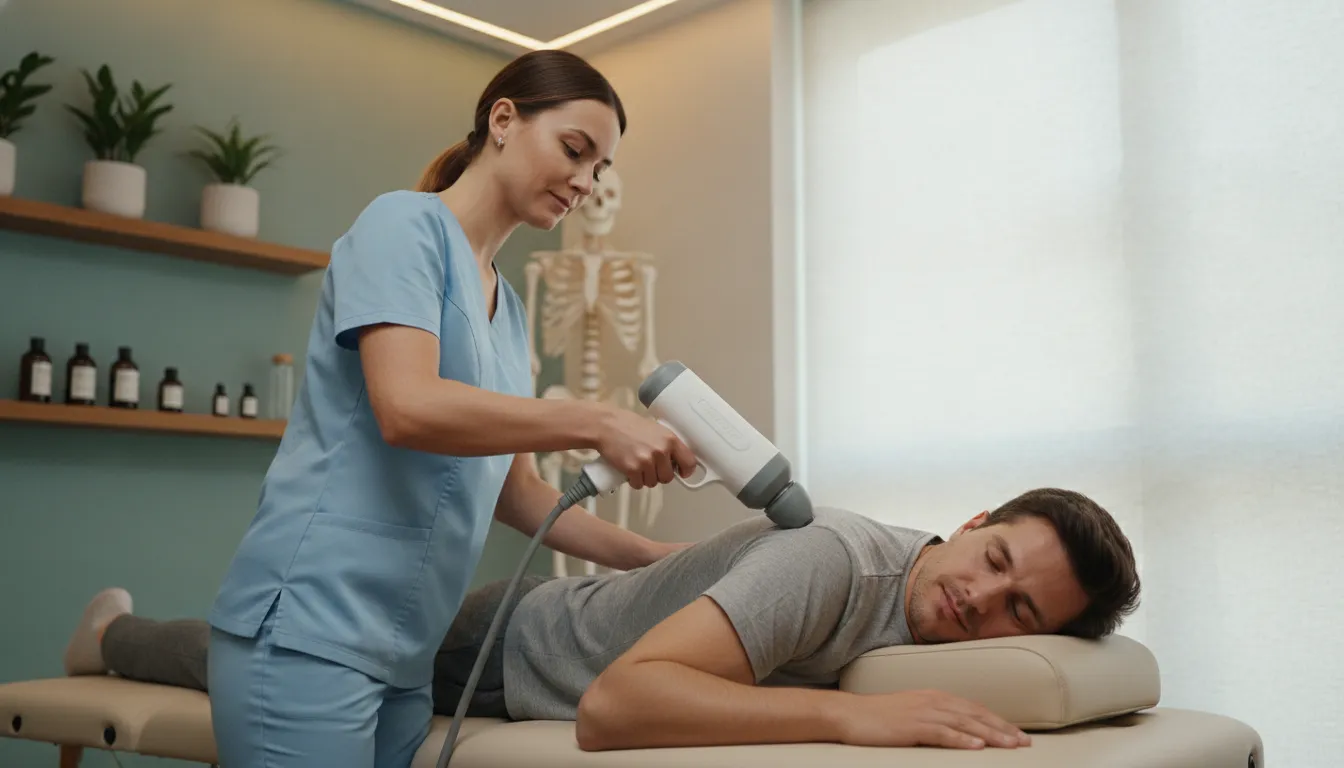
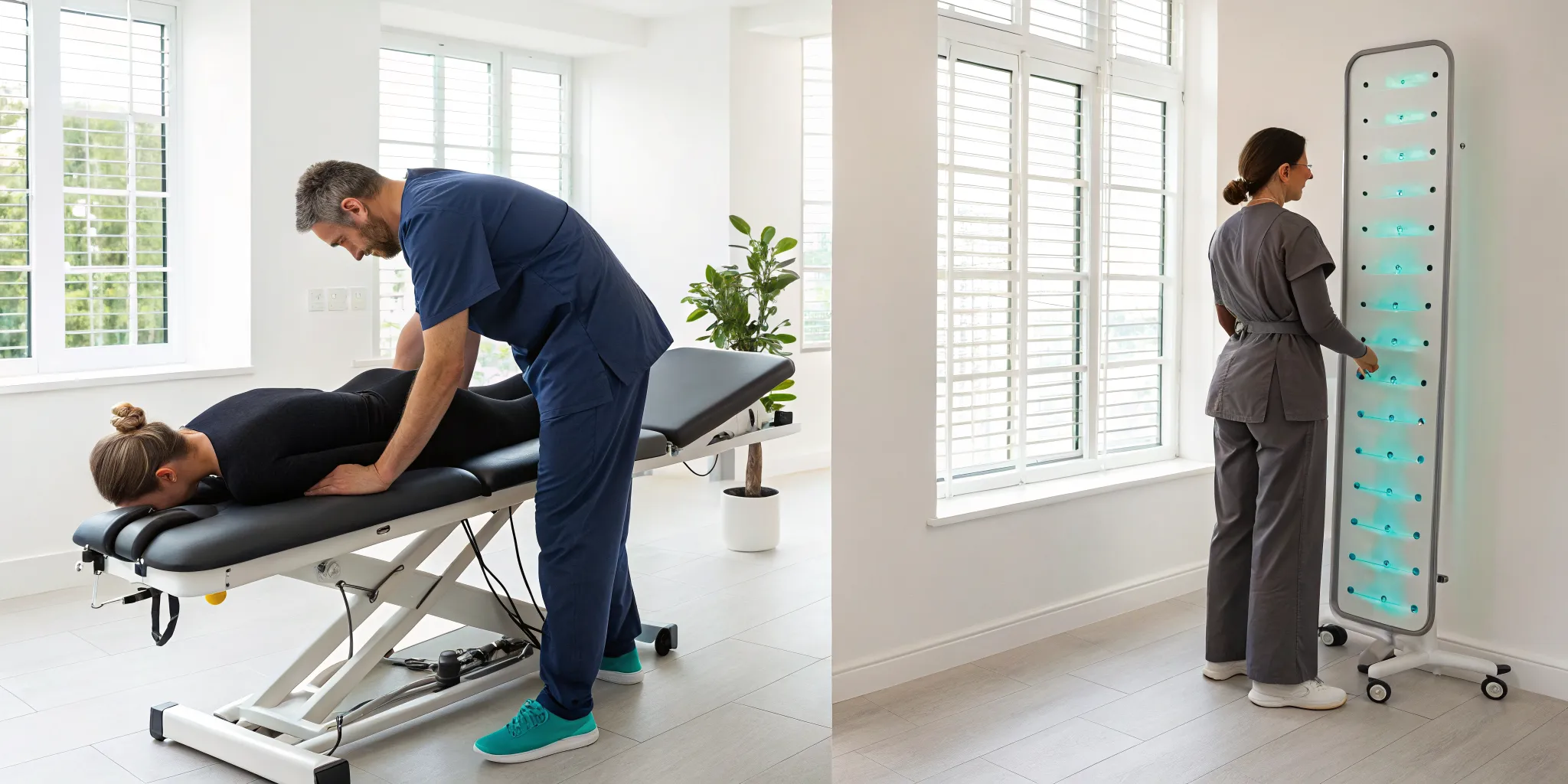
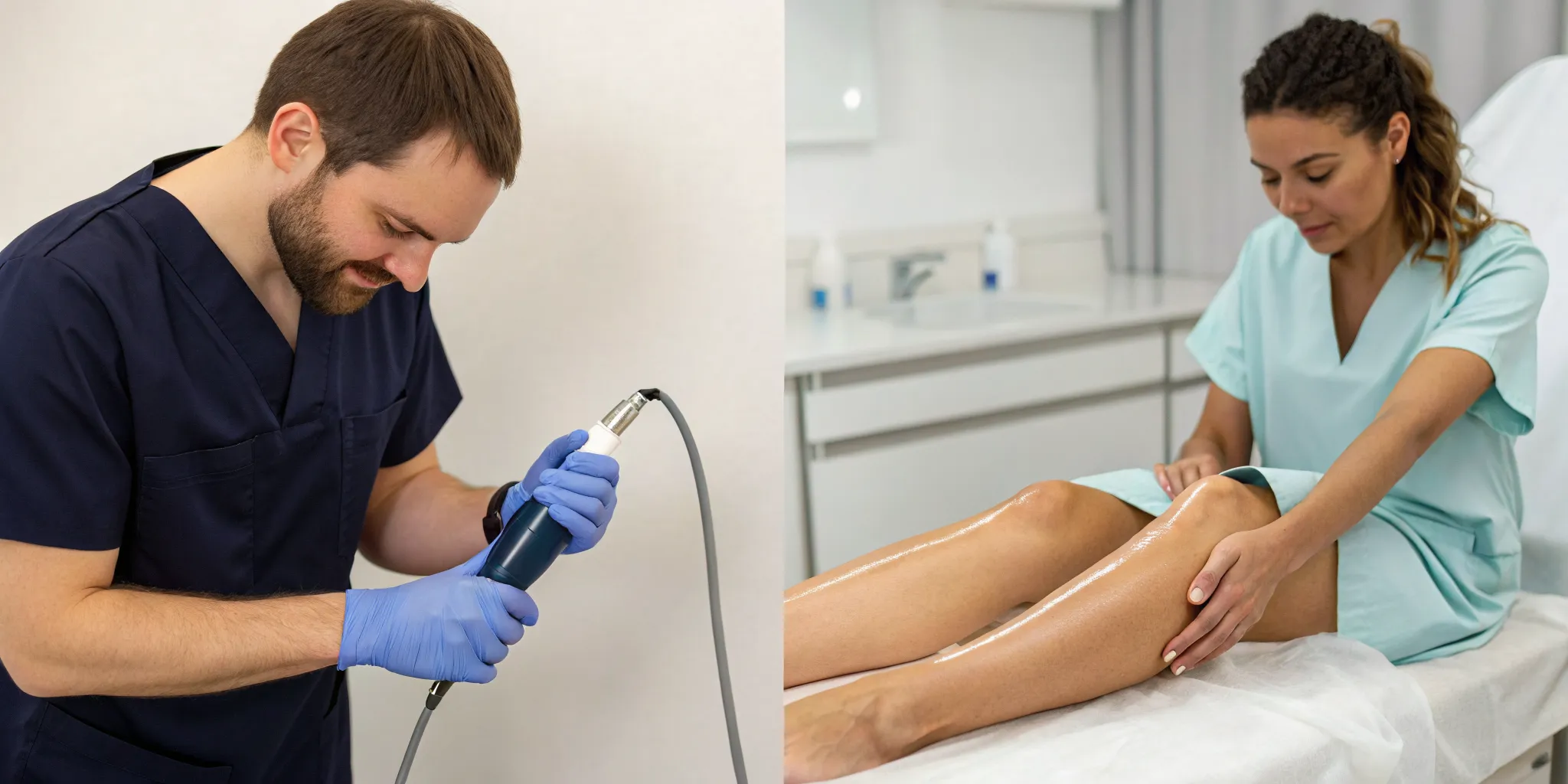
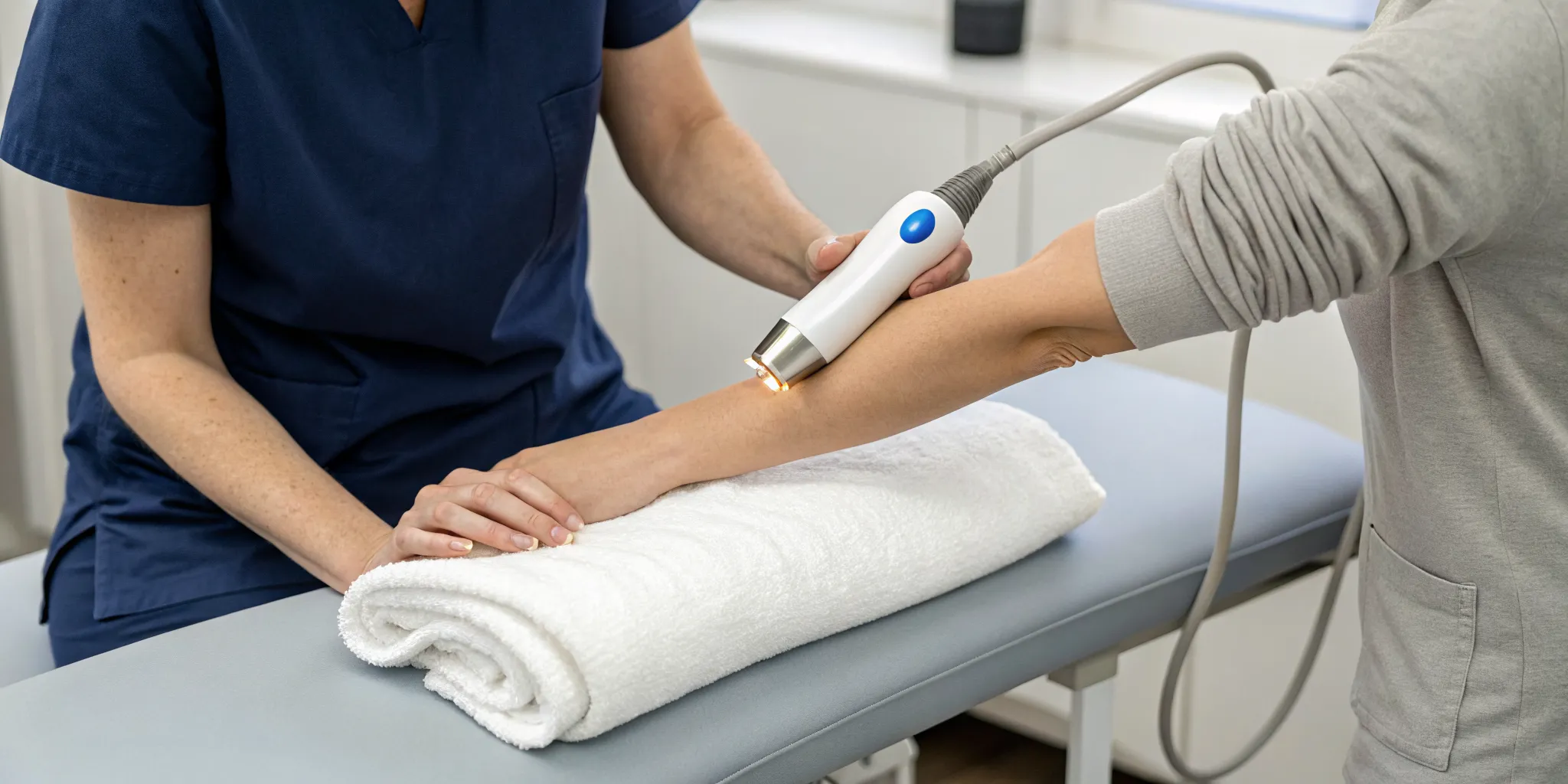
Once your assessment is complete, the hands-on portion of the session begins. You’ll be asked to get comfortable on a treatment table. Your practitioner will then apply a skin lubricant to the target area to ensure the tools glide smoothly. Using specially designed stainless-steel instruments, they will scan the area to feel for fibrous or scar-like tissue.
As the treatment progresses, your practitioner will use specific strokes and pressures to address these restrictions. Many people describe the sensation as an intense, deep rubbing. It’s not like a relaxing massage, but it shouldn't be sharply painful. The goal is to gently break down adhesions and create a small, controlled inflammatory response. This process signals your body to send fresh blood to the area, kicking off its natural healing process for soft tissue injuries.
After Your Session: Care and Recommendations
After the treatment, it's common to see some redness in the treated area, which is a normal sign of increased blood flow. You might also feel a bit of soreness, similar to how you'd feel after a tough workout. These effects are temporary and typically fade within a day or two.
Your practitioner will give you specific instructions to follow at home. This usually includes drinking plenty of water to help flush your system, performing gentle stretches to maintain your newfound mobility, and sometimes applying ice to soothe the area. Following these recommendations is key to getting the most out of your session. The Graston Technique is often most effective when it's part of a comprehensive care plan that supports your overall well-being.
Are There Any Risks or Side Effects?
Like any effective therapy, it’s smart to understand the full picture before you begin. The Graston Technique is a very safe procedure when performed by a certified practitioner who understands your health history. The goal is always to help your body heal, not to cause harm. That’s why a thorough initial assessment and open communication are so important. Being aware of potential side effects and knowing which health conditions to discuss with your provider ensures your treatment is both safe and successful. Let’s walk through what you can expect and what you should share with your practitioner before starting your sessions.
Common (and Temporary) Side Effects
It’s completely normal to notice a few temporary changes in the treated area after a session. You might see some minor bruising, redness, or feel a bit of soreness. This is a direct result of the technique working as intended. The instruments create micro-trauma in the tissue to break down adhesions and stimulate a healing response, which naturally increases blood flow to the area. Think of it as a sign that your body is getting the message to start its repair process. These effects are typically mild and should fade within a couple of days, leaving you with less restriction and more mobility.
Health Conditions to Discuss With Your Practitioner
Your safety is the top priority, which is why it’s crucial to share your full health history with your practitioner. The Graston Technique should not be used over areas with active infections, open wounds, or blood clots. You should also be sure to mention if you have uncontrolled high blood pressure, any bleeding disorders, or if you are taking blood thinners. These conditions don't necessarily rule out treatment entirely, but they require careful consideration and possible modifications to your plan. Having an open conversation ensures your care is tailored to your specific needs. If you have any questions about your health history, it's always best to contact our team to discuss them.
When This Treatment May Not Be the Best Fit
While the Graston Technique is beneficial for many, there are certain situations where it may not be the right approach. It is generally avoided for individuals with conditions like malignancy, an aneurysm, acute rheumatoid arthritis, advanced diabetes, or severe osteoporosis. For example, with severe osteoporosis, the bones can be too fragile to withstand the pressure of the instruments. A qualified practitioner will always conduct a comprehensive evaluation to determine if this treatment is appropriate for you. If it turns out not to be the best fit, we can explore other effective physical medicine therapies to help you reach your health goals safely.
Graston vs. Other Myofascial Release Methods
You’ve likely heard of different ways to manage muscle tightness, from deep tissue massage to using a foam roller. While these methods have their place, the Graston Technique offers a unique and targeted approach. It’s a specialized form of instrument-assisted soft tissue mobilization that allows a practitioner to be incredibly precise. Understanding how it compares to other common therapies can help you see why it might be the right choice for your body’s needs.
How It Compares to Hands-On Manual Therapy
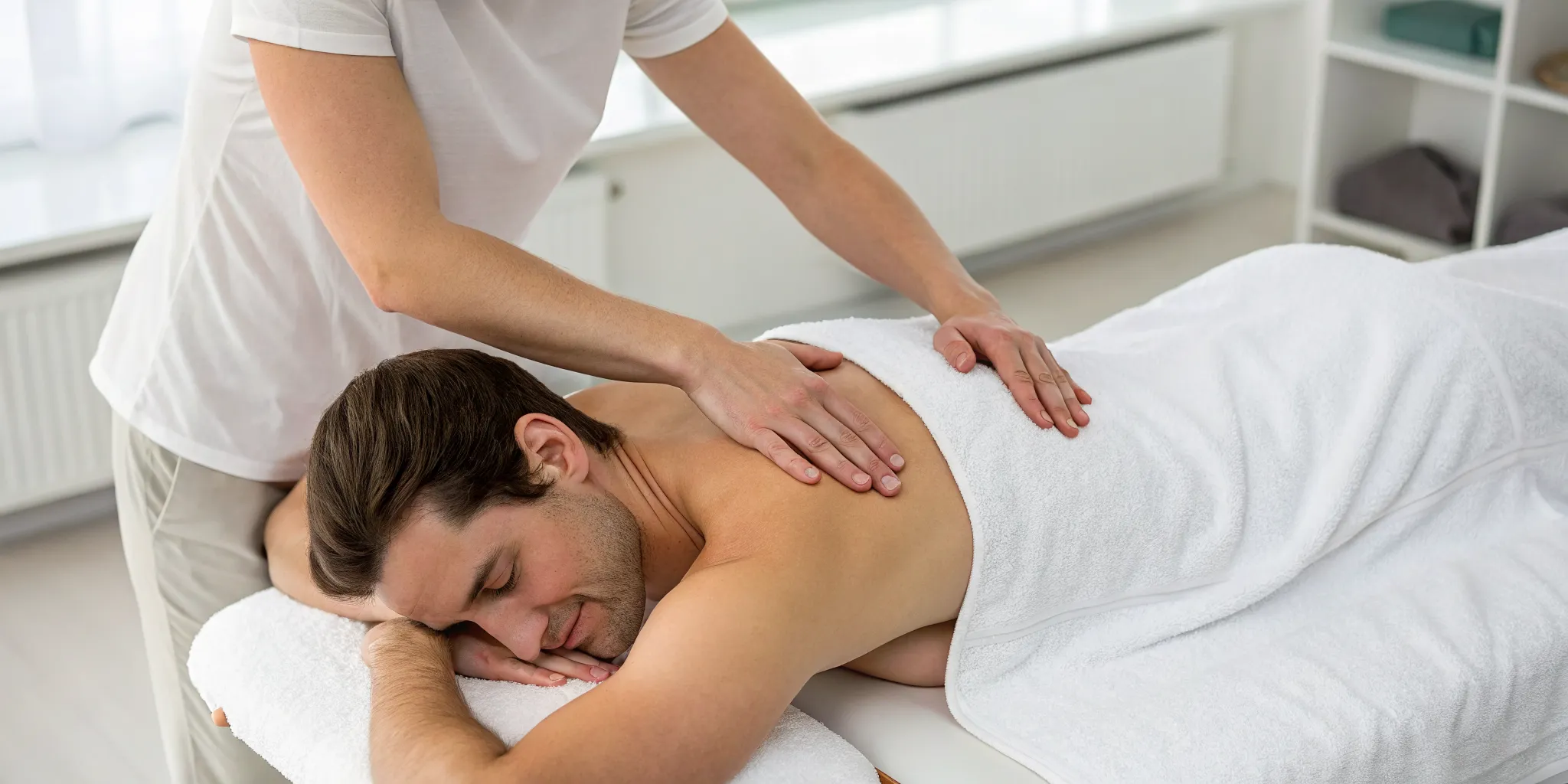
Think of traditional hands-on therapy as a practitioner using their hands to feel for and release tension. It’s incredibly effective. The Graston Technique takes this a step further by incorporating specially designed stainless-steel tools. These instruments act as an extension of the therapist's hands, allowing them to detect and treat scar tissue and fascial restrictions with a level of precision that fingers alone can't always achieve. The tools help to break down these adhesions more effectively, which can lead to better movement and less pain. It’s a specialized form of physical medicine that targets the root of soft tissue injuries.
How It Compares to Foam Rolling
Foam rolling is a great self-care tool for general muscle tightness and improving flexibility. It’s a form of self-myofascial release that you can do almost anywhere. However, when you’re dealing with deeper, more stubborn scar tissue or chronic adhesions, a foam roller might not be enough. The Graston Technique is performed by a trained practitioner who can precisely target and break up these tough, fibrotic tissues that cause pain and limit your movement. While foam rolling provides broad pressure, Graston offers a focused treatment that can lead to more significant and lasting relief for specific health concerns.
How to Find a Qualified Graston Practitioner
Finding the right practitioner is just as important as the treatment itself. When someone is using specialized tools on your body, you want to be sure they have the right skills and experience. The effectiveness and safety of your Graston session depend entirely on the provider’s expertise. A qualified practitioner will not only know how to use the instruments correctly but will also conduct a thorough assessment to make sure this technique is the right approach for you. Taking a few extra steps to vet your provider can make all the difference in your healing journey, ensuring you get the results you’re looking for without any setbacks.
Look for Proper Certification and Training
When you’re looking for a provider, the first thing to confirm is their certification. The Graston Technique® isn't something a person can learn just by watching a video; it requires specific, hands-on training. As the official organization notes, clinicians need formal training to use the tools correctly and safely to avoid ineffective treatment or patient discomfort.
This training ensures your practitioner understands the nuances of the technique, from the right amount of pressure to the correct angle for addressing adhesions. A certified provider can use the Graston Technique® tools to find and treat soft tissue problems that even skilled hands might miss. This specialized skill helps you get better faster and makes the entire process more efficient. Don’t hesitate to ask a potential provider about their certification.
Questions to Ask Before Your First Appointment
A great practitioner will welcome your questions and be happy to discuss their approach with you. Before booking your first session, it’s a good idea to have a conversation to make sure you feel comfortable and confident in their care. This initial consultation is the perfect time to understand their experience and determine if they are a good fit for your specific needs.
Here are a few key questions to ask:
- Are you certified in the Graston Technique®?
- How long have you been using this technique in your practice?
- What types of conditions similar to mine have you successfully treated with it?
- What can I expect during and after a session?
A qualified therapist will perform a detailed assessment during your first visit to see if this treatment is a good choice for you. At Ascend, our physical medicine team always starts with a comprehensive evaluation to create a personalized plan that addresses the root cause of your pain.
Is the Graston Technique Right for You?
Deciding on a new treatment can feel like a big step, but it doesn't have to be complicated. If you're wondering whether the Graston Technique is the right move for your specific situation, there are a couple of key things to think about. It's not just about the technique itself, but also how it fits into your broader health plan and who is performing the treatment.
Final Factors to Consider
The Graston Technique is most effective for pain and movement problems caused by tight fascia and scar tissue. When these restrictions are addressed, you can experience faster healing, better mobility, and pain relief that actually lasts. However, the success of the treatment heavily depends on the person performing it. It's essential to work with a trained and experienced therapist who understands how to precisely target the problem areas. A skilled practitioner will ensure the technique is applied safely and effectively, guiding you toward the best possible outcome.
Pairing Graston With Other Therapies for Better Results
Think of the Graston Technique as a powerful tool that works best as part of a team. Clinical experience shows that combining it with progressive exercises, like strengthening, delivers the most significant results. The technique creates a valuable window of opportunity where your pain is lower and your movement is better. This makes it the perfect time to engage in the corrective exercises that build long-term strength and stability. This integrated approach helps address the root cause of your issue, rather than just temporarily easing the symptoms.
Related Articles
- What Is Graston Technique Therapy? A Beginner's Guide
- Graston Technique Side Effects: What's Normal?
- What Is Soft Tissue Therapy? A Complete Guide
Frequently Asked Questions
Does the Graston Technique hurt? Most people describe the sensation as an intense, deep rubbing rather than sharp pain. Because the goal is to break down tough scar tissue, you will feel a targeted pressure. Your practitioner will communicate with you throughout the session to ensure the pressure is productive but still within your comfort level. It's normal to feel some soreness afterward, much like you would after a challenging workout.
How many treatments will I need to feel better? The number of sessions you'll need really depends on your specific condition, how long you've been dealing with it, and your body's unique response to the treatment. Many people start to notice improvements in pain and movement after just a few visits. Your practitioner will create a personalized plan for you and discuss the expected timeline during your initial assessment.
What makes this different from a deep tissue massage? While both treatments address muscle tension, the Graston Technique is much more specific. A deep tissue massage uses broad pressure to release general tightness. The Graston Technique uses specialized instruments that allow your practitioner to feel for and precisely target fibrotic scar tissue and adhesions in a way that hands alone cannot. It's less about overall relaxation and more about correcting specific soft tissue problems at their source.
Can I exercise or go to work after a session? Yes, you can typically return to your daily activities right after a session. However, we usually recommend avoiding strenuous exercise for the rest of the day to allow your body to respond to the treatment. Your practitioner will give you specific aftercare instructions, which often include gentle stretching and staying hydrated to support the healing process.
Why are stainless-steel tools necessary for this treatment? The tools are a key part of what makes this technique so effective. They are designed to resonate, almost like a tuning fork, when they come across fibrotic tissue. This gives your practitioner a level of feedback that fingers can't provide, allowing them to locate the exact source of a restriction. The beveled edges of the tools then allow for precise pressure to break down that adhesion without stressing the practitioner's hands.