Many people think scoliosis is simply a matter of poor posture, but it’s a structural condition involving a side-to-side curve of the spine. Another common misconception is that surgery is the only effective treatment. In reality, the journey looks very different for most people. Non-surgical strategies are often the first and most effective line of defense, helping to manage symptoms and prevent the curve from progressing. This article breaks down the facts, explaining the different types of scoliosis and the wide range of available treatments. We’ll show you what modern, effective scoliosis care involves, empowering you with knowledge to make the best choices for your spinal health.
Key Takeaways
- Get a clear diagnosis to understand your specific curve: Scoliosis is a structural change in the spine, so a physical exam and X-rays are necessary to measure its severity. This information is the foundation for creating an effective treatment plan and tracking its progress.
- Prioritize non-surgical treatments for managing your condition: Most cases of scoliosis are managed effectively without surgery. Options like specialized physical therapy, chiropractic care, and bracing for growing spines can help manage symptoms and prevent the curve from worsening.
- Build a comprehensive support system for long-term wellness: A successful management plan involves more than just physical care. Assemble a trusted healthcare team, connect with support groups, and create a personalized, holistic strategy that addresses both your physical and emotional well-being.
What is Scoliosis?
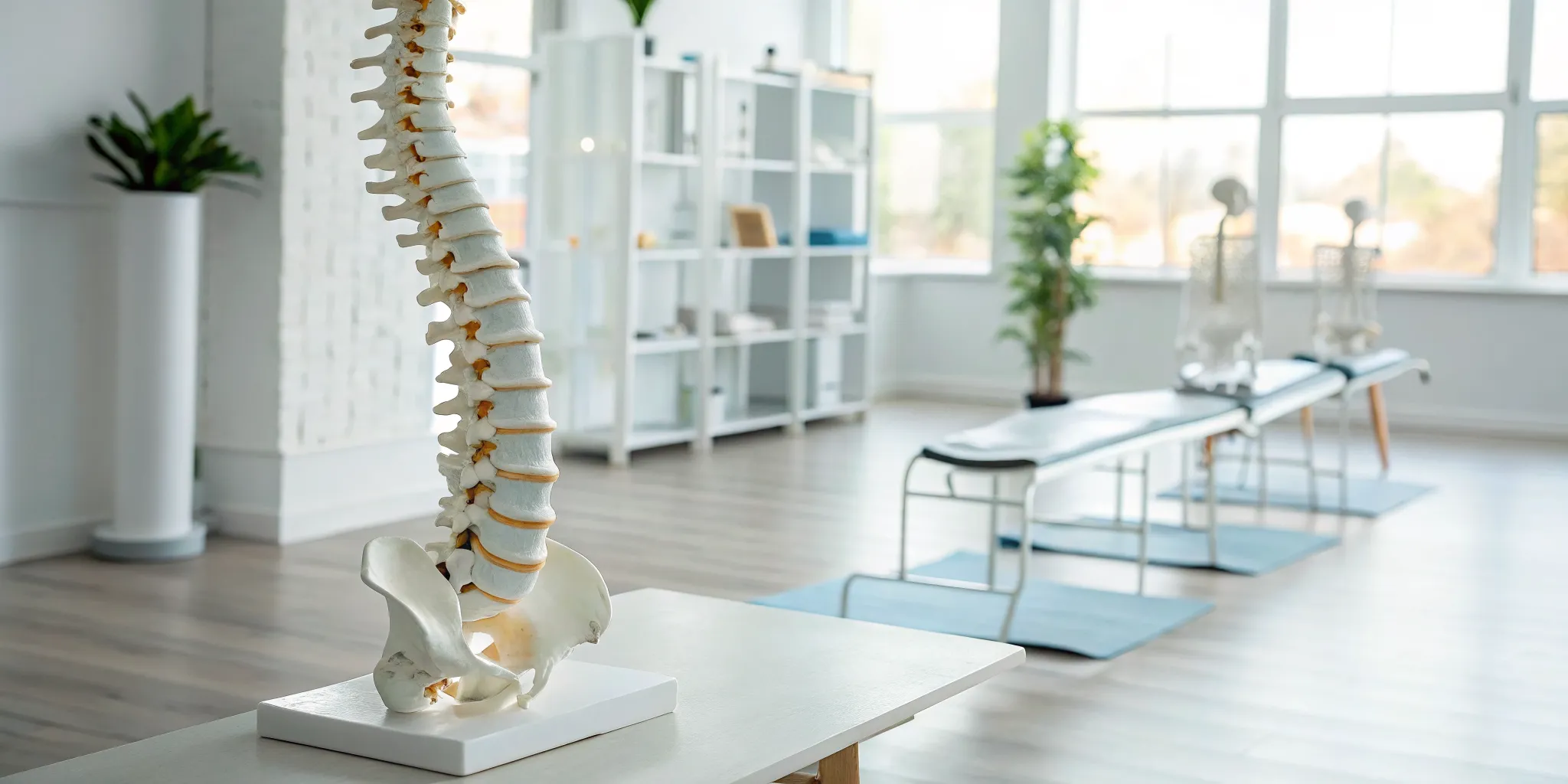
When you hear the word "scoliosis," you probably picture a curved spine. You’re right, but there’s a bit more to it. Scoliosis is a condition where the spine curves sideways, often creating a "C" or "S" shape. While a healthy spine has natural curves when you look at it from the side, a spine with scoliosis has a lateral (side-to-side) curve. This condition can develop at any age, but it’s most often diagnosed in adolescents. Understanding what type of scoliosis you or a loved one has is the first step toward finding the right path forward.
Defining an Abnormal Spinal Curve
A spine with scoliosis curves to the side, and it may also rotate or twist. This is different from poor posture, which you can typically correct by standing up straight. Scoliosis is a structural change in the spine itself. Doctors measure the curve in degrees, and this measurement helps determine the best course of action. While it’s more common in girls, it can affect anyone. For many, the curve is mild and may not require treatment beyond observation. For others, proactive care can help manage the curve and support overall spinal health. Our physical medicine services are designed to address these kinds of structural issues.
Idiopathic: When the Cause is Unknown
The most common type of scoliosis by far is "idiopathic," which is a medical term for "of unknown cause." About 80% of cases fall into this category. Idiopathic scoliosis often appears during the growth spurt just before puberty. While it can be frustrating not to know the exact cause, it’s important to remember that it’s nobody's fault. In many cases, idiopathic scoliosis doesn't cause pain. The primary concern is often related to appearance, like uneven shoulders or hips. A proper diagnosis and treatment plan can effectively manage the curve as a child or teen grows.
Congenital and Neuromuscular Scoliosis
Less common types of scoliosis have specific causes. Congenital scoliosis happens when the spine doesn't form correctly before birth, resulting in a curve that’s present from the very beginning. Neuromuscular scoliosis is caused by an underlying condition that affects the body's muscles and nerves, such as cerebral palsy or muscular dystrophy. In these cases, the muscles aren't able to support the spine properly, leading to a curve. Understanding the root cause is central to our holistic approach, as it allows us to tailor care that addresses not just the spine, but the whole person.
How Doctors Diagnose and Monitor Scoliosis
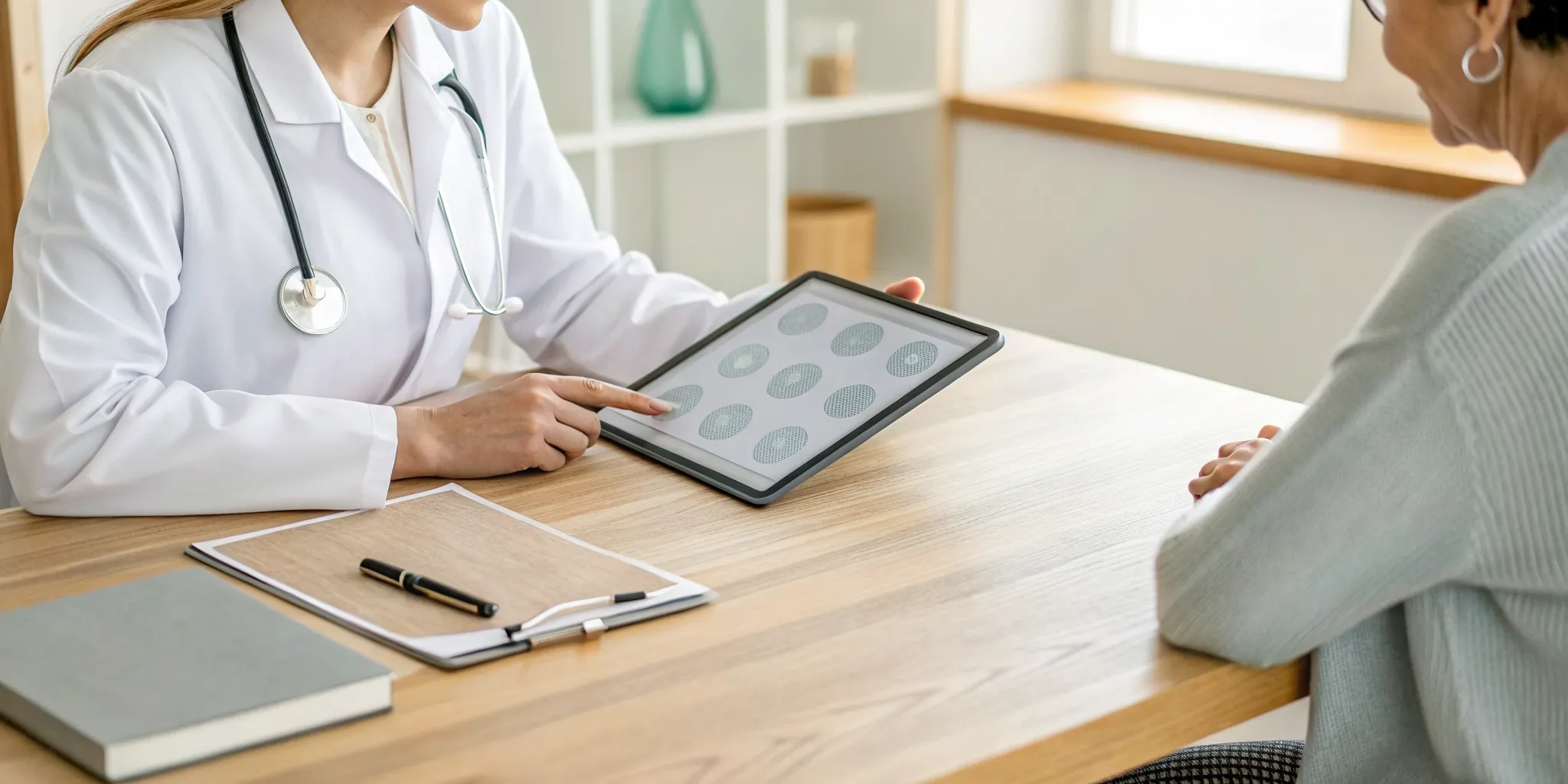
If you or your child shows signs of scoliosis, getting a clear diagnosis is the first step toward creating an effective care plan. The diagnostic process is straightforward and typically involves a physical exam followed by imaging to get a precise look at the spine. This helps your healthcare team understand the unique characteristics of the curve, which is essential for recommending the right treatment. At Ascend Functional Health, our approach to physical medicine focuses on a thorough evaluation to identify the root cause of your symptoms and track your progress over time. The goal is to catch any changes early and adjust your care plan to ensure the best possible outcome for your long-term spinal health.
The Physical Exam and What to Expect
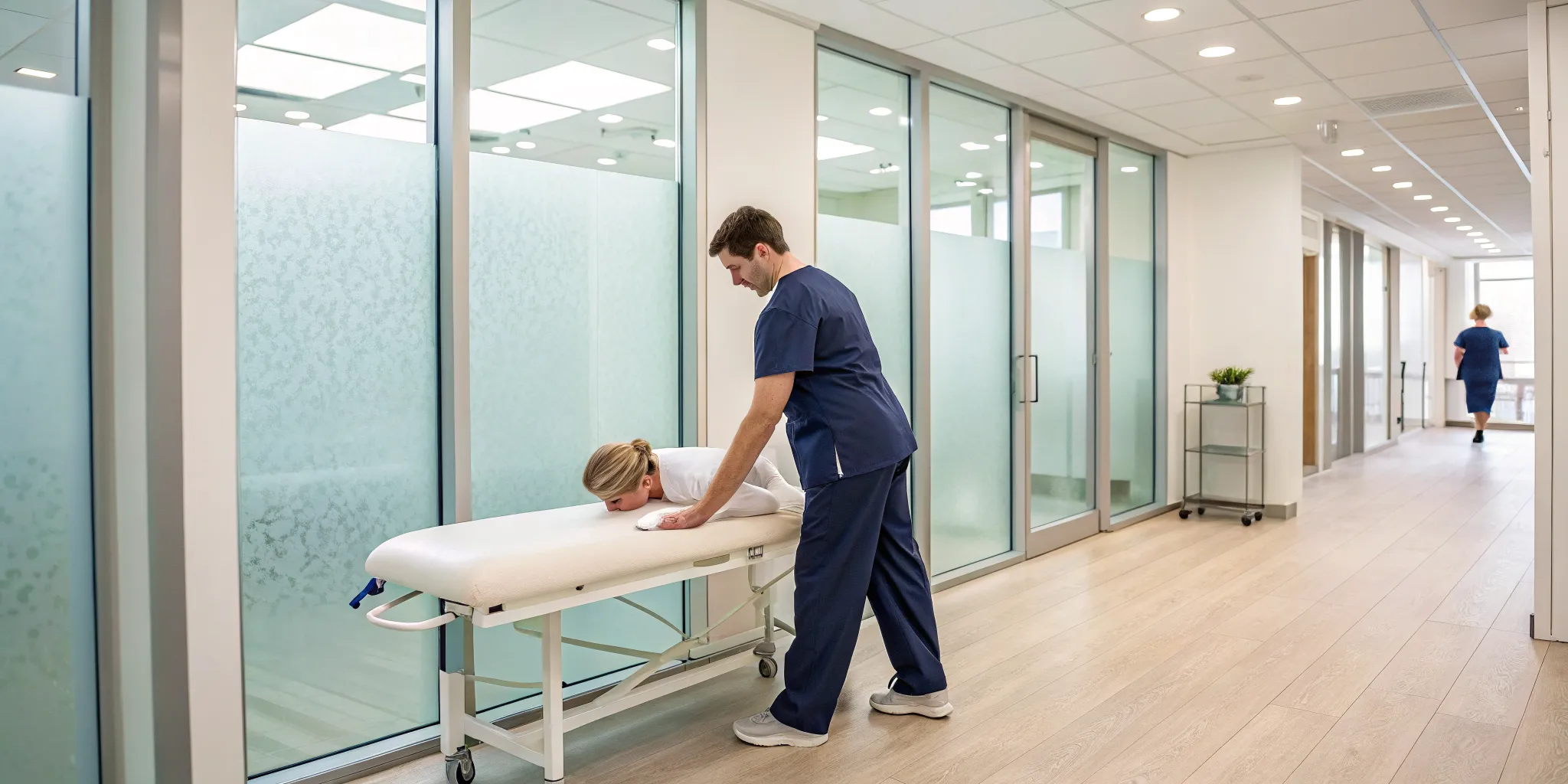
The first step in diagnosing scoliosis is a simple physical evaluation. Your doctor will likely use the Adam's forward bend test, where you bend at the waist with your feet together, arms hanging down, and knees straight. This position makes any asymmetry in the spine or rib cage easier to see. Your doctor will look for uneven shoulders, a visible curve in your spine, or one side of the rib cage sticking out higher than the other. They may also perform a basic neurological exam to check your muscle strength, reflexes, and sensation. This helps rule out other underlying conditions that could be contributing to the spinal curve.
Using X-Rays for a Clearer Picture
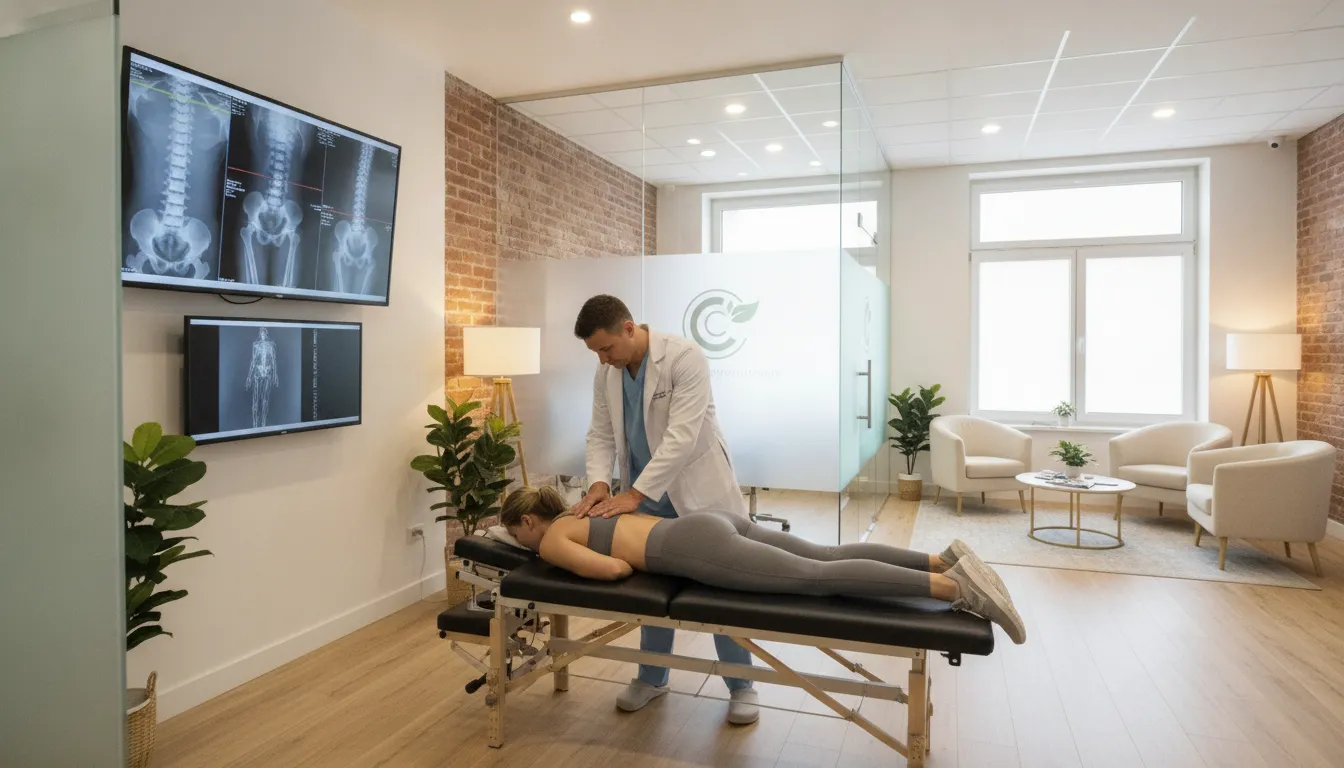
If the physical exam suggests scoliosis, an X-ray is the next step. An X-ray provides a detailed image of the spine, allowing your doctor to confirm the diagnosis and get a precise measurement of the curve. This imaging is crucial for determining the severity of the scoliosis and creating a baseline for monitoring any changes. For children and adolescents who are still growing, doctors often recommend follow-up X-rays every four to six months. This regular imaging helps track whether the curve is progressing, especially during growth spurts when changes can happen more quickly.
Measuring the Severity of the Curve
Once the X-ray is complete, your doctor will measure the curve using a method called the Cobb angle. This measurement determines the angle of the curve in degrees and is the standard for classifying its severity. A curve is generally considered scoliosis if it measures 10 degrees or more. Based on the Cobb angle, the curve will be categorized as mild, moderate, or severe. This classification is a key factor in deciding the most appropriate course of action, whether it’s observation, bracing, or another form of treatment. Understanding the severity helps your healthcare team create a truly personalized care plan.
Why Regular Monitoring is Key
For many people with scoliosis, especially younger individuals, the condition can change over time. This is why consistent monitoring is so important. Regular check-ups, typically every six months, allow your healthcare team to keep a close eye on your spine. These appointments are an opportunity to assess if the curve has progressed and to make any necessary adjustments to your treatment plan. This proactive approach is the best way to manage the condition effectively. By monitoring the curve, you and your team can intervene at the right time to prevent it from worsening and support your long-term health.
Your Non-Surgical Treatment Options
If you've been diagnosed with scoliosis, you might be wondering what comes next. The good news is that surgery is rarely the first step. There are many effective, non-surgical treatments that can help manage symptoms, prevent the curve from getting worse, and improve your daily life. The right plan is always personalized, but it often involves a combination of the strategies below.
Observation: A "Watch and Wait" Approach
For mild scoliosis, especially in growing children, a "watch and wait" approach is common. This isn't passive; it's an active monitoring strategy. It involves regular check-ups, typically every six months, to track the spinal curve with physical exams and occasional X-rays. This allows your doctor to see if the curve is progressing and determine if and when other treatments are needed. It’s a careful, measured approach that avoids unnecessary intervention while keeping a close eye on your spinal health.
Bracing to Guide Growing Spines
When a curve shows signs of worsening in a child who is still growing, a brace is often recommended. This custom-fitted device is worn under clothing to apply gentle pressure to the spine, guiding it into a straighter position. The goal of bracing isn't to reverse the curve but to stop it from progressing during these critical growth years. For the best results, it's typically worn for 18 or more hours a day, offering a powerful, non-invasive way to manage scoliosis and potentially avoid surgery.
Physical Therapy and the Schroth Method
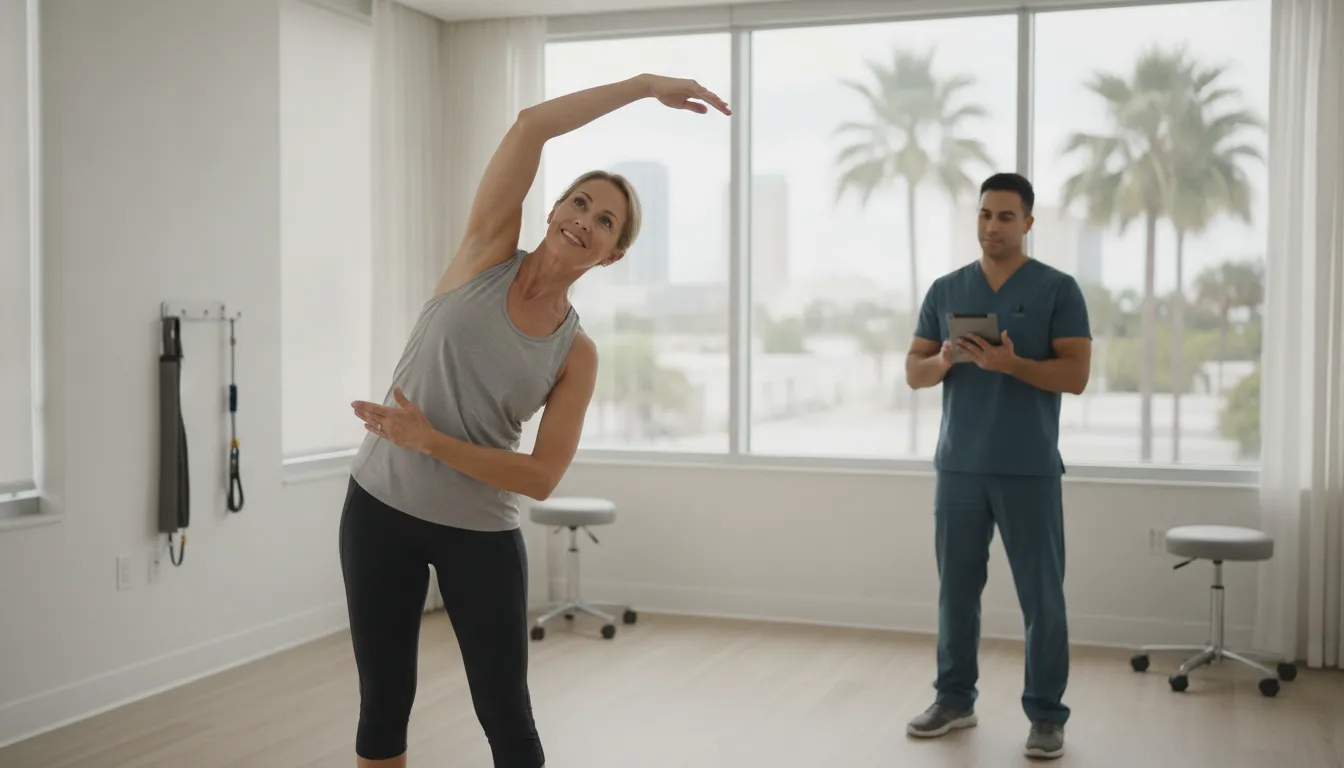
Physical therapy is a proactive way to manage scoliosis at any age. A specialized approach called the Schroth Method is particularly effective. It uses exercises and breathing techniques tailored to your unique spinal curve to de-rotate and lengthen the spine. This therapy helps improve posture, strengthen the muscles that support your back, and reduce pain. It empowers you with the tools to actively improve your spinal alignment and overall function, making it a key part of a comprehensive care plan.
Chiropractic Care and Spinal Decompression
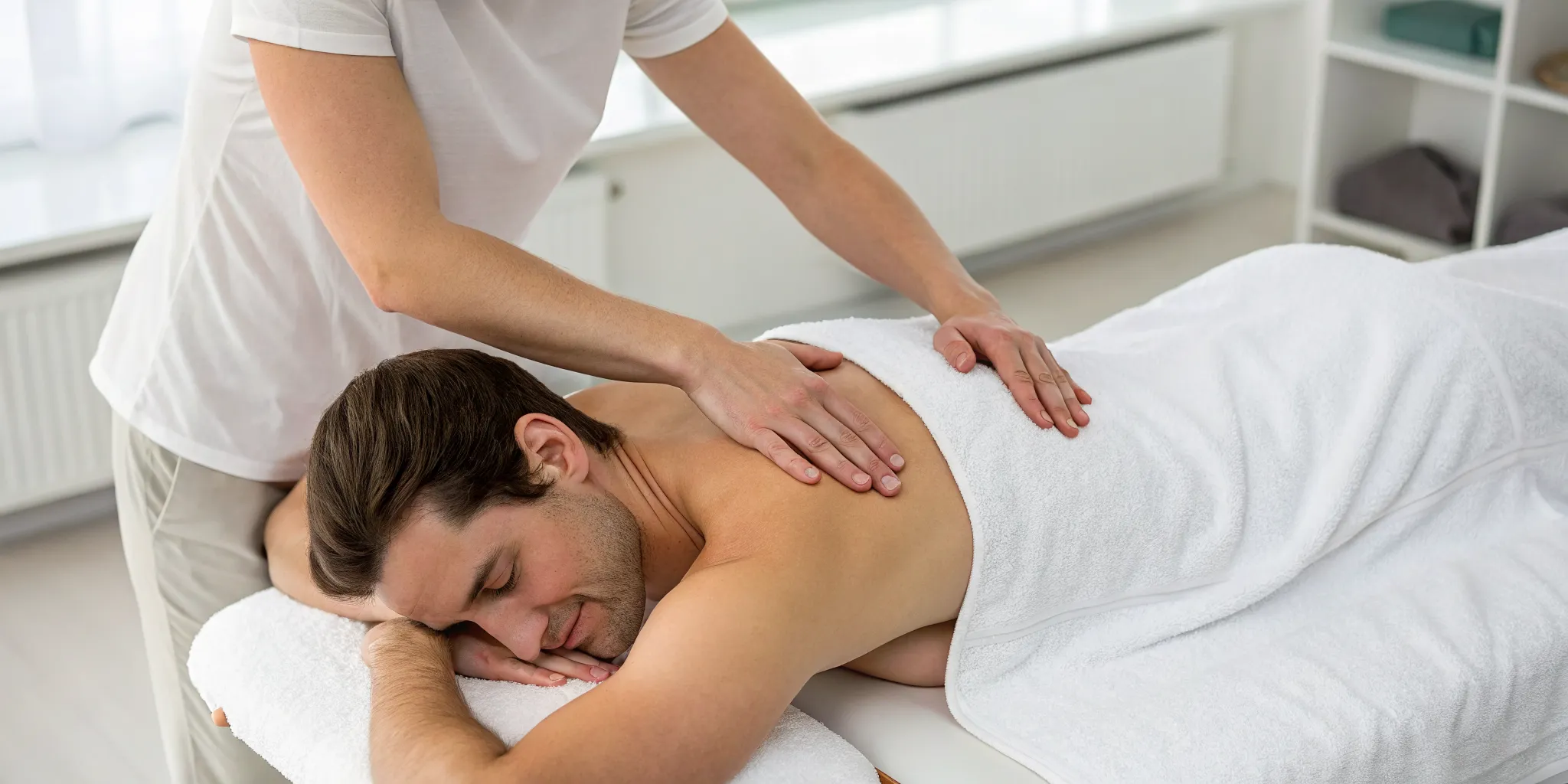
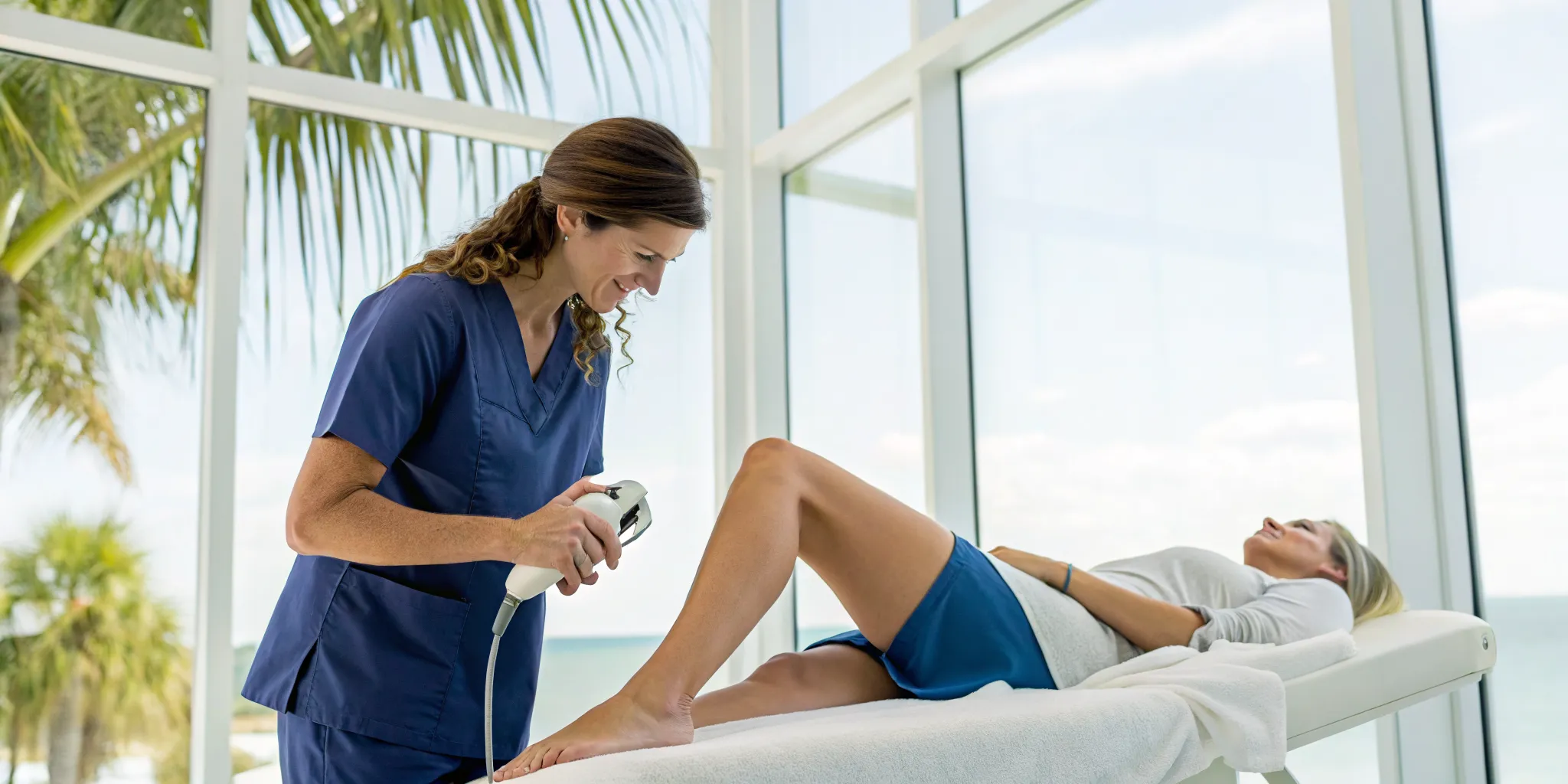
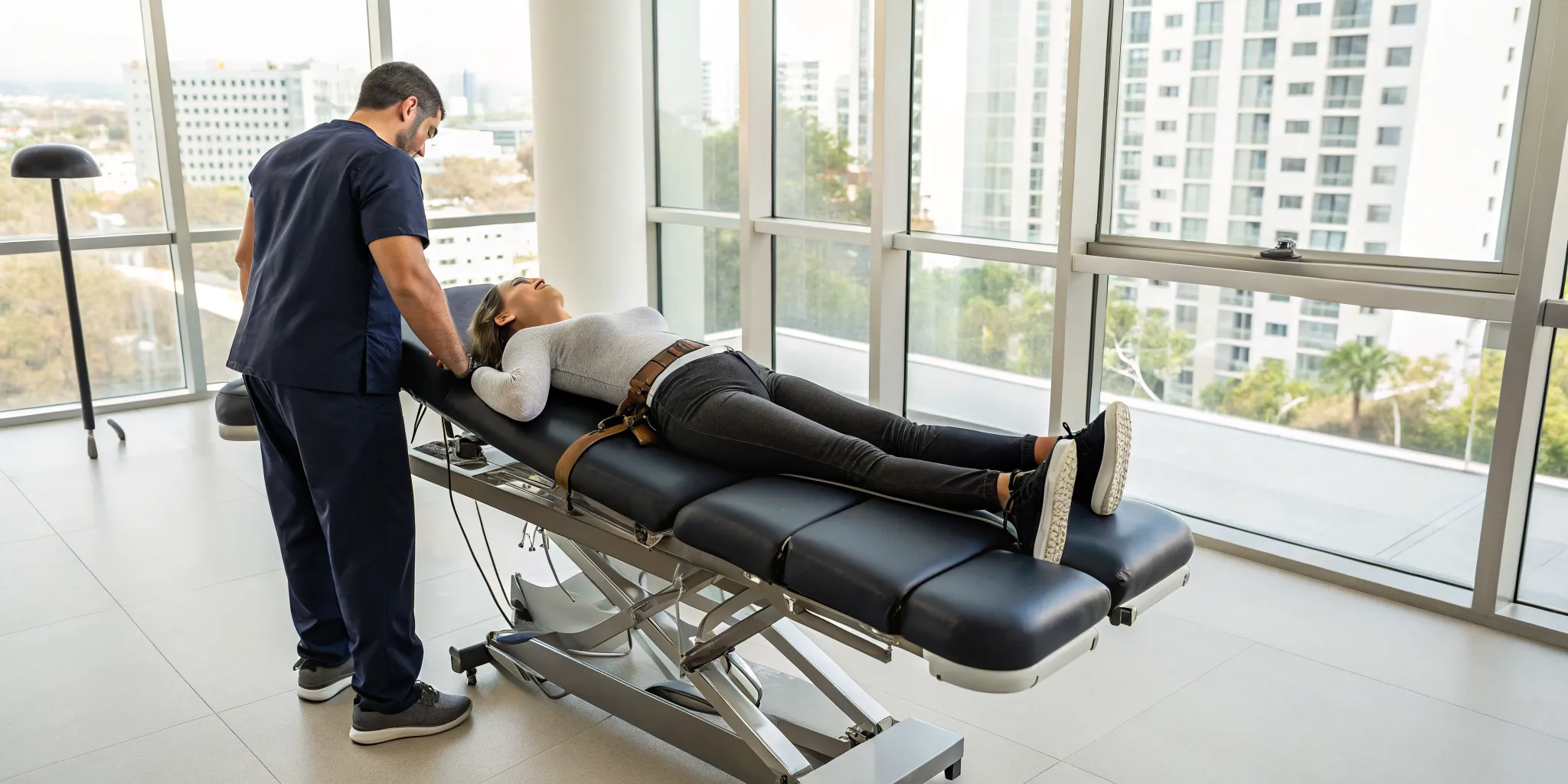
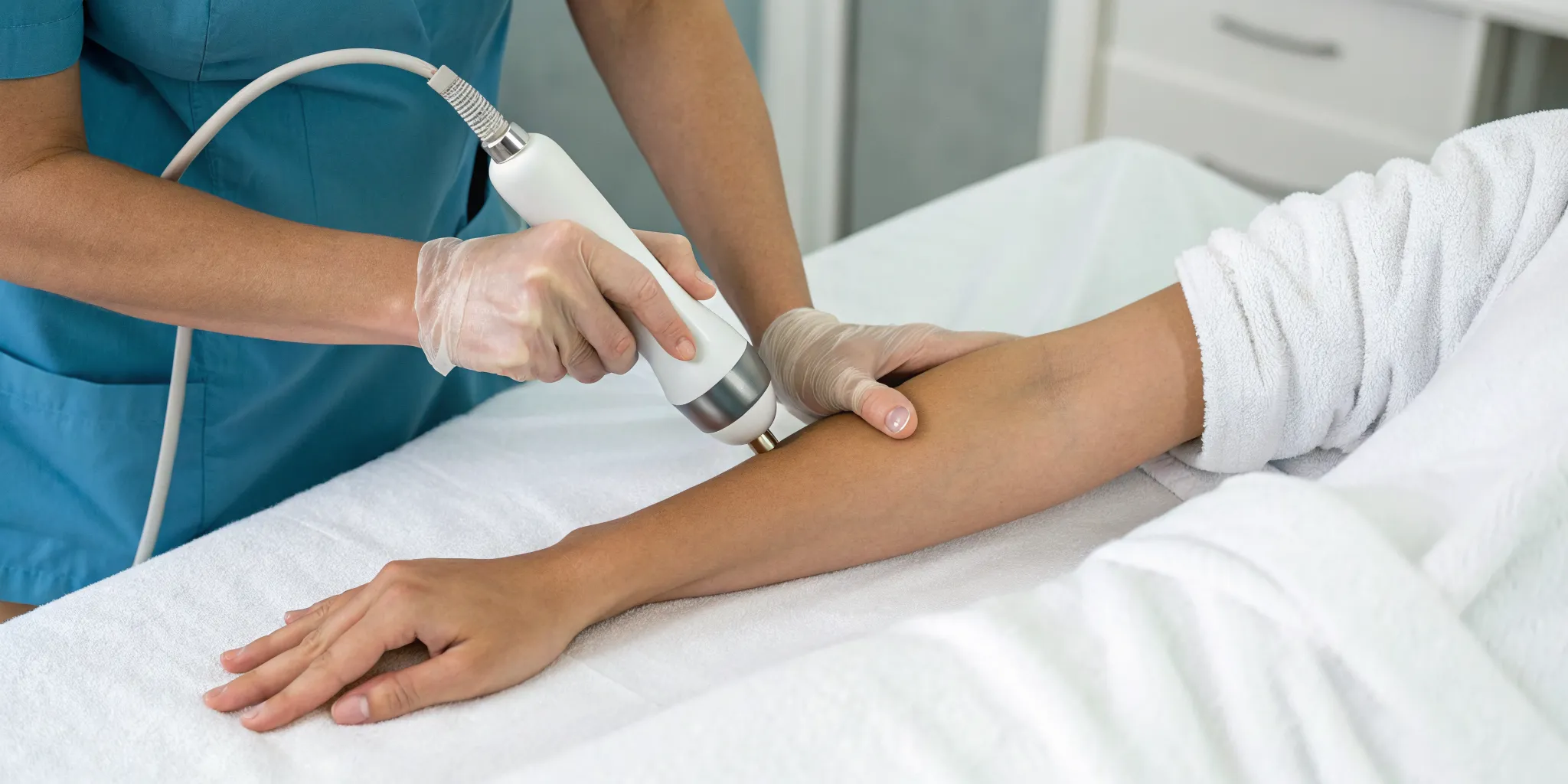
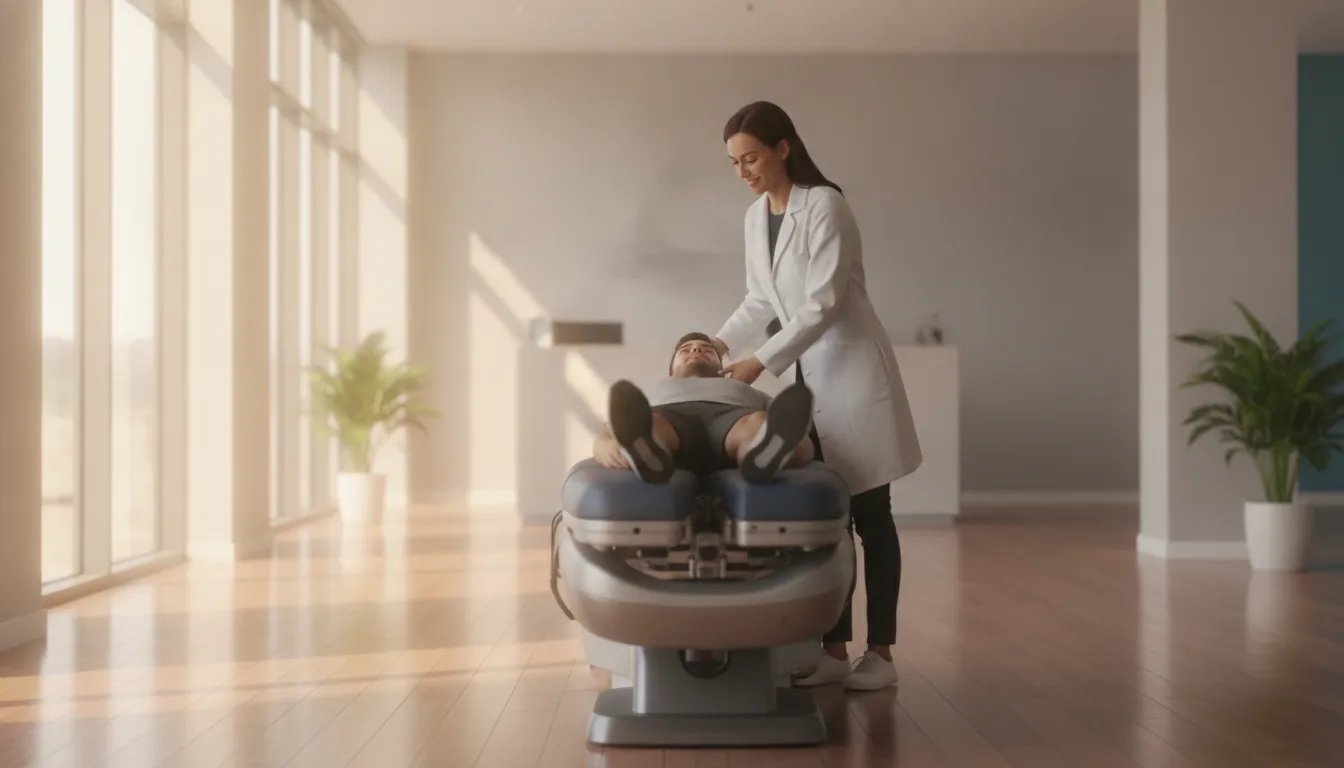
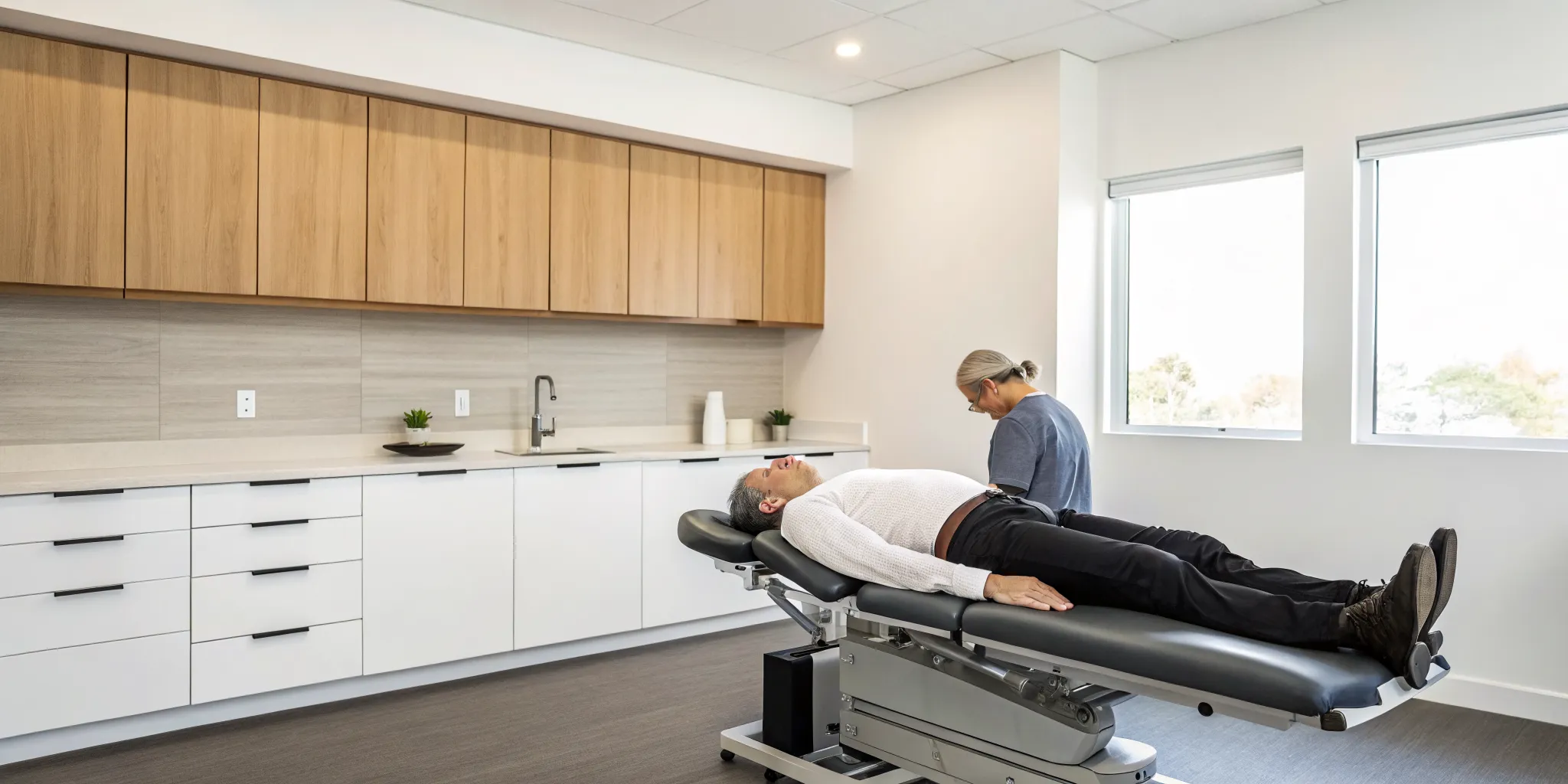
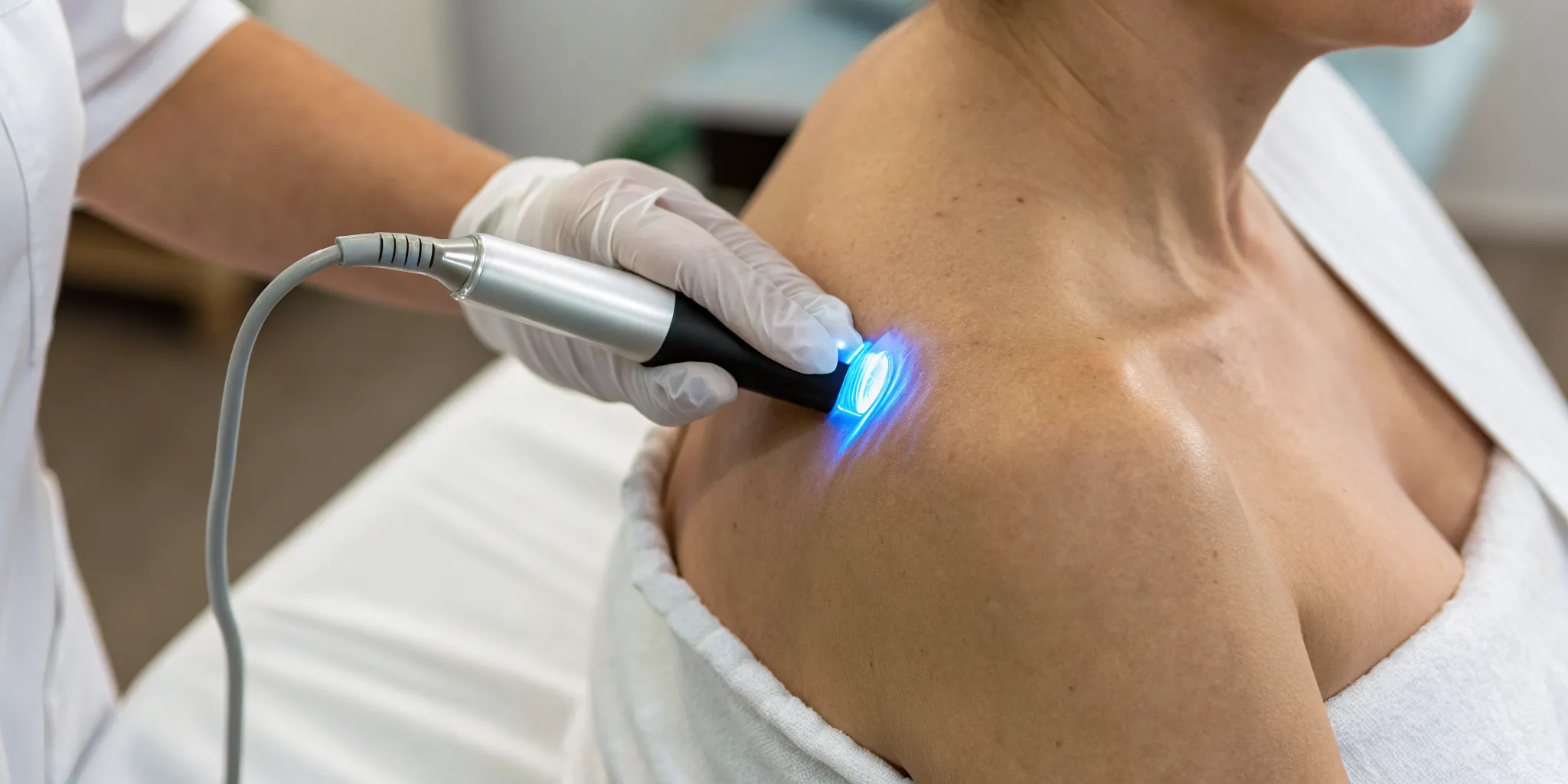
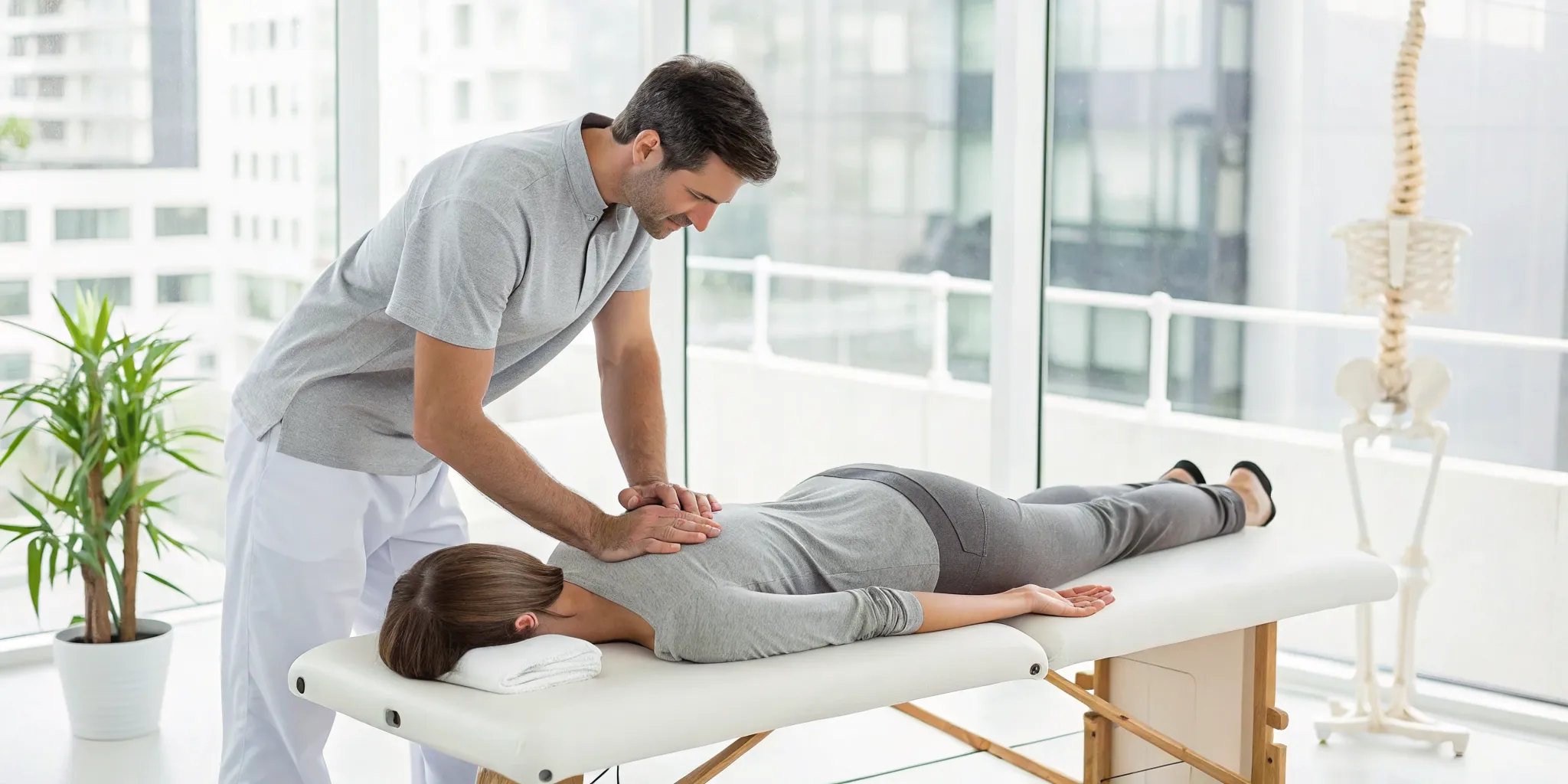
Chiropractic care offers a hands-on, holistic way to manage scoliosis symptoms. As part of our physical medicine services, we focus on improving spinal mobility and reducing discomfort through gentle adjustments. These treatments can help alleviate tension and improve the function of your spine and nervous system. In some cases, spinal decompression may also be used to gently stretch the spine, relieving pressure on discs and nerves. This approach supports your body’s innate ability to heal and helps you feel and move better.
Strategies for Managing Pain at Home
You can also take an active role in managing scoliosis discomfort from home. Low-impact exercises like swimming, walking, and gentle yoga are excellent for maintaining strength and flexibility without straining your back. Building a strong core is especially important, as these muscles provide crucial support for your spine. On days when you feel stiff, a heating pad can help relax tight muscles. For moments of sharp pain, an ice pack can reduce inflammation. These simple habits can make a significant difference in your day-to-day comfort.
When is Surgery the Right Choice for Scoliosis?
Deciding on surgery for scoliosis is a big step, and it’s usually considered only after other treatments have been explored. For many people, non-surgical options like chiropractic care, bracing, and specialized physical therapy are effective at managing the curve and its symptoms. At Ascend, our physical medicine approach focuses on these conservative methods first, aiming to support your body’s natural alignment and function without invasive procedures.
However, there are situations where surgery becomes the most practical and beneficial path forward. This is typically the case when a spinal curve is severe, progressing quickly, or causing significant health issues like breathing problems. The primary goals of surgery are to stop the curve from getting worse, correct the existing curvature as much as safely possible, and restore balance to the spine. The decision is never made lightly and always involves a thorough discussion between you, your family, and your healthcare team to weigh the potential benefits against the risks.
Who is a Candidate for Surgery?
The conversation about surgery usually begins when a spinal curve reaches a certain severity. Doctors often recommend surgery for curves greater than 45 to 50 degrees, especially in children and adolescents who are still growing. A large curve in a growing spine is more likely to worsen over time, so intervening surgically can prevent future complications.
For adults whose skeletons have matured, surgery might be considered if the curve is over 50 degrees and causing significant pain, or if it continues to progress. The decision isn't based on the angle alone. Your doctor will also consider your symptoms, the impact on your quality of life, and your overall health before recommending a surgical plan.
An Overview of Surgical Procedures
The most common operation for scoliosis is spinal fusion. During this procedure, the surgeon straightens the curved portion of the spine and then "fuses" the vertebrae together using bone grafts, rods, and screws. This hardware holds the spine in its corrected position, and over time, the vertebrae heal into a single, solid bone, which prevents the curve from progressing further.
Other surgical options exist, particularly for younger children. These include vertebral body tethering, a less invasive method that uses a flexible cord to guide spinal growth, and growing rod systems that can be periodically lengthened as a child grows. Your surgeon will explain which procedure is best suited for your specific type and degree of curvature.
Special Considerations for Young Children
When scoliosis develops in very young children (a condition known as early-onset scoliosis), the approach to surgery is different. The main goal is to control the curve while still allowing the child’s spine, chest, and lungs to grow and develop properly. A traditional spinal fusion can stunt this growth, so surgeons often use techniques that are adjustable.
This is where growing rod systems are particularly useful. These rods are attached to the spine to hold it straighter but can be surgically lengthened every few months to keep up with the child's growth. Surgery is typically only considered for young children if bracing isn't working or if the curve is severe enough to interfere with heart or lung function.
What to Expect During Recovery
Recovery from scoliosis surgery is a gradual process that requires patience. After a spinal fusion, most patients stay in the hospital for three to five days. Pain management is a key focus during this time, and the medical team will help you get up and start walking soon after the procedure.
Once you're home, the recovery continues. Kids and teens can often return to school within four to six weeks, but they’ll need to avoid strenuous activities like contact sports for several months to allow the fusion to heal completely. Physical therapy is an important part of the recovery journey, helping you regain strength, flexibility, and confidence in your movement. Most people can return to all their normal activities within three to six months.
How to Build a Strong Support System
Managing a scoliosis diagnosis goes beyond physical treatment. It’s about creating a network that supports your physical and emotional health every step of the way. You don’t have to figure this out on your own. Building a reliable support system is a proactive step toward taking control of your health journey and ensuring you have the resources and encouragement you need to thrive. This network includes your healthcare providers, family, friends, and others who understand what you’re going through. Let’s walk through how to build that team.
Assembling Your Healthcare Team
Your first step is to gather a team of knowledgeable professionals who can create a treatment plan tailored to you. Because every case of scoliosis is unique, it’s important to see a specialist who can determine the best course of action. Your team might include a primary care physician, an orthopedic specialist, a physical therapist, and a chiropractor. A provider specializing in physical medicine can offer non-invasive options like corrective care and spinal decompression to manage your curve and any related pain. Think of this group as your personal health advisory board, all working together to support your spine and overall well-being.
Finding Support Groups and Reliable Resources
Connecting with others who share your experience can be incredibly validating. Hearing their stories and sharing your own reminds you that you aren't alone. Support groups, whether online or in your local community, offer a space to ask questions, share tips, and find encouragement from people who truly get it. Organizations like the Scoliosis Research Society provide valuable information and can help you find patient communities. Having supportive friends and family is crucial, but joining a dedicated support group can help you and your loved ones cope with the challenges and celebrate the victories together.
Caring for Your Emotional Well-Being
A scoliosis diagnosis can bring up a lot of emotions, from frustration to anxiety about your appearance or physical limitations. This is completely normal. It’s especially important to acknowledge these feelings and find healthy ways to process them. For teenagers, dealing with scoliosis can be particularly tough on self-esteem. We always encourage open conversations with trusted friends and family. Sometimes, talking with a professional counselor or therapist can provide you with tools to manage stress and build resilience. Prioritizing your mental health is just as important as caring for your physical health.
Focusing on Long-Term Quality of Life
It’s easy to get caught up in the immediate details of treatment, but it’s also helpful to keep an eye on the bigger picture: living a full, active life. For many adults, scoliosis doesn't require surgery or cause significant pain. With the right management plan, you can continue doing the activities you love. Focusing on long-term wellness means adopting healthy habits, staying consistent with your exercises, and working with your healthcare team to adapt your plan as your body changes. This proactive approach helps you manage the conditions we treat and maintain a high quality of life for years to come.
Finding the Right Scoliosis Care for You
Finding the right healthcare partner is one of the most important steps in managing scoliosis. Since every case is unique, your treatment plan should be too. It’s about more than just addressing the curve; it’s about supporting your overall health, managing symptoms, and building a strategy that fits your life. This process involves finding a provider you trust, asking the right questions, and working together to create a personalized plan. A proactive approach ensures you receive care that is tailored specifically to your body’s needs and your long-term wellness goals. Let’s walk through how to find the right team and build a plan that works for you.
How to Choose the Right Provider
The first step is to find a specialist who can determine the best treatment plan for your specific type of scoliosis. You might start with a pediatric orthopedic surgeon for a child or an orthopedist for an adult, but it’s also wise to consider providers who offer a comprehensive perspective. Look for a team that specializes in spinal health and understands the body as an interconnected system. A practice that integrates physical medicine with other supportive therapies can offer a more well-rounded approach. When you’re researching, read patient testimonials and look for a provider who listens and makes you feel like a partner in your own care.
Questions to Ask at Your Consultation
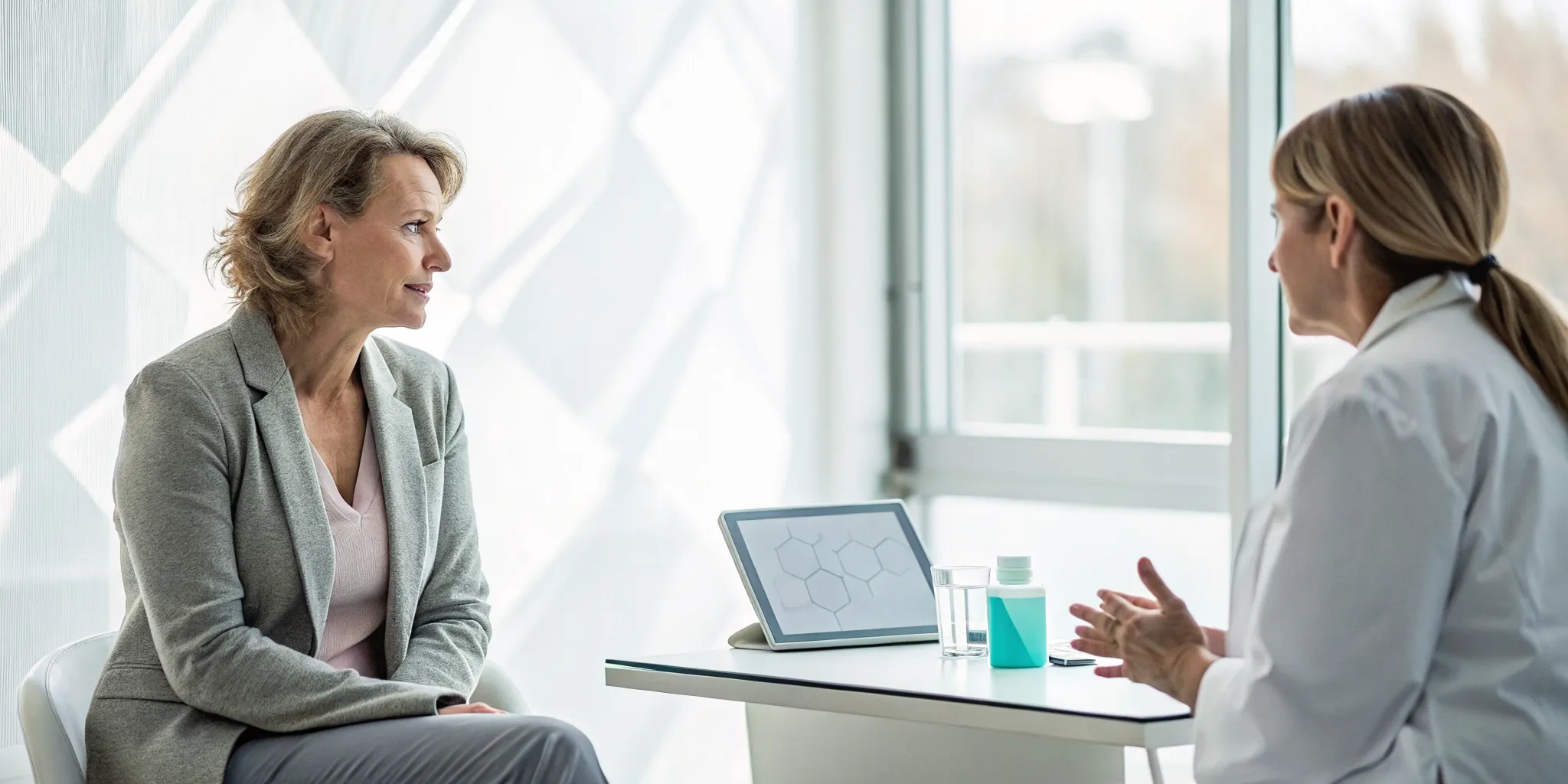
Being prepared for your first appointment helps you make the most of your time and feel confident in your decisions. Before you go, jot down your symptoms, family medical history, and any questions you have. This ensures you cover all your bases.
Here are a few key questions to ask:
- What type of scoliosis do I have, and what is the degree of my curve?
- What are all of my treatment options, both surgical and non-surgical?
- How will we monitor the curve over time?
- What is your experience with cases similar to mine?
- Are there specific exercises or lifestyle changes you recommend?
A good provider will welcome your questions and provide clear, understandable answers to help you confirm a diagnosis and plan your next steps.
The Benefits of a Holistic Approach
A holistic approach to scoliosis care looks at the whole person, not just the spine. While treatments like bracing or chiropractic adjustments address the curve directly, supporting your body’s overall health is just as crucial. This is where functional medicine comes in. Proper nutrition, including adequate calcium and vitamin D, helps maintain strong bones. Targeted exercises and physical therapy can strengthen your core and back muscles, improve posture, and ease pain. By focusing on your body as a complete system, a holistic strategy can improve your quality of life and help you feel your best while managing your condition.
Creating Your Personalized Care Plan
There is no one-size-fits-all treatment for scoliosis. Your ideal care plan will depend on several factors, including your age, the severity of your curve, and where the curve is located in your spine. For small curves, especially in adults, the best approach might simply be observation with regular check-ups to ensure it isn’t progressing. For growing children or more significant curves, a plan might include bracing, specialized physical therapy like the Schroth Method, or chiropractic care. The goal is to create a customized roadmap that aligns with your health goals. Working with your healthcare team to develop a plan ensures your treatment is effective and sustainable for the long term.
Related Articles
- Spinal Stenosis of Lumbar Region: Symptoms & Treatment
- Spinal Narrowing Neck: Symptoms & Treatments
- Bulging Disc Therapy Treatment: A Complete Guide
Frequently Asked Questions
Is scoliosis caused by bad posture? This is a common worry, but the answer is no. Poor posture is something you can generally correct by consciously standing or sitting up straight. Scoliosis, on the other hand, is a structural change in the spine itself. The vast majority of cases are idiopathic, which simply means there is no known cause. It’s important to remember that the condition is not your fault and is not the result of anything you did or didn’t do.
Will my spinal curve get worse over time? Whether a curve progresses depends on a few factors, mainly your age and the severity of the curve. For adolescents who are still growing, there is a higher chance the curve could worsen, which is why consistent monitoring during this time is so important. In adults whose skeletons have stopped growing, significant progression is less common, but it can still happen. Regular check-ins with your healthcare team will help you track any changes and adjust your care plan as needed.
Can treatments like physical therapy or chiropractic care reverse my scoliosis? The main goal of non-surgical treatments is to manage the condition effectively. For growing teens, the focus is often on preventing the curve from getting worse. For adults, it’s more about reducing pain, improving mobility, and strengthening the muscles that support the spine. While these therapies can lead to wonderful improvements in posture and comfort, their purpose is management and support, not a complete reversal of the structural curve.
Do I have to stop being active if I have scoliosis? For most people, the answer is a definite no. In fact, staying active is one of the best things you can do. Low-impact exercises like swimming, walking, and yoga can help maintain flexibility and strength without putting extra strain on your back. Building a strong core is especially helpful for supporting your spine. It's always a good idea to talk with your doctor or physical therapist to create an exercise plan that is safe and beneficial for your specific situation.
What is the main reason someone would need surgery for scoliosis? Surgery is typically considered only when a spinal curve is severe, usually measuring more than 45 or 50 degrees, and is expected to progress. It may also be recommended if the curve is causing significant pain or beginning to affect lung function. The decision is never made lightly and is always a collaborative one between you and your healthcare team after conservative treatments have been considered.