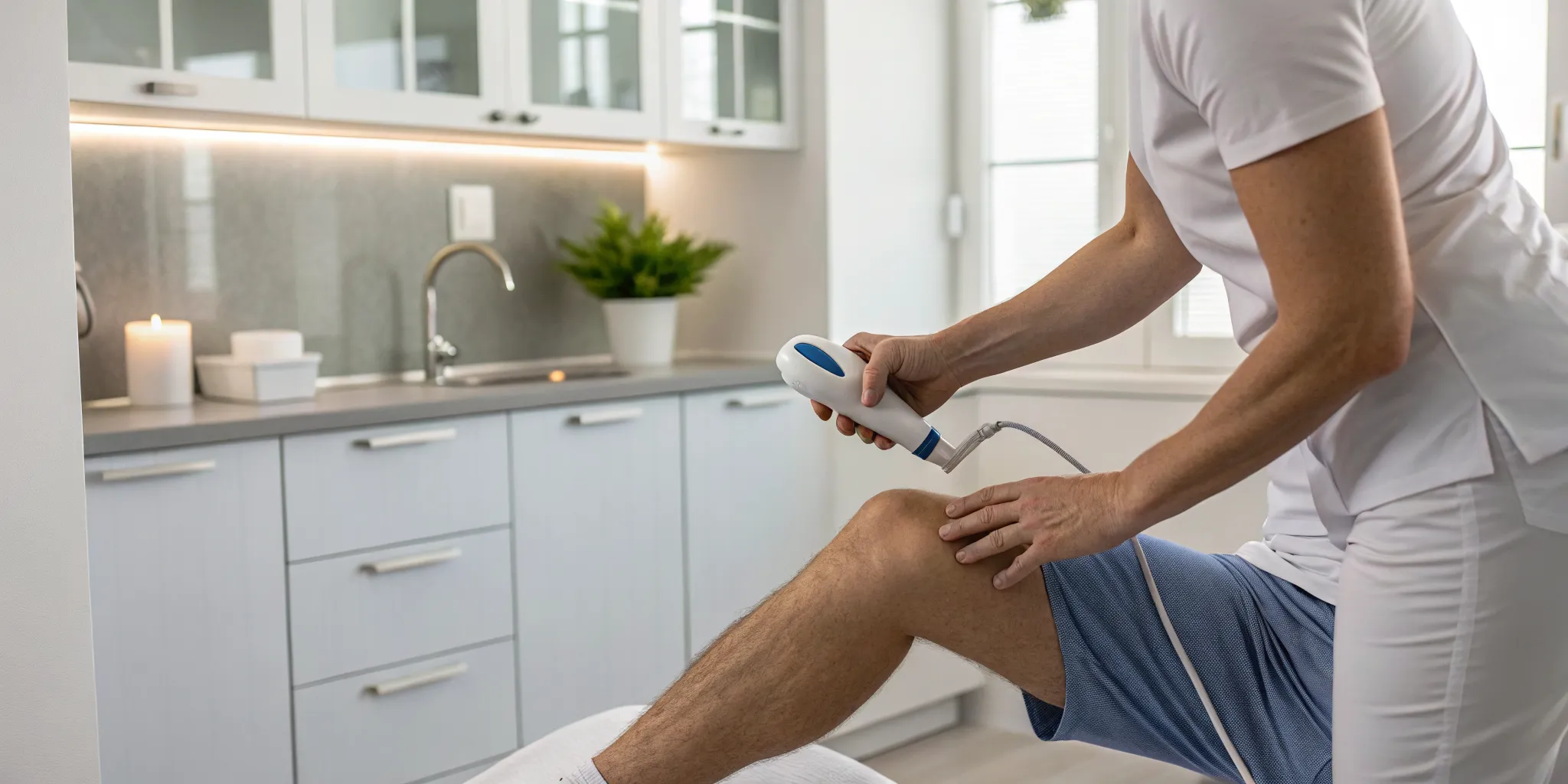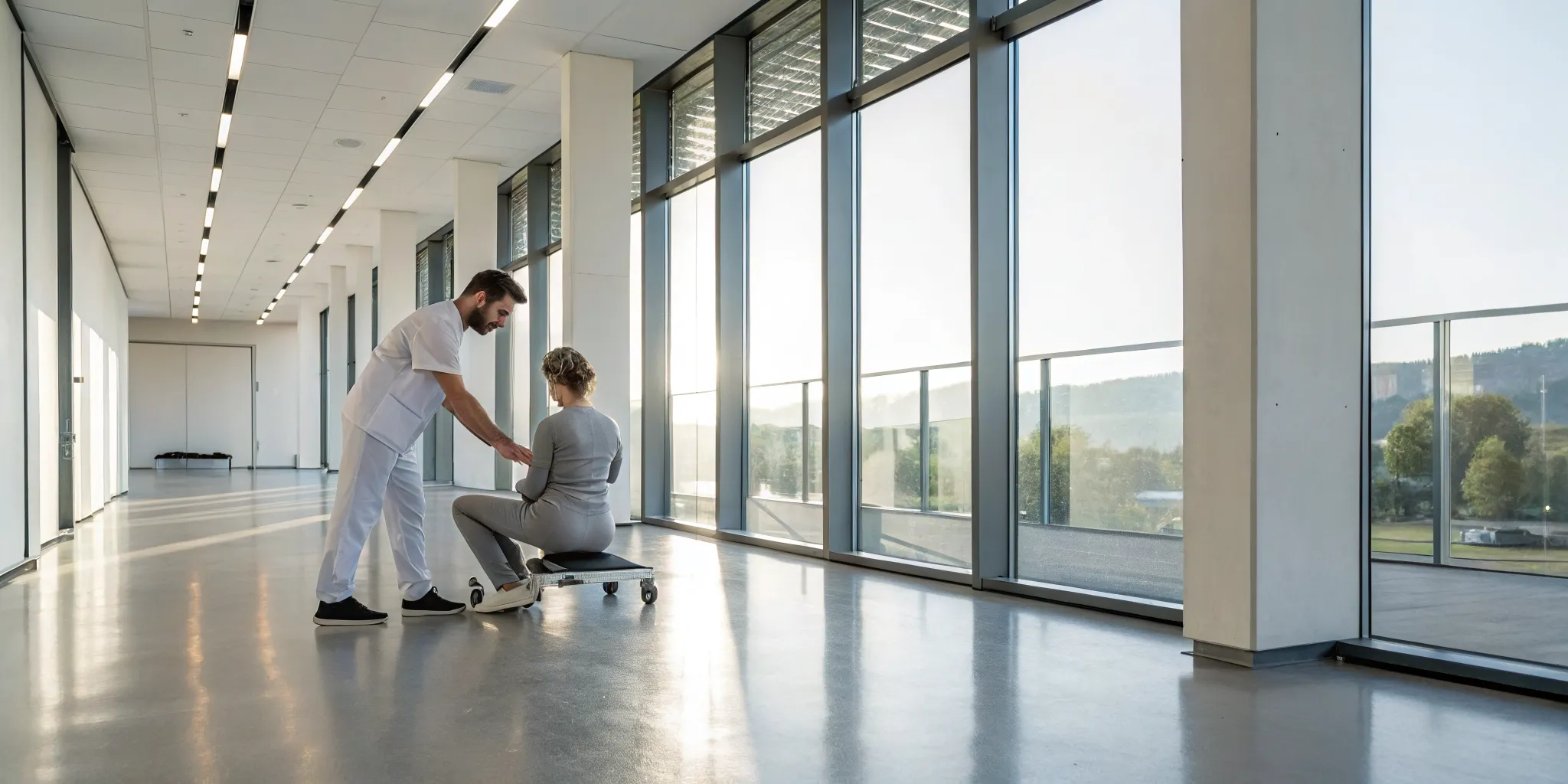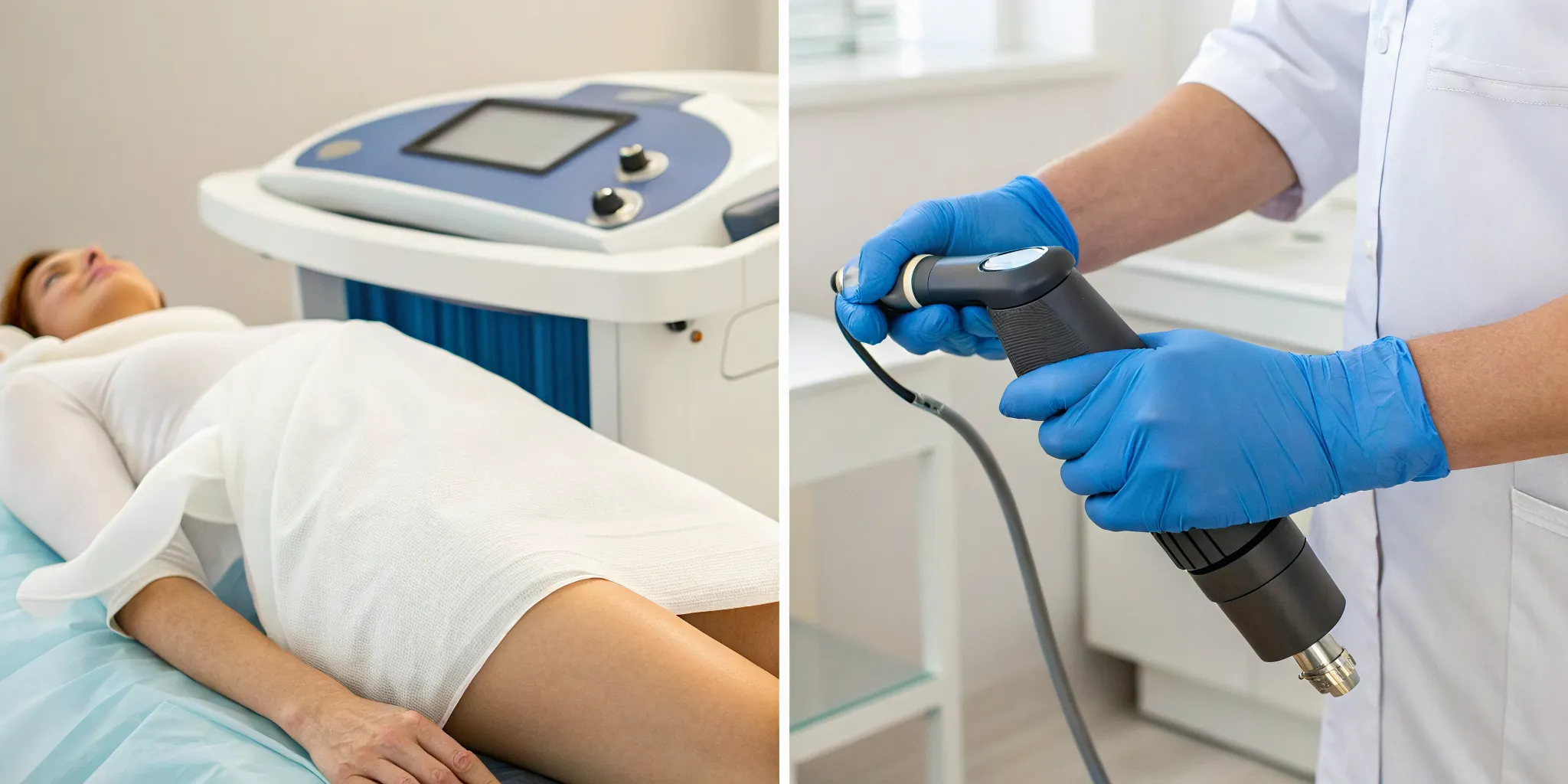
Finding lasting freedom from neck pain requires more than just treating the symptoms; it requires a strategy. Cervical traction is a highly effective technique for decompressing the spine, but how you access it matters. The core of the issue is ‘Cervical Traction at Home vs. In-Clinic: What's the Difference?’. While a personal device might help with general muscle tightness, more complex issues like radiating pain or numbness often demand the precision of professional care. This guide will walk you through the signs that indicate which approach is better suited for your needs, ensuring you choose a path that is both safe and effective for your specific situation.
Key Takeaways
- Traction Works by Creating Space: The main purpose of cervical traction is to gently stretch your neck. This creates space between the vertebrae, which can relieve pressure on compressed discs and nerves that cause pain, numbness, or tingling.
- Know When to Seek Professional Help: While personal devices may help with general stiffness, symptoms like radiating pain, weakness, or numbness are signals to see a professional. An expert can accurately diagnose the issue and provide targeted, safe treatment.
- Combine Treatments for Better Results: Lasting relief often comes from a partnership. Combining precise in-clinic treatments with a supportive personal care routine is an effective way to address the root cause of your pain and maintain your progress.
How Does Cervical Traction Relieve Neck Pain?
If you’re dealing with persistent neck pain, you know how it can take over your life, making simple movements feel like a chore. Cervical traction is a therapeutic method designed to gently relieve that pressure. It’s a form of decompression therapy that carefully stretches the cervical spine to create space, reduce tension, and support the body’s natural healing process. Think of it as creating a little more breathing room for the delicate structures in your neck.
The Science Behind the Stretch
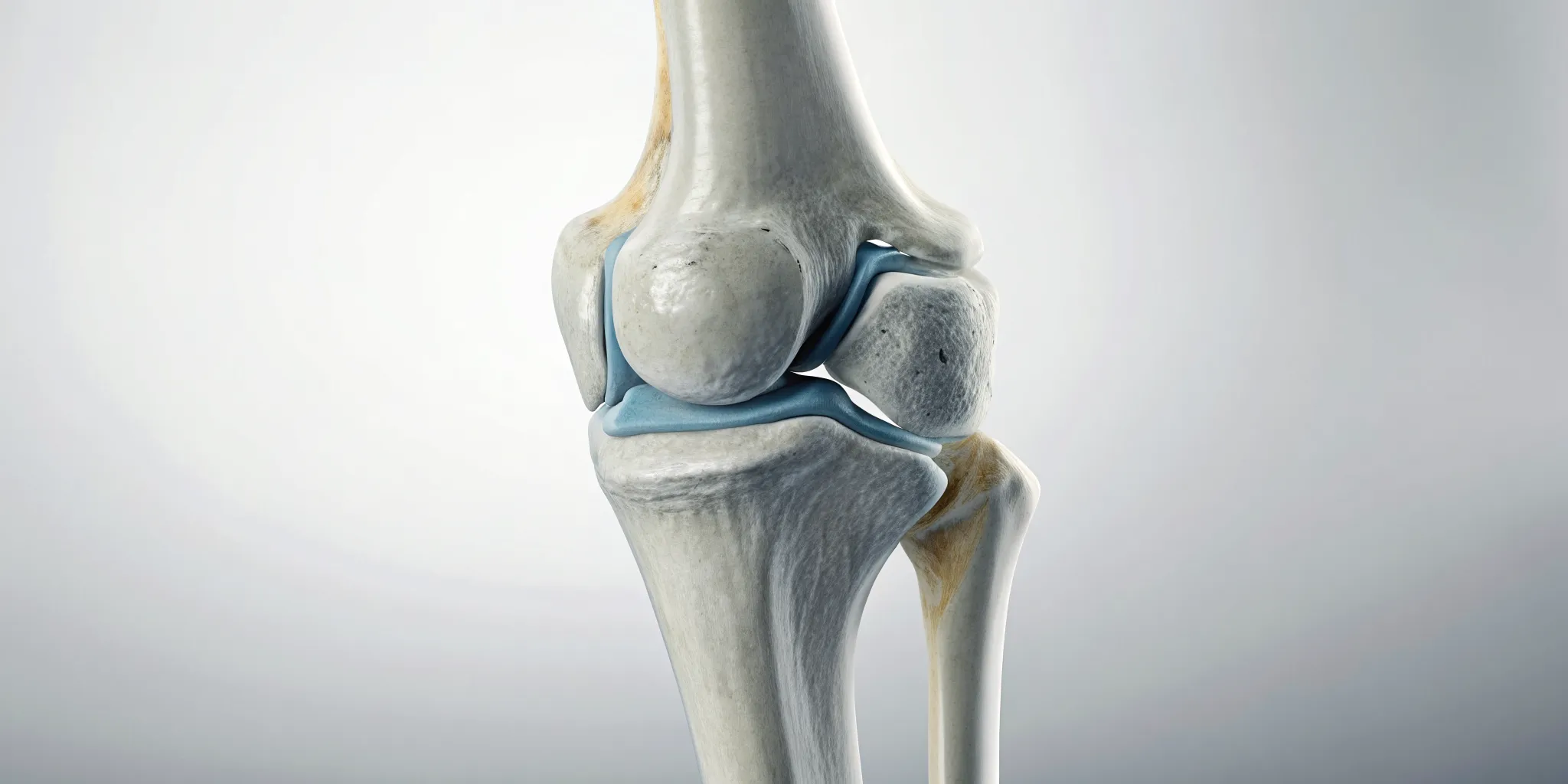
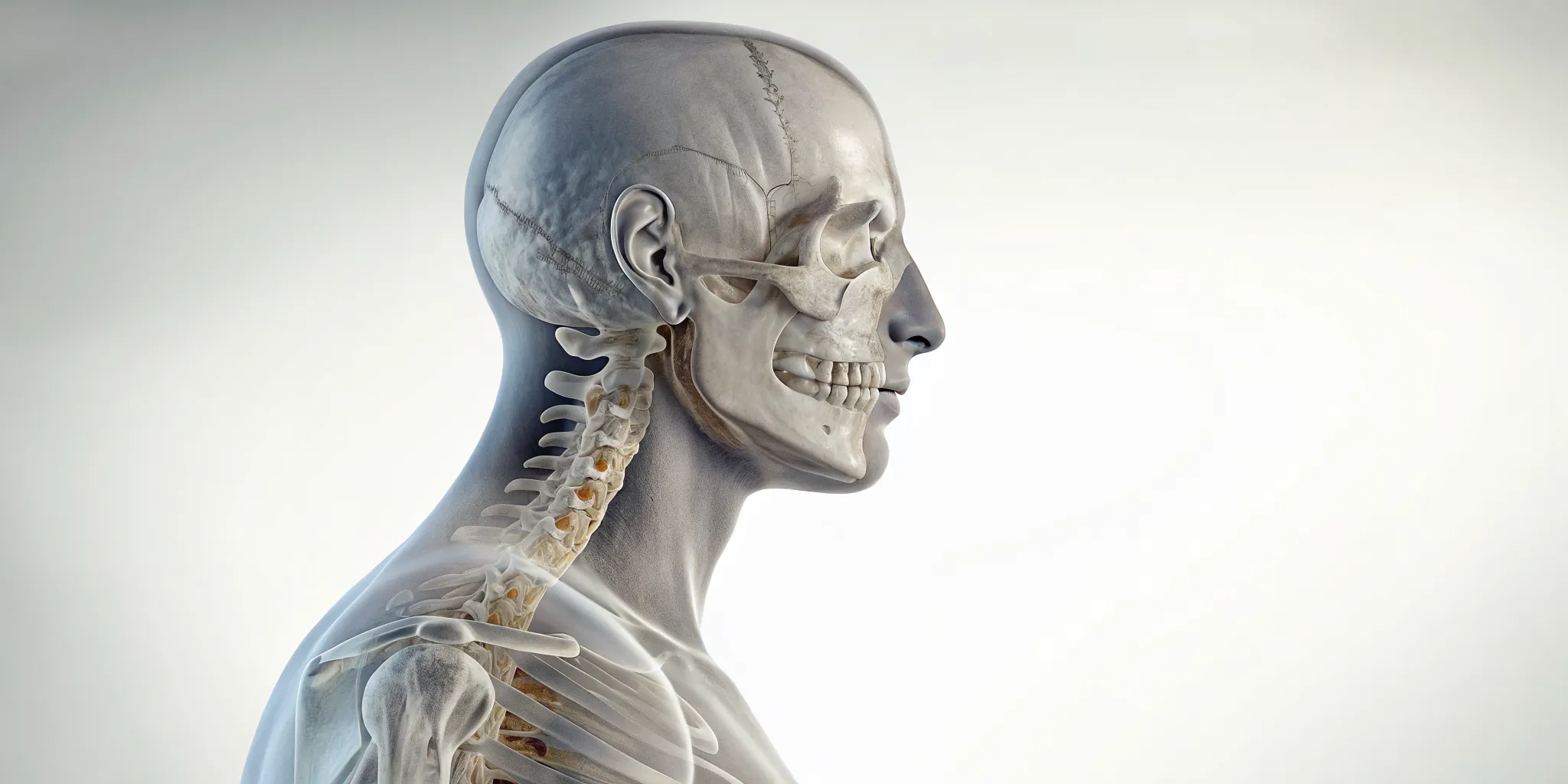
At its core, cervical traction works by gently pulling your head away from your neck. This light, consistent force helps to separate the vertebrae, the small bones that make up your cervical spine. Creating this space can accomplish several things at once. It allows tight, strained neck muscles to relax and lengthen. More importantly, it can take pressure off compressed spinal discs and pinched nerves, which are often the source of sharp pain, numbness, or tingling that radiates into your shoulders and arms. This targeted stretch is a key component of our physical medicine approach to restoring function.
What Conditions Can It Help?
Cervical traction is a versatile tool that can address a number of issues causing neck discomfort. It’s often recommended for people experiencing pain from bulging or herniated discs, as the gentle separation can help retract the disc material away from sensitive nerves. This treatment can also provide significant relief for nerve root compression, sometimes called a “pinched nerve,” by widening the openings where nerves exit the spinal column. Other conditions we treat with this approach include cervical spondylosis (neck arthritis), muscle spasms, and general stiffness from poor posture or strain. By decompressing the spine, traction helps create an optimal environment for healing.
Trying Cervical Traction at Home: Your Options
Exploring ways to manage neck pain from the comfort of your own space can lead you to cervical traction devices. These tools are designed to gently stretch the neck, potentially relieving pressure on the spine and nerves. While they can be a component of a comprehensive care plan, it’s important to understand that not all devices are created equal. The type of physical medicine that is right for you depends on your specific condition. Let's look at the most common options available for personal use, so you can have a more informed conversation with your healthcare provider.
Over-the-Door Devices
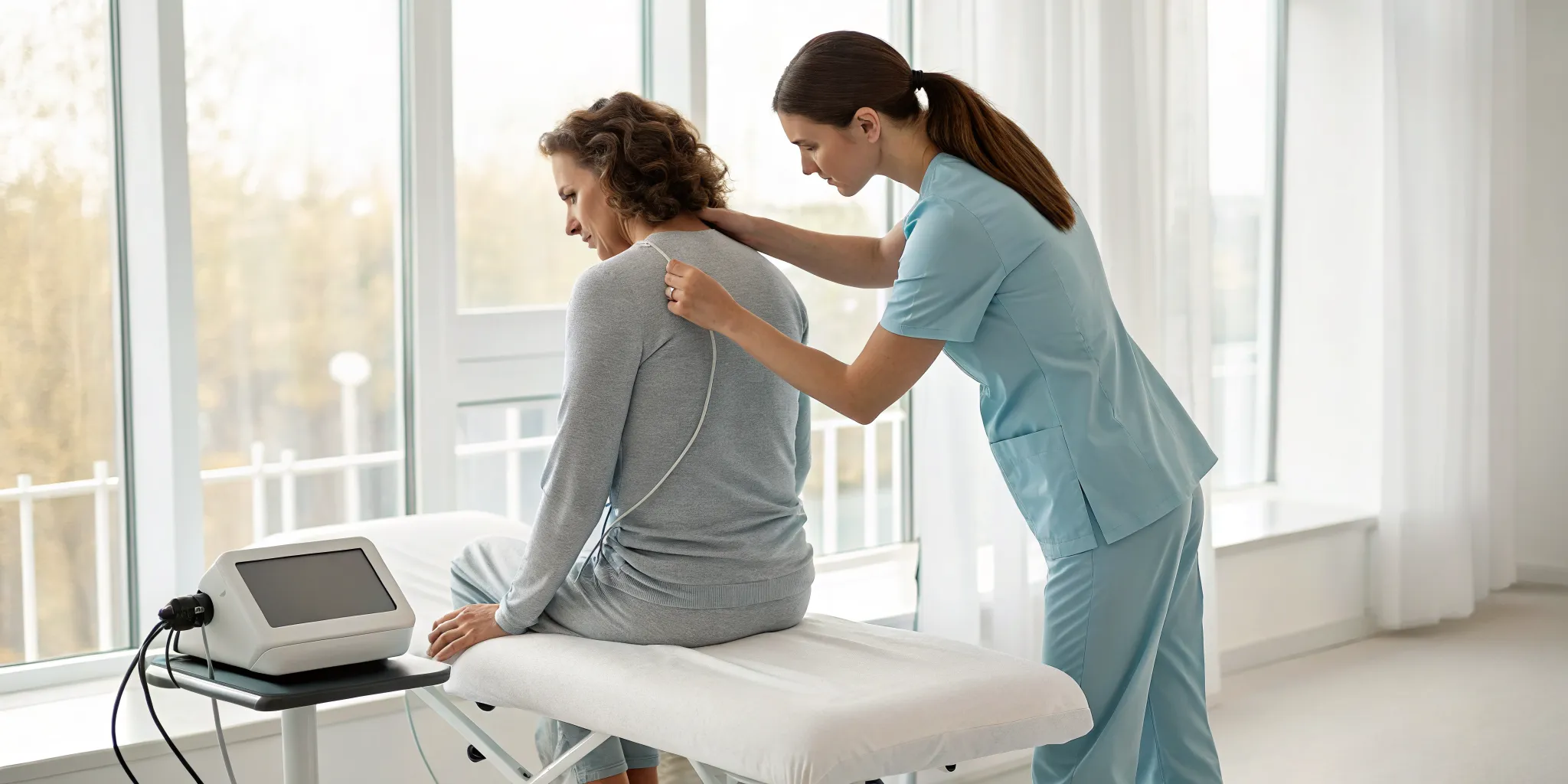
This is a classic approach to traction. These devices typically involve a harness for your head and neck that connects to a pulley system draped over a door. You can then use a weighted bag or a manual pull to create tension. People are often drawn to them because they are portable and allow you to sit or stand during the session. However, it's a more dated design, and your session could be easily interrupted if someone unexpectedly opens the door. Some models that use water bags for weight can also be cumbersome to set up.
Inflatable Collars
Think of these as soft collars that you wrap around your neck and inflate with a hand pump. As the collar fills with air, it gently lifts your head and stretches your neck. A key benefit is their simplicity and the fact that they don't hold your head completely still, allowing for some movement. You can use them while sitting or even standing. On the downside, they can sometimes lose pressure or develop leaks over time, and they don't offer the same level of precise adjustability that you might find with other types of units.
Pneumatic and Supine Units
These devices offer a more advanced experience, designed for you to use while lying down on a flat surface like a bed or the floor. You rest your head in a cushioned cradle, and straps provide a secure fit. An attached hand pump allows you to control the air pressure, which generates a precise and consistent pulling force. Many of these units include a gauge to show the exact amount of tension being applied, which is a feature that brings a higher level of control to the process.
Wearable Braces
One of the more modern designs, wearable braces allow you to be up and active during a traction session. You wear the device around your neck, and it works to align the spine and stretch the neck muscles while you move about your day. The best models are highly adjustable and distribute pressure evenly around the neck and shoulders, not just under the chin. Some can even provide traction in multiple directions, offering a more dynamic stretch that supports your neck’s natural curve.
Professional Cervical Traction: What to Expect in the Clinic
When you seek professional care for persistent neck pain, you’re stepping into a structured environment focused on finding the root cause of your discomfort. Cervical traction is one of the most effective tools we use in our clinic, but it’s never a one-size-fits-all solution. Instead, it’s a precise therapy applied by a trained provider who understands the delicate structures of your cervical spine. This professional oversight ensures the technique is right for your specific needs.
In a clinical setting, traction is administered in a controlled, safe manner to gently decompress the vertebrae in your neck. The goal is to alleviate pressure on your discs and nerves, which can provide significant relief. Depending on your evaluation, your provider will determine the most suitable approach for you. Let’s look at the common types of professional traction and how they fit into a larger healing plan.
Manual Traction: A Hands-On Approach
Manual cervical traction is exactly what it sounds like: a hands-on technique. During this treatment, a healthcare provider from our physical medicine team will use their hands to gently pull your head away from your neck. This careful, targeted movement creates space between the vertebrae. The great thing about this approach is the immediate feedback. Your provider can feel how your muscles are responding and can adjust the angle and force in real time to maximize your comfort and the effectiveness of the stretch. It’s a personalized method that allows for a dynamic and responsive treatment session.
Mechanical Traction: A Targeted Stretch
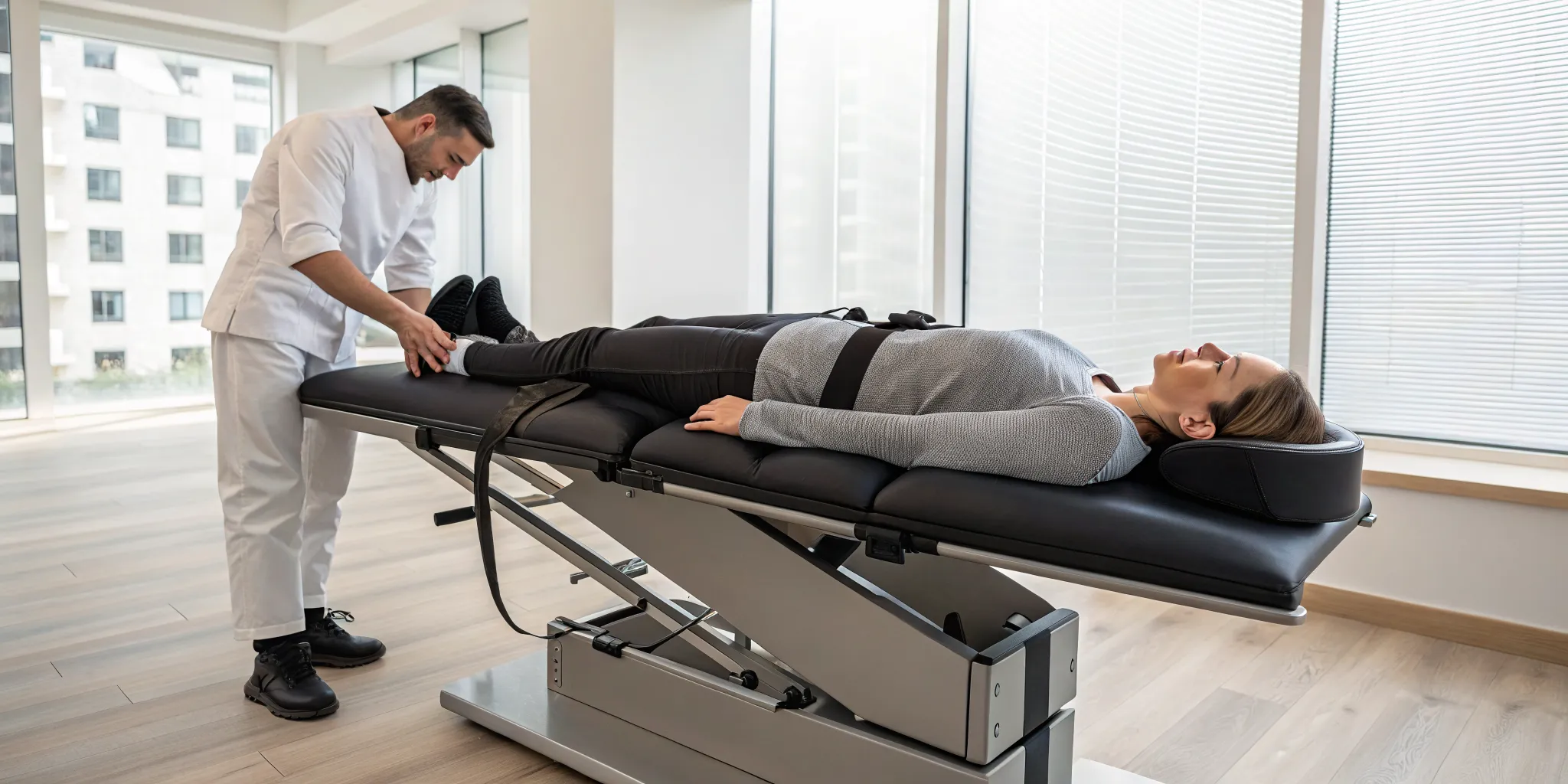
Mechanical cervical traction uses a specialized device to apply a steady, consistent pulling force. While you lie down comfortably, a system of harnesses is positioned around your head and neck. The device is then set to a specific tension level to deliver a controlled stretch for a predetermined amount of time. This method is excellent for applying a sustained stretch that can be difficult to achieve manually. It’s a highly effective tool for many of the conditions we treat, as it allows for precise and repeatable therapy sessions that are tailored to your progress over time.
Why Professional Traction Is Part of a Bigger Picture
In a clinical setting, traction is rarely a standalone fix. Instead, it’s one component of a comprehensive care plan designed to produce lasting results. A provider can ensure the stretching is controlled and can monitor your progress, which is especially important for more complex neck issues. At Ascend Functional Health, we integrate therapies like traction into a broader strategy that addresses the underlying cause of your pain. Our holistic approach may combine traction with corrective care and functional medicine to support your body’s innate ability to heal, ensuring you don’t just feel better temporarily but achieve long-term wellness.
At-Home vs. In-Clinic: Which Is More Effective?
Deciding between using a personal traction device and seeking professional treatment can feel confusing. The truth is, one isn't universally "better" than the other. The most effective approach really depends on the source and severity of your neck pain. For some, a personal device can provide welcome relief for minor discomfort. For others, the targeted approach of in-clinic care is necessary to address more complex underlying issues. Understanding the difference is the first step toward finding the relief you need.
For Mild Neck Pain and Tension
If you're dealing with the kind of neck stiffness that comes from long hours at a desk or general muscle tightness, a personal traction device can be a useful tool. These devices are often effective for managing day-to-day discomfort, helping to relax tight muscles and ease tension headaches. Think of it as a way to gently counteract the daily grind, especially if you struggle with stiffness from poor posture. When used correctly for these milder issues, personal traction can help you manage symptoms and maintain flexibility between professional visits.
For More Complex Issues
When neck pain stems from more significant problems like a herniated disc, spinal stenosis, or persistent nerve-related symptoms, professional care is the recommended path. In-clinic spinal decompression allows a practitioner to apply a precise, controlled force that you simply can't replicate with a personal device. This accuracy is essential for addressing the root cause of complex conditions and achieving the best possible outcomes. Our approach to physical medicine integrates these advanced techniques as part of a comprehensive plan tailored to your specific diagnosis, ensuring your treatment is both safe and effective.
Does Professional Guidance Make a Difference?
Absolutely. No matter which route you're considering, getting a professional opinion first is non-negotiable. A thorough evaluation can identify the specific cause of your neck pain, ensuring that traction is a safe and appropriate option for you. Starting any new regimen without this guidance can risk making your symptoms worse or causing a new injury. A healthcare provider can also offer specific instructions on how to use a personal device correctly if it's deemed suitable for your situation. To get a clear picture of what's causing your discomfort, we always recommend you schedule a consultation first.
Comparing the Costs: Device vs. Professional Care
When you’re weighing your options for neck pain relief, the financial side of things is naturally a big factor. It’s helpful to think about this not just in terms of price tags, but as an investment in your long-term health and well-being. A personal traction device and professional care have very different cost structures, and understanding them can help you decide which path aligns better with your needs and goals.
The initial outlay for a device is different from the cumulative cost of a treatment plan. One offers convenience for ongoing management, while the other provides expert guidance and a comprehensive strategy for lasting results. Let's look at how these two approaches compare financially, so you can make a more informed choice for your neck health.
The Price of a Device vs. The Cost of Treatment
Purchasing a cervical traction device is typically a one-time expense. Once you have the unit, you can use it as needed without any recurring fees. The initial cost can vary quite a bit depending on the type of device you choose, from simple inflatable collars to more complex pneumatic units. This option can be appealing if you're looking for a tool you can access anytime for consistent, gentle stretching.
On the other hand, professional care involves a per-session cost. A full course of treatment often includes a series of appointments, so the total financial commitment will be higher than that of a single device. What you're paying for here is not just the treatment itself, but the practitioner's expertise. This includes a thorough assessment, a personalized plan, and adjustments based on your progress, which are all part of a comprehensive physical medicine approach.
Investing in Long-Term Relief
The convenience of using a device yourself is a major plus. Having the ability to use it whenever you feel stiffness creeping in, without scheduling an appointment or leaving your house, is a significant benefit. For managing day-to-day tension from poor posture or chronic muscle tightness, these devices can be a valuable part of your self-care routine. They empower you to take an active role in managing your symptoms on your own time.
Investing in professional care is about more than just immediate relief; it’s about addressing the root cause of your neck pain. A practitioner can identify the specific issues contributing to your discomfort, whether they're related to spinal alignment, muscle imbalances, or disc health. This allows for a targeted treatment plan that goes beyond what a generic device can offer. By focusing on the underlying problem, professional guidance aims to provide more sustainable, long-term relief for the conditions we treat and helps prevent the pain from returning.
The Safety of At-Home Cervical Traction
While the idea of finding relief from neck pain in your own living room is appealing, safety has to be your top priority. Using a cervical traction device without proper guidance isn't just a matter of it not working; it can potentially make your condition worse. Before you add a device to your online cart, it’s crucial to understand the risks and recognize when professional care is the only safe path forward. Your neck and spine are complex, and protecting them should always be the first step in any treatment plan. This is about making an informed choice for your long-term health, not just finding a temporary solution.
When to Avoid At-Home Devices
Cervical traction is not a one-size-fits-all solution, and for some people, it can be outright dangerous. If you are pregnant, you should avoid using these devices. The same goes for anyone who has had cervical fusion surgery in the past. Certain health conditions that weaken bones or affect the spinal cord also make traction a risky choice. Even feelings of anxiety about being held still or claustrophobia are valid reasons to steer clear of devices that restrain your head and neck. If any of these situations apply to you, it’s best to skip the personal devices and contact a professional who can assess your unique circumstances and guide you toward a safer, more appropriate treatment for your neck pain.
Common Mistakes That Can Cause Harm
Even if you seem like a good candidate for using a traction device, it’s easy to make mistakes that can lead to more harm than good. The most common error is applying too much pressure, which can strain the very muscles and joints you’re trying to help. It is essential to follow all instructions to the letter. More importantly, you need to listen to your body. If you start to feel any new or worsening pain, numbness, or tingling in your arms or legs, it's a clear sign to stop immediately. Other red flags include vision changes or headaches during or after a session. These aren't symptoms to push through; they are warnings that require professional evaluation from a physical medicine expert.
Why You Should Talk to a Professional First
Before you begin any new treatment for your neck, especially one you administer yourself, a conversation with a healthcare professional is non-negotiable. A proper diagnosis is the first step to effective treatment. A professional can determine the root cause of your neck pain and confirm if traction is even the right approach for you. They can also recommend the most suitable type of traction and, most importantly, teach you how to use it correctly and safely. Starting any method slowly and only after getting expert advice helps prevent injury and ensures you don't aggravate your symptoms. Learning about our approach can show you how a professional partnership is built on this principle of safe, personalized care.
Which Approach Is Right for Your Neck Pain?
Deciding on the best way to address your neck pain can feel overwhelming, but it really comes down to understanding your specific symptoms. The right approach for one person might not be the right one for you. While some people find relief using personal traction devices, others require the targeted approach that only professional care can provide. The key is to honestly assess the type and severity of your discomfort, because what works for general stiffness is very different from what’s needed for a more complex problem.
Think of it this way: you wouldn't use the same tool for every job around the house. Similarly, the tool you use for neck pain should match the complexity of the issue. General muscle tightness from a long day at your computer is very different from sharp, radiating pain that runs down your arm. One might be managed with consistent, gentle stretching, while the other points to an underlying issue that needs a specific diagnosis. By learning to distinguish between these signals, you can make a more informed and confident decision about your next steps toward feeling better. This guide will help you understand which path might be the most appropriate for your situation, so you can choose a solution that truly addresses the source of your pain.
Signs At-Home Traction Might Be Enough
If your neck pain feels more like a persistent annoyance than a serious problem, a personal traction device might offer some relief. These tools can be helpful for managing the kind of chronic muscle tightness and stiffness that comes from poor posture or spending hours hunched over a desk. They work by gently stretching the neck, which can help relax tense muscles and ease some of the pressure that builds up throughout the day.
This approach is best suited for mild, recurring issues. For example, if you frequently experience tension headaches or a stiff neck after a long work week, using a device on your own schedule could be a convenient way to manage your symptoms. It’s a supportive measure for daily aches, not a solution for more complex structural problems.
When You Should Seek Professional Treatment
Certain symptoms are clear signals that it’s time to consult a professional. If your neck pain is the result of a specific incident or trauma, or if it’s accompanied by numbness, weakness, or tingling in your arms and hands, you should seek an expert opinion. These sensations often indicate that a nerve is being compressed or irritated, which requires a precise diagnosis and a targeted treatment plan.
Pain that radiates or shoots from your neck into your shoulder or down your arm is another significant red flag. This type of pain suggests a more complex issue, like a disc problem, that won't resolve with generalized stretching. Ignoring these signs can lead to worsening symptoms. Getting a proper evaluation is the first step in addressing the root cause of these conditions we treat.
Why In-Clinic Care Is Sometimes the Safest Choice
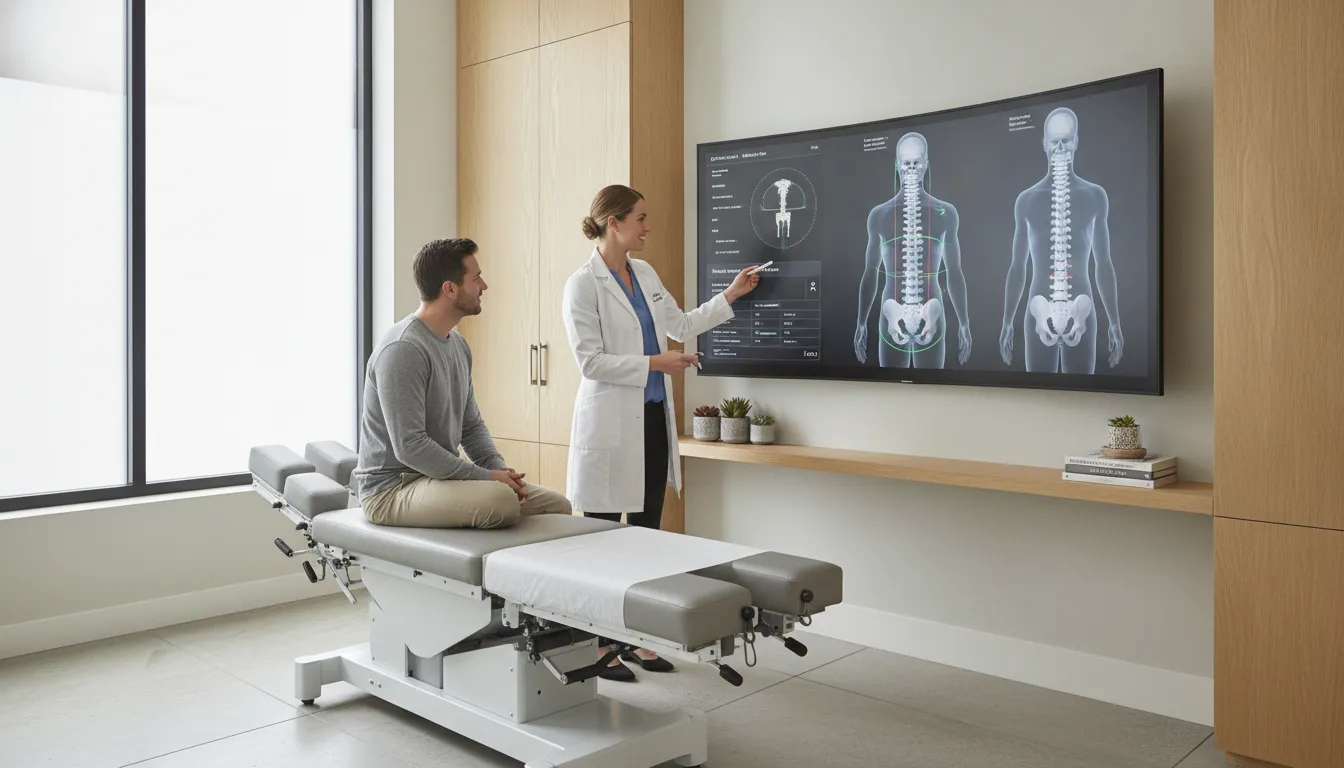
When you receive treatment in a clinical setting, you benefit from both professional expertise and advanced technology. In-clinic spinal decompression, for example, is performed by trained specialists using motorized tables that apply a gentle, precise stretching force to your spine. This level of accuracy is nearly impossible to replicate with a personal device. The practitioner can adjust the treatment in real-time based on your body’s response.
This professional oversight is essential for achieving the best results, especially for more complicated cases. A trained provider can ensure the therapy is not only effective but also safe, minimizing any risk of strain or injury. Our physical medicine approach is designed to provide this exact level of personalized, expert-led care to address the underlying cause of your pain safely.
Can You Combine At-Home and In-Clinic Treatments?
Thinking about neck pain relief isn't an either/or situation. You don’t have to choose between professional treatments and supportive self-care. In fact, the most effective approach often involves blending the two. Combining in-clinic care with a consistent routine you can follow on your own creates a powerful strategy for managing neck pain and promoting long-term spinal health. Think of it as a partnership. Your provider delivers targeted, powerful treatments in the clinic, and you reinforce that progress with safe, gentle practices between visits.
This integrated approach helps you take an active role in your healing journey. While professional traction provides the significant adjustments your body needs, consistent self-care helps maintain those gains and prevent stiffness from returning. It’s a core part of our philosophy at Ascend Functional Health, where we focus on corrective care that empowers you with the tools for lasting wellness. By working together, we can create a plan that addresses the root cause of your discomfort and keeps you feeling your best day after day. This combination ensures you’re not just treating symptoms but building a foundation for a healthier, more comfortable future.
Using At-Home Care to Support Your Progress
Supportive care you perform on your own is meant to complement, not replace, your professional treatments. These practices are like helpful maintenance for your spine, keeping things aligned and mobile between your appointments. When your provider performs cervical traction, they are creating space and relieving pressure. A gentle routine you can do on your own helps preserve that space and keeps the surrounding muscles from tensing up again.
This consistency is key to making your clinical treatments more effective. Following a recommended routine can help support your professional treatment and may even help you feel better, faster. It’s about reinforcing the positive changes made during your sessions and giving your body the steady support it needs to heal properly.
How to Create a Combined Plan with Your Provider
The single most important step in creating a combined plan is to do it with your provider. Before you try any kind of traction device or new stretching routine, you should always talk to your healthcare provider to make sure it’s a safe and appropriate option for your specific condition. What works for one person’s neck tension might not be right for another’s.
A professional can guide you on which methods are suitable, demonstrate the correct technique to prevent injury, and give you clear instructions on frequency and duration. They will help you start slowly and listen to your body’s feedback. This guidance is essential for getting the benefits without the risks. If you’re ready to explore a comprehensive plan for your neck pain, the first step is to schedule a consultation with a qualified professional.
Beyond Traction: A Comprehensive Approach to Neck Health
While cervical traction can be an incredibly effective tool for neck pain, it’s often just one part of a much larger picture. Think of it this way: if your car’s alignment is off and your tires are wearing unevenly, simply rotating the tires won't solve the root problem. You have to fix the alignment. Similarly, true and lasting neck pain relief comes from understanding and addressing the underlying cause of your discomfort, not just stretching the area. This is where a holistic perspective becomes so important.
At Ascend Functional Health, we see traction as a powerful component within a comprehensive strategy. Lasting wellness requires a plan that goes beyond temporary fixes. We start by asking the important questions. Is your neck pain the result of poor posture from sitting at a desk all day? Is it linked to an old injury that never fully healed? Or could it be connected to systemic inflammation that’s showing up as joint pain? By looking at the complete system, we can create a personalized roadmap to health that supports your body’s ability to heal itself. This approach ensures we’re not just chasing symptoms, but creating real, sustainable change for your long-term well-being. We combine targeted therapies with lifestyle adjustments and education so you feel empowered in your own health journey.
Pairing Traction with Spinal Decompression
When we talk about creating space in the spine, cervical traction and spinal decompression are two therapies that work beautifully together. Cervical traction specifically targets your neck, using a gentle pull on the head to decompress the vertebrae. This can provide immediate relief by taking pressure off the small joints and nerves in your cervical spine.
Spinal decompression, on the other hand, provides a more generalized, gentle stretch to the entire spine. This process helps create negative pressure within the spinal discs, which can help retract bulging or herniated material and draw in healing nutrients. As part of a complete Physical Medicine plan, we may use both to address your pain from multiple angles, ensuring we’re treating both the joints and the discs for more comprehensive relief.
Our Philosophy on Lasting Neck Pain Relief
Our goal is to help you find relief that lasts, and that rarely comes from a single treatment. Research shows that most people find success with conservative care that includes targeted therapies and corrective exercises. The most effective strategies combine professional, in-clinic treatments with supportive practices you can continue on your own. This partnership between practitioner and patient is where the magic happens.
This is why our philosophy extends beyond just the physical symptoms. We often use Functional Medicine to investigate whether underlying issues like chronic inflammation or nutrient deficiencies are contributing to your pain. By addressing the root causes, we can create a truly personalized plan that supports your entire body. This holistic view is central to how we approach the many conditions we treat, helping you build a foundation for sustainable health.
Related Articles
- Revitalize Your Spine with Spinal Decompression Therapy in Tampa, FL
- Is Lumbar Decompression Chiropractic for You?
- Spinal Decompression Hurts Lower Back: Normal or Not?
Frequently Asked Questions
Is cervical traction supposed to be painful? Not at all. The goal of cervical traction is to create a gentle, relieving stretch in your neck. You should feel a light pull and a sense of release, not sharp or increasing pain. If you experience any discomfort, it’s a signal from your body that the pressure might be too much or the angle isn't right. In a professional setting, your provider will be in constant communication with you to ensure you remain comfortable throughout the entire session.
How long does it take for cervical traction to work? The timeline for relief really varies from person to person and depends on the underlying cause of the pain. Some people feel a noticeable improvement after just one session, especially if the issue is related to muscle tension. For more chronic or complex conditions, like a disc issue, relief is often cumulative. Lasting results are typically achieved through a series of treatments as part of a broader therapeutic plan designed to address the root cause.
What’s the main difference between manual and mechanical traction? Think of it as the difference between a hands-on approach and a technology-assisted one. With manual traction, a trained provider uses their hands to gently stretch your neck, allowing them to feel your body’s response and make subtle adjustments in real time. Mechanical traction uses a specialized device to apply a very specific and consistent amount of force for a set period, which is excellent for delivering a sustained stretch. Both are effective, and a provider will choose the best method for your specific needs.
Can I use a personal traction device instead of getting professional treatment? Whether a personal device is appropriate depends entirely on the source of your neck pain. For general stiffness and muscle tightness from something like poor posture, a personal unit might provide some supportive relief. However, if your pain is severe, radiates into your arms, or involves numbness and tingling, professional care is the safer and more effective path. A proper evaluation is needed to diagnose the problem correctly before you start any kind of treatment.
Is traction a complete solution for neck pain? While traction is a fantastic tool, it’s rarely a standalone solution for lasting relief. True healing comes from a comprehensive approach that addresses the root cause of your pain. We see traction as one important piece of a larger strategy. This plan might also include corrective care to improve posture and spinal alignment or functional medicine to investigate if issues like inflammation are contributing to your symptoms. This holistic view ensures we are supporting your body’s overall health, not just chasing a symptom.