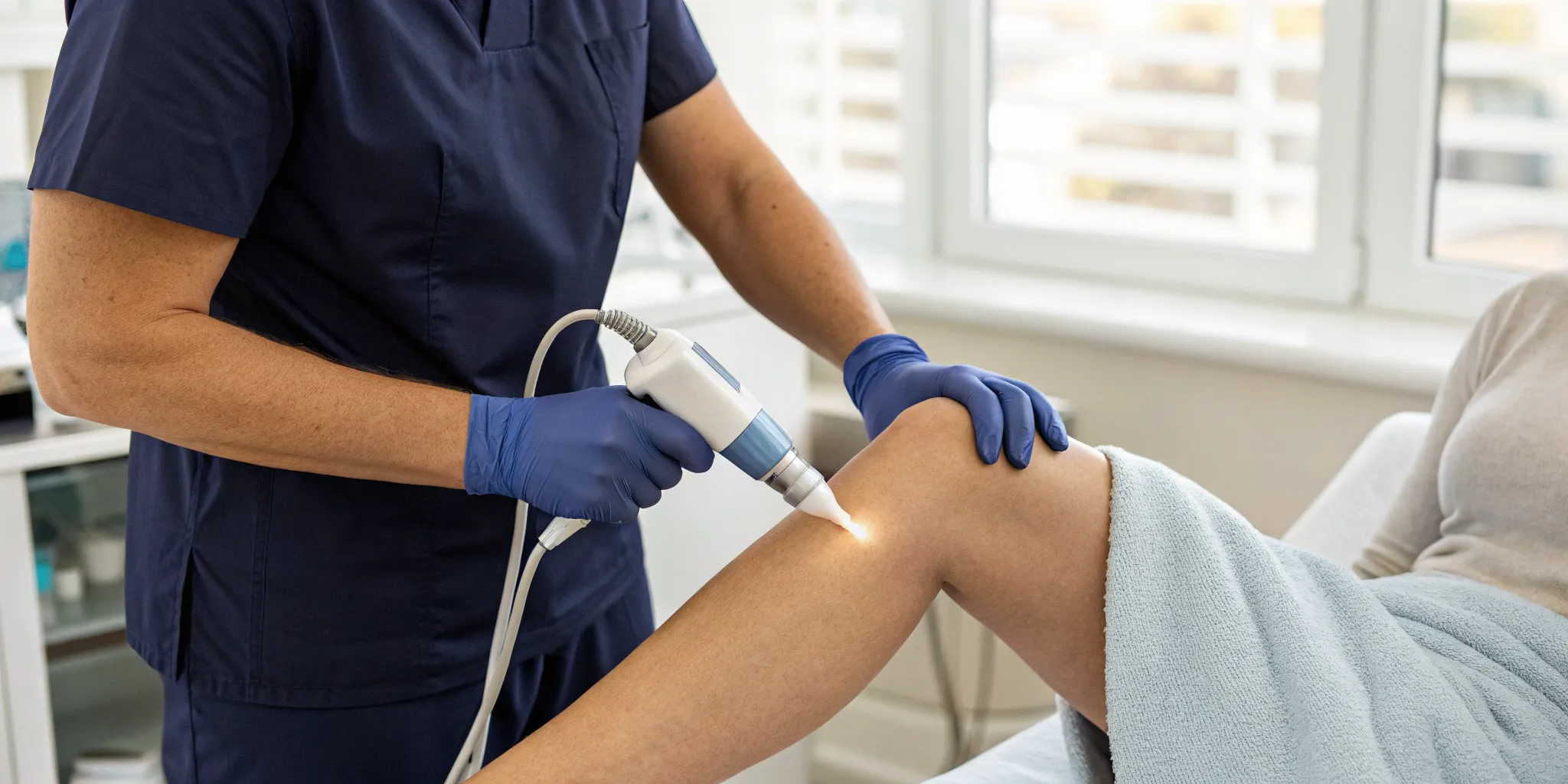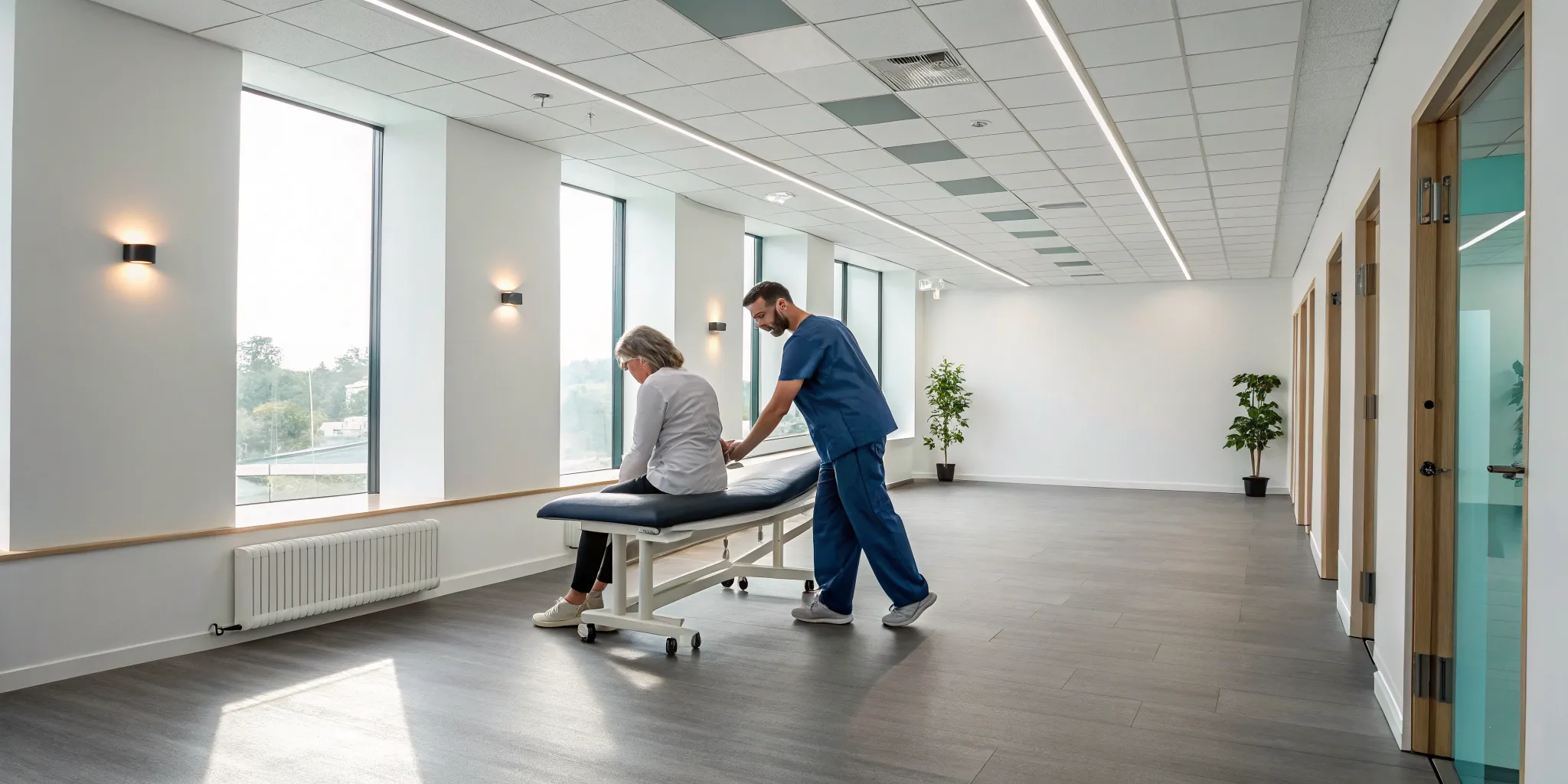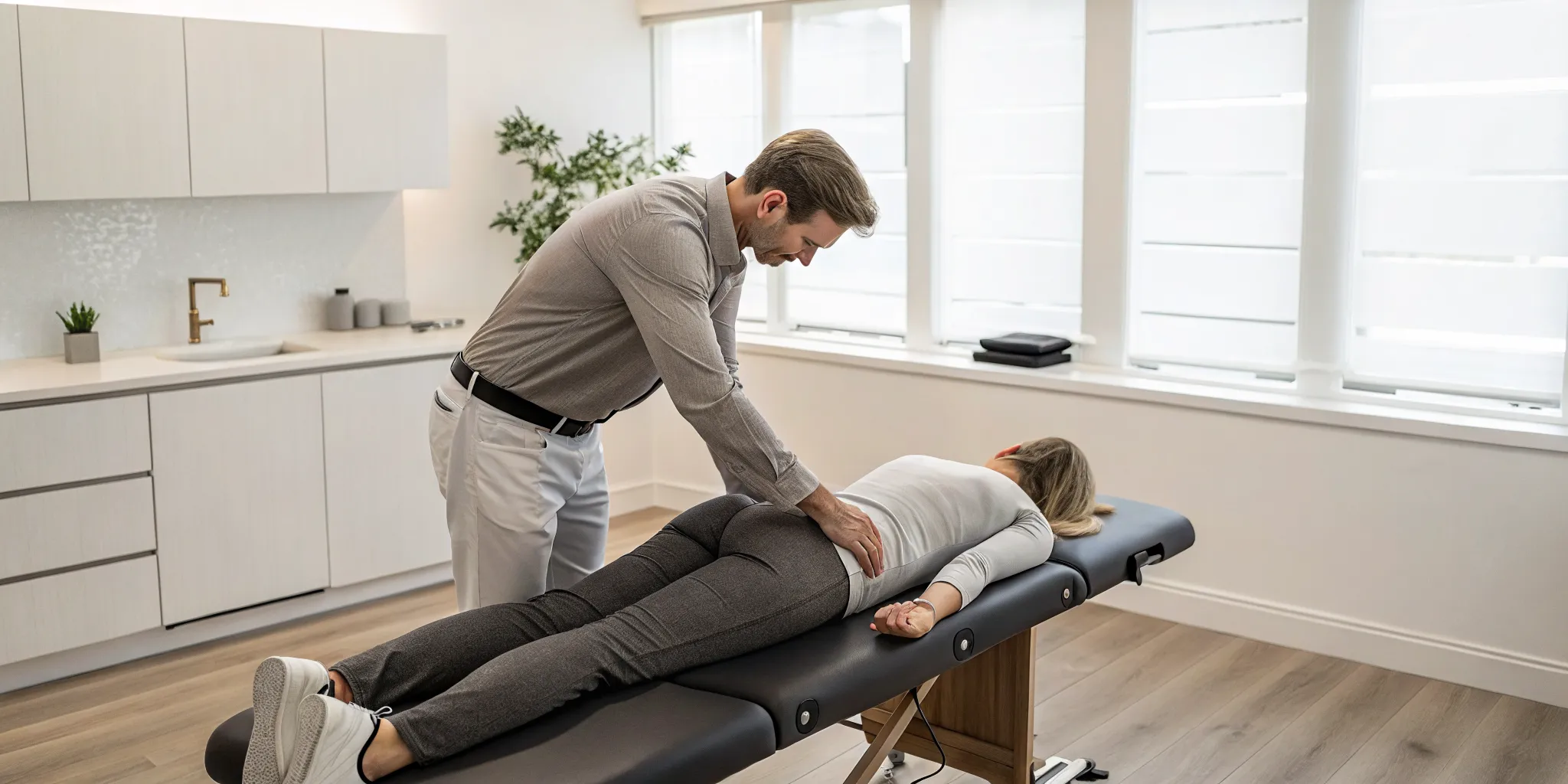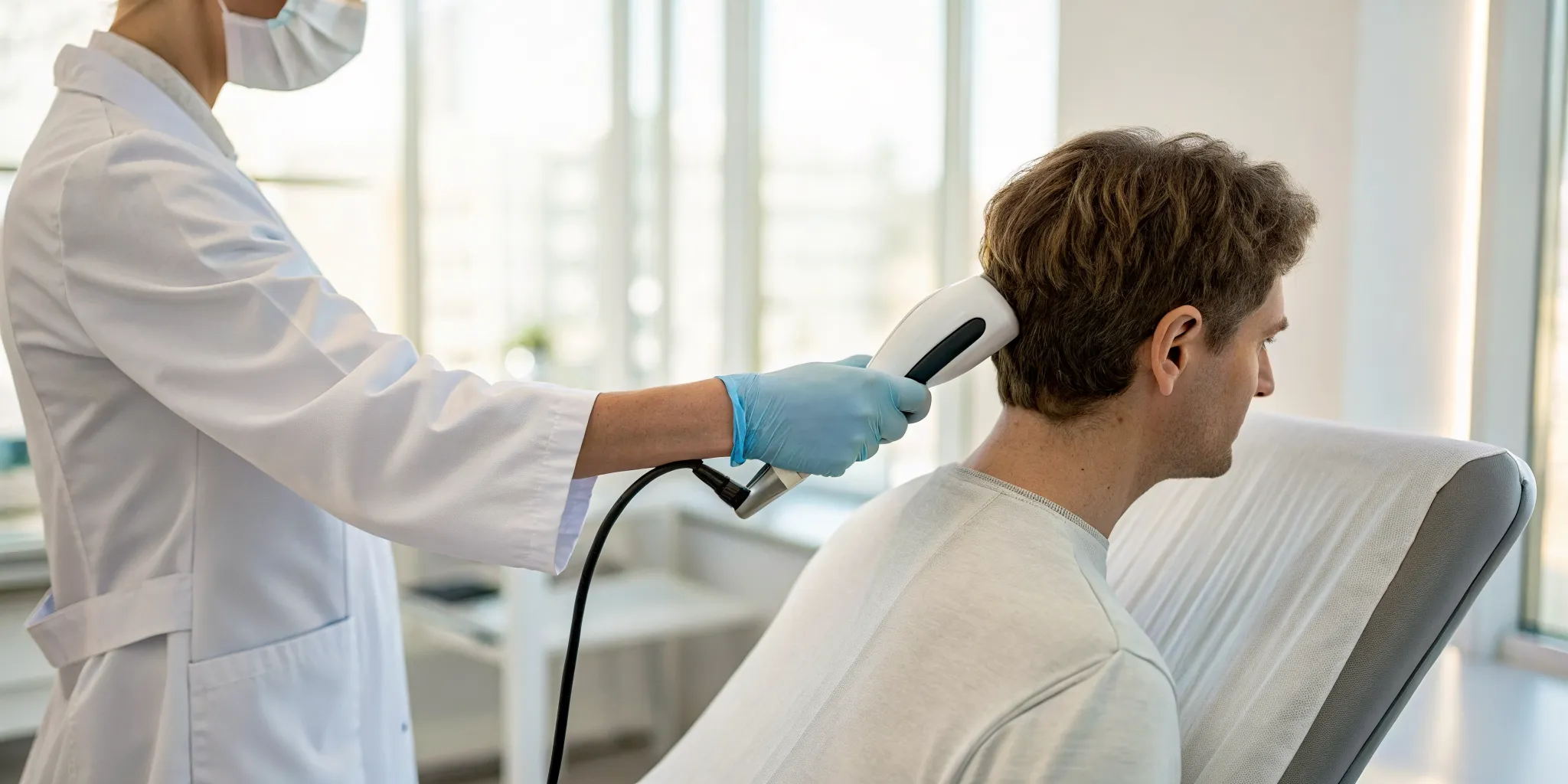
The stories we’re told about getting older can be pretty discouraging, often painting a picture of inevitable decline. It’s easy to believe that aches, fatigue, and a loss of strength are just part of the deal. But what if that narrative is wrong? These common beliefs are largely myths that can hold you back from living your most vibrant life. The concept of functional aging challenges these assumptions head-on. It’s a framework that separates fact from fiction, showing you that you have significant control over your health journey. By focusing on your body’s performance rather than just the number of years, you can rewrite your own story and build a future defined by resilience, clarity, and strength.
Key Takeaways
- Your functional age matters more than the calendar: Your chronological age is fixed, but your functional age, which reflects your body's true performance, can be improved. This gives you direct control over how you feel and function every day.
- Healthy aging is a whole-body effort: Your vitality is directly linked to the health of interconnected systems, including your hormones, gut, and physical strength. Supporting all of these areas together is the key to long-term wellness.
- You can improve your health at any time: It is never too late to build a stronger future through consistent habits like purposeful movement and a nutrient-rich diet. Professional guidance can help create a personalized plan based on the root cause of your concerns.
Functional Age vs. Chronological Age: Why Your Birthday Isn't the Whole Story
Every year, you celebrate another birthday, adding one more candle to the cake. That number is your chronological age, and it simply marks the time that has passed since you were born. But have you ever met someone who seems much younger or older than their age suggests? That’s because your birthday doesn’t tell the full story of your health. Relying only on that number can be misleading and even reinforce unhelpful ideas about what aging should look like.
This is where functional age comes into play. Think of it as your body’s "real" age. It’s a measure of how well you are functioning physically, cognitively, and cellularly. While your chronological age is fixed, your biological age is flexible and influenced by your lifestyle, genetics, and environment. Two people can both be 50, but one might have the energy and mobility of a 40-year-old, while the other feels closer to 60. This difference often comes down to their rate of aging.
Focusing on your functional age is far more empowering than just counting birthdays. It shifts the conversation from "How old are you?" to "How well are you living?" This perspective helps you make better decisions about your health, moving beyond the outdated idea that decline is unavoidable. Instead of accepting aches, fatigue, and brain fog as "normal," you can take proactive steps. Understanding your functional age is a key part of longevity medicine, allowing you to create a personalized strategy to feel your best, no matter what the calendar says.
What Does Healthy Aging Actually Look Like?
When we talk about healthy aging, it’s easy to picture a list of things you shouldn’t be experiencing, like chronic pain or constant fatigue. But what if we flipped the script? Healthy aging isn’t about avoiding the negative; it’s about actively creating a life filled with vitality, purpose, and strength. It’s about having the energy to do what you love, the mental clarity to stay engaged, and the physical ability to remain independent and active for years to come. This isn't some far-off dream; it's a tangible reality built on understanding how your body works.
This vision of aging isn’t based on luck. It’s the result of consistent, positive lifestyle choices that support your body’s incredible ability to heal and thrive. It means looking at your health as a complete system where your physical strength, mental sharpness, and emotional well-being are all connected. At Ascend Functional Health, our entire approach is built on understanding these connections. We see you as a whole person, not just a collection of symptoms. By identifying the root causes of your health concerns, we can create a clear path toward a future where you feel capable, resilient, and full of life, no matter your age.
Staying Strong, Mobile, and Balanced
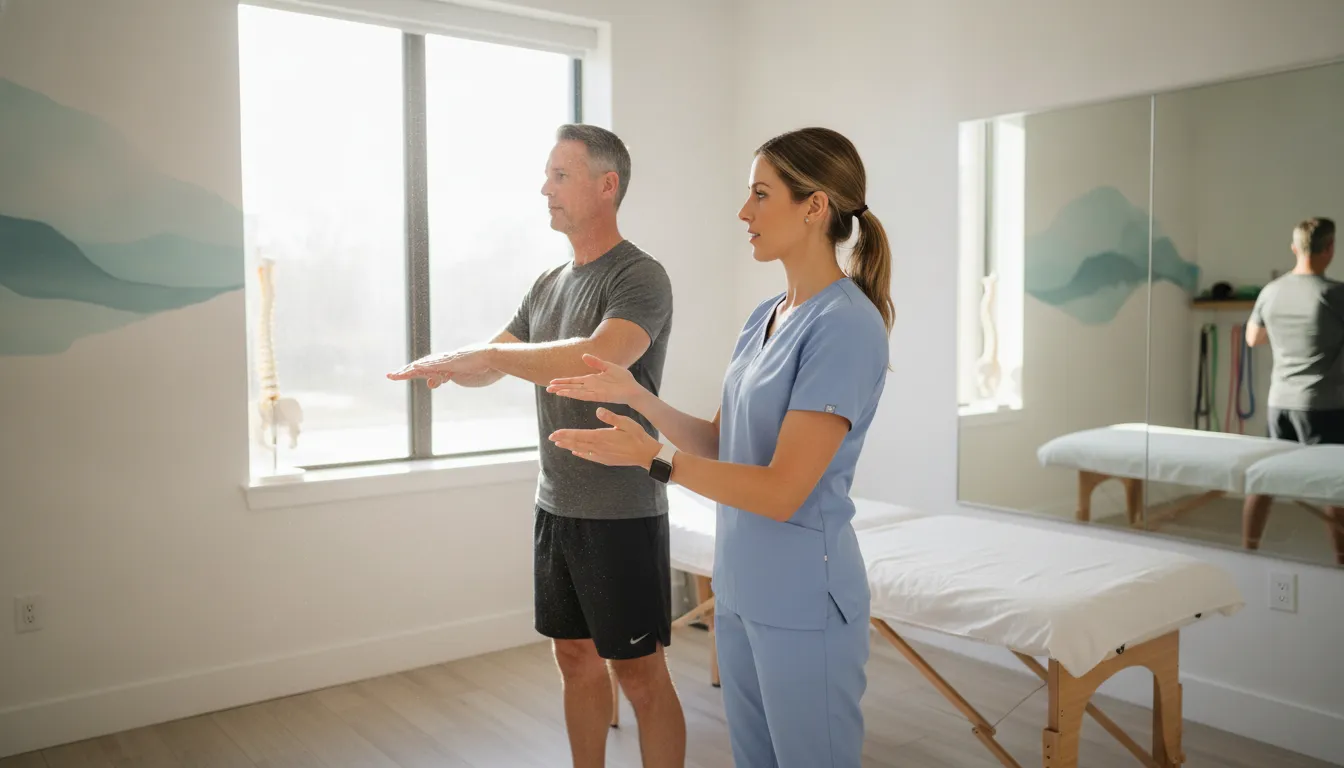
Healthy aging means having the physical freedom to live your life without limitations. It’s the strength to carry your groceries, the balance to walk confidently on any surface, and the mobility to get on the floor to play with your grandkids. As we get older, maintaining muscle mass becomes crucial for this freedom. Ensuring you get enough protein and engage in regular physical activity helps preserve the strength you need for daily tasks. This isn't about becoming a bodybuilder; it's about maintaining your functional strength. Our physical medicine services are designed to help you build and maintain this foundation, so you can continue to move through life with confidence and ease.
Keeping Your Mind Sharp and Focused
A healthy mind is just as important as a healthy body. Cognitive health isn't just about remembering names; it's about staying curious, solving problems, and feeling mentally clear throughout your day. Simple habits can make a huge difference here. For instance, staying properly hydrated is essential, as even mild dehydration can affect your cognitive function. The food you eat and the way you move your body also directly fuel your brain. By making intentional lifestyle choices, you are actively supporting your brain's long-term health and performance. Our functional medicine approach examines these factors to help you keep your mind sharp and focused for the long haul.
The Importance of Connection and Emotional Health
Aging well is not a solo journey. Our emotional health and social connections are fundamental pillars of a vibrant life. Feeling a sense of purpose and belonging can profoundly impact your overall well-being, from reducing stress to motivating you to stay active. Research shows that older adults who exercise regularly report better mental health, highlighting the powerful link between physical activity and emotional resilience. Healthy aging is about creating opportunities to do what you value, surrounded by people who support you. It’s about nurturing relationships and staying engaged with your community, which provides a strong foundation for both mental and physical wellness.
Why Your Functional Age Matters More Than Your Calendar Age
We’re all familiar with chronological age, the number of candles on our birthday cake. But what if that number doesn’t tell the full story of your health? Your functional age is a far more accurate reflection of your well-being. It measures how well your body is performing relative to your actual age. Think of it as your body’s biological performance score. For example, a 50-year-old who is strong, flexible, and full of energy might have the functional age of a 40-year-old. Conversely, someone who feels stiff and fatigued at 50 could have a functional age of 60. While you can’t stop the calendar from turning, you have a surprising amount of influence over your functional age.
Research shows that a person's functional ability is a better indicator of long-term health and survival than the number of chronic conditions they have. This is a powerful shift in perspective. It means that instead of just managing symptoms, we can focus on improving the way our bodies work from the inside out. Understanding your functional age allows you and your health team to make more informed decisions, moving beyond a one-size-fits-all approach to create a plan that supports your unique physiology. This is the core principle of functional medicine, which aims to get to the root of health issues and restore your body’s natural vitality. By looking at the complete picture of your health, we can identify the factors holding you back and create a strategy to help you feel younger than your years.
How Functional Age Impacts Your Day-to-Day Life
Your functional age shows up in the small moments of your everyday life. It’s the difference between feeling stiff and sore in the morning versus waking up with energy. It’s having the strength to carry all your groceries in one trip, the stamina to play with your grandkids at the park, or the balance to enjoy a round of golf without worrying about pain. When your functional age is high (meaning your body is performing older than it is), you might find yourself saying "no" to activities you once loved.
Healthy aging isn’t about avoiding wrinkles; it’s about creating a life that allows you to do what you value most. A lower functional age gives you the freedom and independence to live fully. It means having the physical and mental capacity to pursue your hobbies, stay engaged with your community, and feel present for the people who matter. Many common health conditions can raise your functional age, but addressing them at their source can help you reclaim your daily performance.
Make Smarter Health Choices with Functional Aging Insights
One of the most persistent myths about getting older is that a decline in strength, flexibility, and energy is unavoidable. Many people simply accept these changes as a normal part of life, believing there’s little they can do to stop it. Fortunately, that’s not true. Understanding your functional age helps you see that you have agency over your health. It provides the motivation to make smarter choices that directly impact how you feel and function.
For example, knowing that regular physical activity can significantly improve muscle strength and balance might inspire you to start a consistent movement routine. This isn't just about looking better; it's about protecting your future self. By focusing on improving your body’s performance, you can actively lower your functional age. With targeted support from physical medicine, you can build a stronger, more resilient body at any stage of life and prove that your best years are not behind you.
How Your Hormones Influence the Way You Age
Think of your hormones as the body's internal messaging system. These chemical messengers travel through your bloodstream, telling your tissues and organs what to do. They manage everything from your mood and energy levels to your metabolism and reproductive cycles. As we age, it's completely normal for the production of certain hormones to slow down. This shift is a major reason why we start to experience some of the classic signs of aging, and it can leave you feeling like you're not quite yourself anymore.
Feeling more tired than you used to? Noticing changes in your mood, muscle tone, or sleep patterns? Your hormones are likely playing a role. These changes aren't just random symptoms you have to live with; they are valuable clues about what's happening inside your body. Understanding these hormonal shifts is a cornerstone of functional aging. Instead of just accepting these changes as inevitable, we can learn to support our bodies through them. Our approach to Longevity Medicine focuses on identifying and addressing these hormonal imbalances, helping you feel your best at every stage of life. By looking at the complete picture through comprehensive testing and a personalized approach, we can create a plan that supports your vitality from the inside out.
How Testosterone and Estrogen Affect Your Strength and Vitality
For women, the transition into menopause brings a significant drop in estrogen and progesterone. This is what causes symptoms like hot flashes, night sweats, and mood swings. It can also affect bone density, making bones weaker over time, and influence heart health. For men, testosterone levels tend to decline more gradually with age. This can lead to a loss of muscle mass, persistent fatigue, a lower sex drive, and changes in mood. While these hormonal shifts are a natural part of life, they don't have to diminish your strength or vitality. Recognizing the signs is the first step toward managing them effectively.
Your Thyroid's Role in Energy and Daily Performance
Your thyroid is a small gland with a huge job: it controls your body's metabolism, essentially acting as its engine. When your thyroid hormones are low, your entire system can feel like it's running on empty. This can show up as unexplained weight gain, constant tiredness, and a feeling of mental fog that makes it hard to think clearly. It’s easy to brush these symptoms off as just "part of getting older," but they could be signs of an underactive thyroid. Addressing thyroid health is a key part of our Functional Medicine approach because getting your energy back can completely change your daily experience and long-term well-being.
Balance Your Hormones to Protect Your Future Health
The good news is that you have a lot of power to support your hormonal health through daily habits. Simple, consistent lifestyle choices can make a world of difference. Start by eating a diet rich in whole foods like fruits, vegetables, and healthy fats. Regular exercise, especially a mix of strength training and cardio, is also fantastic for hormone regulation. Finally, don't underestimate the impact of stress and sleep. Finding ways to manage stress and aiming for seven to nine hours of quality sleep each night are fundamental for keeping your hormones in harmony and addressing many of the conditions we treat.
Does Your Gut Health Affect How You Age?
It might surprise you to learn that the key to aging gracefully could be hiding in your gut. We often think about external factors, but what’s happening inside our digestive system plays a massive role in our overall health and vitality over the years. The community of bacteria and other microbes living in your gut, known as the microbiome, is incredibly powerful.
Research shows that a diverse and balanced gut is a common thread among people who experience healthy aging. In fact, studies have found that older adults with more unique gut microbiome patterns tend to be healthier and live longer. As we get older, the composition of our gut microbiota naturally shifts. Supporting its diversity can have a profound impact on everything from our energy levels to our immune response, making it a critical focus for long-term wellness. At Ascend, our functional medicine approach helps you understand and nurture your gut for better health now and in the future.
The Link Between Your Gut and Brain Health
The connection between your gut and brain, often called the gut-brain axis, is a constant conversation happening inside your body. This link doesn't fade with age; if anything, it becomes even more important. The health of your gut microbiome can directly influence neurological function and has been connected to cognitive health in later life. A balanced gut helps manage inflammation and produces essential compounds that your brain needs to thrive. By focusing on gut health, you're not just supporting your digestion; you're taking an active step toward protecting your mental clarity and focus for years to come.
How Gut Health Fuels Your Physical Strength
Feeling strong and energetic is fundamental to enjoying life, and your gut is a key player in maintaining that physical power as you age. A healthy gut microbiome helps your body get the most out of the food you eat, supporting the metabolic responses that can decline over time. This process is vital for maintaining muscle mass and physical function. Research from Duke University School of Medicine highlights that a well-functioning gut supports the body’s natural repair systems and immune response, which are both crucial for staying active and resilient. It’s all about creating an internal environment that helps you feel your best.
Common Myths About Aging You Can Ignore
Let's be honest, the stories we're told about getting older can be pretty discouraging. We see images of decline and fragility, and it's easy to start believing that our best years are behind us. These ideas are often based on outdated myths, not modern science or the reality of what's possible for our health. Believing these myths can hold you back from living a full, vibrant life at every age, creating a self-fulfilling prophecy of limitation. But what if we decided to write a different story?
Functional aging is all about challenging these assumptions. It’s about understanding that while your chronological age ticks up, your biological or functional age doesn't have to follow the same path. By separating fact from fiction, you can take control of your health narrative and focus on what truly matters: building strength, vitality, and resilience for the long haul. We see patients every day who are rewriting their own aging stories, proving that it's possible to feel better at 60 than they did at 40. Let’s clear up a few of the most common misconceptions so you can move forward with confidence and start your own new chapter.
Myth: Decline Is an Inevitable Part of Getting Older
This is probably the biggest myth of all: that getting older automatically means getting weaker, slower, and more fragile. Many people assume that losing strength and flexibility is just a part of the deal, and that trying to stay active is risky. But this belief simply isn't true when you approach movement safely and intelligently. While your body does change, a steep decline is not a foregone conclusion. You have a significant amount of control over how you age physically.
The key is to focus on maintaining muscle mass and mobility through consistent, safe activity. Our approach to physical medicine is built on this principle, helping you build a strong foundation so you can continue doing the things you love without pain or fear of injury.
Myth: It's Too Late to Improve Your Health
It’s easy to think that if you haven't been focused on your health, the ship has already sailed. This couldn't be further from the truth. It is never too late to make positive changes that can dramatically improve your quality of life. In fact, research shows that adults over 50 who exercise regularly report having excellent physical and mental health. Your body has an incredible capacity to adapt and heal at any age.
Starting a new health routine later in life isn't about reversing time; it's about optimizing your vitality for the years ahead. By focusing on smart strategies like hormone balance and targeted nutrition, our longevity medicine protocols help you build a healthier future, no matter when you start.
Myth: Feeling Tired and Alone Is "Normal" for Aging
So many people accept persistent fatigue, low moods, or loneliness as a normal part of getting older. While life brings changes, these feelings are not your destiny. The National Institute on Aging clarifies that depression is not a normal part of the aging process. These symptoms are often signs of an underlying imbalance that can be addressed.
Your mental and emotional well-being are directly connected to your physical health. Issues like chronic fatigue or mood changes can sometimes be traced back to gut health, hormonal shifts, or nutrient deficiencies. Through functional medicine, we can investigate the root causes of these symptoms and create a plan to help you feel energized, connected, and fully yourself again.
Actionable Steps to Improve Your Functional Age
Improving your functional age isn't about finding a fountain of youth. It’s about making small, consistent choices every day that add up to a healthier, more vibrant life. Research shows that our daily habits around movement, diet, and social connection have a powerful effect on how we age. By focusing on these key areas, you can take practical steps to maintain your strength, energy, and independence for years to come.
Think of it as investing in your future self. The goal is to build a lifestyle that supports your body’s natural ability to thrive. This isn't about a complete overhaul overnight. It's about adopting positive habits that contribute to your overall well-being. By making intentional choices, you can prevent the onset of chronic issues and slow functional decline. Let's explore some simple, effective strategies you can start implementing today.
Move with Purpose and Build Strength
Staying active is one of the most important things you can do for your functional health. Regular movement helps you maintain muscle mass, protect your joints, and keep your balance sharp. This doesn't mean you need to run a marathon. The key is finding activities you enjoy and doing them consistently. Think about incorporating more walking into your day, trying gentle yoga, or adding some light strength training to your routine.
Even simple exercises can make a huge difference in preventing falls and maintaining your independence. Research confirms that consistent physical activity is essential for delaying functional decline. Our approach to physical medicine focuses on building a foundation of strength and mobility that supports you through every stage of life, helping you move with confidence and ease.
Eat to Support Your Muscles, Bones, and Brain
The food you eat is the fuel for your body, and choosing the right fuel becomes even more important as you age. A nutrient-dense diet is critical for maintaining your health from the inside out. Focus on getting enough protein to support your muscles, which naturally tend to decline over time. Foods rich in calcium and vitamin D are also essential for keeping your bones strong.
Don't forget about your brain. Healthy fats, like those found in avocados and nuts, can support cognitive function. By focusing on whole, unprocessed foods, you give your body the building blocks it needs to repair itself and function optimally. Our functional medicine programs often start with nutrition, as we know how deeply your diet impacts your overall vitality and long-term health.
Prioritize Sleep, Recovery, and Stress Management
In our busy lives, it's easy to overlook sleep and rest, but they are fundamental to healthy aging. Your body does its most important repair work while you sleep, so getting 7-9 hours of quality rest each night is non-negotiable. If you struggle with sleep, try creating a relaxing bedtime routine, like turning off screens an hour before bed or reading a book.
Managing stress is just as crucial. Chronic stress can take a toll on your body, so finding healthy ways to cope is key. This could be anything from a daily walk in nature to meditation or spending time on a favorite hobby. Adopting these positive lifestyle choices is a core part of healthy aging, and you can find more helpful tips on our blog.
Stay Connected and Keep Your Mind Engaged
Your mental and social well-being are just as important as your physical health. Studies show that older adults who stay socially active and exercise regularly report better mental and physical health. Make an effort to connect with friends and family, join a club, or volunteer for a cause you care about. These connections provide a sense of purpose and belonging that is vital for a happy life.
Keeping your mind sharp is also part of the equation. Challenge your brain by learning a new skill, playing puzzle games, or listening to an educational podcast. Just like your muscles, your brain benefits from regular exercise. Staying curious and engaged with the world around you is a powerful way to support your cognitive health as you age.
Use Technology to Support Your Health Goals
While it may seem counterintuitive, technology can be a fantastic partner in your journey toward healthy aging. From wearable devices that track your steps and sleep patterns to apps that guide you through meditation, there are countless tools available to help you stay on track. These technologies can help create an environment that supports your goals and enables you to do what you value most.
You can use apps to find healthy recipes, join online communities for support, or set reminders to take breaks and move throughout the day. Technology also makes it easier than ever to connect with health professionals who can guide you. If you're ready to take the next step and create a personalized plan, we encourage you to contact us to learn how we can help.
How Functional Medicine Supports Healthy Aging
Functional medicine offers a different path forward, one that’s built on a partnership between you and your health provider. Instead of just managing symptoms as they appear, we focus on understanding your body as a complete, interconnected system. This approach allows us to create a health strategy that’s as unique as you are, using a combination of physical, functional, and longevity medicine.
The goal isn't just to help you live longer, but to ensure those years are filled with vitality, strength, and clarity. It’s about feeling good in your own skin, having the energy to pursue your passions, and maintaining the mental sharpness to stay engaged with the world around you. By focusing on the foundational pillars of your health, we can address the underlying factors that influence how you age. This proactive method helps you maintain your independence and quality of life for years to come, shifting the focus from simply treating illness to actively building wellness. We believe that aging should be a process of gaining wisdom and experience, not losing function and joy. Our role is to provide the tools and support you need to make that a reality.
Look Beyond Symptoms to Find the Root Cause
If you’ve ever been told that feeling tired, achy, or foggy is just a “normal” part of getting older, you know how frustrating that can be. The functional medicine approach challenges this idea. We know that your chronological age, the number of candles on your birthday cake, doesn't paint the full picture of your health. Relying on that number alone can lead to overlooking the real reasons you don't feel your best.
Instead of just treating a symptom like fatigue, we ask why it’s happening. Is it a hormone imbalance? An issue with gut health? A nutrient deficiency? By looking at the whole system, we can identify the root cause and address it directly. This is the core of our functional medicine philosophy: to get a complete picture of your health that goes far beyond a single number.
Create a Personalized Plan with In-Depth Testing
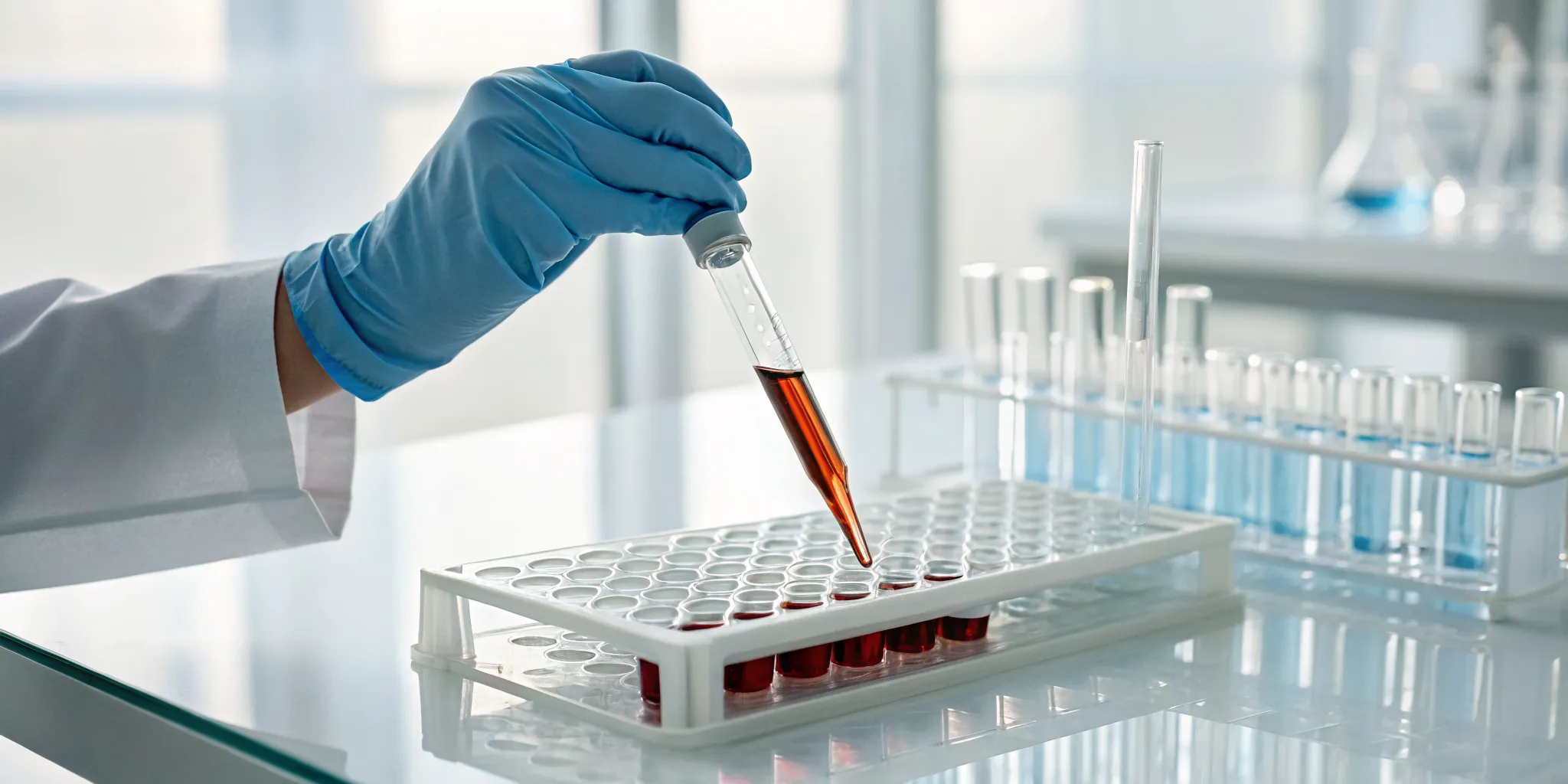
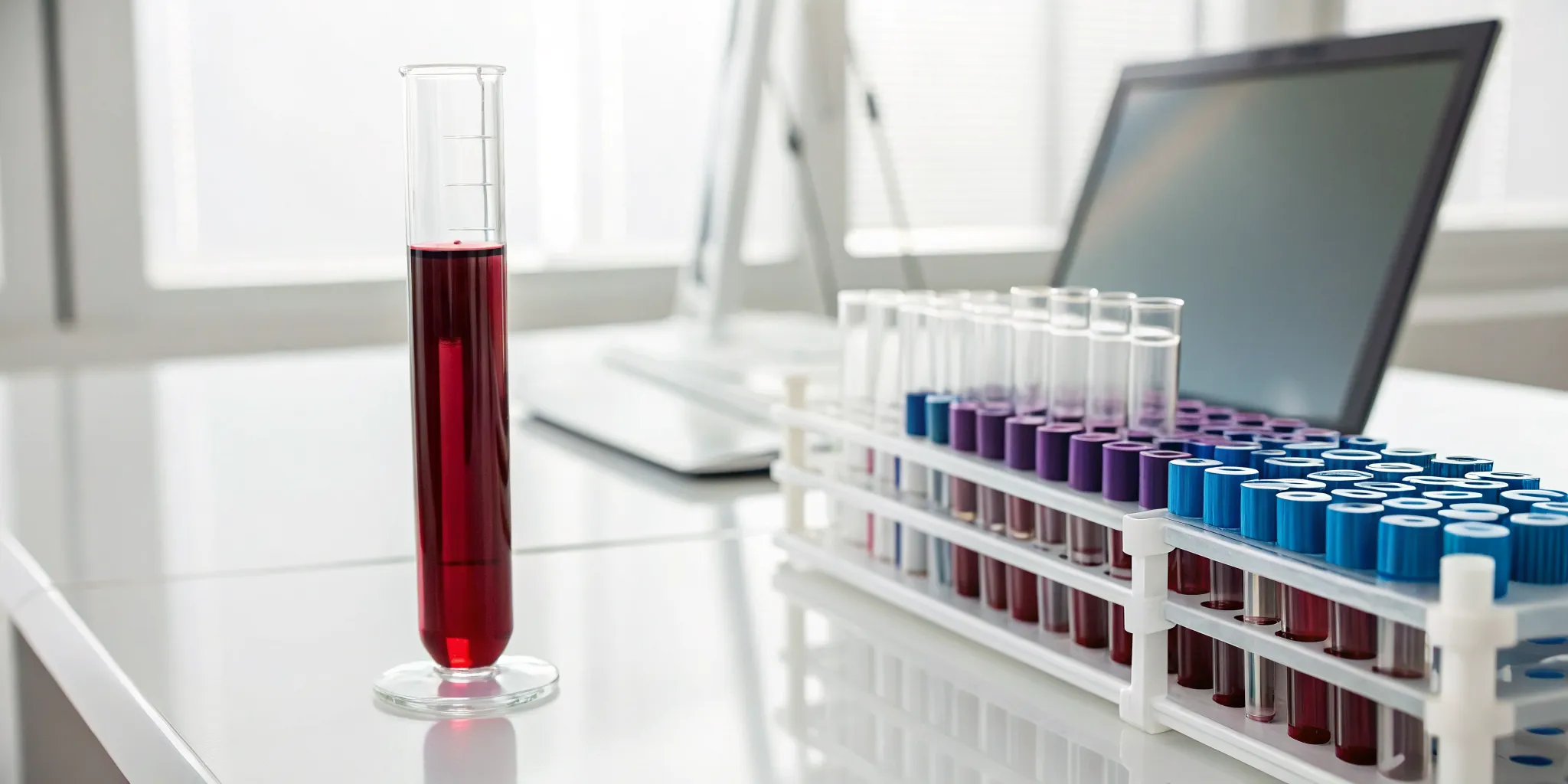
Once we move past chronological age, we can focus on what truly matters: your body’s unique needs. A one-size-fits-all plan simply doesn’t work for long-term health. That’s why we use in-depth testing to get a clear and objective look at what’s happening inside your body. This can include advanced blood work, hormone panels, and gut health analyses that provide a detailed roadmap.
This data allows us to detect and assess any functional declines before they become bigger problems. Based on your results, we create a personalized plan tailored to your specific biology and goals. This isn't about guesswork; it's about using precise information to support your body’s innate ability to heal and thrive, giving you a clear and actionable path to better health. You can learn more about the conditions we treat with this personalized approach.
Improve Long-Term Mobility with Physical Medicine
Staying active and mobile is fundamental to healthy aging. It’s what allows you to keep doing the things you love, whether that’s playing with your grandkids, enjoying a walk on the beach, or simply moving through your day without pain. Promoting healthy functional aging means focusing on keeping you strong and capable. This is where our physical medicine services become so important.
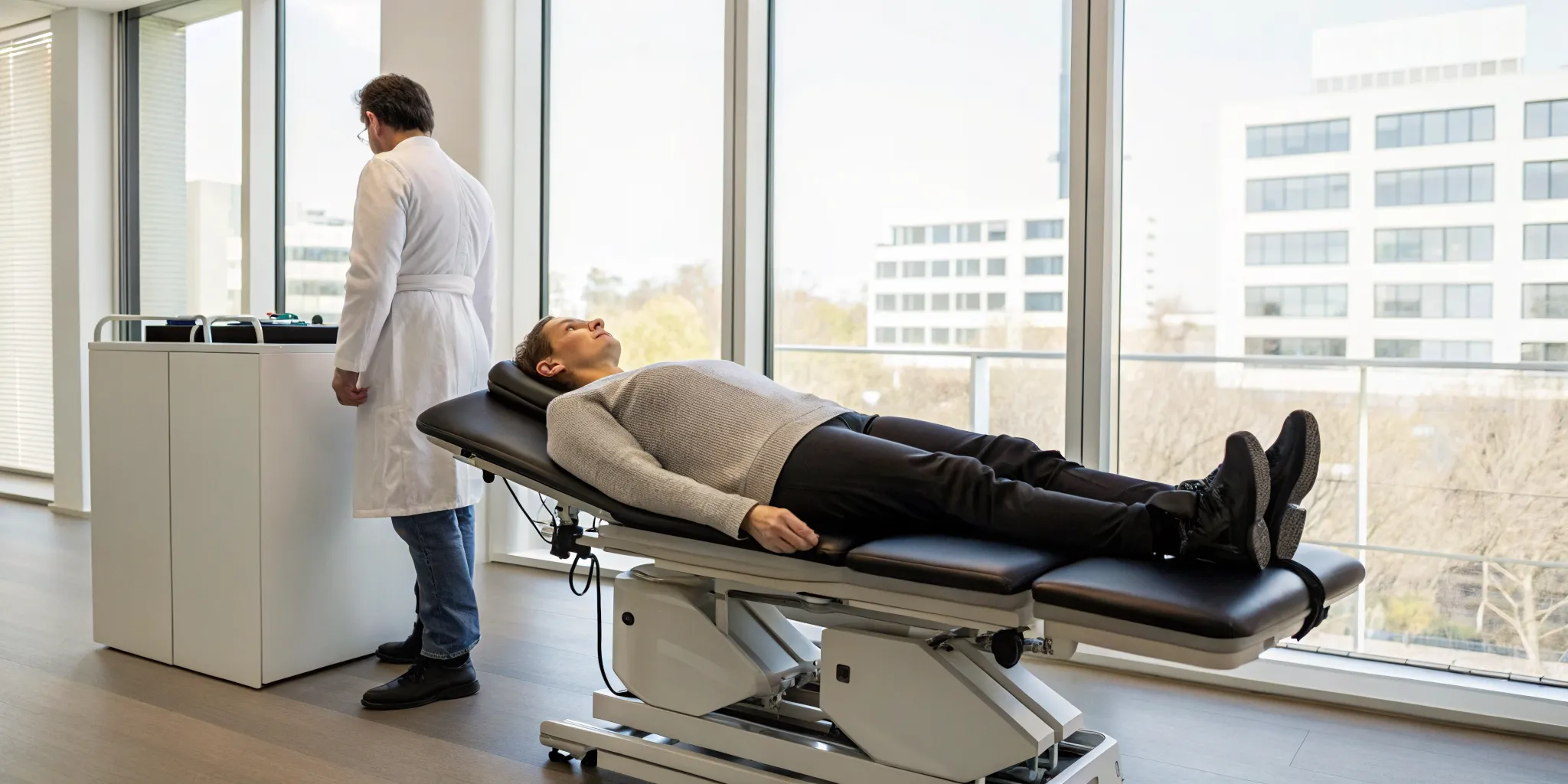
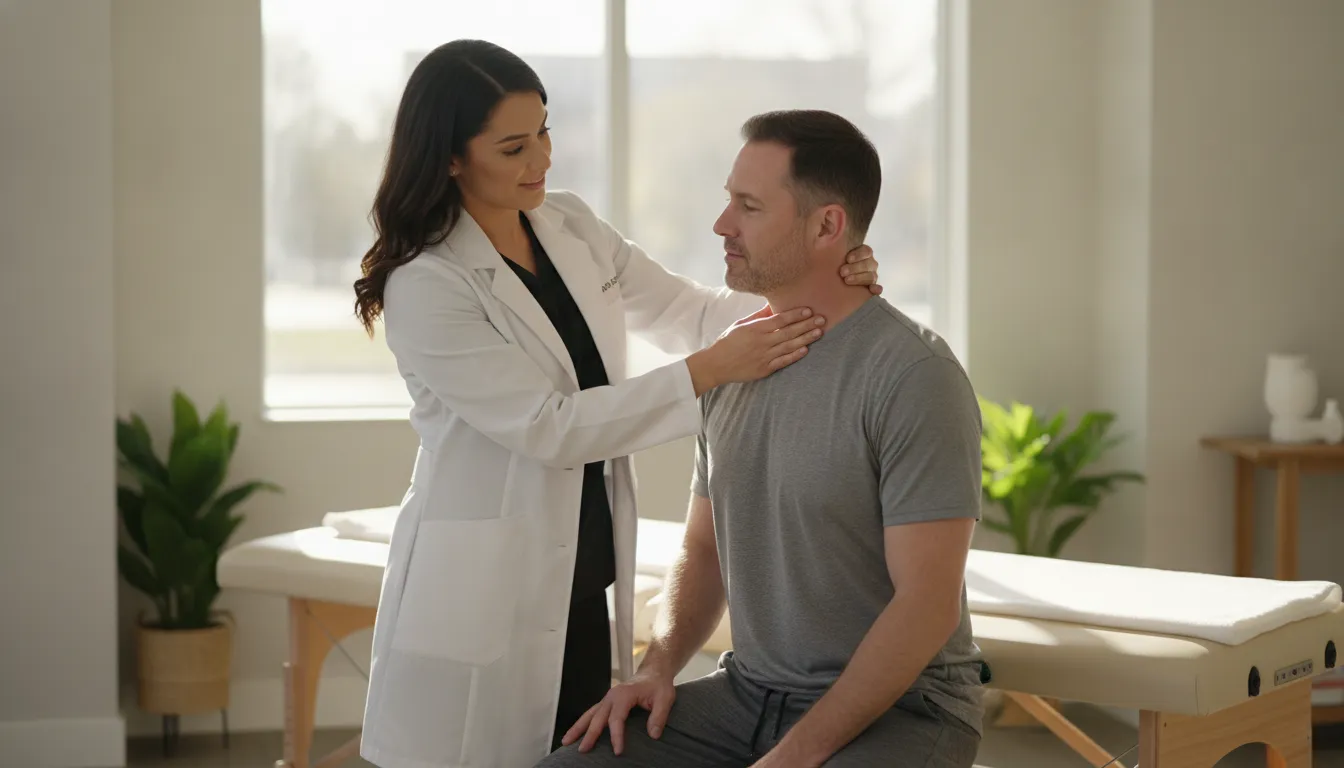
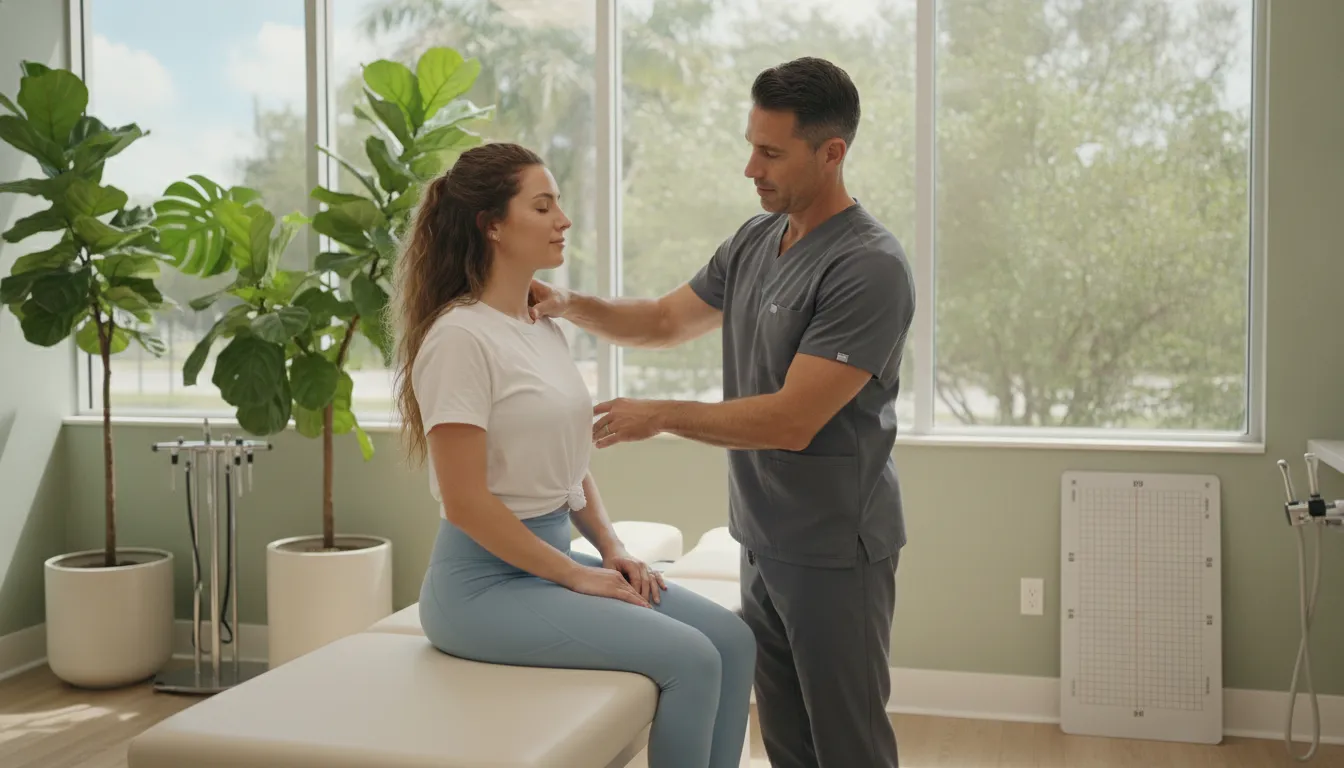
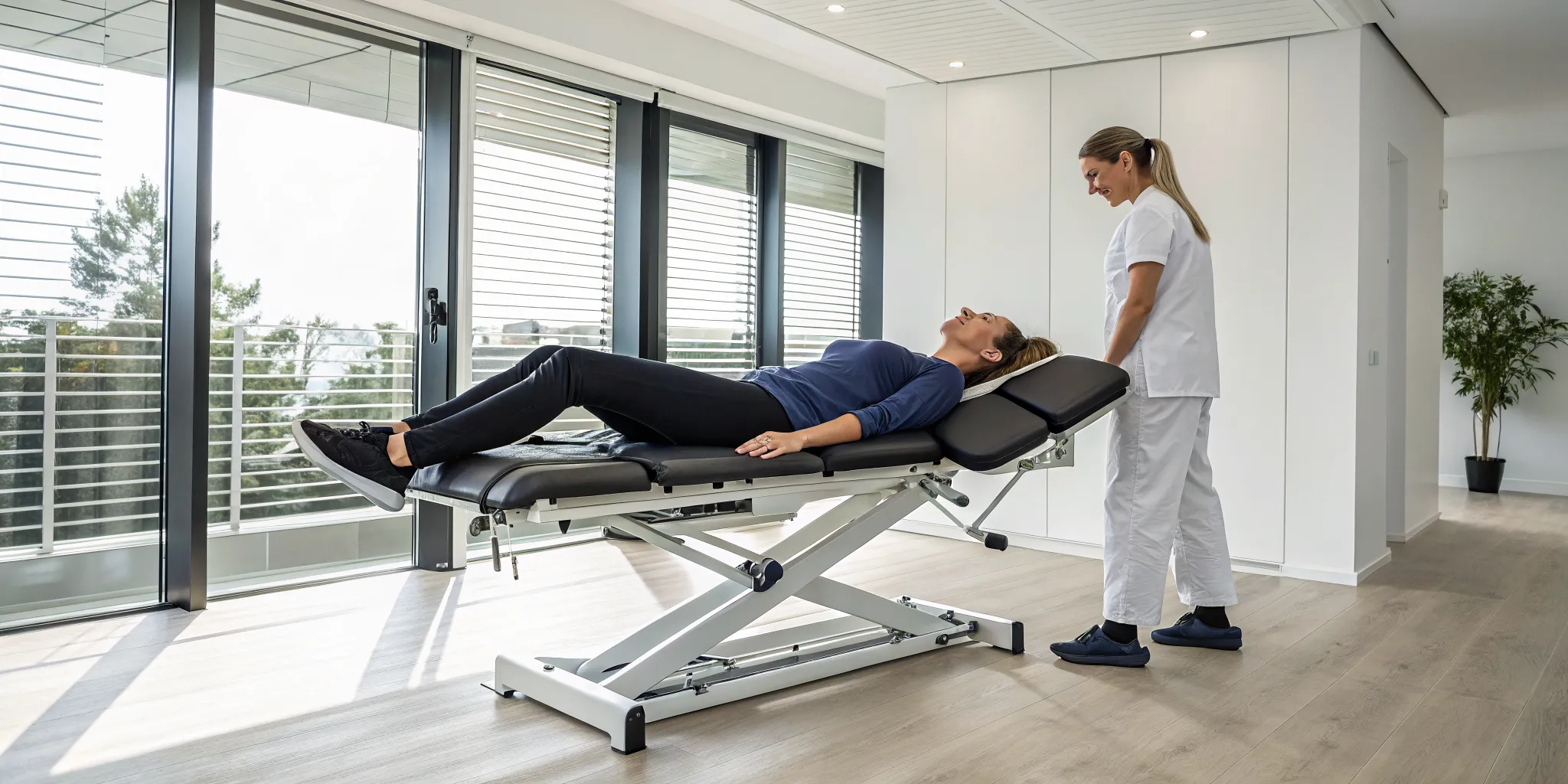
Through targeted chiropractic care, corrective exercises, and other therapies, we work to improve your body’s structural integrity. Our physical medicine protocols are designed to enhance your strength, balance, and flexibility, reducing the risk of injury and improving your overall mobility. By integrating this with balanced nutrition and stress management, we help you build a resilient body that can support you for a lifetime.
When to Get Professional Support for Healthy Aging
While you can do a lot on your own to support your health, sometimes calling in an expert is the smartest move you can make. It’s not about admitting defeat; it’s about being proactive. Recognizing when you need a little extra support is a sign of strength and a key part of maintaining your functional ability for years to come. Think of it as bringing in a guide who knows the terrain and can help you find the best path forward.
So, what are the signs? On a physical level, you might notice that daily tasks feel harder than they used to. Maybe you’re dealing with stiffness when you get out of a chair, finding it difficult to carry groceries, or feeling less steady on your feet. These aren't things you just have to accept. Early and personalized guidance can help you address these changes, improve your strength, and protect your independence.
Your emotional and mental well-being are just as important. If you find yourself feeling persistently down, anxious, or disconnected from others, it’s a signal that something is off-balance. These feelings are not a "normal" part of getting older. Addressing them is fundamental to your overall health, as your mental state directly impacts your physical vitality and your ability to stay engaged with the life you love.
It's also common for your body's needs to shift. The diet that gave you energy a decade ago might now leave you feeling bloated and tired. Your exercise routine might need adjustments to prevent injury while still building strength. Instead of guessing what to do, working with a professional can give you a clear, personalized roadmap. Our approach to functional medicine uses in-depth testing to understand your unique physiology, identify the root cause of these changes, and create a plan that helps you feel your best.
Related Articles
- Performance Longevity: The Ultimate 2026 Guide
- Hormone Imbalances: Signs, Causes & Solutions
- Functional Movement 101: A Beginner's Guide
- What Is Lifestyle Medicine? A Beginner's Guide
- Functional Medicine Doctor: A Patient's Guide
Frequently Asked Questions
What’s the main difference between my chronological age and my functional age? Your chronological age is simply the number of years you’ve been alive, like the number on your driver's license. Your functional age, however, is a much more meaningful measure of your health. It reflects how well your body is actually performing physically and mentally. Think of it as your body’s performance age. While you can’t change your birthday, you have a great deal of influence over your functional age through your daily habits and lifestyle choices.
How do I figure out my functional age? There isn’t a simple online calculator that can give you a single number for your functional age. It’s a comprehensive assessment of your overall health. You can get a general sense of it by honestly evaluating your strength, energy levels, mental clarity, and mobility. For a truly accurate picture, a functional medicine approach uses in-depth testing, like advanced blood work and hormone panels, to see what’s happening on a cellular level. This data helps create a personalized understanding of your body’s unique performance.
I feel like I’ve neglected my health for a while. Is it too late to improve my functional age? Not at all. It is never too late to make a positive impact on your health. Your body has an amazing ability to adapt and heal at any stage of life. The goal isn’t to reverse time, but to build a stronger, more resilient body for the years ahead. Starting with small, consistent changes to your movement, nutrition, and sleep habits can lead to significant improvements in how you feel and function, no matter when you begin your journey.
Besides diet and exercise, what is one of the biggest factors that influences how we age? Your hormones are a major factor that can quietly shape your aging process. Think of them as your body’s internal communication network, managing everything from your energy and mood to your muscle mass. As we get older, it's normal for hormone levels to shift, which can lead to fatigue, brain fog, and other changes. Understanding and supporting your hormonal health is a powerful and often overlooked strategy for feeling your best.
When should I think about getting professional support for healthy aging? It’s wise to seek professional guidance when you notice persistent symptoms that you can’t seem to solve on your own. This could be ongoing fatigue that sleep doesn’t fix, new aches and pains that limit your activities, or a general feeling that you’re not as sharp as you used to be. Instead of guessing what might work, working with an expert can help you identify the root cause of these issues and build a clear, personalized plan to restore your vitality.