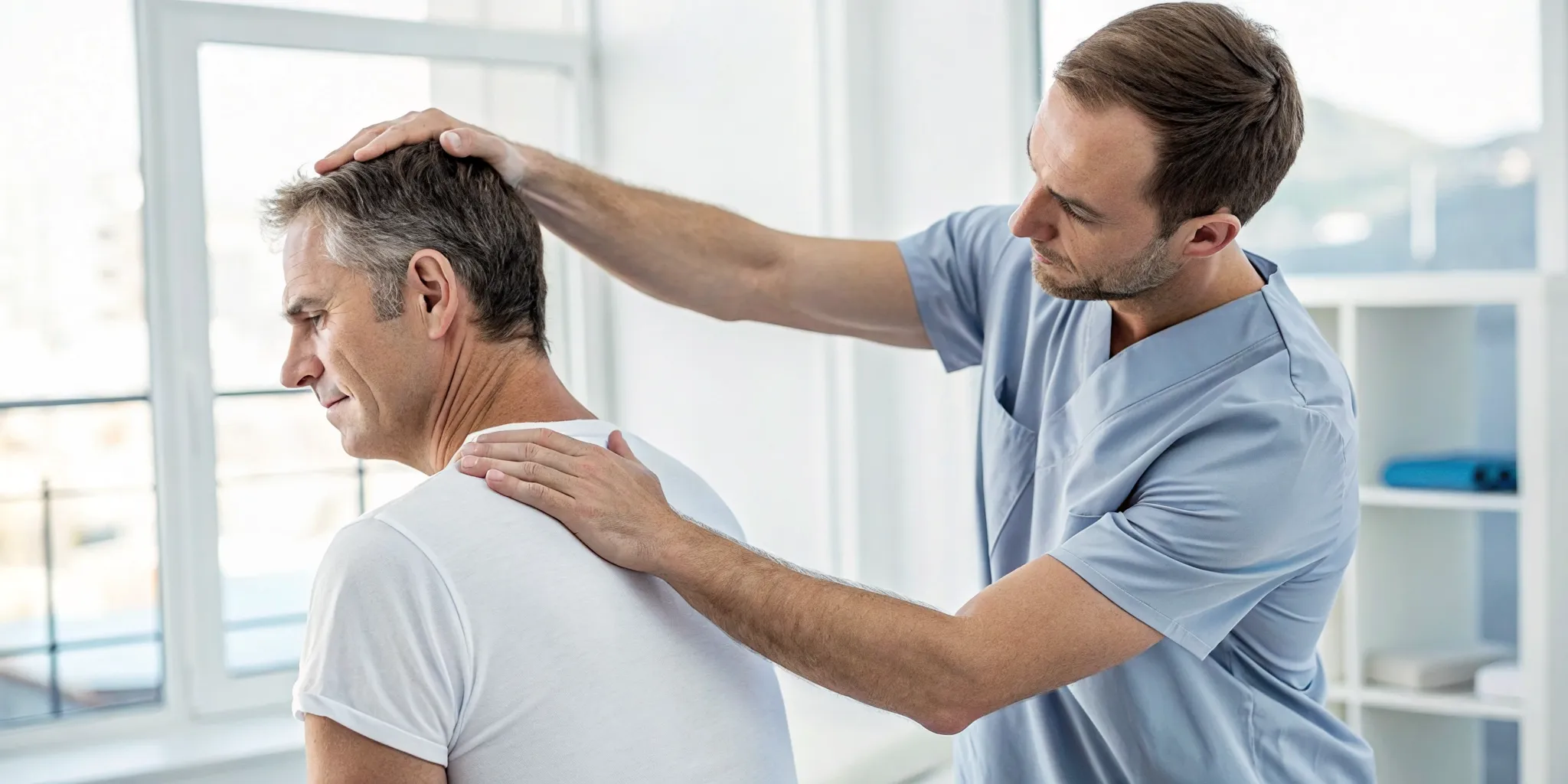
Dealing with a sports injury often feels like a choice between two unsatisfying options: masking the pain with medication or committing to a long, slow recovery process. But what if there was a third path? One that addresses the root cause of your pain without requiring downtime or drugs. This is the principle behind SoftWave therapy for sports injuries. This innovative treatment doesn’t just cover up symptoms; it works at a cellular level to resolve the underlying issue. By stimulating your body’s own stem cells and improving blood flow, it helps repair damaged tendons, ligaments, and muscles, offering a path to genuine, long-term healing.
Key Takeaways
- It works with your body to heal from within: SoftWave therapy uses gentle acoustic waves to activate your body's own stem cells and improve circulation, which helps regenerate damaged tissue at the source of an injury.
- Recovery is faster and non-invasive: The treatment itself is quick, usually 10 to 15 minutes, and requires no downtime, allowing you to address pain and get back to your routine without lengthy interruptions.
- It effectively targets stubborn sports injuries: This approach is a great option for persistent soft tissue conditions common among active people, such as plantar fasciitis, tendonitis, muscle strains, and chronic joint pain.
How Does SoftWave Therapy Work?
If you’re dealing with a nagging sports injury, you’ve probably heard about different treatments. SoftWave therapy stands out because it works with your body’s own healing intelligence. Instead of just managing symptoms, this innovative approach uses sound waves to get to the root of the problem, stimulating repair at a cellular level. It’s a fascinating process that helps your body do what it’s designed to do: heal itself. Let’s look at exactly how it accomplishes this.
The Science Behind Acoustic Waves
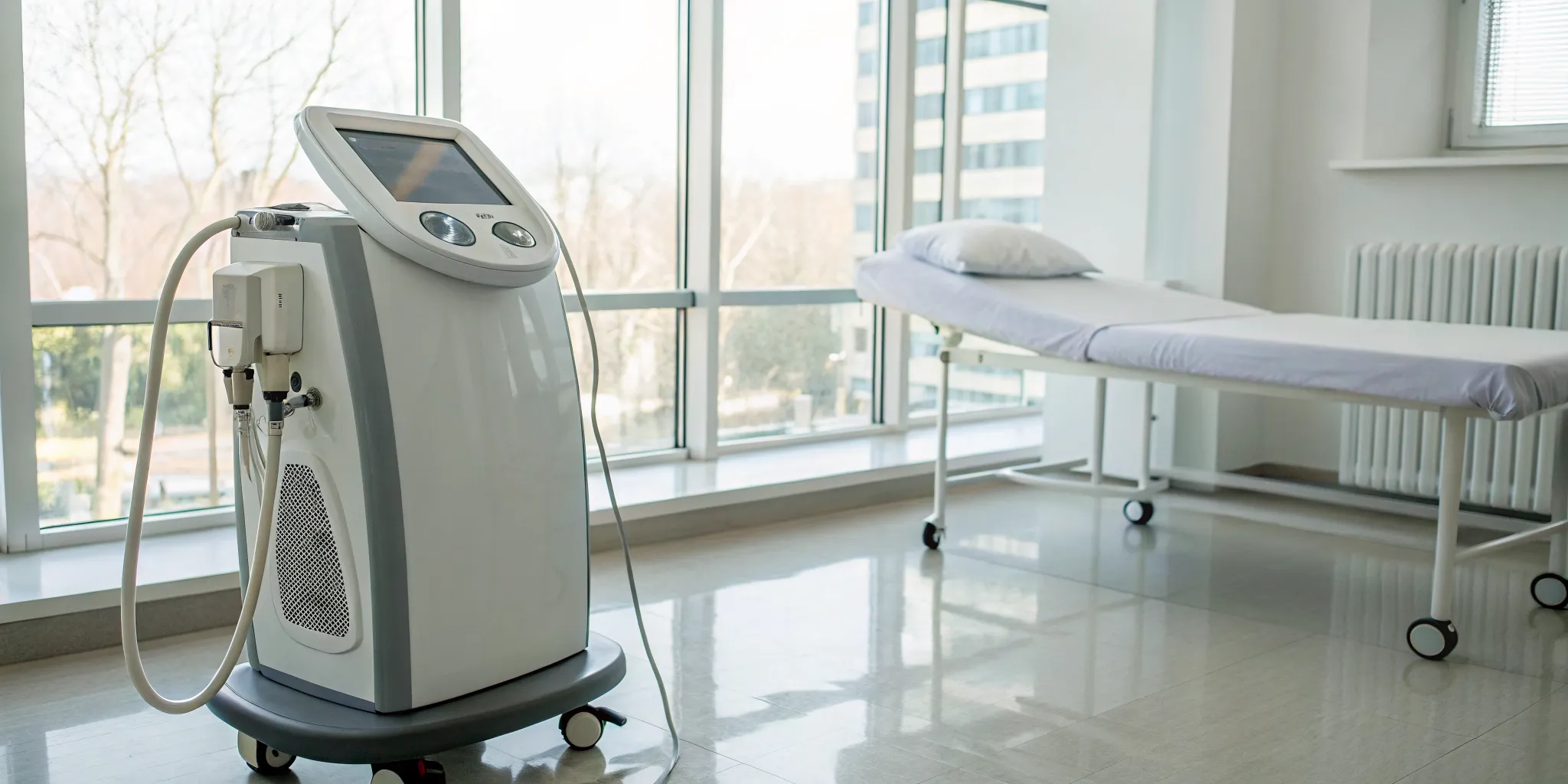
At its core, SoftWave therapy uses a special type of sound wave called an electrohydraulic acoustic wave. This isn't like the ultrasound your doctor might use for imaging; it's a form of mechanical energy. The device sends these gentle, unfocused waves deep into your injured tissue. This process triggers a biological response that essentially wakes up your body’s internal repair mechanisms. It’s an FDA-cleared technology that supports the kind of holistic healing we focus on in our physical medicine programs, helping you recover more effectively without invasive procedures.
SoftWave vs. Shockwave and Ultrasound
It’s easy to get SoftWave confused with other treatments like traditional shockwave therapy or therapeutic ultrasound, but they are quite different. While traditional shockwave uses focused, high-intensity waves that can be uncomfortable, SoftWave uses unfocused, low-intensity waves that cover a much wider and deeper area of tissue. This makes the treatment more comfortable and comprehensive. Unlike ultrasound, which primarily generates heat, SoftWave delivers mechanical energy to stimulate cells. This unique approach allows it to be a powerful stand-alone treatment for many of the conditions we treat.
Activating Stem Cells for Tissue Repair
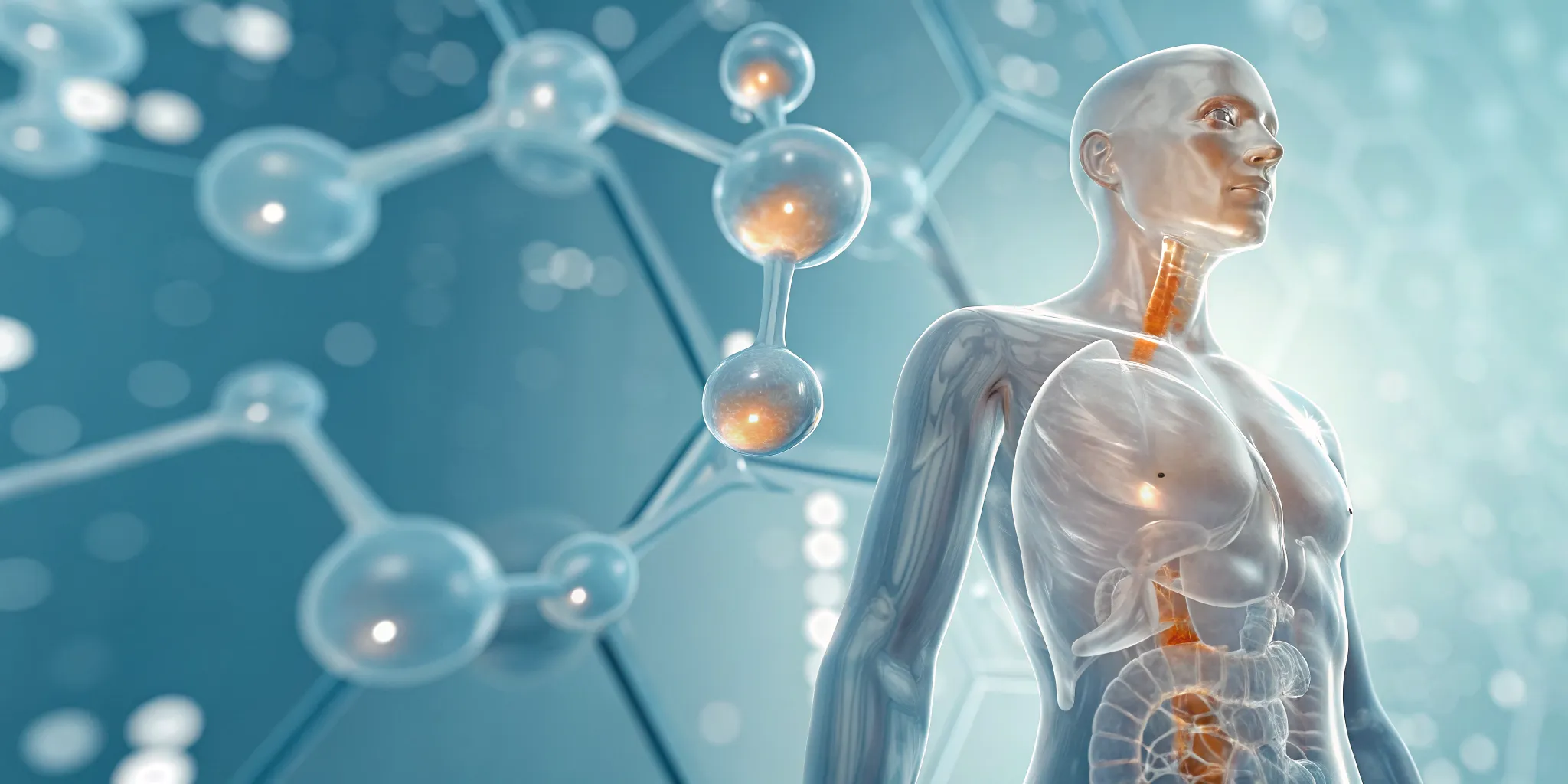
One of the most powerful effects of SoftWave therapy is its ability to recruit and activate your body’s stem cells. Think of stem cells as your personal repair crew. When the acoustic waves reach the injured area, they signal the body to send these healing cells to the site. These stem cells then get to work regenerating damaged tissue, whether it’s a tendon, muscle, or ligament. This cellular-level repair is what makes SoftWave so effective for both new injuries and chronic pain that hasn’t responded to other treatments.
Improving Blood Flow and Breaking Down Scar Tissue
Proper healing requires good circulation, and this is another area where SoftWave shines. The therapy stimulates the formation of new blood vessels, a process known as angiogenesis. This increased blood flow brings more oxygen and vital nutrients to the injured tissue, which speeds up the recovery process and reduces inflammation. At the same time, the acoustic waves help break down restrictive scar tissue and calcifications that can limit your mobility and cause pain. By improving circulation and remodeling tissue, SoftWave helps you regain function and get back to your active life.
What Sports Injuries Can SoftWave Therapy Address?
If you’re an athlete or lead an active lifestyle, you know that injuries are often part of the game. From a nagging ache that won’t go away to a sudden strain that sidelines you, finding an effective path to recovery is key. SoftWave therapy is a versatile tool that can address a wide range of sports-related injuries, whether they’re new or have been bothering you for years. Because it works by stimulating your body’s own healing processes, it’s not just a temporary fix for one specific problem. Instead, it helps manage pain and repair tissue in various parts of the body.
This approach is a core part of our physical medicine services, where the goal is always to find and treat the source of your discomfort. SoftWave therapy is particularly effective for the stubborn soft tissue and tendon injuries that are common in sports. It can help you get back to your activities with more confidence and less pain by supporting your body’s natural ability to heal. Whether you're dealing with chronic joint pain from overuse or a recent muscle strain, this therapy offers a non-invasive way to encourage long-term recovery.
Tendon Injuries and Tendonitis
Tendon injuries, like tennis elbow or Achilles tendonitis, are notoriously persistent. They often develop from repetitive movements that place stress on the tendons, leading to inflammation and pain that can interfere with your performance and daily life. SoftWave therapy is an excellent option for these conditions because it directly targets the inflamed and damaged tissue. The acoustic waves help increase blood flow to the area, which is crucial for healing since tendons naturally have limited blood supply. This process helps reduce inflammation and stimulates the repair of tendon fibers, addressing the root cause of the pain instead of just masking it.
Plantar Fasciitis and Heel Discomfort
That sharp, stabbing pain in your heel when you first step out of bed is a classic sign of plantar fasciitis. This condition can be incredibly frustrating for runners and anyone who spends a lot of time on their feet. SoftWave therapy can provide significant relief by targeting the inflamed plantar fascia tissue on the bottom of your foot. The electrohydraulic acoustic waves break down scar tissue and stimulate a healing response, reducing the inflammation that causes so much discomfort. By promoting tissue regeneration, SoftWave helps you get back on your feet without that constant, nagging heel pain. You can find more information on our approach to various conditions on our blog.
Muscle Tears, Strains, and Sprains
Muscle strains and ligament sprains are some of the most common acute injuries in sports. Whether you pulled a hamstring during a sprint or twisted an ankle on the court, the goal is to heal as quickly and completely as possible. SoftWave therapy can accelerate this process by enhancing your body’s natural repair mechanisms. The treatment improves circulation to the injured muscle or ligament, delivering more oxygen and nutrients needed for recovery. It also helps activate stem cells to regenerate damaged tissue, allowing you to rebuild strength and stability faster than with rest alone. This makes it a valuable part of a comprehensive recovery plan.
Joint Pain from Overuse
Many athletes experience chronic joint pain in their shoulders, knees, or hips due to years of repetitive stress. This type of wear and tear can lead to ongoing inflammation and discomfort that limits your range of motion and performance. SoftWave therapy offers a non-invasive solution for managing this chronic pain. By stimulating blood flow and promoting cellular repair, it helps reduce inflammation and heal the underlying micro-trauma in the joint tissues. This focus on long-term healing can help you manage overuse injuries effectively, so you can continue enjoying your sport for years to come. If you're wondering if this treatment is right for you, we encourage you to contact us to discuss your specific situation.
Why Athletes Choose SoftWave Therapy
For any athlete, from the dedicated weekend runner to the seasoned professional, pushing your body to its limits is part of the game. But with that drive comes the risk of injury, which can sideline you for weeks or even months. When an injury happens, the goal is always to get back to your sport as quickly and safely as possible. Traditional approaches often involve long rest periods or treatments that only mask the pain, but athletes are increasingly seeking out solutions that do more than just offer a temporary fix. They want treatments that support the body’s own healing mechanisms and deliver lasting results.
This is why so many athletes are turning to SoftWave therapy. It’s a cutting-edge approach that helps you recover from injury and manage the physical stress of training without putting your life on hold. Instead of just covering up symptoms, SoftWave gets to the heart of the problem by stimulating your body’s natural repair processes at a cellular level. It’s a way to address the nagging aches and acute injuries that can hold you back from reaching your full potential. By promoting true tissue regeneration, this therapy helps you build a stronger, more resilient body. It’s an ideal solution for the many conditions we treat that commonly affect active individuals, helping you heal correctly the first time and get back to doing what you love.
Supports Faster Recovery
When you’re on a strict training schedule, any amount of downtime can feel like a major setback. SoftWave therapy helps you get back on your feet faster. Athletes consistently report that they recover more quickly from intense training, competitions, and injuries when incorporating this treatment into their routine. This is especially true for managing the chronic strain of overuse.
By stimulating your body’s natural healing response, SoftWave reduces the recovery period needed after physical exertion. This means less time spent waiting for soreness and stiffness to fade and more time dedicated to honing your skills. This approach is a core part of our Physical Medicine services, designed to help your body perform and recover optimally, allowing for more consistent and effective training.
Offers Pain Relief Without Medication
Many athletes are rightfully cautious about relying on pain medication. While it can offer temporary relief, it often just masks the underlying issue and can come with unwanted side effects. SoftWave therapy provides a powerful alternative for managing discomfort. It works by reducing inflammation and promoting the regeneration of healthy tissue, which addresses the source of the pain directly.
Instead of just silencing your body’s pain signals, this treatment helps resolve the damage that’s causing them in the first place. This leads to genuine, lasting relief that you can feel. It’s an approach that aligns perfectly with a holistic view of health, focusing on helping your body heal itself from the inside out. Our comprehensive services are all built on this principle of finding and fixing the root cause.
Non-Invasive Treatment with No Downtime
One of the biggest advantages of SoftWave therapy is that it’s completely non-invasive. For an athlete, the thought of a procedure that involves incisions and a long recovery period is a worst-case scenario. SoftWave treatments are performed externally, are very well-tolerated, and require absolutely no downtime.
You can walk out of your session and get right back to your day without interrupting your life or training schedule. This makes it an incredibly practical and effective option for active people who need to stay on the move. At Ascend Functional Health, our entire approach is centered on providing effective care that works with your lifestyle, and SoftWave is a perfect example of that commitment.
Focuses on Long-Term Healing
A quick fix might get you through the next game, but it won’t support your long-term athletic goals. SoftWave therapy is designed to do more than just patch you up; it’s focused on creating lasting healing. The acoustic waves trigger a response deep within your tissues, activating your body’s own stem cells and improving blood flow to the injured area.
This process doesn’t just repair damage, it helps rebuild stronger, more resilient tissue. This is key to preventing the same injury from happening again down the road. By addressing injuries at the source, you’re investing in your body’s future performance and your overall health. This aligns with our Functional Medicine philosophy, which prioritizes sustainable wellness over temporary solutions.
Is SoftWave Therapy a Safe Option for Athletes?
When you’re sidelined by an injury, your top priority is getting back to your sport safely and effectively. It’s natural to have questions about any new treatment, especially when it comes to your body. The good news is that SoftWave therapy is a non-invasive approach that works with your body’s natural healing processes. It’s an FDA-cleared technology that has been studied for its safety and effectiveness.
Unlike procedures that require incisions or injections, SoftWave uses patented acoustic waves to stimulate healing from within. This focus on regenerative principles is a core part of our physical medicine approach. For athletes looking to avoid downtime and support their body’s recovery, SoftWave presents a compelling option that aligns with a holistic view of health and performance. Let’s look at the specifics so you can feel confident about your treatment choices.
Understanding the Side Effects
One of the most common questions we hear is, "Are there any side effects?" Because SoftWave therapy is a non-surgical and needle-free treatment, the risk of complications is very low. It uses unfocused acoustic waves to gently prompt your body’s own healing mechanisms. Most people who receive SoftWave treatments do not experience any adverse side effects. You might feel some mild soreness in the treatment area, similar to what you’d feel after a deep tissue massage, but this typically fades quickly. The goal is to stimulate repair without causing additional stress to the injured tissue, making it a well-tolerated option for most people.
Are You a Good Candidate for SoftWave?
SoftWave therapy is particularly effective for athletes and active individuals dealing with a wide range of soft tissue injuries and chronic conditions. If you’re struggling with nagging pain from tendonitis, plantar fasciitis, or a muscle strain that just won’t heal, you could be an excellent candidate. This therapy is suitable for people of all ages and can be used on sensitive areas where other treatments might be too intense. Because it helps address the root cause of pain by repairing tissue, it’s a great fit for anyone looking for a long-term solution rather than a temporary patch. We see it help people with many of the conditions we treat here at our Tampa clinic.
When to Consider Other Options
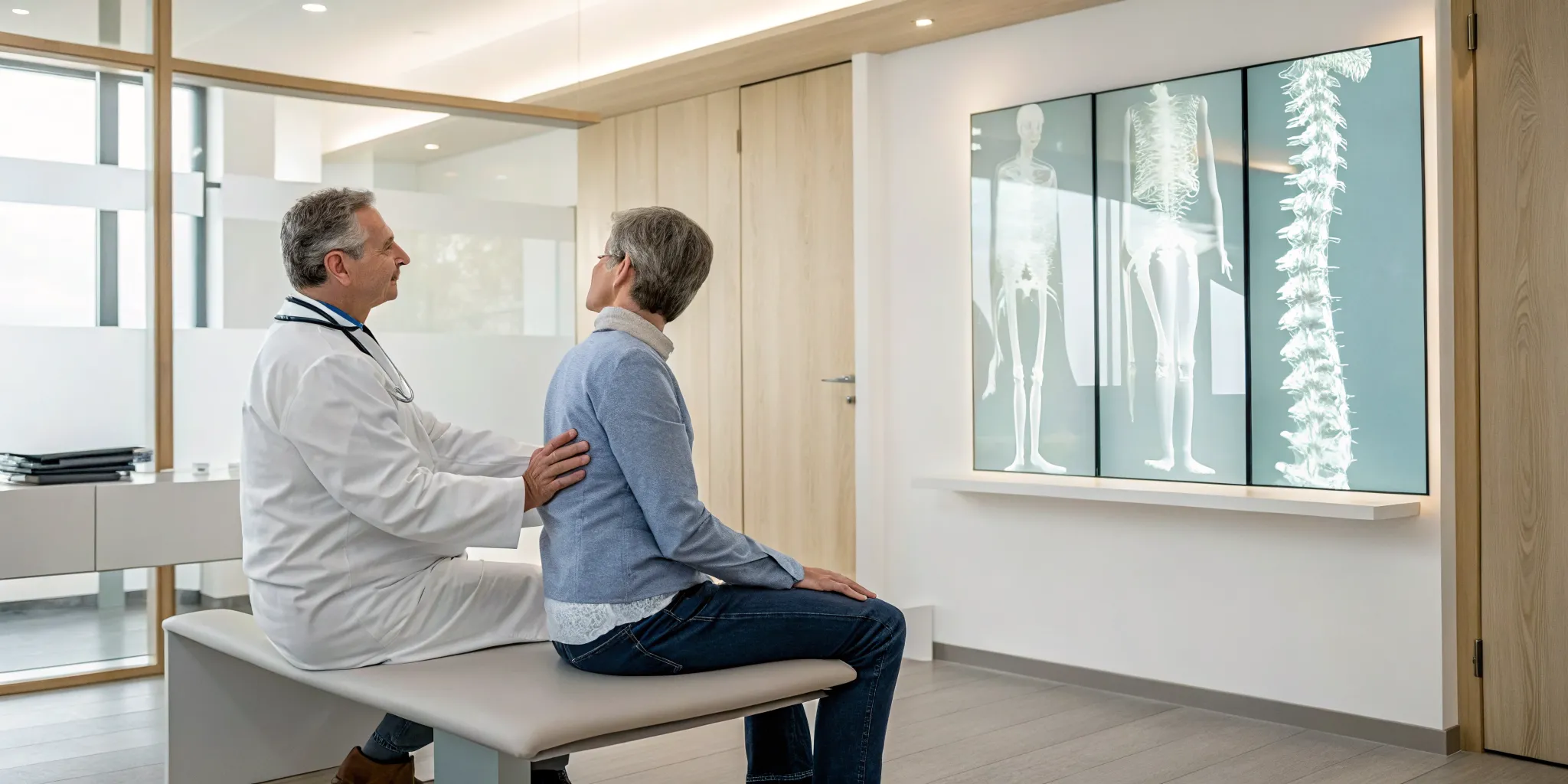
While SoftWave is a powerful tool for healing, it’s important to have a comprehensive plan tailored to your specific injury. Traditional first-line approaches like rest and ice can be helpful initially, but they often require weeks or months to provide lasting results. SoftWave can accelerate this timeline significantly. The best way to determine the right path for your recovery is to have a thorough evaluation. A one-on-one consultation allows us to understand your unique situation and health goals. From there, we can create a personalized protocol that may include SoftWave, corrective care, or other functional health strategies to get you back in the game. If you're ready to explore your options, we encourage you to contact us to schedule a visit.
A Look at SoftWave vs. Other Injury Treatments
When you're dealing with an injury, it's easy to feel overwhelmed by the different treatment options available. You want something that not only feels good but actually helps you heal for good. SoftWave therapy stands out because it works with your body to repair damage from the inside out. It’s a different approach compared to more traditional methods. Let's take a look at how SoftWave stacks up against physical therapy, pain medication, and surgical procedures so you can make an informed decision about your recovery.
SoftWave Therapy vs. Physical Therapy
Physical therapy is a cornerstone of injury recovery, focusing on exercises and stretches to rebuild strength and improve mobility. SoftWave therapy complements this process beautifully. While physical therapy works on the functional movement of your muscles and joints, SoftWave targets the injury at a cellular level. It uses acoustic waves to stimulate your body’s natural repair mechanisms, which can speed up tissue regeneration.
Think of it this way: SoftWave helps lay a healthier foundation for healing, making your physical therapy exercises more effective. It’s particularly useful for chronic conditions and soft tissue injuries that have been slow to respond to other treatments. By combining SoftWave with our physical medicine approaches, we can create a comprehensive plan that addresses both the root cause and your functional recovery.
SoftWave Therapy vs. Pain Medication
Relying on pain medication can feel like putting a bandage on a problem that needs stitches. While it might offer temporary relief, it doesn't address the underlying injury. This is where SoftWave therapy offers a completely different path forward. As a drug-free solution, it doesn't just mask your symptoms; it actively promotes healing within the damaged tissue. This process helps reduce inflammation and provides lasting relief by fixing the source of the discomfort.
Instead of managing pain, you’re resolving it. This approach aligns with our goal of finding the root cause of your health concerns. By stimulating your body’s own healing abilities, SoftWave helps you move away from a cycle of medication and toward genuine, long-term recovery for many of the conditions we treat.
SoftWave Therapy vs. Surgical Procedures
The thought of surgery can be daunting, often involving a lengthy recovery period and potential complications. SoftWave therapy presents a powerful, non-invasive alternative for many sports-related injuries. This regenerative treatment uses unfocused shockwaves to stimulate healing deep within your tissues without ever breaking the skin. There’s no downtime, so you can walk out of your appointment and get back to your day.
For athletes and active individuals, this is a huge advantage. SoftWave can help you avoid more invasive procedures by encouraging your body to repair itself, reducing pain and improving mobility. Many of our patients find that this innovative technology helps them get back to their sport faster and stronger. It's a key part of the advanced services we offer to support your body's innate ability to heal.
What to Expect During Your SoftWave Session
If you’re considering SoftWave therapy, you probably have a few questions about what the process actually involves. Knowing what to expect can help you feel confident and prepared for your appointment. The entire experience is designed to be straightforward and comfortable, getting you in and out of the office quickly so you can get back to your day. From the length of the session to the sensations you’ll feel, here’s a simple breakdown of what your SoftWave treatment will look like.
Session Length and Recommended Frequency
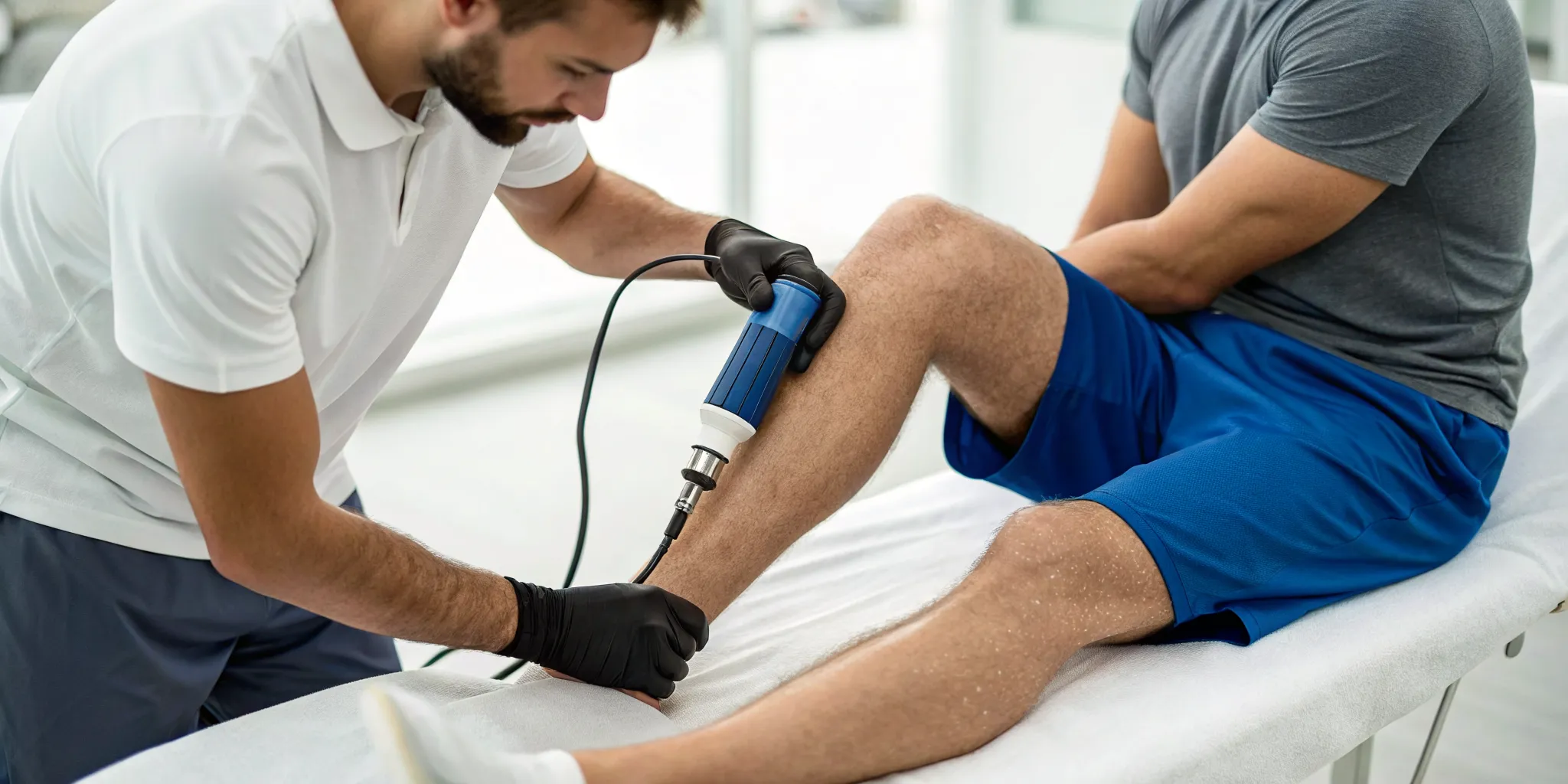
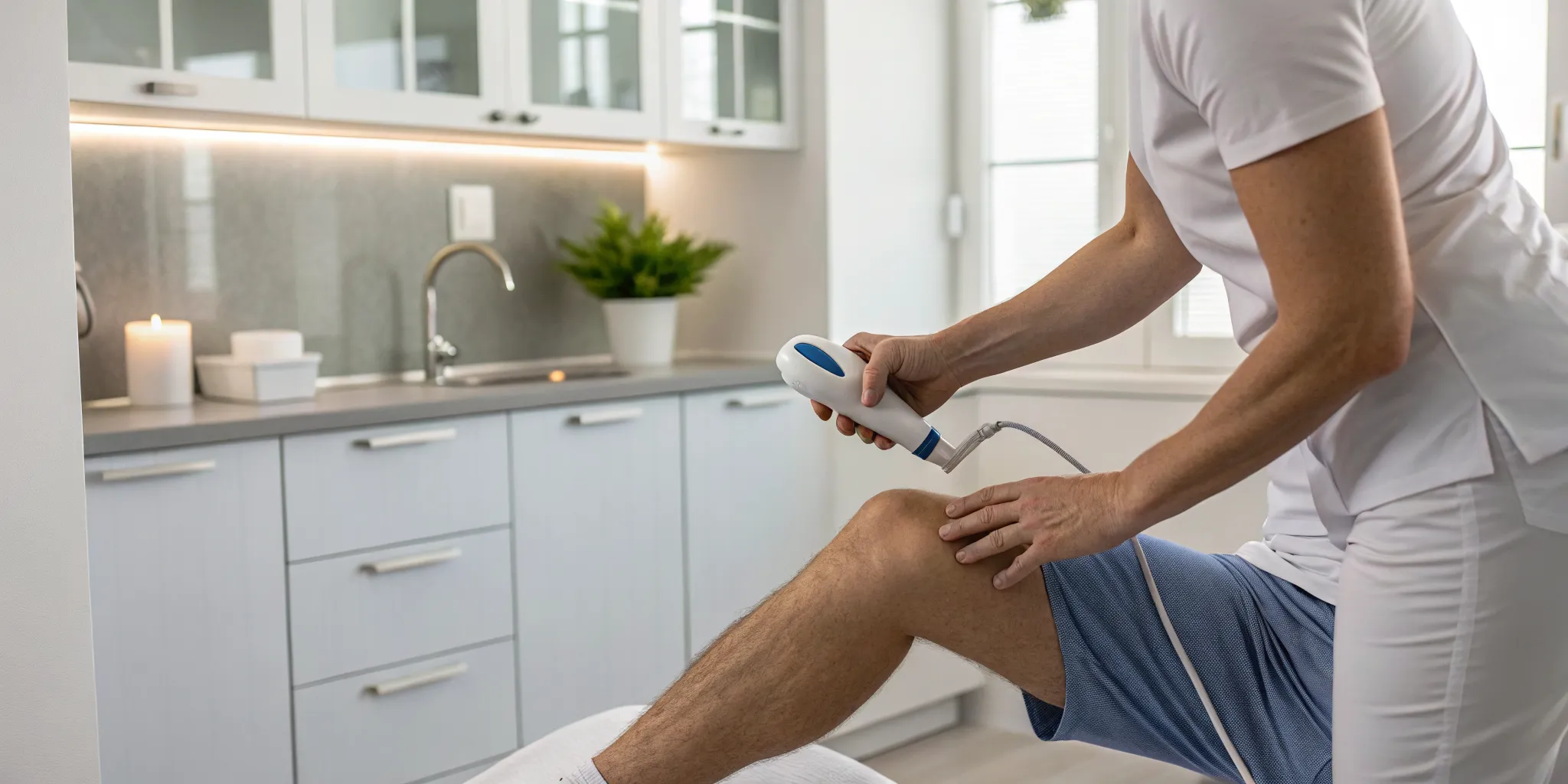
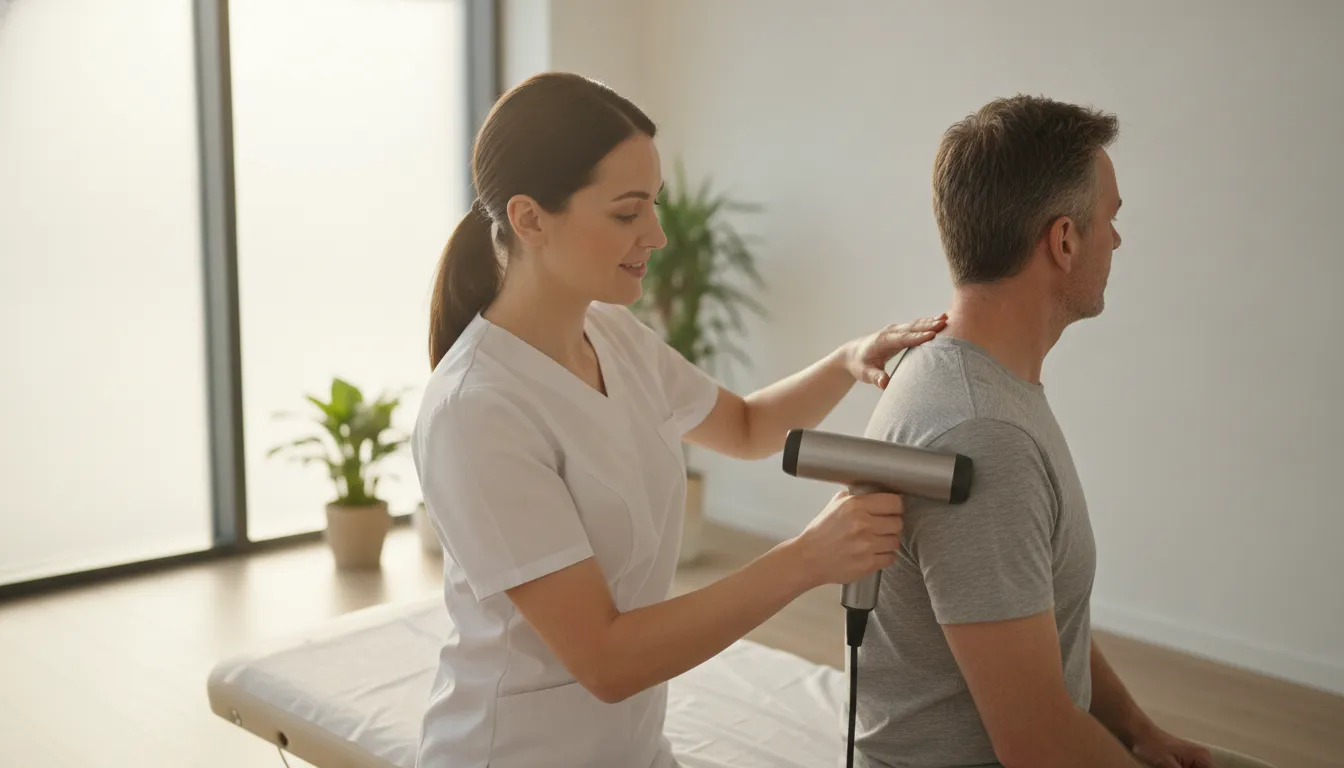
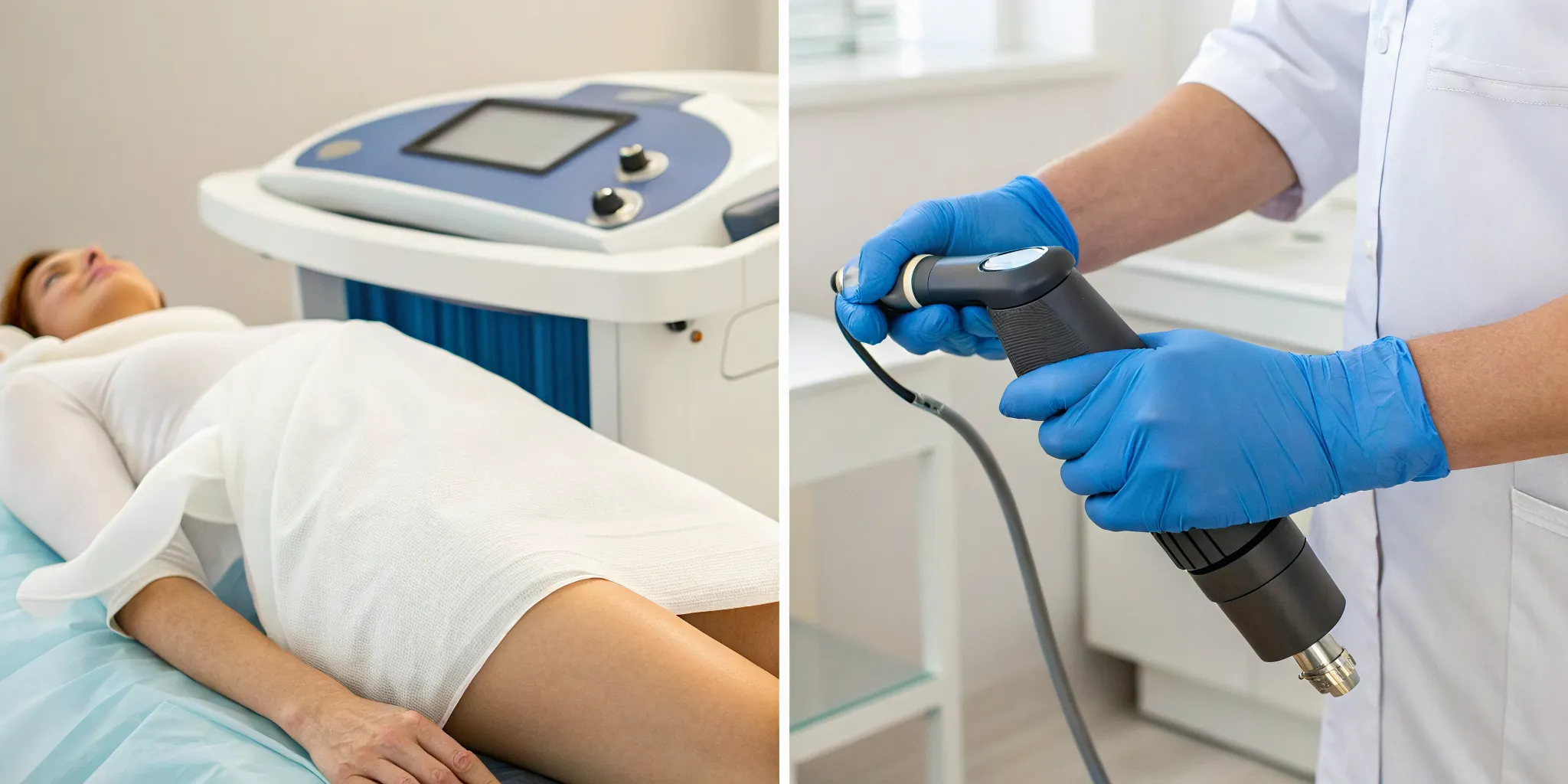
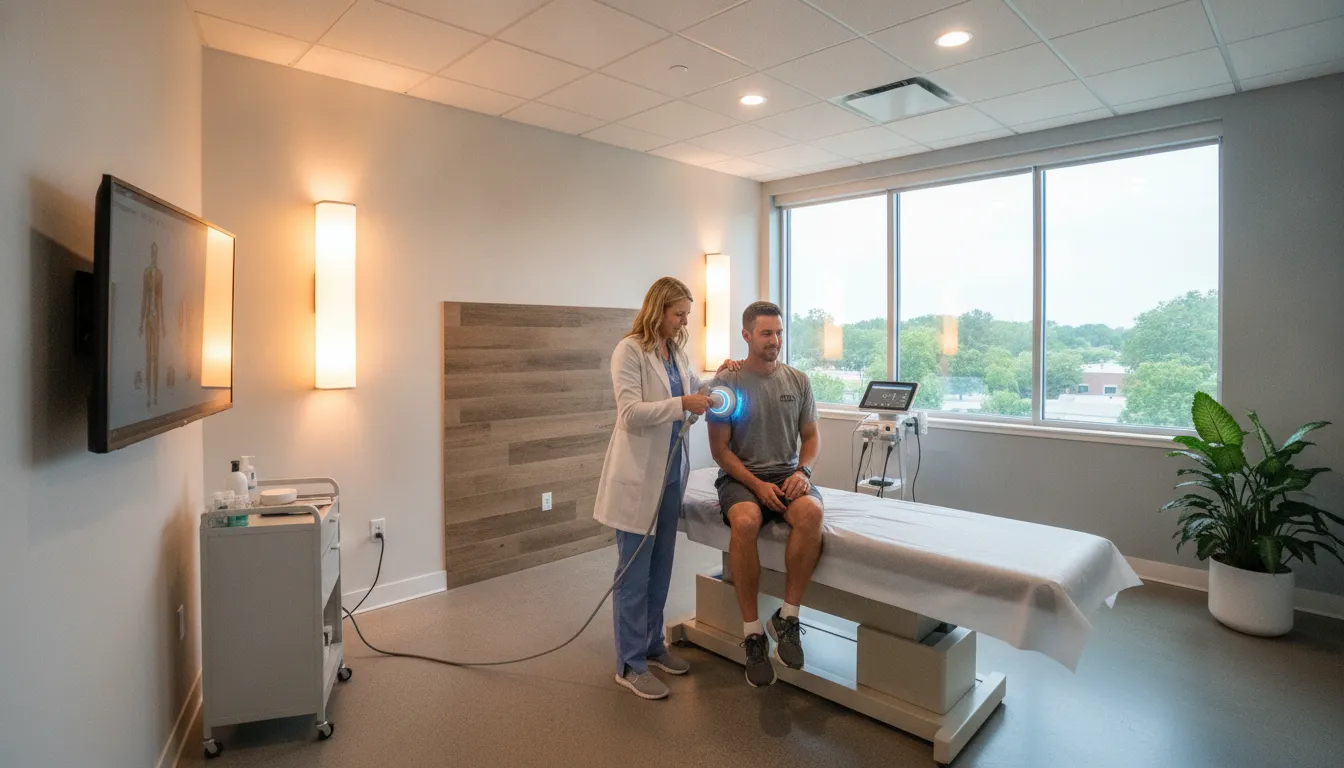
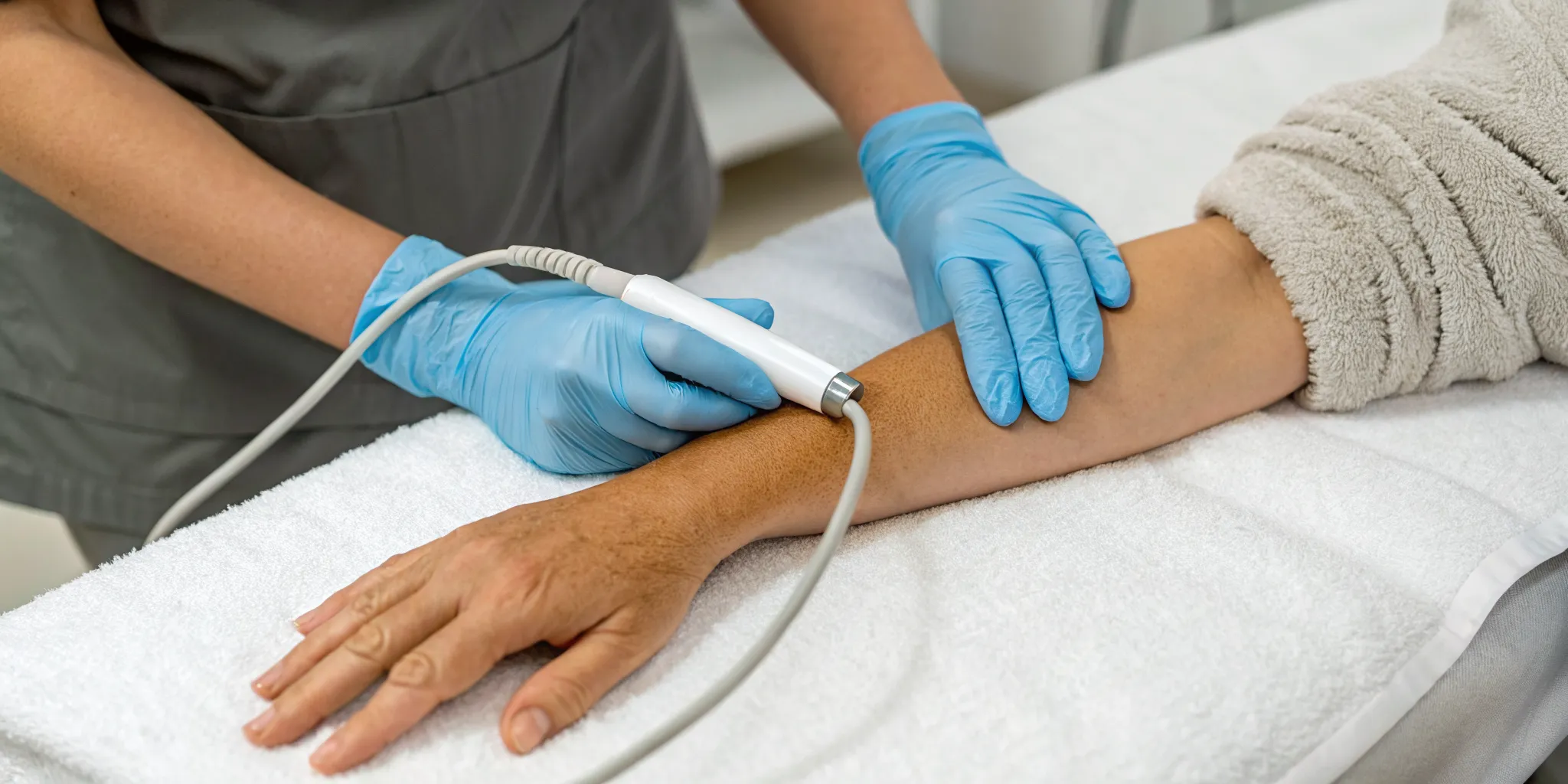
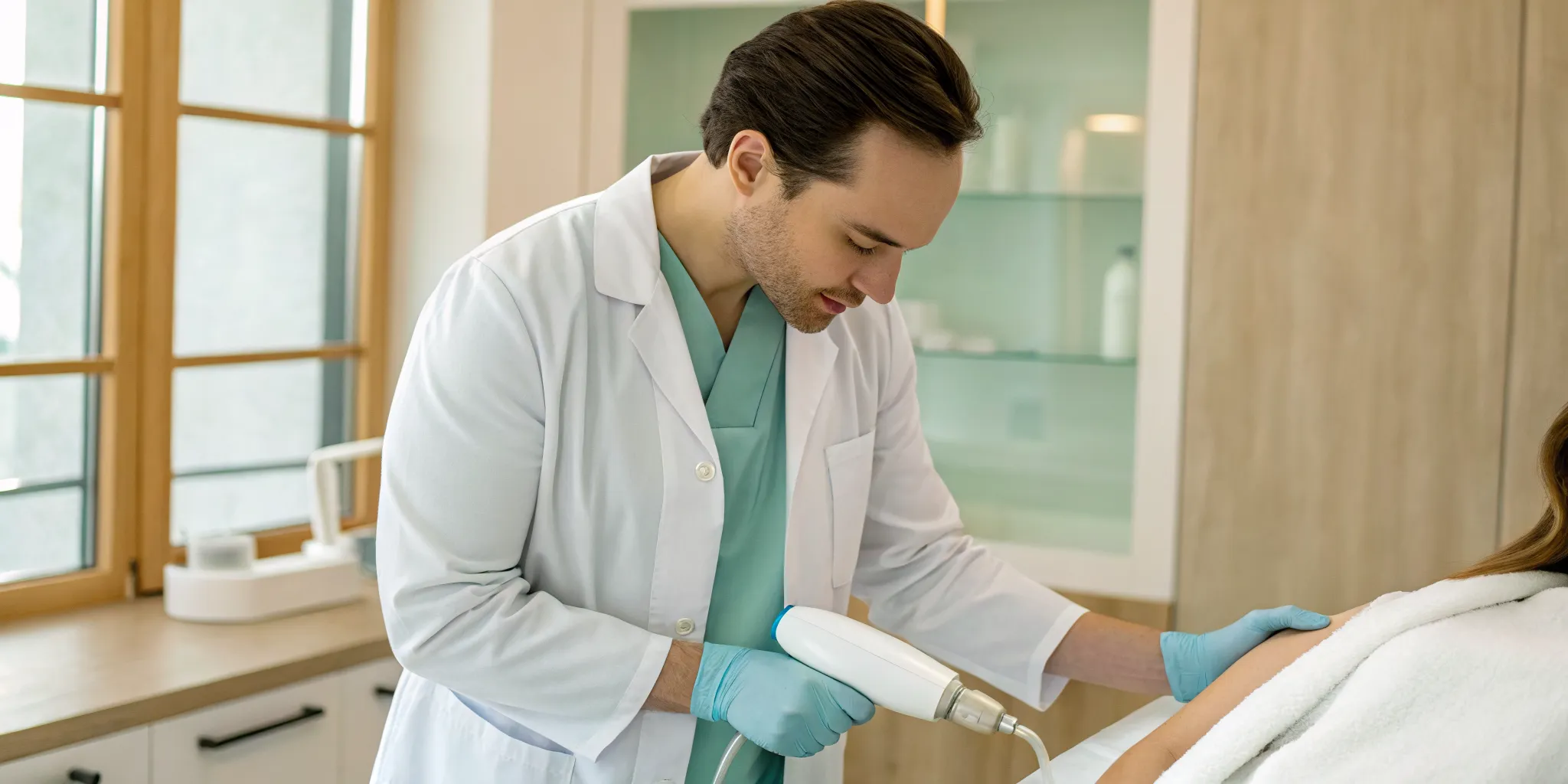
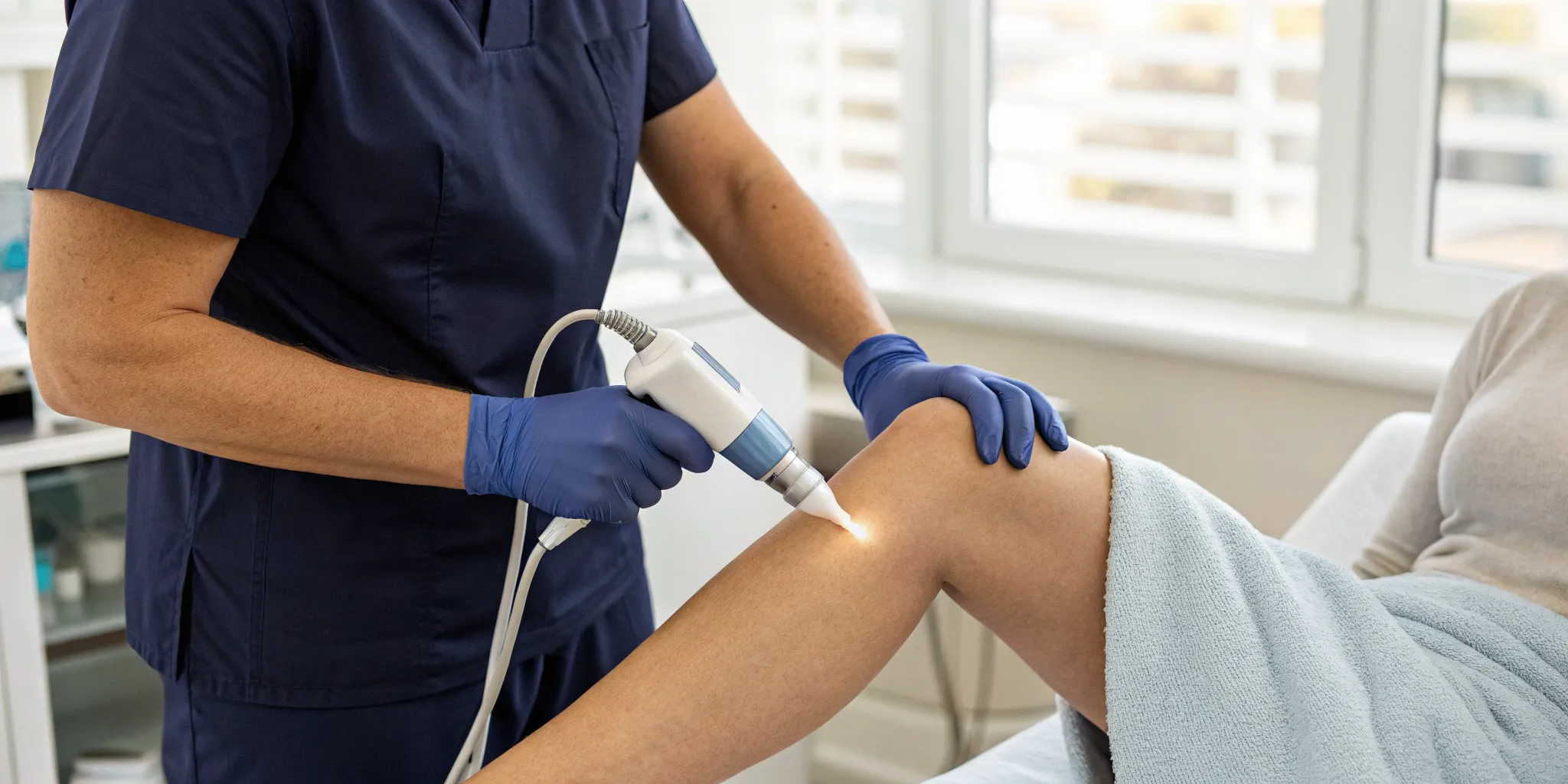
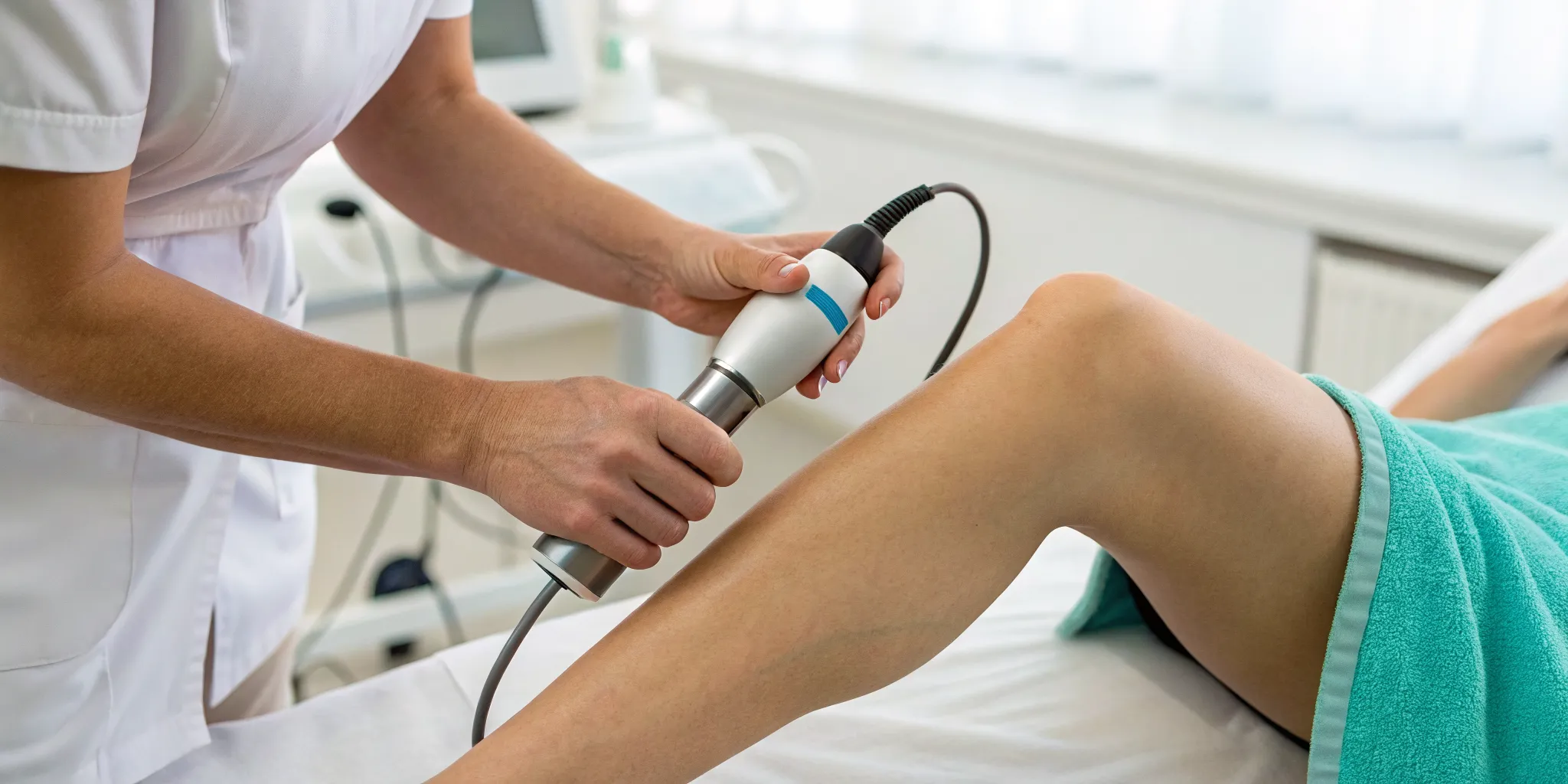
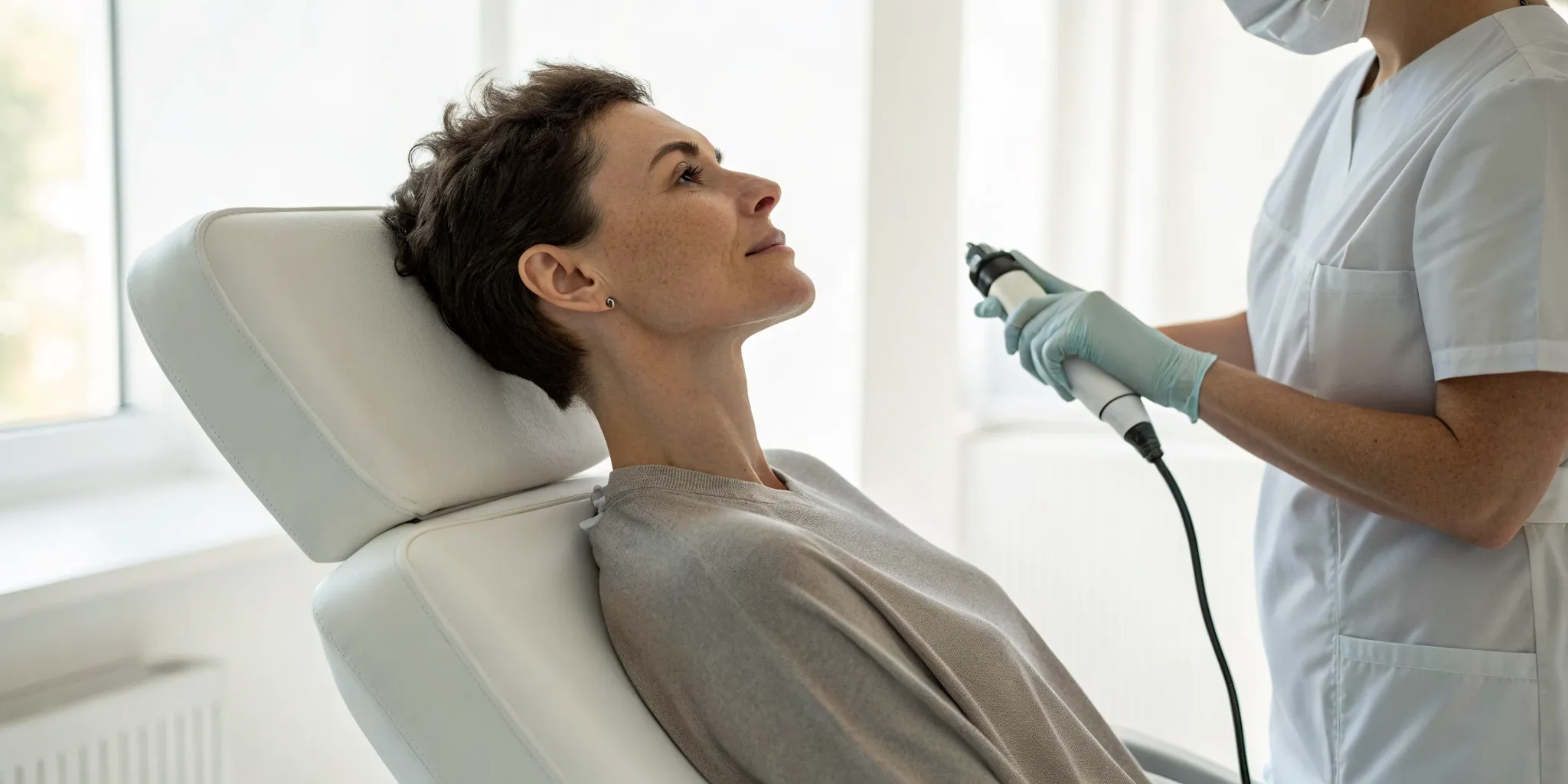
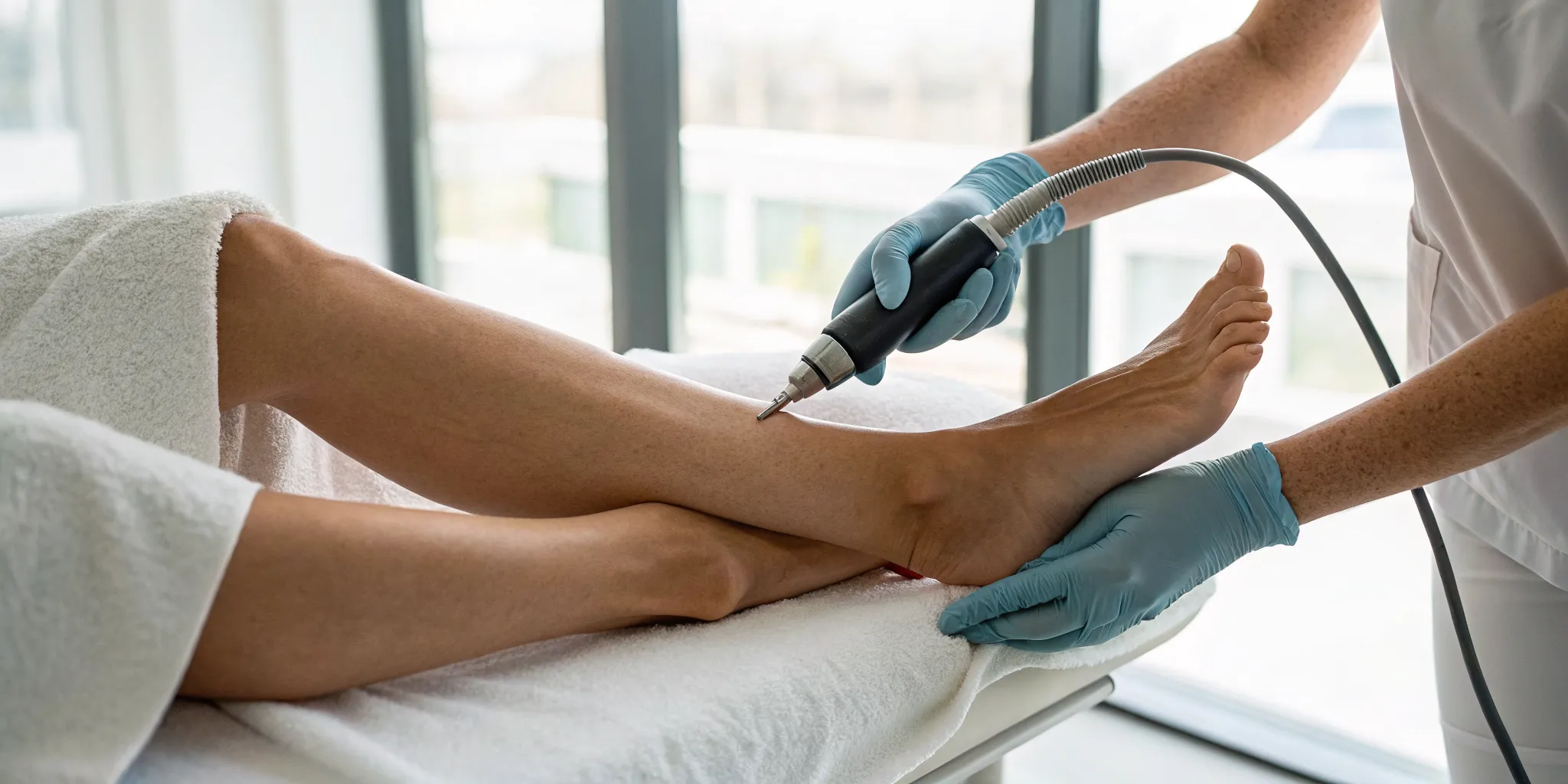
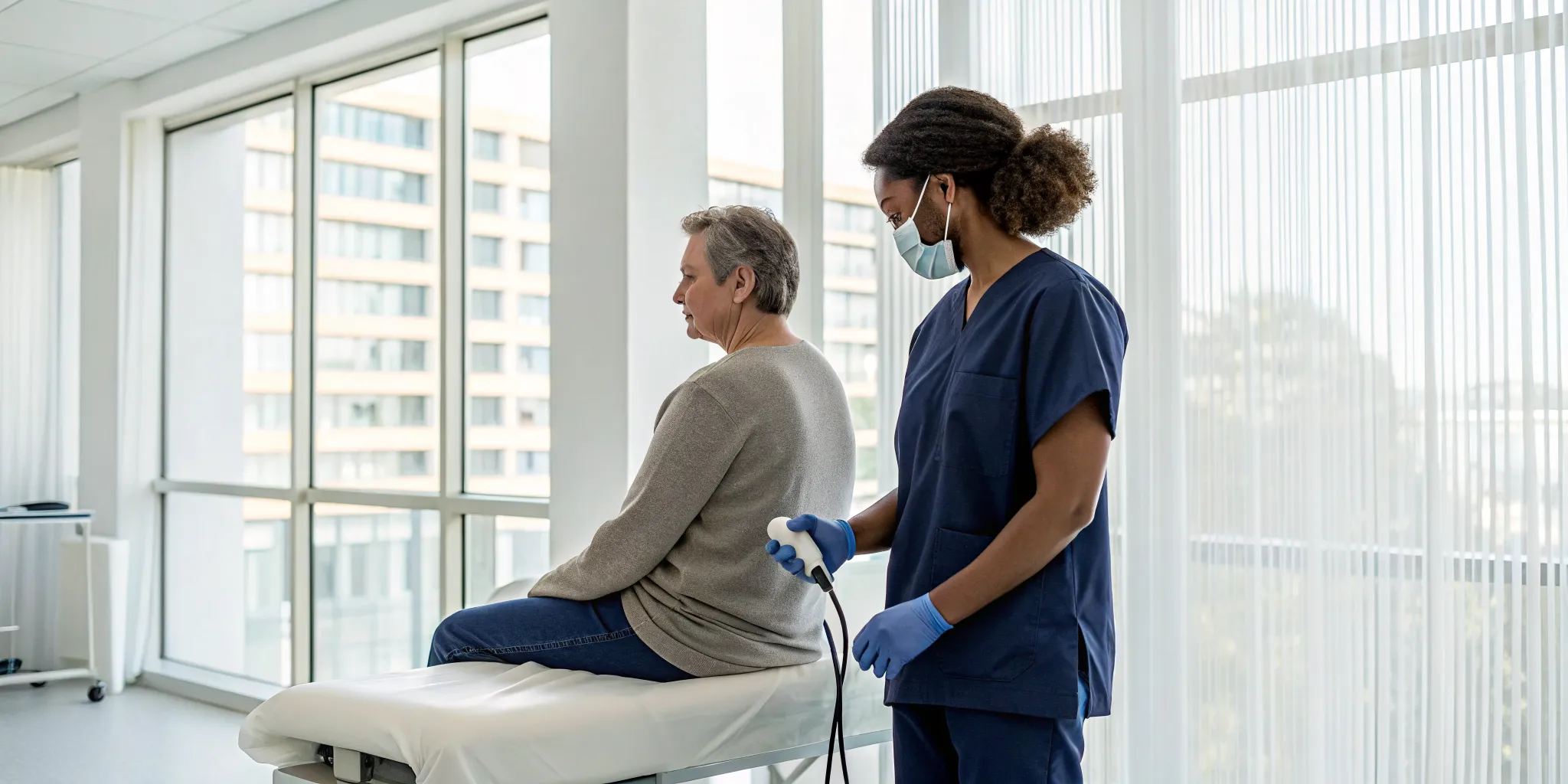
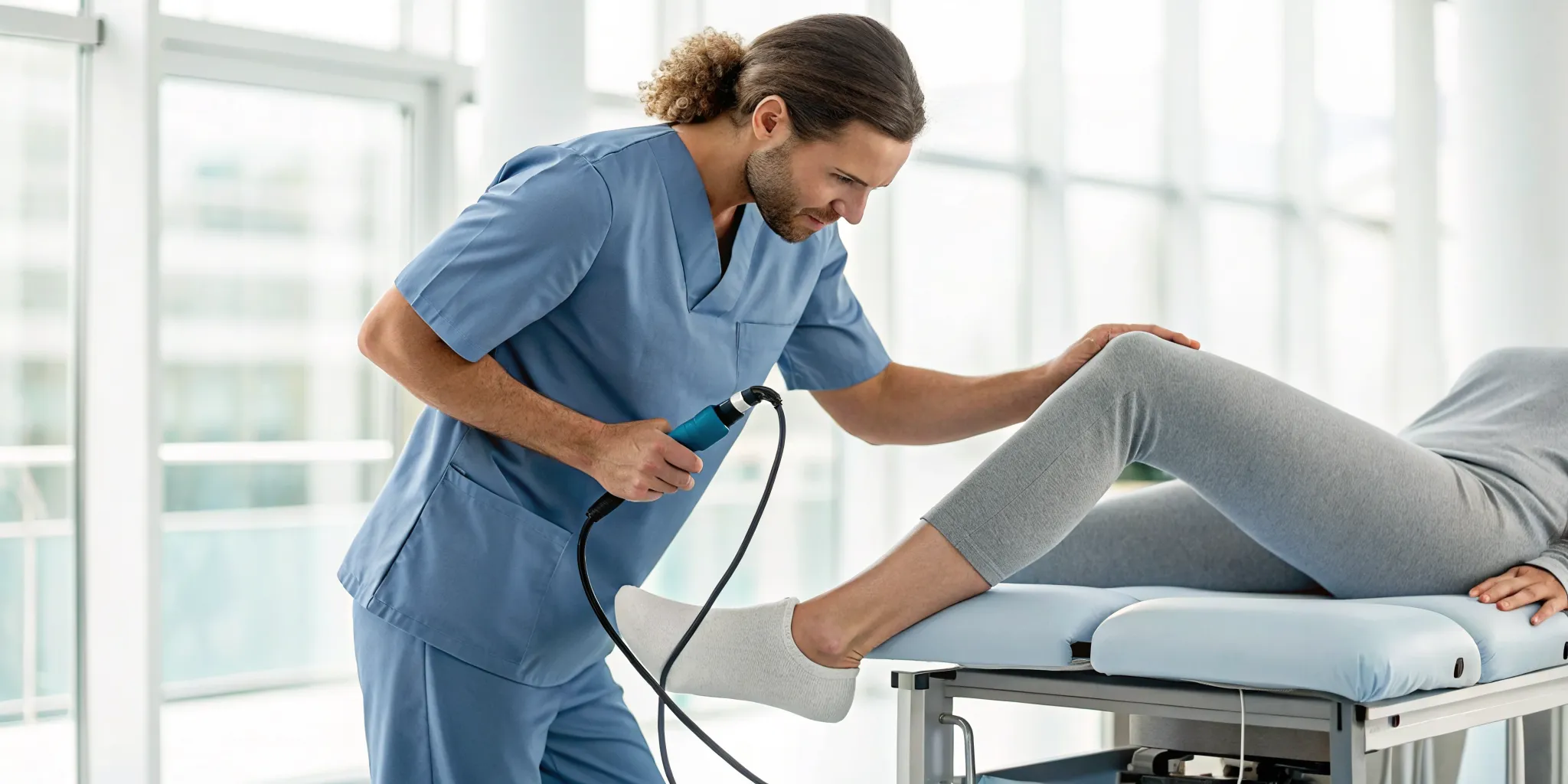
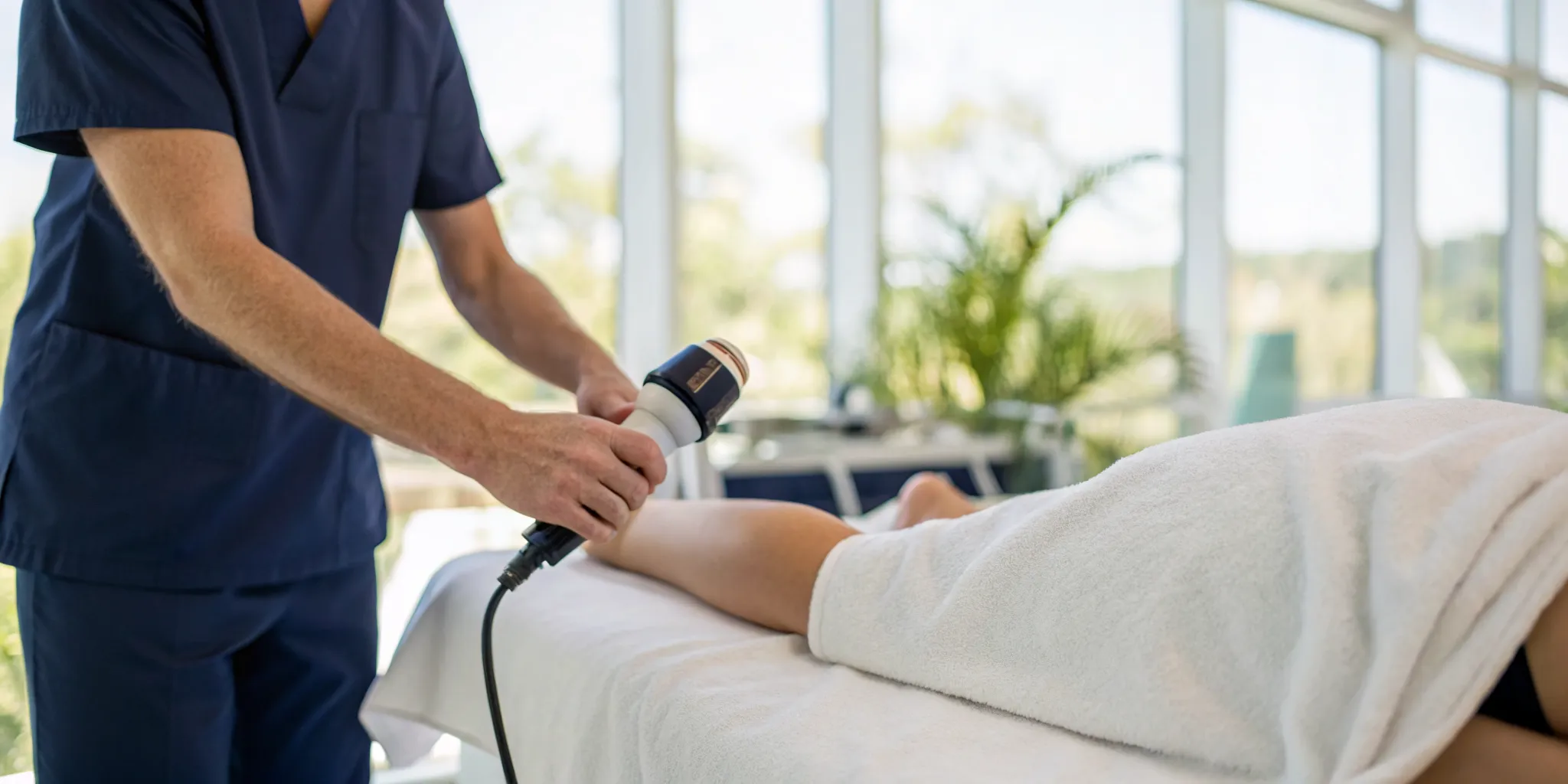
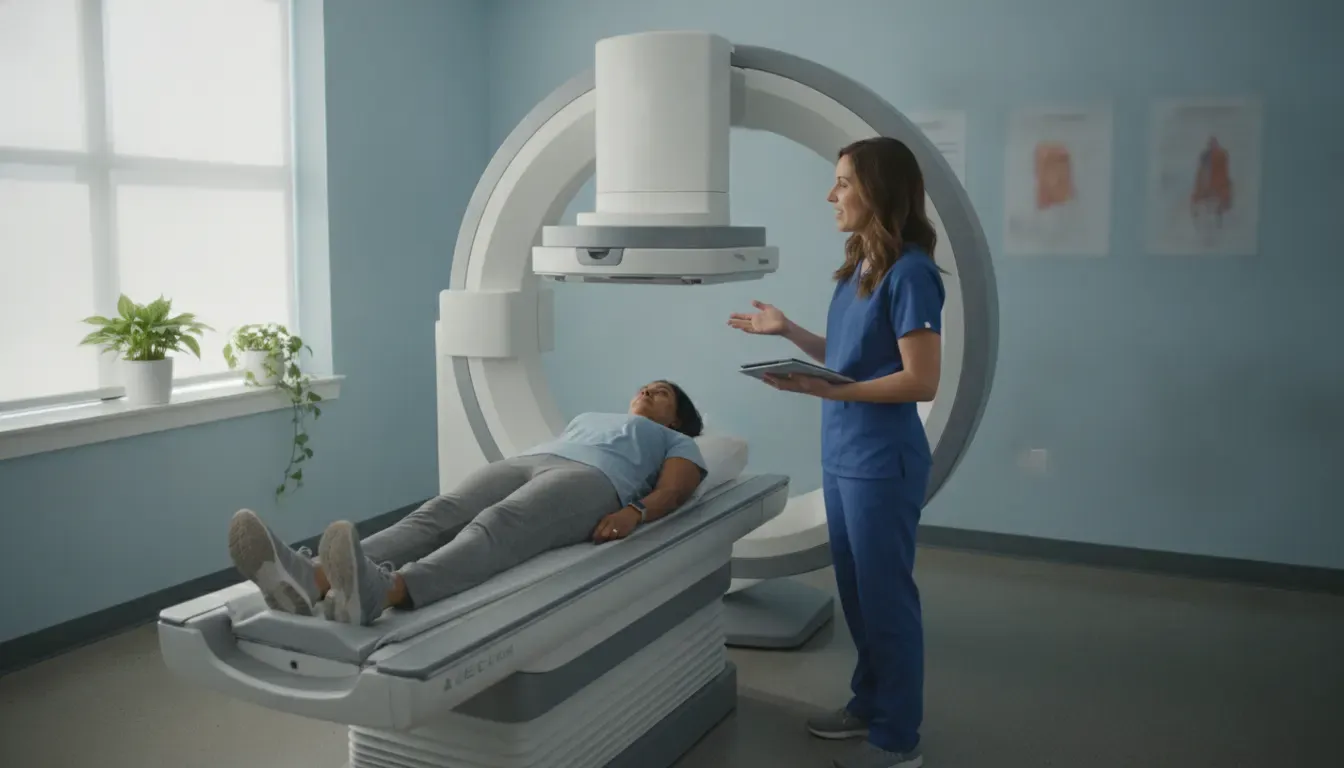
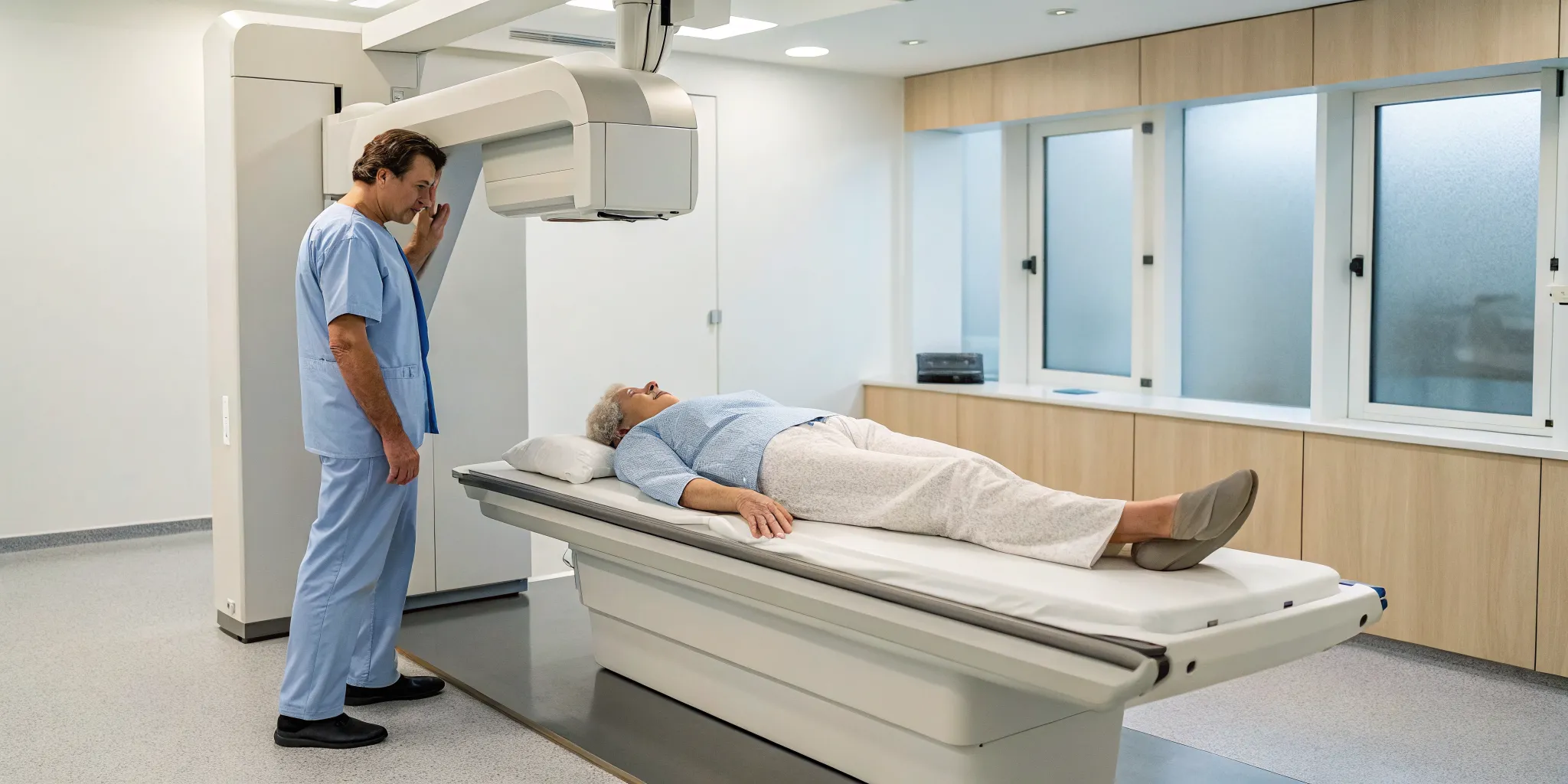
One of the best parts of SoftWave therapy is how efficient it is. A typical session lasts only about 10 to 15 minutes. During your appointment, one of our trained team members will apply a gel to the skin over your injured area and then move a handheld applicator across the spot. The number of sessions you’ll need depends on your specific injury, how long you’ve been dealing with the discomfort, and your body’s unique response. We will work with you to create a personalized treatment plan tailored to your goals, ensuring you get the right amount of therapy to support your recovery.
What the Treatment Feels Like
Many people wonder if the treatment is uncomfortable. For most, SoftWave therapy is very tolerable. As the applicator sends acoustic waves into your tissue, you might feel a light tapping or pulsing sensation. Some patients report mild discomfort over the most sensitive parts of their injury, but this feeling often decreases as the area begins to heal and inflammation subsides. The treatment is completely non-invasive, meaning there are no needles or incisions involved. It’s a great option for athletes and active individuals who want to address pain without interrupting their routine. Our team is committed to your comfort throughout our physical medicine services.
Aftercare Tips to Support Healing
After your 10 to 15-minute session, you can walk out and get right back to your daily activities. There is no downtime required. Some people notice slight redness or tenderness in the treated area, but this is a normal response and usually fades within a day or two. To get the most out of your treatment, it’s a good idea to drink plenty of water and listen to your body. While you can resume normal activity, you might want to avoid putting excessive strain on the treated area for 24 to 48 hours. This gives your body the best chance to kickstart its innate healing abilities and make the most of the therapy.
Clearing Up Common SoftWave Therapy Myths
It’s natural to have questions about any new treatment, and SoftWave Therapy is no exception. When you’re dealing with an injury, you want to feel confident and informed about your recovery options. Let's clear the air and address some of the most common myths we hear so you can understand how this technology truly works.
Myth: "It's too painful."
I hear this concern a lot, and it’s completely understandable to worry about discomfort when you’re already in pain. The reality is that SoftWave Therapy is designed to be a gentle process. The technology stimulates your body’s own healing mechanisms without creating new tissue damage. Most people describe the sensation as a mild tapping or pulsing, and any discomfort tends to fade as the area begins to heal over subsequent sessions. Our team at Ascend Functional Health always prioritizes your comfort and will adjust the treatment to ensure the experience is positive. This patient-centered approach is a core part of our physical medicine services.
Myth: "One session is all you need."
While we all wish for a single-session solution, genuine healing is a journey, not a sprint. SoftWave Therapy works by activating your body's natural repair processes, including stem cell migration and improved blood flow, which takes time. A single session can start this process, but lasting regeneration usually requires a series of treatments. Following a complete protocol gives your body the consistent support it needs to fully address the root cause of the injury. This methodical approach is how we help patients with the chronic conditions we treat find lasting relief and get back to their lives.
Myth: "It's only for professional athletes."
This is one of the biggest misconceptions out there. While SoftWave is a fantastic tool for athletes, its benefits are for everyone. We’ve used this therapy to help people from all walks of life, from weekend warriors with nagging joint pain to office workers dealing with chronic tendonitis. If you have a soft tissue injury or a condition that hasn't responded to other treatments, you could be a great candidate. Our patient testimonials feature people with diverse lifestyles who have found success with our approach. The therapy is about helping your body heal, no matter your profession or activity level.
Start Your Sports Injury Recovery in Tampa
If you're an athlete in Tampa, you know how frustrating it is when an injury keeps you on the sidelines. You want to get back to your sport, but traditional recovery can feel like a slow, uphill battle. Instead of just waiting it out, you can take an active role in your healing with a modern approach that supports your body’s natural repair processes. At Ascend Functional Health, we use SoftWave Therapy to help athletes do just that.
This innovative approach is a key part of our Physical Medicine services. It uses patented acoustic waves to stimulate your body’s own healing abilities at a cellular level. Think of it as a wake-up call for dormant tissues. By increasing blood flow and activating your own stem cells, SoftWave helps reduce inflammation and repair damaged tissue right at the source of your pain. It’s an effective, non-invasive option for everything from tendonitis and plantar fasciitis to muscle strains and joint pain.
For athletes, this means a faster return to the activities you love. Instead of just managing symptoms, you're addressing the root cause of the injury, which supports more complete and long-term healing without lengthy downtime. If you're ready to move past a nagging sports injury and get back to performing at your best, our team is here to help. You can contact our Tampa office to learn more and see if SoftWave Therapy is the right fit for your recovery plan.
Related Articles
- SoftWave Tissue Regeneration Therapy in Tampa | Alessi Functional Health
- What Is Soft Tissue Therapy? A Complete Guide
- SoftWave TRT Therapy in Tampa, FL - Alessi Functional Health
- Regenerative Medicine for Pain Recovery | Ascend Functional Health
- What Is Graston Technique Therapy? A Beginner's Guide
Frequently Asked Questions
What does a SoftWave session feel like? Is it painful? This is a great question, and the answer is that for most people, the treatment is very manageable. You’ll feel a tapping or pulsing sensation as the applicator moves over your skin. If it passes over a particularly inflamed or injured spot, you might feel some mild discomfort, but this is actually a good sign that we’ve found the source of the problem. The sensation usually lessens with each session as the area begins to heal.
How many treatments will I need before I see results? Because SoftWave works by stimulating your body’s own repair crews, healing is a process, not an overnight fix. The exact number of sessions depends on your specific injury, how long you’ve had it, and how your body responds. Some people feel relief after just a few sessions, while others with more chronic conditions may need a more extensive plan. We will create a personalized protocol for you and adjust it based on your progress.
Can I continue my training or workouts during the treatment process? Yes, and that’s one of the biggest benefits for active people. Since SoftWave is non-invasive and requires no downtime, you can get right back to your day after a session. We generally recommend listening to your body and perhaps avoiding intense strain on the treated area for about 24 to 48 hours to give the healing process a head start. Otherwise, you can typically maintain your regular activities.
How is SoftWave different from other treatments like physical therapy or massage? While treatments like physical therapy and massage are excellent for improving mobility and function, SoftWave works on a deeper, cellular level. Instead of manually manipulating muscles, it uses acoustic waves to signal your body to repair itself by activating stem cells and improving blood flow. It’s a great complement to physical therapy, as it helps heal the underlying tissue, which can make your functional exercises even more effective.
Who is a good candidate for this therapy? SoftWave is a versatile treatment that can help a wide range of people, not just professional athletes. It’s especially effective for stubborn soft tissue injuries that haven’t responded well to other methods. If you’re dealing with nagging tendonitis, plantar fasciitis, a muscle strain, or chronic joint pain from overuse, you could be an excellent candidate. The best way to know for sure is to come in for a consultation so we can assess your specific situation.