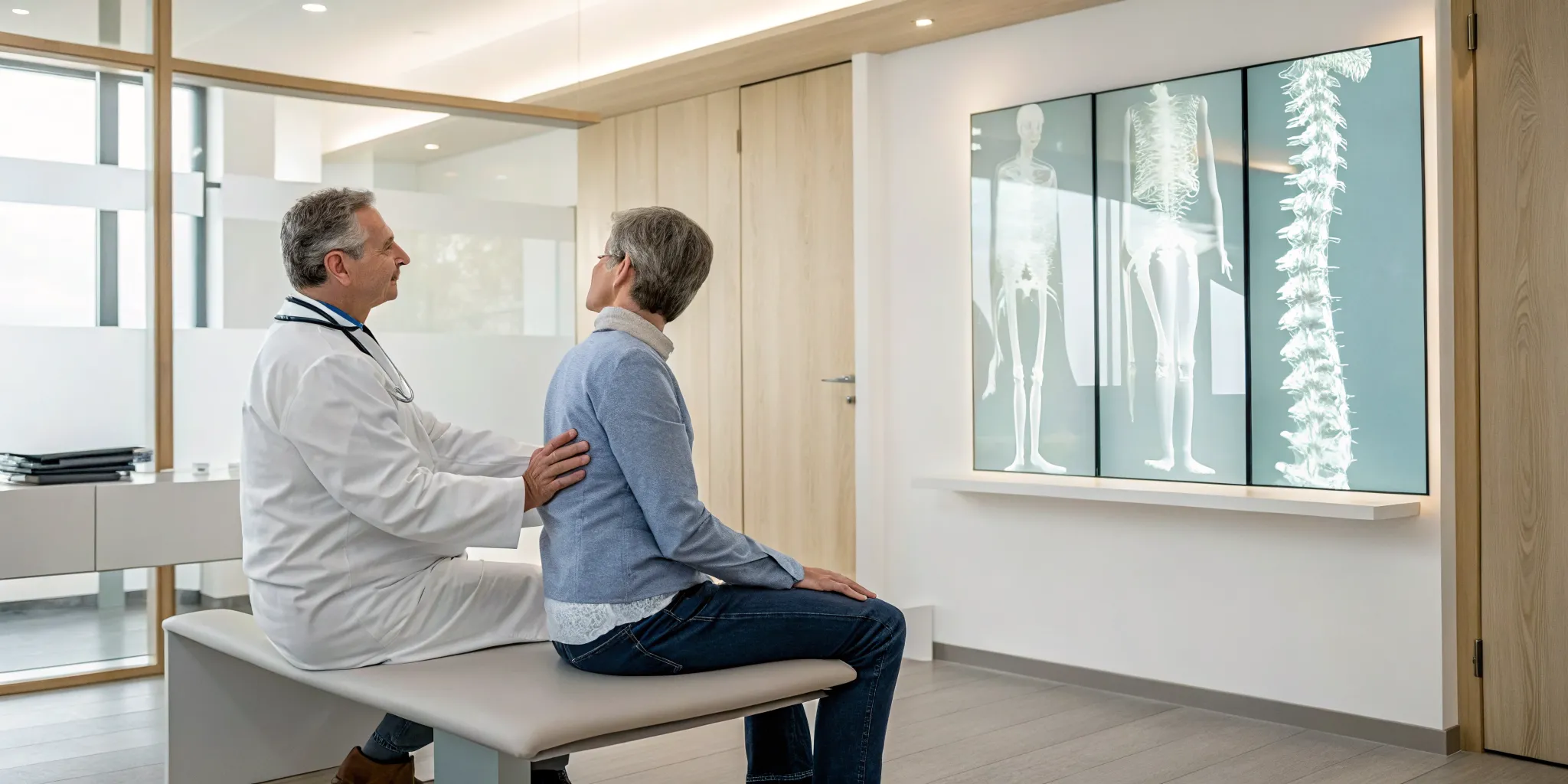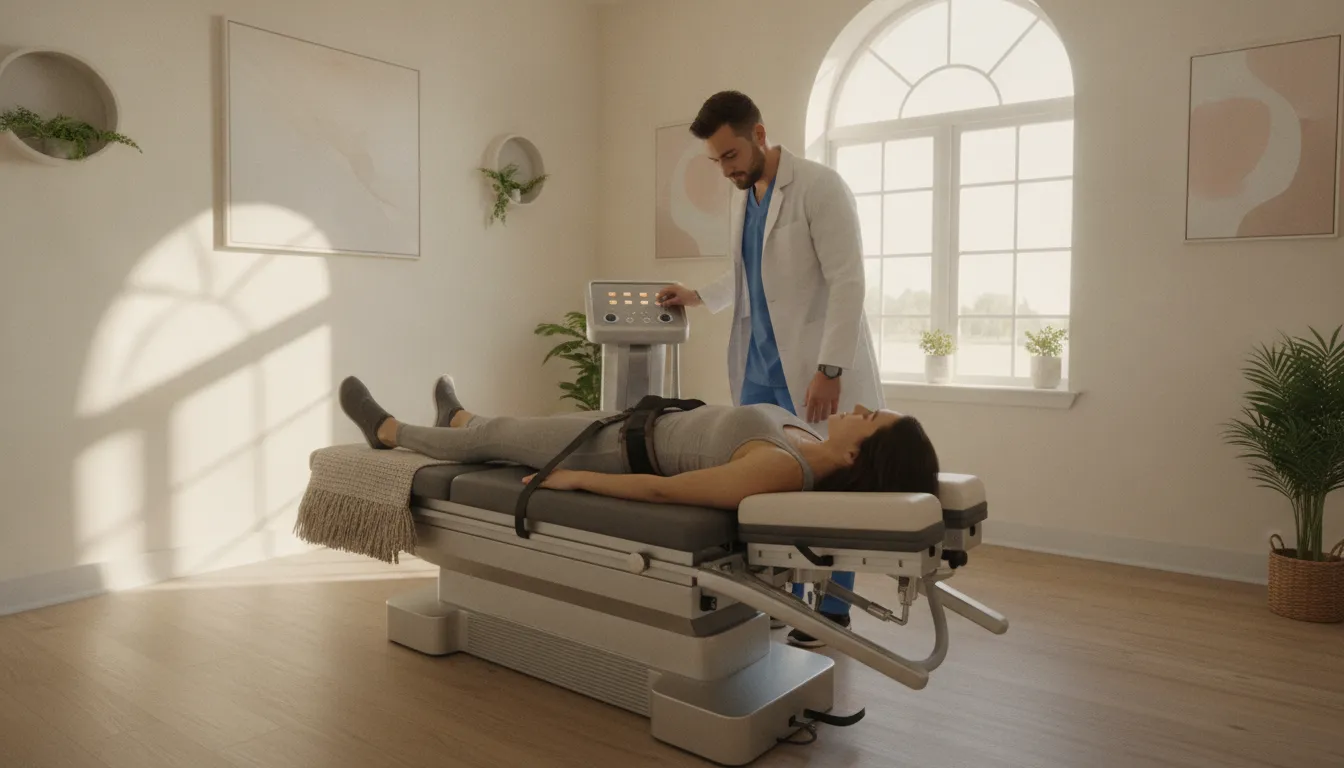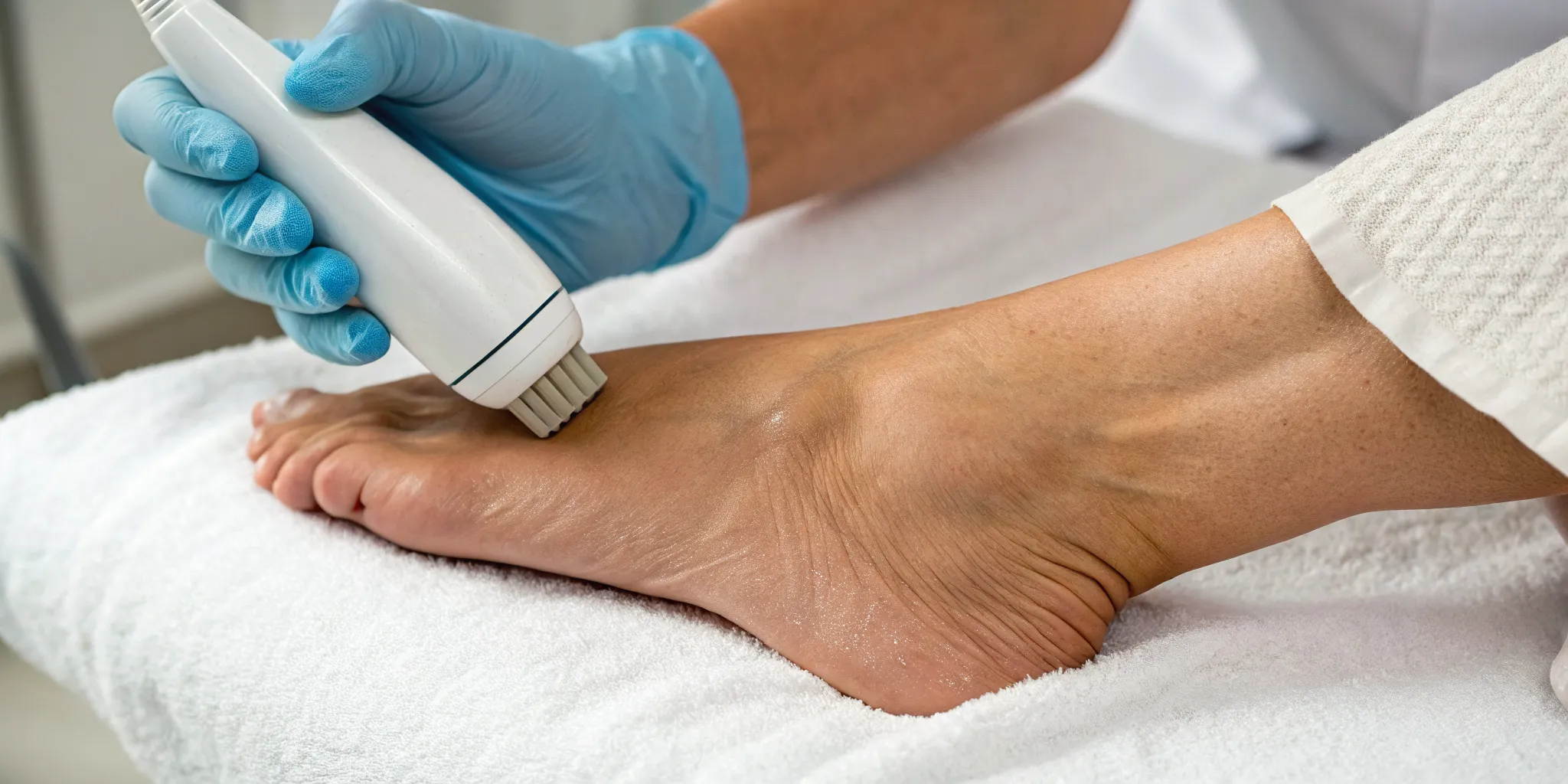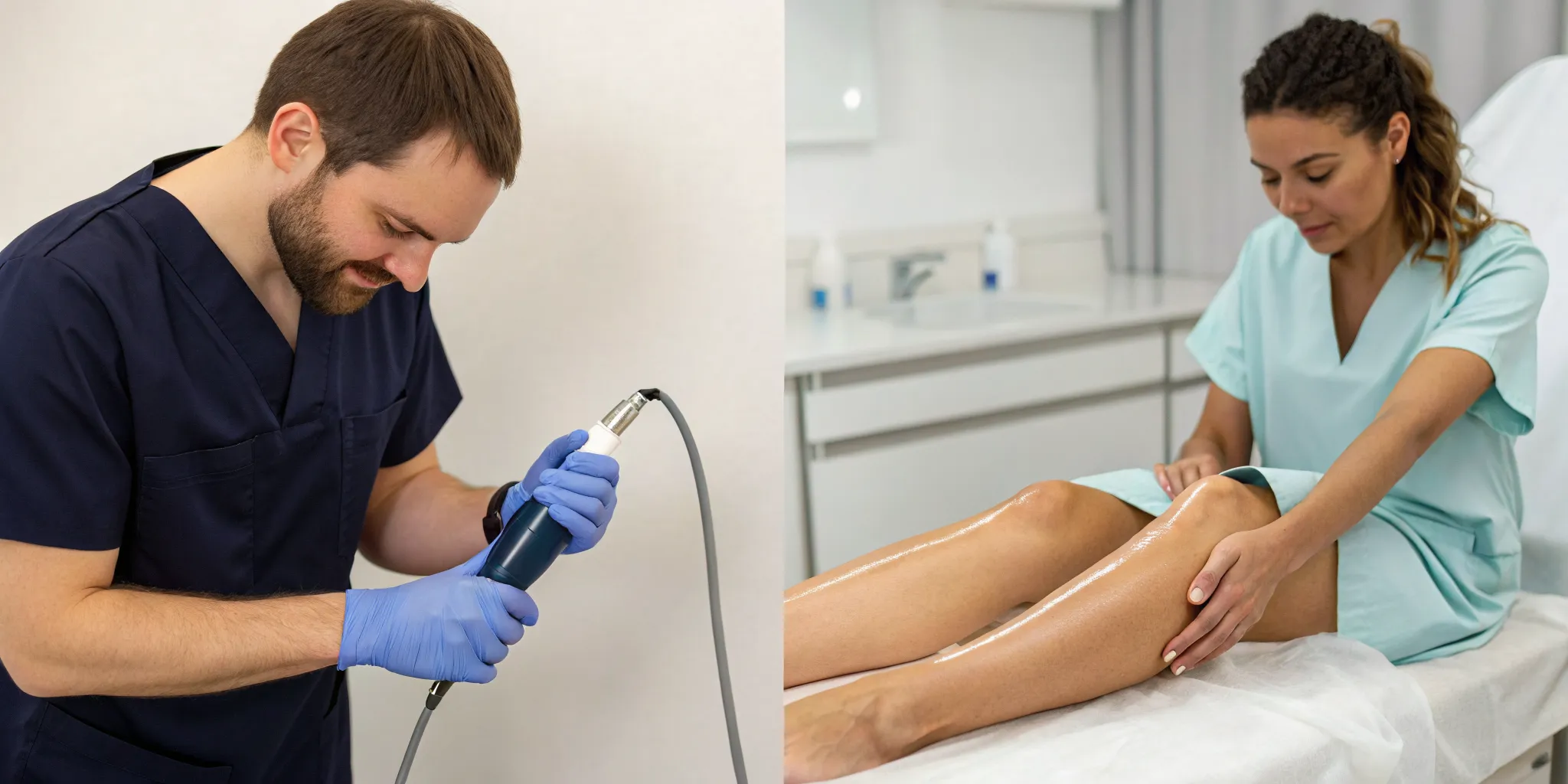
Myofascial release is a hands-on approach to soft-tissue care that may be considered when muscle and connective tissue tension affect comfort or movement. For people in Tampa Bay, the useful question is not whether one technique suits everyone, but how an evaluation can identify whether it belongs in a broader, personalized care plan.
Discuss your movement concerns with our team
How does myofascial release work?
Myofascial release uses sustained, gentle manual pressure and movement to address areas of soft-tissue restriction. The name combines “myo,” referring to muscle, and “fascial,” referring to fascia, the connective tissue that surrounds and connects structures in the body. A clinician may use the hands to assess and work with specific areas rather than applying the same routine to every person.
People may explore this approach when they notice stiffness, tenderness, or limits in comfortable movement. These experiences can have many contributors. A hands-on technique is not a way to identify the cause by itself, and a response to treatment cannot confirm a diagnosis.
Myofascial release is one form of soft-tissue care, not a single standardized sequence. Pressure, position, area treated, and session length can differ according to the person's presentation and tolerance. A clinician should explain the planned approach and invite feedback during care.
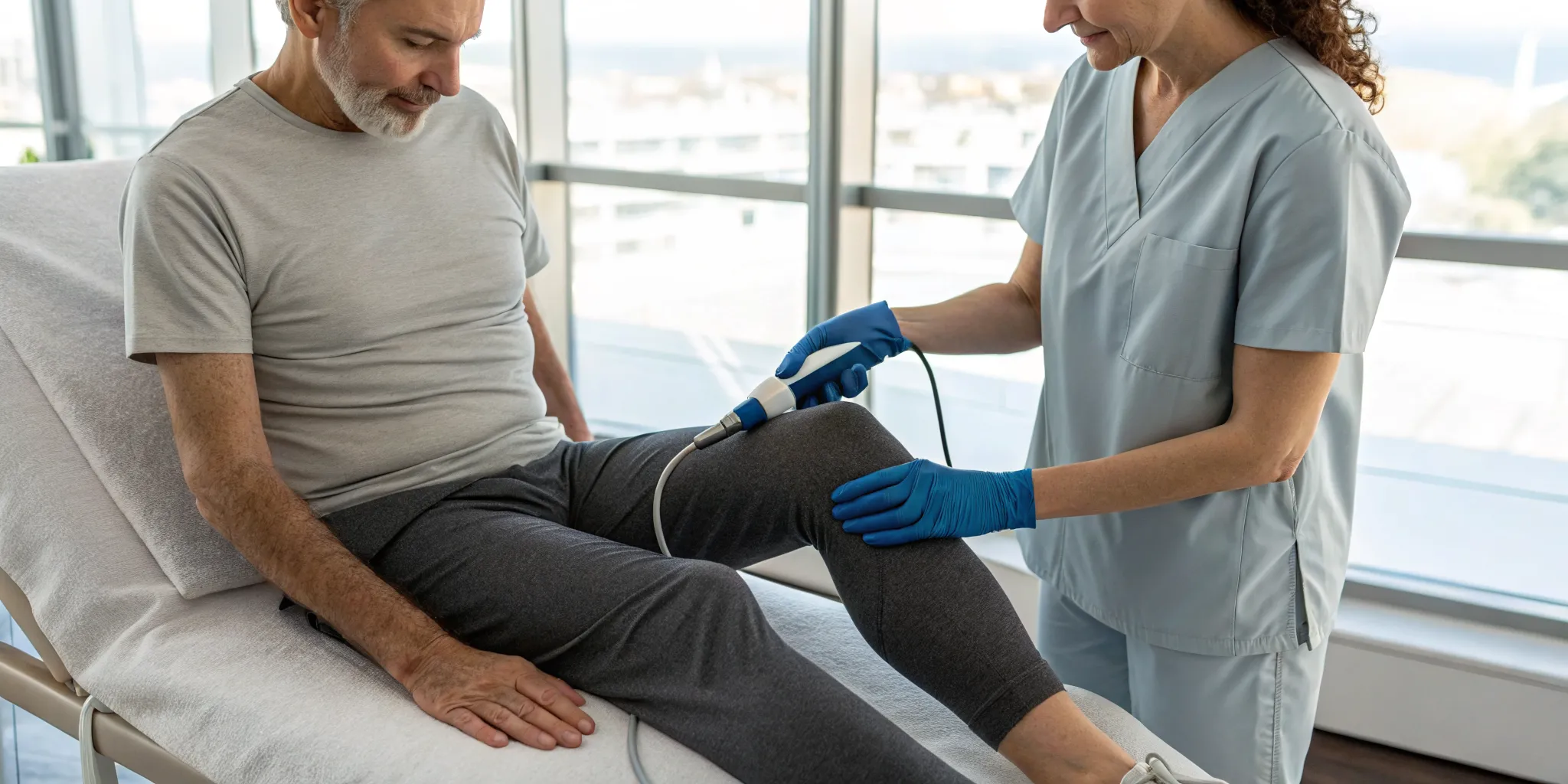
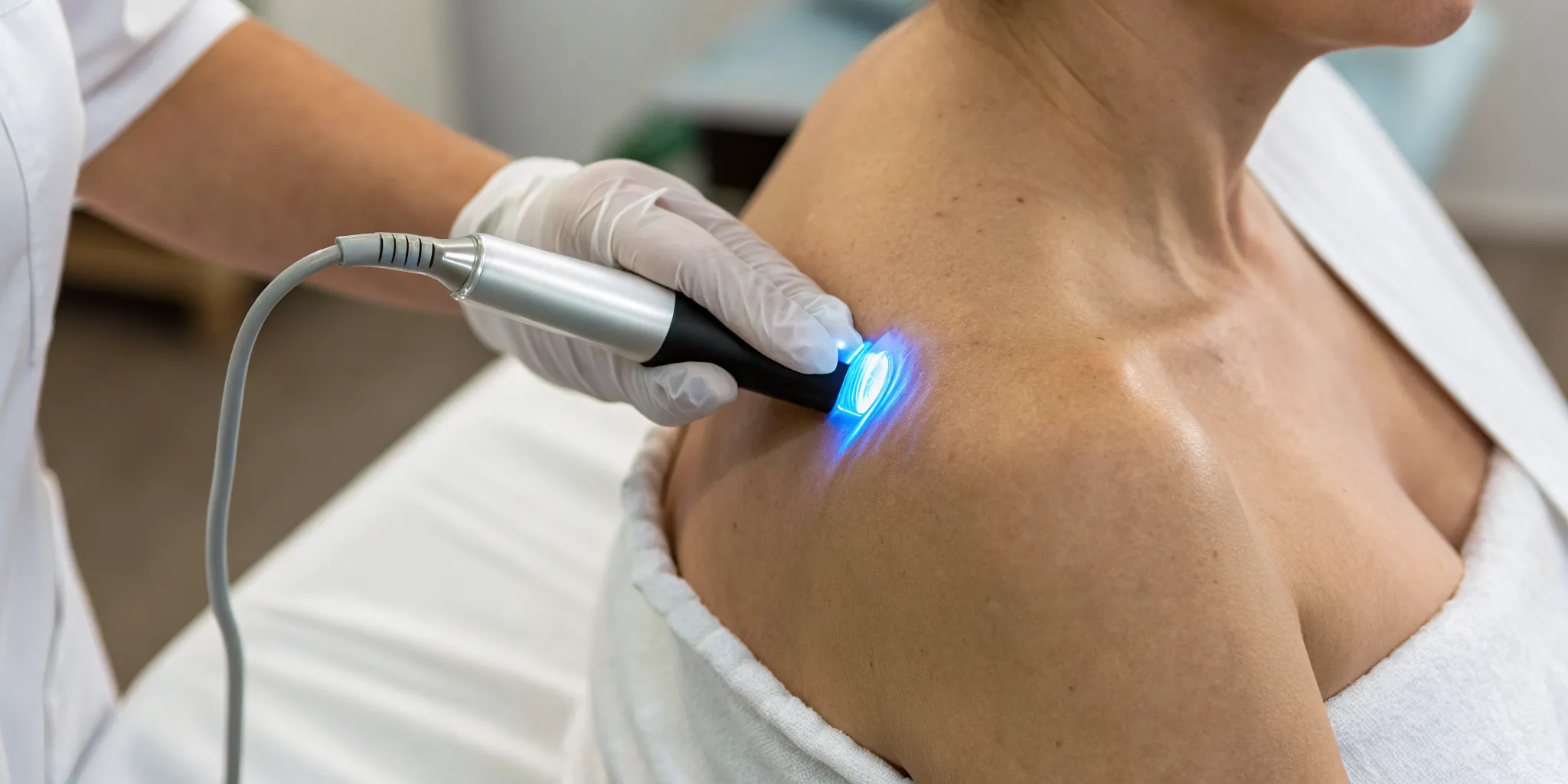
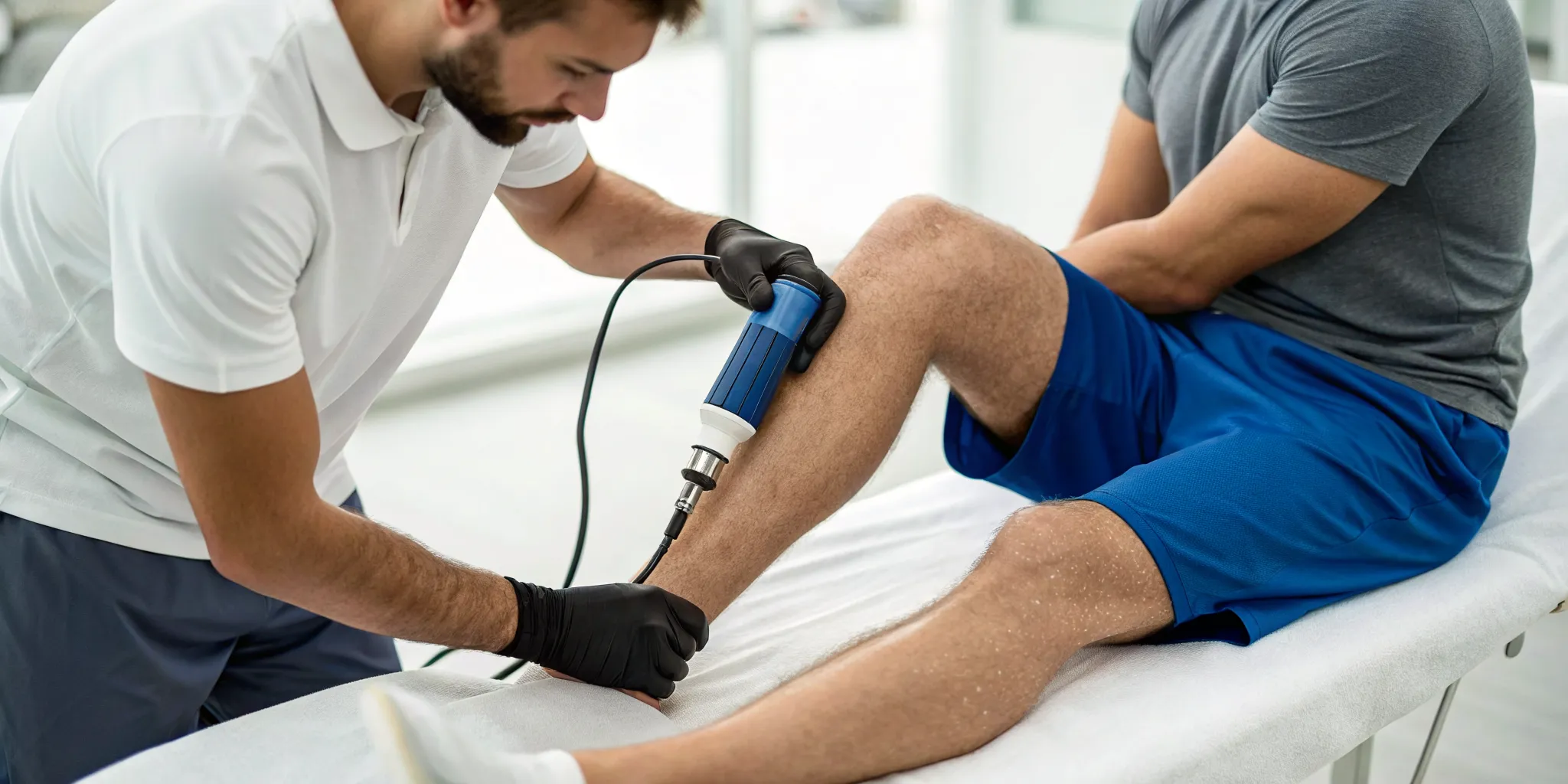
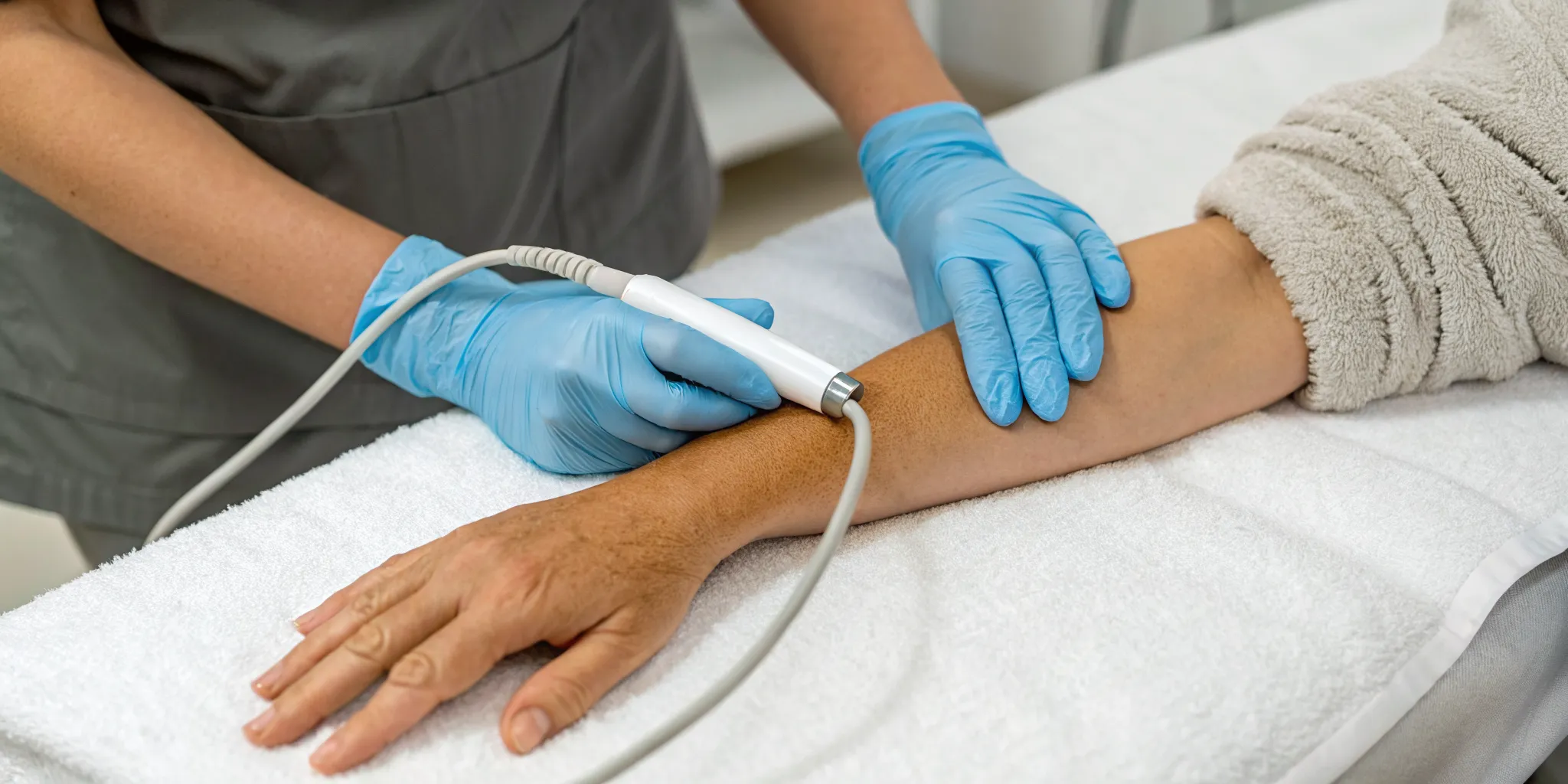
In practical terms, a session might involve the person resting in a position that gives the clinician access to a selected region. The clinician applies controlled contact and may ask the person to notice how the area feels or to make a small, comfortable movement. The approach can be adjusted as the person responds. It should not require someone to endure discomfort to prove that a technique is working.
For example, a person who notices a pulling sensation while reaching overhead could describe where it occurs and which part of the movement feels limited. That description helps guide a focused assessment. It does not establish that fascia is the source, or that a particular manual technique is the right choice. A clinician may consider nearby structures, movement habits, health history, and other relevant findings before discussing options.
For an accessible overview of the approach, see HSS’s myofascial release overview. A scholarly overview also describes myofascial release as a form of soft-tissue therapy; it is available through Gettysburg College’s academic repository. These resources provide context, not a prediction of what a particular person will experience.
When might soft-tissue care be considered?
Soft-tissue care may be considered when an evaluation suggests that muscle or connective-tissue tension is relevant to a person's movement goals. The decision should account for the person's history, current symptoms, functional limits, preferences, and response to prior care.
For example, someone who feels tightness during a particular movement may want to discuss when it began, what activities bring it on, and whether it changes through the day. A clinician can consider that information alongside movement observation and other appropriate examination findings. The purpose is to understand the full picture, not to assume that tight tissue explains every concern.
It can help to describe the concern in observable terms. Instead of arriving with a conclusion about a muscle or fascia, note the movement that brings on the feeling, how far you can move comfortably, and whether the limitation changes with rest or activity. If the sensation appears during several different tasks, mention that pattern as well. Specific examples give the clinician a clearer starting point than a broad label alone.
Soft-tissue work may be one element alongside movement guidance, chiropractic care, decompression, or other Physical Medicine approaches, when appropriate. Ascend describes these options within its Physical Medicine services. A personalized plan should make clear which goals a technique is intended to support and how progress will be reviewed.
Some people also have broader health concerns that merit a separate discussion. If fatigue, gut symptoms, or other ongoing concerns are part of the picture, a clinician may discuss whether a Functional Medicine evaluation is relevant. Learn more about Ascend’s Functional Medicine approach. Soft-tissue care does not replace that kind of assessment, nor does a manual technique address every possible contributor to discomfort.
A reasonable care discussion also includes factors that may make hands-on work unsuitable or call for a different approach. Share relevant health history, areas of sensitivity, recent changes, and any instructions you have received from another clinician. If you are unsure whether a concern should be assessed before manual care, raise it before the technique begins. The goal is to choose an appropriate next step, not to fit every person into the same service.
How does an evaluation guide the care plan?
An evaluation helps connect the person's goals and findings to a reasonable next step, which may or may not include myofascial release. It also gives the clinician a chance to explain options, discuss limits, and agree on how to tell whether the plan is useful.
A conversation may cover:
- Where you notice tension or movement limits, and when they began.
- Which activities are affected and what changes the symptoms.
- Relevant health history, prior care, and any clinician guidance you have received.
- Your goals, concerns about hands-on treatment, and preferred pace of care.
The clinician may then observe posture or movement and assess the relevant region, as appropriate. You can ask what the assessment suggests, what other explanations might be considered, and whether another type of evaluation is indicated. If the findings do not support hands-on soft-tissue work, the plan should reflect that.
Before a technique begins, ask what area will be treated, what sensations may occur, and how to signal that you want pressure changed or the technique stopped. Treatment should be responsive to your comfort. New, worsening, or unexplained symptoms are useful to raise before proceeding.
An appointment is also a chance to understand the reasoning behind a recommendation. You can ask which findings led the clinician to consider soft-tissue care, what the plan is intended to support, and what alternatives might fit if hands-on work is not right for you. You should be able to pause, ask for an explanation, or decline a proposed technique. Clear communication matters because the plan should reflect your needs and preferences, not simply follow a preset sequence.
You can also ask how the clinician will adapt the session if the first position or pressure does not feel suitable. Agree on a simple signal to pause, and say so if a sensation changes from comfortable pressure to something you do not want to continue. A useful care conversation makes room for questions before, during, and after the technique. You do not need to wait until the appointment ends to mention discomfort or uncertainty.
One way to make the visit collaborative is to restate the goal in practical language: “I want to discuss turning my head while driving,” or “I notice a limit when I reach to a shelf.” The clinician can then connect the goal to examination findings and explain whether soft-tissue work has a role. If more than one option is reasonable, ask how the options differ in process and what would guide the choice. That exchange can help set realistic expectations without assuming a specific result.
How does myofascial release compare with other options?
Myofascial release is one possible hands-on option; the right choice depends on the assessment, the goal, and how the person responds. Comparing approaches by purpose and process is more useful than assuming one method is best for everyone.
| Approach | Typical focus | How it may fit a plan |
|---|---|---|
| Myofascial release | Hands-on work with areas of soft-tissue tension or restricted movement | May be considered when findings and goals support targeted manual care |
| General soft-tissue work | Manual contact with muscles and other soft tissues | May complement other care; technique and purpose should be explained |
| Chiropractic care | Assessment and care involving joints, movement, and related concerns | May be considered as part of a broader Physical Medicine plan |
| Movement or rehabilitation guidance | Functional movement, activity tolerance, and practical goals | May help address how a person moves and uses a region over time |
These options differ in both the type of contact and the main question they address. Myofascial release focuses on a targeted manual approach to soft tissue. Other hands-on care may address a broader region or use different techniques. Chiropractic care considers joints and movement as part of an assessment, while movement guidance focuses on how activities are performed and tolerated. The labels alone do not tell you which approach suits a particular concern; the evaluation and your priorities help shape that decision.
This comparison is general, not a treatment recommendation. Some plans combine approaches; others use one or none of them. A clinician can explain why a particular option is being considered and what signs would prompt a change in the plan. Ask whether the proposed approach has a clear purpose, how it relates to your goal, and when you will review whether it remains useful. These questions support a shared decision without assuming that more techniques are always better.
When comparing options, consider what the appointment involves, which goal it is meant to support, and how you will share your response. For instance, if your priority is a specific movement, ask whether the plan includes observing that movement again after care. If your priority is understanding why a limitation persists, ask what findings support the proposed approach and whether other factors need consideration. This keeps the discussion tied to your concern rather than to a label or a routine.
Published discussions of myofascial release describe varied methods and goals, so a result reported in one setting cannot predict another person's experience. The overview from HSS and the academic overview linked above offer background, but they do not replace an individual assessment. Keep expectations specific: agree on a functional goal, note any change that matters to you, and revisit the plan with your clinician rather than assuming that a technique will produce a particular outcome.
It can also help to separate a short-term sensation from a useful change in function. Feeling temporarily looser after hands-on care may be worth mentioning, but it is only one observation. Discuss whether the activities you care about are becoming easier, whether the effect lasts, and whether anything feels worse. This kind of feedback helps the clinician decide whether to continue, adjust, or reconsider the approach.
For example, compare how a familiar task felt before the visit with how it feels later, using the same movement when practical. Note whether the task was easier, unchanged, or more difficult, and whether any difference lasted beyond the immediate session. Do not treat one moment as a definitive measure. A clinician can help interpret your observations alongside the assessment and decide whether to maintain the plan, modify it, or consider another direction.
How should progress with soft-tissue care be reviewed?
Progress is best reviewed against a clear, practical goal and your response over time, not a promise of a specific result. Agreeing on what to observe before care makes later conversations more grounded.
A useful goal is concrete and important to you. It might be sitting through a workday with greater comfort, turning your head to check a blind spot, or completing a routine task with less restriction. These examples are conversation starters, not proof that a specific technique is right for you. The clinician can help decide whether the goal is suitable for tracking and whether another factor needs attention.
After a visit, note a few details in your own words: what activity you tried, how it felt compared with your usual experience, and how long any change lasted. Include a response that felt uncomfortable or unexpected as well as any improvement. A simple written note is often enough; elaborate measurement is not required.
To make those notes more useful, keep the comparison consistent. If your goal relates to reaching overhead, describe the same kind of reach and the same point in your day when possible. You might record that you could reach a shelf with less hesitation, or that the movement felt unchanged. Avoid trying to measure several unrelated activities at once; one or two priorities are easier to discuss and can keep the follow-up focused.
At follow-up, review those observations together. Ask whether the plan still matches your priorities, whether the approach should be adjusted, and what other options deserve discussion. If you are not seeing a useful change, that is important information rather than a reason to continue a technique automatically. Personalized care should remain open to revision as goals and findings become clearer.
Progress can also include better understanding of the concern or a clearer decision about next steps, not only a change in sensation. For instance, an evaluation may indicate that a different movement factor deserves attention, or that another type of assessment is appropriate. Bring those questions to follow-up rather than judging a plan by one isolated feeling. The review should leave you with an understandable reason to continue, change, or stop the approach.
How can you prepare for a consultation in Tampa Bay?
A short, organized account of your concerns helps make a consultation more specific and useful. You do not need to arrive with a self-diagnosis; focus on what you have noticed and what you hope to do more comfortably.
- Choose a concrete goal. Describe a daily activity or movement you want to discuss, rather than relying only on a general label such as “tightness.”
- Note the pattern. Record when the concern began, what seems to affect it, and whether it is changing. Include any prior injury or care that may be relevant.
- Bring useful records. If you have relevant imaging reports, examination notes, or a current care plan, ask whether they would help the clinician understand your history.
- List questions. Ask about the proposed technique, alternatives, expected process, possible limits, and how progress will be discussed.
- Share your preferences. Tell the clinician about areas you do not want treated, pressure preferences, or concerns about hands-on care.
Try to keep your notes factual and brief. For example, you might describe that a shoulder feels restricted when reaching overhead, say how long you have noticed it, and mention whether the pattern has changed. You do not have to identify tissue or choose a treatment before the visit. A clear description gives the clinician room to ask follow-up questions and consider the concern in context.
It may help to bring three short items on paper or in a note: the activity you want to make easier, the pattern you have noticed, and the questions you want answered. If you have discussed the same concern with another clinician, note any recommendations or relevant findings. Share only records that relate to the visit. This preparation can keep the conversation on your priorities while leaving room for the clinician to ask for additional details.
Ascend Functional Health serves the Tampa Bay area through an integrative approach organized around Physical Medicine, Functional Medicine, and Regenerative Medicine. To learn about the practice and its care approach, visit the Physical Medicine page or the Functional Medicine page. A consultation can help determine whether the practice's approach is a fit for the concerns you want to discuss.
When you contact the practice, you can describe your main movement concern and ask how an initial conversation is organized. You can also mention any preference about hands-on care before a visit. The purpose is to discuss fit and possible next steps, not to assume in advance that one procedure or technique will be recommended.
Explore Physical Medicine and discuss next steps
Frequently Asked Questions
These answers offer general context; an individual evaluation is needed to discuss whether a specific approach fits your situation.
Does myofascial release involve hands-on treatment?
Yes. It commonly involves a clinician using manual pressure or guided movement on selected soft-tissue areas. The clinician should describe the approach and adjust it based on your comfort and feedback.
Can myofascial release be part of a larger care plan?
It may be considered alongside other approaches when the assessment and a person's goals support that choice. A clinician can explain how each part relates to the plan and how progress will be reviewed.
Will one session resolve a movement concern?
No outcome or timeline can be promised. The experience varies, and a clinician should review your response and goals rather than assume that one session will resolve a concern.
What should I ask before treatment?
Ask what the technique is intended to address, what it will involve, what alternatives may be appropriate, and how to communicate if you want pressure changed or treatment paused.
How can I tell whether the approach is useful for my goal?
Choose a practical activity to discuss before care, then share how it feels over time and whether any change lasts. Review the observation with your clinician, who can help decide whether to continue, adjust, or reconsider the plan.
Talk with Ascend about a personalized care discussion
This content is for educational purposes only and is not medical advice. Consult your clinician before acting on health information or making changes to your care.