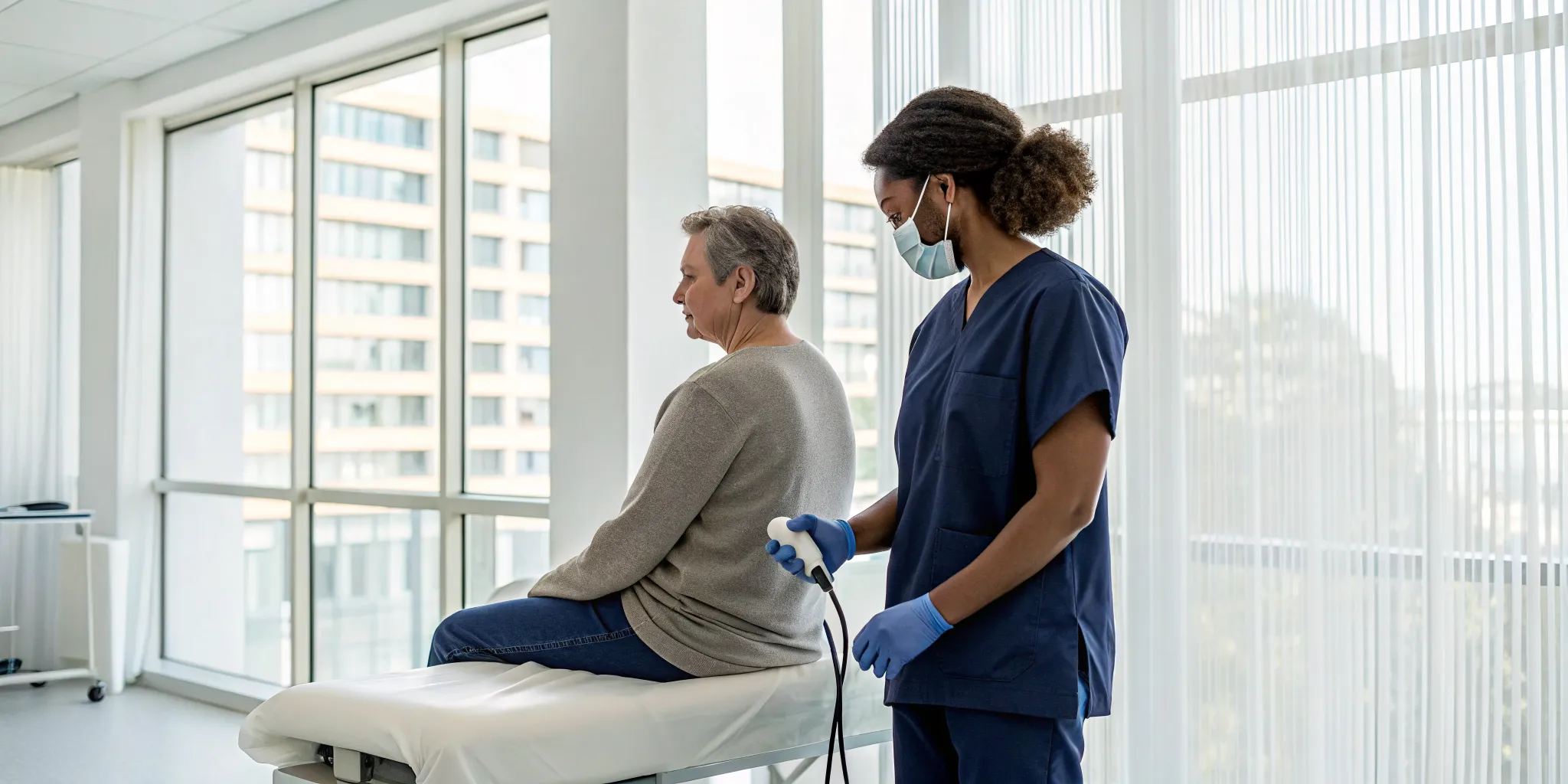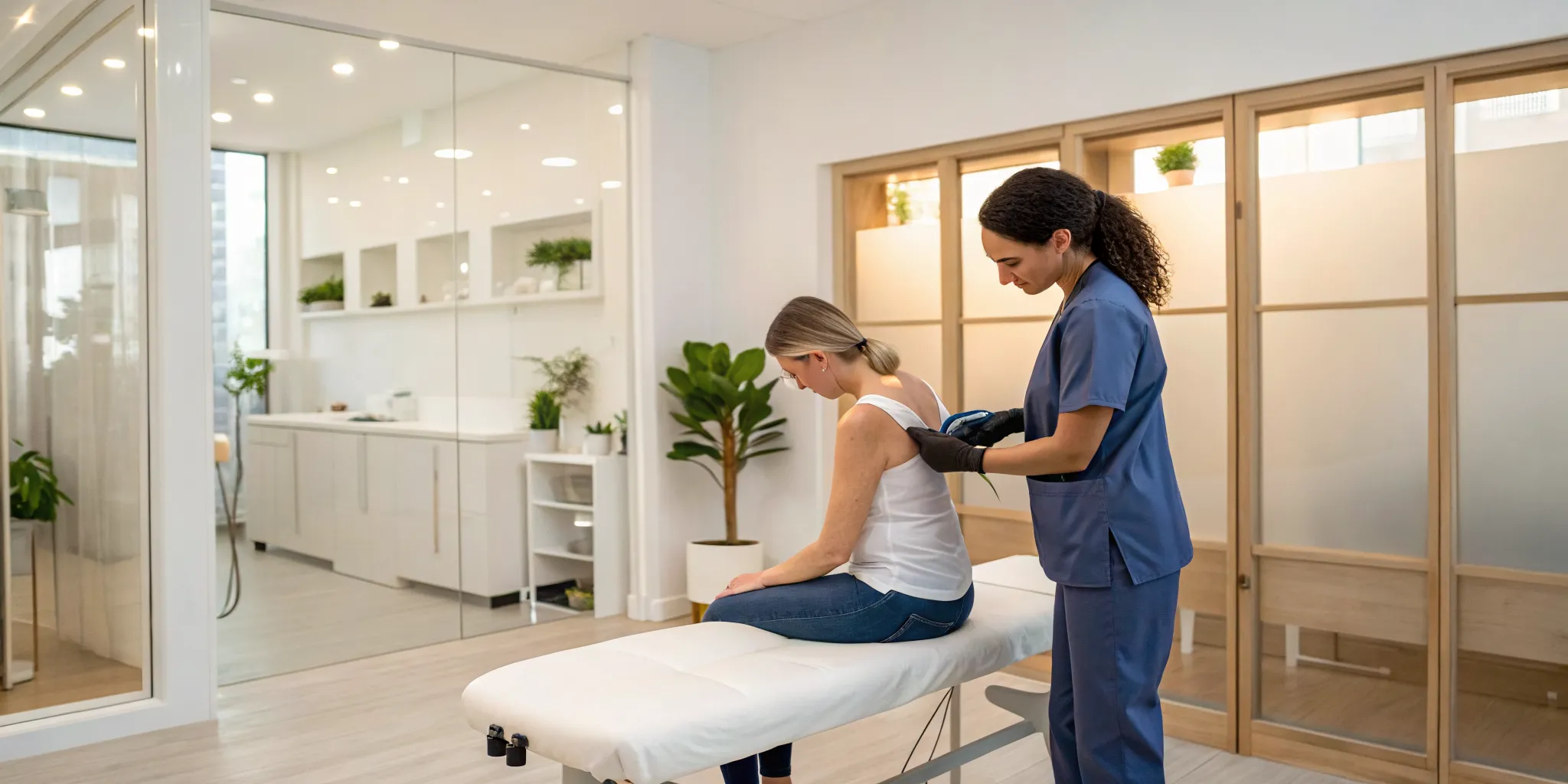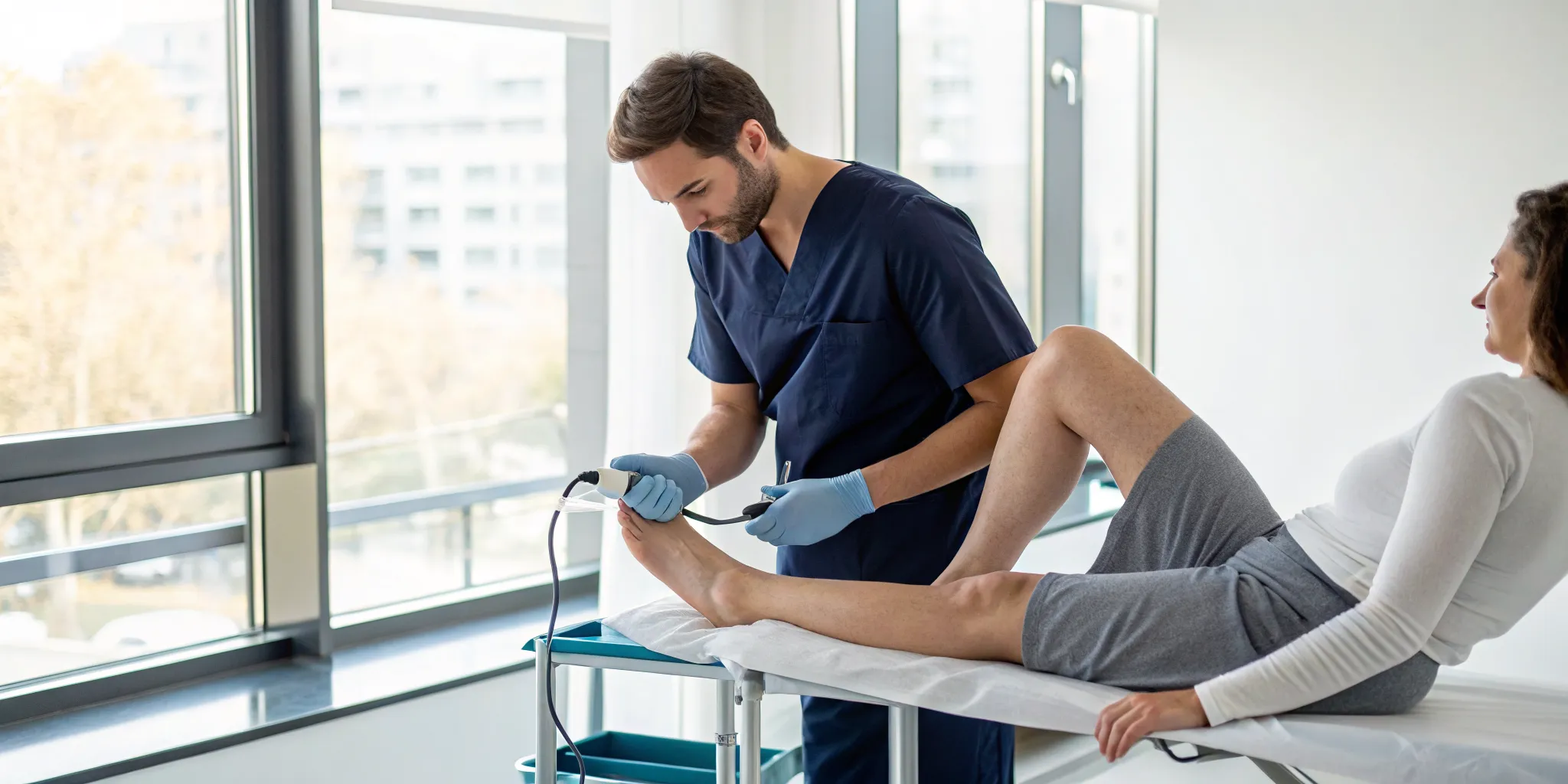
A herniated disc can make everyday movement feel uncertain, especially when back or leg pain interrupts work, exercise, or time with family. For many Tampa Bay residents, the next step is not automatically surgery. A thoughtful evaluation can clarify what is contributing to your symptoms and which conservative options may support recovery.
Herniated disc treatment Tampa non-surgical options may include spinal decompression, chiropractic care, corrective movement protocols. And other personalized therapies designed to manage pain and support the body's natural healing process.
If you are exploring non-surgical solutions for disc-related pain in the Tampa Bay area, schedule a consultation at Ascend Functional Health to discuss which approach may fit your unique symptoms and recovery goals.
The right approach depends on the disc involved, the degree of nerve irritation, your overall health, and how your symptoms respond over time. Understanding what a herniated disc is and why it can cause pain is the first step toward making an informed decision about care.
What Is a Herniated Disc and Why Does It Cause Pain?
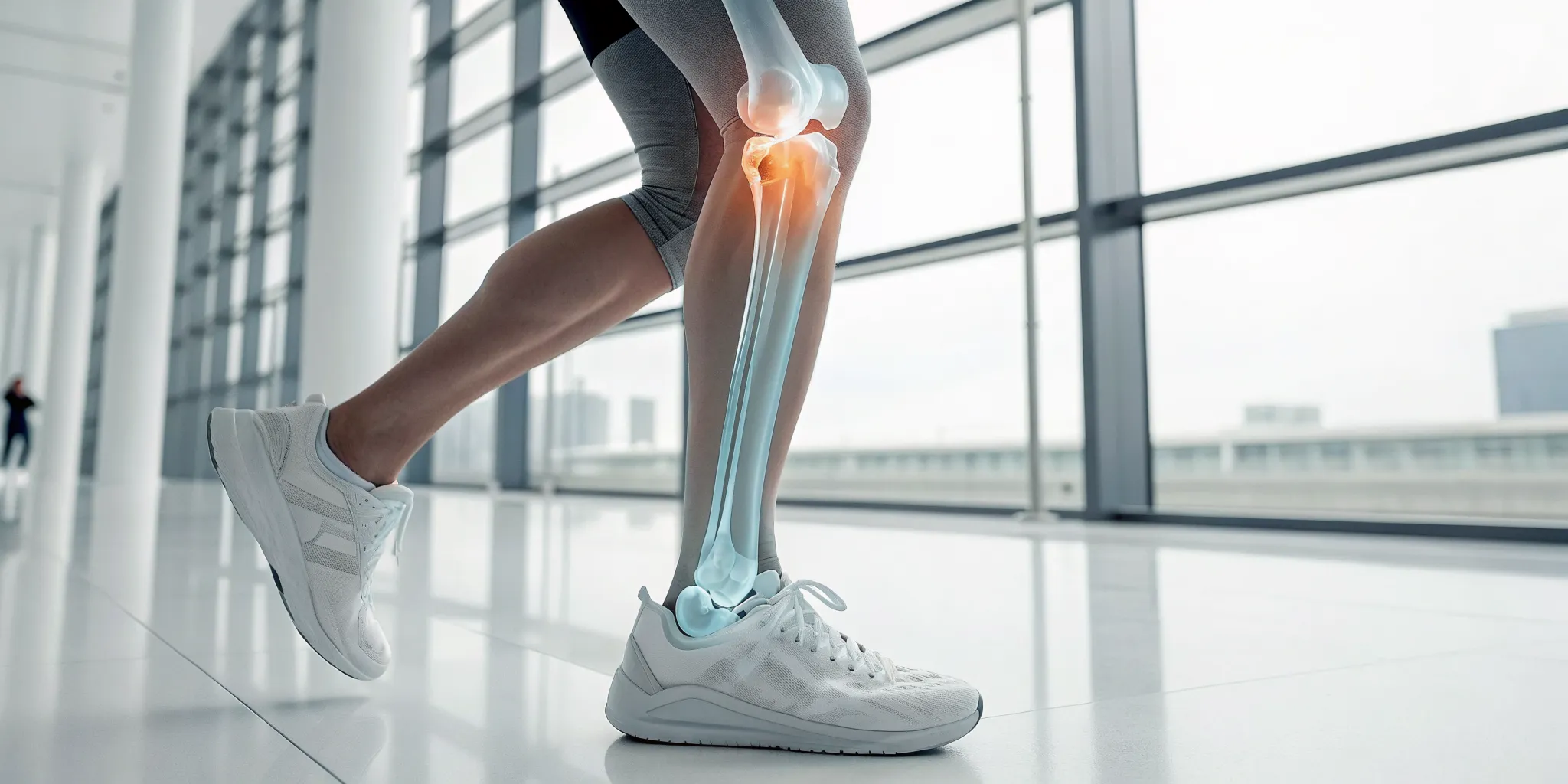
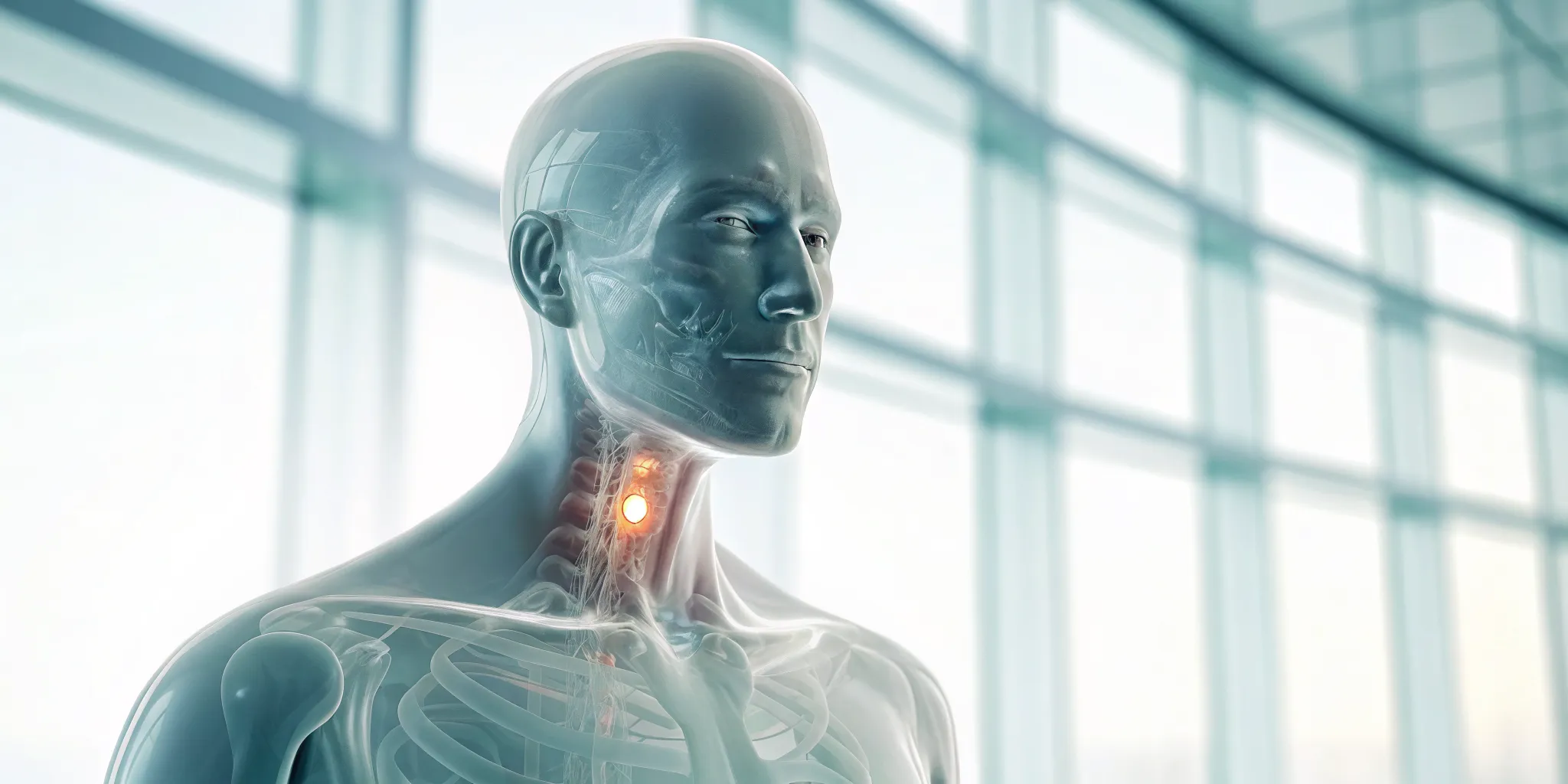
A herniated disc occurs when the soft inner material of a spinal disc pushes through its outer layer, potentially irritating nearby nerves and causing pain, numbness, or weakness. Most herniated discs respond well to conservative, non-surgical care.
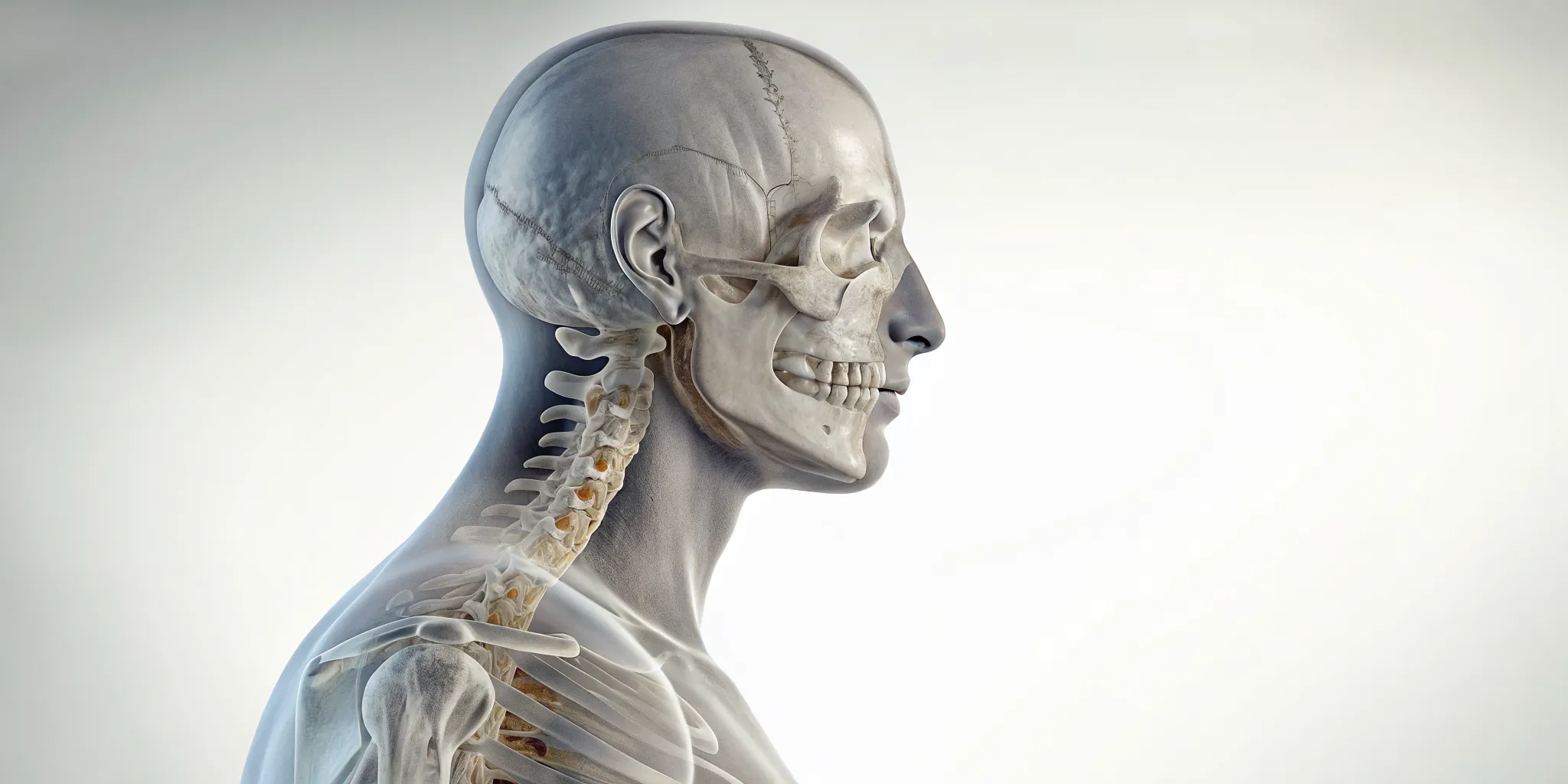
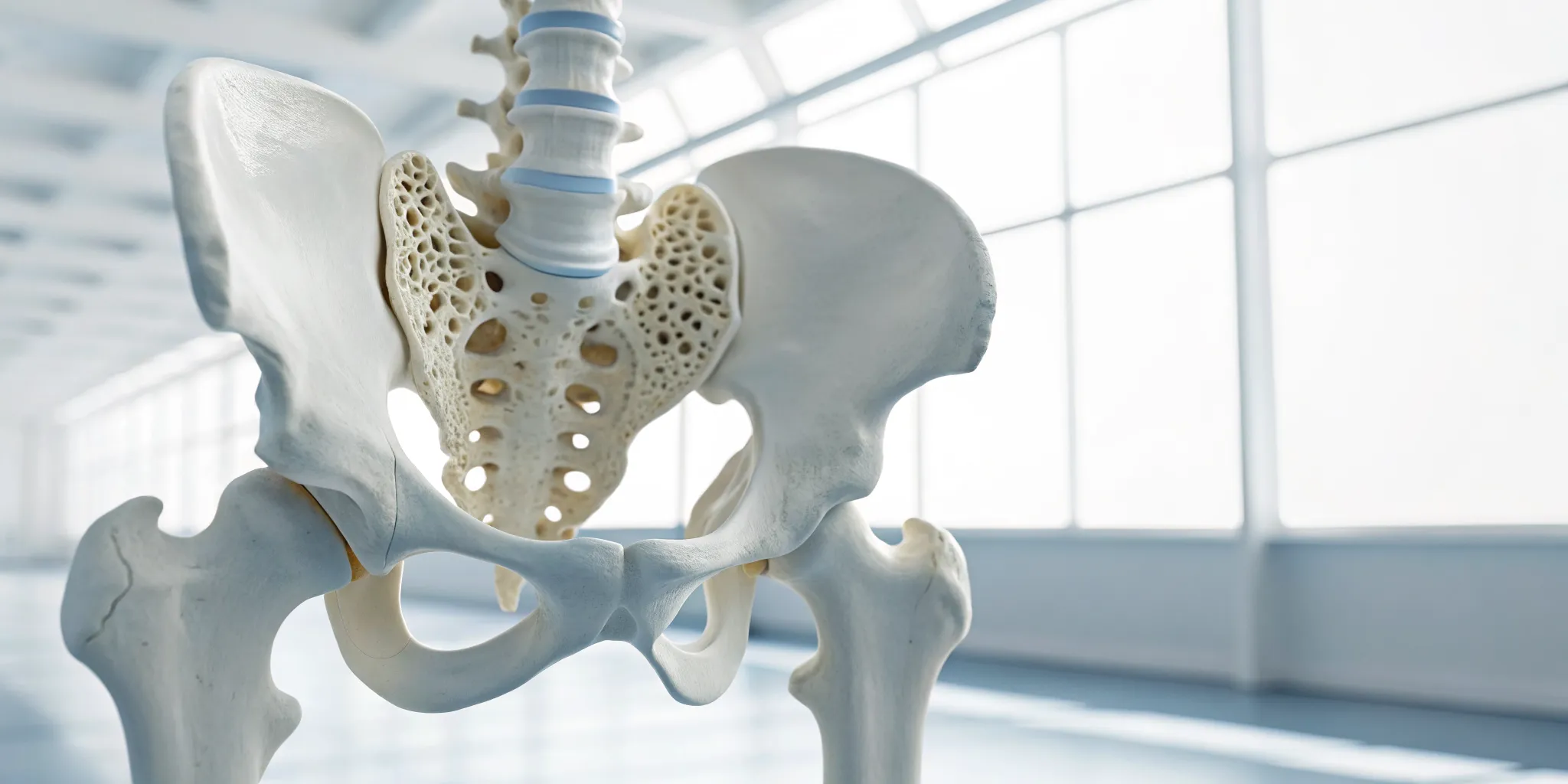
Between each vertebra sits a disc that acts as a cushion and shock absorber. Each disc has a tough outer layer and a gel-like center. When the outer layer tears or weakens, the inner material can push through, sometimes contacting spinal nerves. The resulting pain may stay in the lower back or travel into the buttock, thigh, and leg. Healthcare professionals refer to disc herniation as a common spinal disorder characterized by the displacement of disc material (NCBI Bookshelf).
Not every herniated disc causes symptoms. Many people have disc changes visible on imaging that never produce pain. When symptoms do appear, they stem from a combination of mechanical compression and chemical irritation from the disc material itself. The body often begins resolving the issue on its own, which is why conservative care is the starting point for most patients.
- Mechanical compression: The displaced disc material physically presses on a nerve root, disrupting normal signaling.
- Chemical irritation: Proteins from within the disc can inflame nearby nerve tissue, amplifying pain signals independently of direct pressure.
- Natural resolution: The immune system can reabsorb small herniations over weeks to months, which means many patients improve without surgical intervention.
How Is a Herniated Disc Diagnosed?
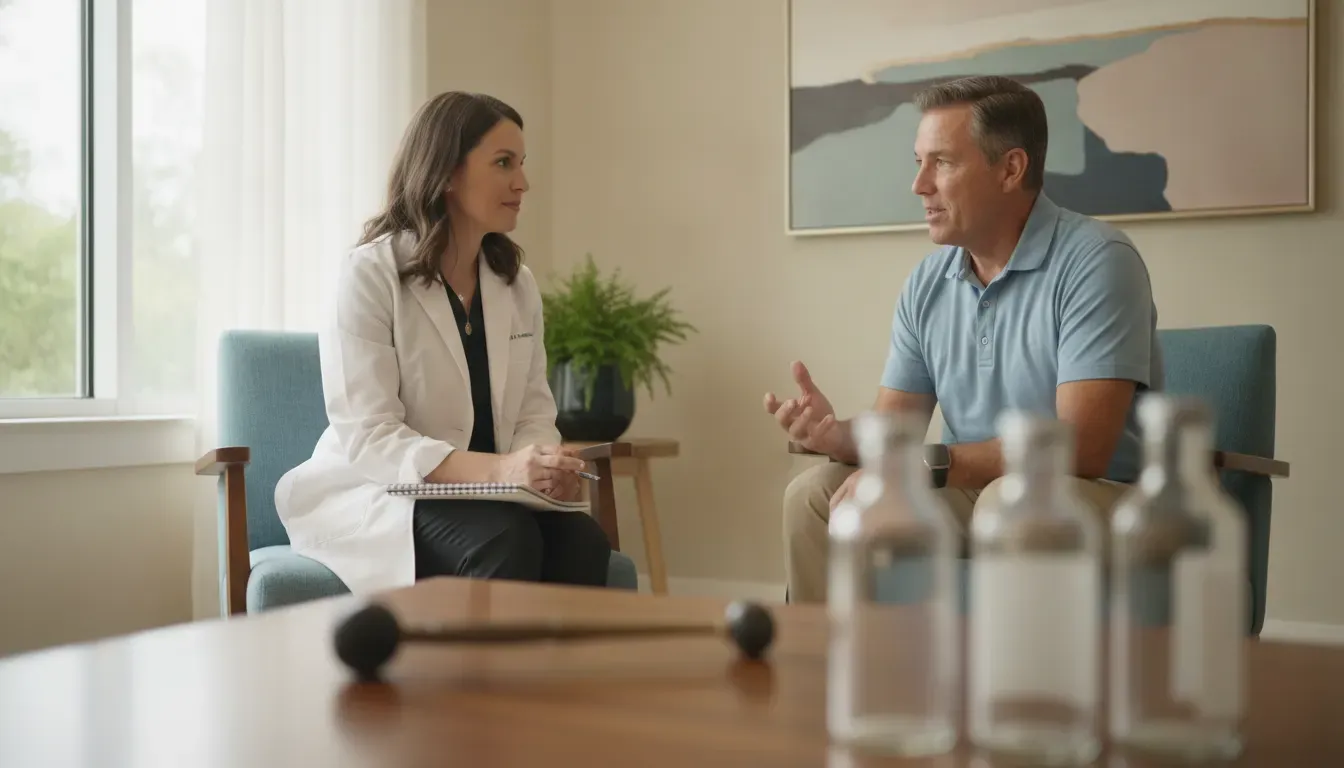
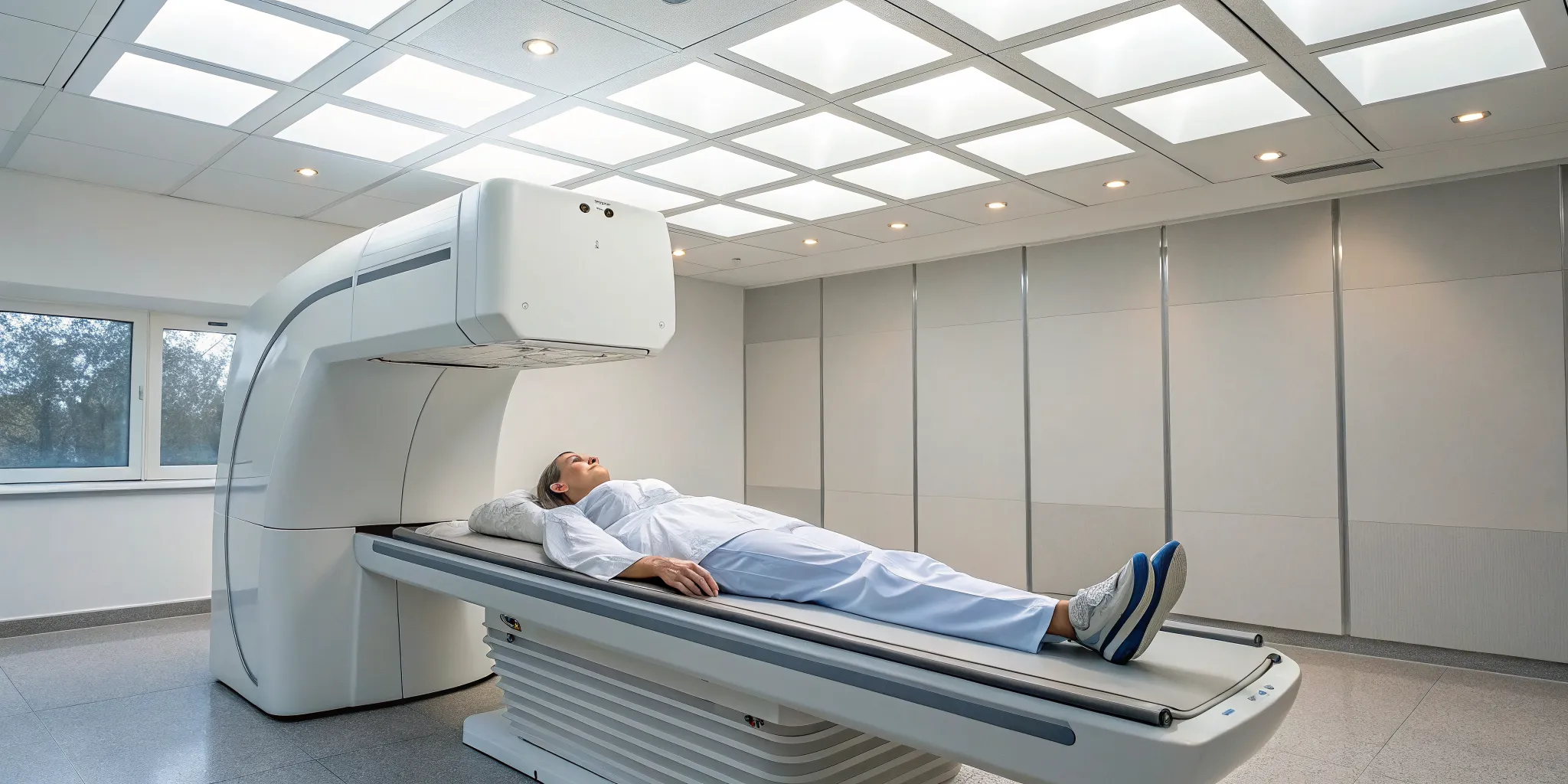
For many people, a physical exam and medical history are sufficient to diagnose a herniated disc. Imaging like MRI may be used to confirm the location and rule out other causes.
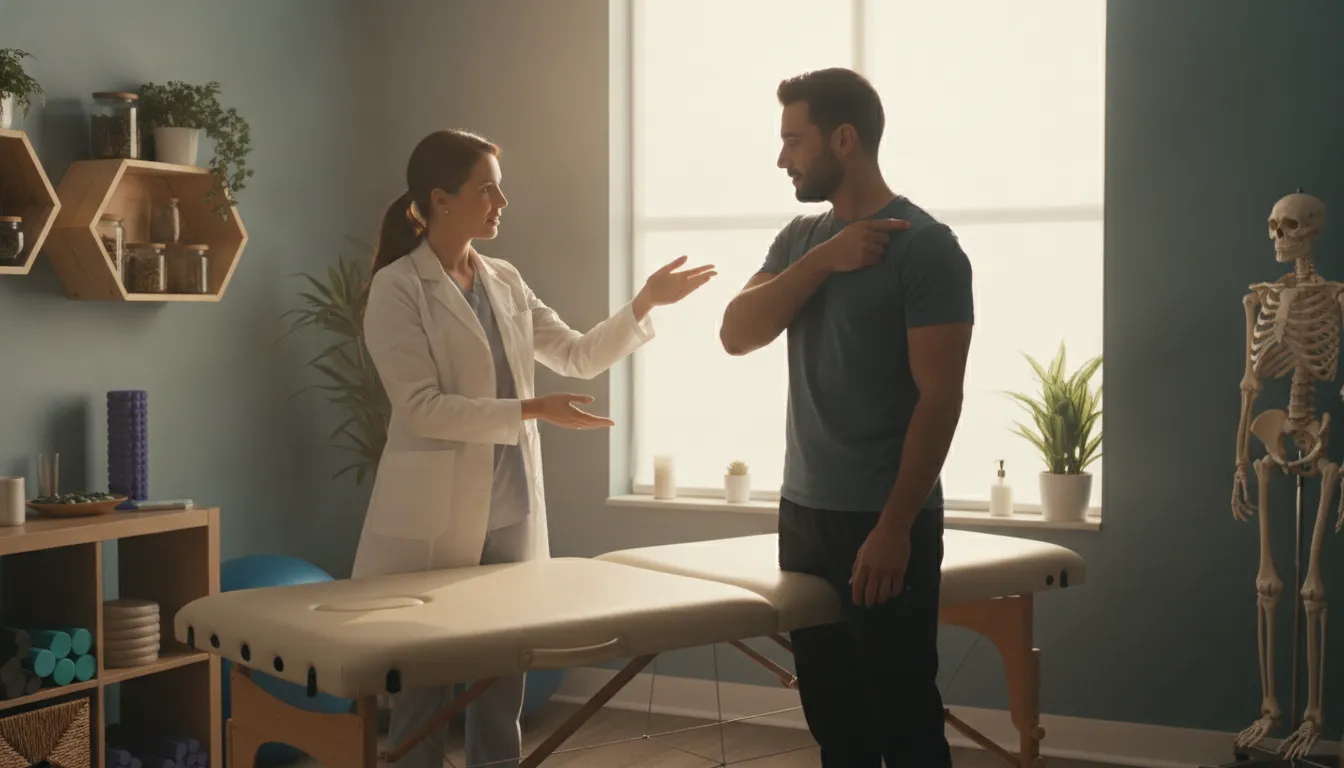
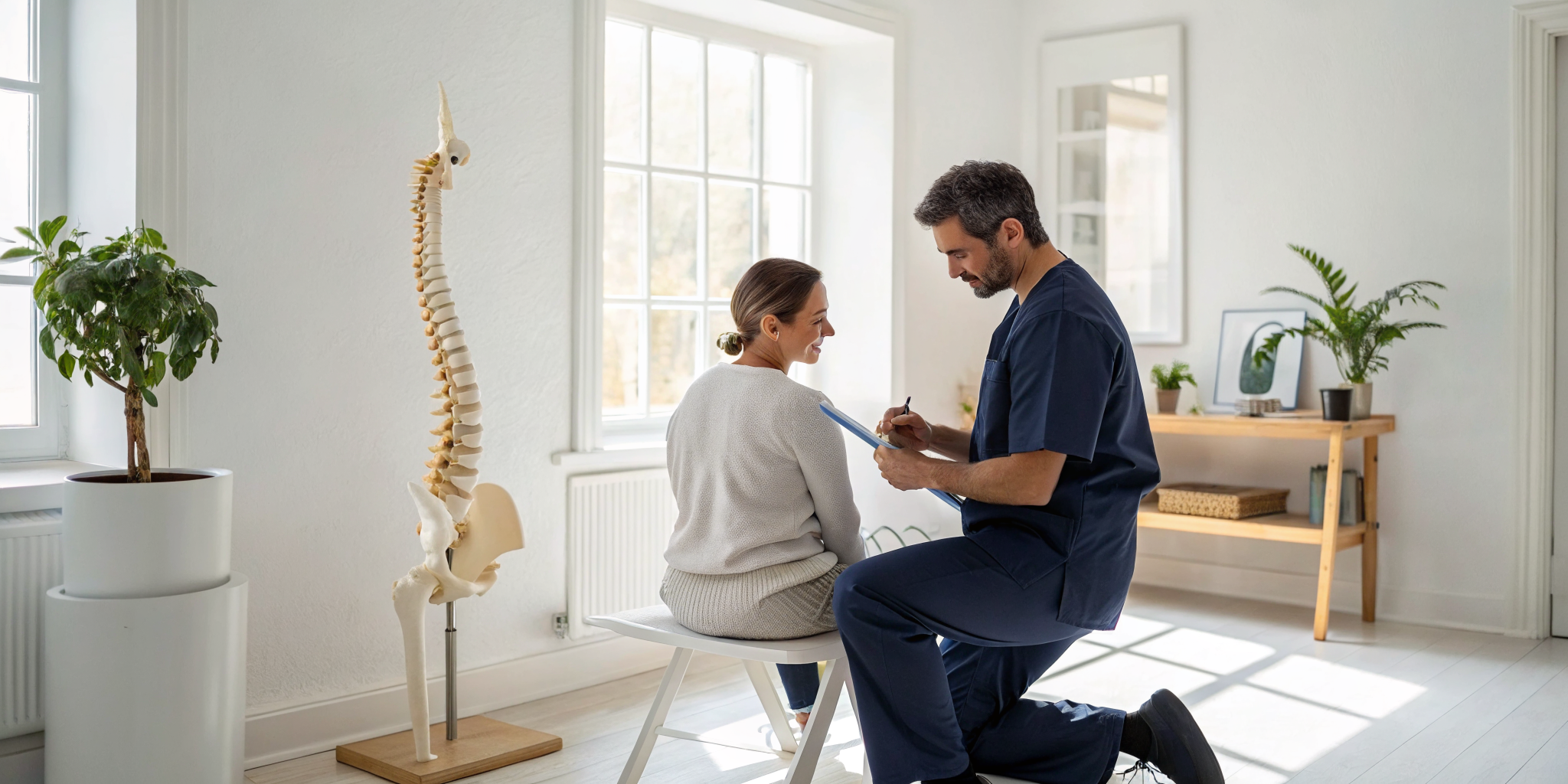
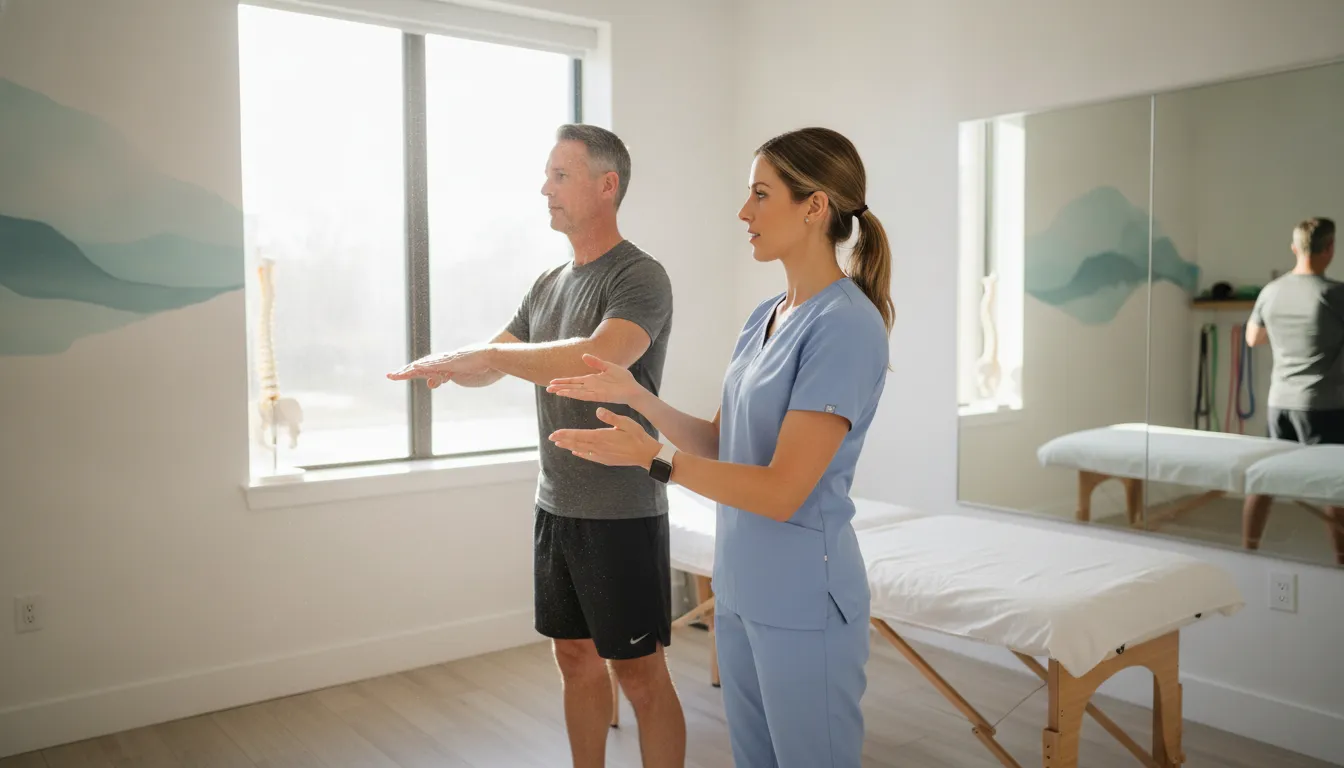
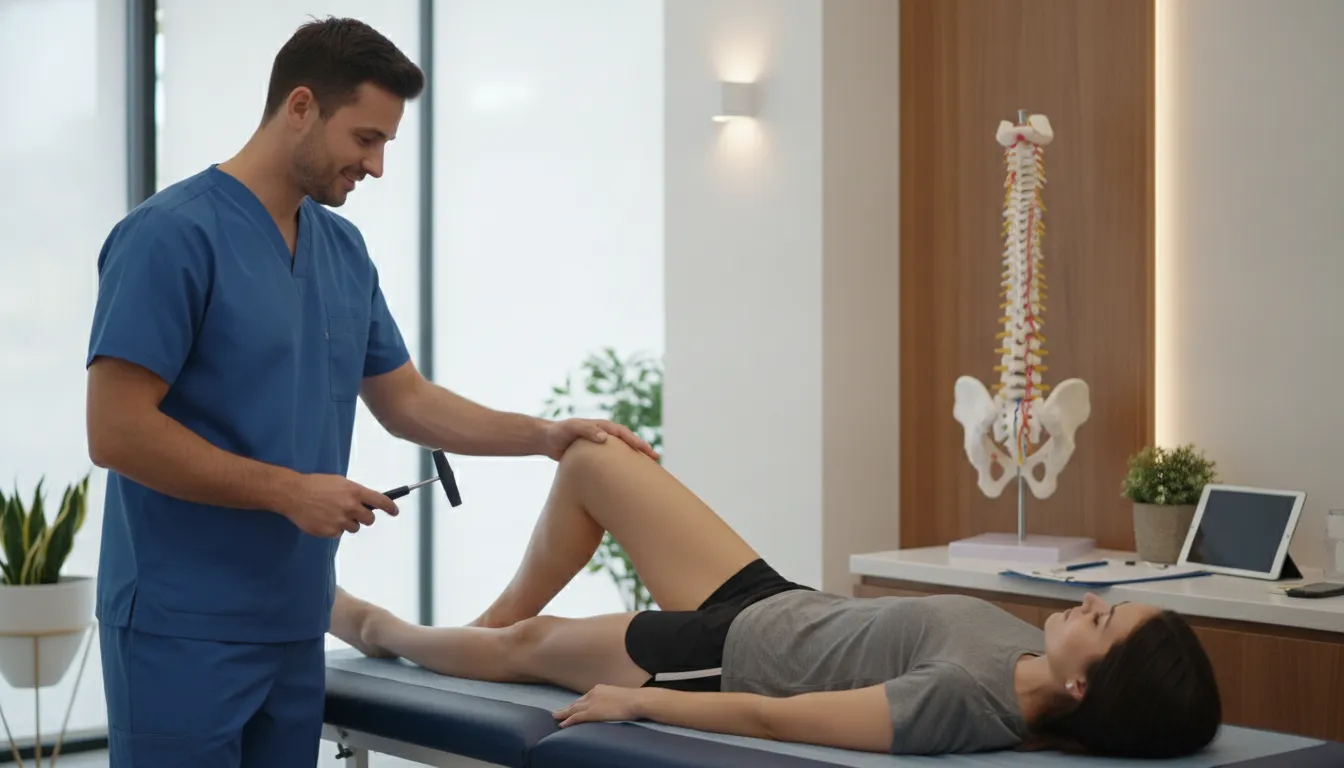
During an evaluation, a clinician will review your symptoms, activity patterns, and any previous injuries. The physical exam may include checking reflexes, muscle strength, sensation, and specific movements that reproduce or relieve your pain. According to the Mayo Clinic, for many people a physical exam and medical history are enough to diagnose a herniated disc (Mayo Clinic).
- History review: Your care team discusses when the pain started, what makes it better or worse, and any prior injuries or treatments.
- Neurological exam: Reflexes, muscle strength, and sensation are tested to identify which nerve root may be involved.
- Imaging if needed: MRI confirms the herniation location and severity. X-rays rule out fractures or alignment issues.
A thorough diagnosis allows the care team to match your specific presentation to the most appropriate non-surgical approach. At Ascend, an initial consultation includes a sit-down discussion, examination, and X-rays if the doctor deems them appropriate. Followed by a report of findings and personalized strategy session on the second visit.
Non-Surgical Herniated Disc Treatment Options in Tampa
Herniated disc treatment Tampa non-surgical care combines multiple conservative strategies rather than relying on one intervention. The appropriate plan may include chiropractic care, spinal decompression, SoftWave therapy, physical therapy, and nutrition support.
| Approach | How It Works | Best For |
|---|---|---|
| Chiropractic care (CBP) | Precise adjustments improve spinal alignment and reduce nerve irritation | Mild to moderate disc bulges, alignment-related pain |
| Spinal decompression | Controlled traction creates negative pressure to retract disc material | Confirmed herniation with nerve root irritation |
| SoftWave therapy | Acoustic waves stimulate blood flow and tissue repair | Adjacent soft-tissue pain and inflammation |
| Physical therapy | Targeted exercises restore mobility, core strength, and posture | Post-acute recovery and long-term prevention |
| Functional medicine | Dietary and lifestyle changes reduce systemic inflammation | Chronic pain with inflammatory contributors |
Chiropractic care for movement and spinal function
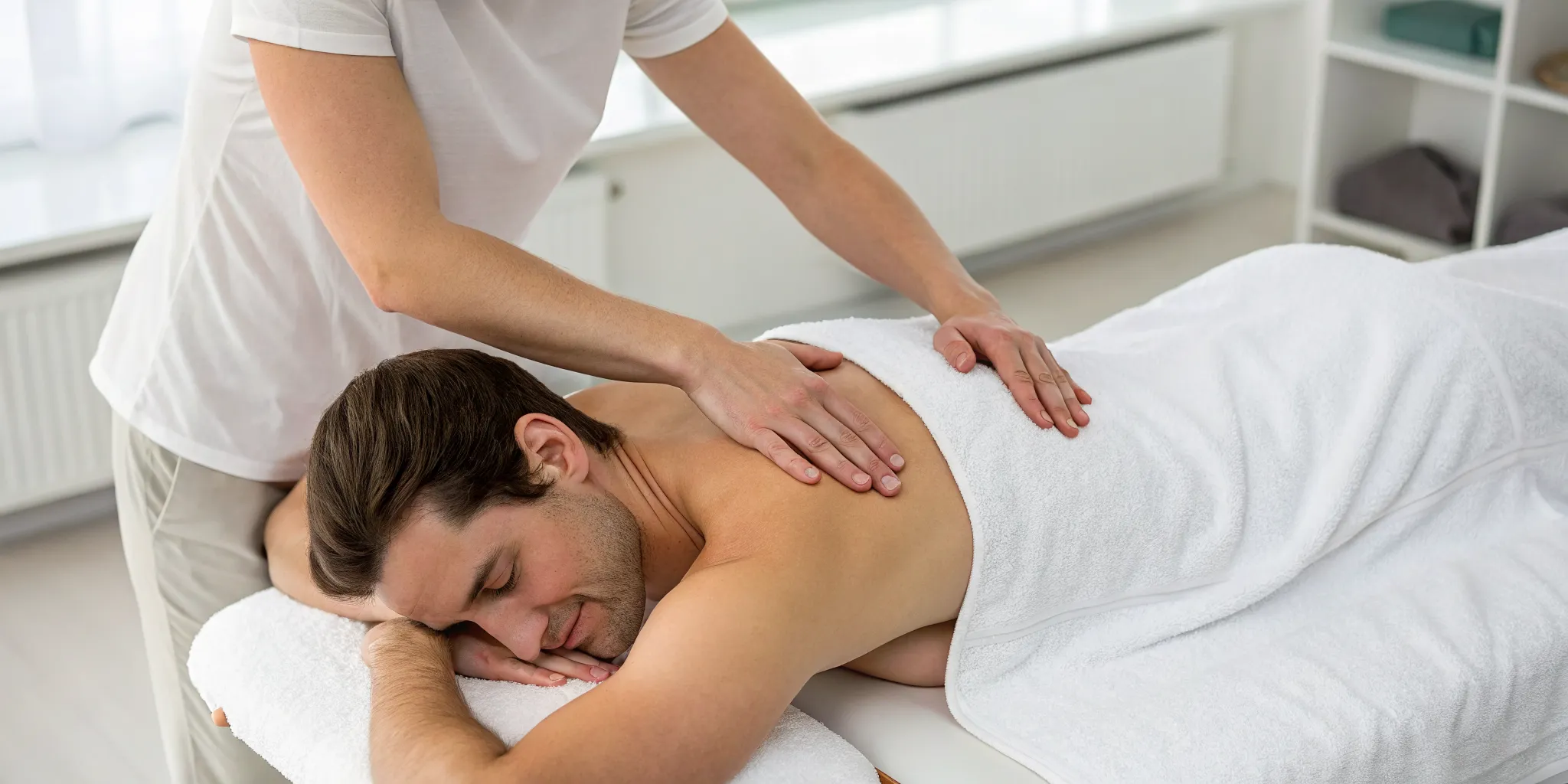
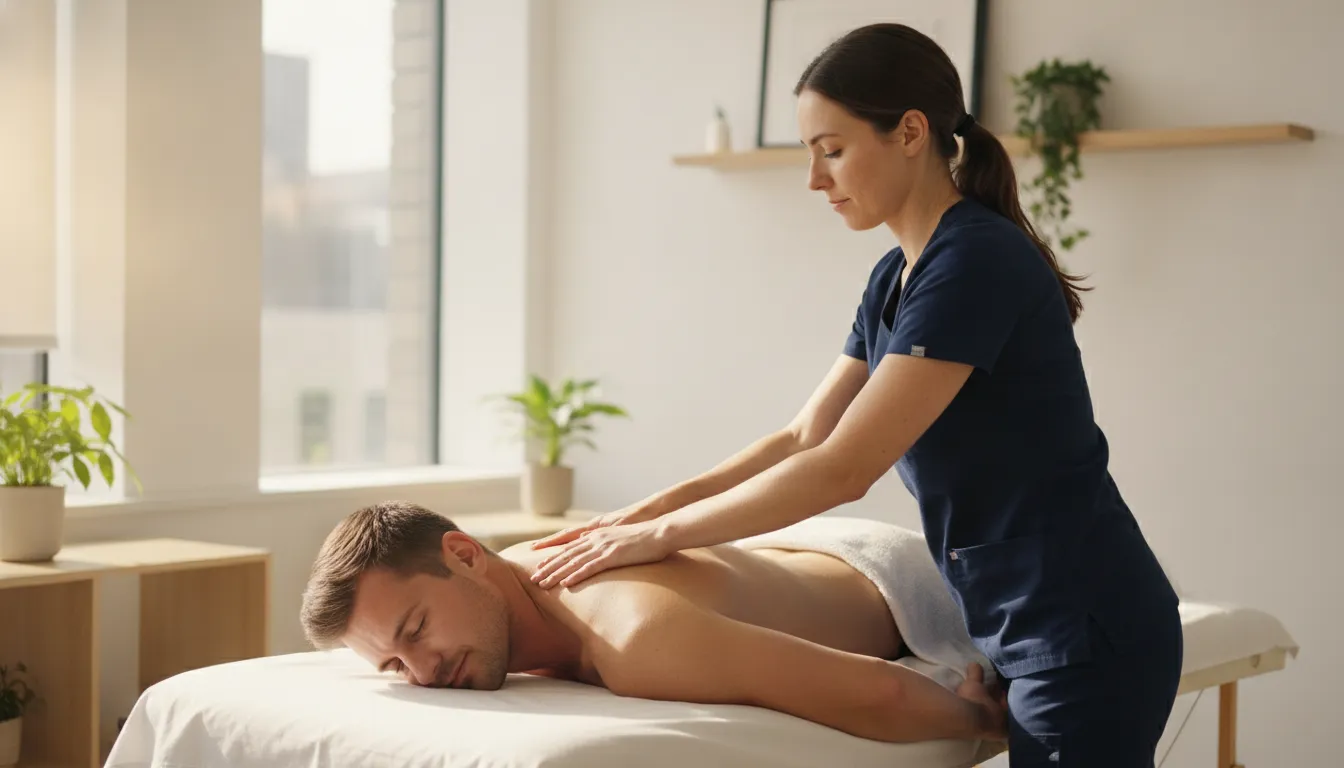
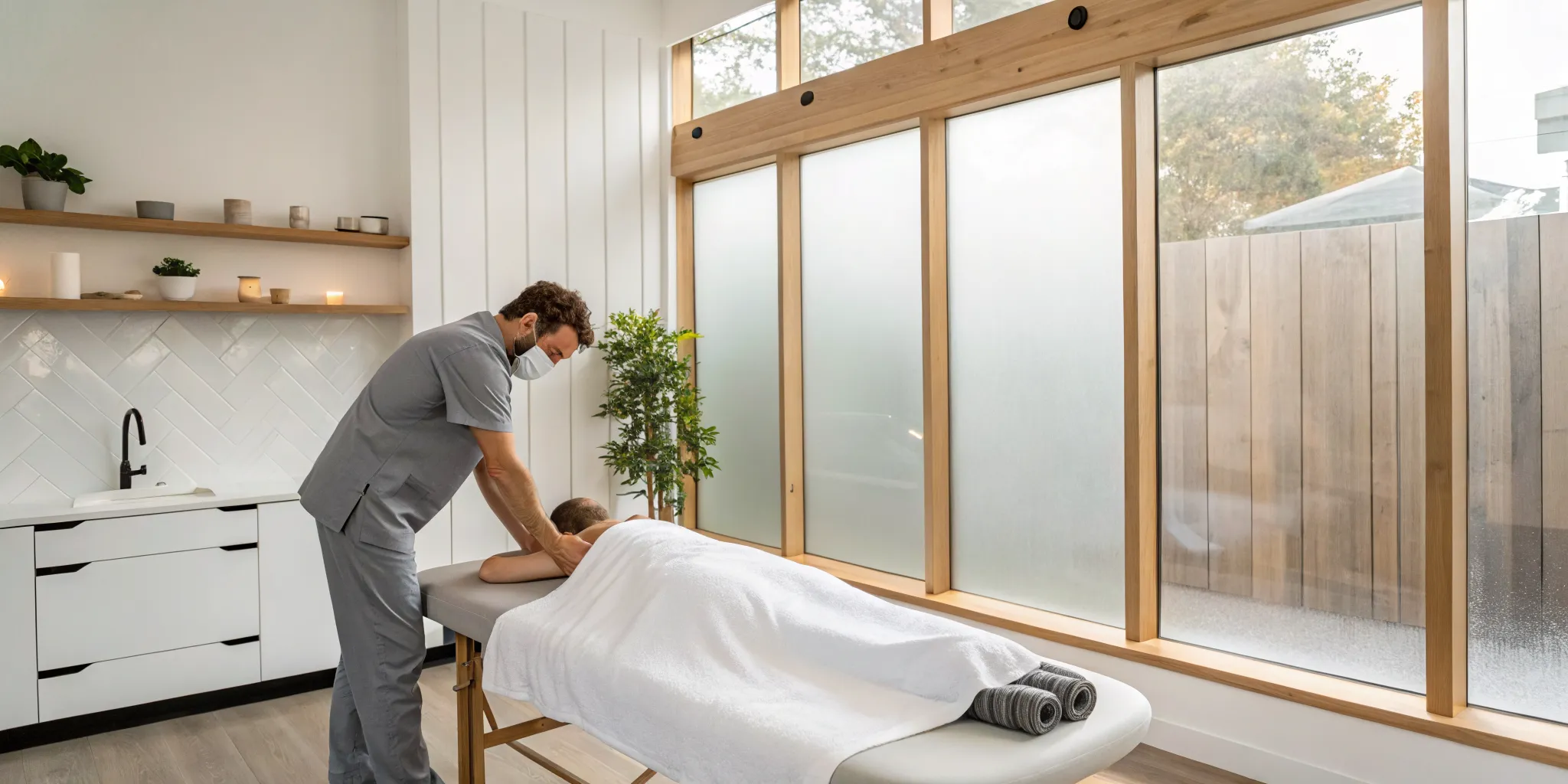
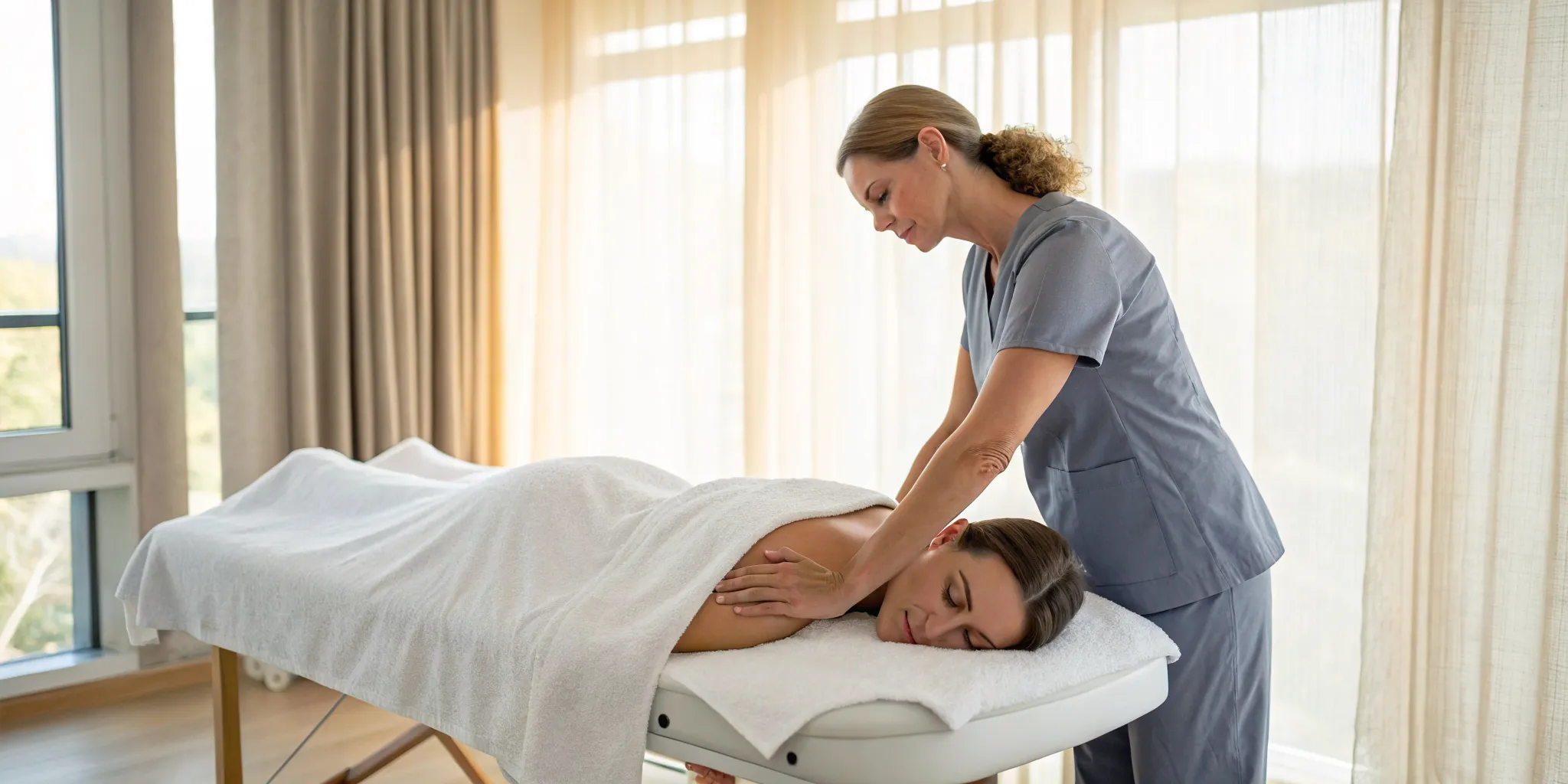
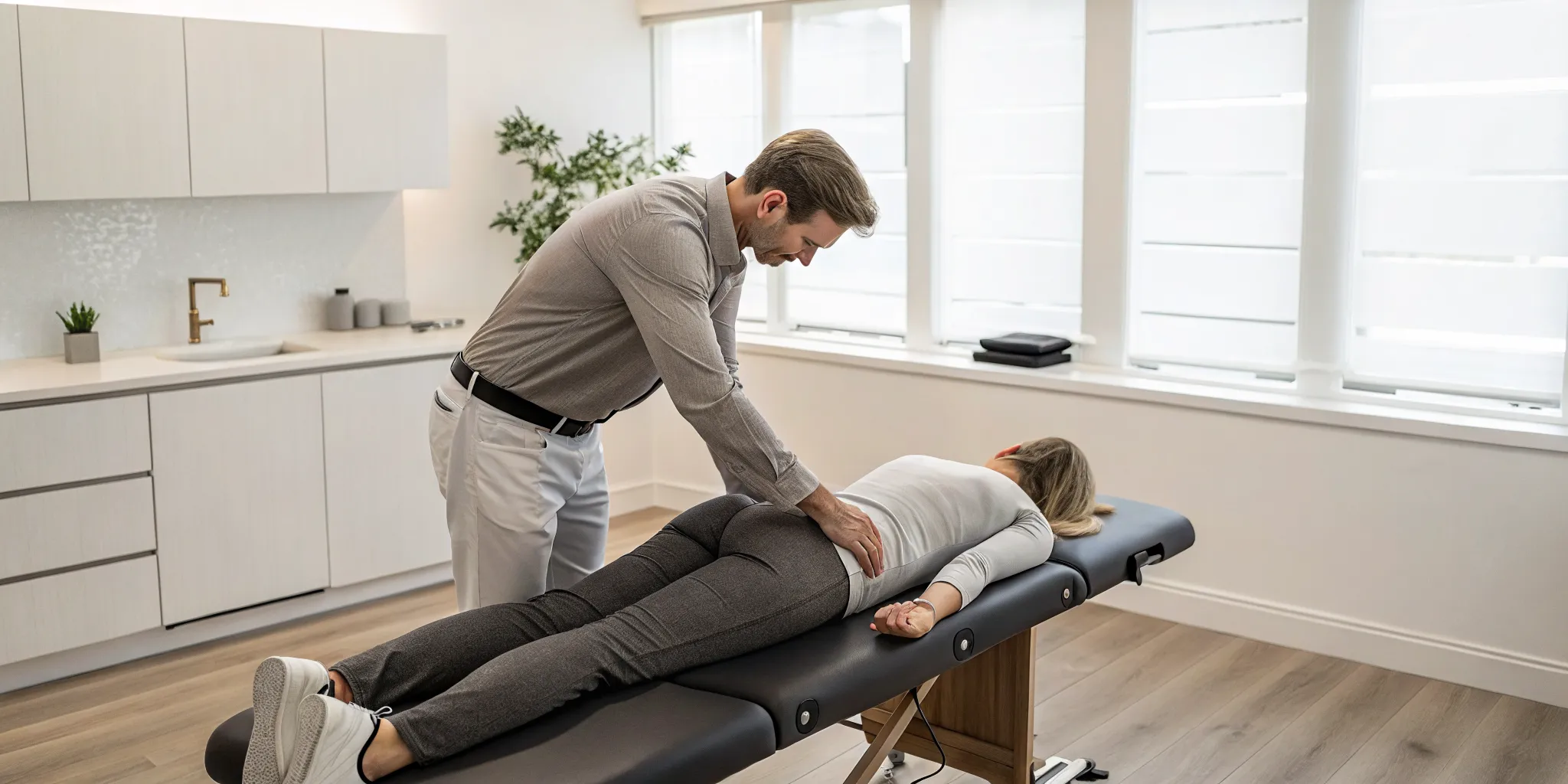
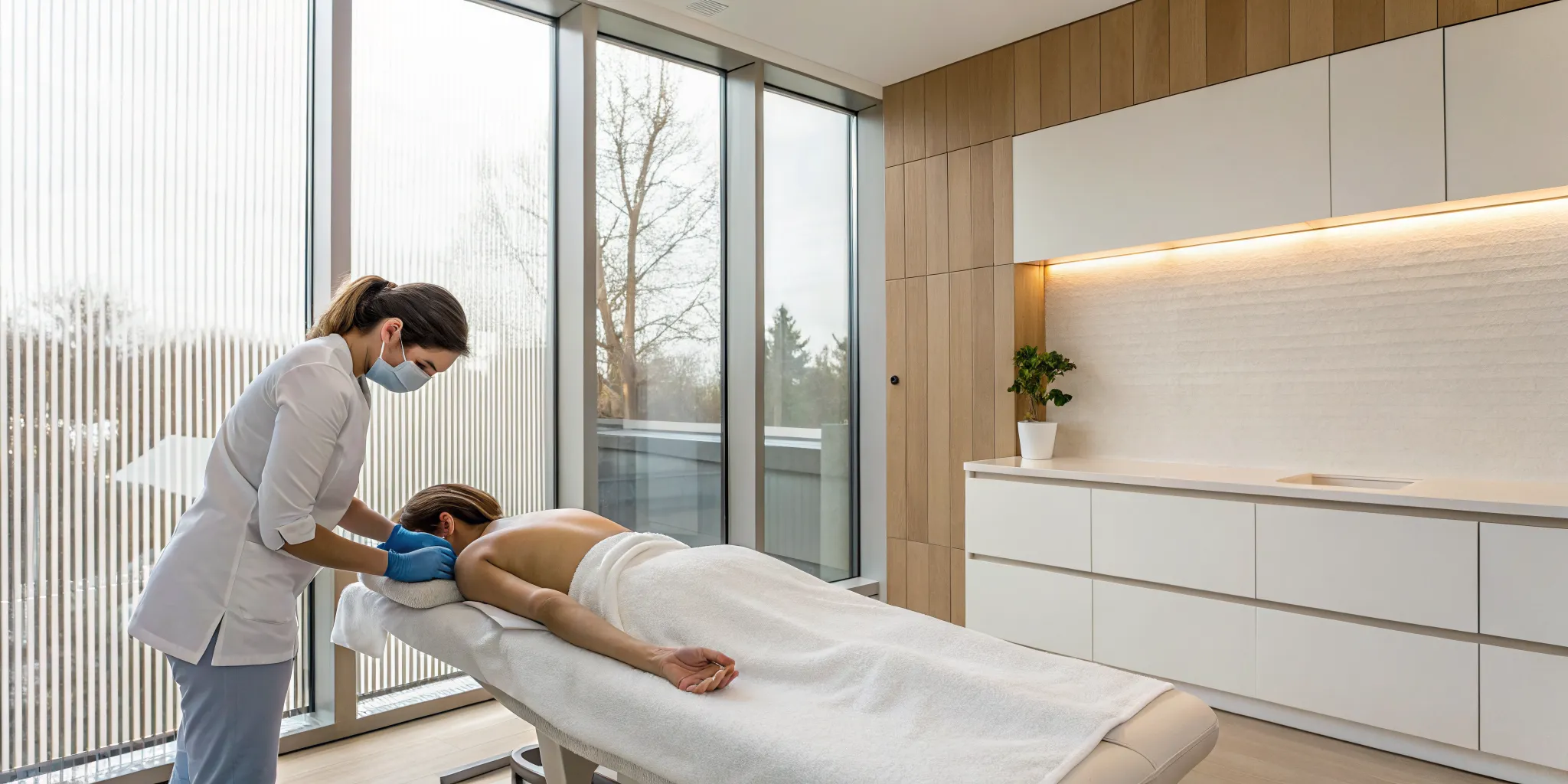
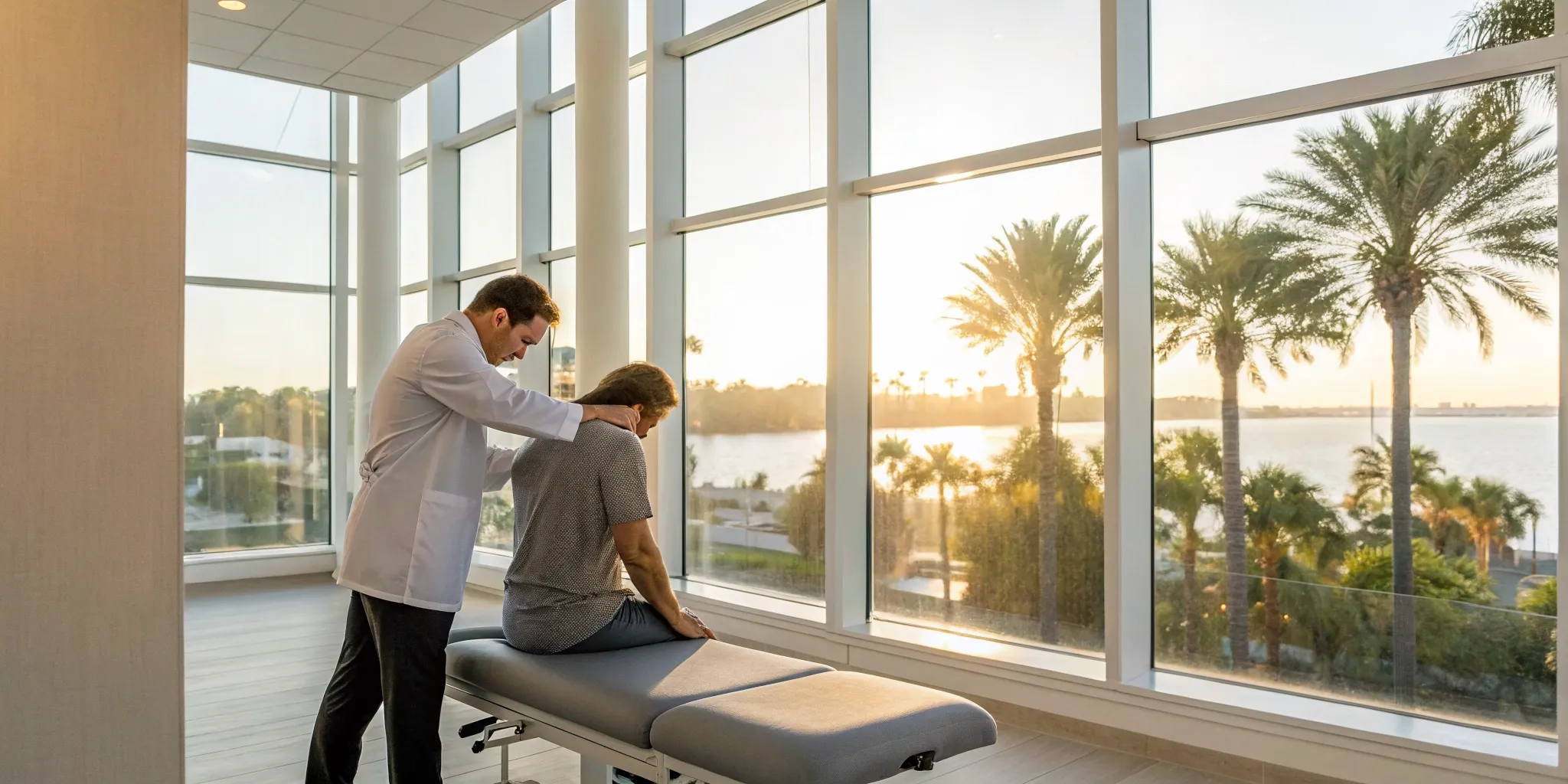
Chiropractic care is a non-invasive option that may support pain management and mobility when disc-related symptoms affect movement. A careful assessment helps determine which techniques are appropriate and which movements should be modified. The aim is not to force a painful range of motion, but to improve how the spine and surrounding structures work together while the body progresses through recovery. Evidence-based references describe chiropractic care as a supportive option for disc-related concerns (Cleveland Clinic). For more on this pillar of care, explore the Physical Medicine services at Ascend.

Spinal decompression therapy
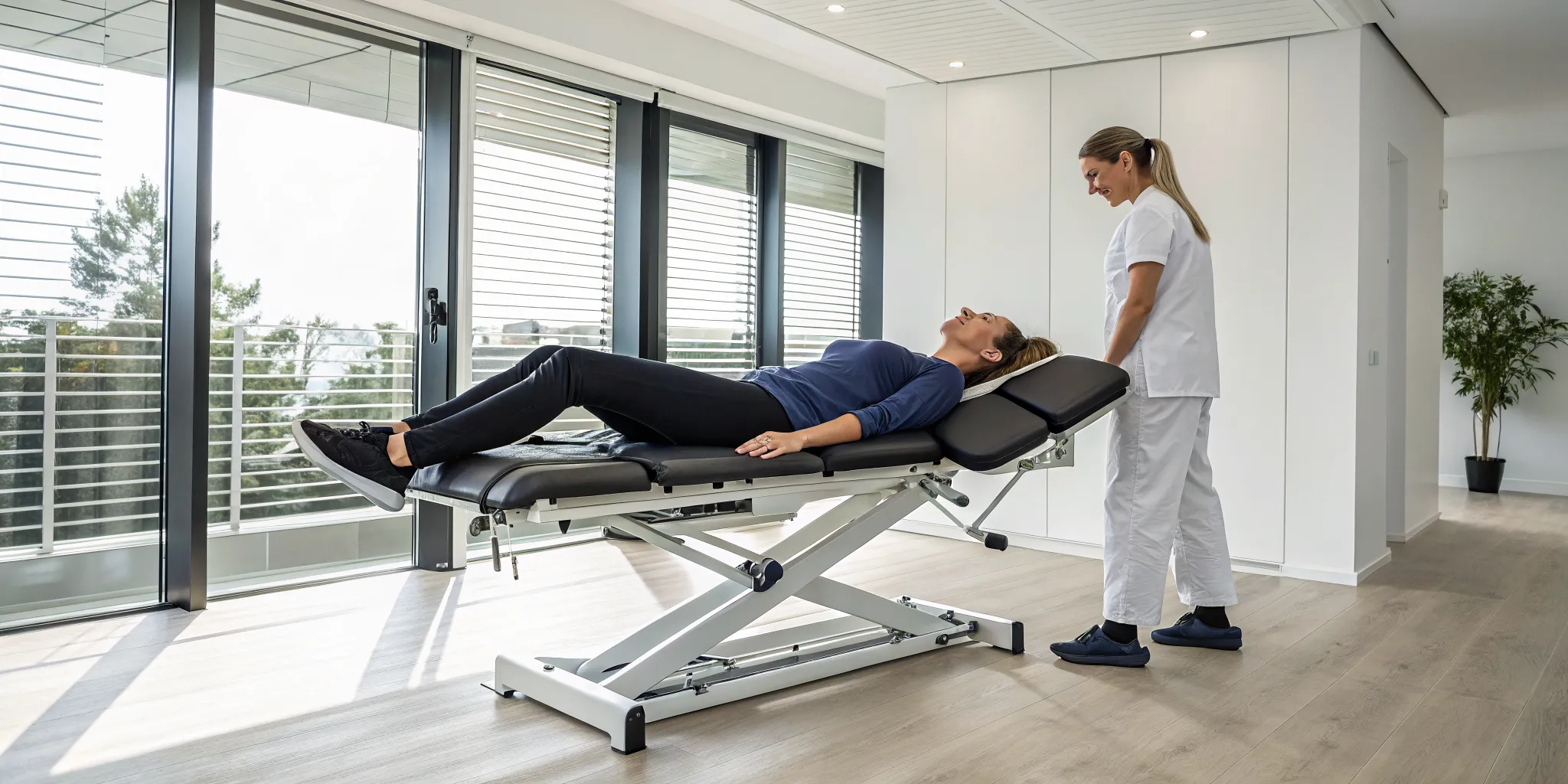
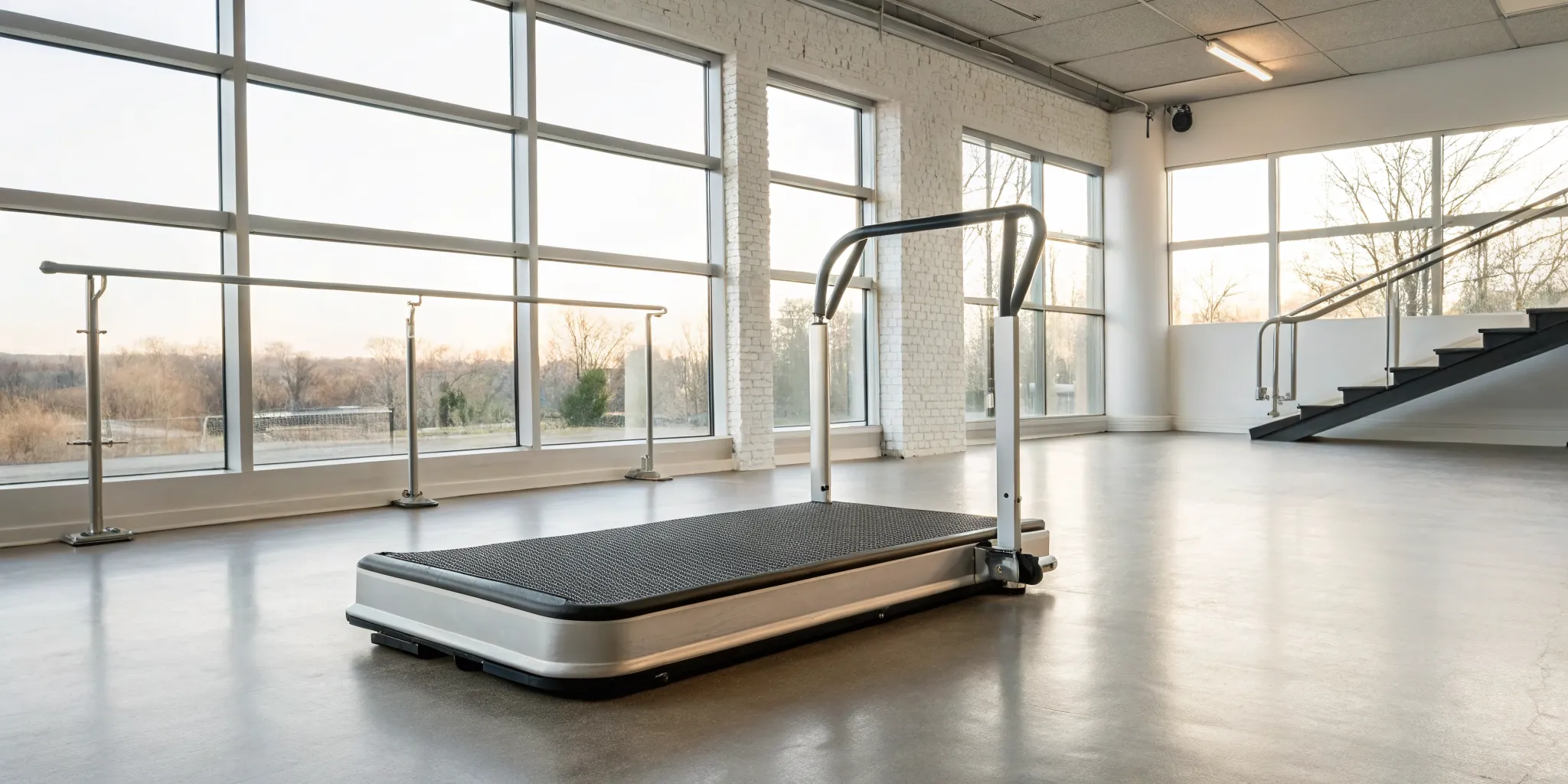
Spinal decompression uses controlled positioning and force to reduce mechanical stress through targeted areas of the spine. It may be considered when symptoms are aggravated by compression or when standard movement patterns are difficult. Treatment is typically incorporated into a broader plan rather than used as a stand-alone promise of correction. To understand how the approach works, review Ascend's non-surgical spinal decompression therapy resource.

SoftWave therapy and physical therapy
SoftWave therapy is a non-invasive modality used for musculoskeletal pain and may provide regenerative support alongside other physical medicine services. Available evidence describes it as an option intended to promote healing and reduce inflammation (Cleveland Clinic). Physical therapy, exercise, and pain control are recognized components of conservative management for lumbar disc herniation (NCBI Bookshelf). A physical therapist may address posture, walking tolerance, mobility, and progressive strengthening without pushing through escalating symptoms.
Anti-inflammatory nutrition as supportive care
Nutrition cannot replace an examination or targeted physical care, but an anti-inflammatory eating pattern may complement a broader plan. Emphasizing minimally processed foods, adequate protein, colorful produce, hydration, and foods rich in healthy fats can support overall health while activity is gradually rebuilt. The practical focus is consistency, not a restrictive short-term protocol.
Across these options, the goal of conservative care is to manage symptoms, preserve or improve function, and support a return to normal activities while natural healing occurs (NCBI Bookshelf). Tampa Bay residents can review Ascend's herniated disc treatment in Tampa page for service details, then discuss which combination fits their presentation during a consultation.
Chiropractic Adjustments and Spinal Decompression for Disc Pain
Chiropractic adjustments and spinal decompression therapy work together to improve spinal alignment, reduce pressure on affected discs, and support the body's natural healing process without surgery.
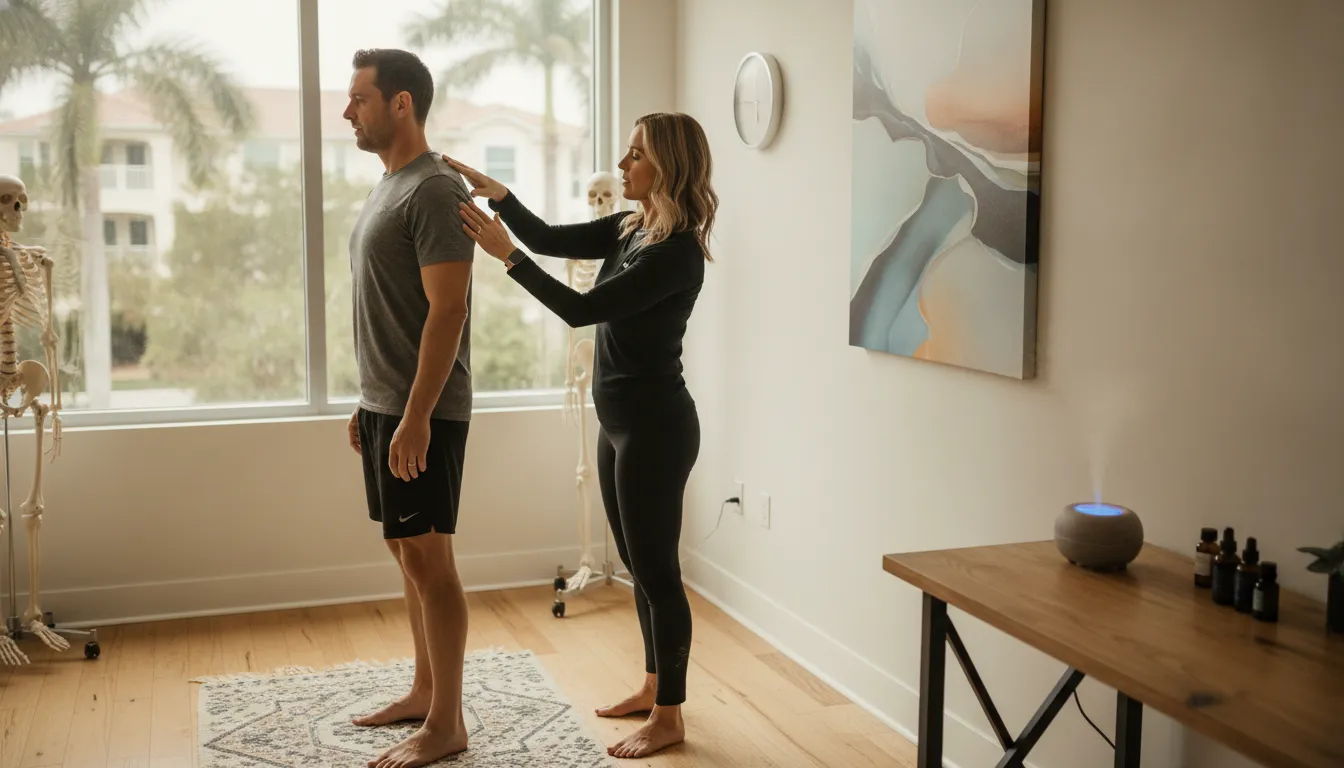
Chiropractic care for spinal alignment
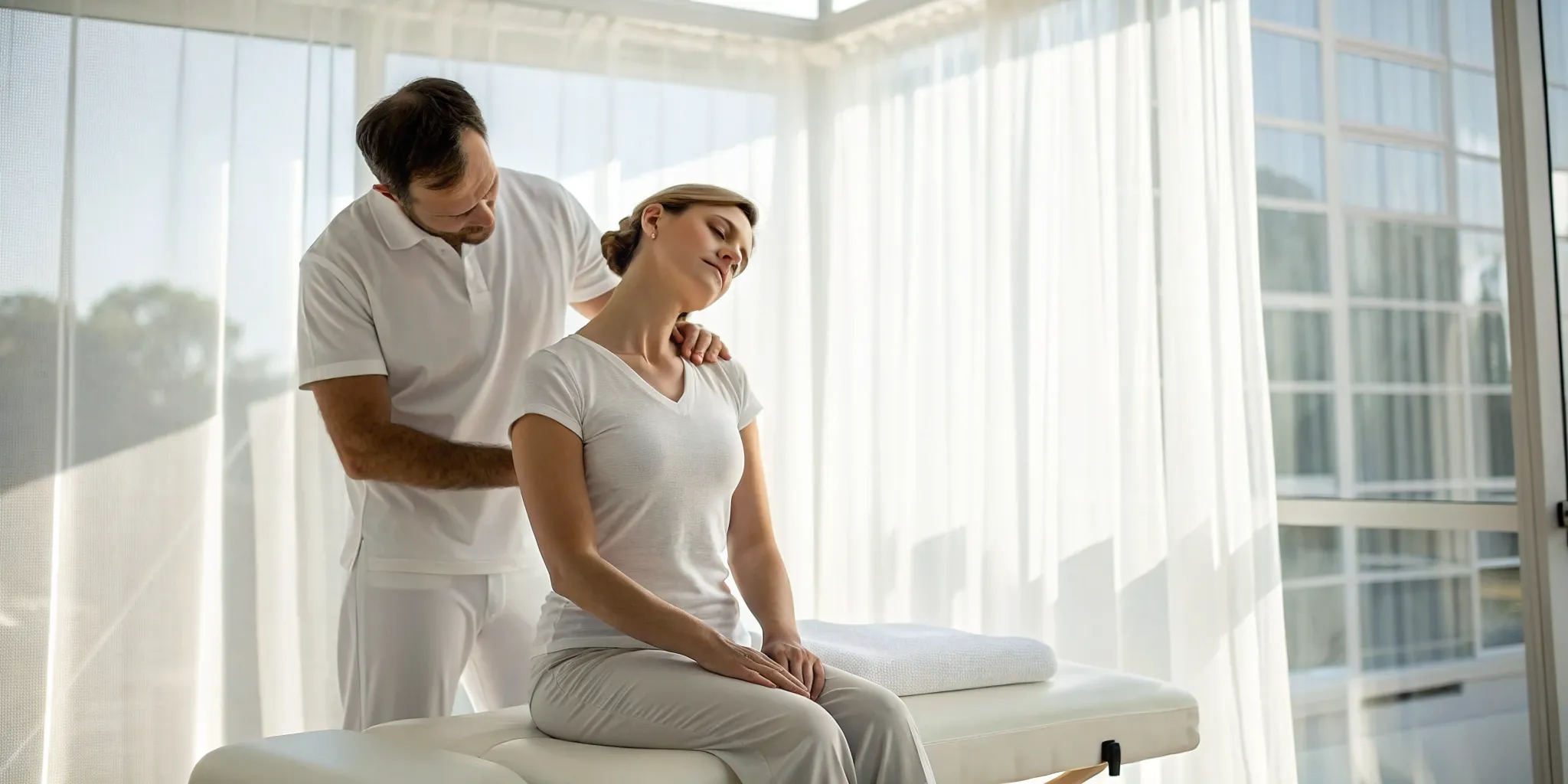
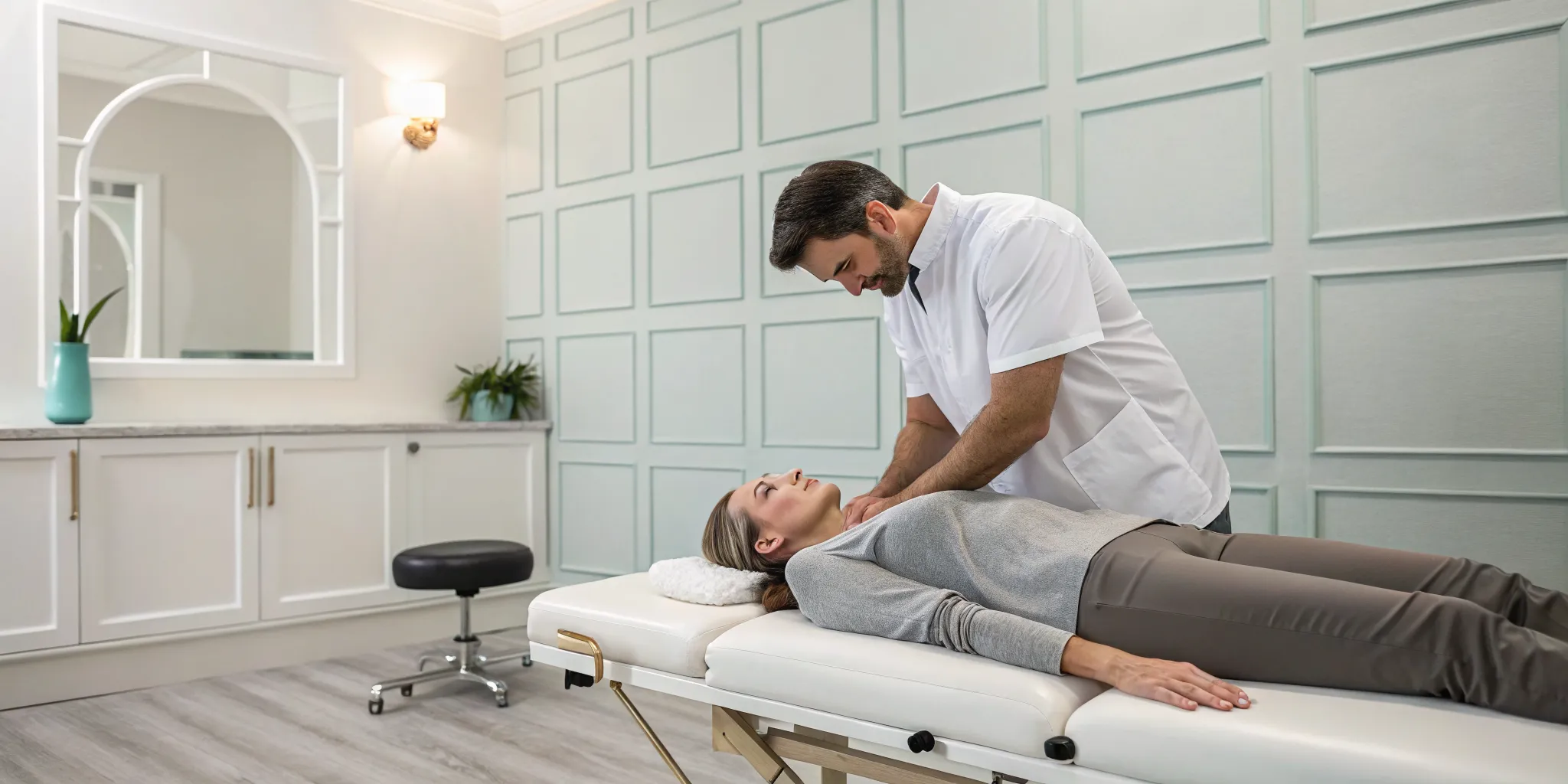
Chiropractic care is often considered a first-line, non-invasive approach for managing disc-related discomfort. The focus is on improving joint mobility and spinal alignment, which can reduce mechanical stress on the injured disc while the body heals. At Ascend Functional Health, Chiropractic BioPhysics (CBP) techniques may be used for evidence-based structural correction. CBP emphasizes restoring proper spinal curvature and alignment through precise adjustments, mirroring the approaches recognized in clinical guidance for disc-related concerns (Cleveland Clinic). For more on this approach, see chiropractic care for herniated discs.
How spinal decompression creates space for healing
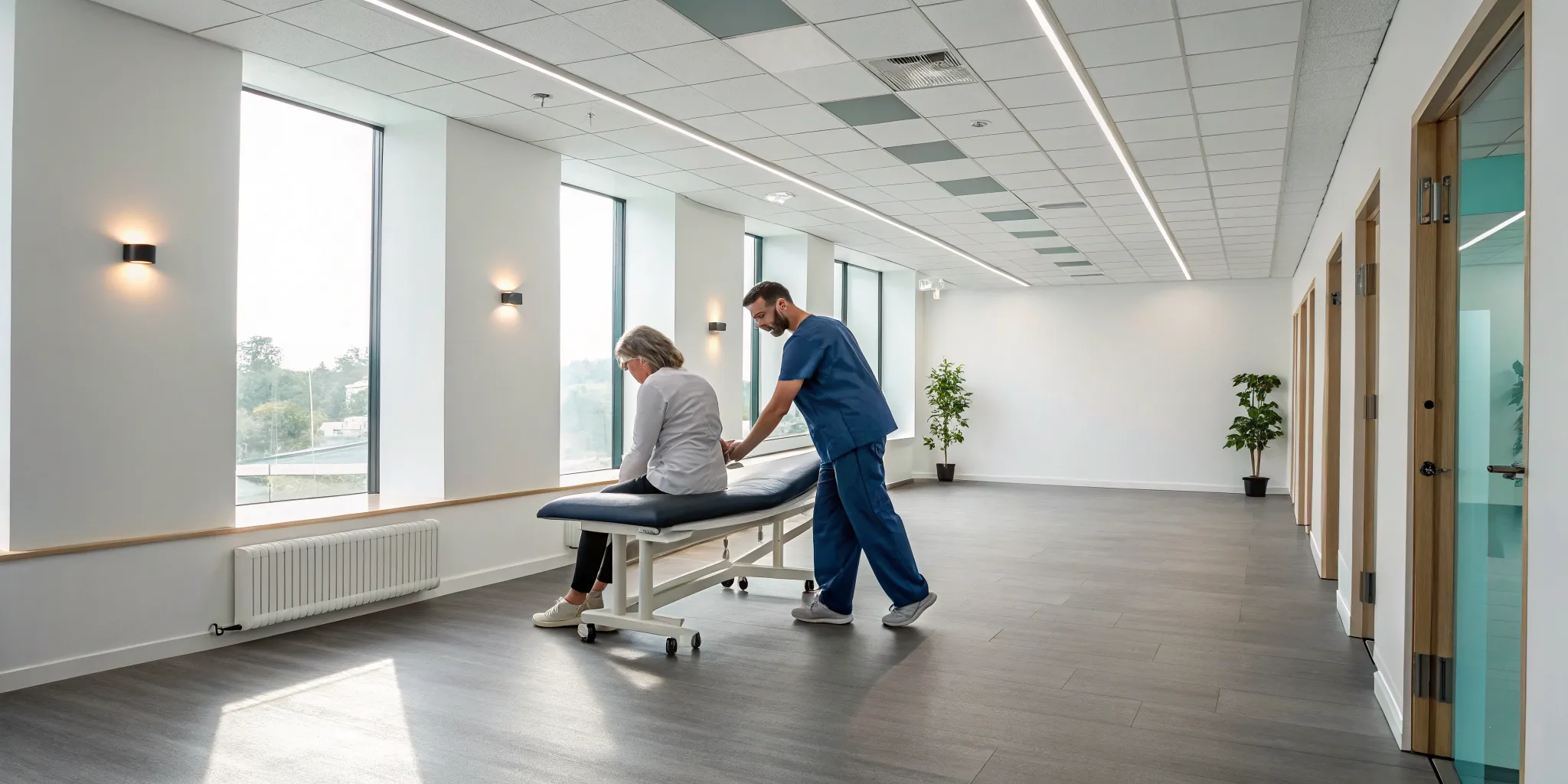
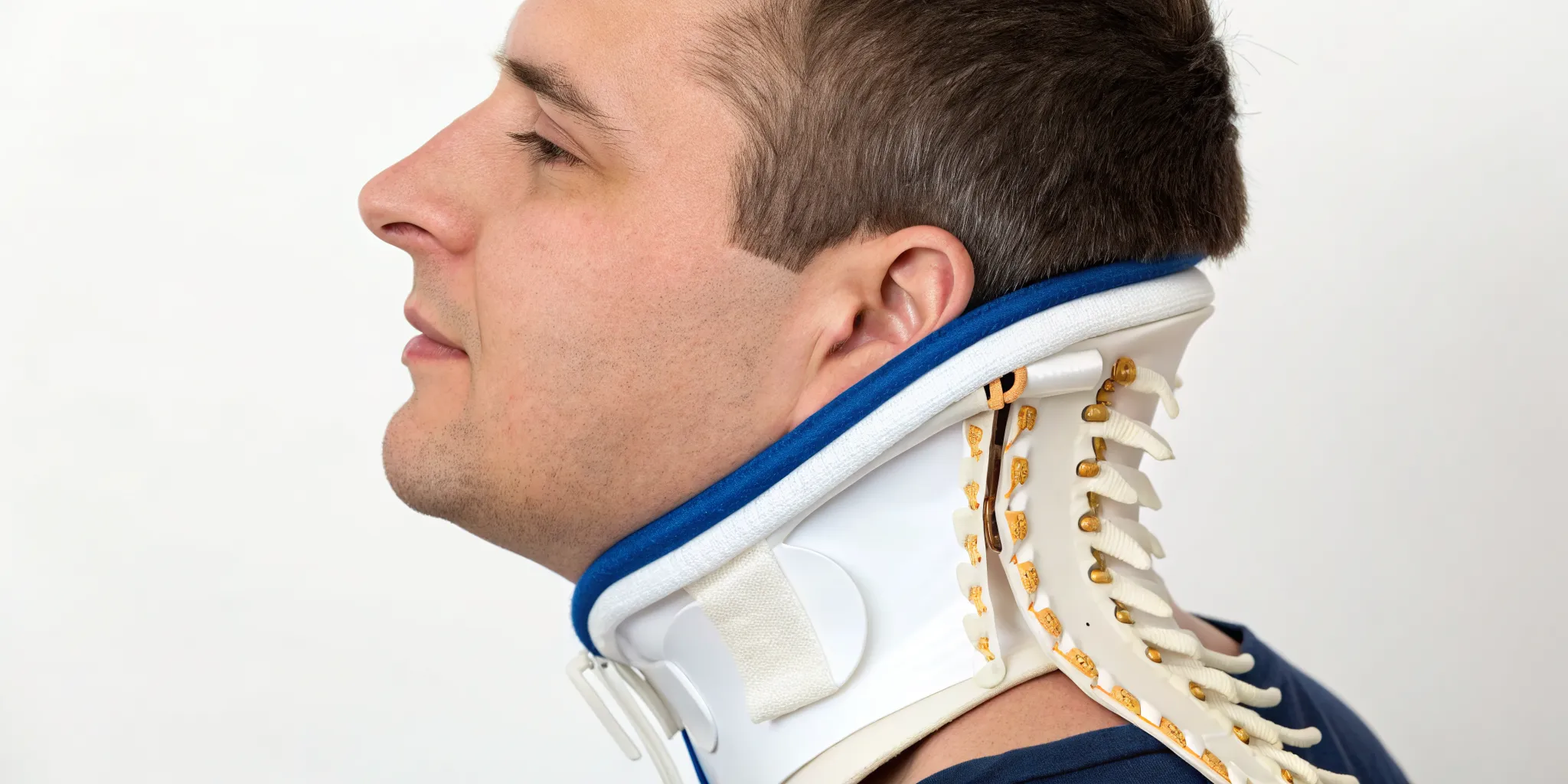
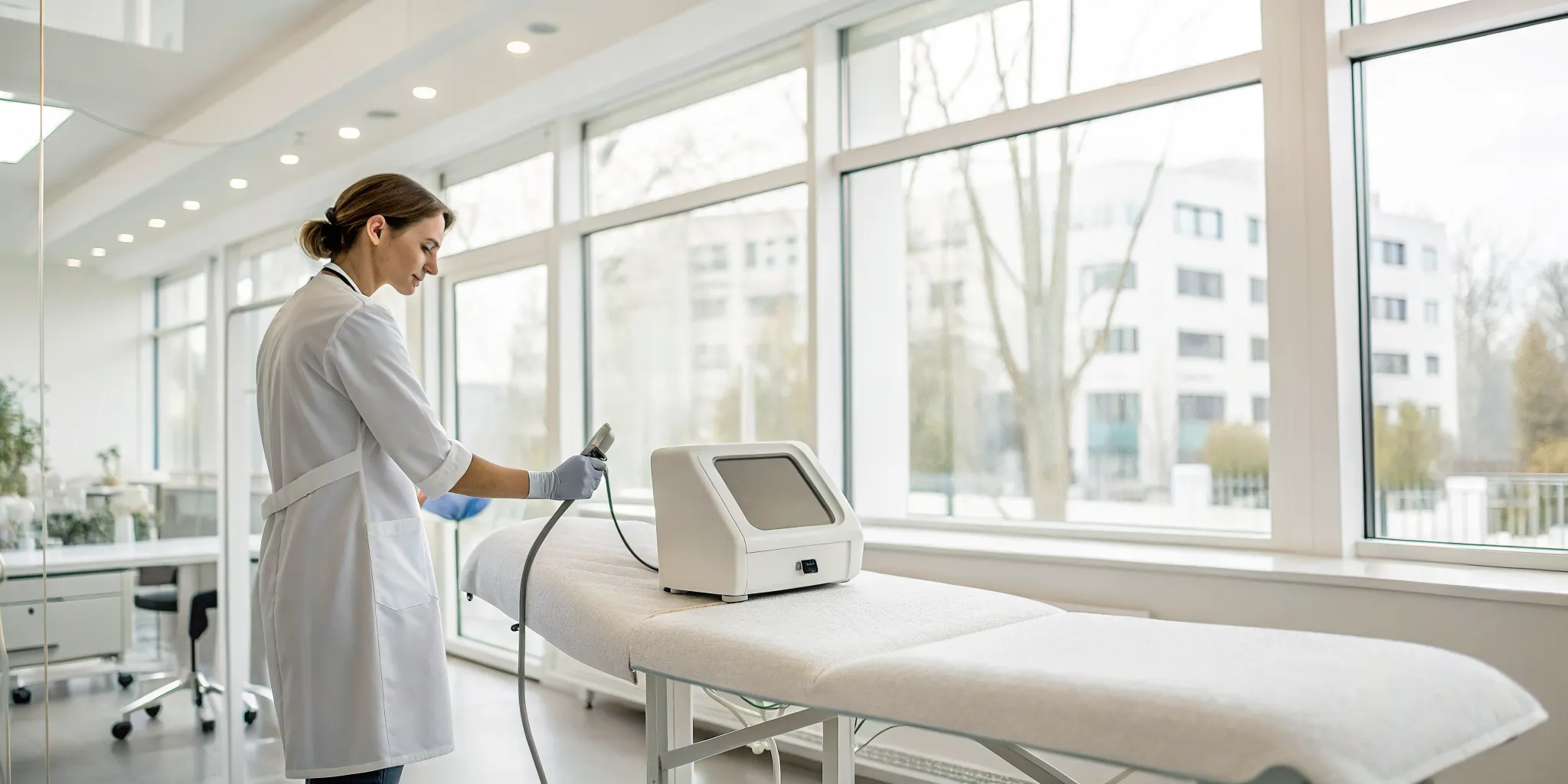
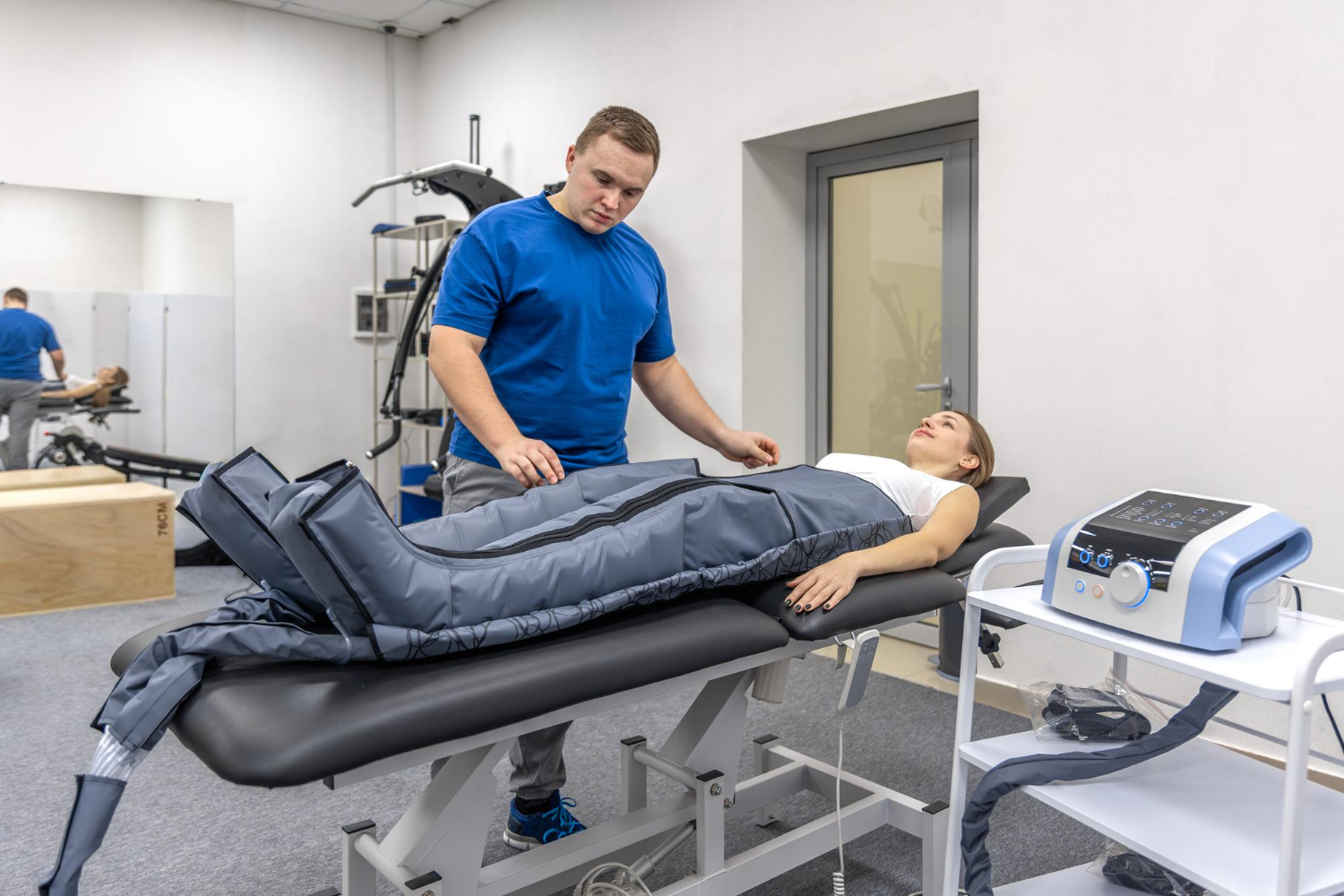
Non-surgical spinal decompression applies a gentle, controlled traction force to the spine, creating negative pressure within the disc. This pressure change can encourage retraction of herniated disc material and promote the flow of nutrients and oxygen into the affected area. Sessions typically last 20 to 30 minutes. Spinal decompression is available as part of a broader treatment program at Ascend. Clinical evidence notes that physical therapy, exercise, and pain control are recognized components of conservative management for lumbar disc herniation, and decompression fits within that framework (NCBI Bookshelf). For more details, read about spinal decompression in Tampa.
Core strengthening for long-term support
Core-strengthening exercises are essential for stabilizing the lumbar spine and reducing load on the discs. Once acute symptoms begin to settle, targeted exercises that engage the deep abdominal and back muscles help support the spine during daily activities. A corrective exercise specialist can design a progression that avoids aggravating the disc while building the muscular support needed to prevent recurrence. Key exercises often include:
- Pelvic tilts to gently mobilize the lower spine and engage the core
- Partial crunches or dead bug variations for controlled abdominal activation
- Bridges to strengthen the glutes and reduce lumbar strain
- Bird-dog exercises for spinal stabilization and coordinated movement
Contact Ascend Functional Health in Tampa to learn which non-surgical approaches may be appropriate for your specific disc condition.
How SoftWave Therapy Supports Disc Healing
SoftWave therapy uses acoustic waves to stimulate blood flow and tissue repair in the area surrounding a herniated disc, offering a non-invasive regenerative option for managing pain.
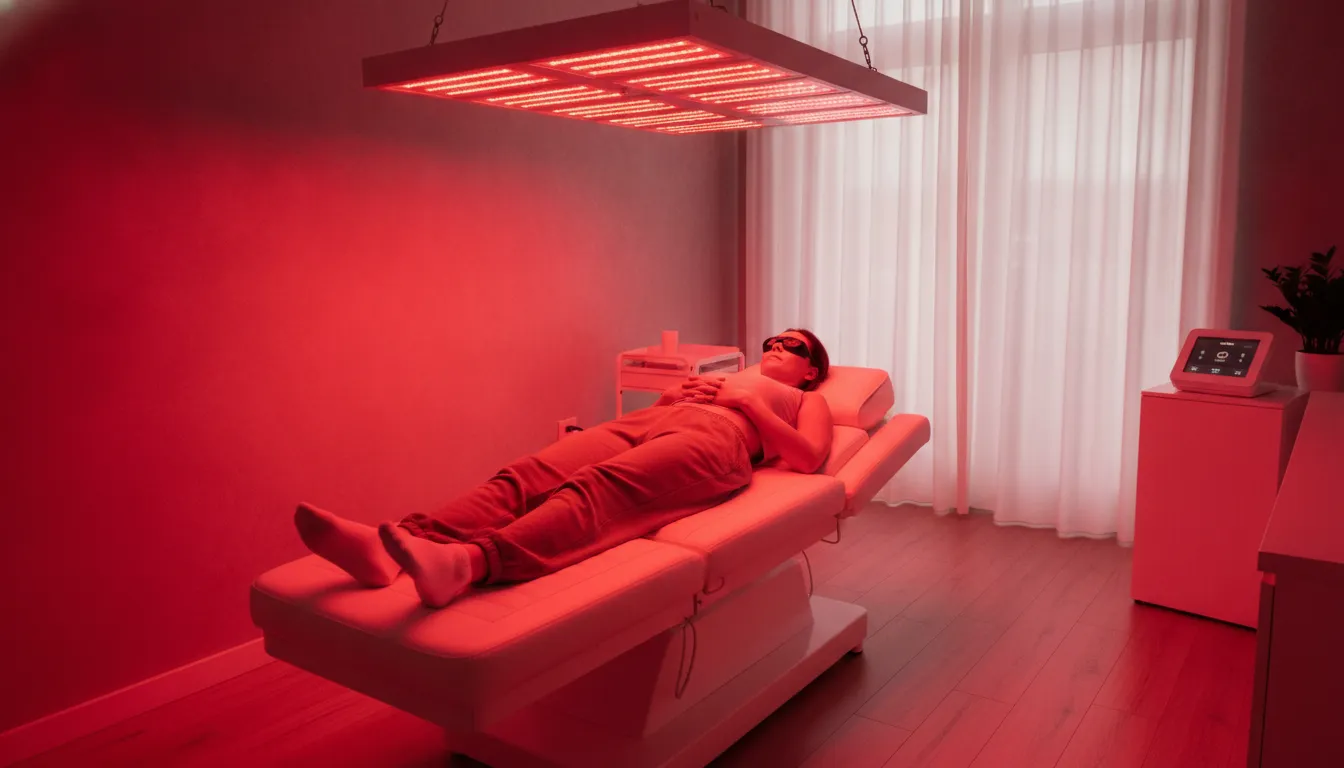
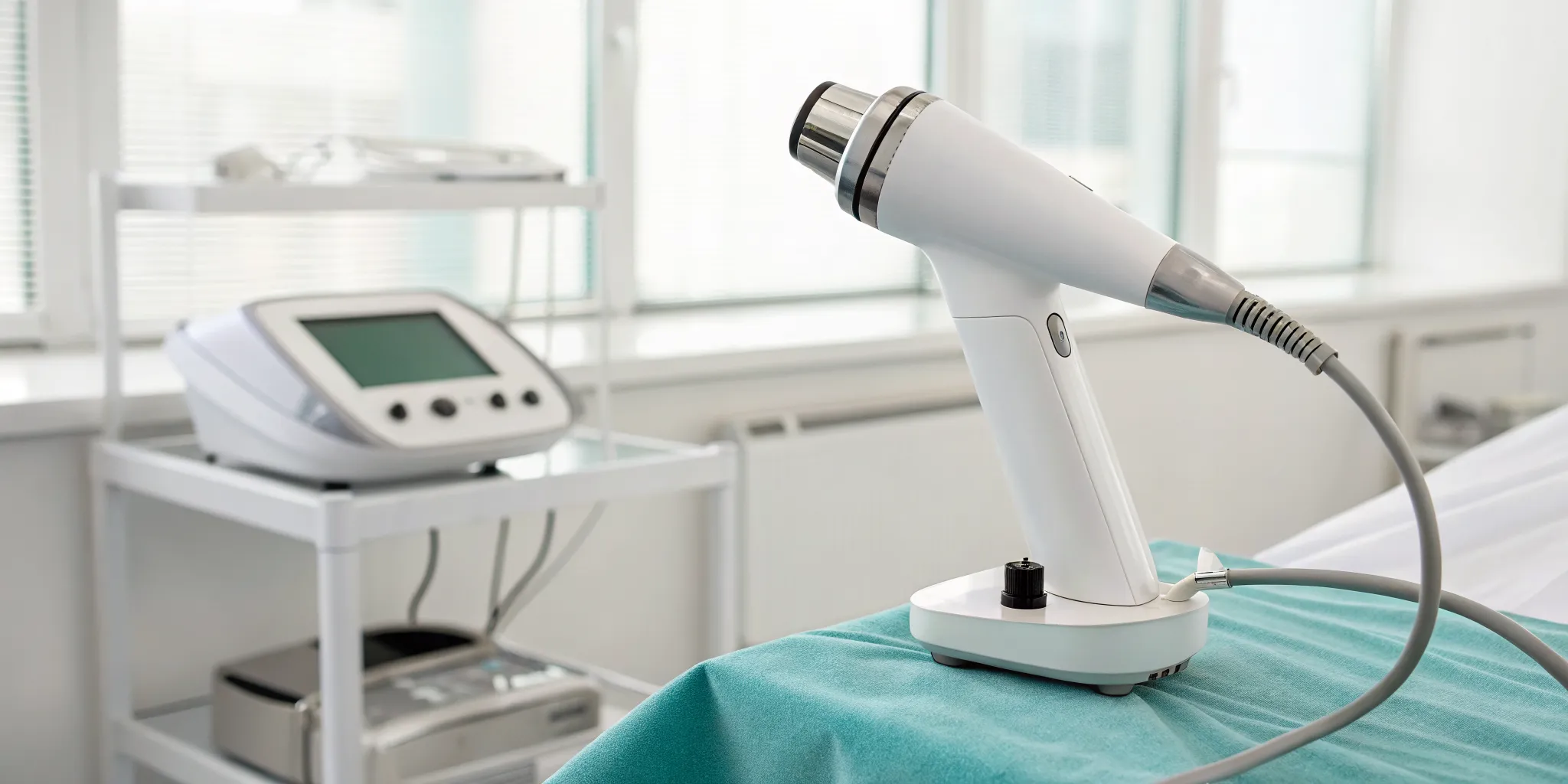
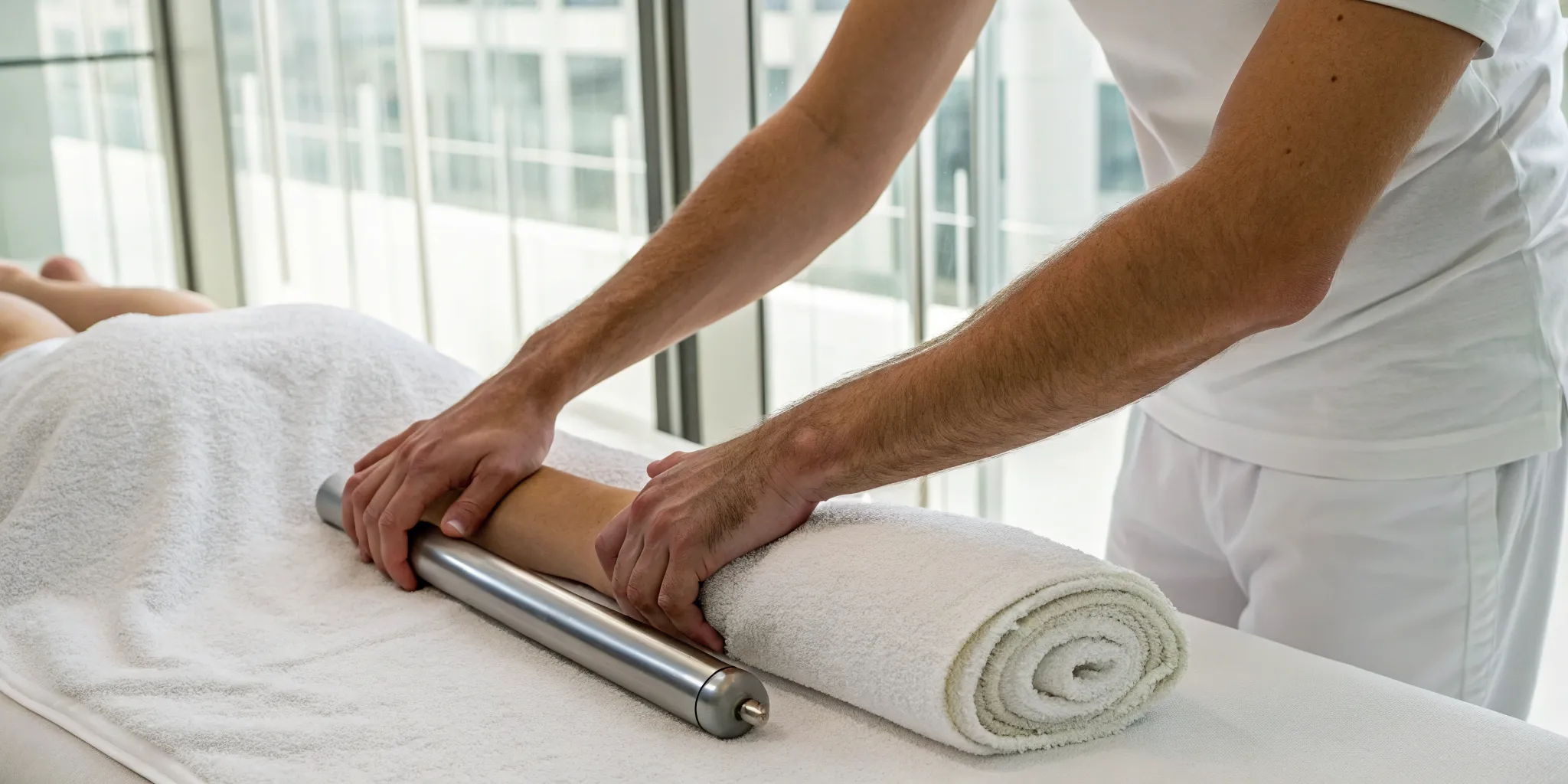
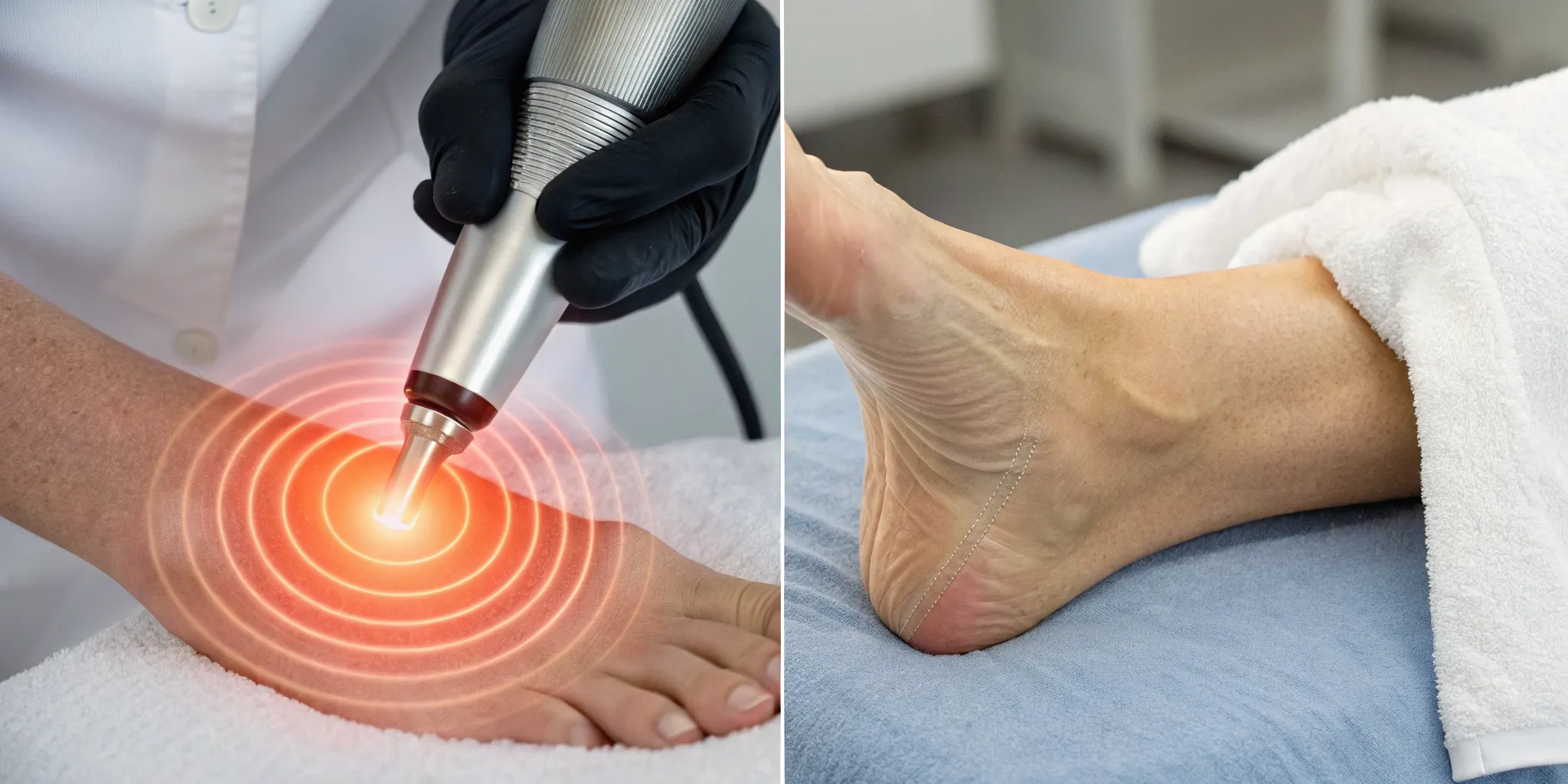
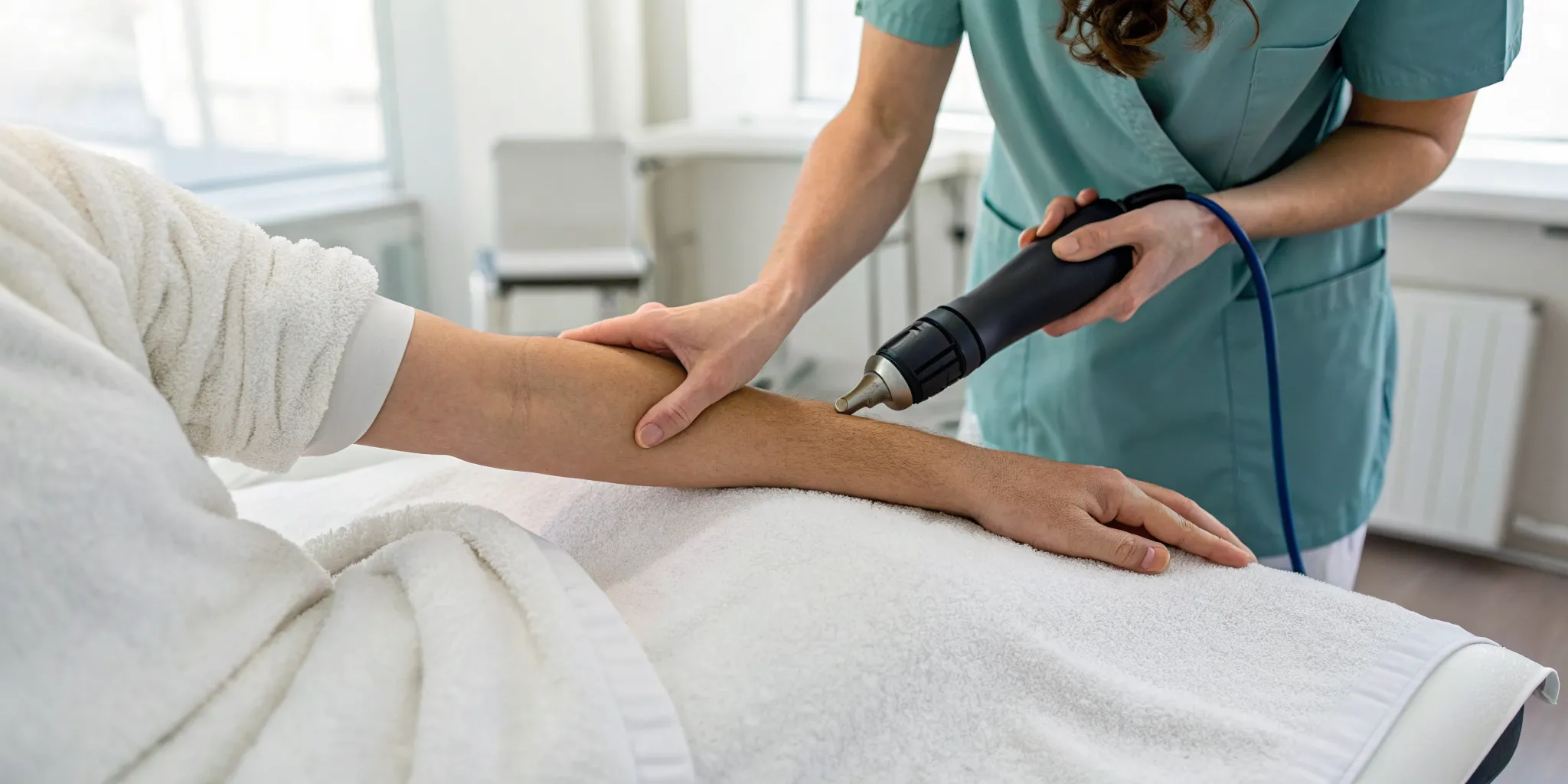
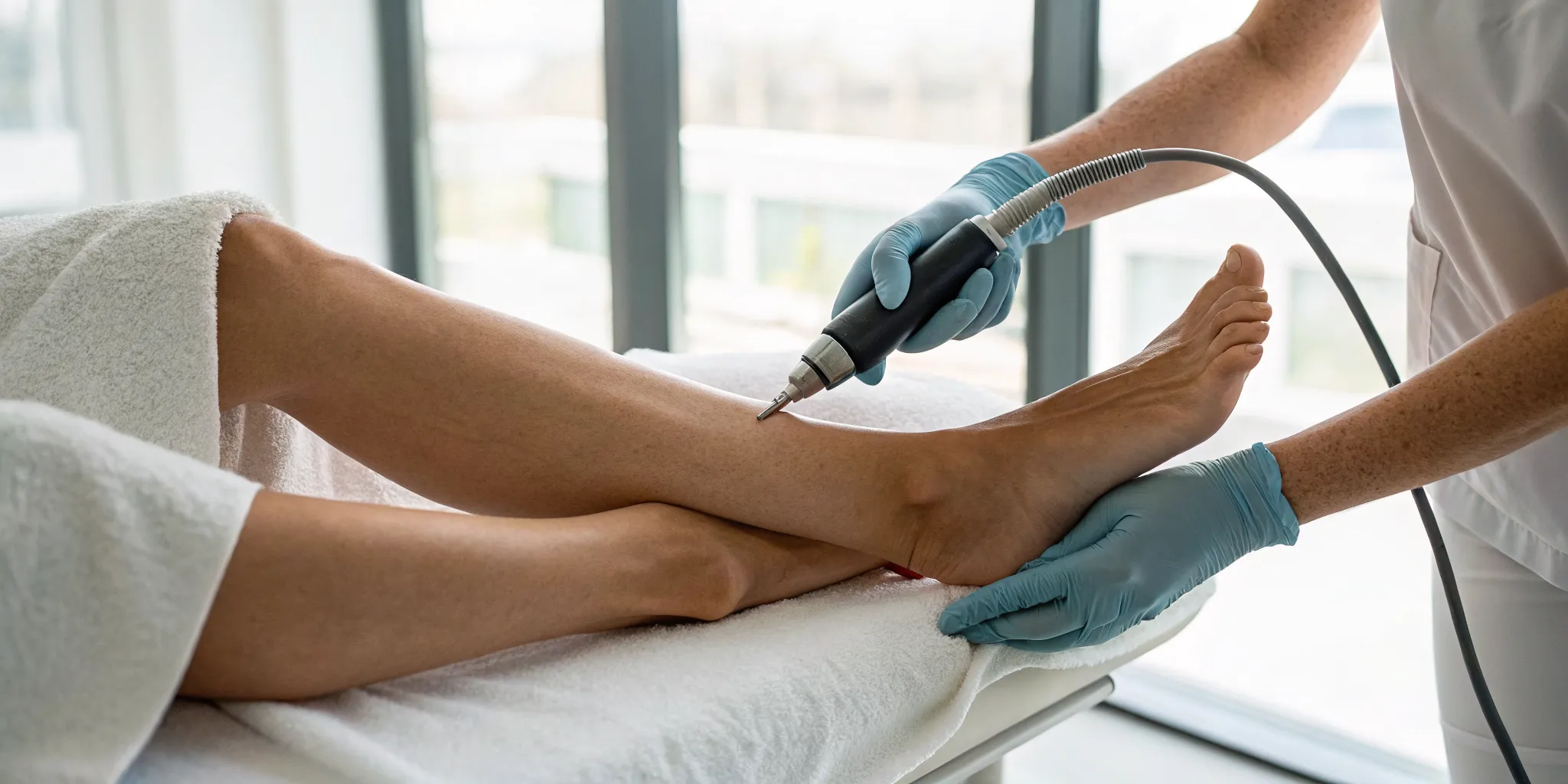
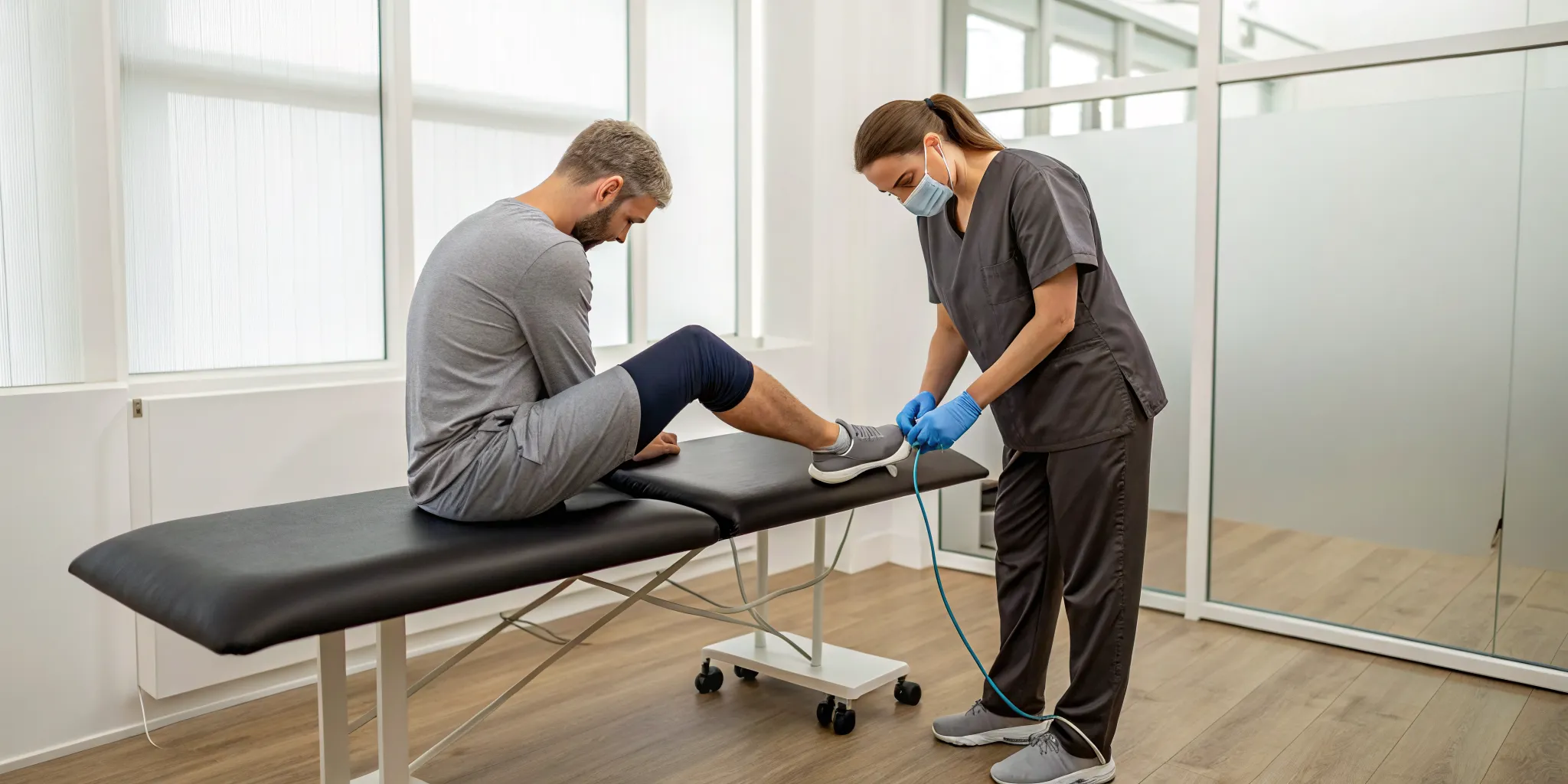
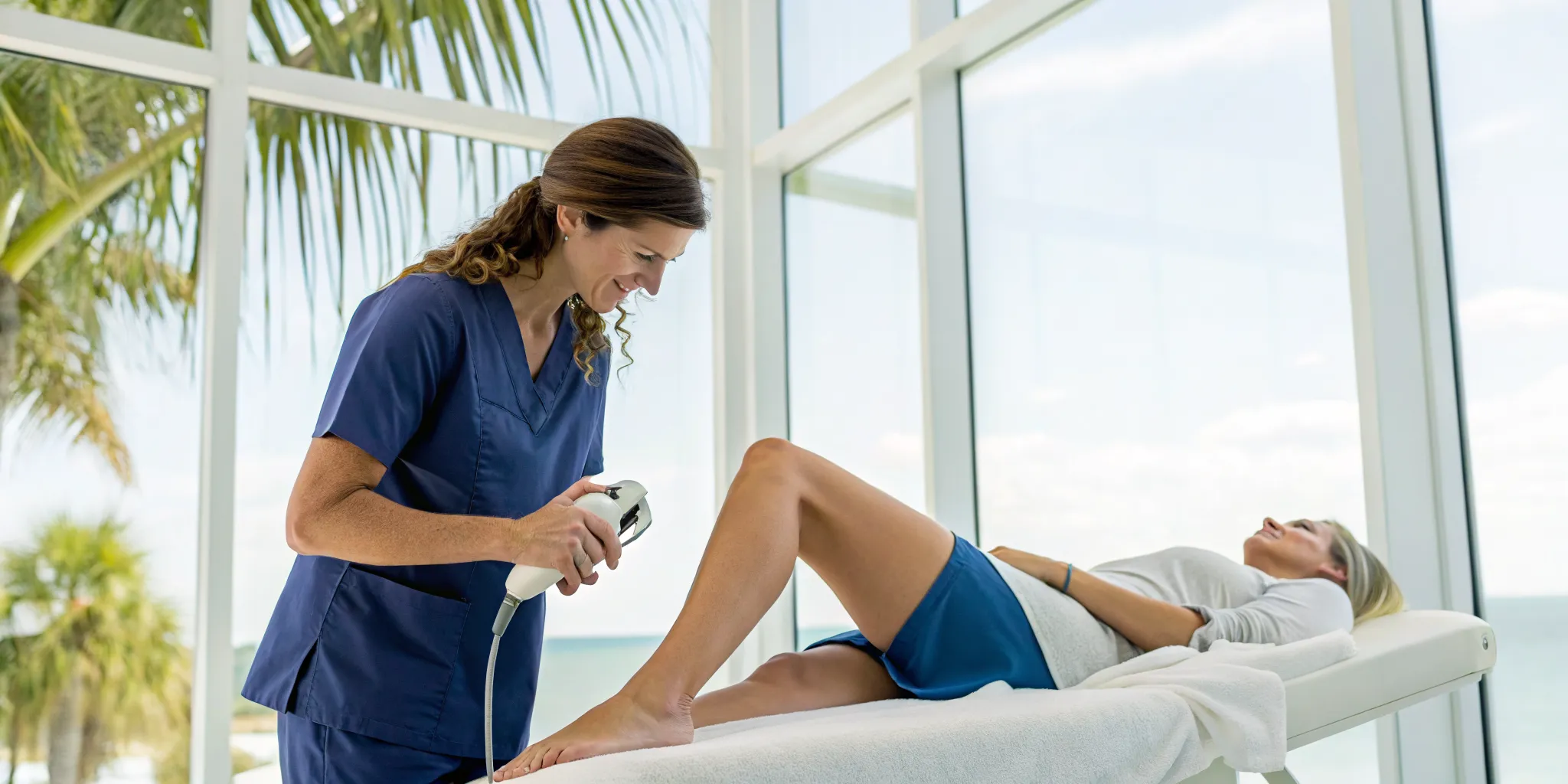
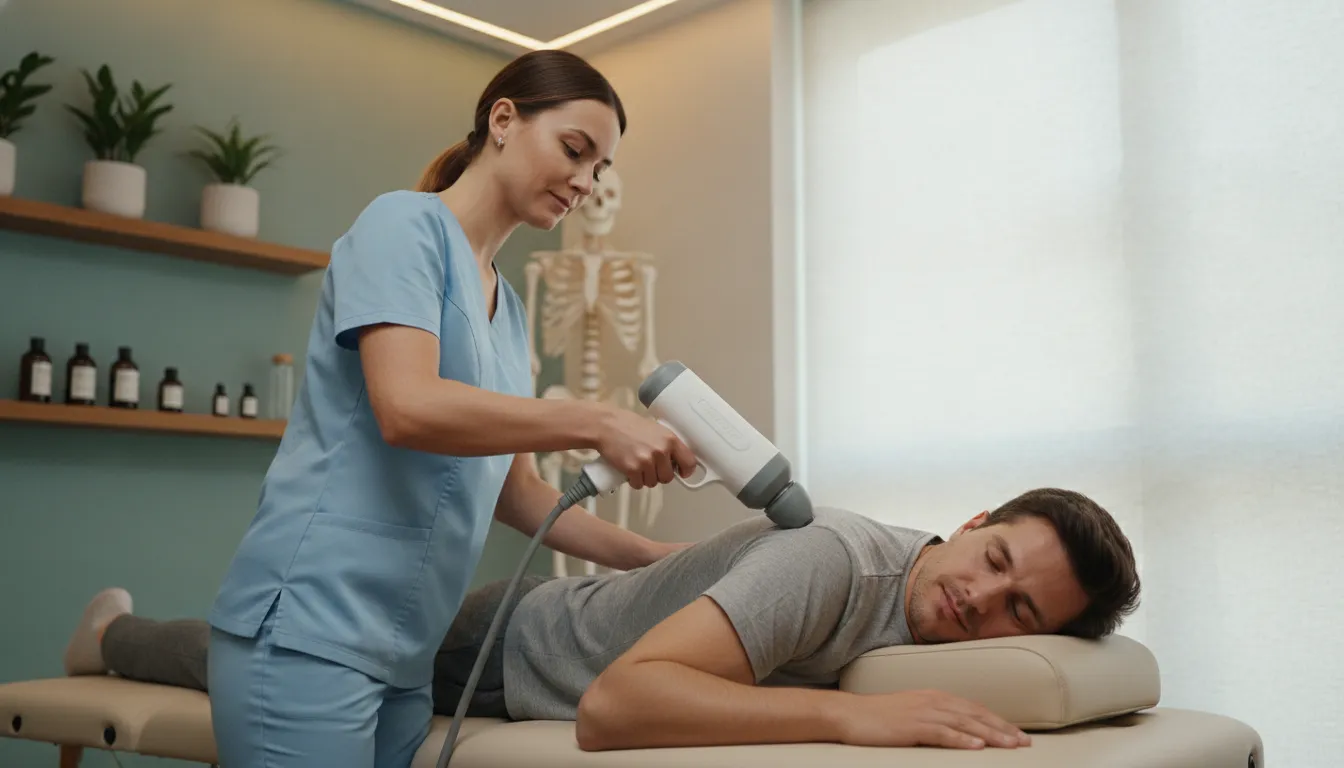
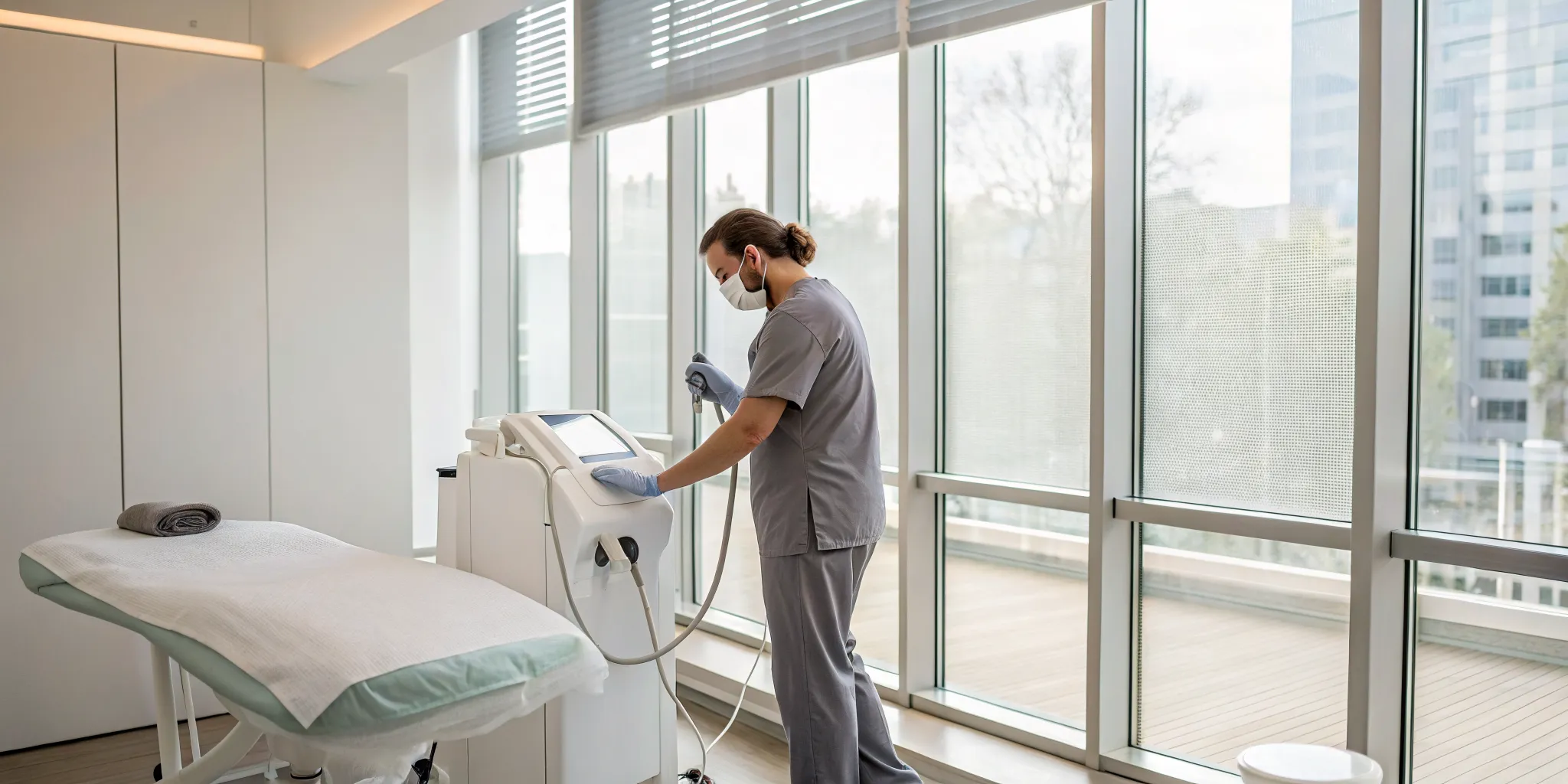
SoftWave therapy sends acoustic waves through the skin to the targeted area. These waves stimulate increased blood flow, cellular activity, and tissue repair processes. For patients dealing with disc-related discomfort, SoftWave can be applied to the muscles and soft tissues surrounding the spine to reduce local inflammation and improve function. At Ascend Functional Health, SoftWave therapy is provided as an FDA-approved, gold-standard device for musculoskeletal applications. Available evidence describes it as a non-invasive option to promote healing and reduce inflammation (Cleveland Clinic).
SoftWave is not positioned as a direct treatment for the disc itself but as a supportive therapy for the surrounding musculoskeletal structures. It can be used alongside chiropractic care and decompression to create a multi-modal non-surgical approach. Individual results vary, and candidacy is determined during an in-person evaluation at Ascend's Tampa clinic.
Can Functional Medicine Help with Herniated Disc Pain?
Functional medicine can complement physical care by addressing systemic inflammation, nutritional factors, and lifestyle habits that may influence how the body heals from a herniated disc.
Herniated disc pain is not solely a mechanical problem. Systemic inflammation can increase pain sensitivity and slow recovery. Functional medicine at Ascend examines dietary patterns, digestive health, stress levels, and sleep quality as contributors to the inflammatory environment. The Functional Medicine program at Ascend targets root causes rather than surface-level symptoms. Common approaches include:
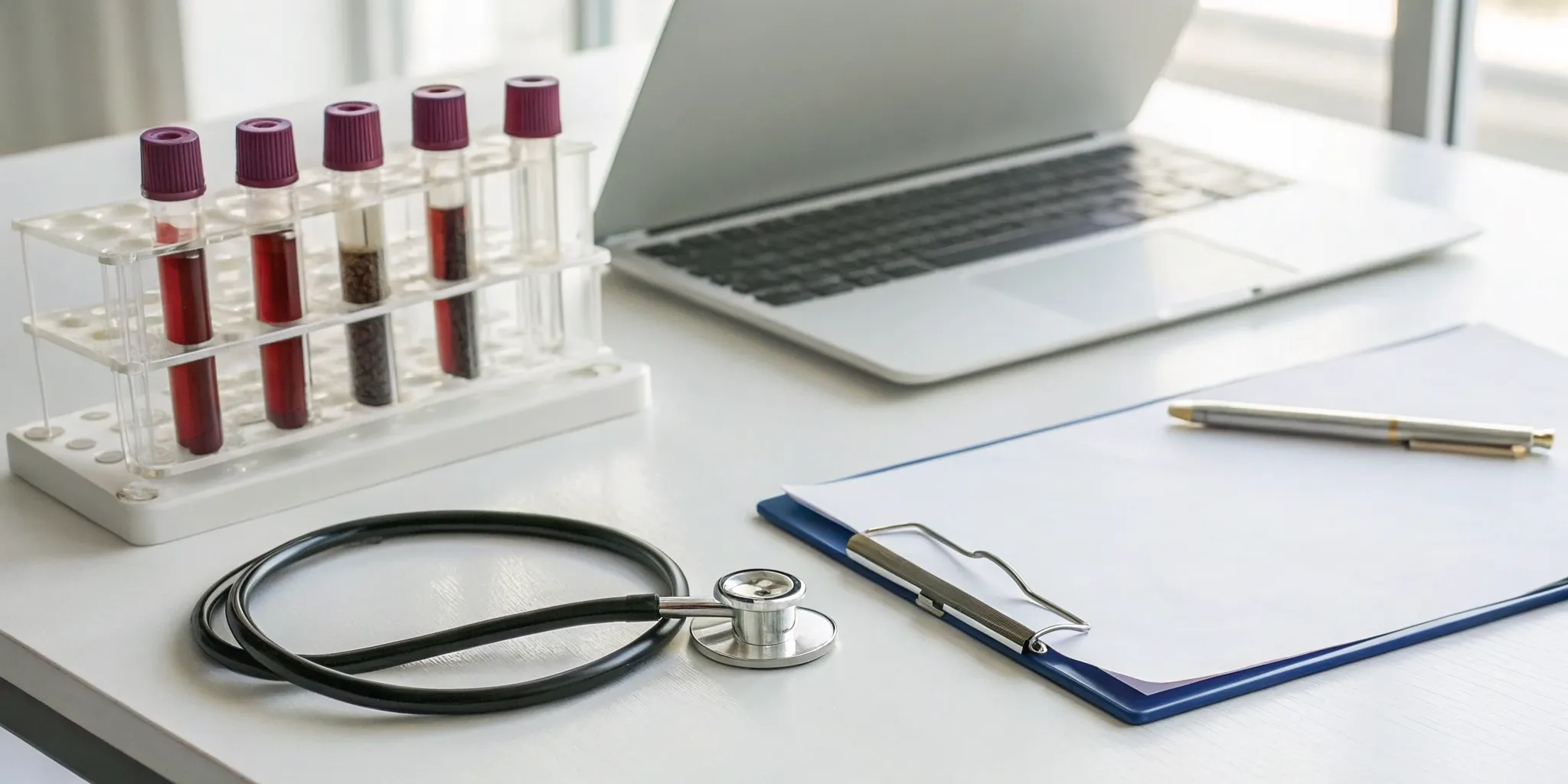
- Comprehensive bloodwork and stool testing to identify inflammatory markers and gut health issues
- Personalized dietary adjustments that reduce consumption of highly processed foods (Cleveland Clinic)
- Targeted nutritional support, including micronutrients that promote recovery of injured tissues
- Stress management and sleep optimization to lower systemic cortisol and inflammation
This is not a replacement for physical treatment. Rather, it adds a whole-person layer to the care plan. A patient receiving spinal decompression and chiropractic care may also benefit from lab testing to identify inflammatory markers, dietary adjustments to reduce systemic inflammation, and targeted nutritional support. The combination addresses both the structural and biochemical sides of the condition.
How Long Does It Take to Heal a Herniated Disc Without Surgery?
Most patients with lumbar disc herniation experience significant symptom improvement within 6 to 12 weeks of starting conservative care. Staying active as tolerated supports recovery better than prolonged bed rest.
The healing timeline depends on the size and location of the herniation, your overall health, and how consistently you follow your care plan. Clinical guidance indicates that most patients with lumbar disc herniation will have significant improvement of symptoms within 6 to 12 weeks of starting conservative treatment (NCBI Bookshelf). This aligns with the body's natural ability to reabsorb displaced disc material over time.
- Early phase (weeks 1-3): Acute pain management, activity modification, gentle mobilization, and initial assessment
- Mid phase (weeks 4-8): Active rehabilitation, strengthening, manual therapy, and gradual return to normal movement
- Late phase (weeks 9-12+): Advanced strengthening, sport or work-specific retraining, and prevention planning
Bed rest is no longer recommended for patients with lumbar disc herniation (NCBI Bookshelf). Instead, staying active within pain-free limits supports circulation, muscle function, and tissue healing. The goal is to gradually increase activity as symptoms allow, guided by your care team. If conservative care does not produce meaningful improvement within this window, further evaluation may be warranted.
Frequently Asked Questions
What are non-surgical herniated disc treatment options?
Options may include activity modification, guided exercise or physical therapy, pain management, chiropractic care, spinal decompression, and regenerative support such as SoftWave therapy. The appropriate combination depends on your symptoms, examination findings, daily activities, and overall health.
How long does a herniated disc take to heal without surgery?
Many people with lumbar disc herniation experience significant symptom improvement within 6 to 12 weeks after beginning conservative treatment. Recovery varies by the location and severity of the herniation and the individual's response to care. Clinical guidance from the NCBI Bookshelf recommends staying active as tolerated rather than relying on prolonged bed rest.
Does chiropractic care help with herniated discs?
Chiropractic care may support mobility and pain management for some people with disc-related symptoms. A careful evaluation should come first, followed by an approach appropriate for your presentation. Care may include targeted adjustments, corrective movement, and spinal decompression, with progress monitored over time.
When is surgery necessary for a herniated disc?
Surgery is typically considered when conservative care has not improved symptoms or when neurological problems require prompt medical evaluation. New or worsening leg weakness, significant numbness, or sudden changes in neurological symptoms should be assessed promptly. A qualified clinician can help determine whether non-surgical care is appropriate or whether referral for additional evaluation is needed.
Can functional medicine address herniated disc pain?
Functional medicine may complement physical care by reviewing lifestyle factors, nutrition, recovery habits, and contributors to systemic inflammation that could influence pain sensitivity. It does not replace a physical examination or structural treatment. An integrated plan can address movement and spinal mechanics alongside whole-person factors that affect recovery.
Ready to Explore Non-Surgical Options?
A thoughtful evaluation can help clarify which non-surgical approaches may fit your symptoms, goals, and daily routine. To discuss your options with Ascend Functional Health, schedule a consultation in Tampa. The team can listen to your concerns and help you understand appropriate next steps.