Taking control of your health means understanding what’s happening on the inside, not just what you see in the mirror. Some of the most significant health risks, like the visceral fat that surrounds your organs, are completely invisible. A standard scale can’t detect this, and even a "healthy" BMI can hide underlying issues. A body fat scan provides a clear, scientific look at your body’s unique makeup, including these hidden markers. In this article, we’ll cover how this simple scan gives you the crucial information you need to address health risks and build a proactive wellness plan.
Key Takeaways
- Track Progress That Actually Matters: A DEXA scan offers a detailed look at your body composition, separating fat from muscle so you can see the real results of your hard work, even when the scale won't budge.
- Identify Key Health Risks Early: The scan measures visceral fat, the hidden fat around your organs that is a major indicator of long-term health risks, giving you the power to address potential issues proactively.
- Build a Truly Personalized Plan: Your results provide a precise baseline and a clear roadmap for your wellness journey, allowing you to create a more effective and targeted health strategy based on your body's unique needs.
What Is a Body Fat Scan and How Does It Work?
If you've ever felt frustrated by the number on the scale, you're not alone. Weight is just one piece of the puzzle, and it doesn't tell you anything about what's really going on inside your body. That’s where a body fat scan comes in. It offers a detailed snapshot of your body composition, helping you understand your health far beyond a simple number. The most precise method available is a DEXA scan, which uses advanced technology to give you a clear picture of your body's makeup.
Understanding DEXA Scan Technology
A DEXA (Dual-Energy X-ray Absorptiometry) scan is considered the gold standard for measuring body composition. Think of it as a highly intelligent imaging test that accurately measures your body fat percentage, lean muscle mass, and even your bone density. Unlike other methods that can have a wide margin of error, DEXA scans are incredibly precise, with only a 1% to 2% chance of error. This level of accuracy provides a reliable baseline for tracking your progress. The best part is that it shows you exactly where you’re gaining muscle or losing fat, giving you specific insights that can help tailor your health and fitness plan. It's a key tool in our Functional Medicine approach to understanding your body's unique needs.
The Step-by-Step Scanning Process
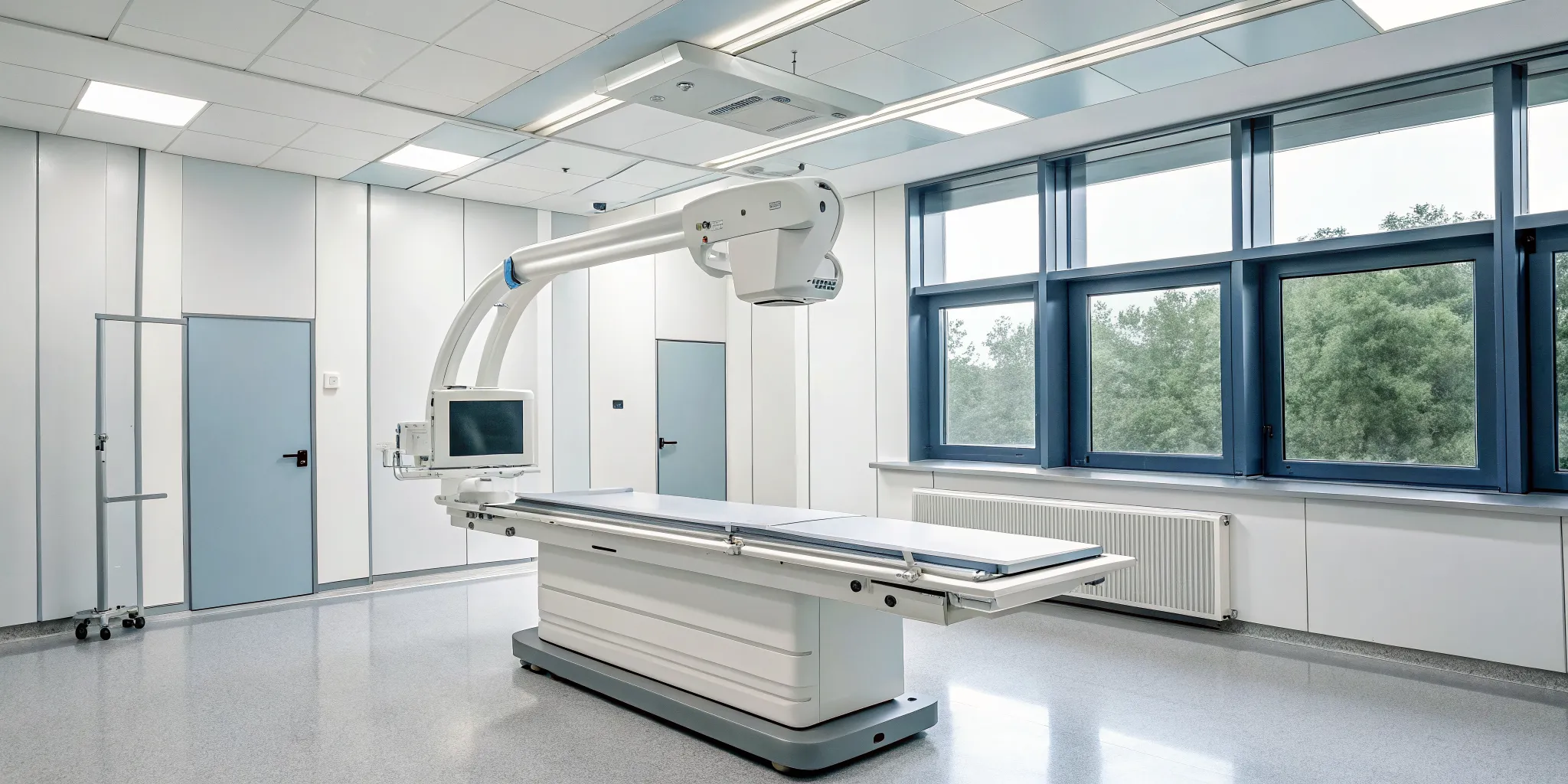
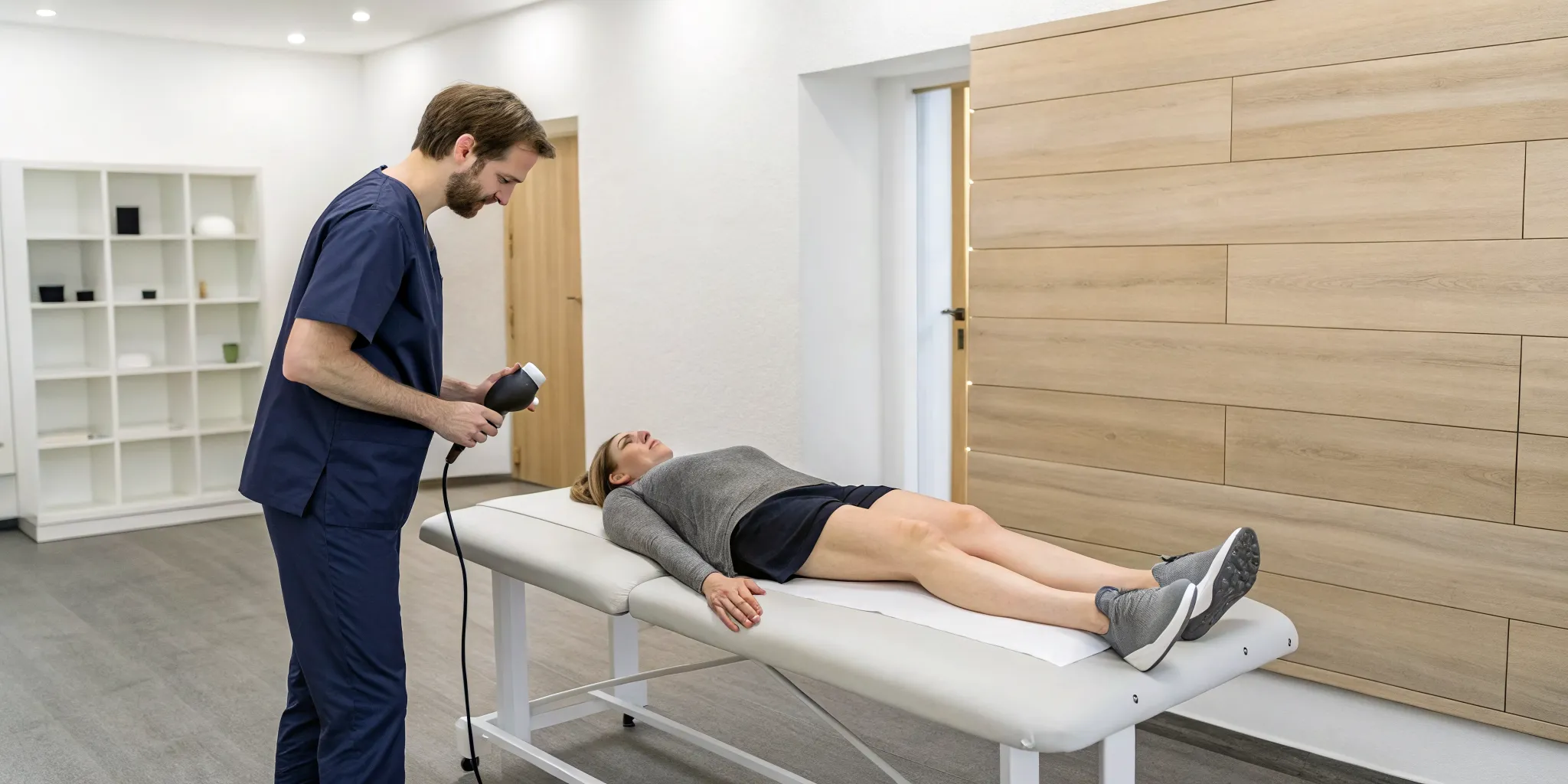
The idea of a "scan" might sound complicated, but the process is actually very simple and straightforward. When you arrive, we'll take your height and weight. Then, you just lie down comfortably on a padded table for about 5 to 15 minutes while the scanner does its work. You won't feel a thing; your only job is to lie still. The scan itself is quick, and there’s no special preparation needed beforehand. The only thing to remember is to wear comfortable clothing and avoid anything with metal, like zippers or buttons. It’s a non-invasive and easy way to get valuable information about your health. If you have any questions about the process, feel free to contact our team.
Why Get a Body Fat Scan?
If you’ve ever felt frustrated by the number on your bathroom scale, you’re not alone. That single number can’t distinguish between muscle, fat, water, and bone, which means it doesn’t give you the full story of your health. A body fat scan, specifically a DEXA scan, moves beyond that one-dimensional metric. It offers a detailed breakdown of your body composition, giving you the insights you need to understand your body, track your progress accurately, and make informed decisions about your health and wellness journey.
Why the Scale Doesn't Tell the Whole Story
Let's be honest: the bathroom scale can be a poor measure of progress. Your weight can fluctuate daily due to water retention, hormones, or what you ate for dinner. It’s easy to feel discouraged when you’re putting in the work with diet and exercise, but the scale won’t budge. This is because as you lose fat, you might be gaining lean muscle, which is denser and weighs more. A regular scale can’t see this positive change. DEXA scans are much better for tracking real progress because they show you exactly what’s changing inside your body, helping you see the results of your hard work.
Get an Accurate Picture of Your Body Composition
A DEXA scan is widely considered the gold standard for measuring body fat, muscle, and bone. It provides a deep, scientific understanding of your body’s unique makeup, which is essential for creating effective health and fitness goals. While other methods can give you estimates, a DEXA scan provides important details that other methods miss, such as your skeletal strength and muscle symmetry between your right and left sides. This level of precision helps you and your health provider develop a truly personalized plan. Understanding your body's composition is a key part of functional medicine and allows you to make smarter choices for your long-term health.
Measure Visceral Fat to Understand Health Risks
One of the most critical metrics a DEXA scan provides is your level of visceral fat. This is the internal fat that surrounds your vital organs, and you can't see it or pinch it. High levels of visceral fat are a strong indicator of your risk for chronic health issues, including heart disease and type 2 diabetes. Because it’s hidden, you could have a "healthy" weight or BMI but still carry a dangerous amount of this internal fat. Measuring your visceral fat gives you a clear, actionable number to track, empowering you to address potential health risks before they become serious problems.
How Accurate Are DEXA Scans?
When you’re investing time and energy into your health, you want data you can trust. DEXA scans are widely considered the gold standard for body composition analysis, giving you a highly accurate snapshot of your body fat, lean tissue, and bone density. This precision offers a much deeper understanding of your health than a traditional scale ever could, providing a clear baseline to track your progress.
This level of detail is why so many health professionals rely on DEXA scans to create effective, personalized wellness plans. It moves the focus from weight to well-being, giving you the information you need to make meaningful changes. At Ascend Functional Health, we use these precise insights to help you understand the root causes of your health concerns and guide your journey toward optimal health.
DEXA Scans vs. Other Methods
You’ve probably seen other ways to measure body fat, like handheld bioimpedance devices, special scales, or even Bod Pods. While these can be useful, their accuracy can vary quite a bit, with error margins sometimes ranging from 5% to 15%. In contrast, DEXA scans are incredibly precise, with a typical error margin of just 1% to 2%. This makes them a far more reliable tool for tracking changes in your body composition over time. DEXA also provides critical details other methods miss, like the amount of visceral fat around your organs and any muscle imbalances between your left and right sides.
The Limitations of BMI and Traditional Metrics
For years, Body Mass Index (BMI) has been a common metric for assessing health. The problem is, it’s a very blunt instrument. BMI only considers your height and weight, not what that weight is made of. Someone with a lot of muscle mass could be classified as "overweight," while someone with a "normal" BMI could have a high body fat percentage that puts them at risk for health issues. A DEXA scan cuts through this confusion by showing you exactly what’s going on inside, giving you a true picture of your body composition and helping you better understand your overall health risk factors.
Common Myths About Scan Accuracy
One of the biggest misconceptions about DEXA scans is that they’re just a fancier version of a bathroom scale. The technology is actually much more advanced. A DEXA scan uses low-dose X-rays to directly measure your bone, fat, and muscle tissue, which is why it’s so accurate. The process itself is simple and comfortable. You just lie still on a padded table while the scanning arm passes over you. There are no needles, no special prep, and no discomfort involved. You can even watch a video to see exactly how it works and what it measures before you come in.
What a Body Fat Scan Measures
A body fat scan, specifically a DEXA scan, gives you a complete and detailed snapshot of your body’s makeup. Think of it less like a single number and more like a personalized map that shows you exactly what you’re made of. Instead of just telling you your total weight, it separates that weight into three distinct categories: fat mass, lean muscle mass, and bone density. This breakdown moves beyond the limitations of the bathroom scale to give you a true understanding of your body composition. With this information, you can establish a clear baseline for your health and track the changes that really matter, whether you’re focused on fitness, wellness, or longevity.
Body Fat Percentage and Distribution
One of the primary metrics you’ll get from a DEXA scan is your precise body fat percentage. This is considered the gold standard for measurement because of its high accuracy. But the scan doesn’t just tell you how much fat you have; it also shows you where your body stores it. This is a critical piece of the puzzle, as fat distribution can impact your health differently. For example, fat carried around your abdomen has different health implications than fat stored in your hips and thighs. Understanding this distribution helps you and your provider develop a more effective and personalized functional medicine plan tailored to your body’s specific needs.
Visceral Fat and Your Health Risks
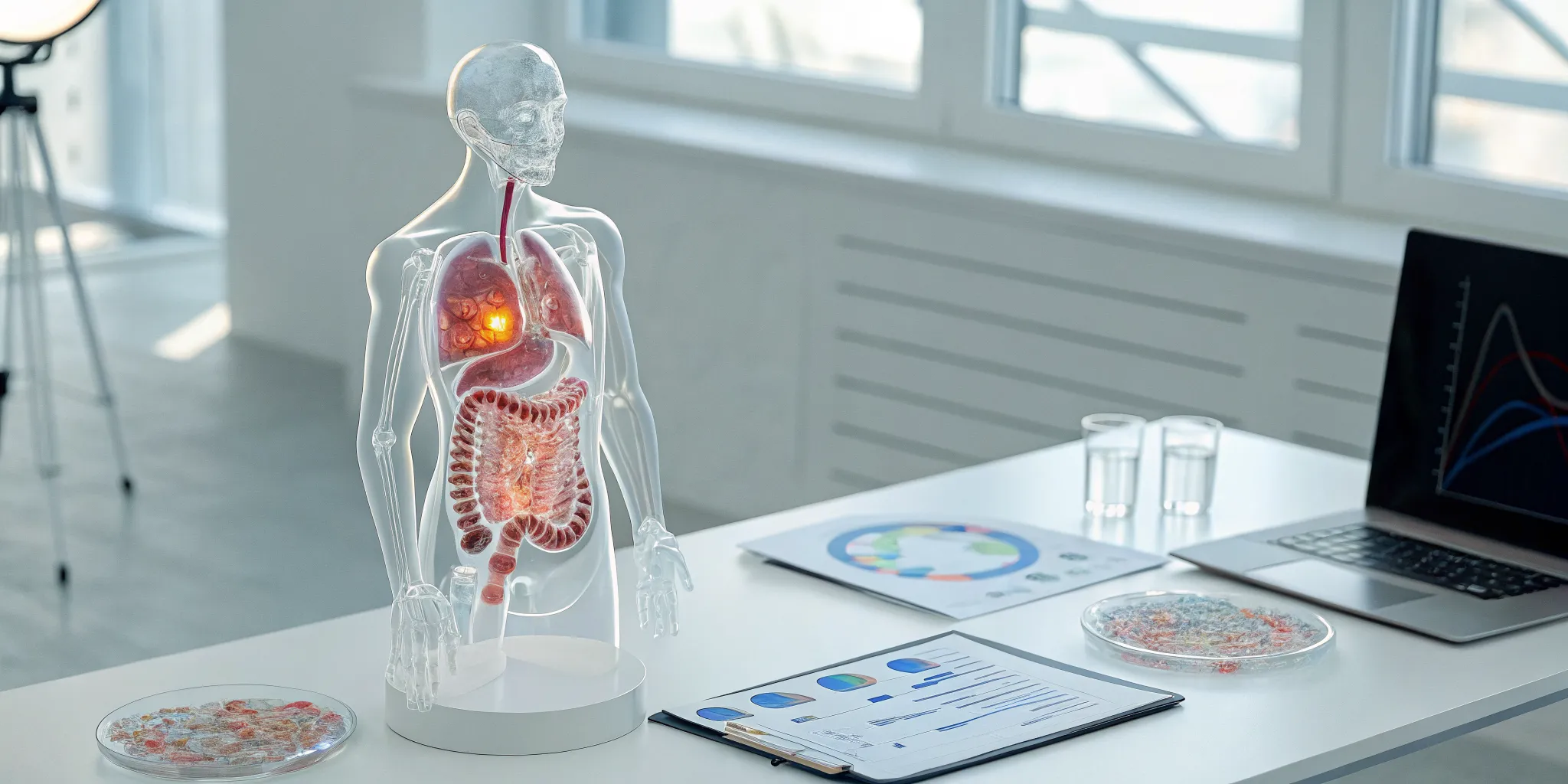
The scan also measures something you can’t see in the mirror: visceral adipose tissue (VAT), or visceral fat. This is the fat that surrounds your internal organs in your abdominal cavity. While some visceral fat is necessary for protection, high levels are strongly linked to an increased risk for chronic health problems, including heart disease, type 2 diabetes, and inflammation. Because it’s hidden deep within the body, you can have a high level of visceral fat even if you appear thin on the outside. A DEXA scan uncovers this hidden health marker, giving you the power to address the root cause of many conditions we treat before they become more serious.
Lean Muscle Mass and Bone Density
Your body isn’t just fat; it’s also made of metabolically active muscle and a strong skeletal frame. A DEXA scan precisely measures your lean muscle mass, which is essential for a healthy metabolism, overall strength, and mobility. Tracking this number helps you ensure you’re preserving or building muscle, not losing it, as you work toward your health goals. The scan also assesses your bone mineral density, a key indicator of bone health. This measurement can help identify your risk for osteoporosis and fractures long before a problem occurs, making it a vital tool for proactive longevity medicine.
Your Regional Body Composition
Perhaps one of the most insightful parts of a DEXA report is the regional breakdown. The scan provides a detailed map of your body, showing you the exact amount of fat and muscle in each arm, each leg, and your torso. This information is incredibly useful for identifying muscular imbalances, which can be addressed with targeted corrective exercises. It also offers concrete evidence of your progress. Instead of guessing if your workout routine is effective, you can see precisely where you’re losing fat and gaining muscle. This level of detail allows you to celebrate small wins and make informed adjustments to your fitness and nutrition plan.
How to Prepare for Your Body Fat Scan
Getting ready for your body fat scan is simple, but a few key steps can help ensure your results are as accurate as possible. Think of it like prepping for any other important appointment. By following a few easy guidelines, you can walk in feeling confident and ready to get a clear picture of your body composition. We’ll walk through exactly what to do before you arrive, what to wear for the scan itself, and address any safety questions you might have.
What to Do Before Your Appointment
First, it’s always a good idea to talk with your doctor before any new health assessment so you understand the procedure and what the results mean for you. On the day of your scan, try to avoid eating for at least three to four hours beforehand. While not always strictly required, fasting helps improve the accuracy of your results. Staying hydrated is also important, so feel free to drink plenty of water before you arrive. These small steps help the DEXA technology get the clearest possible reading, giving you a reliable baseline for your health journey.
What to Wear (and What to Avoid)
Choosing the right outfit for your scan is easy: think comfortable and metal-free. Your best bet is to wear simple, relaxed clothing without any metal components like zippers, buttons, snaps, or hooks. It’s also important to remove all metal accessories, including watches, jewelry, and bras with underwires, as these can interfere with the scan’s imaging. You’ll remain fully clothed during the entire process, which only takes a few minutes. If you happen to forget or your clothes aren’t quite right, don’t worry. Most facilities, including ours, have gowns available for you to change into.
Is It Safe? A Look at Radiation Exposure
This is a common question, and the answer is a resounding yes. DEXA scans are incredibly safe. The amount of radiation you’re exposed to during a scan is extremely small. To put it in perspective, it’s about the same amount you’d get on a cross-country flight from New York to California. It’s significantly less radiation than a standard X-ray, which is why DEXA scans are considered the gold standard for safely and regularly monitoring changes in your body composition. This makes it a fantastic tool for tracking your progress as you work toward your holistic health goals.
What to Expect During and After Your Scan
If you’ve never had a body fat scan, it’s completely normal to have questions about what the process is like. The good news is that it’s a simple, straightforward experience from start to finish. Knowing what happens during the scan and how you’ll use the results afterward can help you feel confident and prepared for your appointment, ready to take the next step in your health journey.
The Scanning Experience
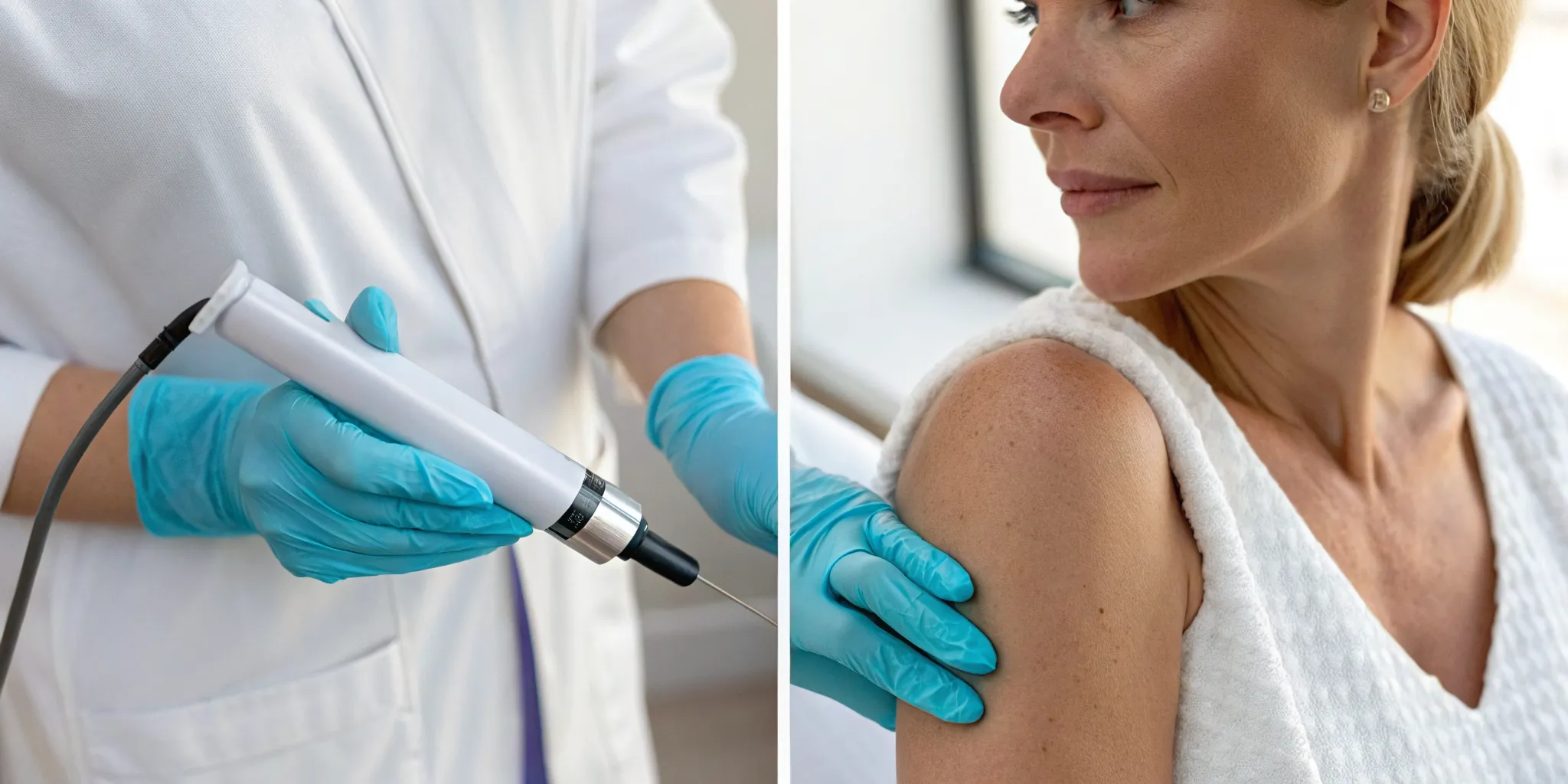
A DEXA scan is a quick and painless process. You’ll lie down comfortably on an open table while a scanning arm passes slowly over your body. The machine is completely open, so you won’t feel closed in or confined like you might in an MRI. The scan itself usually takes about 15 minutes, and your only job is to lie still and relax. It’s a non-invasive way to get a clear picture of what’s happening inside your body, giving you valuable information about your body fat, muscle mass, and bone health without any discomfort.
How to Read Your Results
After the scan is complete, you’ll receive a detailed report. This isn’t just a single number; it’s a comprehensive overview with percentages, measurements, and even images showing your body’s composition. You won’t have to interpret these results on your own. A specialist will sit down with you to explain what everything means in the context of your personal health goals. They’ll point out key details that other methods miss, like visceral fat (the fat around your organs), which is a crucial indicator for understanding your long-term health risks and creating a path forward with functional medicine.
Making Sense of Your Body Composition Report
Your body composition report is a personalized roadmap for your health journey. It shows you exactly where you’re storing fat and building muscle, which helps you track your progress with precision. This is so much more insightful than just watching a number on the scale go up or down. Beyond fat and muscle, the scan also assesses your bone health, giving you insight into your risk for conditions like osteoporosis. This detailed picture of your body’s makeup is the foundation for a truly personalized wellness plan that supports your longevity and vitality.
How Much Does a Body Fat Scan Cost?
Investing in your health shouldn't be a mystery, and that includes understanding the costs involved. A body fat scan is one of the most valuable data points you can get for your wellness journey, and it’s more accessible than you might think. The price can vary based on your location and the facility, but getting a clear picture of what you’re paying for helps you make the best decision for your health goals. Let's walk through what you can expect to pay and how you can plan for it.
Typical Costs and What's Included
A body fat scan, specifically a DEXA scan, generally starts at around $100 per session. This price typically includes the scan itself, which is a quick, painless, and non-invasive process that takes about 10 minutes to complete. For that price, you’re not just getting a number; you’re getting a comprehensive report detailing your body composition. This includes your body fat percentage, lean muscle mass, and bone density. It’s a small investment for a wealth of personalized data that goes far beyond what a standard scale can tell you. Many of our patients find it’s a key part of the comprehensive health solutions we build for them.
Using Insurance or an HSA to Pay
Many people wonder if they can use their insurance or a Health Savings Account (HSA) to cover the cost, and the answer is often yes. While coverage can depend on your specific insurance plan, most HSAs and Flexible Spending Accounts (FSAs) can be used for a DEXA scan. The process is usually straightforward. You pay for the scan upfront, and the provider gives you a detailed invoice. You can then submit this invoice to your HSA or FSA for reimbursement. If you have questions about your specific situation, it's always a good idea to contact the provider ahead of time to confirm their policies and what documentation you'll need.
Finding Packages and Planning Follow-Up Scans
A single scan provides a great baseline, but the real power comes from tracking your progress over time. For general health monitoring, scheduling a follow-up scan every six to 12 months is a good rhythm. However, if you’re actively working toward specific fitness goals or addressing certain health concerns, you might consider more frequent scans, perhaps every three to six months. This allows you to see how your body is responding to your nutrition and exercise plan. Many facilities offer packages for multiple scans, which can lower the cost per scan. This approach is central to Functional Medicine, where we use data to make informed, personalized adjustments to your wellness plan.
Where to Get a Body Fat Scan in Tampa
Finding a Trusted Provider
So, you’re ready to take the next step in understanding your health. Where do you go? Finding a provider you trust is just as important as the scan itself. You’ll want a facility that uses medical-grade technology to get the most precise data. DEXA scans are a top-notch way to measure your body because they show your body fat, muscle, and bone health in incredible detail. At Ascend Functional Health, we use this technology as part of our comprehensive approach to wellness. Our goal isn’t just to give you numbers on a page; it’s to help you see the full picture of your health and create a plan that works for you.
What to Look For in a Scanning Facility
When you're researching facilities in Tampa, look for a few key things. First, make sure they use DEXA (also called DXA) scan technology. A DEXA scan allows you to analyze your body composition with a detailed breakdown of bone mass, fat tissue, and muscle mass, creating a powerful feedback loop for your health goals. Beyond the tech, consider the team. You want experienced professionals who can do more than just run the scan; they should be able to help you interpret the results in a meaningful way. A clean, professional environment is also a must. We pride ourselves on providing a supportive space where you can feel comfortable and confident in the care you receive, which you can see in our patient testimonials.
Questions to Ask Before You Book
Before you schedule your appointment, it’s smart to have a few questions ready. This helps ensure the facility is the right fit for you. Don't hesitate to ask what type of technology they use and who will be reviewing the results with you. It's also helpful to ask about preparation instructions and what the cost includes. Many people find it helpful to talk with a doctor before getting a scan to see how it fits into their overall health plan. A DEXA scan provides a clear and accurate picture of your body's composition, and having a professional guide you through the data is key. If you have questions about our process or want to learn more, feel free to get in touch with our team.
Who Should Get a Body Fat Scan?
A body fat scan is a powerful tool for anyone who wants to understand their health beyond the number on a scale. Whether you're an athlete fine-tuning your performance, someone on a wellness journey looking to track meaningful progress, or simply curious about what’s happening inside your body, a scan can provide the clarity you need. It’s particularly helpful if you feel like you’ve hit a plateau or if the scale isn’t reflecting the hard work you’re putting in. By giving you a detailed breakdown of fat, muscle, and bone, a scan helps you set realistic goals and see the real changes happening over time.
Is a Body Fat Scan Right for You?
If you're tired of the scale's limitations, a body fat scan is for you. It’s a fantastic resource for anyone starting a new fitness routine, as it provides a clear baseline to measure against. It’s also incredibly valuable for those focused on building strength, since muscle weighs more than fat; you might not see the scale move, but a scan can show you that you're successfully replacing fat with lean muscle. A scan helps you understand your body in detail, offering a complete picture that supports a holistic approach to wellness. This kind of in-depth analysis is a cornerstone of functional medicine, where we look at the whole system, not just one number.
Important Health Considerations
One of the most critical insights from a body fat scan is its ability to measure visceral adipose tissue (VAT). This is the fat stored deep within your abdominal cavity, surrounding important organs like your liver and intestines. Unlike the fat you can pinch (subcutaneous fat), high levels of visceral fat are a strong indicator of health risks, including heart disease and other chronic conditions. Understanding your VAT level is crucial for assessing your long-term health and longevity. This information allows you and your healthcare provider to create a targeted plan that addresses the root causes of potential health issues, rather than just managing symptoms.
When to Schedule Follow-Up Scans
Consistency is key to tracking your progress accurately. For general health monitoring, getting a scan every 6 to 12 months is a great way to stay on top of your body composition. If you have more specific goals, like training for an event or actively working on a body recomposition plan, you might consider scheduling a scan every 3 to 6 months. This regular check-in provides far more insight than a traditional scale, showing you how your body is truly responding to your diet and exercise efforts. It’s an essential part of any effective longevity medicine strategy, helping you make informed decisions for a healthier future.
Related Articles
- Functional Movement Screening: A Complete Guide
- At-Home Hormone Testing for Women: A Full Guide
- The 6 Best Peptides for Weight Loss Reviewed
- The 5 Best At-Home Estrogen Tests Reviewed
- At Home Lab Tests | Alessi Functional Health
Frequently Asked Questions
Why is a DEXA scan so much better than just weighing myself at home? Your bathroom scale can be misleading because it combines everything, fat, muscle, bone, and water, into a single number. A DEXA scan separates these components, giving you a true picture of your body composition. This means you can see if you're successfully losing fat while gaining metabolically active muscle, which is a huge win that a regular scale would completely miss.
How often should I get a scan to see my progress? The right timing depends on your goals. If you're monitoring your general health and wellness, getting a scan every six to twelve months is a great way to stay on track. However, if you're actively working on a specific fitness or body recomposition plan, scheduling a scan every three to six months will give you more detailed feedback to see how your body is responding to your efforts.
I'm concerned about radiation. Is a DEXA scan safe? Yes, it's incredibly safe. The radiation exposure from a single DEXA scan is extremely low, about the same amount you'd get on a flight from New York to California. It's significantly less than a standard medical X-ray, which makes it a safe and reliable tool for regularly tracking changes in your body over time.
What is the most important measurement I'll get from the scan? While all the data is valuable, your visceral fat measurement is one of the most critical for understanding your long-term health. This is the hidden fat that surrounds your internal organs, and high levels are linked to an increased risk for chronic disease. Knowing this number gives you the power to address potential health issues proactively.
Do I need a referral from my doctor to schedule a body fat scan? No, you typically do not need a doctor's referral to get a DEXA scan. It's a proactive health assessment that you can schedule directly to get a clear baseline of your body composition. This information can then help you and your health provider make more informed decisions about your wellness plan.