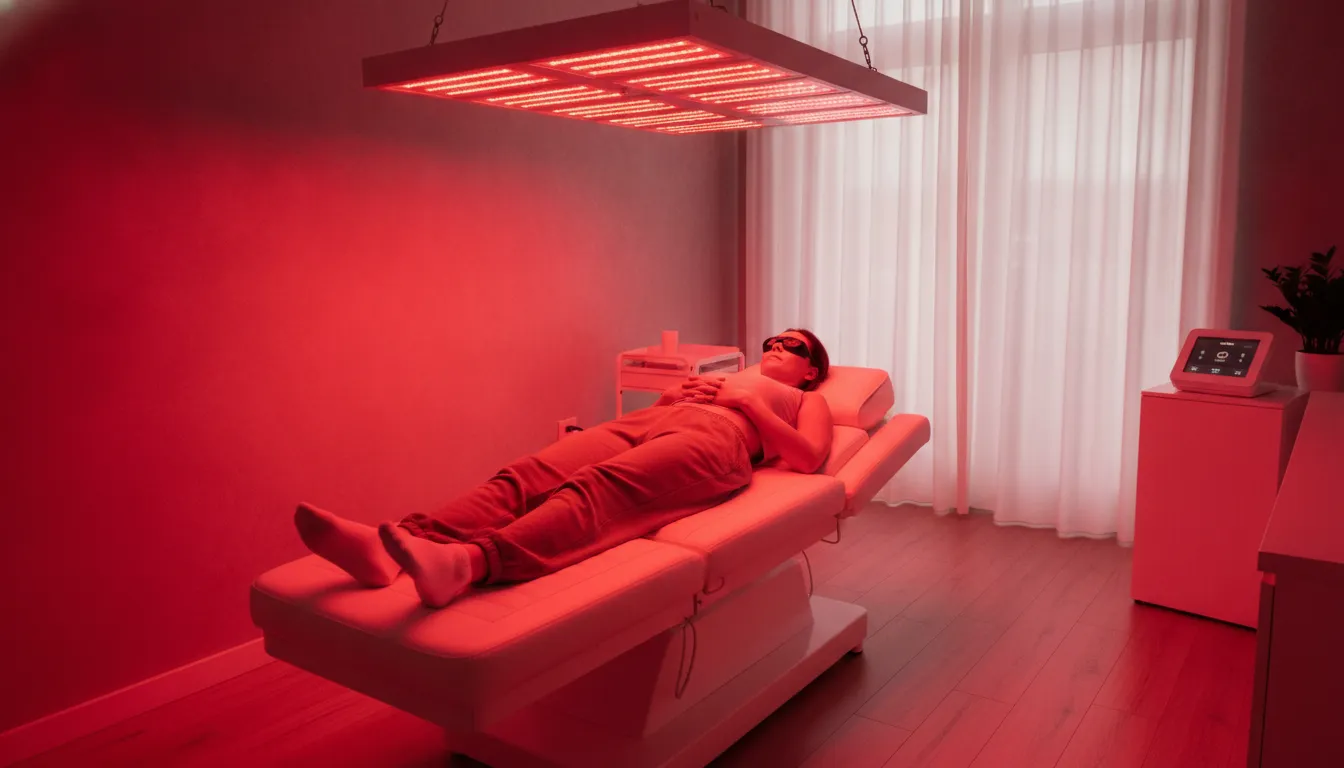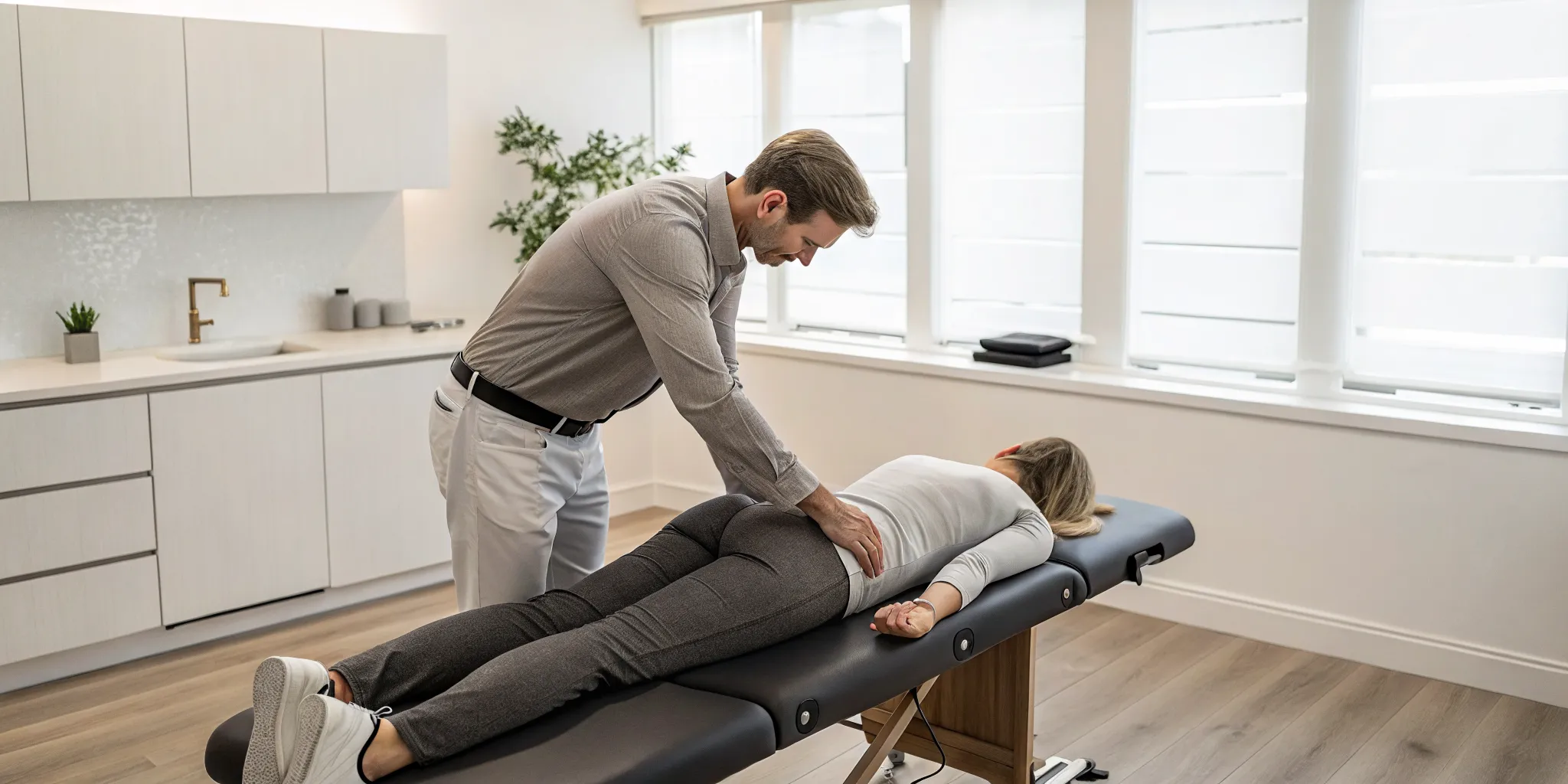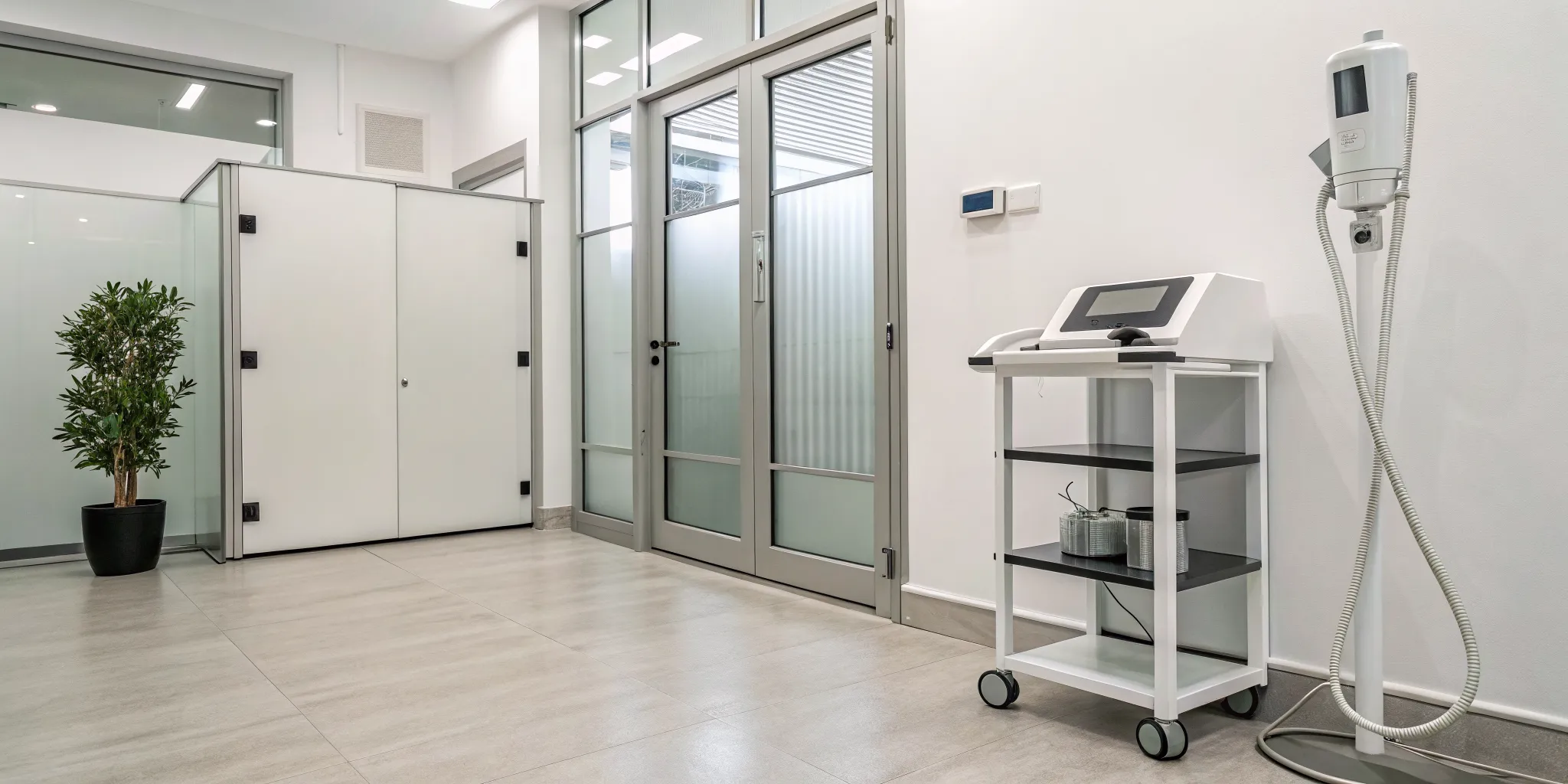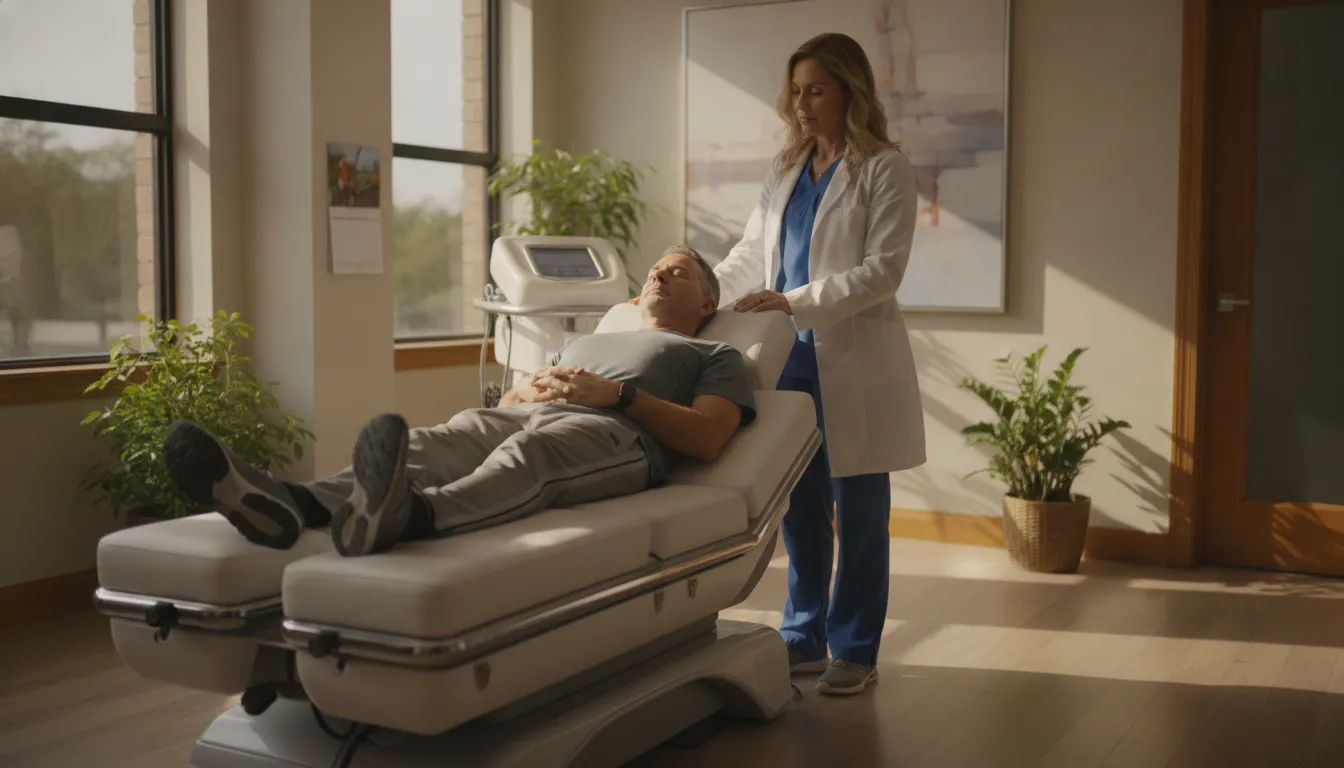
Your body has an incredible, innate ability to heal itself. But sometimes, after an injury, the communication lines get crossed, and the repair process slows to a halt. What if you could send a direct signal to the injured area to get things moving again? That’s the simple idea behind shockwave therapy. It’s not about forcing a change, but rather about working with your body’s own wisdom. By delivering focused acoustic waves to damaged tendons or muscles, we can stimulate a natural biological response. This process increases blood flow, activates key repair cells, and reduces inflammation at the source. Using shockwave therapy for soft tissue healing is a cornerstone of our root-cause approach, helping your body do what it does best: recover and rebuild.
Key Takeaways
- Activates Your Body's Natural Repair Process: Shockwave therapy is a non-invasive treatment that uses acoustic waves to signal your body to heal itself. It improves blood flow and encourages tissue regeneration to address the source of your pain, not just the symptoms.
- Effective for Stubborn Soft Tissue Pain: This therapy is an excellent option for chronic conditions that have not responded to other treatments. It is particularly useful for nagging injuries like plantar fasciitis, tennis elbow, rotator cuff tendinopathy, and hip bursitis.
- A Key Part of a Holistic Healing Plan: Sessions are quick and require no downtime. We often integrate shockwave therapy with other physical medicine services to create a personalized strategy that supports your entire body and produces more effective, long-term results.
How Does Shockwave Therapy Work?
It might sound intense, but shockwave therapy is a gentle and non-invasive treatment that uses your body’s own healing abilities to repair injured tissue. Instead of just masking symptoms, this approach goes straight to the source of your pain. It uses targeted sound waves to create a biological response, essentially reminding your body how to heal itself. This process helps reduce pain and restore function in areas affected by chronic injury or inflammation.
At Ascend Functional Health, we use shockwave therapy as part of our physical medicine services to address the root cause of your discomfort. By stimulating natural repair mechanisms, we can help you find lasting relief and get back to the activities you love without relying on temporary fixes. It’s a way to work with your body, not against it.
The Power of Acoustic Waves
At its core, shockwave therapy uses the power of mechanical energy, delivered as acoustic waves, to communicate with the cells in your body. This process sends a signal to your cells to kickstart the healing process. Think of it as a gentle wake-up call for the tissues that have been stuck in a cycle of pain and inflammation.
These waves stimulate key cells responsible for tissue repair, encouraging them to remodel the injured area. This can also help manage inflammation by guiding your body’s immune response toward healing and recovery. It’s a sophisticated way to prompt a natural, biological repair sequence exactly where you need it most.
Focused vs. Radial: What's the Difference?
While there are different ways to apply shockwave therapy, the goal is always the same: to stimulate healing from within. The type of wave used, whether more focused or spread out, depends on your specific condition and the depth of the tissue we need to treat. The important part isn't the technical name, but what the waves actually do once they reach the injured area.
The acoustic waves help your body produce new collagen, a vital protein for repairing tendons and ligaments. They also help break down calcified deposits that can cause pain and stiffness in joints. Most importantly, this therapy releases natural growth factors and increases blood flow to the area, delivering the oxygen and nutrients your tissues need to begin the healing process.
Sparking Your Body's Natural Healing Process
Shockwave therapy is a powerful tool because it supports your body’s innate ability to heal. It’s a completely non-invasive treatment, meaning no needles or procedures are required. Instead, we use a special device to send high-energy sound waves directly to the source of your pain. This targeted energy creates micro-trauma in the tissue, which sounds counterintuitive but is actually the key to its success.
This controlled stimulation triggers a powerful healing response. The sound waves increase blood flow, which helps reduce pain and signals your body to start repairing the damaged cells. This approach aligns perfectly with our philosophy of addressing the root cause of health issues. By activating your body’s own repair crew, we can help you achieve genuine, long-term healing.
What Conditions Can Shockwave Therapy Address?
One of the most exciting aspects of shockwave therapy is its versatility. This isn't a one-trick pony treatment. It’s a powerful tool for addressing a wide range of chronic musculoskeletal conditions, especially those involving soft tissues like tendons and ligaments. If you've been dealing with a nagging injury that just won’t heal with rest, ice, or stretching, shockwave therapy might be the key to finally finding relief. It’s particularly effective for tendinopathies, which are stubborn injuries caused by overuse and repetitive strain.
From the soles of your feet to the top of your shoulders, this therapy can target specific points of pain and dysfunction. By stimulating your body’s own repair mechanisms, it helps resolve the underlying cause of the pain instead of just masking the symptoms. Our team uses shockwave therapy as part of a comprehensive plan to address many of the conditions we treat, helping you get back to your life without limitations. We find it’s an excellent option for active individuals, people with physically demanding jobs, or anyone tired of living with persistent pain.
Plantar Fasciitis and Heel Pain
If you dread those first few steps out of bed in the morning because of stabbing heel pain, you know how disruptive plantar fasciitis can be. This condition involves inflammation of the plantar fascia, the thick band of tissue that runs across the bottom of your foot. Shockwave therapy directly targets this inflamed and damaged tissue. The acoustic waves create a healing response, increasing blood flow and stimulating the cells responsible for repair. This process helps reduce the chronic inflammation and pain, allowing you to walk, stand, and exercise more comfortably. It’s a targeted approach to help your foot finally heal.
Achilles Tendinopathy and Tennis Elbow
Achilles tendinopathy and tennis elbow are classic examples of overuse injuries that can take forever to heal. Because tendons have a limited blood supply, they don't repair as quickly as other tissues. Shockwave therapy gives this process a much-needed push. For an aching Achilles tendon or a painful elbow, the therapy delivers focused energy waves to the precise area of injury. This stimulates the formation of new blood vessels and activates the healing cascade within the tendon. It’s a core part of our physical medicine toolkit for helping your body rebuild stronger, more resilient tissue in these stubborn spots.
Rotator Cuff and Shoulder Injuries
Shoulder pain can make simple tasks like reaching into a cabinet or putting on a coat feel impossible. Many times, the issue lies with the rotator cuff, a group of tendons and muscles that stabilize the shoulder. When these tendons become inflamed or injured, the pain can be chronic and limiting. Shockwave therapy is an excellent non-invasive option for treating rotator cuff tendinopathy and other chronic shoulder problems. By targeting the damaged tissue, it helps decrease inflammation, break down calcifications that sometimes form in the tendons, and trigger cellular repair, ultimately restoring mobility and reducing pain.
Hip Bursitis and Other Joint Pains
Pain on the outside of your hip could be bursitis, which is inflammation of the small, fluid-filled sacs (bursae) that cushion your hip joint. This can cause sharp, intense pain that worsens with movement or pressure. Shockwave therapy can effectively address hip bursitis by reducing inflammation and promoting healing in the surrounding tissues. The acoustic waves help calm the irritated bursa and improve blood flow to the area. This same principle applies to other areas of chronic joint and tendon pain, making it a versatile tool for many of the persistent discomforts we see around major joints.
Muscle Adhesions and Scar Tissue
After an injury or from long-term muscle tension, your body can form adhesions and disorganized scar tissue. Think of these as internal "knots" where tissues that should slide freely past each other become stuck together, restricting movement and causing pain. Shockwave therapy is uniquely suited to address this. The energy waves work to break down these fibrotic adhesions and scar tissue on a microscopic level. This process not only releases the tension and improves your range of motion but also encourages your body to replace the disorganized tissue with healthy, functional new tissue, addressing the root of the problem.
Why Choose Shockwave Therapy?
When you're dealing with persistent pain, it’s easy to feel like your only options are masking the symptoms with medication or considering invasive procedures. But what if there was another way? Shockwave therapy is a modern, non-invasive treatment that works by stimulating your body's own healing mechanisms. It’s a fantastic option for anyone looking for a solution that addresses the source of the pain, rather than just covering it up.
Instead of introducing foreign substances or making incisions, this therapy uses targeted acoustic waves to "wake up" the cells in injured areas. Think of it as a catalyst for your body’s natural repair crew. It prompts increased blood flow, helps break down stubborn scar tissue, and reduces inflammation. This approach aligns perfectly with a root-cause philosophy of health, making it a cornerstone of our Physical Medicine services. It’s about empowering your body to heal itself, leading to more sustainable and meaningful relief.
Find Relief Without Pills or Procedures
One of the most compelling reasons to consider shockwave therapy is that it’s completely non-invasive. There are no needles, no anesthesia, and no lengthy recovery periods. For many people living with chronic conditions like plantar fasciitis or tennis elbow, the thought of a procedure can be daunting. This treatment offers a powerful alternative.
By using high-energy sound waves, we can target damaged soft tissues from outside the body. This process helps you find significant relief without the side effects of long-term medication use or the downtime associated with more aggressive interventions. It’s a treatment that respects your body’s integrity while actively promoting healing, allowing you to get back to your life with less interruption.
Encourage Blood Flow and Tissue Repair
At its core, healing requires good circulation. Your blood carries the oxygen and nutrients that damaged tissues need to rebuild and repair themselves. When an injury becomes chronic, blood flow to that area is often compromised, stalling the healing process. Shockwave therapy directly addresses this problem.
The acoustic waves create a series of micro-traumas in the tissue, which sounds intense but is actually a good thing. This signals to your body that the area needs attention, triggering a powerful healing response. It stimulates the formation of new blood vessels, which dramatically improves circulation to the affected area. This renewed blood flow brings a fresh supply of healing factors to the site, accelerating tissue regeneration and helping resolve stubborn conditions we treat.
Regain Mobility and Flexibility
Chronic pain doesn’t just hurt; it limits you. It can stop you from enjoying your favorite hobbies, playing with your kids, or even just moving comfortably through your day. Often, this stiffness is due to scar tissue and adhesions that have built up over time, restricting your range of motion. Shockwave therapy is incredibly effective at breaking down these fibrous, inflexible tissues.
By targeting and dissolving these adhesions, the treatment helps restore elasticity to your muscles, tendons, and ligaments. Patients often report a noticeable improvement in their ability to move freely, sometimes after just a few sessions. The goal is to help you regain your mobility and flexibility so you can get back to living your life on your own terms, without being held back by pain and stiffness.
Achieve Lasting Results
Quick fixes for pain are often temporary, as they don't address the underlying problem. Shockwave therapy is different. Because it focuses on stimulating your body’s own regenerative processes, the results are not just fast, they’re also built to last. The treatment promotes genuine structural change within the tissue, rather than simply blocking pain signals.
By improving blood flow and regenerating healthy tissue, we are helping your body resolve the injury at its source. This leads to a significant reduction in pain and a lower likelihood of the problem returning. Many of our patient testimonials speak to the long-term relief they’ve found through this therapy, finally breaking the cycle of chronic pain and enjoying a more active, comfortable life.
Is Shockwave Therapy Right for You?
Deciding on a new treatment can feel like a big step, but understanding who it helps most (and who should steer clear) makes the choice much easier. Shockwave therapy is a powerful tool in our physical medicine toolkit, but like any effective treatment, it’s not a one-size-fits-all solution. Your safety and success are our top priorities, so let’s walk through whether this could be the right path for your healing journey.
Who Can Benefit Most from This Treatment?
If you're dealing with a stubborn injury that just won’t quit, shockwave therapy might be the answer you've been looking for. It’s an excellent option for people with chronic soft tissue pain who want to avoid invasive procedures. This treatment uses high-energy acoustic waves to stimulate your body's own healing mechanisms, all without a single needle or incision. We often see fantastic results for persistent conditions that limit your daily activities, such as plantar fasciitis, Achilles tendon pain, tennis elbow, rotator cuff injuries, and hip bursitis. Many of our patients report feeling significantly better and are able to return to their normal routines within a day or two of their first session.
When Is Shockwave Therapy Not Recommended?
While shockwave therapy is incredibly effective for many, it’s not suitable for everyone. To ensure your safety, we don't recommend this treatment if you are pregnant, have active cancer, or have a blood clotting disorder (or are taking blood thinners). It’s also not advised for individuals with certain types of nerve damage, like that caused by diabetes. Additionally, this therapy is not used for patients under the age of 18 or for those who have a completely ruptured tendon. Our goal is to find the most effective and appropriate treatment for your specific situation. If you have questions about whether shockwave therapy is a good fit for you, we encourage you to schedule a consultation with our team to discuss your health history and goals.
What Does a Shockwave Therapy Session Feel Like?
If you’re considering a new treatment, it’s completely normal to wonder what it will feel like. The good news is that shockwave therapy is a non-invasive procedure, and your comfort is our top priority throughout the entire process. Most people describe the sensation as a series of quick pulses against the skin, sometimes accompanied by a feeling of warmth. It’s not meant to be a painful experience.
Our goal is to find that sweet spot where the treatment is effective but still comfortable for you. We’ll communicate with you during the session to make sure the intensity is just right. This therapy is one of the many tools we use in our physical medicine approach to help your body heal from the inside out. Knowing what to expect can help you relax and get the most out of your appointment, so let’s walk through the entire process together.
How to Prepare for Your Appointment
One of the best parts about shockwave therapy is how simple it is to prepare for. There’s no special prep work you need to do before you arrive. You can eat and drink as you normally would, and there’s no need to arrange for a ride, as you’ll be able to drive yourself to and from your appointment without any issues.
The most important first step is your initial consultation with our team. This is where we’ll discuss your health history and symptoms to determine if shockwave therapy is the right fit for your healing plan. If you're ready to explore your options, you can contact our Tampa office to schedule a visit.
What to Expect During the Treatment
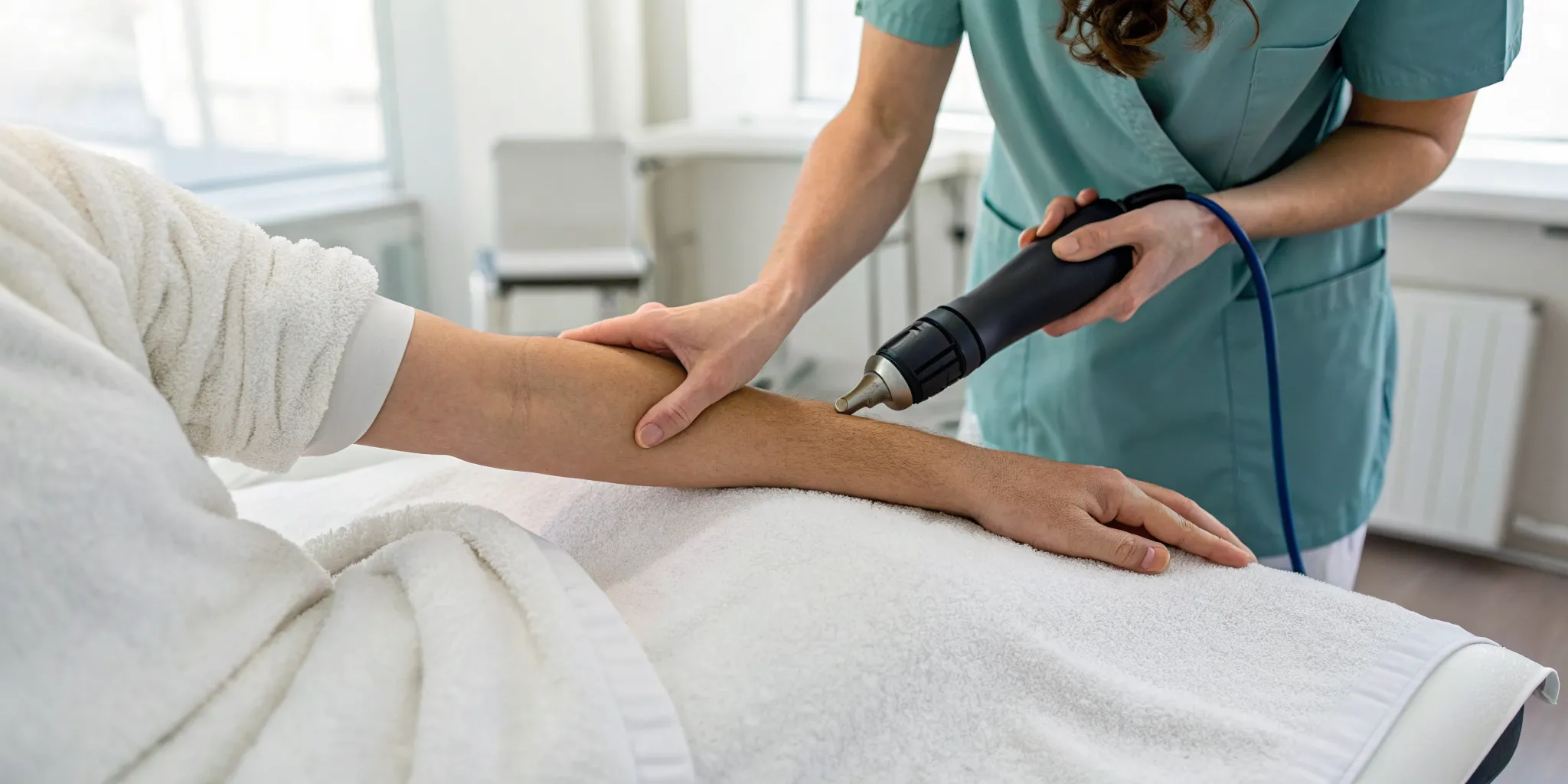
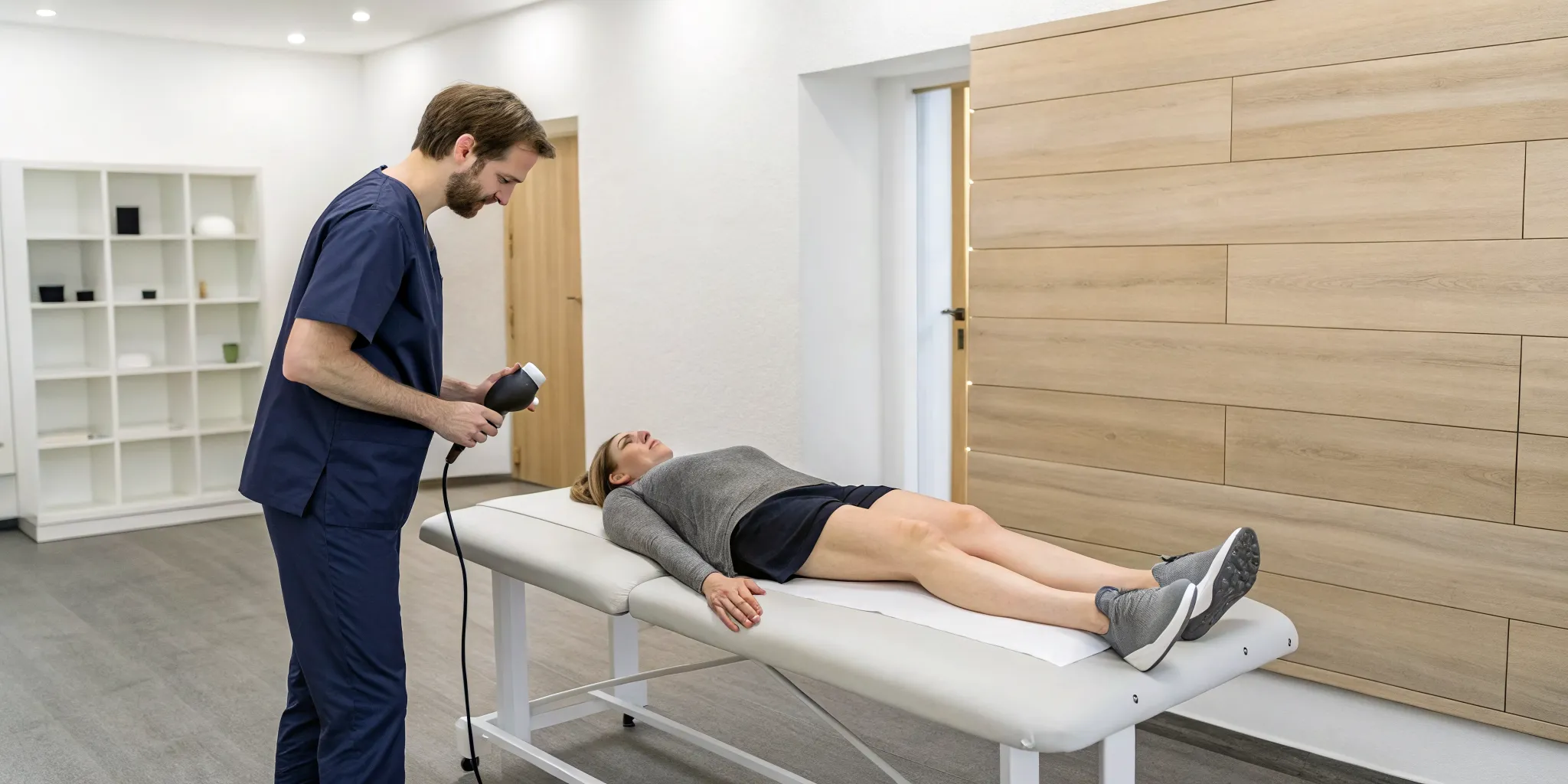
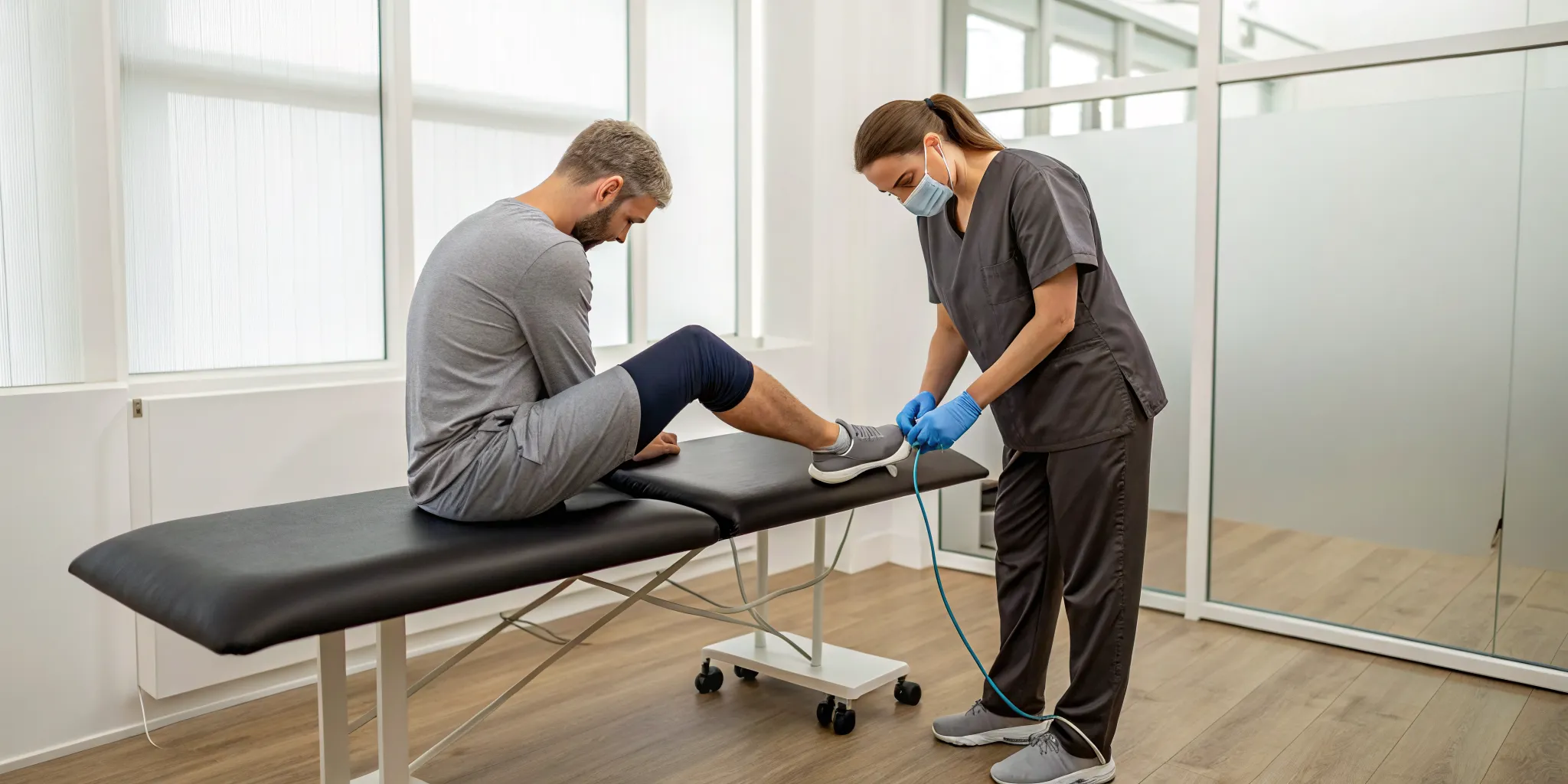
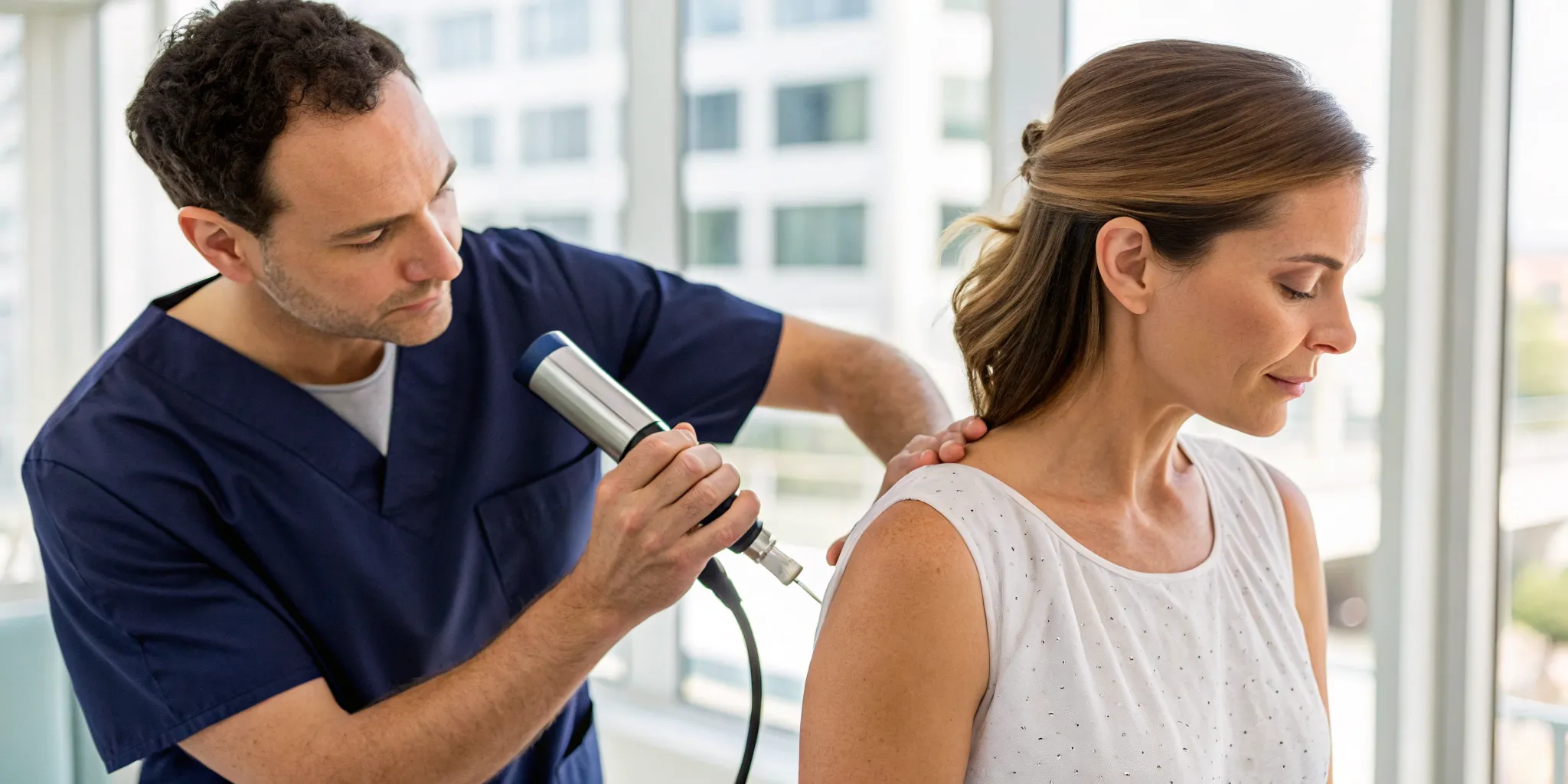
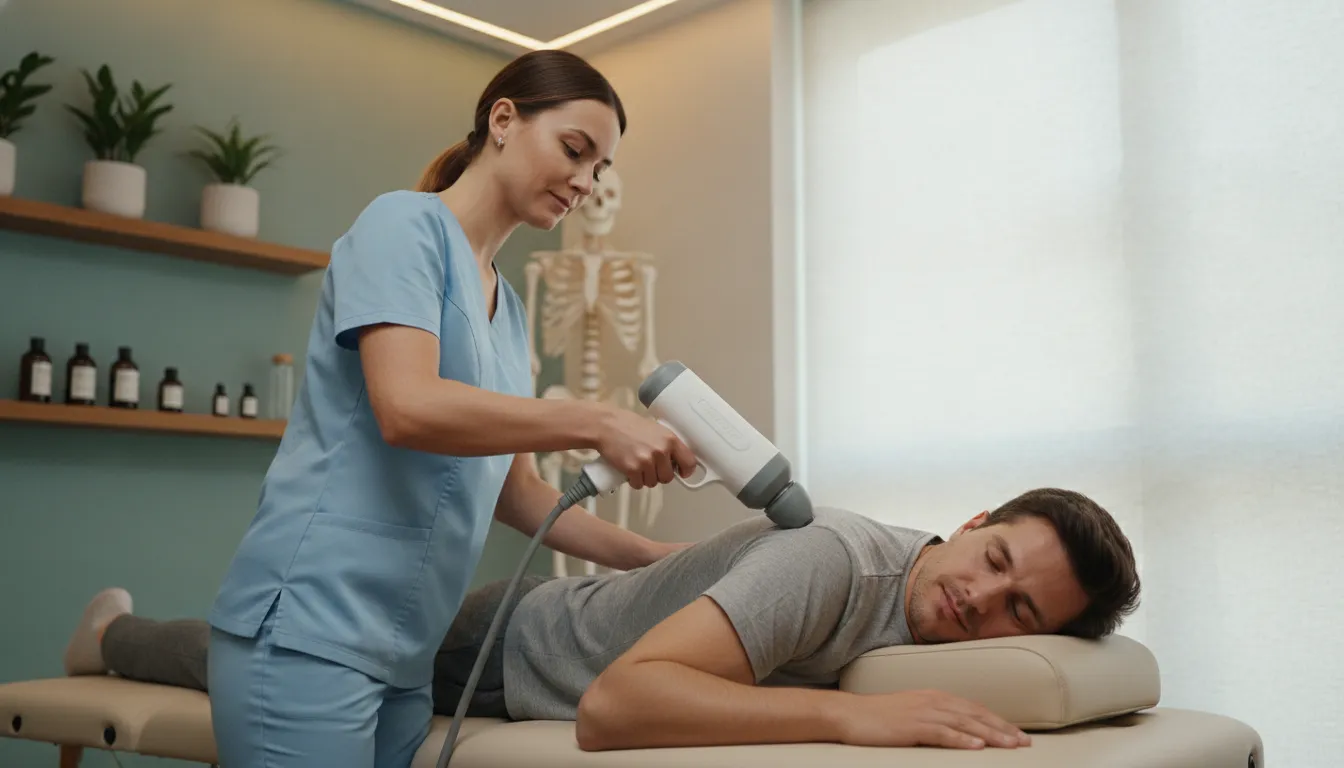
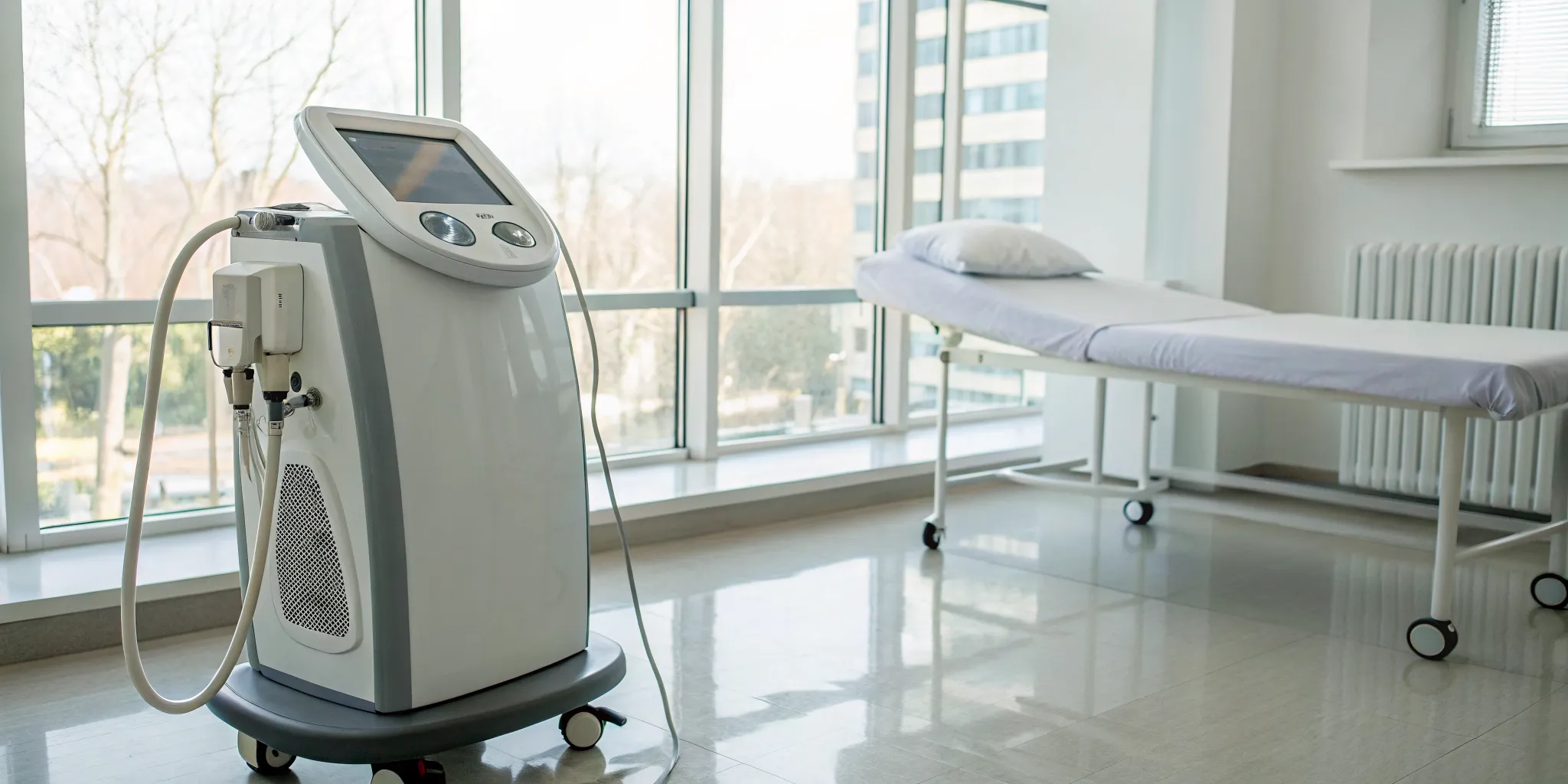
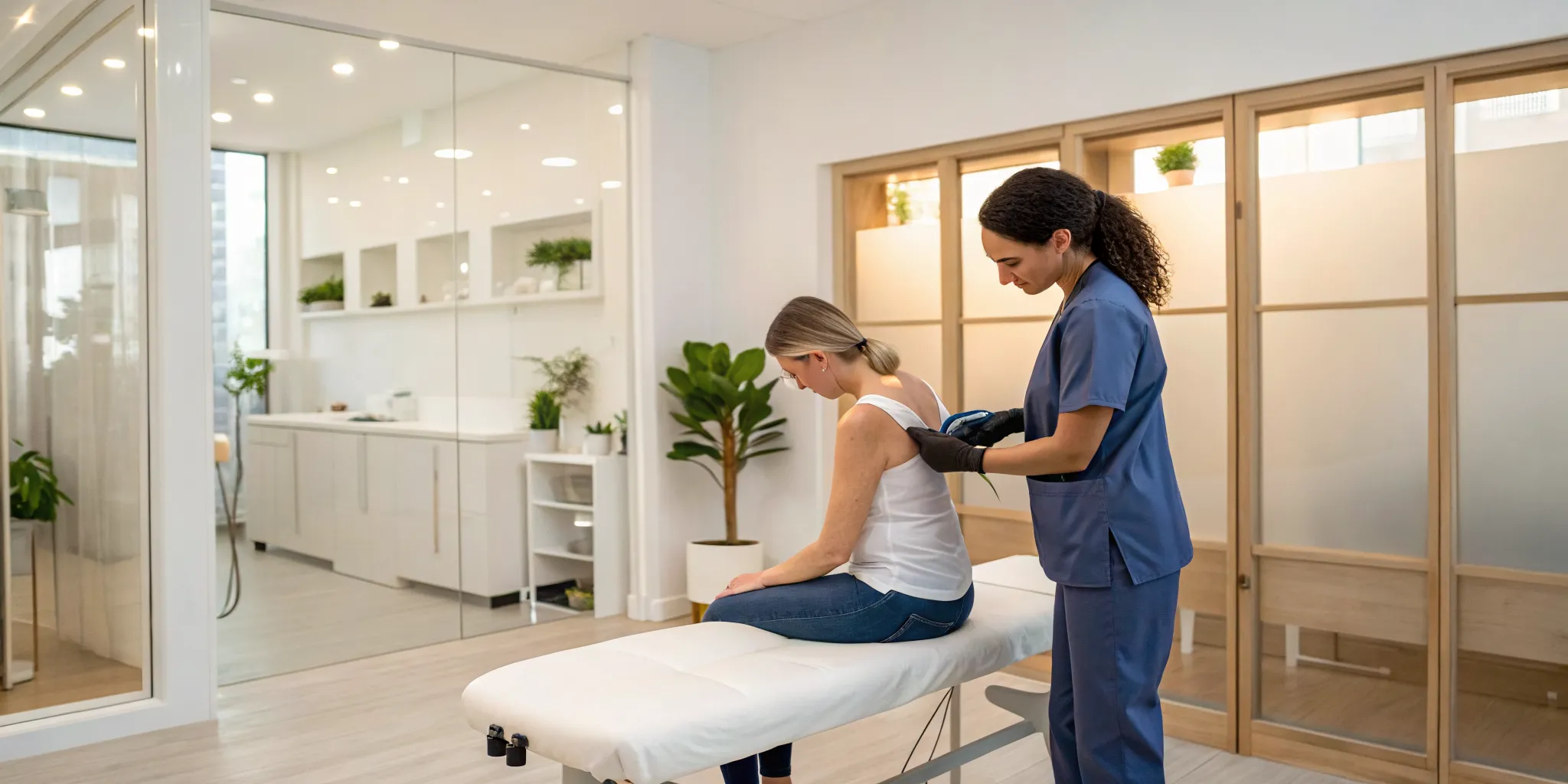
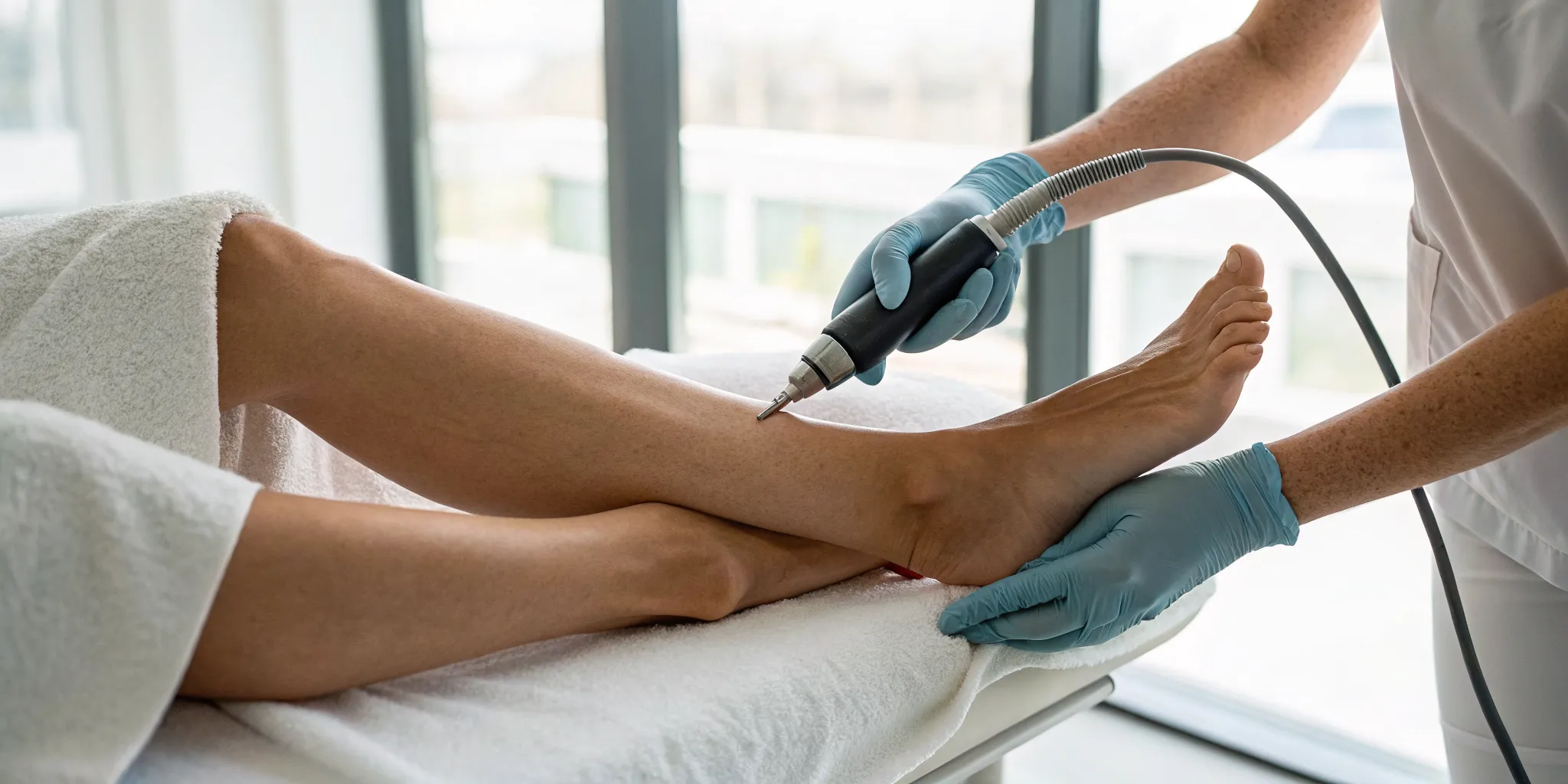
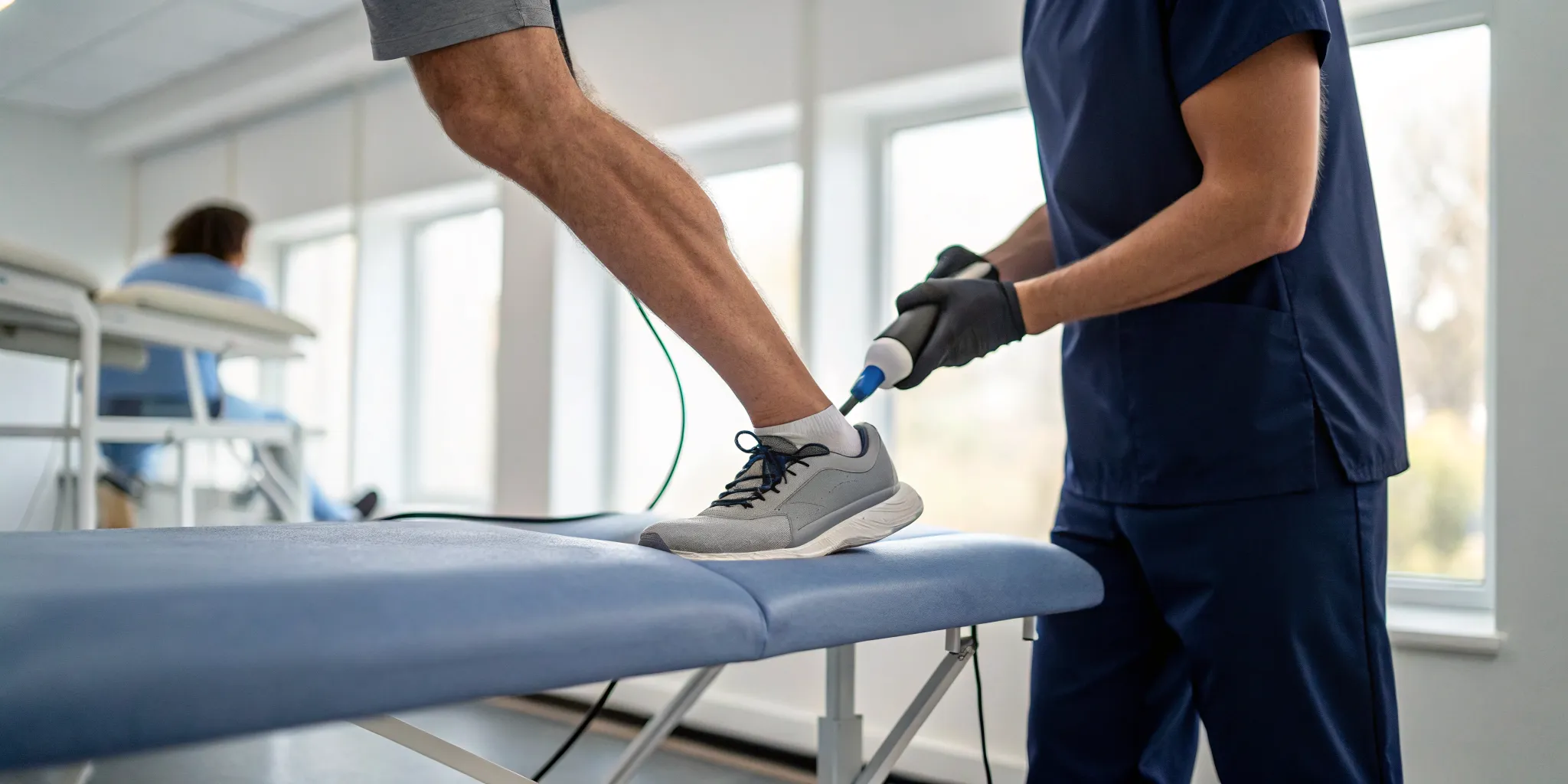
When you come in for your session, we’ll get you settled comfortably. First, we apply a water-based gel to the skin over the area we’re treating. This gel helps ensure the acoustic waves are transmitted effectively into the tissue. Next, your practitioner will use a handheld applicator, moving it gently over the affected area.
You’ll feel a series of rapid pulses as the device works. We will adjust the intensity to a level that you find manageable, typically aiming for a sensation of mild discomfort but not pain. Our dedicated team is trained to make this experience as comfortable as possible while ensuring the treatment is effective for your specific condition.
Session Length and Frequency
Your time is valuable, and we respect that. Shockwave therapy sessions are surprisingly quick, usually lasting only about 15 minutes from start to finish. Many of our patients report feeling a noticeable improvement in their symptoms after just the first treatment, which is always encouraging to hear.
A typical treatment plan involves two to three sessions, often spaced a couple of weeks apart. This schedule gives your body the time it needs to respond to the therapy and kickstart its natural repair processes. This approach is a key part of our comprehensive services, as it supports long-term healing rather than just offering a temporary fix.
What to Expect After Your Session
Knowing what comes next can make your healing journey feel much more comfortable and predictable. After your shockwave therapy session, your body gets to work repairing the targeted tissues. While every person's experience is unique, there are some common sensations and care instructions that can help you get the most out of your treatment. The goal is to support the natural healing response that the therapy has initiated, so you can get back to feeling your best.
Immediate Post-Treatment Sensations
Right after your session, it’s common to feel some mild soreness or tenderness in the treated area. You might also notice a little redness or swelling, which is completely normal. This is a positive sign that your body has started the inflammatory process necessary for healing. Most people describe the feeling as a dull ache, similar to what you might feel after a new workout. These sensations are temporary and usually fade within a day or two. Our team at Ascend Functional Health is focused on making your physical medicine experience as smooth as possible, and we'll ensure you know exactly what to expect.
Important Post-Treatment Care Tips
To support your body’s healing process, there are a few simple things you can do. First, it’s important to avoid taking any over-the-counter anti-inflammatory medications. While it might seem counterintuitive, the inflammation happening in the treated area is a crucial part of the repair cycle, and we don’t want to interfere with it. We also recommend avoiding any strenuous activities, like heavy lifting or high-impact exercise, for at least 24 to 48 hours. This approach helps us address the root of the conditions we treat without interruption. Gentle movement like walking is fine, but give your body the rest it needs to rebuild.
Your Timeline for Seeing Results
Many people report feeling some relief within a day or two of their first session, but the full benefits of shockwave therapy build over time. Healing is a cumulative process, with each treatment building on the progress of the last. You may notice a significant improvement after just a few sessions, while the most lasting results often appear after completing your full treatment plan over several weeks. It’s a journey, not a race, and your body will continue to repair the targeted tissues for weeks after your final session. You can read about the experiences of others on our patient testimonials page to get a better sense of the healing timeline.
Shockwave Therapy as Part of Your Healing Plan
Shockwave therapy is a powerful tool, but it rarely works in isolation. True, lasting healing happens when we treat the body as an interconnected system. That’s why we view shockwave therapy as a key component of a larger, personalized strategy designed just for you. By integrating it with other supportive therapies, we can address your health concerns from multiple angles, helping you get back to feeling your best and staying that way.
This approach allows us to do more than just manage symptoms. It helps us create a synergistic effect where each treatment enhances the others, leading to more profound and sustainable results. Your body has an incredible capacity to heal, and our job is to provide the right support to help that process along.
Combining Therapies for Better Results
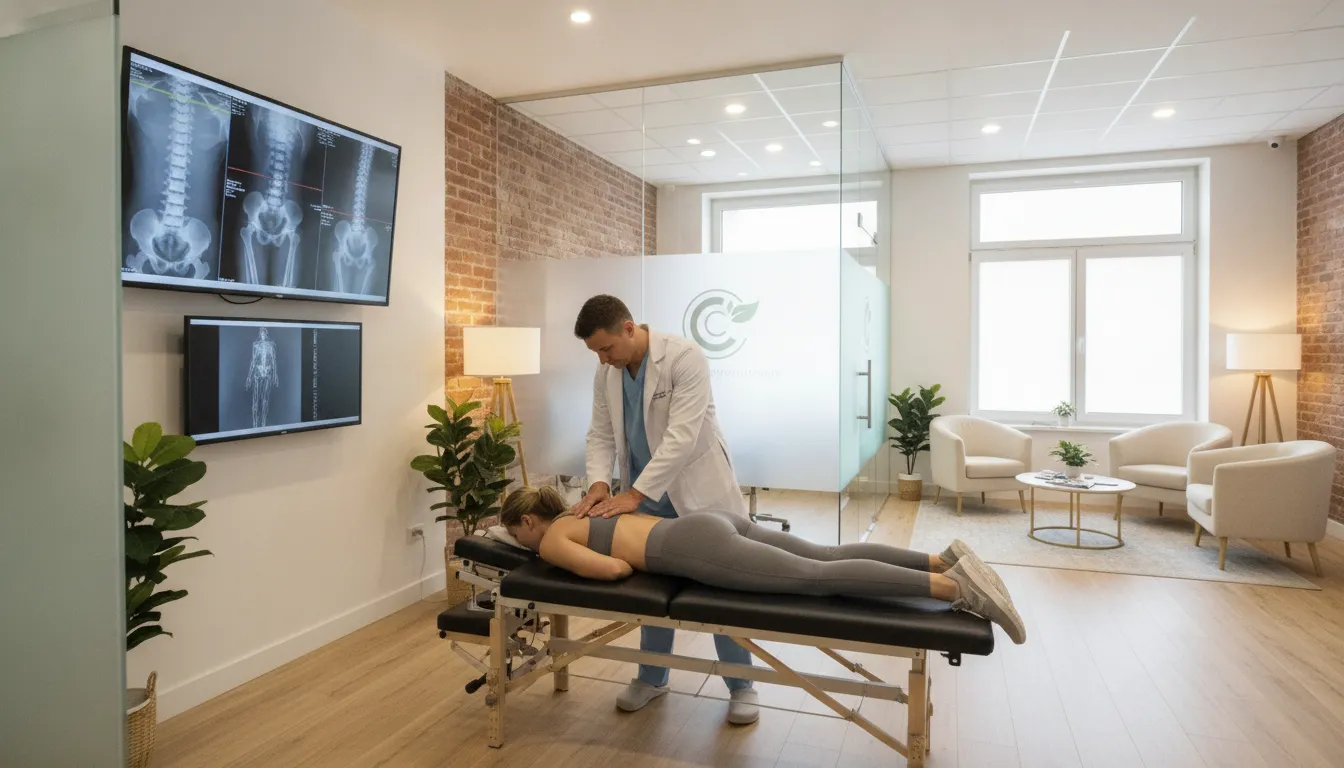
Think of shockwave therapy as a catalyst for your recovery. The acoustic waves stimulate blood flow and metabolic activity in the treated area, creating an ideal environment for healing. This makes your body more receptive to other treatments. When we pair shockwave therapy with our other physical medicine services, like chiropractic adjustments or corrective exercises, the results are often amplified.
For example, if we’re addressing chronic shoulder pain, shockwave therapy can break down scar tissue and reduce inflammation. This makes it easier and more effective to then use manual therapy to restore proper joint mechanics. It’s a team effort, with each therapy playing a specific role to get you back to moving comfortably and confidently.
Our Root-Cause Approach to Healing
At Ascend Functional Health, our entire philosophy is built on finding and addressing the root cause of your health issues. Shockwave therapy fits perfectly into this model because it does just that. Instead of simply masking pain, it works on a cellular level to encourage tissue regeneration and calm inflammation. It’s a non-invasive way to prompt your body’s own healing mechanisms.
This method gets to the heart of what’s causing your discomfort, whether it’s a stubborn tendon injury or deep muscle adhesions. By focusing on the underlying problem, we can create a path to long-term wellness, not just temporary relief. Our goal is to understand the "why" behind your symptoms and build a plan that supports your body’s innate ability to repair itself, which is the foundation of our functional medicine approach.
Experience Comprehensive Care at Ascend Functional Health
When you come to our clinic, you receive a comprehensive care plan tailored to your unique situation. Many of our patients report feeling a noticeable improvement in their condition shortly after their first few shockwave sessions. This treatment is part of a holistic experience where we integrate various therapeutic methods to ensure you get the best possible outcome.
We look at your health from all angles to create a strategy that supports your entire well-being. Our team is dedicated to guiding you through every step of your recovery journey. If you’re ready to see how a personalized, root-cause approach can make a difference for you, we invite you to contact us to learn more about creating your healing plan.
Related Articles
- SoftWave Tissue Regeneration Therapy in Tampa | Alessi Functional Health
- SoftWave TRT Therapy in Tampa, FL - Alessi Functional Health
- Regenerative Medicine for Pain Recovery | Ascend Functional Health
- What Is Soft Tissue Therapy? A Complete Guide
- Pain Free Future | Alessi Functional Health
Frequently Asked Questions
How is shockwave therapy different from other treatments for chronic pain? Unlike treatments that only offer temporary relief by masking symptoms, shockwave therapy works to resolve the injury at its source. It uses acoustic waves to stimulate your body’s own repair mechanisms, encouraging new blood vessel formation and tissue regeneration. This approach focuses on genuine, long-term healing by addressing the underlying cause of your pain, rather than just covering it up.
Is the treatment painful? Most people do not find shockwave therapy to be painful. You will feel a series of strong pulses or a tapping sensation against your skin during the session. We communicate with you throughout the treatment to adjust the intensity to a level that is effective yet comfortable for you. Any mild soreness you feel afterward is a positive sign that the healing process has begun.
How soon will I see results, and how many sessions will I need? Many patients report feeling some relief within a day or two of their first session. However, the most significant and lasting results come from the cumulative effect of the treatments. A typical plan consists of two to three sessions spaced a couple of weeks apart. This schedule allows your body time to respond to the therapy and rebuild the damaged tissue, with improvements continuing for weeks after your final appointment.
What should I do to take care of myself after a session? After your treatment, it’s best to avoid strenuous, high-impact activities for about 48 hours to give the area time to recover. We also recommend that you do not take any anti-inflammatory medications, as the inflammation triggered by the therapy is a critical part of the healing cycle we want to encourage. Gentle movement like walking is perfectly fine and can be beneficial.
Why is shockwave therapy often combined with other treatments? We combine therapies to create a more powerful and lasting result. Shockwave therapy is excellent for breaking down scar tissue and increasing blood flow, which creates an ideal environment for healing. When we pair it with other physical medicine techniques, like chiropractic care or corrective exercises, each treatment enhances the effects of the other. This comprehensive approach helps restore function and resolve pain more effectively.